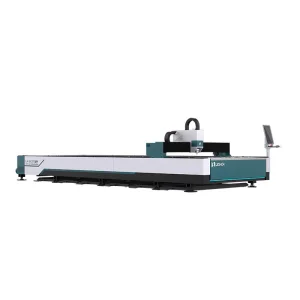
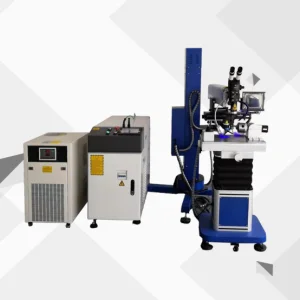
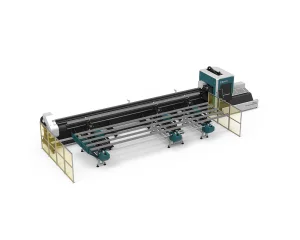
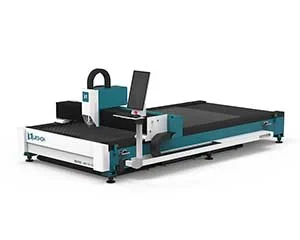
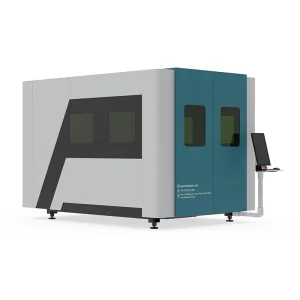
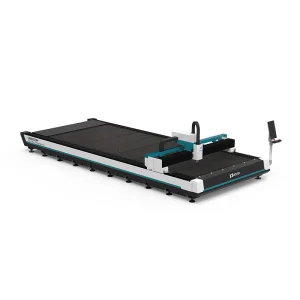
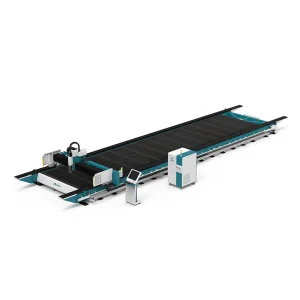
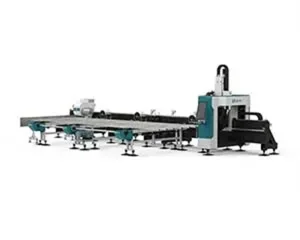
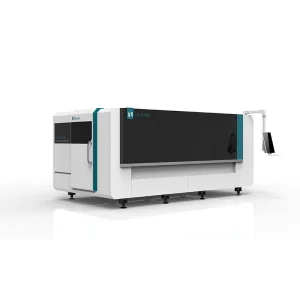
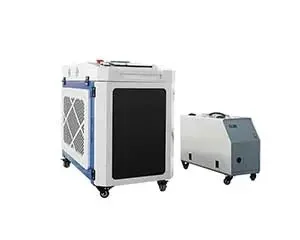
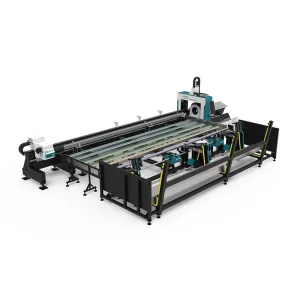
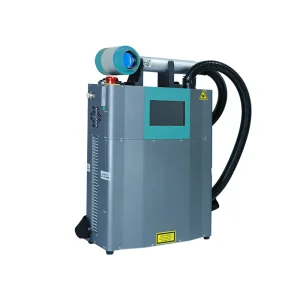
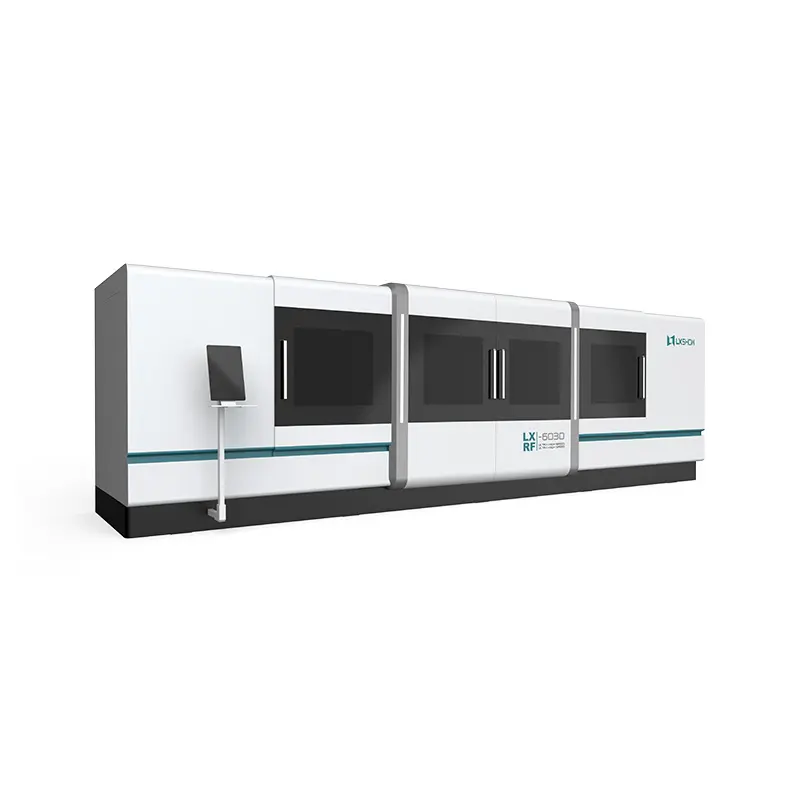
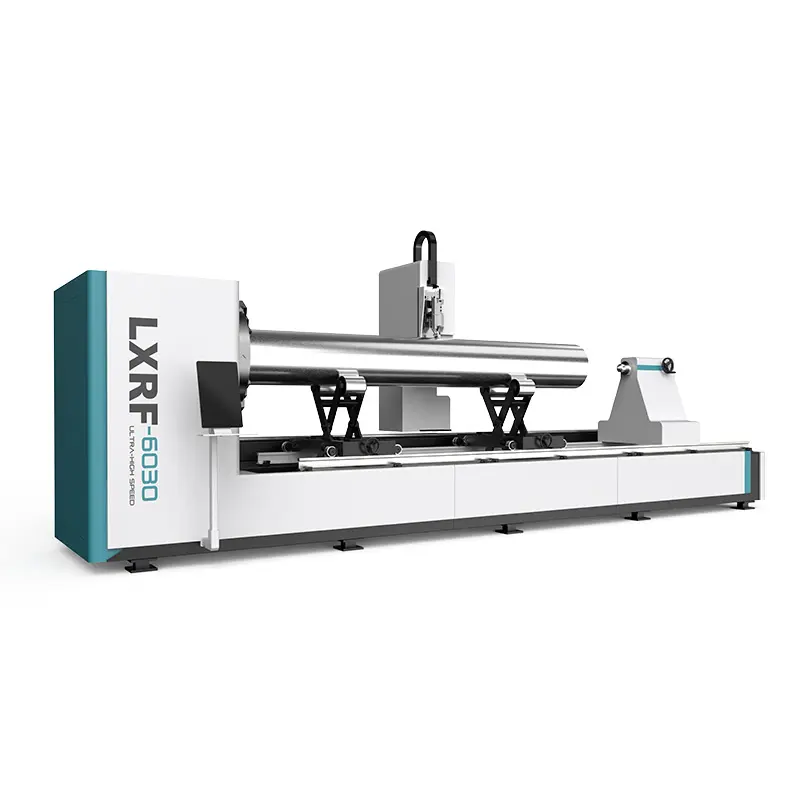
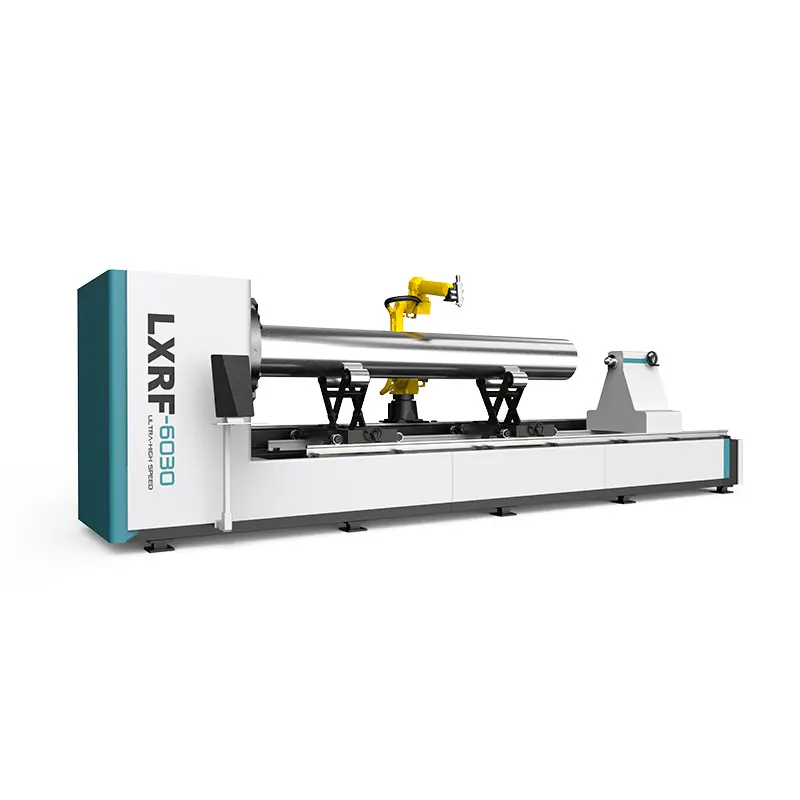
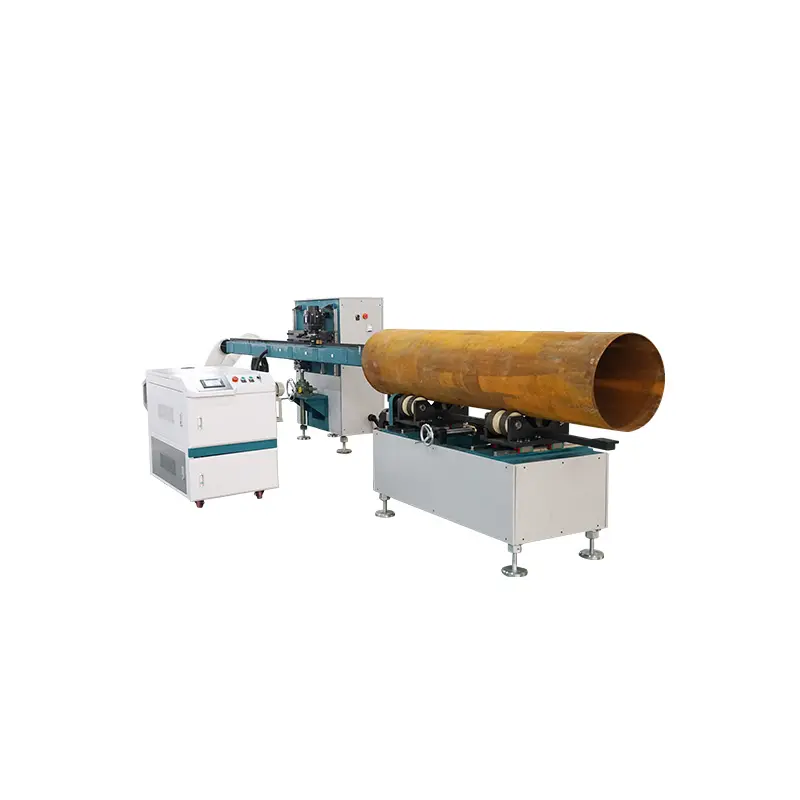
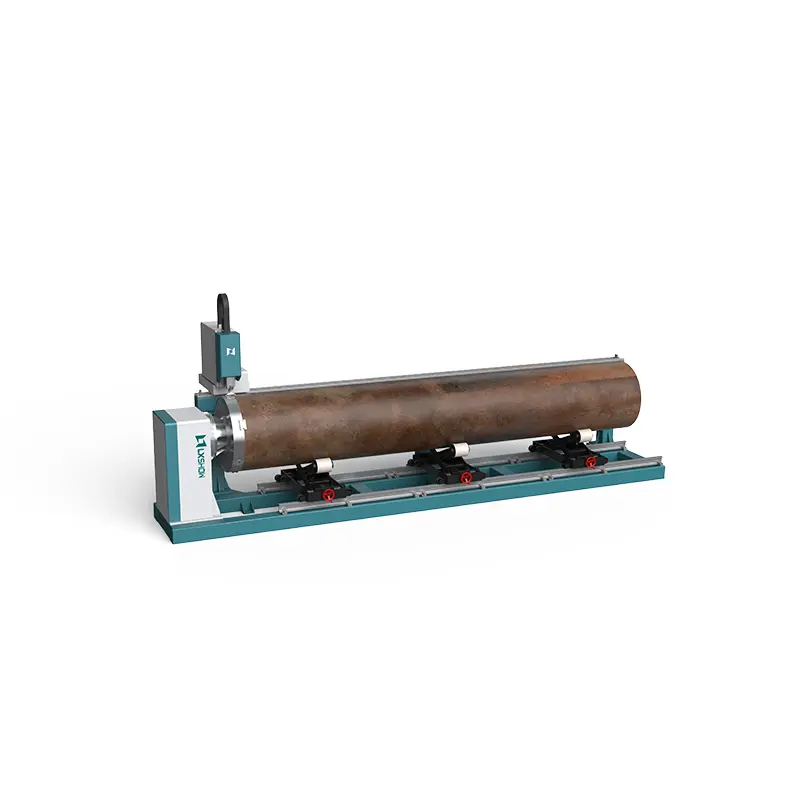
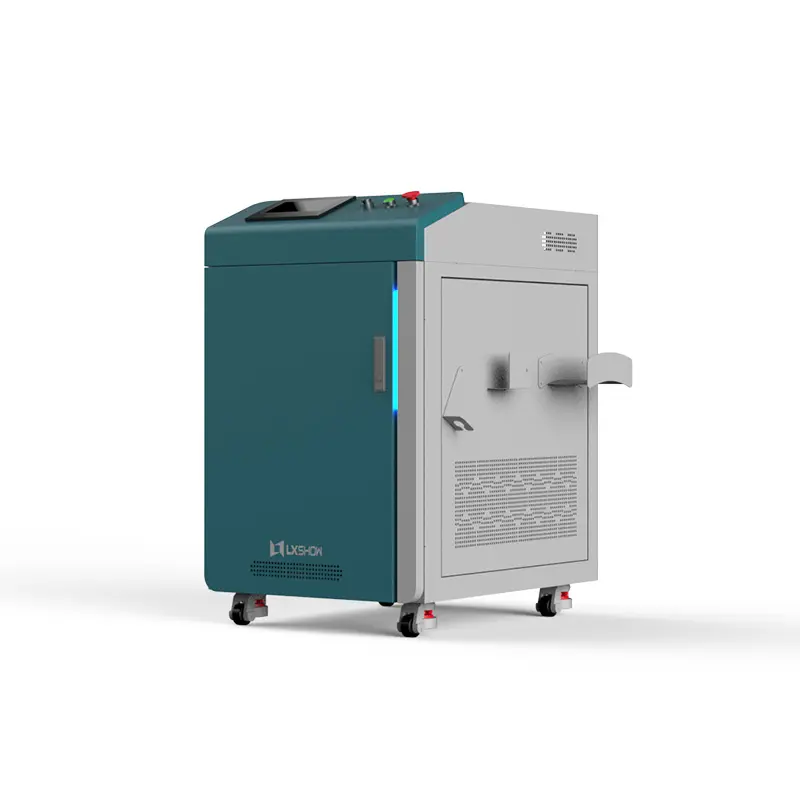
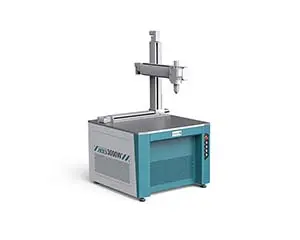
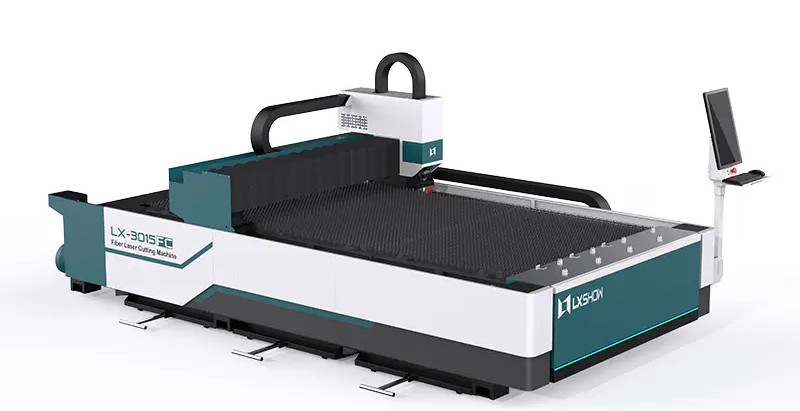
Discover our flag-ship, high-efficiency fiber laser cutting, welding, and cleaning machines designed for structural metal manufacturing.
Analyzing the shift from mechanical tooling to high-energy coherent light sources in precision metal fabrication.
The global metal processing sector is undergoing a monumental transition. Traditional mechanical punches, shears, and vintage carbon dioxide (CO2) laser systems are rapidly being phased out. Today, high-brightness, solid-state fiber lasers dominate the landscape. As a key player in this evolution, we facilitate the construction of smart factories, assisting enterprises in scaling their throughput while curbing overhead costs. Our industrial systems offer plug-and-play compatibility with MES (Manufacturing Execution Systems) and ERP databases, bridging physical production lines with digital governance.
By designing and building state-of-the-art Fiber Laser Cutters, Laser Welders, and Laser Cleaning Systems, we offer highly tailorable ODM/OEM architectures that meet the rigorous requirements of modern sheet metal and pipe fabrication industries.
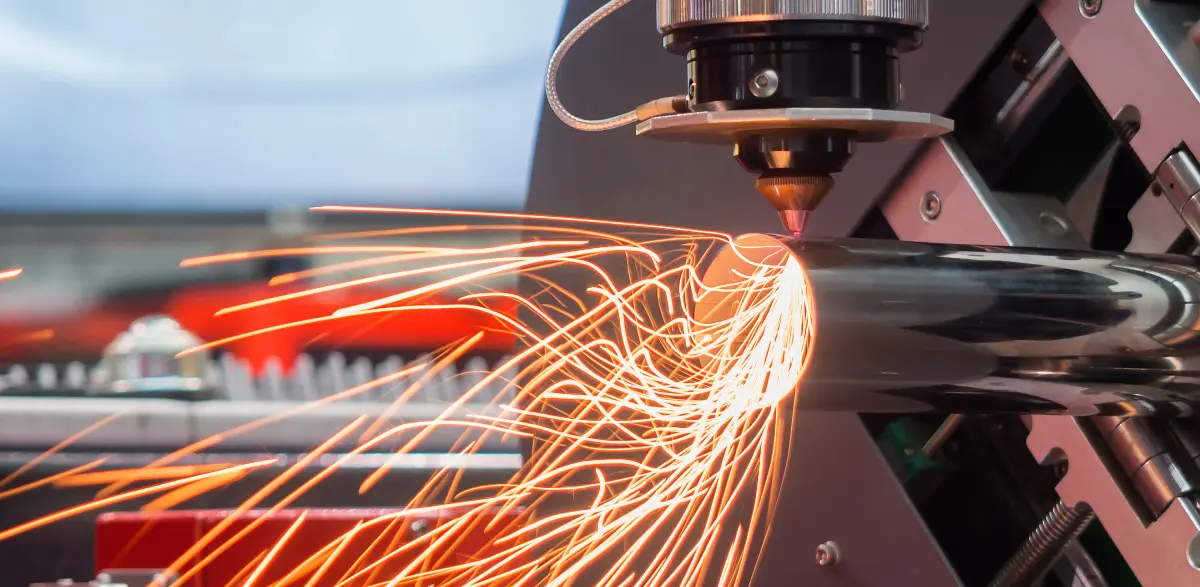
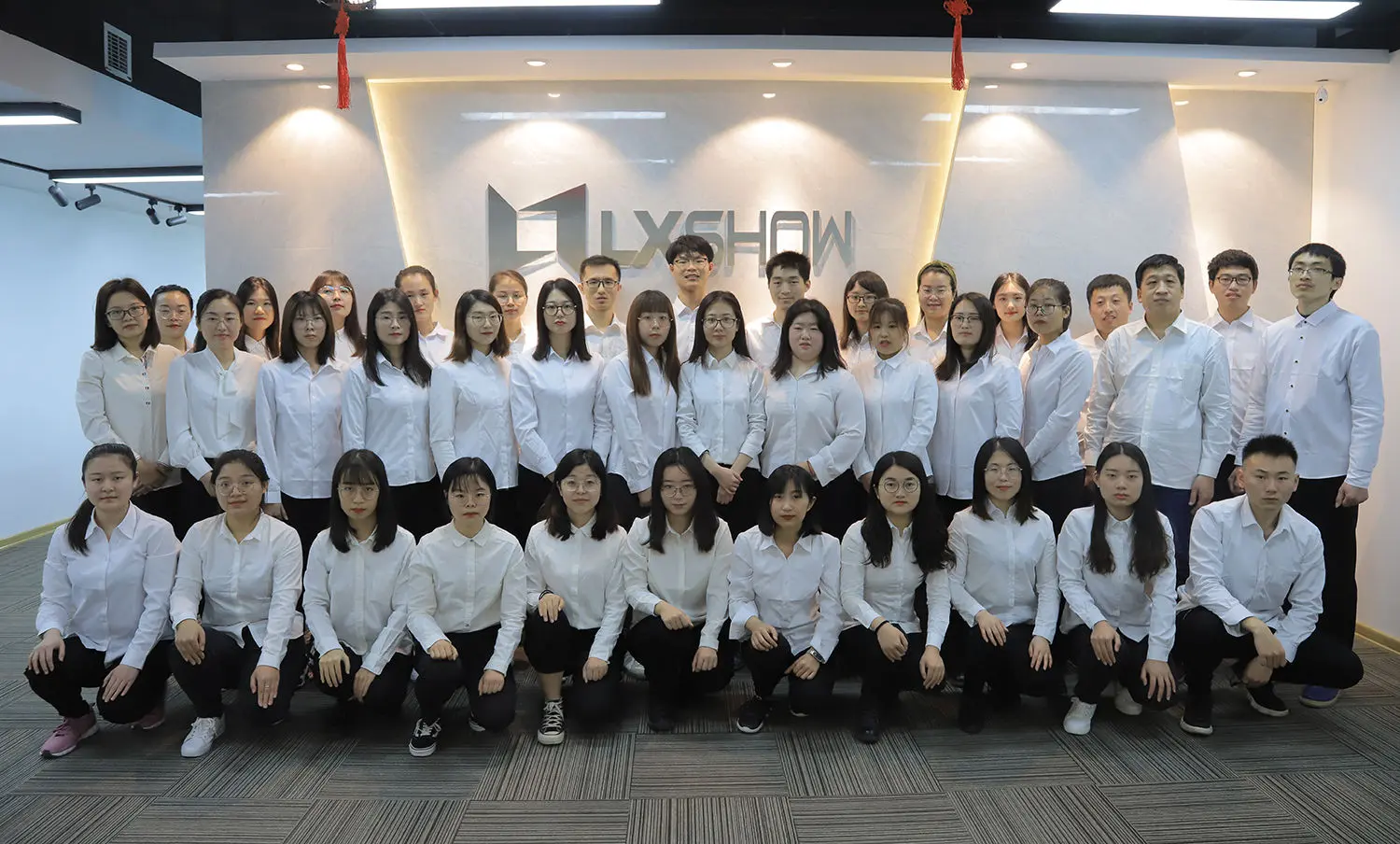
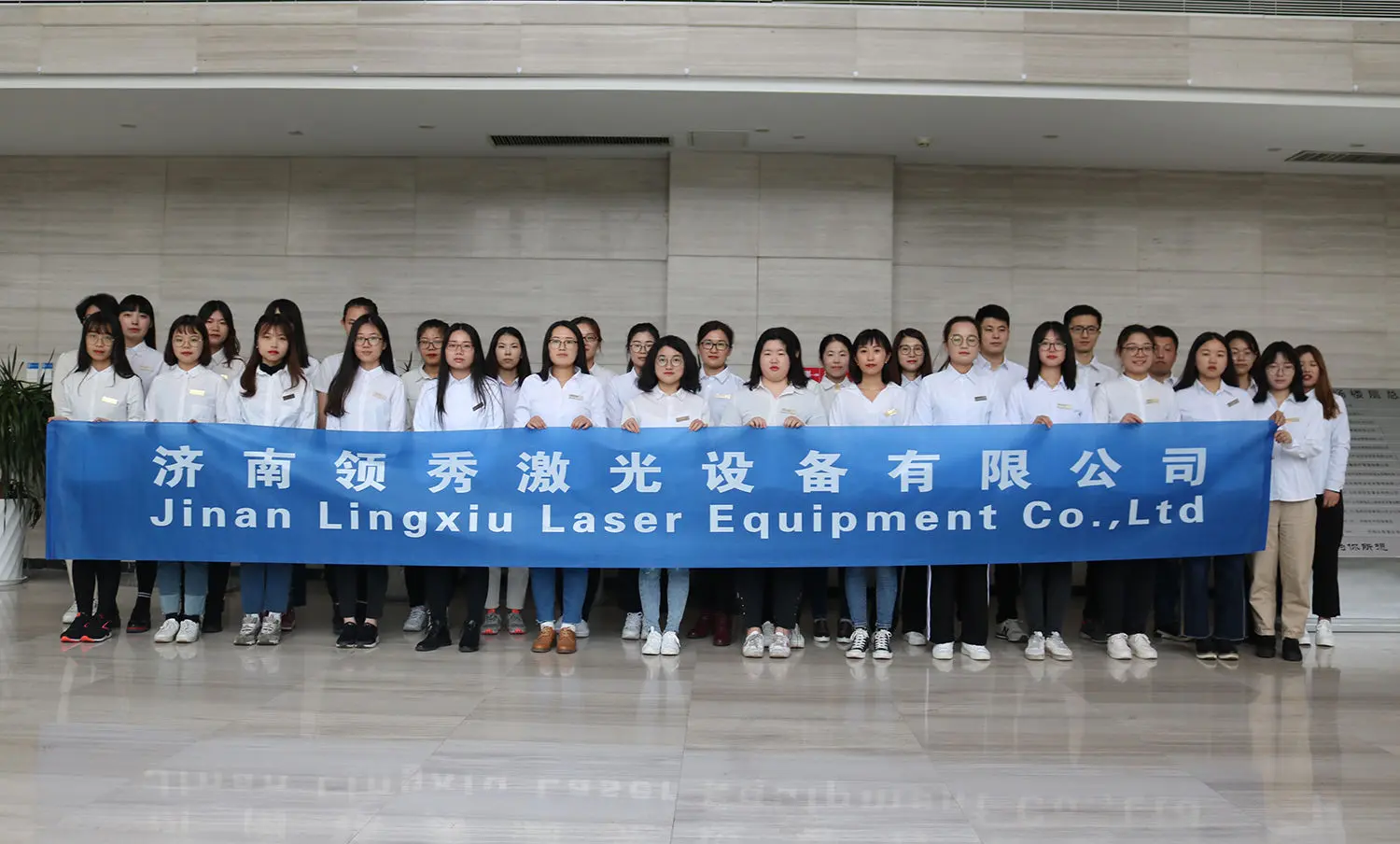
Building reliable laser hardware and smart factory ecosystems since July 2004.
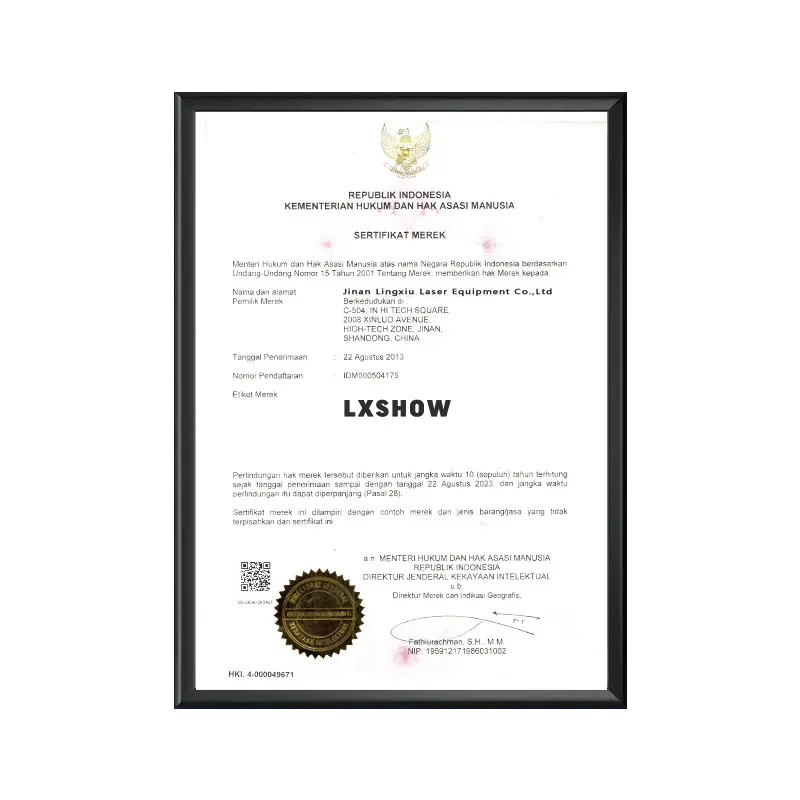
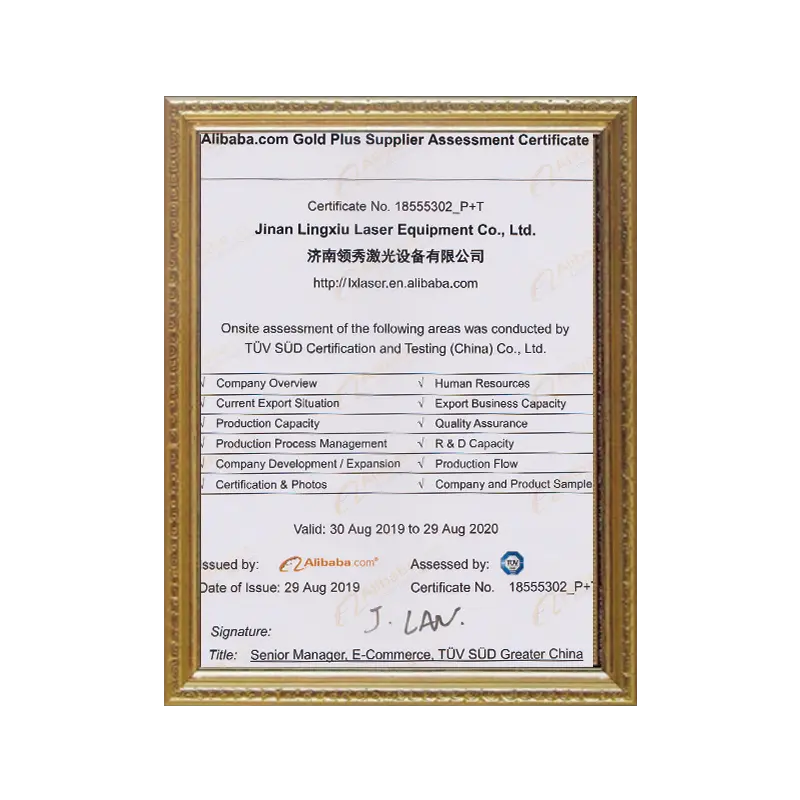
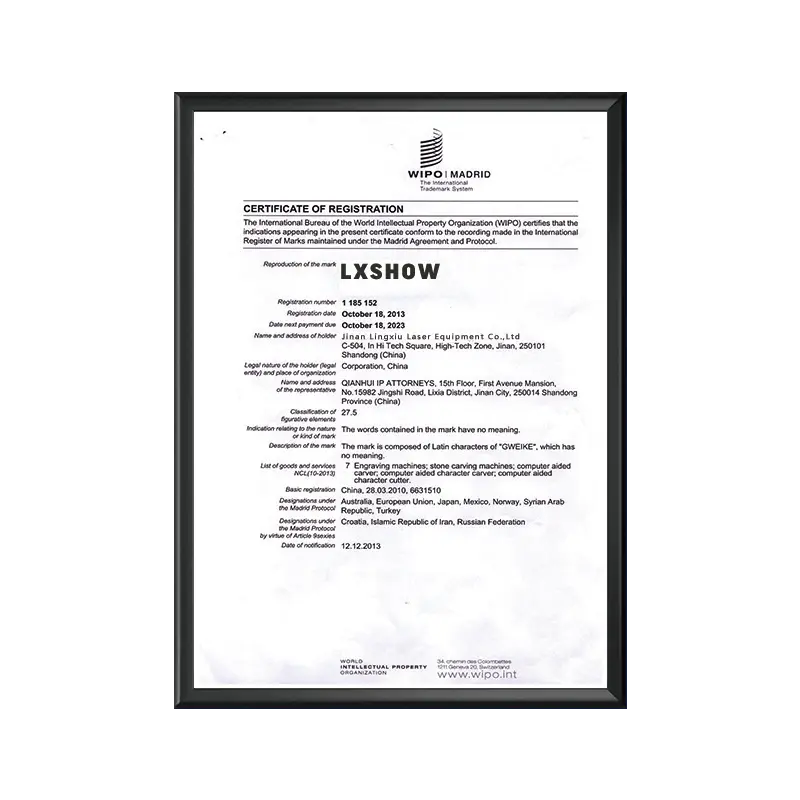
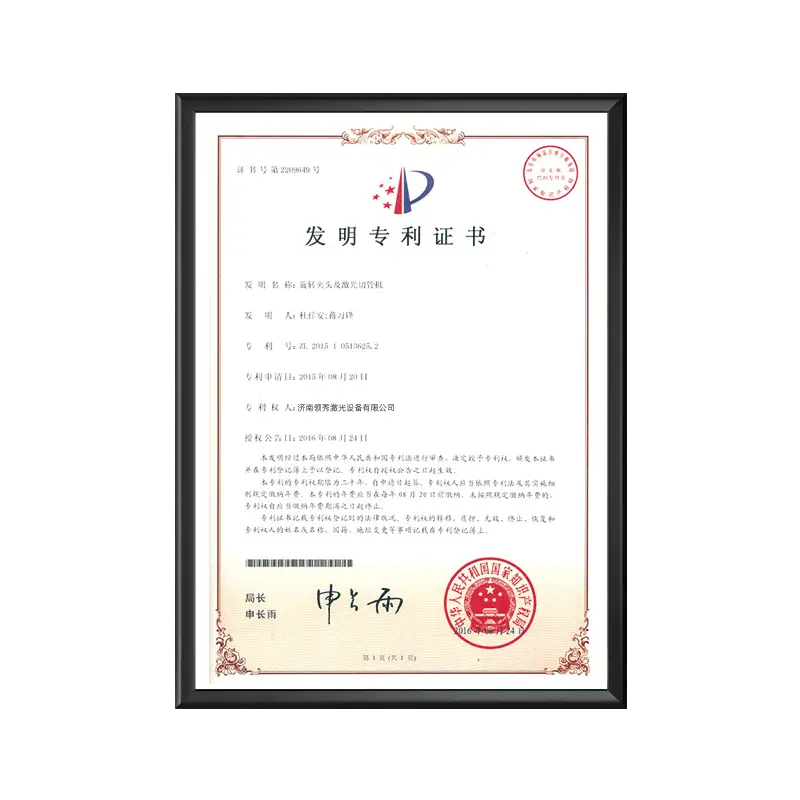
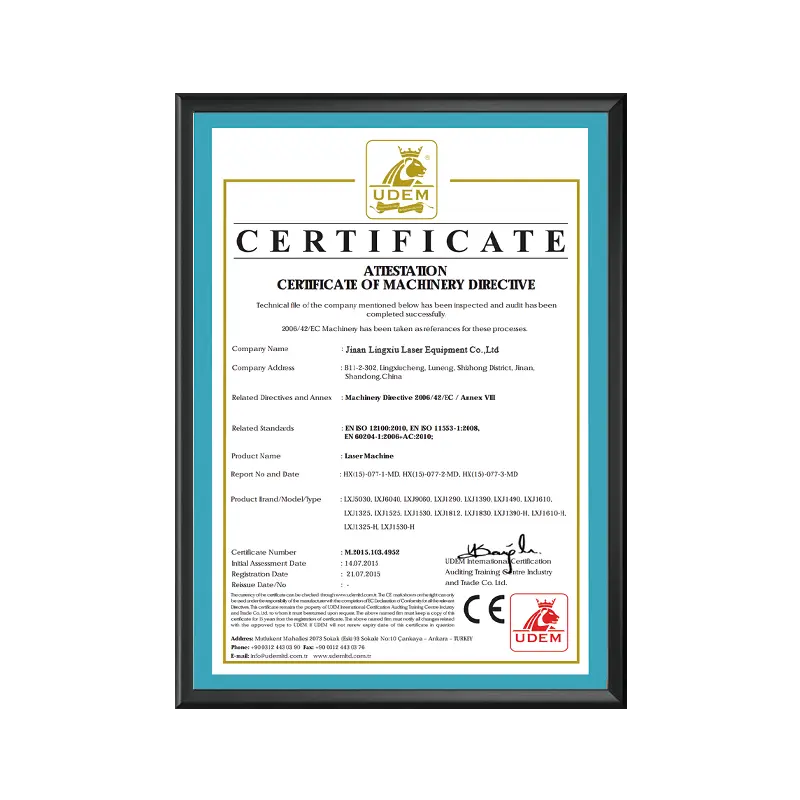
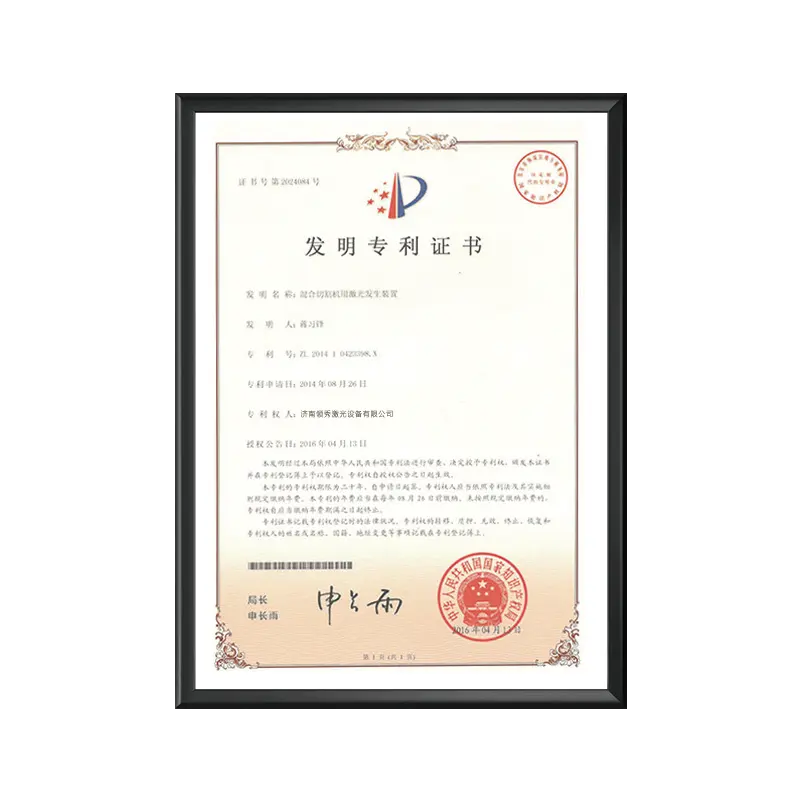
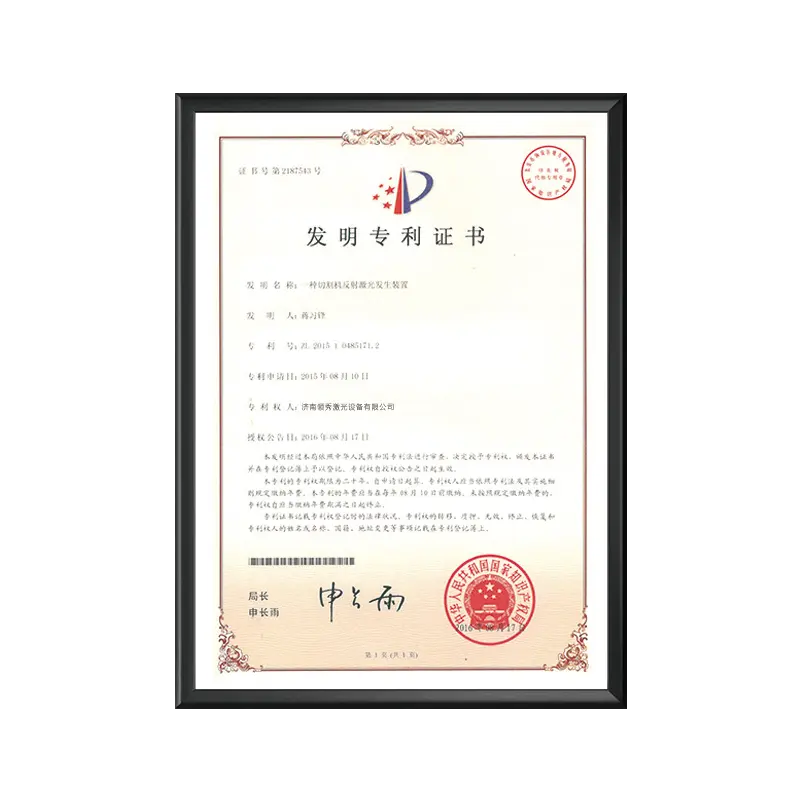
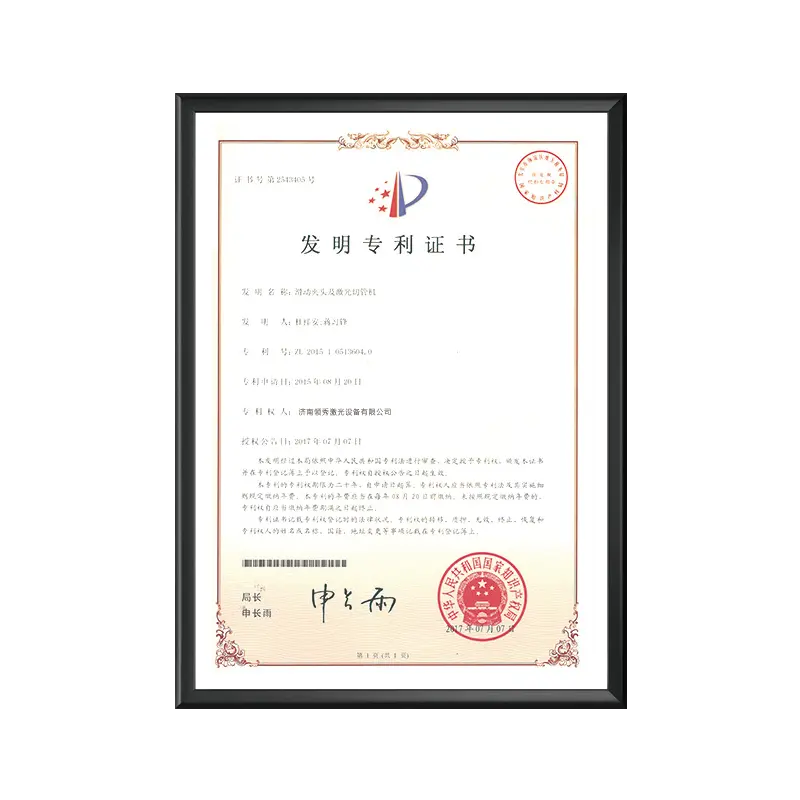
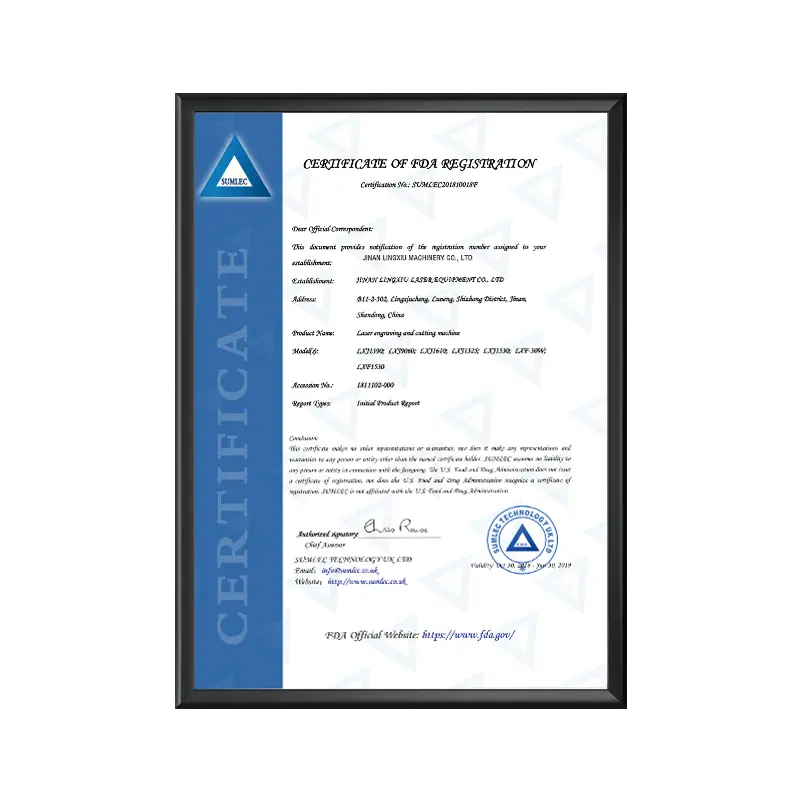
All optical structures, electrical assemblies, and laser units comply strictly with the European Union's CE Authentication, the United States FDA registration standards, and the ISO 9001 quality management framework. Our machines guarantee safe operation, structural integrity, and low thermal radiation leaks.
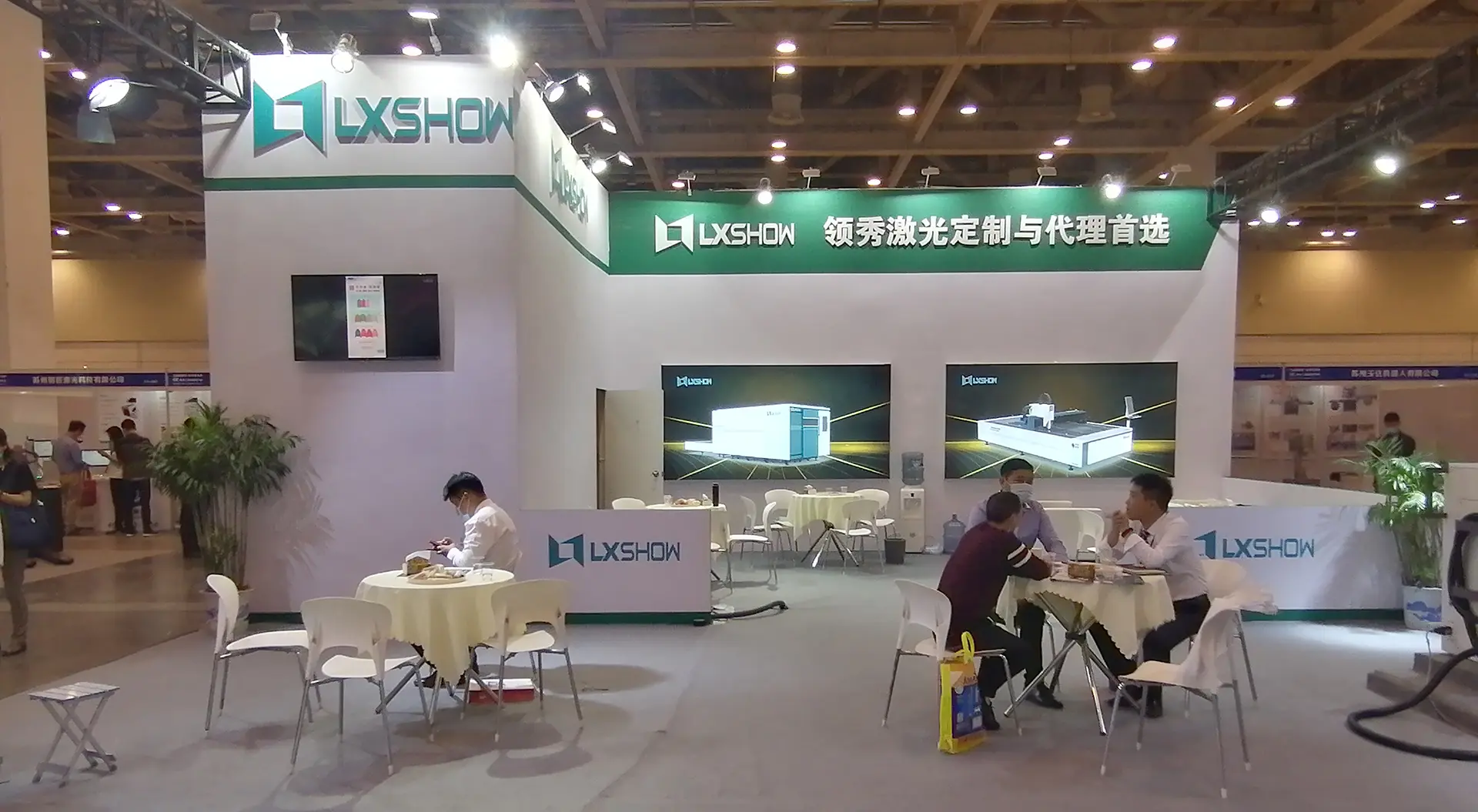
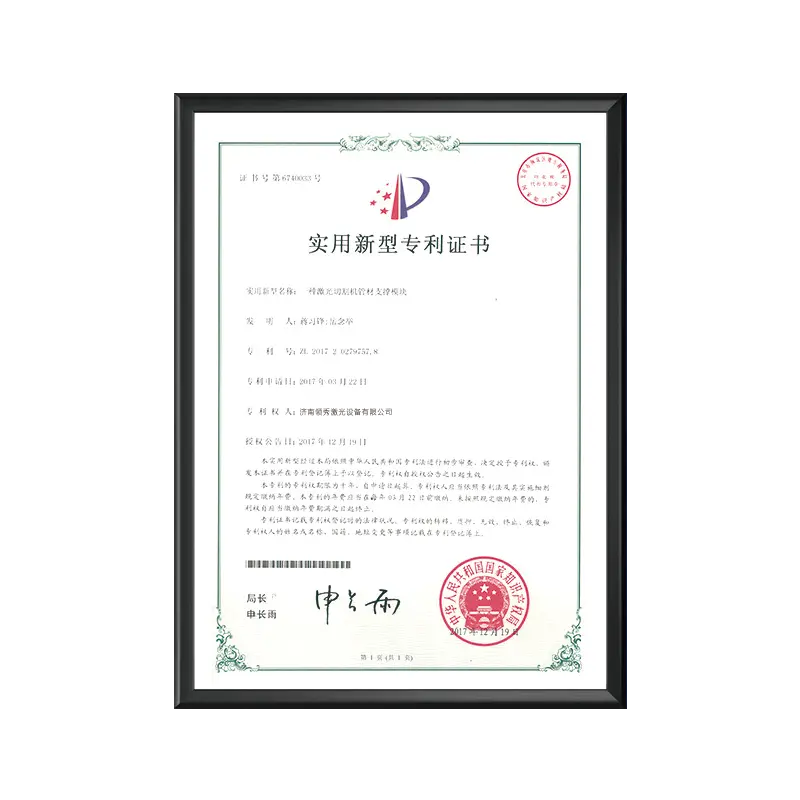
With an office area of more than 500 square meters, dedicated research hubs, and deep manufacturing capacities, we support customization requests for over 30 global brands and manufacturers. From custom worktable sizes, fully enclosed enclosures, to automatic chuck designs, our technical engineering division guarantees high fidelity.
Through active local service centers in the USA, Europe, Southeast Asia, and Africa, we deploy professional engineers to assist with installation, optimization, calibration, and training. Online technical query processing center operates 24/7 to minimize downstream downtime.
Targeted metallurgical answers to key sectors, driving efficiency across automotive, aerospace, structural engineering, and appliance manufacturing.
High-precision laser welding and fast sheet blanking are essential for EV battery enclosures, chassis assemblies, and outer panel panels. Our systems minimize heat-affected zones (HAZ) to maintain the strength of high-tensile steels.
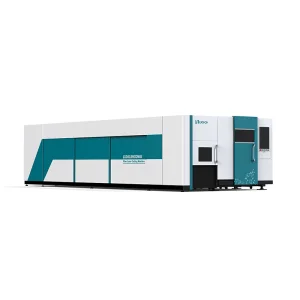
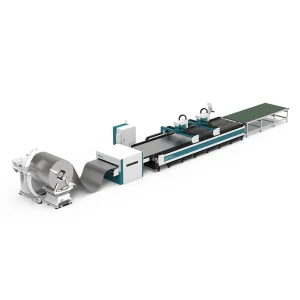
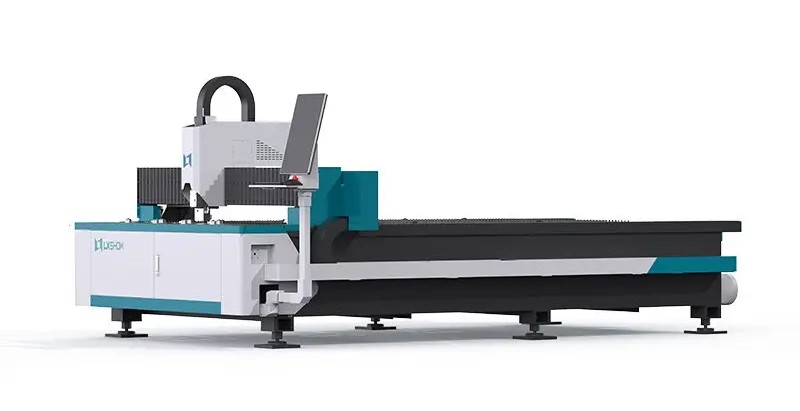
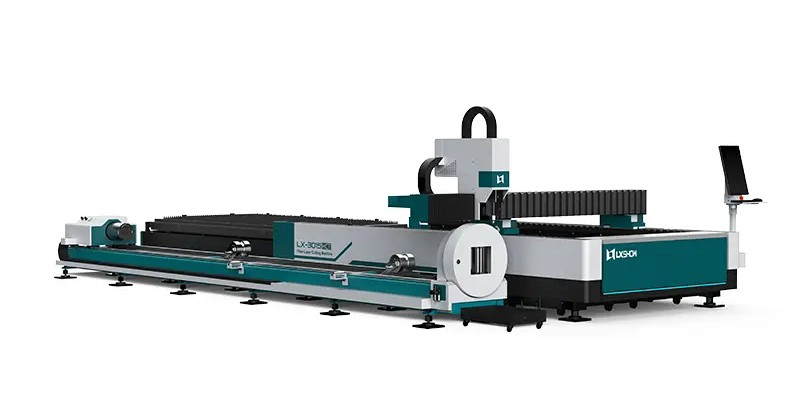
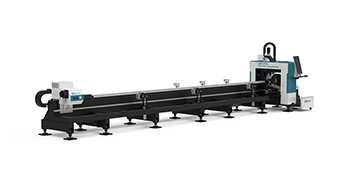
From high-power plate cutting (up to 30kW for heavy steel plates) to structural pipe cutting, our fiber laser units cut structural beams (H-beams, channel steel, and rectangular pipes) with extreme positioning accuracy.
Achieving clean geometries and pristine edge finishes on thin copper sheets, aluminum alloy enclosures, and titanium components. Micro-cutting with linear motors ensures high reliability and exact dimensional tolerances.
How our fiber laser wavelength interacts with different metals. Optimization strategies for maximizing cut quality.
Fiber lasers emit at a wavelength of approximately 1.064 μm, which is highly absorbed by common engineering metals. However, highly reflective metals (like copper and brass) present challenges, demanding specialized back-reflection isolators. Our cutting configurations utilize fiber optical modules containing protective sensors to prevent back-reflected power from damaging the laser resonance cavity.
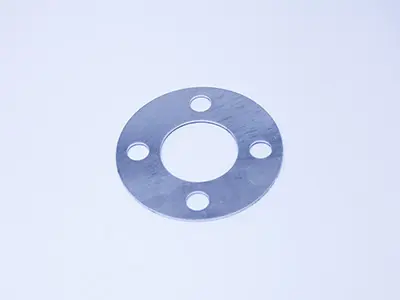 Aluminum
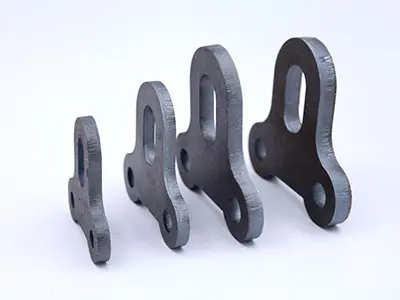 Carbon Steel
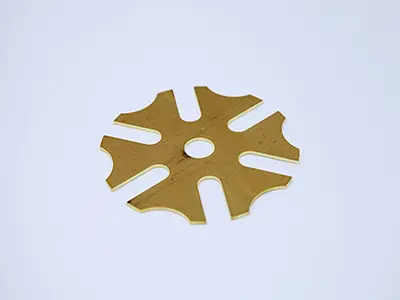 Copper
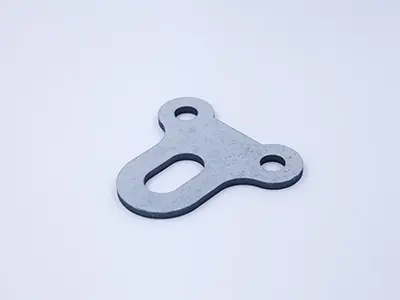 Galvanized Steel
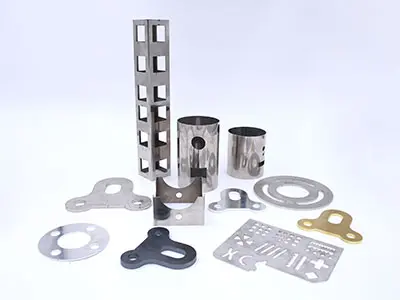 Other Metal
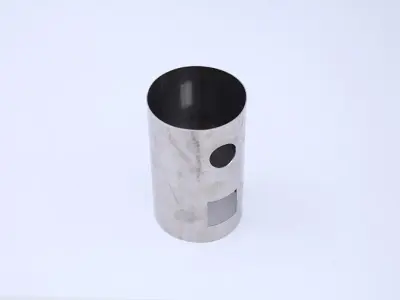 Round Tube
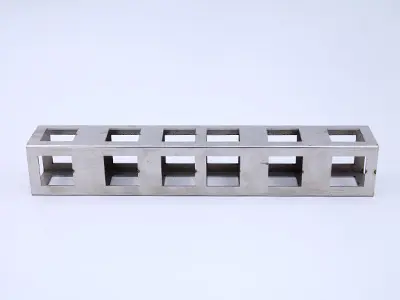 Square Tube
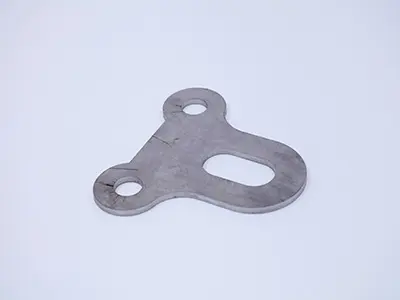 Stainless Steel
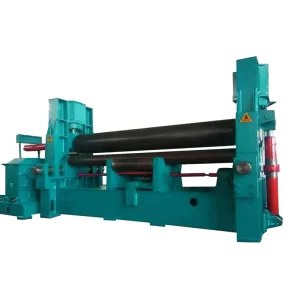
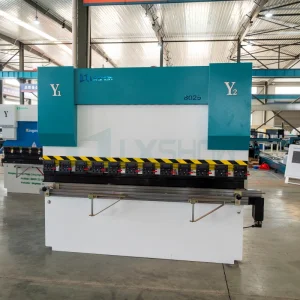
A high-efficiency fabrication plant requires more than just laser cutting. The cut parts must be bent, rolled, cleaned, and welded. We offer a holistic machinery suite comprising sheet metal bending systems, plate rolling systems, and specialized handheld clean-weld systems to form a continuous production chain.
| Metal Type | Recommended Laser Source | Cutting Gas Choice | Optimal Thickness Limit | Edge Quality / Finish |
|---|---|---|---|---|
| Carbon Steel | Fiber Laser (1kW - 30kW) | Oxygen (O2) for reactive cut | Up to 50 mm (at high kW) | Smooth, dark oxide layer coating |
| Stainless Steel | Fiber Laser (2kW - 20kW) | Nitrogen (N2) high-pressure | Up to 40 mm | Bright, burr-free oxide-free finish |
| Aluminum Alloys | Fiber Laser (High Brightness) | Nitrogen (N2) / Air | Up to 30 mm | High reflectivity requires dynamic focal sweep |
| Copper & Brass | Fiber Laser with Isolator | Oxygen / Nitrogen | Up to 15 mm | Requires precise focal height to counter reflective feedback |
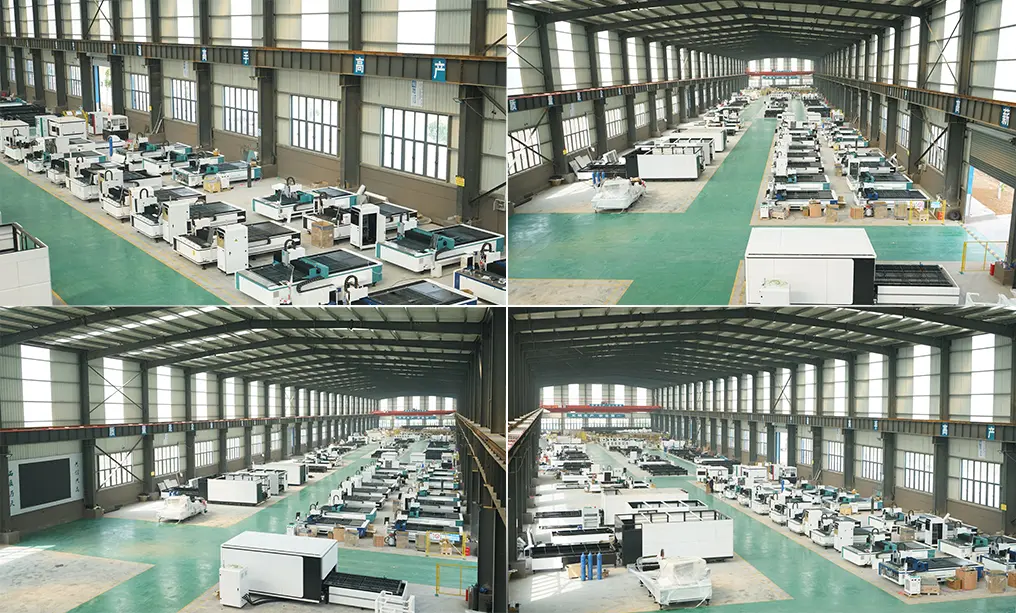
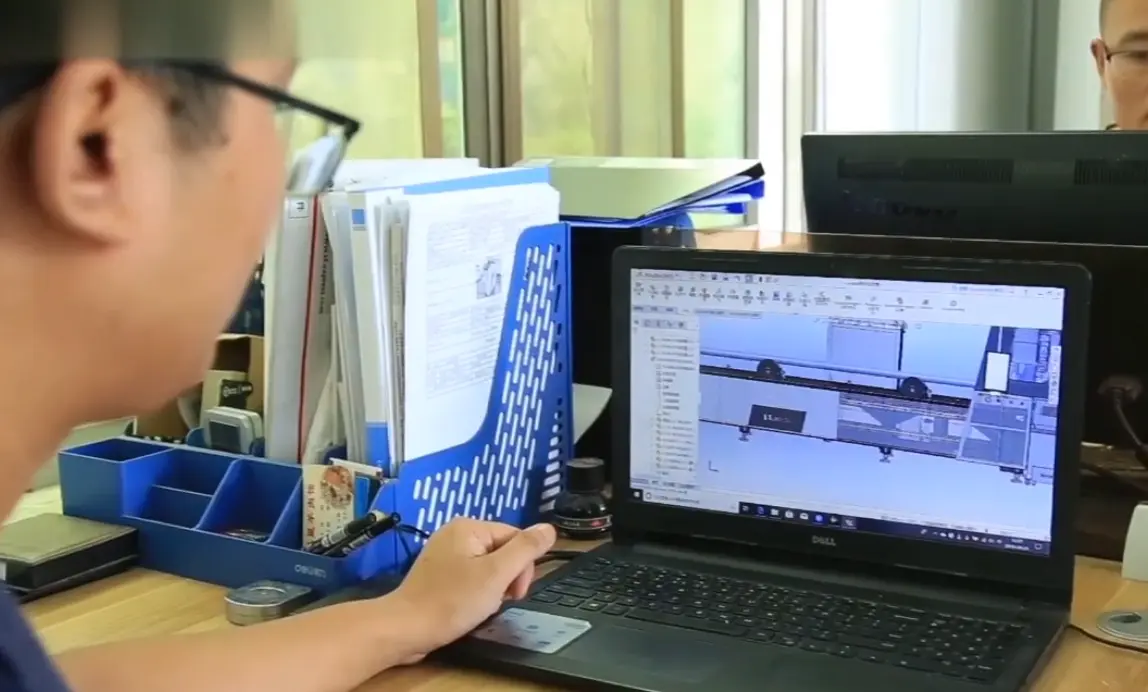
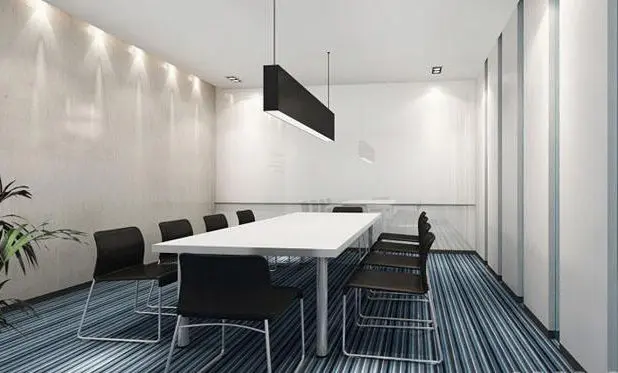
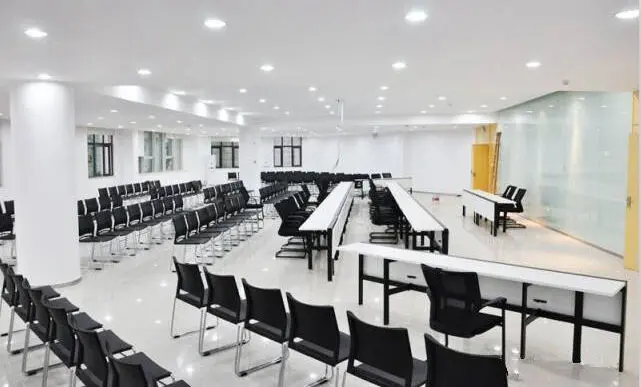
Take a virtual walk inside our workshop. Over 32,000 square meters of production, design, and assembly zones.
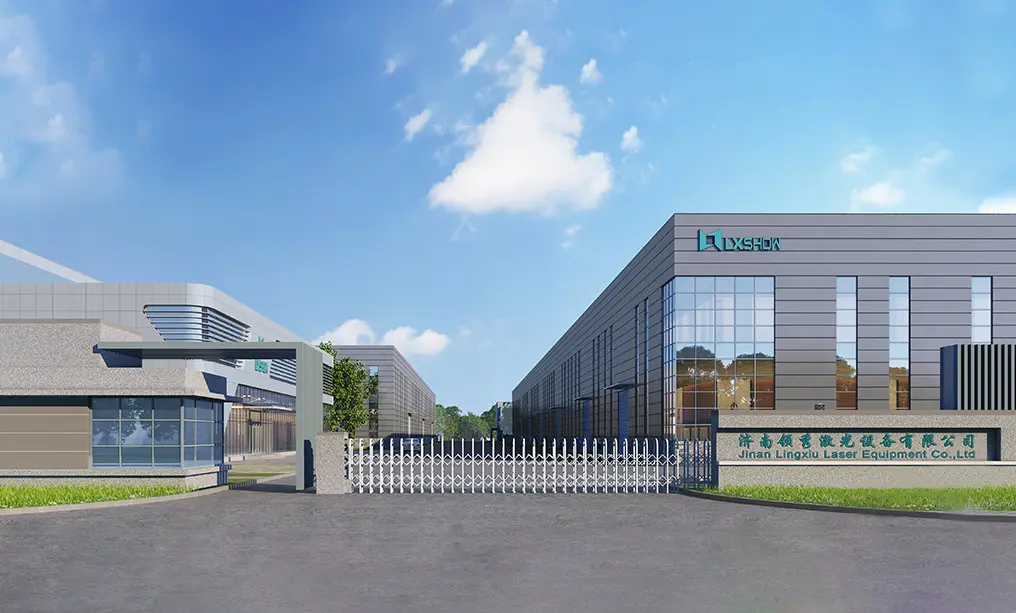
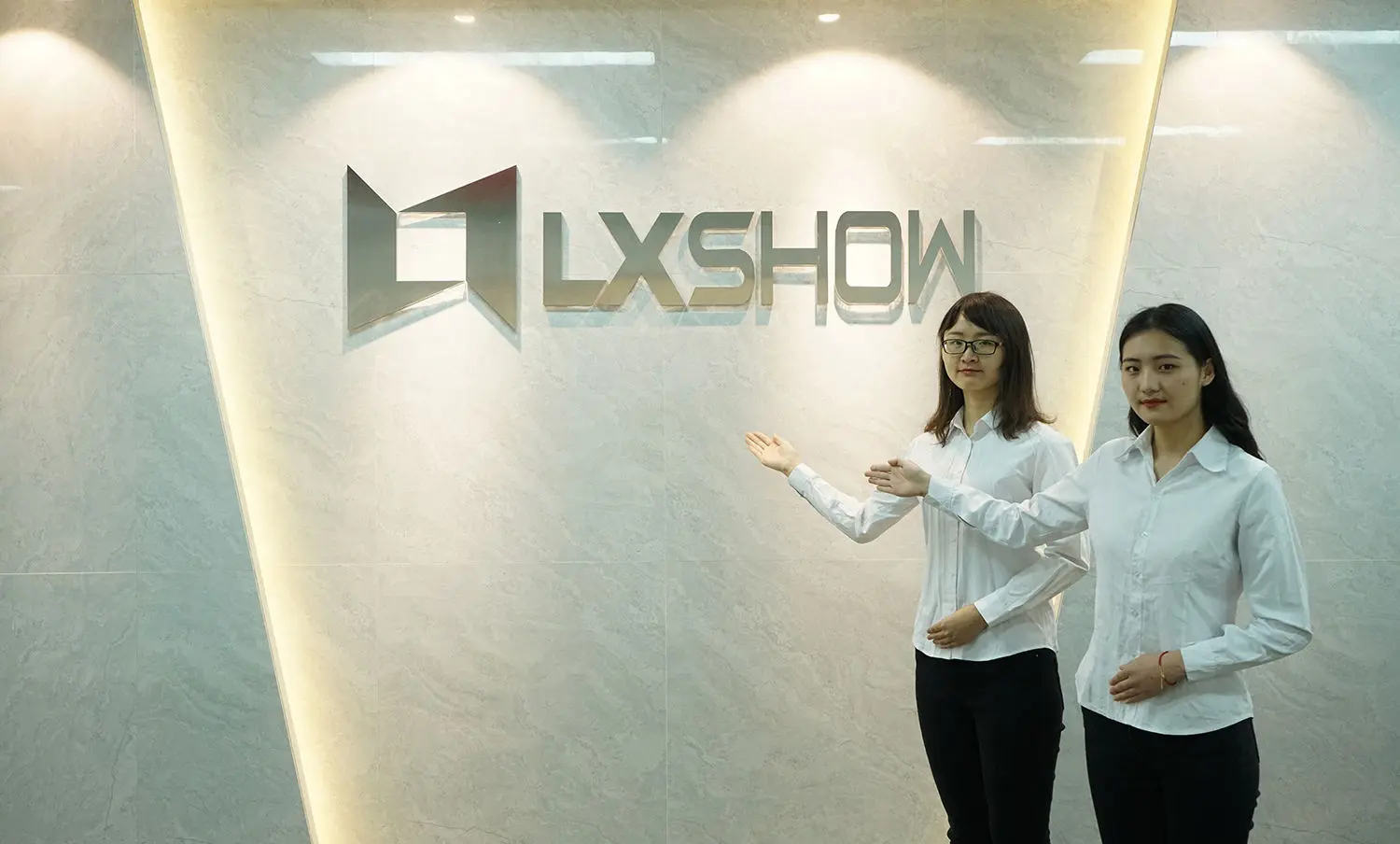
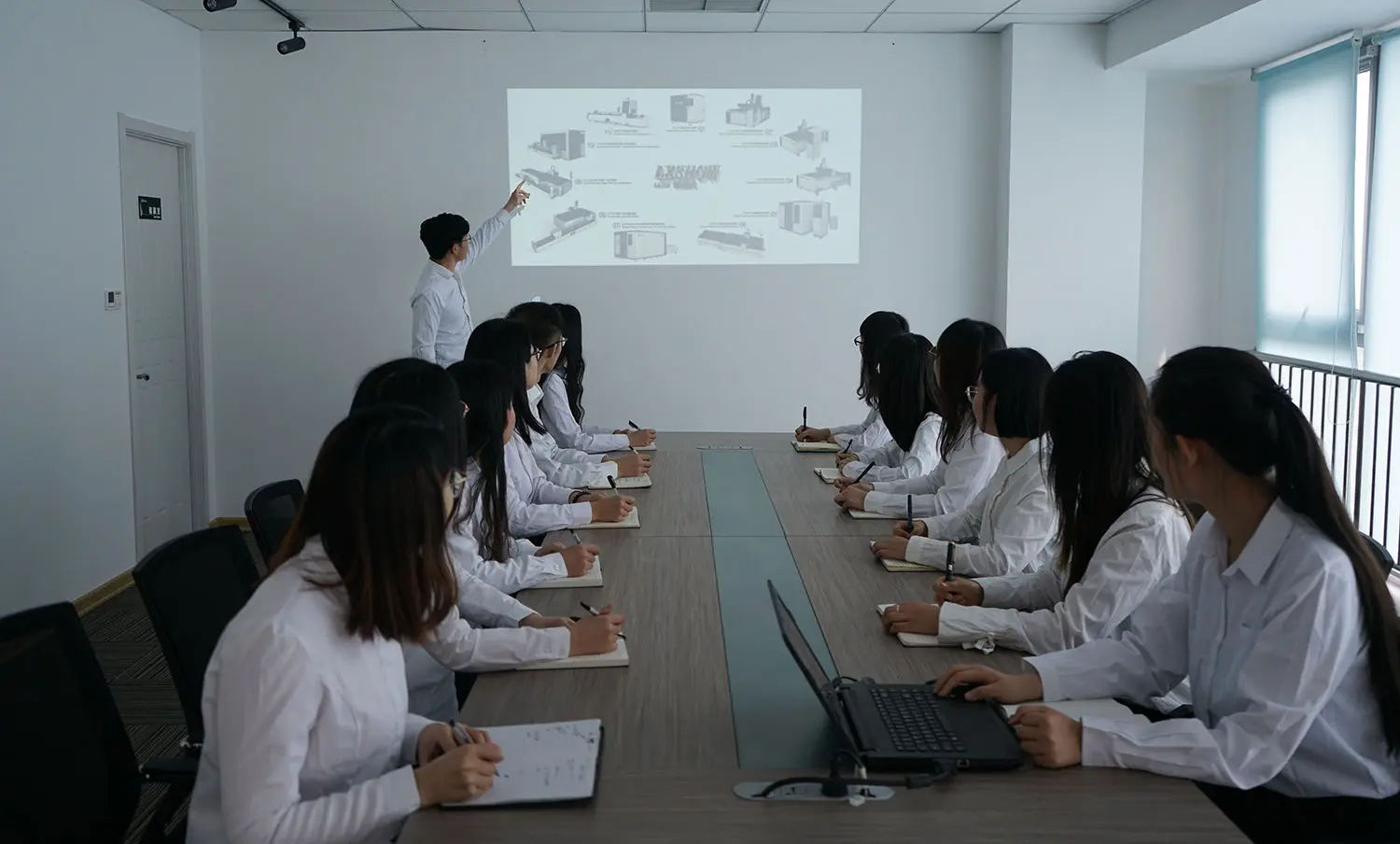
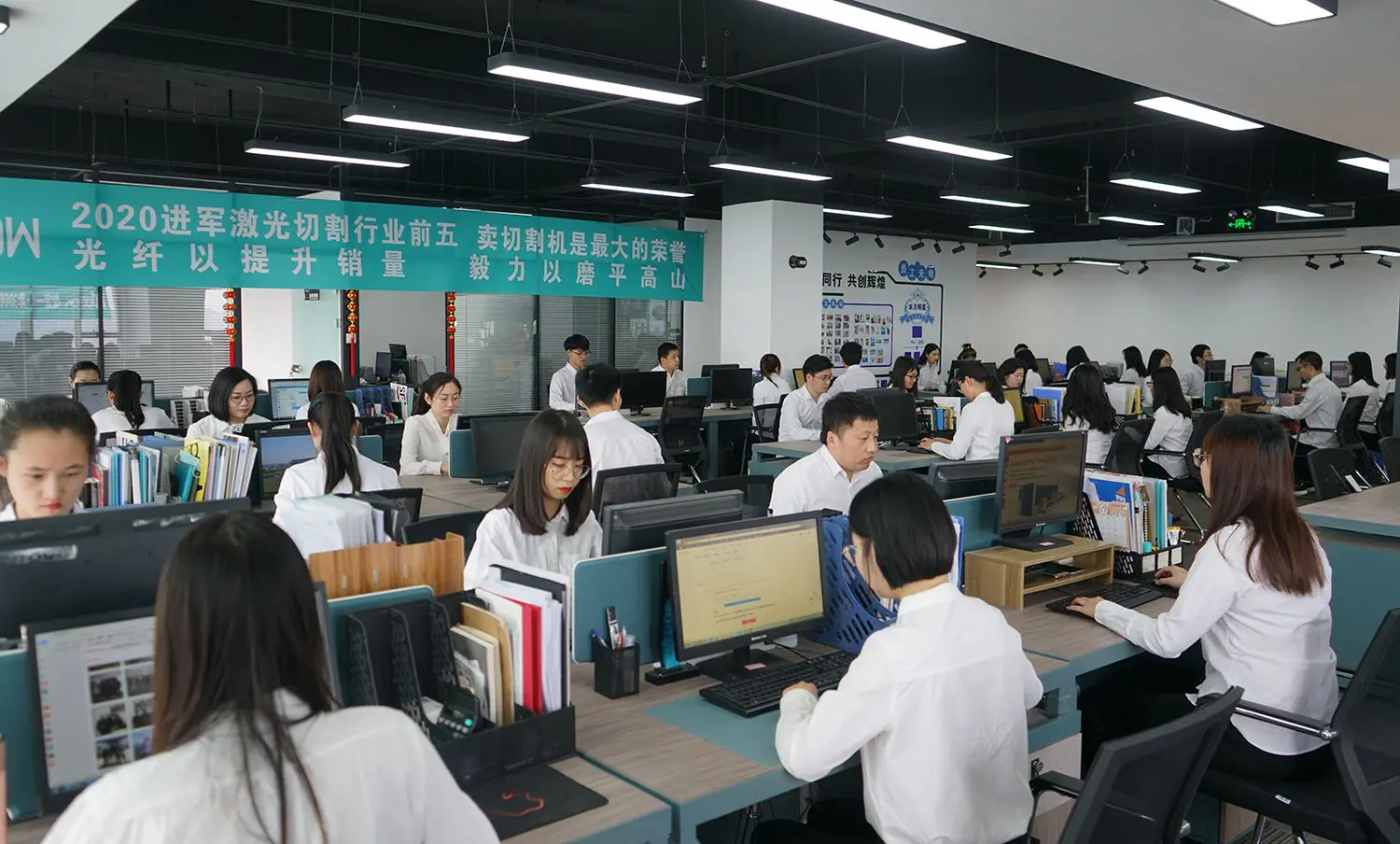
Our structured pathway to pioneering smart manufacturing and green, automated production setups before 2040.
Expanding the laser source range up to 40kW, integrating intelligent nesting software to minimize scrap rate down to less than 5%. Real-time sensor suites monitor gas pressure and nozzle alignment.
Deploying remote predictive maintenance interfaces. Machine operators receive automatic notifications for fiber cable stress, lens contamination levels, and mechanical vibration checks.
We aim to be one of the most important entities in the laser field. The integration of robotic sorting arms, automated gantry warehouses, and automatic guided vehicles (AGV) completes the dark-factory cycle.
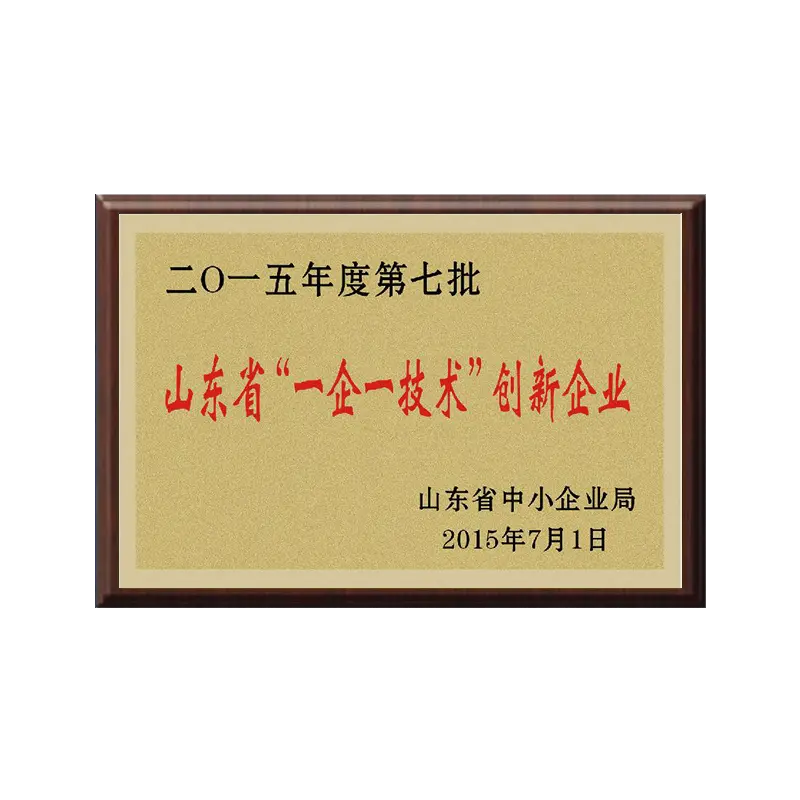
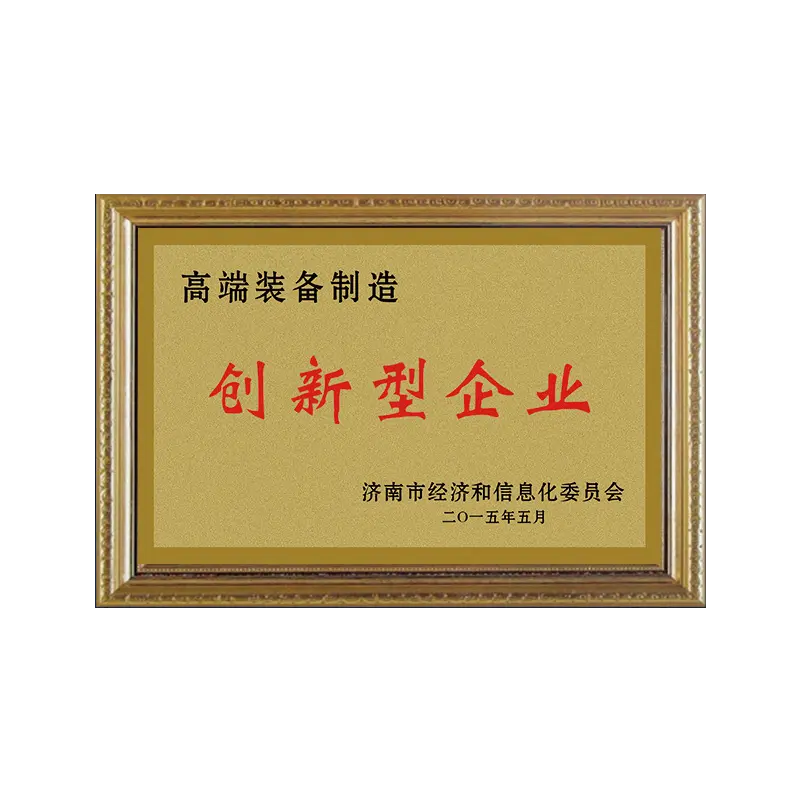
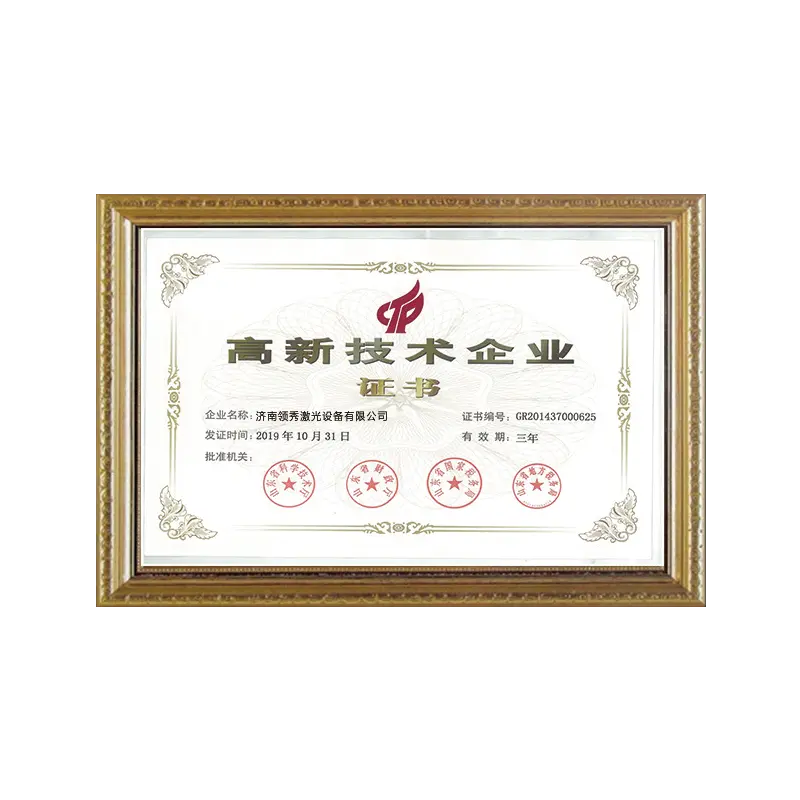
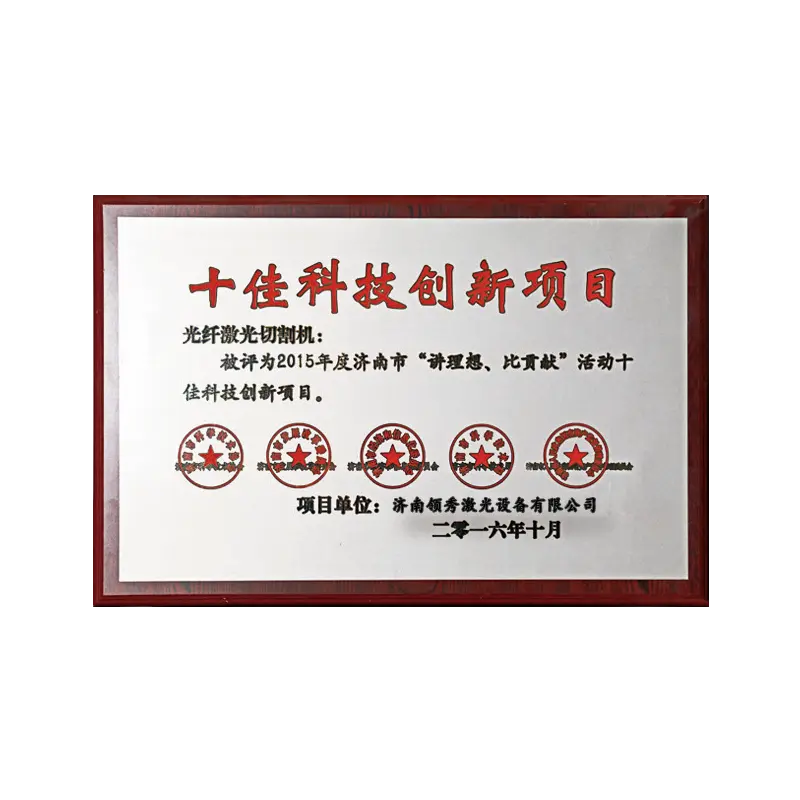
Get authoritative answers on machine configuration, maintenance intervals, auxiliary gases, and global site delivery support.
Explore our specialized bending, shearing, cleaning, and desktop laser solutions built for high scalability.
Select specific structural groupings depending on raw shape inputs (Flat plates, round tubes, structural profiles).
High efficiency protective processing for wear-resistance, surface rust removal, and robotic welding joints.
Provides a strong guarantee for users to realize stable batch coating and surface restoration for heavy cylinder rods, molds, and drill components.
Non-contact ablation of surface rust, primer paint layers, and grease contaminants without altering physical metallurgy.
For clean seam profiles without the excessive heat deformation caused by conventional MIG or TIG processes.
 Lxshow