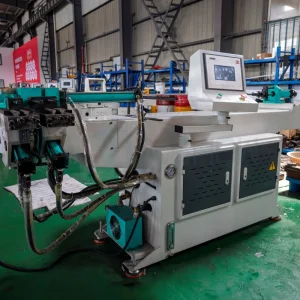
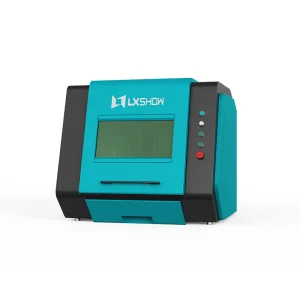
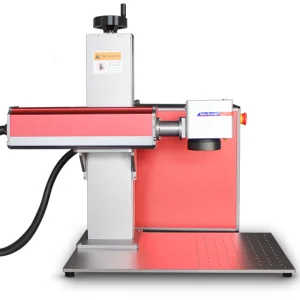
Explore our premium machinery array engineered for metal sheet processing, tube bending, cladding, and precise CNC automation.
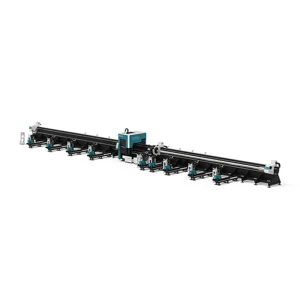
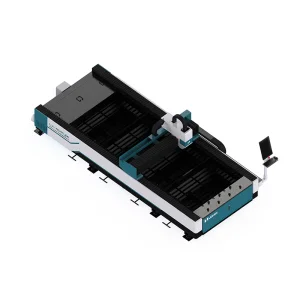
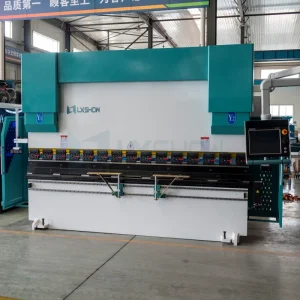
In the global manufacturing ecosystem, the designation C-Series represents a paradigm shift. Historically, high-precision industrial metal cutting, bending, and laser cladding were locked behind complex, expensive, and oversized machinery barriers. Modern industrial buyer search patterns reveal a major transition: buyers are seeking "C-series" systems which emphasize Compact footprints, Cost-effectiveness, and Collaborative customization.
At its core, the modern C-Series framework integrates advanced semiconductor technology with specialized mechanical engineering. These machines, specifically ranging from 1000W up to ultra-high-power capacities, are configured for high-efficiency, multi-axis control, and automated material handling. By deploying these systems, modern factories achieve higher uptime, lower power consumption, and tighter tolerances in structural, automotive, and aerospace component fabrication.
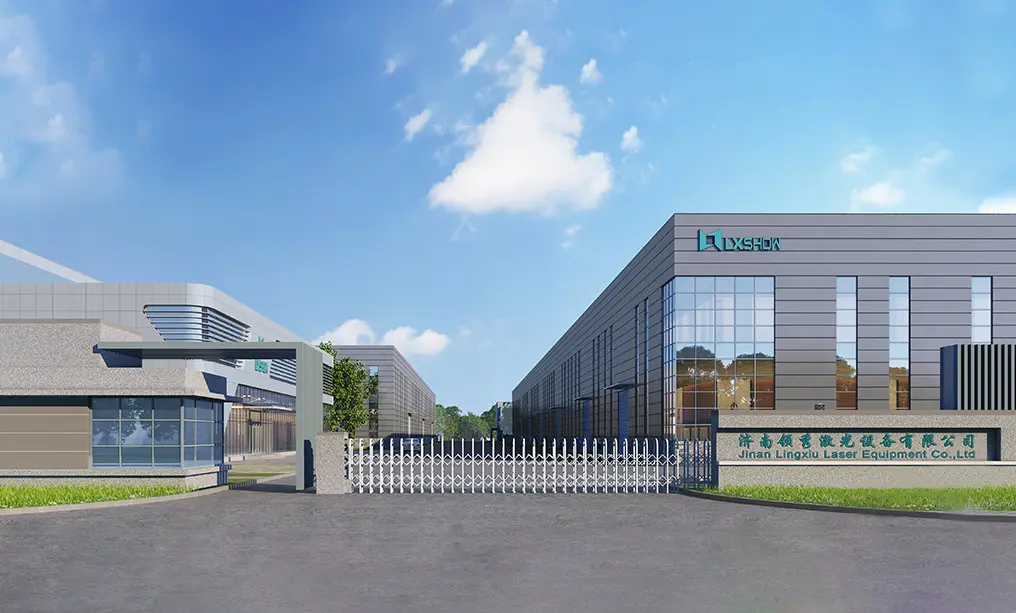
Our organization, established in July 2004, has spent over 20 years pioneering this transformation. Occupying more than 500 square meters of specialized research and office space alongside a 32,000 square meter state-of-the-art manufacturing factory, we build machines that empower factories globally. We align our design process with the rigorous standards of European Union CE authentication, the American FDA certificate, and global ISO 9001 certification, making our C-series equipment the premium standard for global machinery sourcing.
The industrial performance of a fiber laser system is defined by its ability to maintain beam quality under continuous thermal load. C-series systems achieve this via customized gantry structures, active thermal compensation, and advanced laser optics. We design our platforms to support diverse raw material categories to ensure broad compatibility.
Unlike legacy carbon dioxide (CO2) systems, fiber lasers operate at a wavelength of approximately 1.06 microns, yielding an absorption rate in metals that is up to ten times higher. This physical advantage translates directly to processing efficiency, allowing operators to easily cut reflective metals such as copper and brass, which historically posed critical safety risks due to back-reflection.
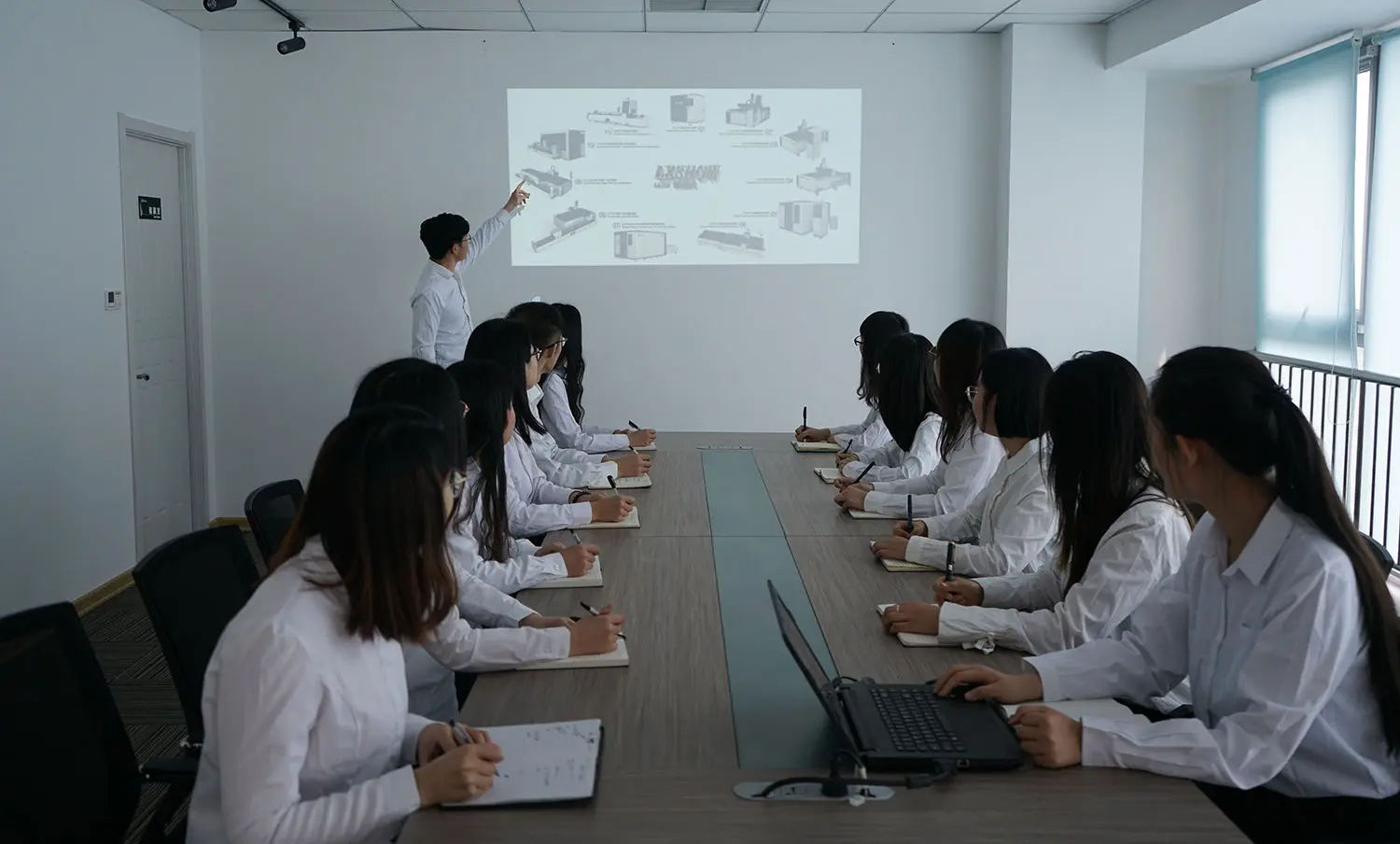
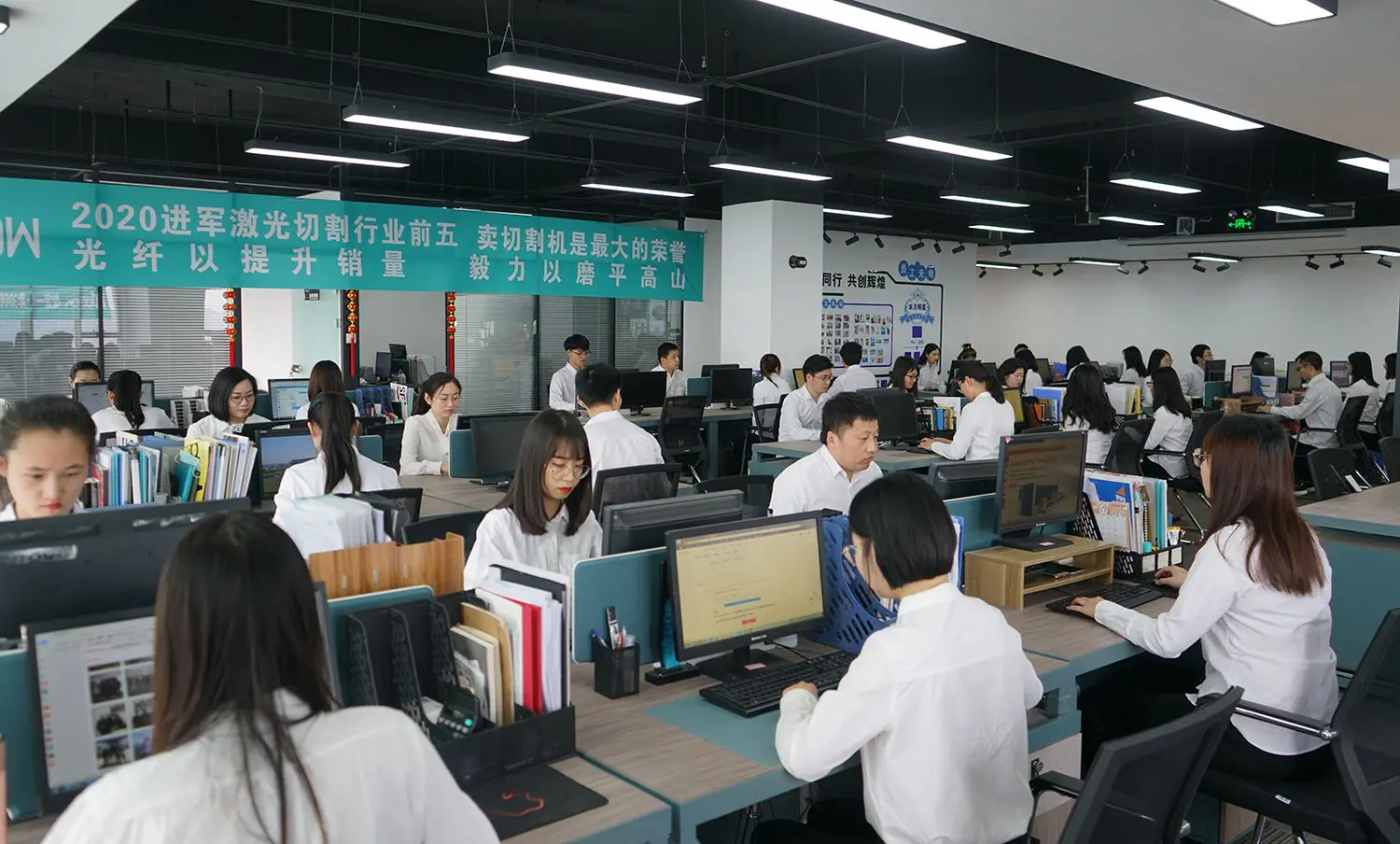
High-standard research environments, design hubs, and factory assembly floors ensuring engineering consistency across all products.
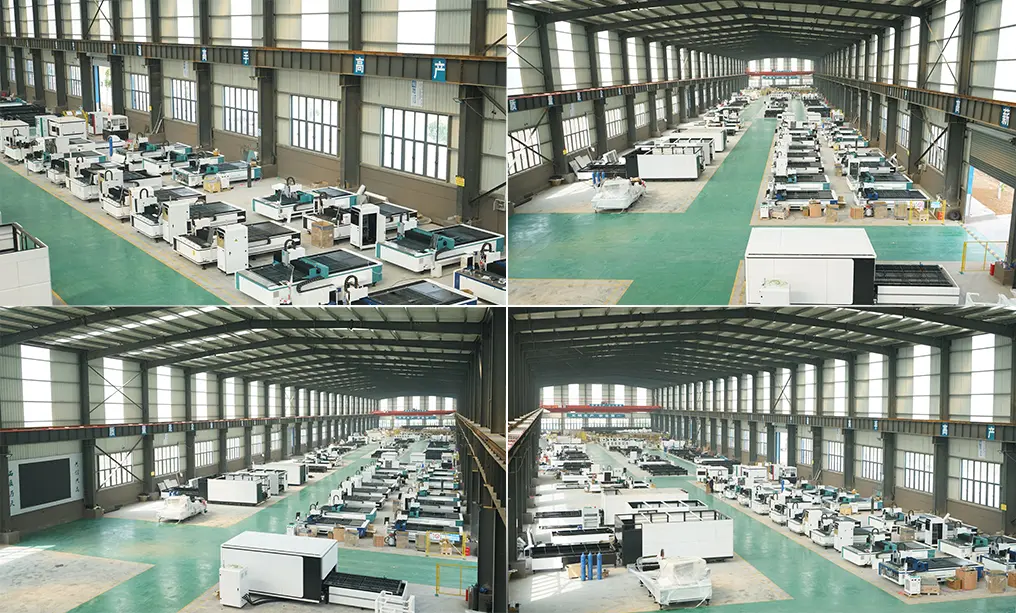
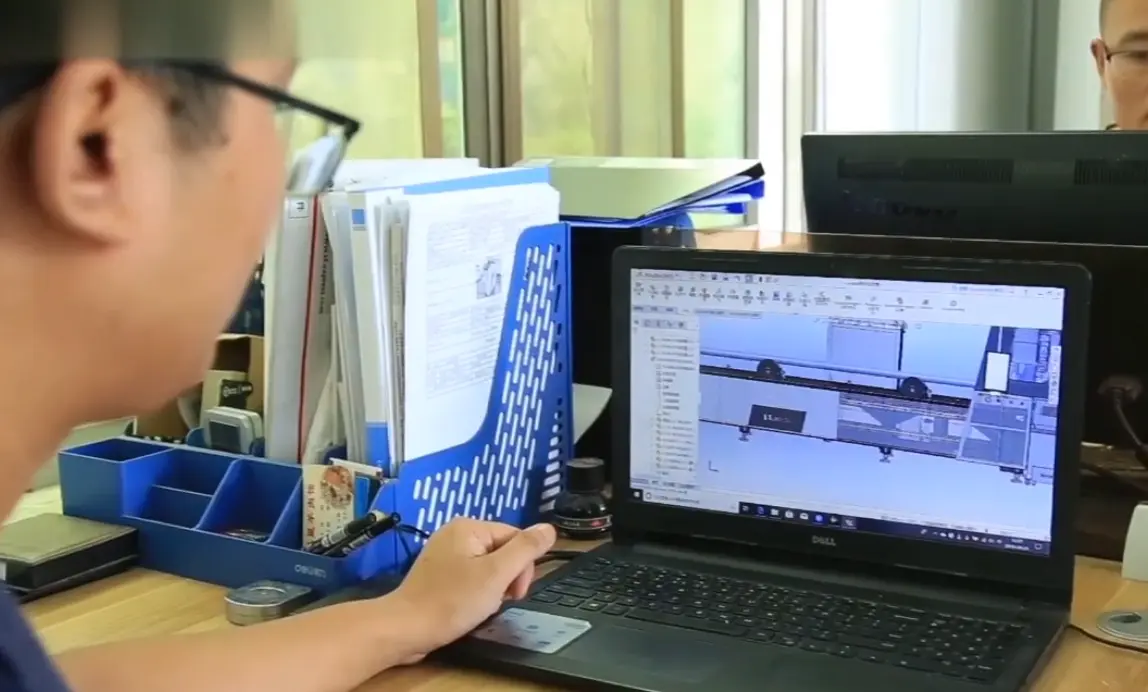
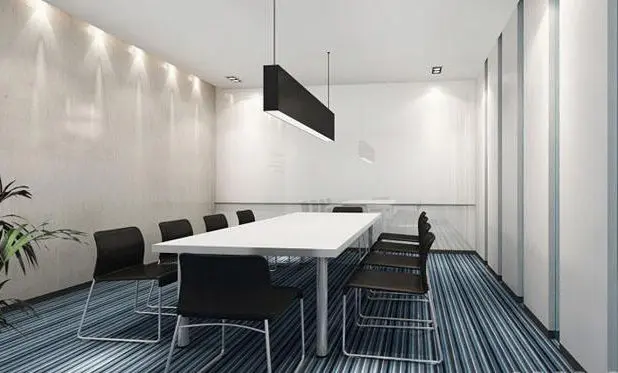
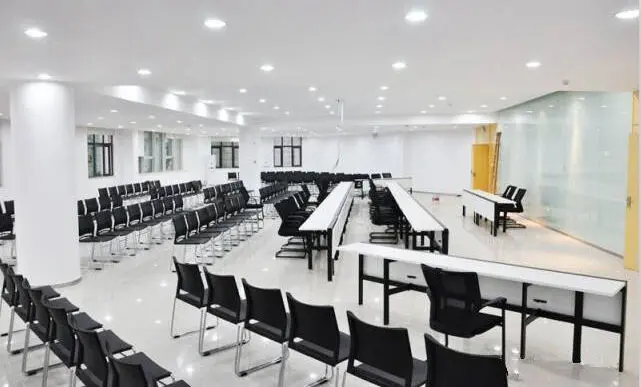
For procurement directors, engineering compliance determines importing feasibility and factory safety standards. Our production facilities maintain rigorous quality control protocols to ensure all systems conform to international safety regulations.
The CE Mark is essential for EU integration. It validates that our laser machinery conforms to the Machinery Directive 2006/42/EC, the Low Voltage Directive 2014/35/EU, and the Electromagnetic Compatibility Directive 2014/30/EU. It ensures that the equipment uses dual-channel safety relays, active enclosure interlocks, and adequate laser protective windows to shield operators from hazardous radiation.
Similarly, the FDA CDRH (Center for Devices and Radiological Health) standards regulate laser radiation emissions in the United States. Class IV laser machines require specific engineering controls, including remote interlock connectors, physical key controls, laser radiation emission indicators, and rapid-response manual emergency stops. Working with an ISO 9001 certified manufacturer ensures that these safety parameters are consistently reproduced in every build.
China remains the epicenter of industrial laser manufacturing due to unique supply chain density and infrastructure. Key regions, particularly Jinan, Shandong, have evolved into highly integrated manufacturing clusters. This ecosystem minimizes logistics costs and accelerates development cycles.
We leverage these localized advantages to provide competitive lead times, custom configurations, and robust structural designs. This makes us a preferred manufacturing partner for businesses in over 150 countries.
Purchasing industrial machinery requires reliable post-sale support. To address this, we focus on establishing robust global technical communication networks.
We address geographic barriers through remote diagnostics, local service partners, and dedicated customer centers. In modern CNC operations, machine downtime can cost thousands of dollars per hour. Therefore, we utilize cloud-enabled diagnostics, allowing engineers to audit controller logs, update laser parameter databases, and troubleshoot servo drive errors remotely.
For on-site needs, our program coordinates field engineers to handle structural alignment, laser calibration, and operator training. Providing hands-on education in our facility's Training Room ensures clients' teams can safely operate and maintain their new machinery.
Deploying C-series configurations across diverse engineering disciplines and high-throughput production lines.
Cutting high-strength steels, structural tubular frames, and chassis brackets. Integrated rotary axes on fiber laser units allow seamless transitioning between flat plate cutting and tube profiling, streamlining automotive assembly work.
Processing superalloys, titanium components, and thin-gauge sheet metal structures. The minimal thermal impact of narrow kerf cuts ensures structural stability and reduces micro-cracking risks in high-stress aerospace components.
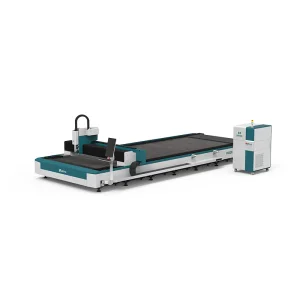
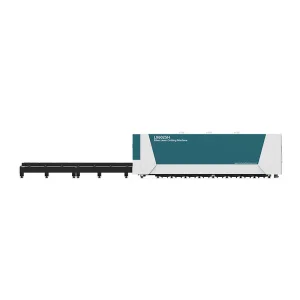
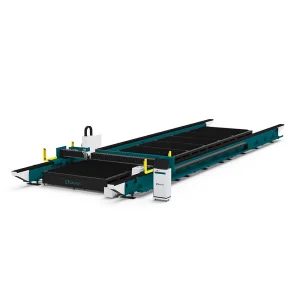
Machining thick carbon steel plate structures, structural beams, and large-format pipeline systems. Heavy-duty ground-rail fiber laser cutting equipment provides robust, high-power processing for shipyard and heavy manufacturing applications.
The intersection of laser processing and digital factory networking is shaping the future of manufacturing. As companies deploy C-series systems, they move closer to building fully automated smart factories. Key technologies driving this transformation include:
IoT-Enabled Telemetry: Modern machines monitor real-time operating variables such as cutting gas pressure, laser diode temperatures, coolant flow rates, and optical focal positions. This data feeds into predictive maintenance systems to prevent component failures.
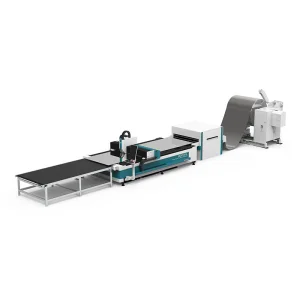
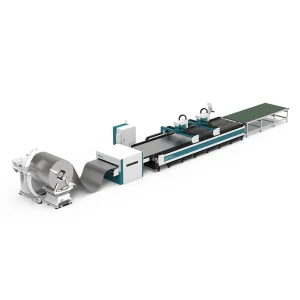
Automated Material Handling: Integrated loading, positioning, and unloading systems reduce manual labor, shorten cycle times, and improve safety. Automatic loading lines handle raw steel coils, level the sheets, cut profiles, and sort finished parts in a single, continuous process.
Adaptive Nesting Algorithms: Advanced CAD/CAM software calculates optimal part placement to minimize material waste. In high-volume production, even a 2% increase in nesting efficiency yields significant annual material savings.
Expert answers to critical technical and logistical questions for global procurement managers.
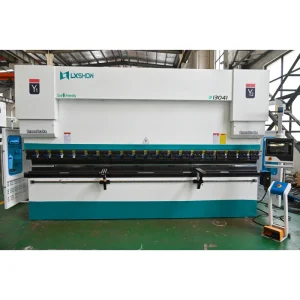
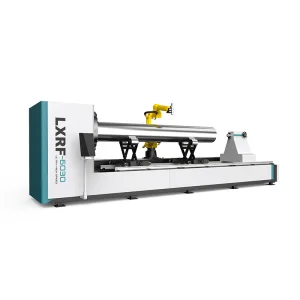
Explore our high-performance line of bending systems, robotic cladding systems, and specialized industrial tools.
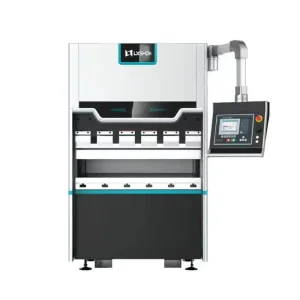
 Lxshow