Explore our premium selection of advanced sheet and tube fiber laser cutting machines, high-efficiency bending rollers, and multi-functional integrated fabrication platforms.
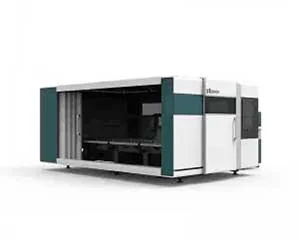
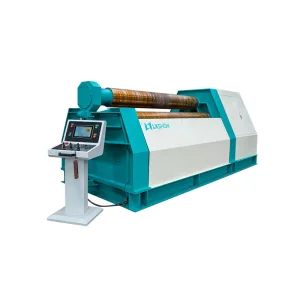
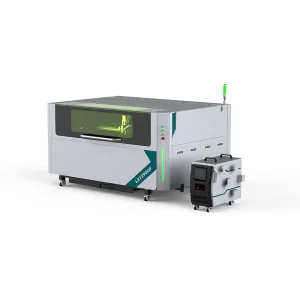
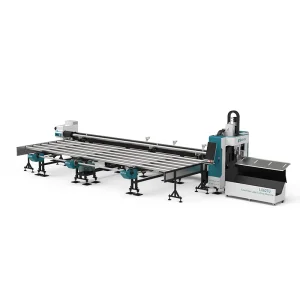

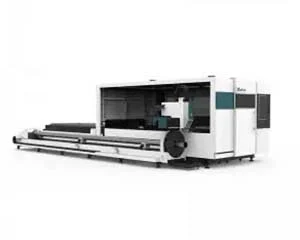
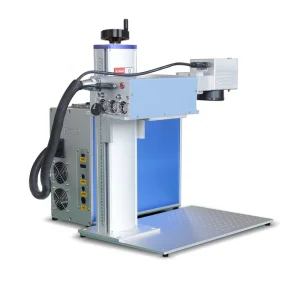
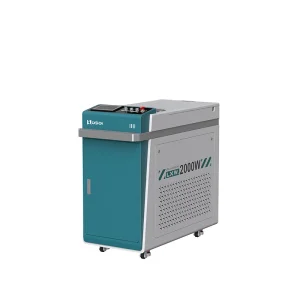
In the modern manufacturing landscape, the shift from open-frame fabrication systems to enclosed, safety-compliant, and high-productivity units has accelerated. The C-O Series represents a milestone in this transition. Engineered specifically for complex structural tasks, these enclosed fiber laser systems deliver unparalleled performance in processing diverse metal substrates—ranging from standard carbon steel and high-tensile stainless steel to reflective non-ferrous materials like copper, brass, and aluminum.
By enclosing the optical path and processing zone, C-O series machines minimize atmospheric contamination, control particulate emissions, and safeguard operators from hazardous scattered laser light. The integration of dual exchange worktables enables continuous operation, reducing cycle times by up to 50% compared to single-table machinery. This design paradigm is not merely a safety improvement; it is a fundamental shift toward optimized thermodynamics, where thermal lensing is mitigated, and cutting accuracy is maintained over multi-hour production runs.
The global demand for high-power fiber laser cutters is driven by industrial modernization, urban development, and structural engineering projects. The C-O Series has established a strong presence in key regions, including North America, the European Union, Southeast Asia, and the Middle East. According to industry intelligence reports, the transition toward high-speed, high-kilowatt fiber lasers (ranging from 1kW to 30kW) is transforming traditional job shops into automated, smart-manufacturing nodes.
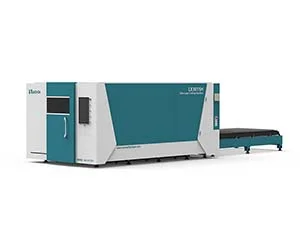
Exporters and suppliers are seeing increased demand from sectors like automotive structural components, aerospace bracketry, infrastructure framing, and precision medical equipment. In regions with strict occupational safety and environmental regulations (such as CE compliance zones in Europe and FDA jurisdictions in the United States), fully enclosed designs like the LX3015C-O and the 3015HCOW are preferred. These machines satisfy regulatory requirements while maintaining the high output speeds necessary to remain competitive in high-cost labor markets.
In localized fabrication environments, versatility is key. Job shops in metropolitan and industrial zones regularly process a wide mix of metals. The C-O Series handles this diversity through advanced CNC gas controls and dynamic laser frequency modulation. For instance, in structural machinery manufacturing, heavy carbon steel plates are cut using low-pressure oxygen assistance, which supports exothermic reactions to produce clean, vertical cuts with minimal dross. Conversely, stainless steel parts for medical devices or kitchen equipment are cut using high-pressure nitrogen to prevent oxidation along the edge, eliminating the need for post-cut grinding.
Additionally, modern architecture and signage workshops rely on the clean processing of aluminum and brass sheets. C-O series systems deploy optimized beam profiling to manage the high thermal conductivity of non-ferrous metals. The combination of closed processing and high-precision nozzles ensures that intricate patterns in thin brass or thick aluminum plate can be cut at production speeds without warping the metal skeleton.
The technical roadmap for C-O Series industrial laser equipment points toward deeper automation and adaptive control systems. As industry moves toward Smart Manufacturing and Industry 4.0, lasers are no longer standalone cutting stations. They are integrated into networks that communicate directly with factory MES (Manufacturing Execution Systems).
| Technology Phase | Core Characteristics | Production Impact |
|---|---|---|
| Phase 1: Basic CNC Integration | Automated nesting, manual parameter selection, standard gas piping | Initial yield improvement, basic CAD to CNC translation |
| Phase 2: Closed-Loop Monitoring | Active height tracking, thermal sensor integration, automated exchange tables | Reduction in scrap rate, higher precision cutting across variable thicknesses |
| Phase 3: Industry 4.0 Ecosystem | AI-assisted cutting parameter adjustment, real-time nozzle inspection, predictive maintenance | Fully automated, lights-out manufacturing with negligible downtime |
We anticipate that within the next decade, machine learning algorithms will run locally on CNC controllers, diagnosing optical misalignments and wear in protective windows before cutting quality degrades. Furthermore, the integration of multi-wavelength fibers will allow users to toggle laser characteristics mid-cut, tailoring the process for layered or composite metallic plates in real time.
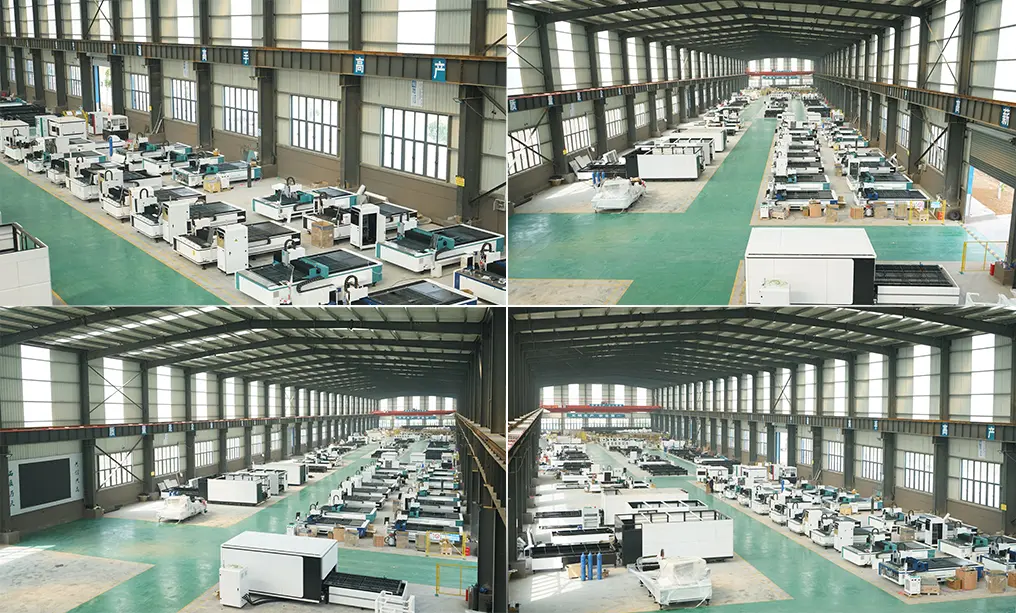
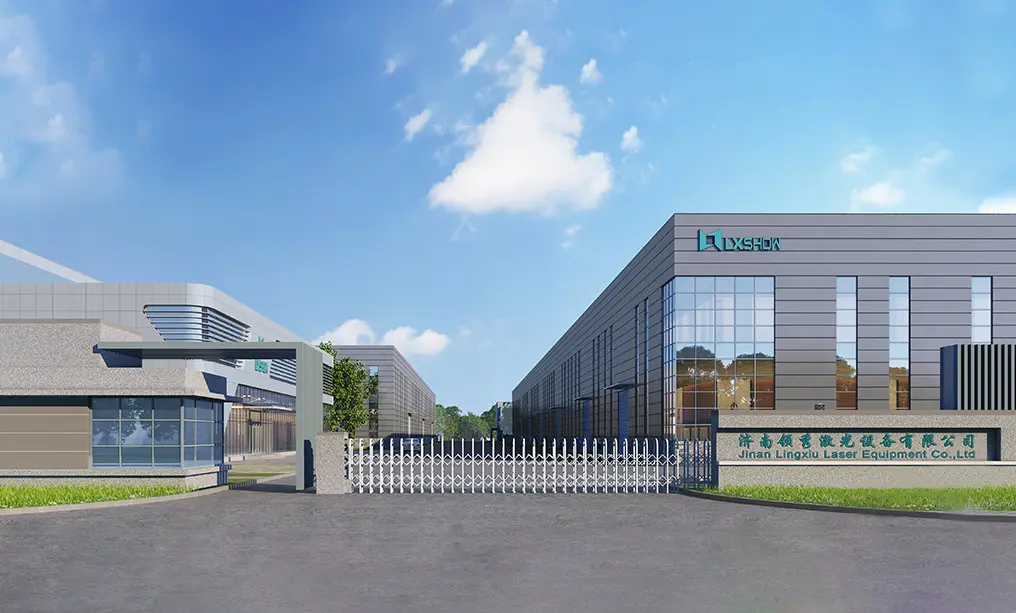
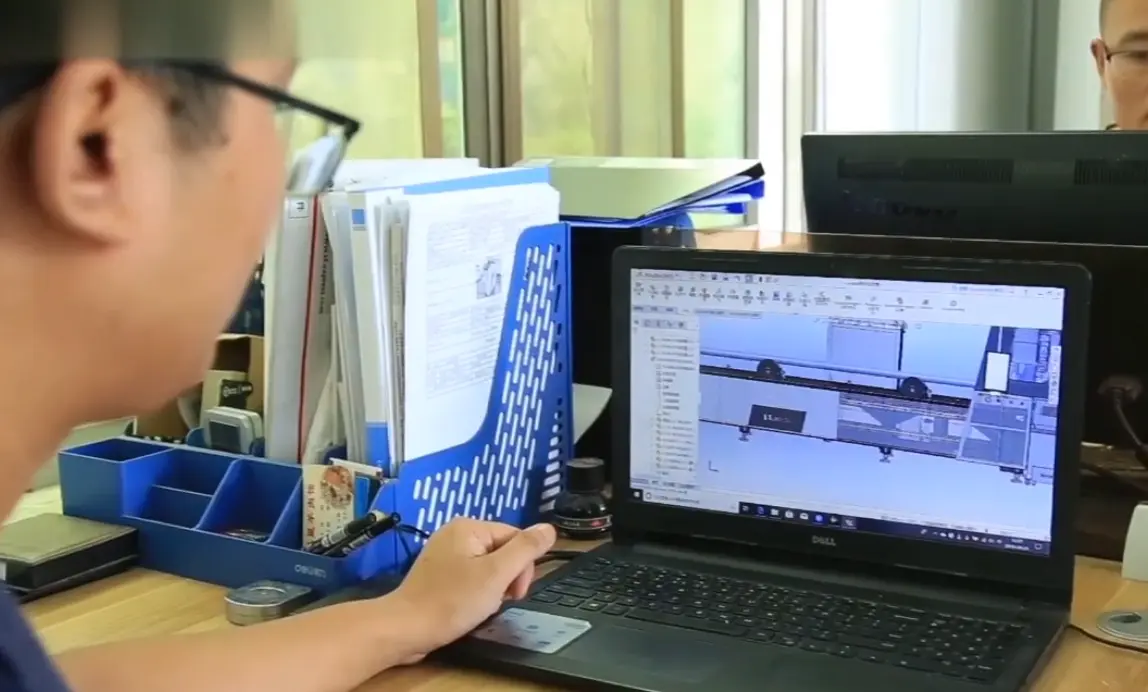
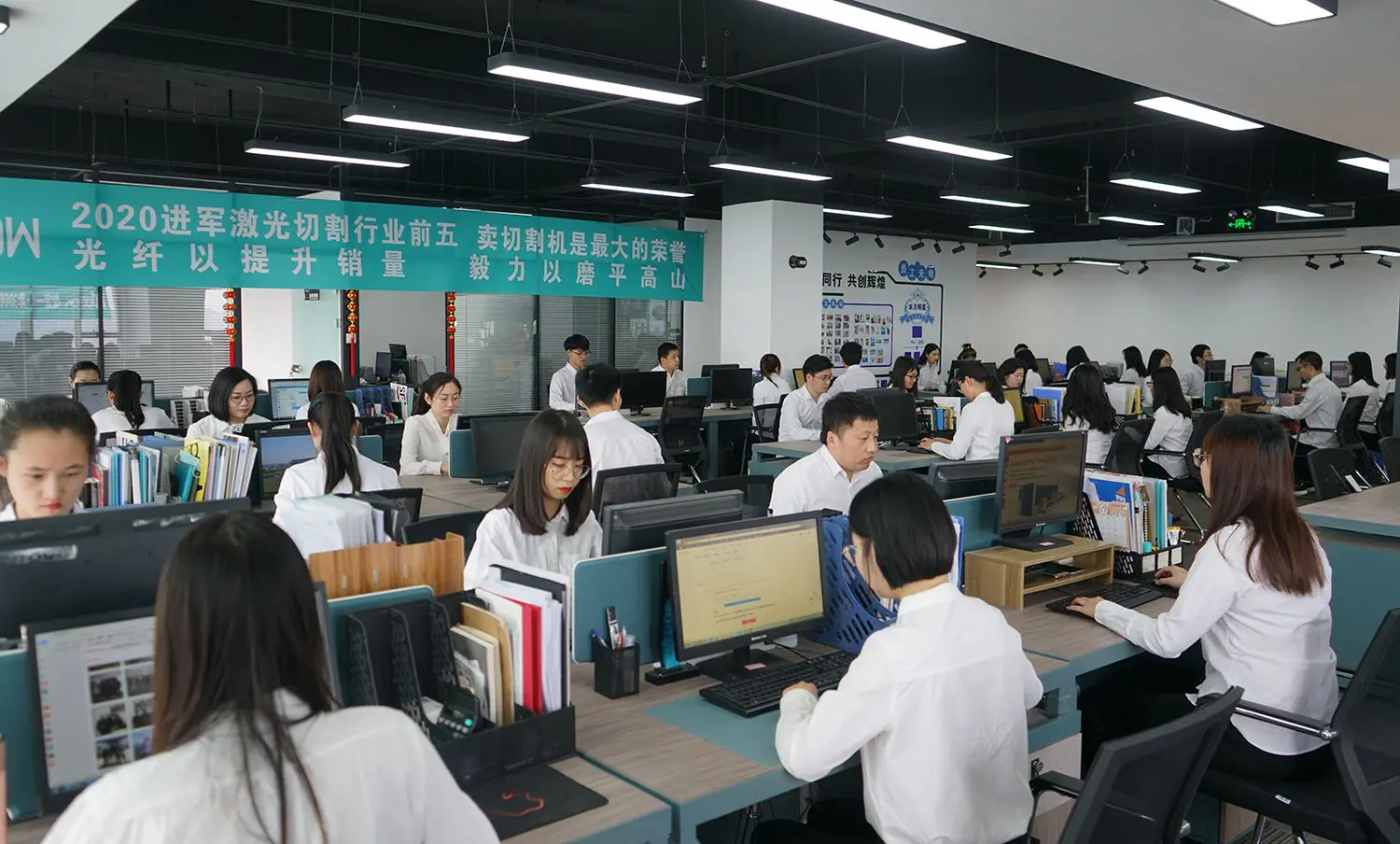
Our manufacturing infrastructure ensures that every CNC fiber laser, bending press, and cladding machine meets global standards of precision, durability, and safety.

Across diverse sectors, C-O series solutions are used to simplify complex manufacturing flows. In automotive prototyping, for example, structural rails require precise cutting without introducing excessive thermal distress. A HAZ (Heat Affected Zone) that is too deep can weaken structural components. By using low-pulse high-frequency lasers and dynamic gas flow, C-O systems minimize HAZ thickness, ensuring that structural parts retain their engineering properties.
In the aerospace industry, where light alloy materials are standard, the requirements for edge quality are strict. C-O series lasers use stabilized linear axes and optical paths to cut complex contours on titanium and aerospace-grade aluminum. This level of quality reduces the time spent on post-processing, allowing components to move straight from the cutting table to final assembly.
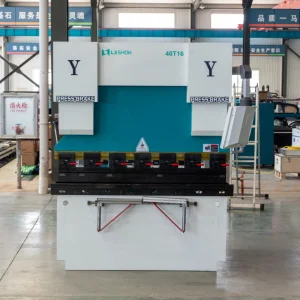
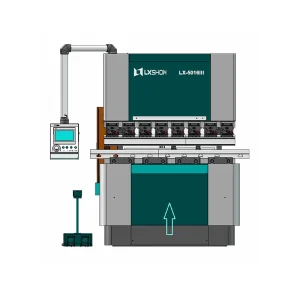
Furthermore, in heavy infrastructure development, the processing of structural sheets must be matched with precise bending. The combined use of our CNC Fiber Lasers and Hydraulic Press Brakes (like the WE67K series) ensures that cut-to-bend workflows are accurate. Parts cut on our lasers fit cleanly into CNC benders, preventing assembly mismatches and improving overall workshop efficiency.
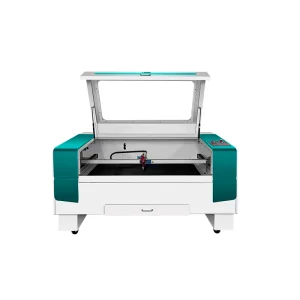
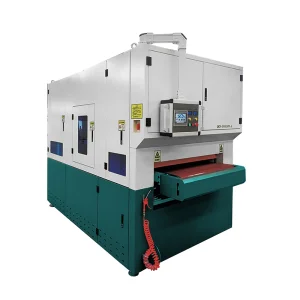
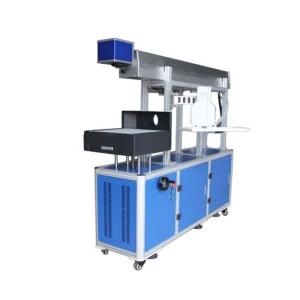
Examine our specialized carbon dioxide laser cutters, metal polishing systems, press brakes, and exchange table fiber lasers for heavy-duty metal fabrication.
 Lxshow