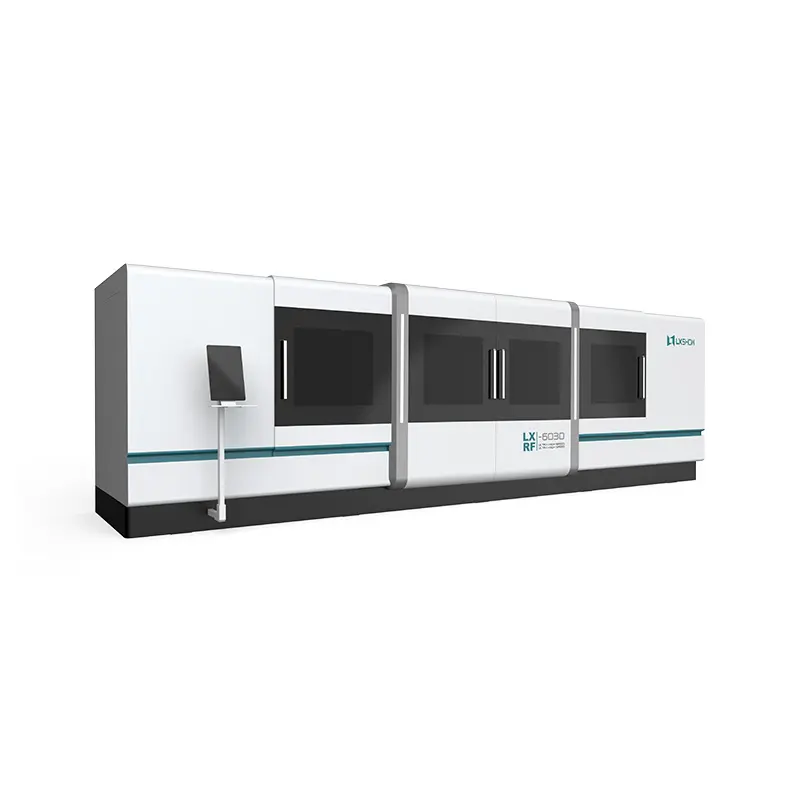
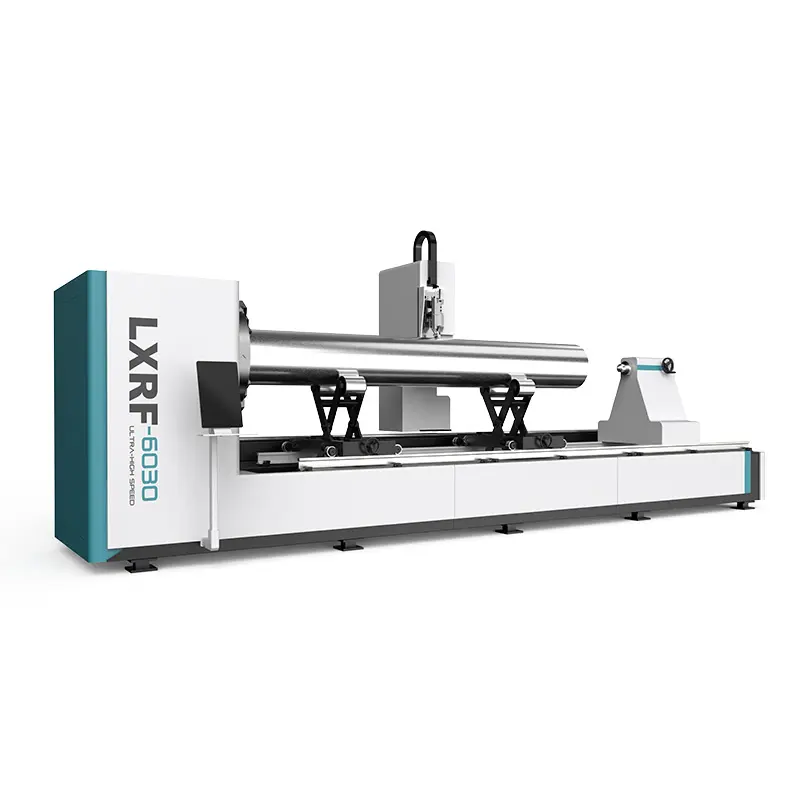
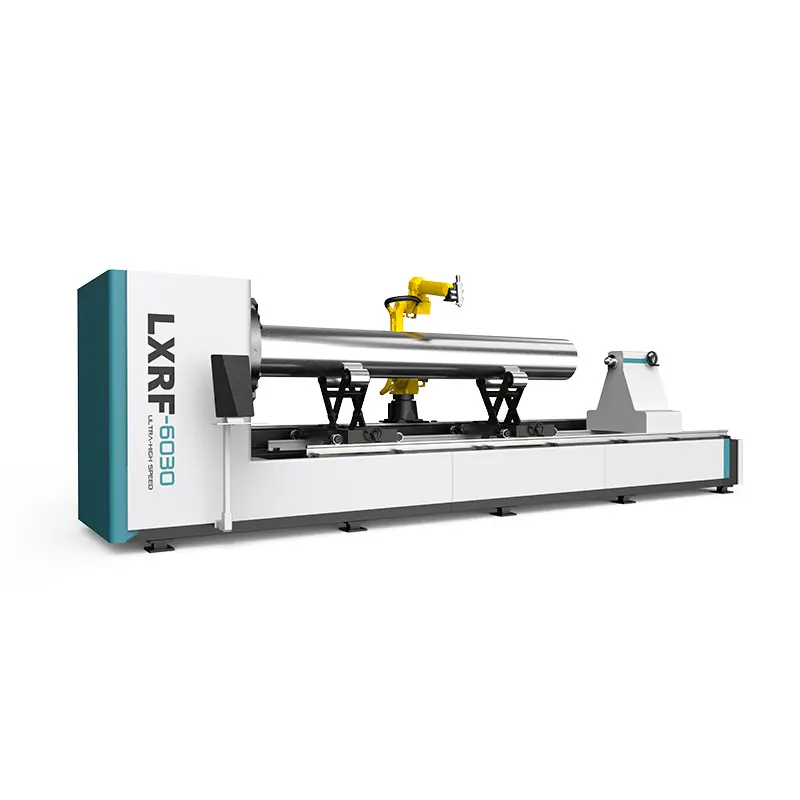
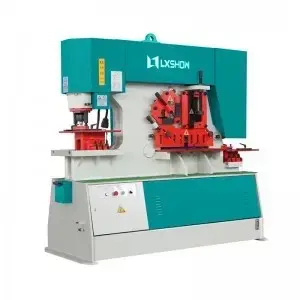
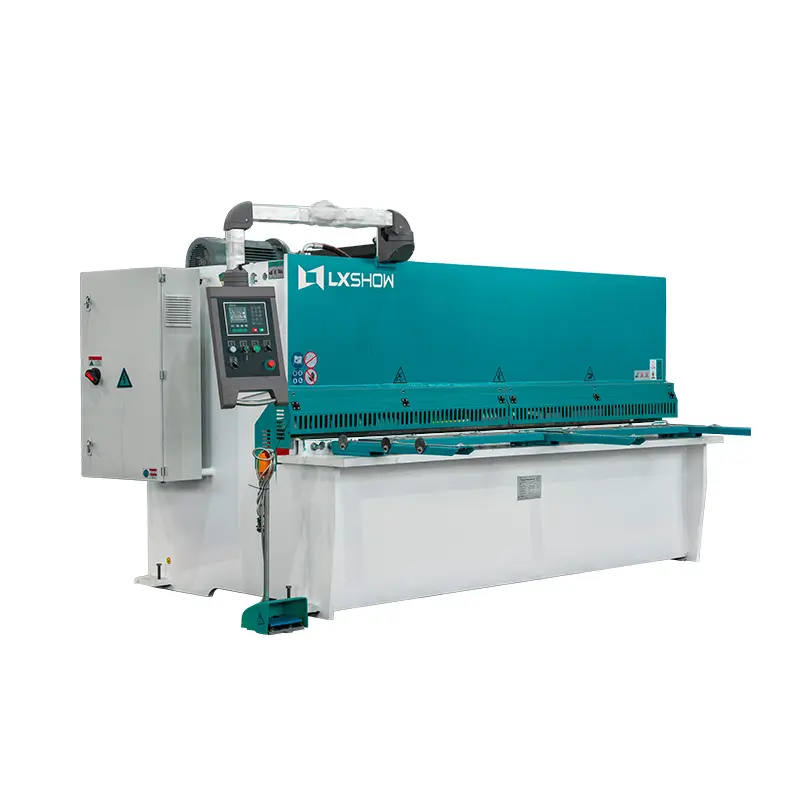
Engineered to elevate precision, minimize throughput times, and drive long-term structural integrity in smart manufacturing facilities worldwide.
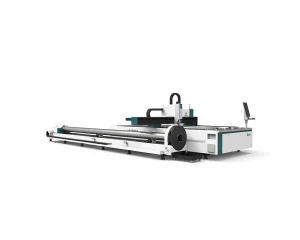
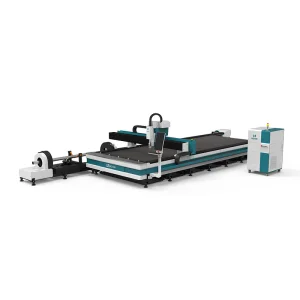
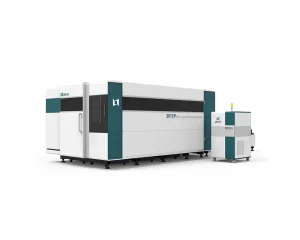
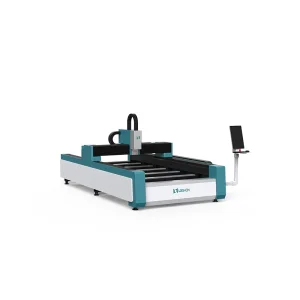
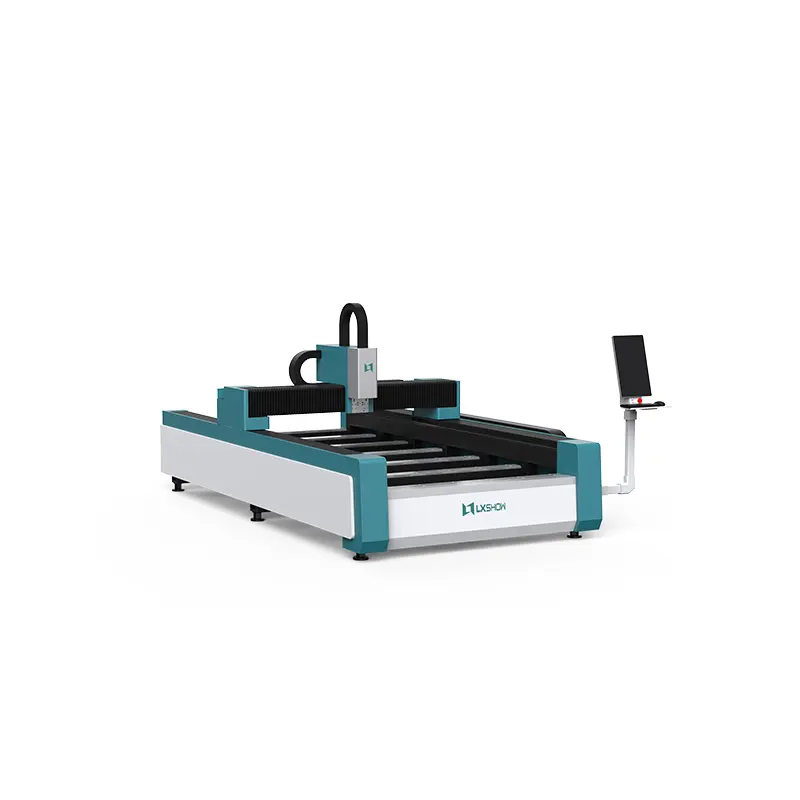
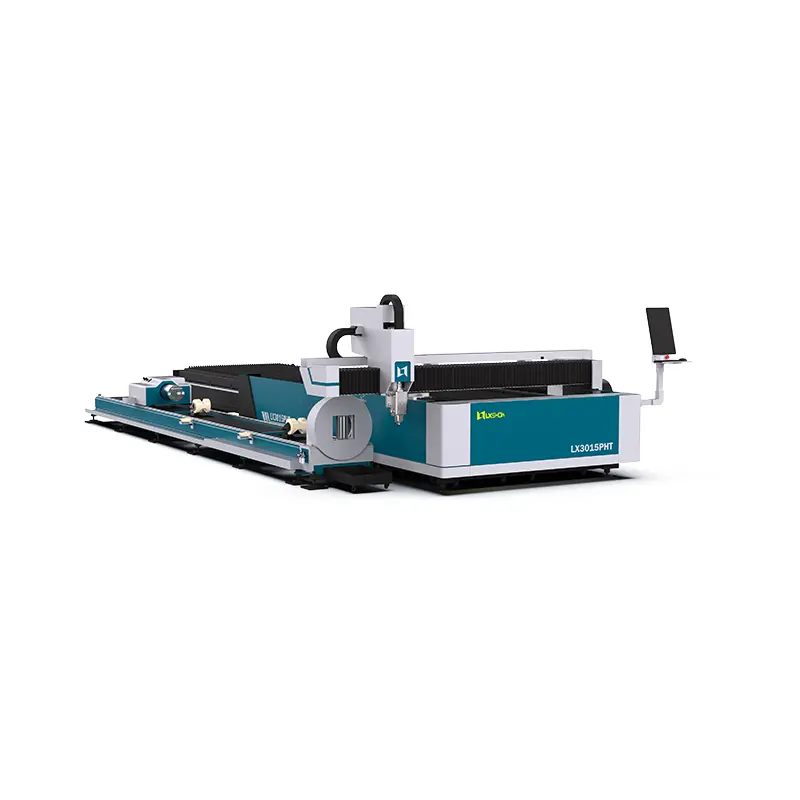
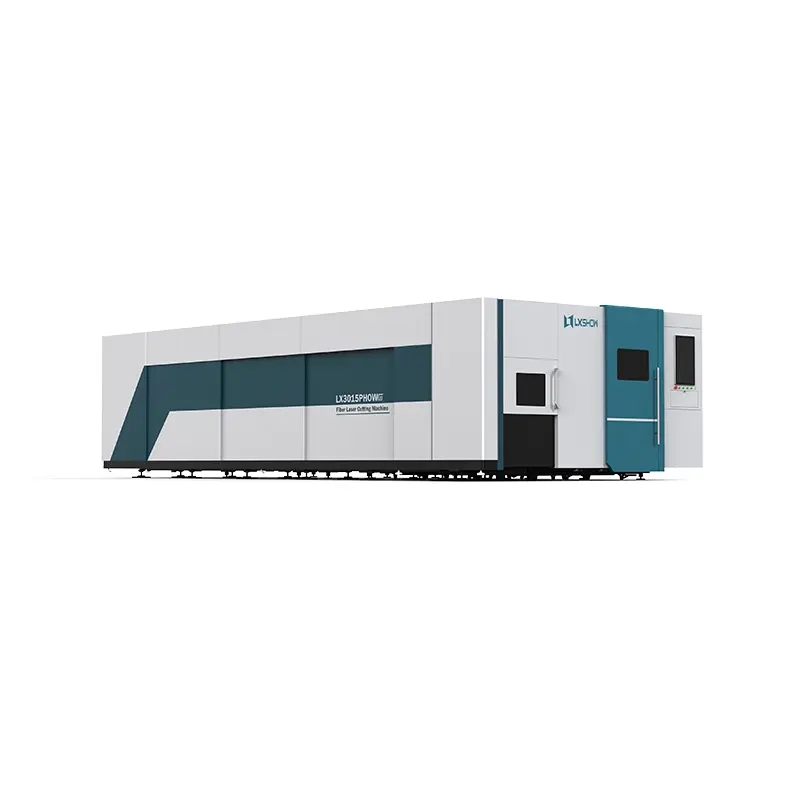
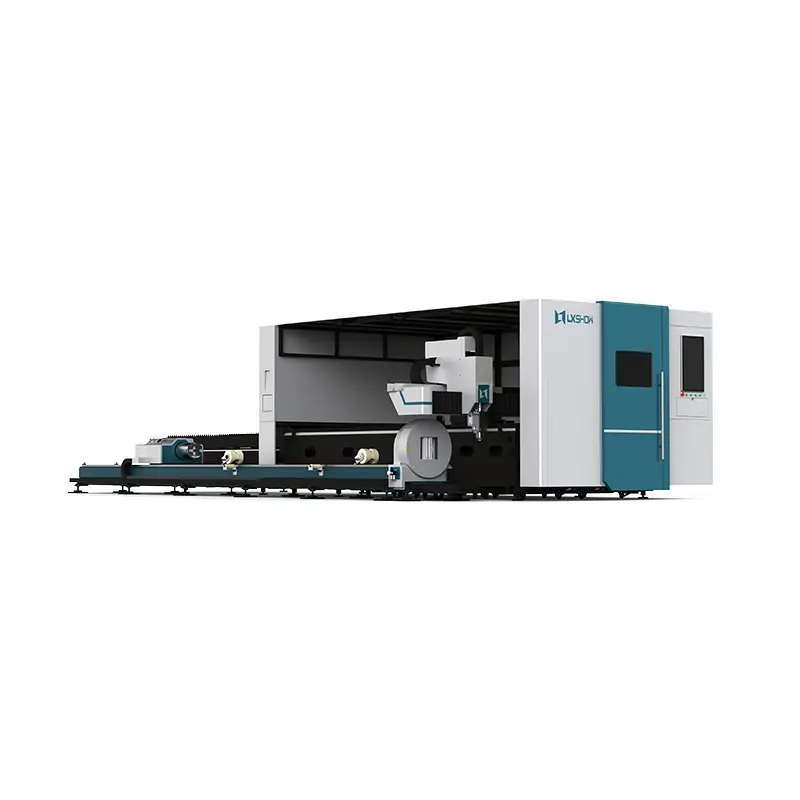
The global manufacturing ecosystem is undergoing an unprecedented shift towards automation, precision, and high-efficiency material processing. At the center of this transformation is the CT Series (represented natively by high-fidelity systems like the LX3015CT CNC Optic Metal Sheet Plate and Pipe Fiber Laser Cutting Machine). These advanced dual-use setups combine heavy-duty plate cutting with automated pipe processing, eliminating the necessity for multi-machine setups. As global factories face intensifying labor shortages and rising raw material costs, the optimization of floor space and production flow through integrated multi-axis machines has transitioned from a competitive advantage to a fundamental operational necessity.
Major manufacturing corridors in North America, Western Europe, and Southeast Asia are experiencing a sharp increase in the adoption of fiber laser systems. Exporters of heavy machinery have noted a clear paradigm shift: traditional CO2 lasers are being replaced by solid-state fiber lasers because of their superior optical efficiency, reduced gas consumption, and minimal maintenance requirements. With international exporters offering customizable structural variants, global factories can seamlessly integrate CNC fiber cutters, bending machines, and surface finishing equipment into their live production networks.
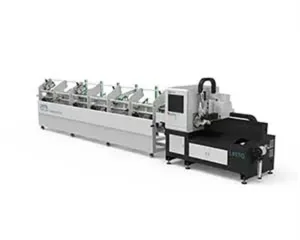
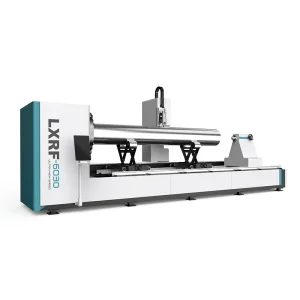
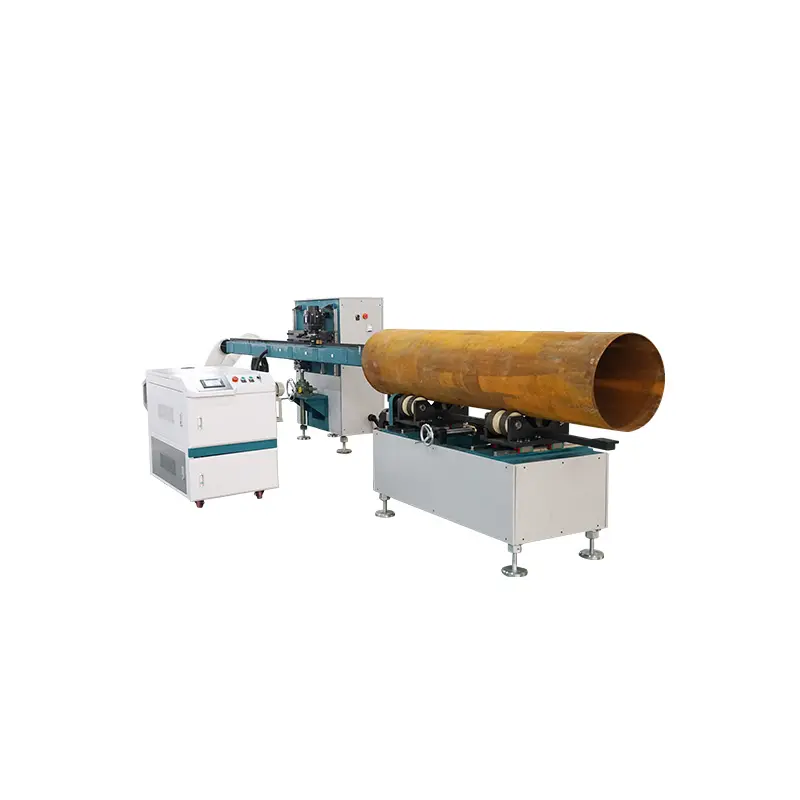
The development of laser cutting and industrial metal fabrication machinery has evolved from basic mechanical automation into software-driven precision engineering. Modern setups leverage intelligent CNC controllers capable of real-time monitoring and micro-adjusting cutting parameters dynamically. For instance, the China LX9TQA Automatic Feeding Fiber Laser Cutting Metal Tube Pipe Machine showcases how integration of mechanical feed rails with electro-pneumatic chuck systems can optimize cycle times for complex profile extractions.
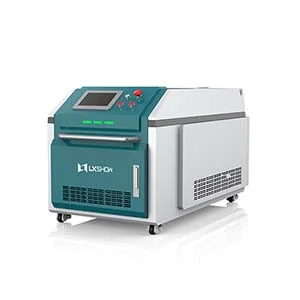
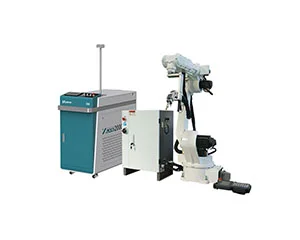
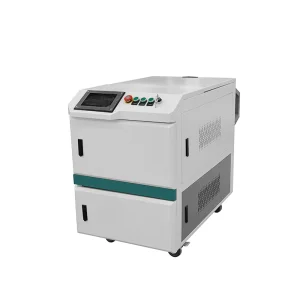
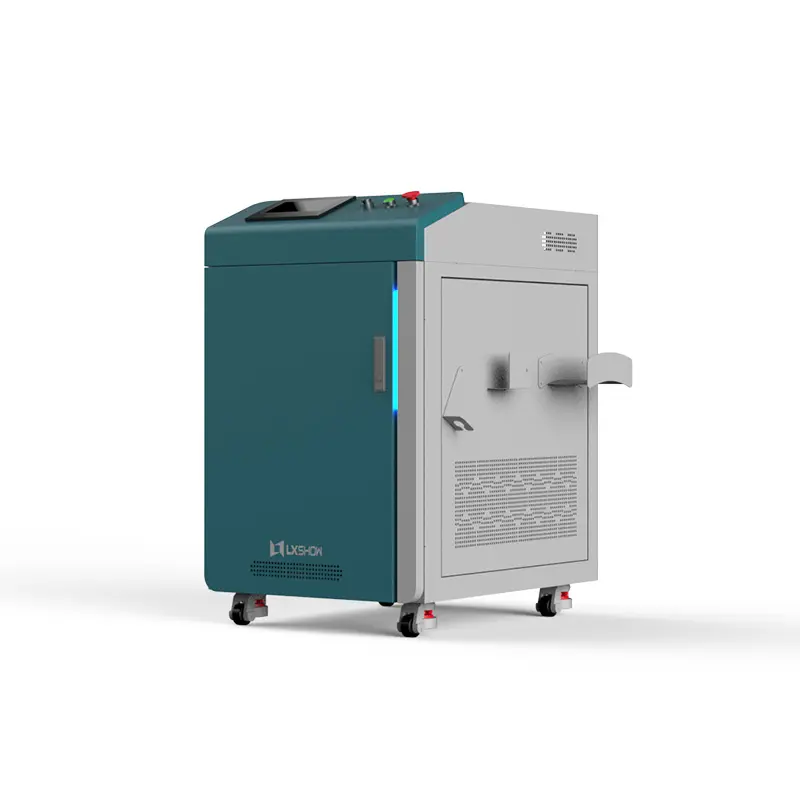
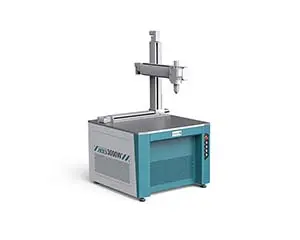
In terms of cleaning technology, the transition to high-power fiber laser cleaning systems (such as the LXC-3000W series) has revolutionized industrial surface preparation. Historically, chemical pickling and media blasting dominated industrial cleaning. However, environmental regulations and the need for substrate integrity have driven factories toward non-contact laser ablation. By utilizing short-pulsed or continuous-wave lasers, operators can ablate rust, oxide layers, and protective coatings without introducing thermal distortion to the underlying metal.
The deployment of CT Series machinery varies across regional industries, each requiring specific configurations to meet structural standards:
1. Aerospace and Defense Structures: High-precision cutting of exotic alloys (Titanium, Inconel, and high-strength aluminum) relies heavily on high-accuracy fiber lasers with active autofocus sensors. High beam quality ensures minimal Heat Affected Zones (HAZ), preserving the mechanical properties of aerospace components.
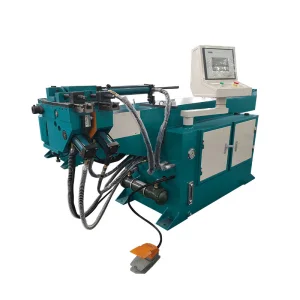
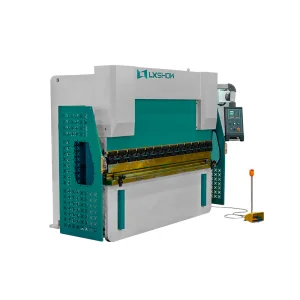
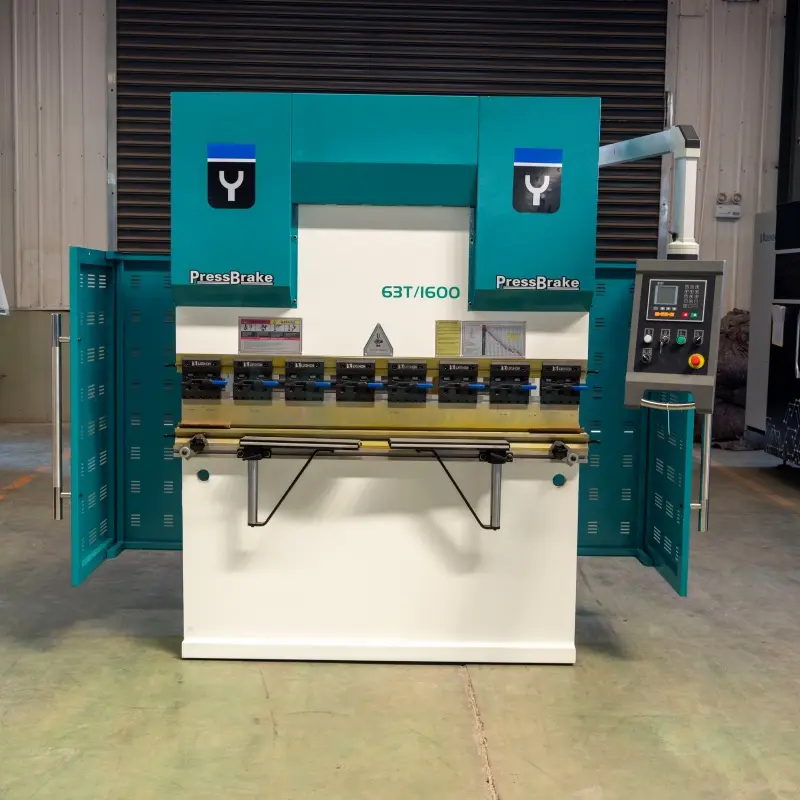
2. Automotive Framing and Exhaust Systems: Tube processing systems and precision hydraulic bending machinery (e.g., the Full Automatic/Semi-Automatic Hydraulic Bending Machine) handle the processing of high-strength structural profiles. Smooth, wrinkle-free tube bending is critical for exhaust manifolds and chassis rolls.
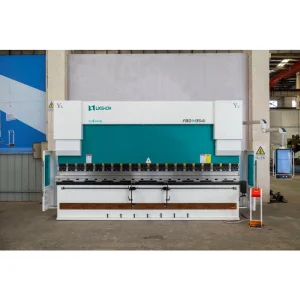
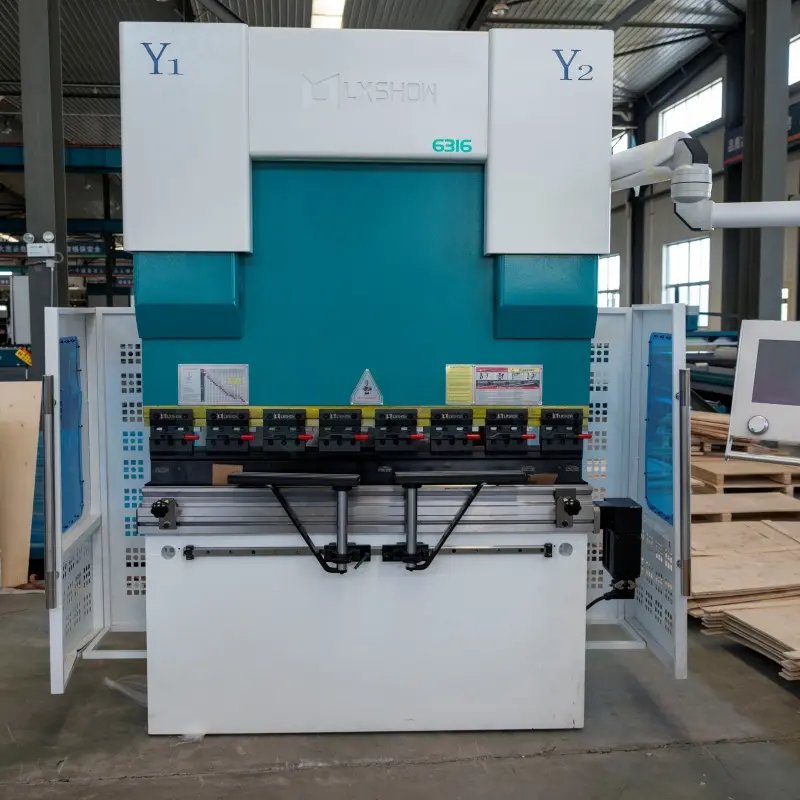
3. Infrastructure & Construction Steelwork: Heavy plate cutting and bending systems, such as the WE67K Series Hydraulic CNC Bending Machines, form the backbone of structural engineering. These systems process carbon steel plates with high repetition accuracy, ensuring structural components fit together precisely at the job site.
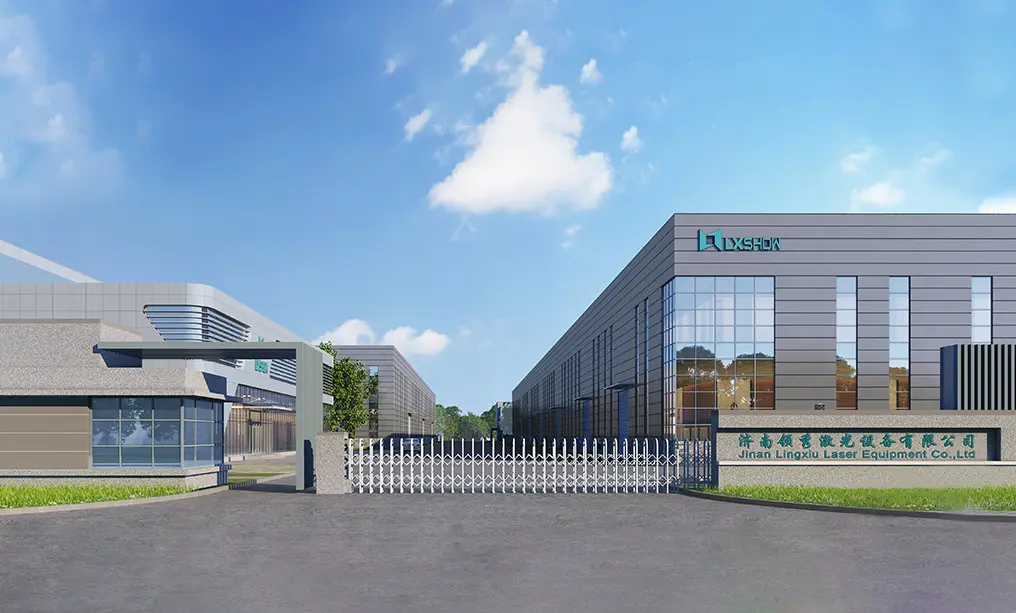
Since our establishment in July 2004, we have remained focused on the R&D and manufacturing of industrial laser systems. Today, our footprint spans more than 500 square meters of modern research and administrative offices, alongside a production facility exceeding 32,000 square meters. Our design and engineering teams focus on delivering technical support, backed by our dedicated laser cutting, laser welding, and laser cleaning machine communication center. We are committed to building Industry 4.0 smart factories, helping companies establish and run intelligent manufacturing plants.
All our machinery has obtained the European Union CE authentication, the United States FDA certificate, and is fully certified under the ISO 9001 quality management standard. Our industrial solutions are exported to the USA, Canada, Australia, Europe, Southeast Asia, Africa, and other regions, spanning over 120 countries and territories. Additionally, we provide tailored OEM services for more than 30 major global industrial machinery brands.
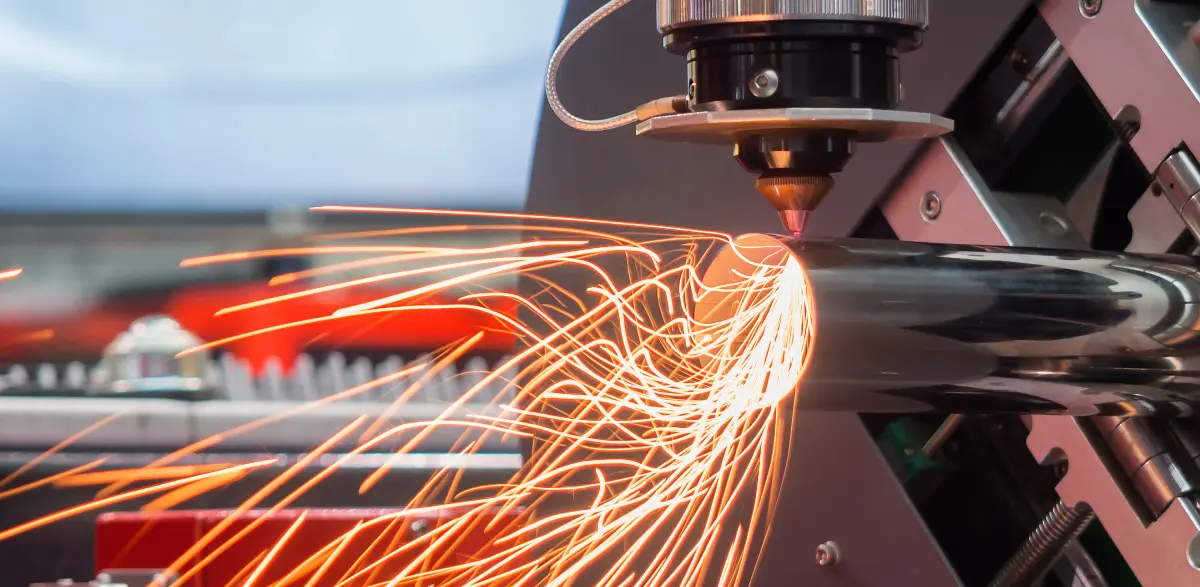
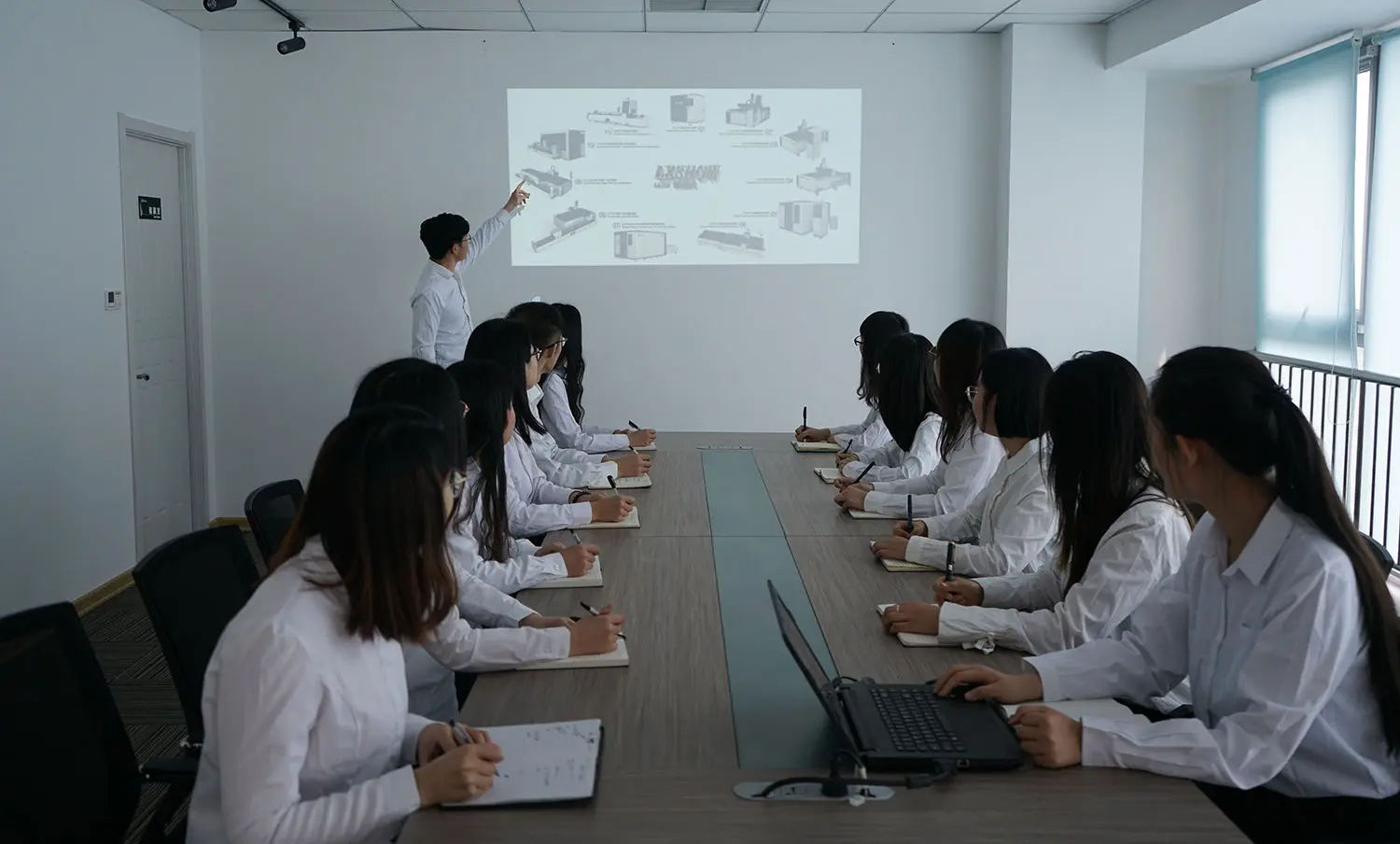
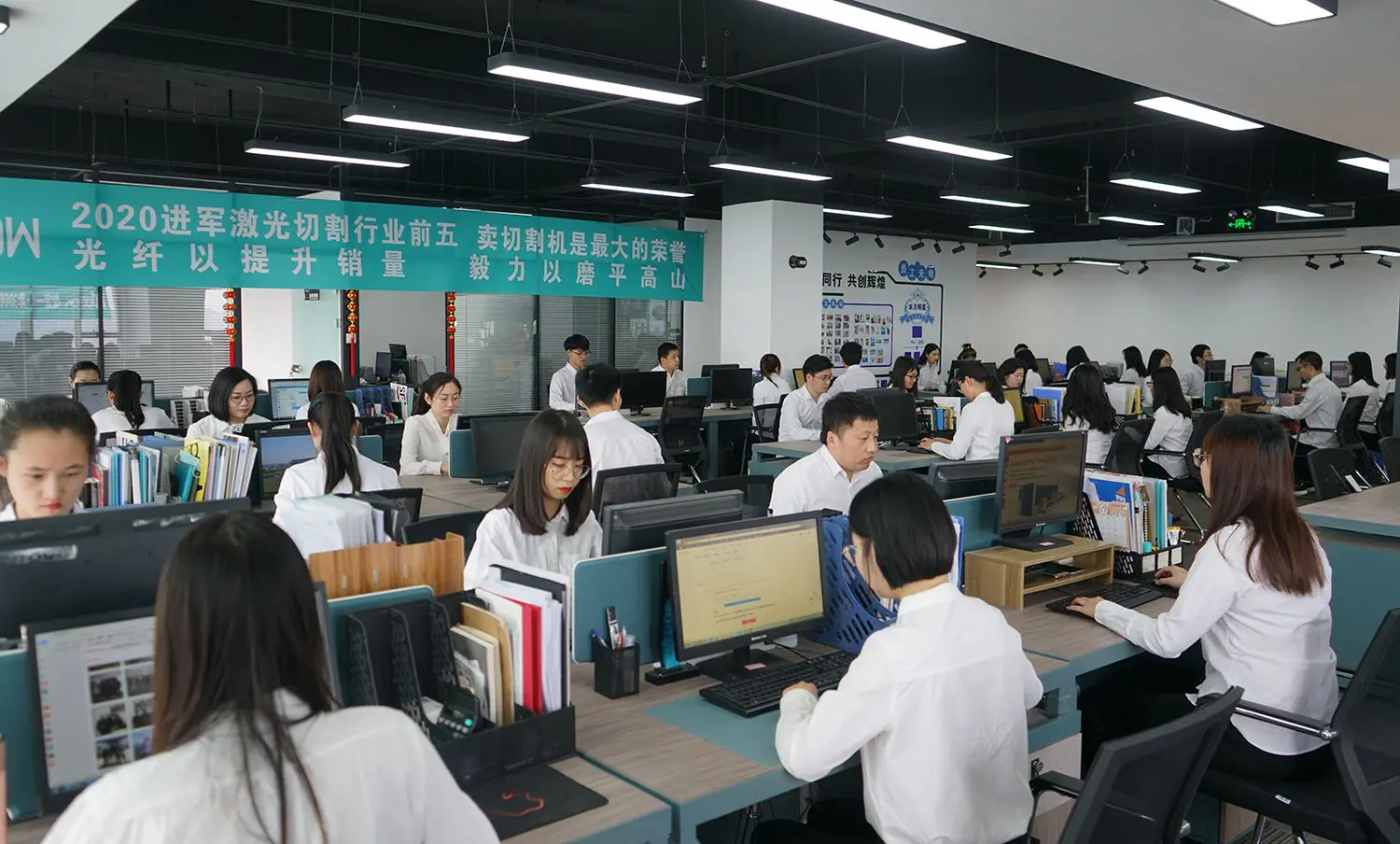
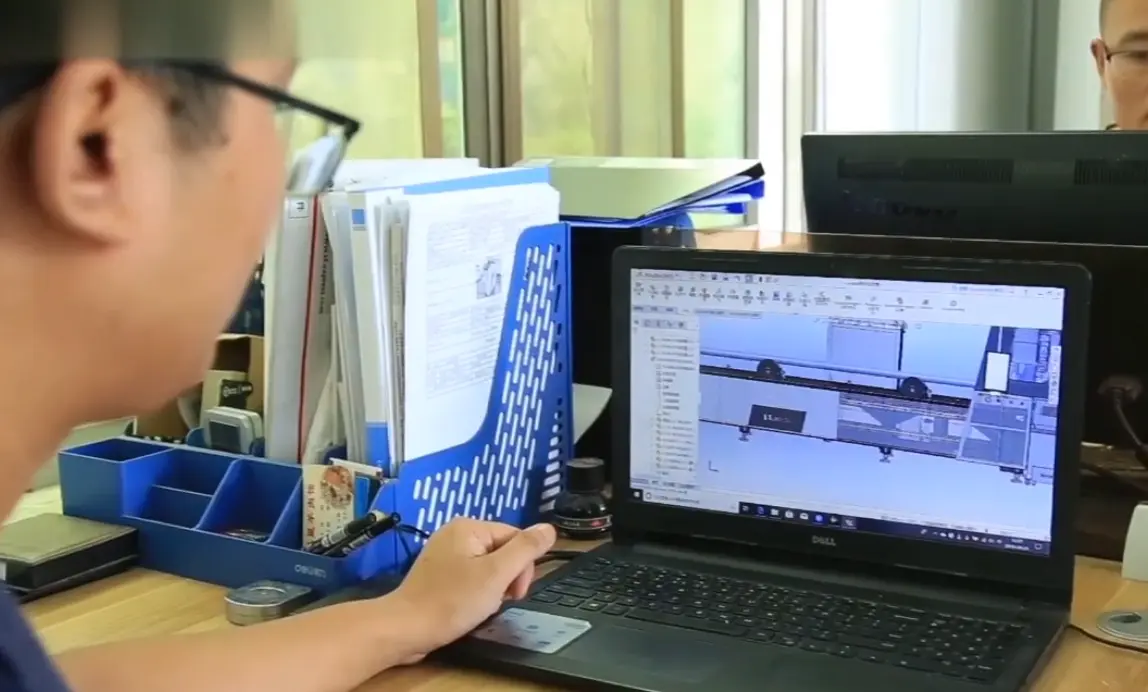
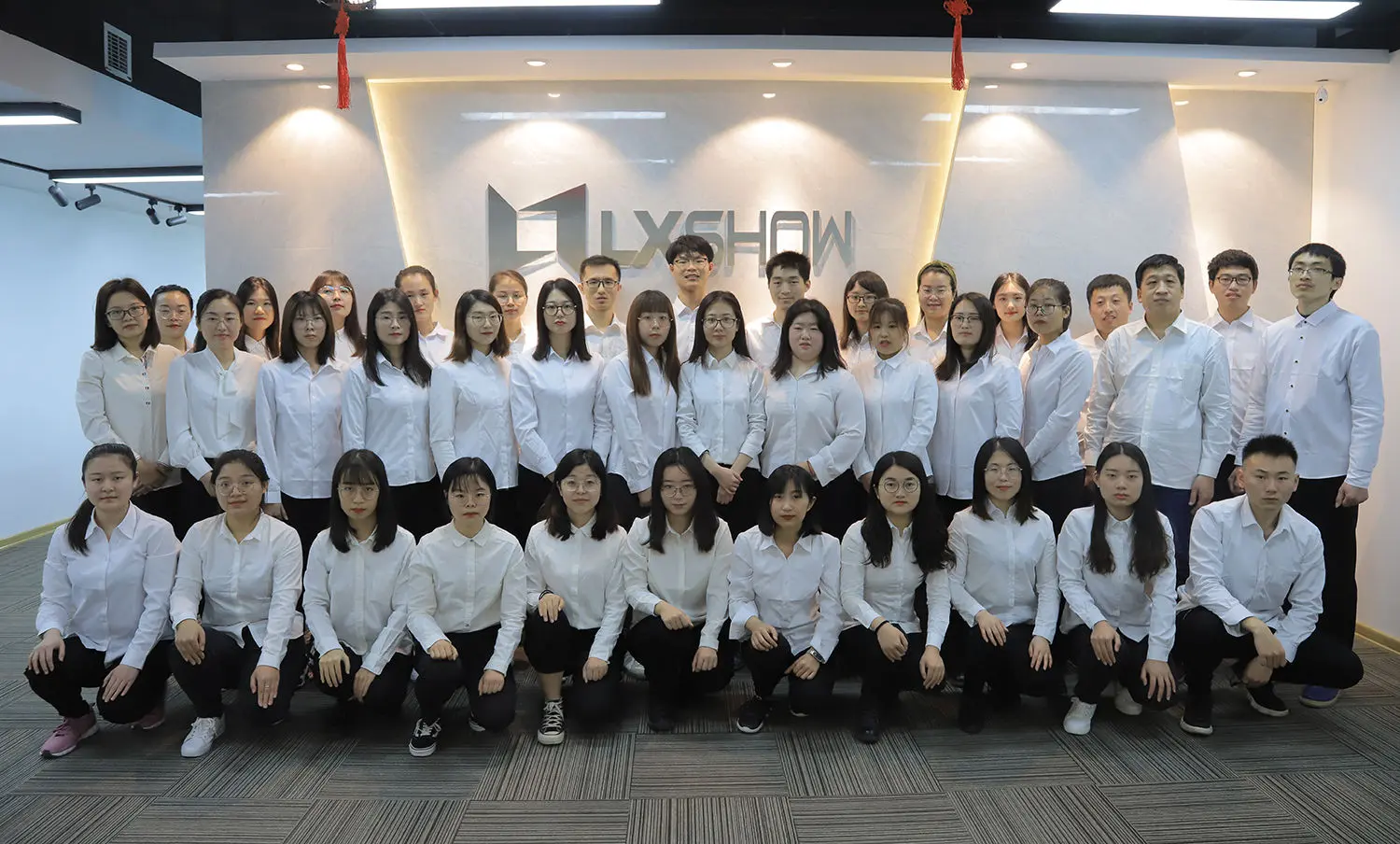
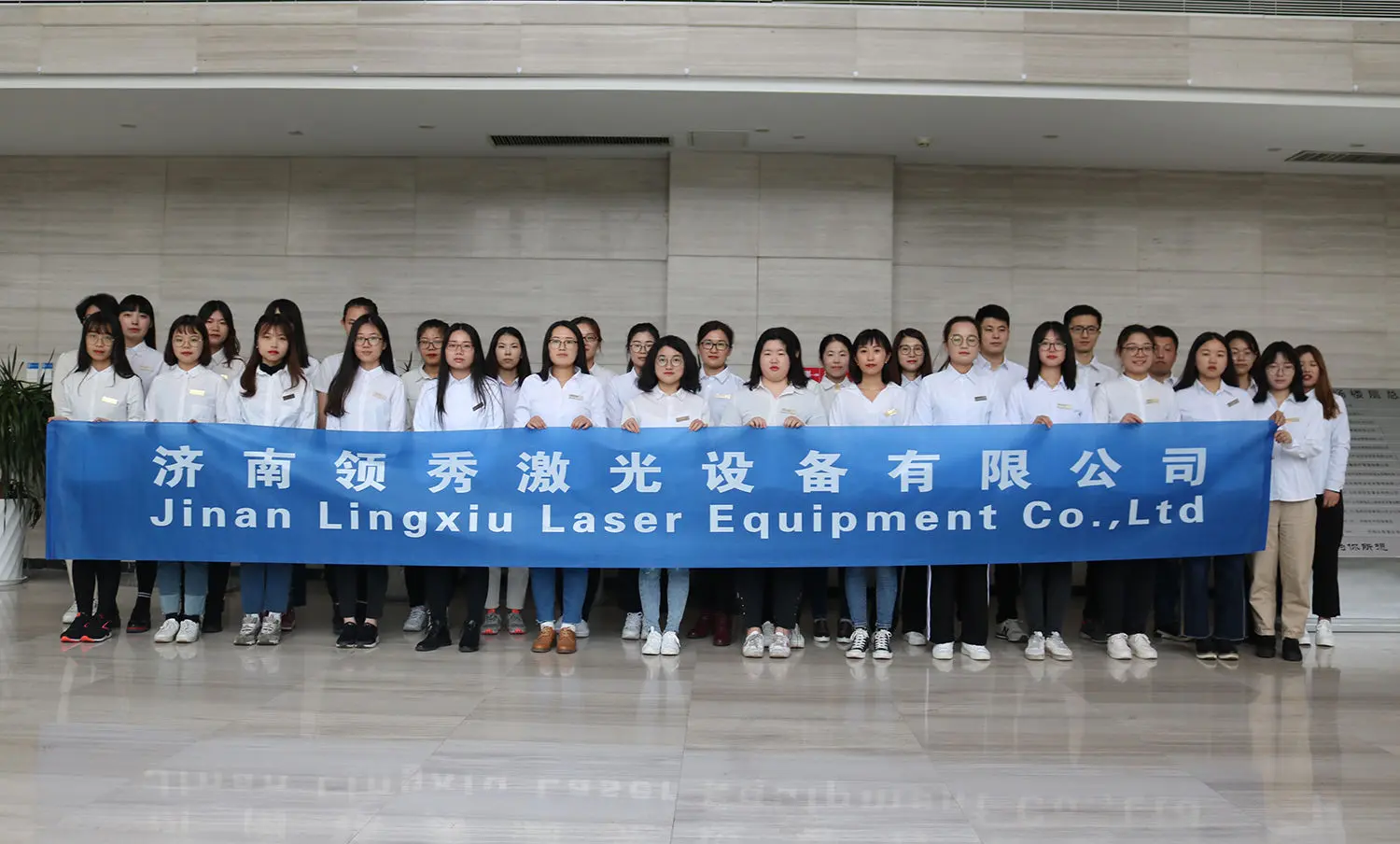
Providing high-precision machinery requires production control. Here is a tour of our operational facility and engineering offices:
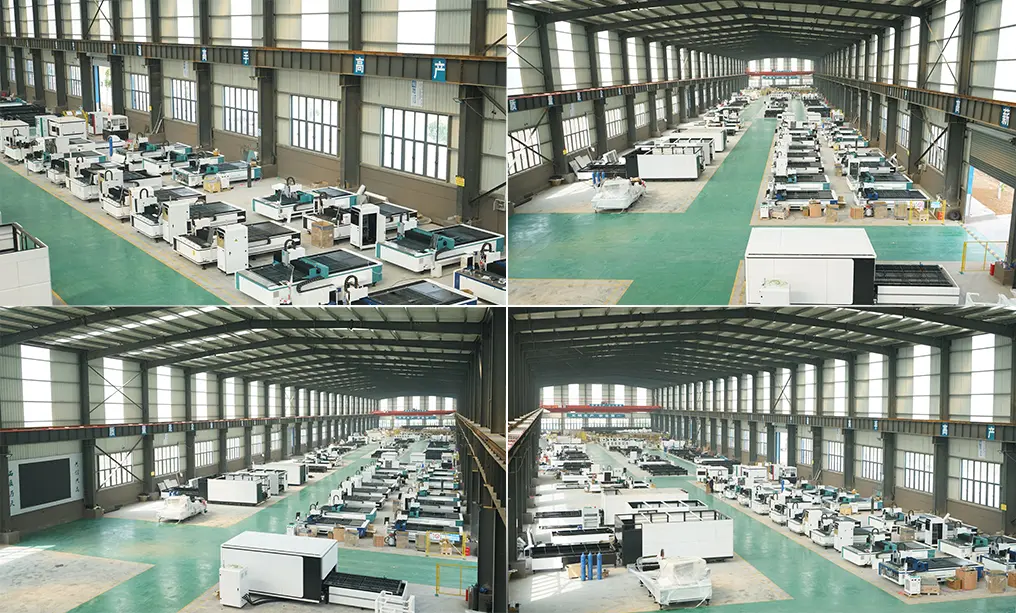
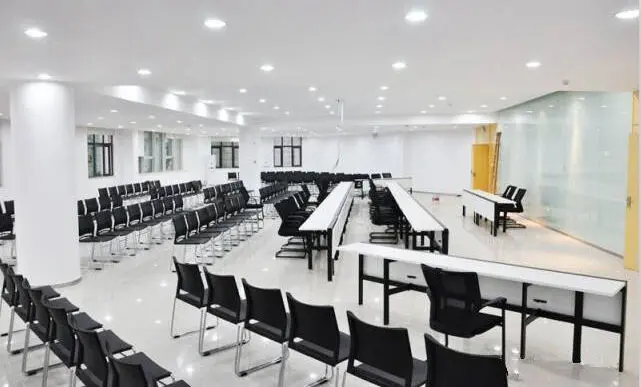
Our solutions handle a wide variety of engineering materials and structural shapes. Discover the technical classifications supported by our systems:
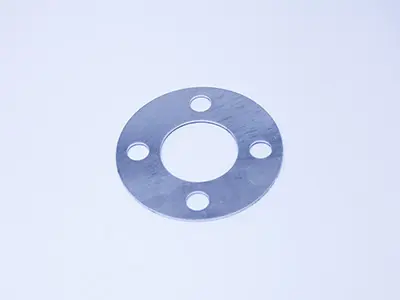 Aluminum
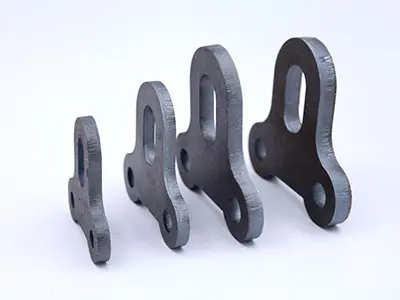 Carbon Steel
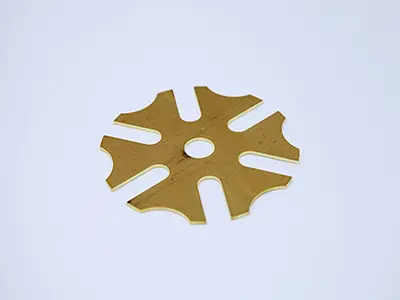 Copper
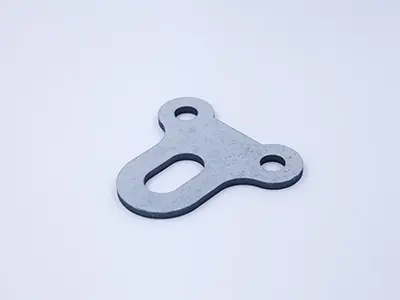 Galvanized Steel
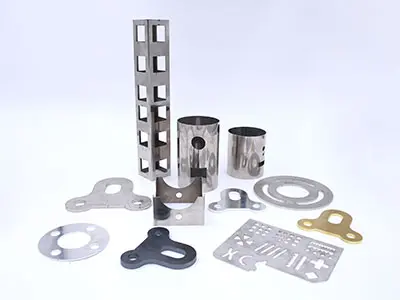 Specialty Alloys
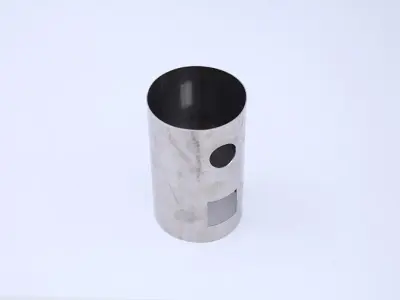 Round Tube Profiles
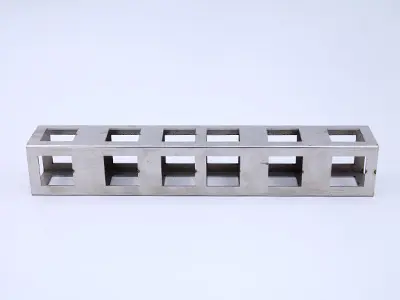 Square & Rectangular Tube
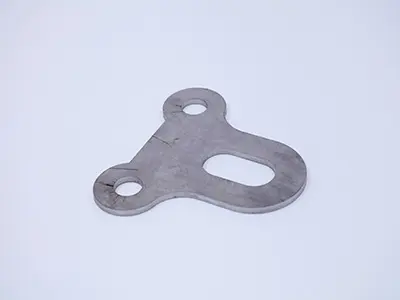 Stainless Steel
Answering high-intent technical questions frequently asked by engineers and procurement professionals:
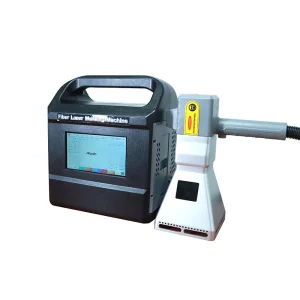
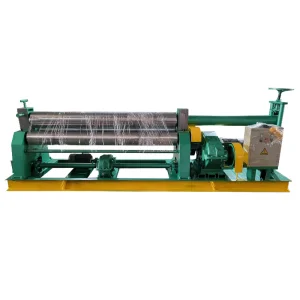
Explore our high-performance solutions for surface preparation, sheet metal forming, and trace-ability markings.
A comprehensive overview of our machinery groups, designed for long-term production runs in industrial applications.
Provides a strong guarantee for stable batch processing and additive surface restoration of thick wear-plates.
Designed for non-contact oxide, coating, and rust removal across sheet metal surfaces and structural piping.
Ensures high weld-seam quality with minimal heat input, reducing post-weld dressing processes.
Delivers high cutting speeds, minimal kerf width, and precision edge profiles on carbon and stainless steels.
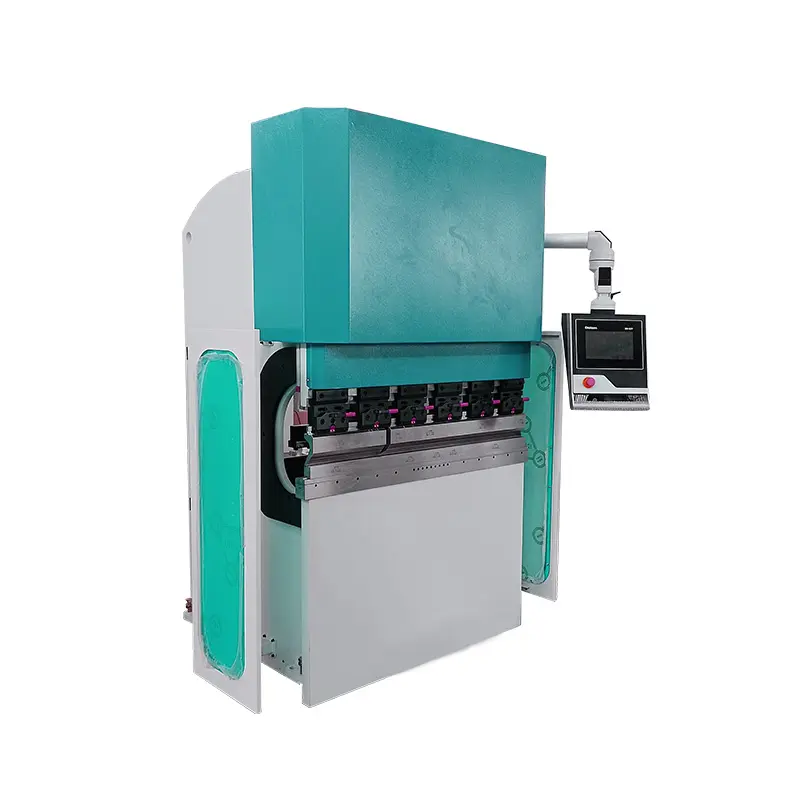
Advanced electro-hydraulic servo drive system ensuring angle precision across complex folding geometry.
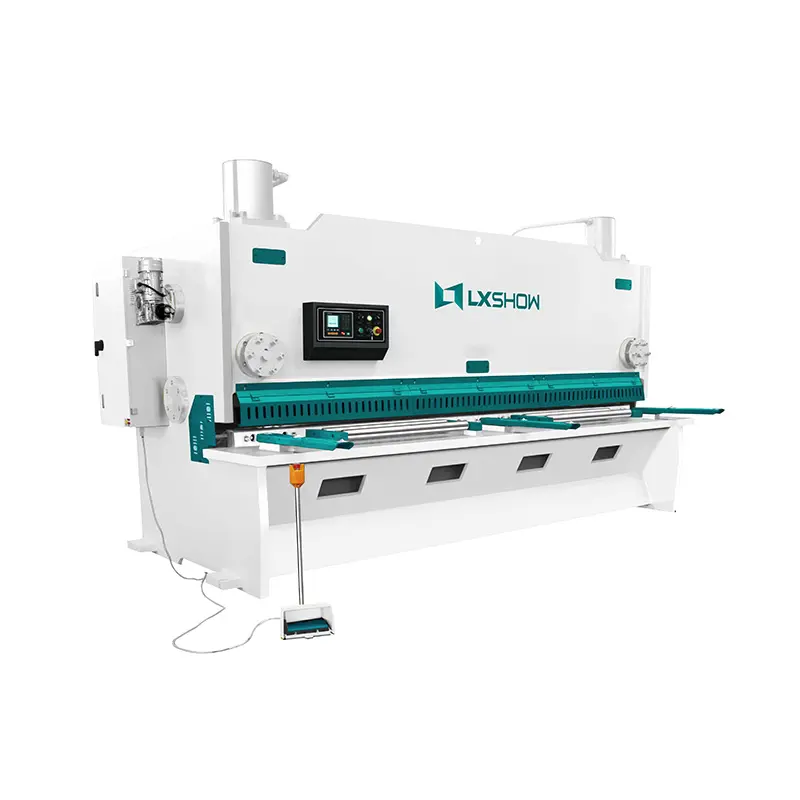
Heavy duty structural frame for deformation-free cutting of high-thickness plate stock.
 Lxshow