Q
What materials can a UV laser marking machine engrave?
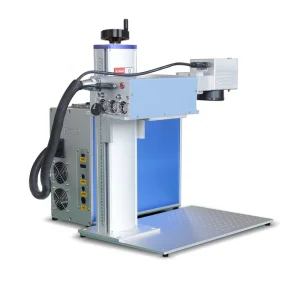
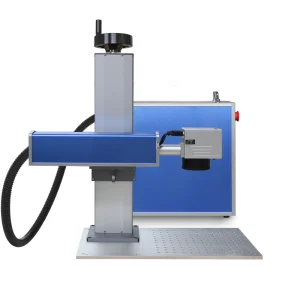
UV laser marking machines are exceptionally versatile and ideal for "cold marking" applications. They can process various materials, including plastics (ABS, PVC, PE, etc.), glass, ceramics, metals (especially precious metals), and organic materials, without causing thermal deformation.
Q
What are the main advantages of UV laser technology?
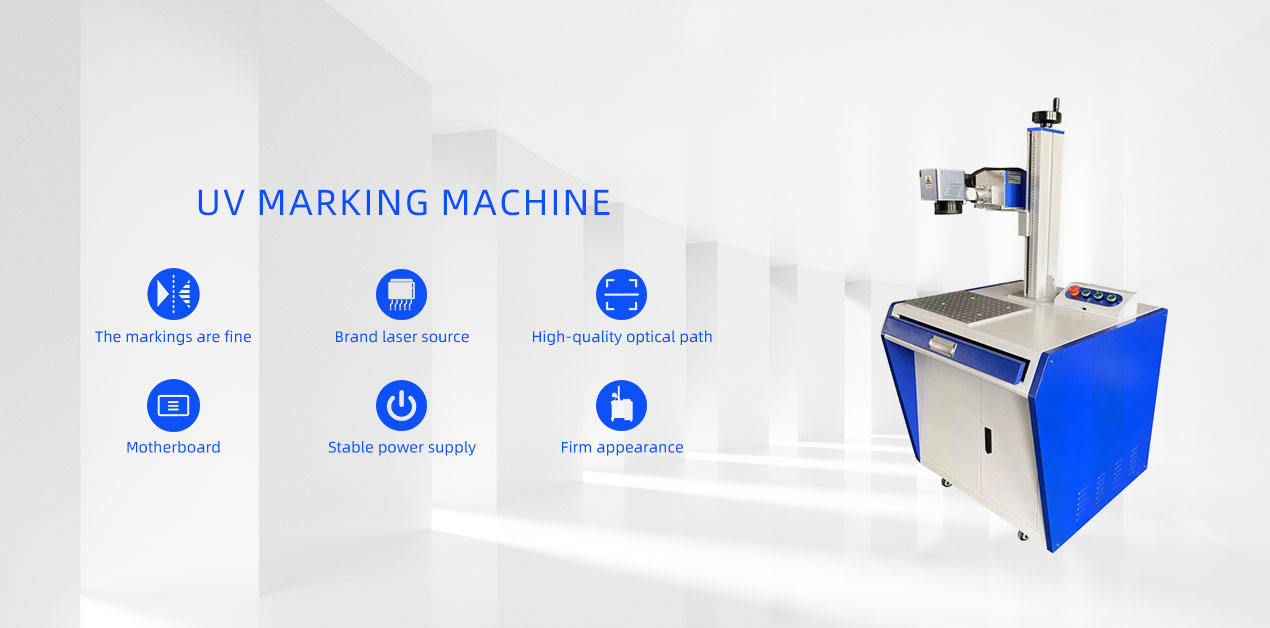
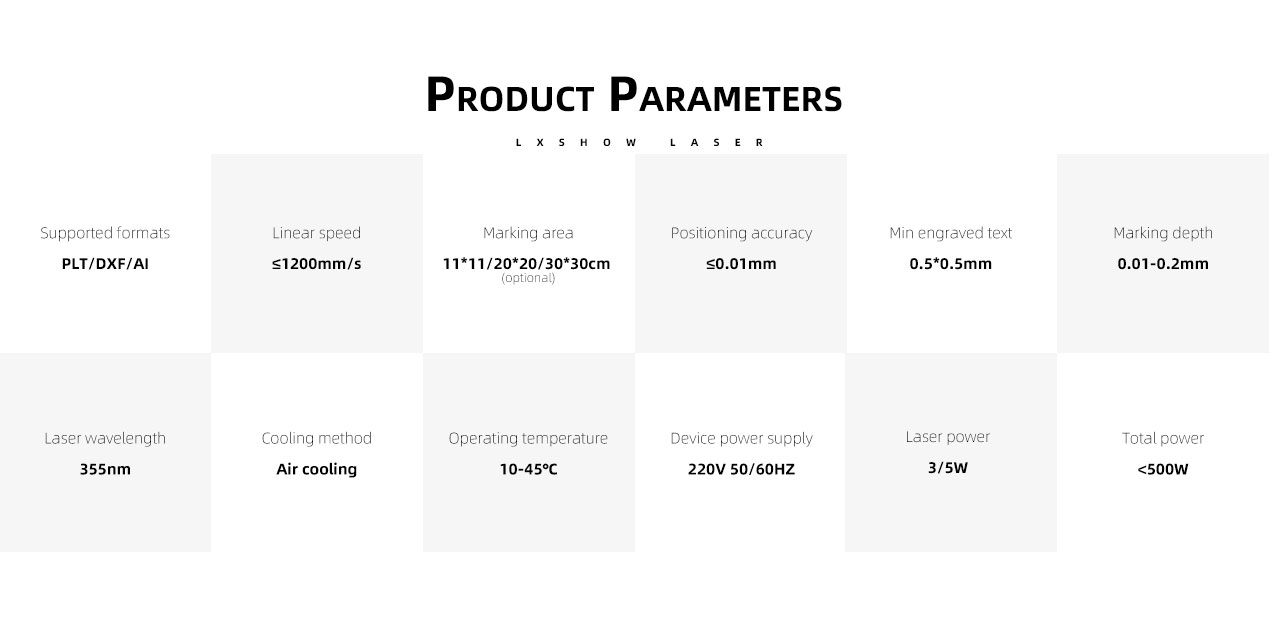
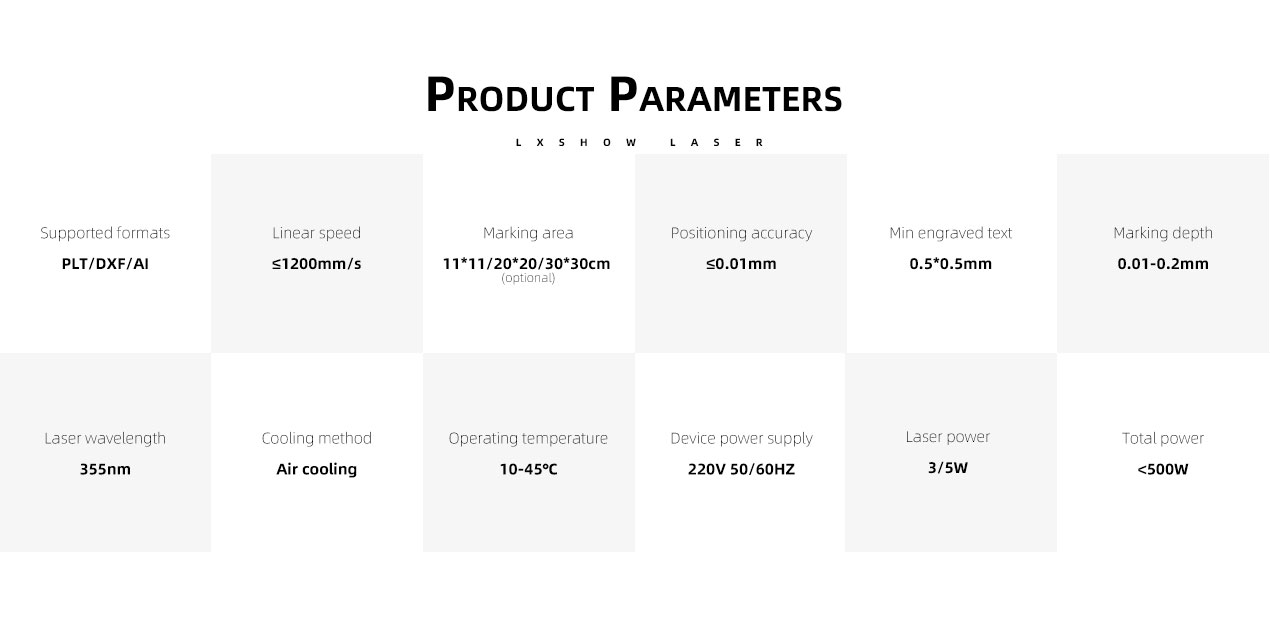
The short wavelength of UV lasers (355nm) allows for a extremely small focal spot size and minimal heat-affected zones. This results in ultra-fine marking capabilities with high contrast, making it perfect for micro-markings and delicate materials.
Q
Which industries commonly utilize UV laser marking systems?
These machines are widely applied in medical device manufacturing, consumer electronics (such as microchips and circuit boards), cosmetics, food and pharmaceutical packaging, and consumer goods where clear, permanent, and hygienic markings are required.
Q
Does the UV laser marking machine require consumables?
No, UV laser marking is a non-contact, purely optical process. It does not require any inks, solvents, ribbons, or chemical consumables, which greatly reduces operating costs and makes it an eco-friendly choice.
Q
What is the average lifespan of a UV laser source?
A high-quality UV laser source typically has an operational lifespan of over 20,000 hours. Keeping the operating environment clean, maintaining the correct temperature, and following standard guidelines will ensure maximum performance and longevity.
Q
Is it safe to operate a UV laser marking machine?
Yes, when operated with proper safety measures. Since UV light is invisible and can be harmful to eyes and skin, operators should always wear certified 355nm protective laser safety glasses or use fully enclosed Class 1 laser housing configurations.
 Lxshow