 Lxshow
1 / 5


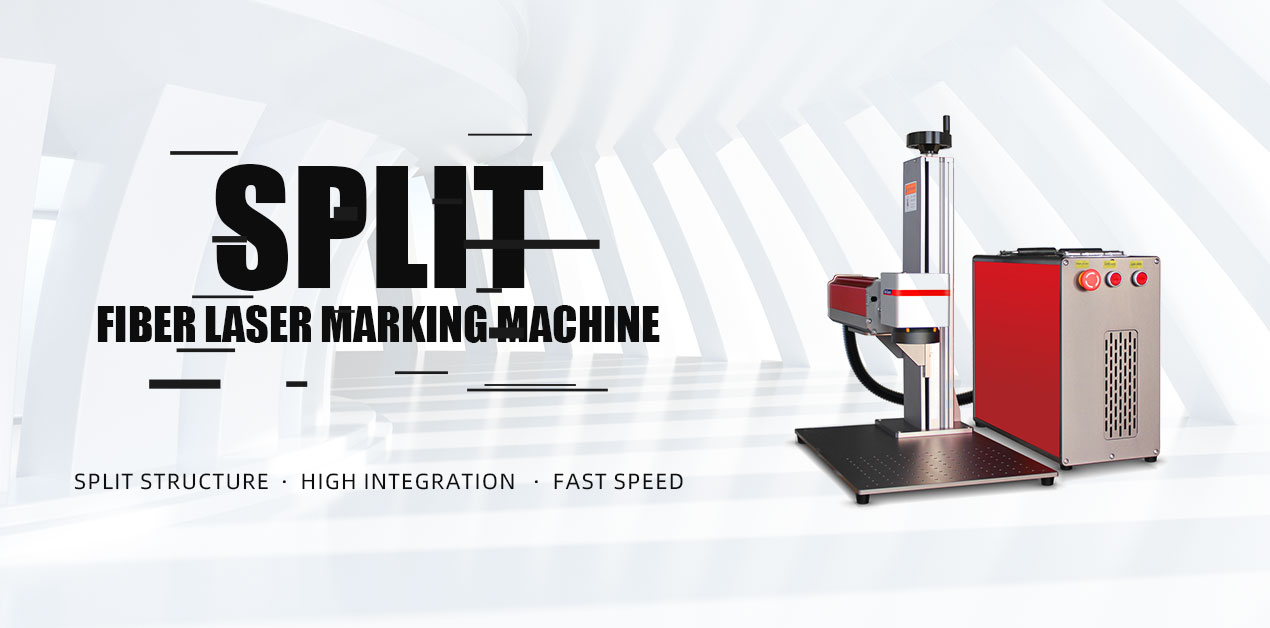
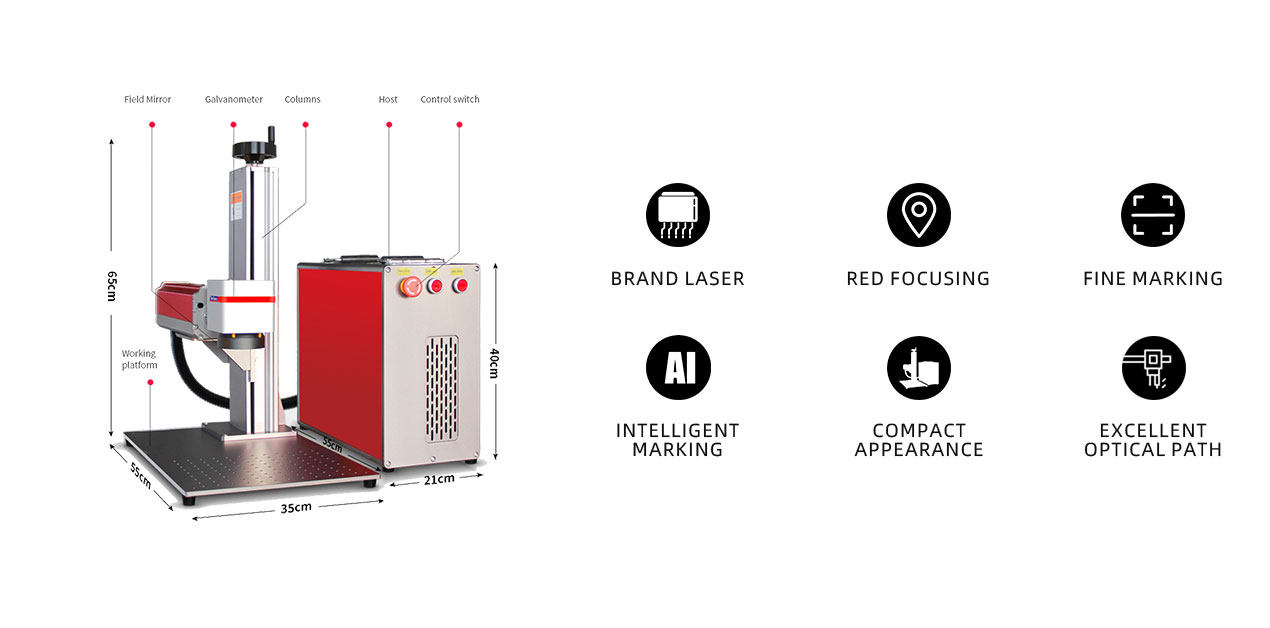
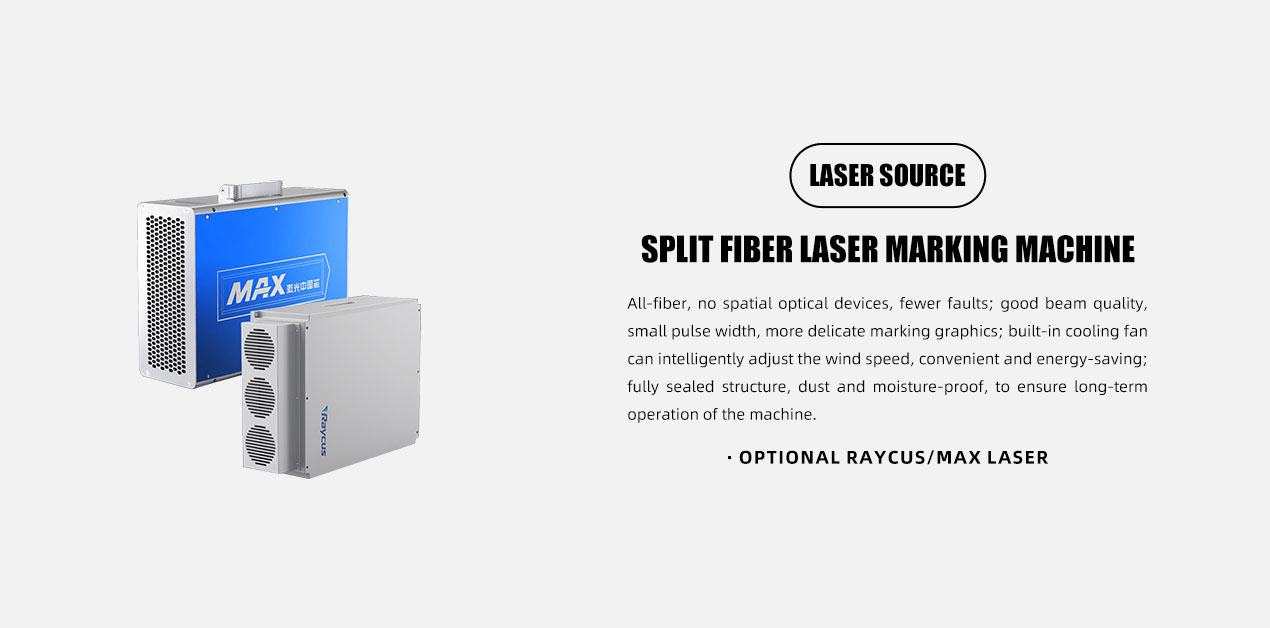
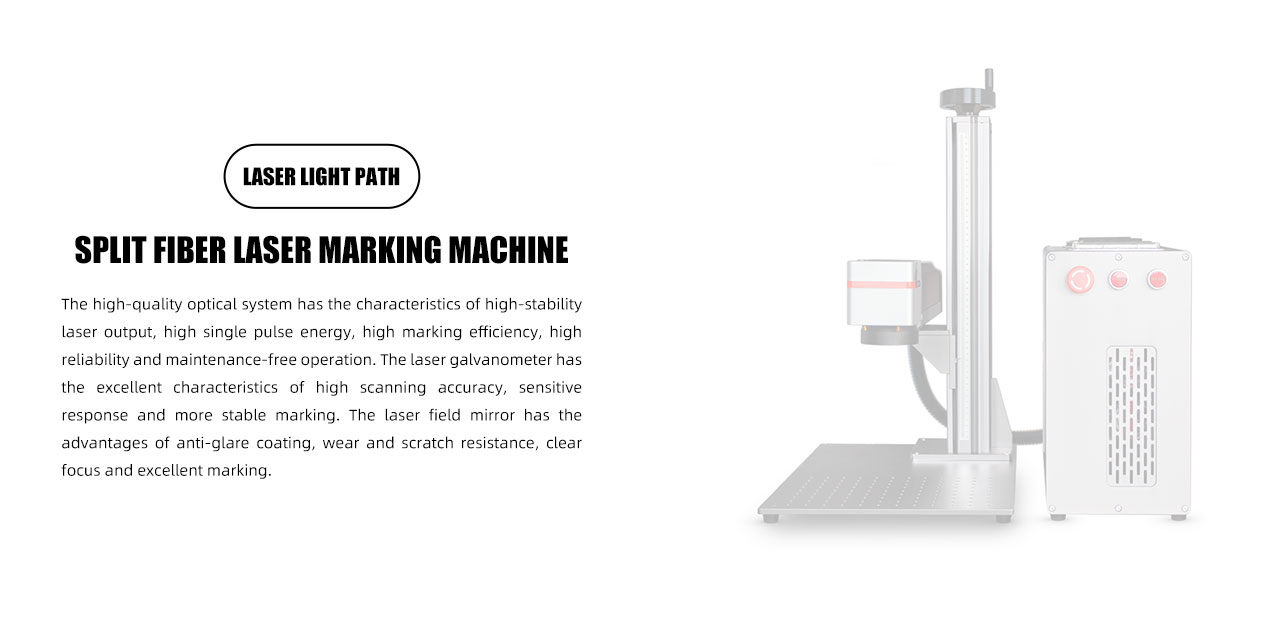
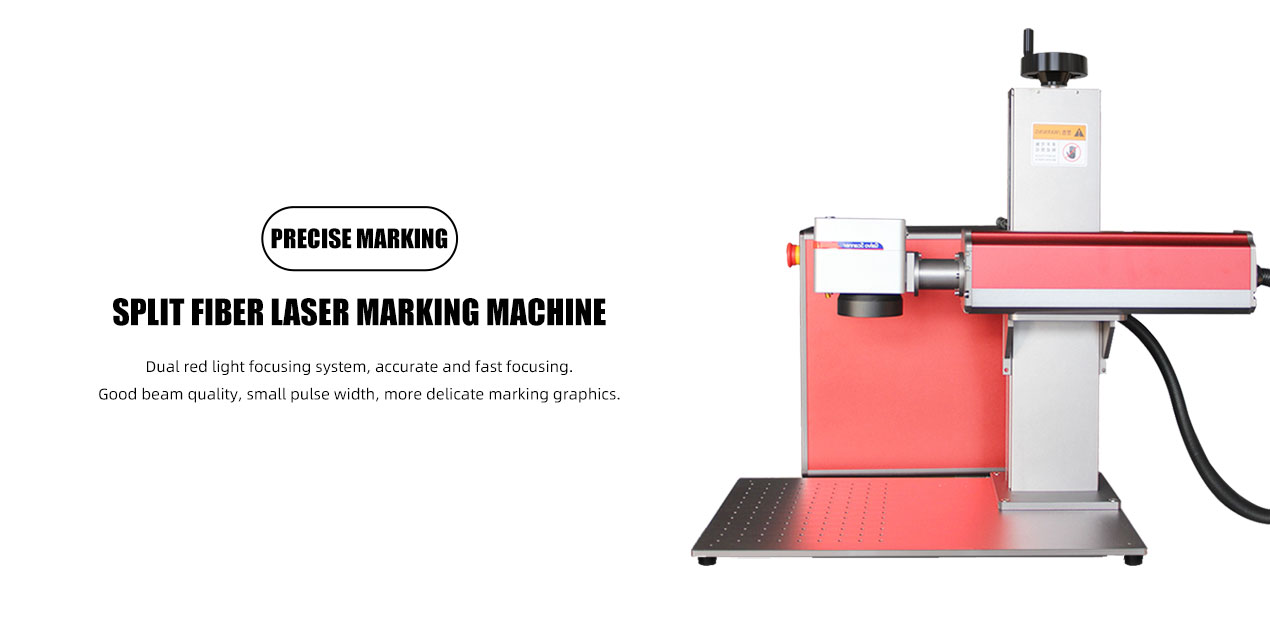
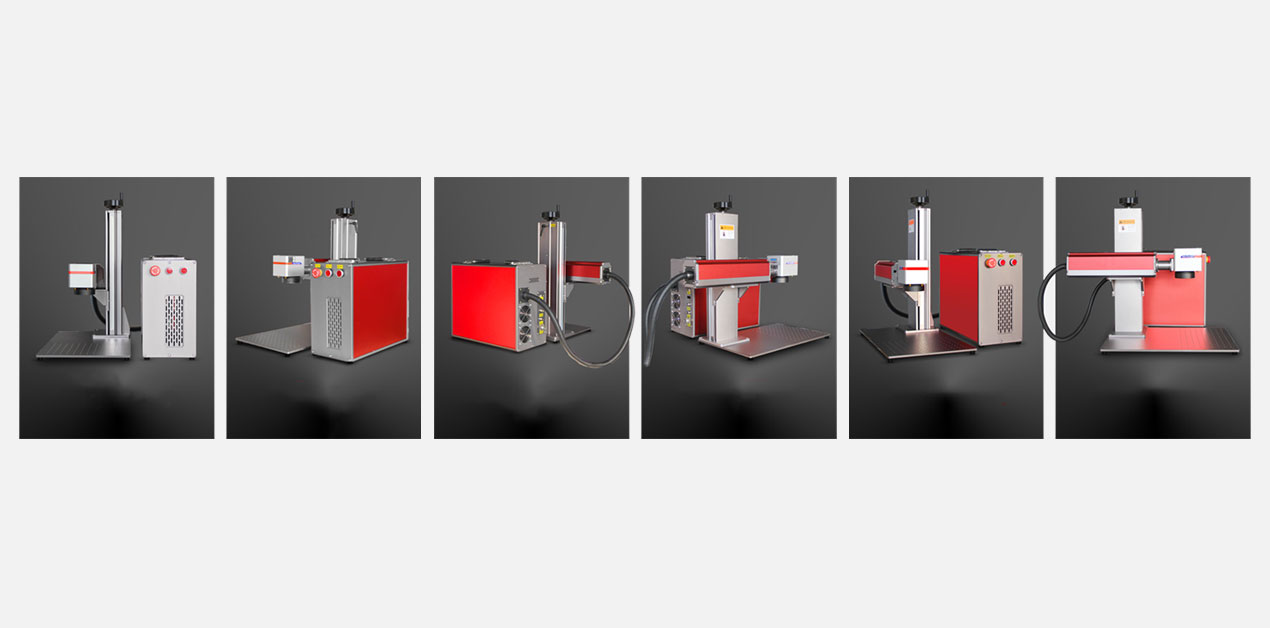
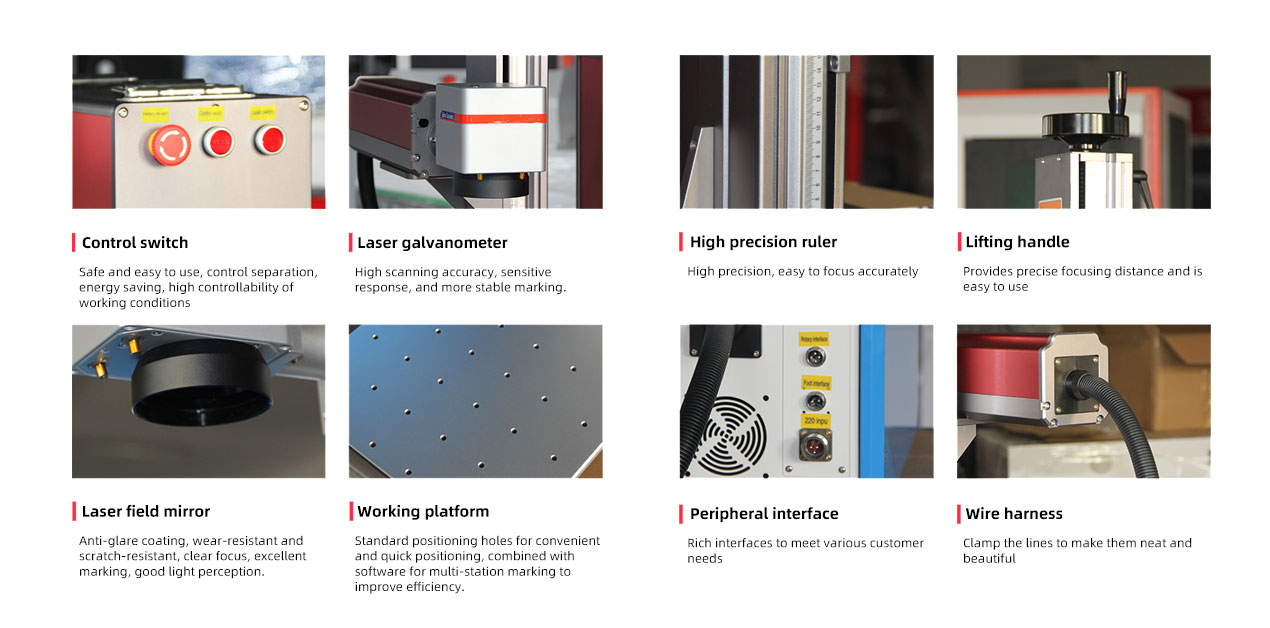
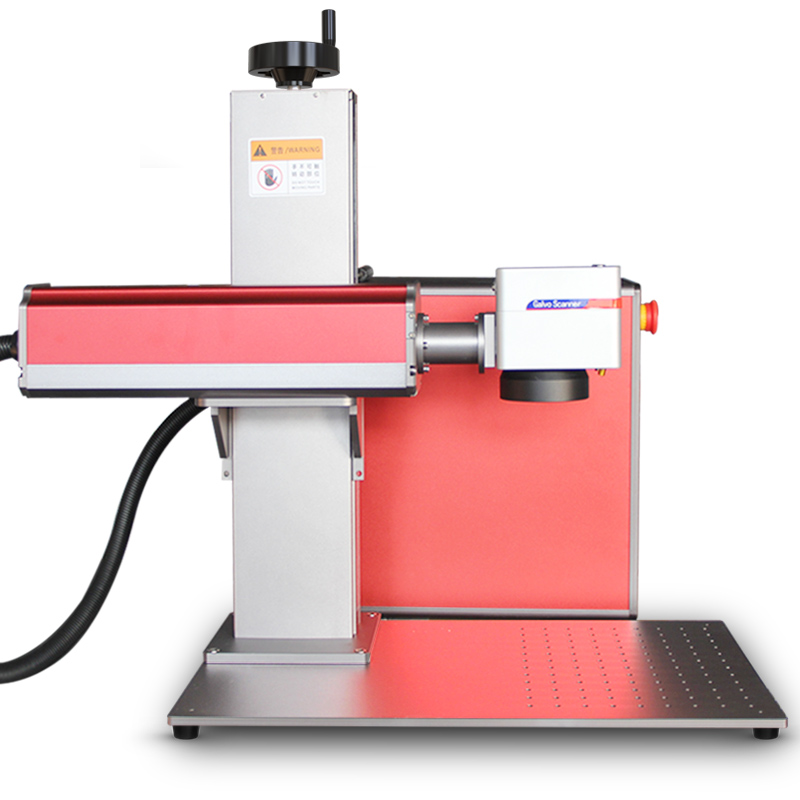
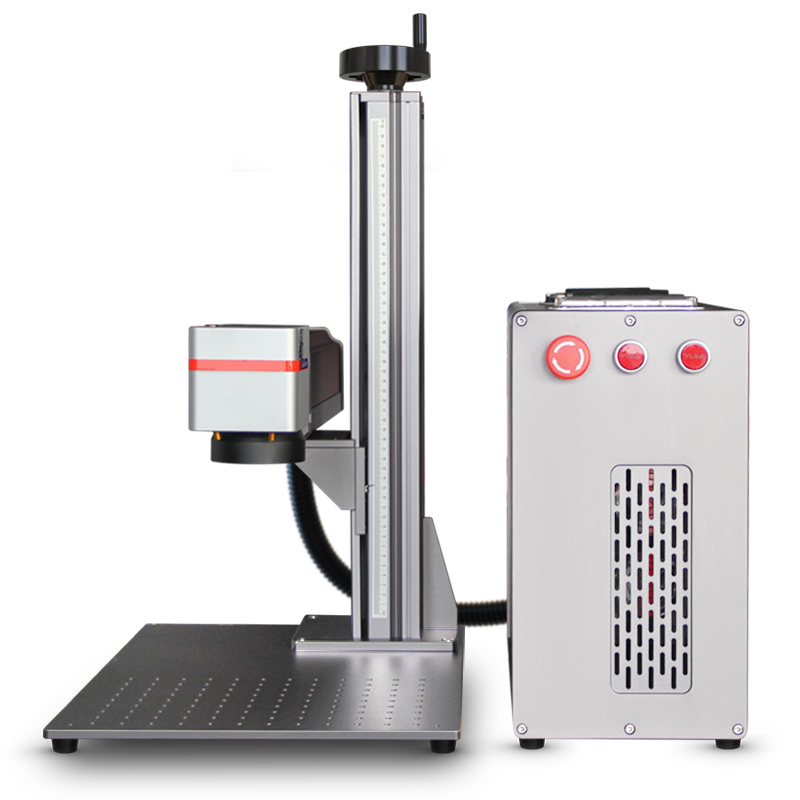
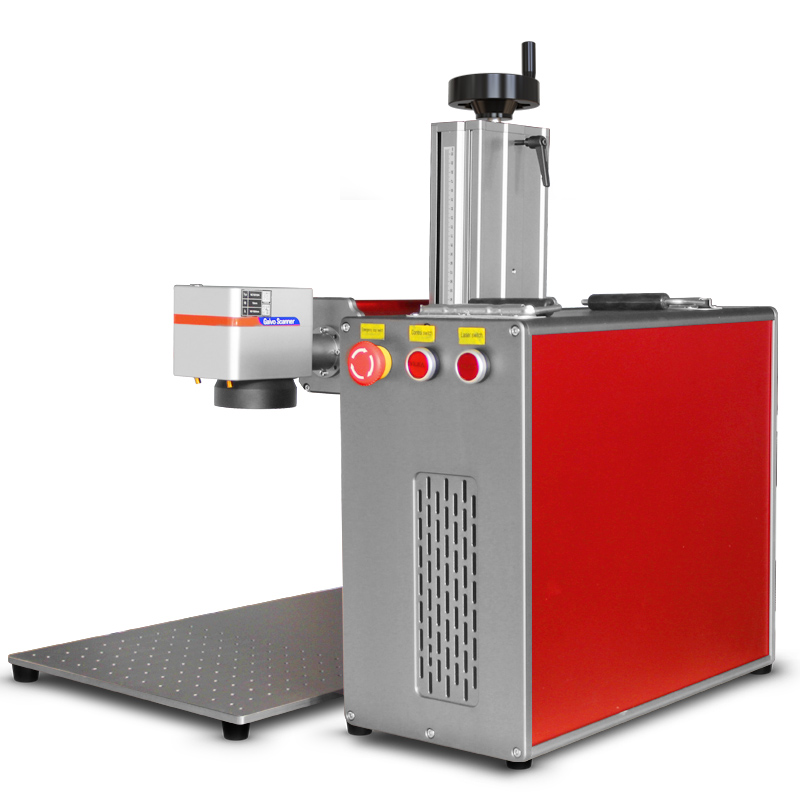
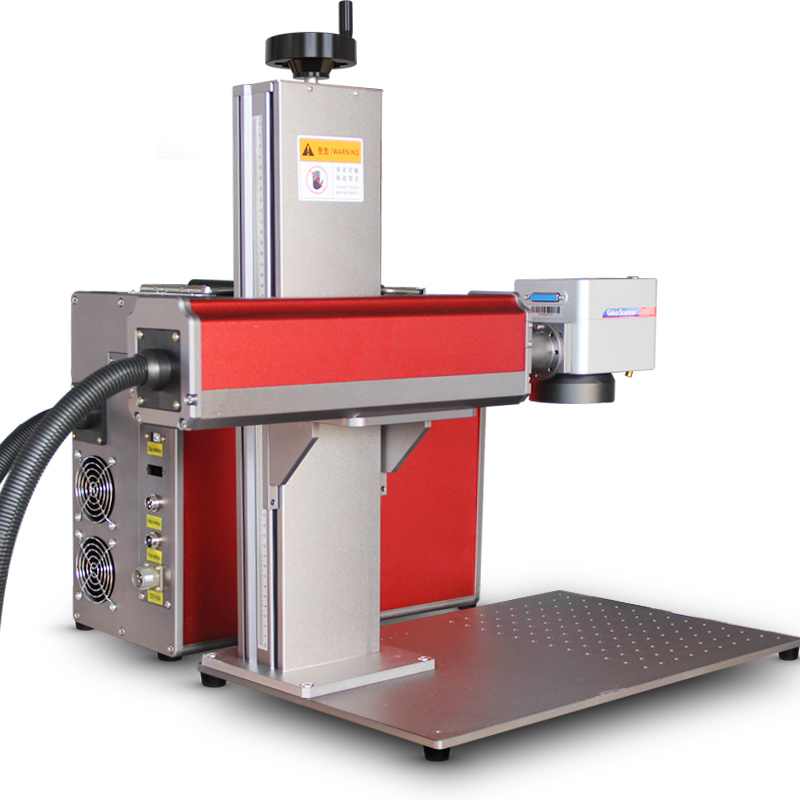
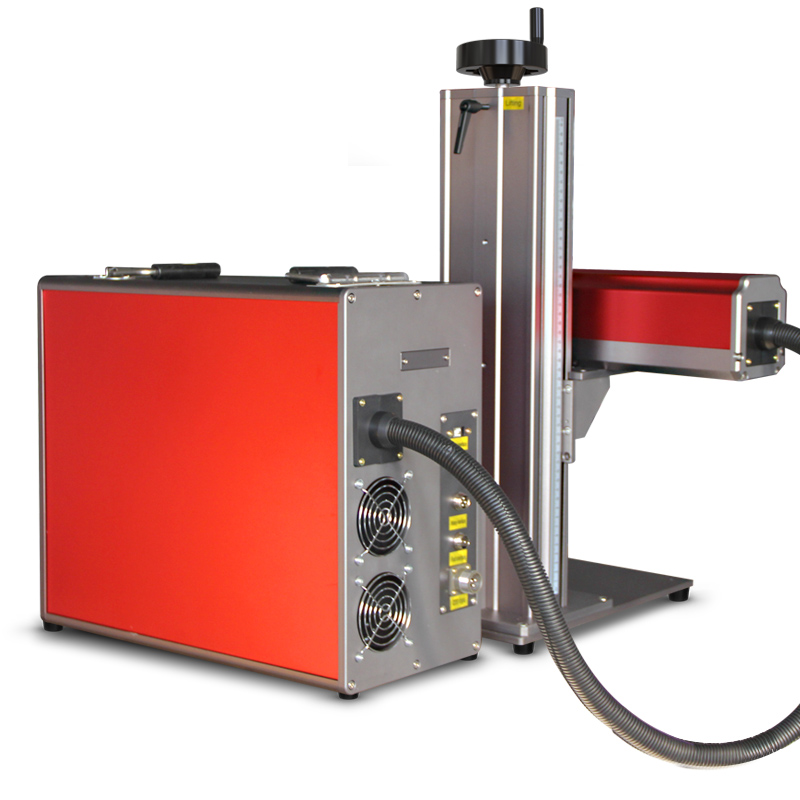
Black and red fiber laser marking is a specialized process where a fiber laser source is used to create highly precise, contrasting black and red markings on specific materials, typically metals like stainless steel, titanium, and aluminum, by adjusting the laser parameters such as frequency, speed, and pulse width.
This process is most effective on metals. Stainless steel and titanium are particularly well-suited for color and high-contrast marking due to the oxide layer formed during the heating process. Some plastics and coated metals can also be processed depending on the laser configuration.
Yes, fiber laser marking is highly permanent. Unlike traditional printing or engraving, laser marking alters the surface properties of the material itself. It is resistant to abrasion, heat, chemical exposure, and UV radiation, ensuring long-lasting readability.
This technology is widely utilized in medical device manufacturing, aerospace, automotive, electronics, and jewelry industries, where precise, permanent, and high-contrast identification codes, serial numbers, or decorative logos are required.
Fiber lasers operate at a wavelength that is highly absorbed by metals, making them extremely efficient for metal marking and engraving. CO2 lasers, on the other hand, have a wavelength better suited for non-metallic materials like wood, glass, acrylic, and organic substances.