Explore our leading sheet metal cutting, bending, and cleaning configurations engineered for high-performance fabrication factories.
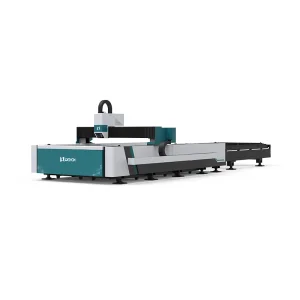
A Comprehensive Technical Overview of Rotary Pallet Exchange Systems and Global Sheet-to-Tube Production Scaling.
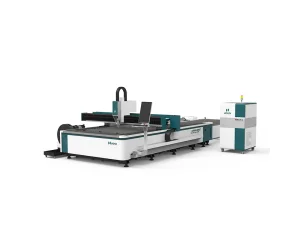
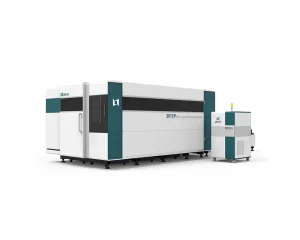
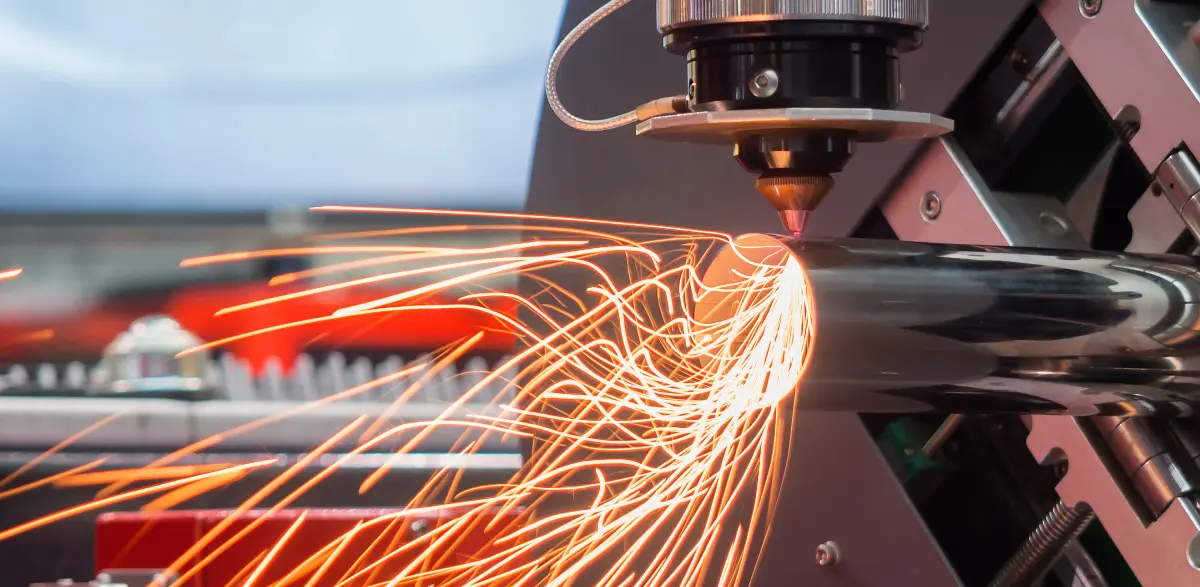
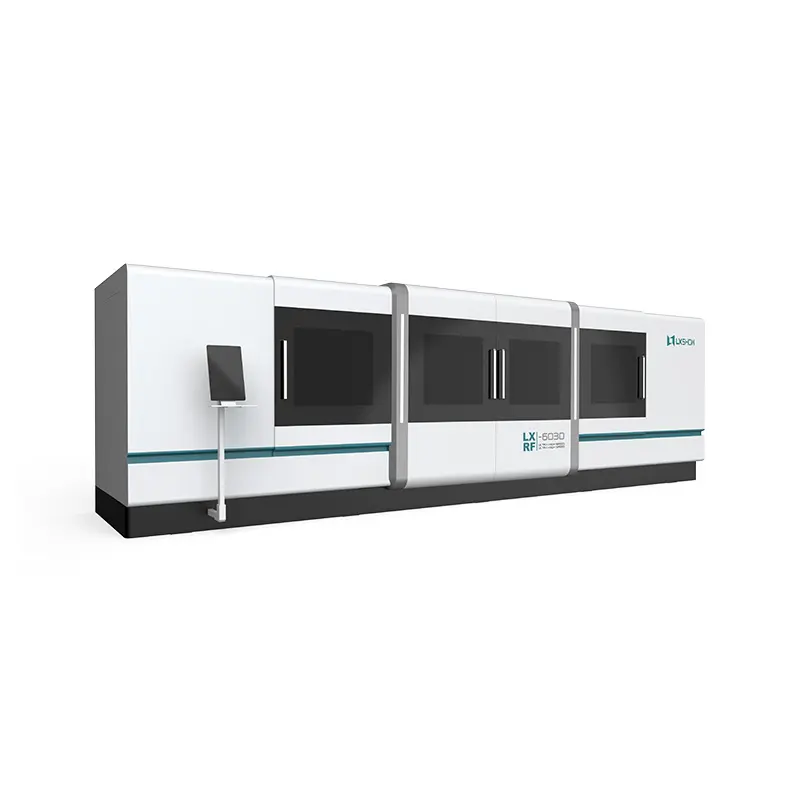
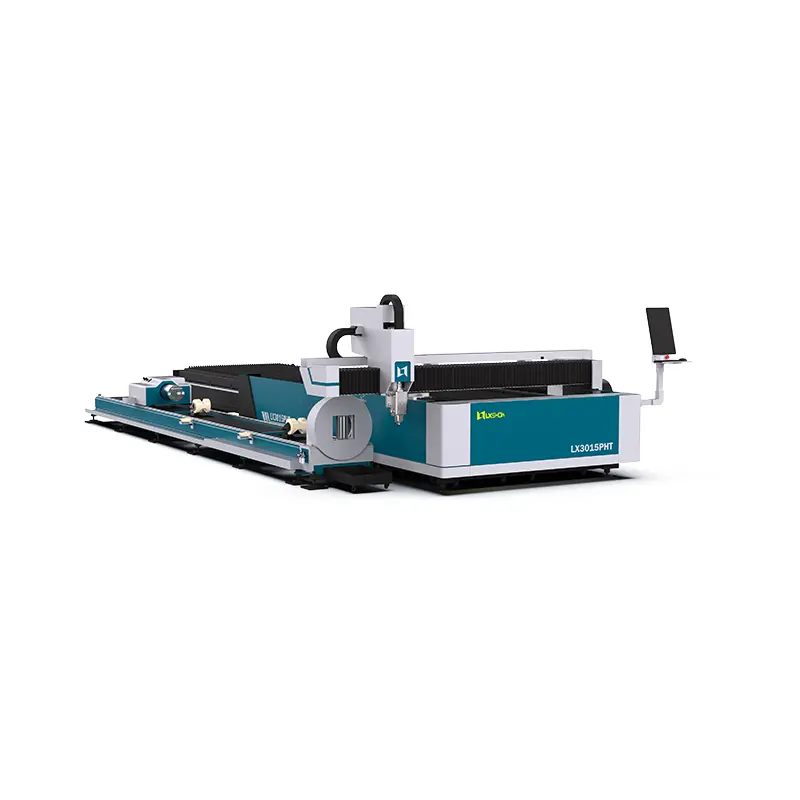
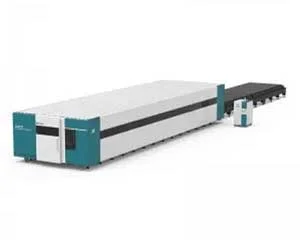
In modern metal fabrication environments, production bottlenecks typically occur not during the active laser cutting cycle, but rather during raw sheet load/unload sequences and mechanical tool switching. The ET series has been purposefully developed by leading factories to eliminate these structural cycles of idle machine time.
By pairing a heavy-duty rotary-drive axis with a continuous-rail dual pallet exchange shuttle table, the ET series transforms a single-purpose laser system into a concurrent processing center. While sheet stock is sliced at powers upward of 12kW, operators prepare the auxiliary stage or load tube profiles into the lateral chuck assembly, maximizing duty cycles beyond 85%.
Procuring capital-grade industrial laser machinery demands structured compliance verification. Procurement teams globally evaluate factors beyond raw cost: mechanical safety integrations (fully enclosed light curtains, Class 4 protective enclosures), real-time gas regulation valves, and high-performance servo motor torque metrics.
The ET series systems are engineered to integrate seamlessly into complex factory ERPs and CAD/CAM nesting software platforms (such as CypCut/CypTube). This compatibility reduces programming latency and ensures that material utilization remains mathematically optimized, supporting sustainable, lean manufacturing frameworks.
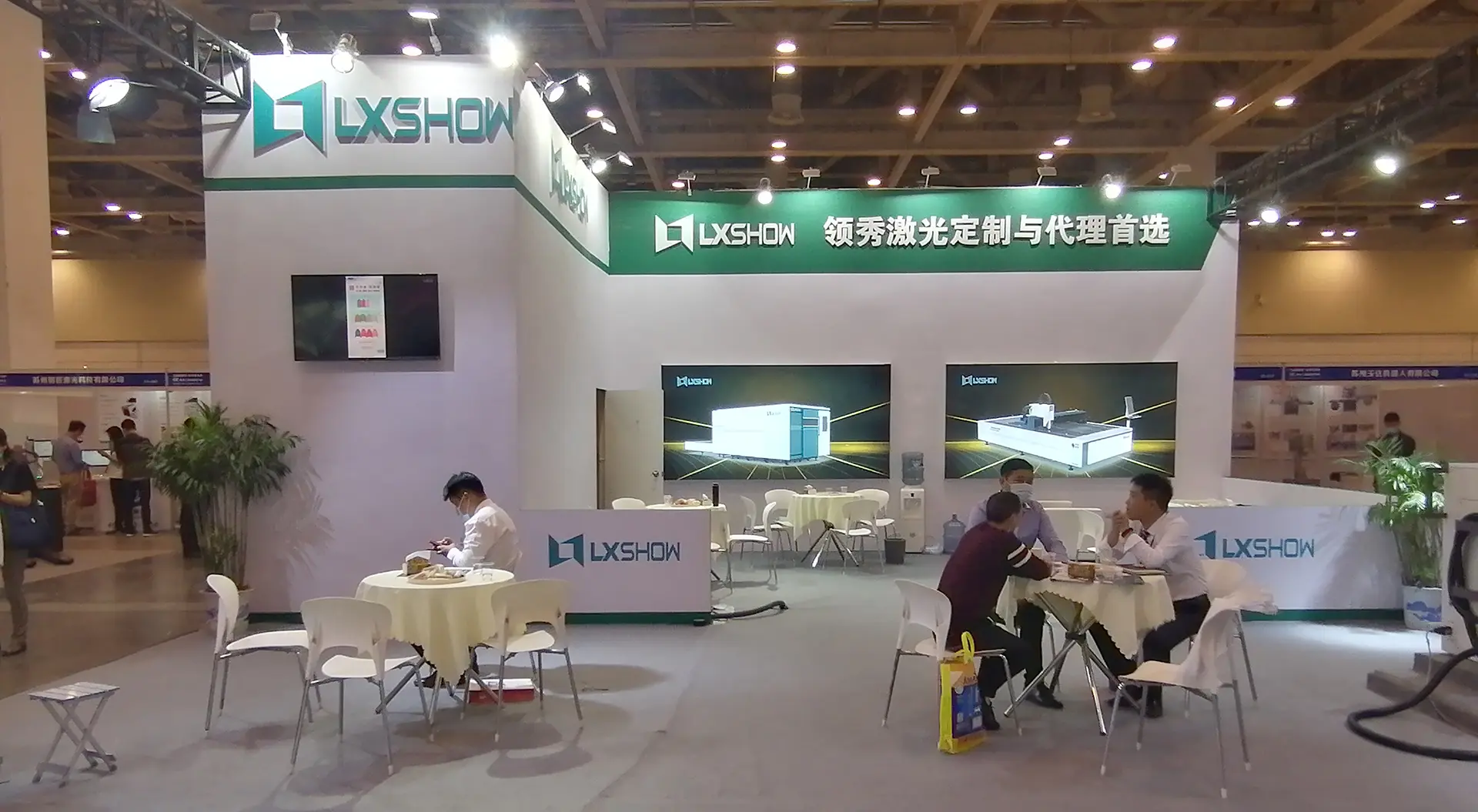
Backed by over 18 years of mechanical innovation and deployment in high-demand environments globally.
"Since our founding in July 2004, our products have met rigorous regulatory standards: complying with the European Union CE authentication, carrying the American FDA certificate, and operating under certified ISO 9001 quality management systems."
A strategic vision designed to enable fully autonomous, smart manufacturing plants before 2040.
| Timeline Phase | Core System Development | Automation & IoT Integration | Manufacturing Floor Impact |
|---|---|---|---|
| Phase 1: Foundation (Established) | Fiber Source Integration (1kW - 12kW), Rigid Gantry Cast Beds. | Digital CNC interface with integrated pneumatic chuck control. | Reduction of manual centering operations; high speed plate cutting. |
| Phase 2: Hybrid Systems (Current) | Rotary exchange beds, 30kW laser support, all-electric servo benders. | Real-time machine feedback, dynamic optical focal length adjustment. | Combined sheet & tube operations in one footprint; zero-idle shuttle setups. |
| Phase 3: Industry 4.0 (2026 - 2030) | AI-driven predictive diagnostic cutting heads, auto-deburring loops. | Full closed-loop communication between laser cutter, bender, and robots. | Unattended "lights-out" shifts; automatic self-calibration of optics. |
| Phase 4: Smart Ecosystem (Vision 2040) | Cognitive, self-correcting thermodynamic manufacturing centers. | Cloud-connected production fleets across global distributed factories. | Near-zero downtime; optimization of multi-ton sheet processing dynamically. |
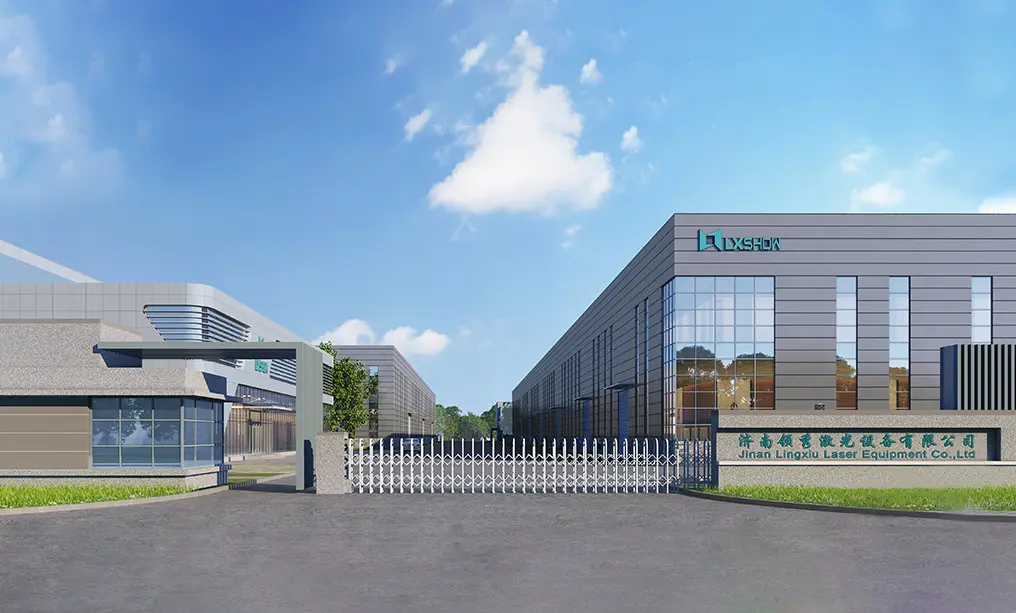
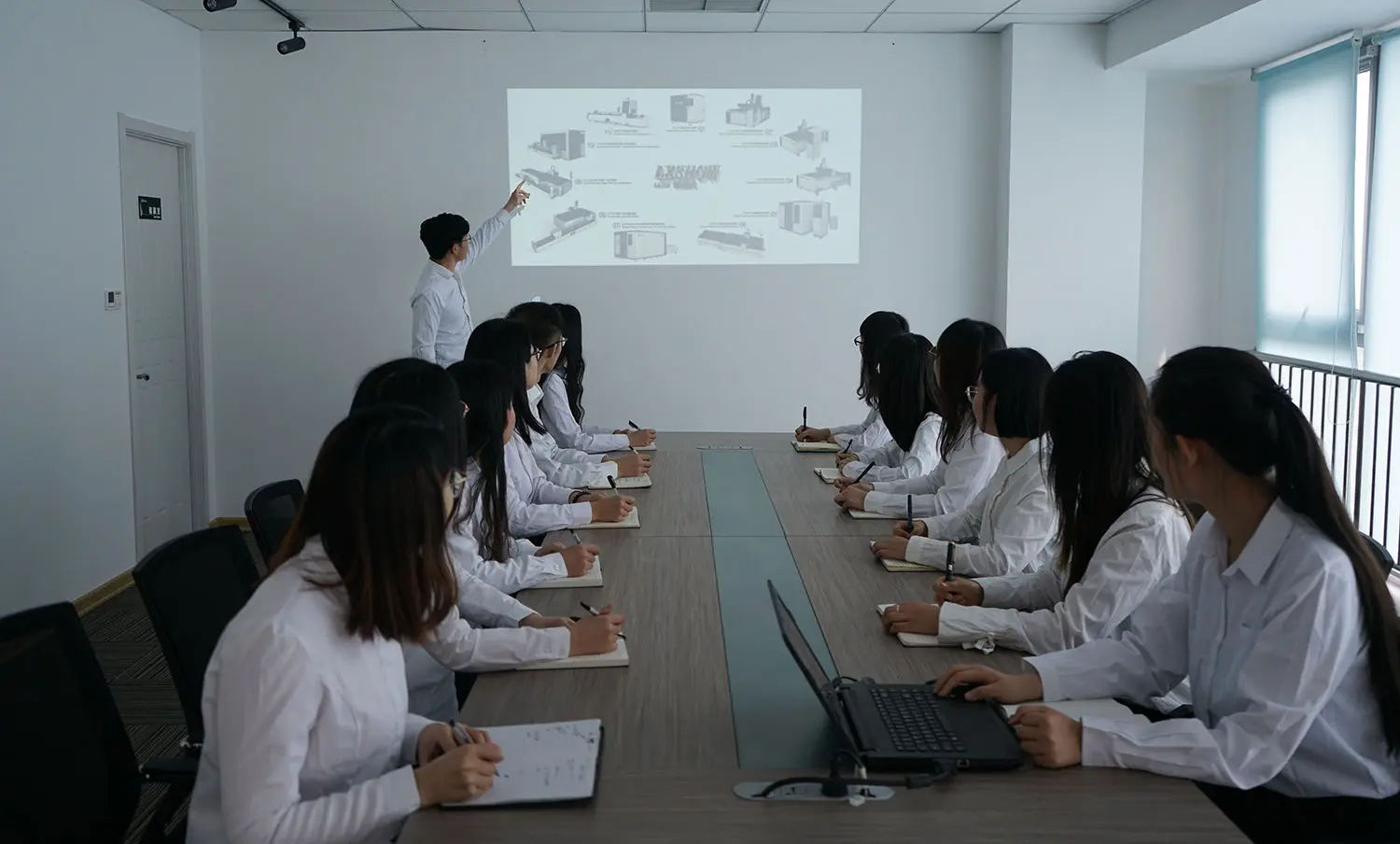
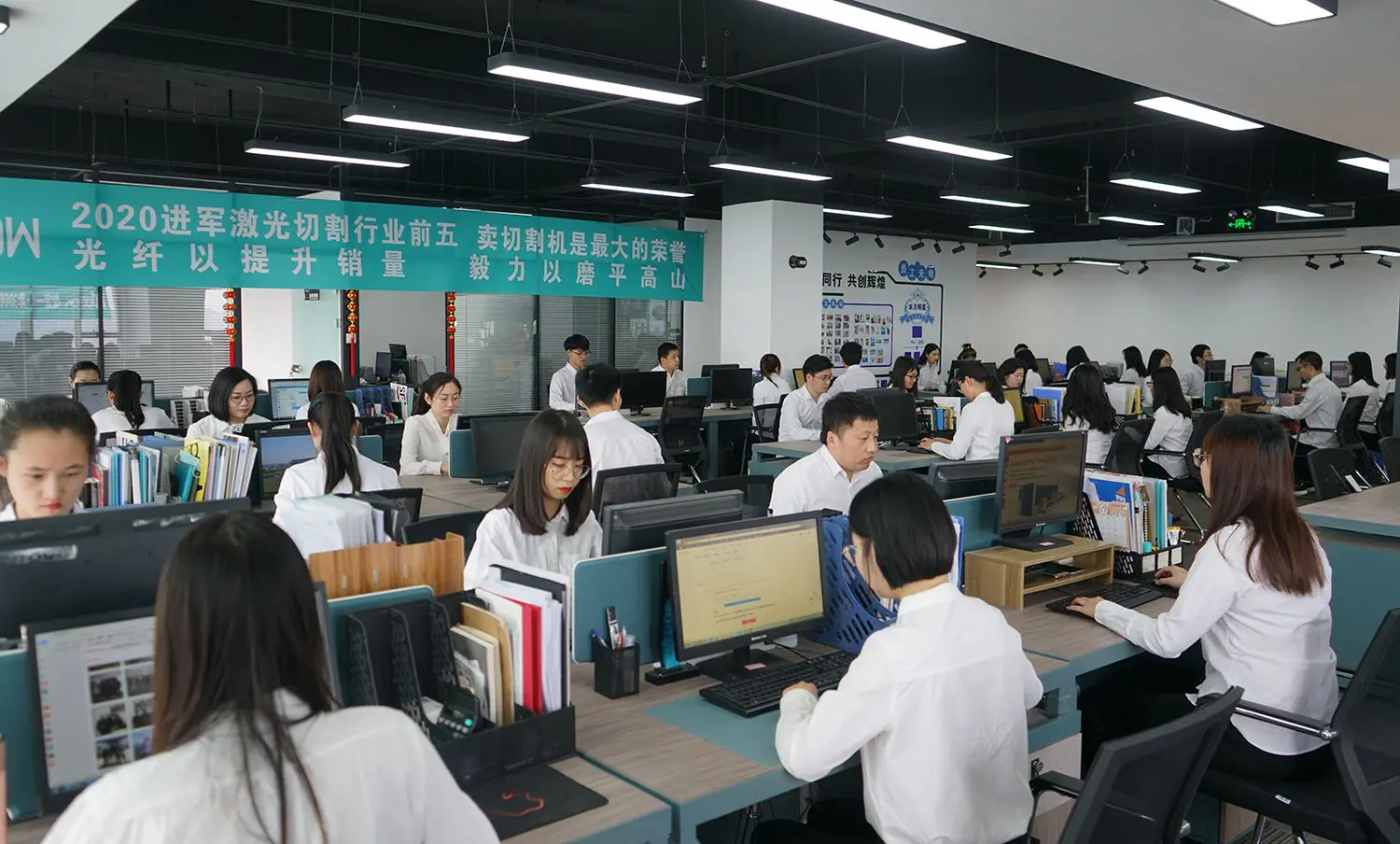
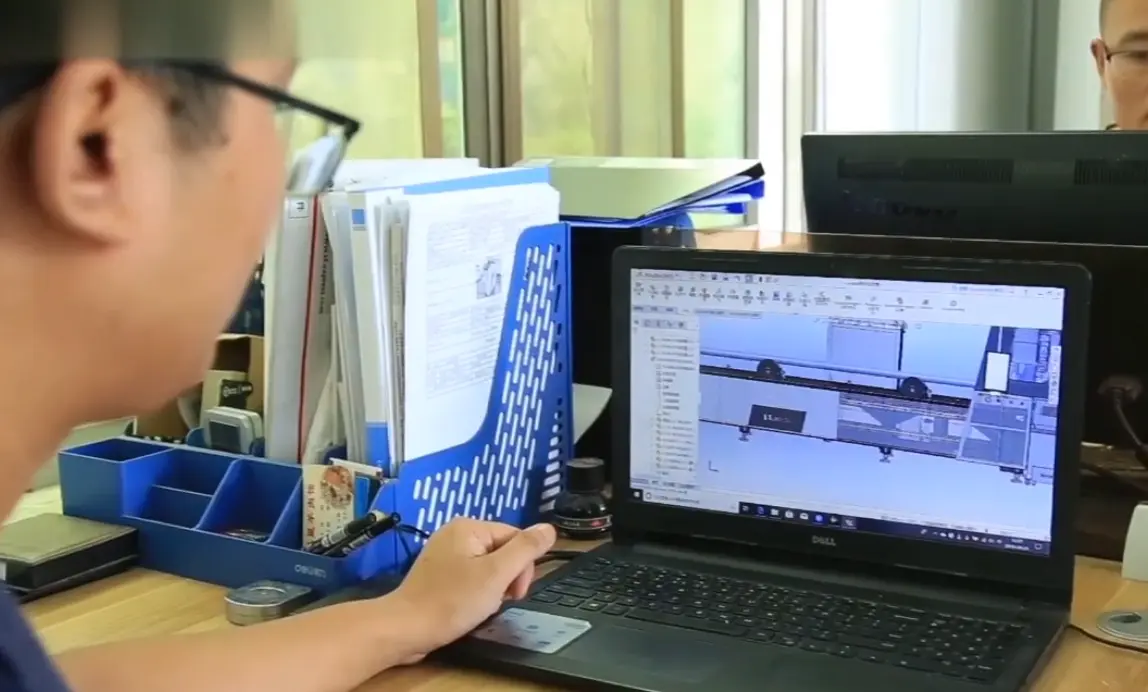
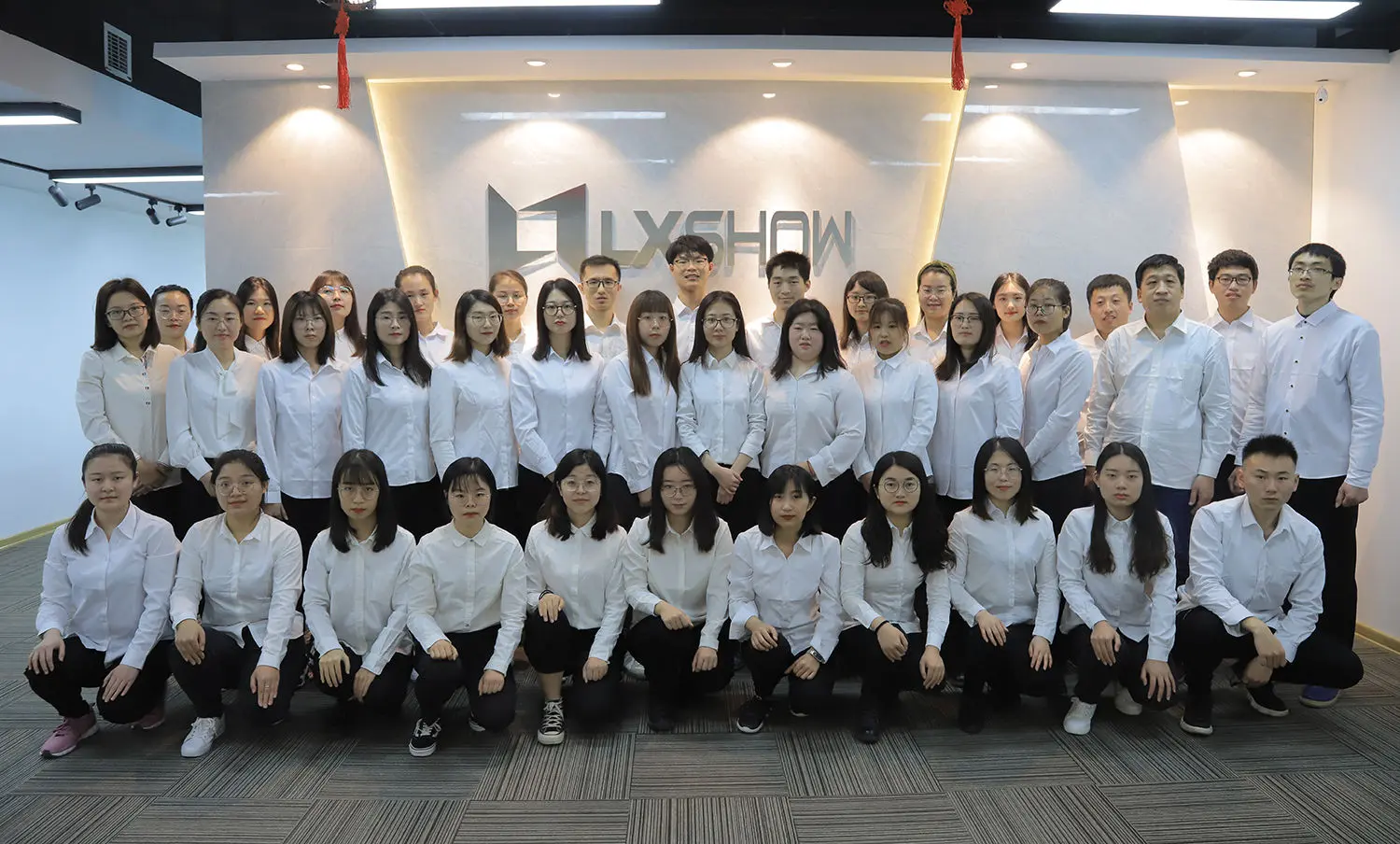
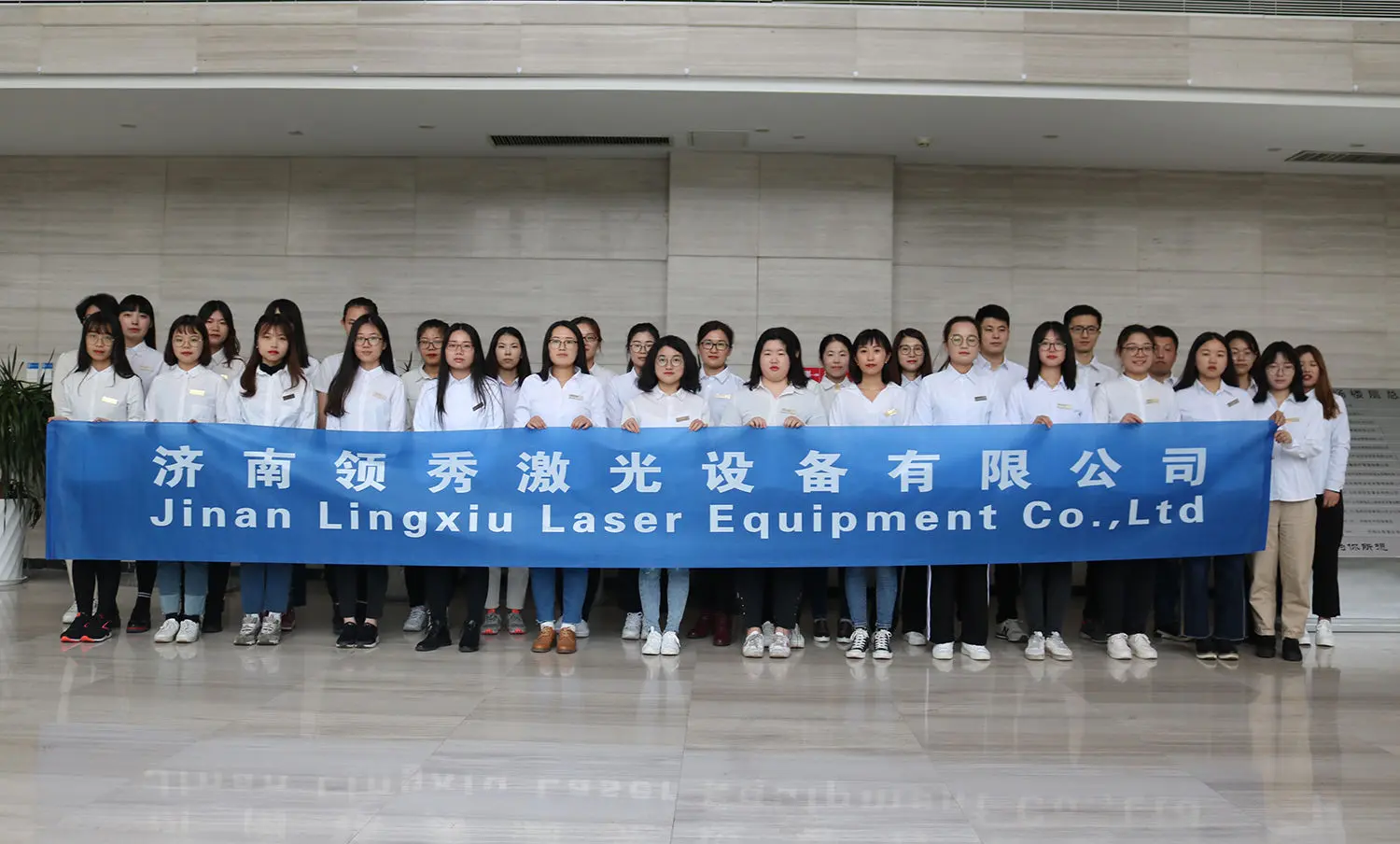
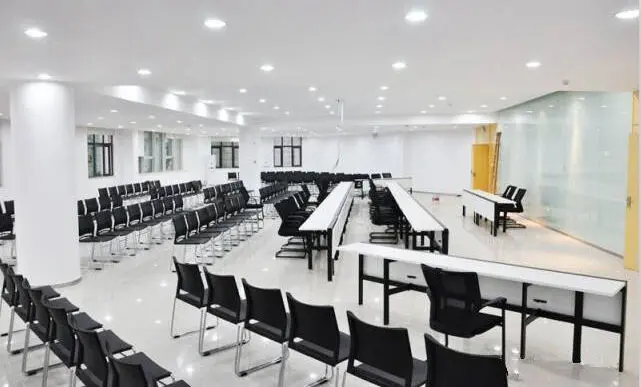
Inside the 32,000 square meter fabrication facility where precision machines are engineered, tested, and delivered.
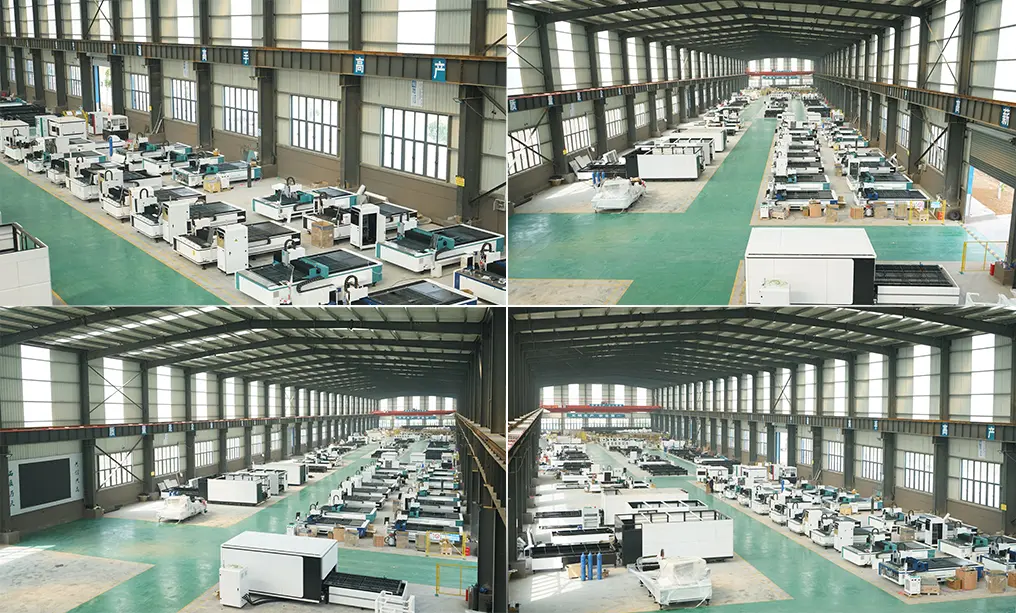

Browse our integrated manufacturing systems, featuring specialized processing sections with original, direct product specifications.
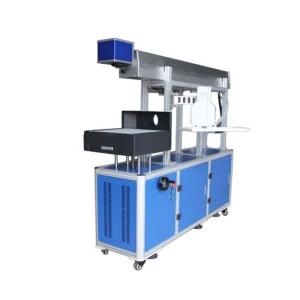
High-precision, single-axis positioning cladding modules designed to extend the service life of industrial machinery through localized alloy deposition.
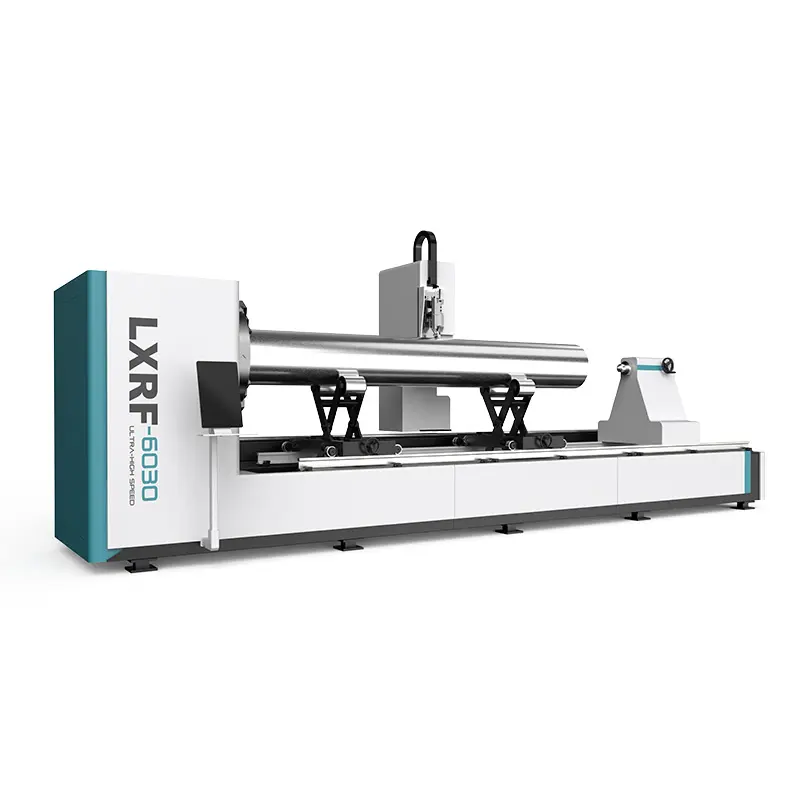
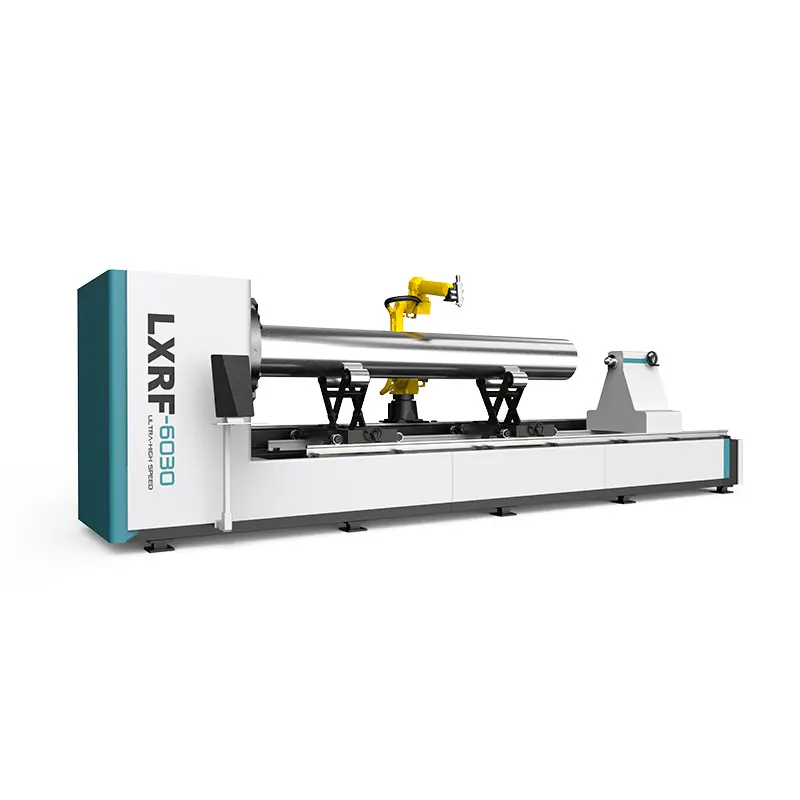
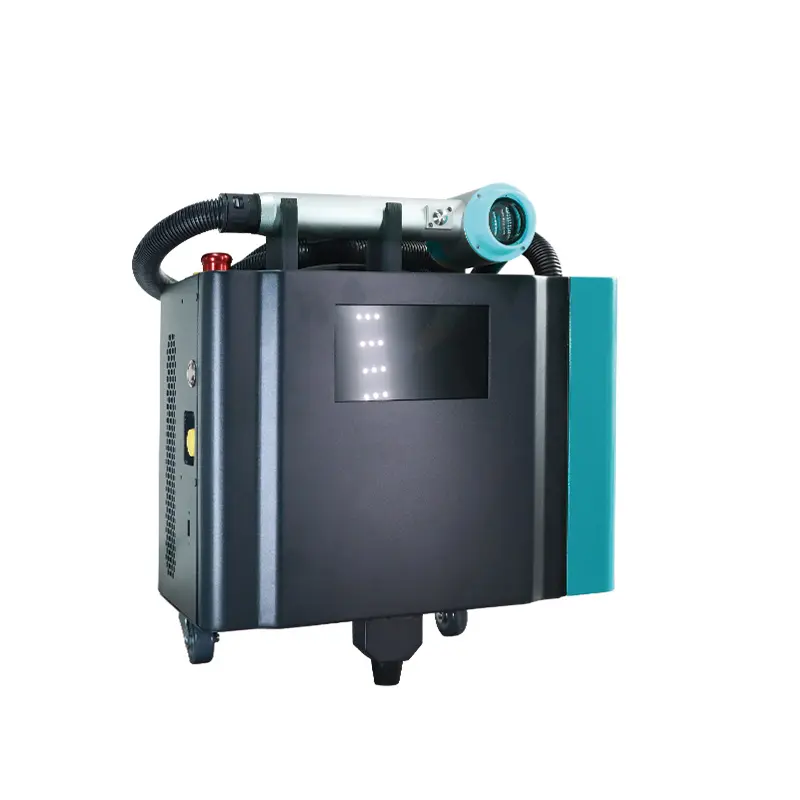
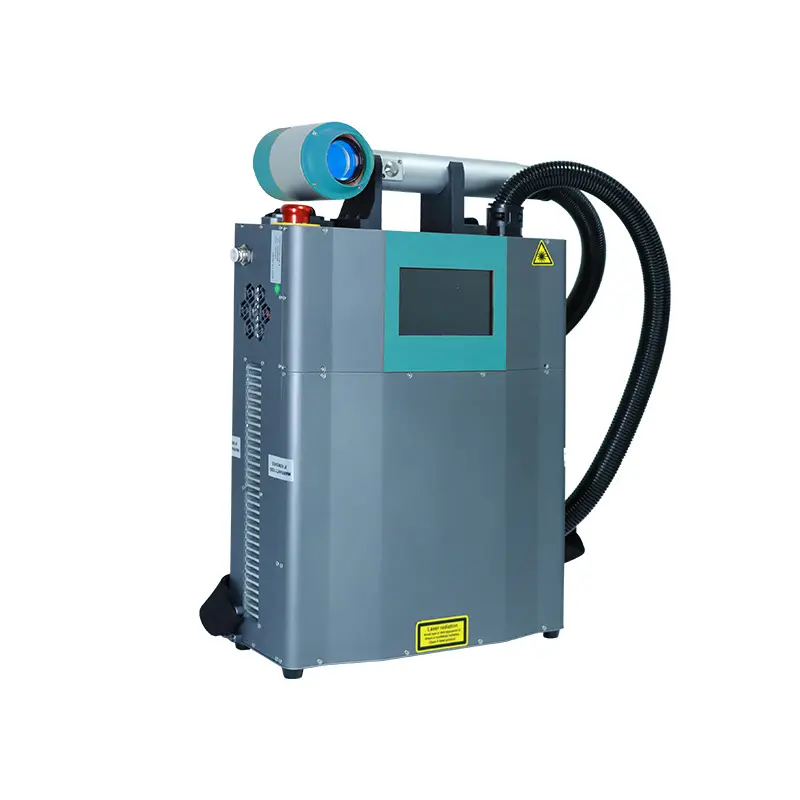
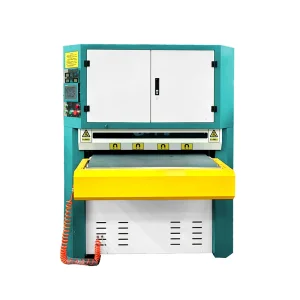
Non-abrasive surface rust, paint, and contaminant removal tools. Ideal for preparation prior to welding or coating operations.
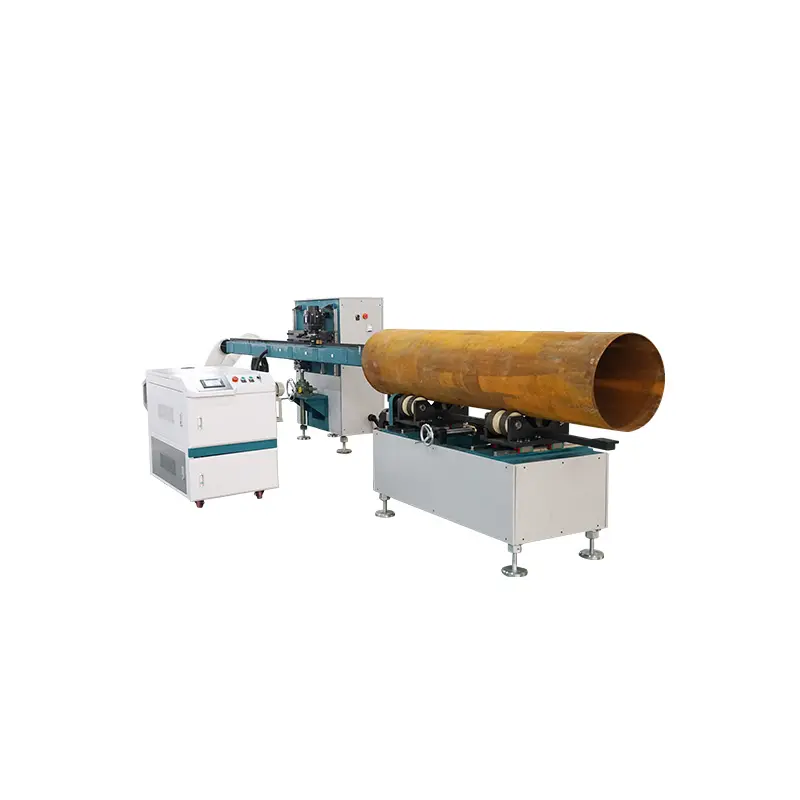
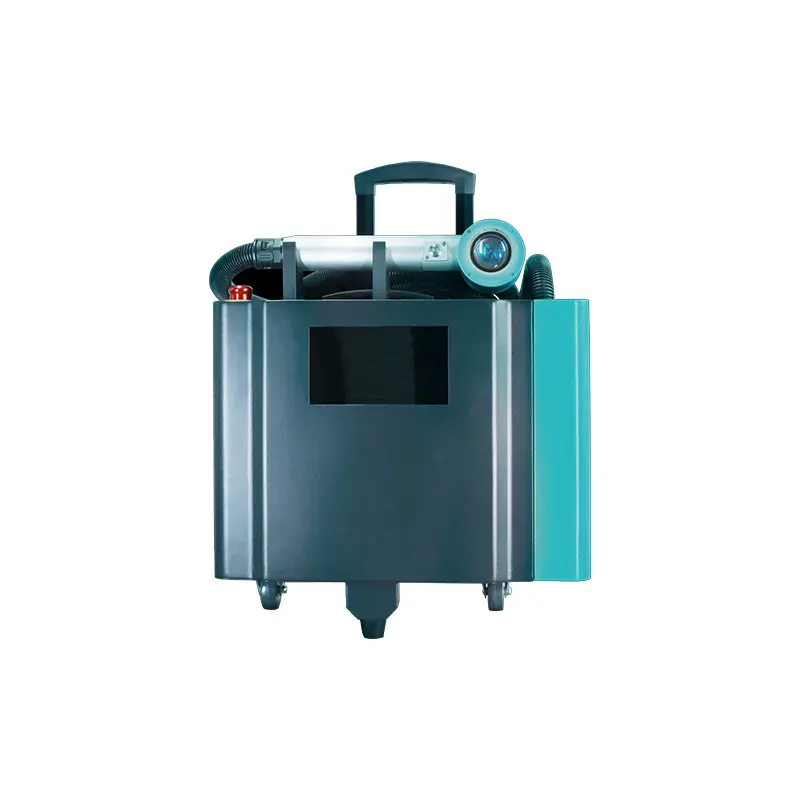
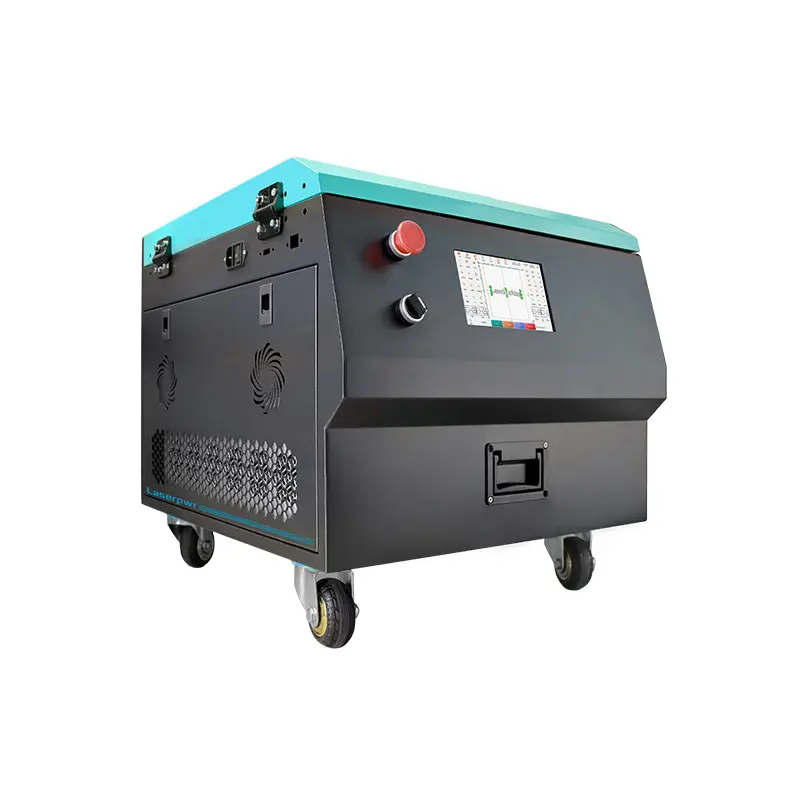
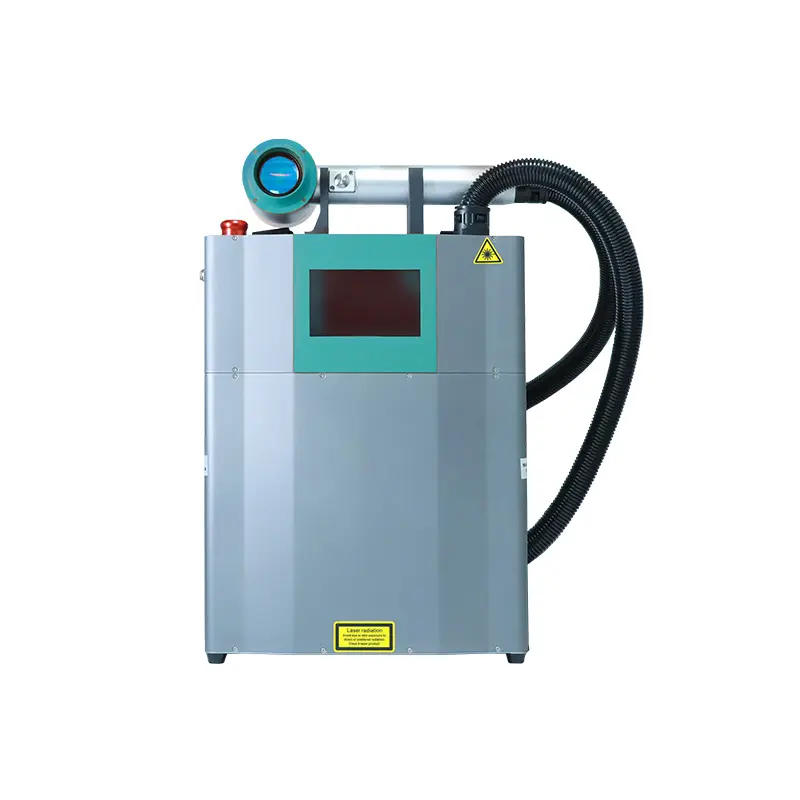
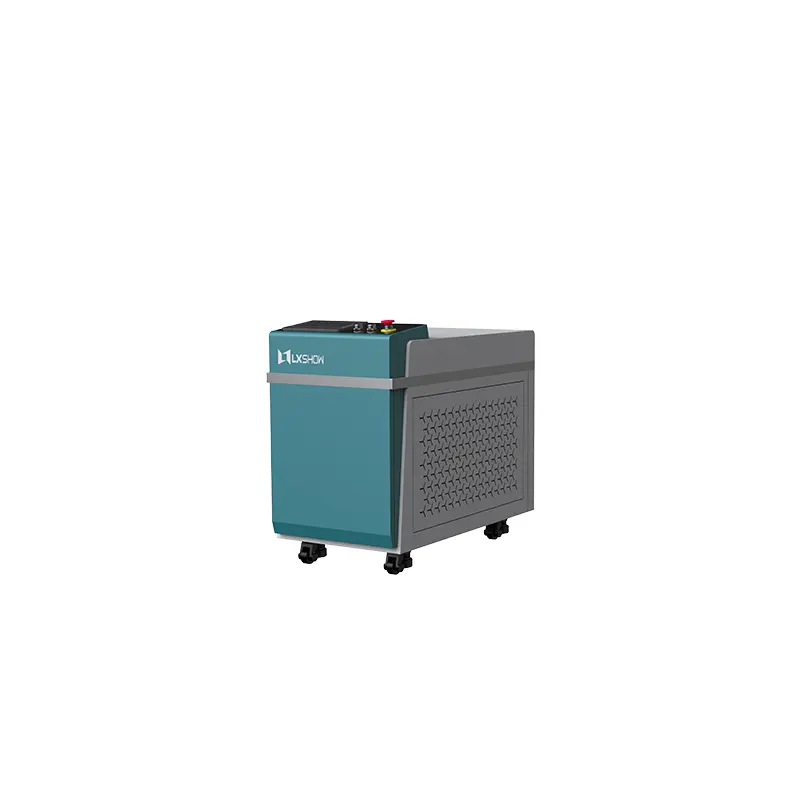
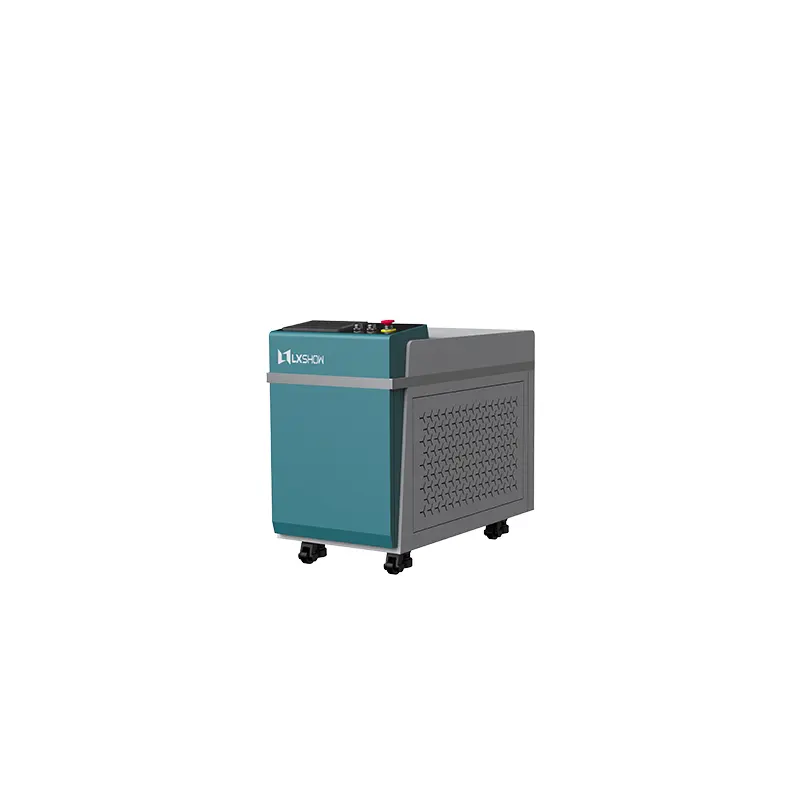
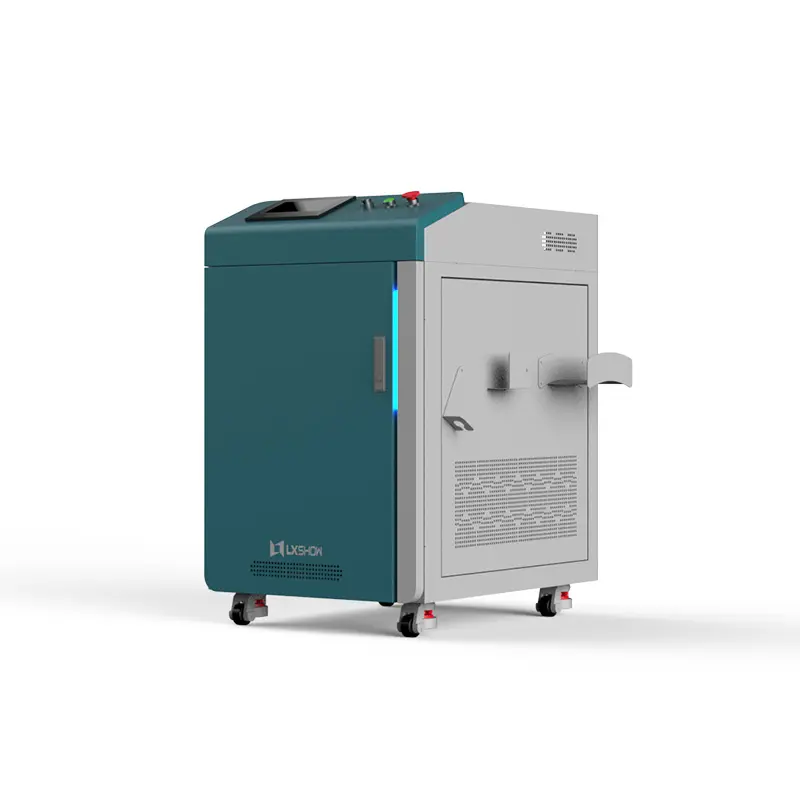
High-efficiency welding systems featuring handheld or robotic configurations for joint structures in structural metals.
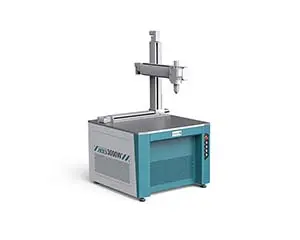
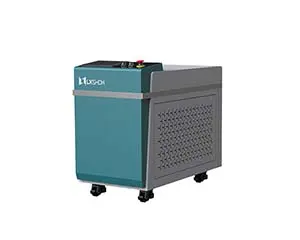
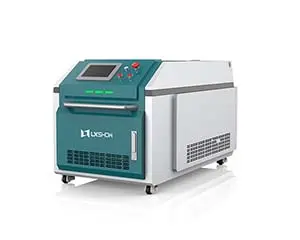
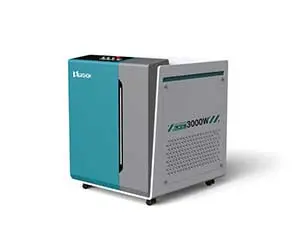
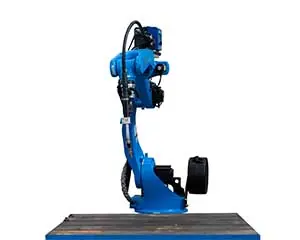
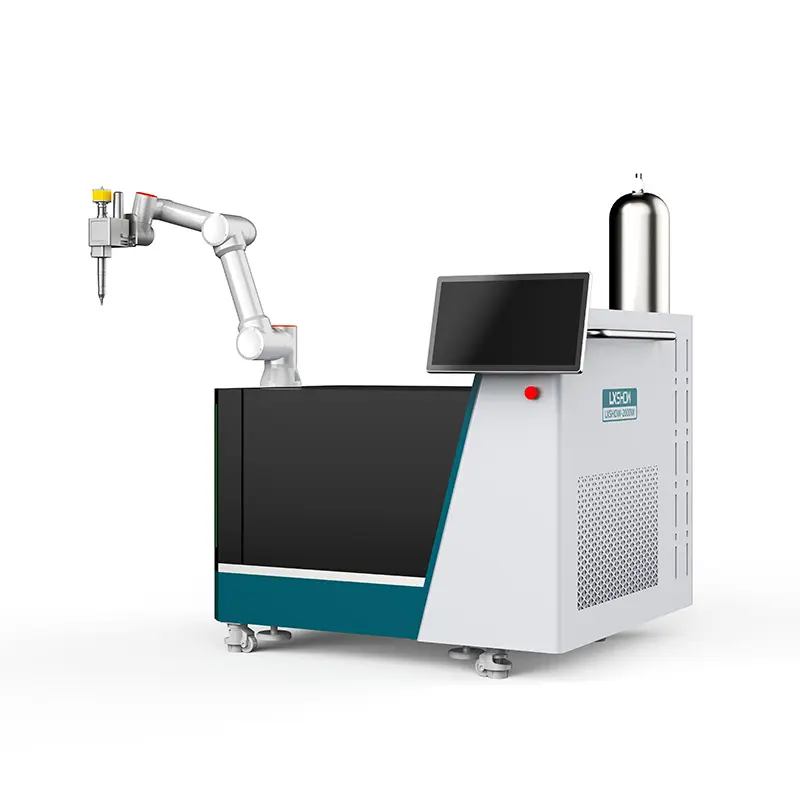
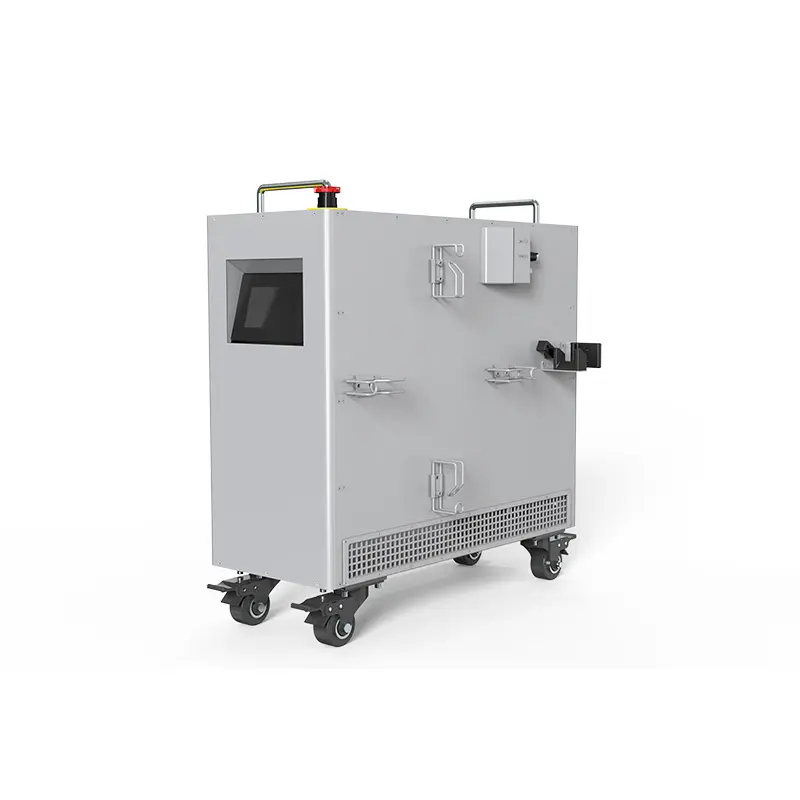
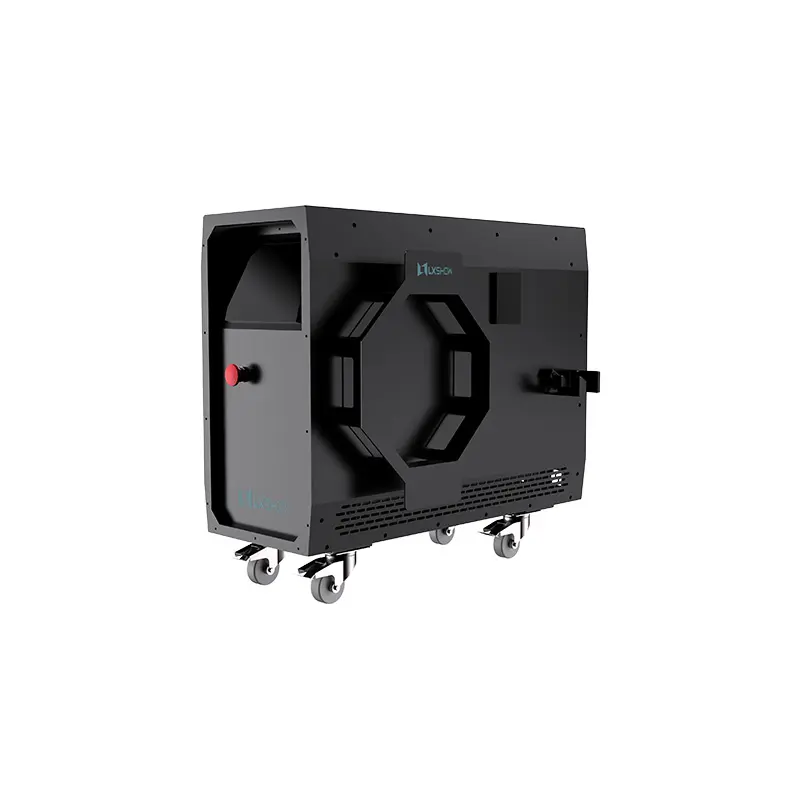
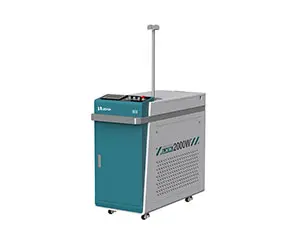
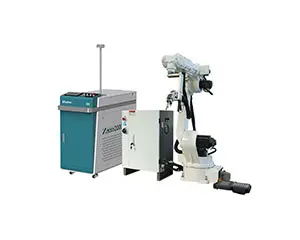
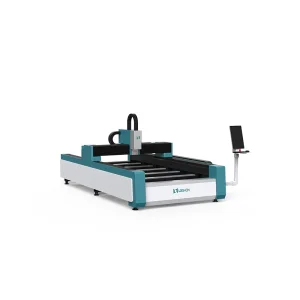
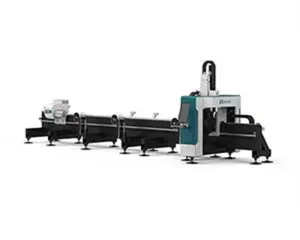
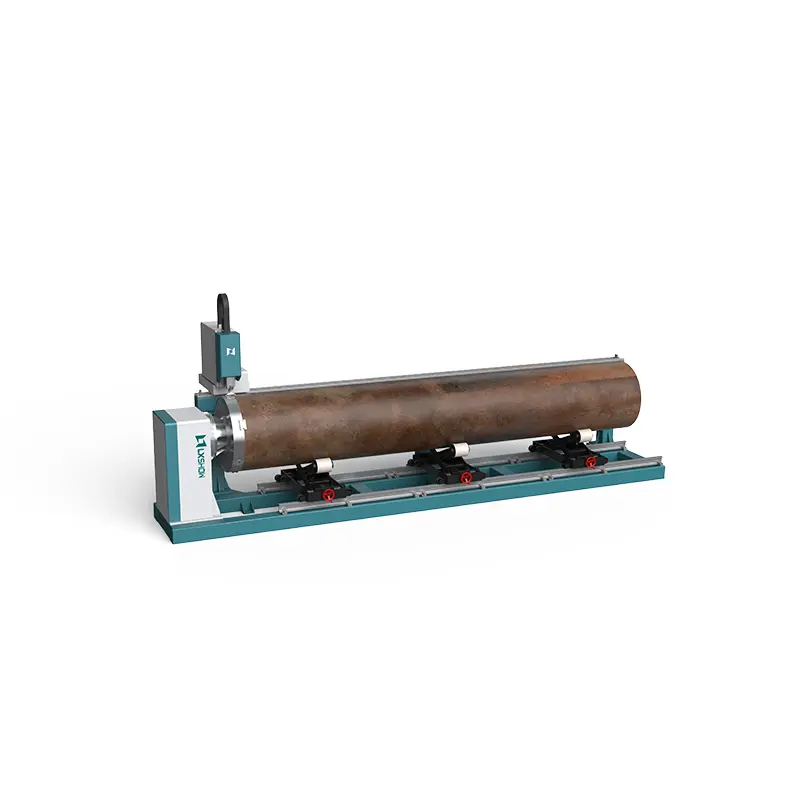
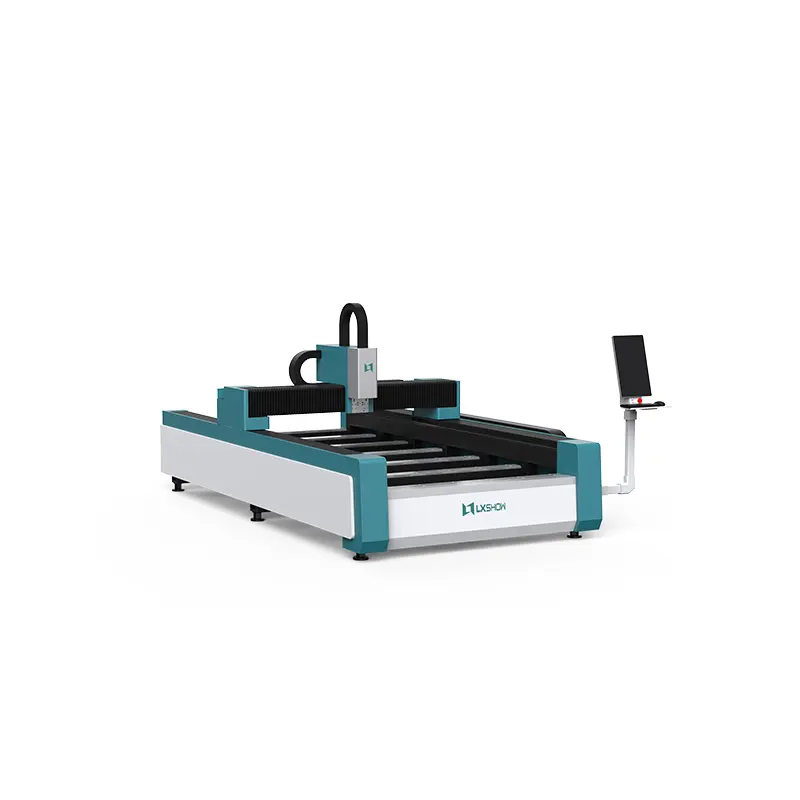
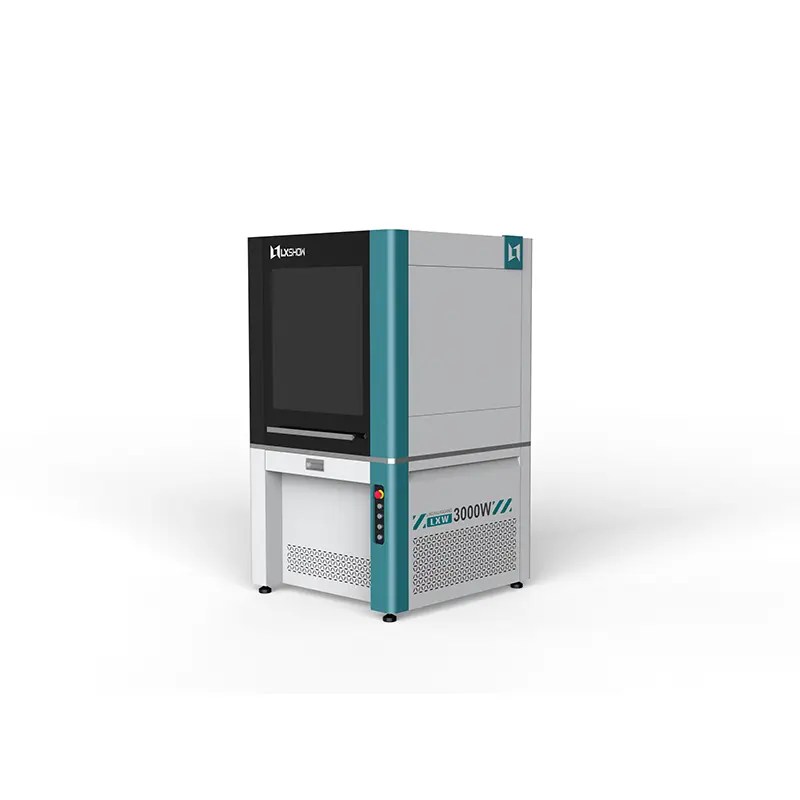
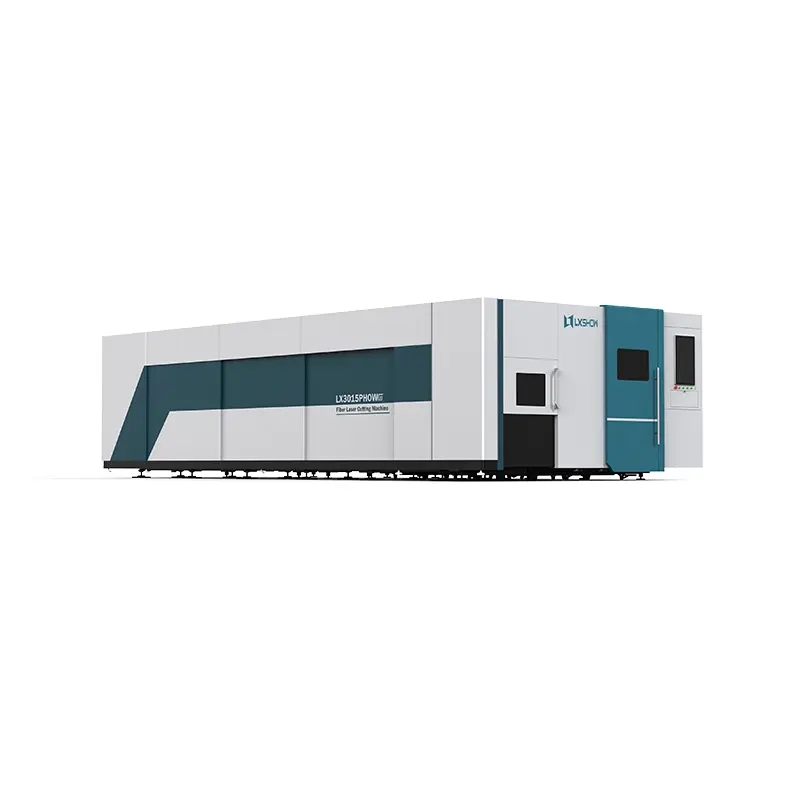
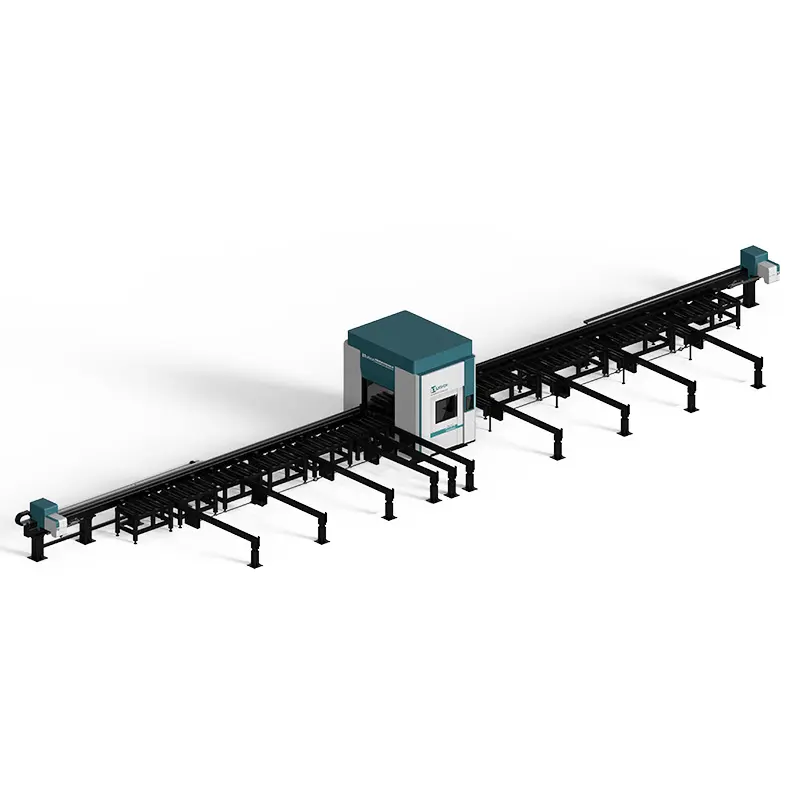
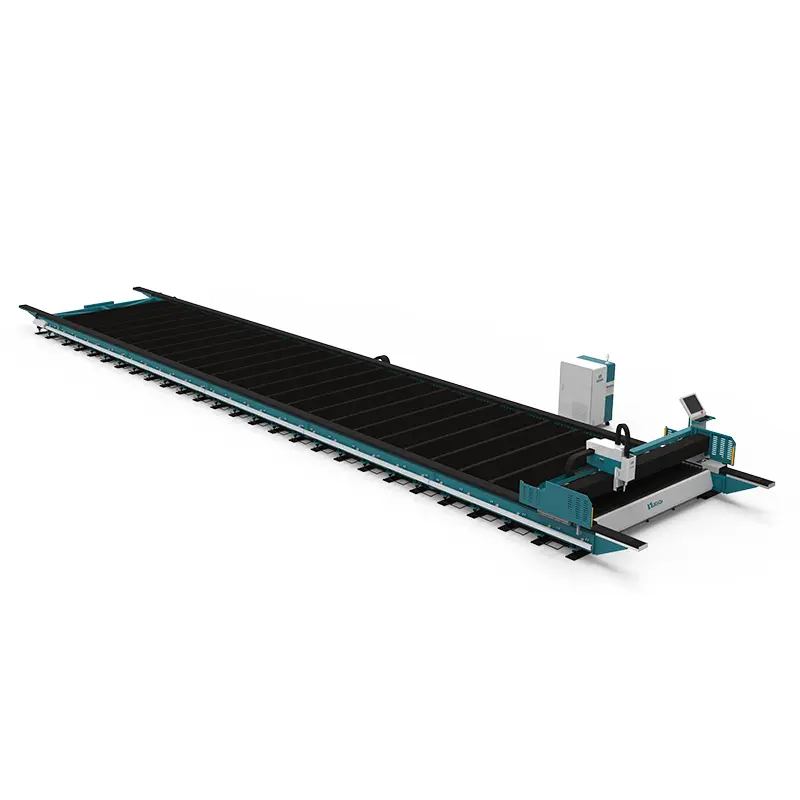
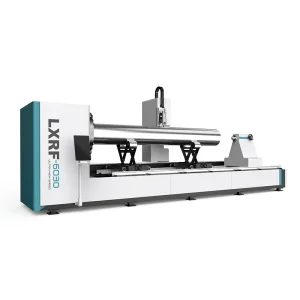
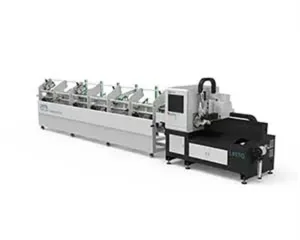
High-efficiency flatbed and hybrid tube/plate laser processing systems designed for industrial production.
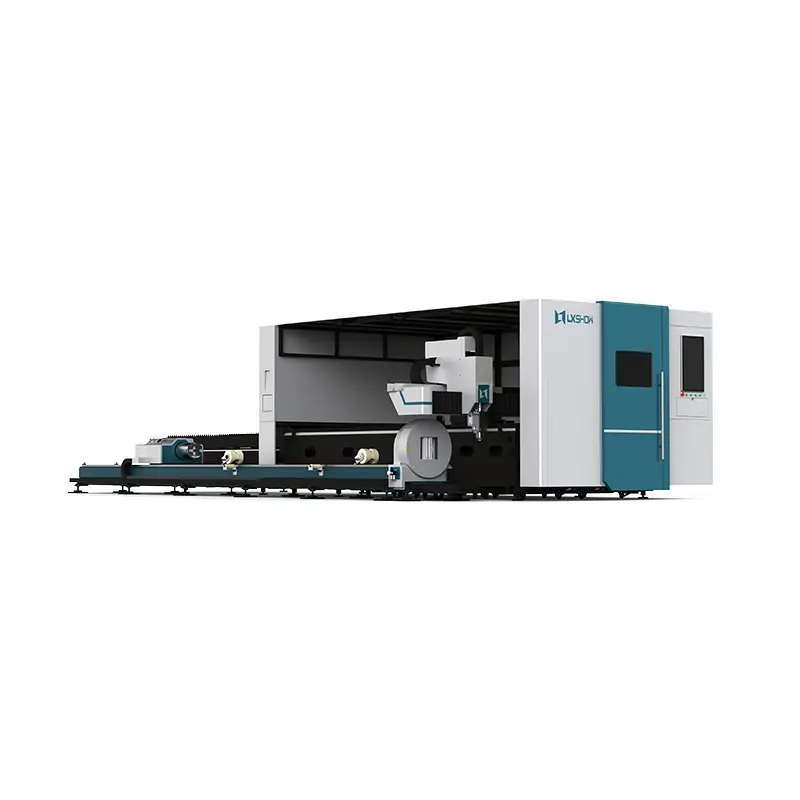
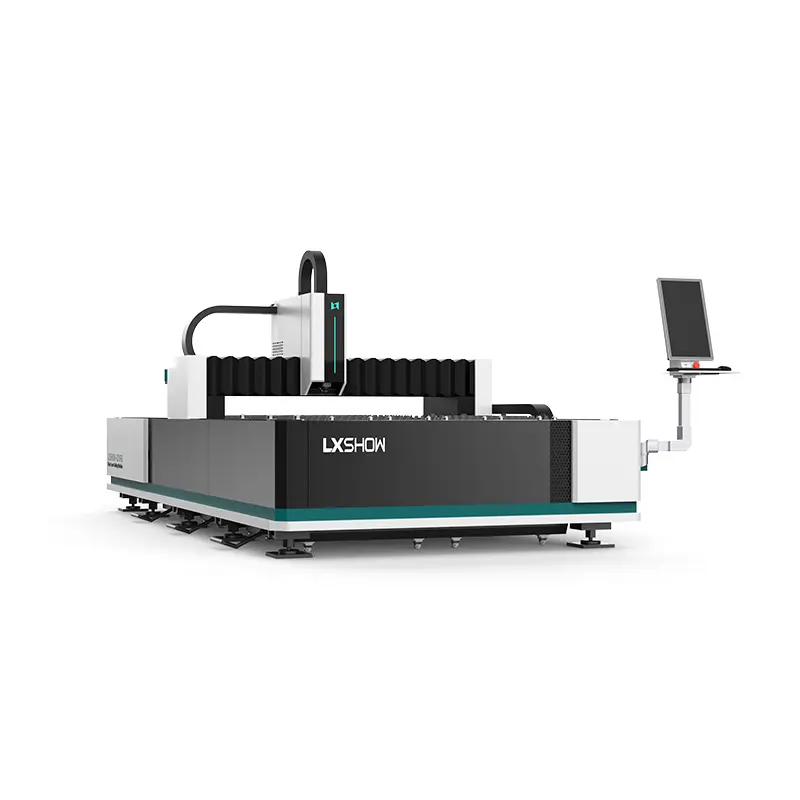
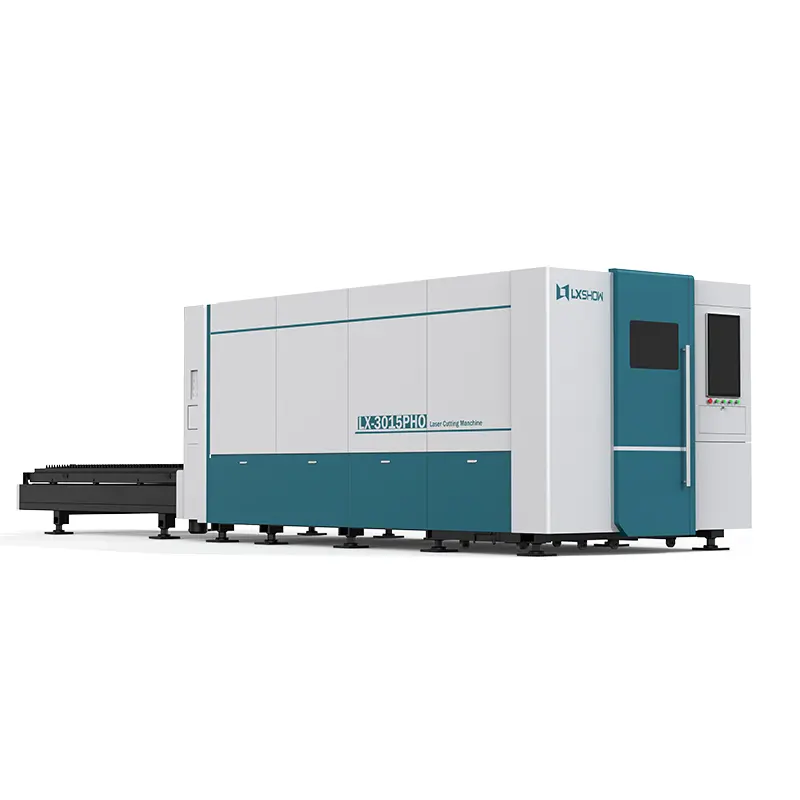
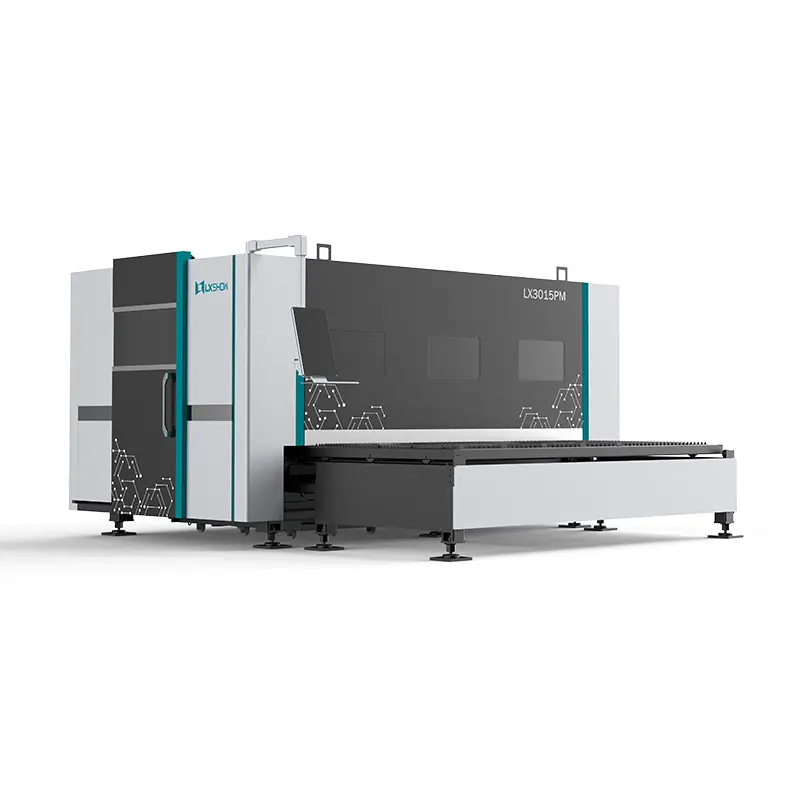
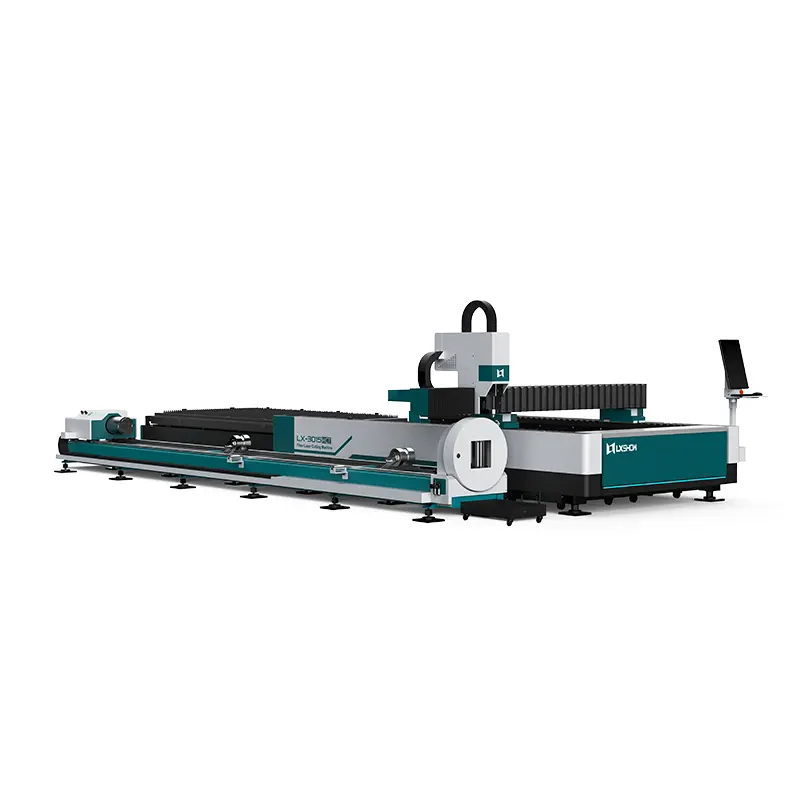
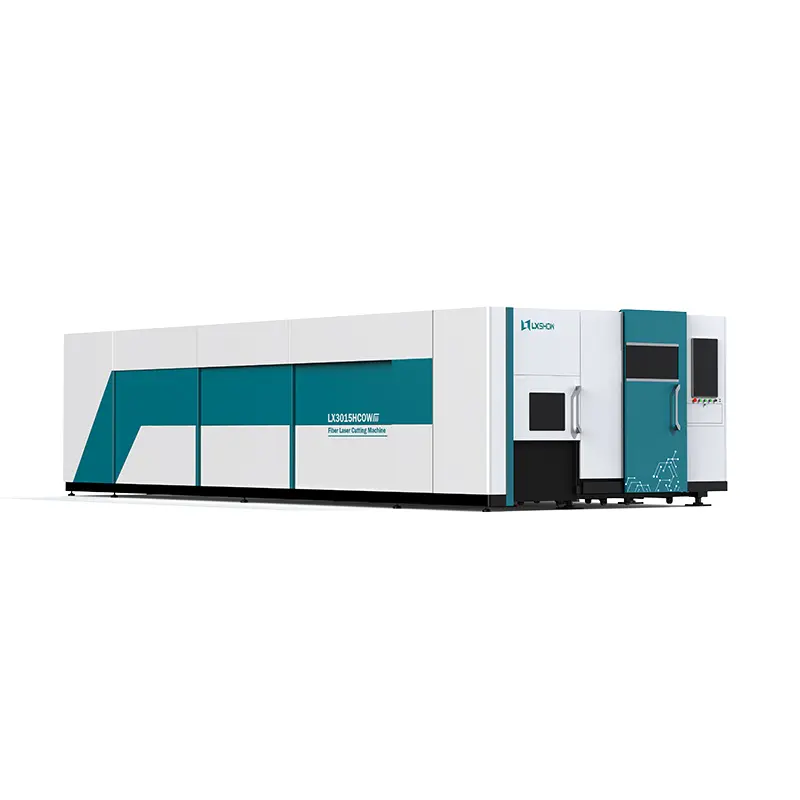
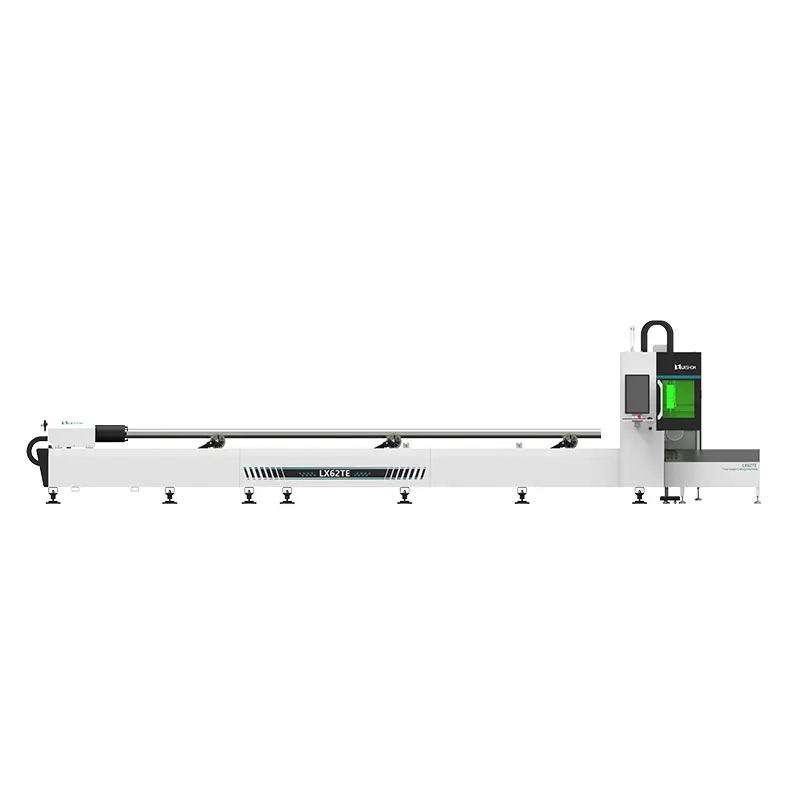
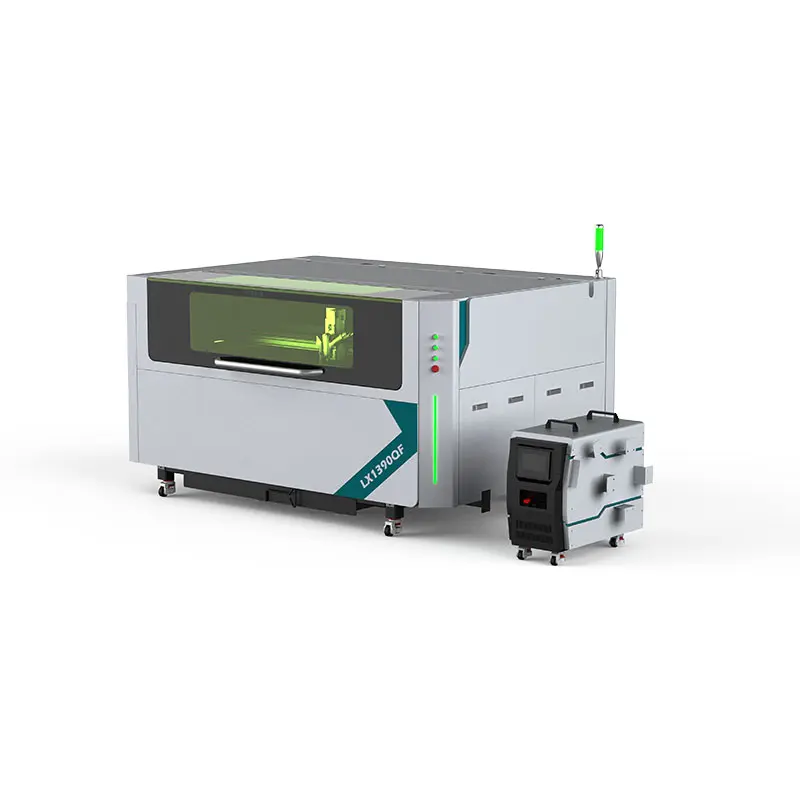
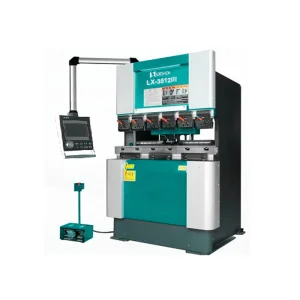
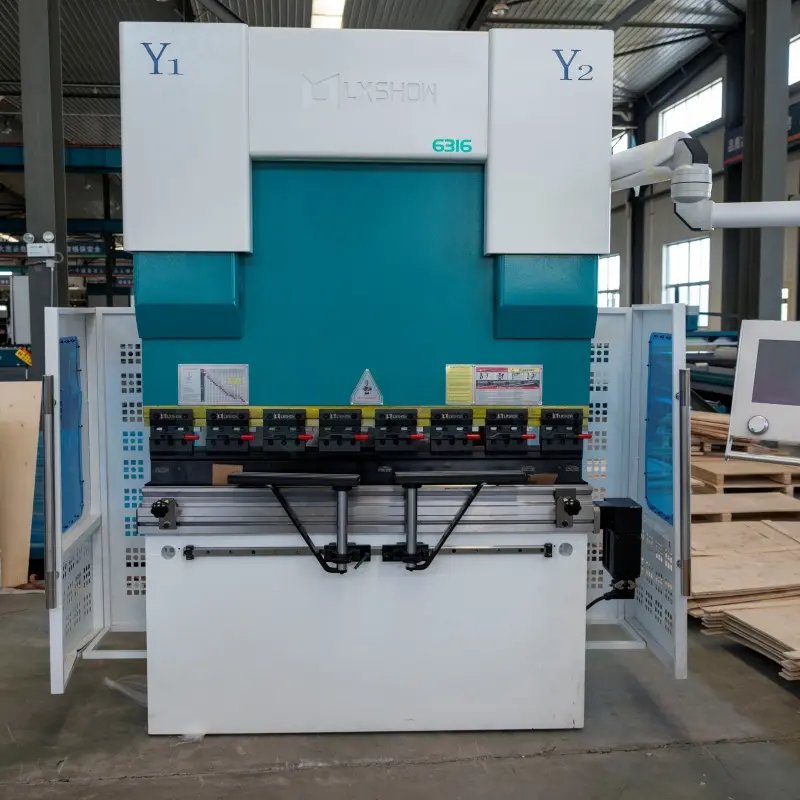
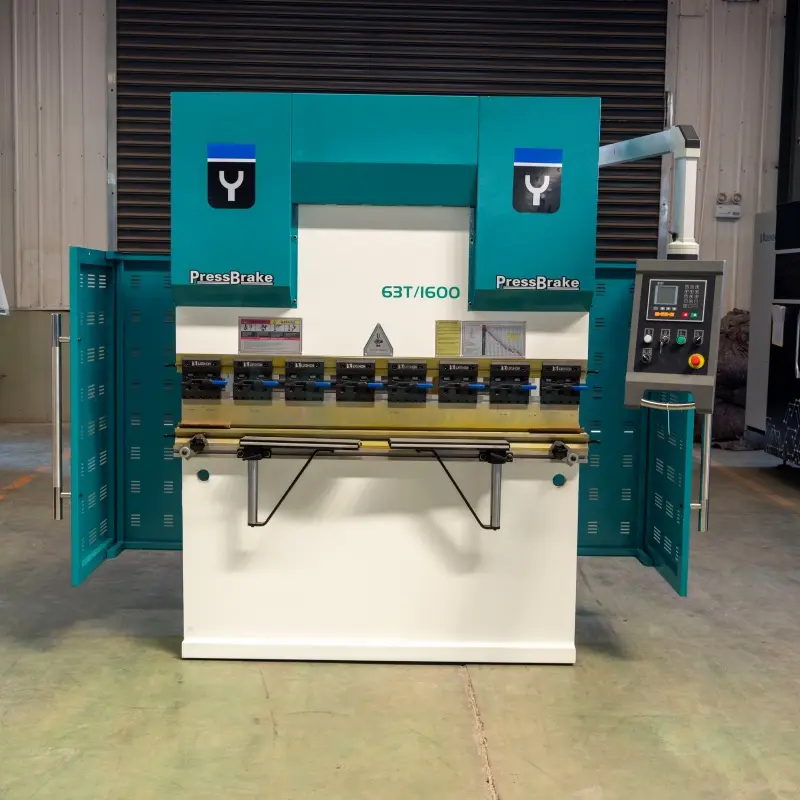
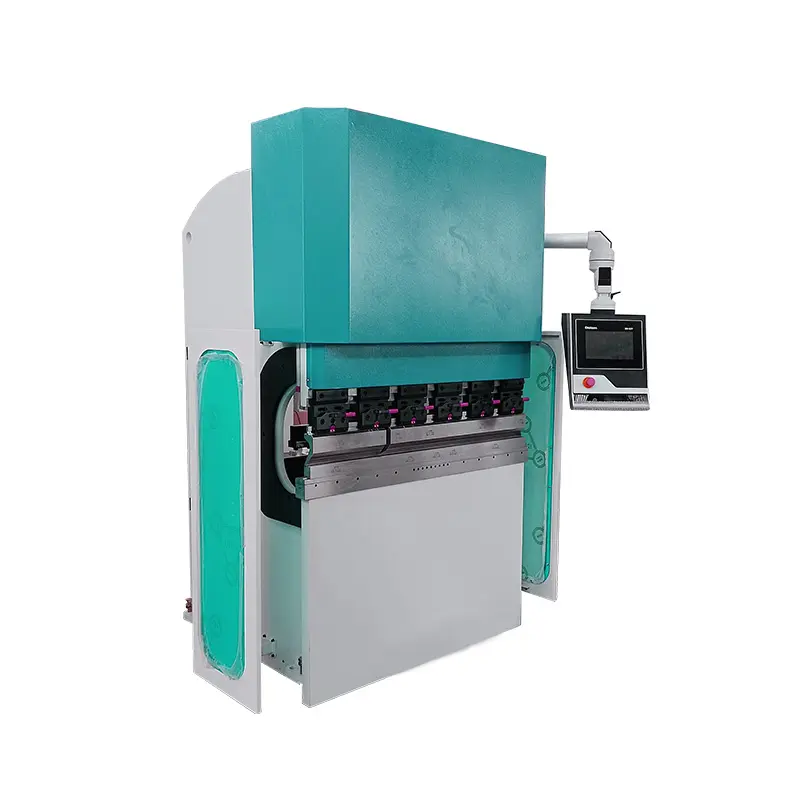
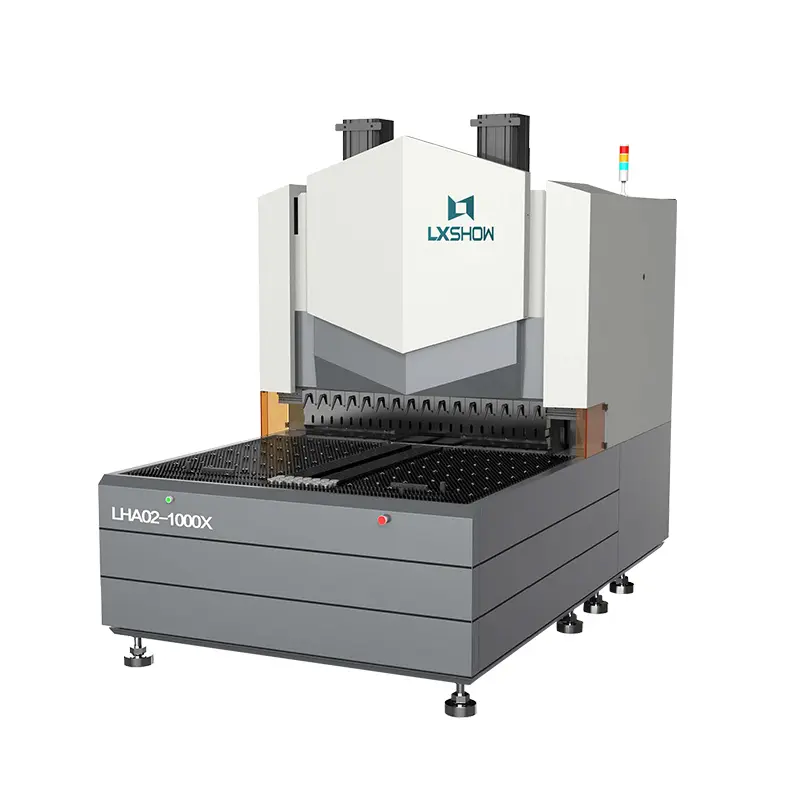
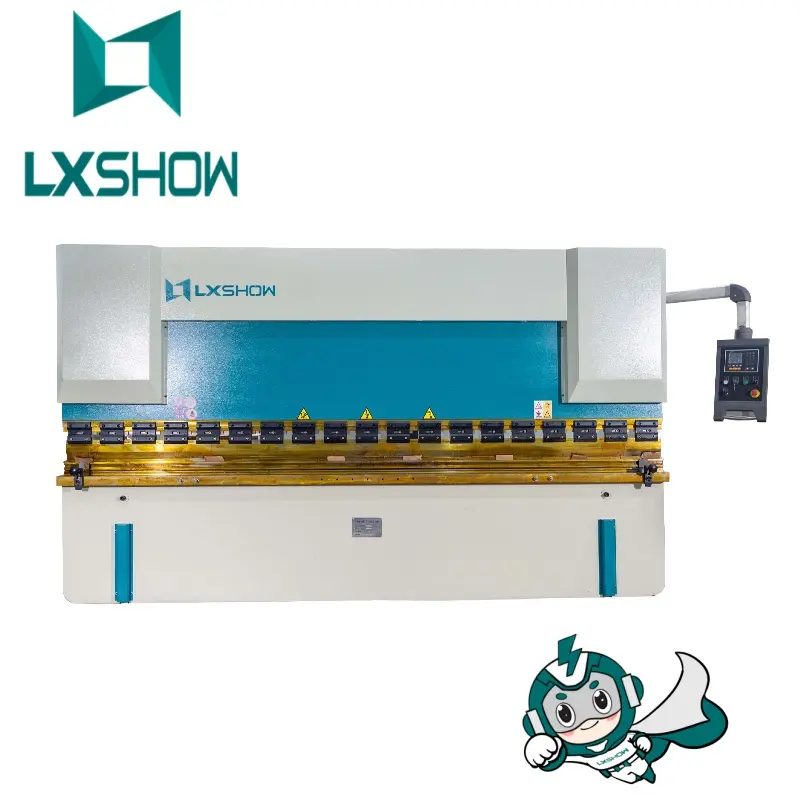
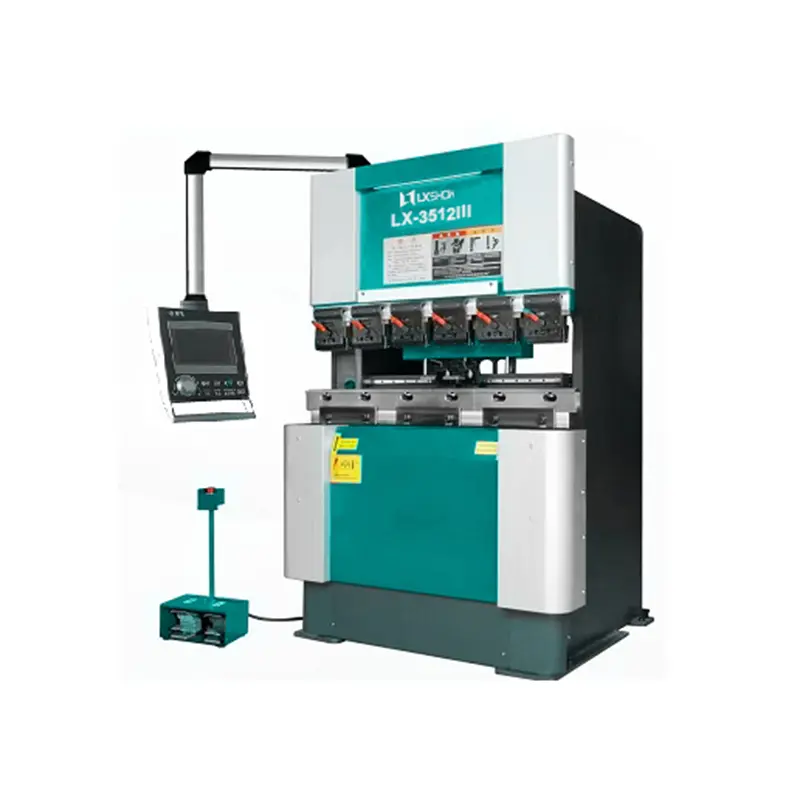
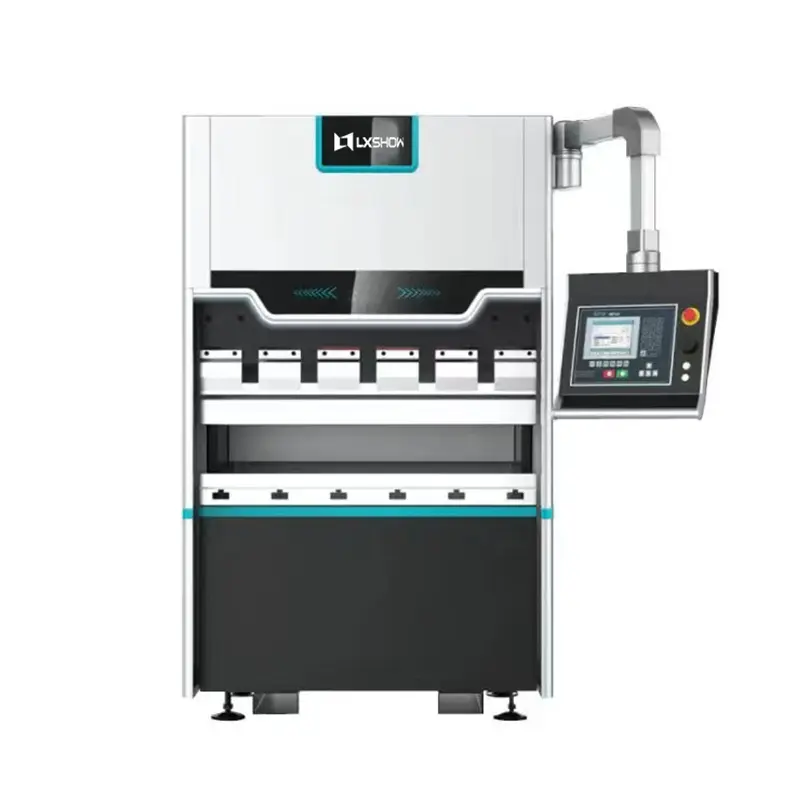
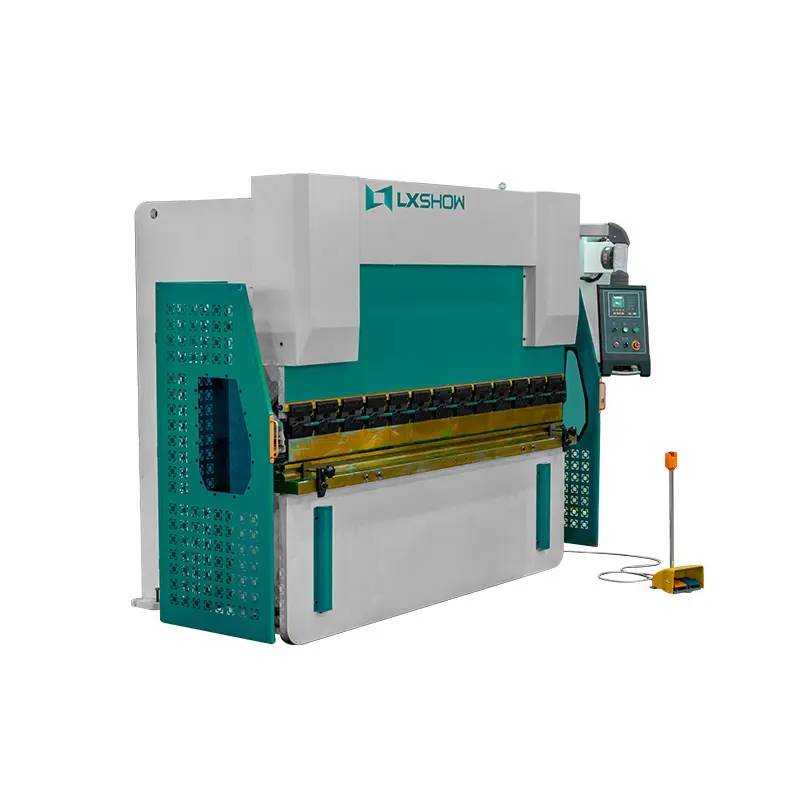
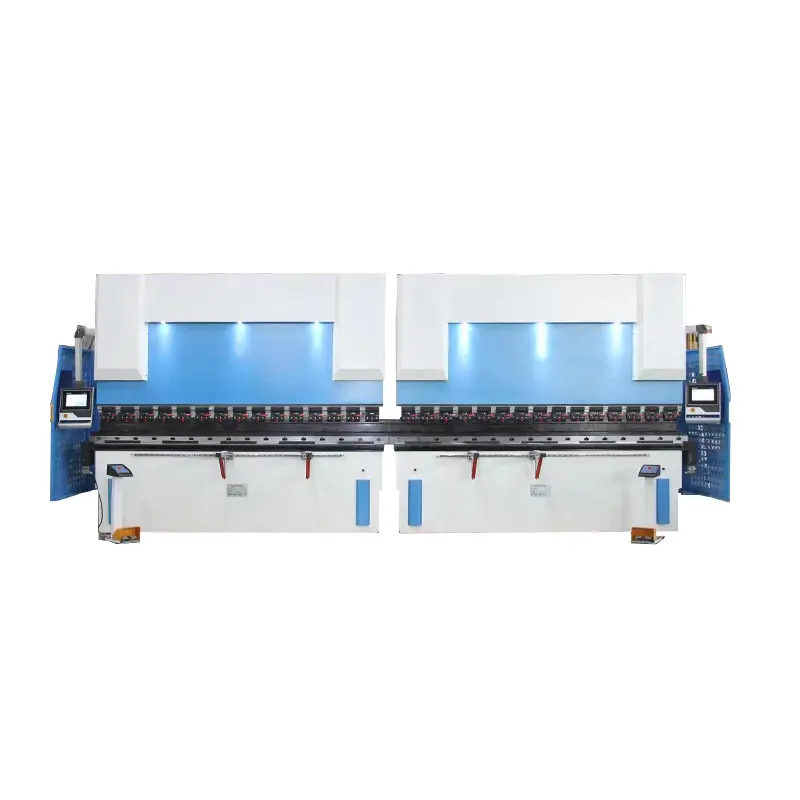
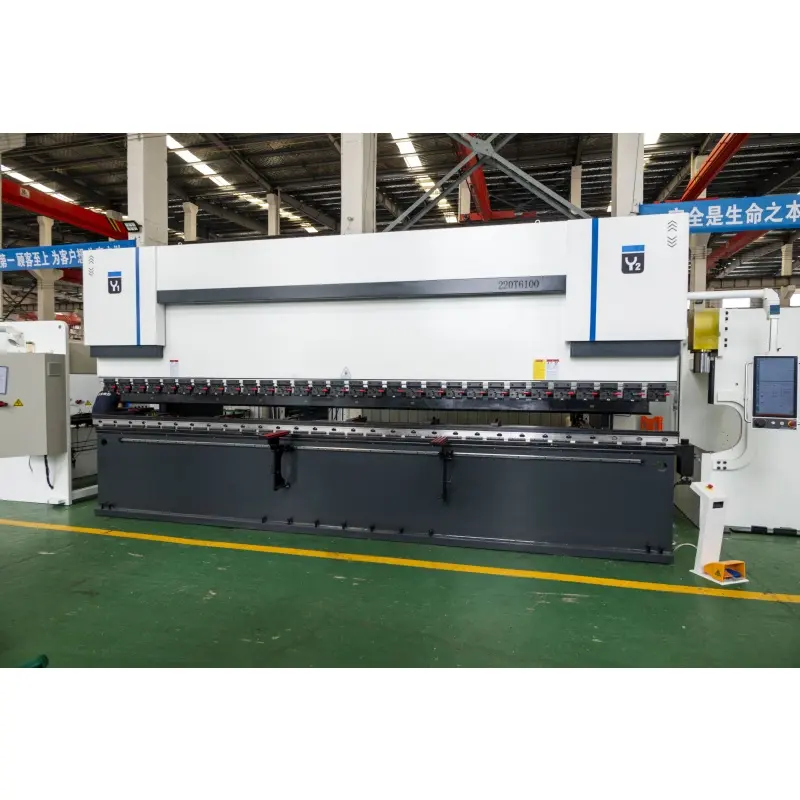
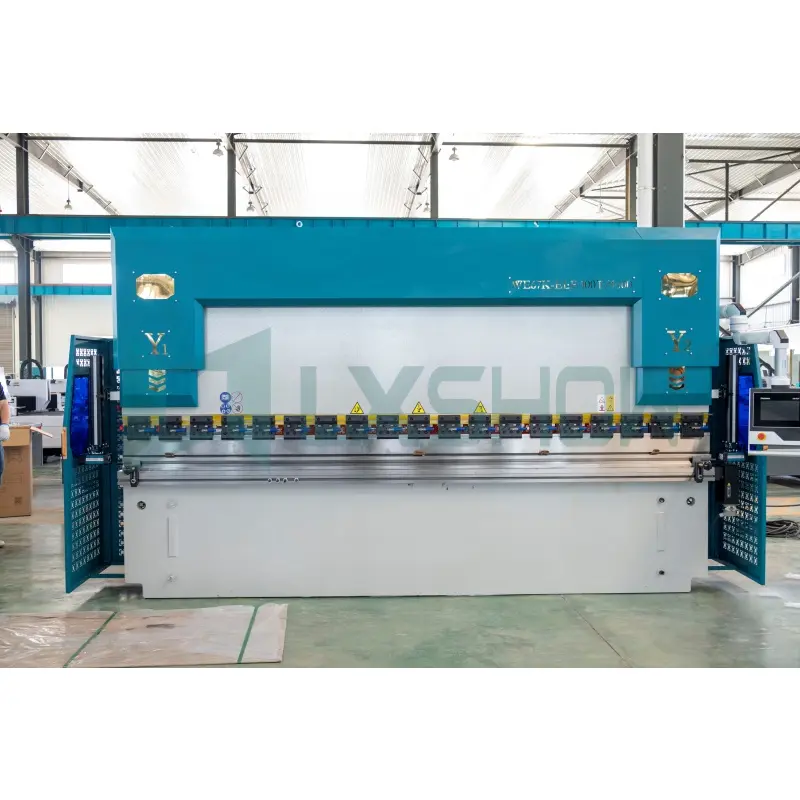
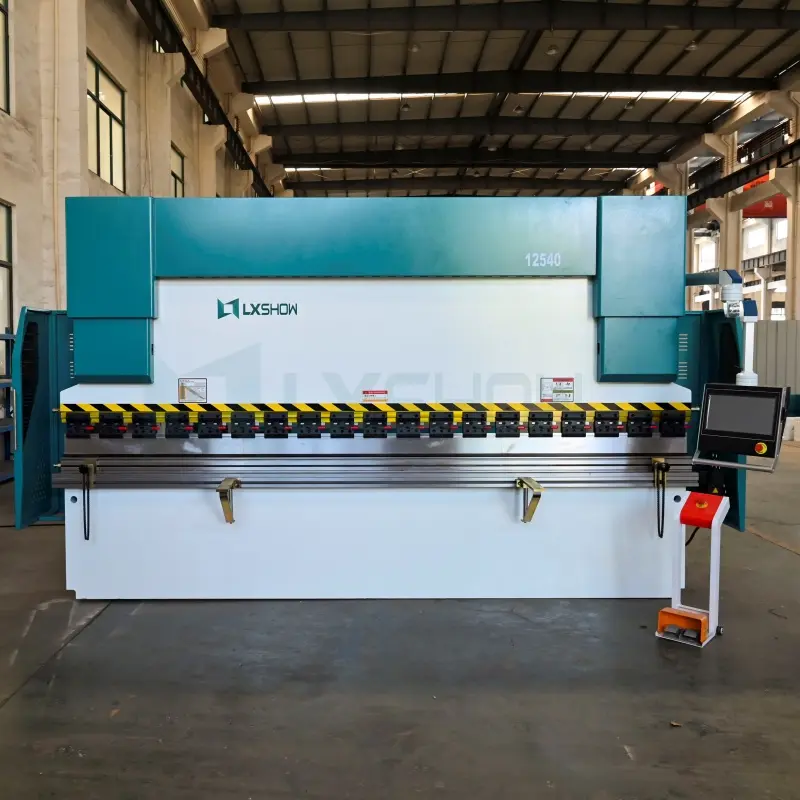
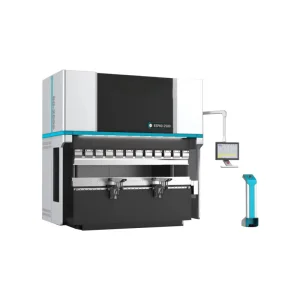
CNC controlled sheet metal bending machinery, delivering highly accurate angle deformation across varying material gauges.
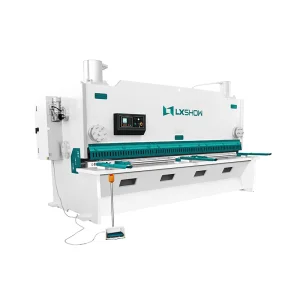
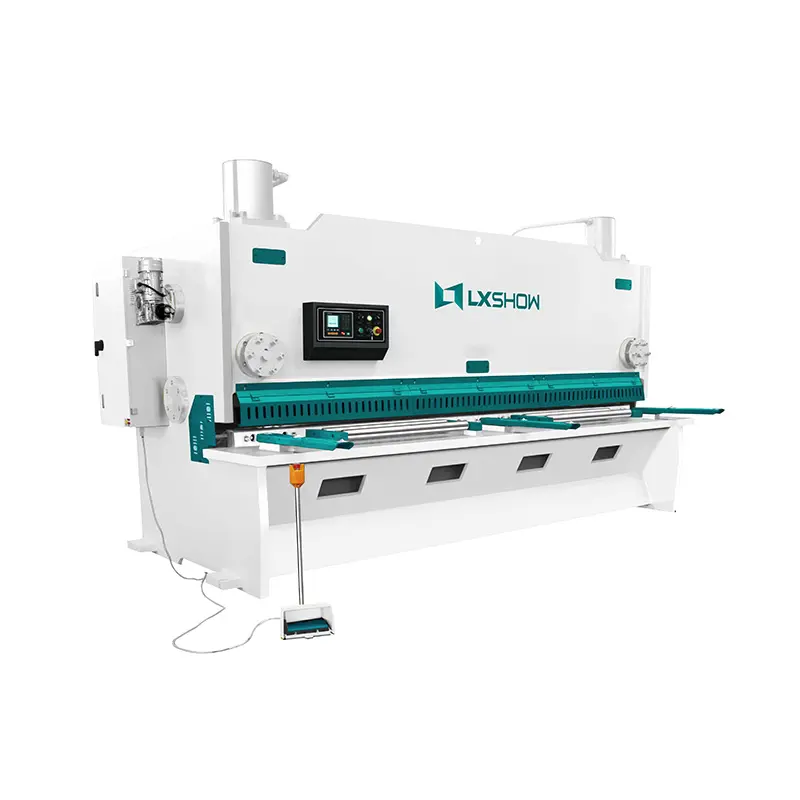
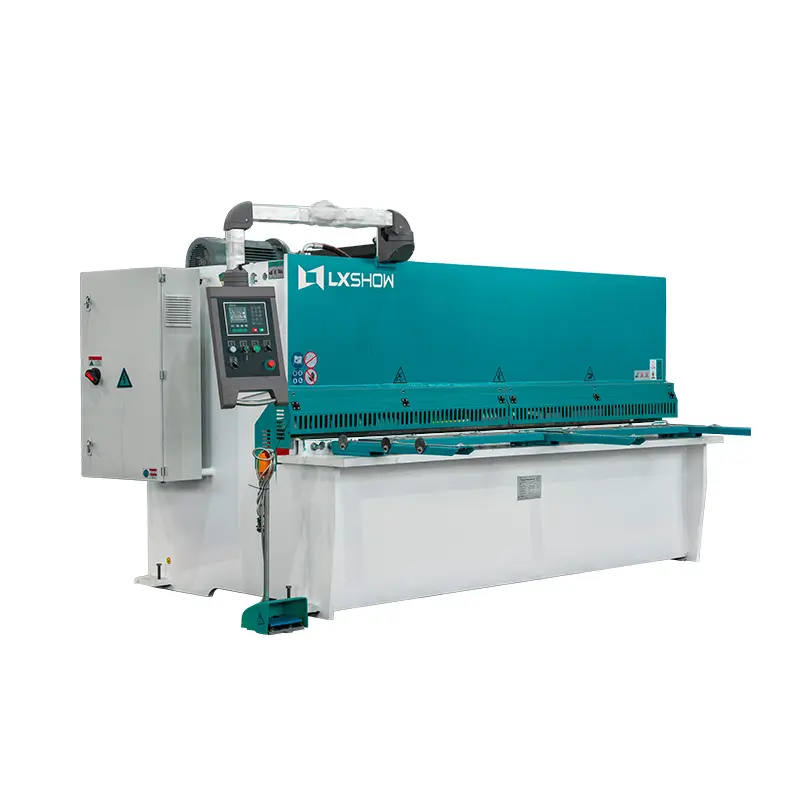
Industrial guillotine and pendulum-style shearing machines for cutting raw sheets prior to forming.
A look at the global markets utilizing our processing machinery, and the structural materials they manipulate daily.
Our processing equipment is deployed globally across a wide range of industrial sectors:
The thermodynamic output of our fiber laser sources is optimized for a wide array of raw metals:
Expert insights addressing key mechanical, regulatory, and process integration questions from global factory owners.
A rotary exchange table allows for flat-sheet laser cutting and tube processing within a single footprint. The dual-pallet exchange mechanism operates concurrently, meaning the operator can load new material or unload finished parts on one pallet while the laser operates on the other. This configuration reduces idle time and increases throughput compared to single-bed systems.
Our entire range of fiber laser cutting, welding, and cleaning equipment is certified to meet European Union CE standards for safety and electromagnetic compatibility. For North America, systems are registered with the FDA, incorporating Class 1 fully enclosed laser safety cabinets, optical safety glass, and integrated safety interlocks.
We use high-power fiber laser sources equipped with multi-stage back-reflection isolation. If a laser beam reflects off a reflective material like copper or brass, the optical isolator redirects and absorbs the return beam, protecting the laser diodes from damage. This design enables stable processing of non-ferrous reflective metals.
For carbon steel, Oxygen is typically used to support the cutting process via exothermic reaction, enabling clean cuts on thick plates. For stainless steel and aluminum, high-pressure Nitrogen is recommended to prevent oxidation, resulting in clean, weld-ready edges. High-pressure clean compressed air can also be used for thin sheets to reduce operating costs.
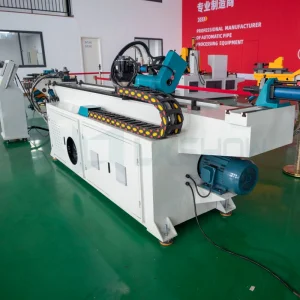
Fully electric servo bending machines (such as our Esp65-2500 and LX-3512) offer higher precision, faster cycle times, and lower energy consumption compared to hydraulic press brakes. Because they do not rely on hydraulic fluid, they are less sensitive to temperature changes, leading to more consistent bending accuracy. They also require less maintenance and run quietly.
Explore our high-performance cladding, tube processing, fully electric bending, and surface finishing machinery.
 Lxshow