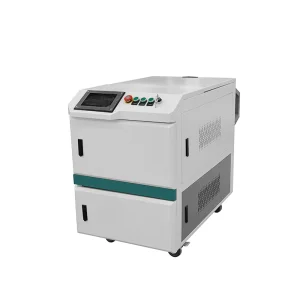
Engineered to deliver unmatched stability, automated edge roundness, and high-velocity metal processing. Select an equipment system to explore deep engineering parameters.
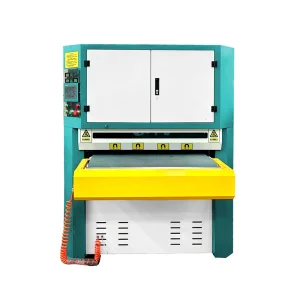
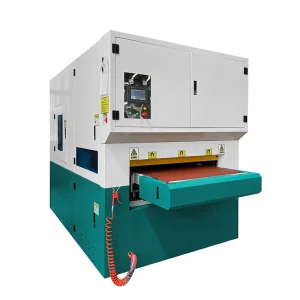
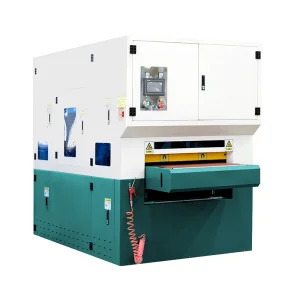
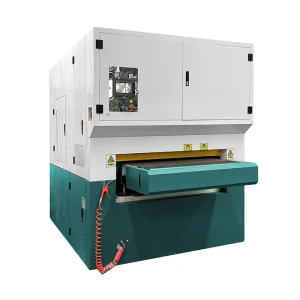
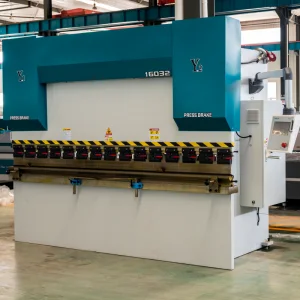
In the modern manufacturing landscape, post-cutting edge conditioning has transitioned from a manual, worker-intensive process to a critical automated phase. The 800 Series Platform represents the state-of-the-art in engineering designs intended to process sheet metal parts up to 800mm in width. For manufacturers running heavy-duty punch presses, laser cutting machines, or waterjet cutters, the mechanical edges generated often exhibit dross, burrs, and sharp localized geometry.
Removing these imperfections is not merely an aesthetic requirement; it is a critical process standard. Components used in the aerospace, automotive, electronics, and medical industries must be free of burrs to prevent coating adhesion failure, localized stress concentrations, electrical short circuits, and handling injuries. The LX-RR-M-800, LX-RRS-M-800, and LX-RRS-A-800 platforms integrate wide belt abrasive heads, rotary brush carousels, and planetary double-sided deburring structures to achieve high-throughput finishing operations with micrometric accuracy.
By consolidating multi-pass manually executed grinding operations into a single-pass CNC controlled throughput system, industrial factories realize a dramatic shift in productivity. Statistical operational reviews demonstrate that adopting the 800 Series platform reduces per-part surface conditioning cycles by up to 82% while simultaneously increasing surface consistency across multi-lot batch manufacturing.
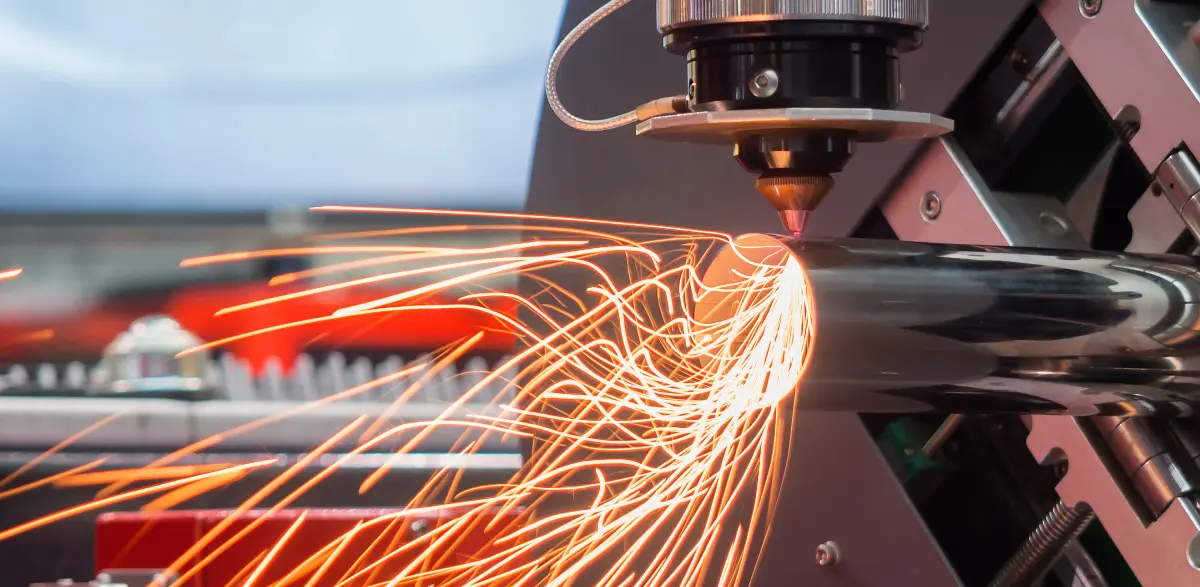
Deciphering the mechanical options, tooling modules, and processing parameters of our industrial flagship machines.
| Machine Model / Parameter | Primary Configuration | Effective Width | Feed Speed Range | Primary Target Materials |
|---|---|---|---|---|
| LX-RR-M-800 | Double Roller Grinding Heads | 800 mm max width | 1 - 8 m/min variable | Carbon steel, heavy slag structural components |
| LX-RRS-M-800 | Double Roller + Rotary Brush Carousel | 800 mm max width | 0.5 - 10 m/min variable | Precision electronics parts, micro-burrs, multi-alloy |
| LX-RRS-A-800 | Automated Double Belt + Universal Planetary Head | 800 mm max width | 1 - 12 m/min variable | Aerospace grade structural parts, thin-gauge sheet metal |
| LX-RRW-800 | Wet Type System + Wire Drawing Abrasive System | 800 mm max width | 0.5 - 8 m/min variable | Pure aluminum sheets, copper, titanium plates |
The standard engineering architecture of the 800 Series involves a modular multi-head design. The primary roller heads are configured to eliminate heavy dross and primary burrs through high-speed rotation against the direction of sheet metal travel. The abrasive belt is driven by a dynamically balanced main contact roller, utilizing pneumatic tensioning and electronic oscillation controls to avoid tracking deviation during operation.
For components requiring a radius on both the outer profile and inner geometries (such as holes or cutouts), a secondary rotary brush carousel station is employed. This carousel features counter-rotating abrasive brushes that oscillate across the width of the workpiece. This movement creates a consistent radius on the edges without thinning the material surface or compromising nominal dimensions.
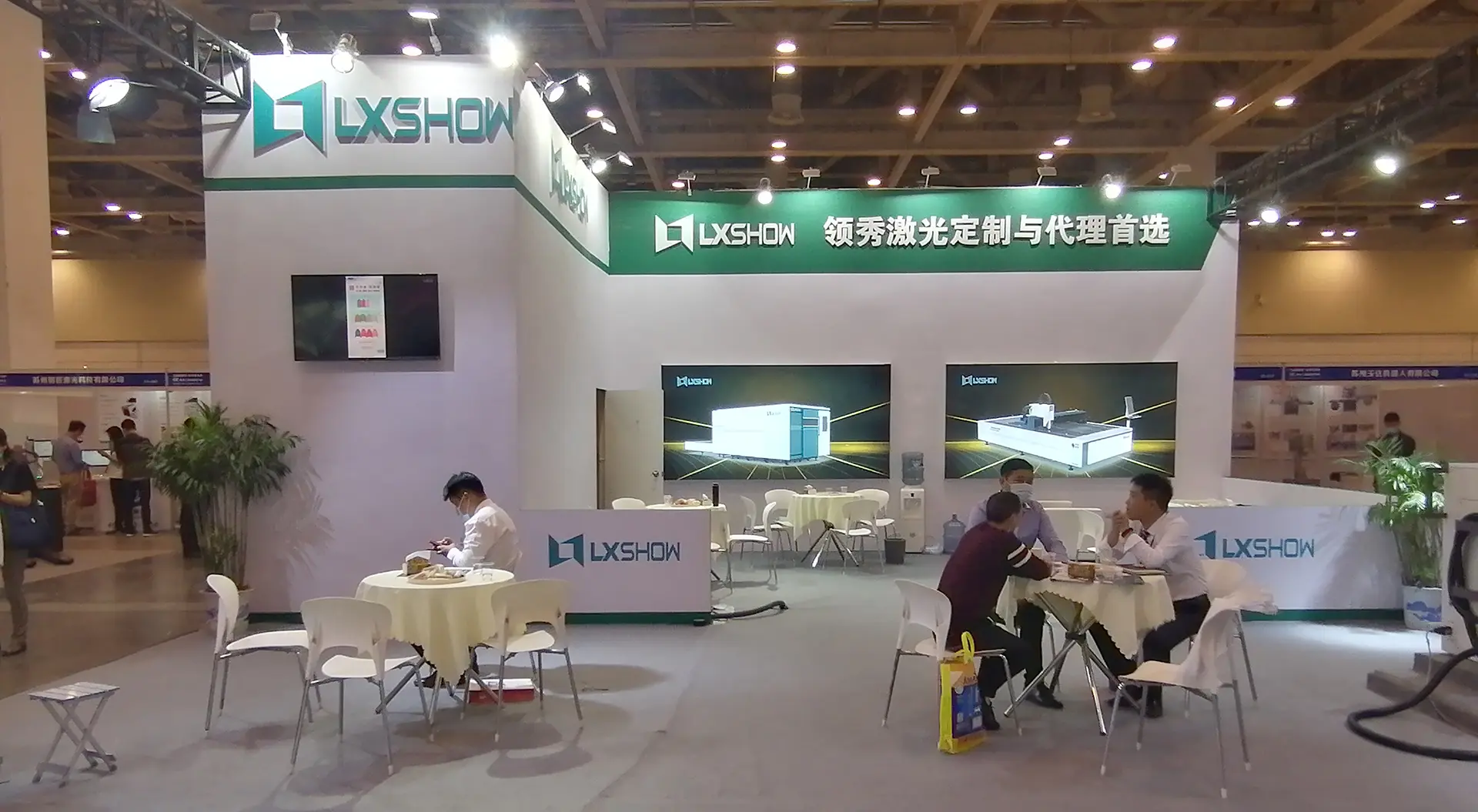
Established in July 2004, our production operations center in Jinan, China, encompasses a dedicated research facility exceeding 500 square meters and a large-scale manufacturing plant spanning over 32,000 square meters. Managing all phases of mechanical fabrication, assembly, and testing in-house provides structural advantages in both precision and cost.
Our manufacturing facility runs dynamic stress testing on machine frames to ensure long-term structural alignment. Every 800 Series frame is thermally annealed to relieve residual stresses before precision milling on gantry machining centers. This process ensures the contact rollers and abrasive belt assemblies remain parallel to within 0.02 mm, preventing uneven abrasive wear and part variations.
China’s domestic industrial supply chain provides access to high-quality localized sourcing, including precision bearings, linear guide rails, and electronic controllers. This network allows us to offer shorter lead times and adapt machine configurations to specific customer requests.
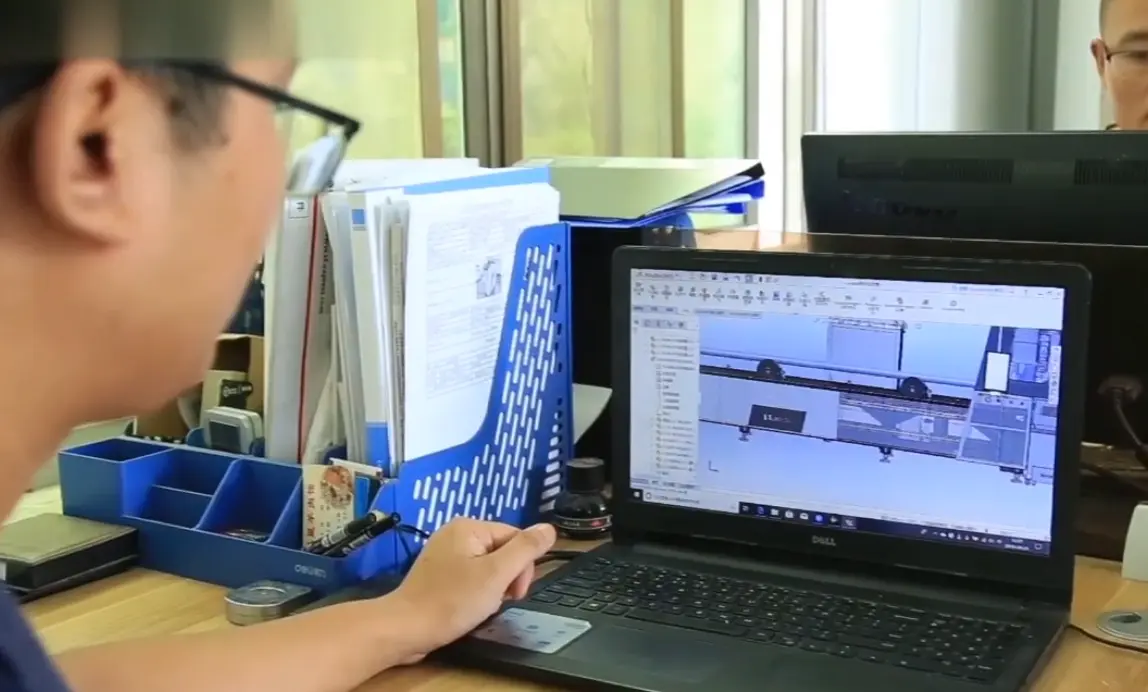
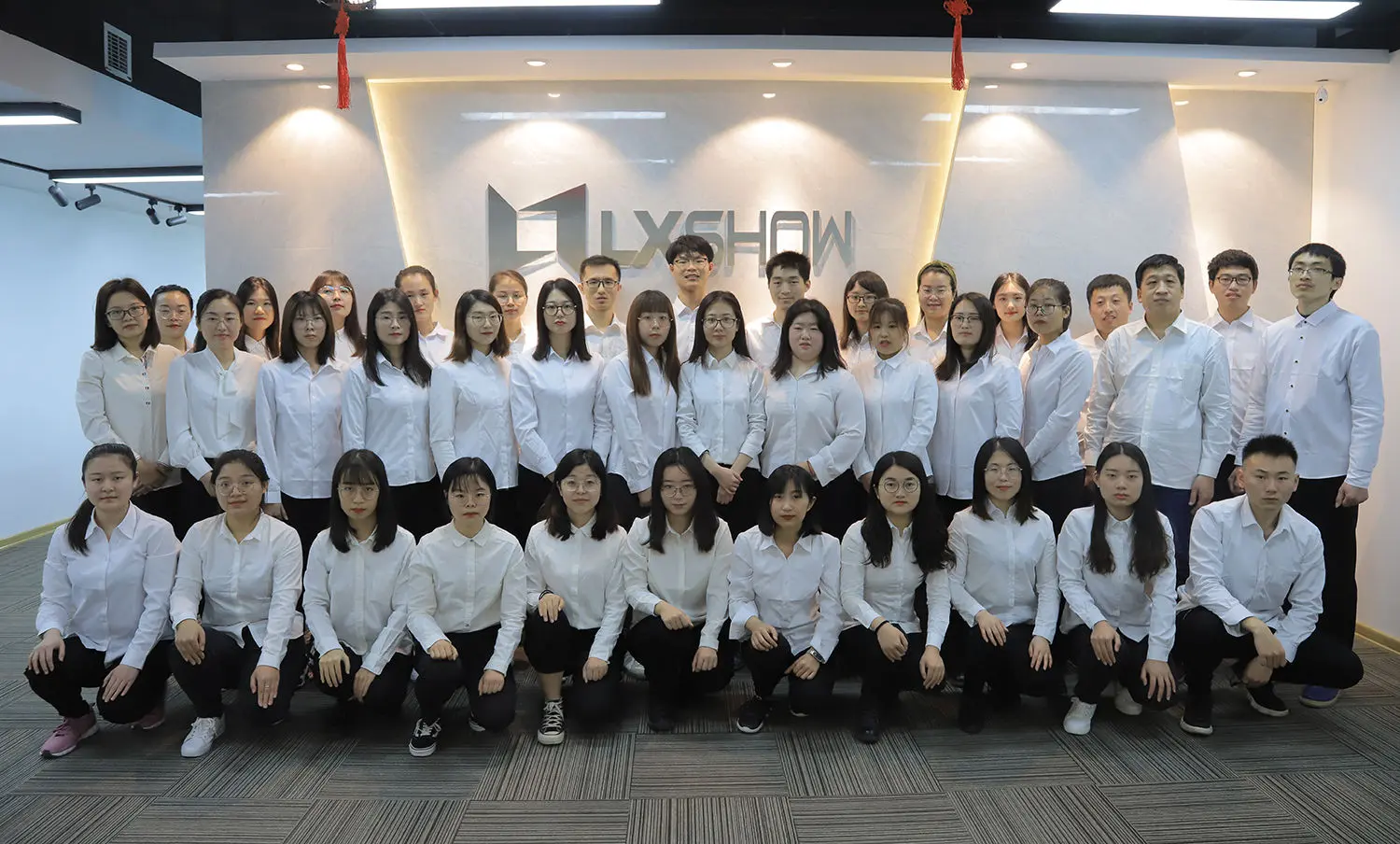
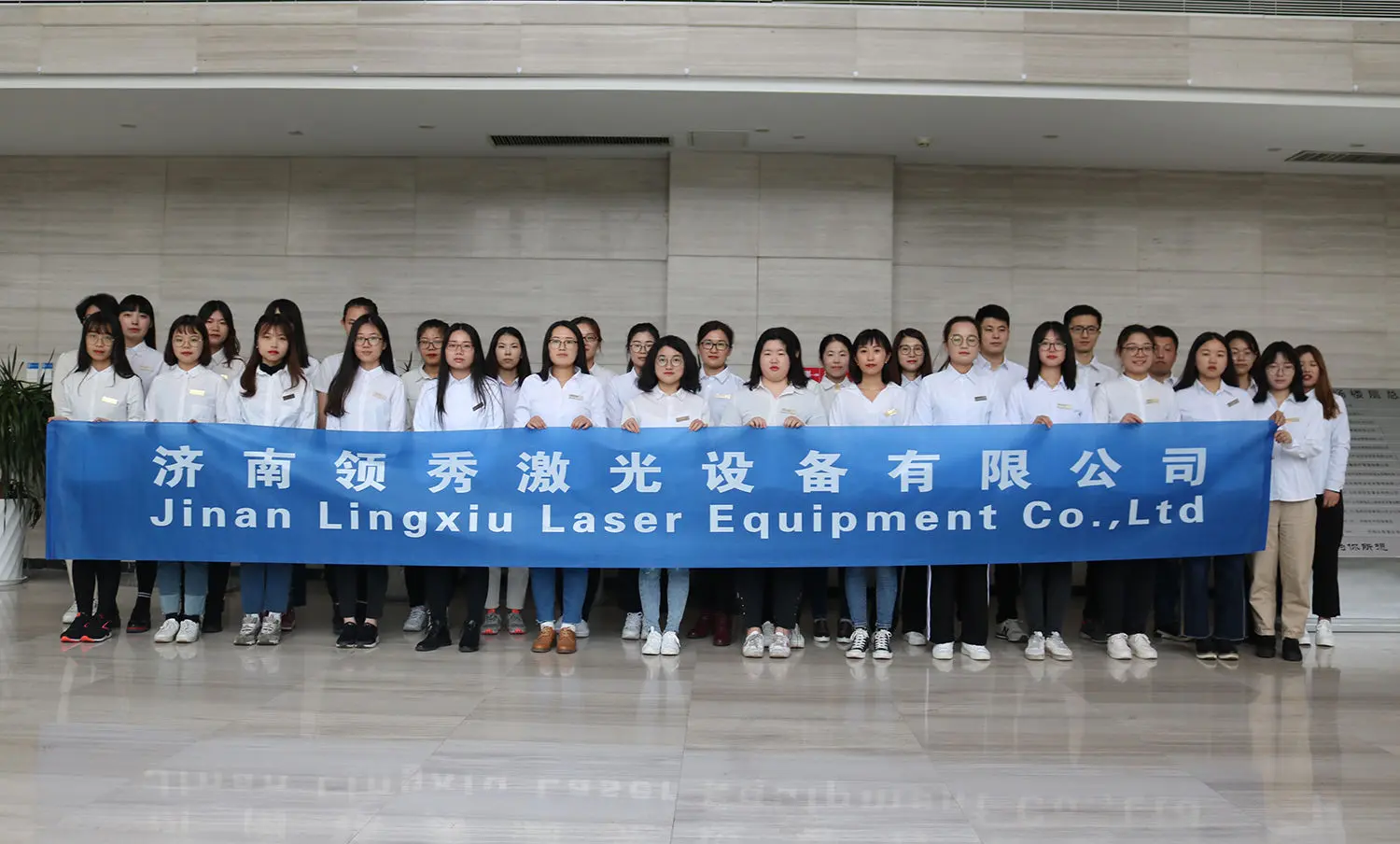
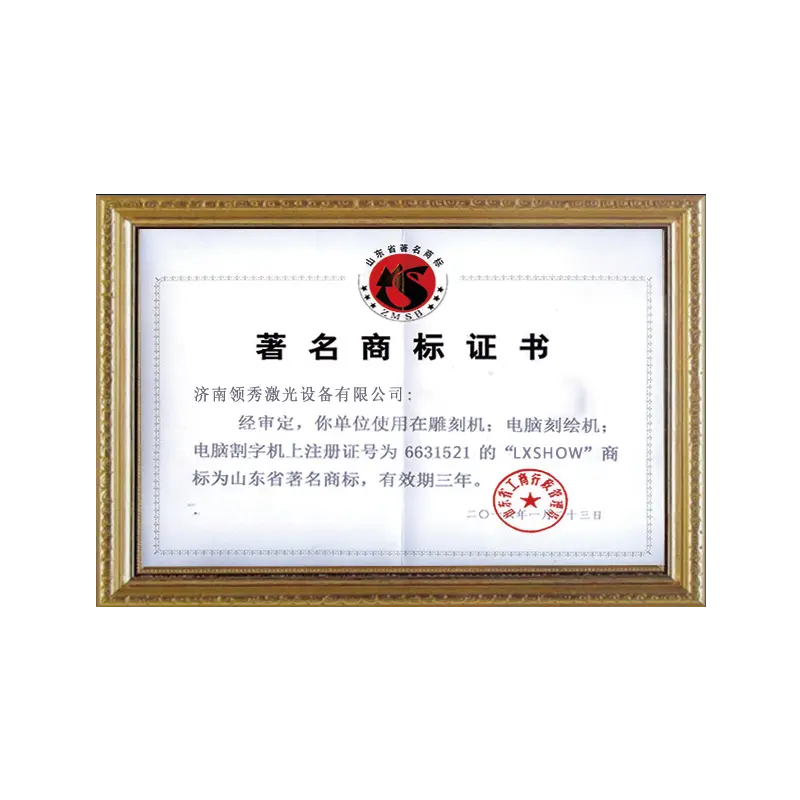
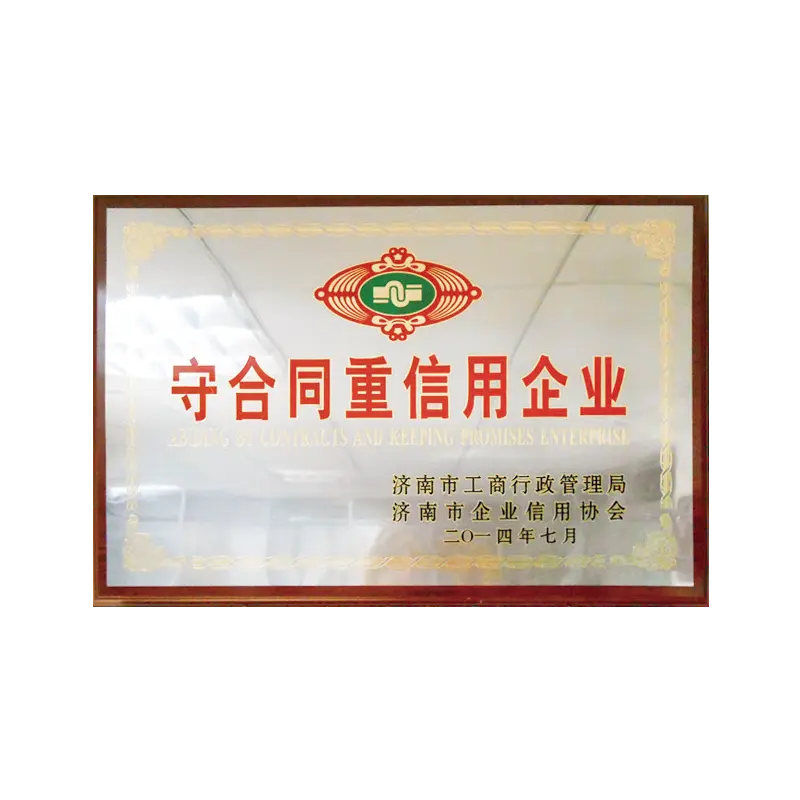
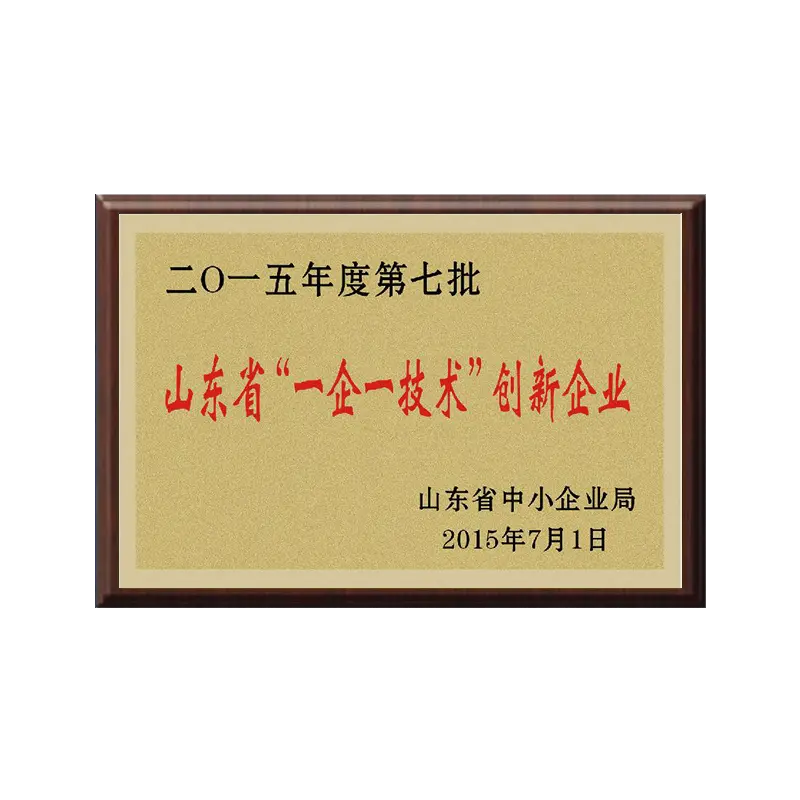
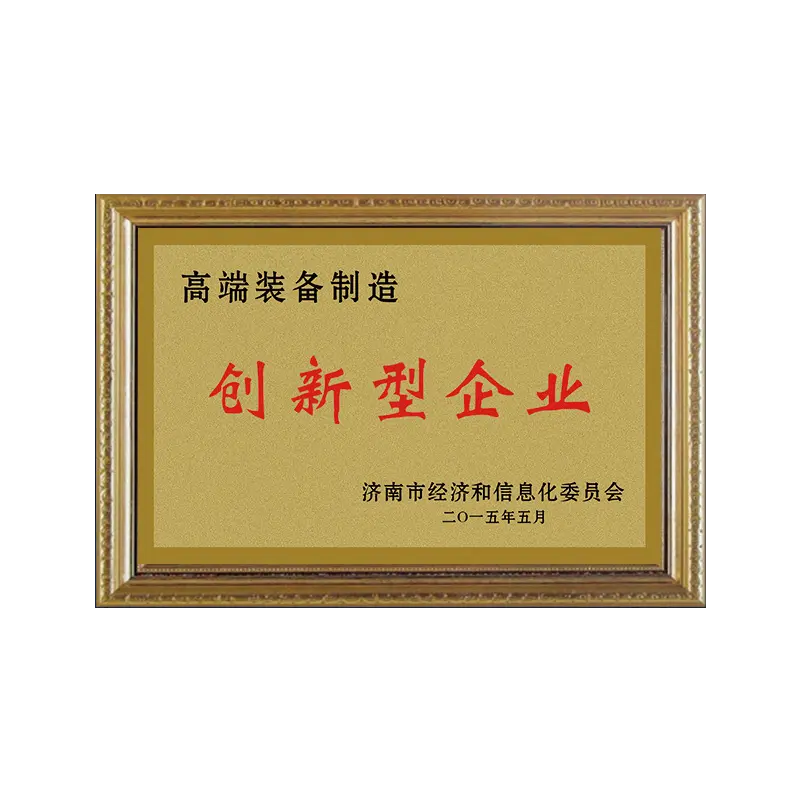
A comprehensive look at our design offices, assembly floors, and validation departments that guarantee CE, FDA, and ISO 9001 compliance.
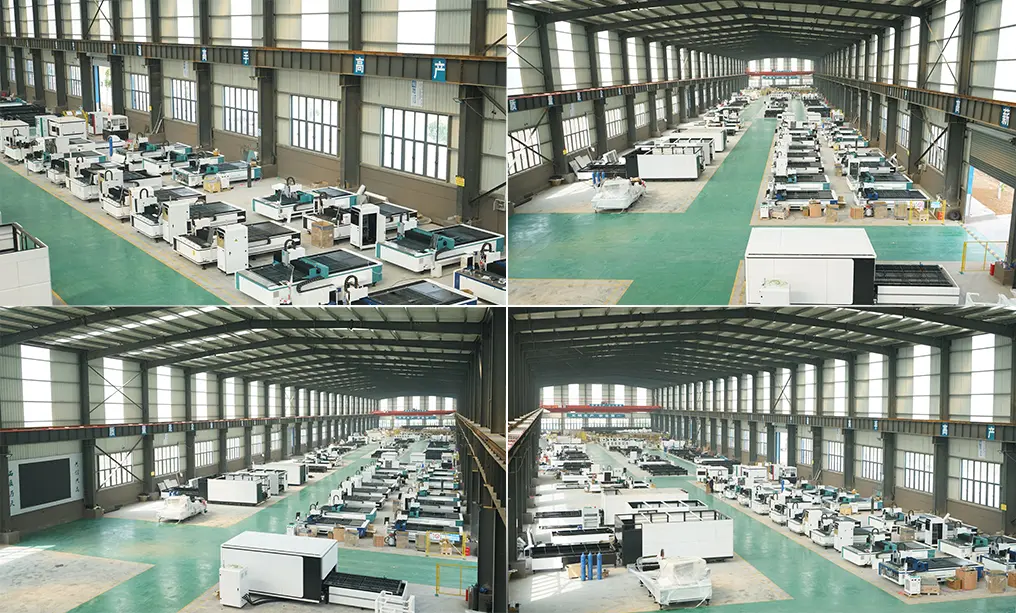
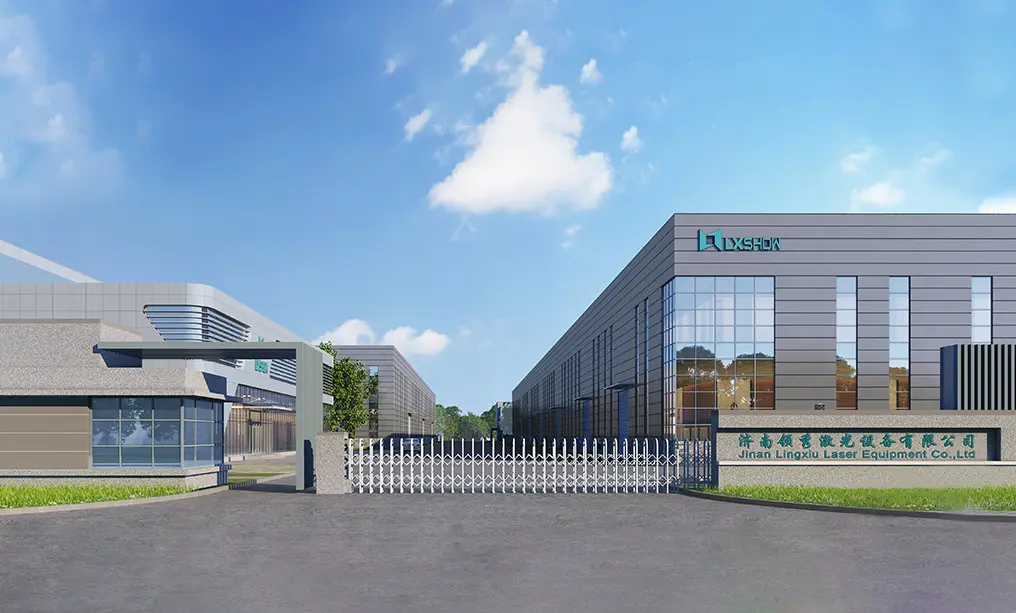

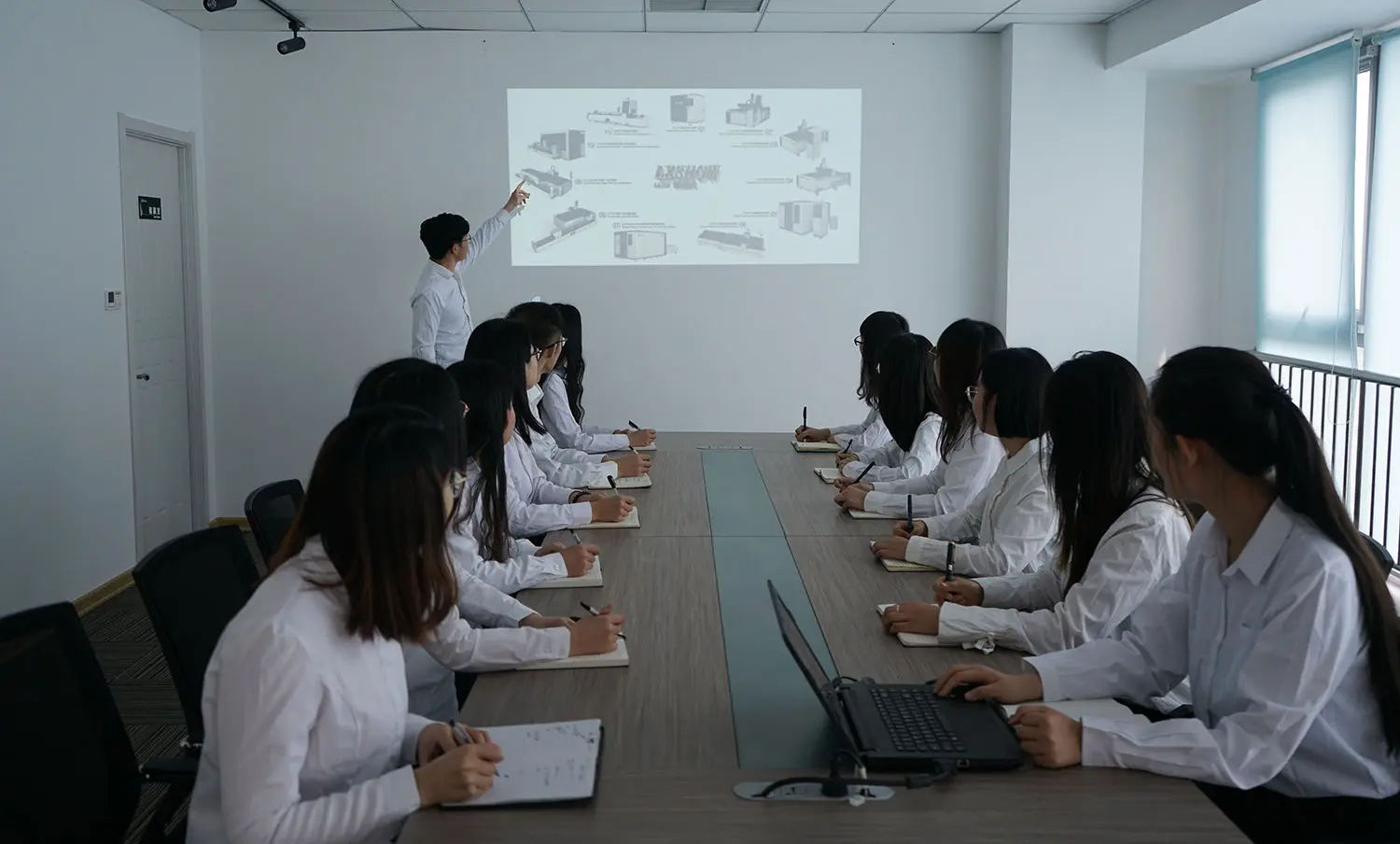
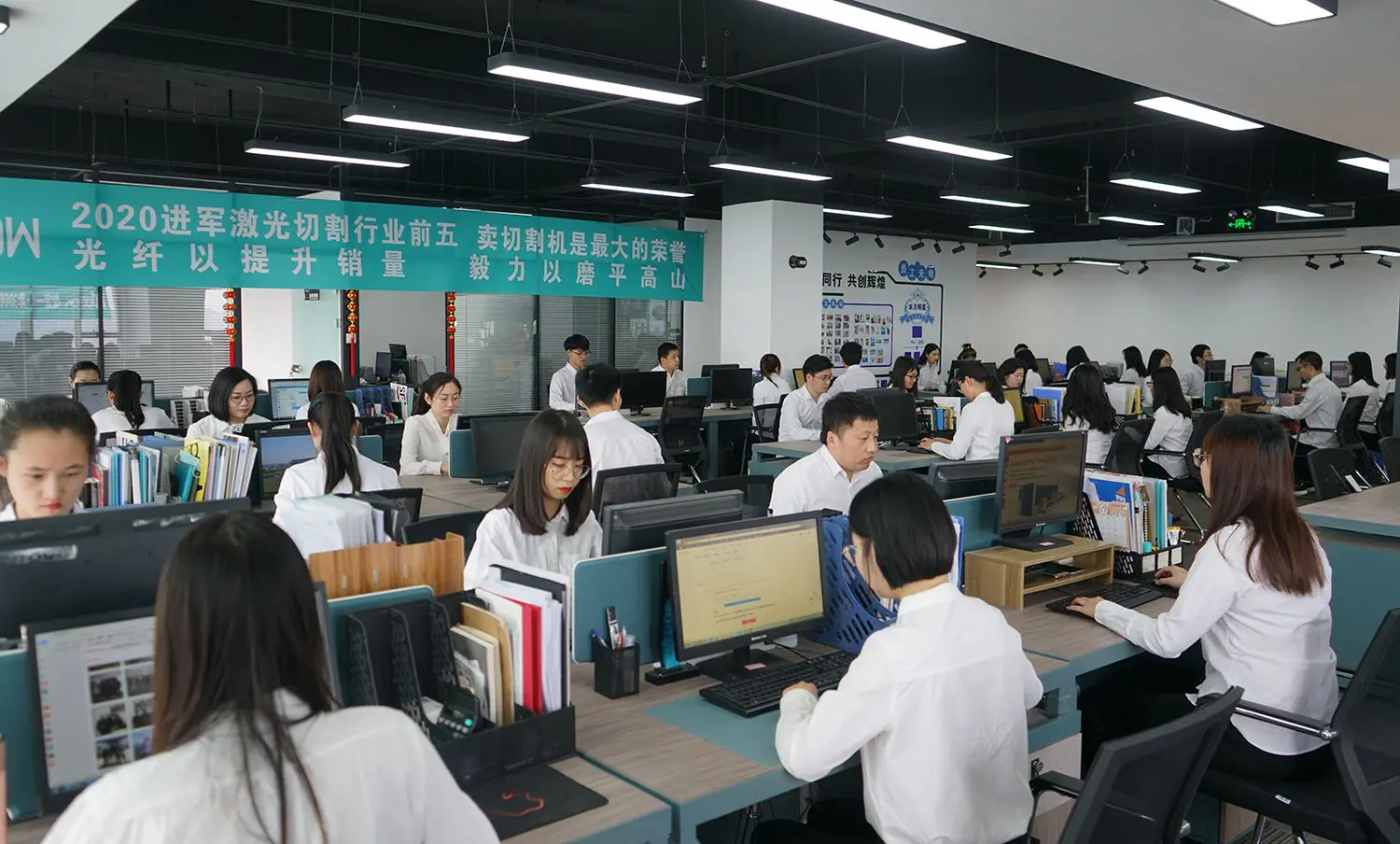
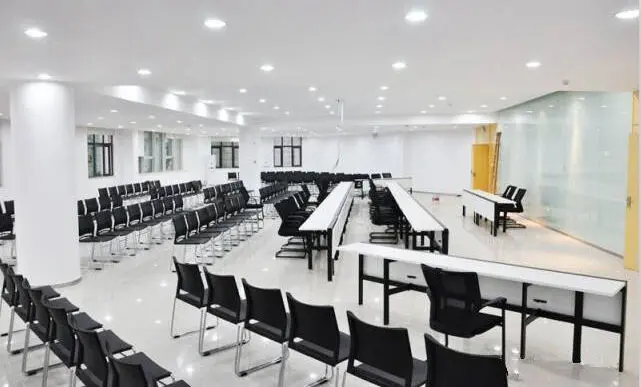
From North American automotive stamping to European structural steel fabrication, the 800 Series integrates seamlessly into local regulations.
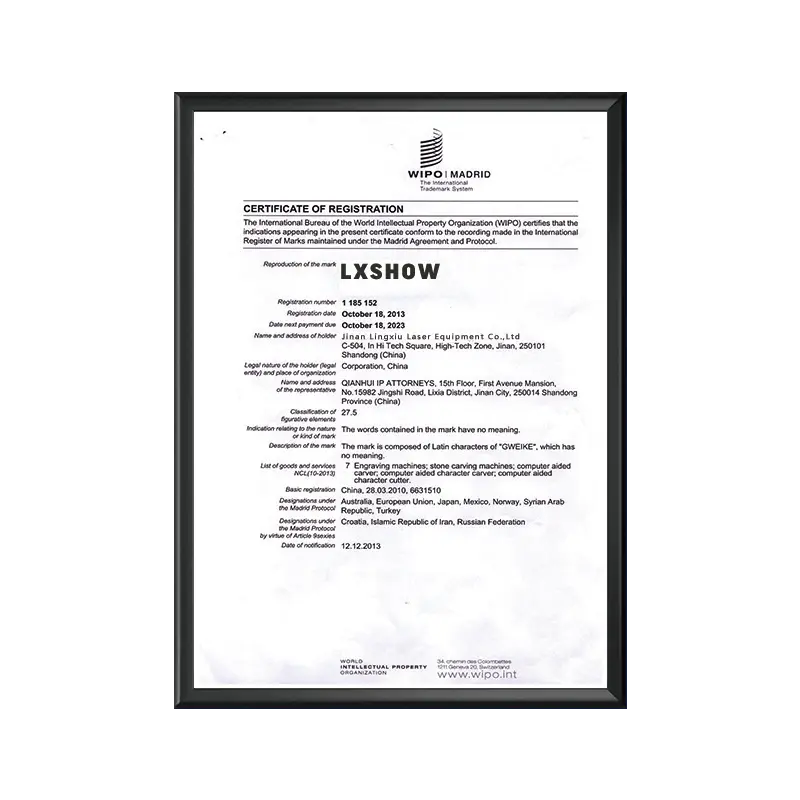
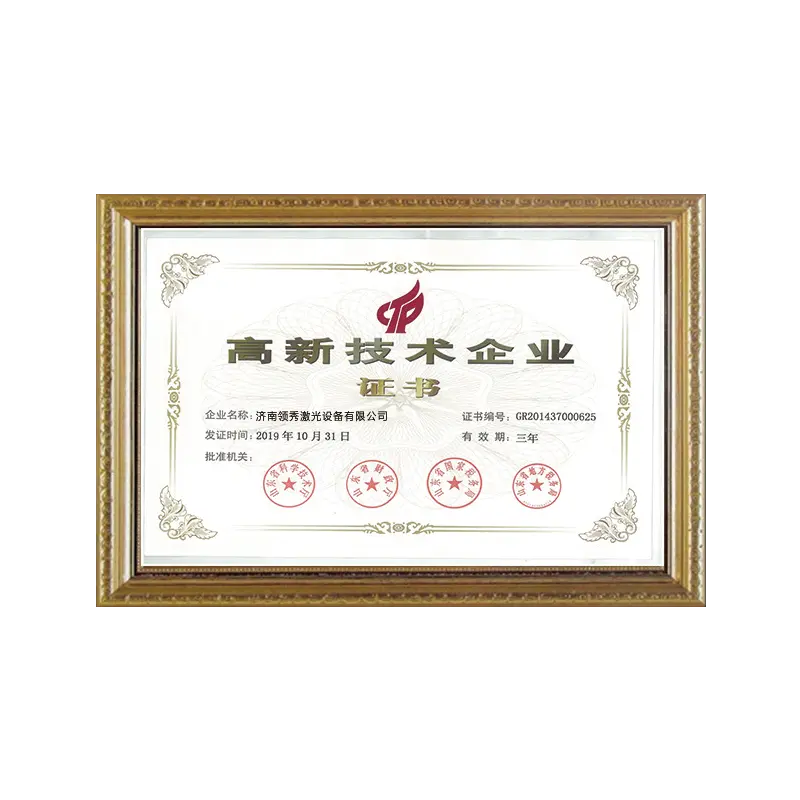
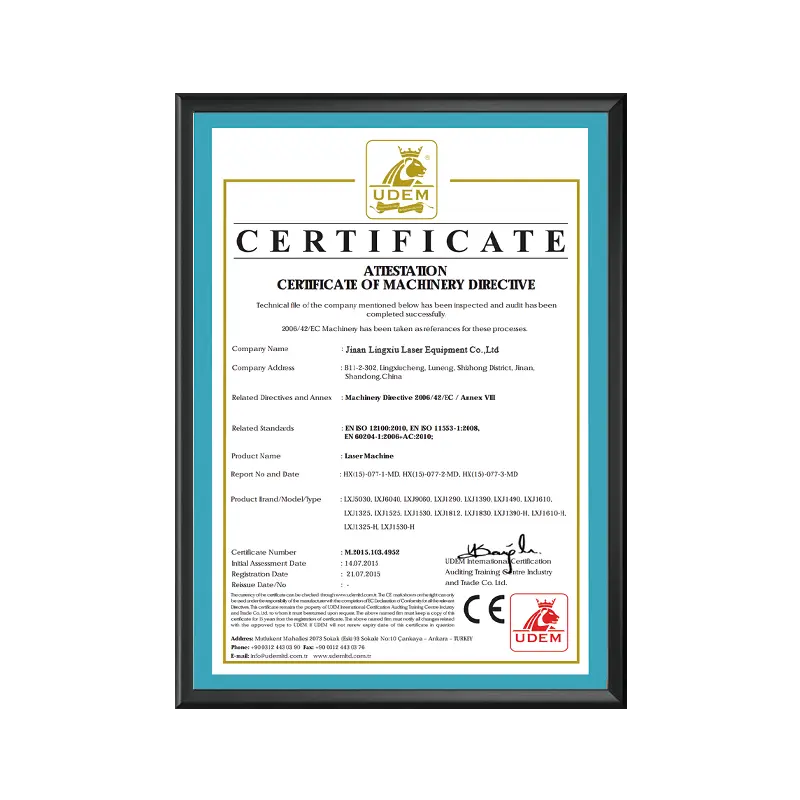
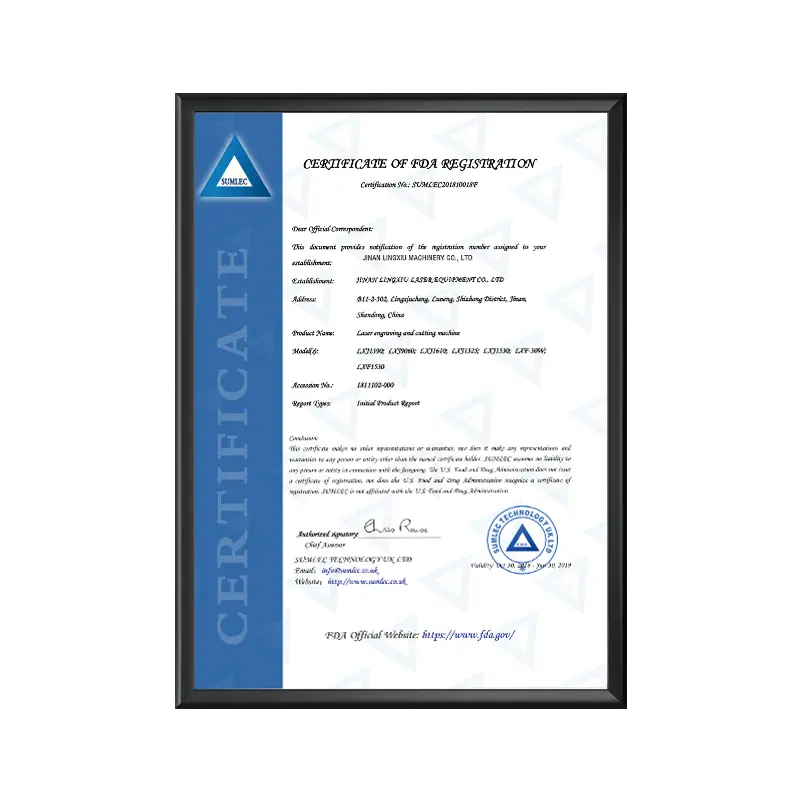
Every 800 Series machine complies with European Union CE Machinery Directives, holds active American FDA certification, and is produced under ISO 9001 quality management protocols, facilitating integration into regulated production floors.
Processing aluminum components presents explosion risks from dust generation. We offer wet filtration system upgrades (e.g., in the LX-RRW-800) with explosion-proof blowers and water-mist extraction lines to satisfy strict occupational health and safety regulations.
Through regional application centers and technical service hubs, we offer training, replacement parts supply, and application engineering support in more than 120 countries, minimizing machine downtime.
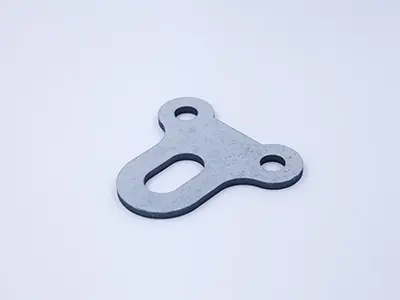
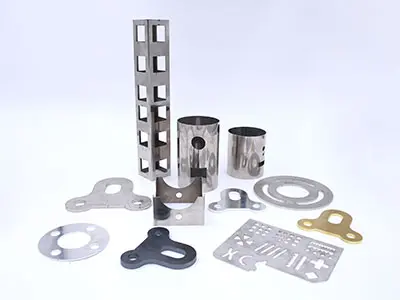
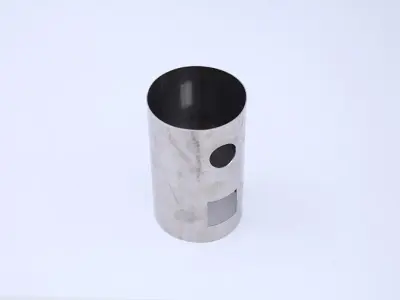
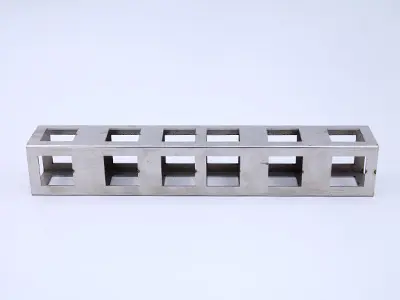
The versatility of our engineering designs allows for processing a wide range of materials and industries, meeting varying finish and precision requirements.
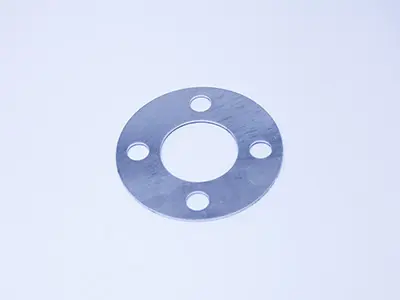
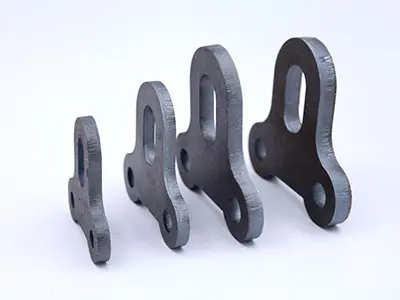
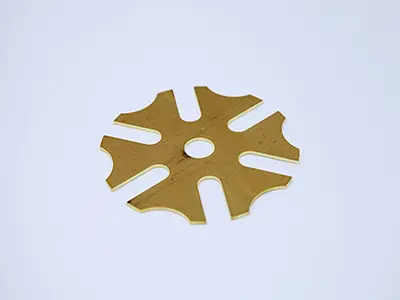
Our commitment to continuous innovation in laser smart equipment, robotic automation, and cloud-integrated diagnostics.
As manufacturing shifts toward digital integration, the 800 Series platform is evolving from a standalone machine into an connected finishing node. Our development roadmap aims to integrate the 800 Series directly with preceding laser cutting systems and post-processing inspection equipment. By employing unified communication protocols, the machine's feed rates, abrasive pressure, and belt oscillation rates can adapt dynamically based on the edge profile data shared by upstream cutting systems.
Our design teams are working to integrate optical surface inspections within the machine framework. High-resolution CCD cameras scan components immediately after they pass under the rotary brush station. If a part displays micro-burrs exceeding limits, the CNC adjusts the processing parameters automatically. This real-time quality loop aims to eliminate manual inspection steps.
Through our dedicated laser cutting, welding, and cleaning communication centers, we provide ongoing technical support to help users configure efficient processing lines. By integrating these systems, we support companies in building automated, high-yield manufacturing plants.
Answering technical questions regarding mechanical setups, material options, and machine operations.
The choice depends primarily on safety requirements and target materials. Wet-type machines are typically used for processing aluminum, titanium, or other reactive metals because dust from these materials can present explosion hazards. The liquid coolant suppresses dust and cools the part, preventing thermal distortion in thin sheets.
Dry machines are often selected for carbon steel and stainless steel applications where chemical rust prevention or simple dust collection is preferred. Dry operations generally feature lower maintenance costs and allow for quick changes between abrasive grits.
Planetary rotary brush systems feature counter-rotating brush assemblies that sweep across the workpiece from multiple angles. This action delivers uniform edge rounding on both outer contours and complex inner cutouts, regardless of part orientation on the feed belt.
Linear cross-belt systems run perpendicular to the feed direction. While effective for simple parts, they can apply uneven pressure on complex geometries, leading to less consistent edge rounding on trailing edges.
Yes. By configuring specialized soft-durometer contact rollers and selecting appropriate abrasive media, the rotary brush carousel can round edges and deburr laser-cut steel without piercing or removing the protective plastic film on the sheet face. This capability is useful in kitchenware and architectural steel production, where maintaining cosmetic finishes is required.
Abrasive life depends on the cut quality, material type, feed speed, and target finish. Under normal production parameters (processing mild steel with standard dross heights), a wide belt typically lasts between 80 and 120 production hours.
Rotary brushes can last between 300 and 500 operating hours due to their larger surface area and the distributing motion of the carousel head. Using variable speed drives (VFDs) helps maximize accessory life by matching speeds to the workpiece material.
The 800 Series controller features manual or automated thickness setting options. The operator enters the nominal sheet thickness, and the machine adjusts the vertical position of the grinding head assemblies via precision ball screws.
On automated versions, sensors measure the incoming sheet thickness and automatically correct the height of the abrasive heads, protecting both the machine structure and the workpiece.
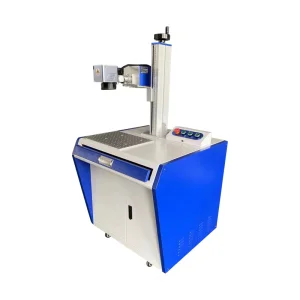
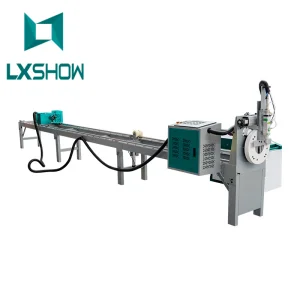
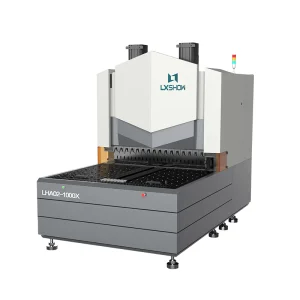
Explore our broader line of CNC fiber laser cutting, welding, cleaning, and sheet metal bending systems configured for modern industrial lines.
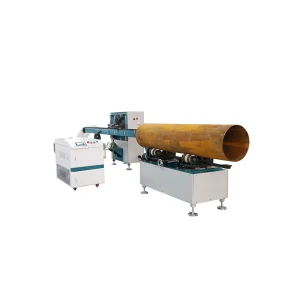
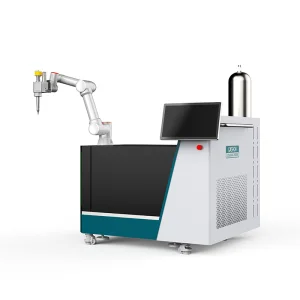
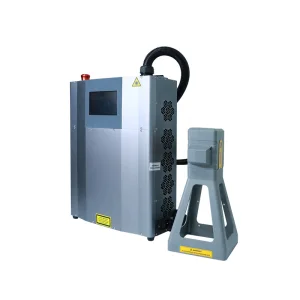
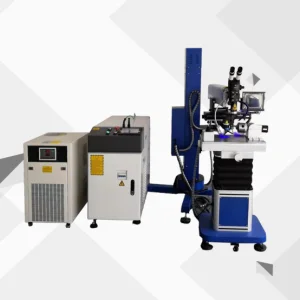
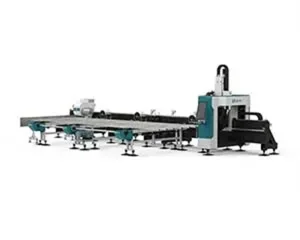
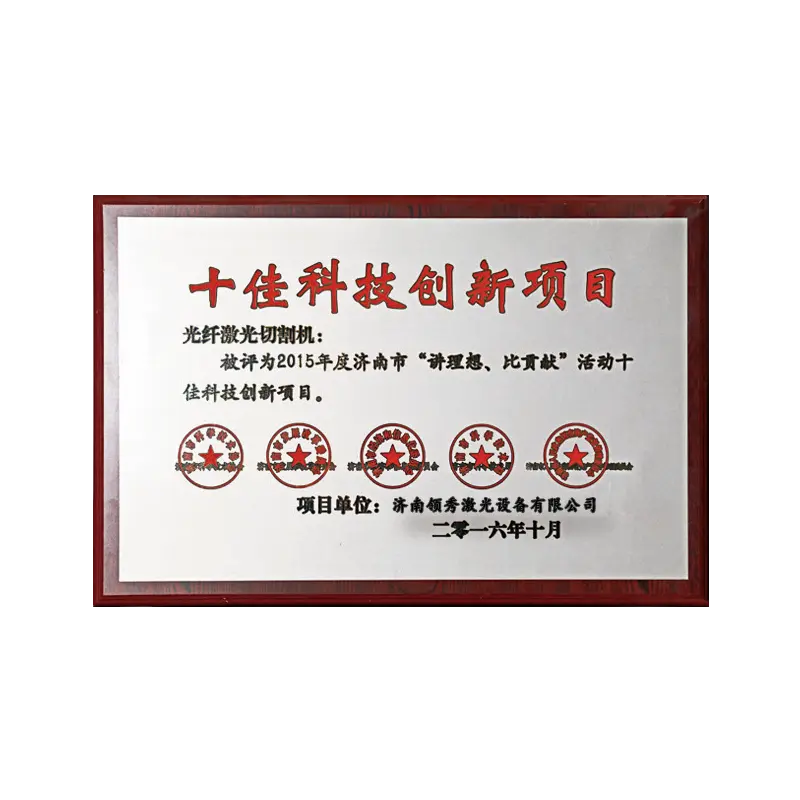
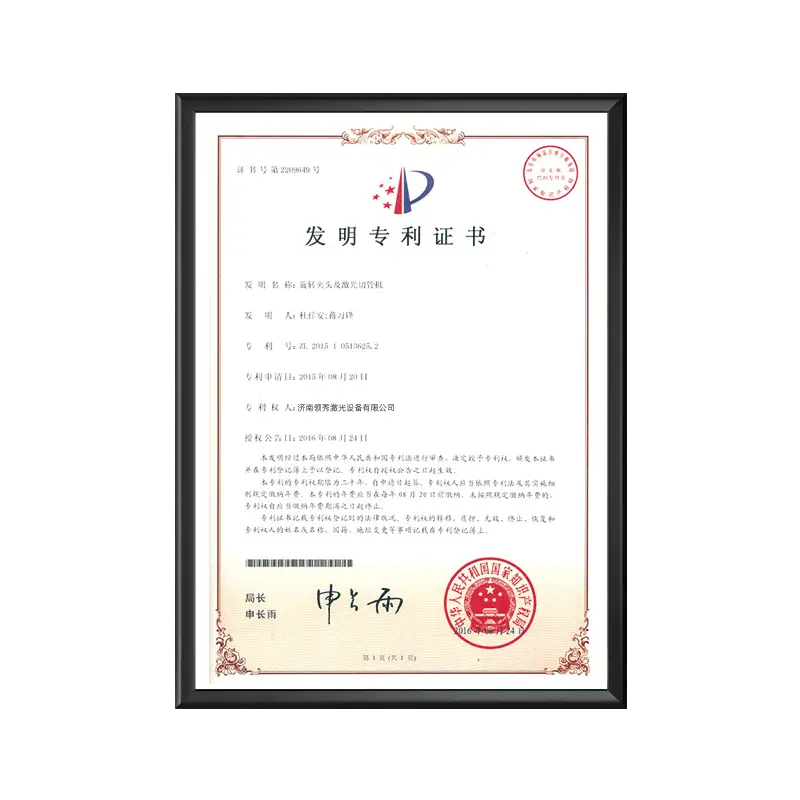
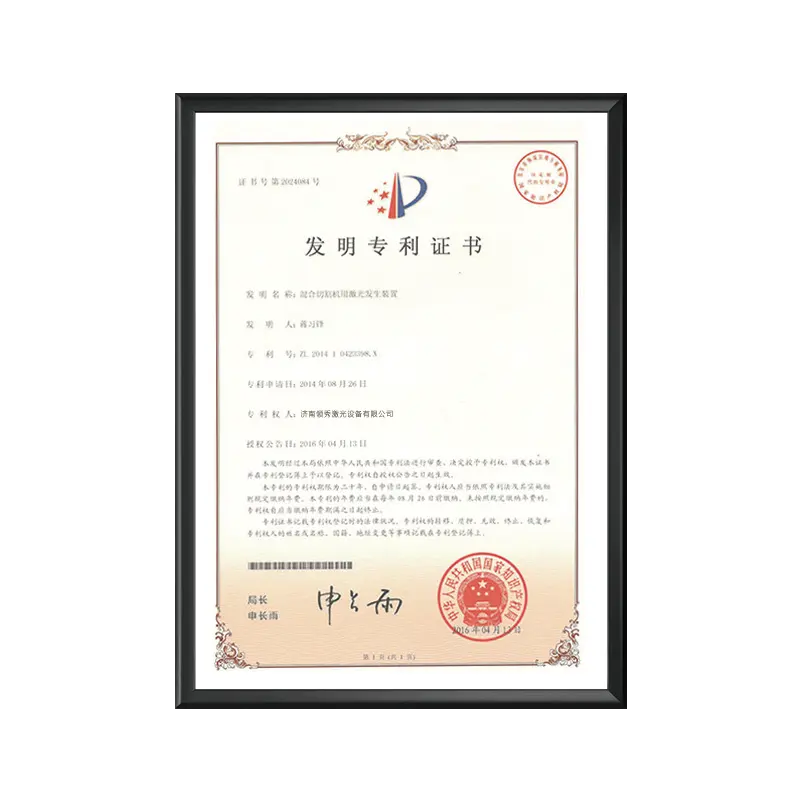
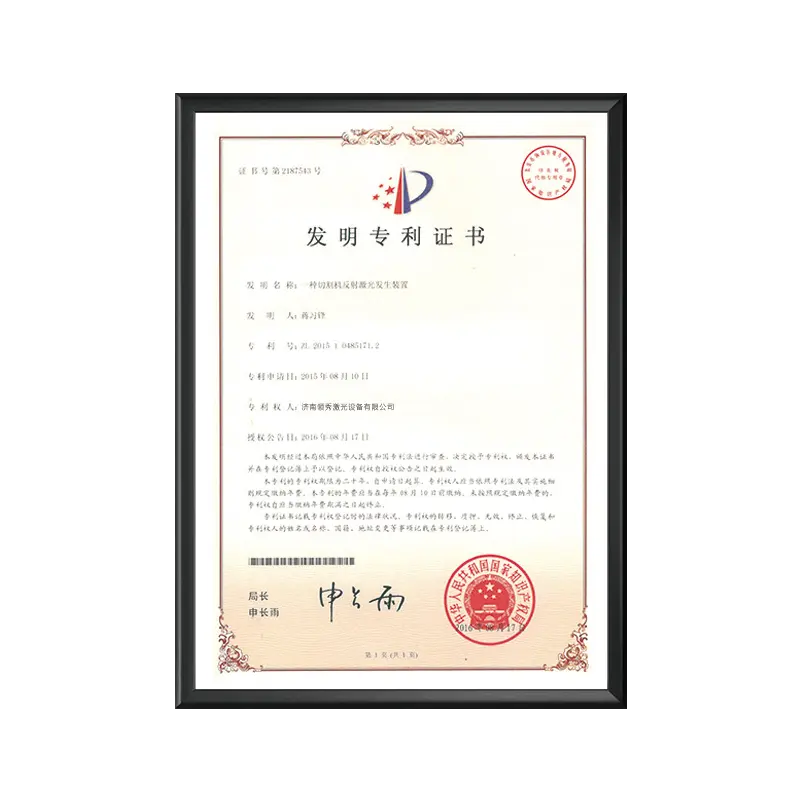
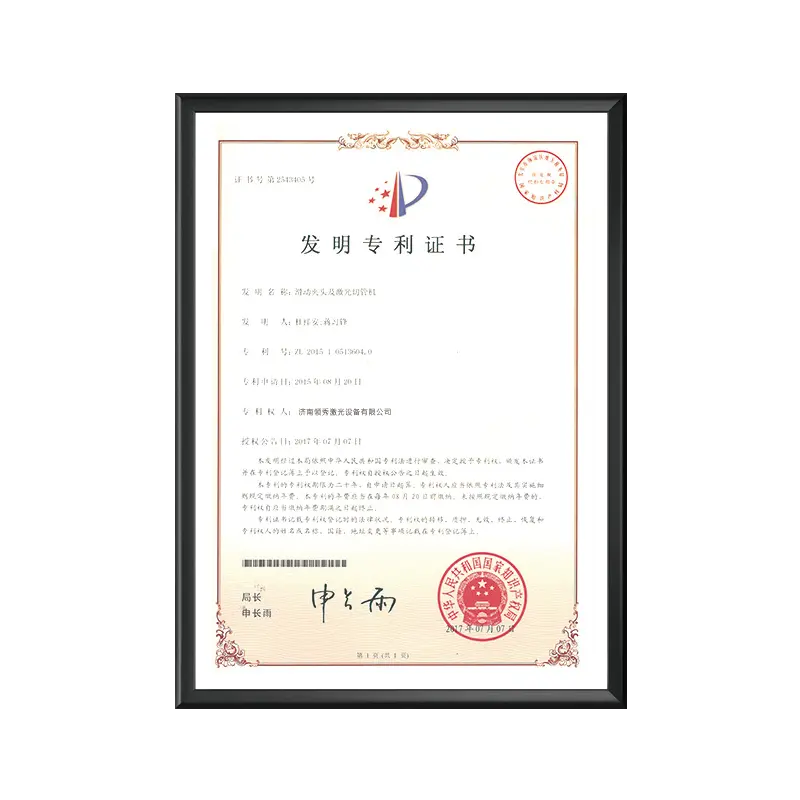
The following technical references depict the calibration, quality monitoring, and system certifications executed within our manufacturing facilities:
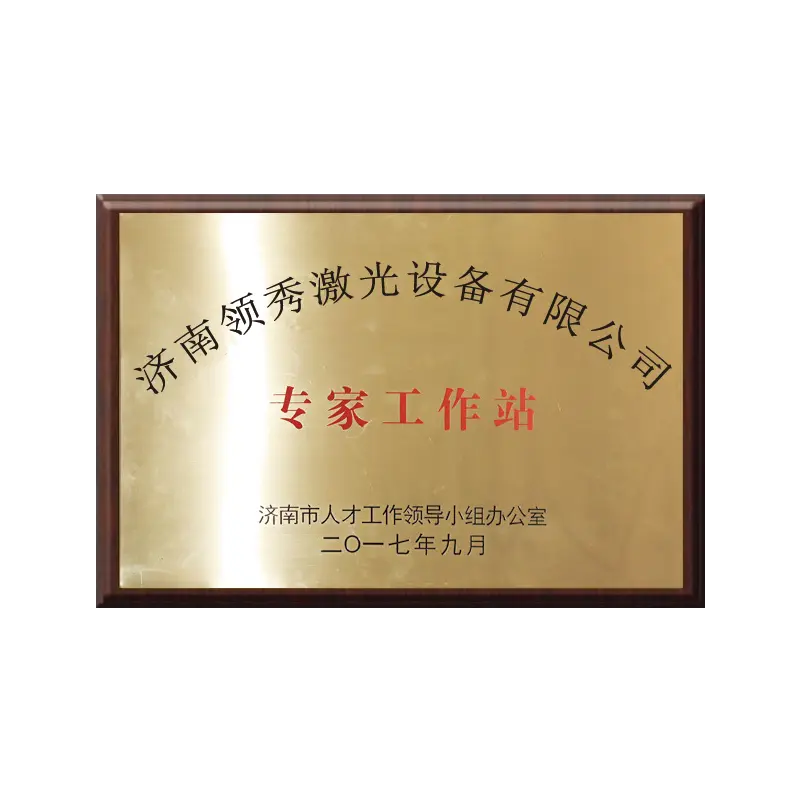
 Lxshow