Engineered for direct-part marking traceability, dynamic high-speed configurations, and reliable continuous operation.
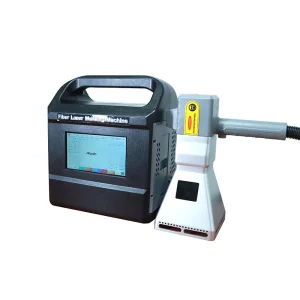
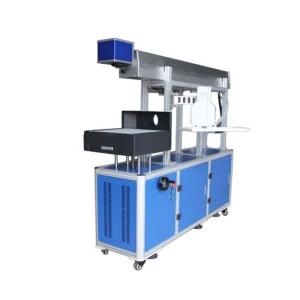
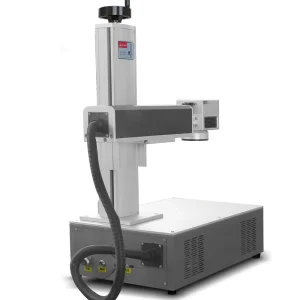
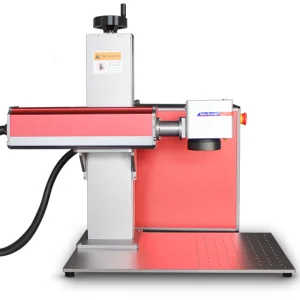
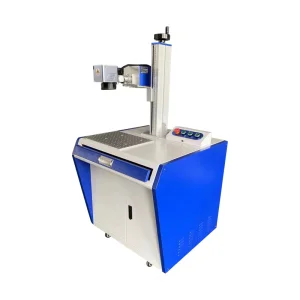
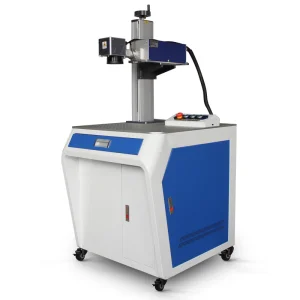
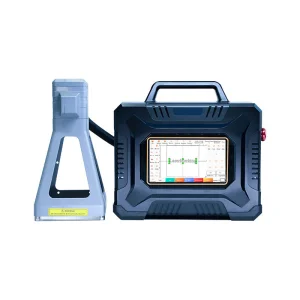
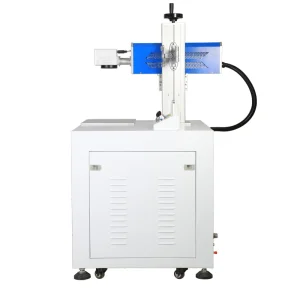
Over 18 years of continuous R&D excellence and smart manufacturing implementation.
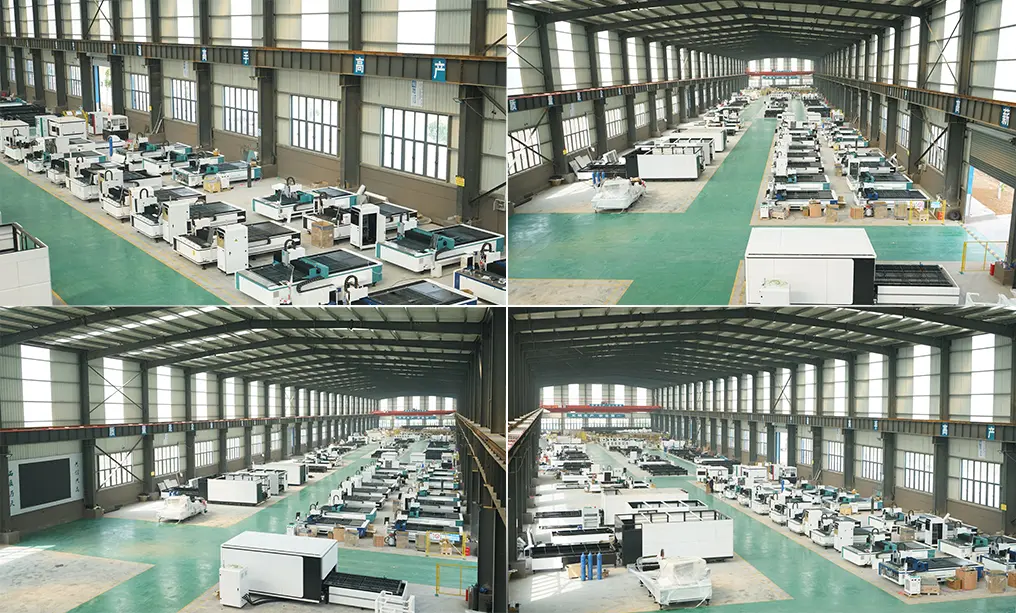
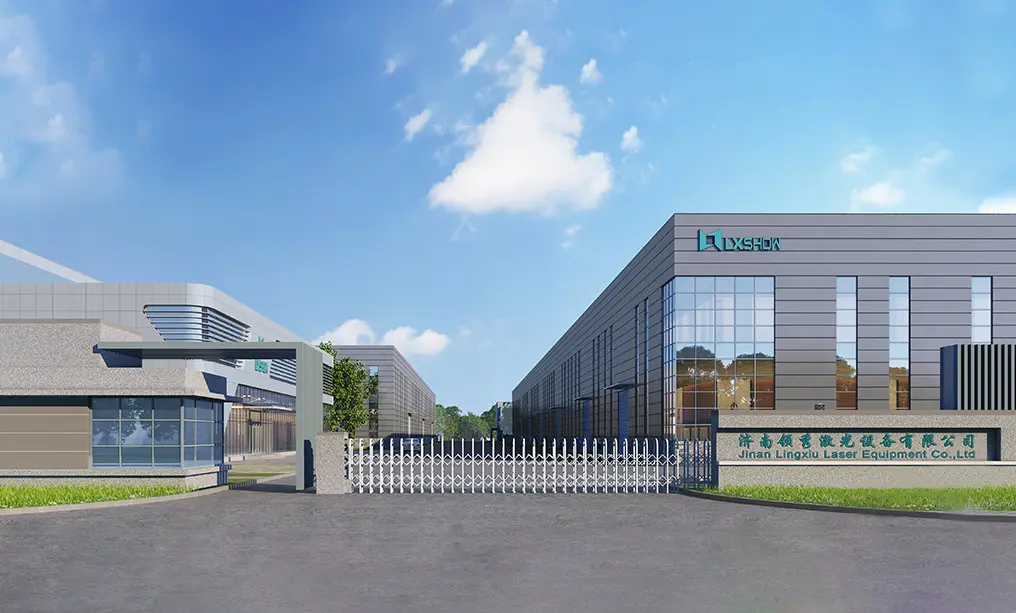
In modern manufacturing, traceability is no longer just a regulatory requirement; it is a fundamental pillar of quality control, brand protection, and supply chain logistics. As a leading laser marking machine supplier and factory, we engineering systems that operate at the critical intersection of speed, precision, and reliability. This technical whitepaper explores the current state of laser marking technology, dynamic market shifts, key architectural design paradigms, and the engineering details that define world-class marking systems.
Industrial marking has evolved from mechanical stamping and chemical etching to highly precise laser material interactions. By utilizing coherent light to alter the surface structure of substrates, modern laser marking machines achieve high-contrast, permanent markings without inducing thermal or mechanical stress on the surrounding work area. Different light-matter interaction modes require different laser configurations to prevent material degradation:
Procurement teams sourcing laser marking machines face changing manufacturing requirements. Enterprise-scale purchases are shifting from standalone equipment acquisitions to integrated, smart factory-ready systems. Key trends reshaping procurement include:
Direct communication with ERP and MES systems via standard industrial networks like Profinet, Modbus-TCP, and OPC-UA for automated Serialization, Datamatrix generation, and real-time validation.
Strict global standards (such as Automotive AIAG, Aerospace ATA Spec 2000, and FDA UDI regulations) mandate permanent direct-part markings that survive harsh industrial environments over long product life cycles.
Procurement prioritizes long diode lifetimes (up to 100,000 hours for fiber resonators), minimal preventative maintenance cycles, and high energy-conversion efficiencies to reduce running costs.
Our industrial laser markers are engineered to handle a broad range of substrates across major global industries. Below is a structural mapping of how our systems process diverse materials:
| Substrate Class | Common Alloys / Types | Recommended Laser Source | Key Industry Sectors |
|---|---|---|---|
| Aluminum | 6061-T6, 7075, Cast Al, Anodized Al | Fiber Laser / MOPA | Aerospace Structural Components, Consumer Electronics |
| Carbon Steel | A36, 1018, Cold Rolled Alloys | High-Power Fiber Laser | Automotive Stamping, Heavy Industrial Machinery |
| Stainless Steel | SS304, SS316L, Duplex Alloys | MOPA (Color) / Fiber (High Contrast) | Medical Implants, Chemical Processing Valves |
| Copper / Brass | Oxygen-free Copper, C360 Brass | High-Peak Fiber (Anti-reflective coatings) | Power Distribution Busbars, Electronic Connectors |
| Technical Polymers | HDPE, Peek, ABS, Polycarbonate | UV Laser (355nm) / CO2 Laser | Packaging, Integrated Circuits, Plastics & Rubber |
The manufacturing sector is undergoing a rapid transition toward fully automated production ecosystems. In this shift, static marking processes are replaced by adaptive, closed-loop systems. The core technology roadmap of our factory concentrates on three primary domains:
A reliable laser marking machine factory must maintain robust Quality Management Systems (QMS). LXSHOW laser marking machines are manufactured in accordance with strict international standards:
Additionally, our global service architecture provides round-the-clock technical assistance, localized supply of critical optical spares, and field-engineer deployment to optimize production uptime in over 120 countries.
Optimized marking setups designed specifically for your raw material properties and application environment.
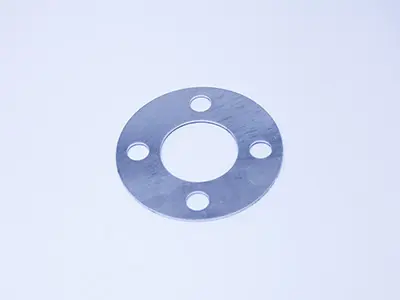
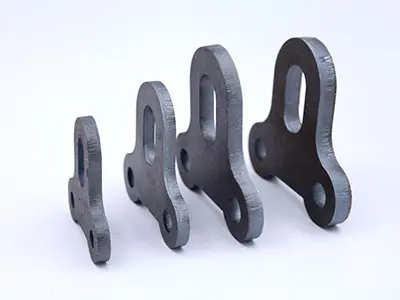
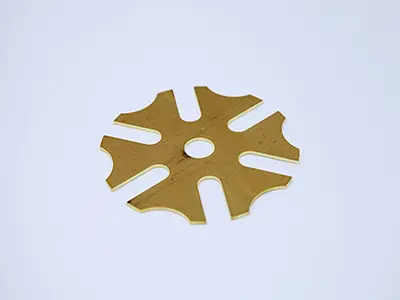
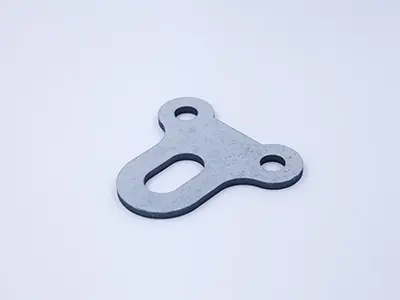
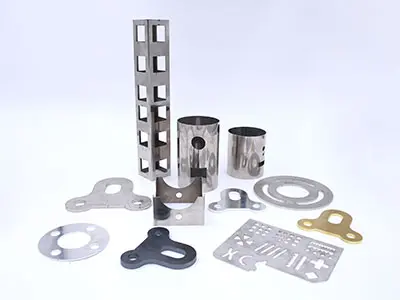
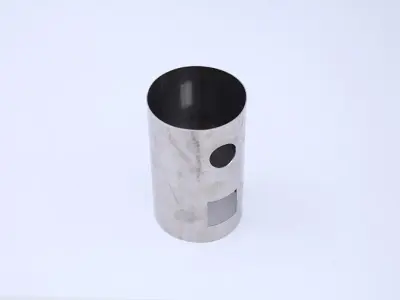
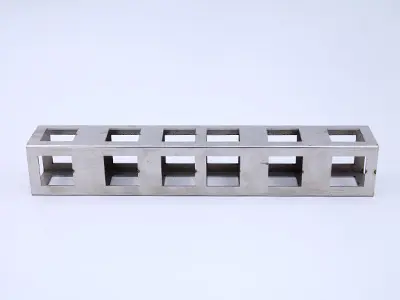
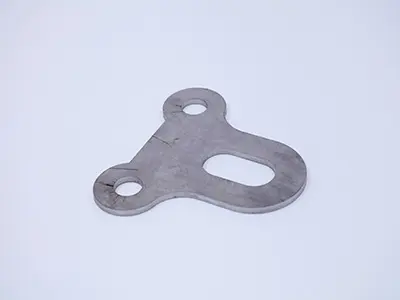
LXSHOW integrates multiple advanced industrial product lines to support smart metal fabrication facilities globally.
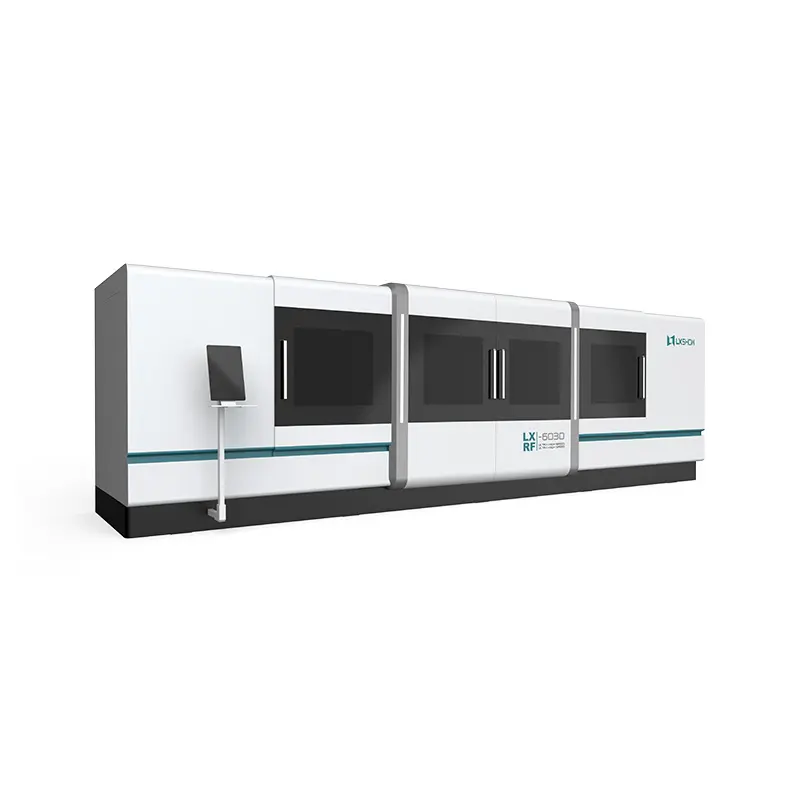
Enabling stable wear-resistant coatings and batch repair of industrial components.
Non-contact coating, oxide, and rust removal setups for metals and components.
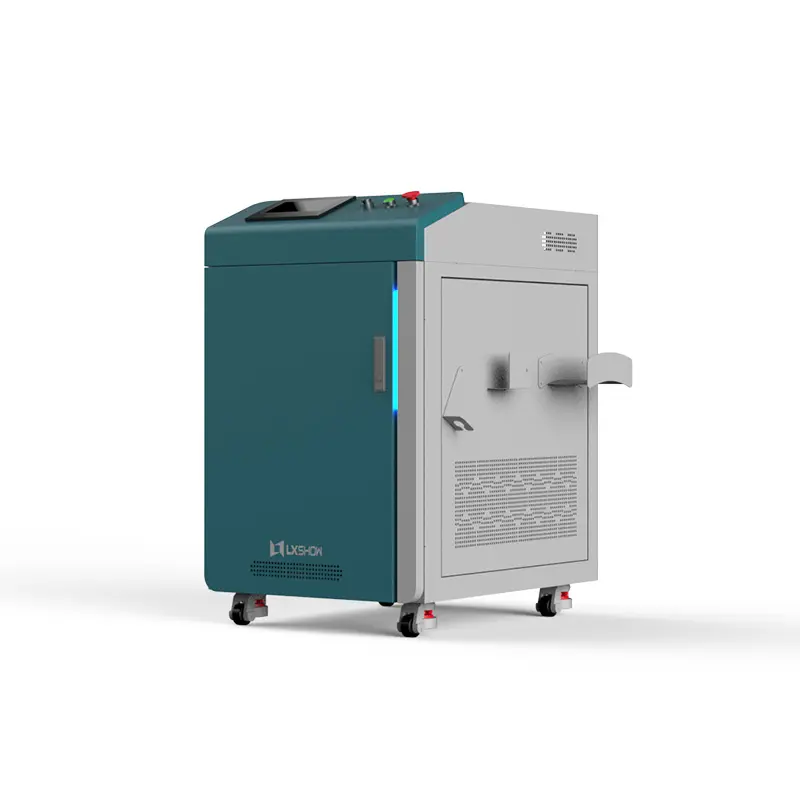
High-speed, low thermal distortion, and deep penetration welding solutions.
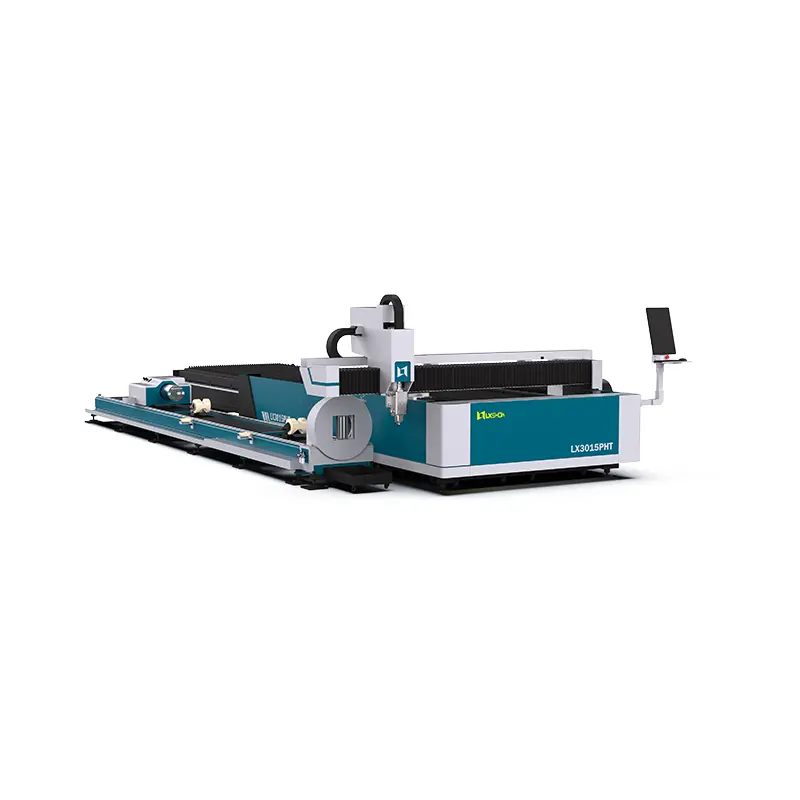
High power 2D/3D metal cutting systems with dual exchange worktables.
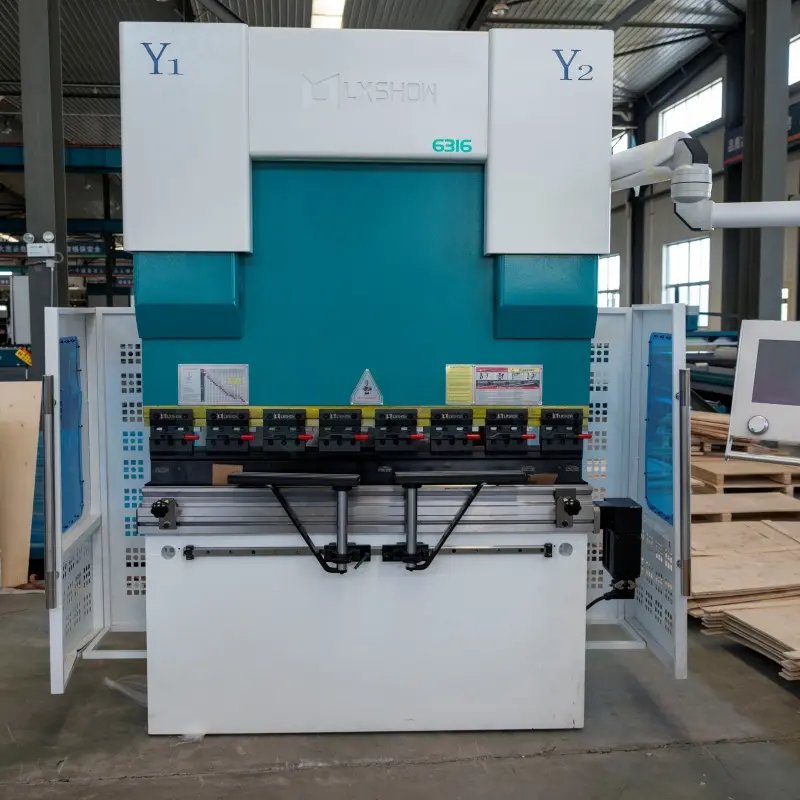
Advanced electrical/hydraulic servo press brakes for high bending accuracy.
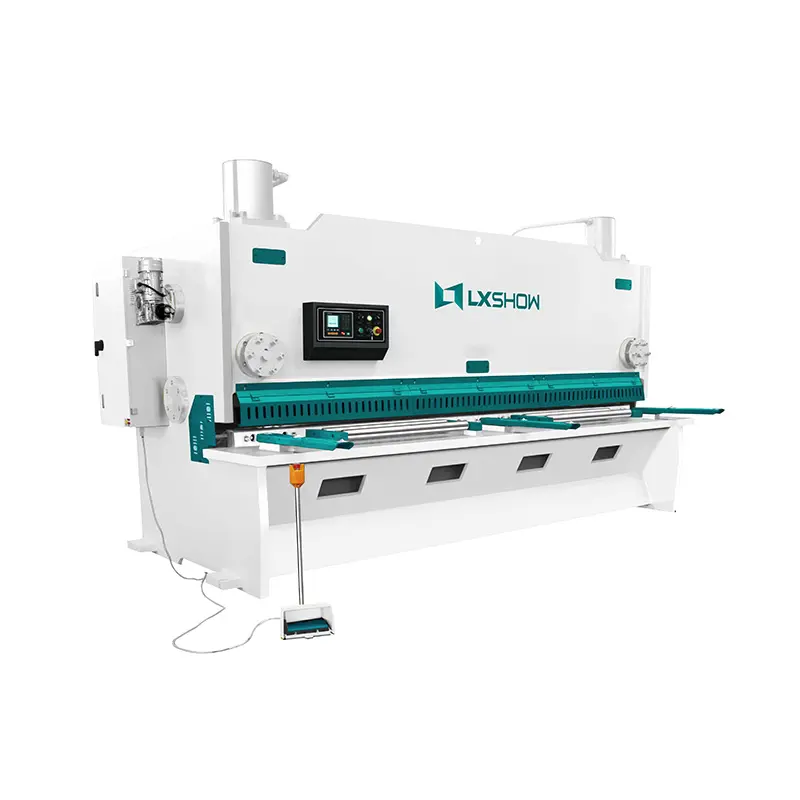
Highly rigid frame constructions for straight metal cutting and processing.
Professional engineering answers to key questions surrounding installation, configuration, and technology selection.
The differences relate primarily to output wavelength and target material compatibility. Fiber lasers (1064nm) are excellent for high-intensity metal applications and structural plastics. UV lasers (355nm) are optimized for "cold marking" requirements where thermal distortion must be avoided, such as delicate medical devices and glass substrates. CO2 lasers (10.6µm) are designed for organic, non-metallic materials like wood, paper, acrylics, and heavy structural plastics.
Standard Q-switched lasers have fixed pulse widths. A MOPA (Master Oscillator Power Amplifier) laser configuration provides adjustable pulse widths (typically 2ns to 500ns) and wider frequency ranges. This precision allows users to fine-tune energy deposition, enabling structural color marking on stainless steel and high-contrast, crack-free marking on anodized aluminum.
Integration is handled via modern industrial protocols like Profinet, Ethernet/IP, and Modbus. Our control systems accept real-time input strings from MES/ERP systems and trigger laser scanning sequences on assembly lines or conveyer setups using specialized marking-on-the-fly (MOTF) software.
Industrial laser systems must have CE and FDA certifications. Enclosures should meet Class 1 safety specs during operation, featuring certified laser safety viewing windows, interlock circuits, and proper particulate fume extraction to ensure safe working conditions.
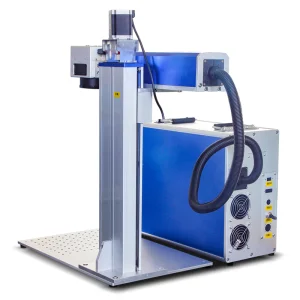
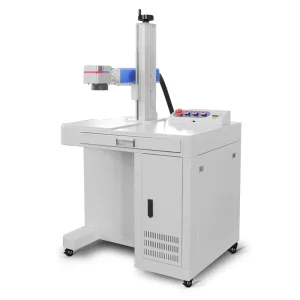
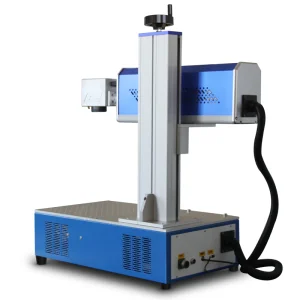
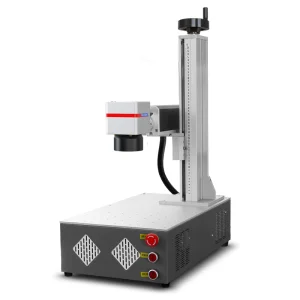
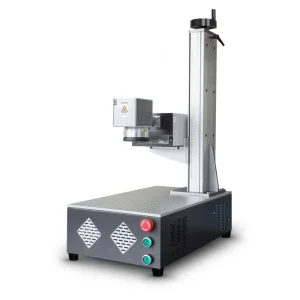
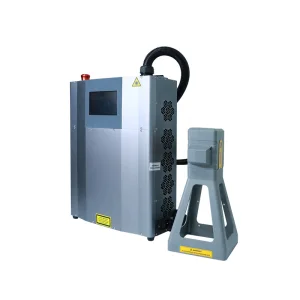
Find the exact configuration needed for your workspace, from compact portable styles to high-precision UV machines.
 Lxshow