 Lxshow
1 / 5
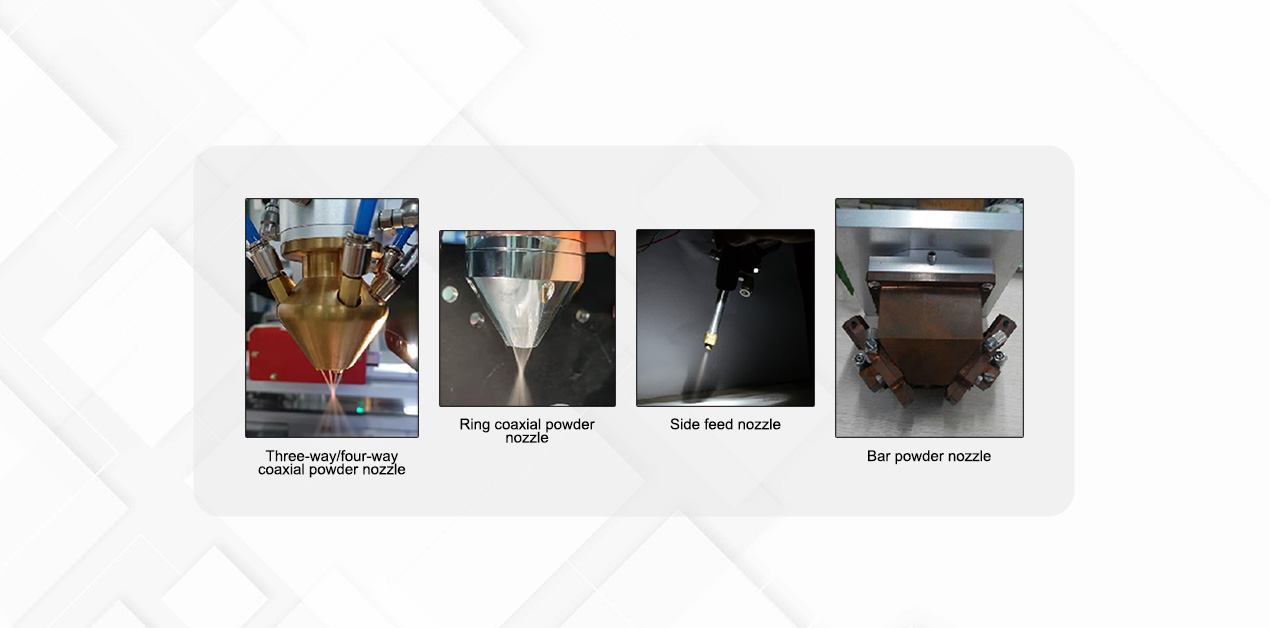
The powder is directly output from the three-way/four-way, converged at one point, the convergence point is small, the powder direction is less affected by gravity, and the directionality is good, suitable for three-dimensional laser Restoration and 3D printing.
The powder is input by three or four channels, and after internal homogenization treatment, the powder is output in a ring and converges. The convergence point is relatively large, but more uniform, and is more suitable for laser melting with large spots. It is suitable for laser cladding with an inclination angle within 30°.
Simple structure, low cost, convenient installation and adjustment; the distance between powder outlets is far, and the controllability of powder and light is better. However, the laser beam and powder input are asymmetrical, and the scanning direction is limited, so it cannot generate a uniform cladding layer in any direction, so it is not suitable for 3D cladding.
Powder input on both sides, after homogenization treatment by the powder output module, output bar-shaped powder, and gather at one place to form a 16mm*3mm (customizable) strip-shaped powder spot, and the corresponding The combination of strip-shaped spots can realize large-format laser surface repair and greatly improve efficiency.
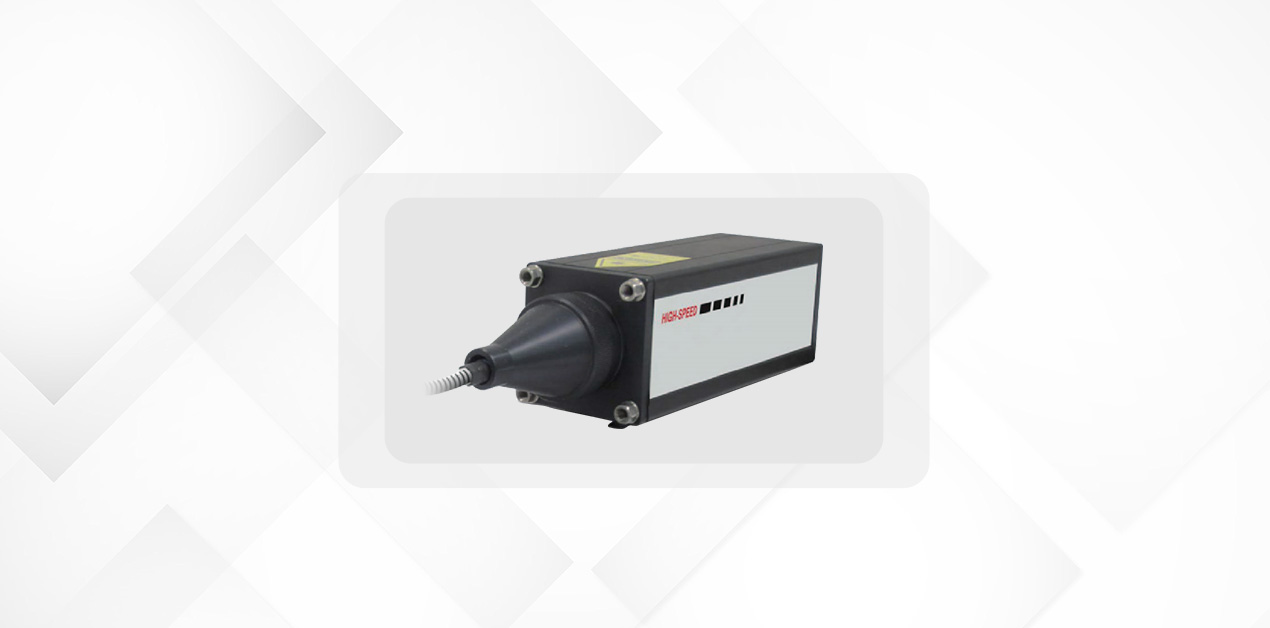
Closed-loop temperature control, such as laser quenching, cladding and surface treatment, can accurately maintain the hardening temperature of edges, protrusions or holes.
The test temperature range is from 700℃ to 2500℃.
Closed-loop control, up to 10kHz.
Powerful software packages for process setup, visualization, and data storage.
Industrial l/O terminals with 24V digital and analog 0-10V l/O for automation line integration and laser connection.
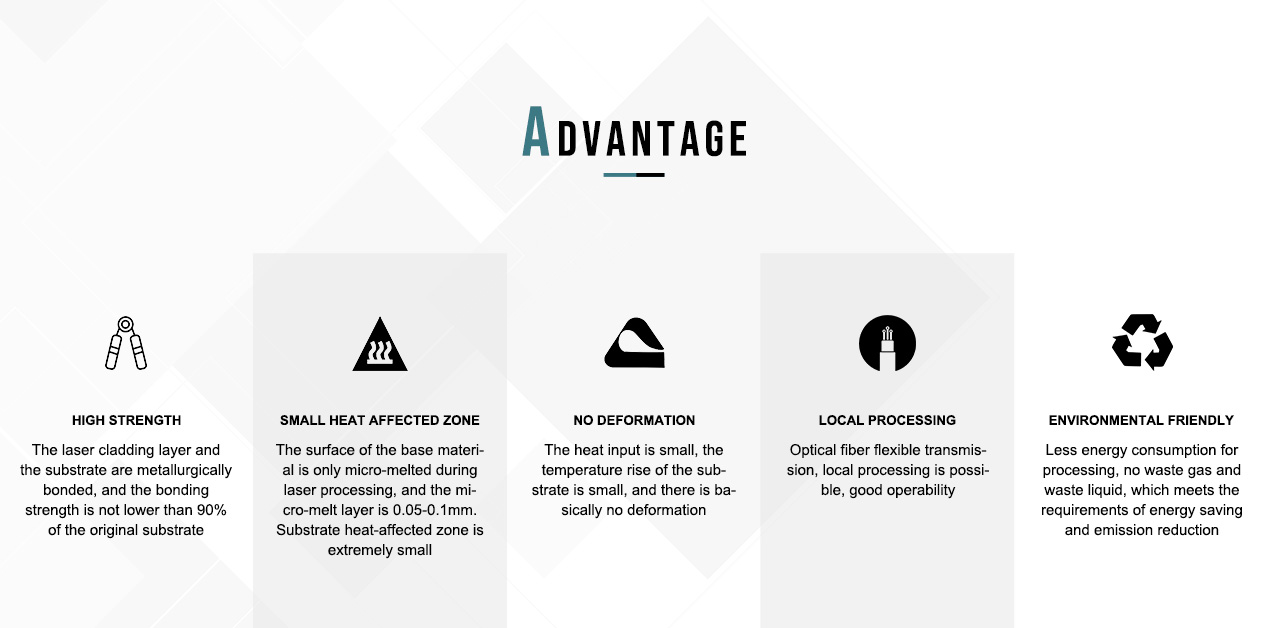
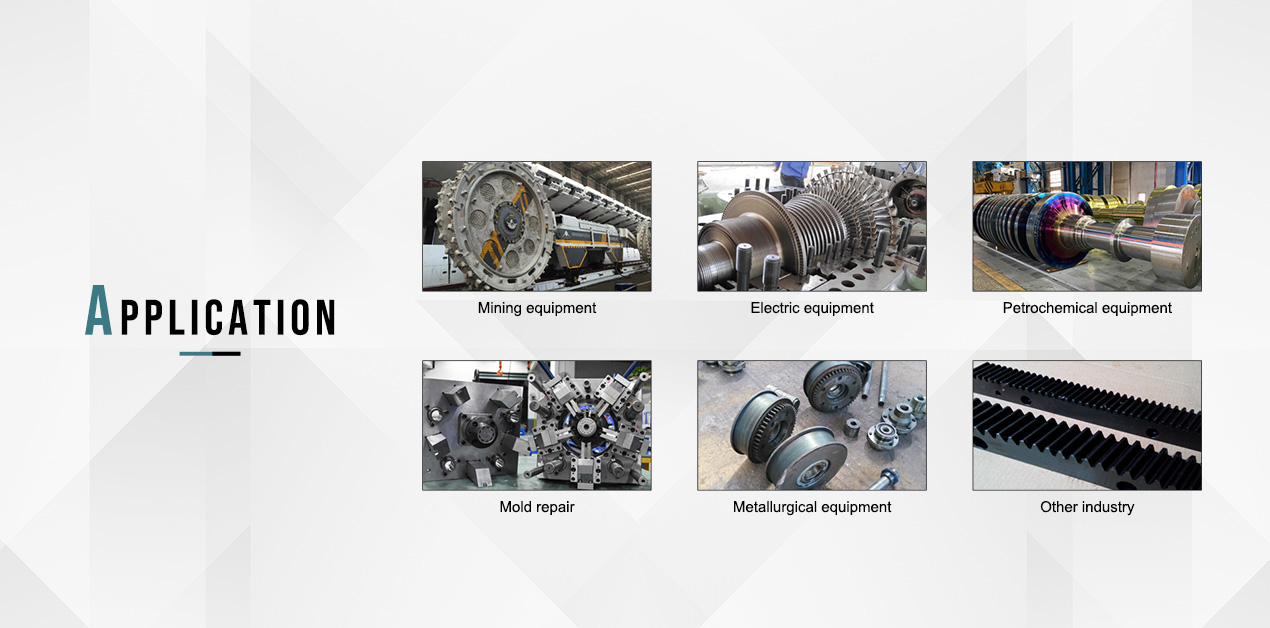
Used for engine valves, cylinder grooves, gears, exhaust valve seats and some parts that require high wear resistance, heat resistance and corrosion resistance.
Alloy powders are clad on the surface of titanium alloys to solve the disadvantages of titanium alloys, such as a large friction coefficient and poor wear resistance.
After the surface of the mold is treated by laser cladding, its surface hardness, wear resistance, and high temperature resistance are significantly improved.
The application of laser cladding for rolls has become very common, providing excellent durability and surface restoration.
The Three-way/four-way coaxial powder feeding nozzle is ideal for this application. It outputs powder directly from three or four channels to converge at a small point, making the directionality highly accurate and less affected by gravity.
The annular nozzle takes powder input from three or four channels and homogenizes it internally. This outputs the powder in a ring that converges at a relatively large but much more uniform point, which is optimal for large spots and cladding at inclination angles within 30°.
No, it is not suitable for 3D cladding. Because the laser beam and powder input are asymmetrical, the scanning direction is limited, preventing the generation of a uniform cladding layer in all directions.
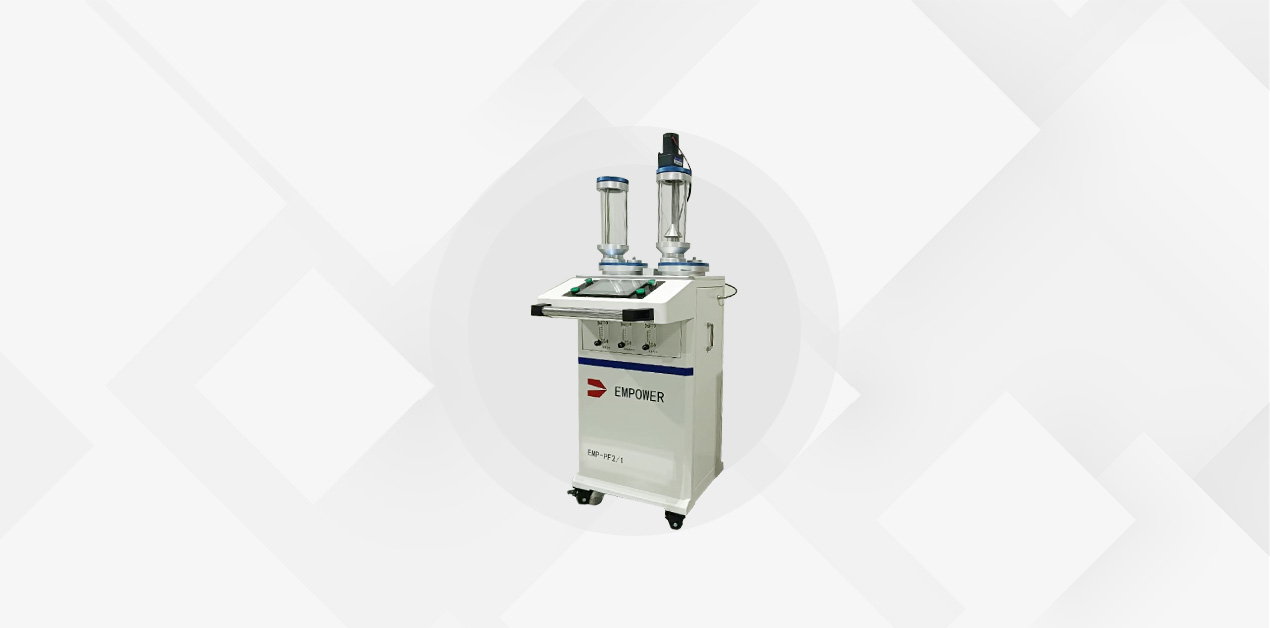
Key parameters include a dual-cylinder PLC controllable setup, quick-switching between debugging and production modes, support for particle sizes of 20-200μm, stepless disc speed regulation (0-20 rpm), and a repeat accuracy of <±2%.
The closed-loop temperature control system has a test temperature range from 700℃ to 2500℃ and features fast control rates up to 10kHz for precise thermal maintenance during laser quenching and cladding.
By cladding specific alloy powders onto the surface of titanium alloys, it successfully addresses and overcomes their natural limitations, such as a large friction coefficient and poor wear resistance.