 Lxshow
1 / 4
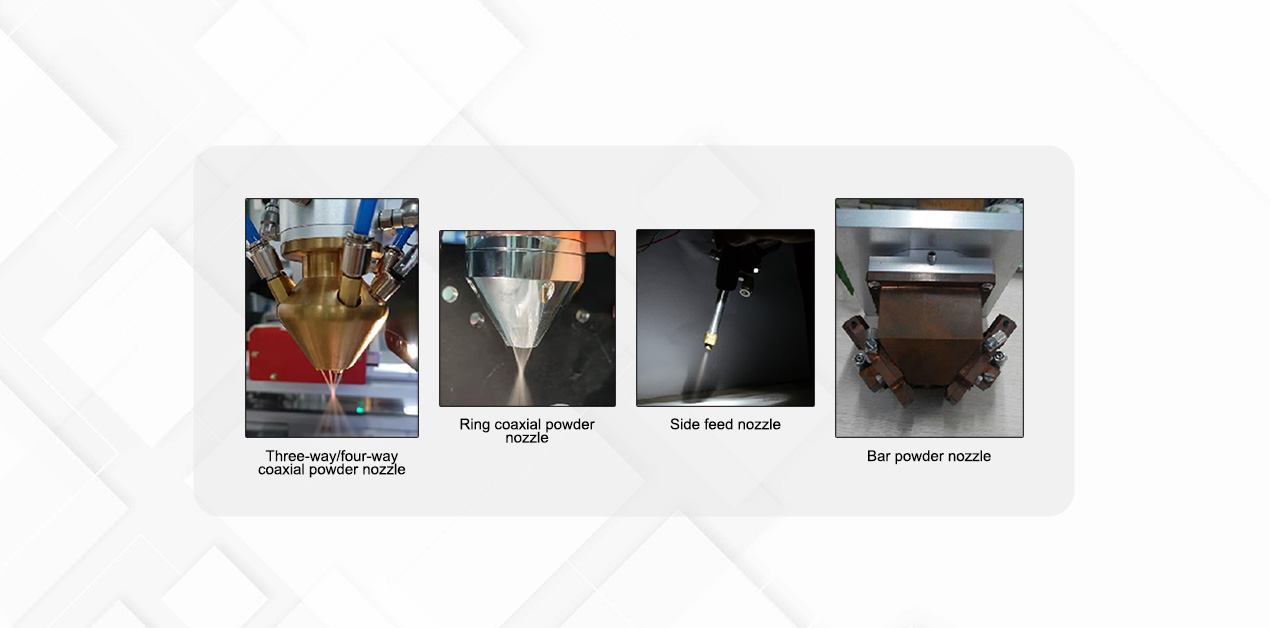
The powder is directly output from the three-way/four-way, converged at one point, the convergence point is small, the powder direction is less affected by gravity, and the directionality is good, suitable for three-dimensional laser Restoration and 3D printing.
The powder is input by three or four channels, and after internal homogenization treatment, the powder is output in a ring and converges. The convergence point is relatively large, but more uniform, and is more suitable for laser melting with large spots. It is suitable for laser cladding with an inclination angle within 30°.
Simple structure, low cost, convenient installation and adjustment; the distance between powder outlets is far, and the controllability of powder and light is better. However, the laser beam and powder input are asymmetrical, and the scanning direction is limited, so it cannot generate a uniform cladding layer in any direction, so it is not suitable for 3D cladding.
powder input on both sides, after homogenization treatment by the powder output module, output bar-shaped powder, and gather at one place to form a 16mm*3mm (customizable) strip-shaped powder spot, and the corresponding The combination of strip-shaped spots can realize large-format laser surface repair and greatly improve efficiency.
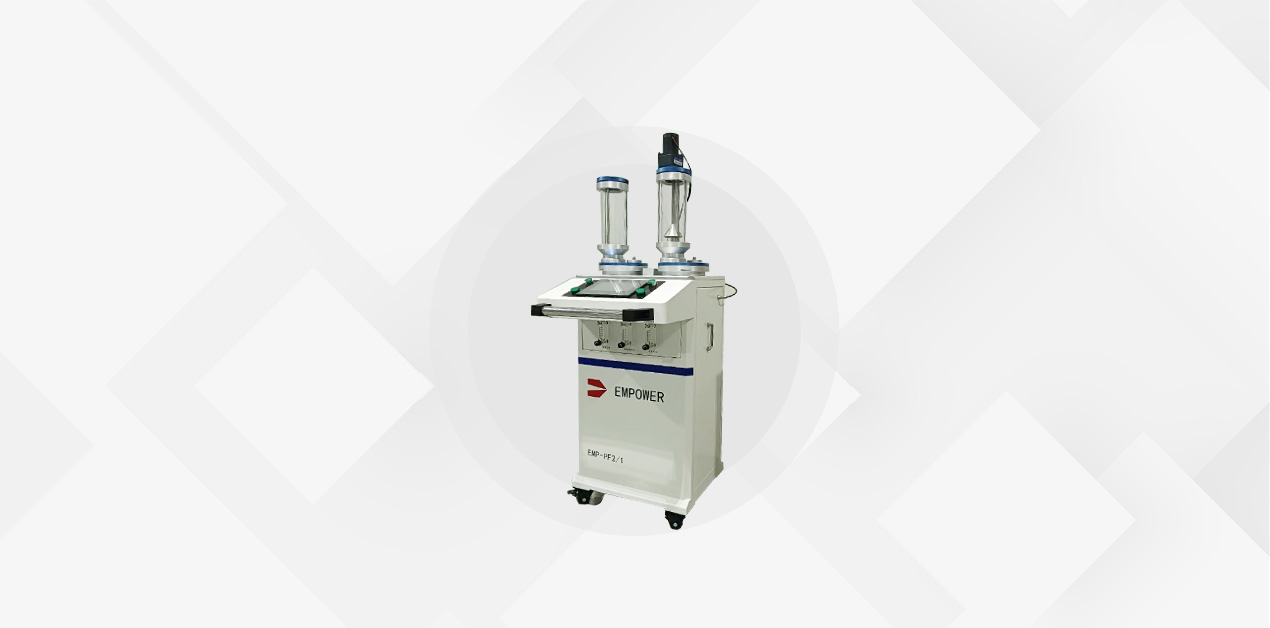
| Powder feeder model | EMP-PF-2-1 |
| Powder feeding cylinder | Dual-cylinder powder feeding, PLC independent controllable |
| Control mode | Fast switch between debugging and production mode |
| Dimensions | 600mmX500mmX1450mm (length, width and height) |
| Voltage | 220VAC, 50HZ |
| Power | ≤1kw |
| Sendable powder particle size | 20-200μm |
| Powder feeding disc speed | 0-20 rpm stepless speed regulation |
| Powder feeding repeat accuracy | <±2% |
| Required gas source | Nitrogen/Argon |
| Others | The operation interface can be customized according to requirements |
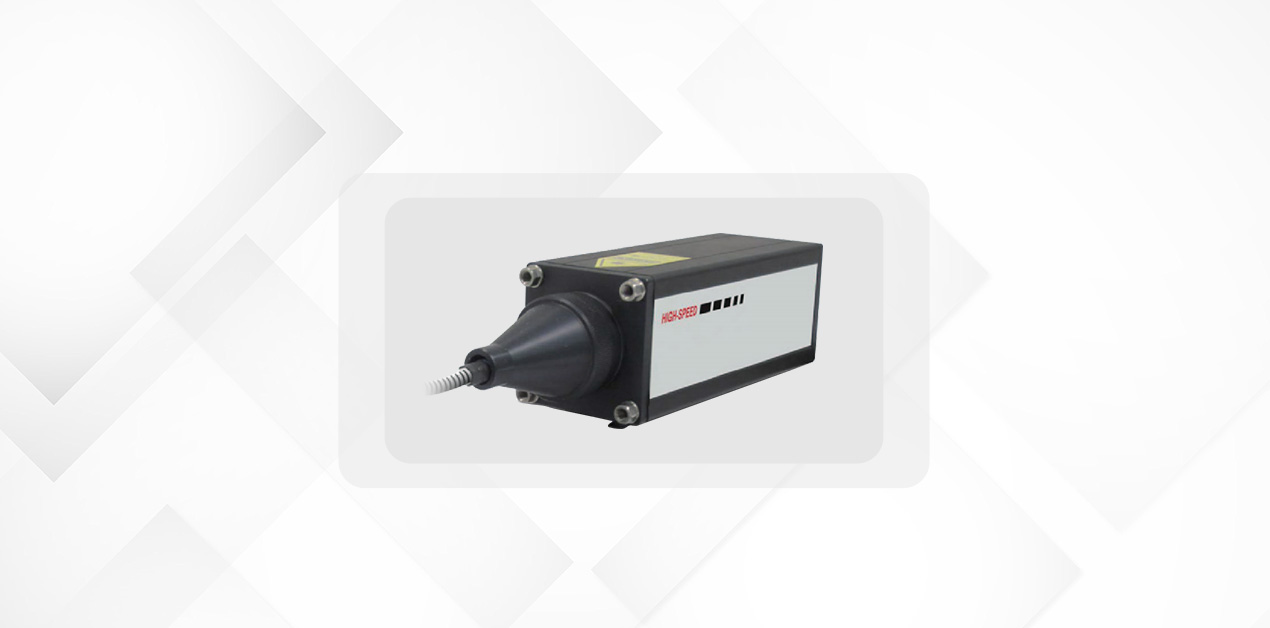
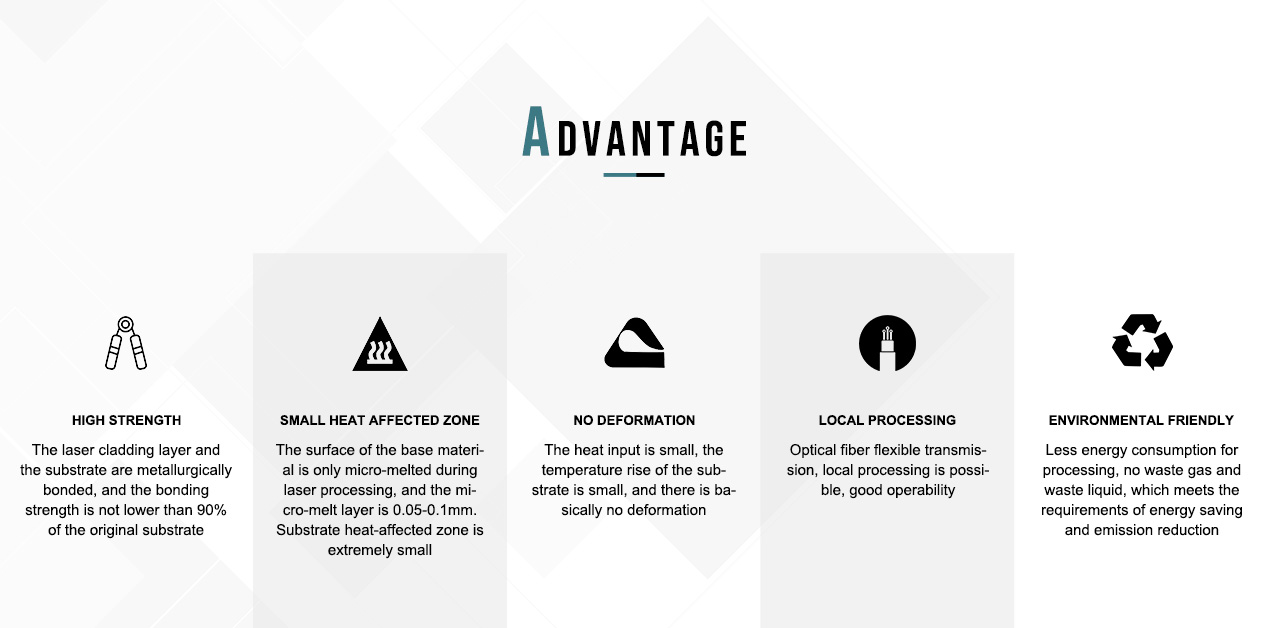
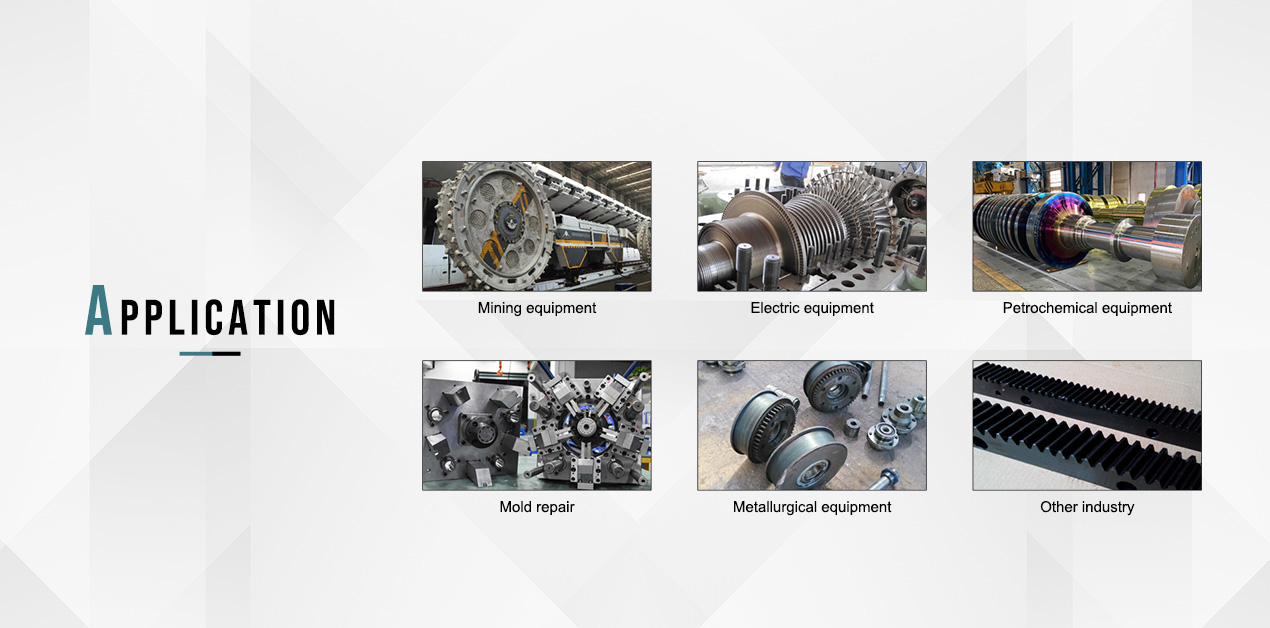
By adding cladding materials on the surface of the substrate and using a high-energy-density laser beam to fuse it together with the thin layer on the substrate surface, a metallurgically bonded cladding layer is formed on the surface of the substrate.
If you want to know whether laser cladding is suitable for you, please provide the details below:
What material is your product; what material needs cladding;
The shape and size of the product, it is best to provide photos;
Your specific processing requirements: processing position, width, thickness, and product performance after processing;
Need processing efficiency;
What is the cost requirement?
The type of laser (optical fiber or semiconductor), how much power, and the desired focus size; whether it is a supporting robot or a machine tool;
Are you familiar with the laser cladding process and do you need technical support;
Is there any precise requirement for the weight of the laser cladding head (especially the load of the robot should be considered when supporting the robot);
What is the delivery time requirement?
Do you need proofing (support proofing)