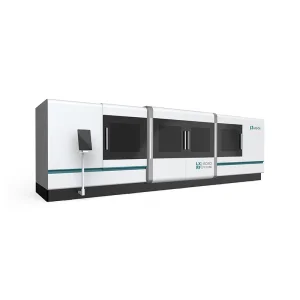
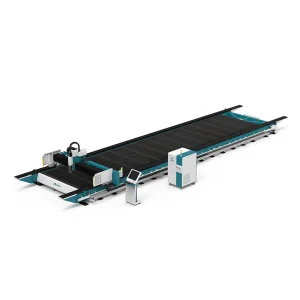
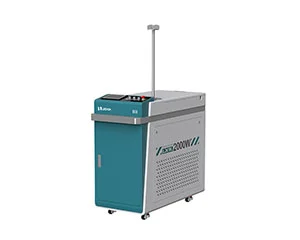
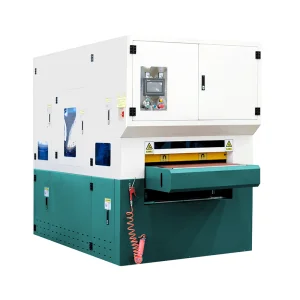
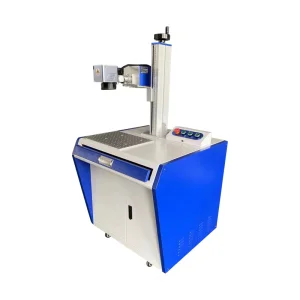
Explore our flagship configurations built for precision machining, cladding, and metal bending across global industrial applications.
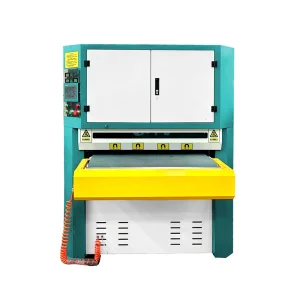
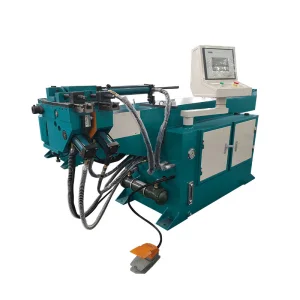
An in-depth analysis of modern manufacturing demands, structural requirements, and precision engineering paradigms.
In the era of smart industrialization, manufacturing systems are transitioning from mechanical processing to high-efficiency, automated optical machining. The core of this transition lies in CNC (Computer Numerical Control) fiber laser systems. Modern metal fabricators require machinery that balances high-speed operations with narrow kerfs, minimal heat-affected zones (HAZ), and structural integrity. As a premier China CNC Laser Cutting Machine Metal Supplier & Exporter, we have witnessed and driven this paradigm shift for over 18 years, delivering precise engineering solutions to over 120 countries.
Fiber laser cutting utilizes an active optical fiber to generate a high-intensity laser beam, focused through a precision optical head onto the workpiece. The material rapidly melts, vaporizes, or reaches its ignition point, while a high-velocity assist gas (oxygen, nitrogen, or compressed air) coaxial with the beam expels the molten mass. This process enables high cutting speeds, exceptional surface quality, and geometric flexibility that traditional stamping, plasma, or waterjet cutting cannot match.
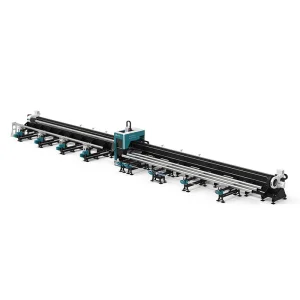
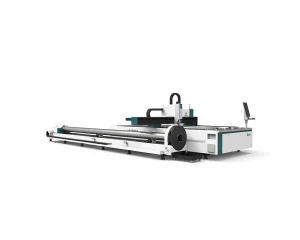
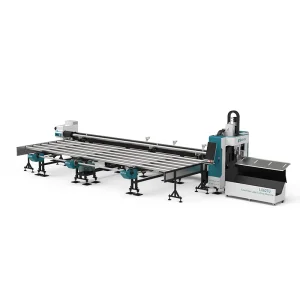
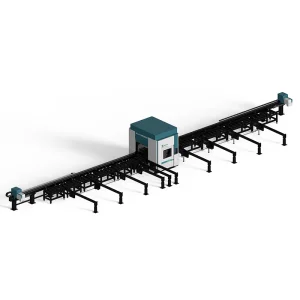
Our solutions extend beyond flatbed sheet cutting. The integration of rotary chuck axes allows specialized pipe processing, accommodating round, square, rectangular, and even complex structural H-beams. By combining laser cutting with post-processing technologies—such as automated deburring and edge rounding machines—our systems provide end-to-end manufacturing workflows that fit seamlessly into modern Industry 4.0 production environments.
Technological refinement remains our primary focus. All laser units manufactured in our facilities undergo rigorous performance validation, matching the standards required for CE, FDA, and ISO 9001 certifications. This guarantees long-term accuracy, operational stability under continuous multi-shift operations, and compliance with the most stringent global safety and emission rules.
Discover how our systems are optimized to solve regional production bottlenecks and satisfy strict industrial regulations.
Precision profiling of high-strength structural chassis parts, body-in-white panels, and heavy trailer parts with high repeatability and zero thermal distortion.
Heavy H-steel processing and thick carbon steel plate cutting for bridge construction, storage vessels, structural columns, and modular building frames.
Fine-limit cutting of high-grade aluminum and titanium alloys, semiconductor processing racks, packaging systems, and high-frequency shielding enclosures.
Flexible processing of kitchenware, signage, custom retail showcases, and steel cabinets, supporting high-mix, low-volume job shop production.
How we are positioning ourselves to be a global pillar of laser technology development before 2040.
Our long-term developmental blueprint is aligned with the vision of **Industry 4.0**. By integrating smart sensors, cloud monitoring, and real-time nested path optimization, our CNC laser systems are evolving from simple cutting tools into autonomous production nodes. Our research initiatives focus on closed-loop feedback systems, where optical sensors monitor cutting quality in real time and automatically adjust parameters such as nozzle distance, gas pressure, and laser power to prevent cut failures.
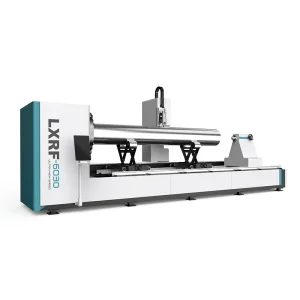
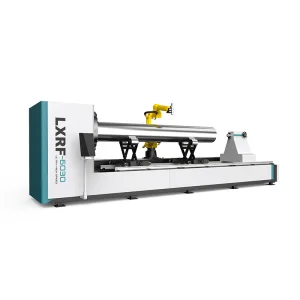
We are expanding the development of hybrid processing platforms. Our multi-axis laser cladding solutions (such as the LXRF-6030 series) demonstrate this transition, allowing manufacturers to rebuild worn components or deposit anti-corrosive coatings on-site, saving massive maintenance overheads. This integration of additive (cladding) and subtractive (cutting) technologies under unified CNC control defines the future of metal fabrication.
By 2040, we aim to be a dominant global presence in industrial laser applications. We are consistently investing in high-power solutions ranging up to 30kW, allowing thick plate single-pass cutting, which is vital for shipbuilders, defense contractors, and high-capacity logistics manufacturers. This technical roadmap guarantees our customers will always have access to technologies that match global emission and energy-efficiency standards.
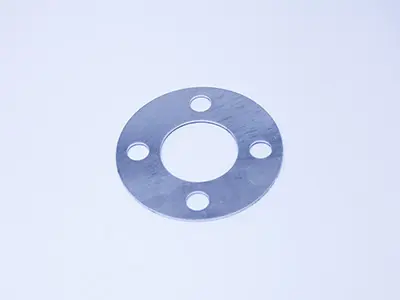
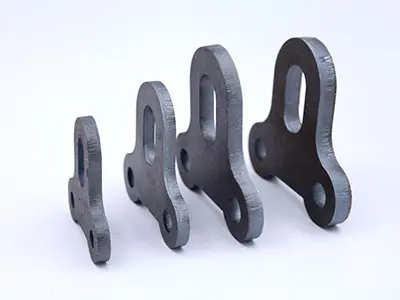
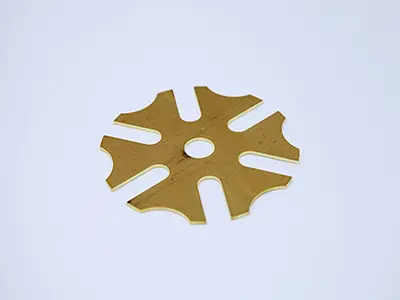
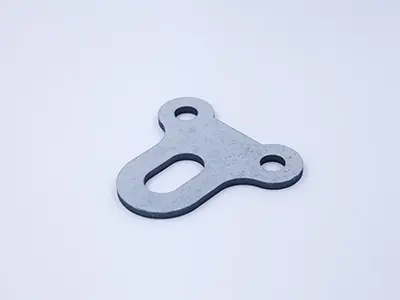
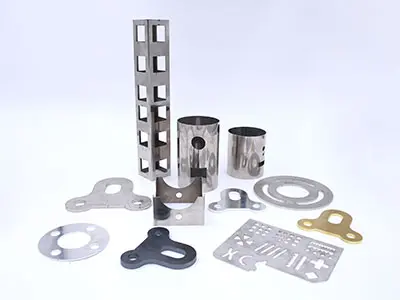
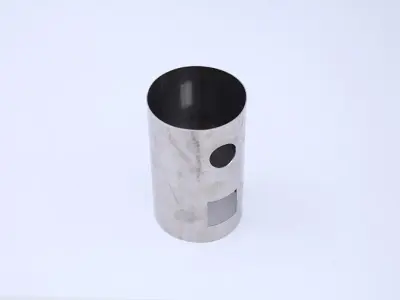
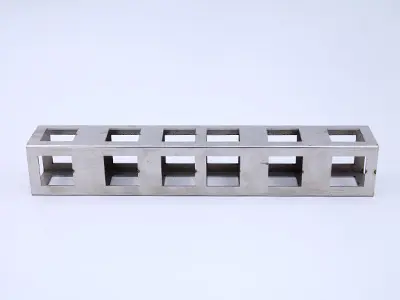
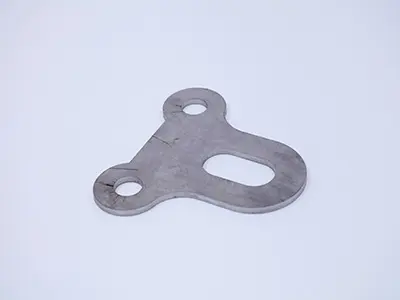
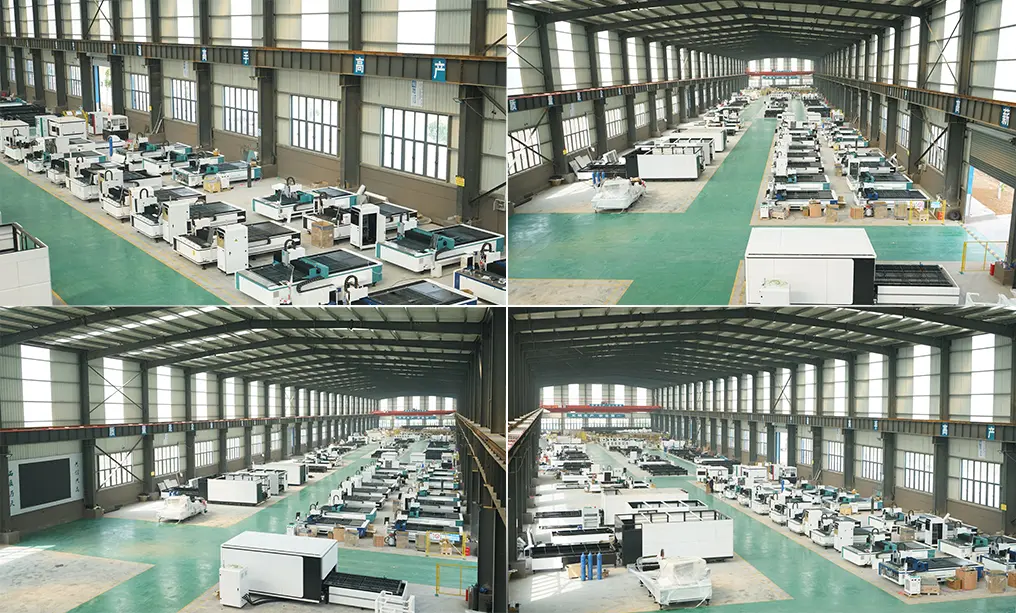
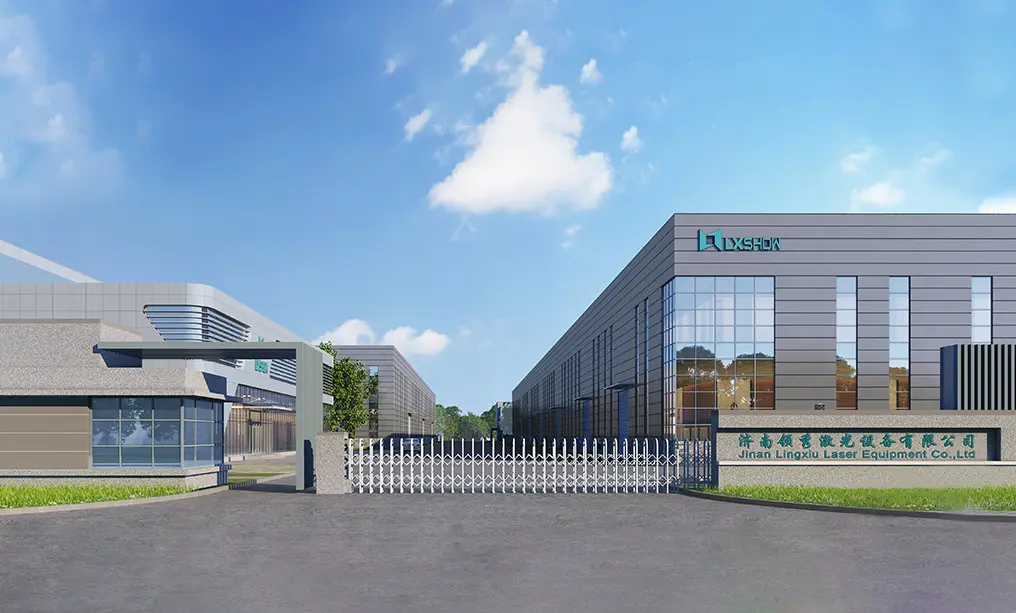
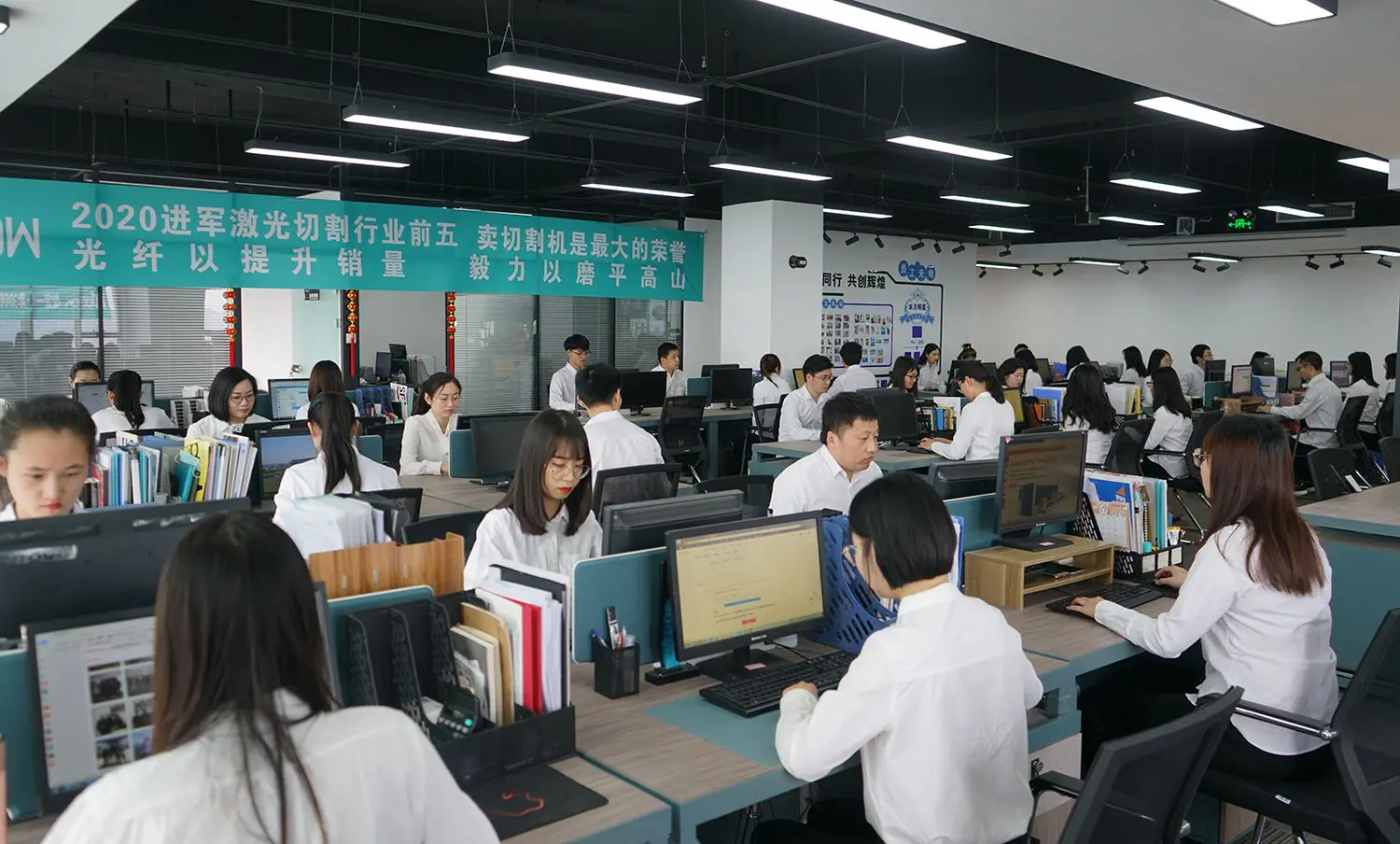
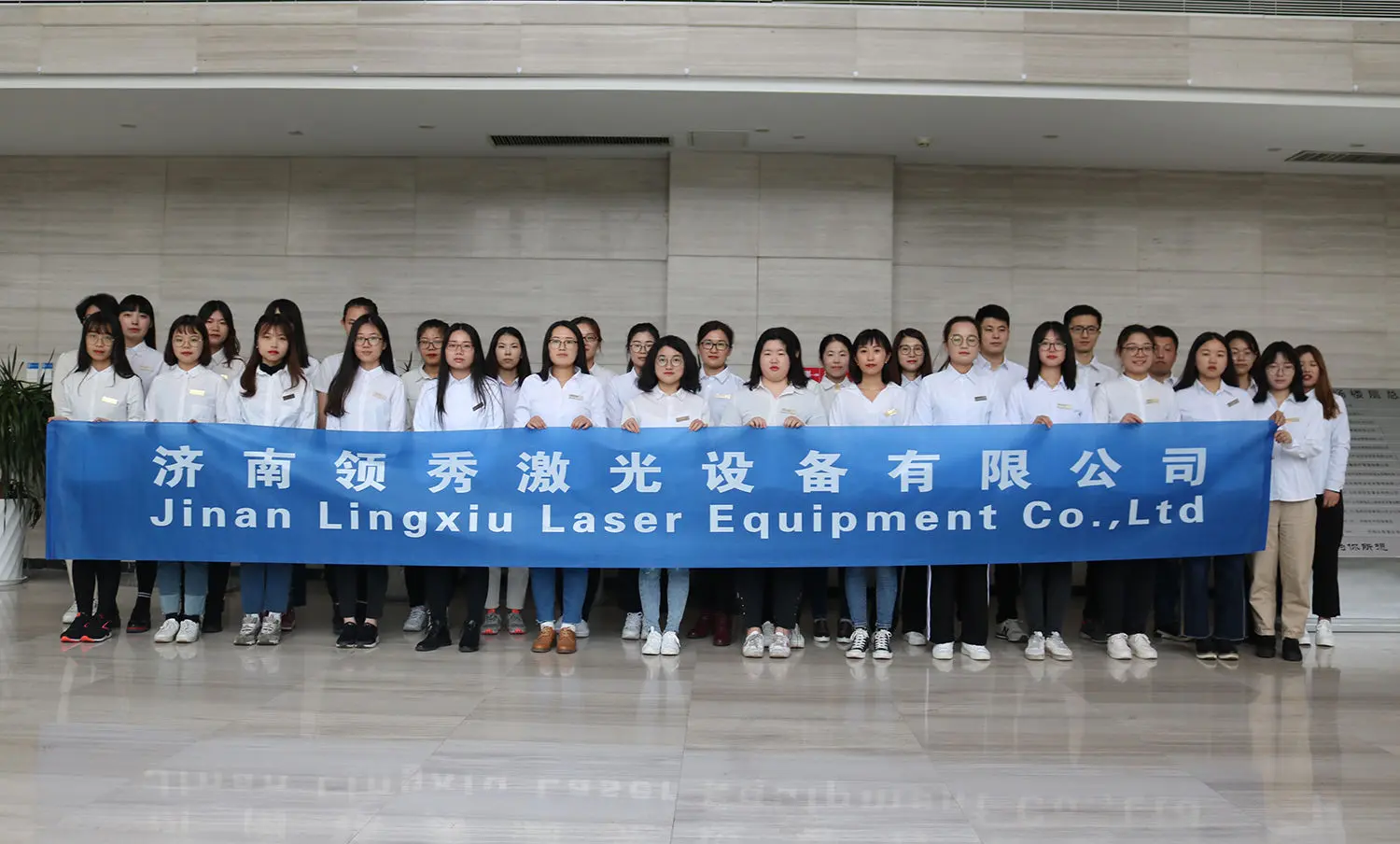
Take an inside look at our 32,000+ square meter factory, our structural design divisions, and our state-of-the-art assembly facilities.
Maintaining a reliable industrial supply chain is vital for modern manufacturing operations. By controlling every stage of production—from the raw structural stress-relief annealing of our heavy gantry beds to the final electrical calibration of the fiber sources—we protect our customers from regional market volatility and long logistics delays. Our 32,000 square meter factory base is equipped to handle complex OEM demands for global brands while maintaining stable production runs.
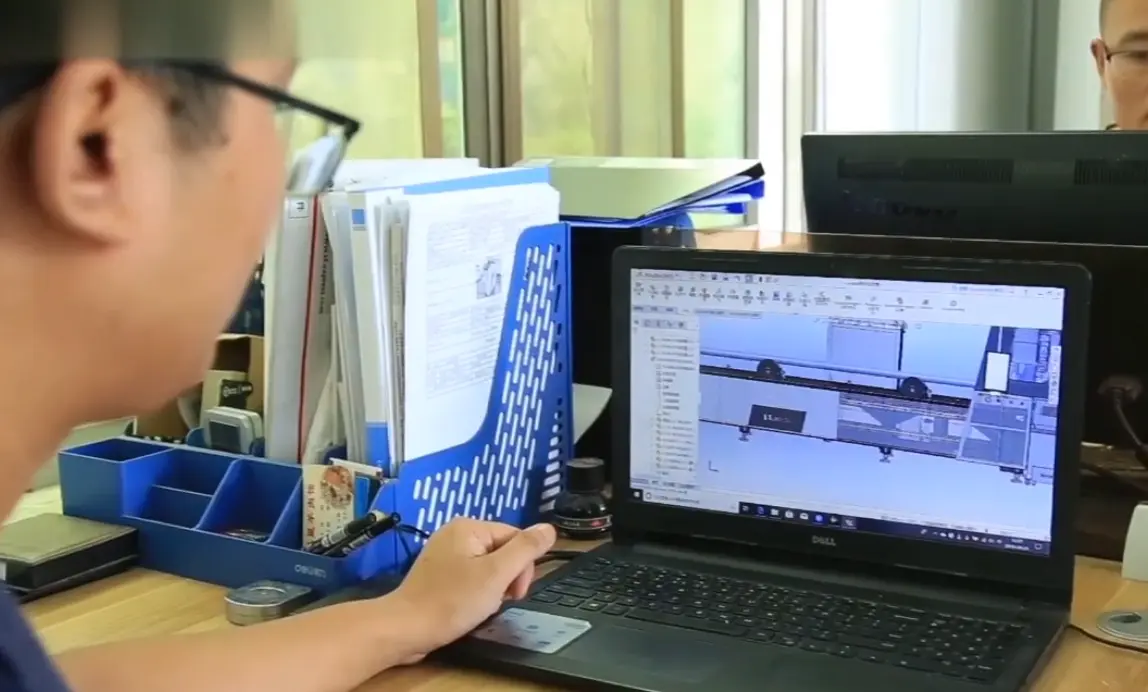
Our machine design teams work closely with our welding and assembly divisions to build frames capable of supporting heavy loads under high accelerations. Stress-relief annealing at over 600°C removes internal stresses in the welded steel beds, preventing structural deformation over years of continuous operation. This meticulous production protocol is the reason our fiber laser cutters retain their position and cutting accuracy over decades of use.
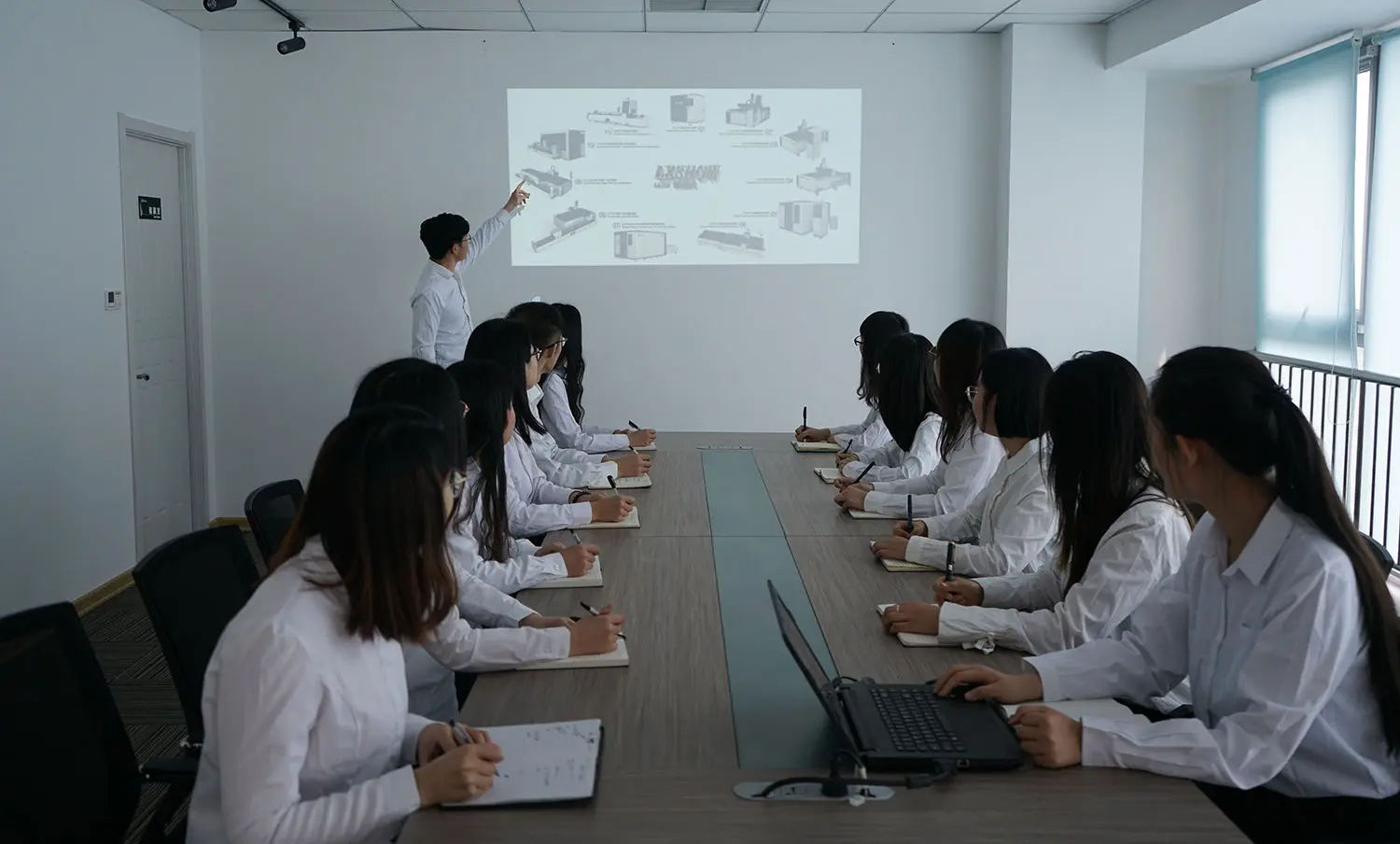
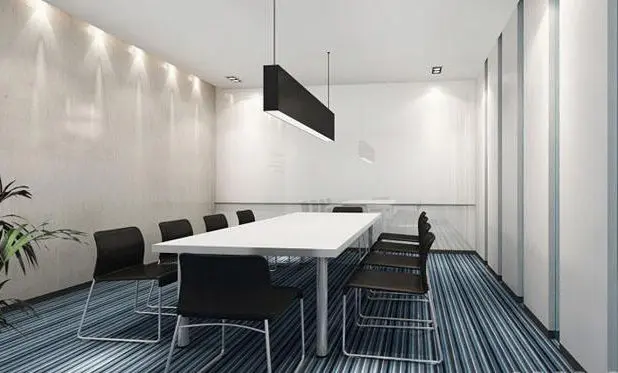
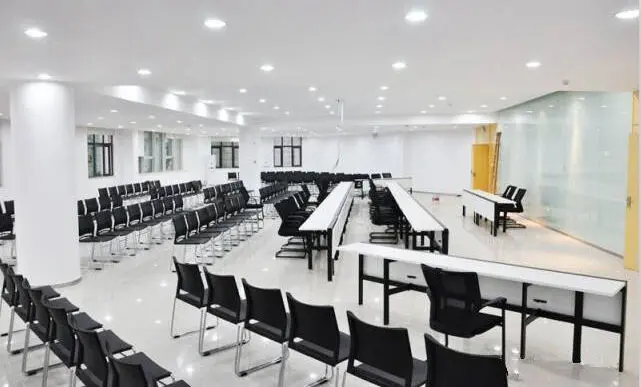
Additionally, our factory infrastructure features specialized spaces for training, development, and customer validation. We provide thorough pre-shipment tests for every machine, verifying that they conform to all relevant certifications (CE, FDA, and ISO 9001) before shipment. Customers have full access to our technical training center, helping operators gain the skills needed to maximize system utilization from day one.
Understanding the strict regulatory standards and support requirements of global metal fabricators.
Exporting high-power CNC lasers requires rigorous attention to regional compliance and safety standards. In the EU, compliance with the Machinery Directive and Laser Safety Standards (such as EN 60825) is mandatory. Our machines are designed with fully enclosed cabinets, certified safety glass observation windows, and dual-channel interlocks to protect operators from scattered laser radiation. In the United States, our systems comply with FDA regulations, ensuring easy importation and installation.
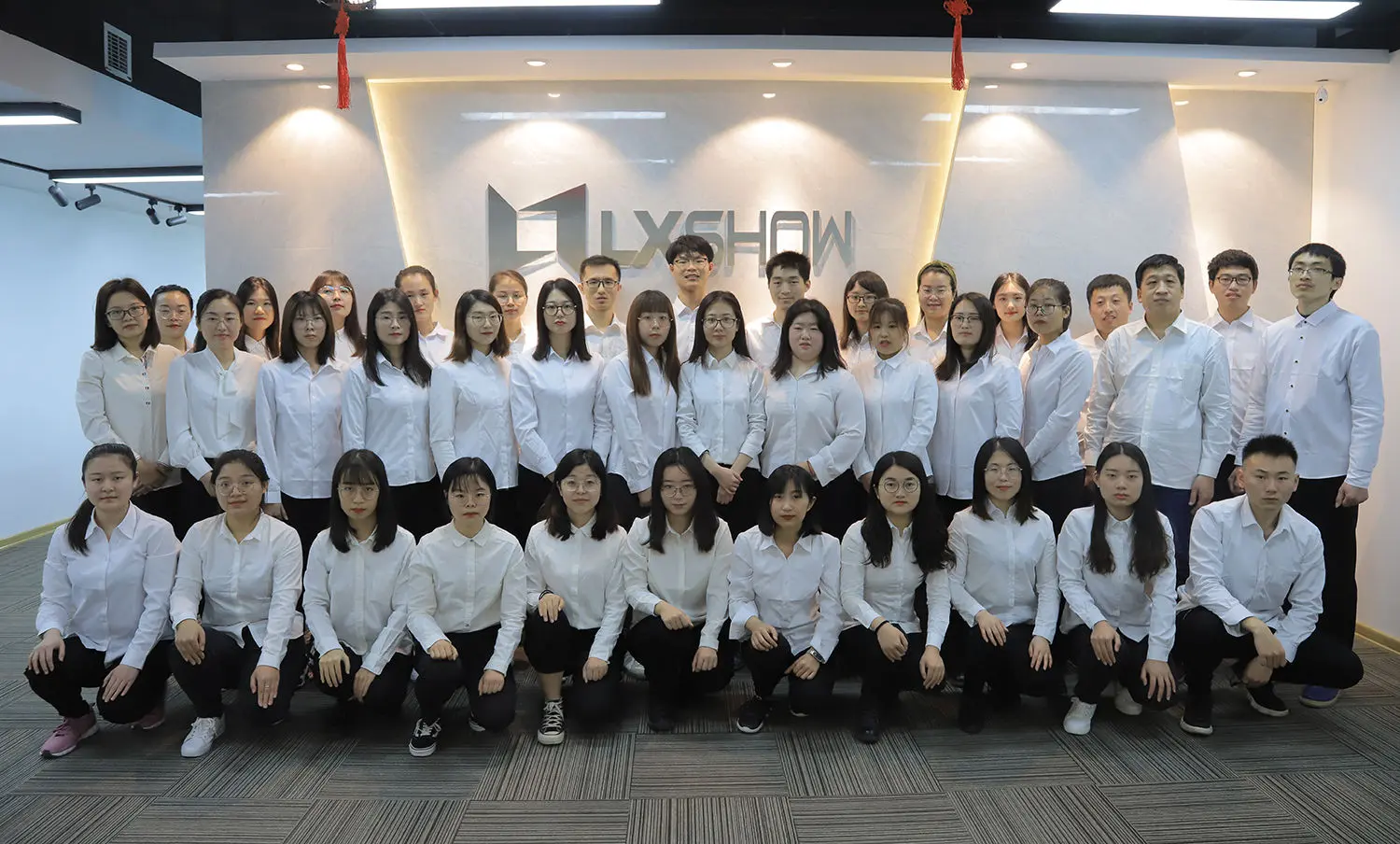
Beyond safety compliance, global partners need reliable, on-demand technical support. We address this through our specialized global service network. Our support engineers are fluent in English and possess deep technical knowledge of CNC systems, optics, and assist gas optimization. We provide remote diagnostics, quick spare parts delivery, and on-site support to keep your production downtime as close to zero as possible.
For custom engineering and distributor setups, we offer comprehensive OEM development services. With more than 30 successful OEM projects deployed globally, we configure specialized bed lengths, custom laser sources, and specific safety features tailored to your market. This flexibility ensures our partners maintain a strong competitive edge in their home regions.
Essential technical insights for operators, plant managers, and procurement officers evaluating CNC laser systems.
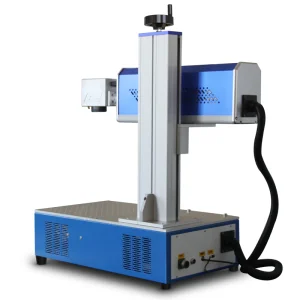
Additional advanced processing systems designed for heavy fabrication, tube cutting, and custom marking applications.
 Lxshow