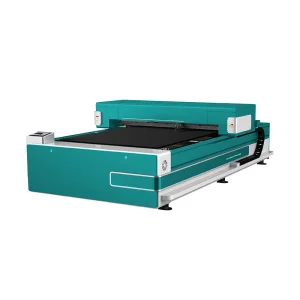
Explore our top industrial solutions optimized for the North American market, conforming with strict safety and precision directives.
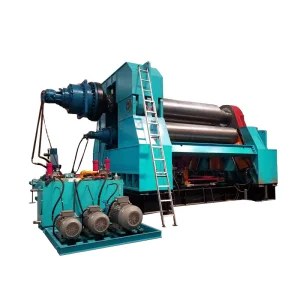
The manufacturing infrastructure of the United States is currently experiencing a historic renaissance. Driven by massive investment frameworks such as the Infrastructure Investment and Jobs Act (IIJA) and the growth of private domestic ventures, heavy industrial applications require robust metal fabrication systems. At the foundation of this renaissance lies the technology of heavy plate rolling. Plate rolling machines—engineered to form cylindrical structures, pressure vessel shells, wind turbine towers, and thick-walled steel pipes—are crucial components for North American energy sectors, marine shipyards, and aerospace defense structures.
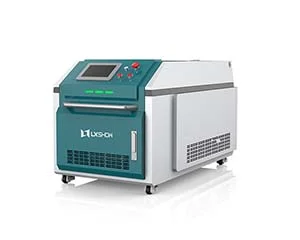
Simultaneously, the demand for wear-resistant components has catalyzed the adoption of Laser Cladding Machine systems across key mining and automotive hubs in the United States. Key industrial states like Texas, Ohio, Indiana, and Pennsylvania are transitioning away from high-emission chemical plating (such as hard chrome plating) toward eco-friendly, ultra-precise laser cladding technologies. Laser cladding utilizes high-power diode or fiber lasers to deposit alloyed powders, creating a metallurgically bonded coating layer with minimal heat input and thermal distortion. By combining high-capacity plate rolling with localized laser cladding, US fabricators achieve both dimensional structural strength and extreme surface resilience against abrasion and chemical erosion.
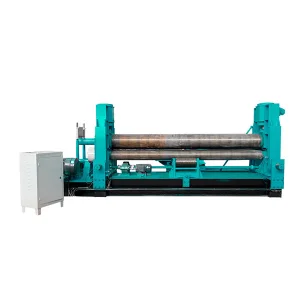
High-precision CNC 3-roll and 4-roll bending machines designed for heavy steel plates. Excellent accuracy and minimal flat ends.
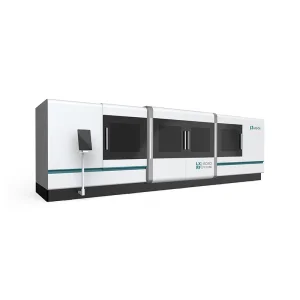
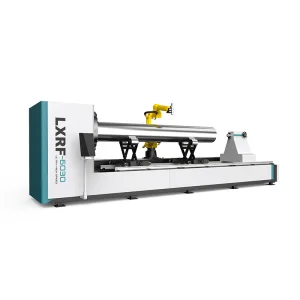
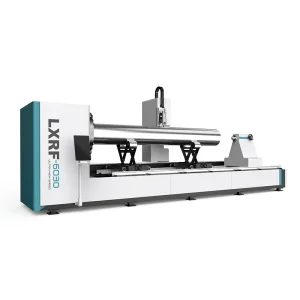
High-performance laser surface treatment systems ensuring dense, metallurgical bonds on rolled cylinder components and wear parts.
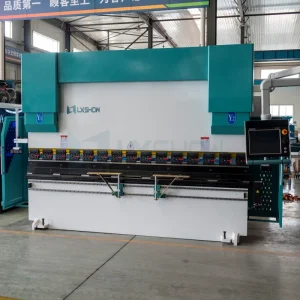
CNC control panels with remote diagnostics capability, matching modern automation demands for connected US smart factories.
Operating a high-power industrial machinery plant in the United States requires compliance with multiple federal and local regulations. Heavy machinery must meet strict guidelines from organizations like OSHA, ANSI, and the ASME Code (specifically Section VIII for pressure vessel rolling). Additionally, electrical systems must conform to UL certification guidelines to pass site safety audits.
All of our machinery, including fiber laser metal cutting lines and high-precision bending equipment, comes certified to meet international criteria, including European Union CE authentication, American FDA certificates for laser safety class standards, and ISO 9001 quality management standards. To bridge the geographic distance, we support US-based buyers through specialized field engineering services. We offer localized support including remote diagnostics, readily available spare parts hubs, and professional localized engineering partners who handle installation, calibration, and safety validation across various US states.
Procuring large fabrication systems involves balancing cost-efficiency with high-end performance. Direct partnerships with Chinese manufacturing facilities provide a strong competitive advantage for US buyers:
| Evaluation Parameter | Local US Manufacturers | Our China Factory (Export Model) |
|---|---|---|
| Initial Capital Investment | Very High (Due to domestic labor and overhead costs) | Highly Competitive (Optimized supply chain & factory-direct pricing) |
| Lead Time (Custom Builds) | 8 - 12 Months | 3 - 5 Months (Including marine transit to US ports) |
| Components Standards | Standard domestic brands only | Flexible Configuration (Siemens, Beckhoff, Raycus, IPG, HIWIN) |
| Laser Safety & Compliance | OSHA / ANSI Standards standard | Full FDA Accession Numbers, CE Certificates & ISO 9001 Compliance |
High-capacity machinery serves crucial roles across diverse sectors. Below are the key scenarios where plate rolling and advanced laser systems are deployed in the US market:
1. Oil & Gas Infrastructure (Houston / Gulf Coast): Bending high-yield carbon steel plate into large-diameter pipeline segments and storage tanks, followed by high-power laser cladding to seal internal surfaces against hydrogen sulfide and acidic compounds.
2. Offshore Wind Power Infrastructure (East Coast Marine Terminals): Rolling large steel sheets into tapered monopiles and tower shafts. Precision robotic fiber laser welding systems seal these thick sections with deep penetration and low heat input.
3. Heavy Mining Equipment Repair (Nevada / Arizona): Reconditioning hydraulic pistons, crusher shafts, and dragline components using targeted single-axis surround laser cladding systems, extending part lifetimes by 300%.
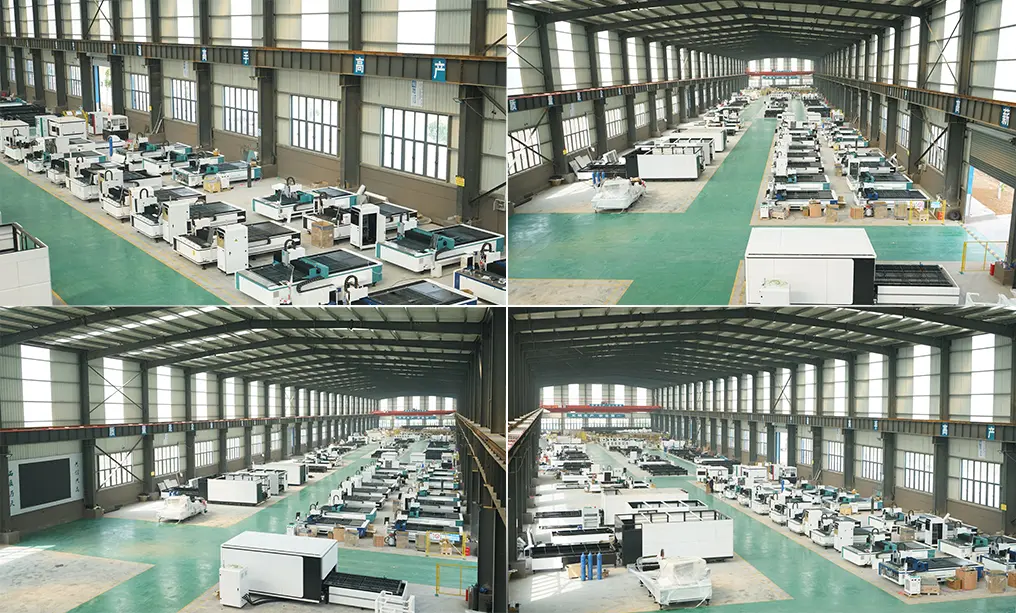
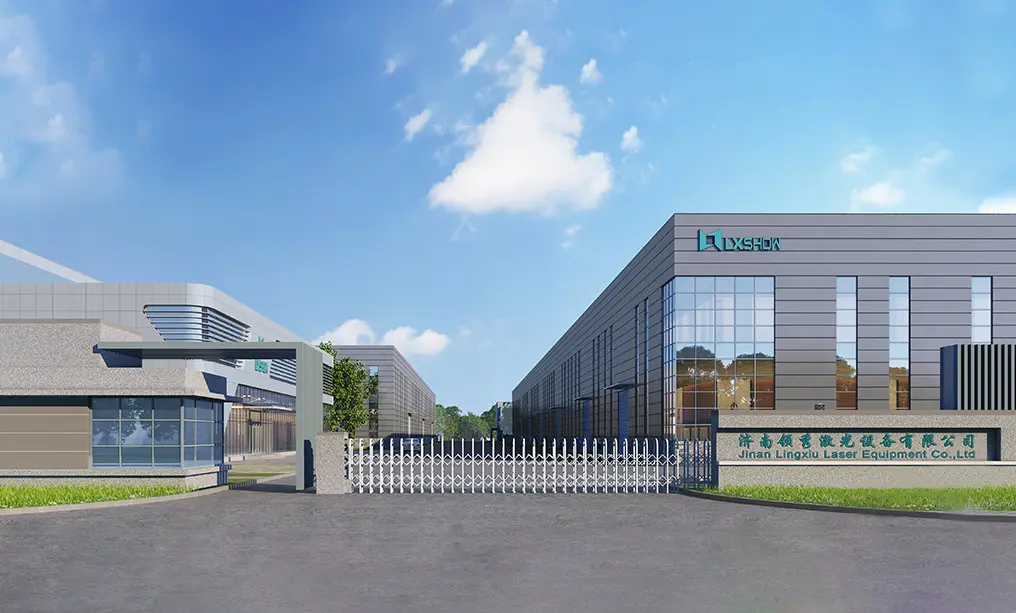

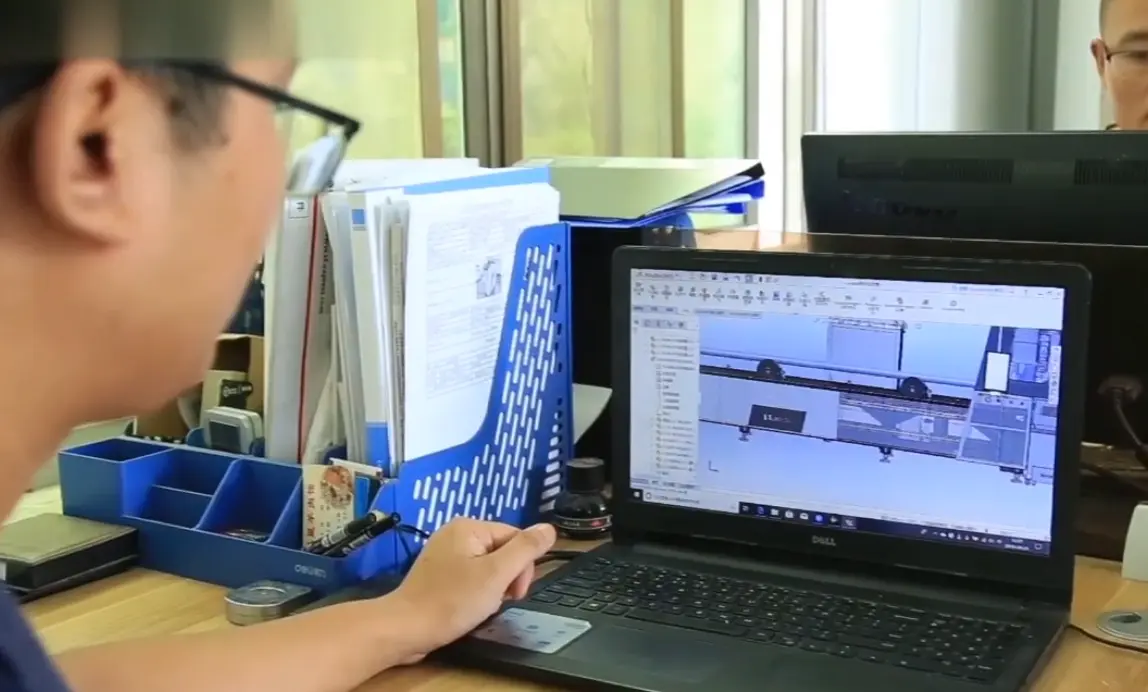
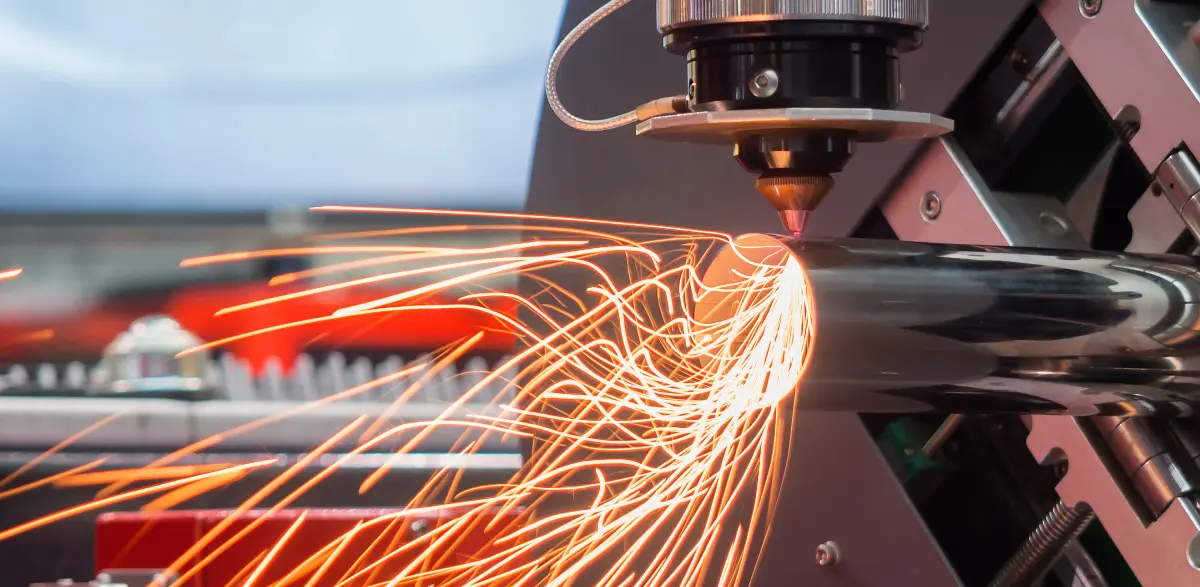
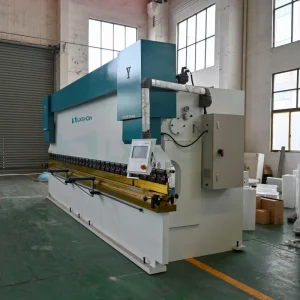
Review our diverse range of heavy-duty hydraulic plate rolls, fiber laser tube cutters, and electric press brakes.
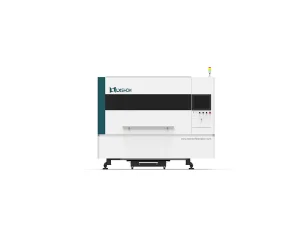
 Lxshow