 Lxshow
1 / 5
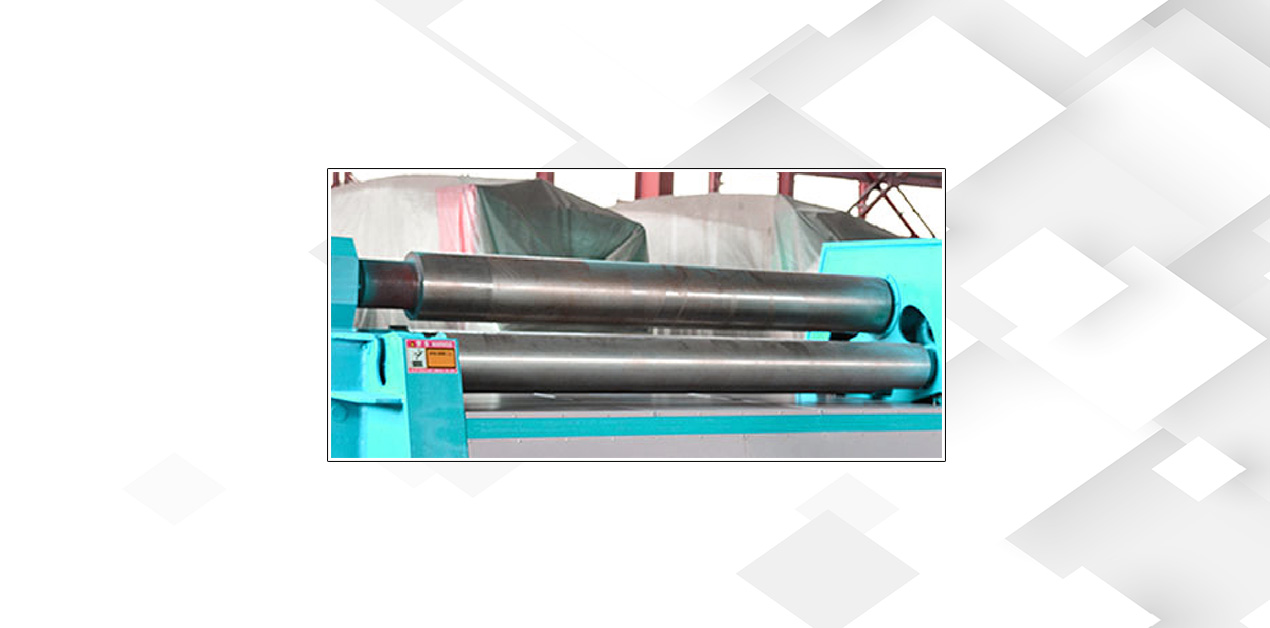
The working rolls are easy to maintain and have a long service life. Moreover, the main drive has high efficiency and saves power consumption.
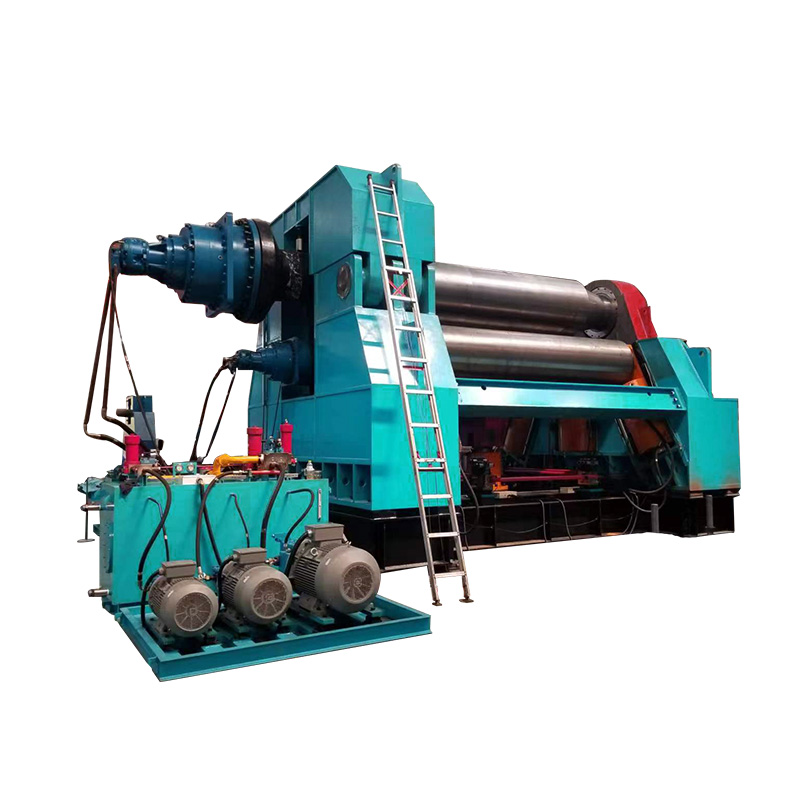
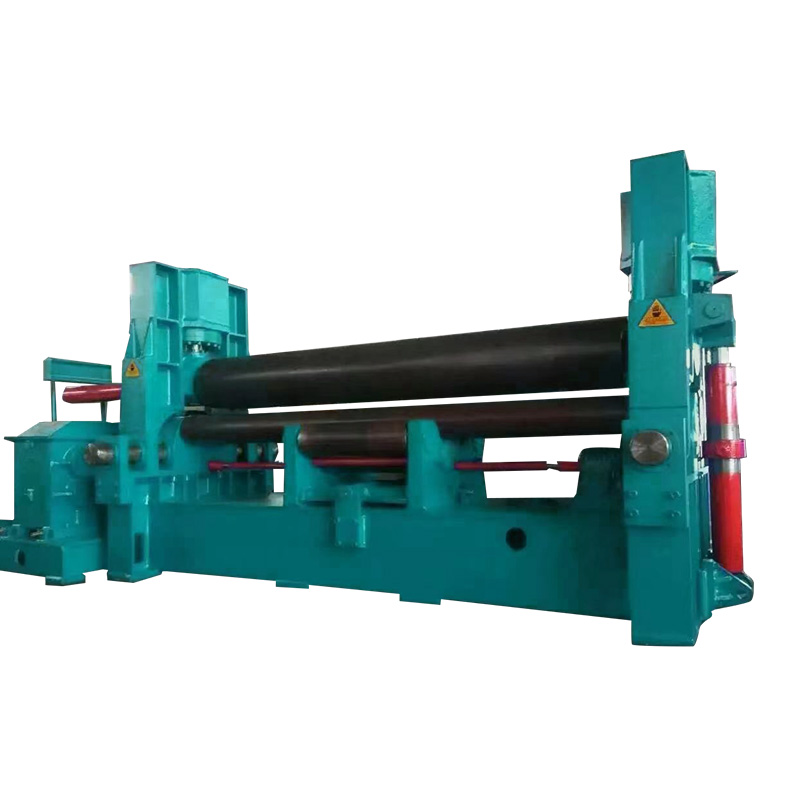
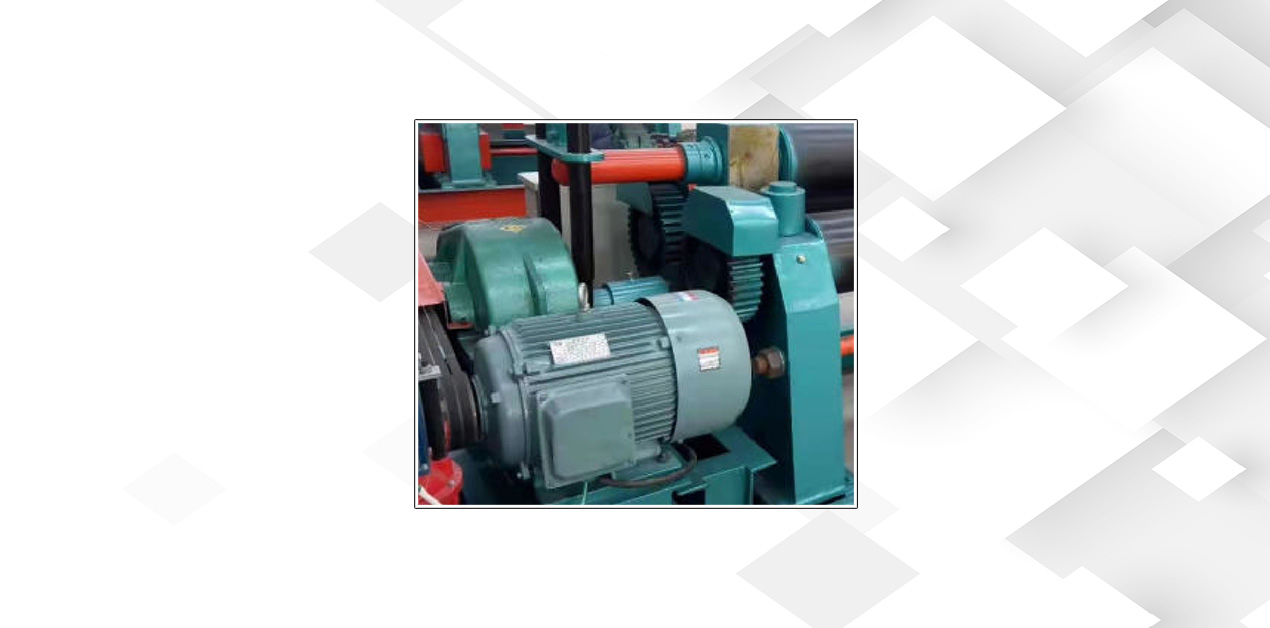
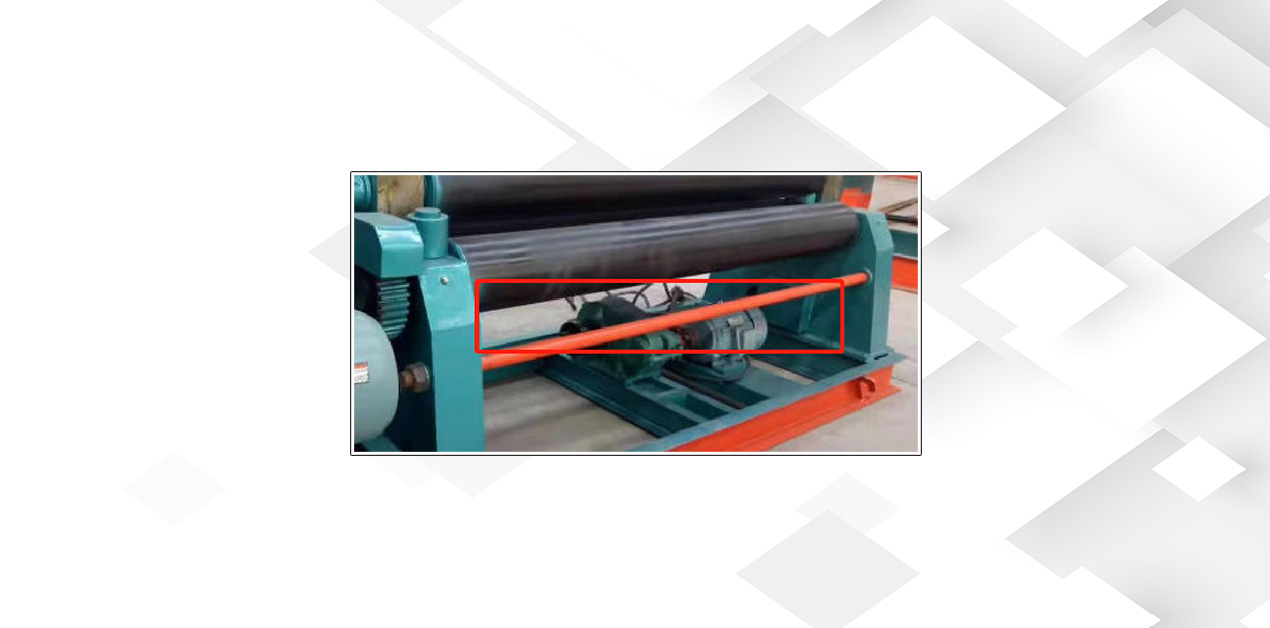 As shown in the figure, the screw on the plate rolling machine mainly plays the role of connection and fixation.
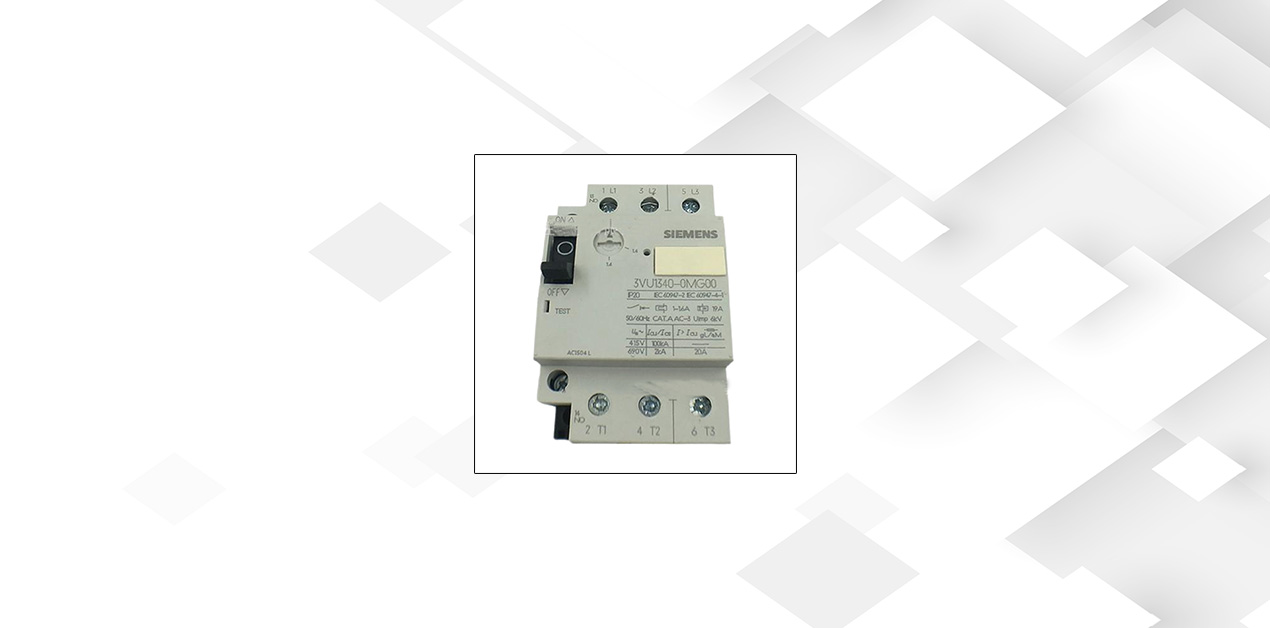
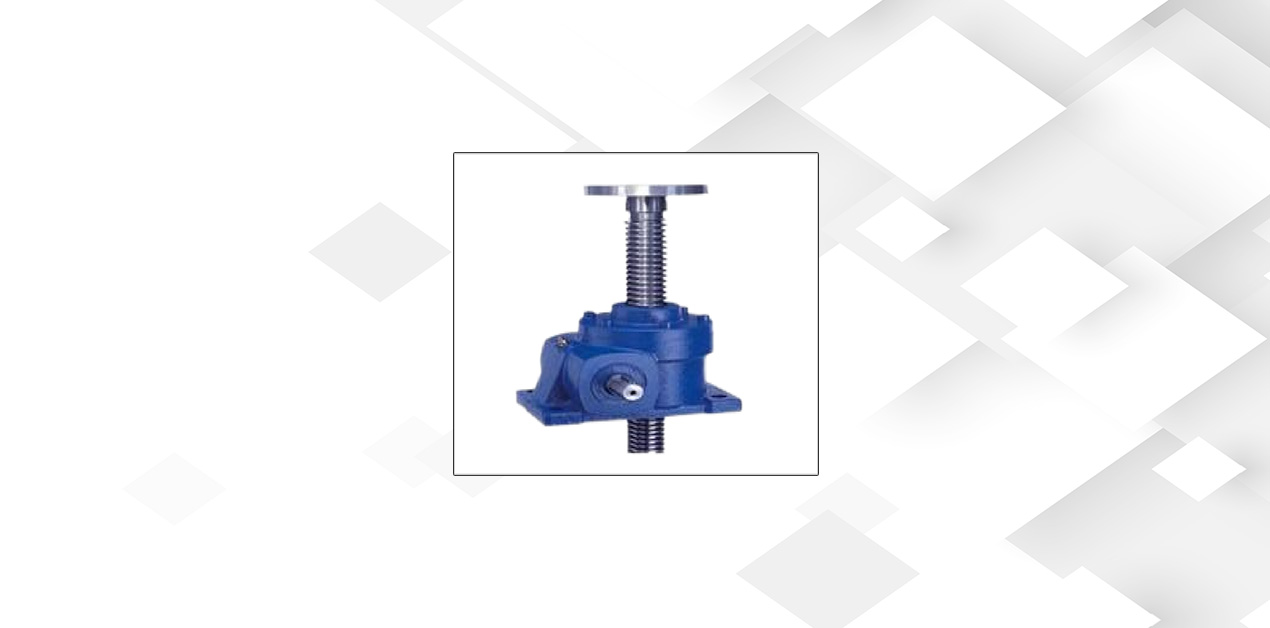
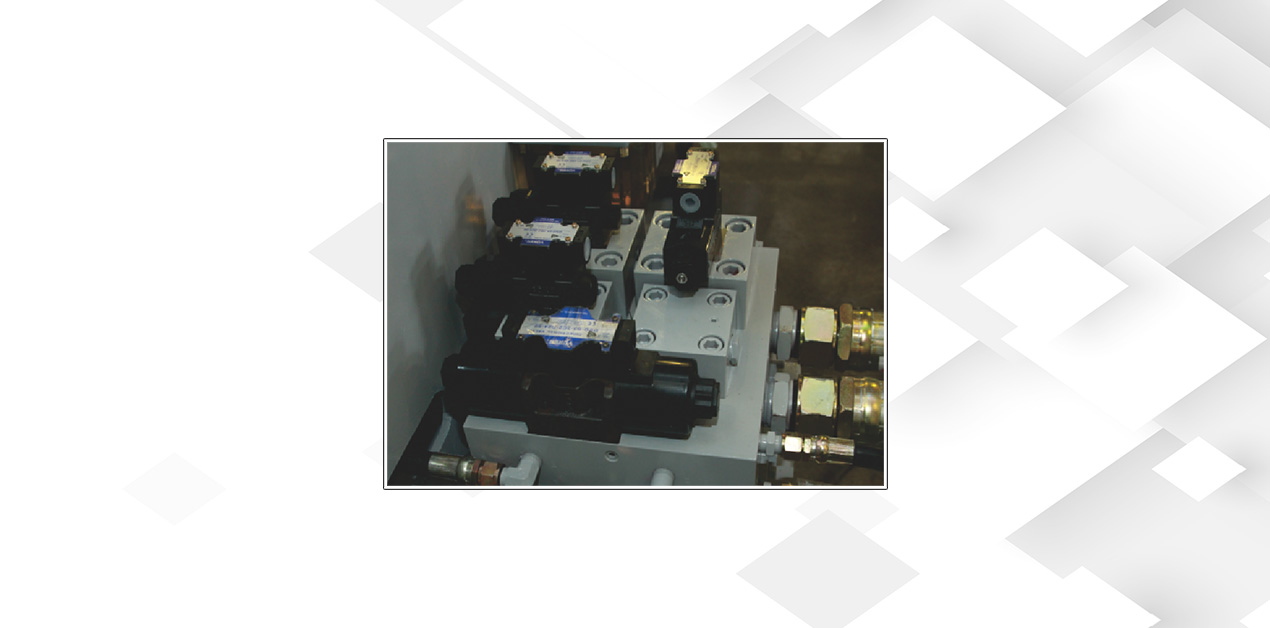
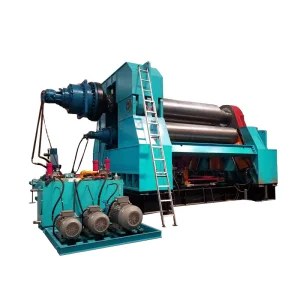
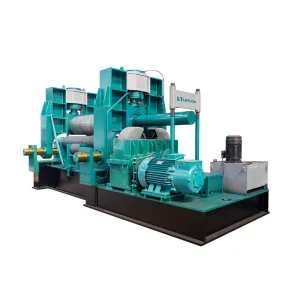
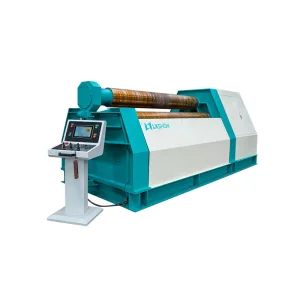
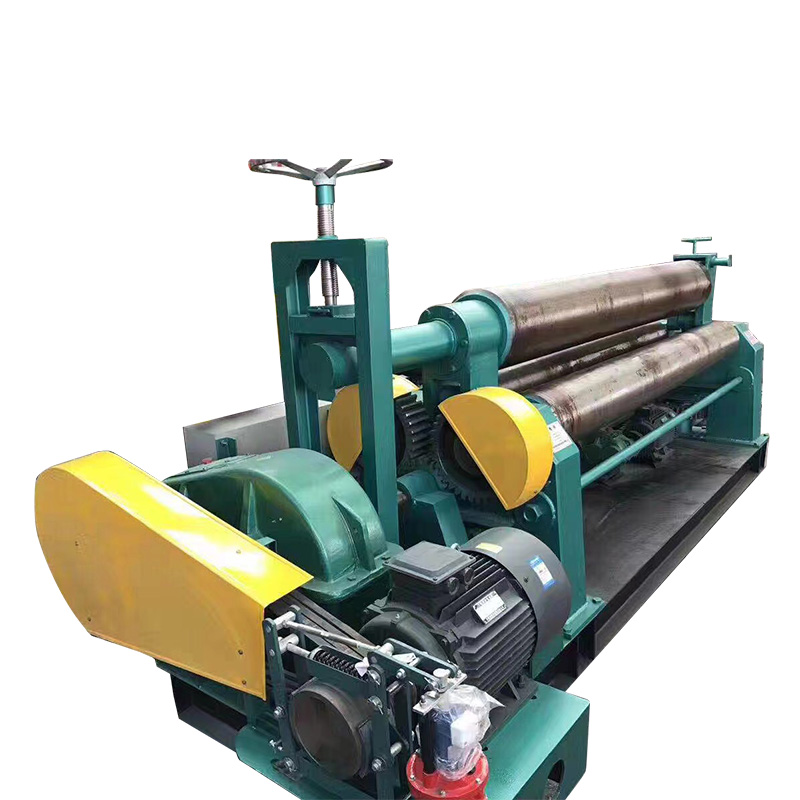
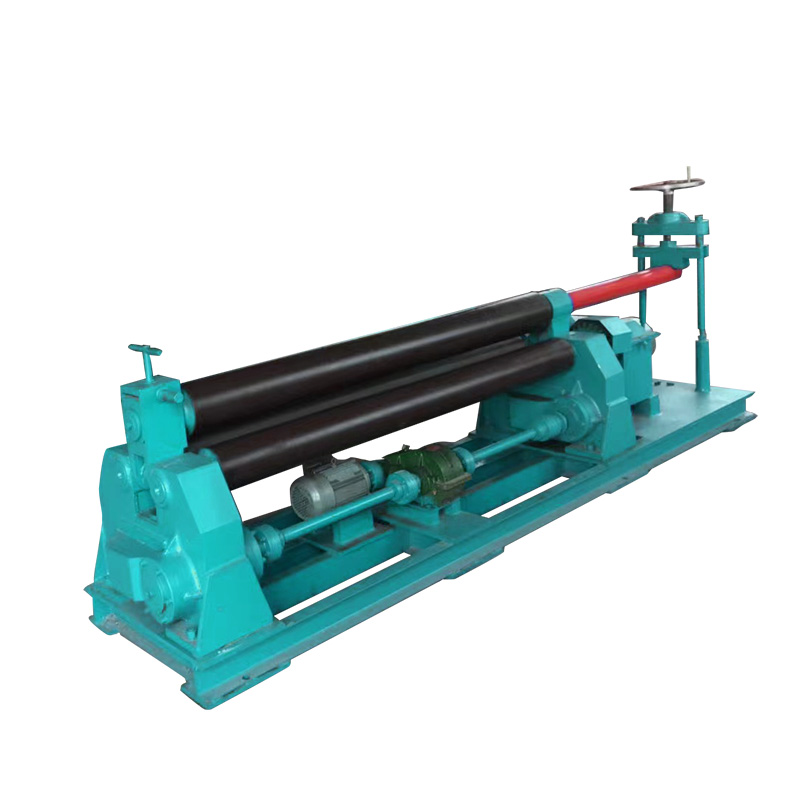
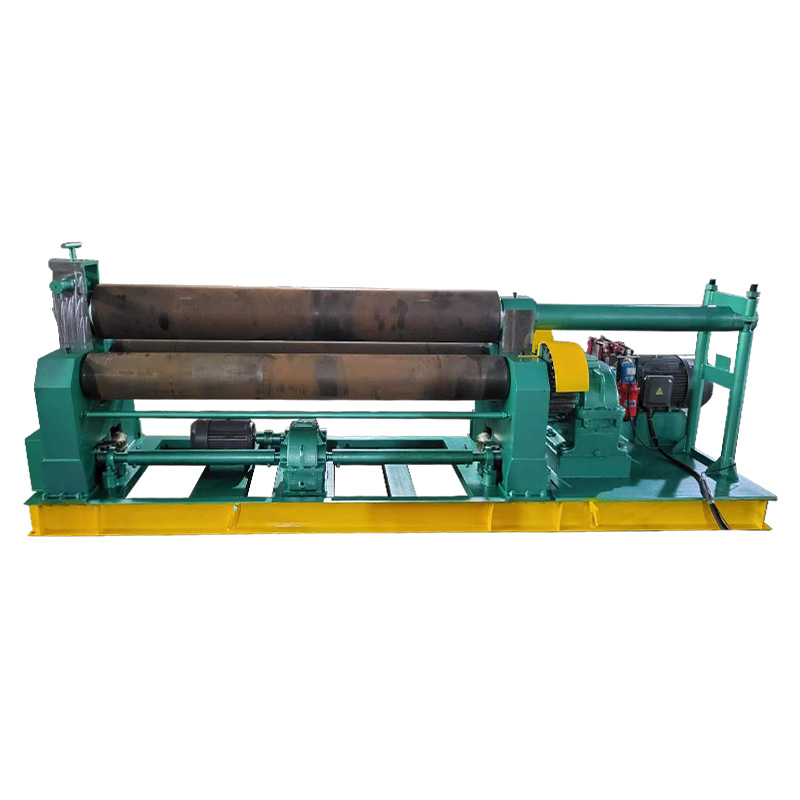
The plate rolling machine is a kind of equipment that uses work rolls to bend and form the sheet metal. It can form parts of different shapes such as cylindrical parts and conical parts. It is a very important processing equipment.
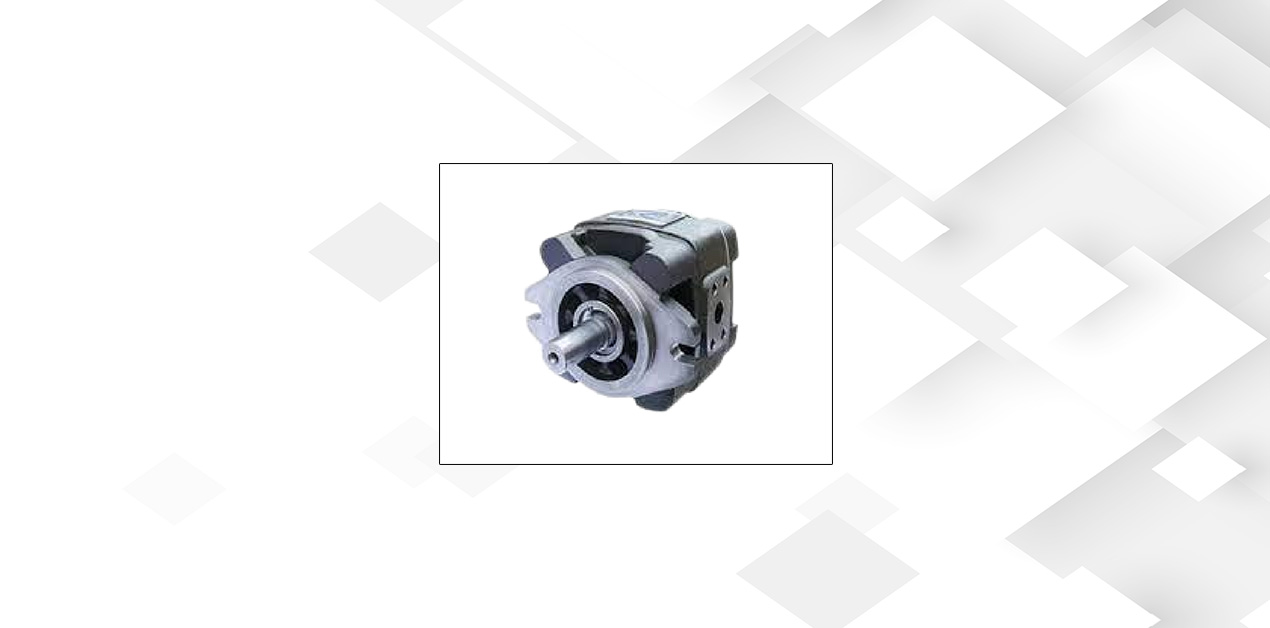
The working principle of the plate rolling machine is to move the work roll through the action of hydraulic pressure, mechanical force and other external forces, so that the plate is bent or rolled into shape. According to the rotation movement and position changes of the work rolls of different shapes, oval parts, arc parts, cylindrical parts and other parts can be processed.
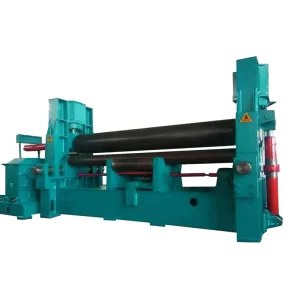
Its three rollers are all solid forged rollers, and have been tempered and quenched. The upper roller can move horizontally and up and down, and the plate can be rolled down by vertically moving up and down of the hydraulic cylinder. It can also be rolled horizontally. Move, pre-bend the straight edge of the sheet to achieve a better rounding effect. The middle of the upper roller is in the shape of a drum, and a set of supporting rollers at the front and rear of the lower roller jointly solve the problem of bulging in the middle of the reel.
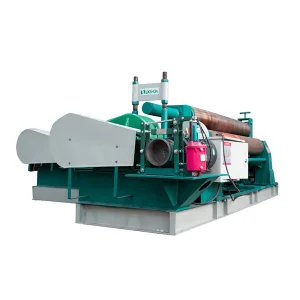
The lower roller is the main rotating roller, and the lower roller is driven to rotate by the motor reducer. Equipped with hydraulic tipping, the tipping cylinder can be tilted down to take the workpiece more convenient and labor-saving. The machine is equipped with plc programmable display control, and the digital operation is easy to learn. The upper roll universal plate rolling machine is the most advanced model in the three-roll plate rolling machine. It is very suitable for rolling thick plates, and can be 120mm, 140mm, 160mm.
The upper roller universal plate rolling machine has dual functions of pre-bending and rolling, and there is an extra lower drag roller, driven by hydraulic drive.
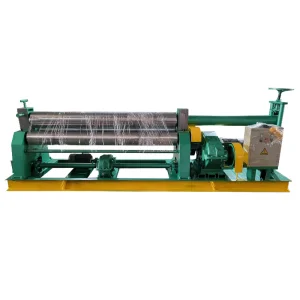
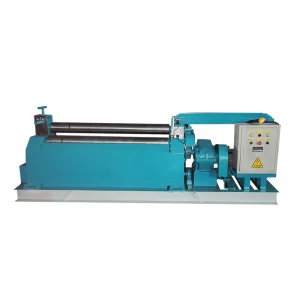
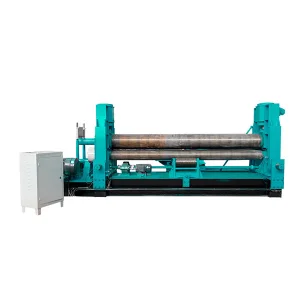
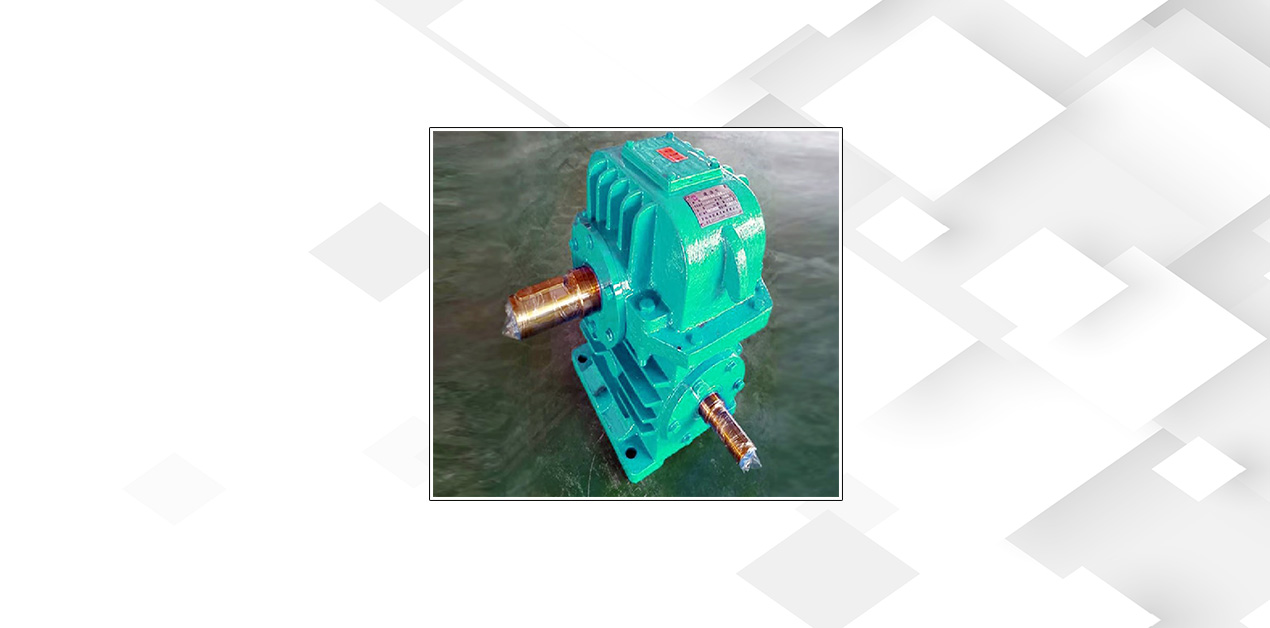
The mechanical plate rolling machine has no pre-bending function, the drive is a motor-driven gearbox, and the gearbox drives the lower roll.
Manual unloading method, which requires manual unloading of the processed workpiece.
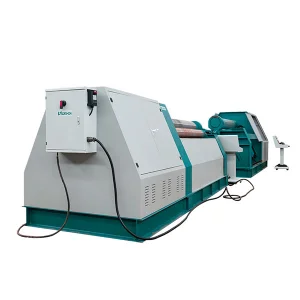
Controlled by buttons, which is convenient and quick to unload, and it is much safer than the three-roll plate rolling machine.
Pre-bent by the upper roller, and the upper roller can be pressed down or moved horizontally. Its disadvantage is that translation takes a certain amount of time, and the efficiency is slightly lower.
Pre-bent by lifting the side rolls, and the speed is very fast, especially the advantage of pressing the plate below 20 mm is more obvious.
The lower roller is fixed, and it lacks a positioning ruler when rolling and feeding, and requires manual measurement and calibration, so it cannot realize numerical control, and can only be called digital display or simple numerical control.
When feeding, the side roller is used as a guide, the system is controlled and the positioning is accurate, which makes it realize the numerical control and has the function of one-key rolling.

Hollow rollers are recommended for thinner materials (below 6mm thick) as they are more affordable. Solid rollers are designed for thicker and heavy-duty materials to ensure durability and prevent deformation under load.
A four-roll machine features button-controlled automatic unloading which is convenient and quick, whereas three-roll machines require manual unloading. Additionally, four-roll machines offer precise guide positioning for true CNC and one-key rolling capability.
These plate rolling machines are highly versatile and can process carbon steel, stainless steel, aluminum, copper, high carbon steel, and various other industrial metals.
The upper roll universal machine pre-bends by moving the upper roller down or horizontally, which takes slightly longer. The four-roll machine pre-bends quickly by lifting the side rolls, offering a clear speed advantage especially for plates under 20mm.
To select the correct machine model, you need to know the specific material texture (e.g., stainless steel, carbon steel), the thickness and width of the sheets you intend to roll, and the minimum inner roll diameter required for your finished products.