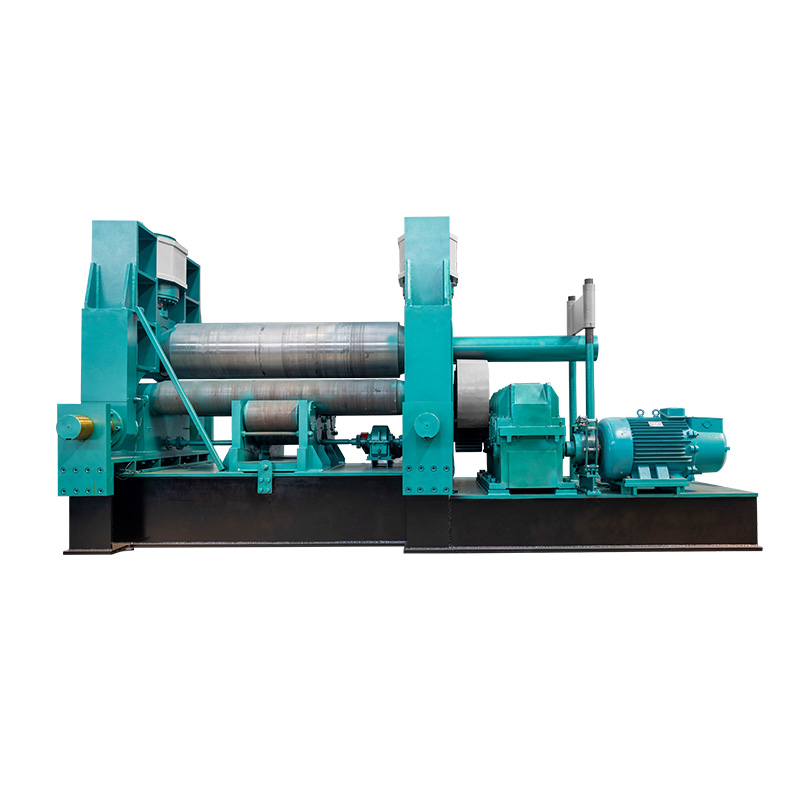
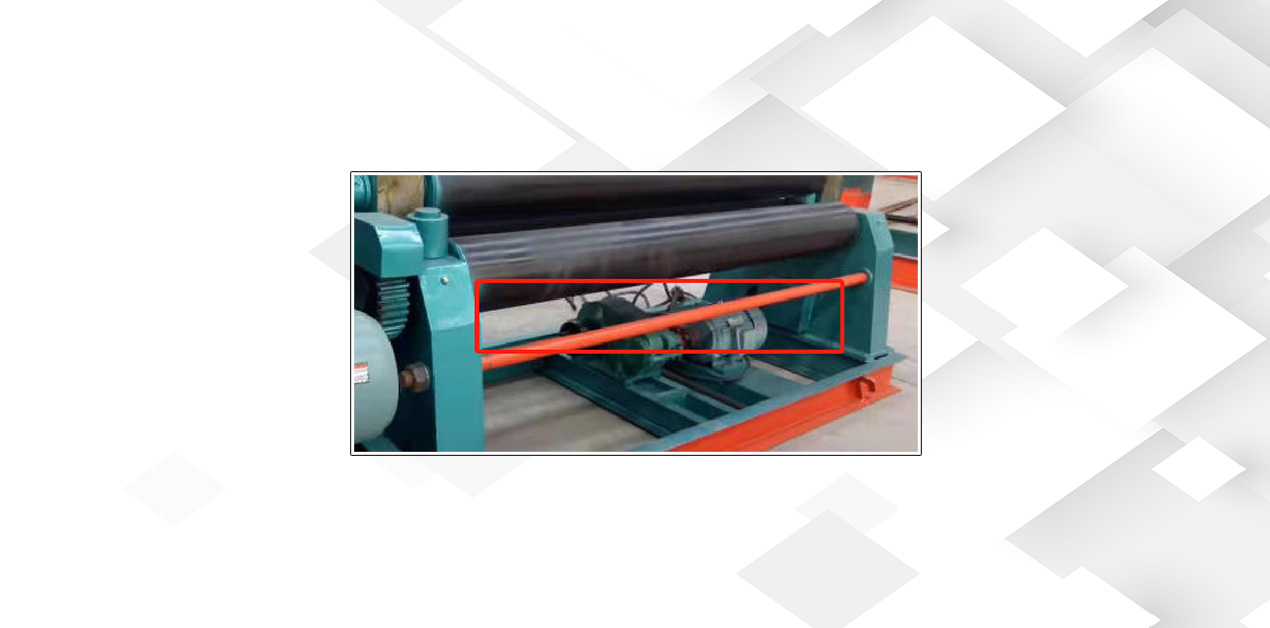
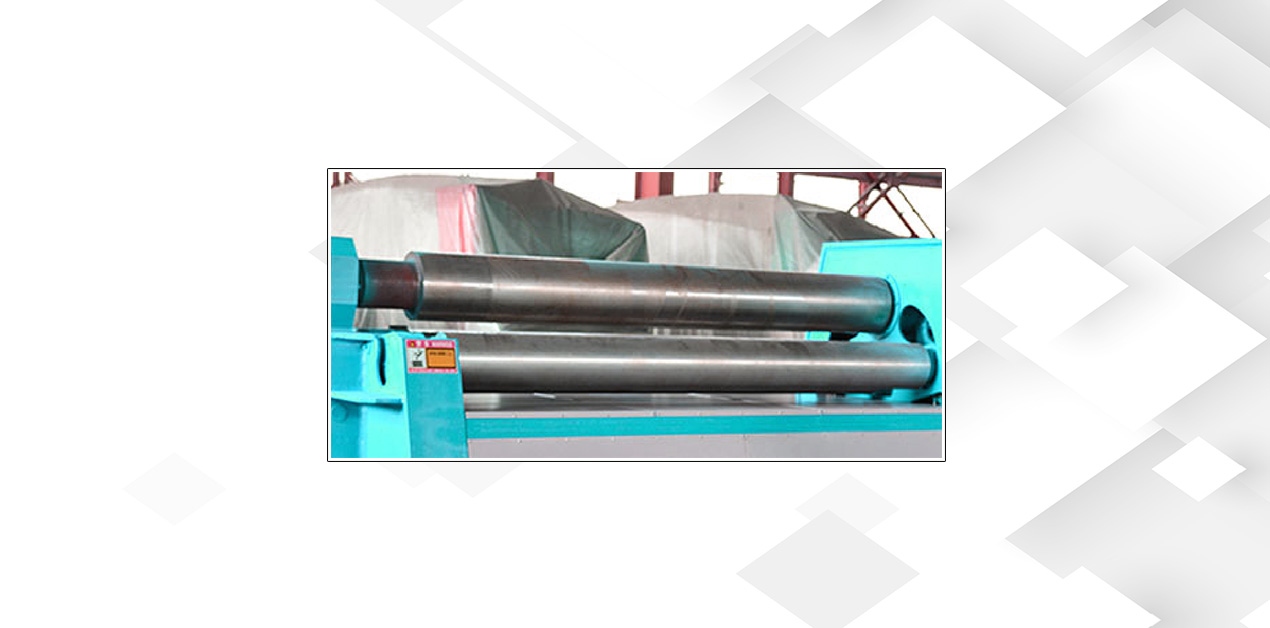
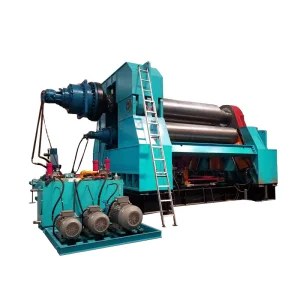
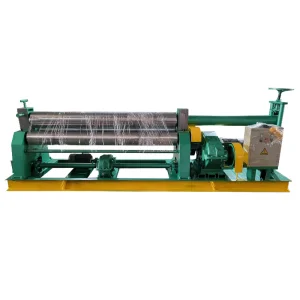
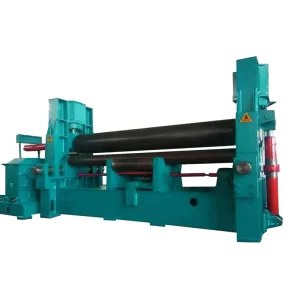
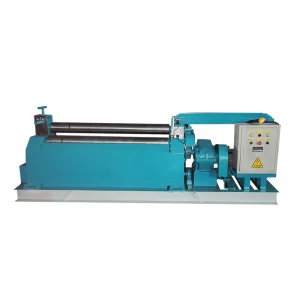
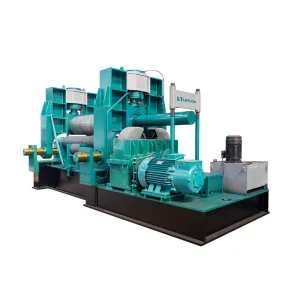
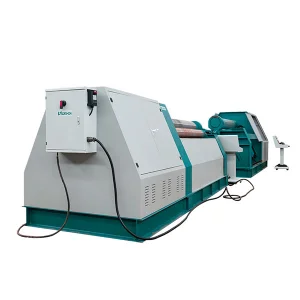
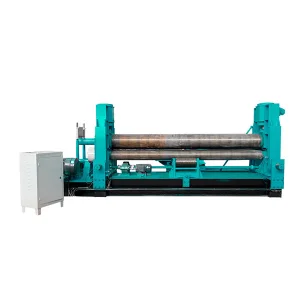
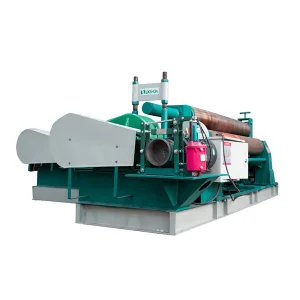
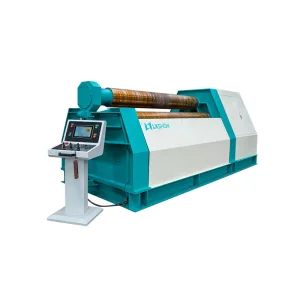
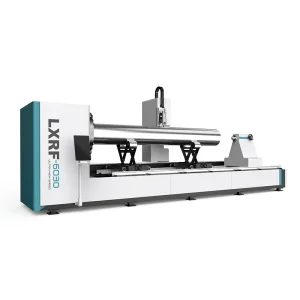
The up and down roll movement of the work roll completes the coiling action.
Working Principle of Sheet Metal Rolling Machine
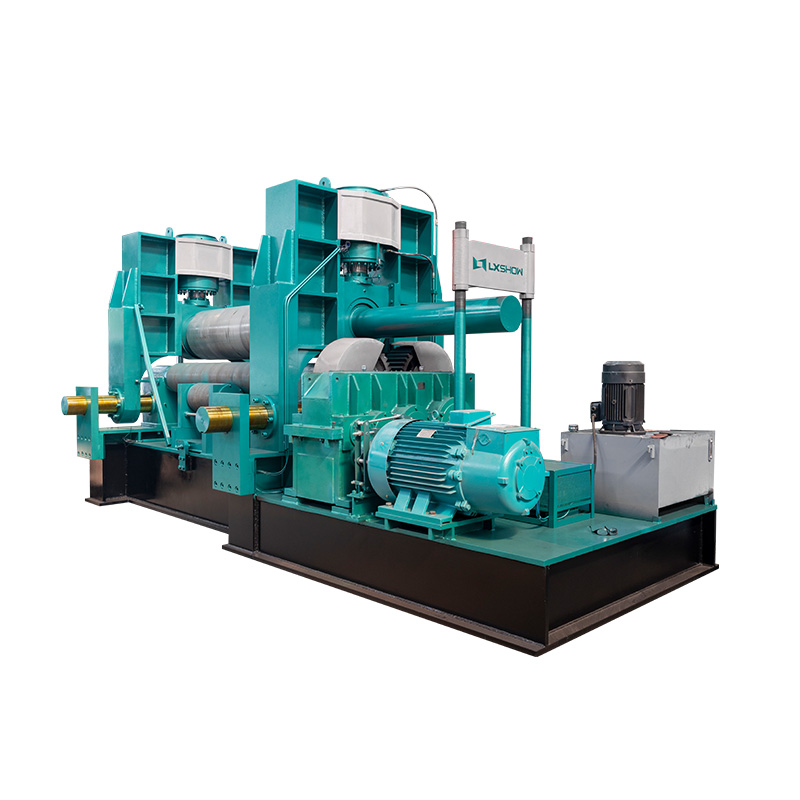
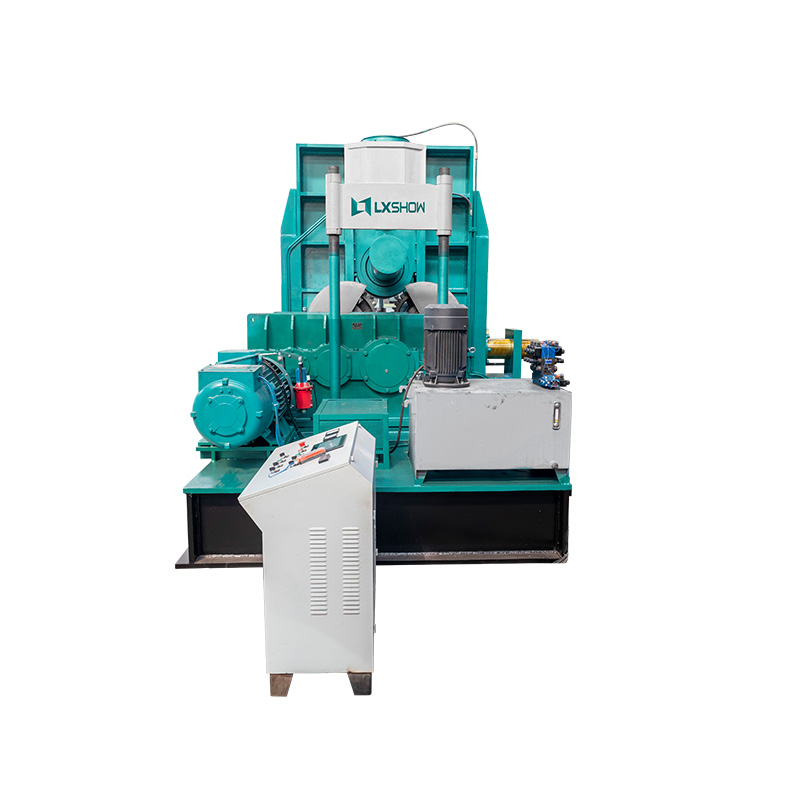
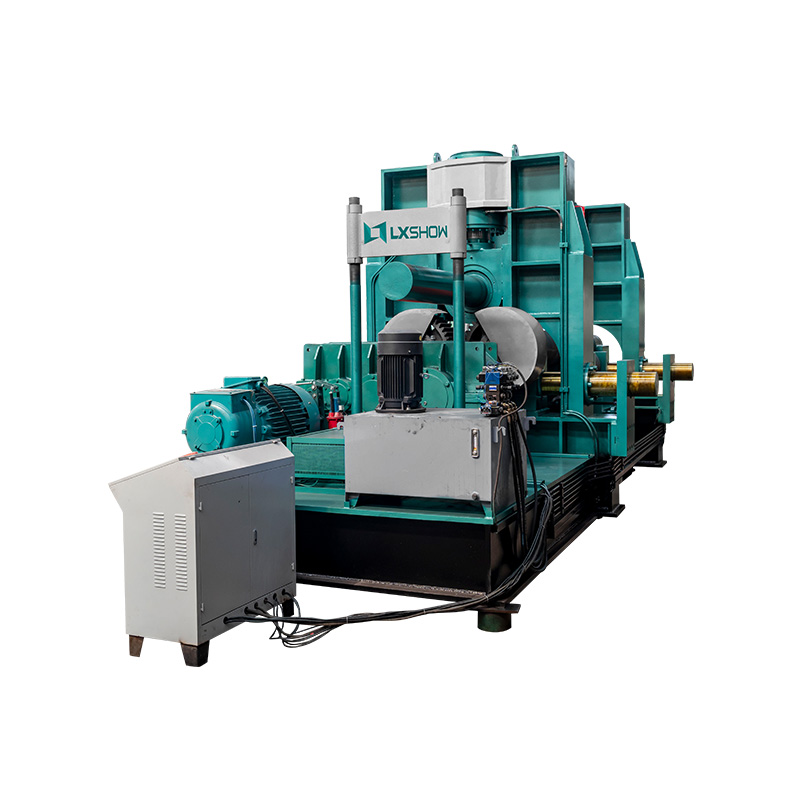
The metal sheet roller machine is an essential fabrication equipment designed to bend and form sheet metal using strategically arranged work rolls. It is highly capable of forming parts into various geometries, including cylindrical, conical, and other complex shapes, making it a critical asset in modern manufacturing.
Operationally, the sheet metal rolling machine utilizes mechanical, hydraulic, or external forces to actuate the work rolls, forcing the metal plate to bend or roll progressively into the desired profile. Depending on the rotation, positioning, and configuration of the rolls, operators can efficiently process oval components, arc parts, cylinders, and more.
Hydraulic Rolling Machine Classification
By Number of Rolls
Three-Roll Plate Rolling Machine: Includes mechanical symmetrical three-roll machines, hydraulic upper roll universal machines, and hydraulic CNC plate rolling machines.
Four-Roll Plate Rolling Machine: Exclusively powered by hydraulic systems for advanced precision and automation.
By Transmission Mode
Mechanical Type: Operates strictly via mechanical gearing without an integrated operating system.
Hydraulic Type: Equipped with a complete operating system for precise fluid power regulation and control.
Applicable Materials
The equipment is engineered to process a versatile range of metals, including:
Carbon Steel
Stainless Steel
Aluminum
Copper
High Carbon Steel
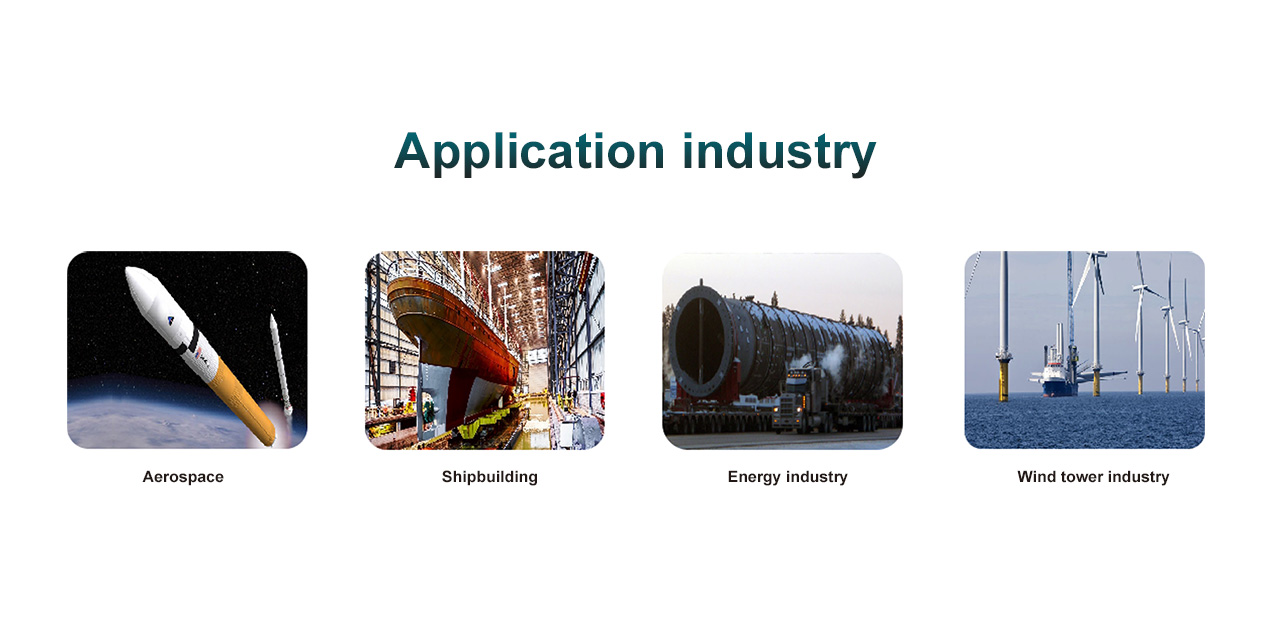
Application Industry & System Highlights
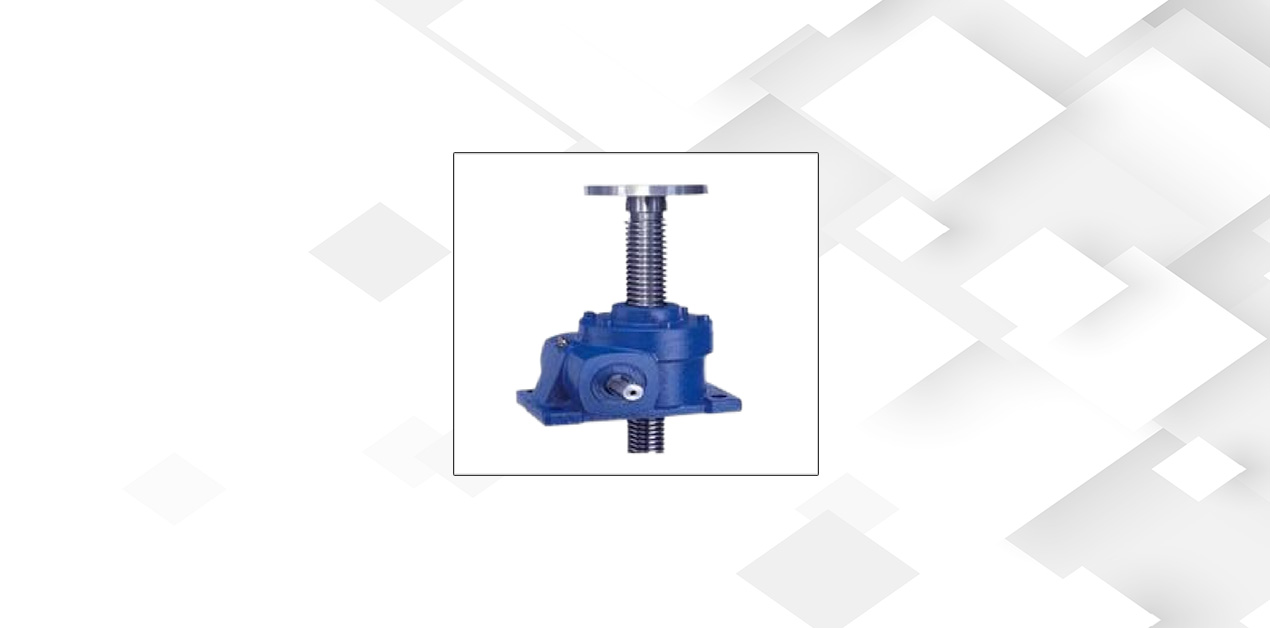
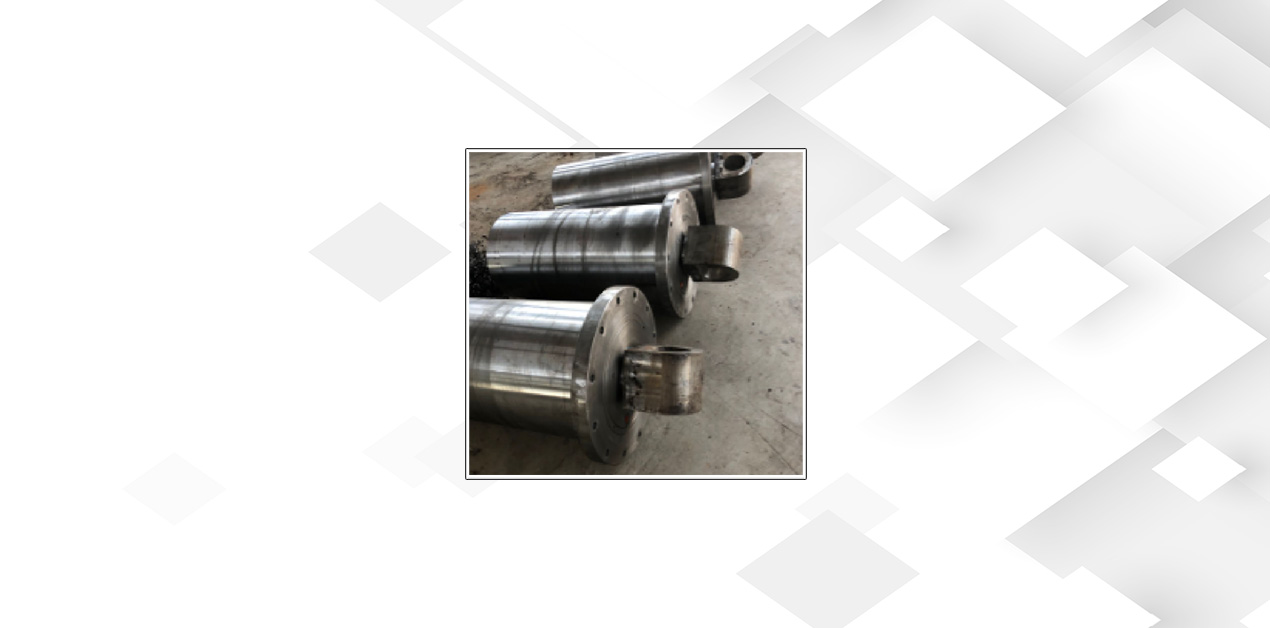
As shown in the figure, the screw on the metal sheet roller mainly plays the role of connection and fixation.
System Configurations
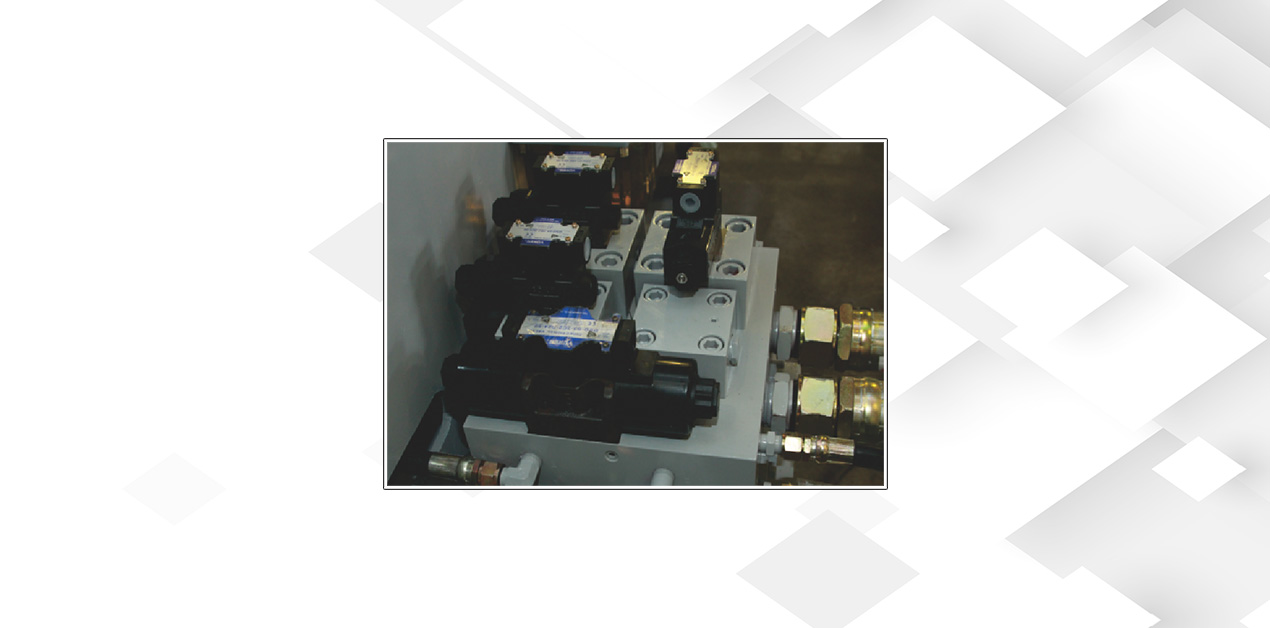
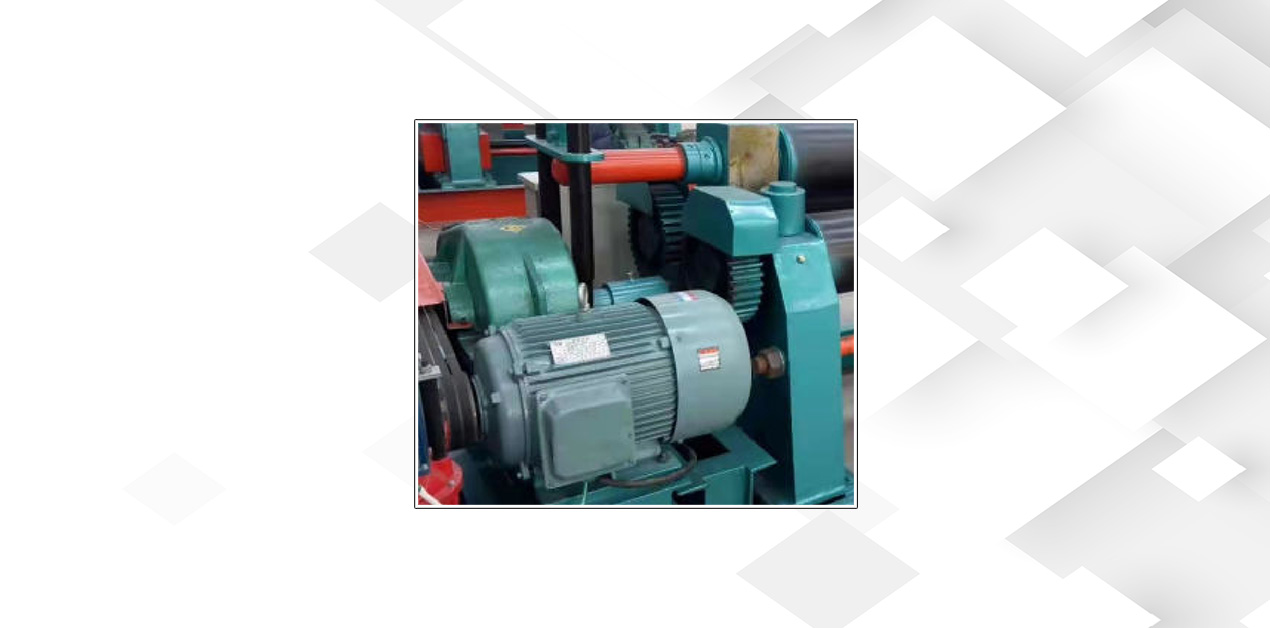
• Stand-alone system designed for easy maintenance (optimized for hydraulic plate rolling machines).
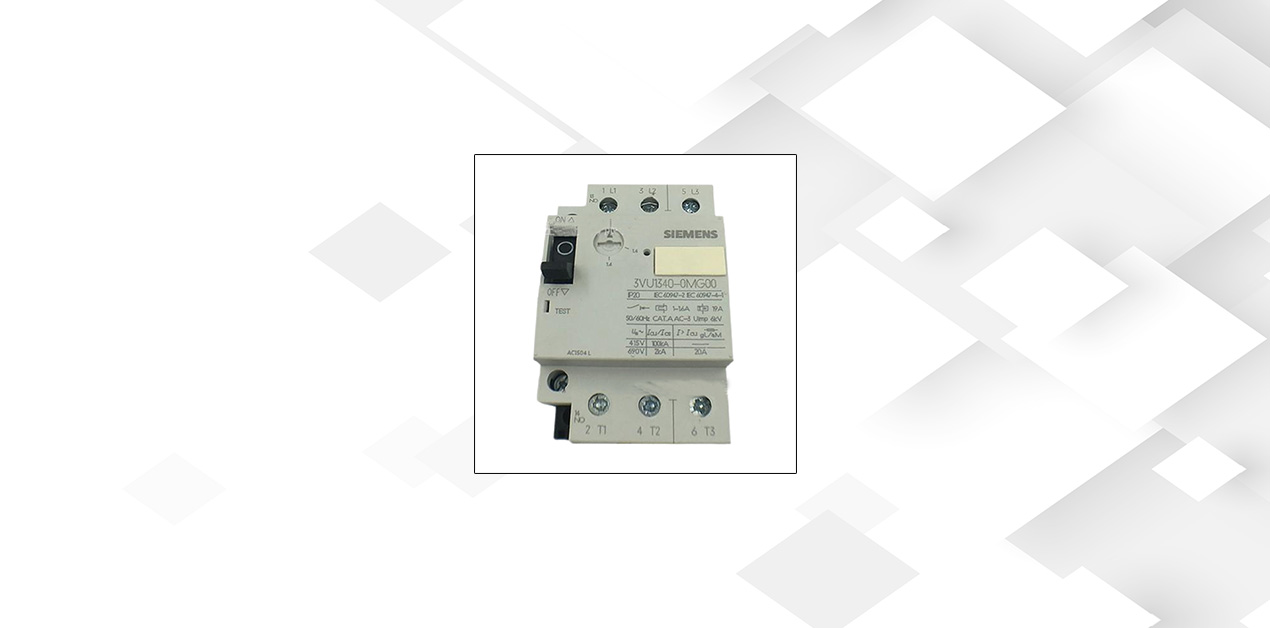
• High-quality internal component integration: Brand: Japan NOK, Brand: Siemens.
Frequently Asked Questions
What is a sheet metal rolling machine used for?
It is a professional fabrication tool that utilizes work rolls to bend and form sheet metal into cylindrical, conical, oval, and arc-shaped components.
What is the difference between mechanical and hydraulic rolling machines?
Hydraulic rolling machines feature an integrated operating system for automated and precise control, whereas mechanical rolling machines run directly via mechanical transmission without a dedicated operating console.
Which materials can be bent using this equipment?
The machine is highly compatible with a variety of materials, including carbon steel, stainless steel, aluminum, copper, and high carbon steel.
How does the 3-roll system compare to the 4-roll system?
Three-roll machines can be symmetrical mechanical configurations, hydraulic universal, or CNC hydraulic systems. Four-roll machines are exclusively designed with hydraulic systems to provide automated, high-precision operations.
What components ensure the reliability of the hydraulic system?
The machine features an independent, easy-to-maintain system integrated with industry-trusted components, including Japan NOK seals and Siemens controls.
What is the function of the main screws on the metal sheet roller?
The heavy-duty screws on the metal sheet roller primarily serve to securely connect and fix structural parts of the machine, ensuring stability during high-pressure rolling operations.
 Lxshow