Premium laser solutions engineered for optimal performance in the Germany precision manufacturing landscape.
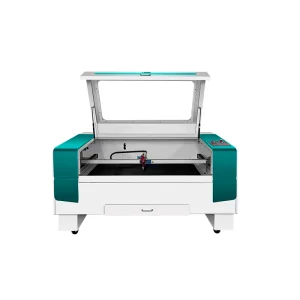
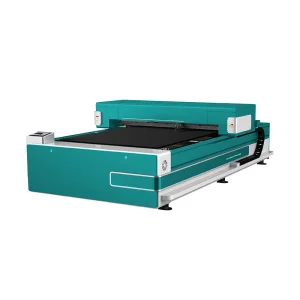
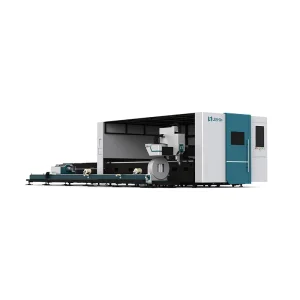
An in-depth analysis of technical pathways, material kinetics, and localized supply chain dynamics within Germany's manufacturing sectors.
Within Germany's advanced automotive, packaging, and design sectors, the choice of laser wavelength is critical. While 1.06-micron Fiber lasers dominate the reflection-prone metal fabrication segment, the 10.6-micron wavelength of the carbon dioxide (CO2) laser is irreplaceable. This wavelength matches the absorption spectra of organic polymers, glass, and natural materials perfectly, offering unparalleled clean-cut edges and zero thermal stress cracking.
Modern German manufacturing environments require versatile systems. Our CO2 Laser systems feature high-stability RF metal tubes and sealed glass tubes, allowing precise energy distribution. This results in minimal heat-affected zones (HAZ) in delicate non-metallic materials. It is a vital tool for Tier-1 automotive interior component designers, display producers, and technical textile converters.
Under DIN EN ISO 11553-1 regulations, all laser systems integrated into industrial environments must have strict enclosure safeguards and interlocks. Our units are built to meet these standards, enabling immediate integration into German smart factory setups.
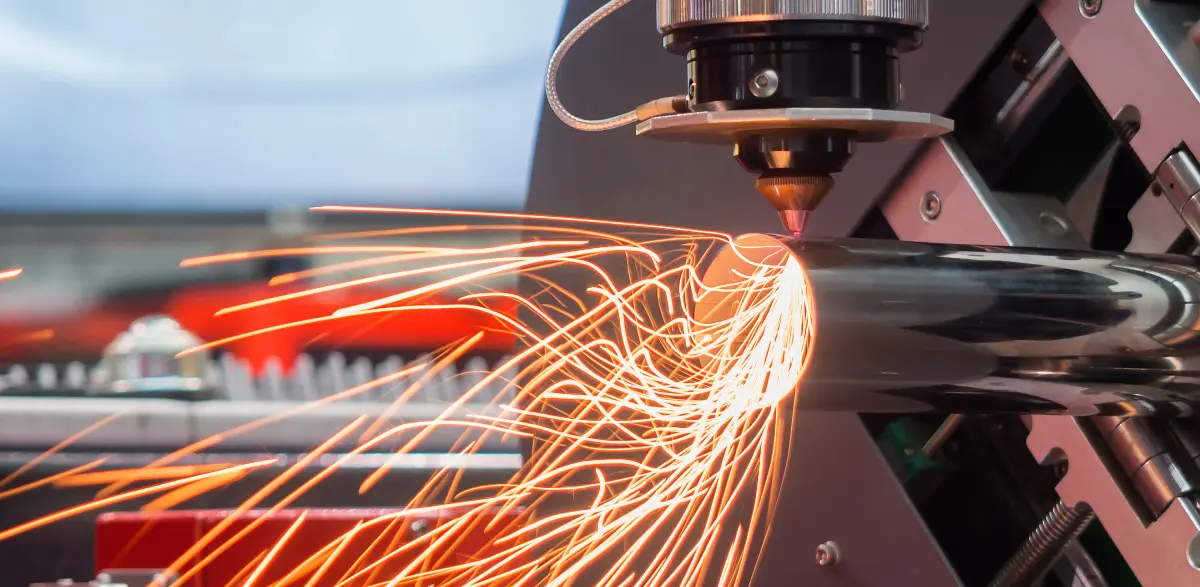
Our CO2 lasers excel at processing complex structural components. Here is a breakdown of material compatibility and typical processing quality outcomes optimized for German industrial users:
| Material Type | Wavelength Absorption | Edge Quality | Recommended Industry |
|---|---|---|---|
| Acrylic (PMMA) | Excellent (>90%) | Flame-polished clear finish | German Advertising & Signage |
| Technical Wood | High | Carbonized brown, minimal soot | Architectural Modeling & Furniture |
| Polycarbonate | Moderate | Slight discoloration, smooth | Automotive Instrument Panels |
| Natural Leather | Excellent | Sealed edge, clean engraving | High-end Automotive Interiors |
By using digital closed-loop control systems, we prevent thermal accumulation. This keeps structural components stable, reducing production rejects in high-volume runs.
Providing robust global support and OEM capabilities to major German and European manufacturers since 2004.
Our focus is on helping companies build smart manufacturing pipelines. Our Research and Office spaces span over 500 square meters, where our Design and Engineering teams continuously upgrade our hardware architectures. Every machine meets European Union CE authentication standards, carries the American FDA certificate, and is manufactured under strict ISO 9001 quality management protocols.
We provide OEM and ODM services to more than 30 global brands, and we are committed to building the smart factories of the future by 2040. Our specialized communications center focuses on laser cutting, welding, and cleaning applications to ensure we can meet our customers' specific process requirements.
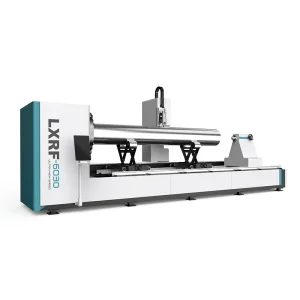
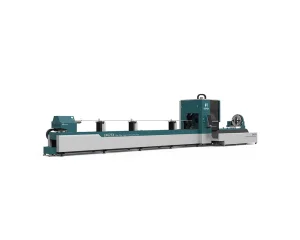
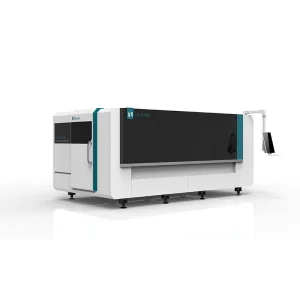
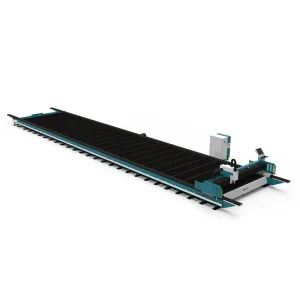
Heavy-duty solutions designed for automated production lines, sheet metal fabrication shops, and metal tubes processing.
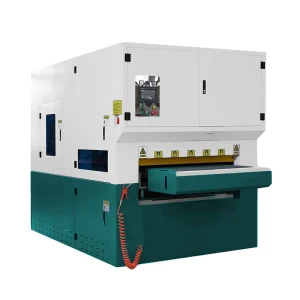
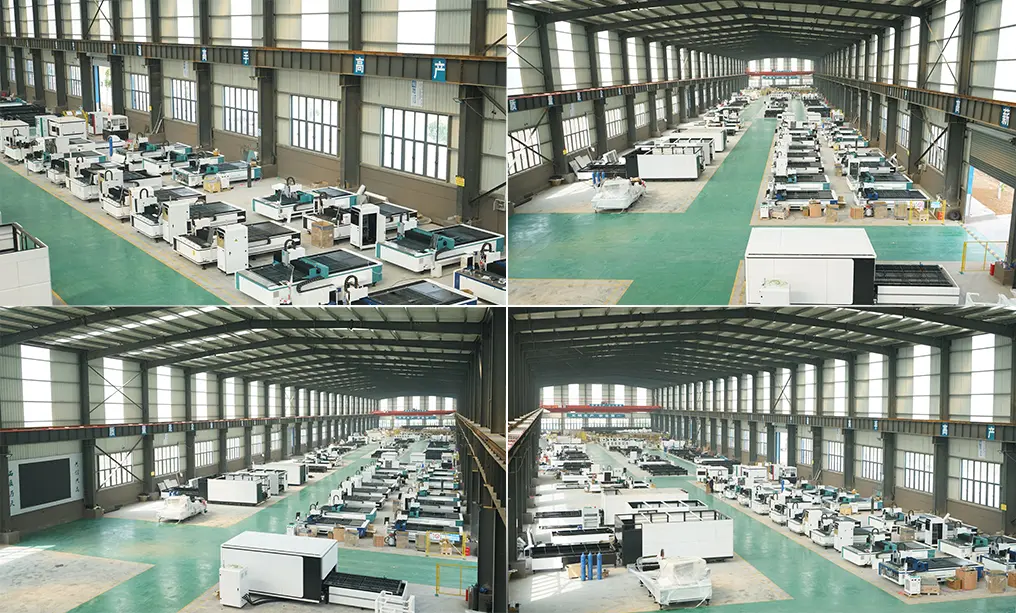
A transparent look inside our 32,000+ square meter factory, designing rooms, and training facilities.
We believe that global industrial progress relies on robust smart machinery. Our factory is divided into specialized workshops focusing on assembly, stress-relieving heat treatments, electrical wiring to CE standards, and final performance calibrations.
By housing all processes under one roof, we guarantee complete traceability. This approach ensures consistent quality, helping our machines meet the strict standards required by our German Mittelstand clients.
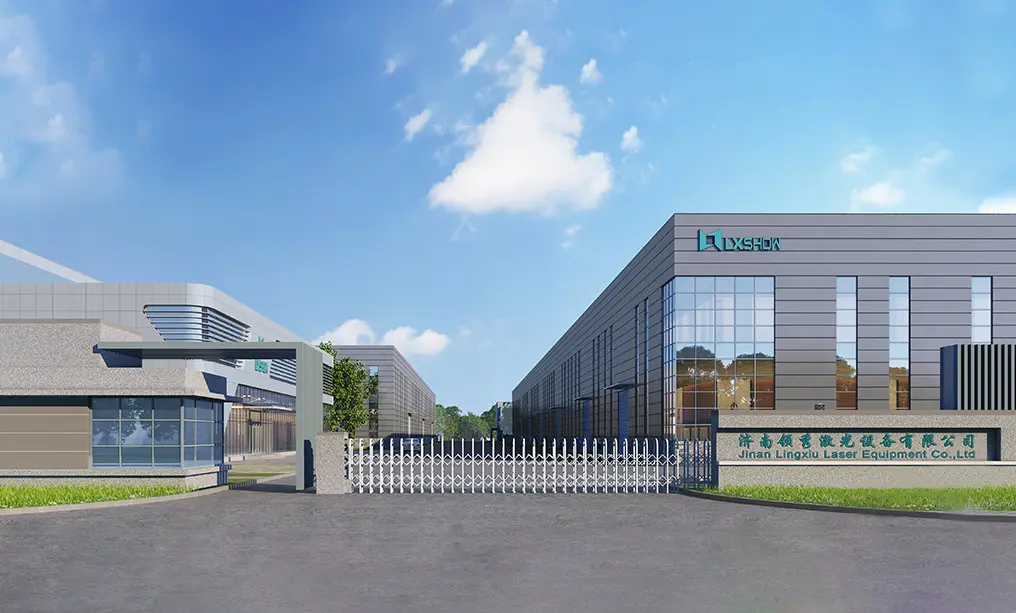
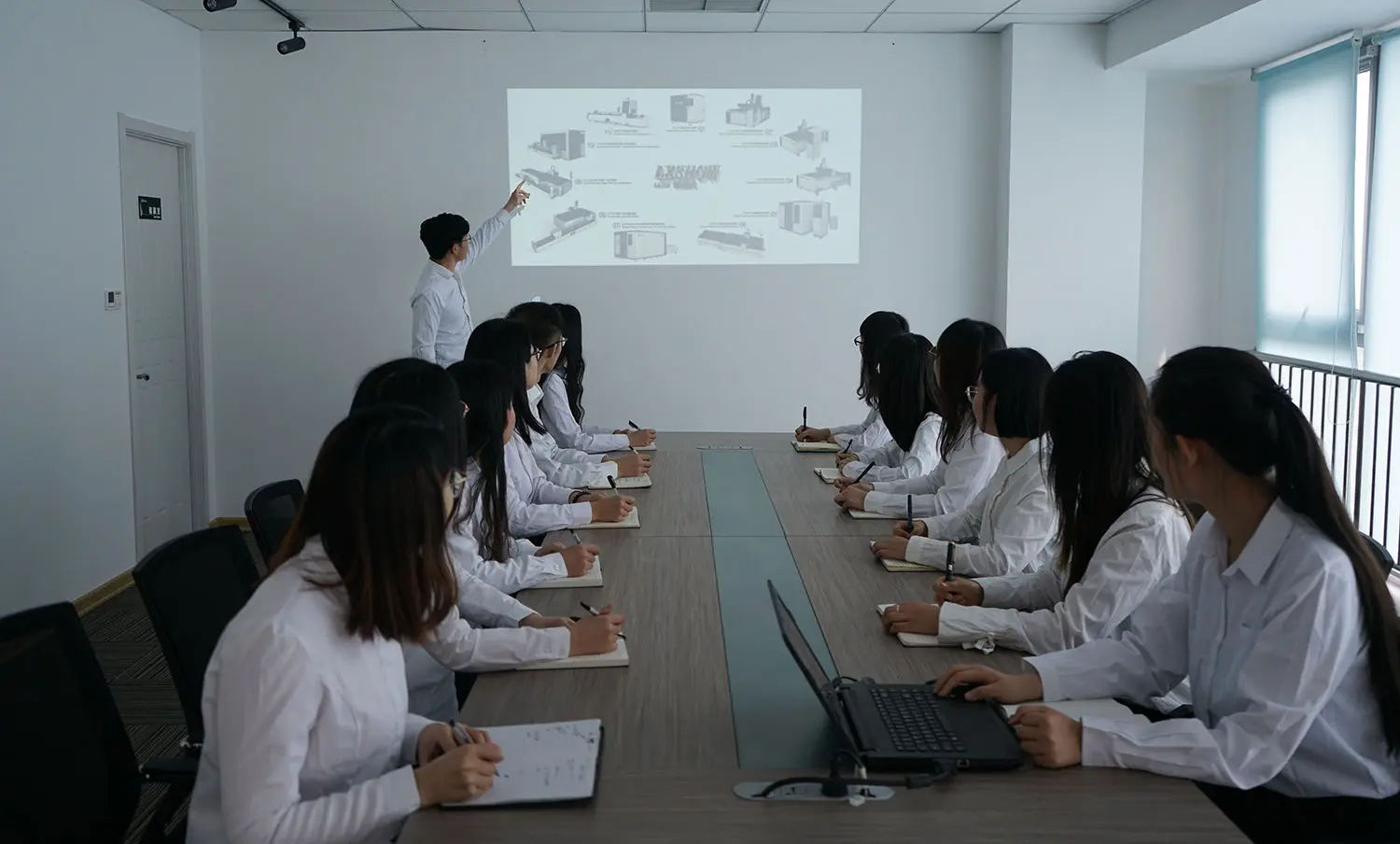
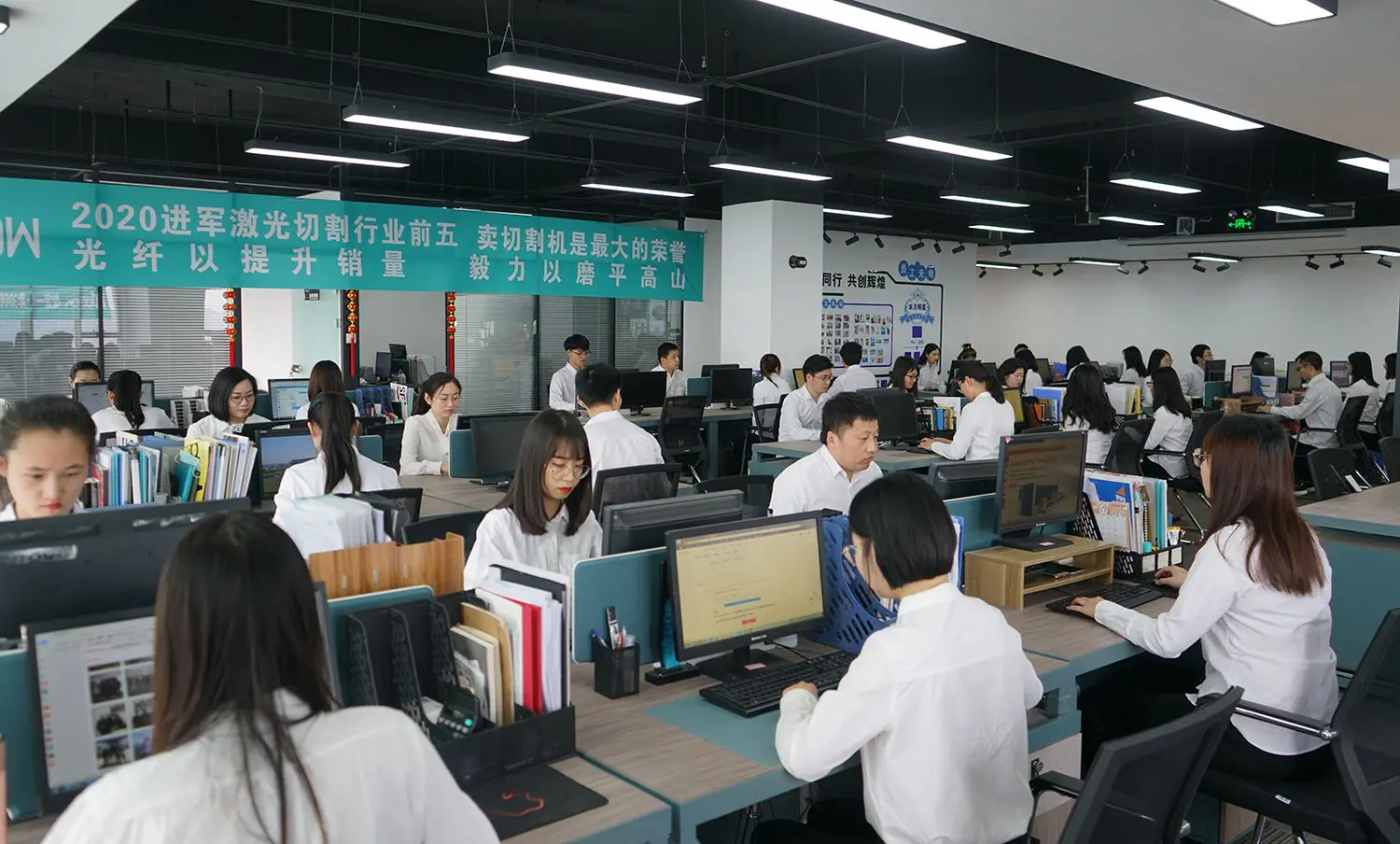
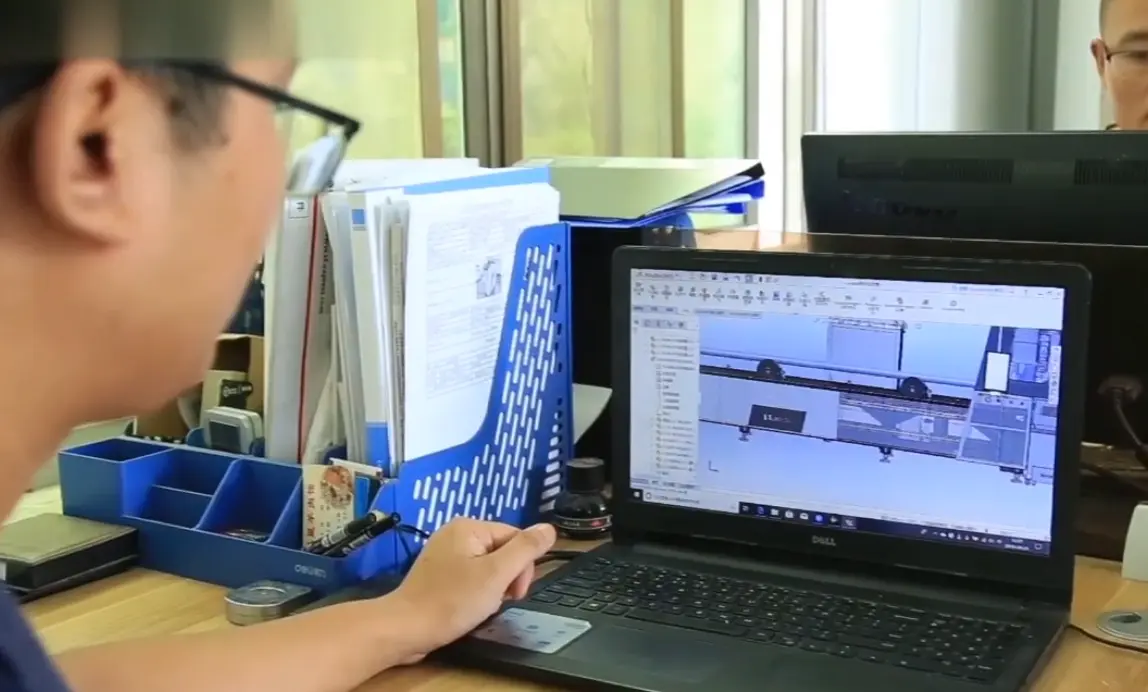
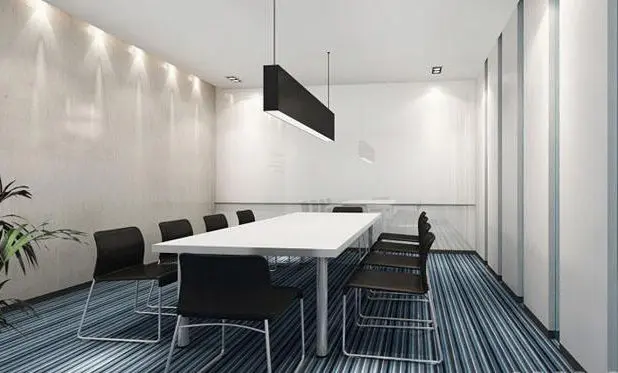
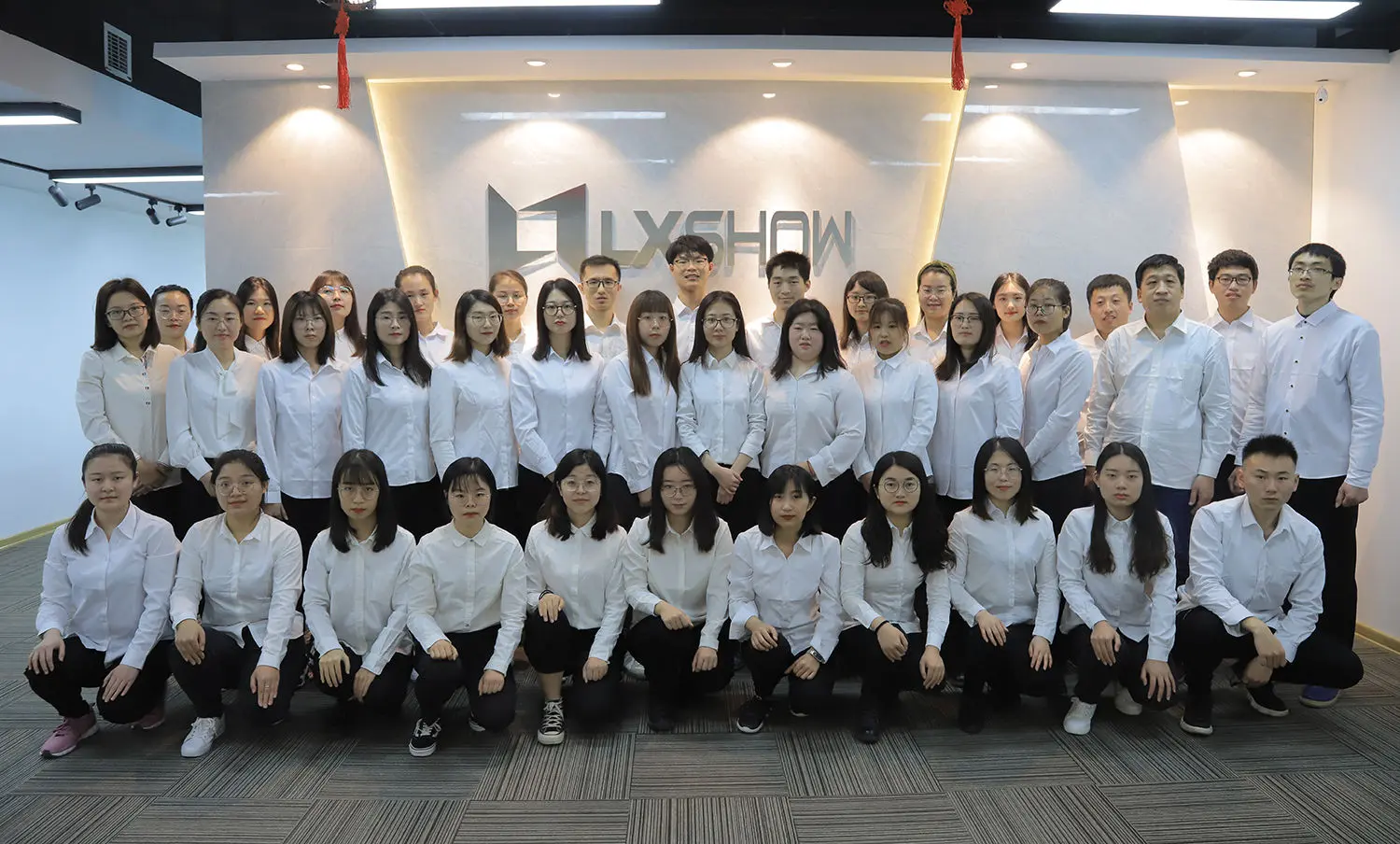
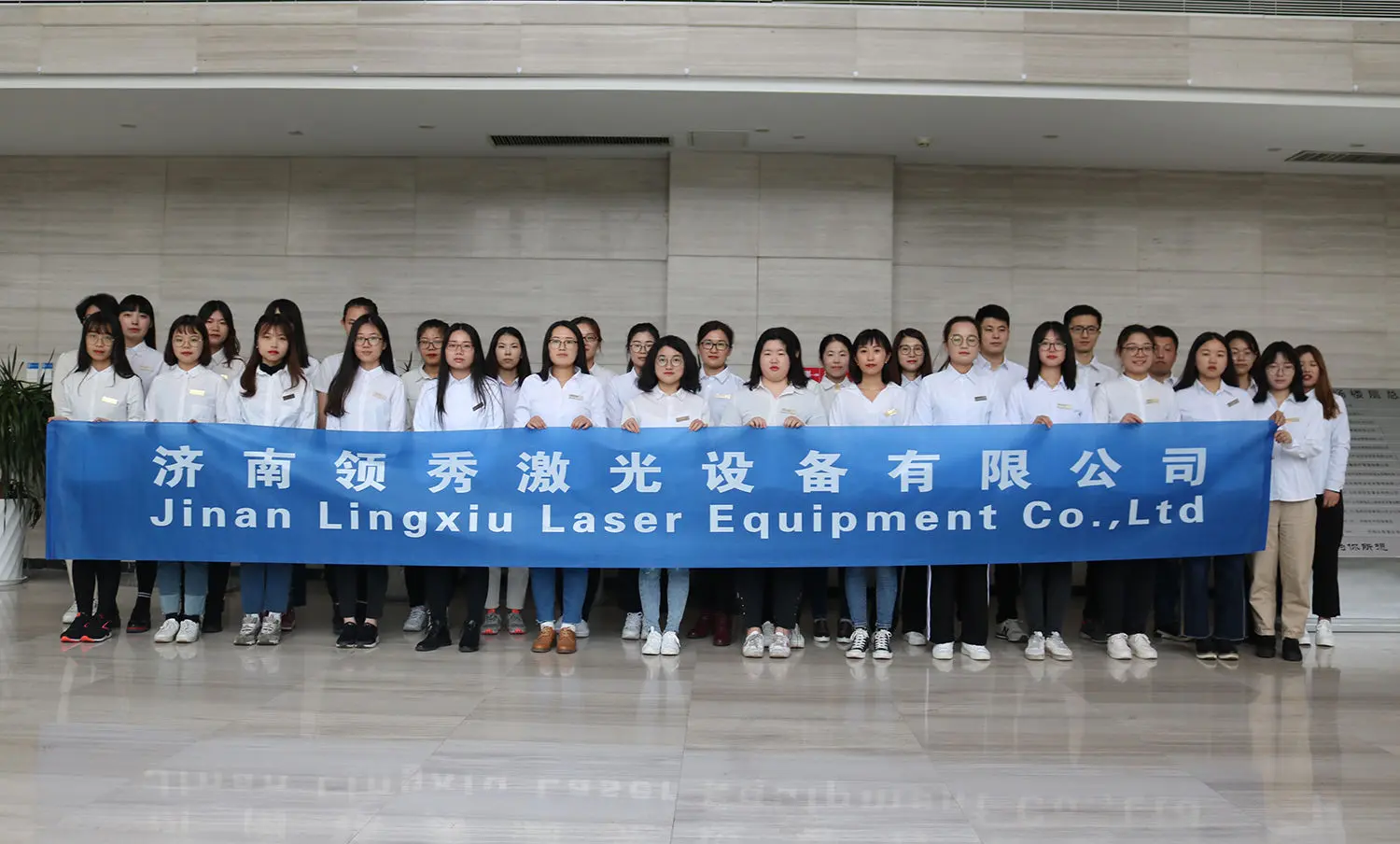
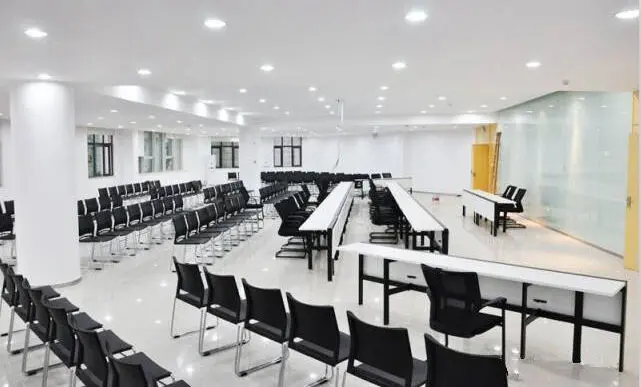
Combining highly efficient Chinese production ecosystems with stringent German standards and local field support.
Every structural weld is stress-relieved to prevent frame distortion over long shifts. Laser optics are calibrated using high-end interferometers, ensuring our systems meet the precision requirements of German engineering hubs.
We leverage our highly integrated manufacturing clusters to provide robust, industrial-grade equipment at a highly competitive price point, backed by direct factory guarantees.
We work with trusted logistics partners and local service hubs in Germany to ensure fast delivery of replacement optics, tubes, and key electrical components, keeping your production down-time to a absolute minimum.
Our lasers are designed to handle complex structural elements across various materials:
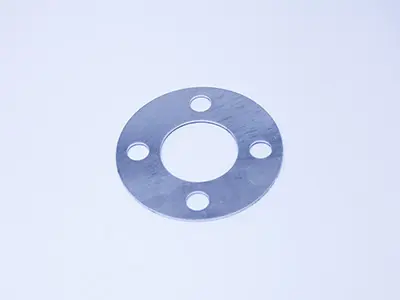
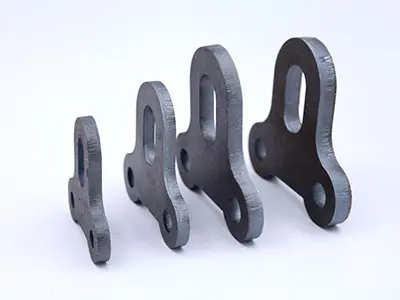
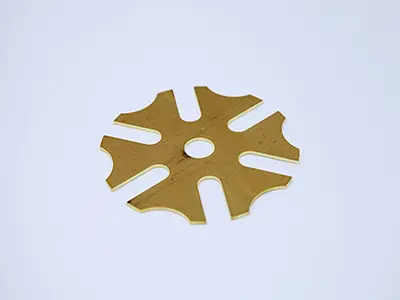
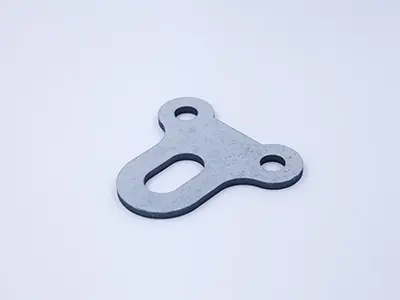
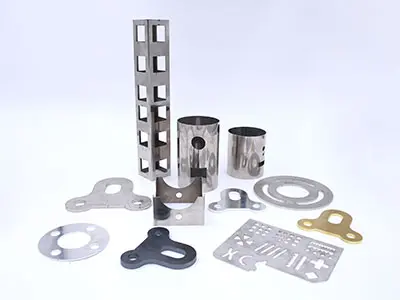
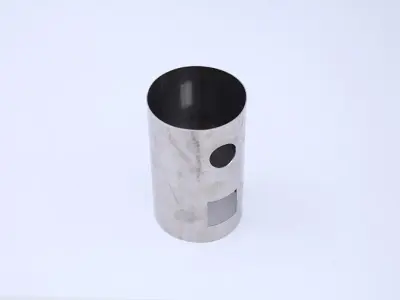
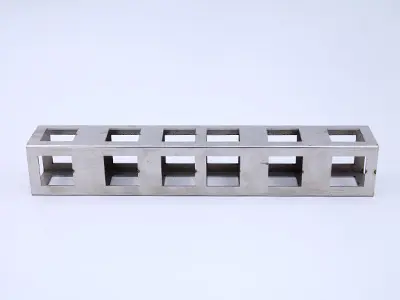
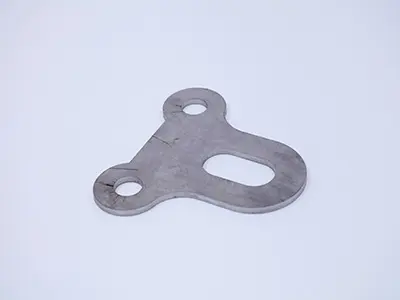
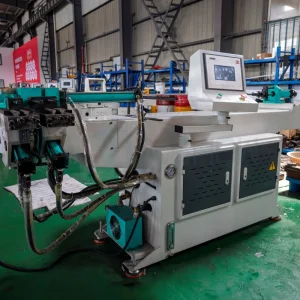
A specialized range of laser marking, bending, deburring, and high-precision fiber cutting systems for complex fabrications.
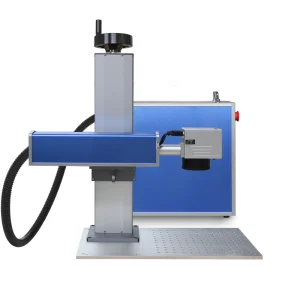
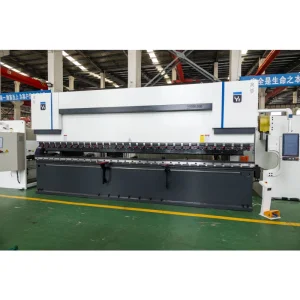
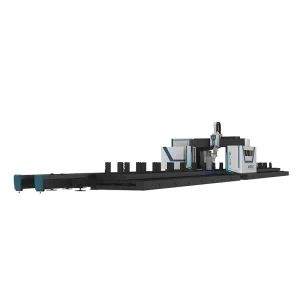
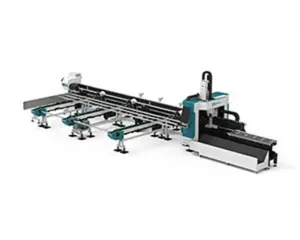
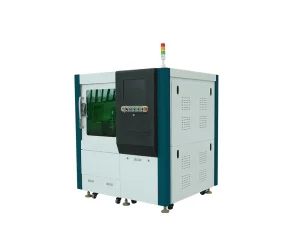
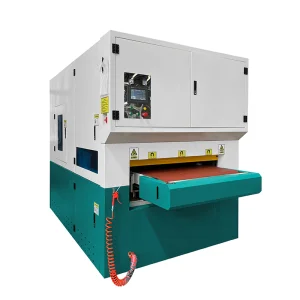
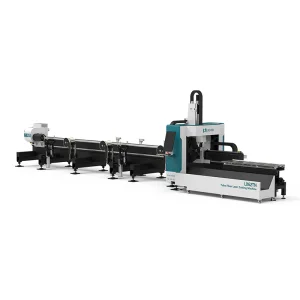
Get technical answers about integration, optics, and safety compliance for CO2 and fiber lasers in the European region.
This is due to how different materials absorb wavelengths. CO2 lasers operate at a 10.6μm wavelength, which is absorbed well by organic materials like wood, acrylics, glass, and leather. Fiber lasers operate at a 1.06μm wavelength, which is highly absorbed by metals but passes through or burns non-metals unevenly. Using the correct wavelength is key to achieving clean cuts and high efficiency.
Our machines are designed to meet EU Machinery Directive 2006/42/EC and EN ISO 11553-1 (Safety of machinery - Laser processing machines). They feature fully enclosed structures, dual-channel interlocks, CE-approved safety glass windows, and fast-acting emergency stops. This simplifies local safety audits for facilities operating in Germany.
RF (Radio Frequency) metal tubes provide superior beam quality, faster modulation rates, and a longer typical lifespan of 20,000+ operating hours before requiring gas refills. Sealed glass DC tubes offer a cost-effective option for lower-duty setups, with standard lifespans ranging from 6,000 to 10,000 hours, depending on operating currents and chiller management.
We offer English and German-speaking remote technical support, detailing layout configurations, parameter databases, and commissioning steps. We work with regional service partners in central Europe to ensure fast dispatch of wear-and-tear parts like focus lenses, mirrors, and nozzles, helping you avoid prolonged production downtime.
Yes. Our control systems support popular software packages, including LightBurn, RDWorks, and AutoCAD plugins. They accept standard vector files (DXF, AI, PLT, PDF) and raster images, allowing seamless integration into your existing CAD/CAM workflows.
Our machines are configured to run on standard European electrical grids (typically 3-phase 380V/50Hz or single-phase 220V/50Hz, depending on system scale). They use high-quality electrical components, terminal blocks, and circuit breakers that align with IEC standards, helping to simplify connection to your factory floor's electrical supply.
Using gas assist (such as compressed air, nitrogen, or oxygen) helps clear molten material and soot from the cutting path. This prevents ignition on organic materials like wood or acrylic, producing cleaner cut edges and protecting the focusing optics from soot and debris.
You can contact us via our website contact form. Simply click the "Send Inquiry Now" button or navigate to /contact/. Our application engineers can perform test cuts on your sample materials and provide custom configuration quotes based on your specific requirements.
 Lxshow