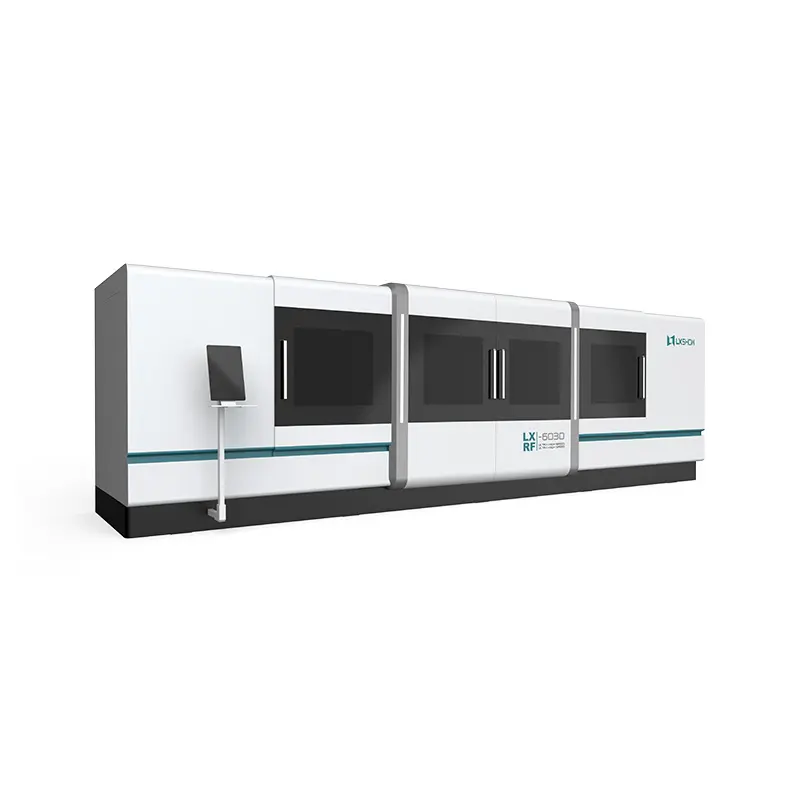
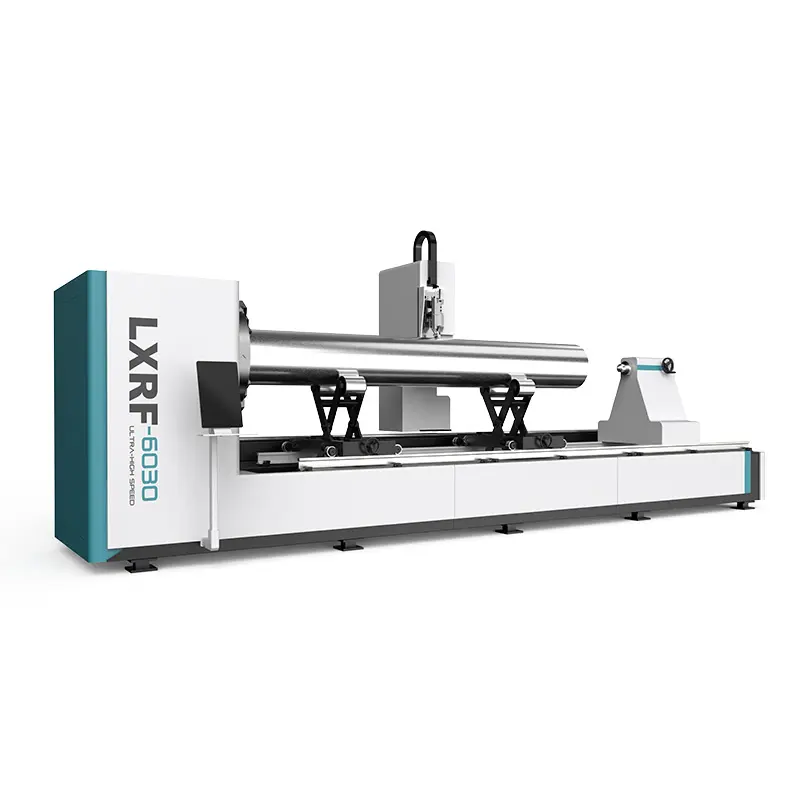
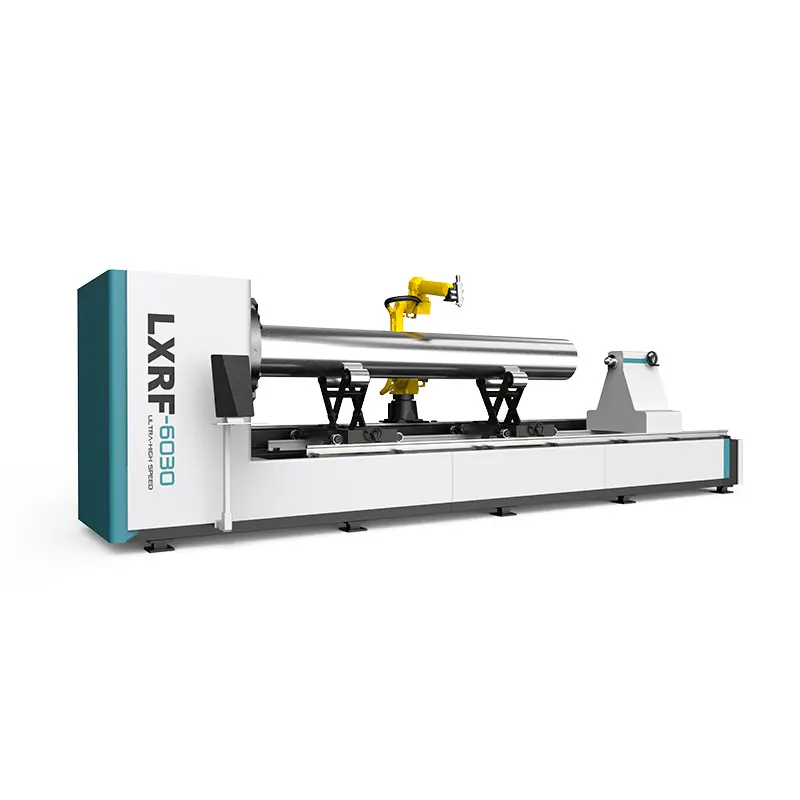
Explore our leading machinery engineered for high tolerance metal processing, rust elimination, and automated assembly line operations.
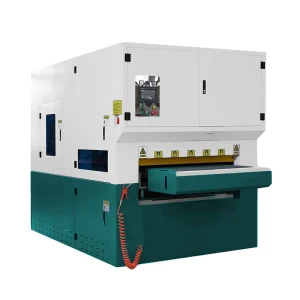
In the modern manufacturing landscape, the ability to process raw metals with micron-level accuracy at high speed is the differentiator between profitable enterprises and those lagging in efficiency. Modern lasers that can cut metal have transitioned rapidly from fragile, low-power gas resonators to high-density, multi-kilowatt fiber systems. These modern fiber lasers deliver wavelengths around 1.06 micrometers, allowing for extremely high absorption rates in ferrous and non-ferrous metals alike.
The global laser market is experiencing a profound technological shift. Key parameters driving this transformation include the adoption of ultra-high power outputs (10kW to 30kW+), which dramatically increase the maximum thickness threshold for single-pass cutting of carbon steel and stainless steel, while simultaneously reducing dependency on nitrogen or oxygen assist-gases in favor of high-pressure clean air.
Furthermore, the introduction of variable beam profile technologies allows operators to dynamically adjust the spot size and energy distribution of the laser spot. This dynamic beam control ensures that a single machine can cut thin sheets at maximum linear velocity using a highly concentrated beam, and immediately switch to a wider, oscillating pattern for clean, dross-free edge profiles on heavy plate processing.
Procurement offices in Europe, North America, and Japan are no longer evaluating systems based solely on initial capital expenditure (CAPEX). Instead, decision-making is heavily guided by Total Cost of Ownership (TCO) matrices. Operational expenditure (OPEX) variables such as wall-plug energy efficiency, consumption rate of cutting gases, and laser diode lifetimes (exceeding 100,000 hours for premium fiber sources) dictate long-term project margins.
Additionally, modular system designs are preferred. If a single laser module fails in a multi-module generator, the system should ideally isolate that module and continue operation at a slightly lower total power, rather than causing full line stoppage. This degree of industrial robustness is critical for continuous three-shift operations typical in automotive and tier-one fabrication factories.
Our manufacturing hub represents the integration of advanced automation and mature supply chains. By clustering key component manufacturers—ranging from heavy stress-relieved gantry castings to high-grade linear guideways, precision servo drives, and laser optic components—our facility maintains unparalleled manufacturing agility.
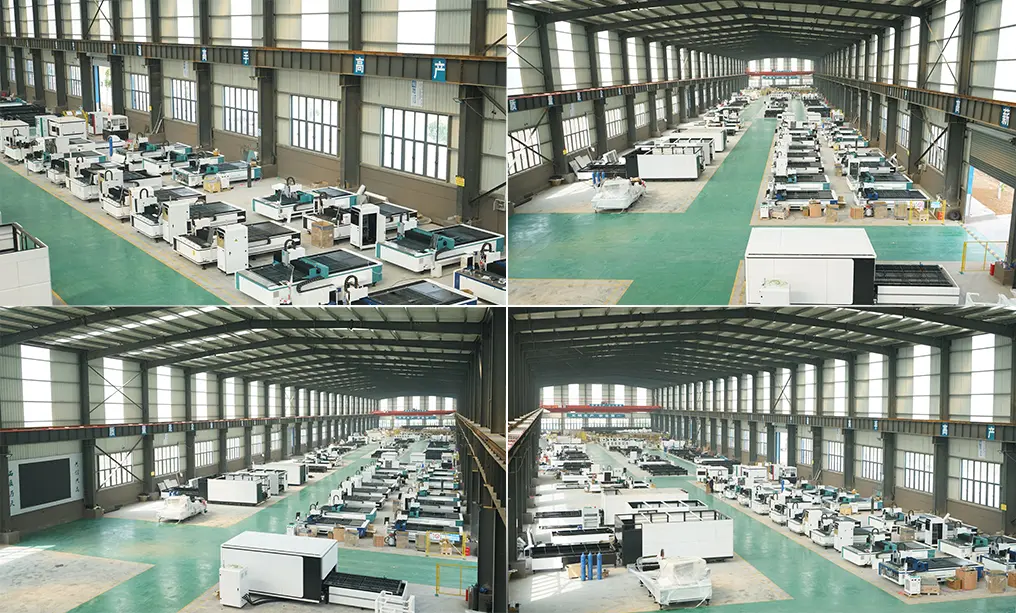
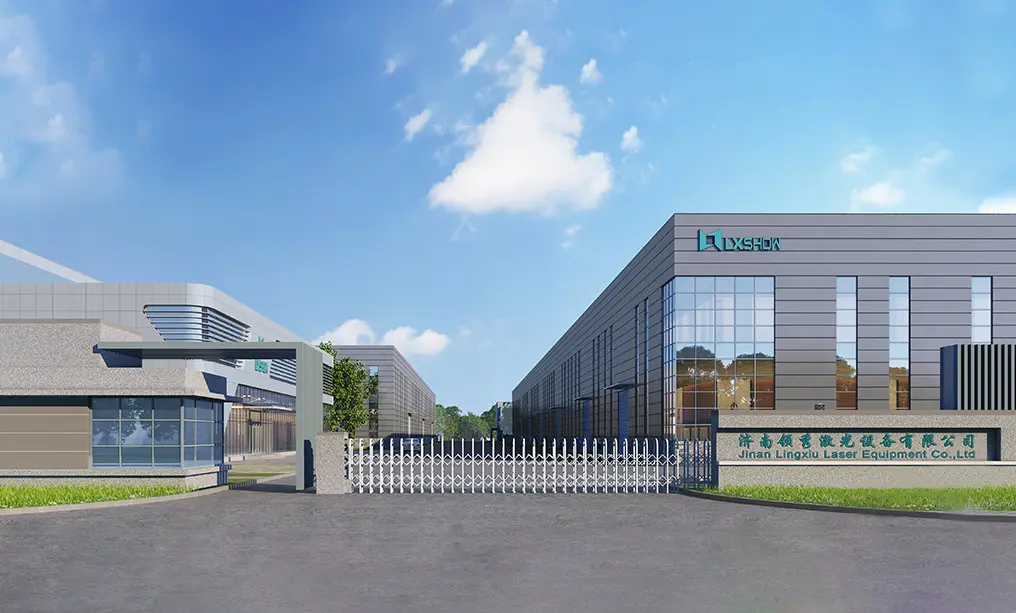

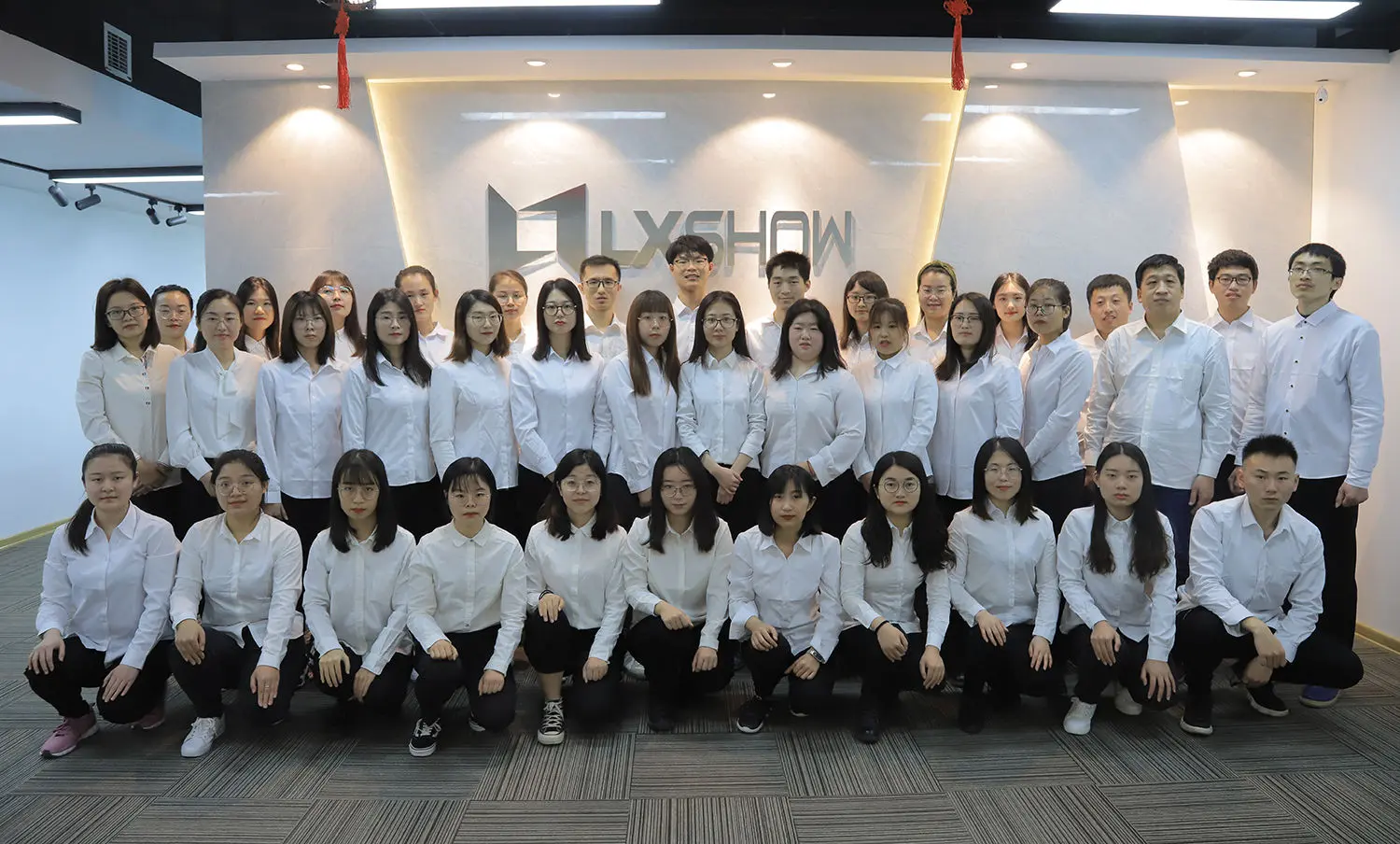
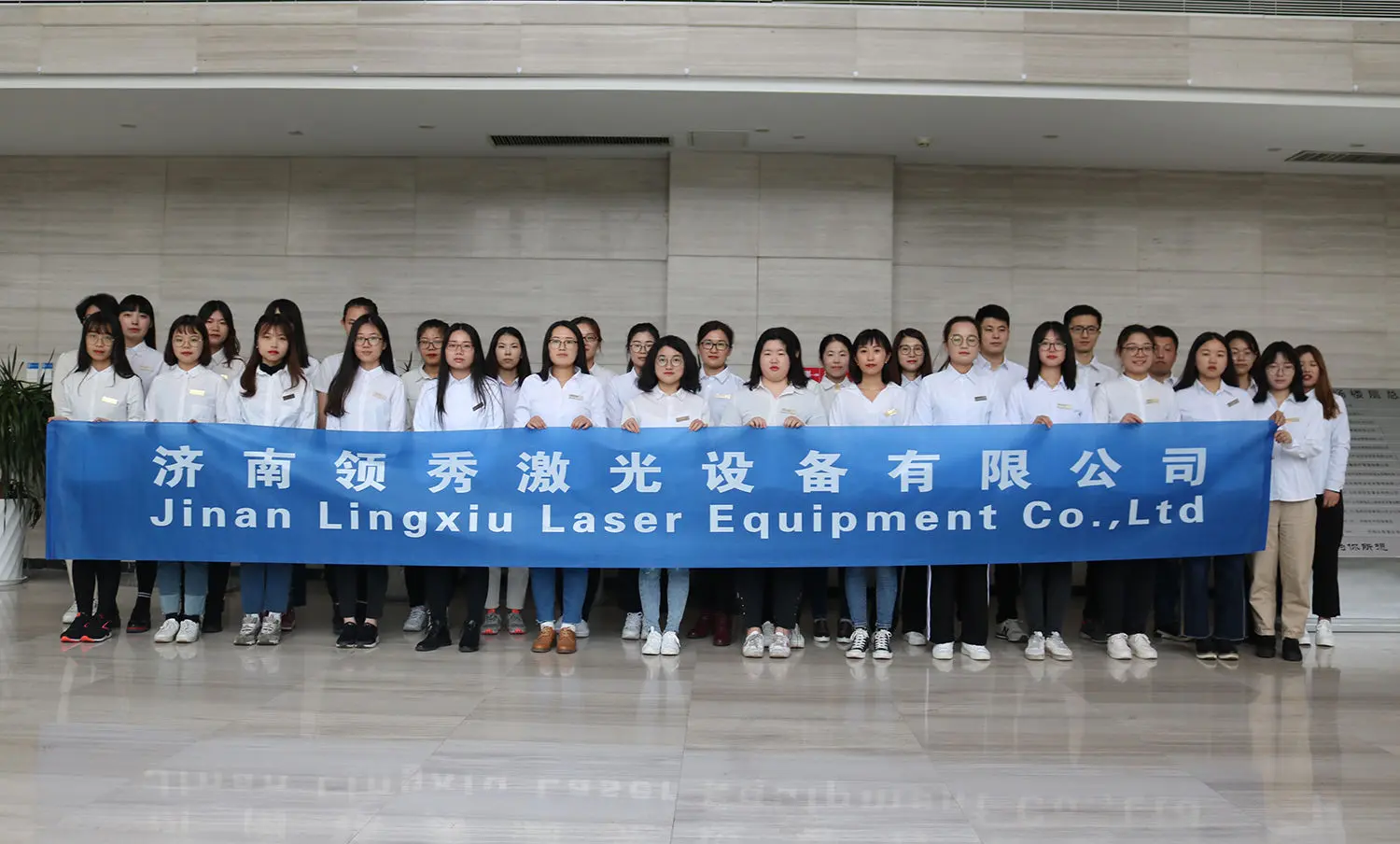
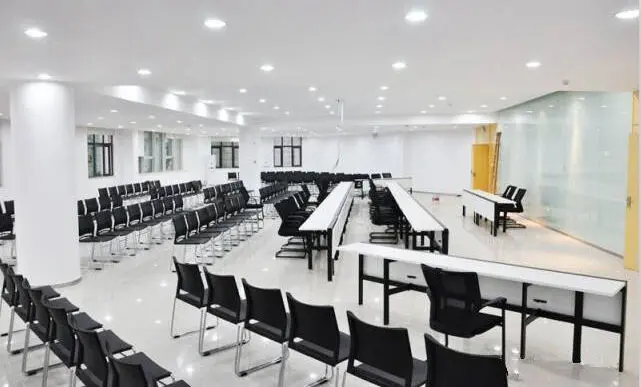
Operational safety and compliance are foundational to our engineering ethos. Every machine produced in our facility is subjected to rigorous quality loops. We hold European Union CE authentication, American FDA certification, and our entire operational workflow is certified to ISO 9001 standards.
We utilize high-precision laser interferometers to calibrate the positioning accuracy of our linear axes across the entire travel range, ensuring that positioning tolerances remain within ±0.02mm. Gantry frames undergo dynamic thermal stress-relief annealing cycles to guarantee zero deformation under decades of high acceleration and deceleration loads.
With equipment active in more than 150 countries, we maintain an established network of regional support teams to manage post-sale maintenance, training, and parts replacement. In addition to delivering machines under our proprietary label, we provide comprehensive OEM/ODM solutions to over 30 leading global machine-tool brands.
Our OEM design center works closely with overseas engineering departments to custom-tailor machine interfaces, build custom sheet-metal enclosures, and integrate specific local PLC platforms. This localized integration ensures that the delivered hardware meets the strict mechanical and electrical standards required in the destination market.
Optimized optical path delivery structures allowing flawless cuts on thick structural plates, thin precision sheets, and complex profile geometry.
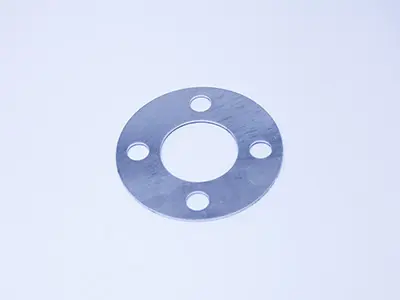
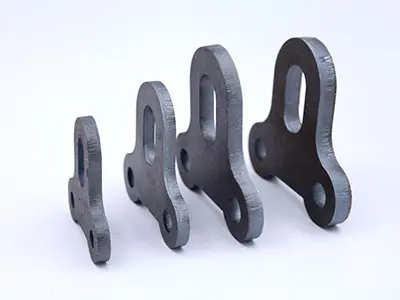
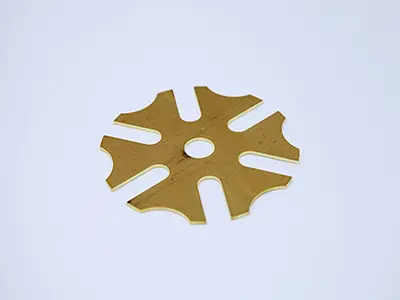

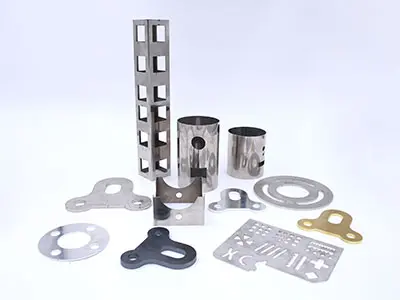
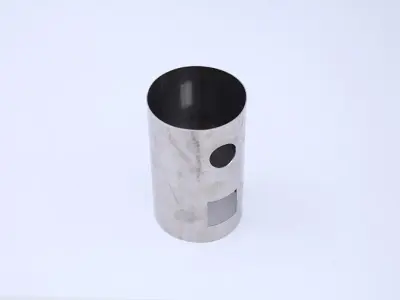
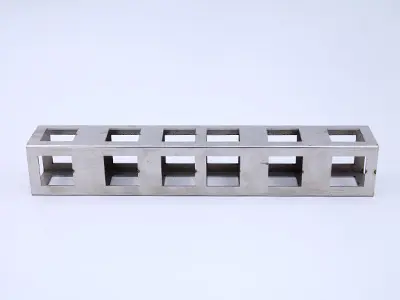
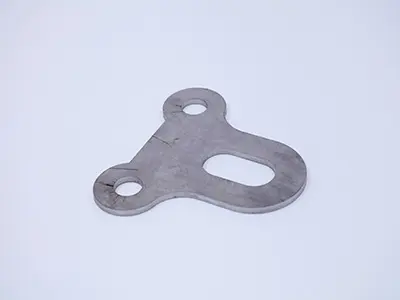
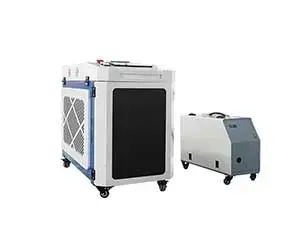
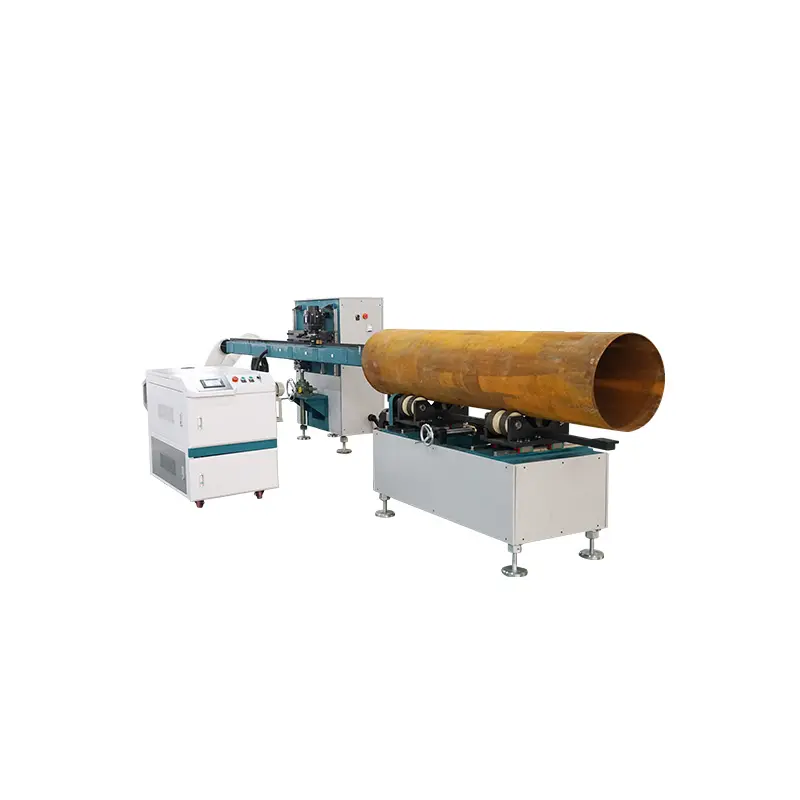
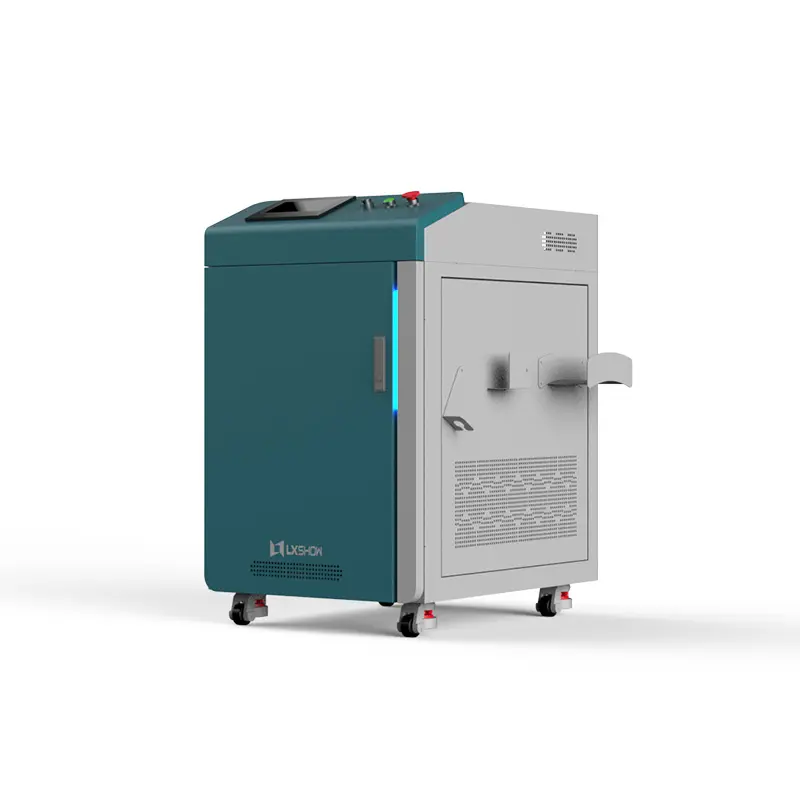
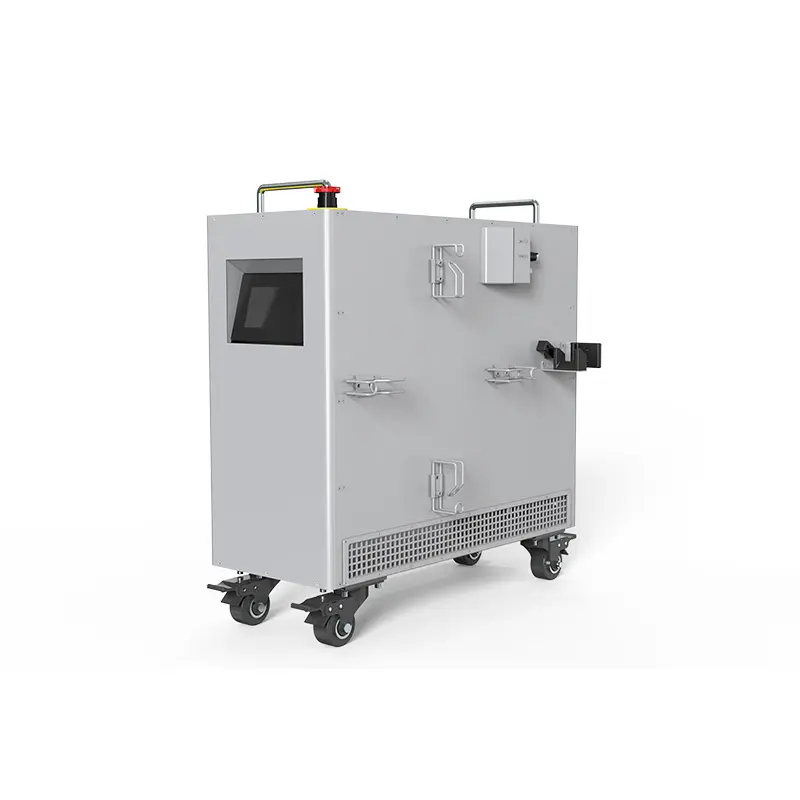
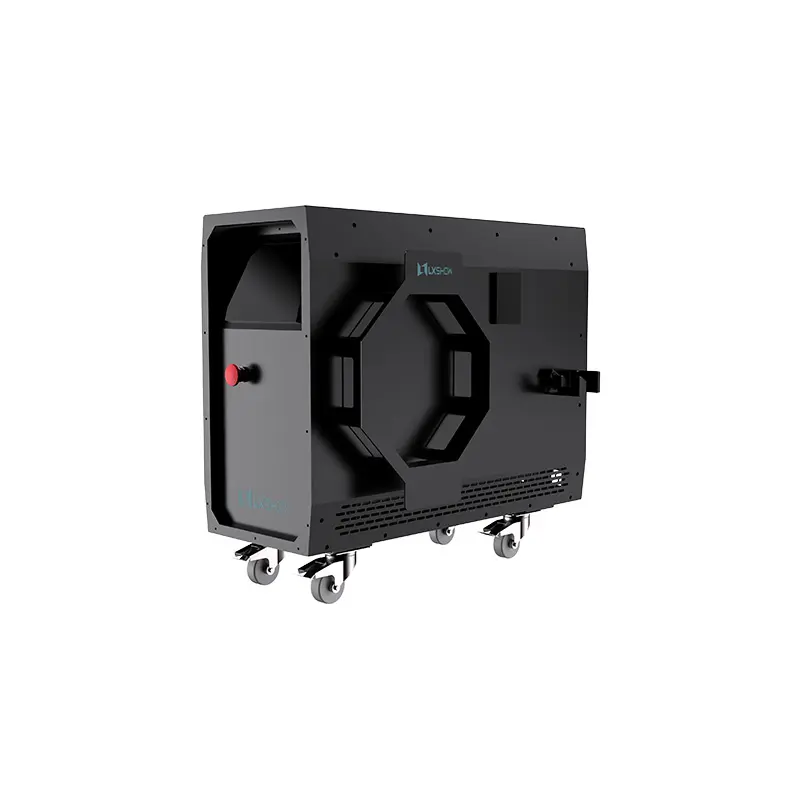
To properly address user search intent, we must dissect the internal mechanics of the three core product lines featured in our factory: Cutting Systems, Welding Heads, and Cleaning Tech. Each technology exploits different aspects of laser-matter interaction, matching thermal properties to metal substrates for clean processing.
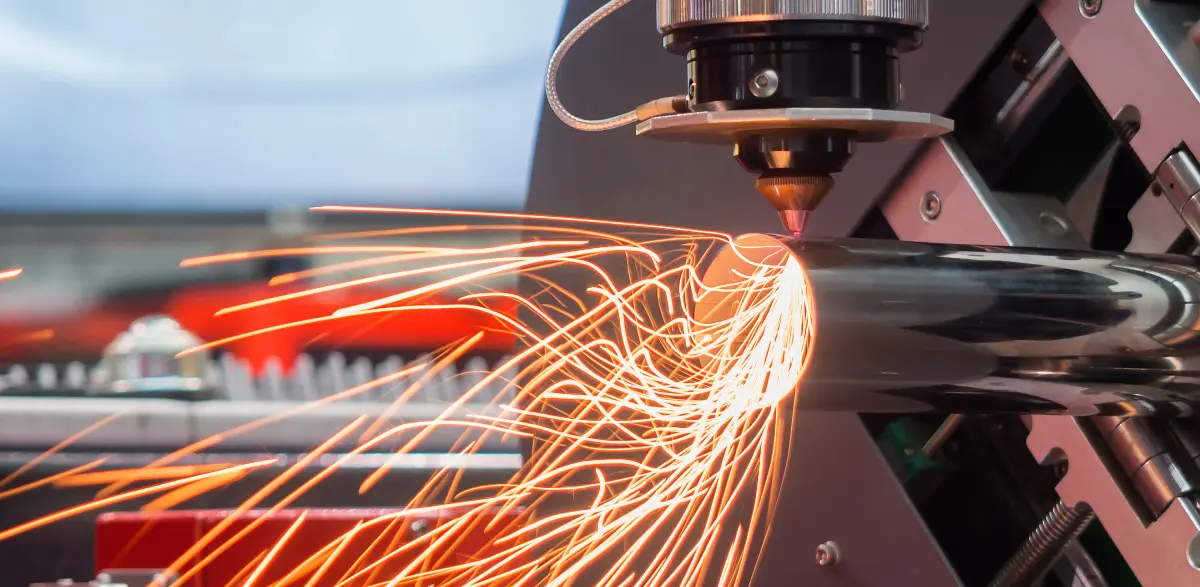
Metal laser cutting relies on heating a localized spot to its melting point and immediately expelling the molten pool using high-velocity assist gas. Nitrogen is typically used for stainless steel to prevent edge oxidation, securing a bright finish ready for welding. Oxygen, which initiates an exothermic reaction with carbon steel, allows for faster processing of thicker sections but leaves an oxide layer that must be removed prior to painting or coating.
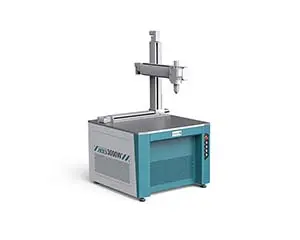
Handheld and robotic laser welding systems operate in either conduction mode (shallow melt pools) or keyhole mode (deep penetration). In keyhole mode, the laser beam vaporizes metal, creating a narrow cavity through which the light deposits energy deep into the joint profile. This produces extremely narrow heat-affected zones (HAZ) and minimal thermal warping, making it ideal for precision stainless steel cabinets, kitchenware, and automotive components.
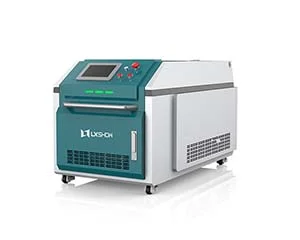
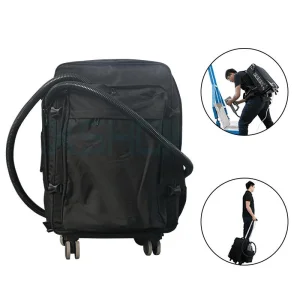
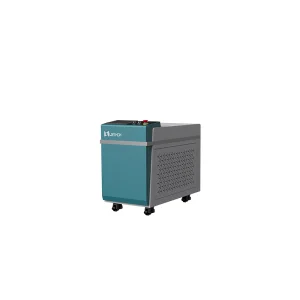
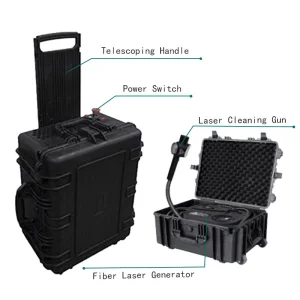
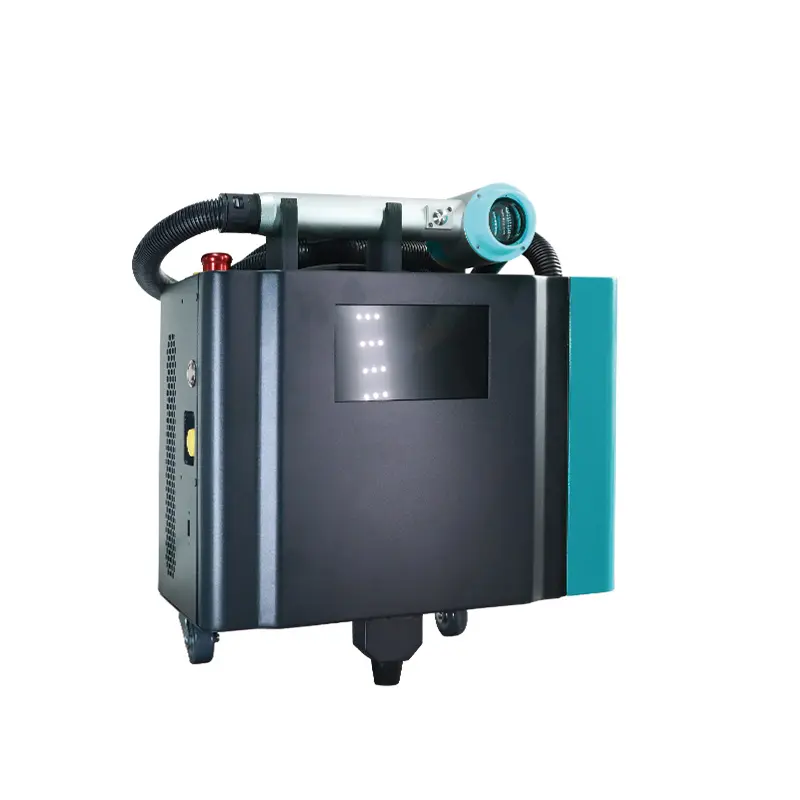
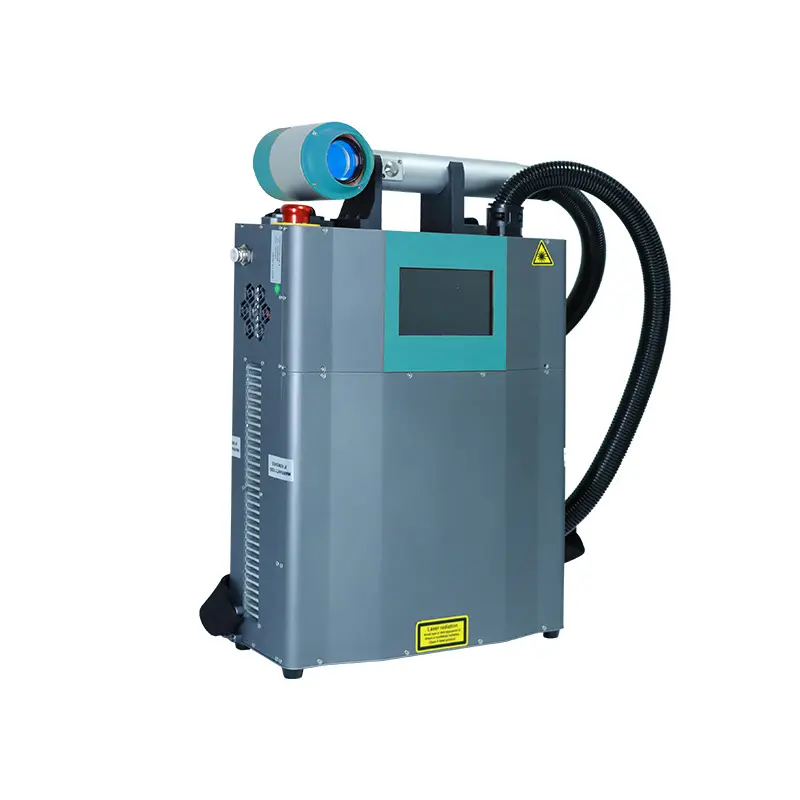
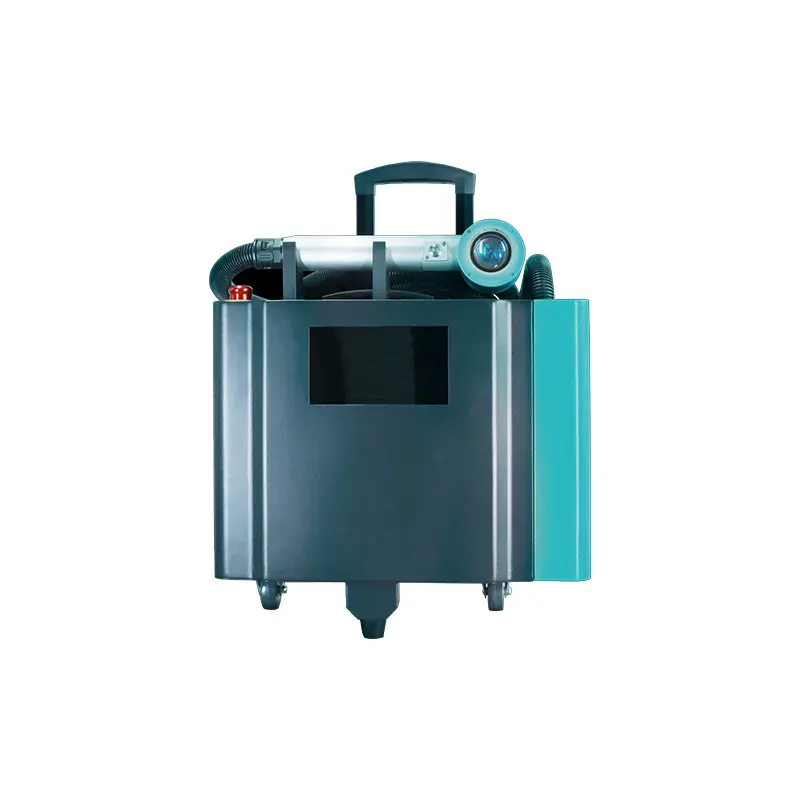
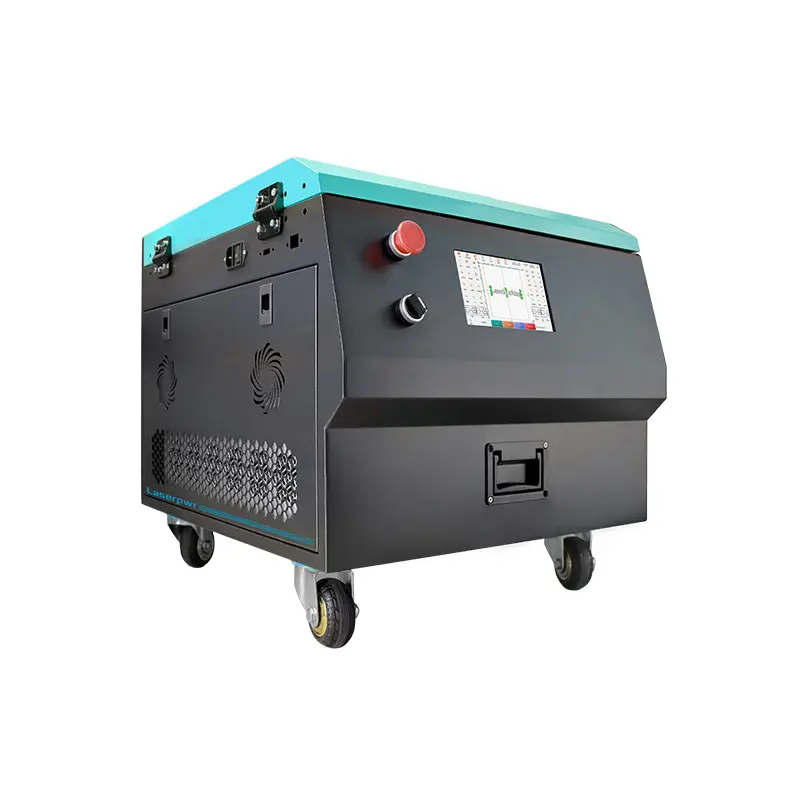
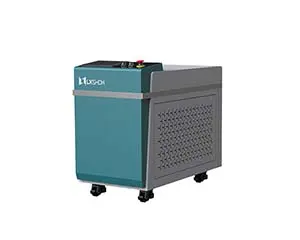
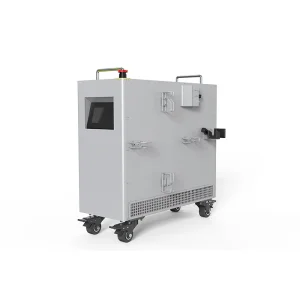
Industrial laser cleaning machines use pulsed laser sources to ablate rust, oxide coatings, and paint without damaging the underlying metal substrate. When short, high-energy pulses strike the contamination layer, the rapid temperature rise causes instant thermal expansion and acoustic pressure waves, causing the contaminant to detach. Because the reflectivity of the base metal is much higher than the rust, the process is self-limiting and will not harm the parent material when configured correctly.
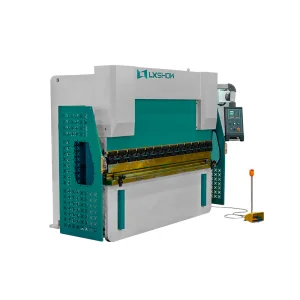
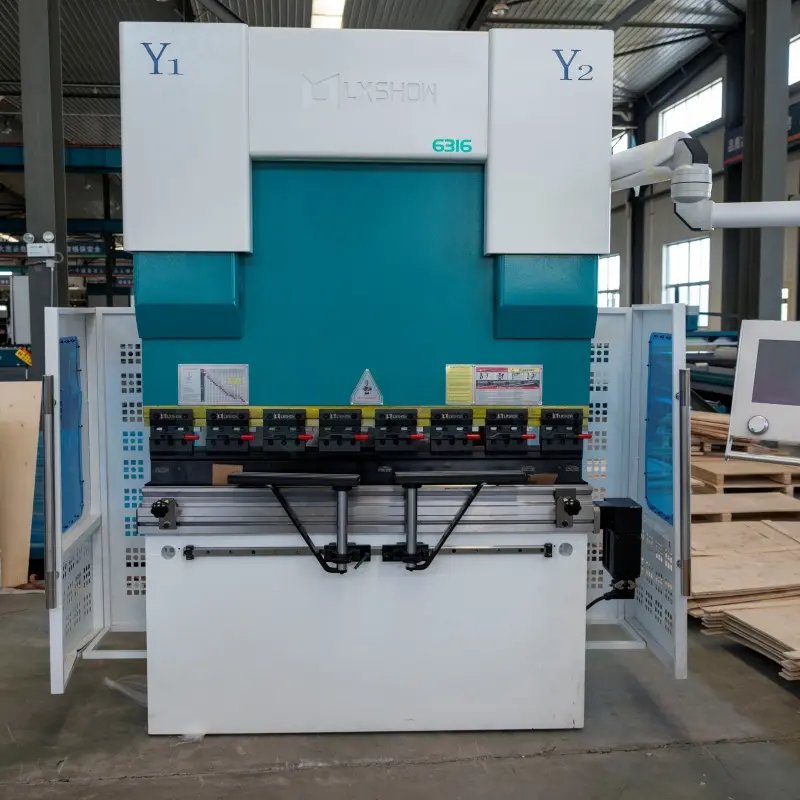
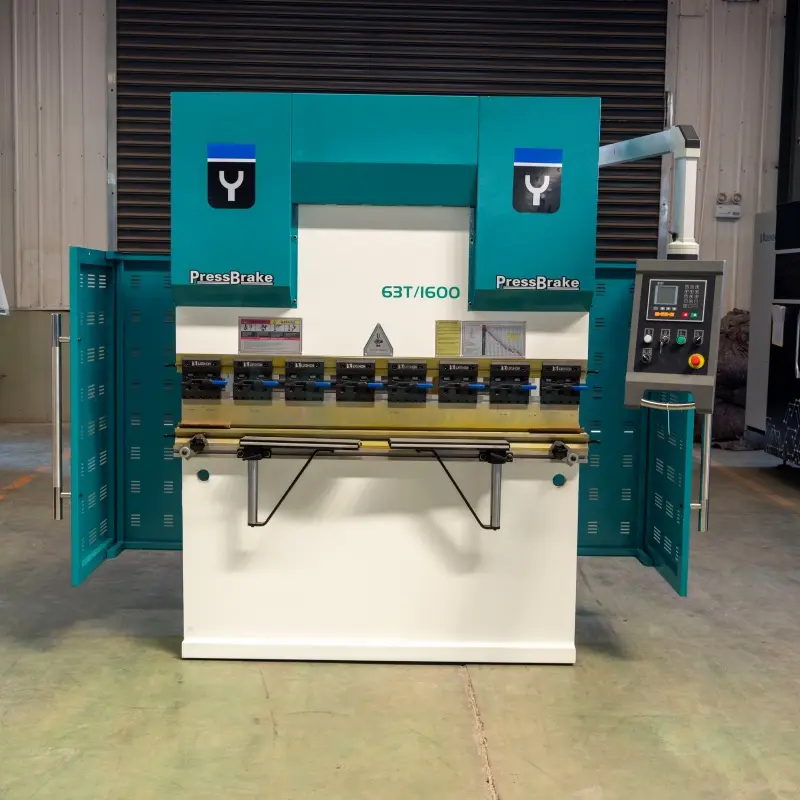
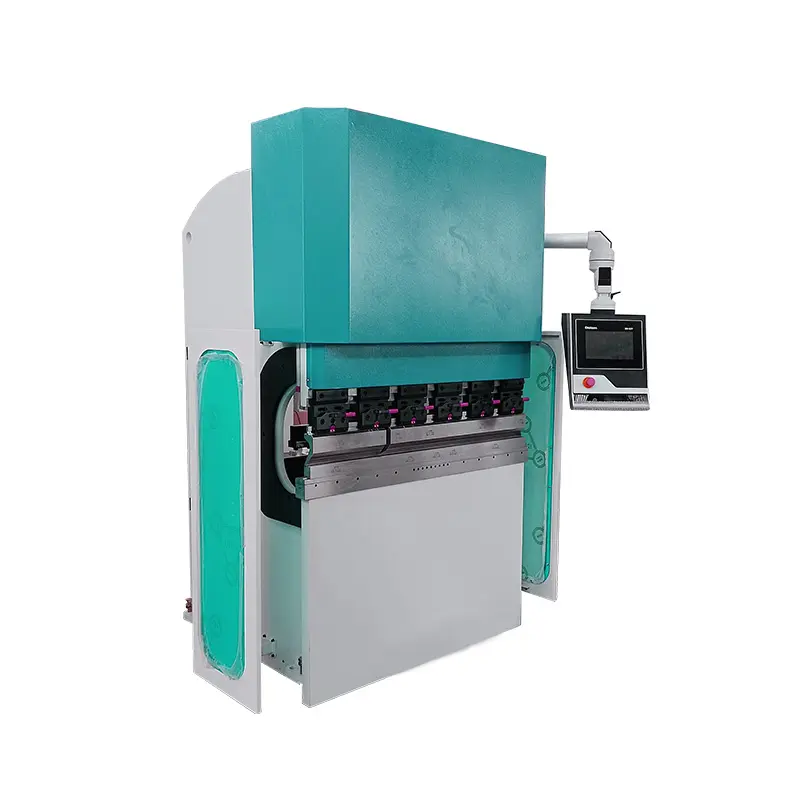
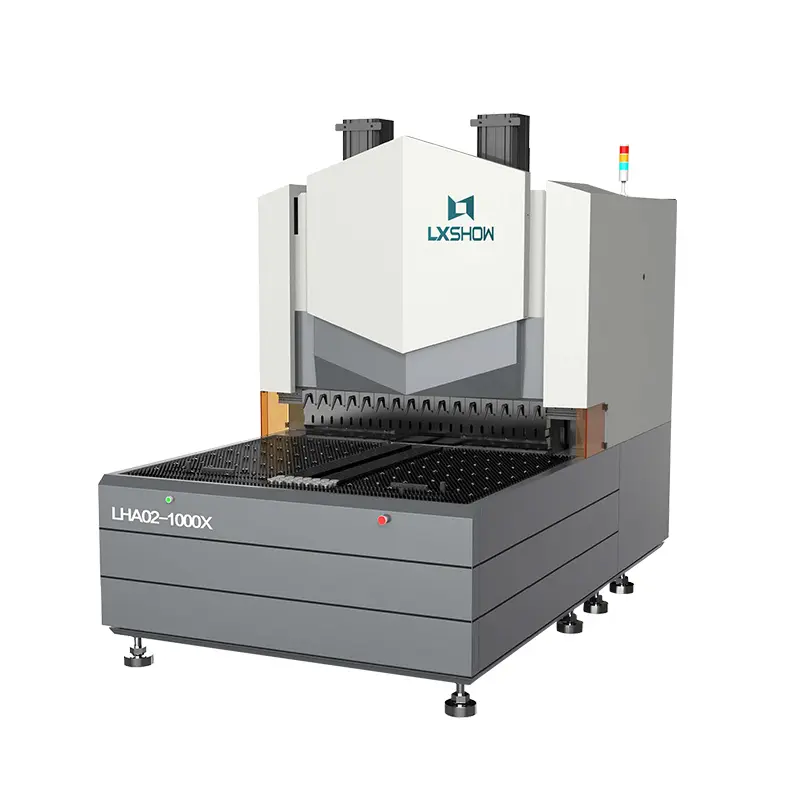
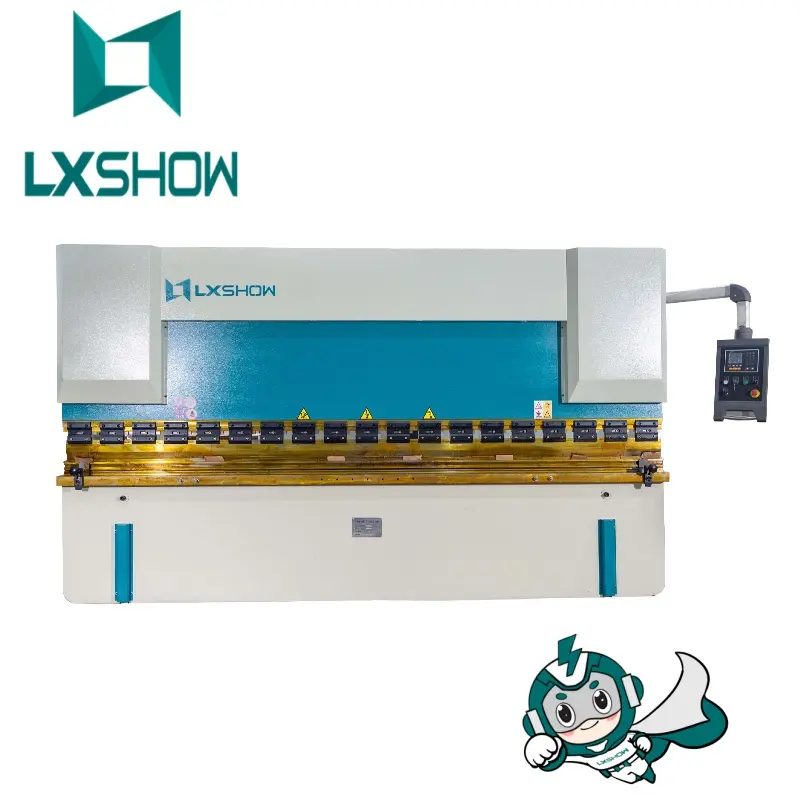
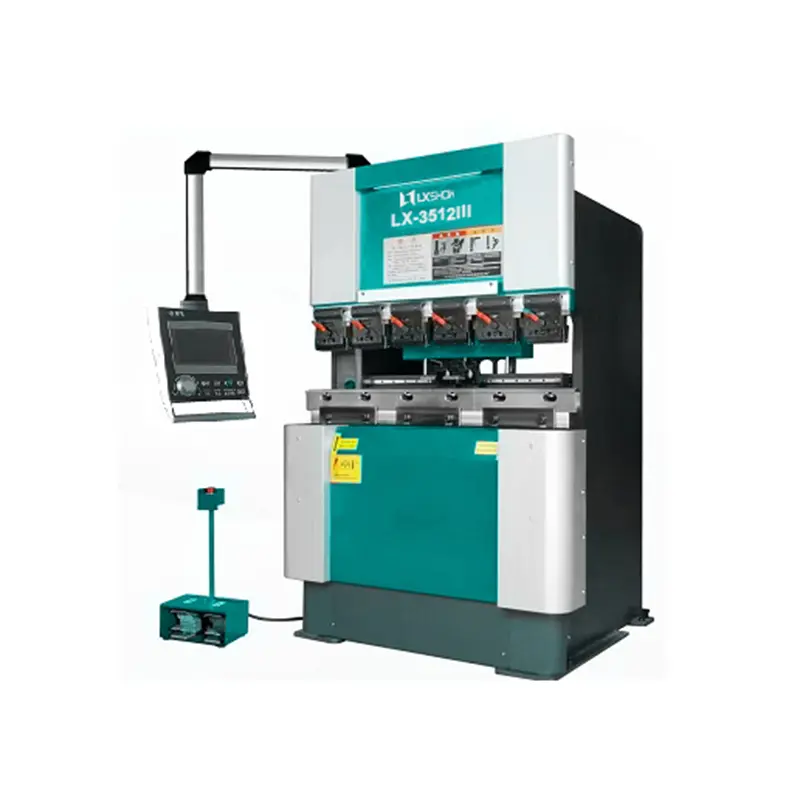
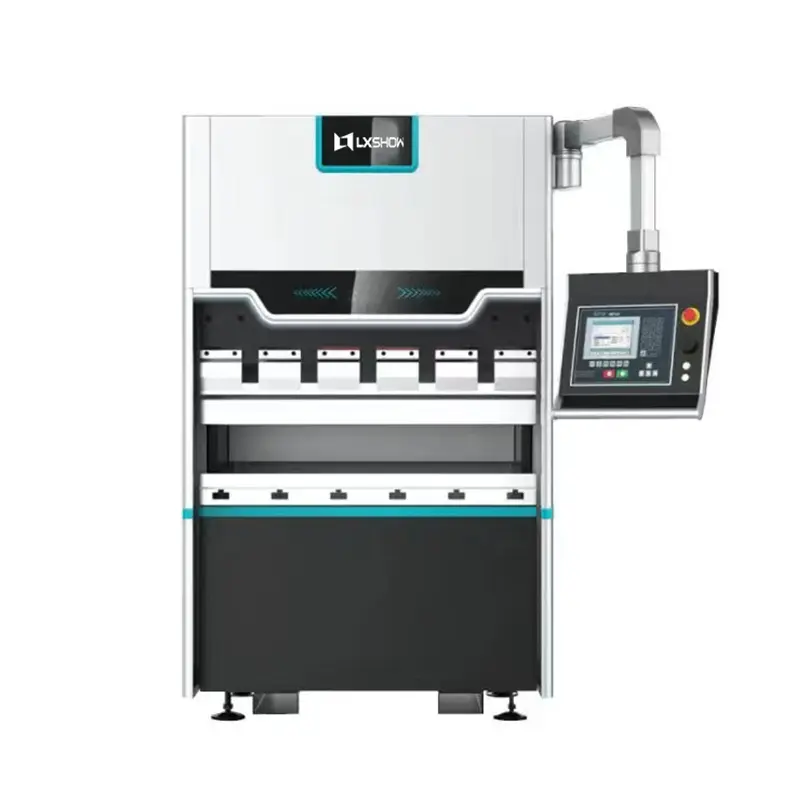
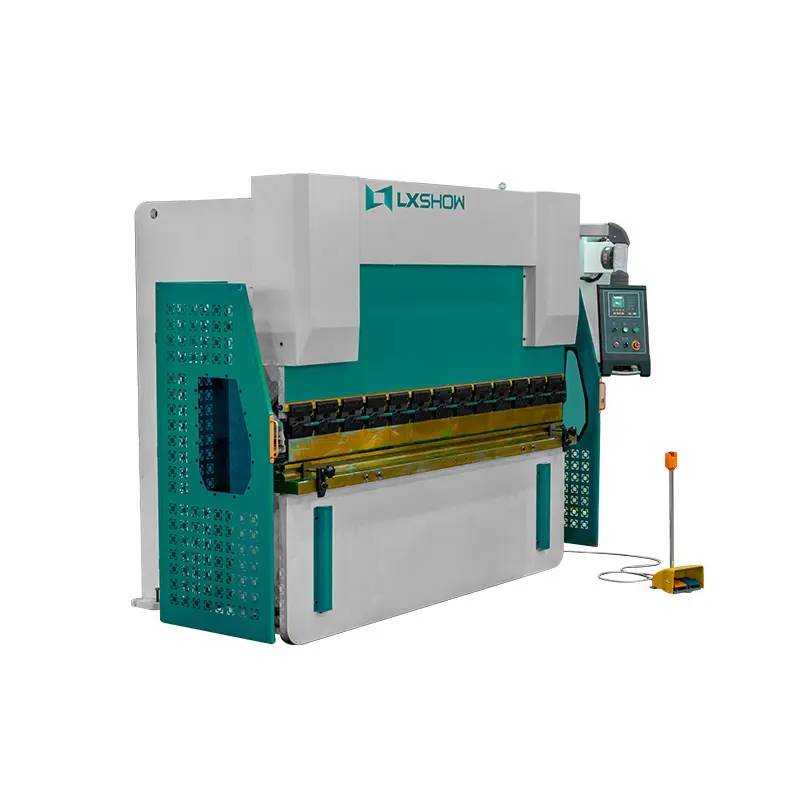
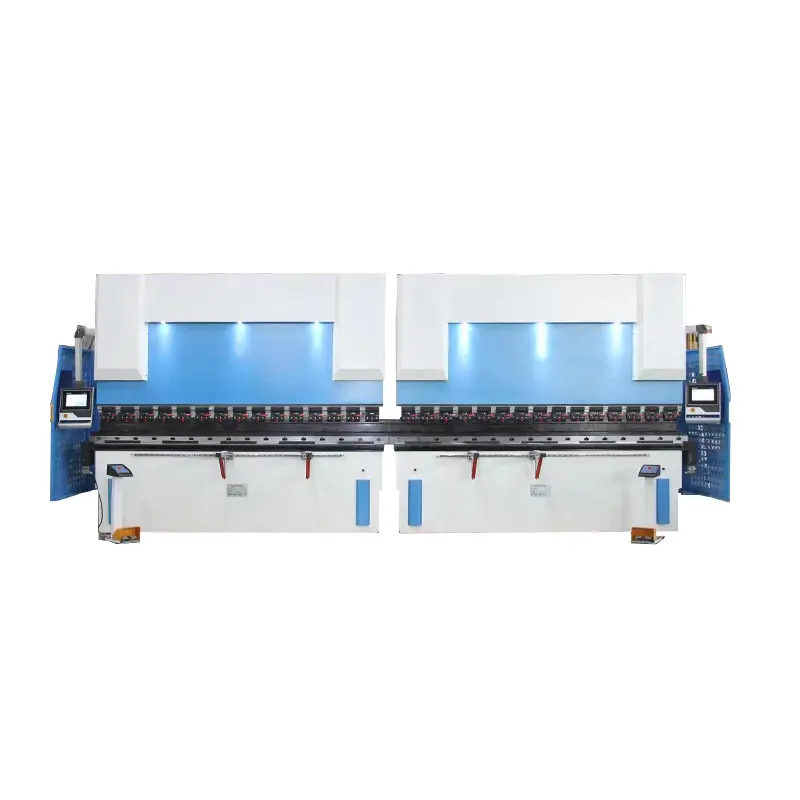
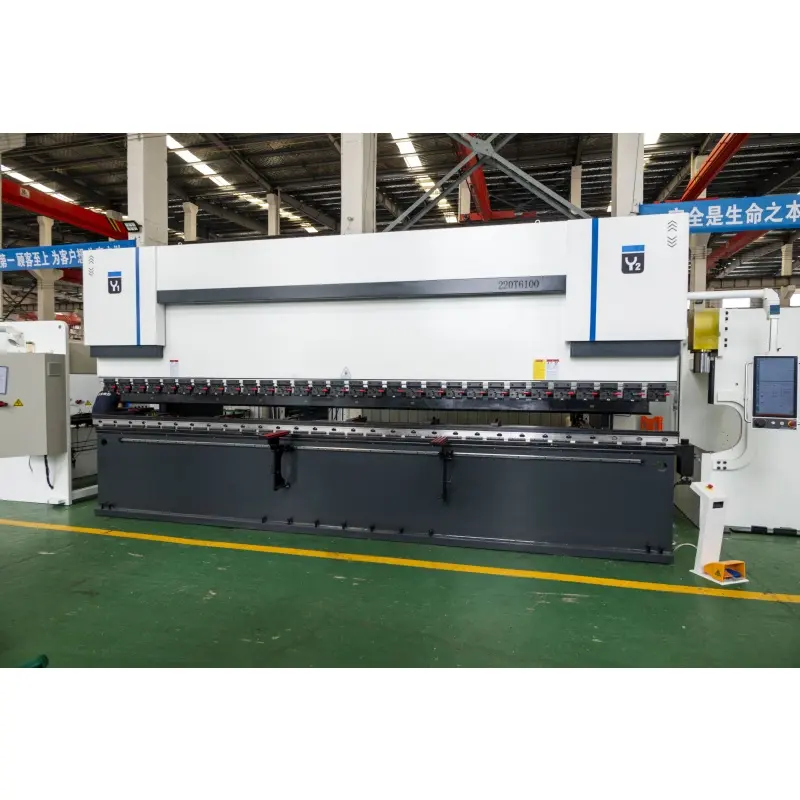
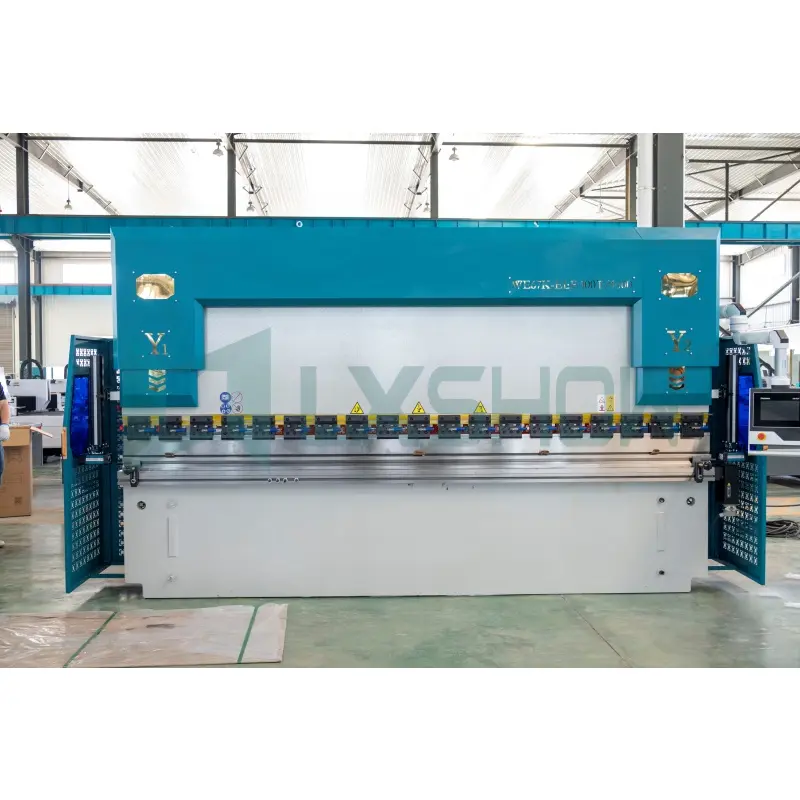
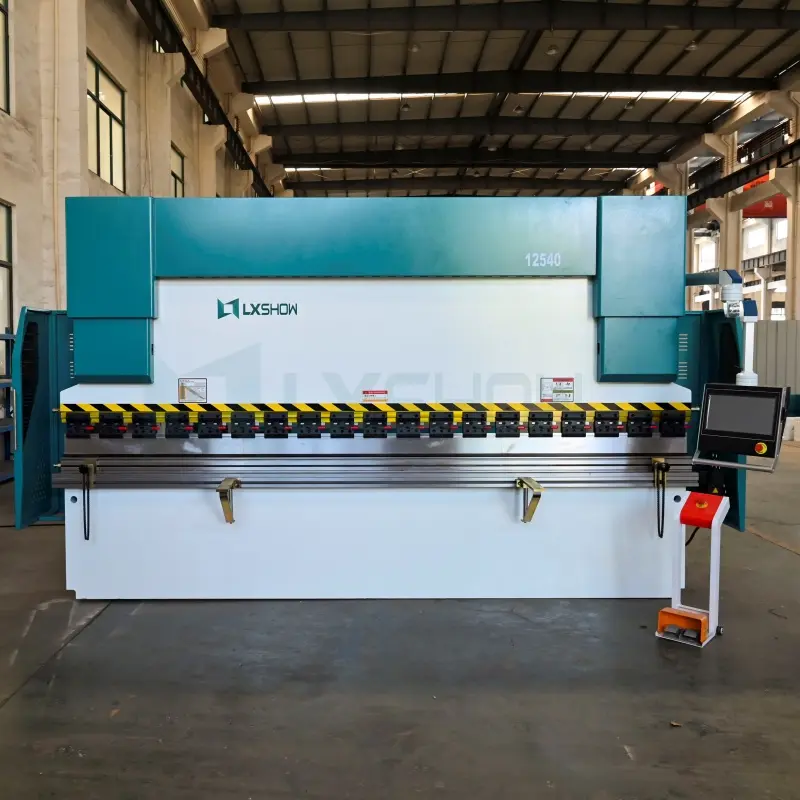
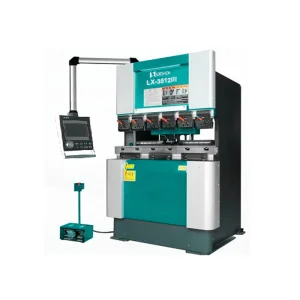
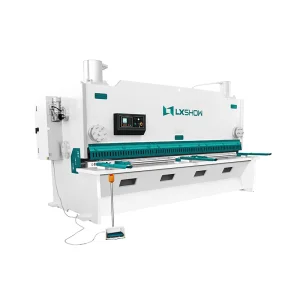
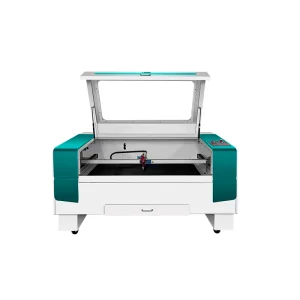
Explore our extensive portfolio of industrial-grade metal fabricating machinery, including fiber cutters, press brakes, shears, and smart robotics.
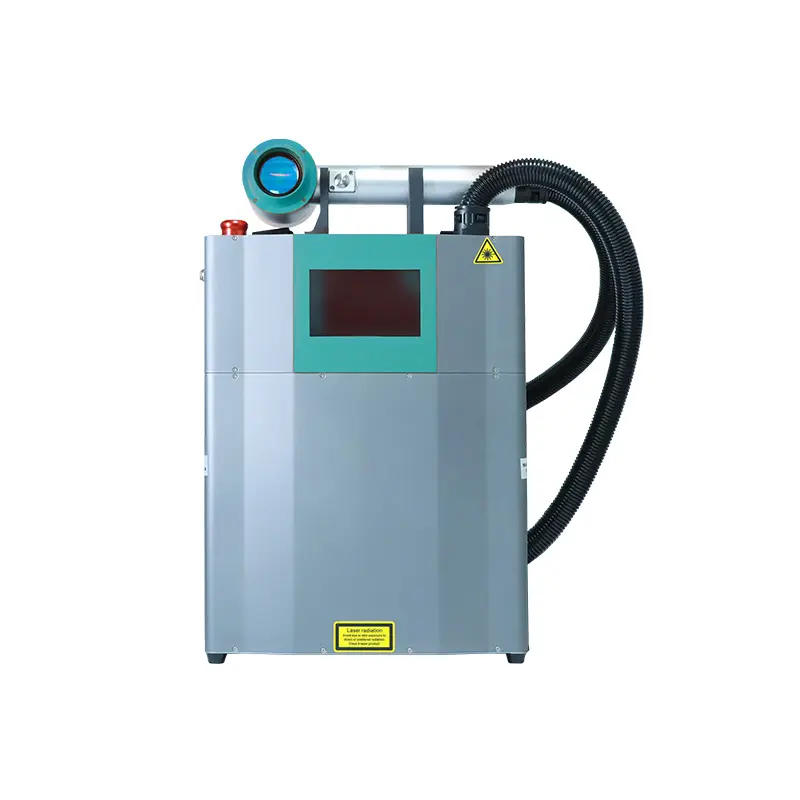
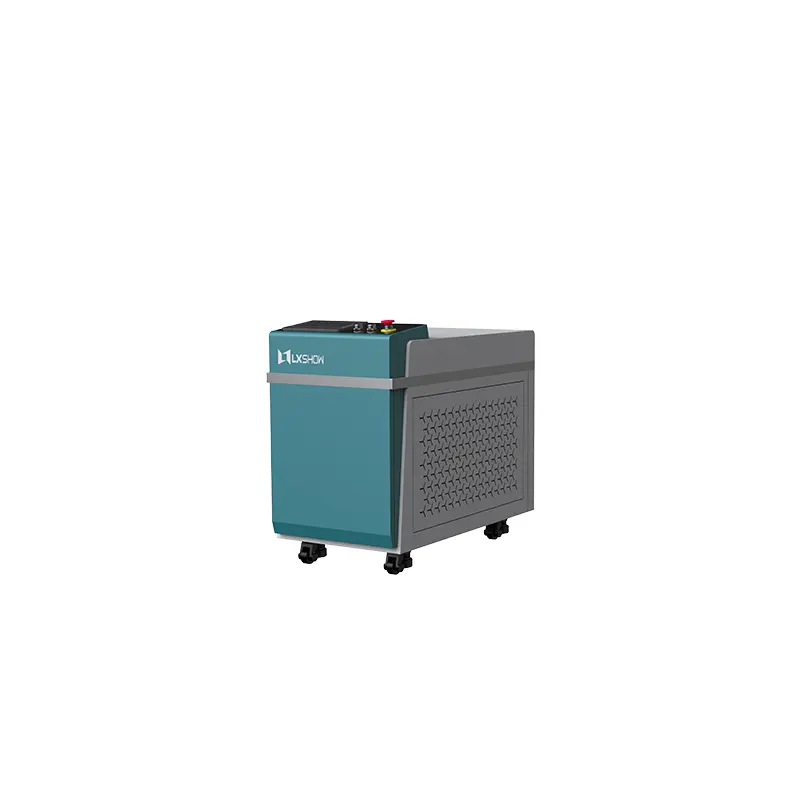
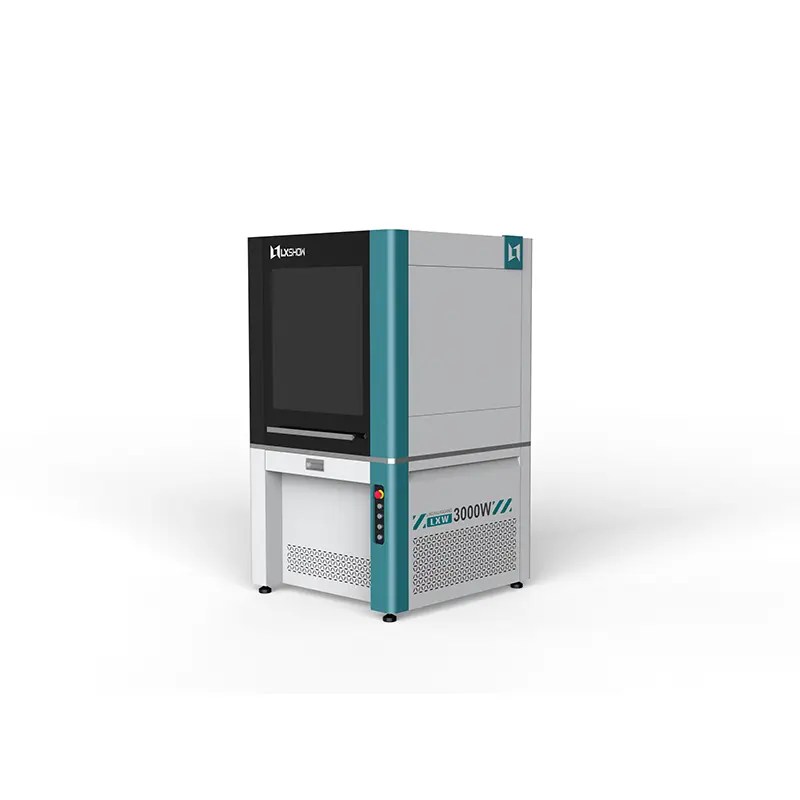
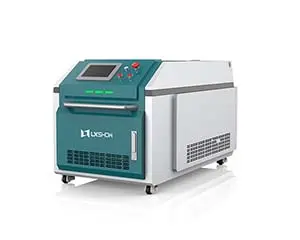
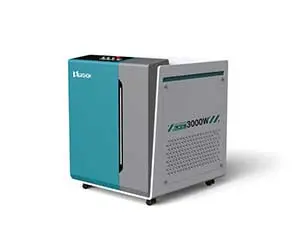
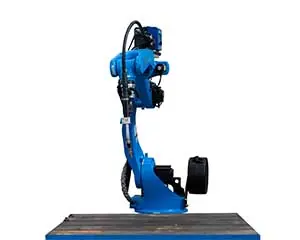
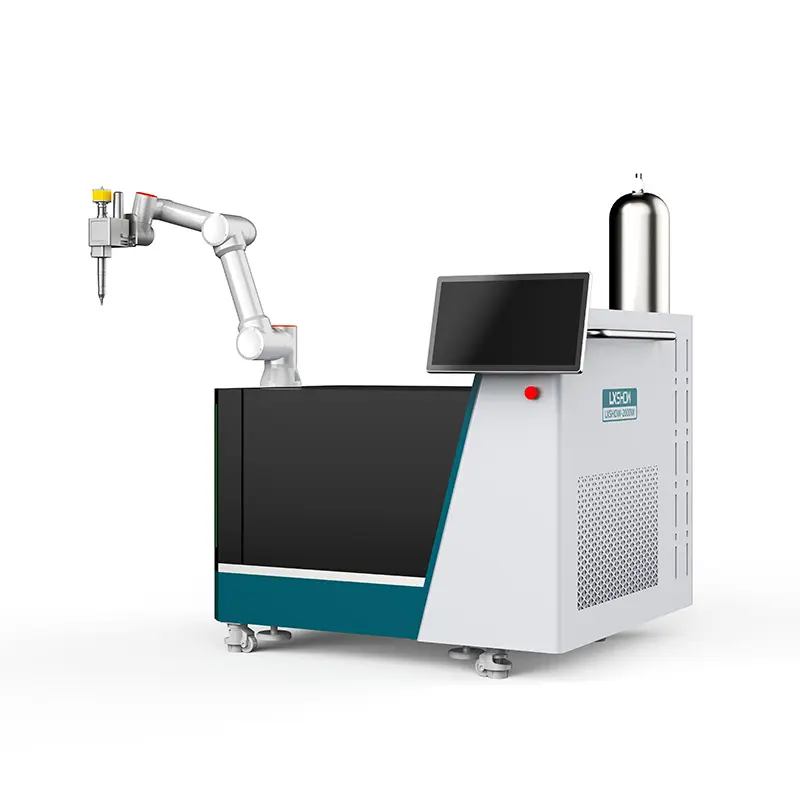
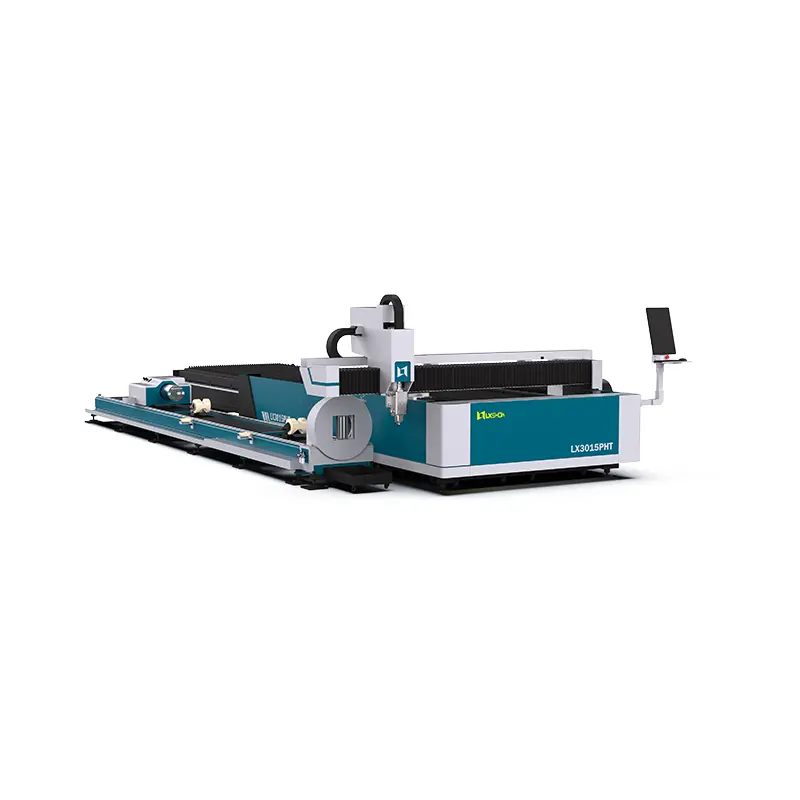
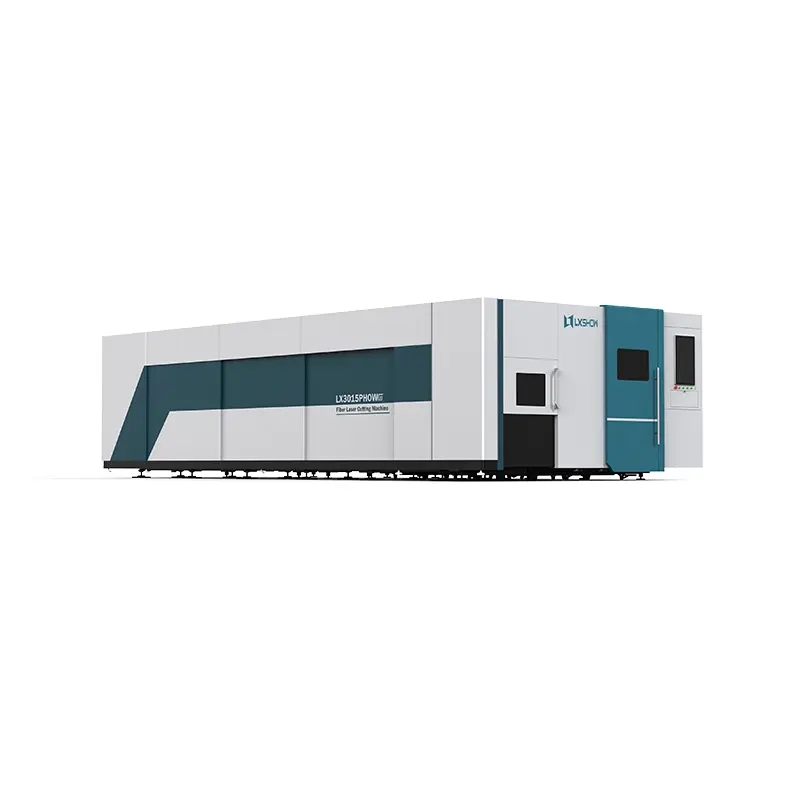
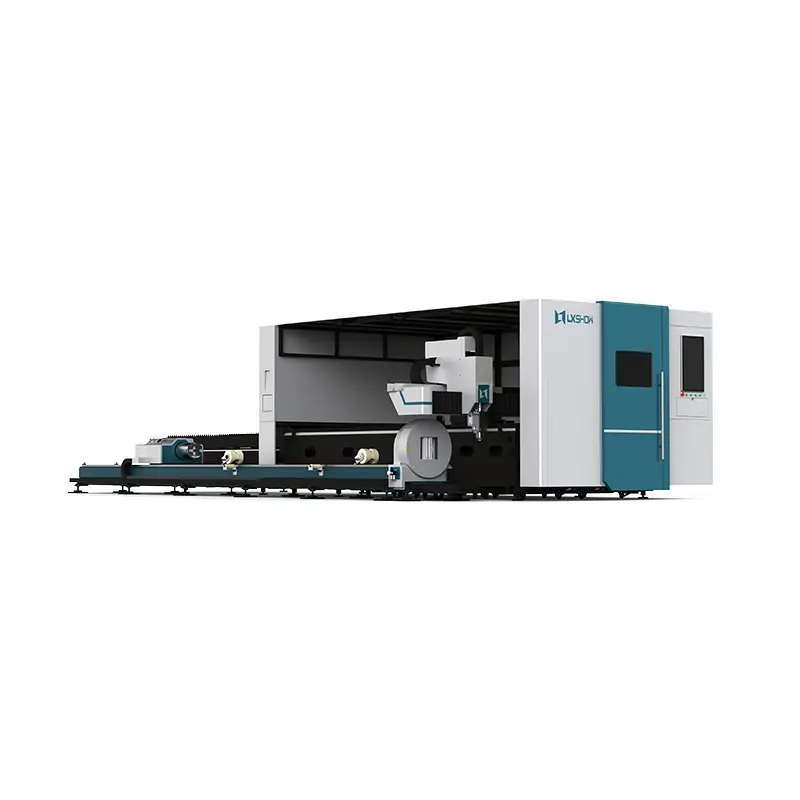
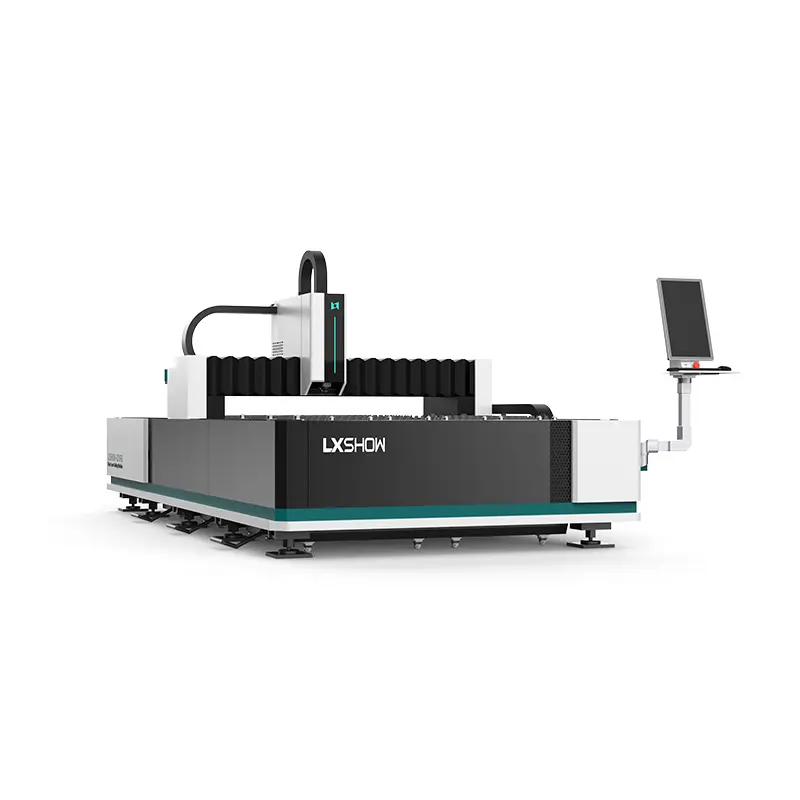
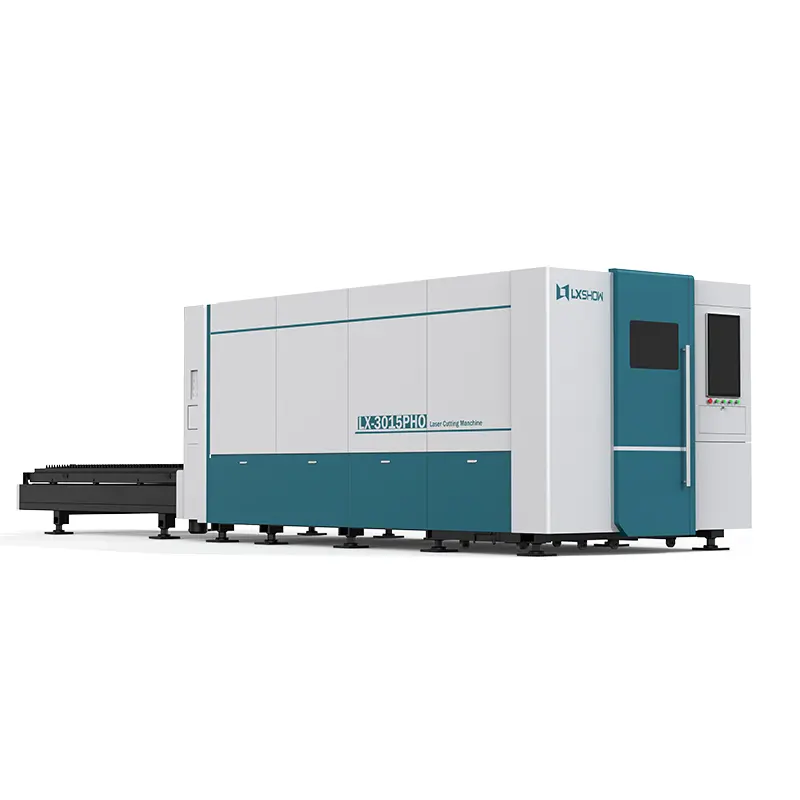
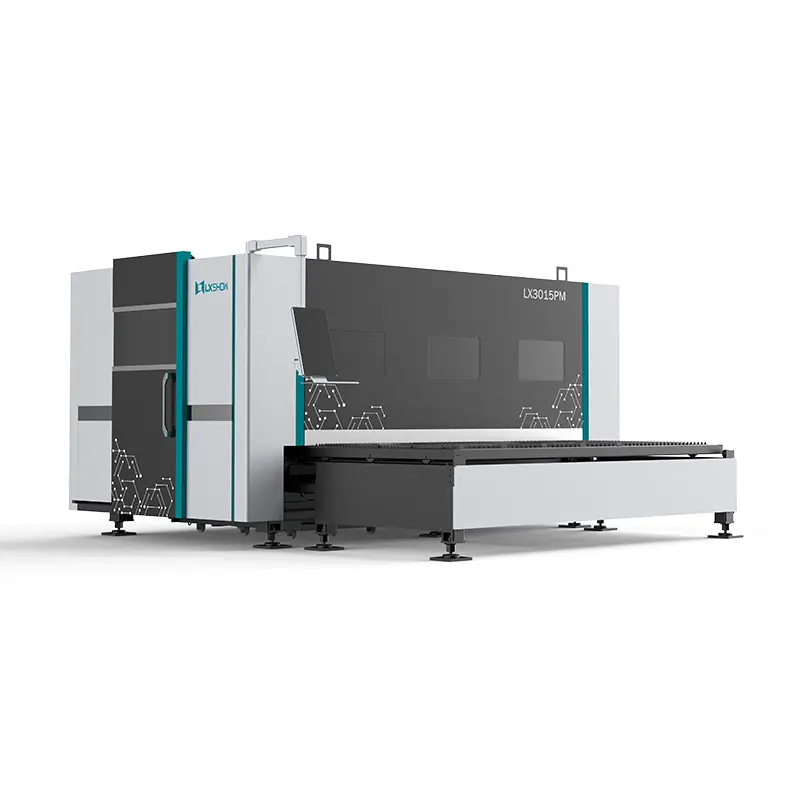
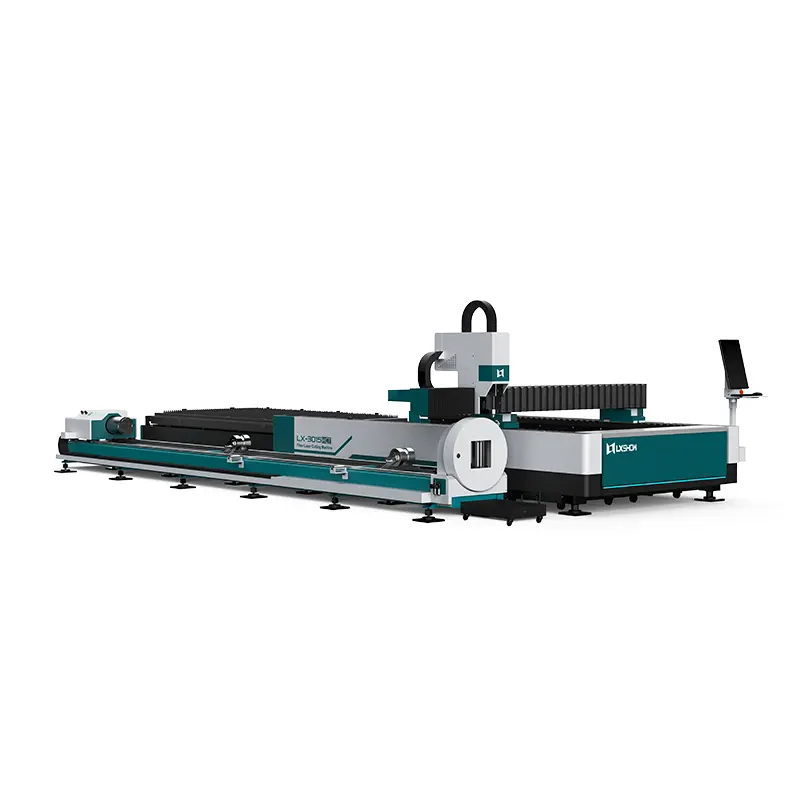
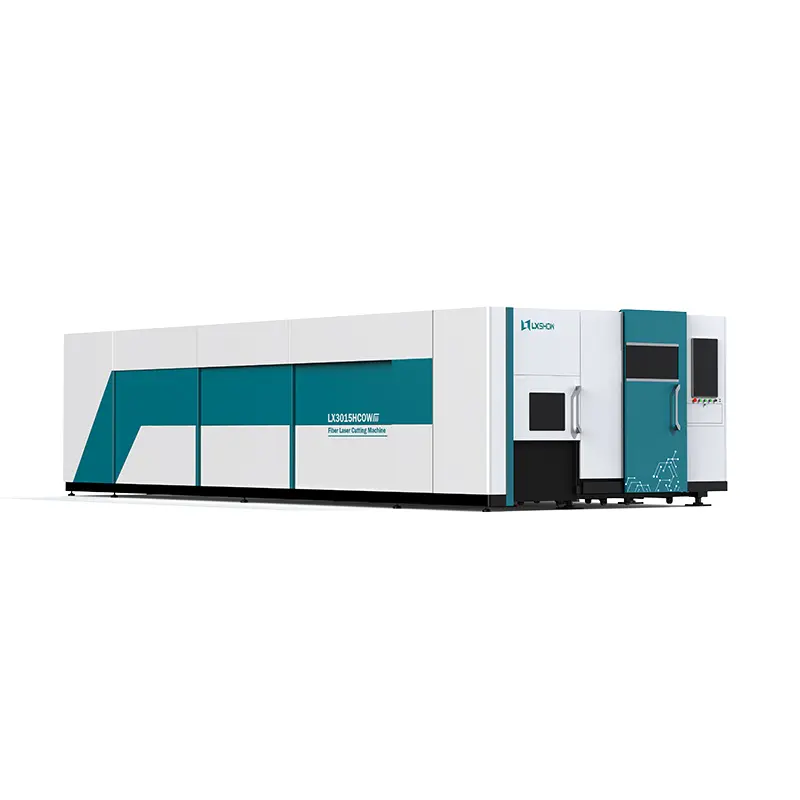
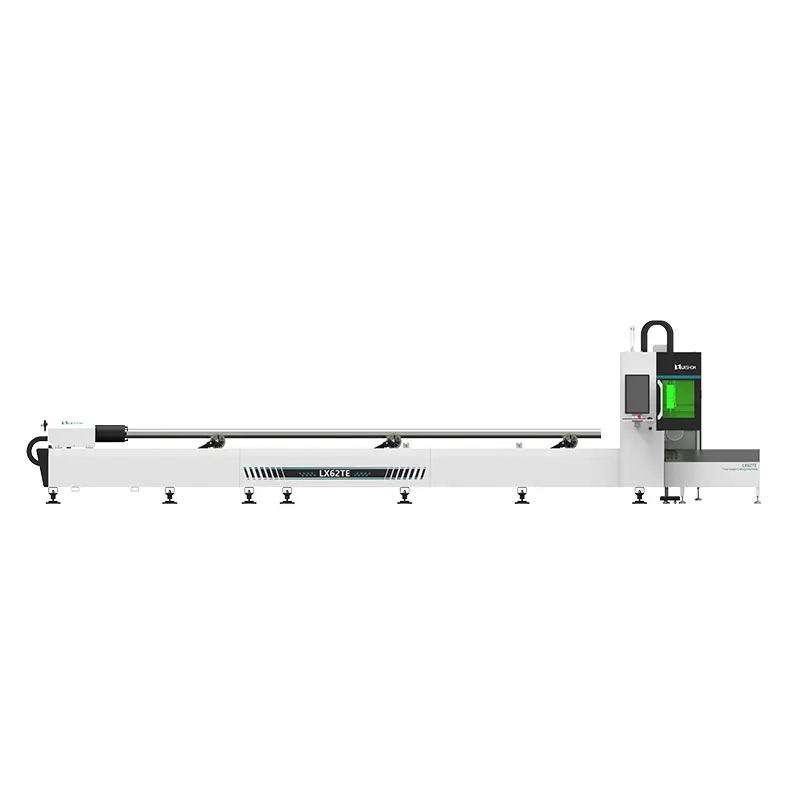
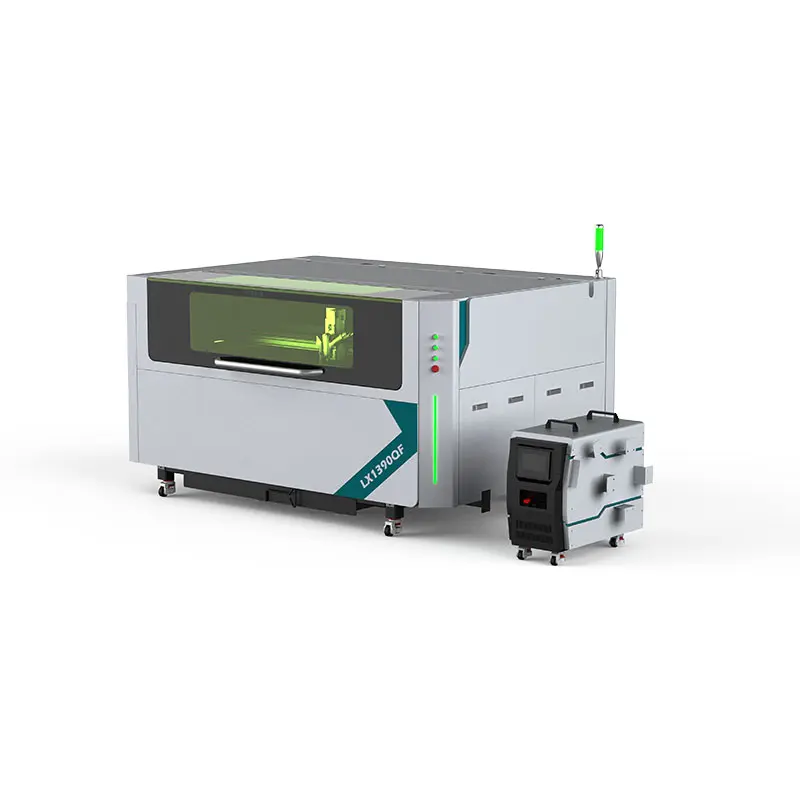
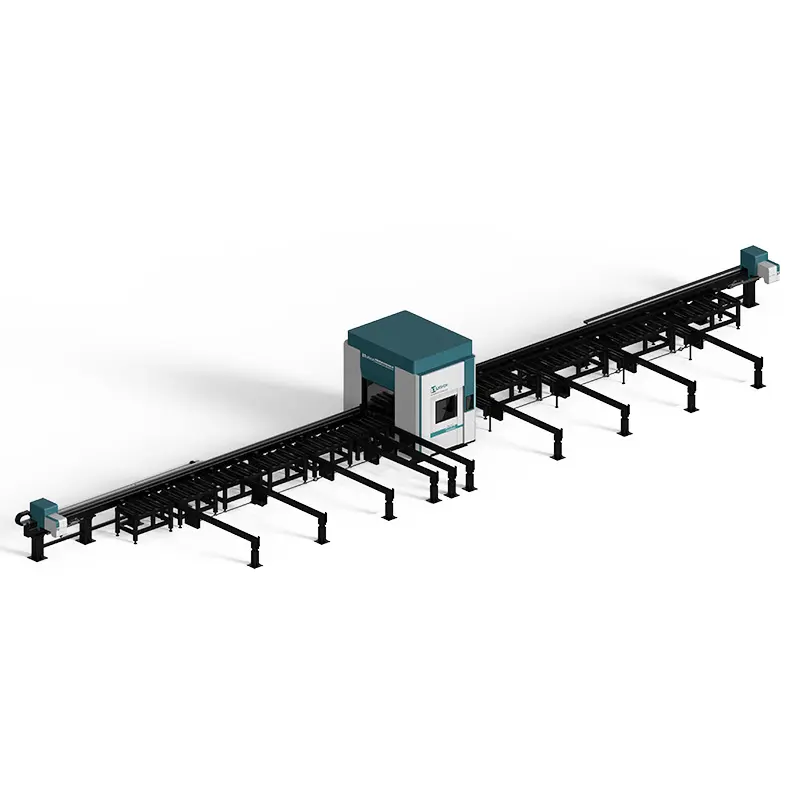
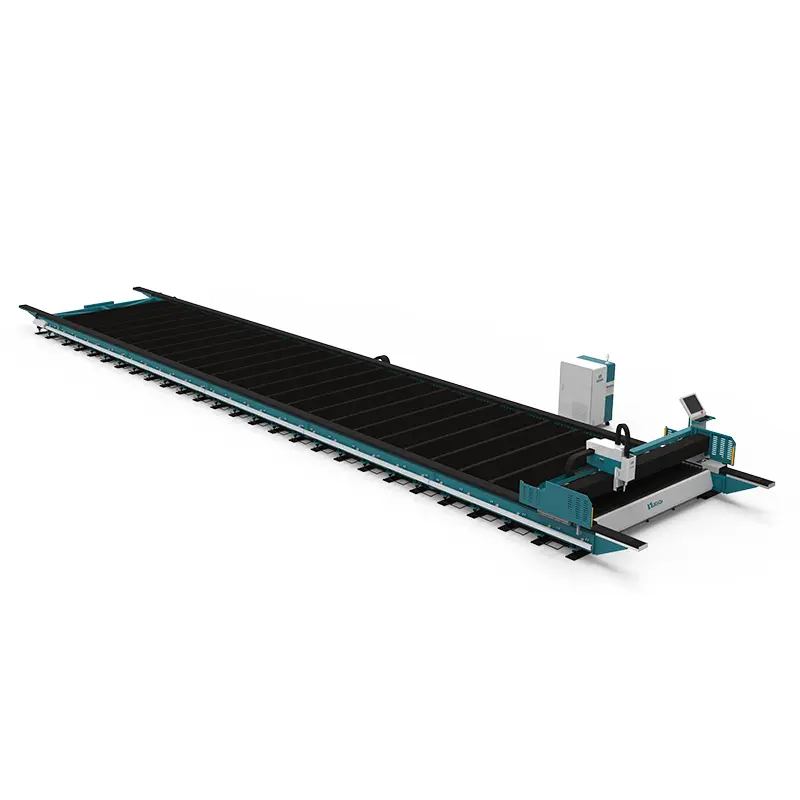
Laser systems must adapt to distinct local manufacturing cultures, ambient shop floors, and power configurations. Understanding these regional dependencies is critical for maximizing machinery uptime.
In heavy structural steel fabrication sectors (common in regions such as the Midwestern United States, Western Germany, and Northern Australia), fiber laser systems are frequently integrated with automated loading and unloading gantries. These installations run heavy nitrogen-assisted cuts on structural plates up to 30mm thick. The primary challenge in these applications is managing the massive heat buildup; this is mitigated through smart cooling cycles that spray a fine mist of water onto the material surface during cutting.
Conversely, in high-precision electronic components hubs (such as Southern China, Vietnam, and South Korea), the focus switches to clean micro-cutting of brass, copper, and thin stainless steels. In these scenarios, maintaining high acceleration and dynamic accuracy is critical. Systems utilize linear motor drives instead of traditional rack-and-pinion configurations to achieve speeds up to 200 meters per minute with minimal path deviation.
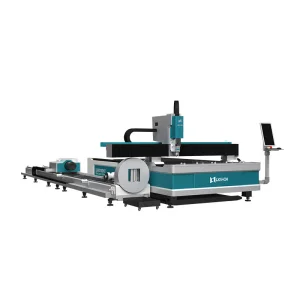
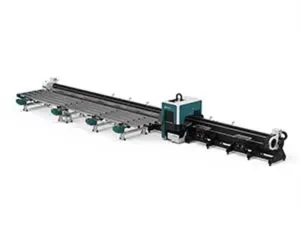
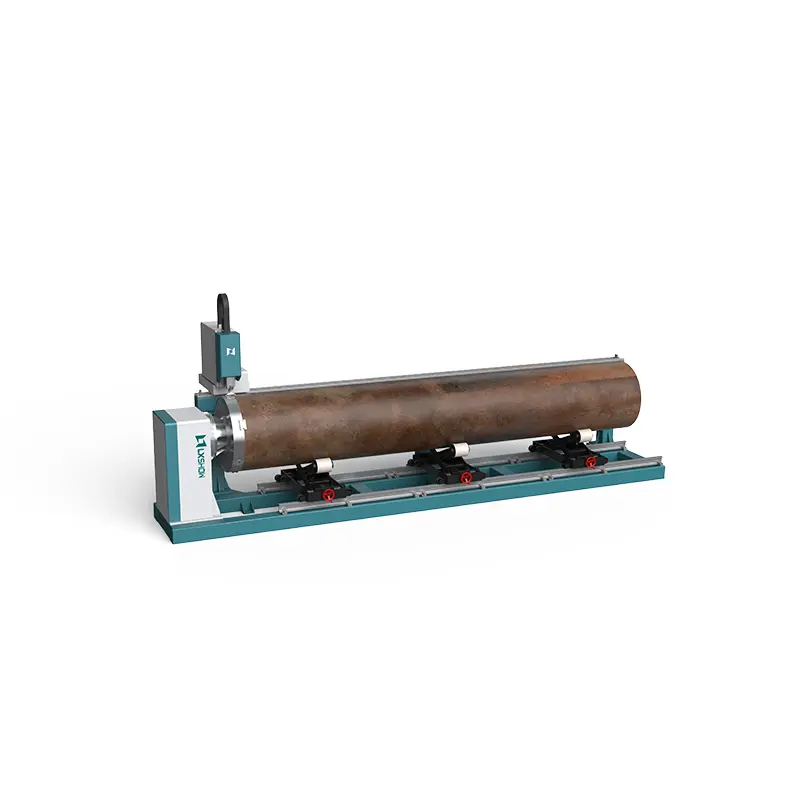
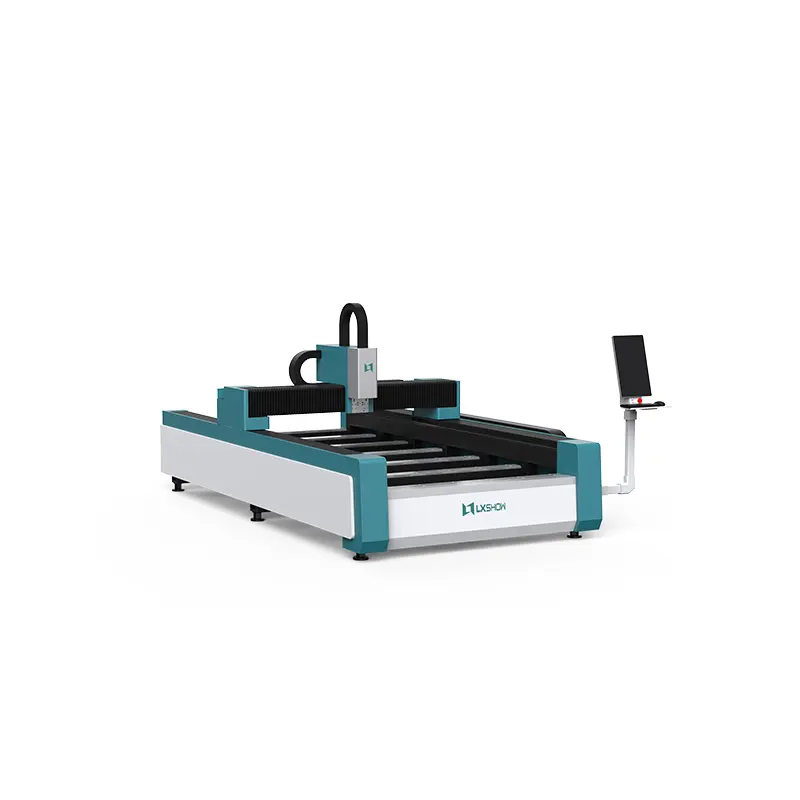
The macroeconomic shift toward localized manufacturing has accelerated demand for multi-functional fabrication centers. Businesses are looking to minimize intra-logistics costs by combining processes. This demand explains the market growth of integrated tube and sheet laser cutters (like our 3015PHT model), which allow a shop floor to pivot from cutting structural pipe frames to profiling flat brackets in a single shift, using the same footprints and operators.
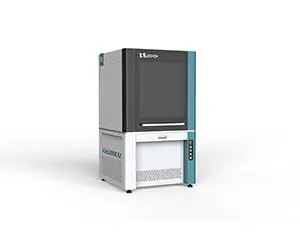
Additionally, environmental and safety regulations are reshaping workshop dynamics. Enclosed laser units with integrated exhaust systems that filter sub-micron particles are now mandatory in most European and North American facilities. Our fully enclosed laser systems (e.g., the 3015PHOW series) feature automatic sliding doors and high-capacity ventilation ports, ensuring complete compliance with occupational safety and health administrations.
Expert answers addressing the physics, optics, and operational parameters of high-power fiber laser systems.
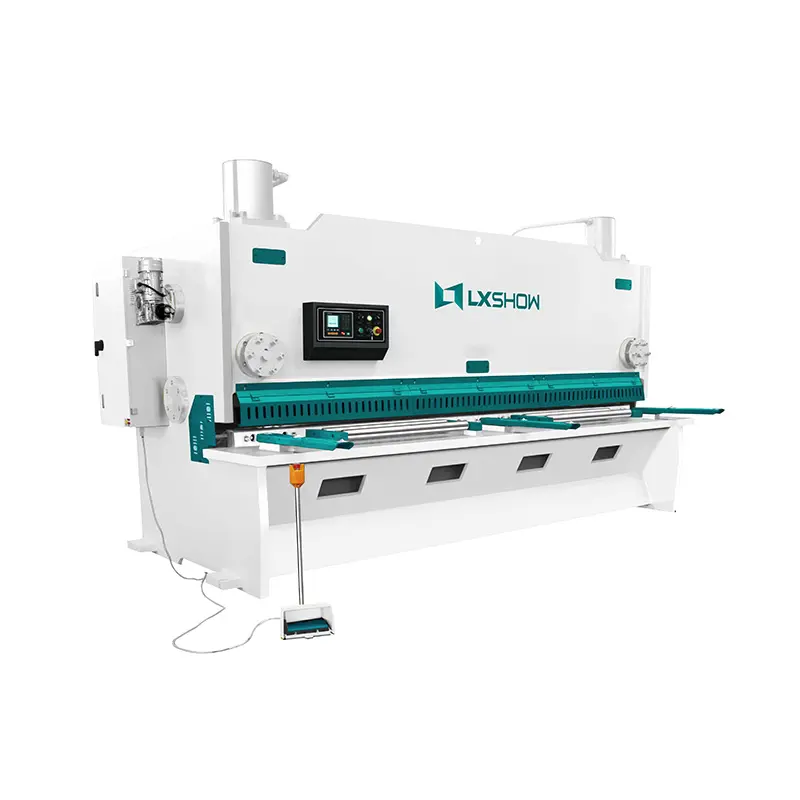
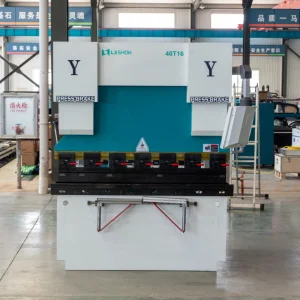
Complete your production workflow with our high-tonnage hydraulic bending centers, handheld welding units, and dynamic shearing systems.
 Lxshow