Sourcing metal plates requires more than just dynamic machinery; it demands a manufacturing partner who understands structural integrity, chemical analysis of metals, and mechanical tolerances. As a leading manufacturer established in July 2004, we own more than 32,000 square meters of high-tech production facility and 500+ square meters of dedicated research and development workspace.
Over the last 18 years, our operational reach has expanded to serve clients across 150+ countries with over 20,000 active users globally. We focus extensively on constructing smart factories, helping our partners step into the era of Industry 4.0 by delivering scalable, automated, and high-efficiency machinery that minimizes kerf width and optimization cycles.
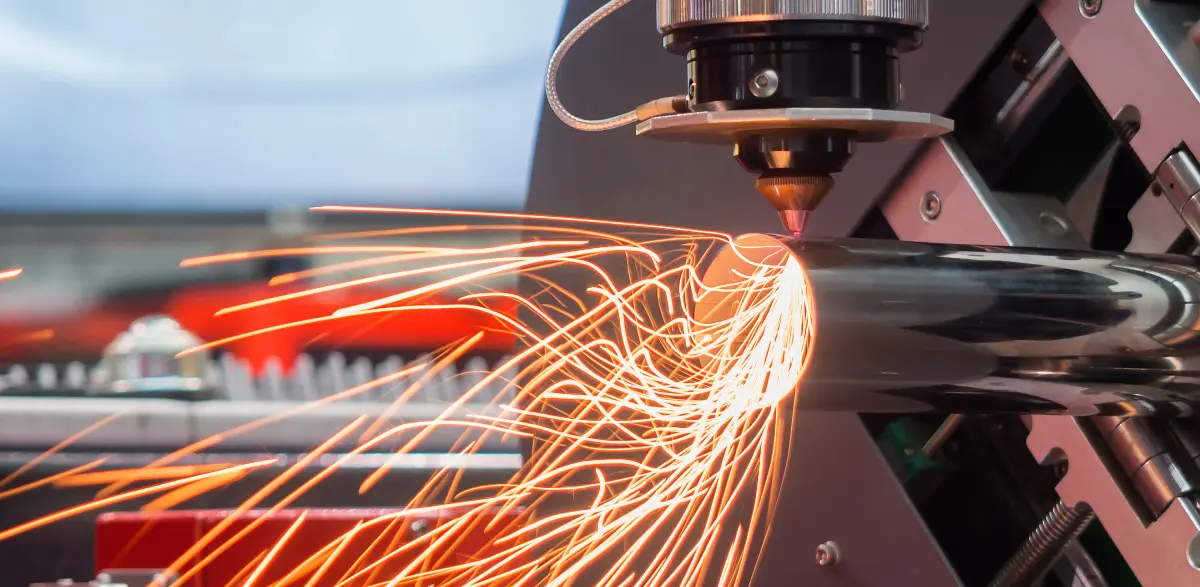
Modern supply chains demand highly coordinated component delivery. Sourcing bulk custom-cut plates requires strict compliance with mechanical specifications. Engineers face common pain points like micro-cracking, heat deformation, edge discoloration, and variations in material density. Our production lines use nitrogen-assisted high-pressure fiber systems to reduce micro-scale defects, yielding burr-free edges that eliminate downstream grinding steps.
During localized energy transfer from high-power lasers, a Heat Affected Zone (HAZ) is generated. For high-carbon steels and structural alloy elements, minimizing the HAZ is vital to maintain yield strength. Our systems implement modular optical lenses that shape the laser beam profile to distribute thermal density uniformly, preserving raw material properties. This ensures post-cut secondary operations like bending and welding can proceed without cracking risk.
Our solutions adapt to various industries. We supply structural components to aerospace builders requiring strict weight-to-strength ratios, and heavy machinery makers needing high-tolerance plate assemblies. Our production environments comply with ISO 9001 and ISO 14001, verifying that every batch of cut parts exhibits consistent dimensional tolerances within ±0.03mm.
Industrial operations often compare traditional mechanical stamping against CNC laser cutting. The table below highlights key parameters in volume metal processing:
| Metric | Traditional Die Punching | CNC Fiber Laser Cutting | Engineering Advantage |
|---|---|---|---|
| Tooling Capital Expense | High (Custom dies needed for each design) | Zero (Software-controlled trajectory) | Rapid prototyping & low setup costs |
| Edge Quality & Delamination | Frequent burring & shear deformation | Minimal HAZ, zero shear stress | Eliminates post-cut surface finishing |
| Geometric Versatility | Limited by physical tool dynamics | Unlimited (Complex splines, thin slits) | Enables complex weight-reduction patterns |
| Nesting Material Yield | Fixed scrap spacing margins | Dynamic software nesting optimization | Reduces waste material cost by up to 25% |
We process a wide range of standard alloys and structural geometries. Select your material category below to align with your project specifications:
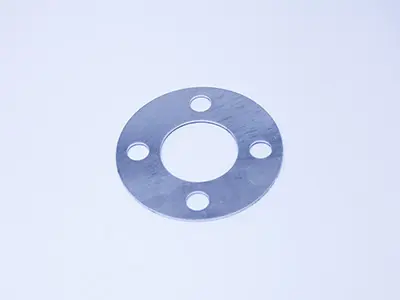
Excellent weight ratio. Processed with nitrogen to prevent surface oxidation.
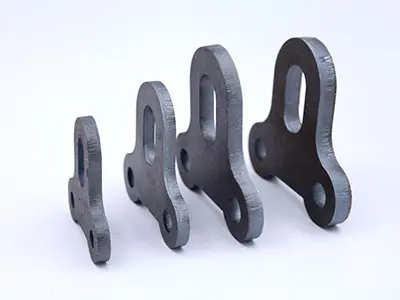
High tensile structural plates. Ideal for heavy industry structures.
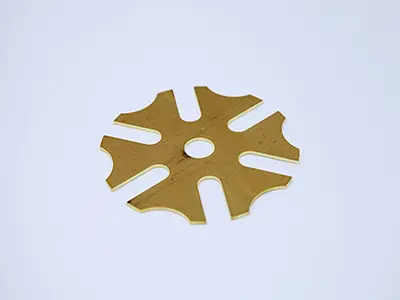
Highly reflective copper alloys cut safely using modern fiber lasers.
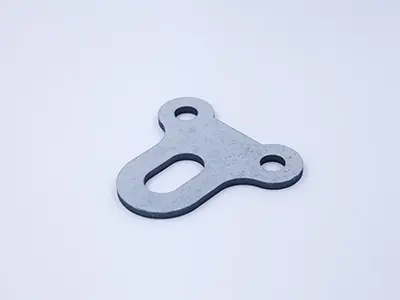
Corrosion resistant sheets cleanly cut without damaging the zinc coating.
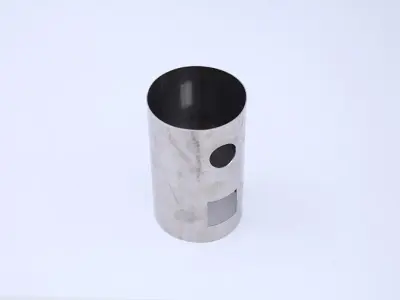
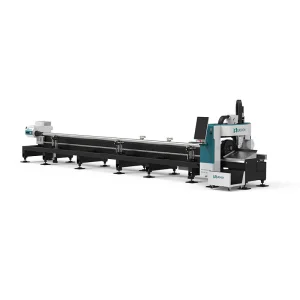
3D rotational laser cutting for seamless tube joints and frames.
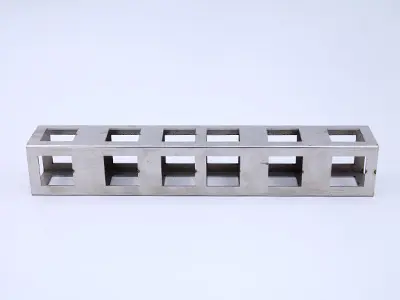
High-accuracy structural hollow sections with square corners.
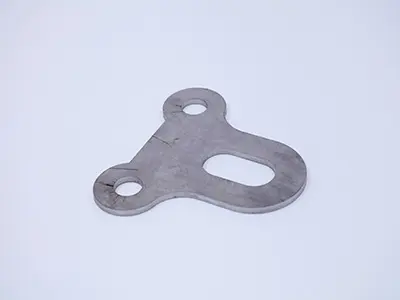
Surgical and food grade finishes. Clean cuts with high corrosion resistance.
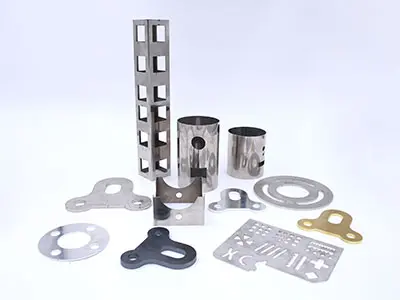
Specialized cuts for titanium, nickel alloys, and custom plates.
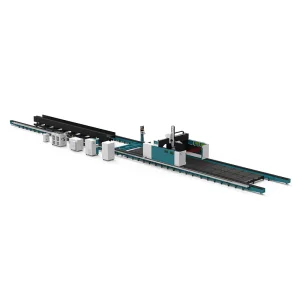
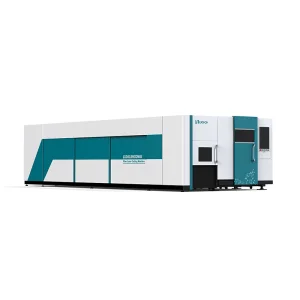
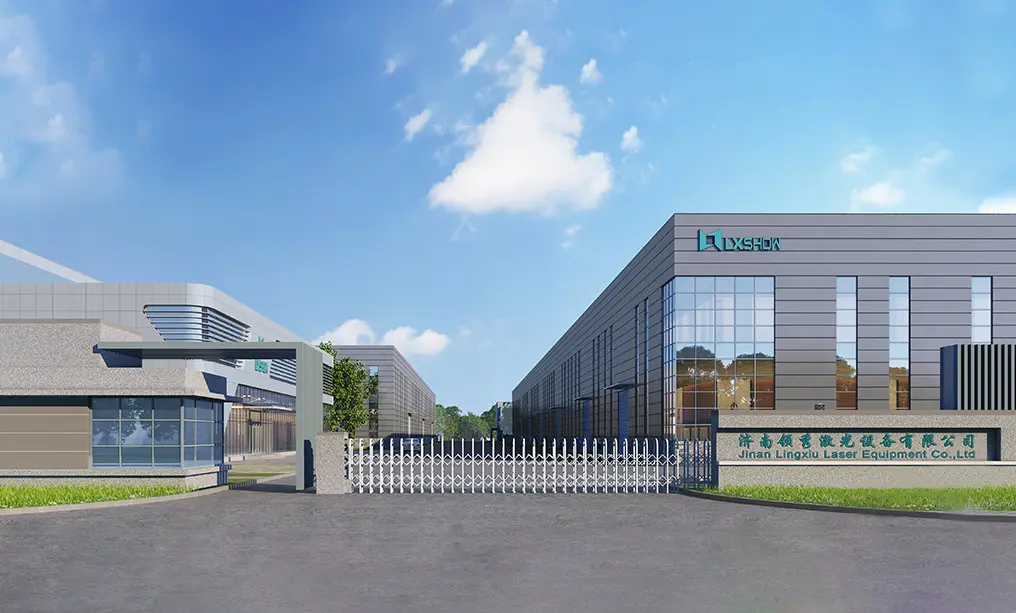
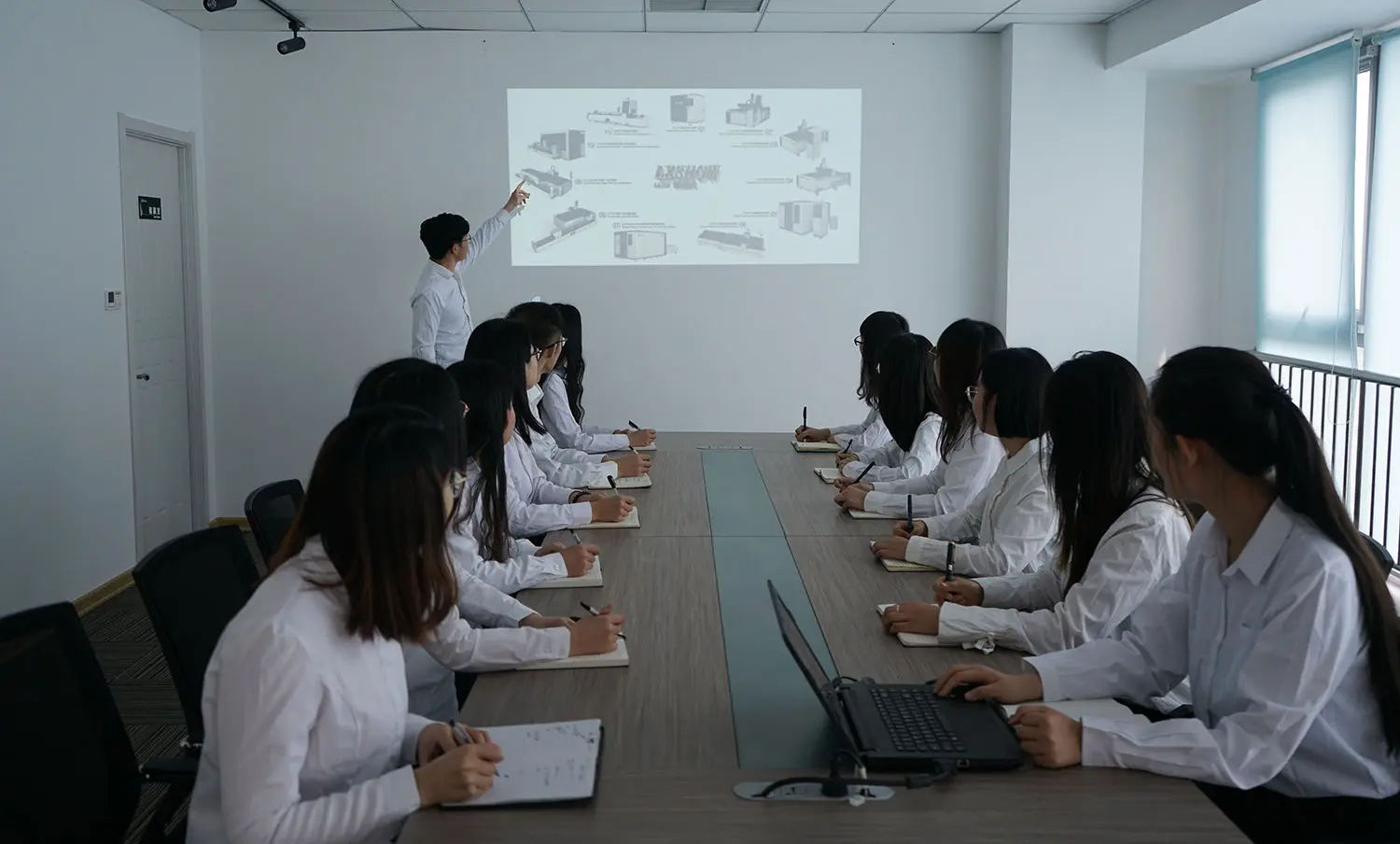
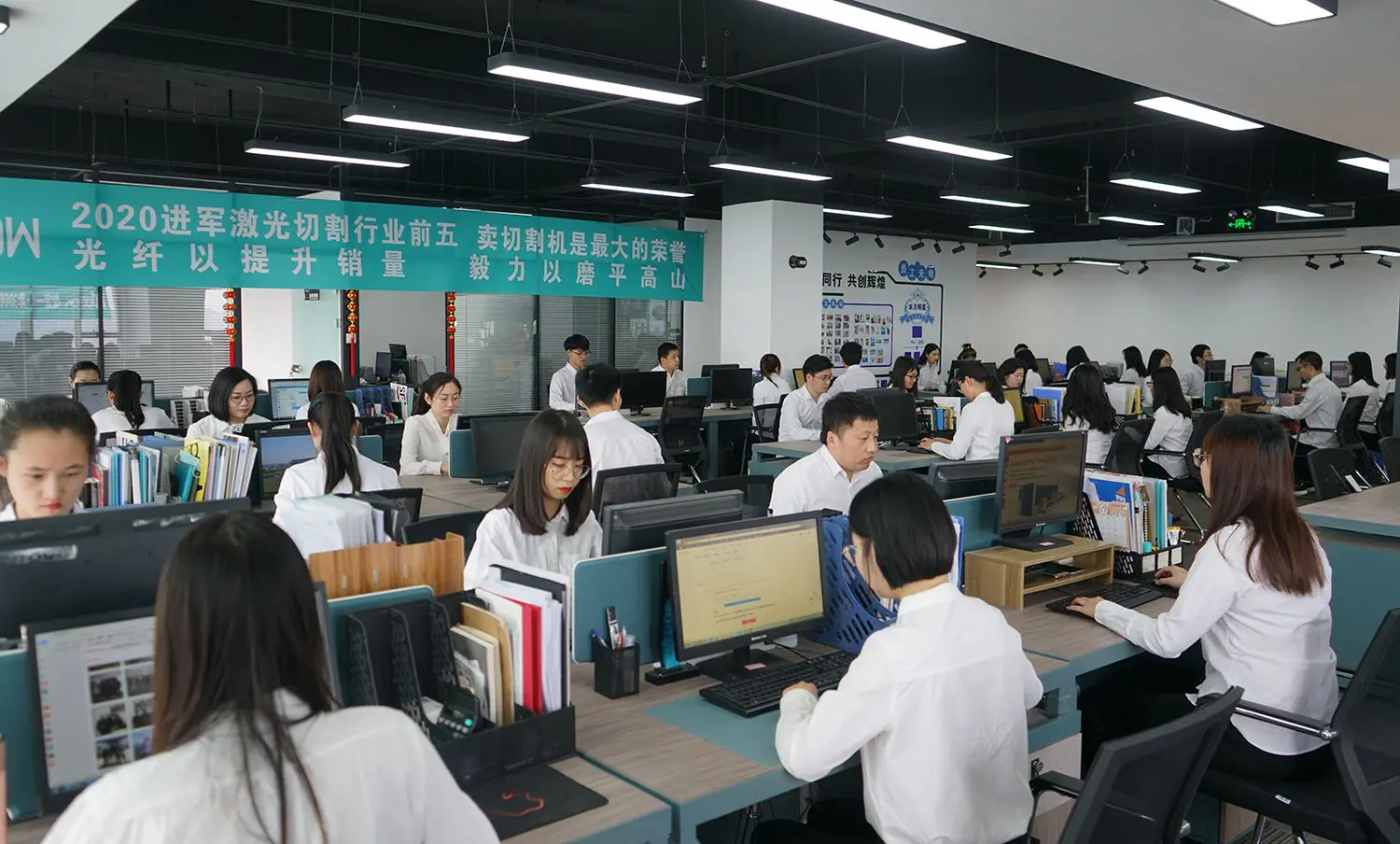
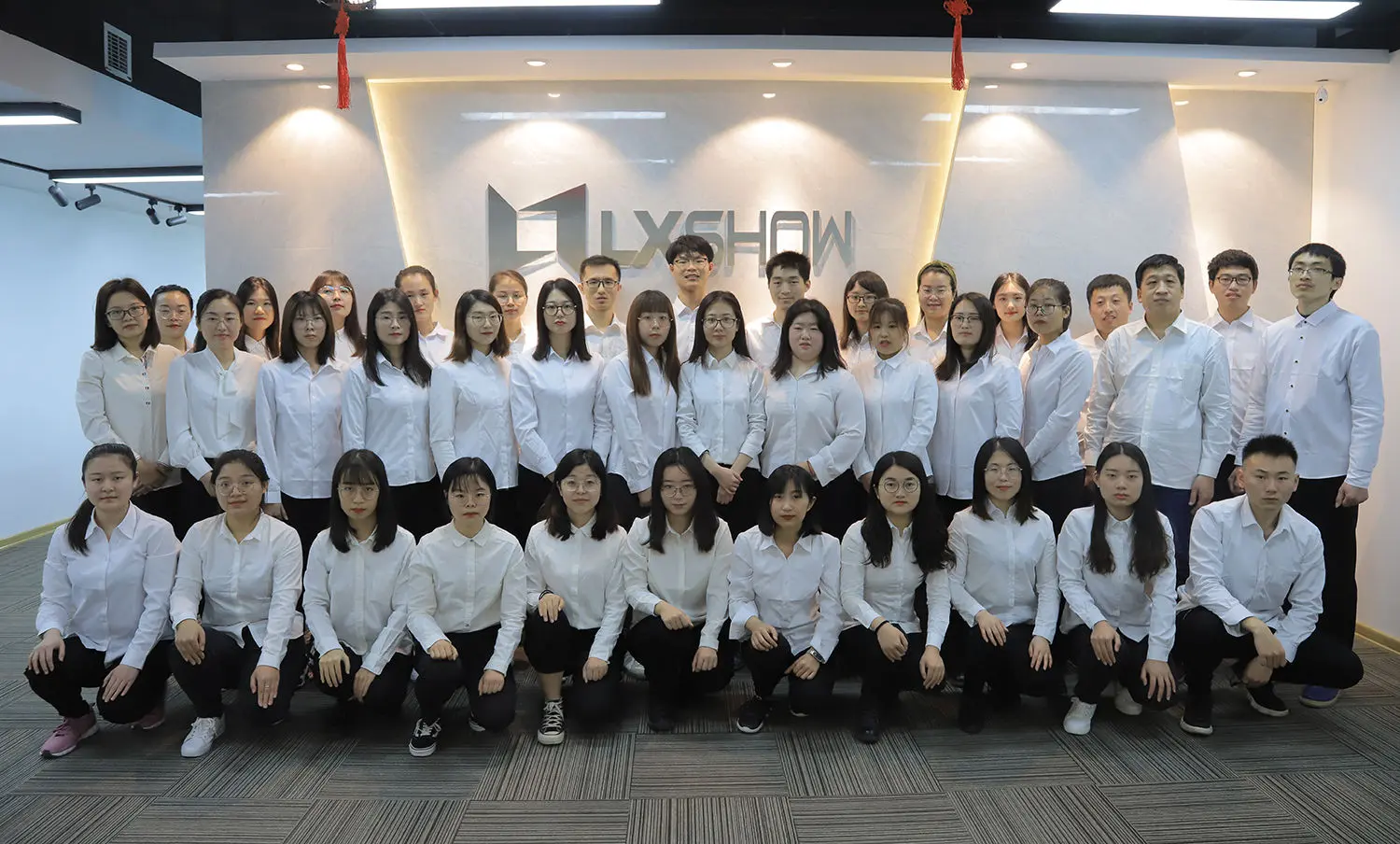
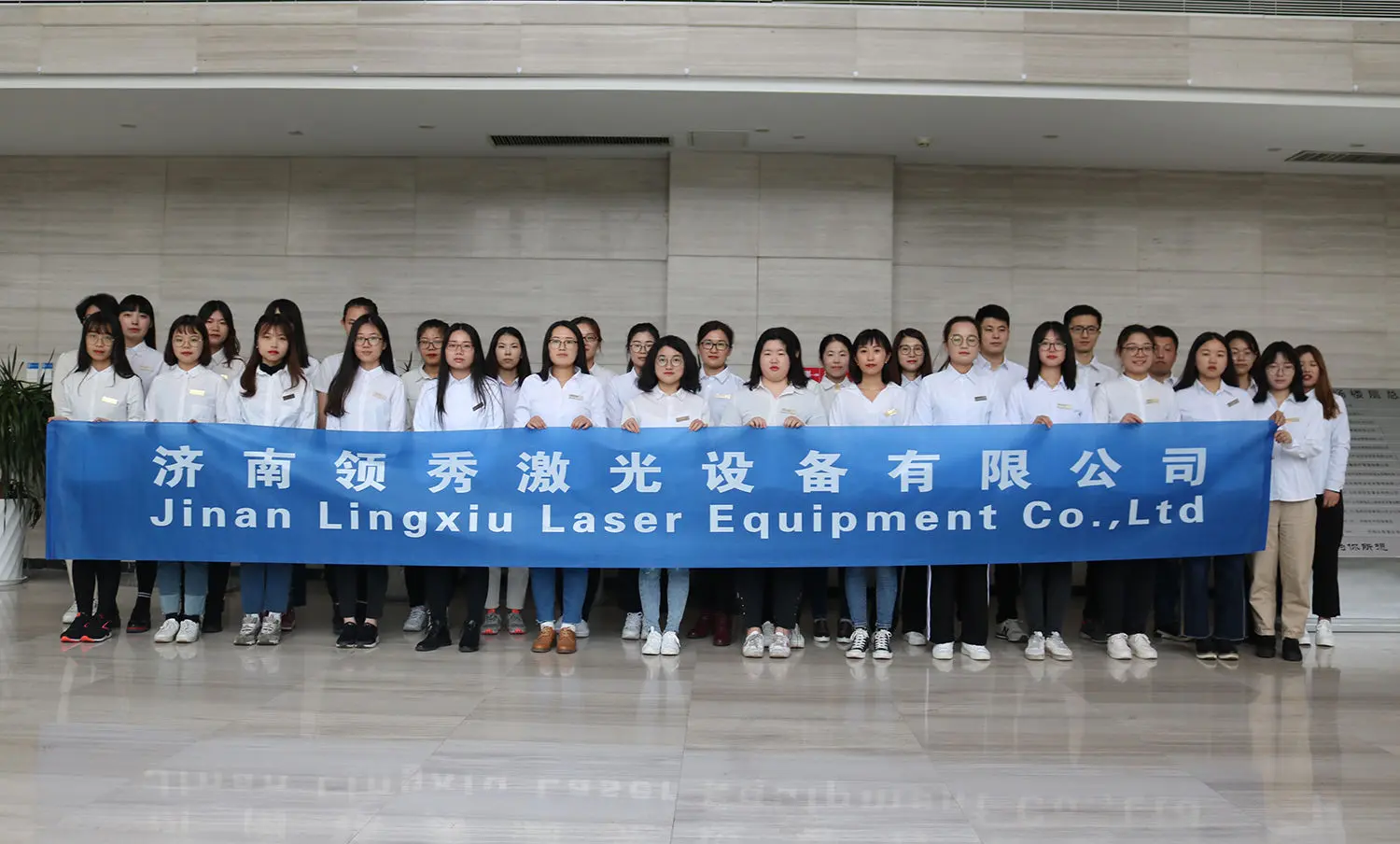
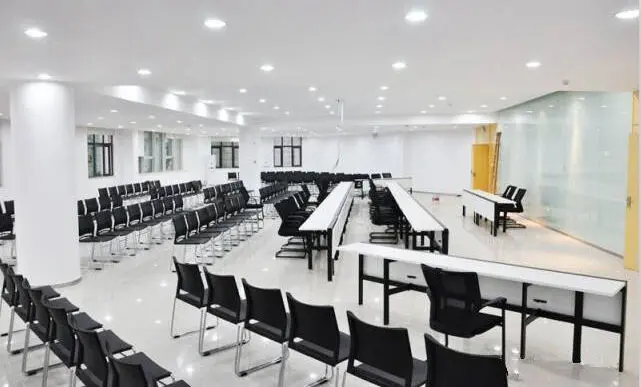
Explore our state-of-the-art facilities designed for high-volume custom production and rigorous QA compliance.
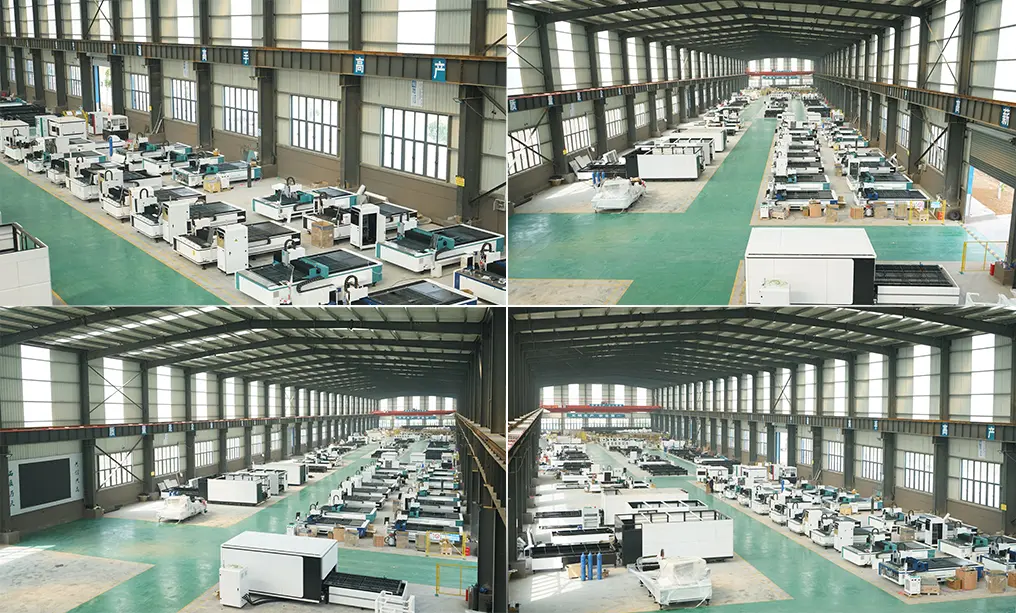
How we guarantee top quality from digital blueprints to final components:
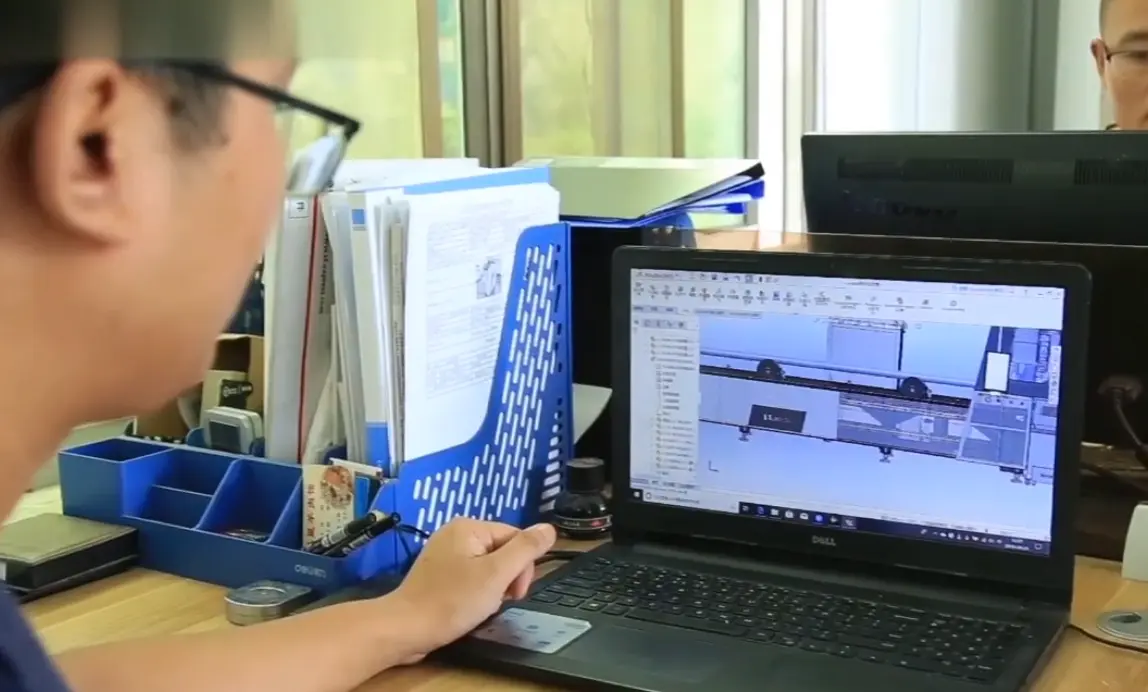
Our engineering division analyzes your DWG, DXF, or STEP models to detect potential cutting stress points. We optimize part layouts to maximize material yield and lower unit costs.
High-speed sheet exchanges minimize idle time. Our CNC lasers adjust power levels in real time to prevent dross buildup on corners and sharp radii.
Components undergo caliper measurement and coordinate-measuring machine (CMM) testing to confirm dimensional tolerances, ensuring alignment with CE, FDA, and ISO 9001 standards.
Before dispatch, carbon steel plates receive a corrosion-resistant coating. Parts are securely crated to ensure safe delivery across international sea routes.
By 2040, we aim to be a premier supplier in the global laser processing sector. To achieve this, our research programs focus on incorporating AI neural models into laser CNC controllers. These real-time loops analyze nozzle back-pressure, nozzle wear, and metal composition to adjust laser frequencies on the fly.
Our sustainable production plans aim to cut carbon output by 35% through energy recovery loops, supporting eco-friendly procurement initiatives. Selecting our services supports green manufacturing goals without compromising dimensional accuracy.
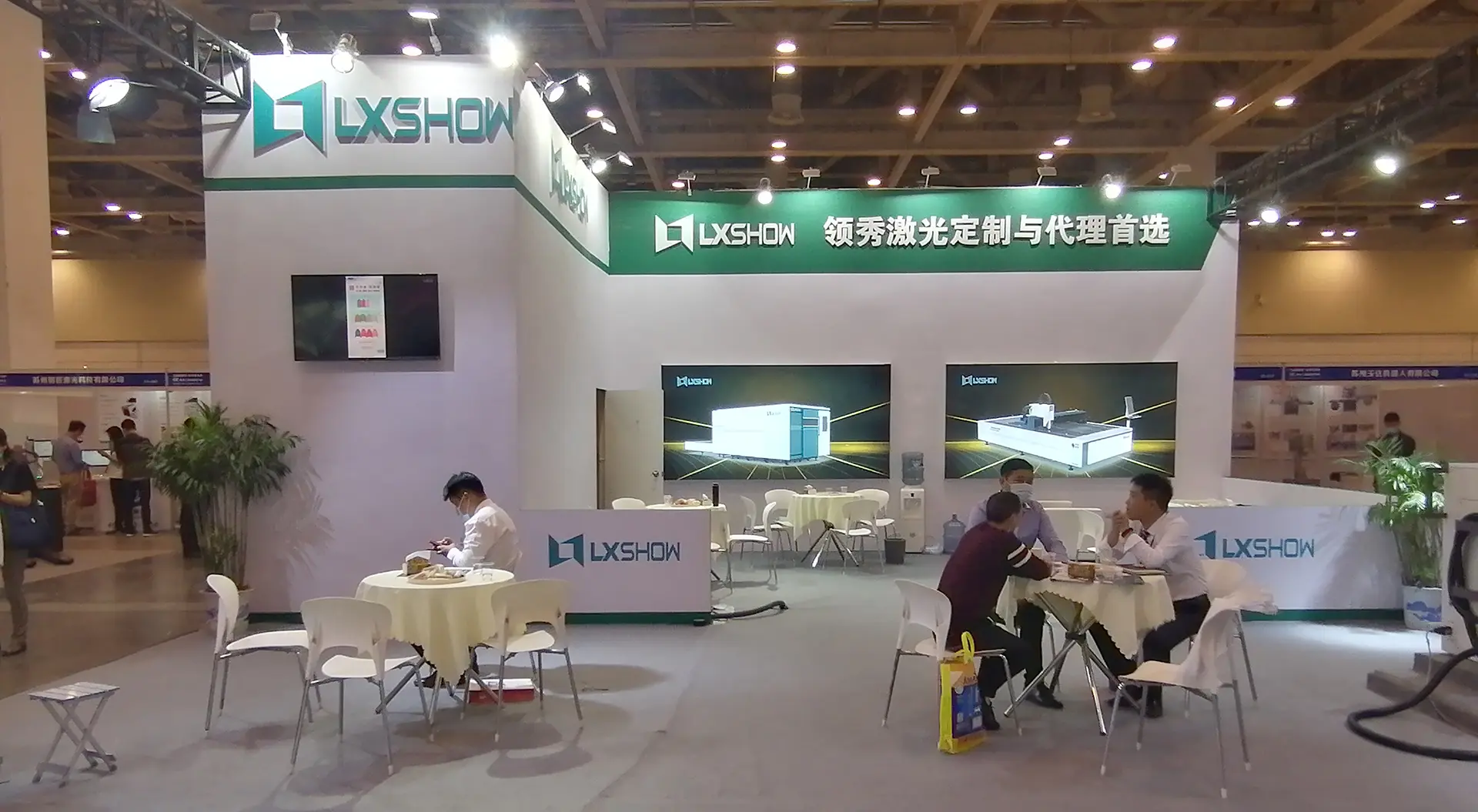
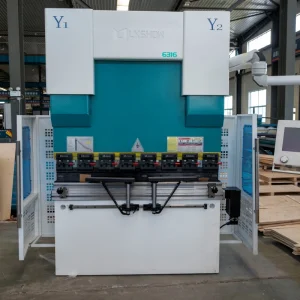
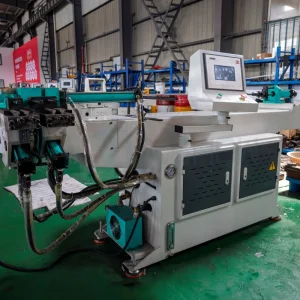
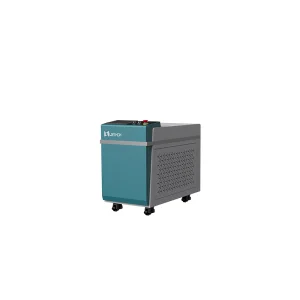
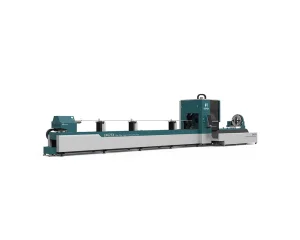
Find answers to common questions about sourcing laser cut metal plates, covering tolerances, logistics, and capabilities.
 Lxshow