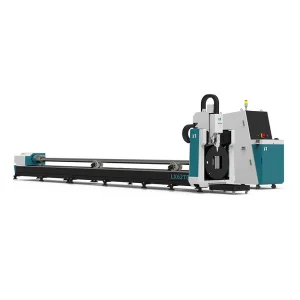
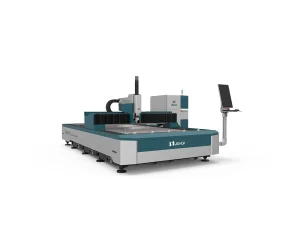
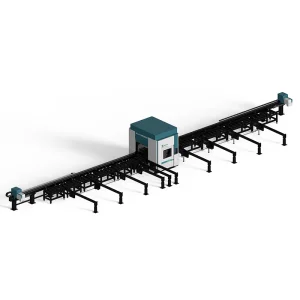
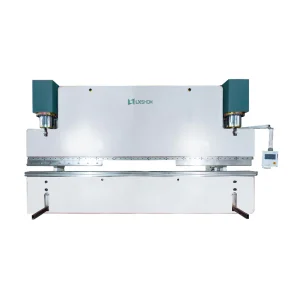
High-Quality CNC Laser Steel Cutting Machine Factory & Exporter

Global Industrial Grade Sheet & Tube Fabrication Solutions | Industry 4.0 Smart Manufacturing Pioneers

Pioneering Industry Standards

Over 18 Years of Dedication to High-Precision Laser Integration

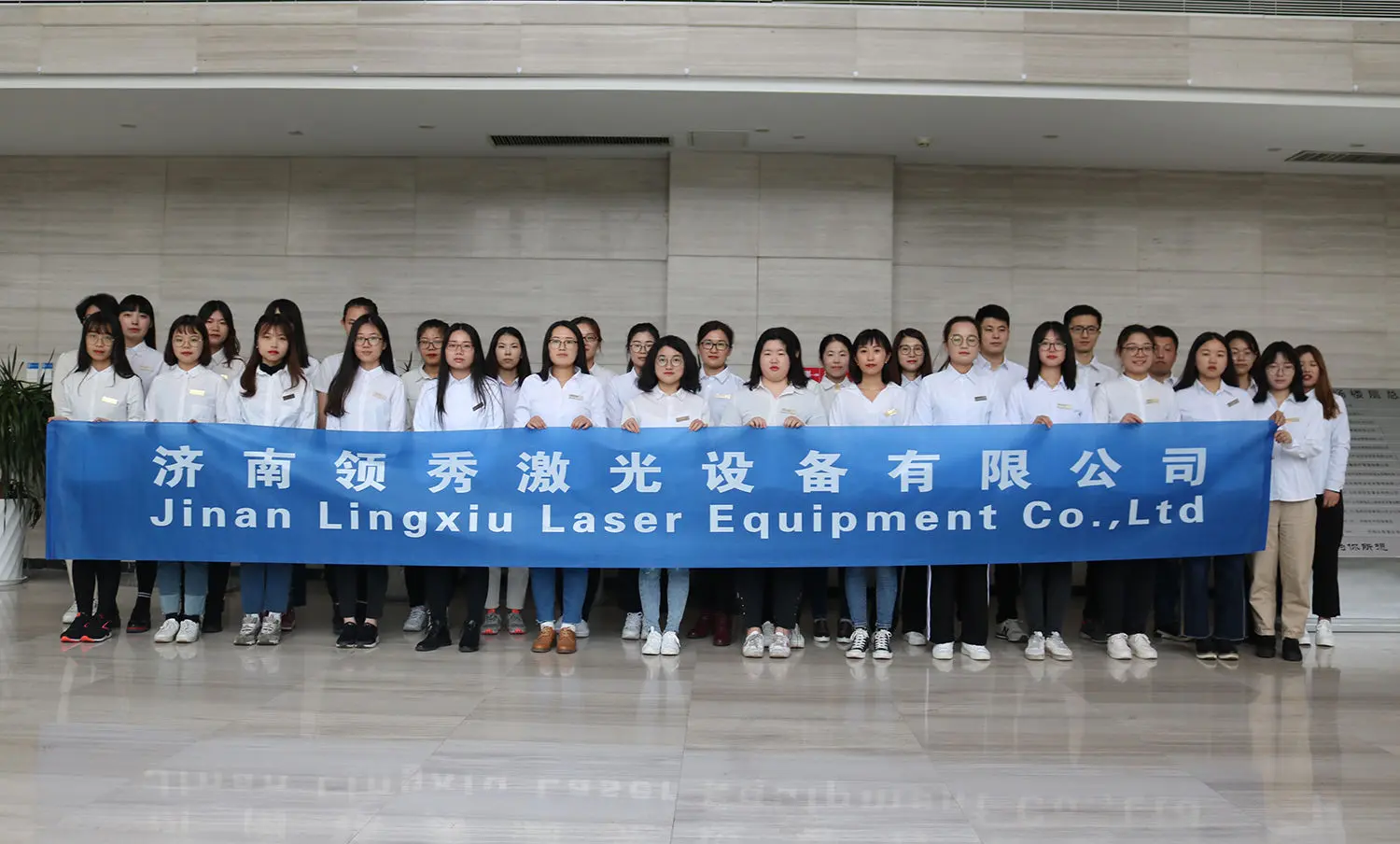
Established in July 2004, our manufacturing footprint spans more than 32,000 square meters of state-of-the-art factory space alongside 500 square meters of specialized R&D labs and executive offices. Over the last 18 years, our dedication to design innovation, engineering excellence, and customer success has positioned us as a global leader in intelligent laser solutions.

Our commitment to security, reliability, and precision is reflected in our certifications. Every laser system leaves our facility fully compliant with the European Union CE authentication, the American FDA certificate, and the strict guidelines of ISO 9001 quality management systems.

With more than 20,000 active users across 150 countries, our supply chain capabilities enable robust OEM and ODM partnerships. We actively supply high-grade components and complete equipment profiles for over 30 leading international machine manufacturers, defining the future of industrial-scale cutting, welding, and cleaning.
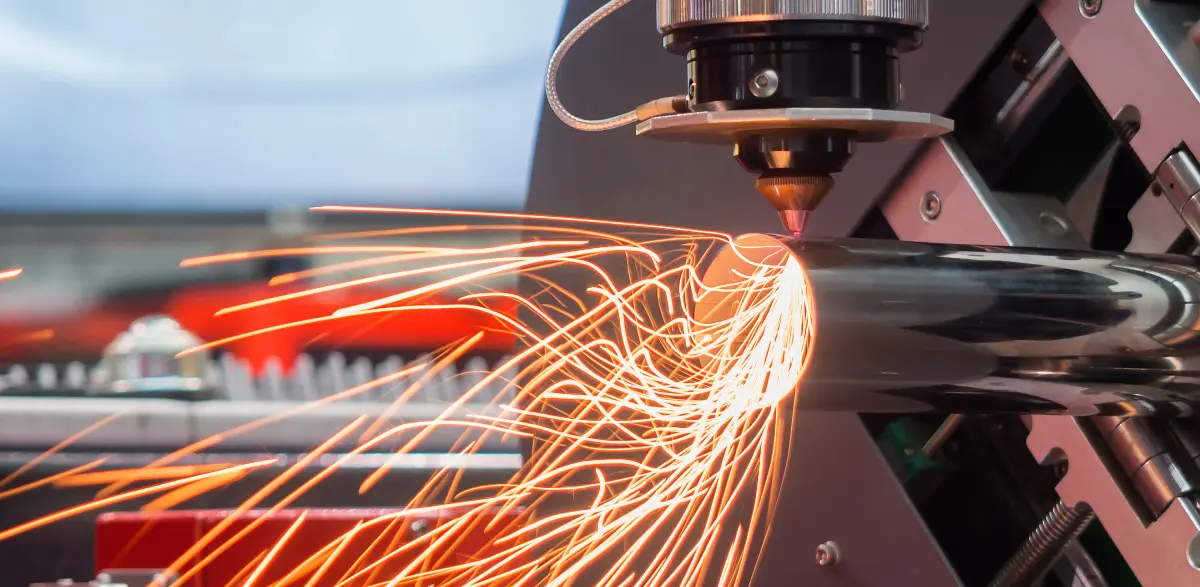
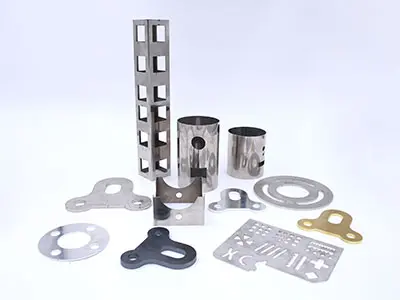
CNC Laser Fabrication Workshop
18+
Years Engineering Experience
32,000m²
Modern Smart Facility
150+
Global Export Destinations
20K+
Industrial Users Worldwide
Industry Whitepaper Deep-Dive

Why Chinese CNC Laser Factories Dominate the Global Supply Chain

A critical analysis of logistical efficiencies, cluster ecosystems, and technical achievements defining modern CNC laser fabrication.

1. Structural Supply Chain Clusters

Chinese manufacturers benefit from deep industrial clusters. By grouping optical source suppliers, gantry engineers, precision rail manufacturers, and software houses in close proximity, production delays are minimized and cross-compatibility validation is executed in real-time.

2. Agile Customization (OEM/ODM)

Unlike rigid western assembly lines, our 32,000㎡ plant handles specialized configurations dynamically. From adding exchange tables to custom pipe chuck arrays (two-chuck to three-chuck systems), systems are optimized for exact floor operations without long turnaround times.

3. Extreme Stress-Relief Protocols

Our beds undergo rigorous heat-treatment tempers up to 600°C in specialized ovens to remove structural stress inside the welded steel sheets. This thermal annealing guarantees the machine gantry remains structurally sound, straight, and dynamic for over 20 years.

Broad Spectrum Material Integration

Machining Capabilities Across Diverse Alloy Classes

From standard structural steel to highly reflective alloys, choose the optimal parameters for your specific materials.
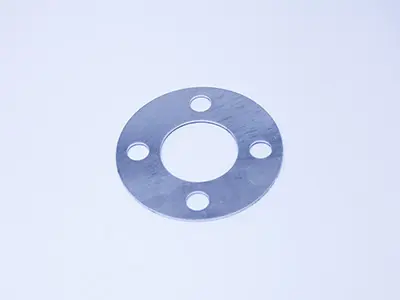
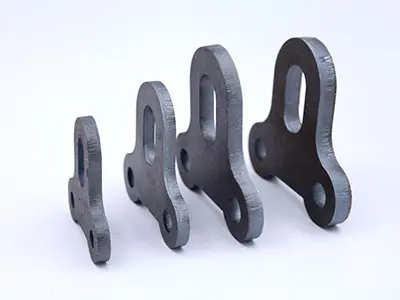
Aluminum Laser Cutting

Aluminum Alloys

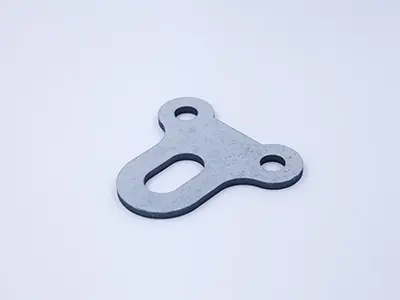
Carbon Steel Laser Cutting

Carbon Steel

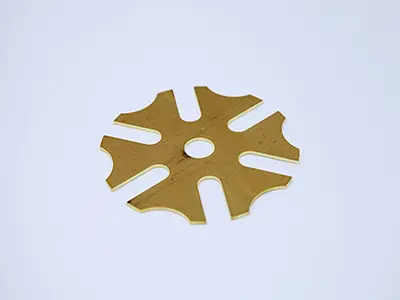
Copper Laser Cutting

Copper & Brass

Galvanized Sheet Laser Cutting

Galvanized Steel

Exotic Alloys Laser Cutting

Specialty Alloys

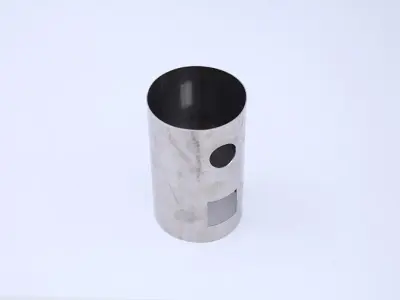
Round Tube Laser Cutting

Round Tube Profiles

Square Tube Laser Cutting

Square/Rectangular Tube

Stainless Steel Laser Cutting

Stainless Steel

Strategic Procurement Analysis

Macro Solutions & Key Procurement Guidelines

Helping international procurement directors evaluate Total Cost of Ownership (TCO) and select machinery for long-term operations.

Heavy Industrial Macro Solutions

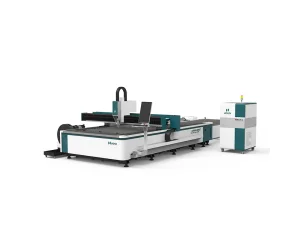
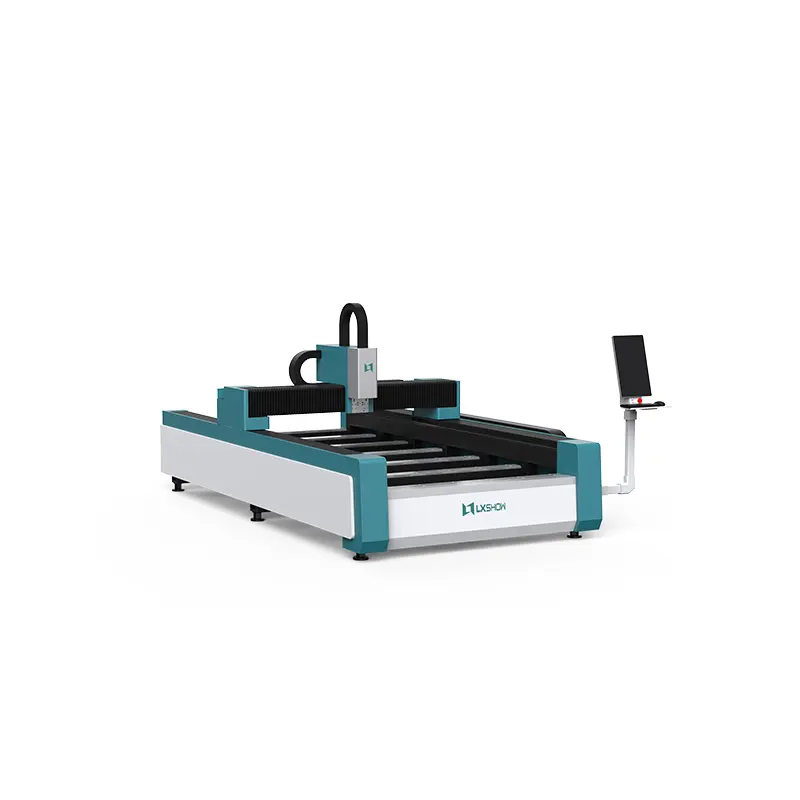
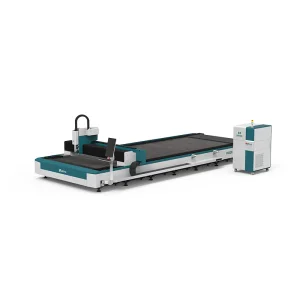
Modern steel processing centers require high performance and low downtime. High-power fiber laser solutions (from 12kW up to 30kW) feature enclosed exchange tables, allowing dual-pallet loading while the machine continues operation. This structural setup increases throughput by up to 130% over single-bed models.

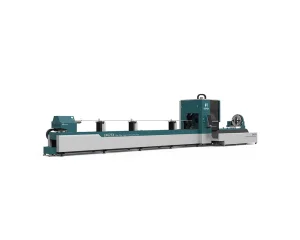
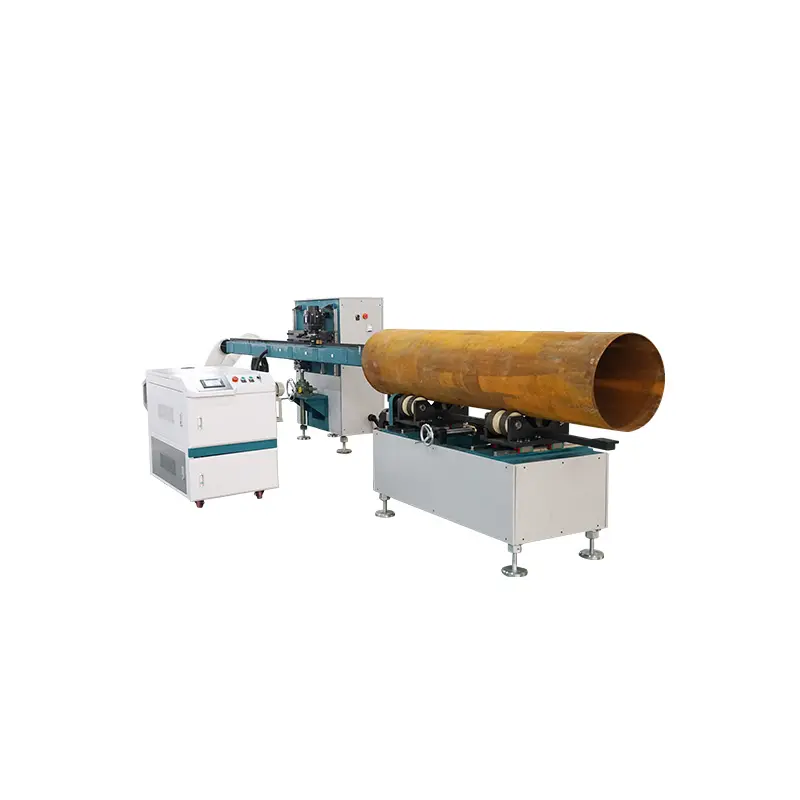
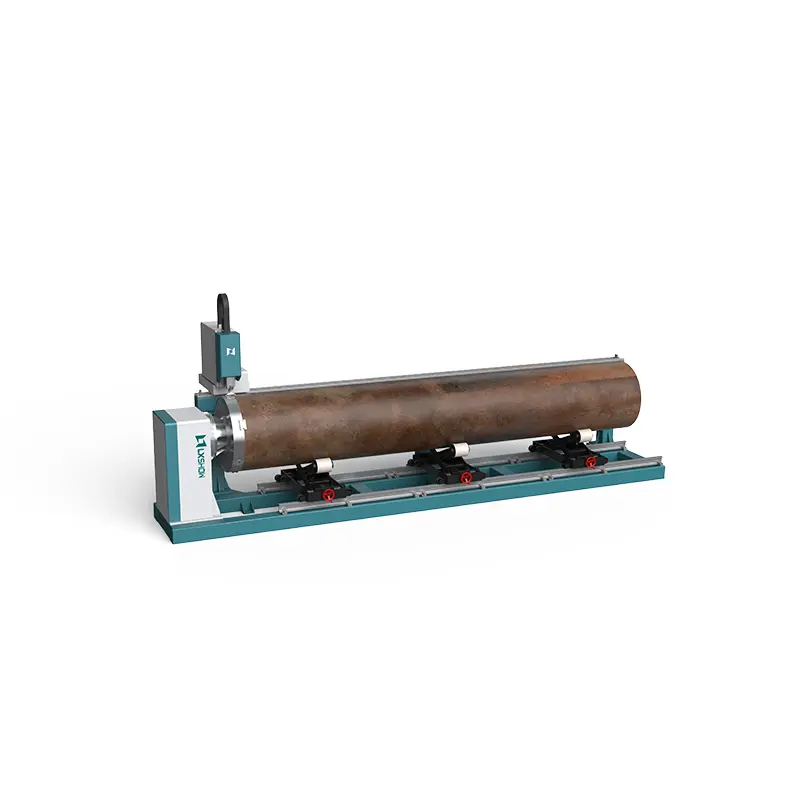
For specialized tube applications, three-chuck systems allow zero-tailing cuts, saving up to 10% on raw material costs by enabling cuts directly on the ends of structural steel pipes.

Procurement Criteria & Total Cost of Ownership

When comparing international quotes, global engineering buyers prioritize three key areas:

  • Optical Quality & Power Stability: High-quality laser sources (Raycus, IPG, or Reci) ensure stable power output over years of continuous operation.
  • Dynamic Motion Rigidity: Premium Japanese servo motors combined with helical rack systems provide the positioning accuracy (±0.02mm) required for complex cuts.
  • Operating Cost Optimization: Selecting appropriate assist gas setups (Oxygen, Nitrogen, or Compressed Air) can reduce operation costs by up to 40% on thin-sheet metals.
Inside Our Operations

Our R&D Laboratories, Design Offices & Workshops

Take a tour through our manufacturing and administrative spaces where precision engineering is conceived and developed.
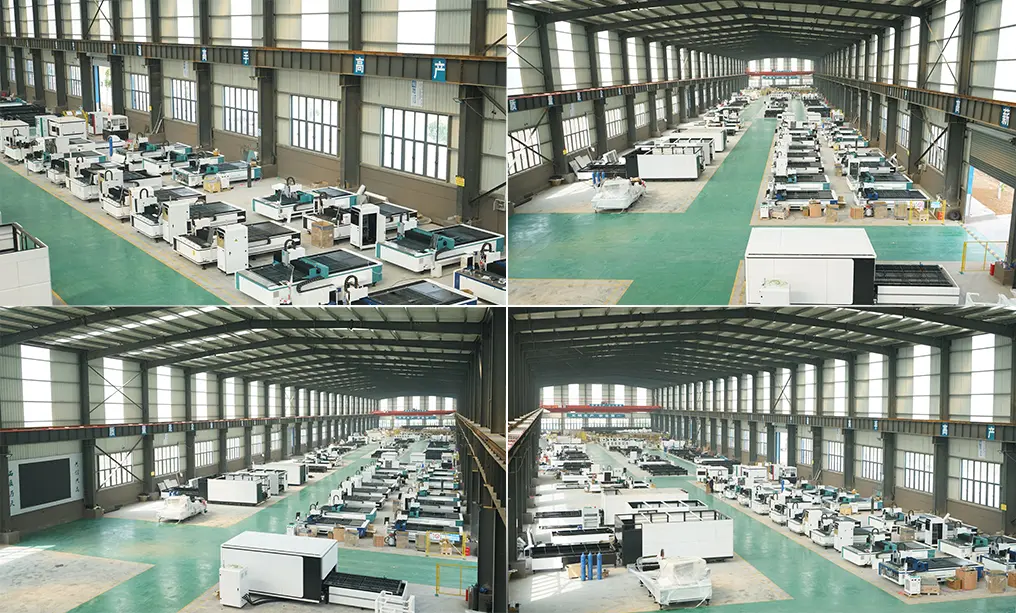
Assembly Workshop

Assembly Workshop

Main Manufacturing Plant

Main Manufacturing Plant

Front Desk Office

Front Desk Office

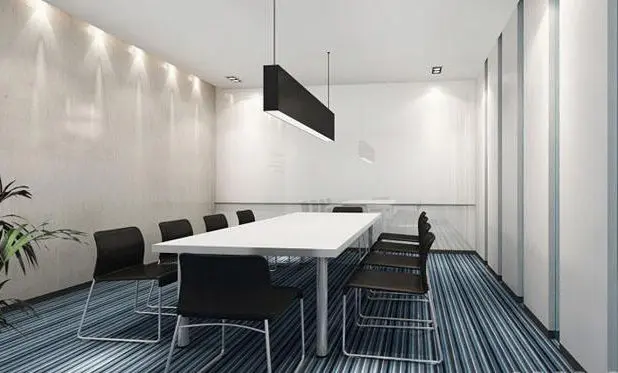
Conference Center

Conference Center

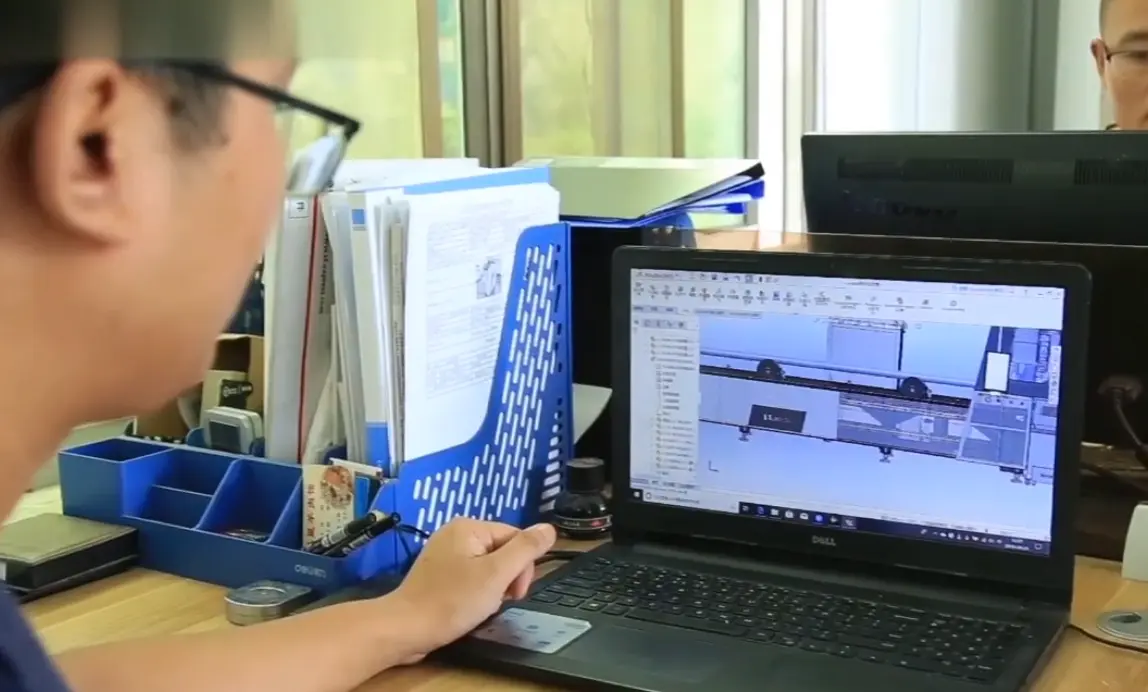
Engineering Hub

Engineering Hub

Machine Design Team

Machine Design Team

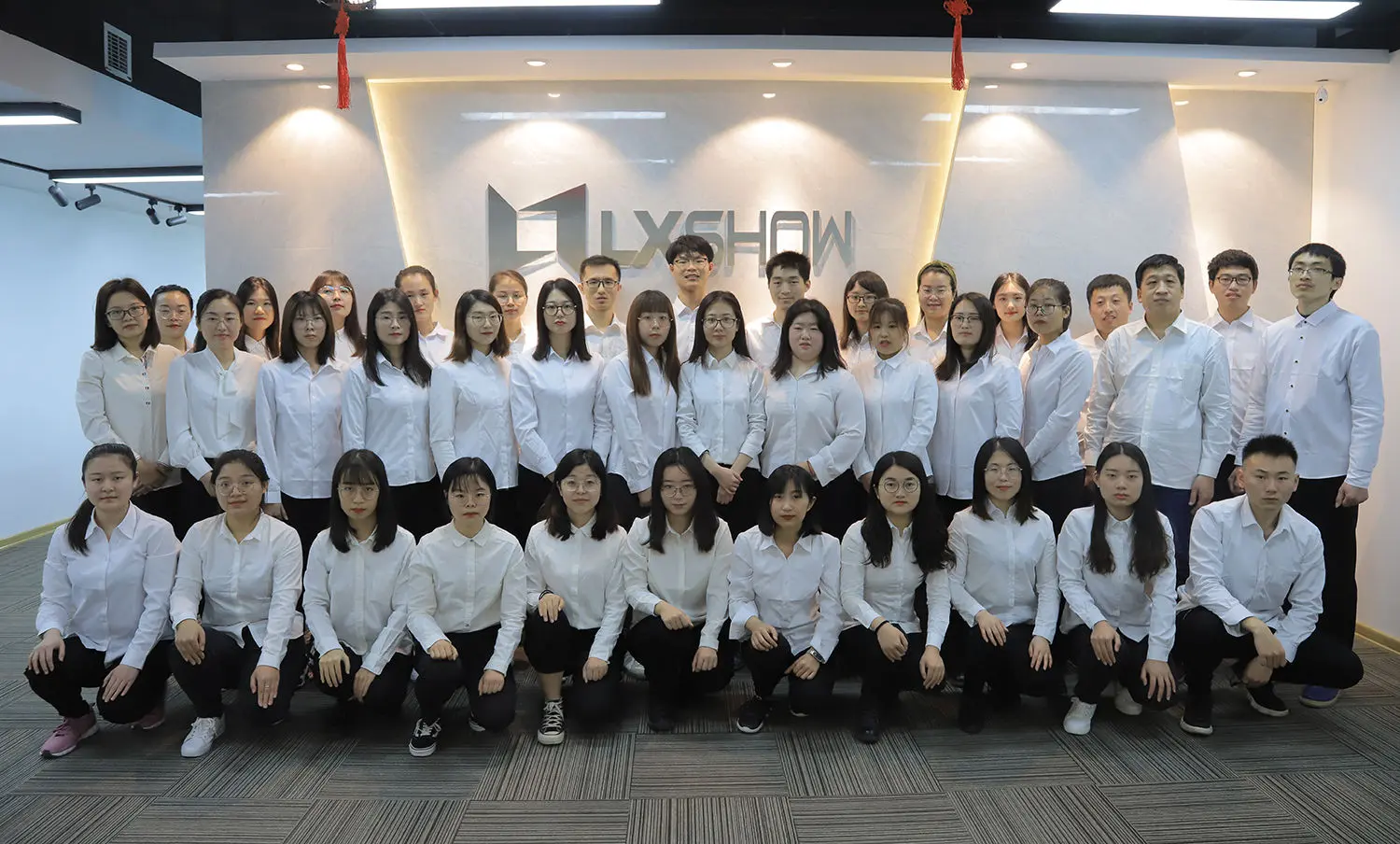
Reception Hall

Reception Hall

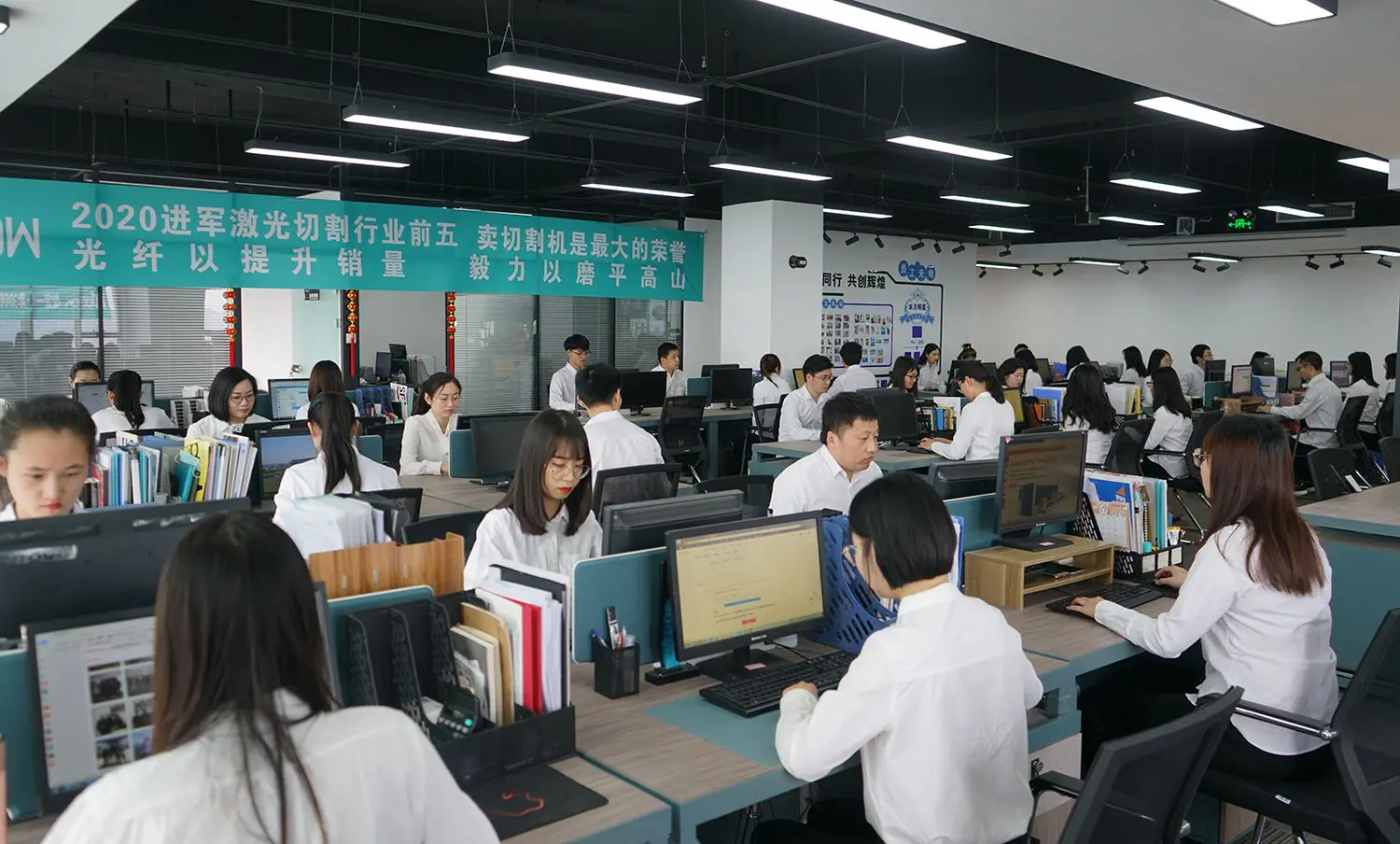
Global Export Sales Hub

Global Export Sales Hub

Technical Support Team

Technical Support Team

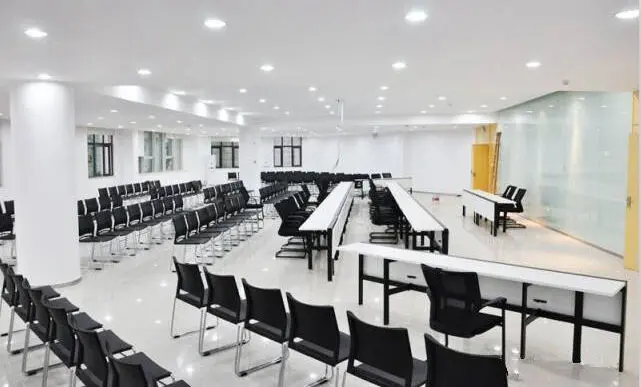
Customer Training Center

Customer Training Center

Knowledge Base

Technical Q&A: Procurement Insights & Laser Dynamics

Expert answers to key technical questions commonly asked by procurement managers and operators.

Q1: What are the differences between Fiber Lasers and CO2 Lasers for steel cutting?
Fiber lasers utilize a solid-state active medium, delivering a wavelength of approximately 1.06 μm. This is 10 times shorter than CO2 laser wavelengths, allowing for a much higher absorption rate in metals. Fiber lasers offer higher cutting speeds in thin sheets, lower operating costs, and require less regular maintenance due to the absence of complex internal mirrors.
Q2: How does assist gas selection impact cut quality and operations?
The choice of assist gas determines the chemical reaction in the cutting zone:
  • Oxygen (O2): Used primarily for carbon steel. It acts as an exothermic energy source, enabling high speeds in thick plate processing, though it leaves a thin oxide layer.
  • Nitrogen (N2): Used for stainless steel and aluminum. It cools the material, preventing oxidation and resulting in a clean, burr-free edge ready for welding or painting.
  • Clean Compressed Air: An economical alternative for thin materials, reducing gas costs while maintaining acceptable cut speeds.
Q3: How do you prevent thermal distortion during high-power cutting?
Thermal distortion is managed through real-time capacitive height tracking, optimized lead-in toolpaths, and heat-relief cycles programmed in the nesting software (e.g., CypCut). Structurally, our machine frames undergo thermal stress annealing at 600°C, ensuring the chassis maintains structural integrity under continuous load.
Q4: What is the typical lead time and global shipping protocol for custom configurations?
Standard configurations ship within 15 to 20 business days. Custom units, including multi-chuck tube arrays, require 30 to 45 days. We package all machinery in moisture-resistant vacuum barrier wraps and secure them within reinforced steel-framed crates, ensuring protection during sea freight transport.
Categorized Machinery Portfolio

Comprehensive Solutions for Metal Forming & Welding

Select specialized categories below to explore detailed specifications, product directories, and catalog options.

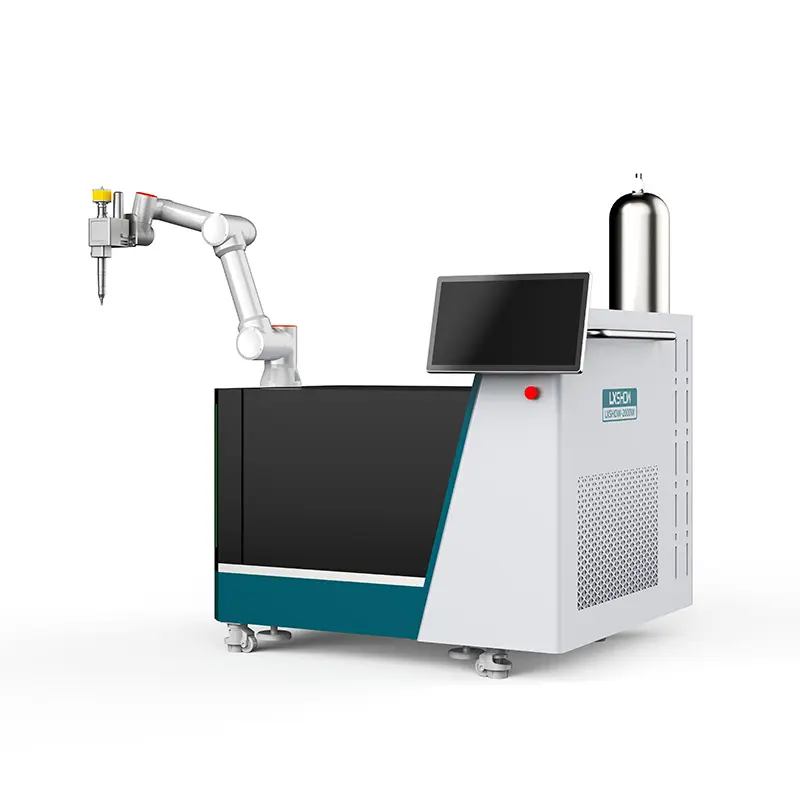
Laser Cladding Equipment Series

Designed to provide surface protection, rebuilding, and repair of critical components, ensuring reliable operations under high load.
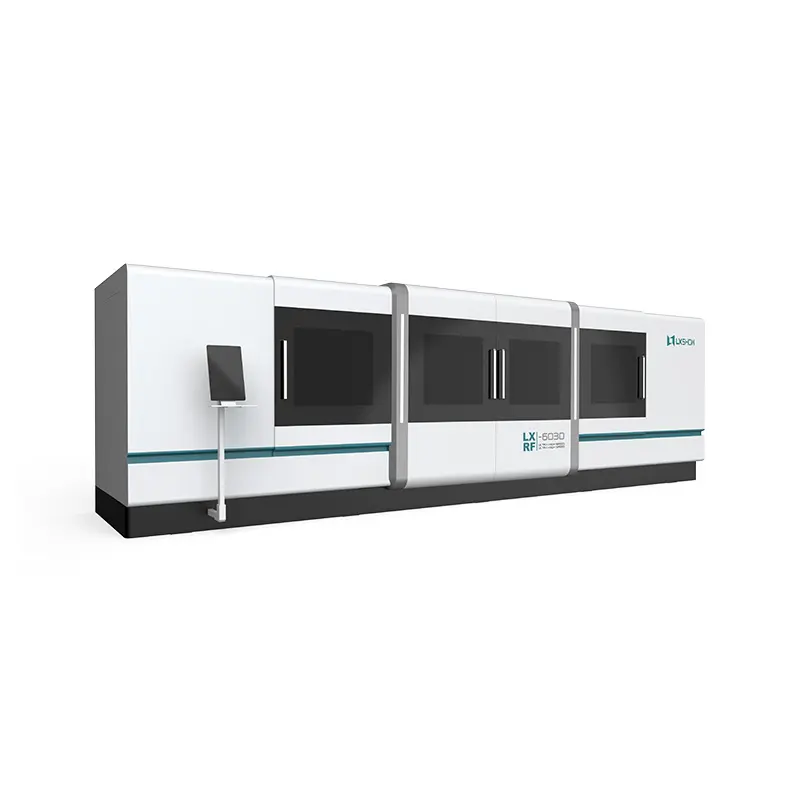
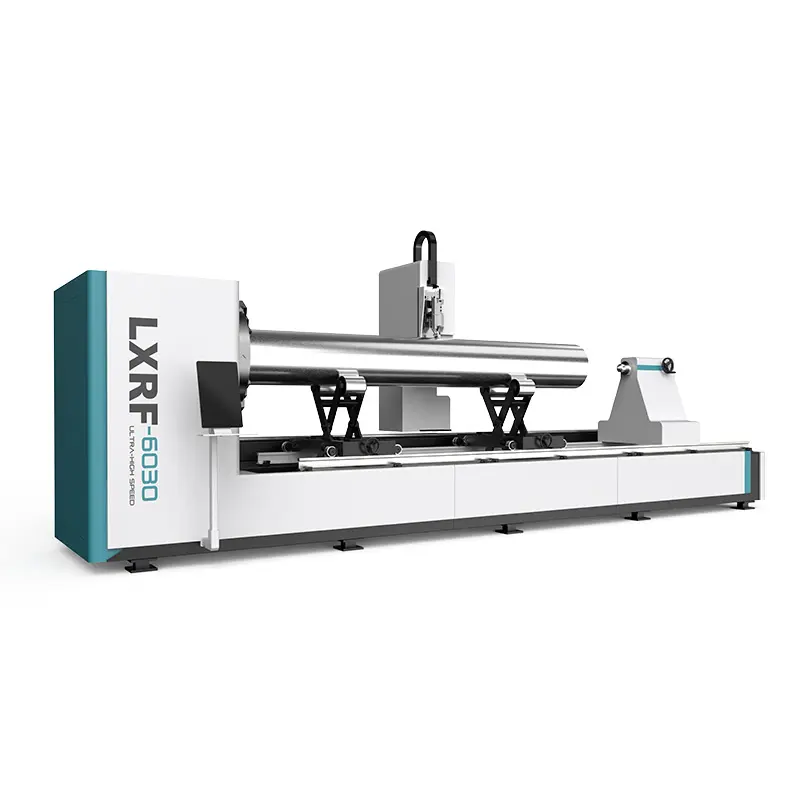
LXRF-6030 Module
LXRF-6030 Single Axis Positioner Module

Precision component placement.

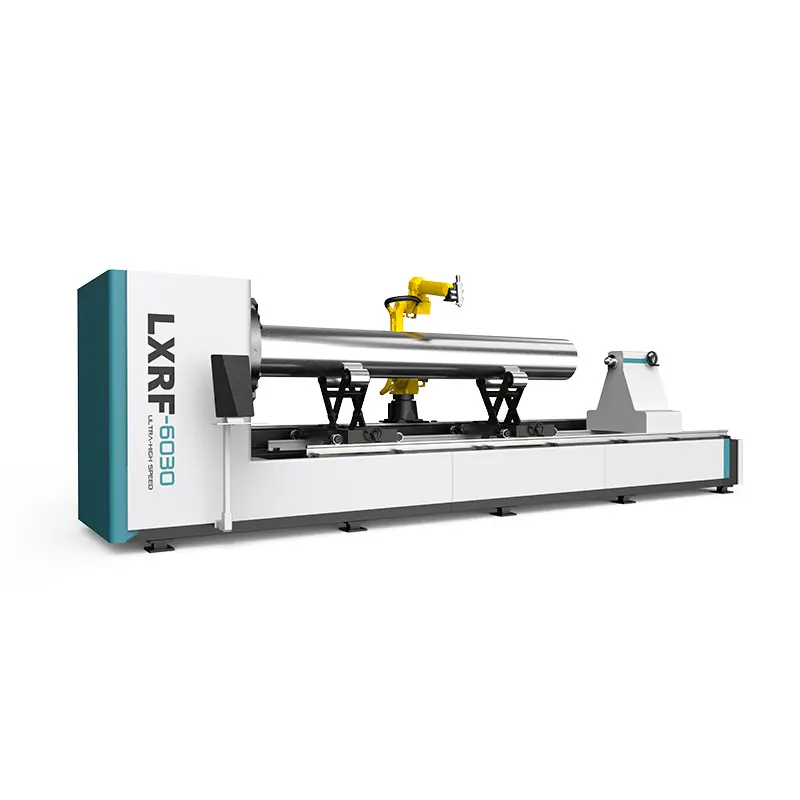
LXRF-6030 Robot
LXRF-6030 Robotic CNC Positioner System

Fully automated robotic cladding.

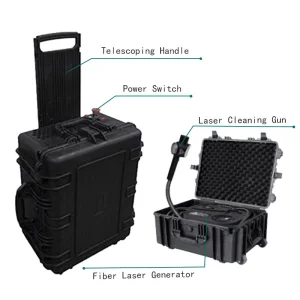
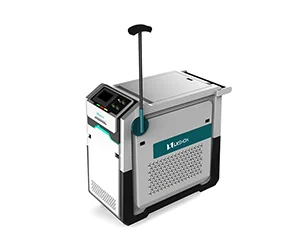
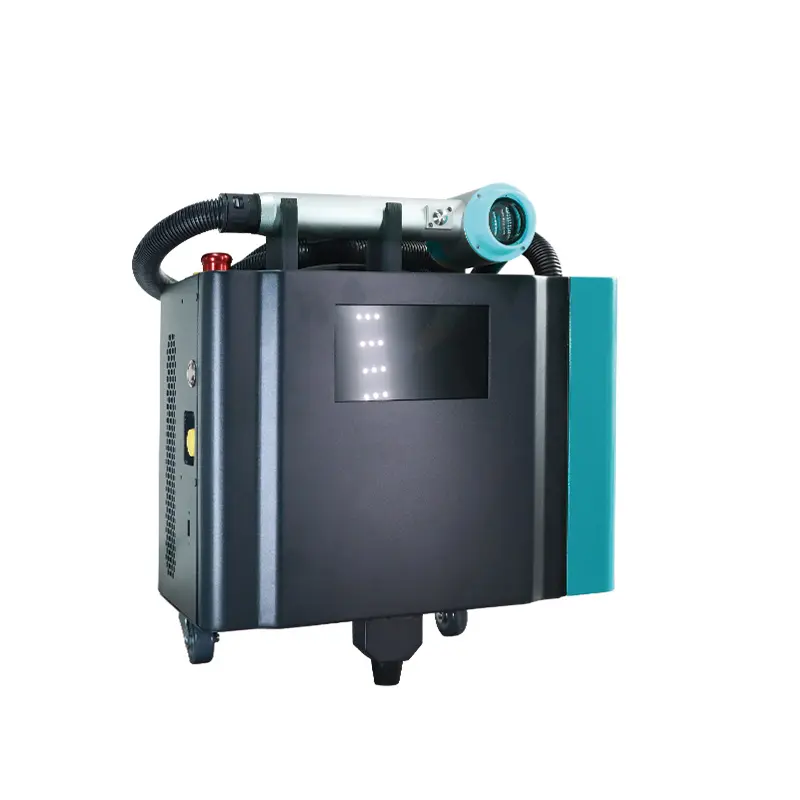
Laser Cleaning & Rust Removal

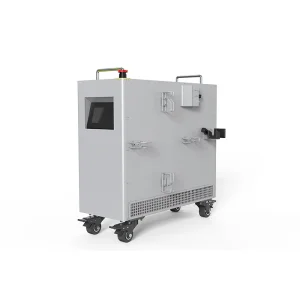
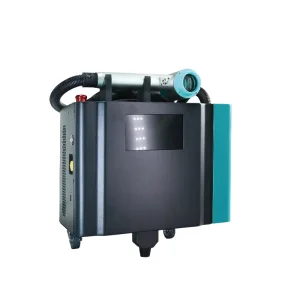
Eco-friendly surface treatment systems that remove oxide scales, paint layers, and rust without chemicals or abrasives.

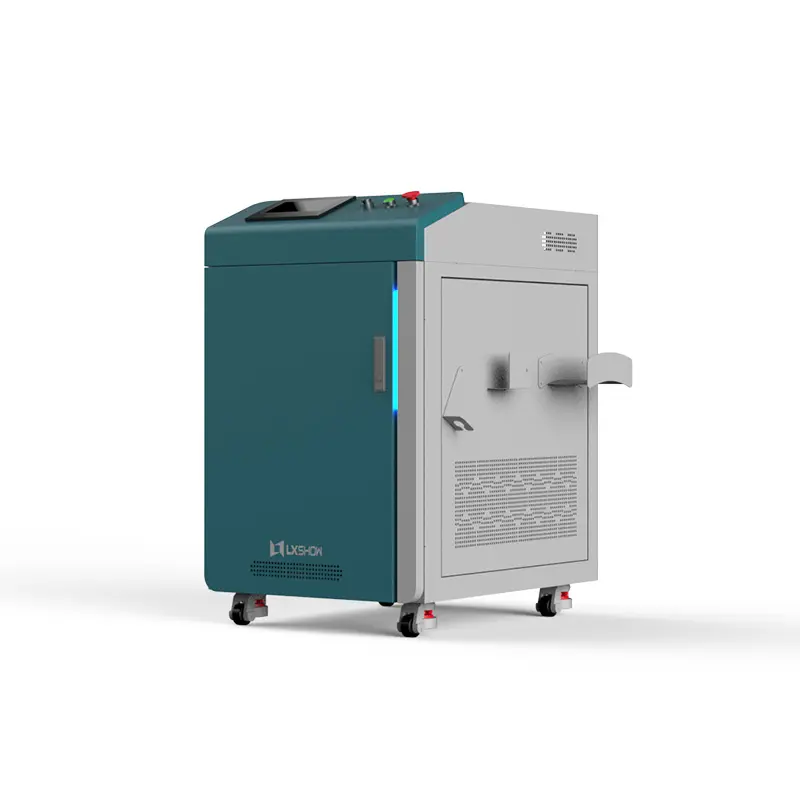
Laser Welding Technologies

Enabling high-speed joining with minimal thermal input, perfect for fine sheet metal fabrications and hermetic sealing.

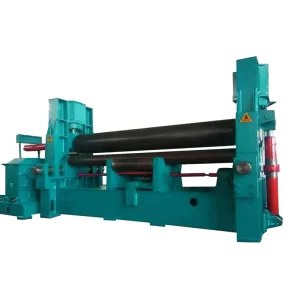
Hydraulic Bending & Shearing Solutions

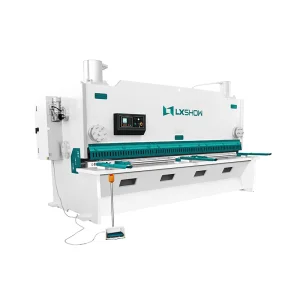
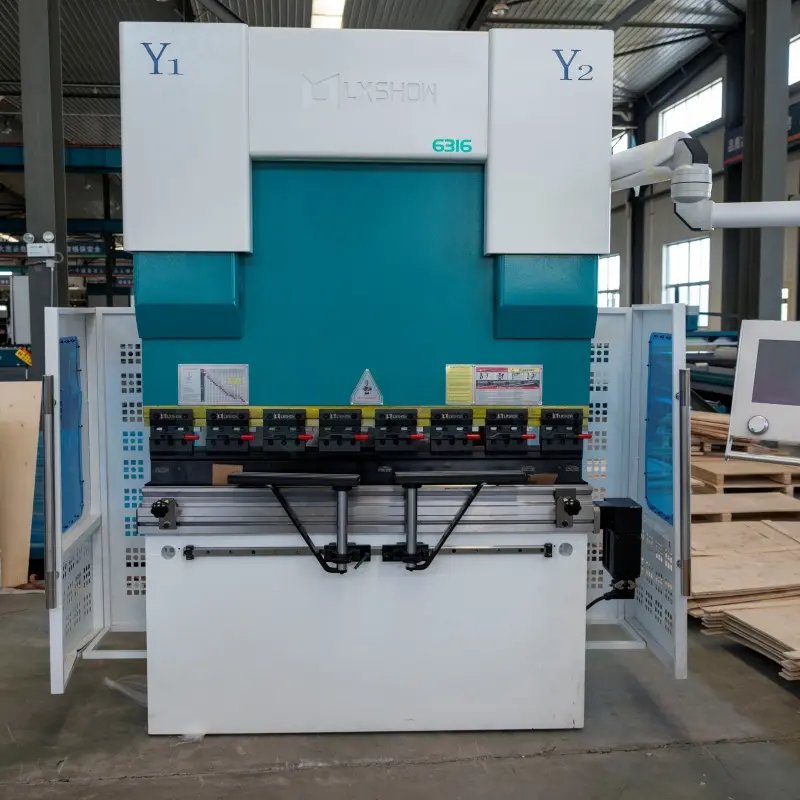
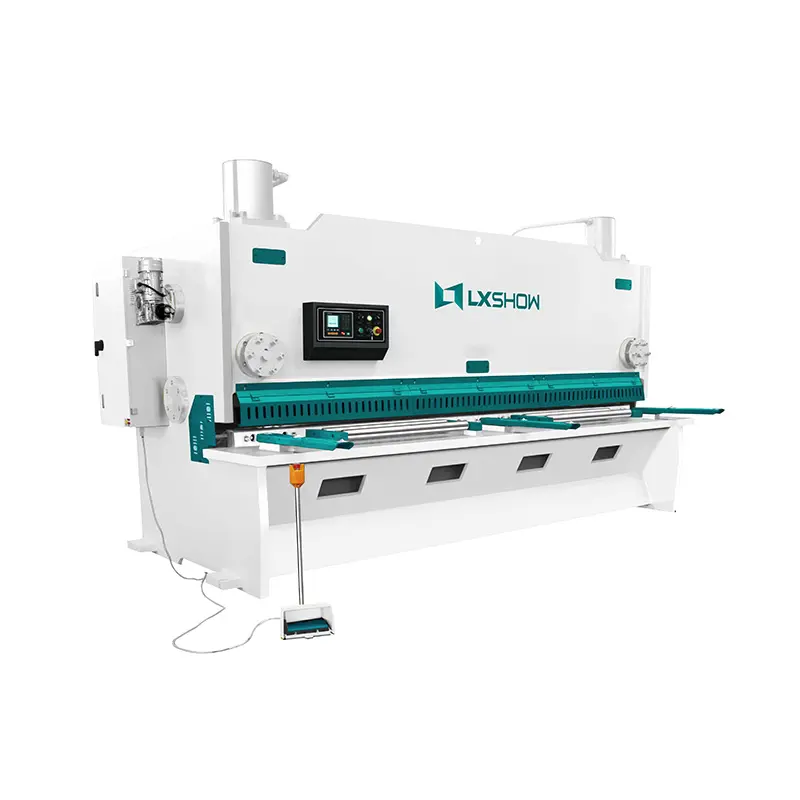
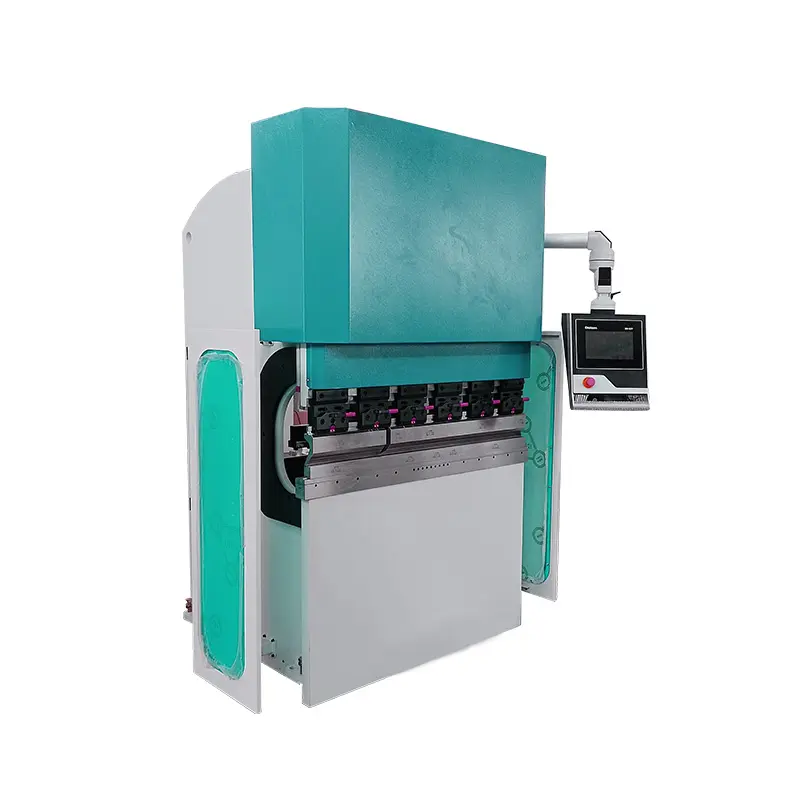
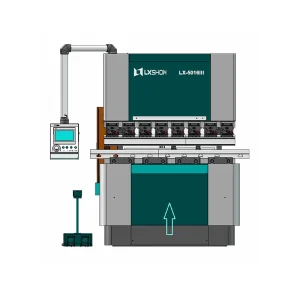
Heavy-duty mechanical metalworking tools designed for shearing, blanking, and forming plates at scale.