Integrating state-of-the-art optical systems and heavy-duty mechanical engineering to serve high-precision metallurgy environments globally.
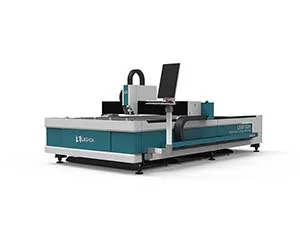
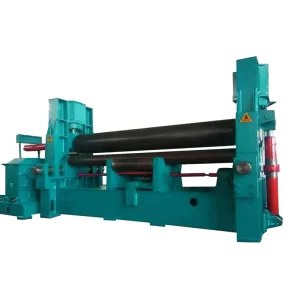
LXSHOW has spent decades perfecting sheet metal fabrication, laser cutting systems, and high-frequency wave integration.
Every laser system developed in our high-end smart facilities is manufactured to absolute alignment standards. Our systems are verified by international testing bodies, successfully passing the European Union CE authentication, the American FDA certificate, and certified to conform completely to ISO 9001 quality management procedures.
We are continuously focused on driving industrial progress via our specialized communication center. By building Industry 4.0 future plants, we integrate fiber laser cutting machines, laser welding machines, and laser cleaning machines into fully coordinated and automated assembly environments.
Brass (specifically alloys containing high zinc fractions like C260 or C360) is highly reflective of standard laser wavelengths. CO2 laser systems (10.6μm wavelength) suffer from extremely low initial light absorption, leading to catastrophic back-reflections that can destroy optical components. Modern fiber laser systems operating at approximately 1.07μm wavelength solve this barrier by providing up to three times higher absorption rate in reflective metals.
High-purity Oxygen (O2) and dry Nitrogen (N2) are critical during processing. For thin brass parts, Nitrogen serves as a shielding gas to inhibit oxidation, ensuring bright, clean, burr-free cuts. Conversely, Oxygen auxiliary gas leverages exothermic reactions to cut through thicker brass sheets, though it forms a thin oxide film that might require deburring in high-tolerance assemblies.
Brass possesses excellent thermal conductivity, meaning heat diffuses quickly from the beam interaction zone. Without high power density and optimized cutting speeds, this diffusion causes heat accumulation in the surrounding material. This leads to a wider Heat-Affected Zone (HAZ), warping of delicate geometries, and significant dross formation underneath the kerf.
Achieving stable laser cutting of copper alloys requires a fiber laser setup built specifically to handle high optical feedback. High-performance models like our LX3015DH fiber series incorporate specialized optical isolators inside the laser head. This protection system absorbs returned laser energy, safeguarding the laser diode array. In addition, using short focal lengths and a high-focus position produces a localized energy point that vaporizes brass before thermal conduction spreads the energy outward.
Explore the high-tech workspaces, designing units, and production lines where LXSHOW machinery is forged.
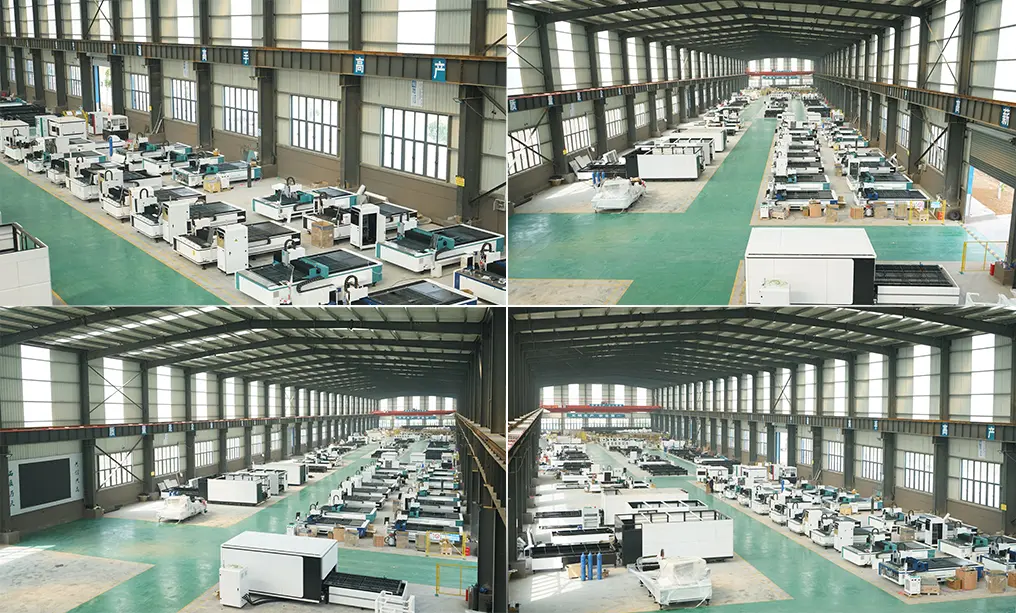
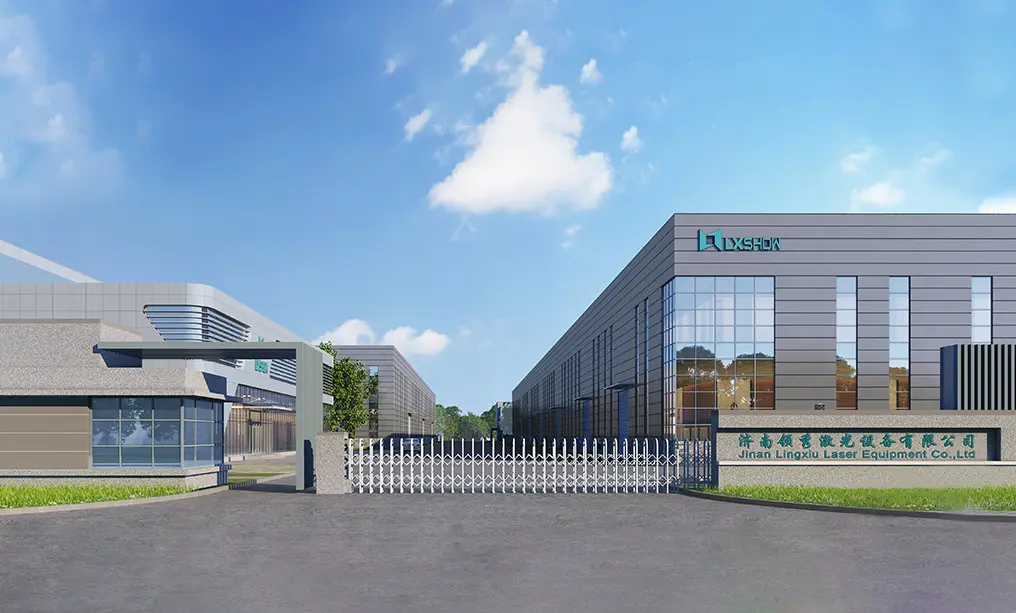
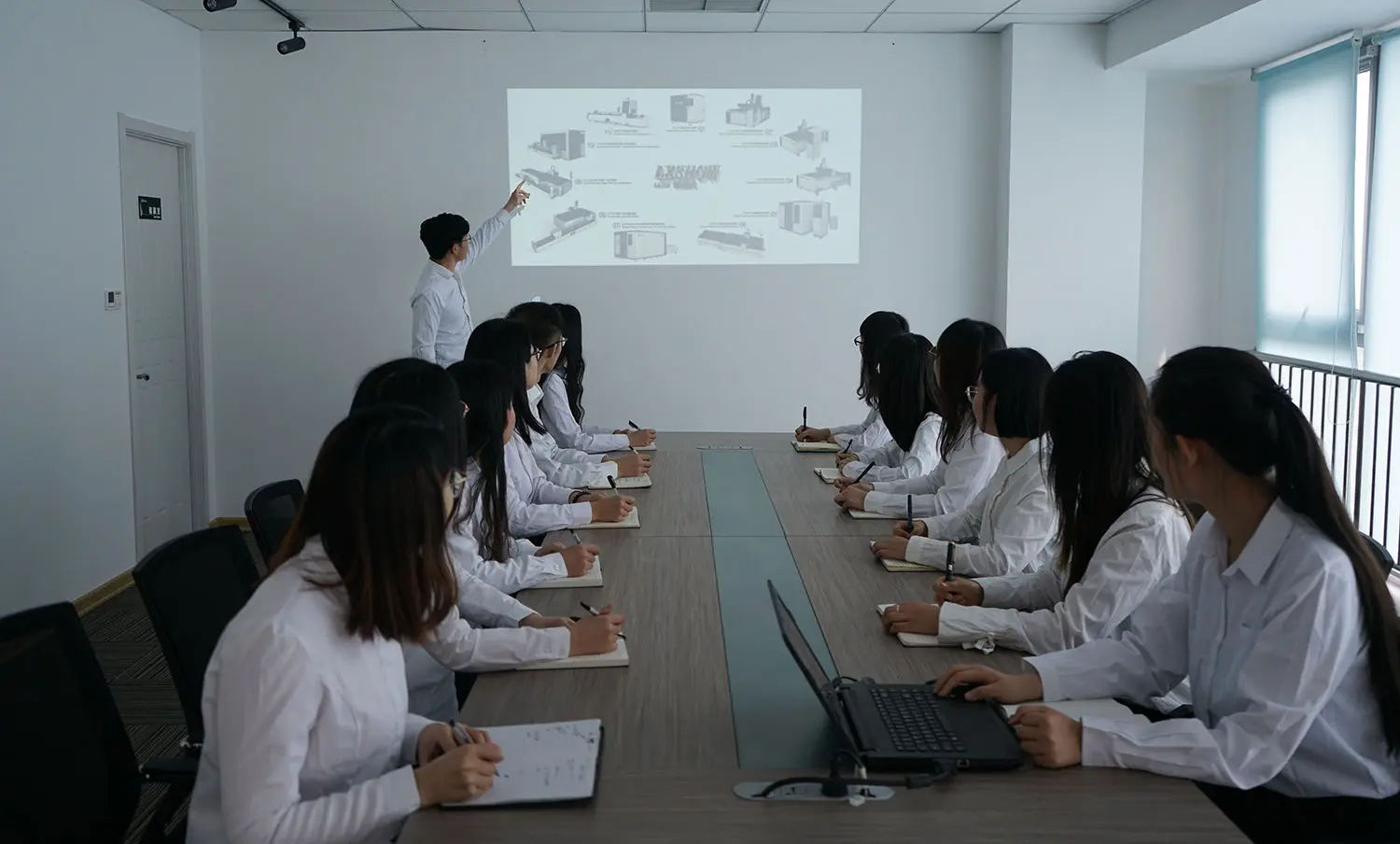
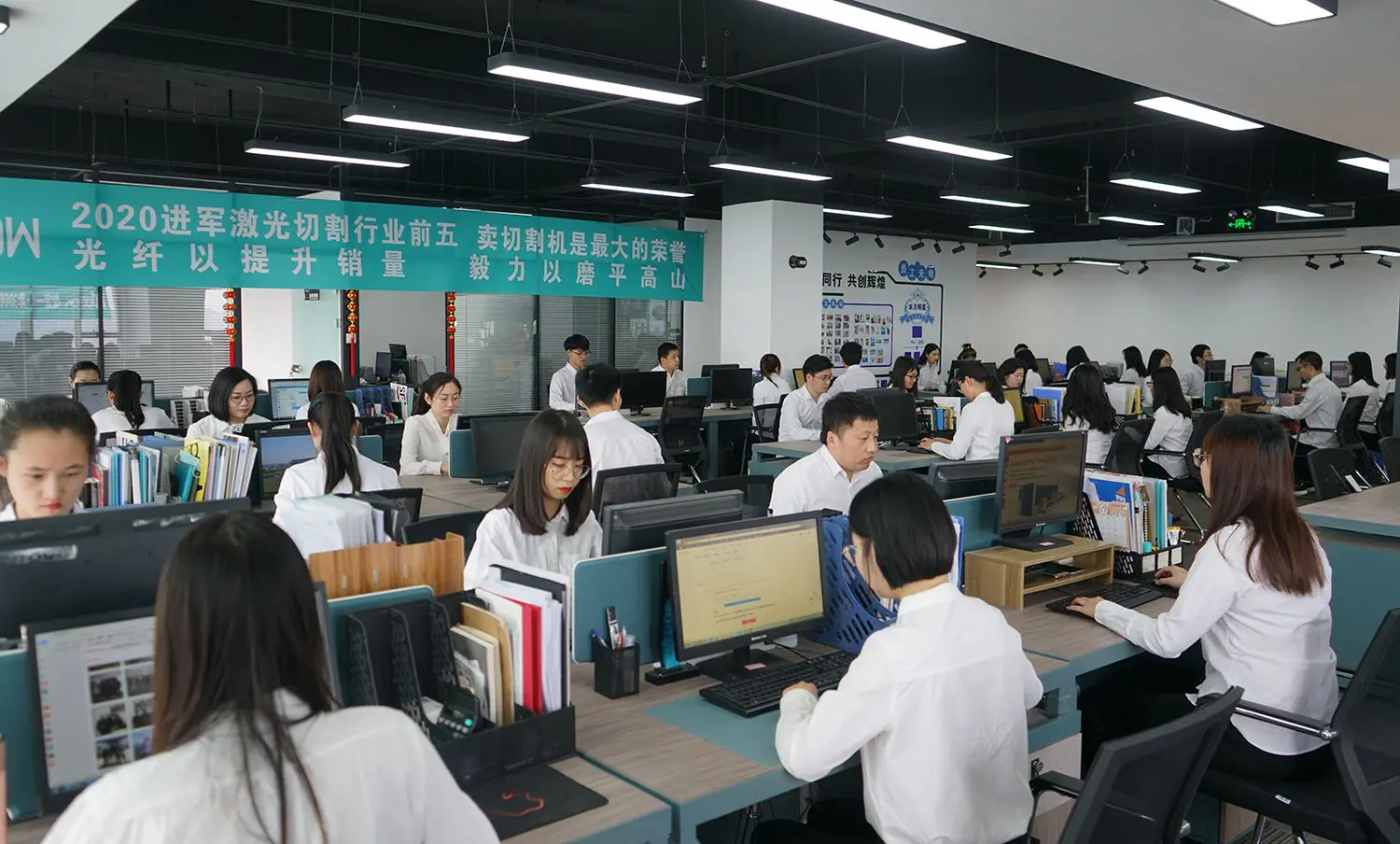
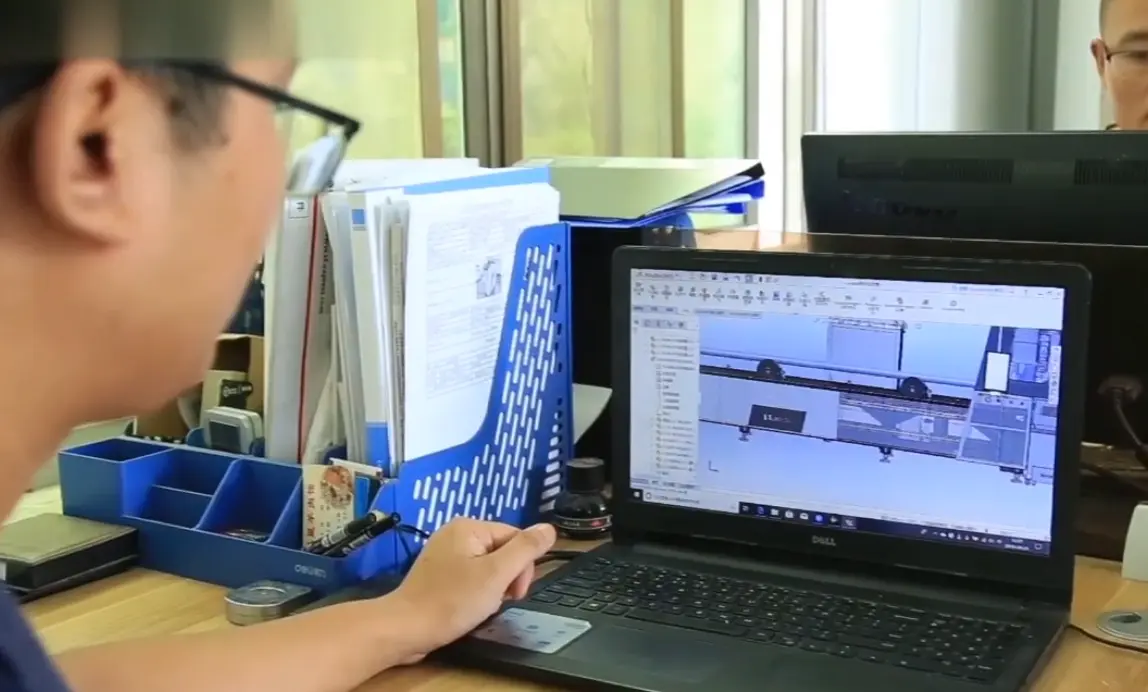
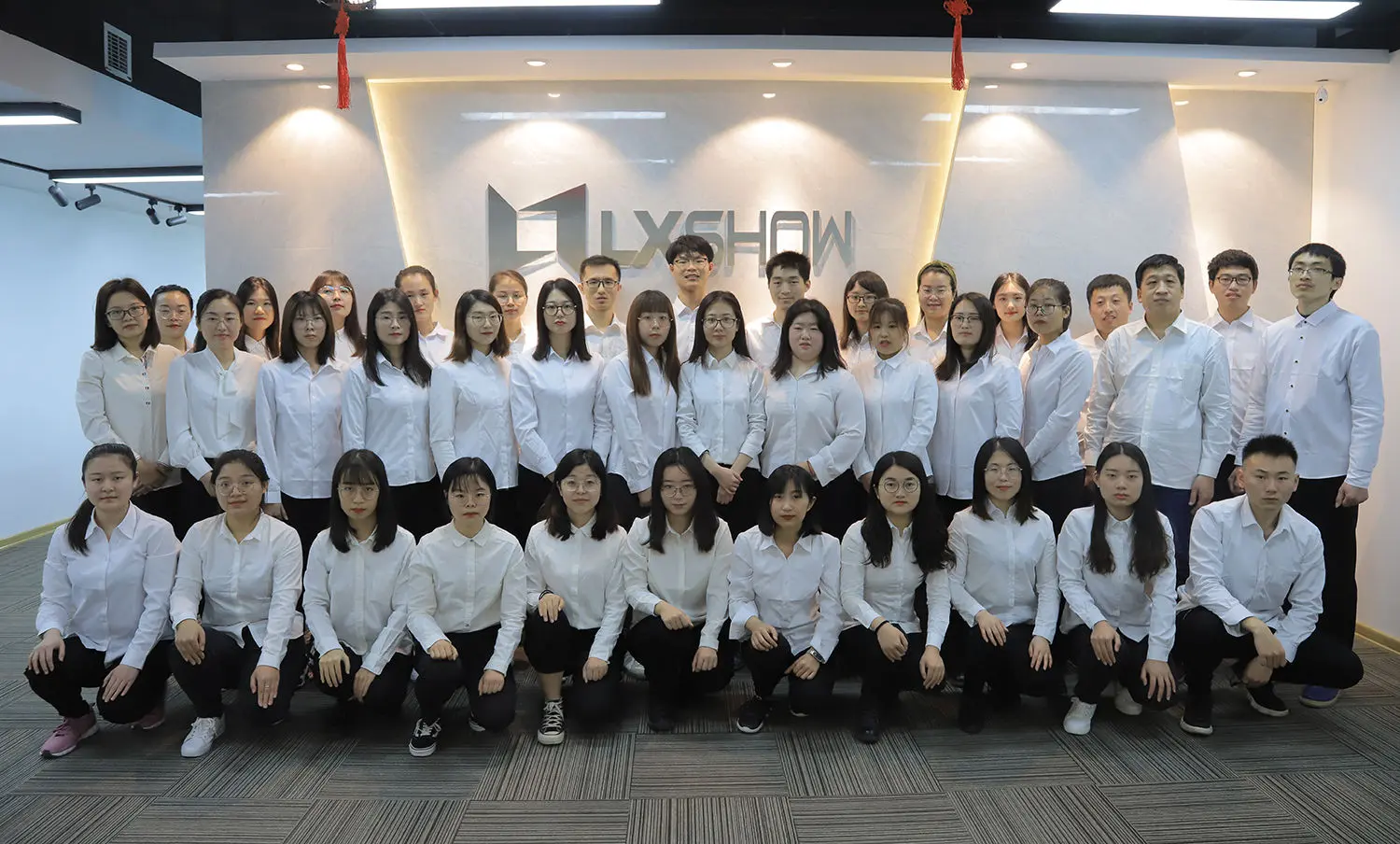
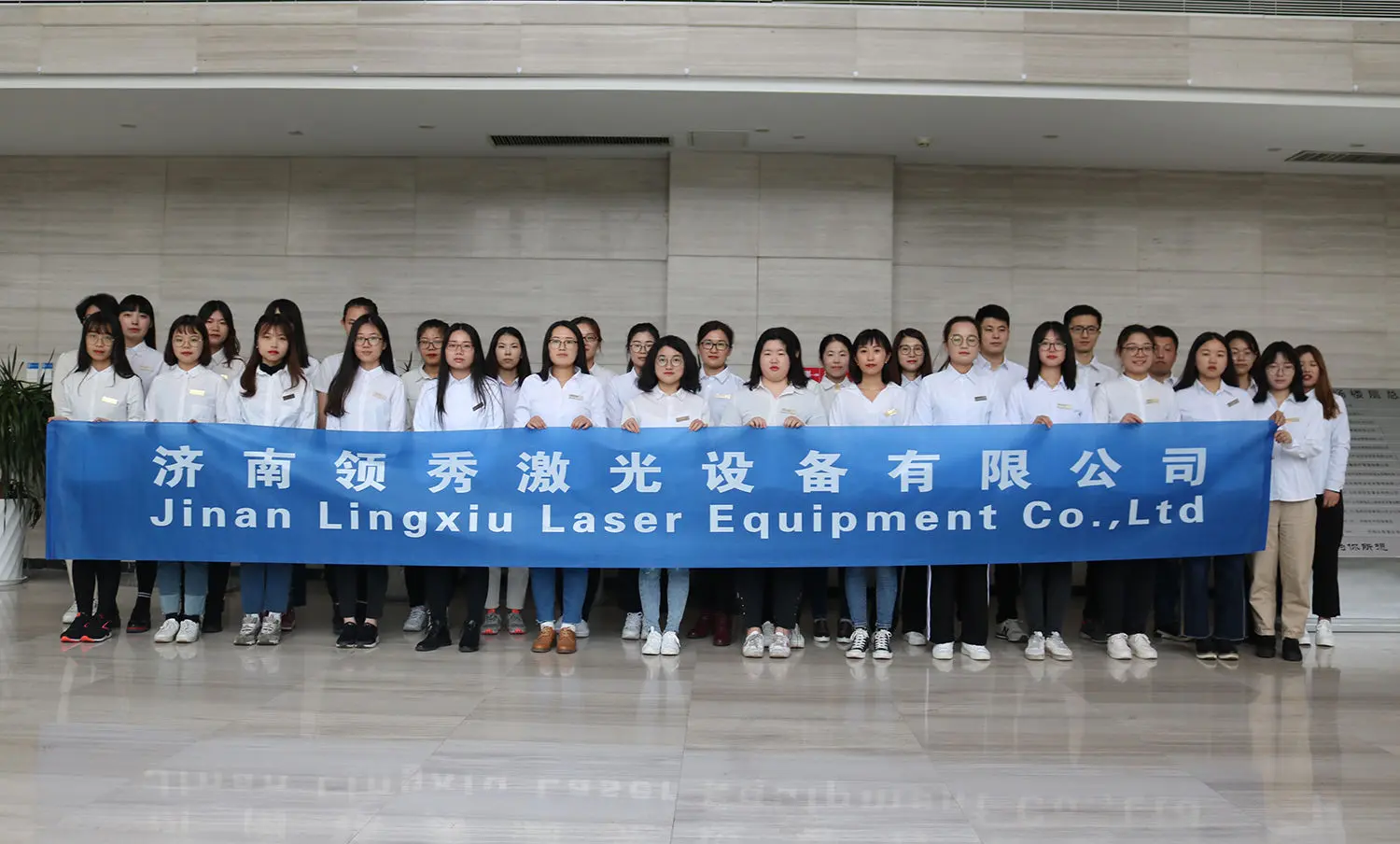
Our fiber laser machinery lines process diverse metal variations across countless commercial fields.
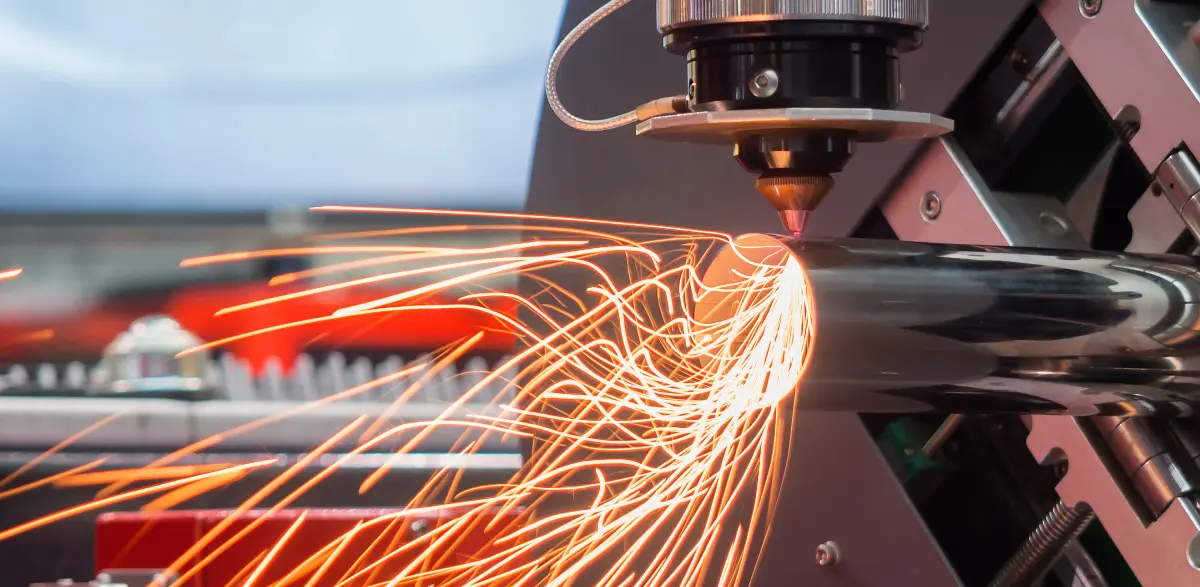
Our solutions cater to high-performance fields where tolerance control is critical: Automotive & transportation engineering (heat exchangers, electrical connectors), Aerospace structures, Heavy electrical systems (busbars, switchgears), Aesthetic home applications (kitchenware, cabinet plates), and Aesthetic signaling / advertisements.
The global brass laser cutting market is experiencing a transition towards automation. High energy costs and strict environmental parameters have driven manufacturers in North America and Western Europe to transition from physical stamping and milling toward digital laser fabrication. Brass components cut on high-power fiber lasers require no physical molds, allowing factories to run small batches with zero tooling wear.
As a leading Chinese manufacturing exporter, LXSHOW Laser coordinates international logistics to supply over 150 countries. We provide specialized OEM production support for more than 30 global brands, tailoring frame structures, laser parameters, and control programs to local voltage requirements, local safety codes, and language settings.
High demand for medical devices and aerospace electrical bushings. Quality requirements focus heavily on FDA approvals, clean raw edges, and high-frequency laser welding compatibility.
Strong emphasis on CE conformity and automation integration. Cutting systems are typically integrated with robotic pick-and-place lines and smart manufacturing cells.
Rapid growth in appliance production and electrical machinery. Priority lies on machinery cost efficiency, reliable cooling performance in tropical climates, and direct training support.
Achieving top efficiency on the shop floor requires coordinating laser cutting, cleaning, welding, and bending into a single process line.
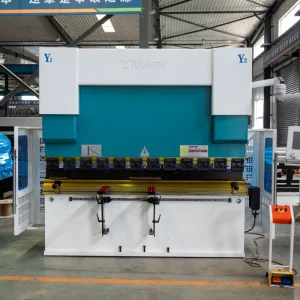
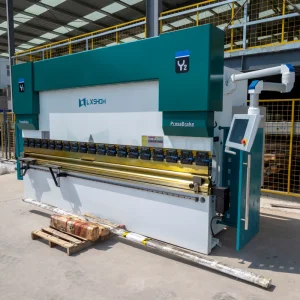
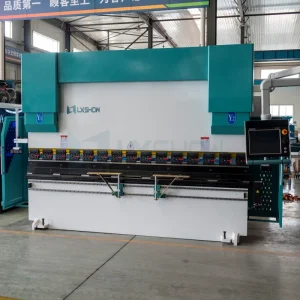
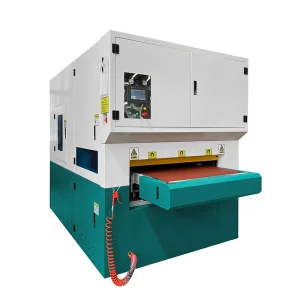
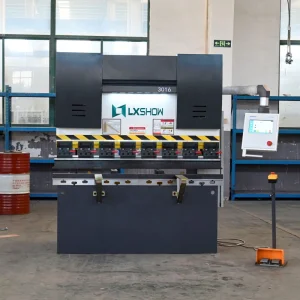
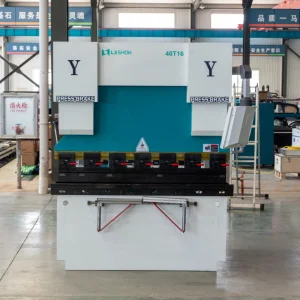
LXSHOW offers a full line of steel-processing equipment. After a fiber laser machine performs precise cutting on a brass or steel sheet, our WE67K Series Electro-hydraulic Bending Machines form the raw shapes with high precision. Edge-rounding and deburring machines finish the components, eliminating post-cut burrs and preparing raw parts for assembly lines.
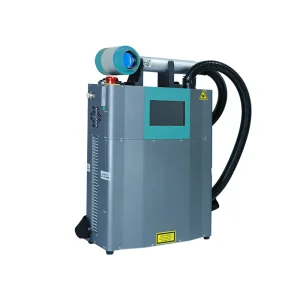
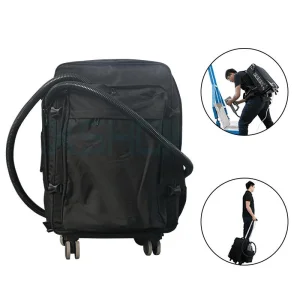
For assemblies like copper-core heat exchangers or heavy automotive electrical cabinets, laser cutting is only the first step. Combining this with LXW Series Handheld Laser Welders offers rapid, deep penetration joints on brass without warping, while LXC Series Portable Laser Cleaners remove surface oxides without using toxic acids or grinding wheels.
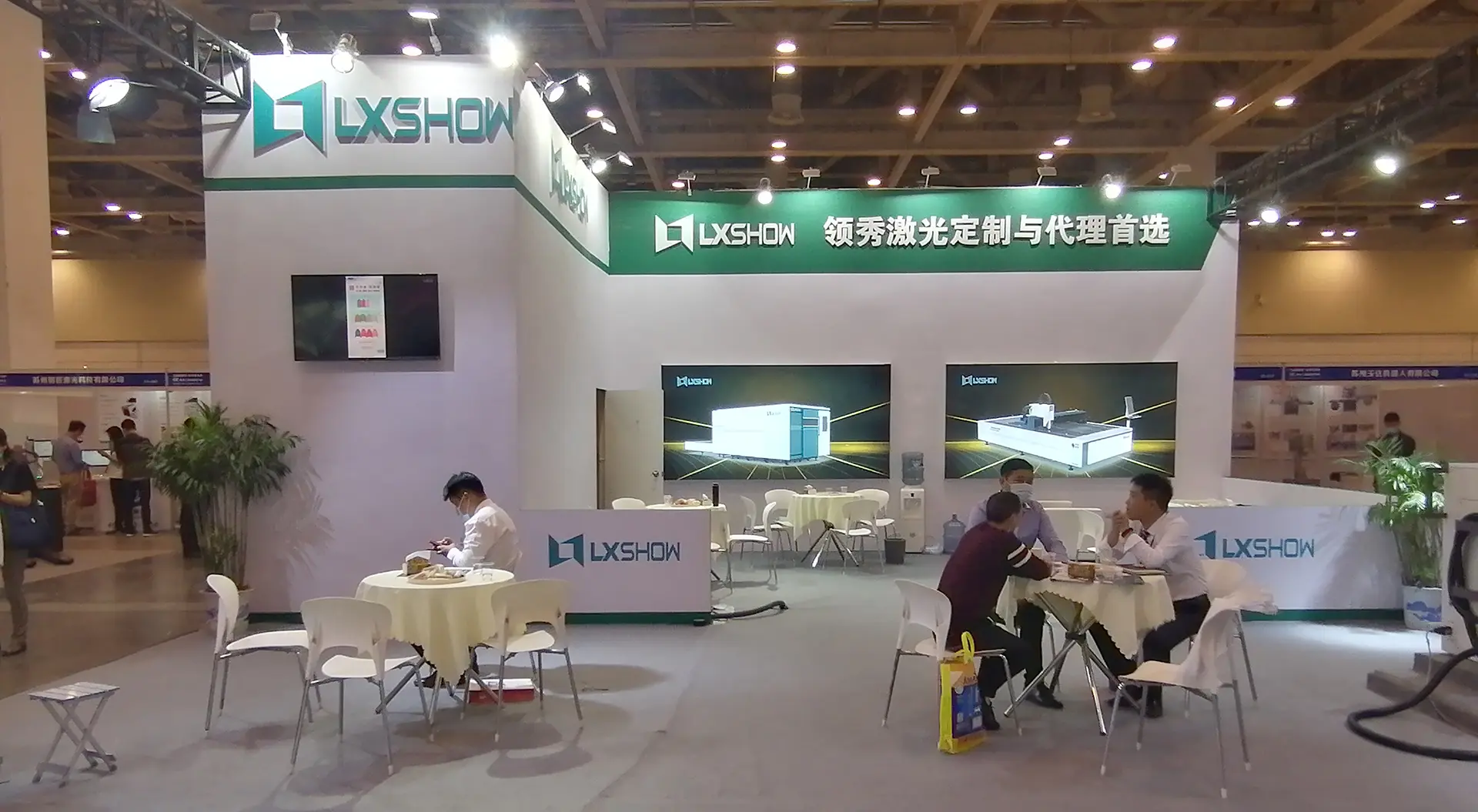
Expert engineering answers addressing common questions regarding brass and reflective alloy processing.
The metallurgy and metal fabrication industries are heading toward a digital, automated future. By 2040, LXSHOW aims to be a leading brand in the international laser field. Our engineering team is focusing research on three key development paths:
Standard fiber lasers emit near-infrared light. However, metals like brass and copper absorb blue and green wavelengths much more efficiently. We are researching hybrid blue-fiber laser delivery networks to reduce reflection rates to nearly zero.
Real-time optical cameras analyze the cutting kerf as it is created. If dross or slag starts to build up, the CNC controller automatically adjusts gas pressure and feed rates, minimizing defects in real time.
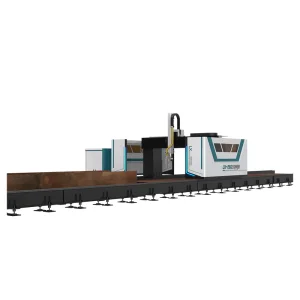
As 20kW+ laser systems become standard, manual material loading becomes a bottleneck. We are pairing our ultra-large format plate cutters with automated loading systems to enable 24/7 lights-out production.
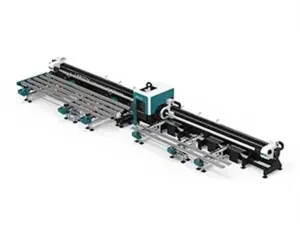
Discover our advanced line of tube laser cutting machines, high-capacity benders, and fiber laser cutters.
 Lxshow