Driven by technological innovation and absolute precision, we empower industrial leaders worldwide to achieve operational excellence with next-generation laser cutting, welding, and cleaning solutions.
Since our establishment in July 2004, we have remained at the forefront of the global laser smart equipment manufacturing sector. Spanning a state-of-the-art Research and Development facility exceeding 500 square meters, alongside a massive 32,000 square meter standardized production factory, we specialize in offering comprehensive industrial grade solutions. As a premier Famous Metal Cutter Laser Machine Supplier & Exporters, we align our operations with stringent international protocols, holding certifications including the European Union CE authentication, American FDA certificate, and ISO 9001 quality management systems. Our footprints cover more than 150 countries, aiding over 20,000 global manufacturing enterprises to upgrade their production paradigms to match the speed and accuracy demands of the modern era.
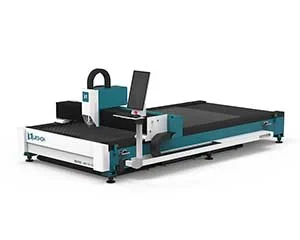
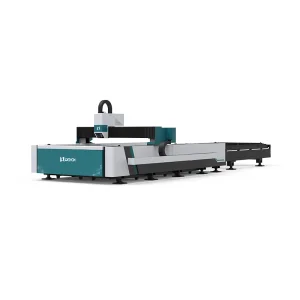
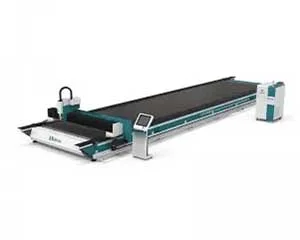
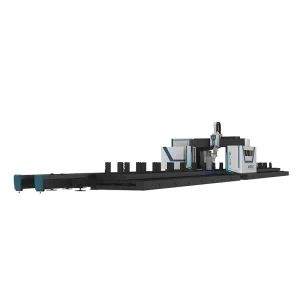
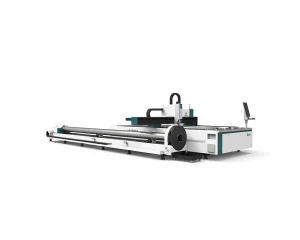
Explore our high-performance heavy-duty sheet and tube cutting systems designed for demanding industrial operations
Delivering world-class laser technology infrastructure with global trace-ability and compliance.
The global metal processing sector is undergoing a profound paradigm shift driven by digital integration and the demand for high-yield manufacturing setups. As a leading Famous Metal Cutter Laser Machine Supplier & Exporters, we analyze key industrial parameters to help our clients make informed, future-proof decisions. Traditional mechanical shearing and punching presses have increasingly lost market share to fiber laser cutting systems. The driver behind this transition is clear: fiber lasers operate at shorter wavelengths (typically 1.06 µm), allowing for much higher absorption rates in metals compared to legacy CO2 gas lasers. This translates to vastly improved processing speeds, cleaner kerf profiles, and minimized heat-affected zones (HAZ).
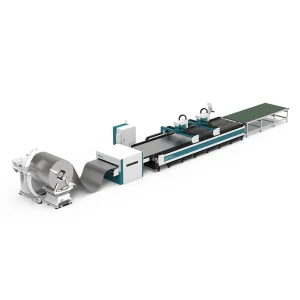
Until recently, fiber lasers above 6kW were considered niche investments. Today, the industrial landscape demands ultra-high-power units reaching up to 40kW. The engineering advantages of these systems go beyond simply cutting thicker plates; they redefine operational speed for medium-thickness metals. For example, when cutting 10mm stainless steel, a 20kW system achieves speeds several times faster than a 6kW system, dramatically reducing the per-part cost. Our high-power line, including the LX12025F High Power Sheet Metal Fiber Laser Cutting Machine, uses intelligent collimating optical heads and auto-focus mechanisms to handle high thermal loads without beam drift, ensuring consistent performance over long production runs.
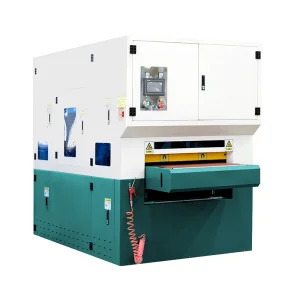
Enterprise procurement teams must look beyond the initial purchase price to calculate the true Total Cost of Ownership (TCO). Key factors in this calculation include electricity consumption, processing gas choices (Nitrogen, Oxygen, or compressed Air), wear-part intervals (nozzles, protective lenses), and overall equipment effectiveness (OEE). High-quality laser cutting setups minimize post-processing deburring costs. Incorporating helper tools like our LX-RRS-A-800 Wide Belt Polishing Automatic Deburring Machine ensures parts move straight from the cutting table to finishing and assembly steps without bottlenecking the workshop floor.
Our 32,000 square meter factory is built around the core principles of Industry 4.0. We use standardized, stress-relieved gantry designs to ensure our machines maintain mechanical stability over decades of continuous operation. Each machine frame undergoes high-temperature annealing heat treatment to eliminate internal structural stresses, followed by precise milling on import-grade CNC machining centers. By combining this robust physical design with advanced control software, we help global manufacturing companies deploy highly reliable, automated production lines. In an era of unpredictable supply chains, our factory offers a stable, vertically integrated platform covering everything from laser source configuration to sheet bending and surface finishing.
Integrated sensor arrays constantly monitor collimation, lens temperature, and cutting gas pressures, automatically adjusting parameters to prevent processing errors before they happen.
Heavy-duty gantry mechanisms coupled with high-speed Japanese servo motors achieve acceleration rates of up to 1.5G while maintaining sub-micron accuracy.
Every system conforms strictly to CE, FDA, and ISO 9001 protocols, ensuring seamless integration into strict production lines across Europe and North America.
Configured to meet the rigorous processing demands of diverse manufacturing segments
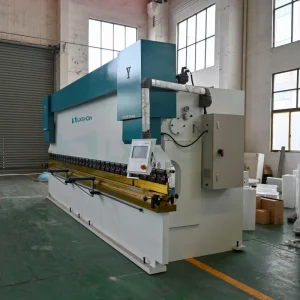
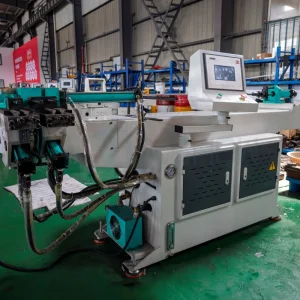
Our CNC fiber laser cutting systems, tube cutting equipment, and press brakes are utilized in demanding industries worldwide. From heavy structural steel fabrication to precision medical devices, our equipment is designed to cut, clean, bend, and mark a wide variety of metals with consistent accuracy.
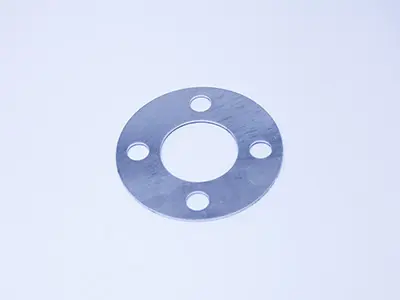
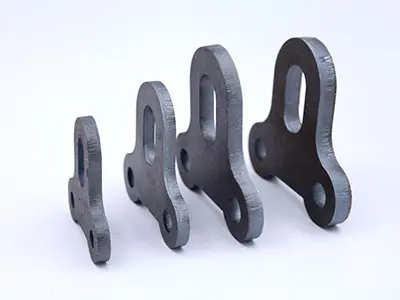
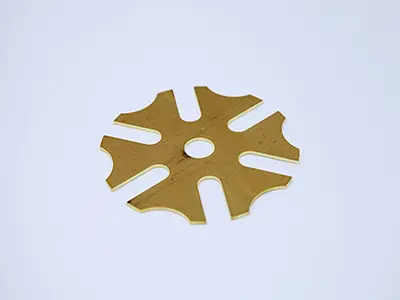
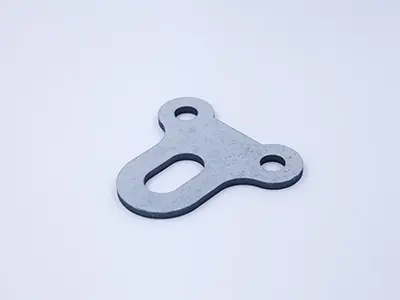
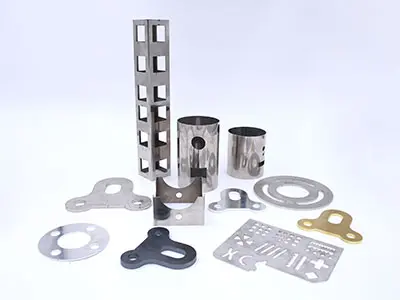
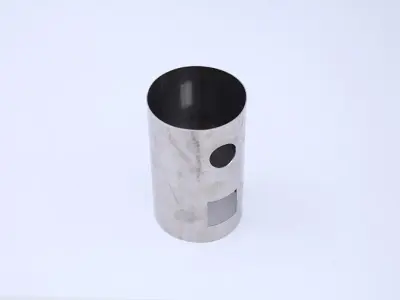
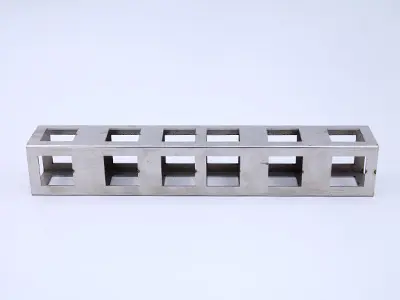
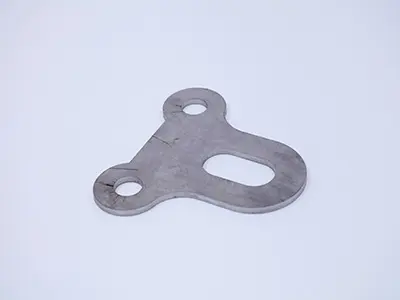
We supply advanced laser systems to a wide range of industries including: Hardware fabrication, Kitchenware manufacturing, Architectural Sheet Metal, Automotive sub-assemblies, Control Cabinets, Precision Crafts, Signs & Advertising, Sporting equipment, Commercial Lighting, Heavy Machinery components, and Precision Eyewear. By matching machine configurations to your specific materials, we help optimize cutting speeds and clean edge quality.
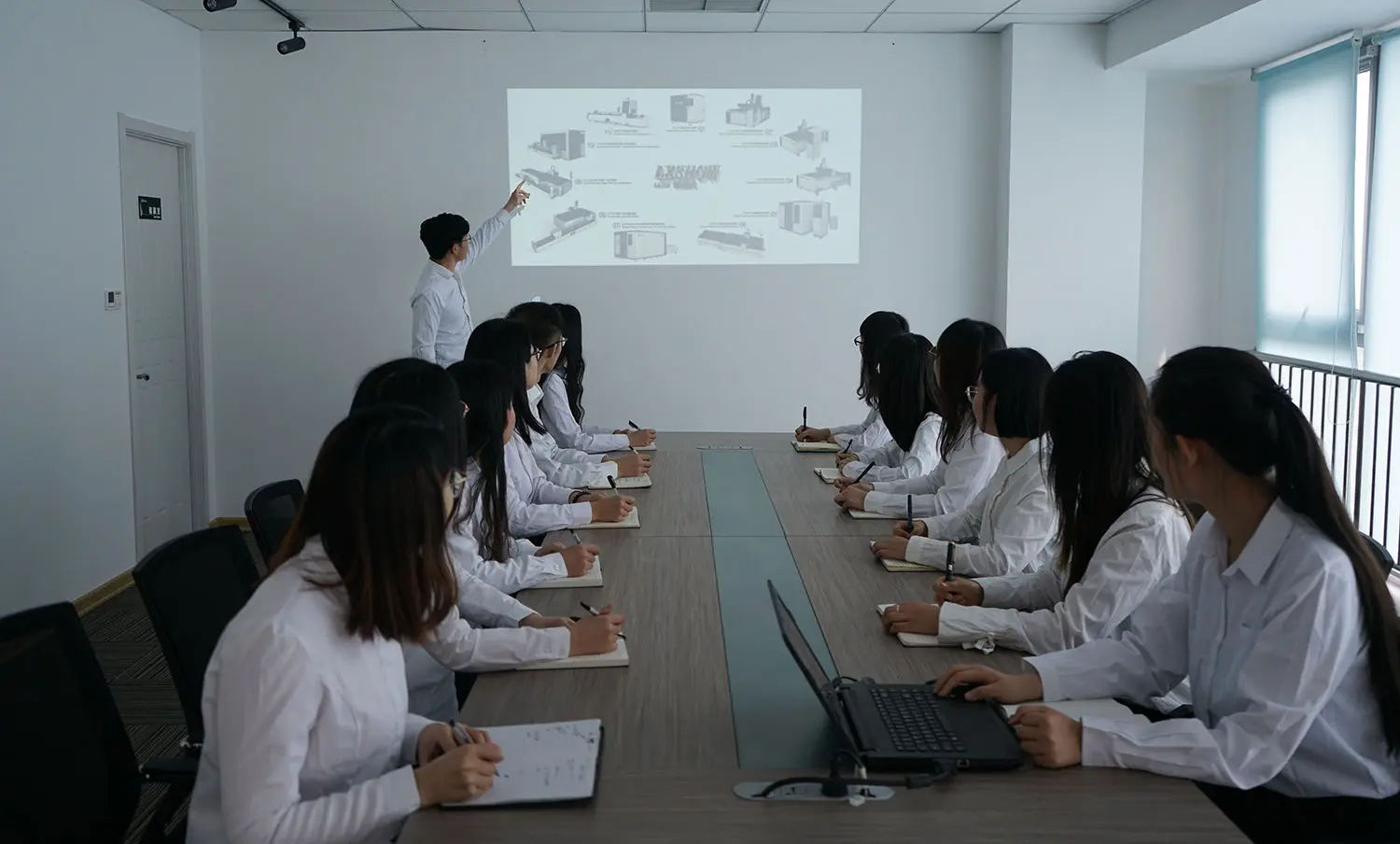
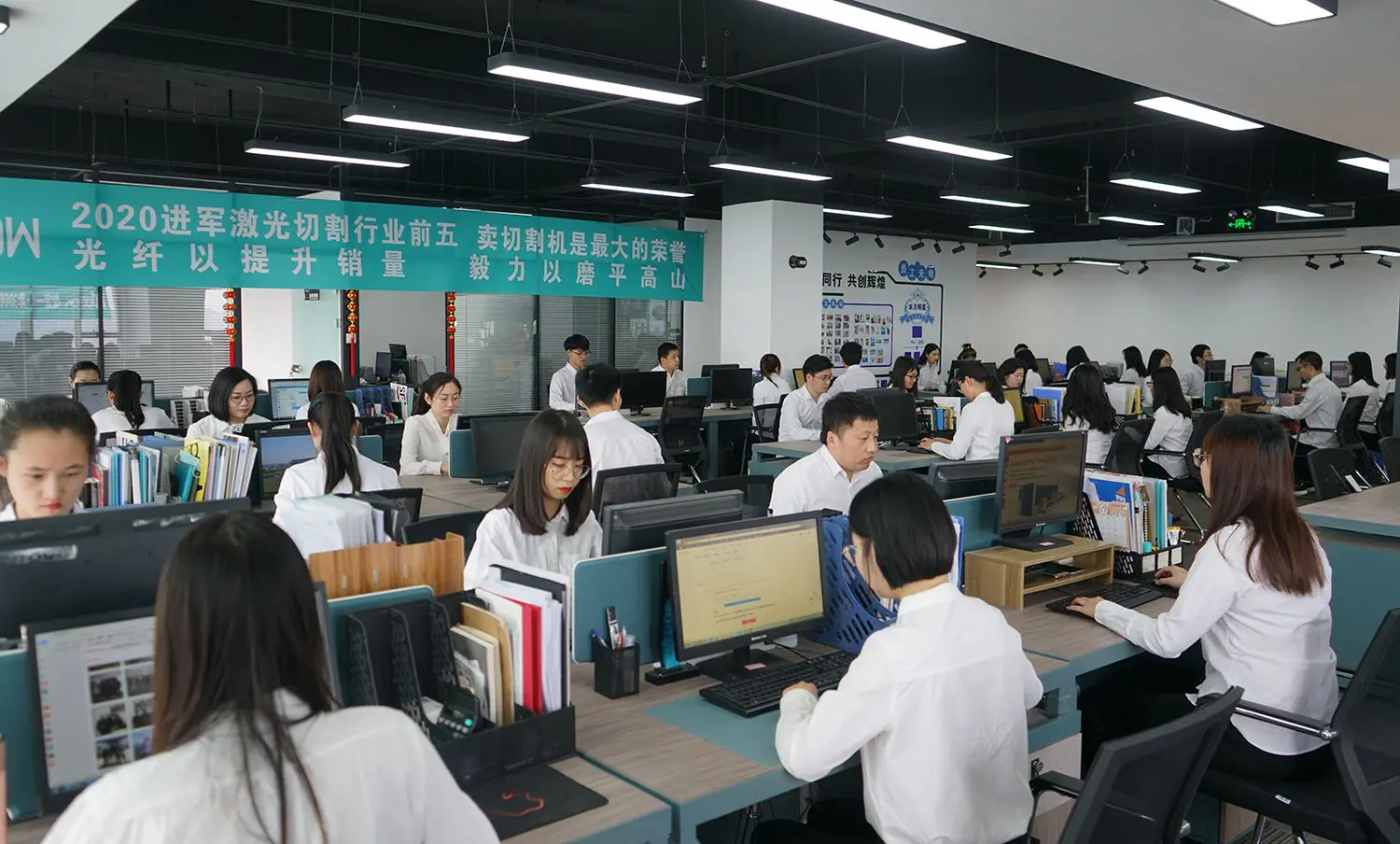
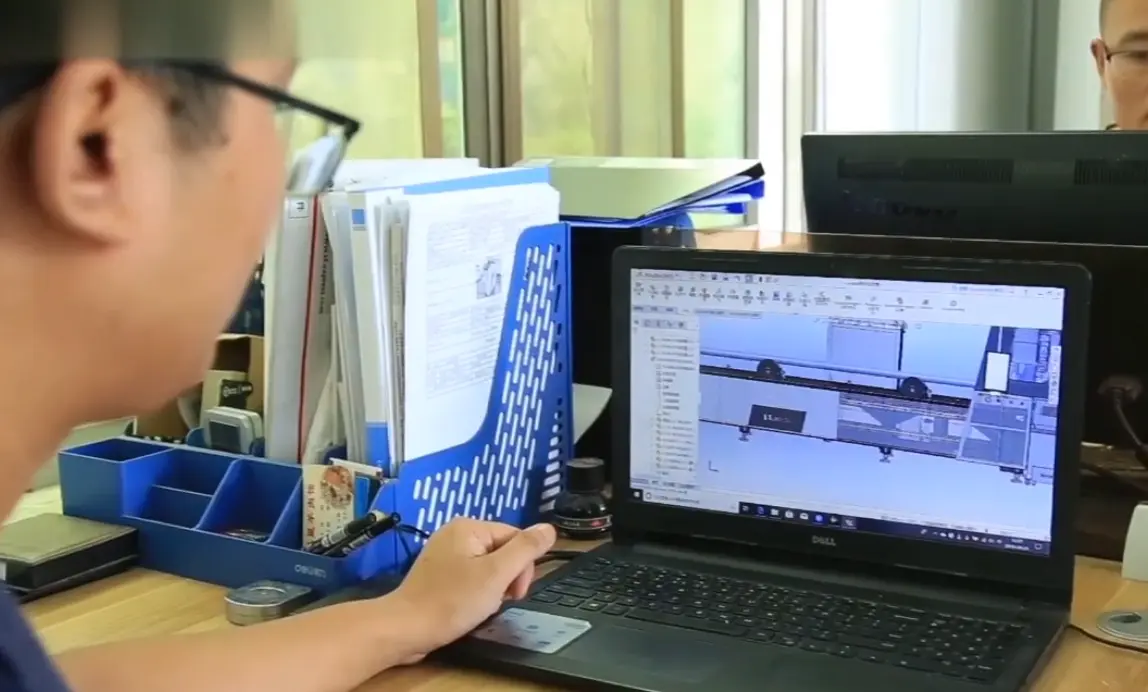
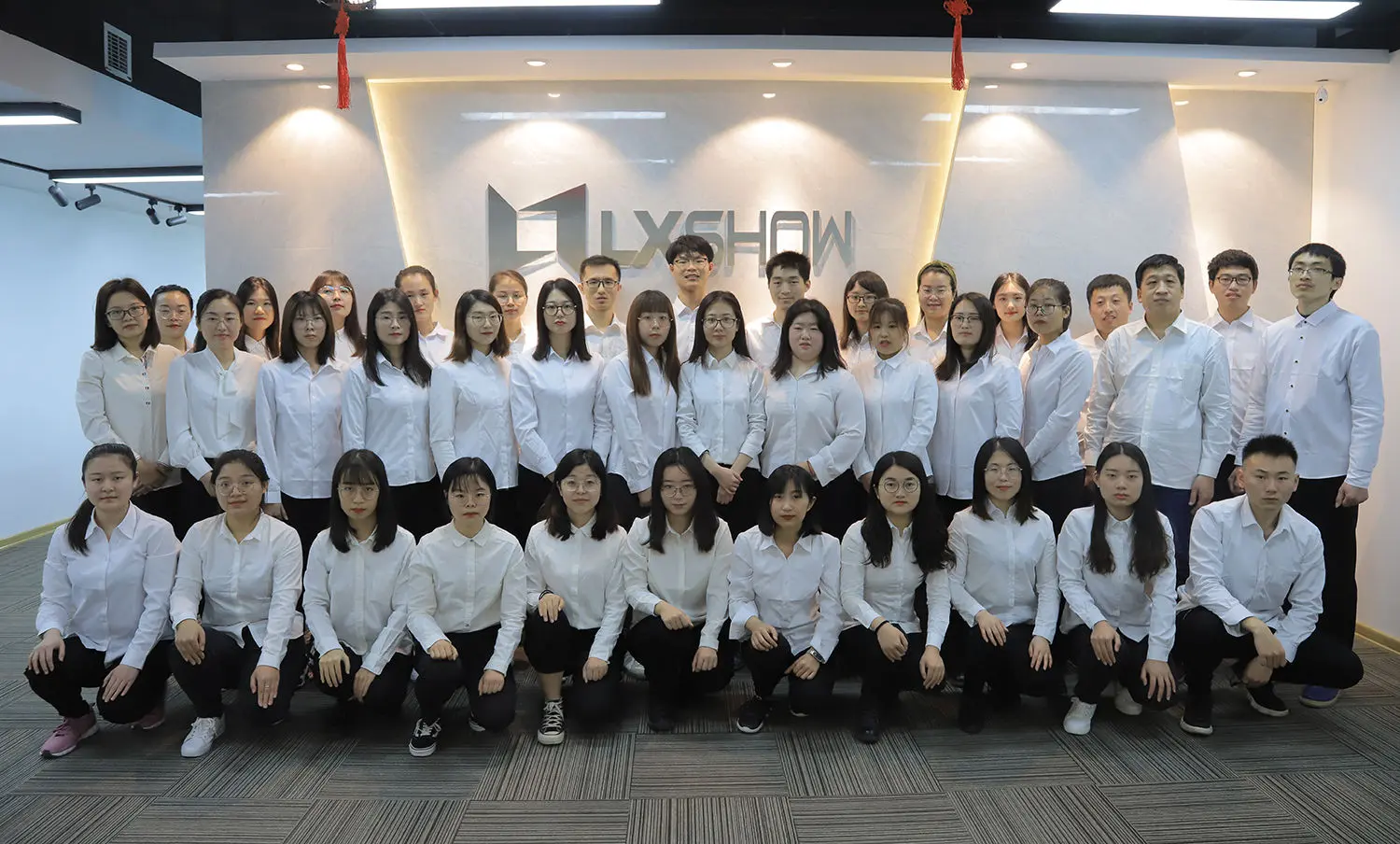
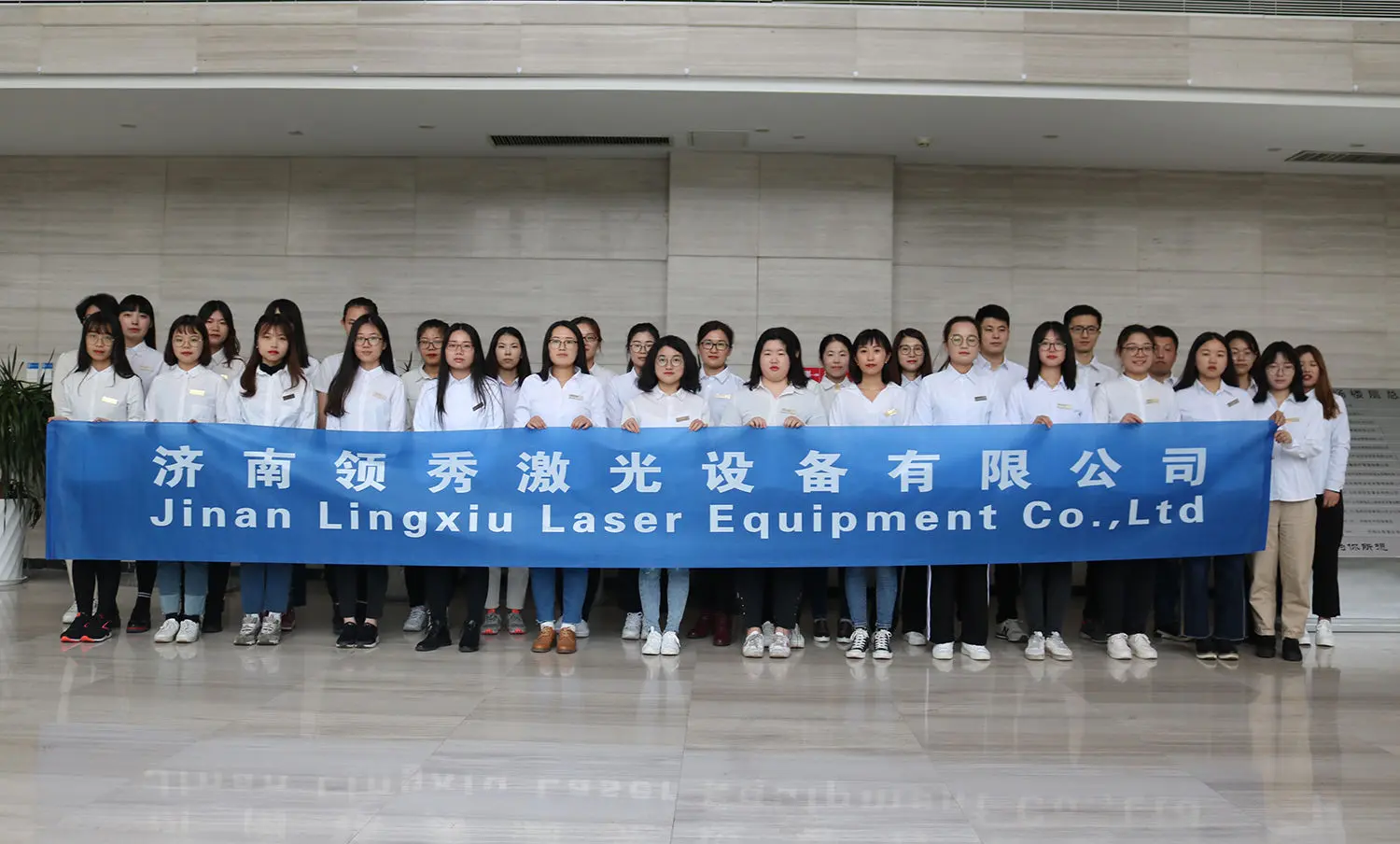
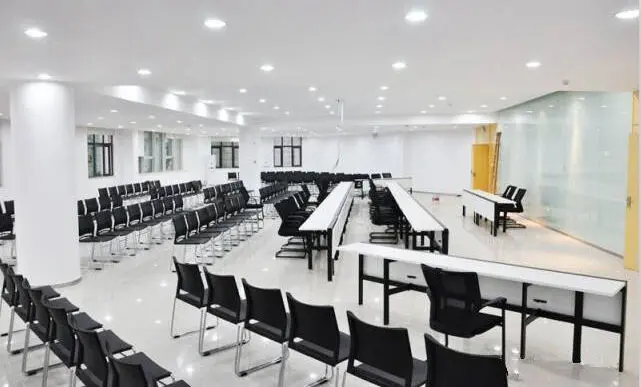
A transparent look at our advanced manufacturing floor, R&D design facilities, and customer training zones
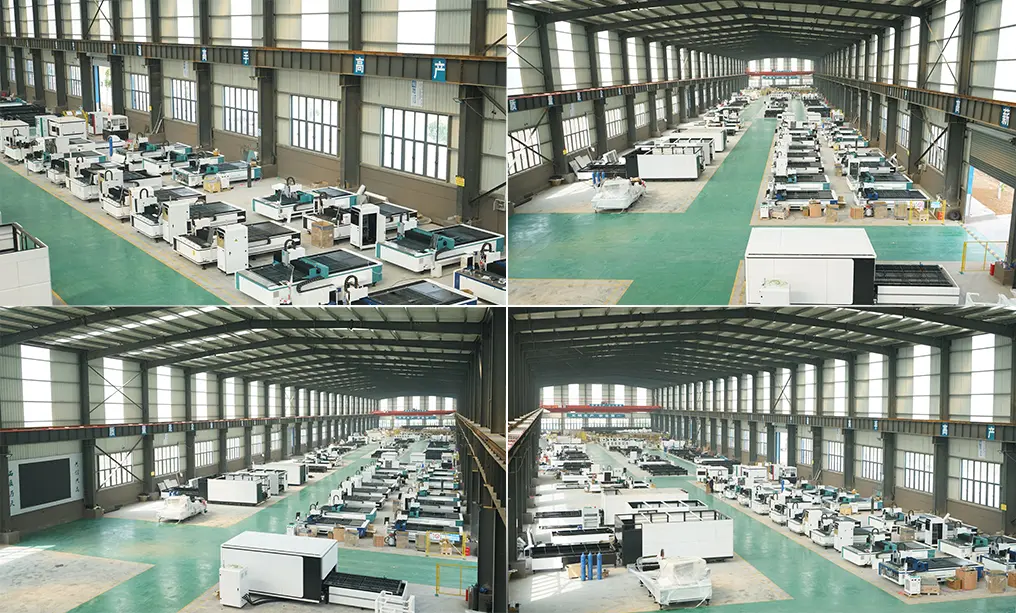
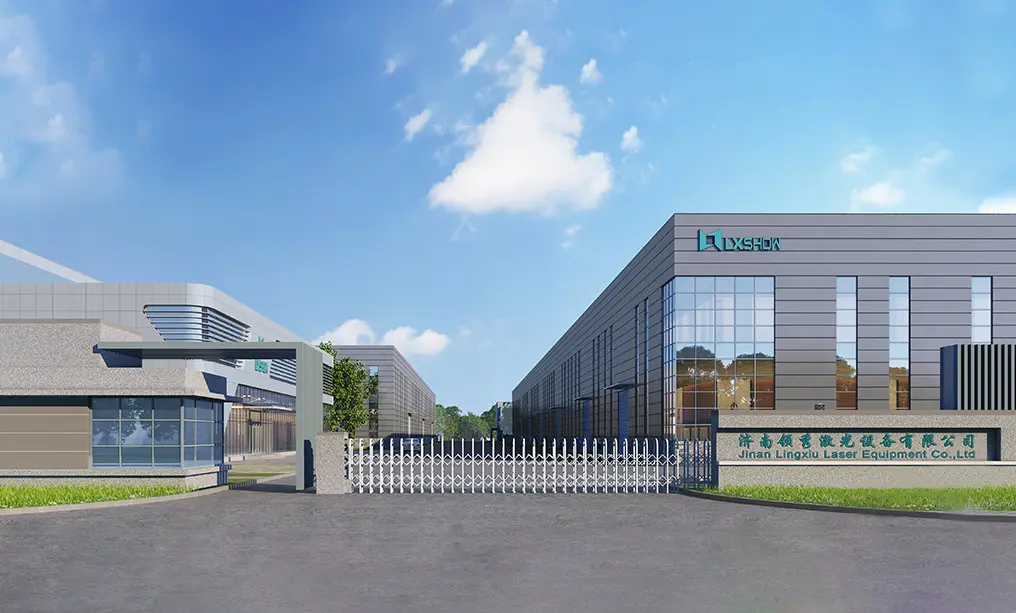

To maximize production performance with a Famous Metal Cutter Laser Machine, it helps to understand the interaction between the laser beam, material, and cutting gas. High-power fiber lasers output a highly concentrated beam with a typical wavelength of 1.06 to 1.08 microns. This short wavelength allows the beam to focus to a very small spot size, creating energy densities that instantly melt or vaporize metal. For materials like stainless steel and aluminum, using nitrogen as a cutting gas keeps oxygen away, preventing oxidation along the cut edge. This produces clean, weld-ready cuts that don't need additional mechanical finishing.
When cutting carbon steel, using oxygen as the cutting gas creates an exothermic reaction that adds energy to the cut, allowing for faster processing speeds on thick steel plates. However, this process forms a thin layer of iron oxide along the cut edge, which may need to be removed depending on your painting or welding requirements. Modern CNC systems, such as CypCut or Beckhoff, feature advanced control options like corner deceleration and frequency modulation. These systems automatically adjust the laser's power output as the machine changes speed around corners, preventing overheating and ensuring consistent cut quality across the entire part.
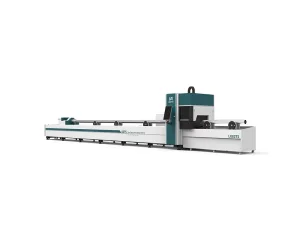
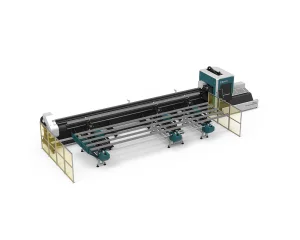
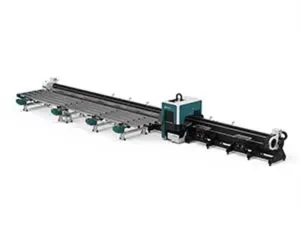
In addition to sheet metal cutting, the demand for precision tube and pipe processing has grown significantly. Modern tube cutters, such as our LX123TX Three Chuck Heavy-duty Fiber Laser Metal Tube Cutting Machine, utilize multi-chuck configurations to rotate and feed structural tubing through the cutting head. A major challenge in tube processing is minimizing material waste. Standard dual-chuck systems often leave a significant length of uncut tube at the end. By using a three-chuck system, the machine can pass the tube between chucks during the cutting process, reducing waste to near-zero and significantly lowering material costs over large production runs.
Get answers to common technical and operational questions from our engineering team
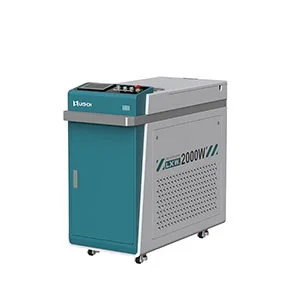
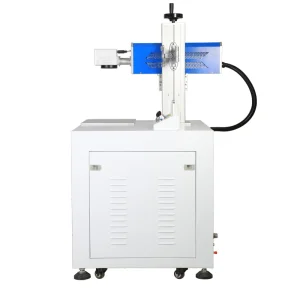
Complete your production line with high-precision bending, rolling, cleaning, and marking systems
Looking ahead, we aim to remain a key contributor to the global laser processing industry. Our development roadmaps focus on integrating real-time monitoring sensors, automated nozzle replacement systems, and smarter nesting algorithms to further reduce material waste. By combining these digital tools with robust mechanical design, we help global manufacturing businesses build reliable, high-performance production setups that meet the demands of tomorrow.
Our global service network provides customer support, operator training, and field engineering service to keep your production lines running smoothly. Whether you are upgrading an existing workshop or designing a new smart manufacturing facility from the ground up, we offer the technical expertise and equipment configurations to support your growth.
 Lxshow