Engineered for superior output, advanced heat management, and absolute industrial reliability across dynamic operations.
Overcoming high thermal conductivity and reflective dynamics with state-of-the-art optical components.
Laser cut brass has become an indispensable component of advanced modern manufacturing. From intricate decorative designs to highly precise aerospace components and high-capacity electrical busbars, the demand for brass fabrication continues to grow. However, cutting copper alloys like brass (specifically C260, C360, and C464) presents physical challenges that require specialized solutions. Historically, many factories turned down brass processing due to the material's high thermal conductivity and low absorption rates at standard laser wavelengths.
To overcome these challenges, famous laser cut brass factories have evolved their technical approach. When a standard CO2 laser with a 10.6-micrometer wavelength hits brass, more than 90% of the energy is reflected. This back-reflection can travel back through the optical path, damaging the laser source. Modern facilities now use 1.06-micrometer wavelength ytterbium fiber lasers. At this shorter wavelength, brass absorbs energy much more efficiently, allowing for clean, fast cutting when paired with high-quality laser sources like IPG, JPT, Max, or Raycus.
In addition, advanced laser cutting factories use back-reflection optical isolators. These systems detect reflected light and deflect it into a water-cooled trap, protecting the fiber source. They also use specialized auxiliary gases, such as high-pressure nitrogen (N2) or oxygen (O2), depending on the target edge quality and the specific alloy composition.
Over 18 years of continuous technical innovation and international compliance.
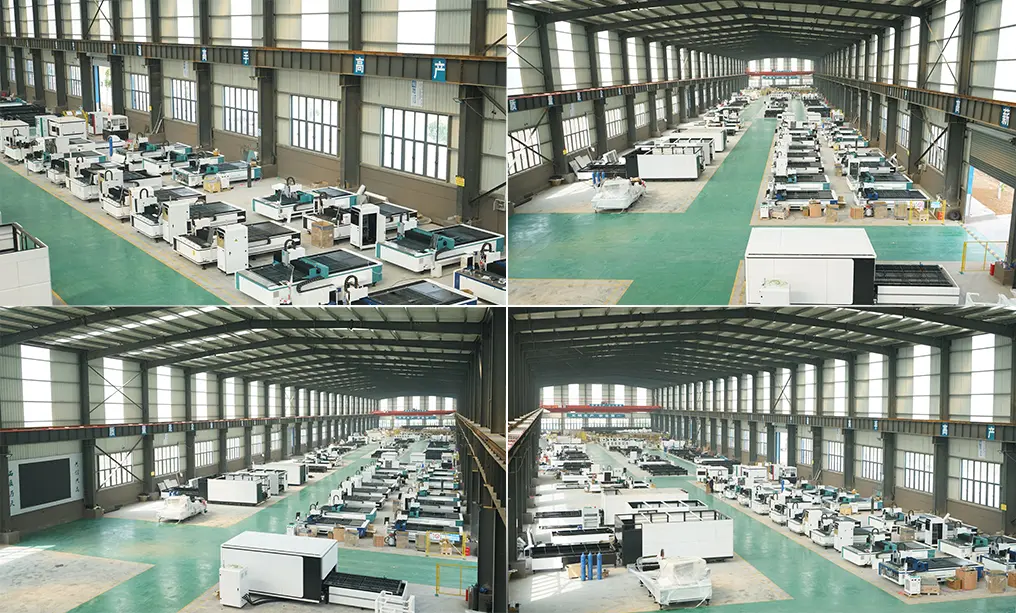
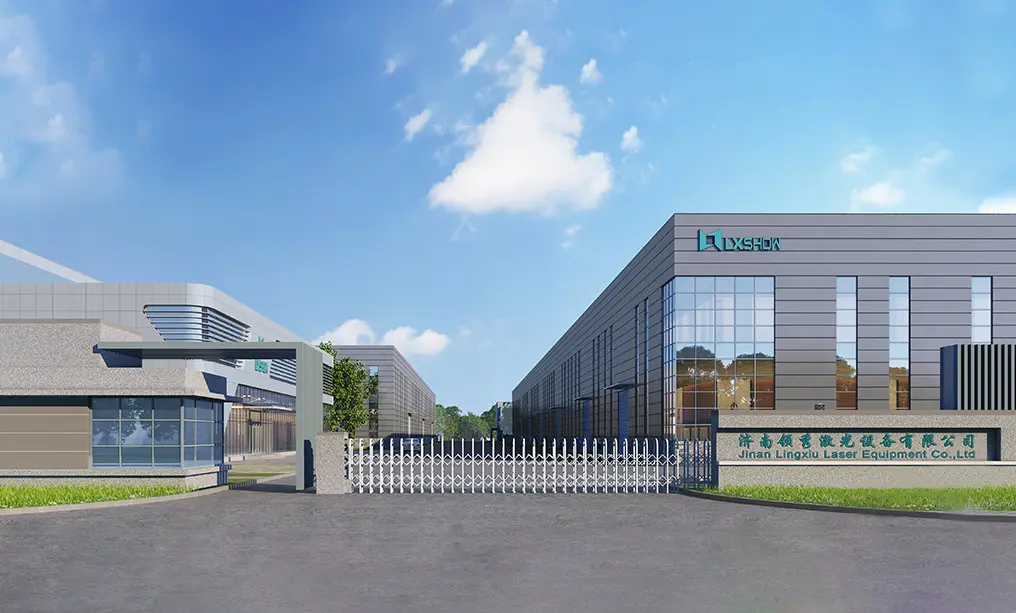
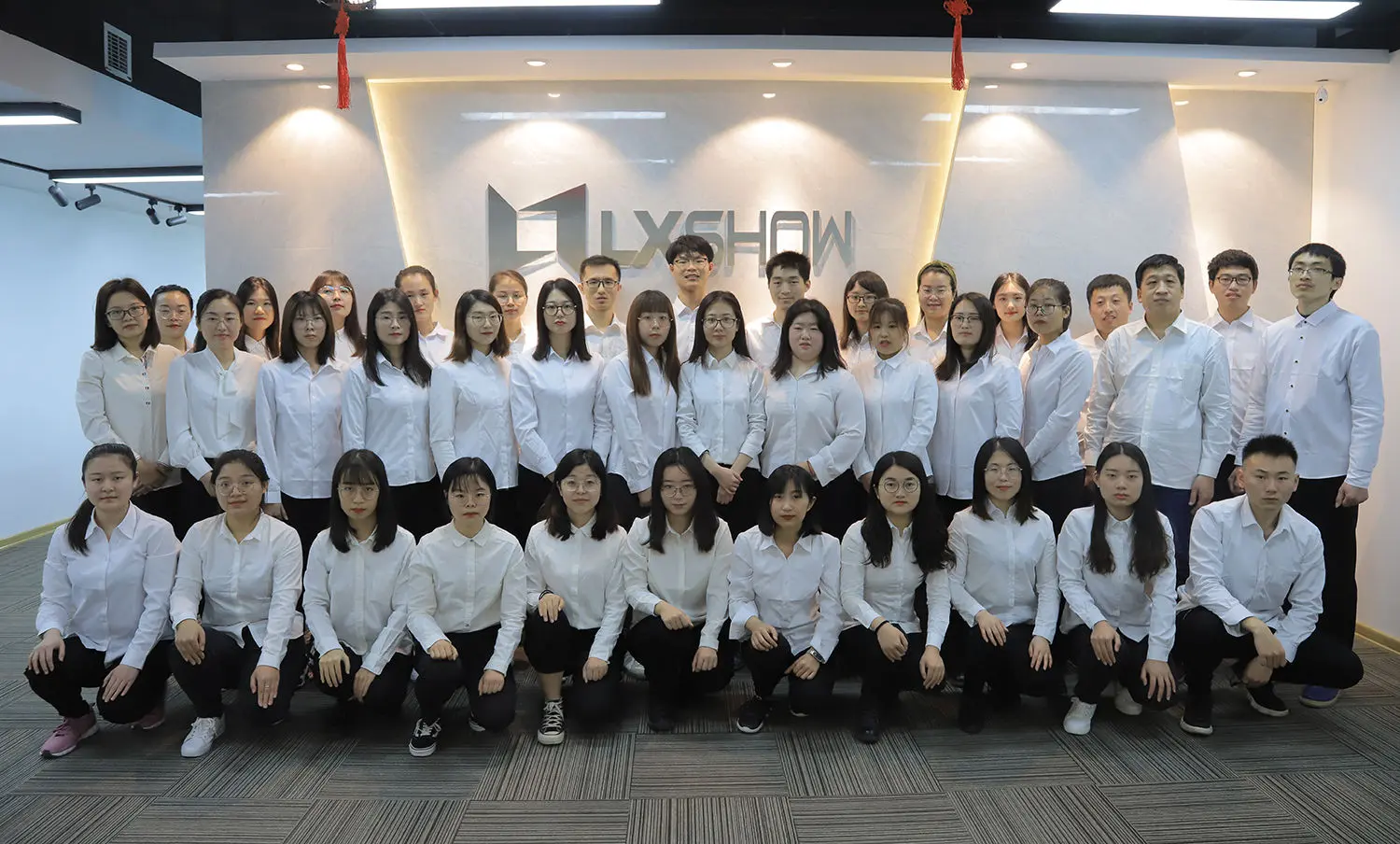
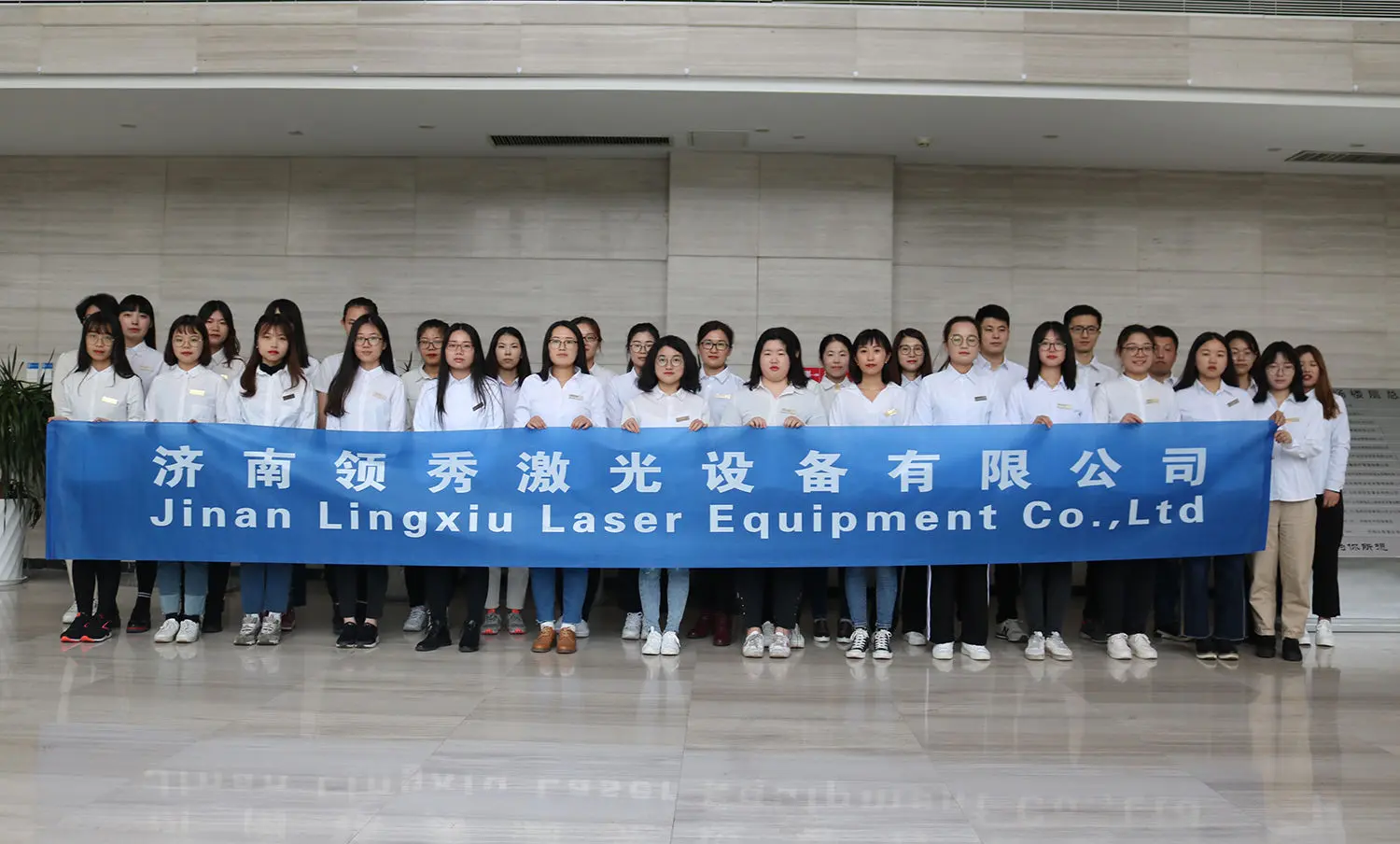
Established in July 2004, our facility has grown from a regional research lab to an industrial leader in smart laser equipment. Today, we operate from a 32,000+ square meter factory supported by a 500+ square meter research center. Our design and engineering teams are focused on building Industry 4.0 systems, helping companies around the world transition to smart manufacturing.
To support global supply chains, our machinery is certified to international quality standards, including European Union CE authentication, American FDA registration, and ISO 9001 quality management verification. This ensures our machines meet the performance and safety requirements of markets in North America, Europe, Australia, and beyond.
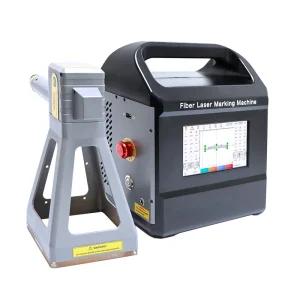
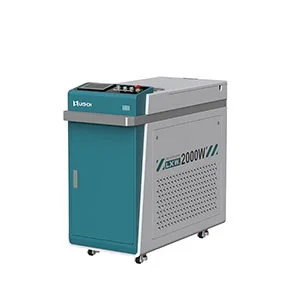
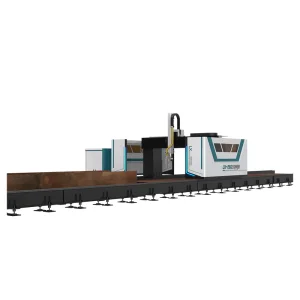
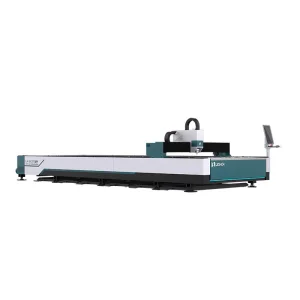
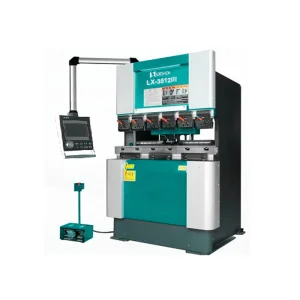
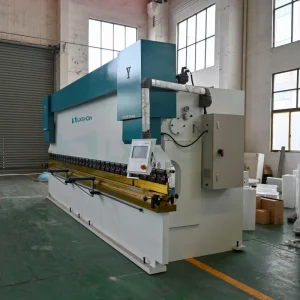
We provide OEM and ODM services for more than 30 global manufacturers, offering custom configurations for sheet, tube, and large-format materials. Our product line includes fiber laser cutters, hand-held laser welding units, CNC press brakes, and pulse-cleaning systems. We back all of our equipment with direct factory support, global warranties, and remote diagnostic services.
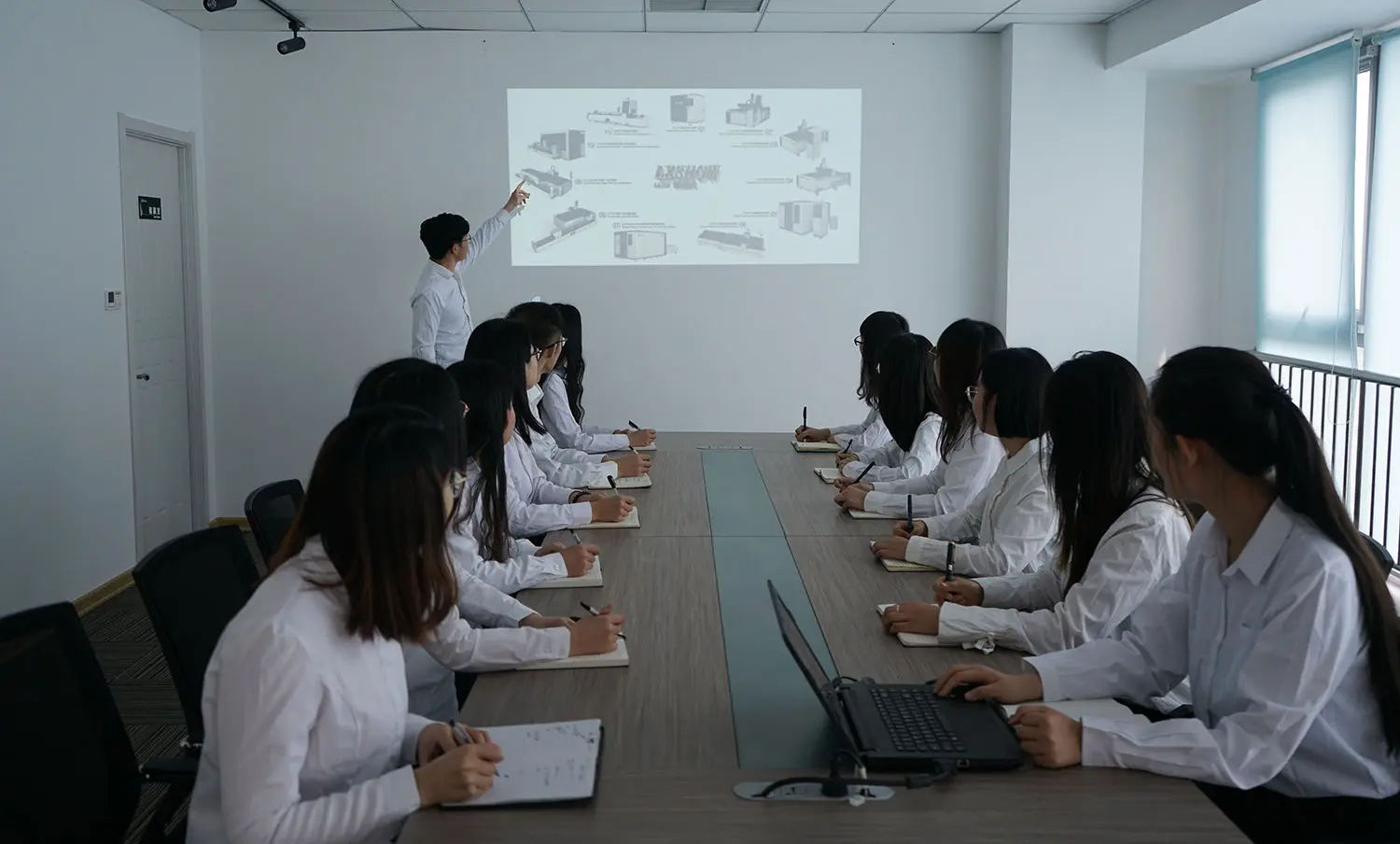
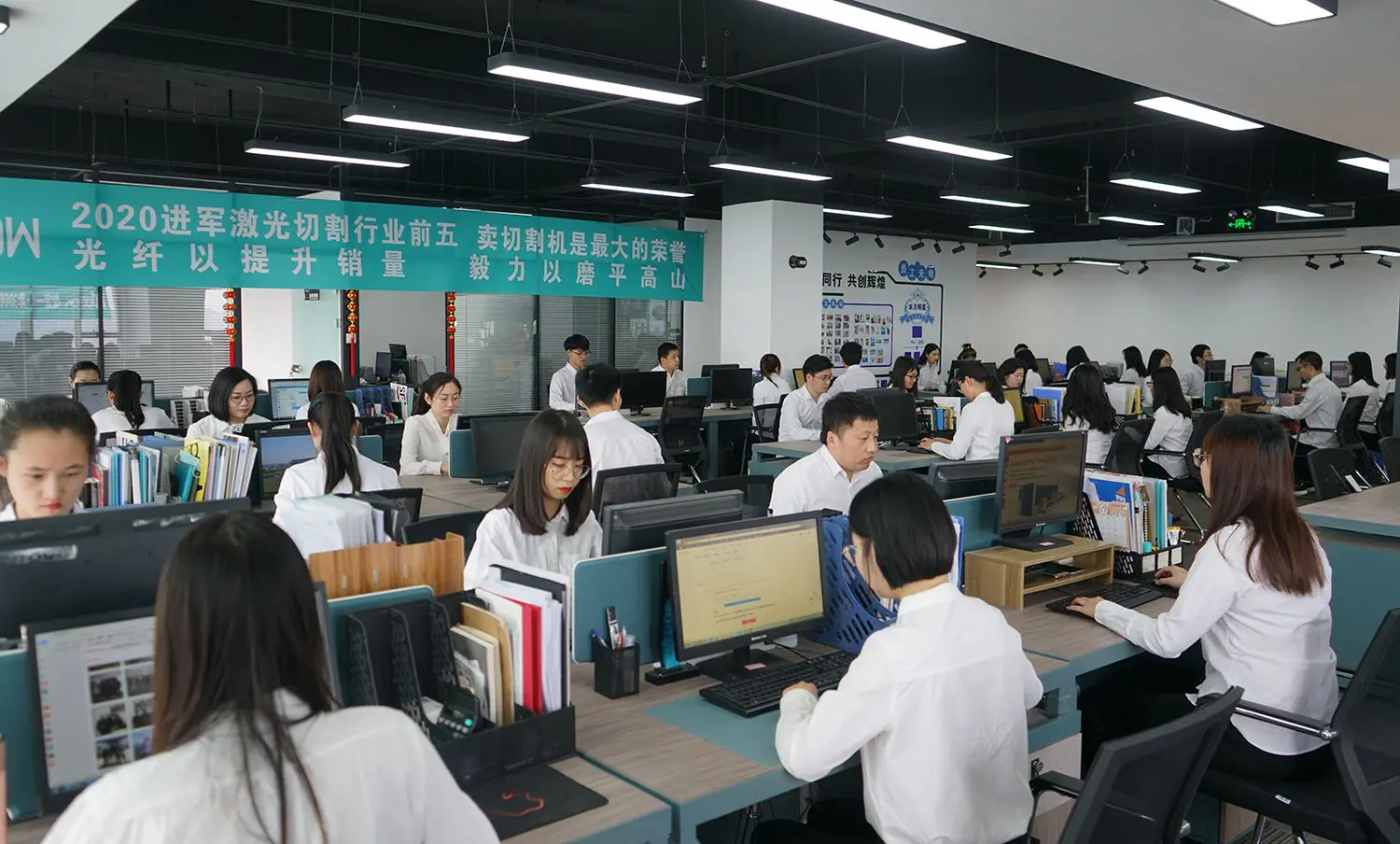
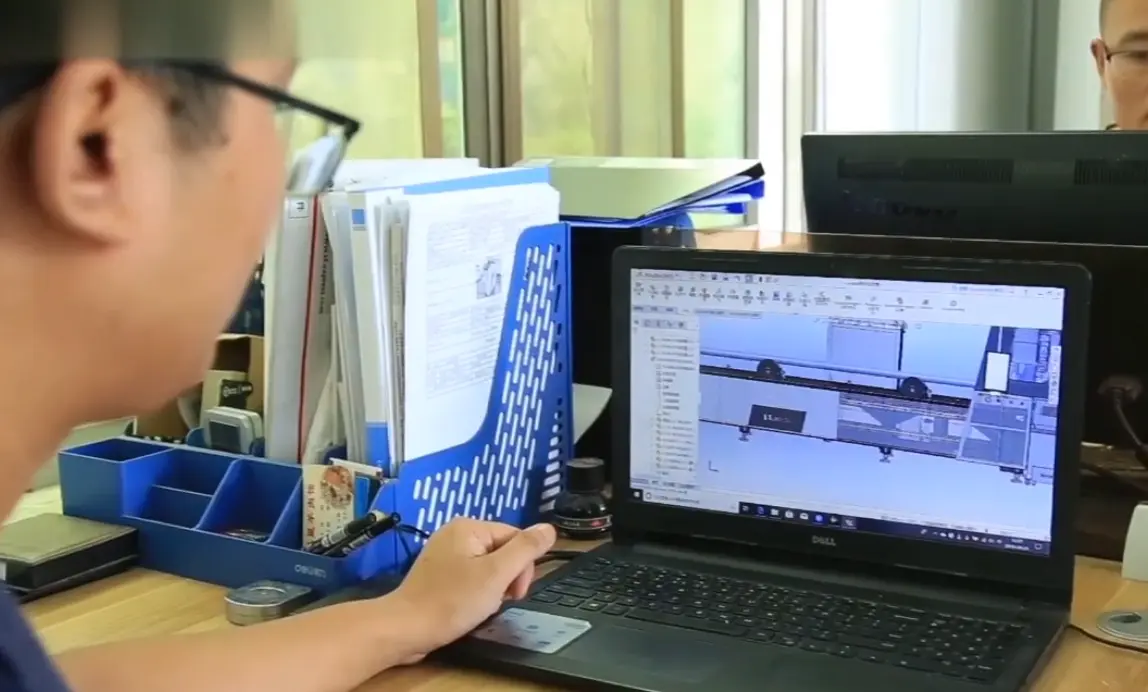
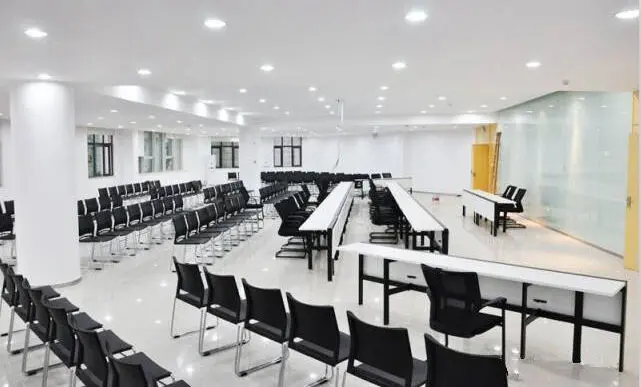
A visual tour of our production facility, design offices, and assembly workshops.

Optimizing parameter sets across materials to ensure oxide-free, burr-free cuts.
A key element of factory expertise is selecting the right cutting parameters for different metals. For brass and copper, nitrogen is the primary auxiliary gas used. By introducing nitrogen into the kerf at pressures up to 18-20 bar, the gas quickly expels the molten brass before it can oxidize, leaving a clean, bright, burr-free edge that is ready for secondary assembly.
Conversely, for thicker brass parts where edge speed is prioritized over surface aesthetics, oxygen can be used. Oxygen reacts exothermically with the brass, providing additional thermal energy to speed up the cut. However, this process leaves a thin oxide layer that must be removed if the part will later be welded or finished. Our engineering team has compiled a guide to cutting characteristics for various common metals:
Empirical values derived from our 18+ years of test lab databases.
| Metal Type | Thermal Conductivity | Standard Auxiliary Gas | Edge Polish Quality | Back-Reflection Risk |
|---|---|---|---|---|
| Brass (Copper Alloy) | 110 W/m·K | High-pressure Nitrogen (N2) | Excellent / Burr-free | High (Requires Isolator) |
| Pure Copper | 401 W/m·K | Oxygen (O2) / Nitrogen | Fair / Clean-up needed | Critical (Reflects 1.06µm) |
| Aluminum | 205 W/m·K | Nitrogen (N2) / Air | Good / Light dross | Moderate |
| Stainless Steel | 16 W/m·K | Nitrogen (N2) | Brilliant / Mirror edge | Low |
| Carbon Steel | 50 W/m·K | Oxygen (O2) | Smooth / Dark oxide | Negligible |
 Aluminum
 Carbon Steel
 Copper
 Galvanized
 Other Metal
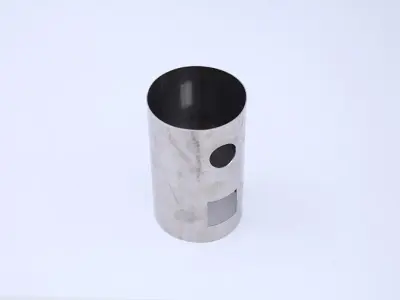 Round Tube
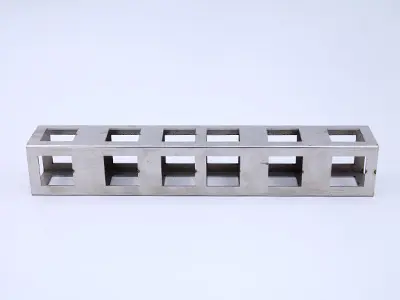 Square Tube
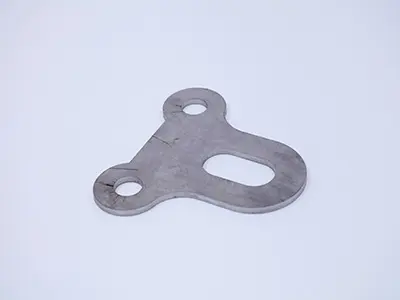 Stainless Steel
Why leading global manufacturers rely on China’s scale, raw material access, and automated production pipelines.
Modern manufacturing requires both high precision and reliable supply chains. Factories in China benefit from integrated industrial zones that combine steel mills, copper alloy processing plants, high-purity gas producers, and software engineering centers into unified clusters. This geographic concentration reduces lead times and shipping costs for critical sub-components.
We source raw components through long-term partnerships with certified materials suppliers, which helps stabilize our prices even during volatile shifts in global copper markets. Our internal production processes are highly automated, using robotic loading networks, automated nesting software to minimize scrap, and computerized quality checks that scan for defects on the assembly line.
This vertical integration allows our design team to customize bed sizes, enclosure profiles, and power configurations for clients in the US, Europe, and Asia. It also enables us to scale up production to meet high-volume orders for automotive makers, aerospace defense partners, and construction suppliers, delivering equipment in weeks rather than months.
Discover the full scope of our laser cutting, bending, and cladding catalog.
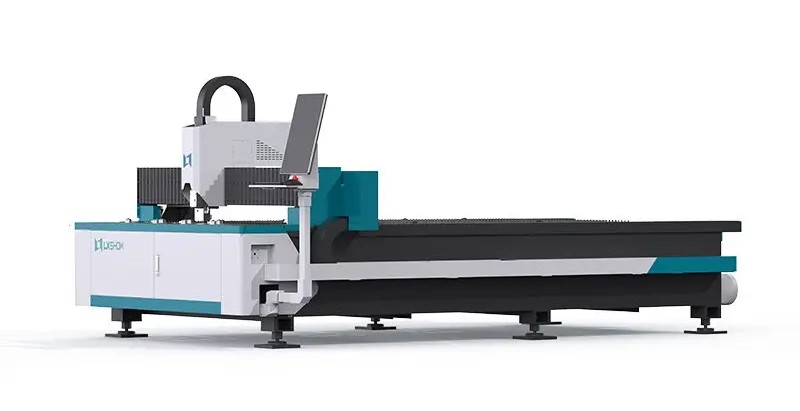
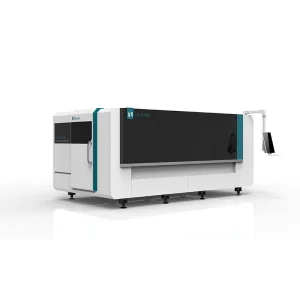
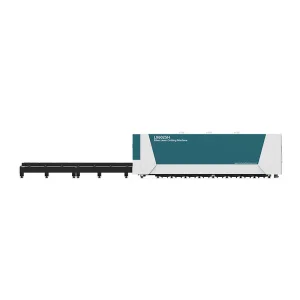
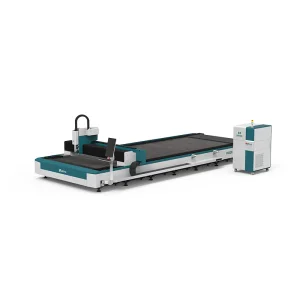
Designed for high-precision, flat-bed metal profiling across carbon steel, stainless steel, and reflective brass sheets.
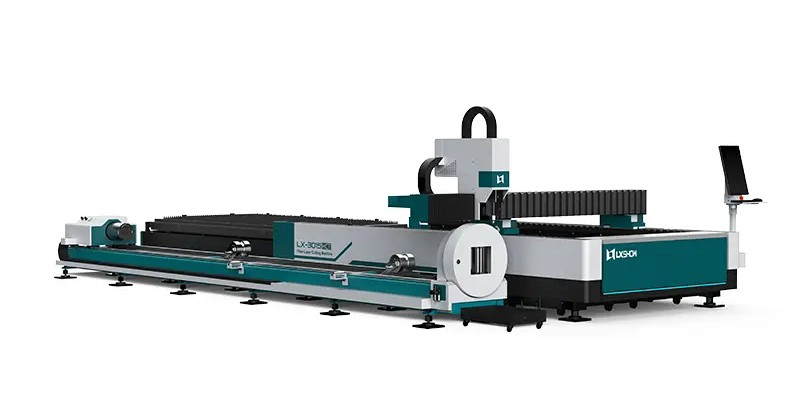
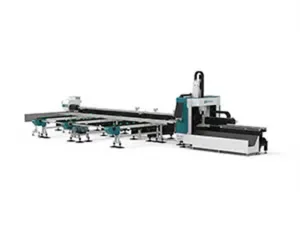
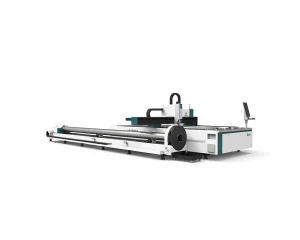
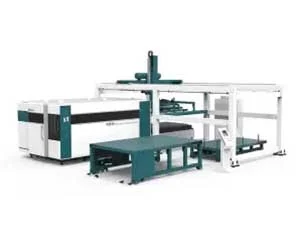
Dual-purpose system featuring a flat-bed cutting area and a side-mounted rotational axis for tube and profile cutting.
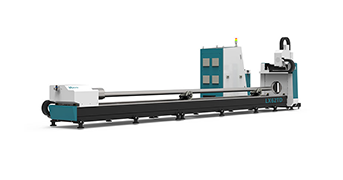
High-efficiency, automated chucking systems built for high-speed pipe profiling, slotting, and miter cutting.
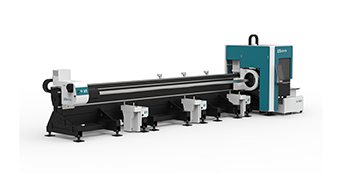
Optimized for processing light-walled structural tubes, round pipe profiles, and copper conduit assemblies.
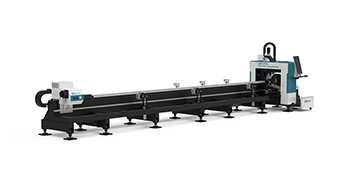
Industrial chuck systems configured for high-capacity structural tube, square-section channels, and heavy copper piping.
Where fiber laser and diode technology is heading to increase precision and reduce operating costs.
As industrial manufacturing evolves, laser cutting technology continues to progress toward higher precision, faster cutting speeds, and improved energy efficiency. By looking at upcoming technological shifts, manufacturers can better plan their capital investments and choose systems that will remain competitive for years to come.
1. Multi-Wavelength Beam Integration: While current 1.06-micrometer fiber lasers cut thin brass efficiently, next-generation research is focused on green (515 nm - 532 nm) and blue (450 nm) wavelengths. Copper alloys absorb blue and green wavelengths up to 5 to 8 times more efficiently than infrared light. Incorporating blue and green diodes into industrial lasers will allow systems to cut highly reflective metals at lower power levels, reducing energy consumption and operational costs.
2. AI-Driven Adaptive Cutting Heads: The integration of real-time monitoring sensors inside the cutting head allows CNC software to adjust feed rates, gas pressure, and focus position dynamically. If the sensor detects back-reflection or plasma build-up, the system instantly modifies the beam profile to maintain clean cutting conditions. This helps prevent dross and dross-adhesion, reducing waste and manual clean-up.
3. Industry 4.0 Ecosystem Integration: Future sheet metal workshops will connect machines directly to digital manufacturing networks. ERP software will feed nesting designs directly to the laser cutting system, which will automatically adjust for material type and thickness. Once cut, robotic pick-and-place arms will sort components and transfer them to automated bending brakes, minimizing manual handling and streamlining production.
Securing international operations through verified standards and proactive service networks.
Our equipment complies with all relevant EU safety standards. Safety measures include interlocked enclosures, Class 4 light paths, double-shielded electrical panels, and dual-channel safety circuits, allowing our machines to be integrated directly into European factories.
For US-based facilities, our laser systems are registered with the FDA under active accession numbers. Optical windows and protective enclosures are certified to protect operators from stray Class 4 laser radiation.
From receiving raw components to final system burn-in testing, our production line follows strict ISO 9001 quality management controls. Each machine undergoes 72 hours of continuous operation tests before shipping to ensure field reliability.
We work with regional service agents to provide on-site technical support, operator training, and spare parts supply across North America, Europe, Australia, and Southeast Asia, minimizing downtime for our users.
Answers to common questions about reflective metal cutting, gas usage, and equipment safety.
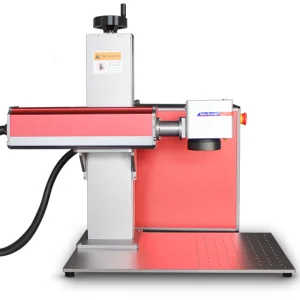
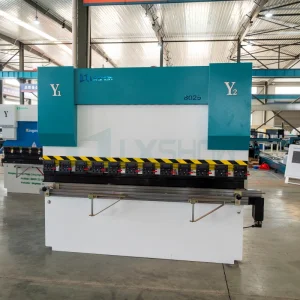
High-capacity laser sheet metal cutters, automated benders, and fiber marking systems.
 Lxshow