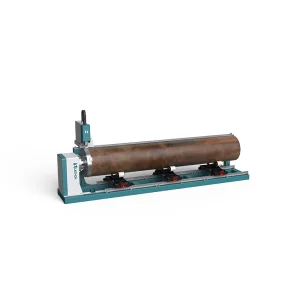
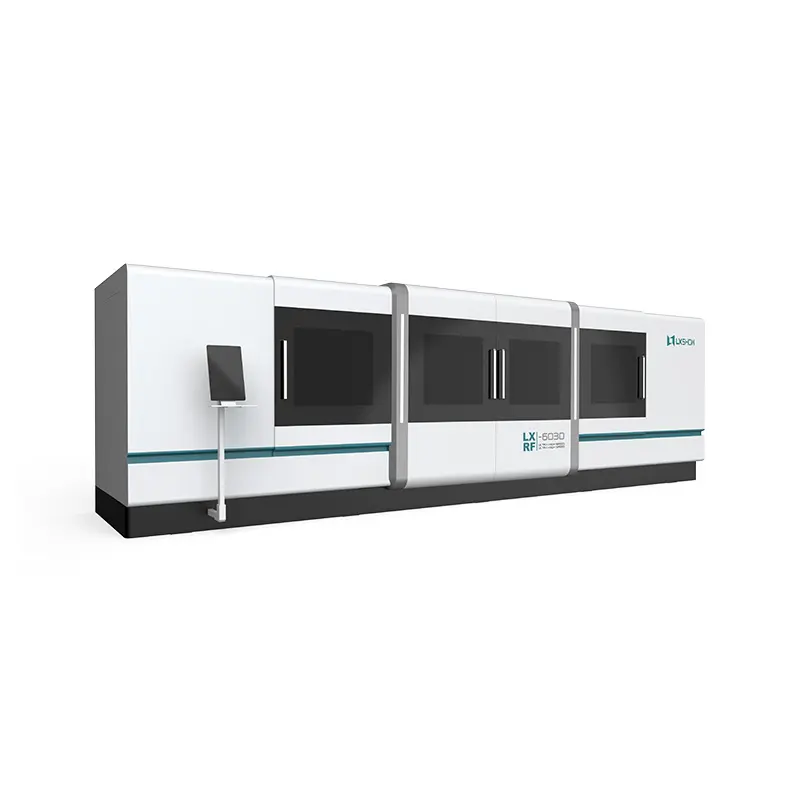
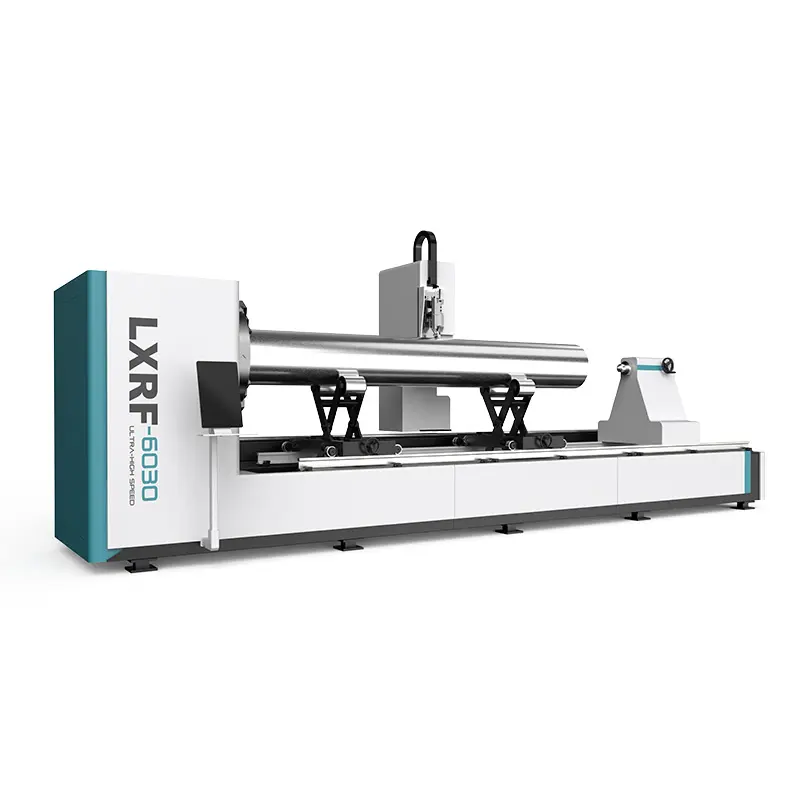
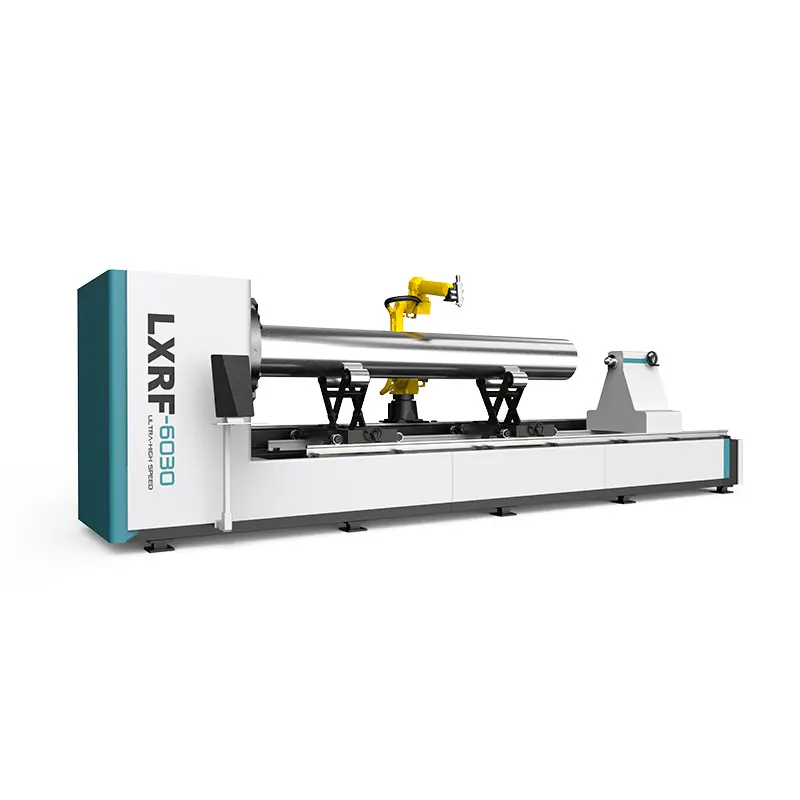
High-performance CNC machinery engineered for absolute accuracy, high repeatability, and ultra-high processing speeds.
Years of Engineering Heritage (Since 2004)
Countries Served Worldwide
Active Registered Enterprise Users
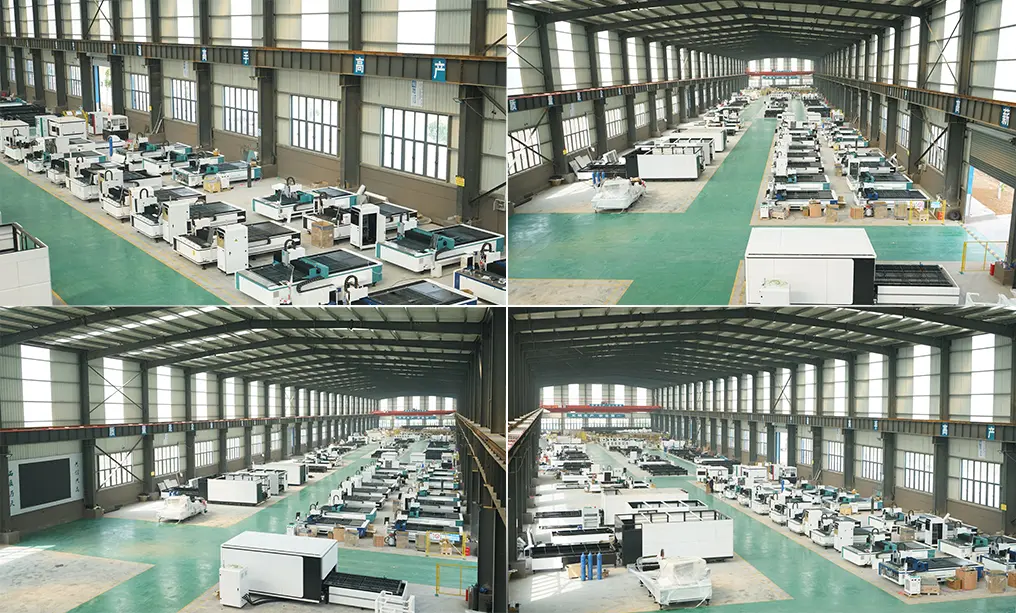
Square Meters of Advanced Production Floor
The global metalworking domain is shifting dynamically from traditional mechanical cutting systems to highly complex CNC Fiber Laser Cutting Machines. Today's manufacturing landscape demands unprecedented speed, minimized dimensional deviations, and highly sustainable operations. Advancements in high-power fiber laser technology allow fabricators to cut thick carbon steel, brass, copper, and aluminum sheets with micron-level tolerance, reducing secondary finishing costs.
By leveraging intelligent fiber laser architectures ranging from 1,000W to 30,000W, modern sheet metal fabricators achieve cutting speeds up to 400% faster than classic plasma or waterjet systems. Concurrently, integration of automated loading and unloading systems, such as intelligent material storage towers, transforms simple factories into Smart Industry 4.0 production hubs.
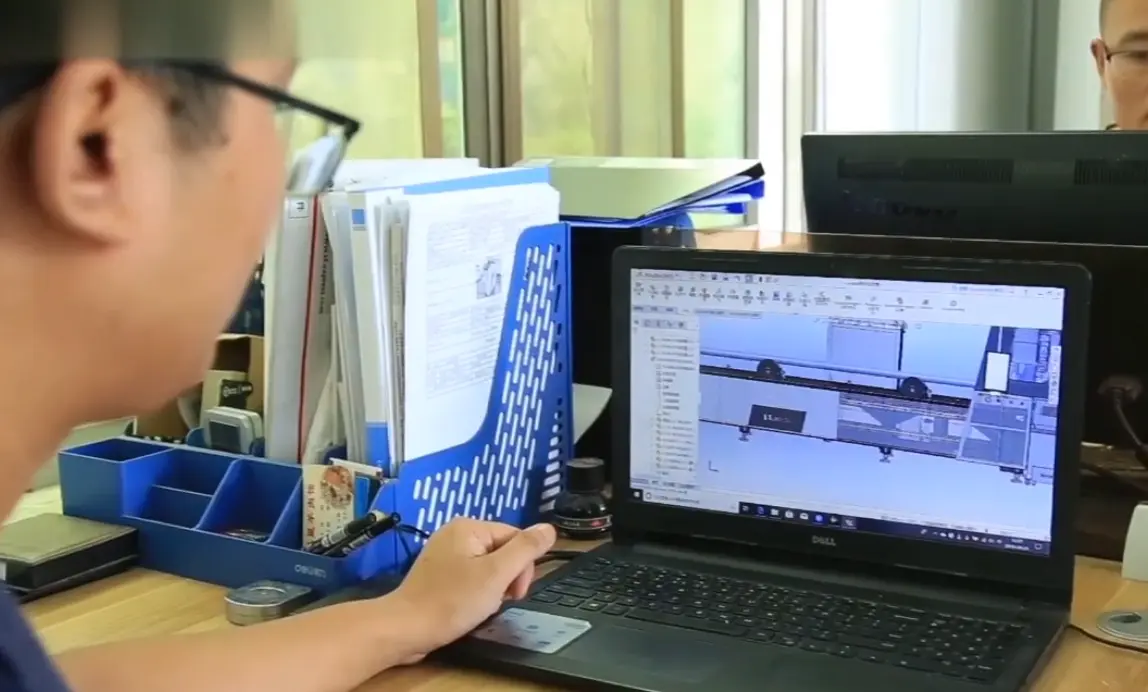
Our ongoing investments in structural R&D guarantee that every custom CNC laser machine delivers thermal stability, highly synchronized kinematic motion, and optimization of processing gas delivery. These critical advancements pave the way for heavy machinery, automotive assembly lines, and aerospace components to meet strict quality benchmarks while lowering per-part processing costs.
Moving from CO2 to solid-state fiber lasers has reduced power consumption by up to 50% while improving absorption rates in highly reflective metals like copper and aluminum.
Modern CAD/CAM integration achieves up to 95% material utilization. Real-time path optimization cuts thermal distortion along structural edges.
Extruded aviation-grade aluminum gantries backed by dual-drive rack and pinion systems permit accelerations up to 1.5G without sacrificing dimensional accuracy.
Providing world-class laser, welding, and bending equipment through extensive vertical integration.
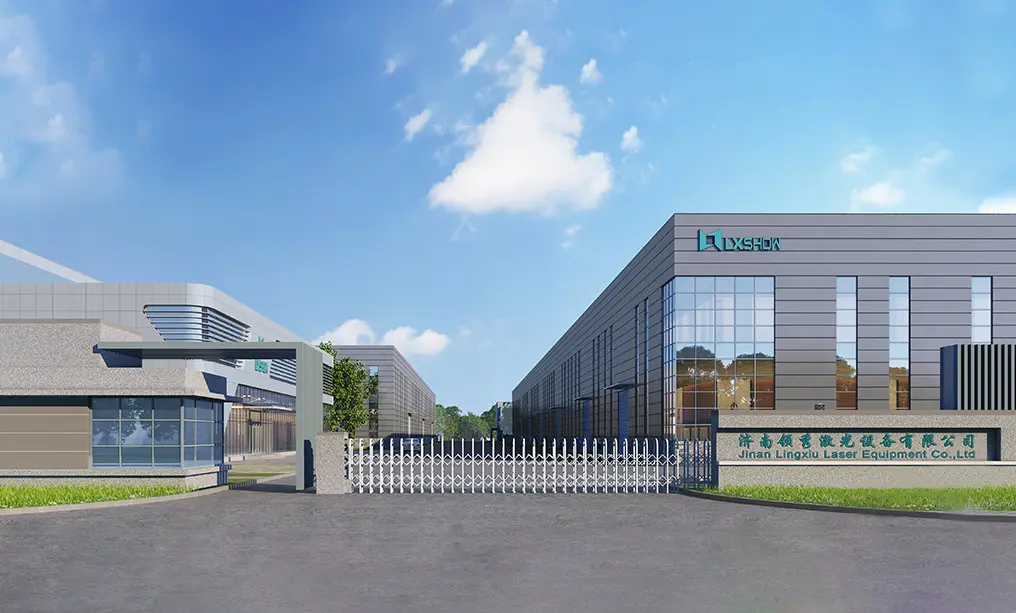
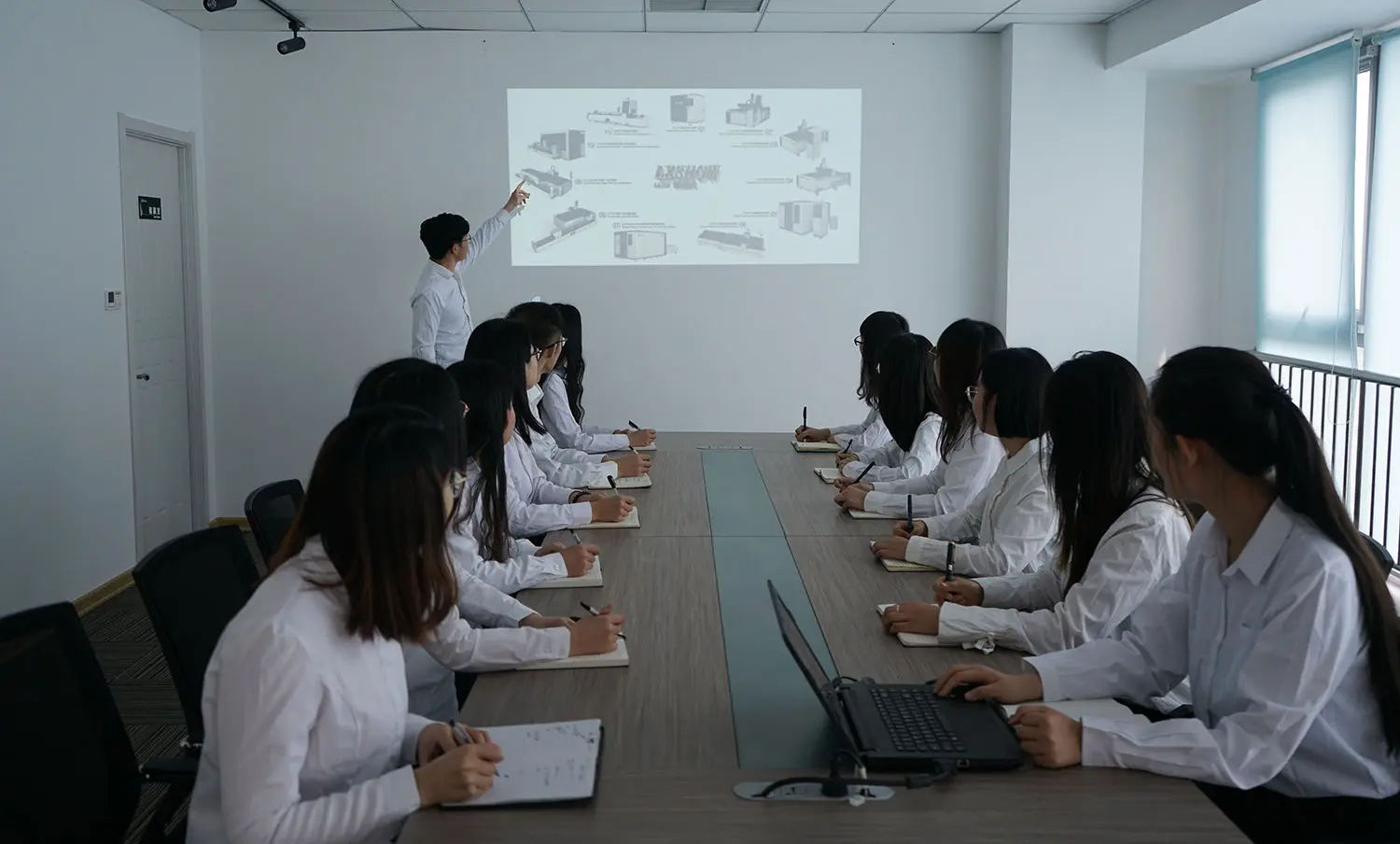
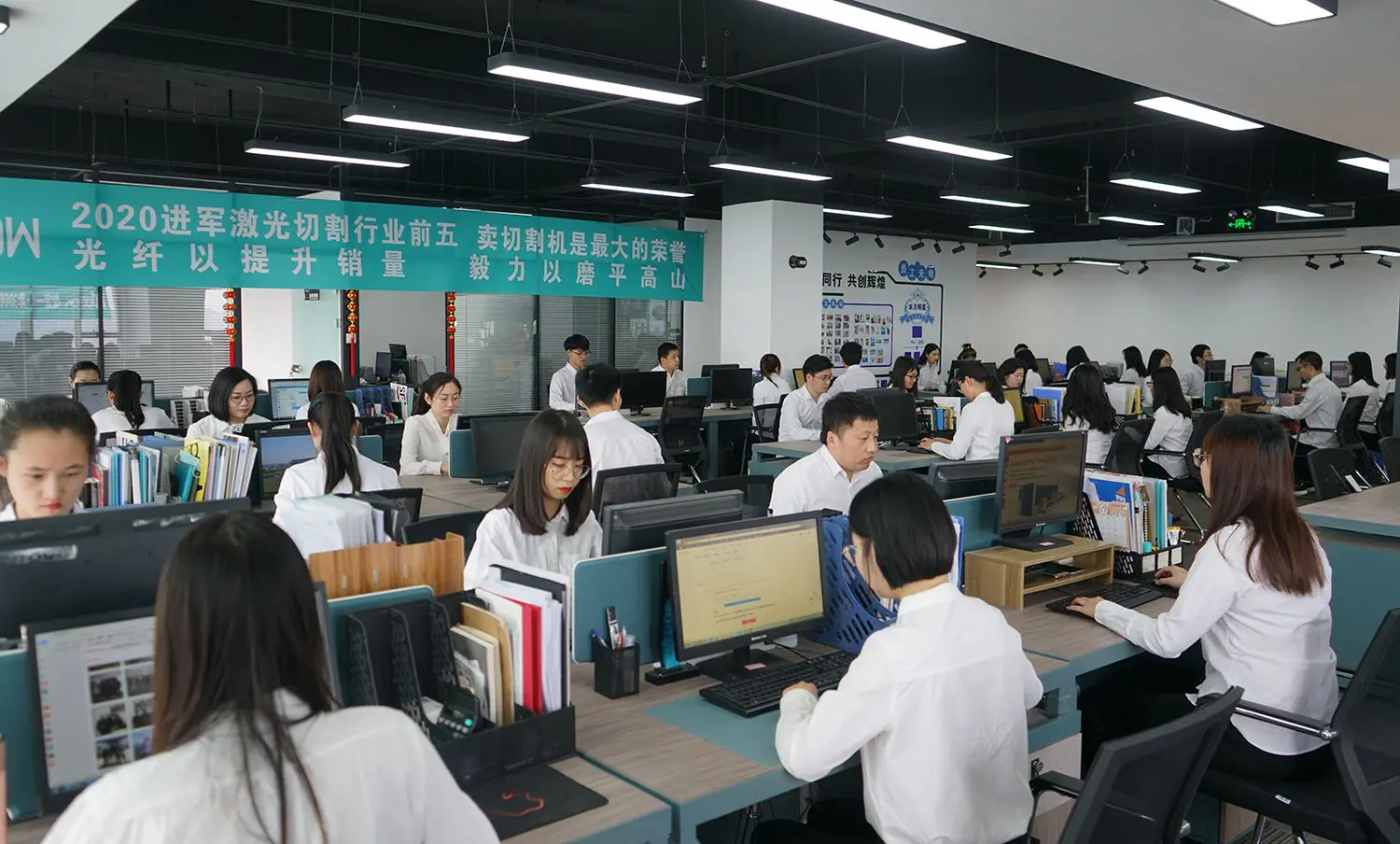
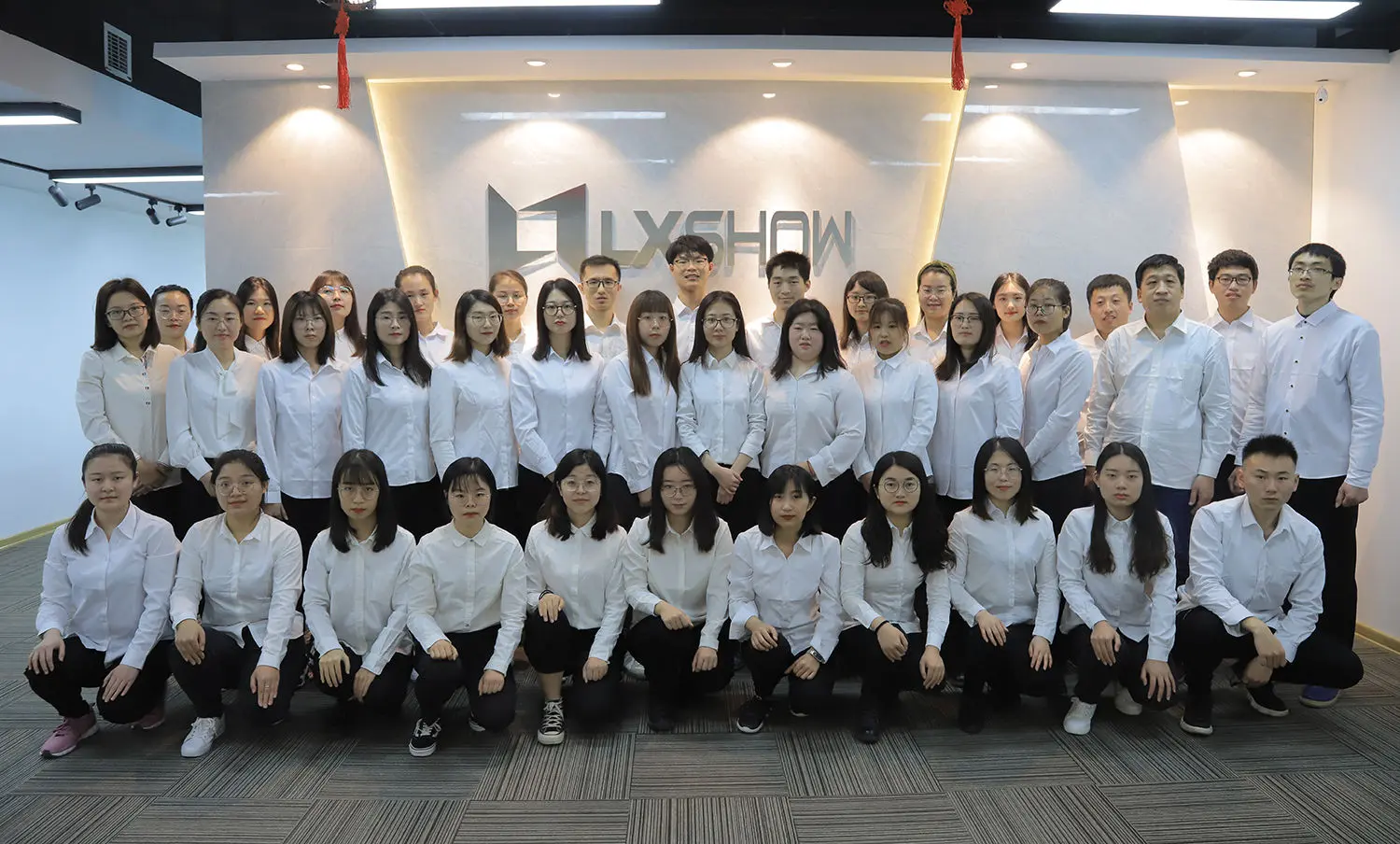
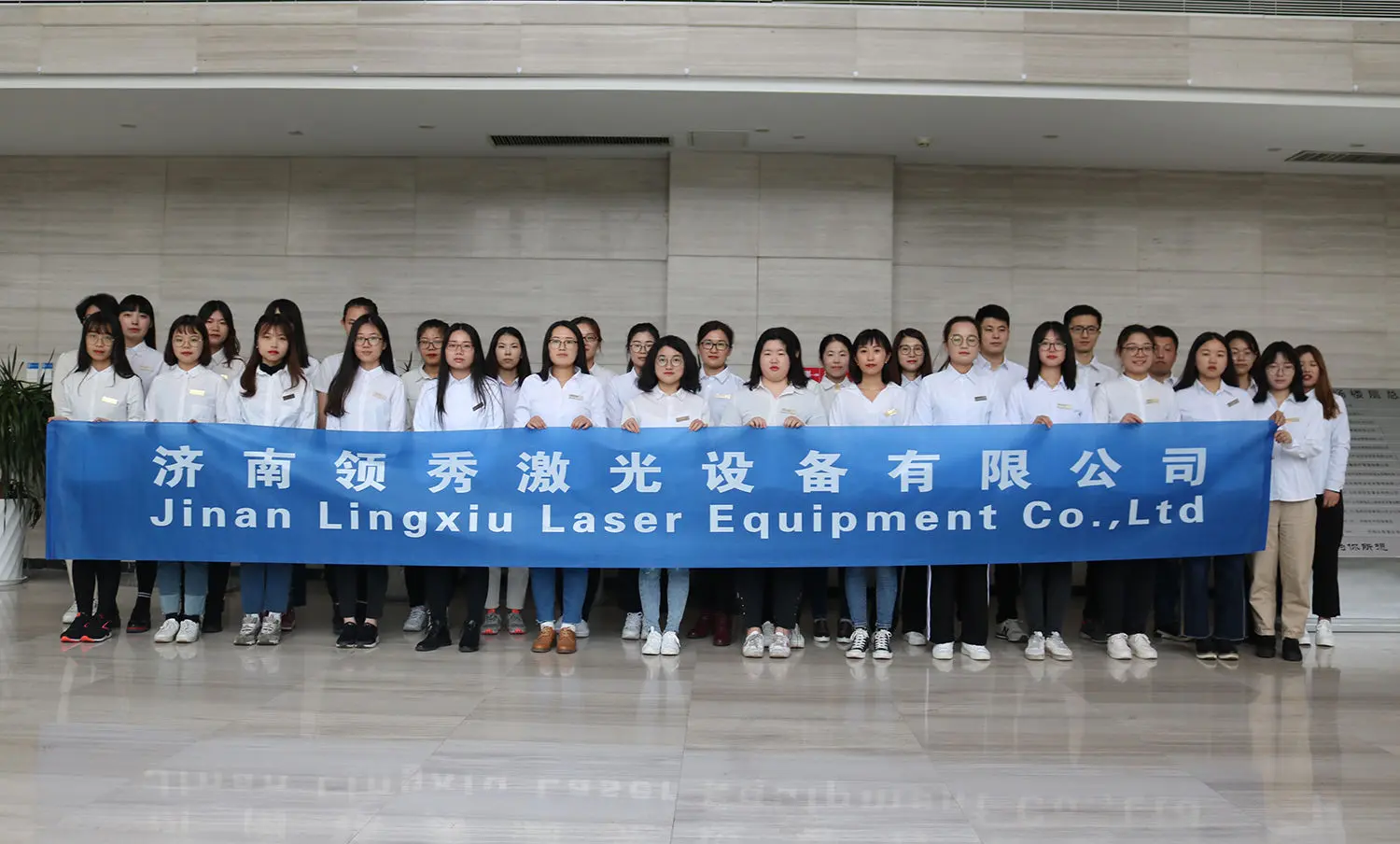
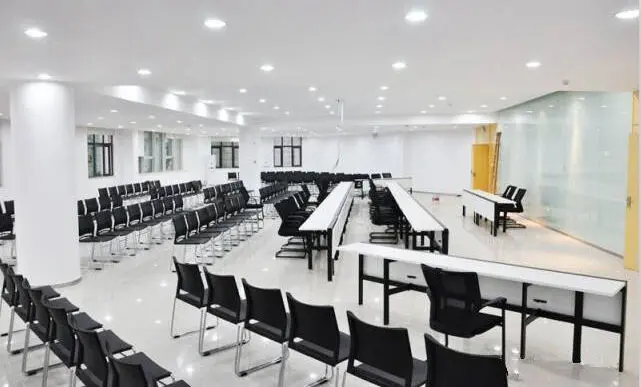
Established in July 2004, LXSHOW possesses more than 500 square meters of researching and corporate office space, integrated with a massive, state-of-the-art 32,000 square meter factory floor. All manufacturing processes are strictly certified to comply with European Union CE authentication, the American FDA certificate, and ISO 9001 standards. We proudly supply OEM configurations for more than 30 global brands and support thousands of users globally.

Bridging heavy-duty metallurgy, precision aerospace engineering, and custom metal fabrication.
Our high-tech CNC laser cutters, cleaning systems, and bending machinery are widely integrated across global heavy industrial pipelines:
Our fiber laser systems execute high-speed, burr-free cuts on multi-thickness metal sheets and profiles:
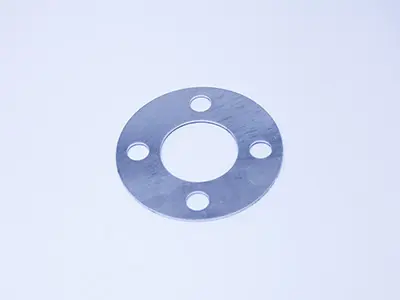 Aluminum
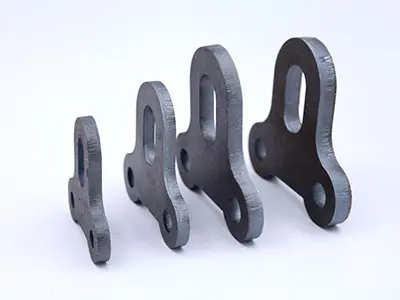 Carbon Steel
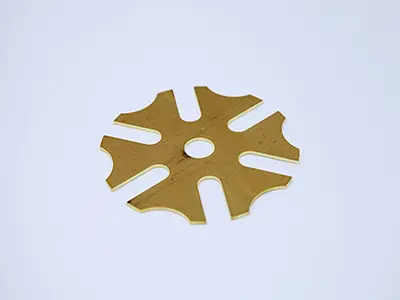 Copper
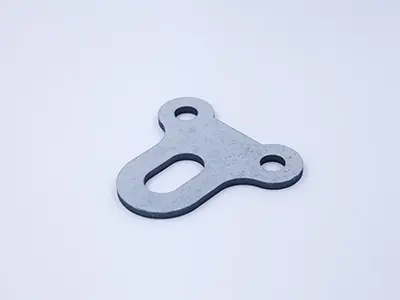 Galvanized Steel
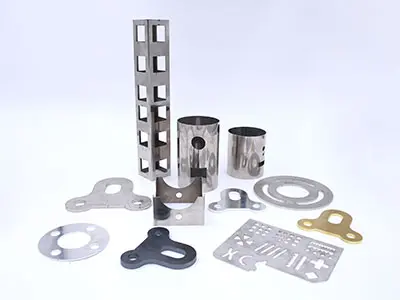 Other Metal Alloys
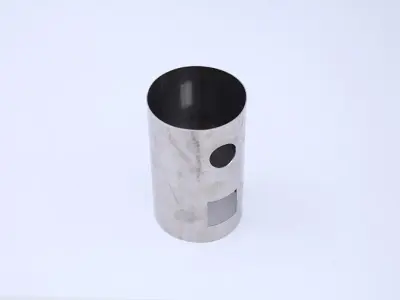 Round Tube Profiles
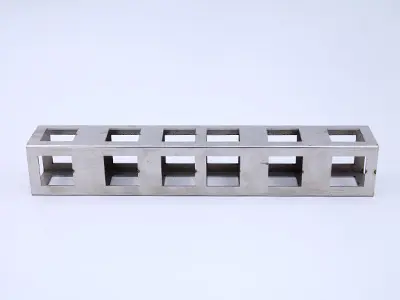 Square Tube Profiles
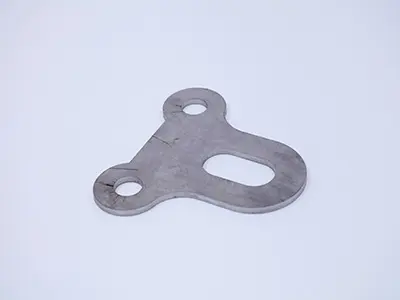 Stainless Steel
Explore our specialized industrial solutions designed for dynamic fabrication, metal restructuring, and structural welding.
Stable batch metallurgy and surface enhancement solutions for thick-plate resilience and mechanical repairs.
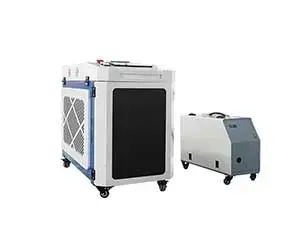
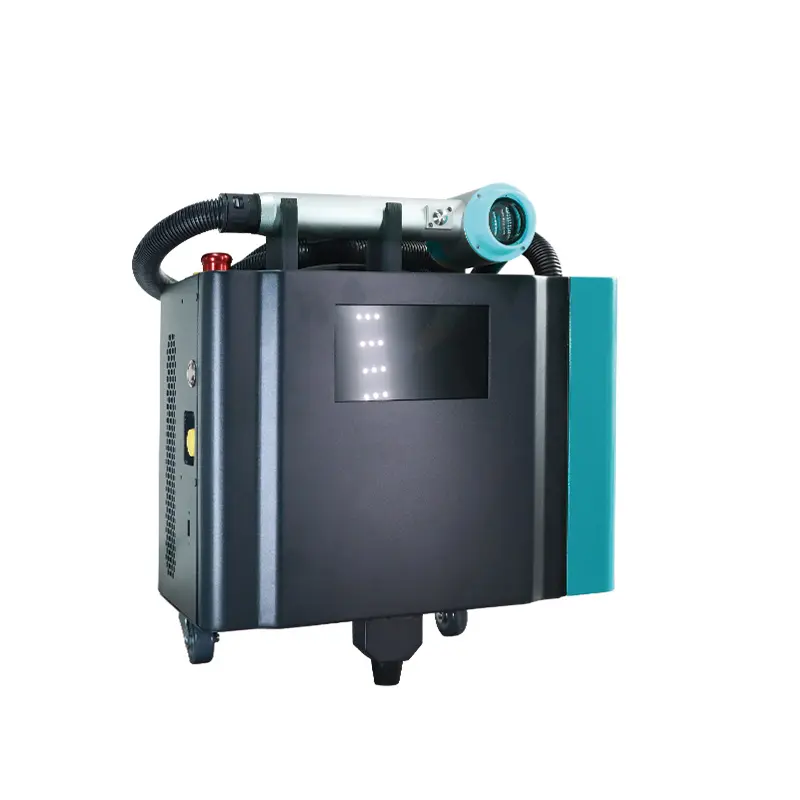
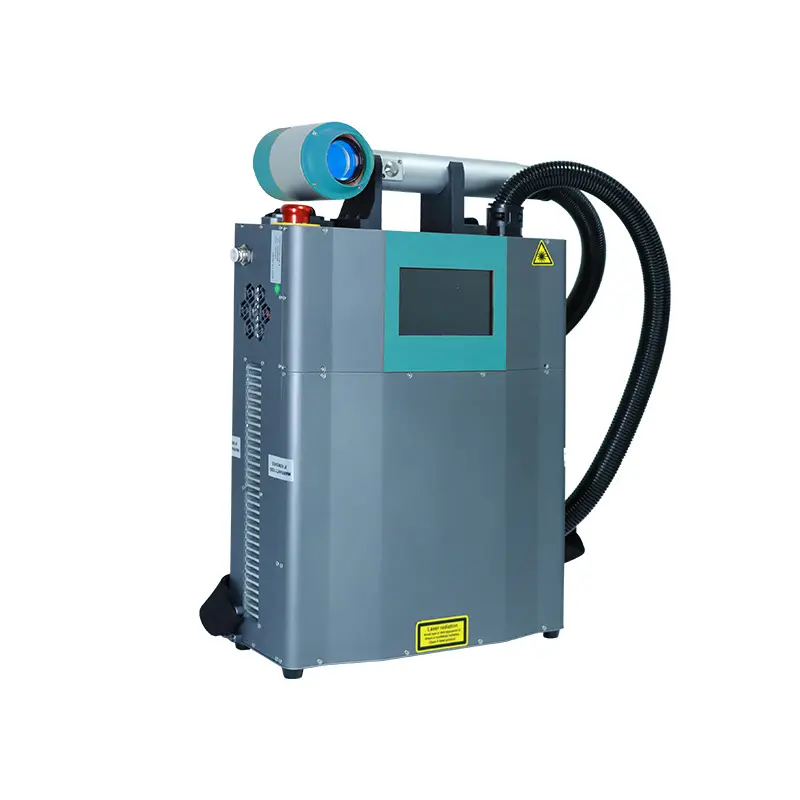
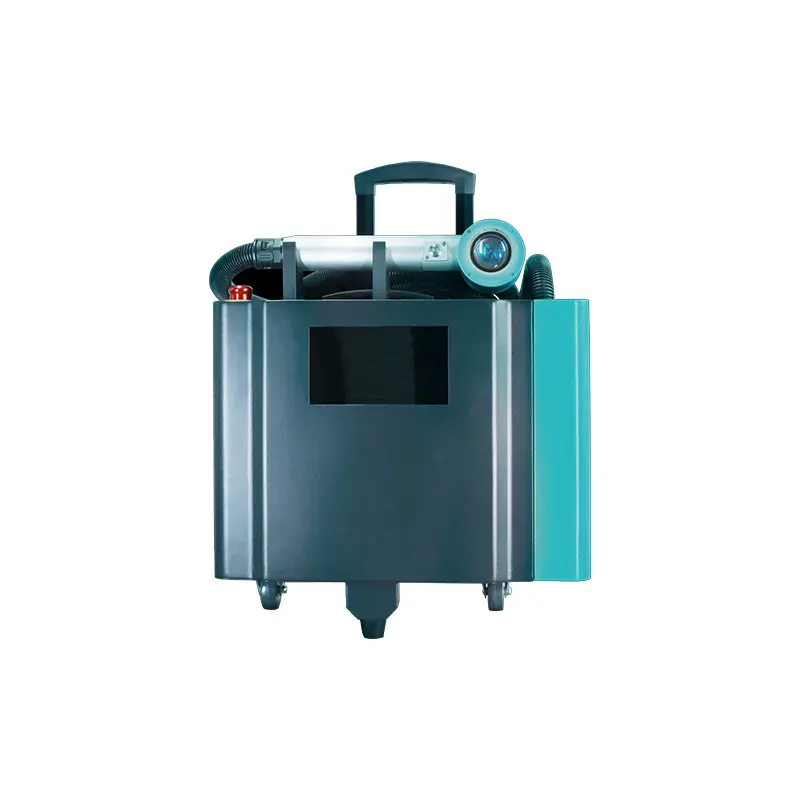
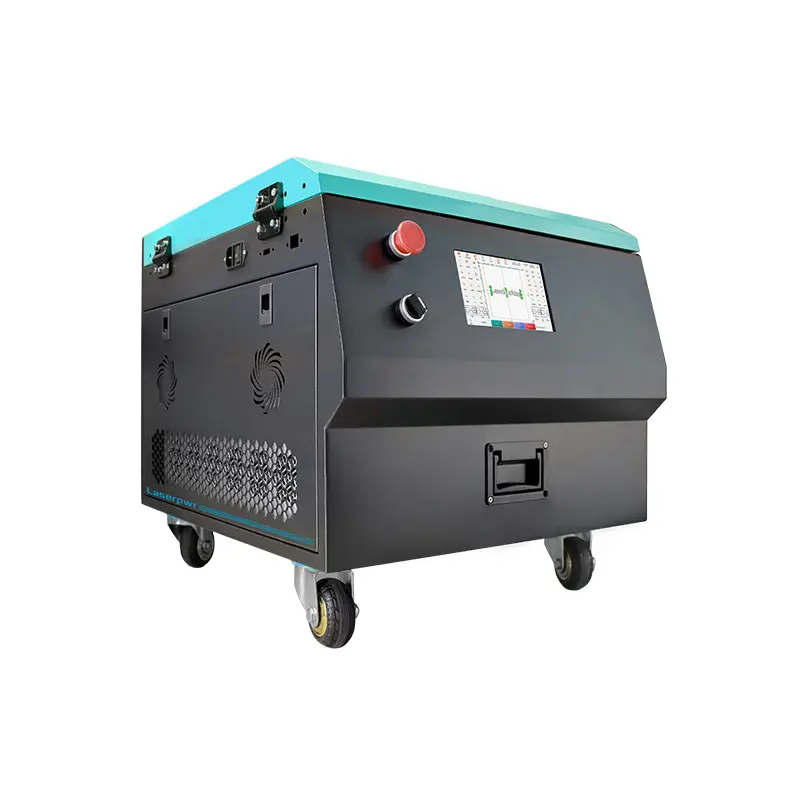
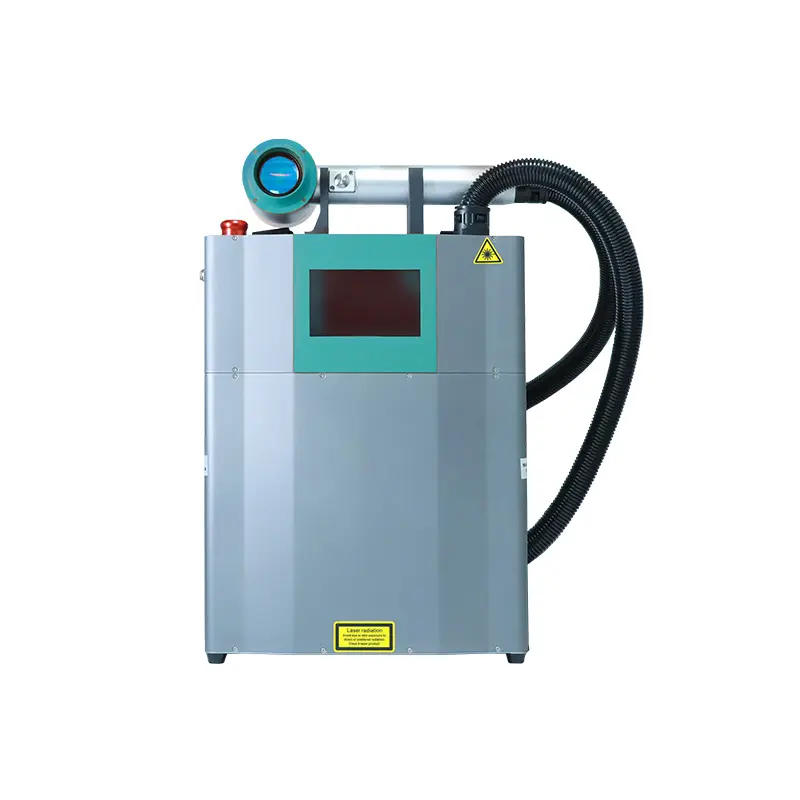
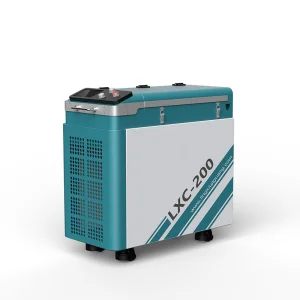
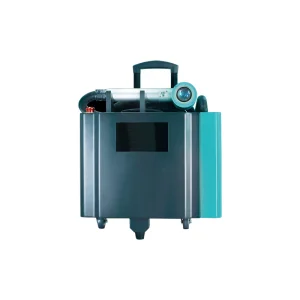
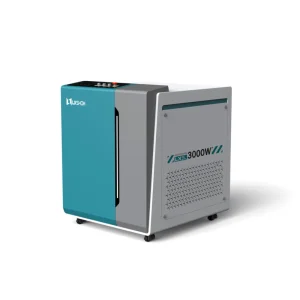
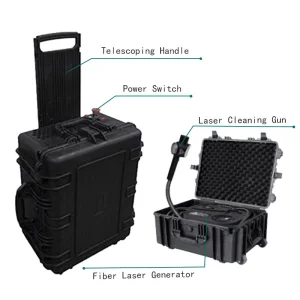
Non-contact pulsed and continuous laser solutions for surface preparation, paint stripping, and oxide removal.
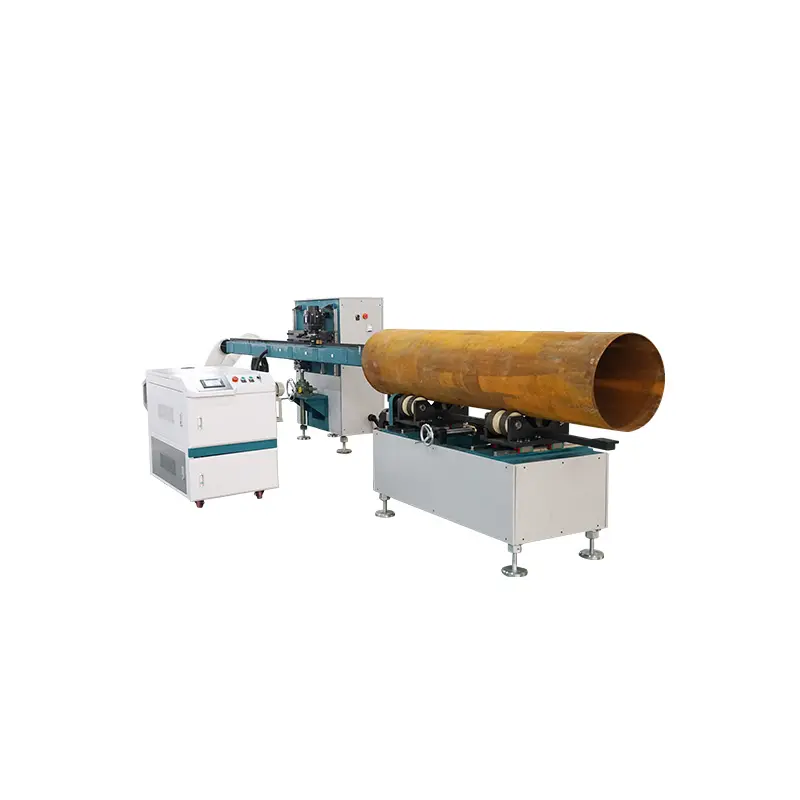
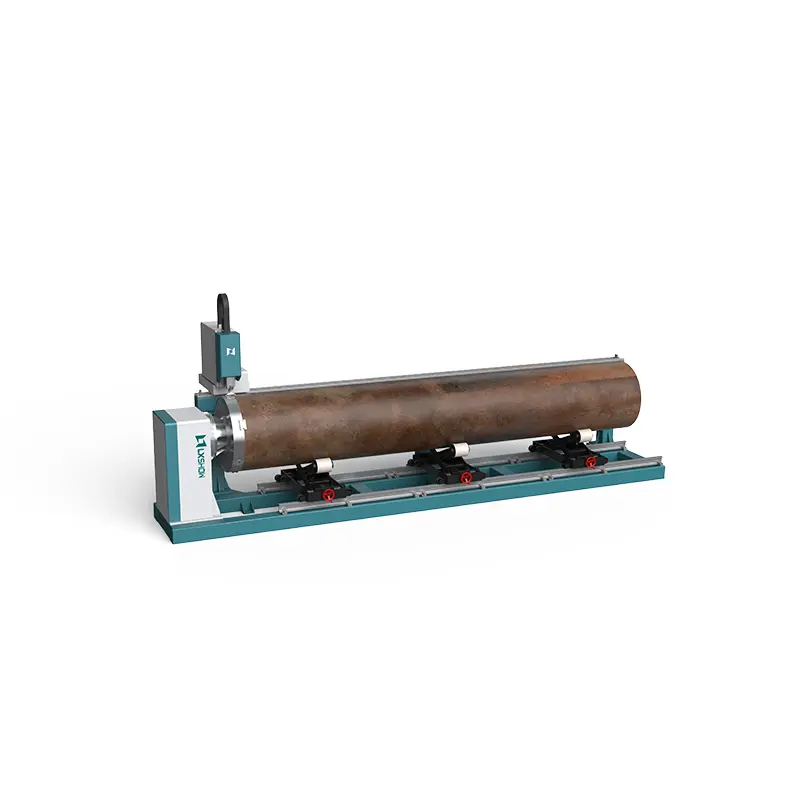
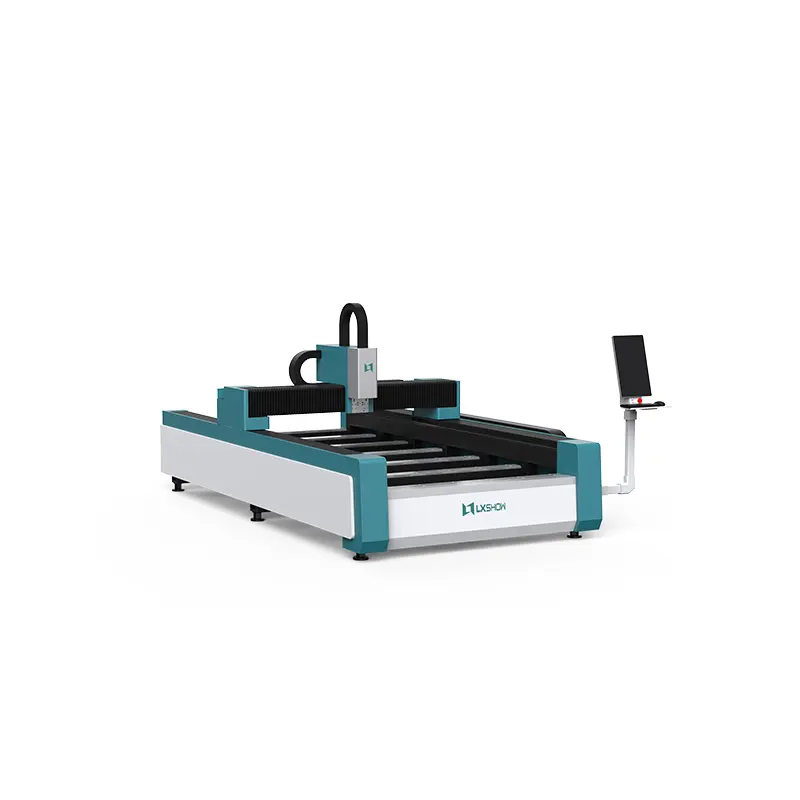
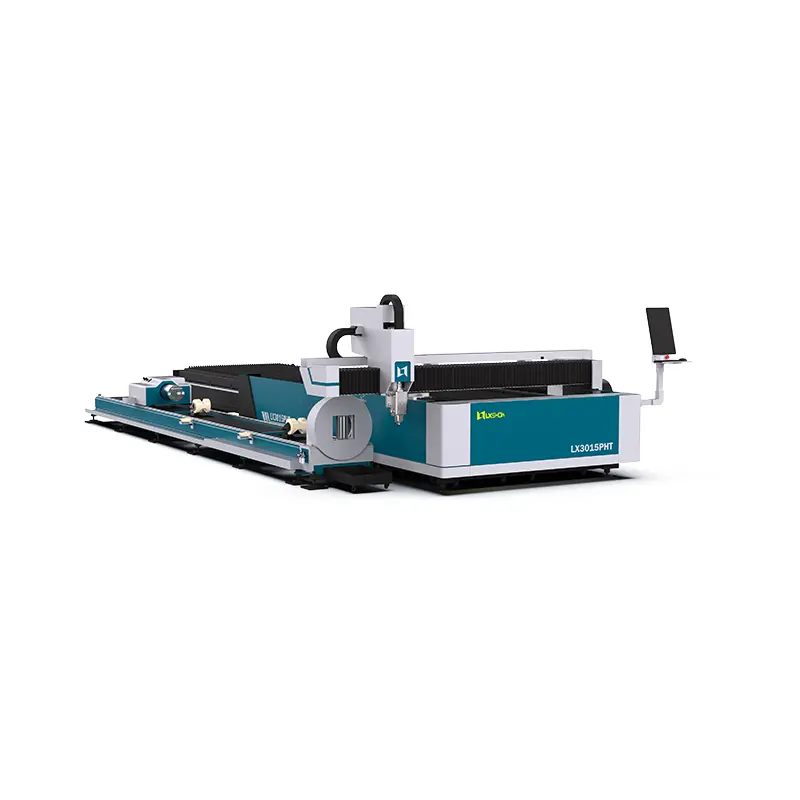
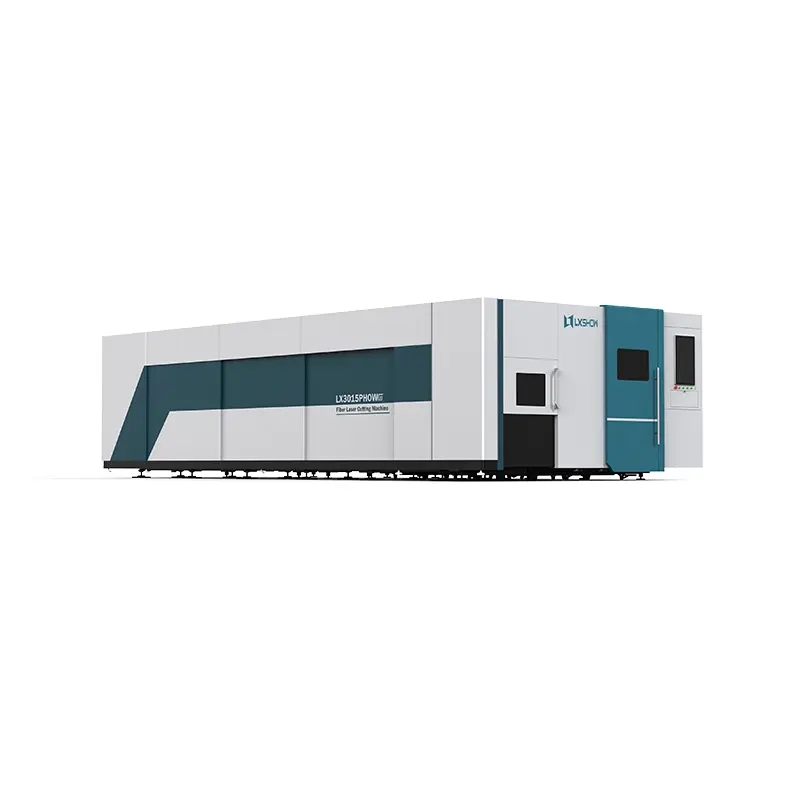
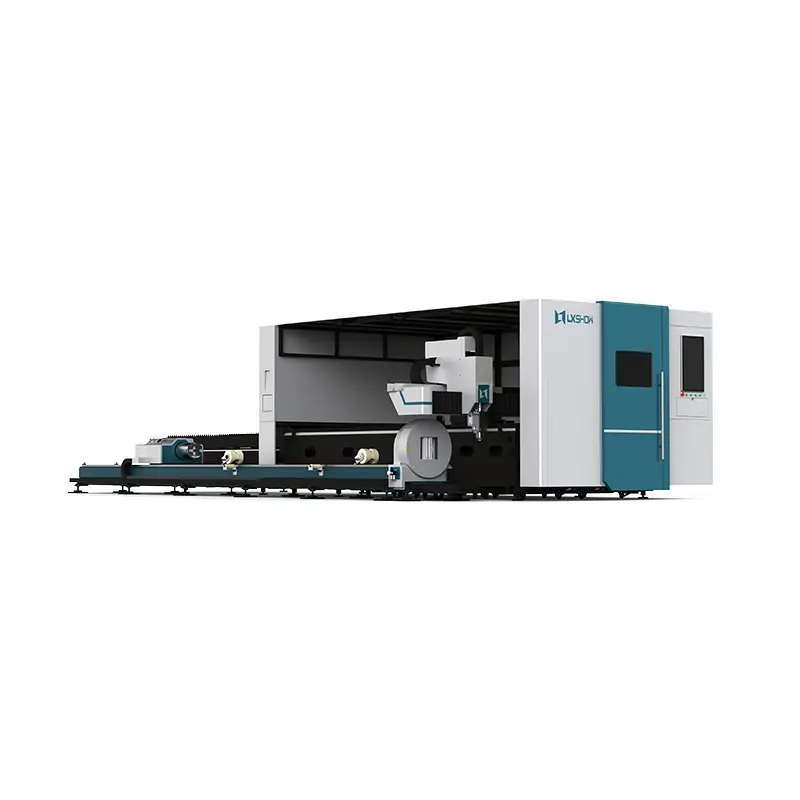
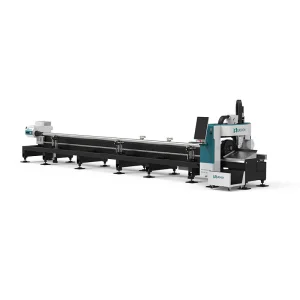
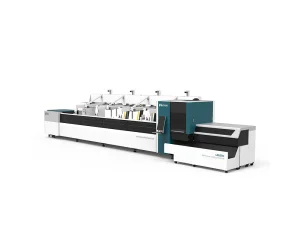
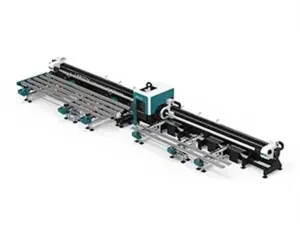
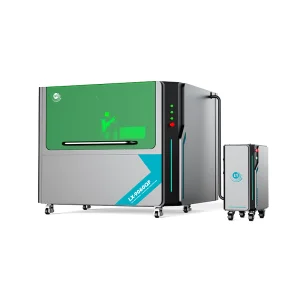
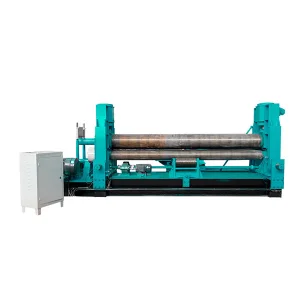
Ultra-fast metal plate and profile profiling utilizing high-end laser sources and automated structural bodies.
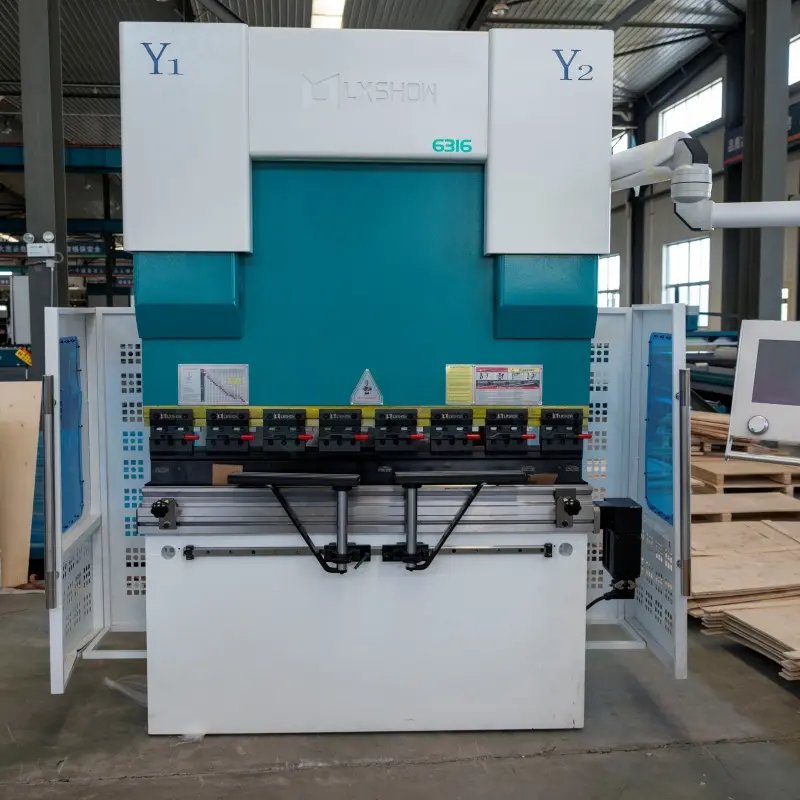
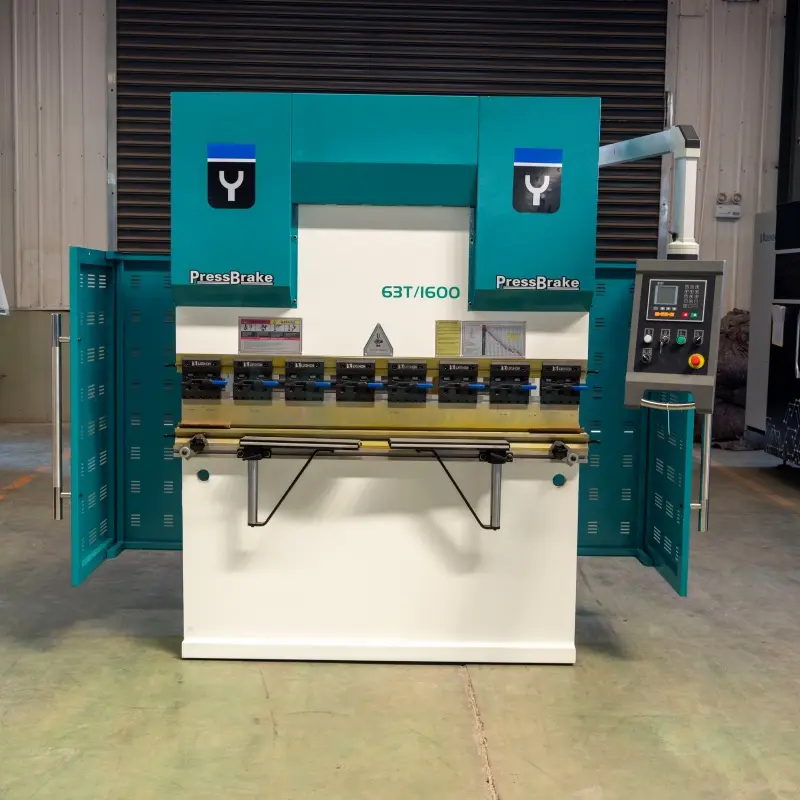
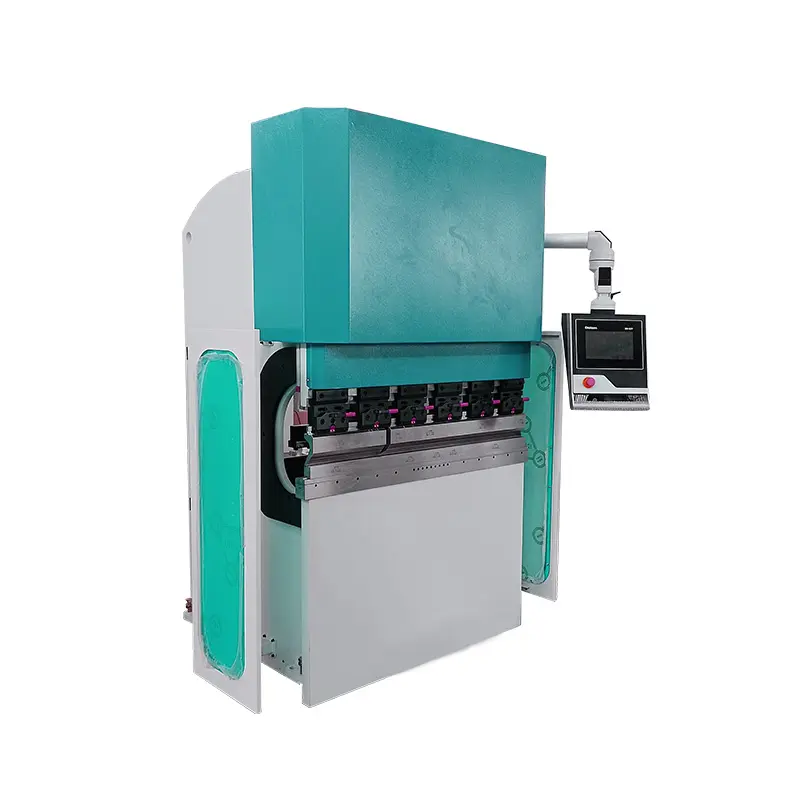
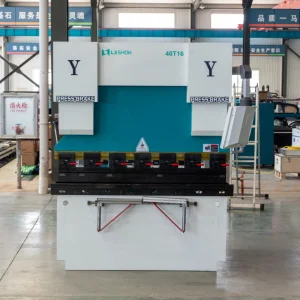
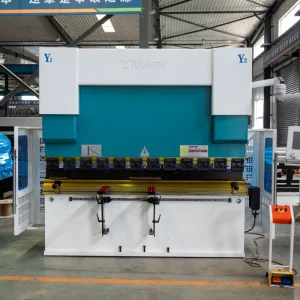
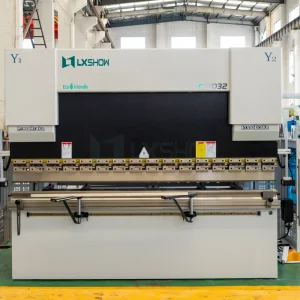
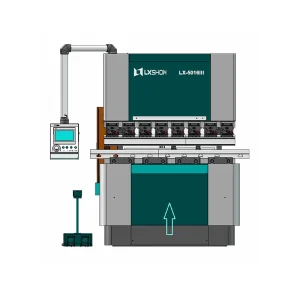
Electro-hydraulic servo synchronization for precise metal bending angular tolerances.
Seamless cross-border supply chain integration built upon safety certifications and localized operations.
All machinery exported across North America, the EU, and Southeast Asia complies with strict safety and health protocols. Standard setups hold European CE approval, FDA registrations for enclosed fiber laser emissions, and are verified under ISO 9001 factory audits.
We work closely with structural steel suppliers to customize table dimensions, laser source outputs, dual-pallet shuttle tables, and dedicated tube cutting extensions. Our engineering division offers specialized CNC programming macros matching your factory layout.
We maintain localized technical support channels and remote assistance hotlines. Engineers can provide on-site commissioning, operational guidance, and tooling calibration to minimize downtime.
Our core mission is structured around building intelligent, autonomous production facilities. Before 2040, we aim to establish ourselves as a leading name in the global laser processing domain. Our future technology roadmap includes:
Adopting connected smart factories is essential for modern business success. Fabricators linking CNC laser cutters, press brakes, and cleaning lines to unified manufacturing execution systems (MES) achieve up to 35% higher productivity and reduce unexpected maintenance downtime by half.
Answers to critical questions asked by procurement managers, factory directors, and sheet metal fabricators.
Fiber lasers use solid-state diodes to create light guided by flexible glass fibers, producing a wavelength of 1.064 microns. This is absorbed up to three times faster by common metals compared to the 10.6-micron wavelength of CO2 lasers. Consequently, fiber systems cut thin to medium-thickness sheets much faster, use less electricity, and require minimal maintenance since they don't use internal optical mirrors.
Selecting laser power depends on production thickness requirements: 1kW to 3kW systems work well for sheets up to 8mm, while 4kW to 12kW setups process structural carbon steels and aluminum up to 25mm. Over 15kW, machines handle thick structural plates up to 50mm using nitrogen or oxygen assist gas to maintain clean cut edges.
These certifications ensure compliance with safety standards. European CE mark validates electrical and physical safety under machine directives. US FDA certification focuses on laser radiation safety (Class IV criteria), which is required to clear customs in North America. ISO 9001 certification confirms consistent manufacturing quality control across production batches.
Selecting the right assist gas depends on the material. Oxygen causes an exothermic reaction that speeds up thick carbon steel processing, though it leaves a thin oxide layer. Nitrogen prevents oxidation, keeping stainless steel, copper, and aluminum cut edges bright and paint-ready. Clean, dry compressed air can also be used for thin sheet processing to reduce operating costs.
Laser cleaning utilizes high-frequency, high-peak-power nanosecond laser pulses focused on the target surface. The substrate (like steel or aluminum) reflects the light energy, while surface contaminants (rust, oil, oxide scale, paint) absorb it and vaporize or blow away instantly without damaging the underlying metal.
Heavy-duty industrial equipment built for high structural loading, continuous operation, and minimal maintenance.
 Lxshow