Explore our high-performance fiber laser systems, bending brakes, and surface treatment machinery engineered for global manufacturing standard compliance.
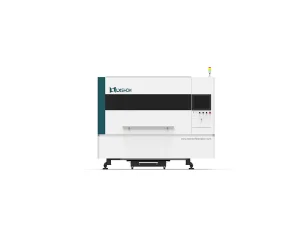
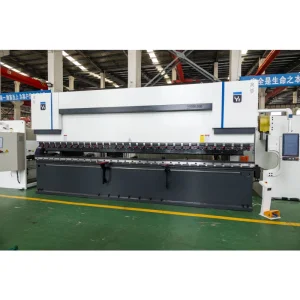
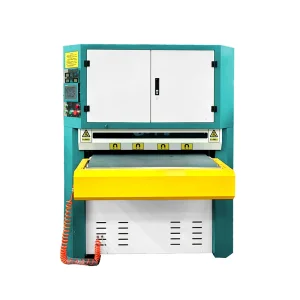
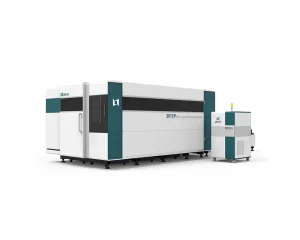
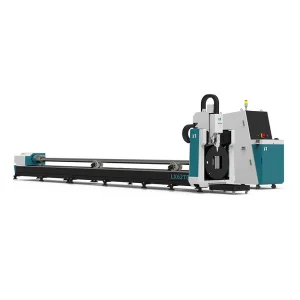
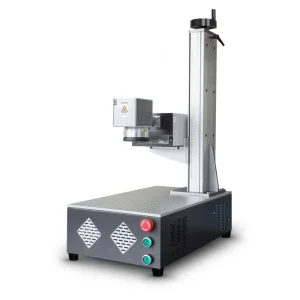
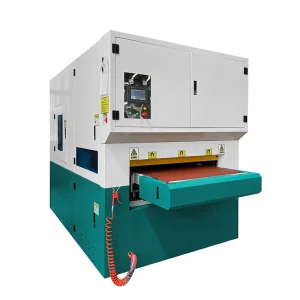
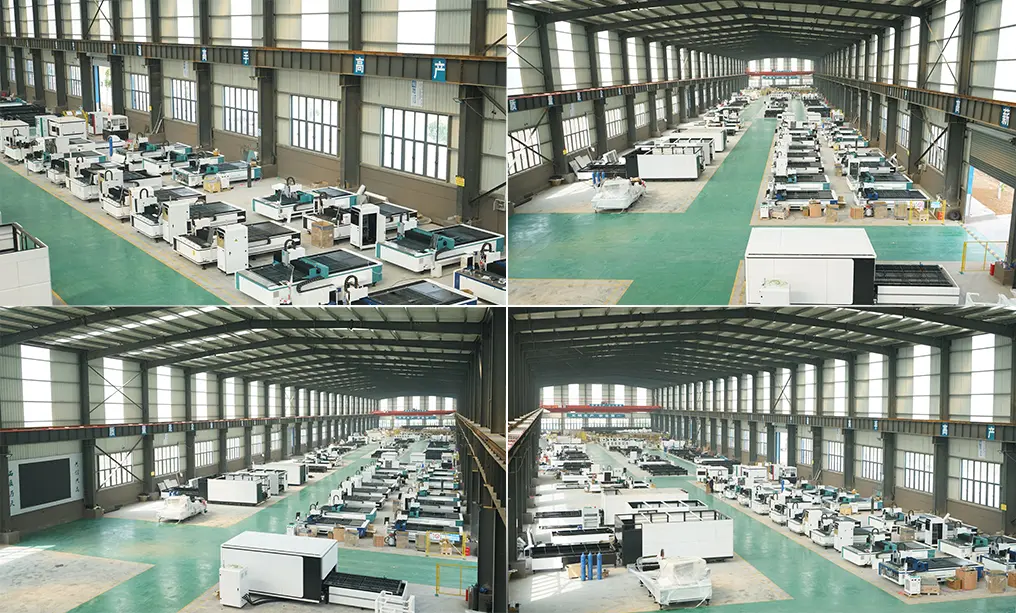
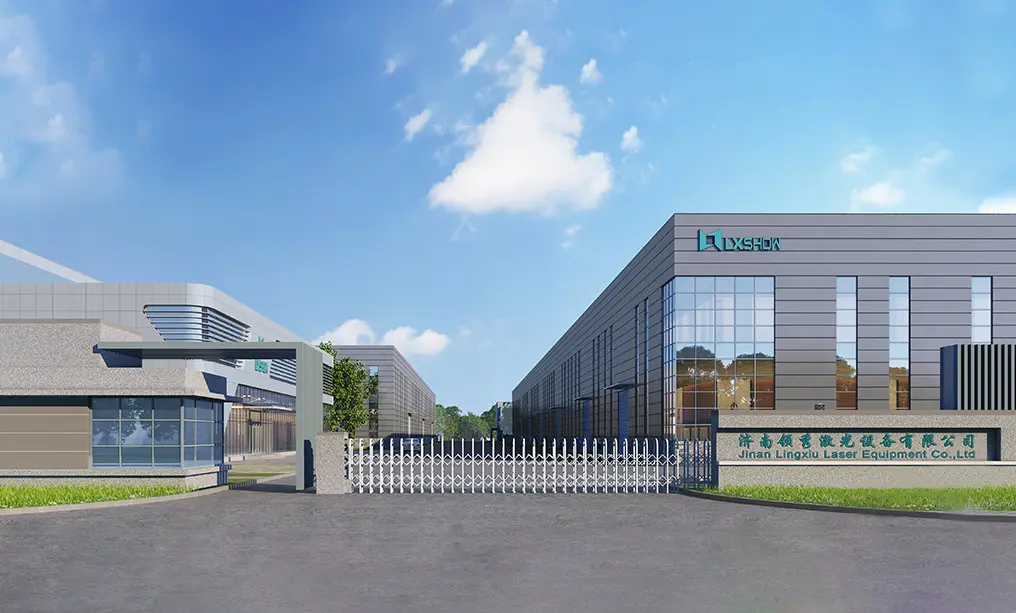
Established in July 2004, LXSHOW has pioneered developments in laser manufacturing technology. With more than 500 square meters of dedicated research and development workspace and a massive, modern 32,000 square meter factory, we align hardware innovation with industrial requirements.
Our operation is built on strict quality management and standard verification. All our machines have passed the European Union CE authentication, American FDA certificate, and are certified under ISO 9001. We deliver OEM services to more than 30 major global manufacturers and market high-precision metal processing equipment directly to companies across the United States, Canada, Australia, Europe, Southeast Asia, and Africa.
By prioritizing smart manufacturing and digital automation, we provide global enterprises with robust tools to implement Industry 4.0 architecture in their factories, ensuring higher productivity and optimized energy usage.
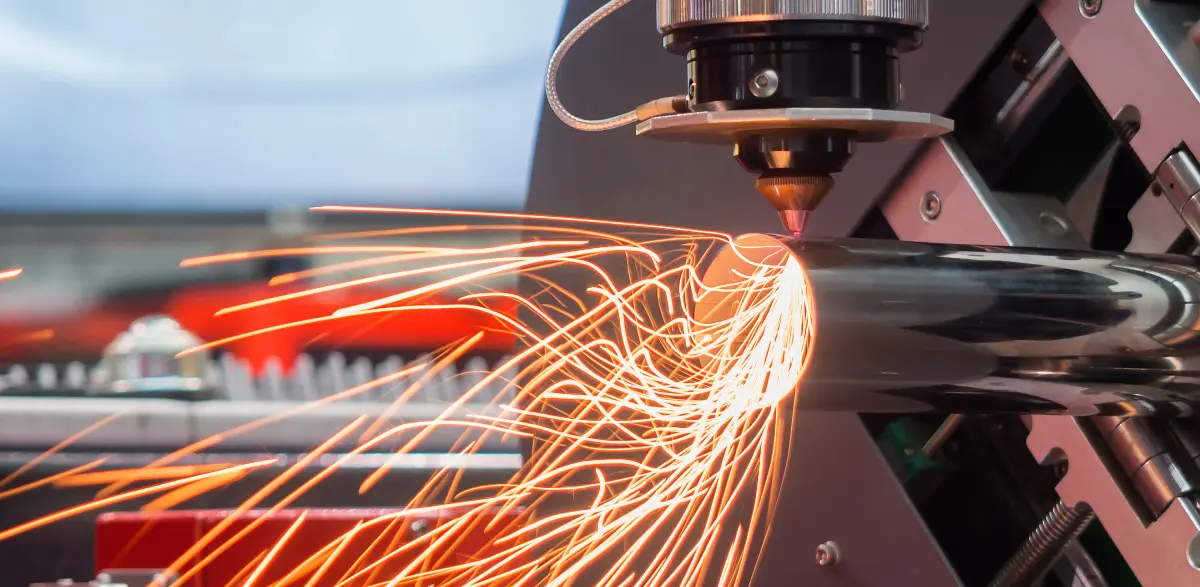
How global purchasing managers resolve constraints in cost efficiency, beam control, and system longevity.
Modern metal workshops require systems capable of managing thin and ultra-thick sheets without tool changes. Our solutions offer power levels ranging from 1kW up to 40kW, powered by leading laser sources (IPG, Raycus, Maxphotonics) to maintain stability at heavy duty cycles.
Different materials reflect energy uniquely. Our optical paths and laser wavelengths are calibrated to cut carbon steel, stainless steel, aluminum, brass, and copper without risk of back-reflection damage to the laser head.
Using nitrogen and oxygen auxiliary gases is a major cost driver in metal cutting. By configuring advanced high-pressure air cutting loops and nesting optimization algorithms, our machines reduce gas costs by up to 40% while preserving edge finish.
Engineered for high-intensity sectors demanding absolute dimensional tolerance and clean metallurgical finishes.
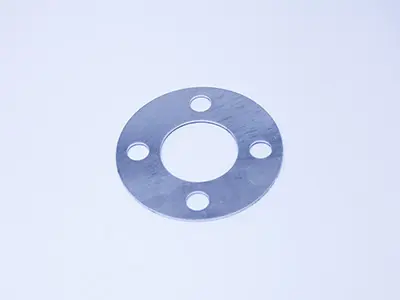
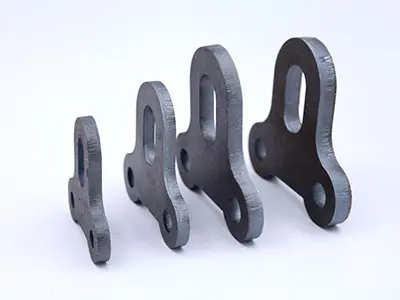
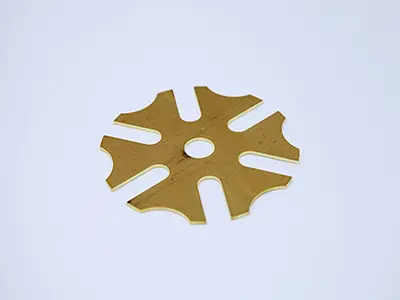
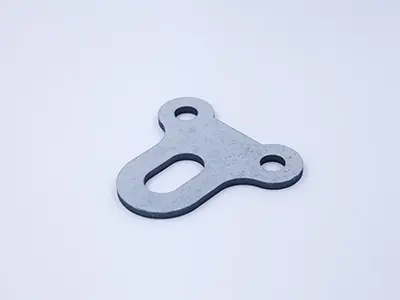
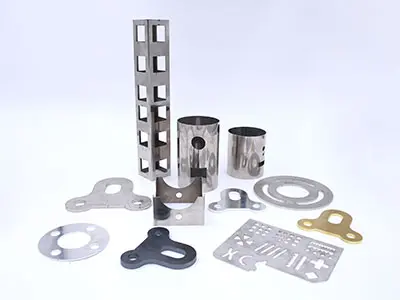
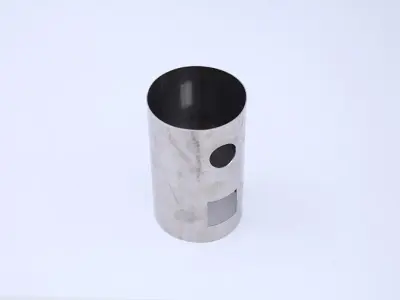
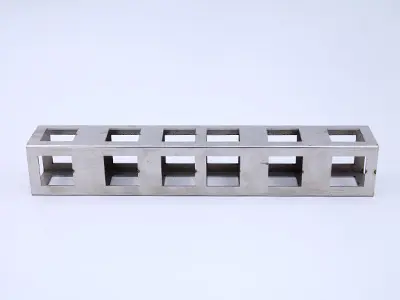
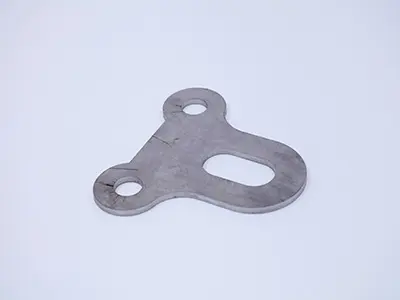
Allows high-accuracy profiling of titanium alloys and specialized structural components without heat deformation.
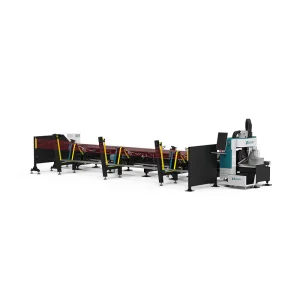
Accelerates body-in-white fabrication, chassis framing, and customization parts with automated pipe and profile cutting.
Delivers slag-free, highly reflective finishes on stainless steel without mechanical clean-up steps.
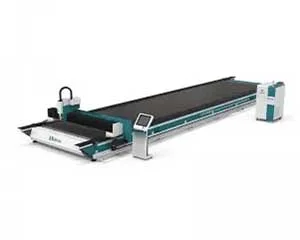
Handles thick carbon steel plate fabrication using high-power, multi-axis, double exchange table fiber lasers.
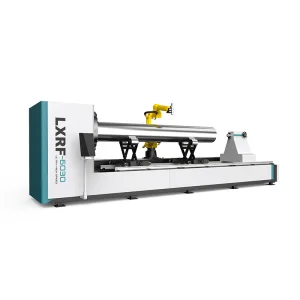
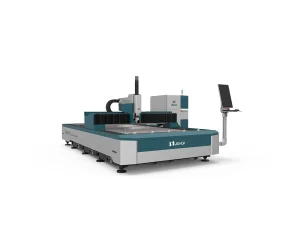
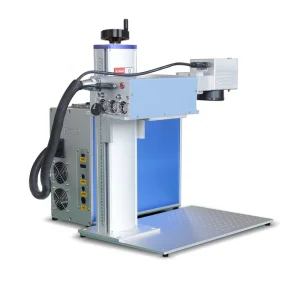
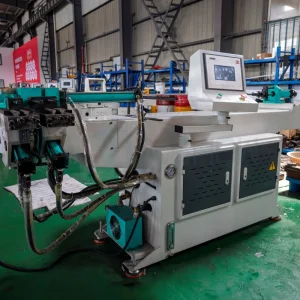
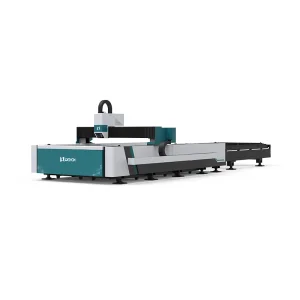
Browse through our complete system architectures designed to handle every stage of metal fabrication, from cutting to bending and finishing.
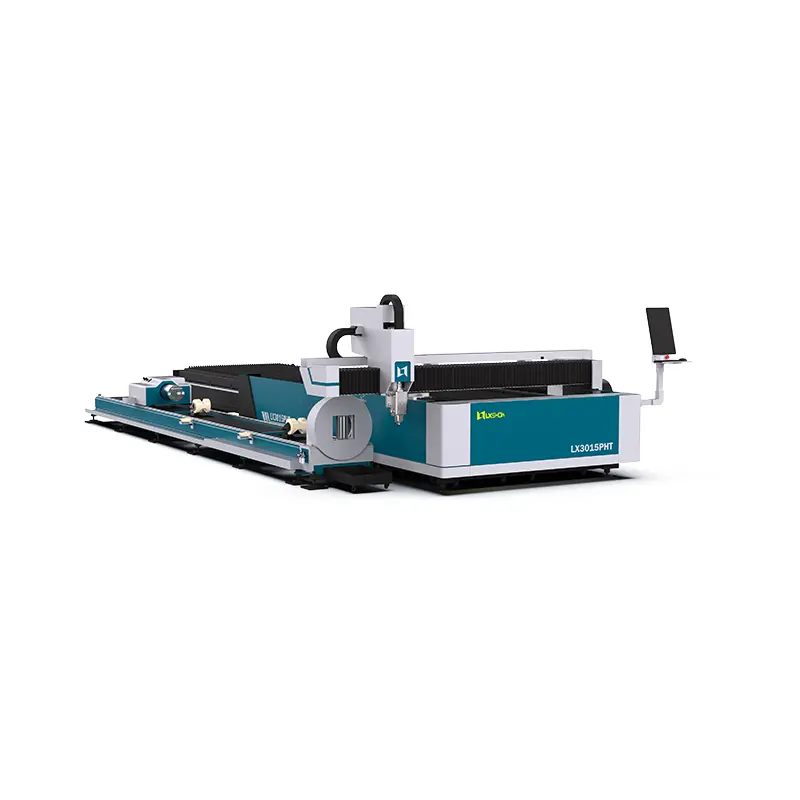
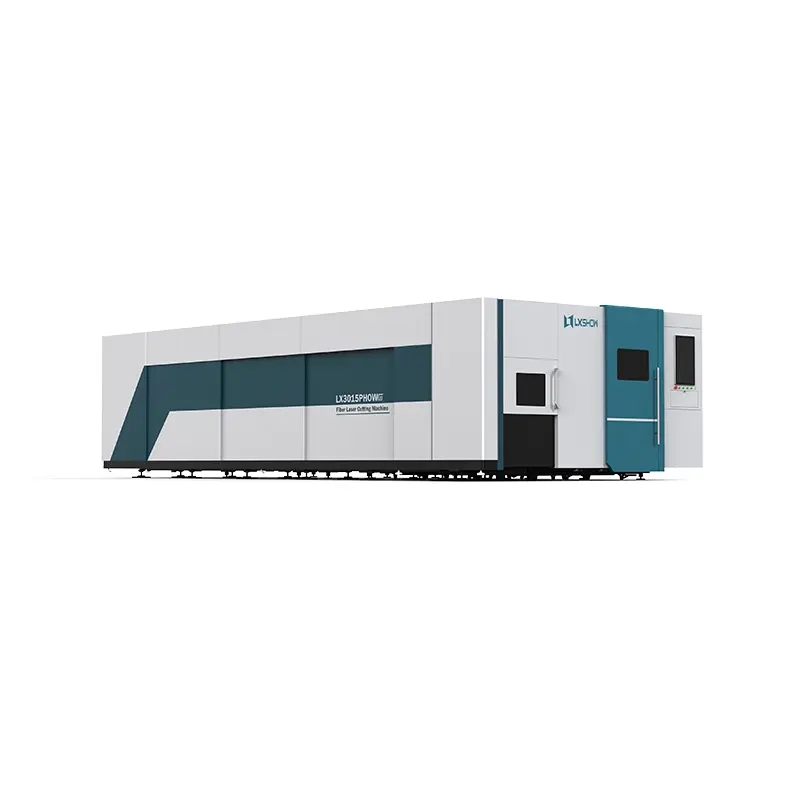
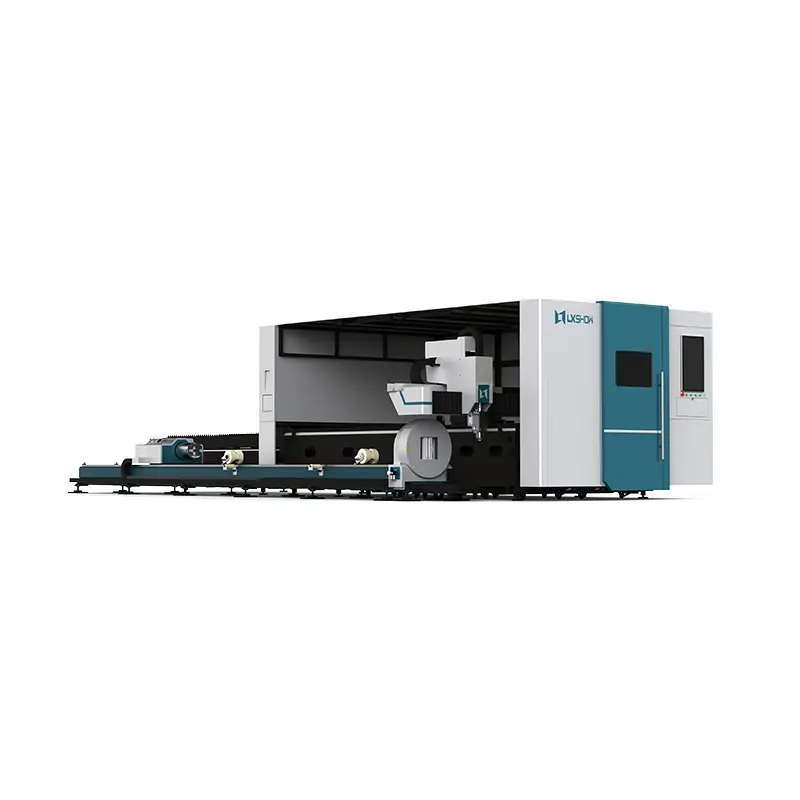
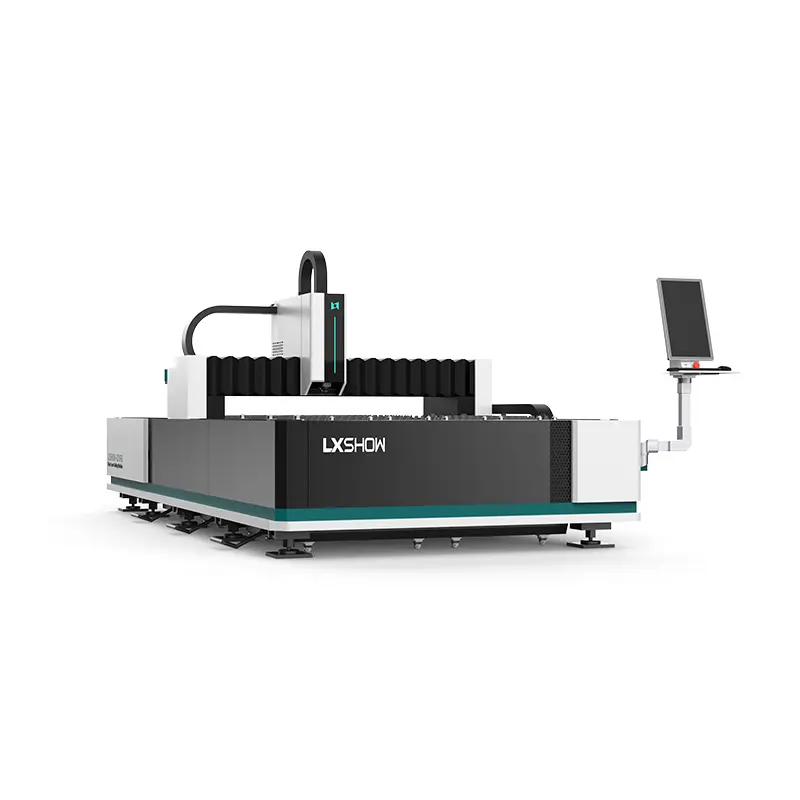
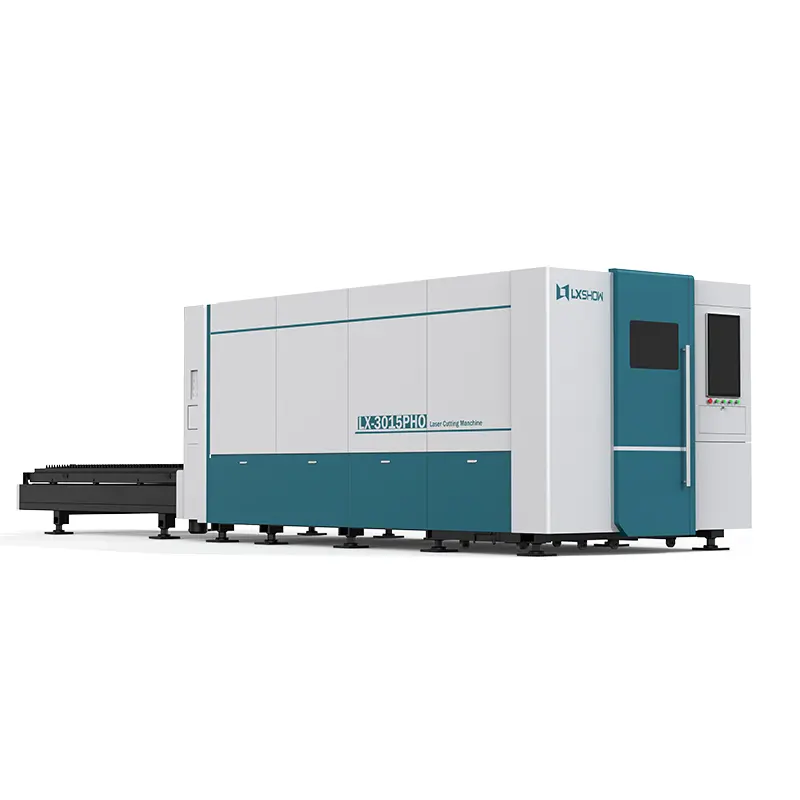
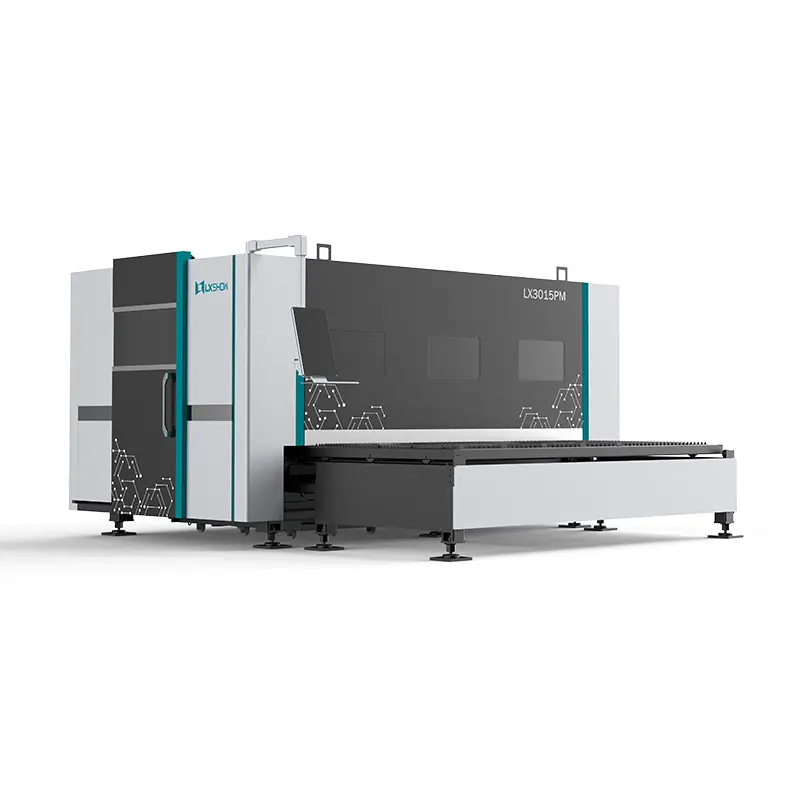
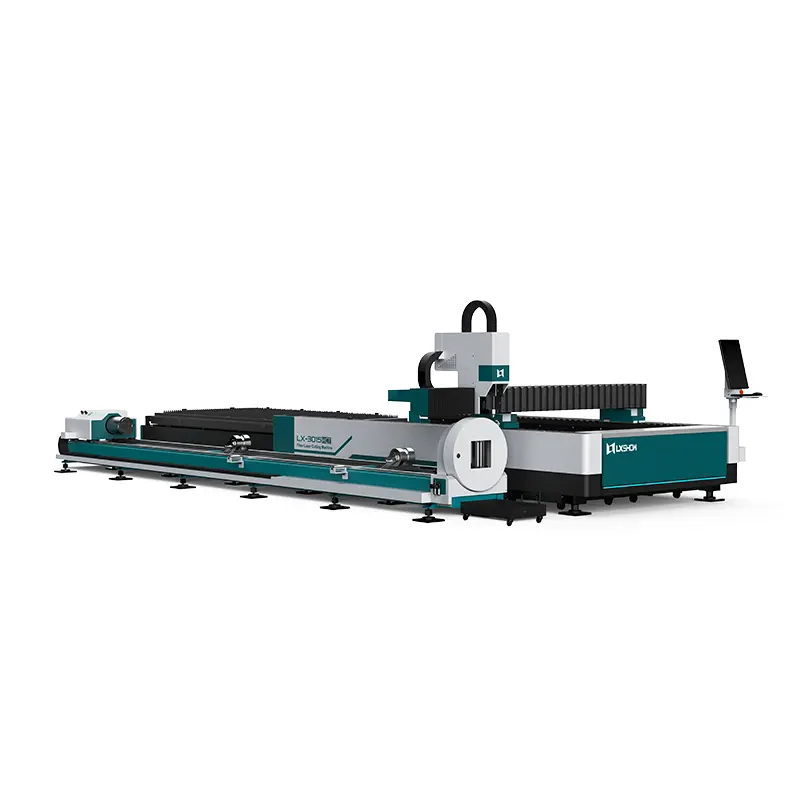
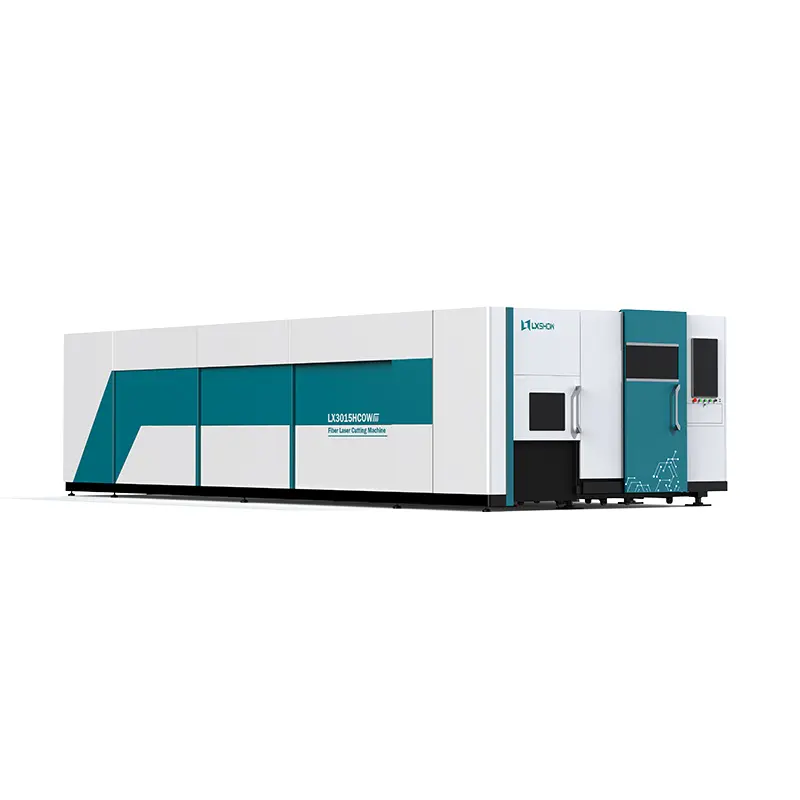
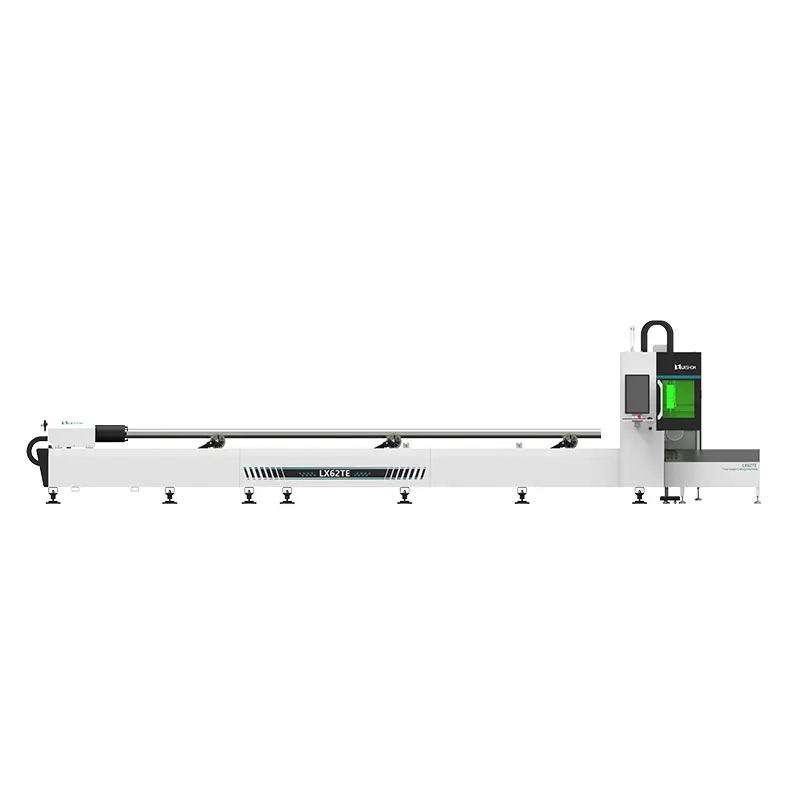
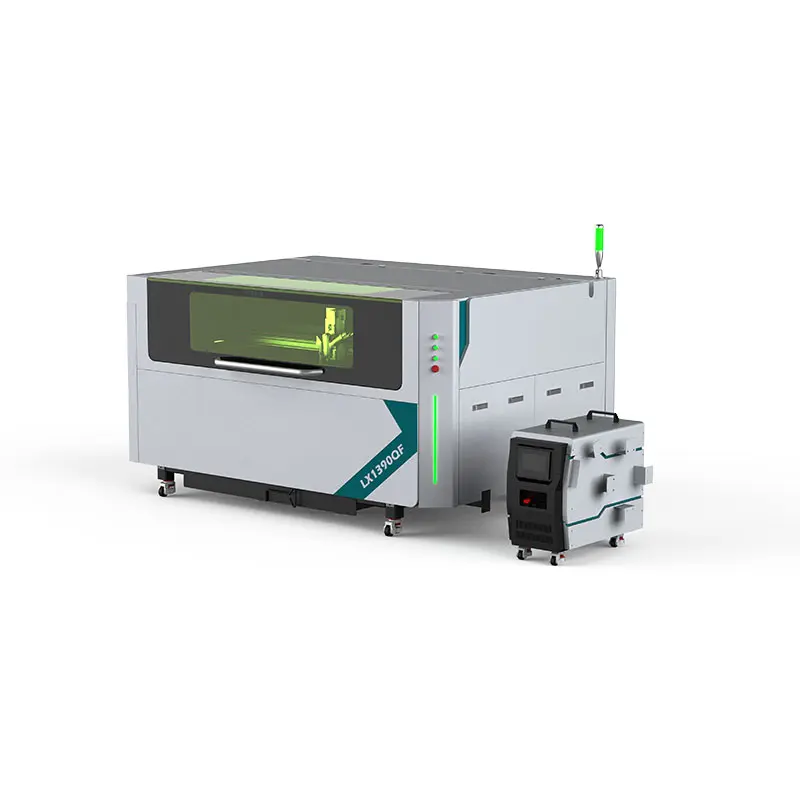
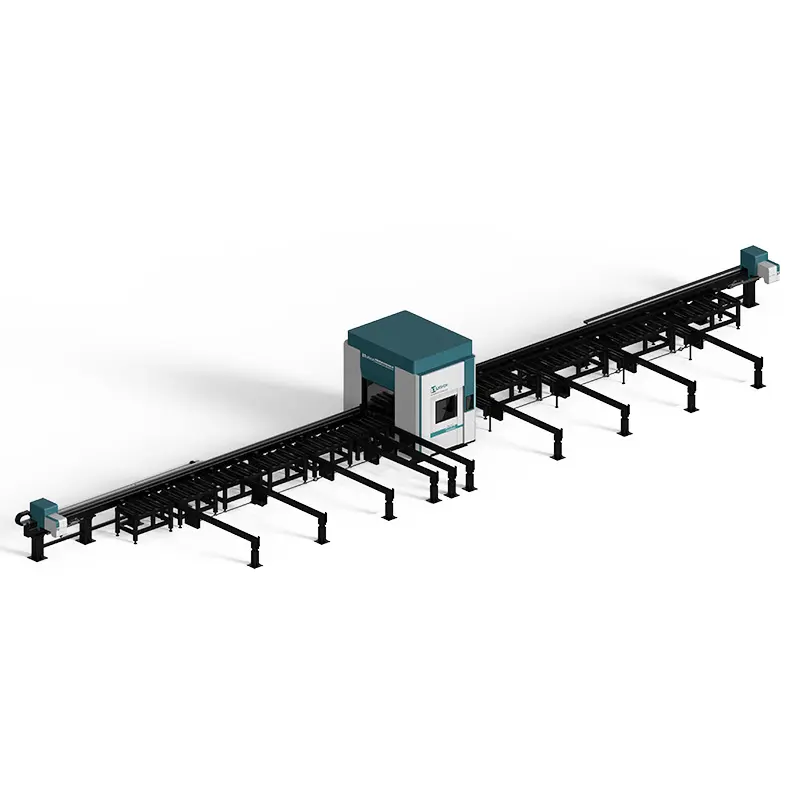
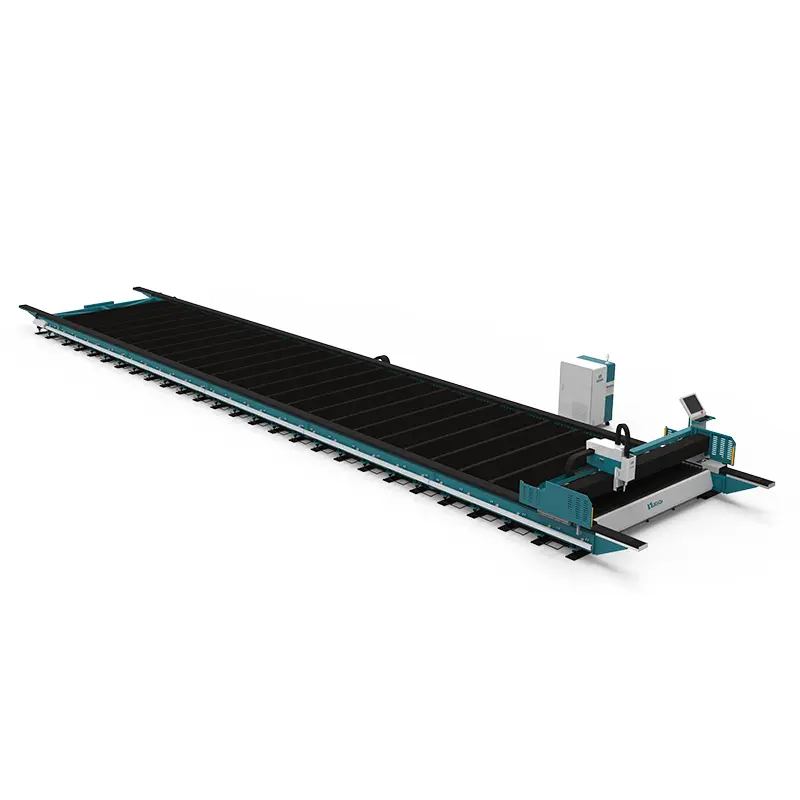
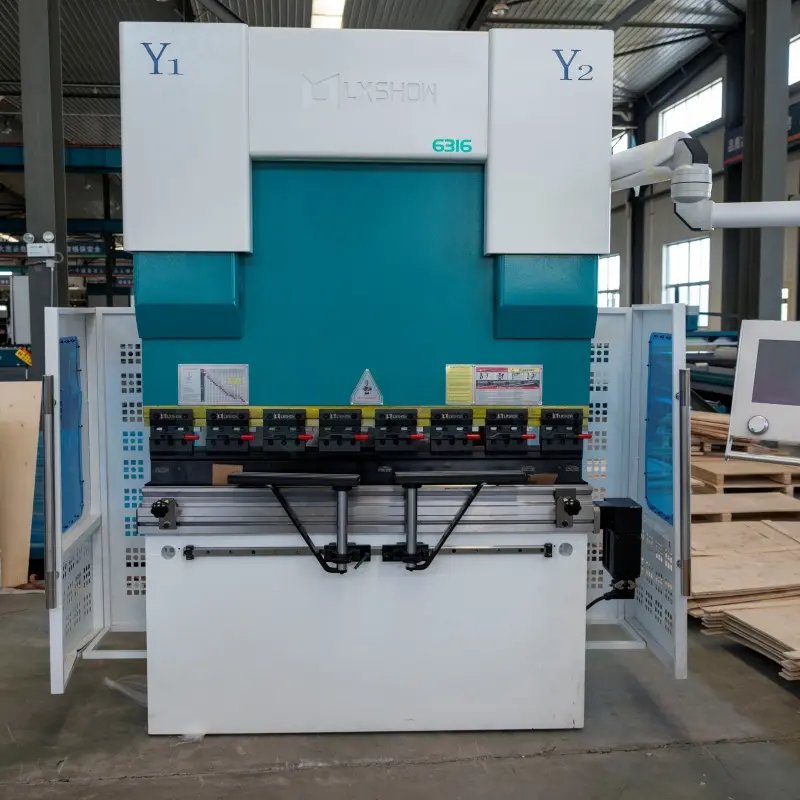
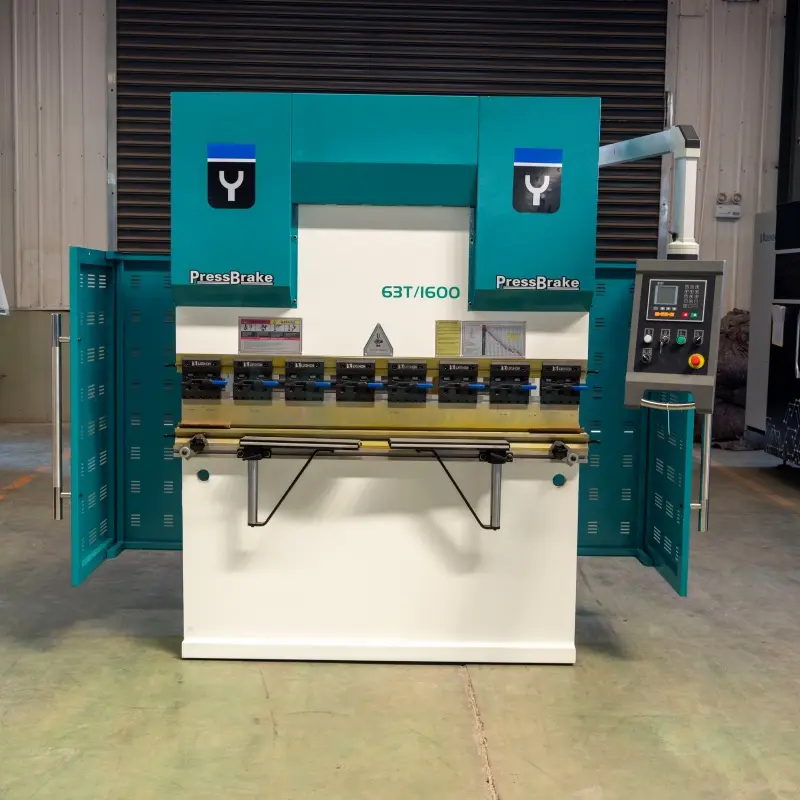
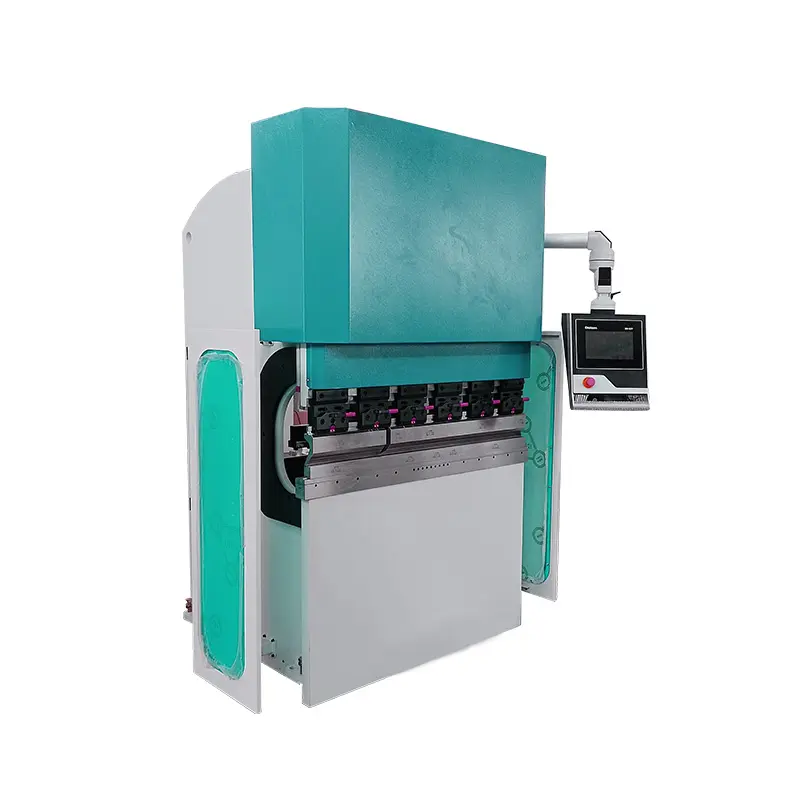
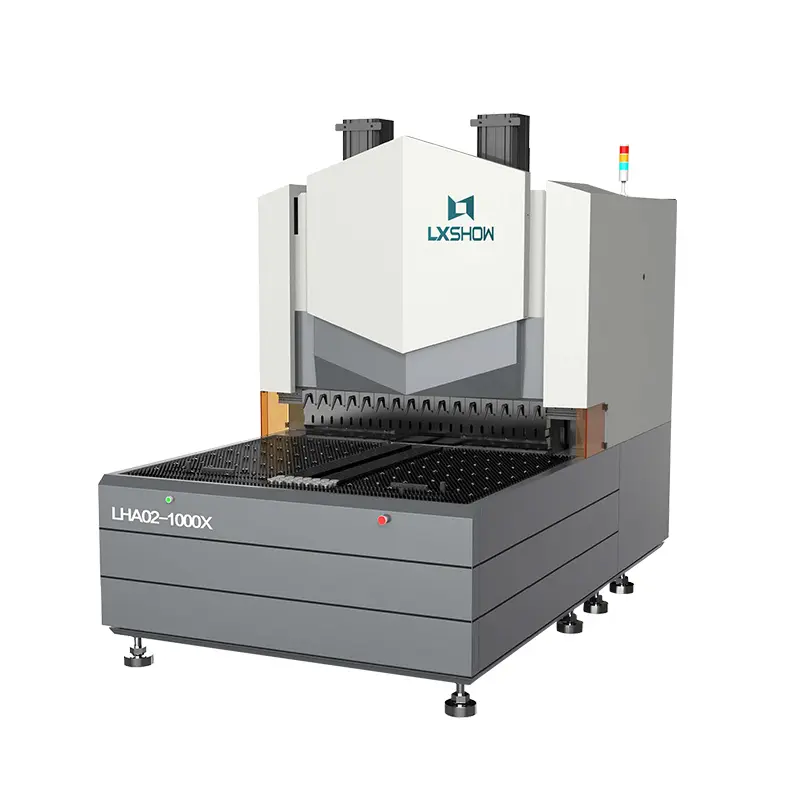
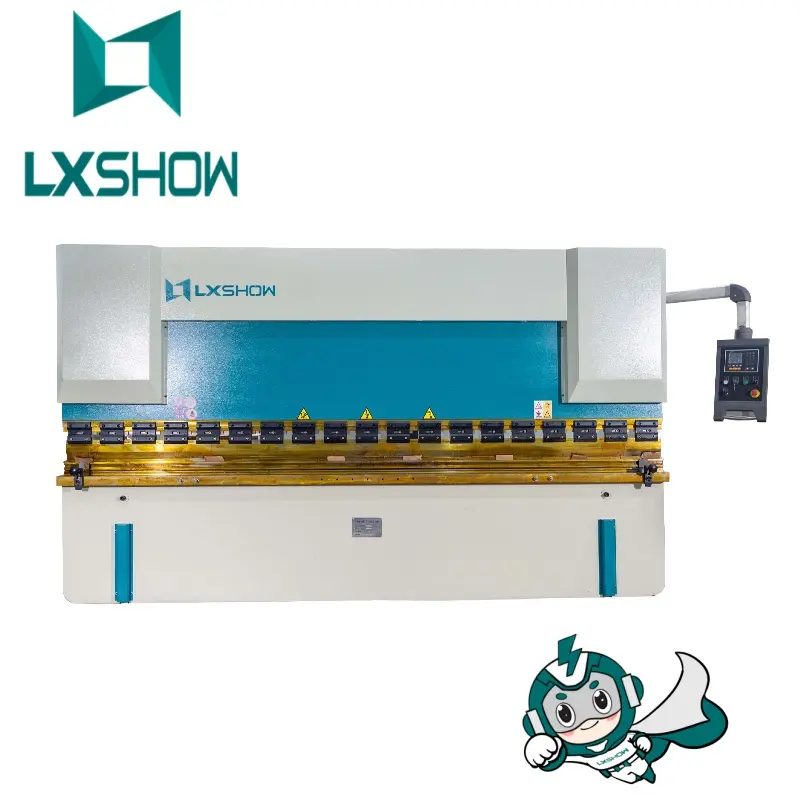
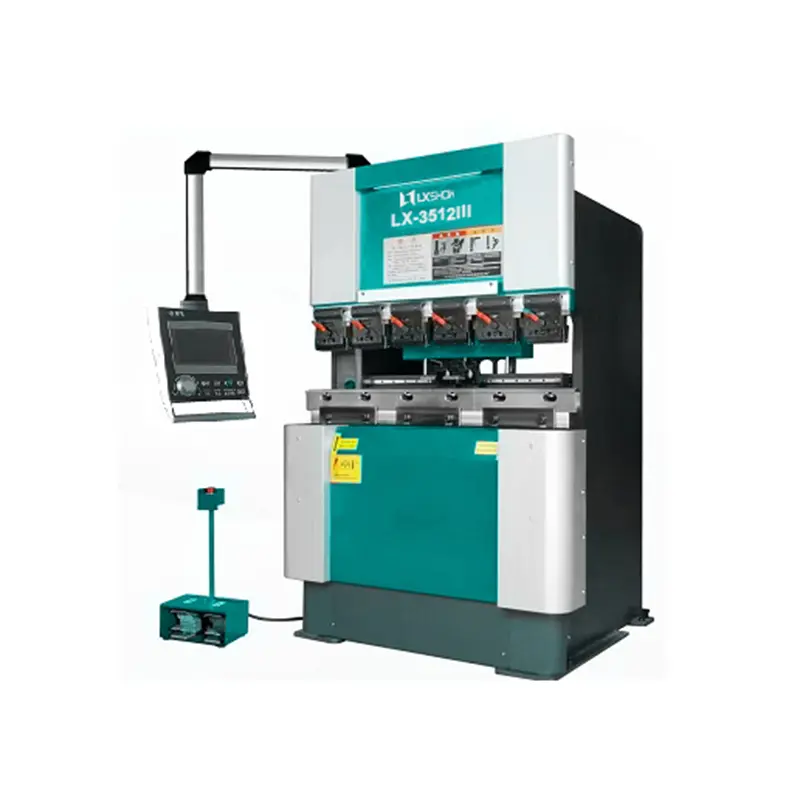
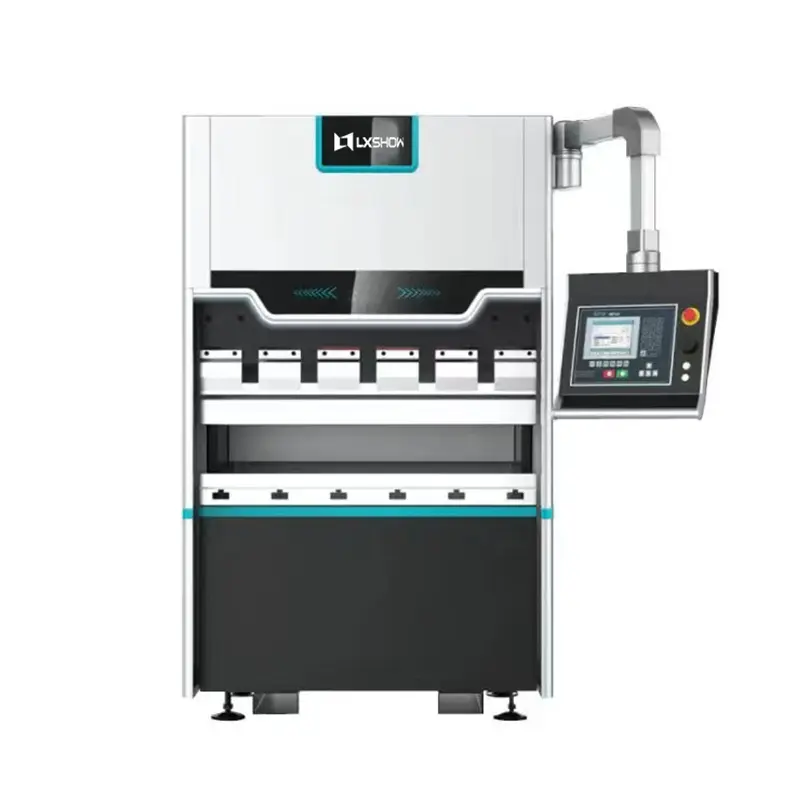
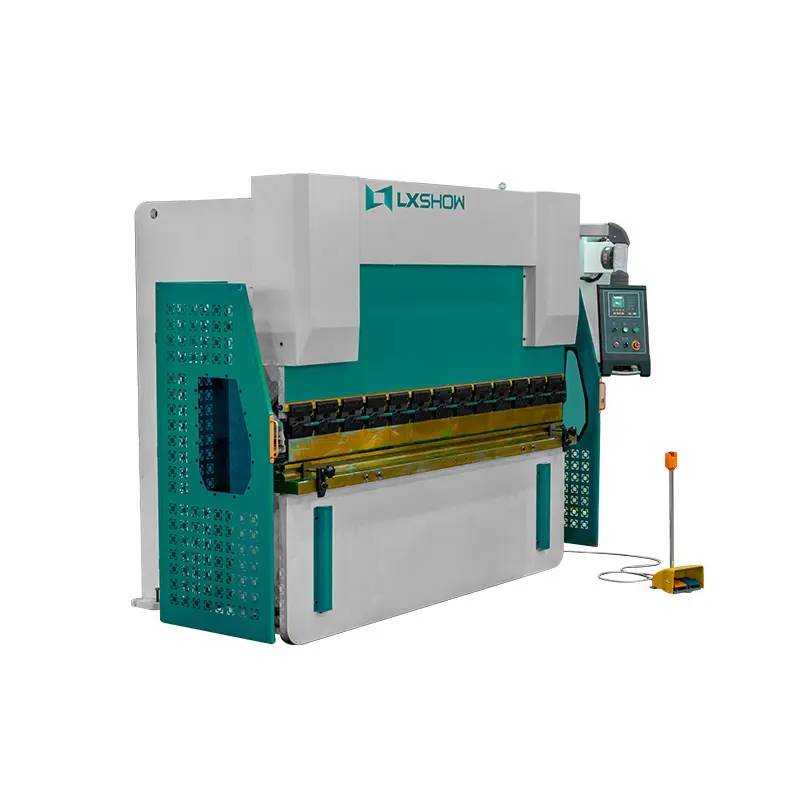
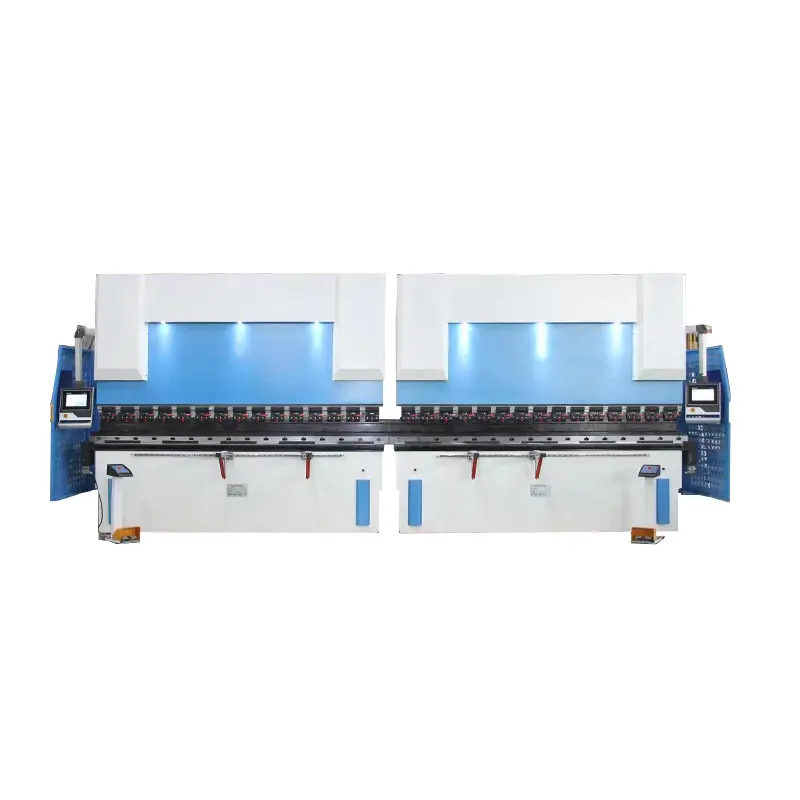
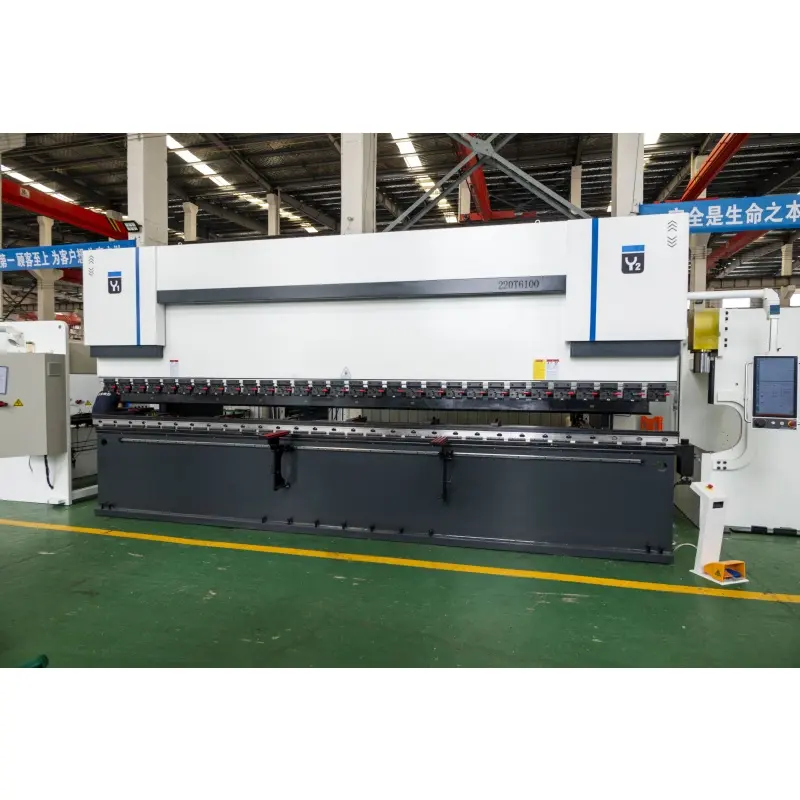
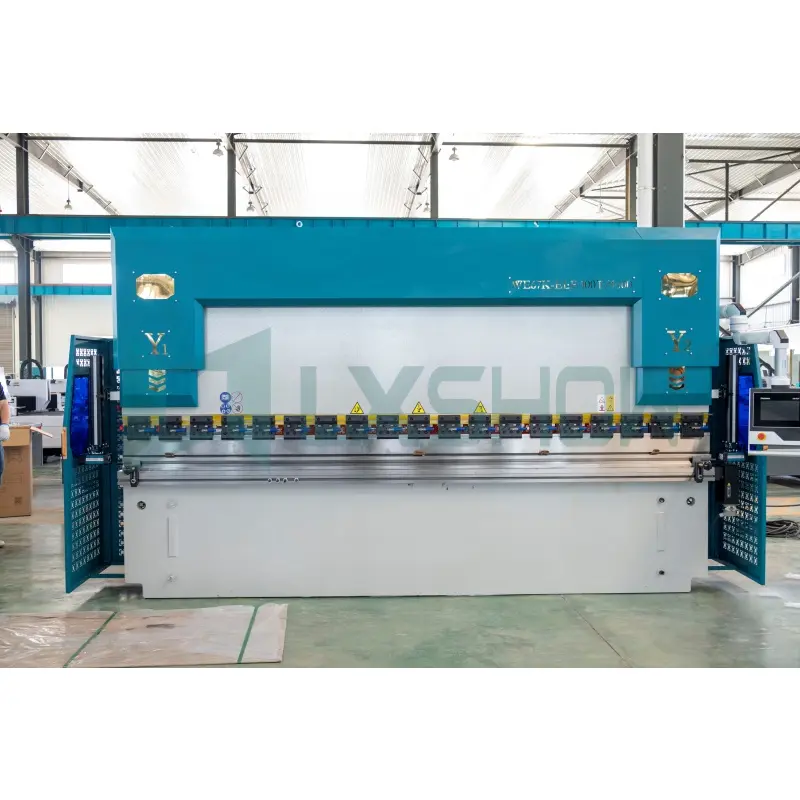
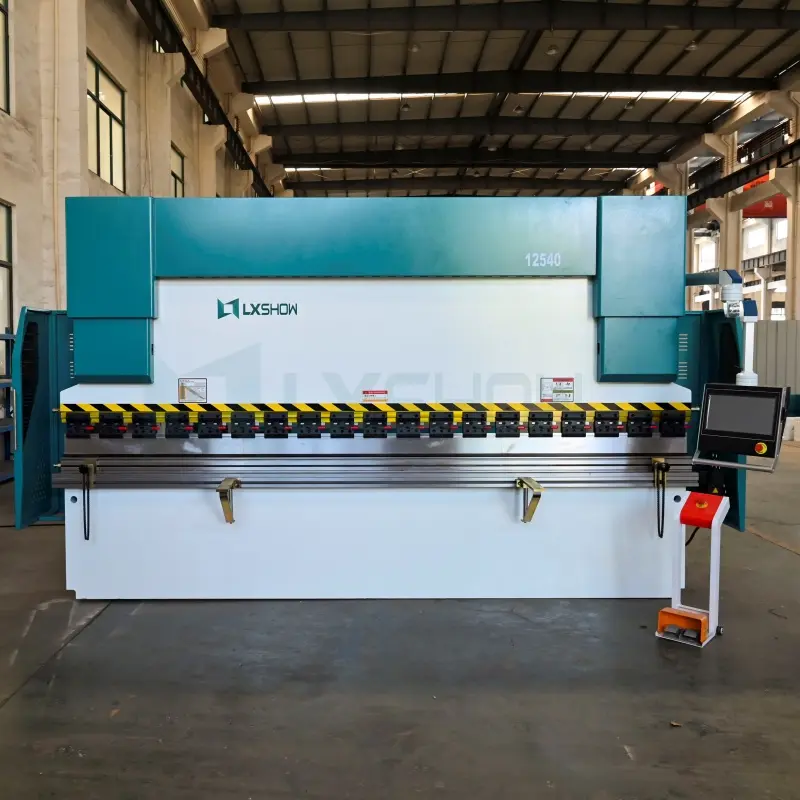
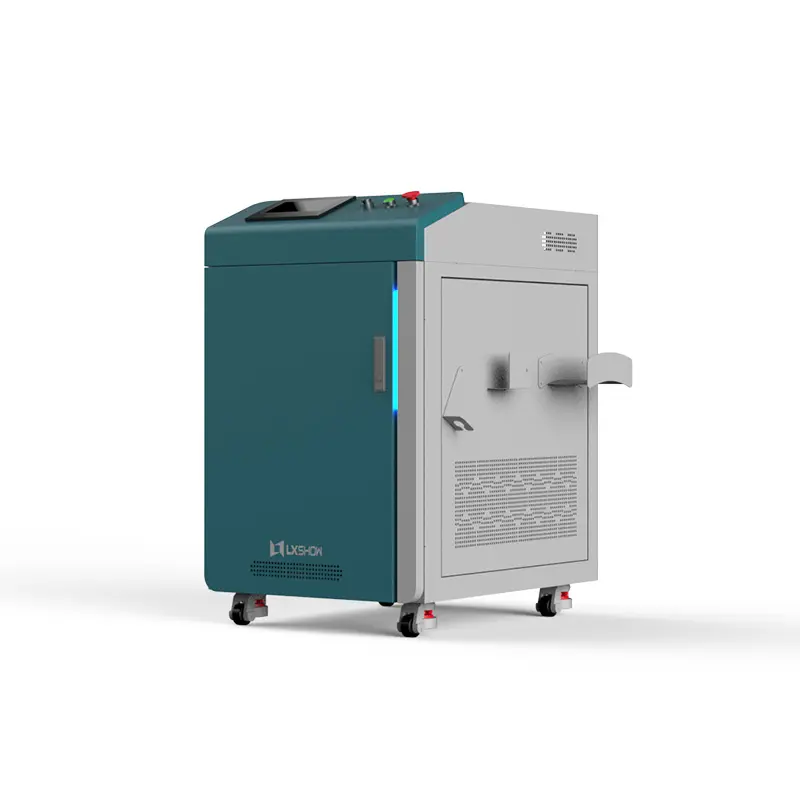
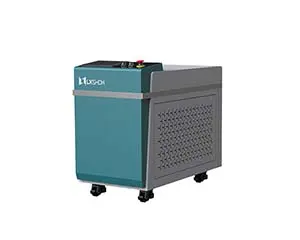
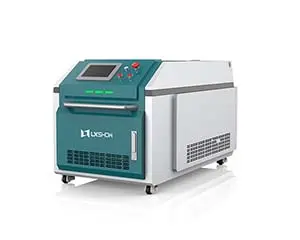
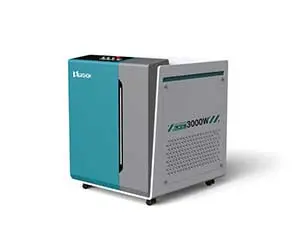
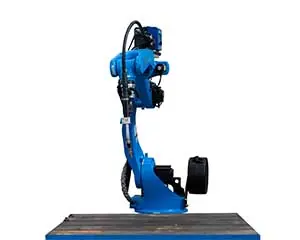
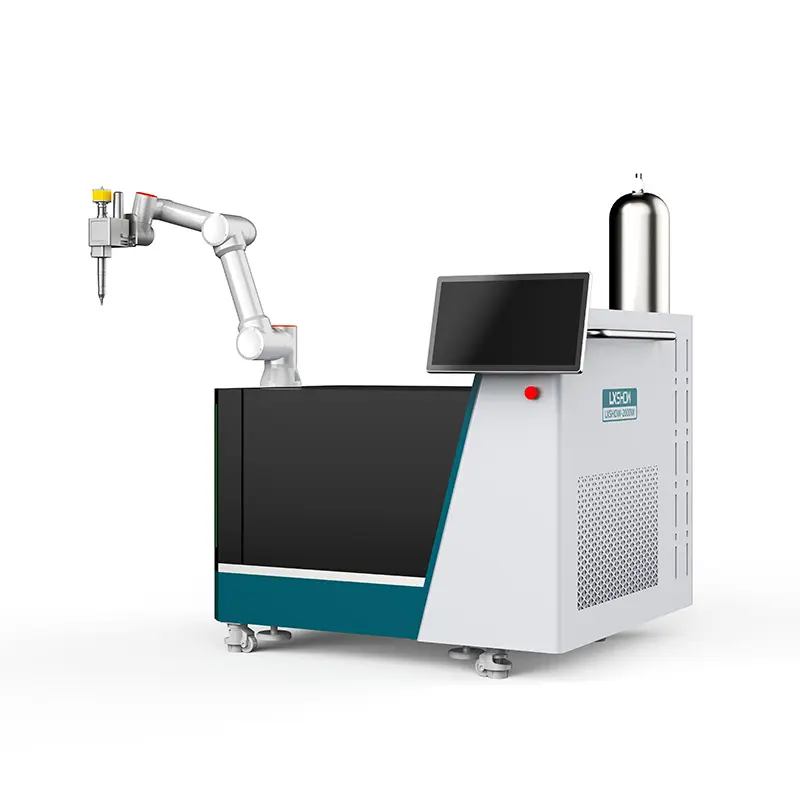
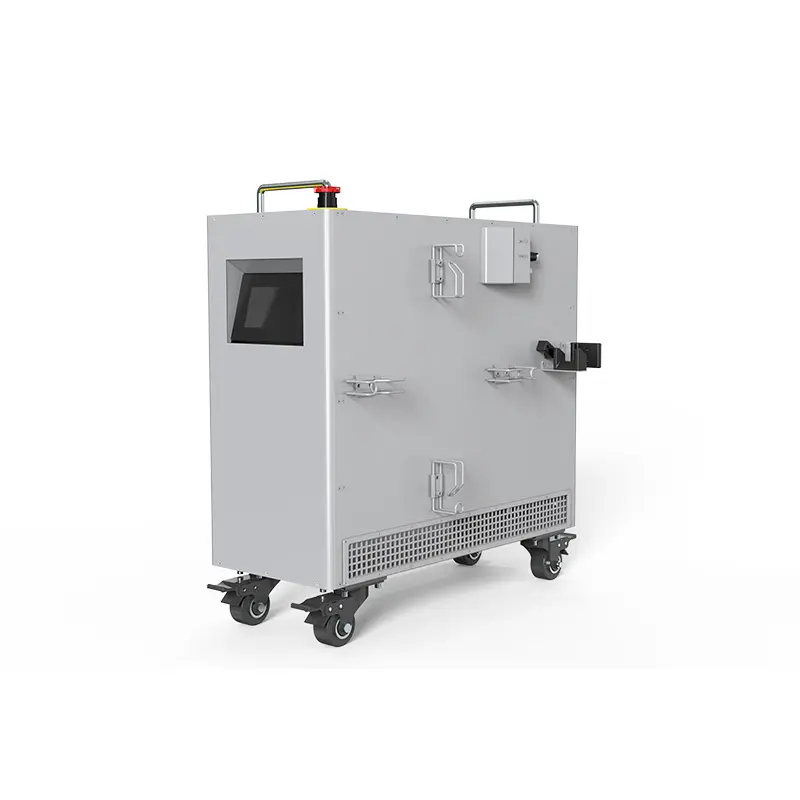
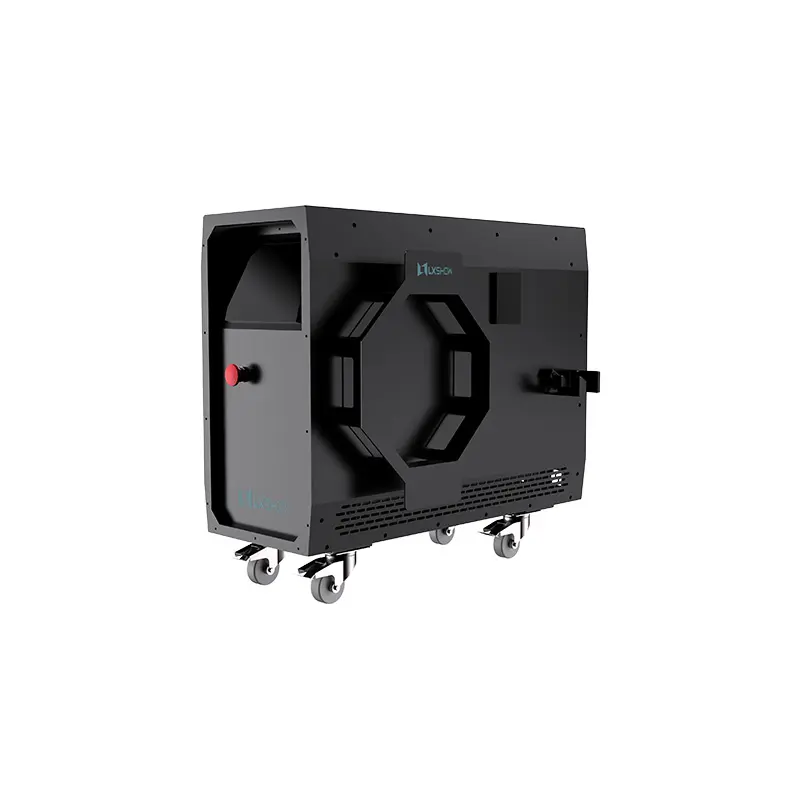
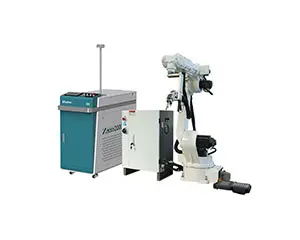
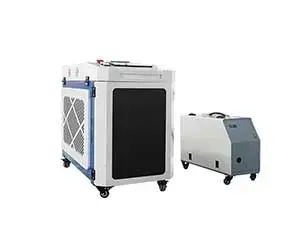
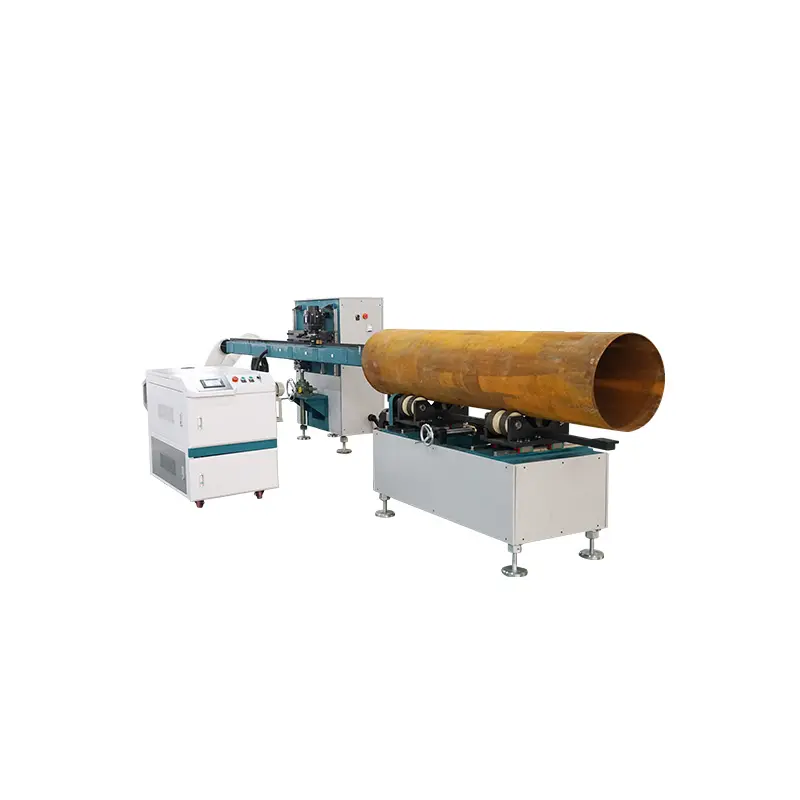
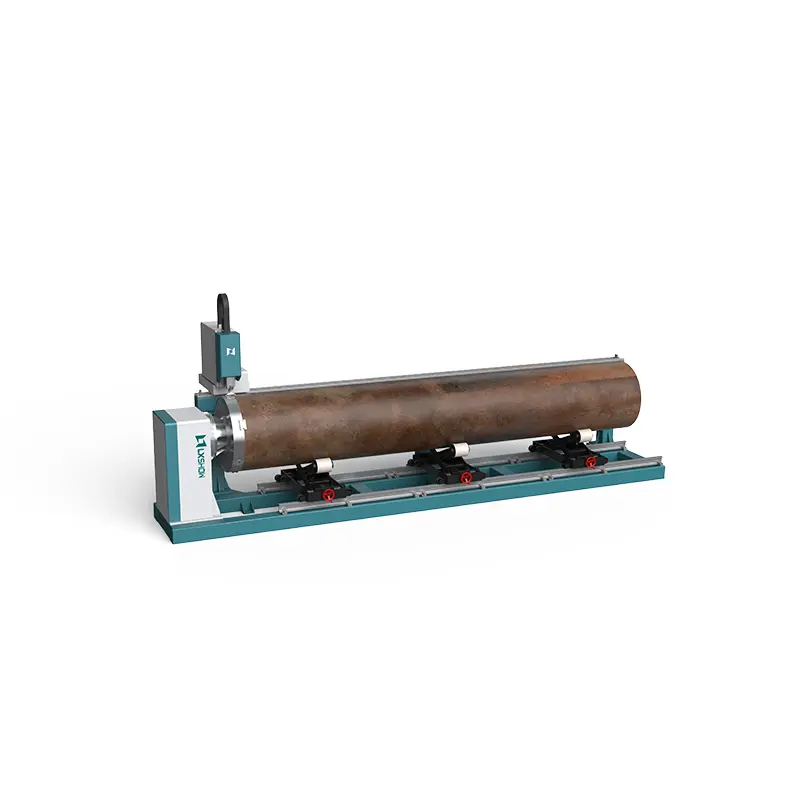
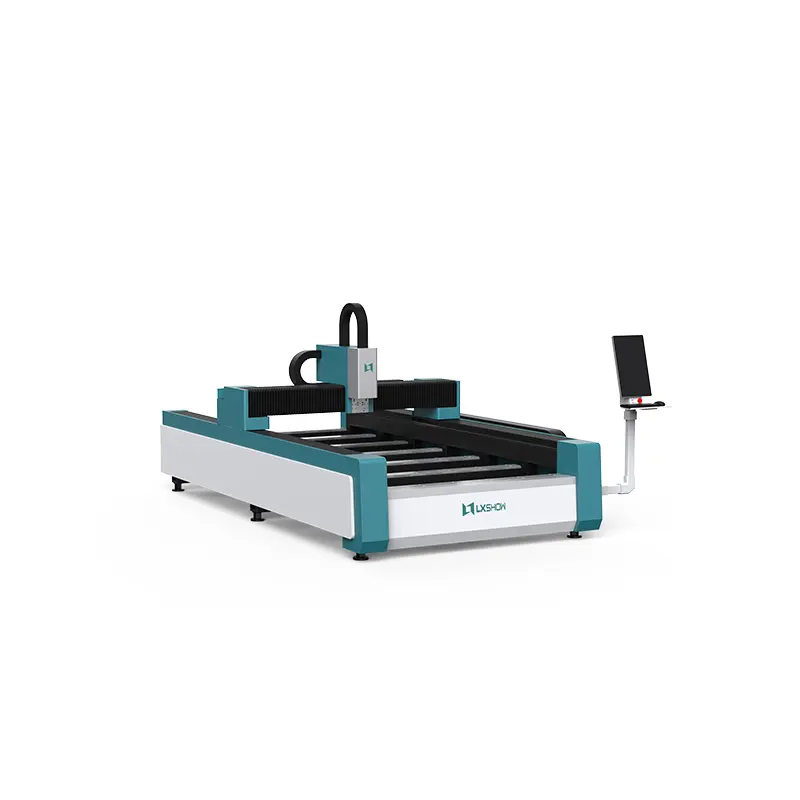
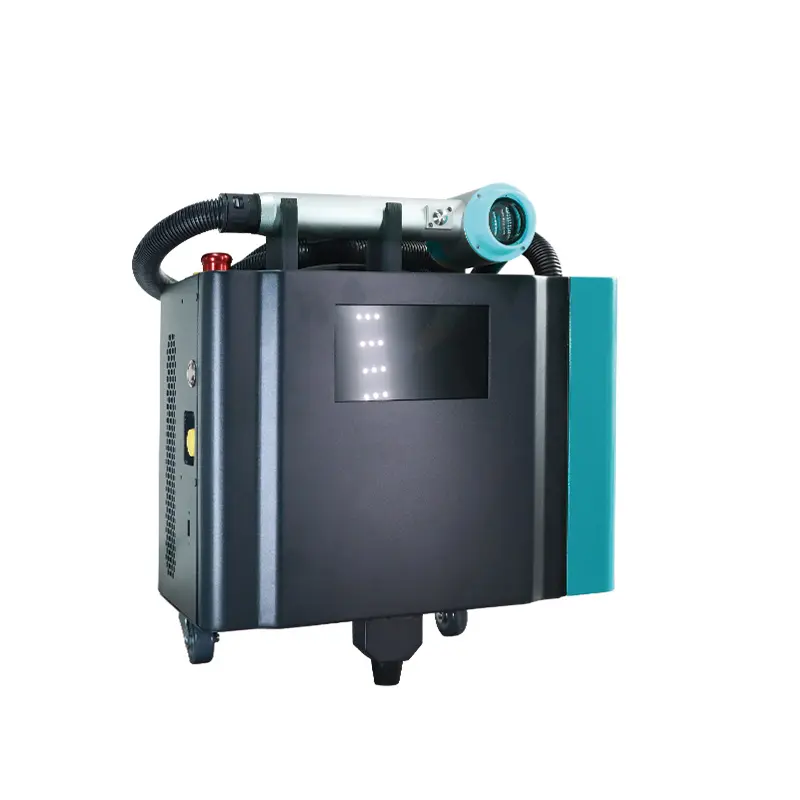
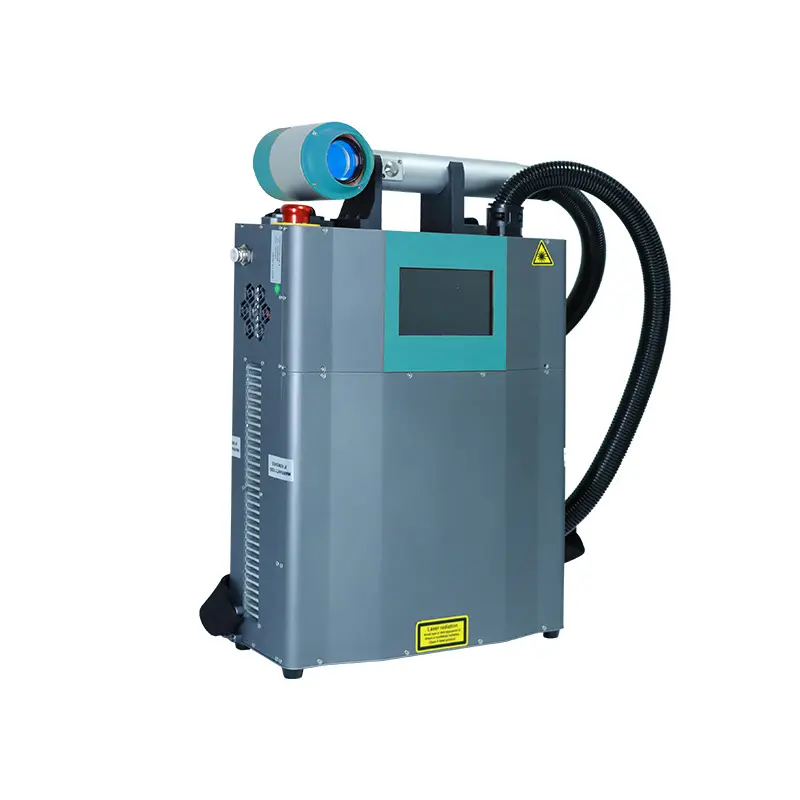
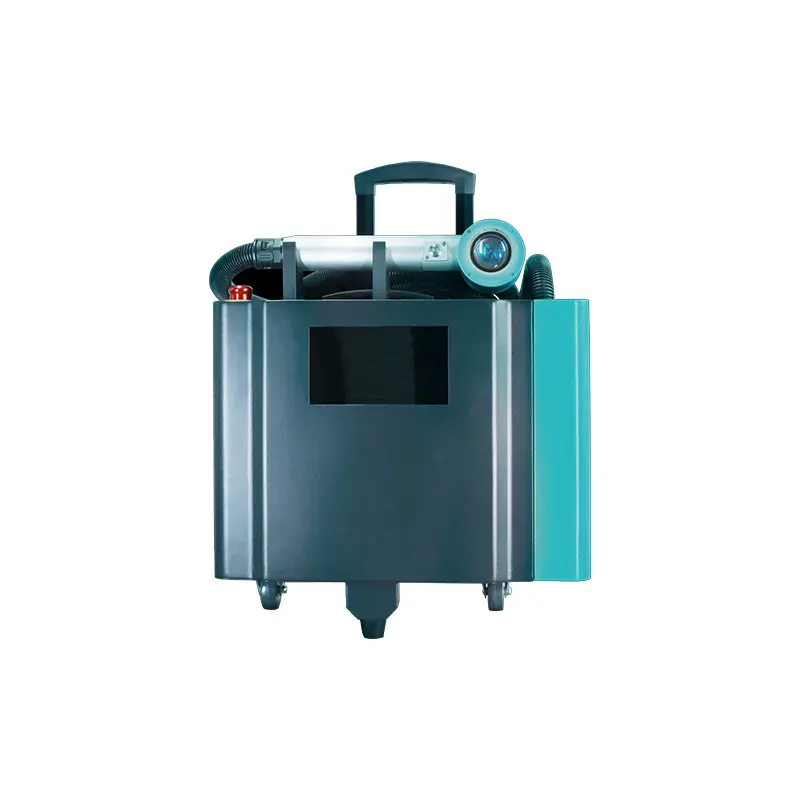
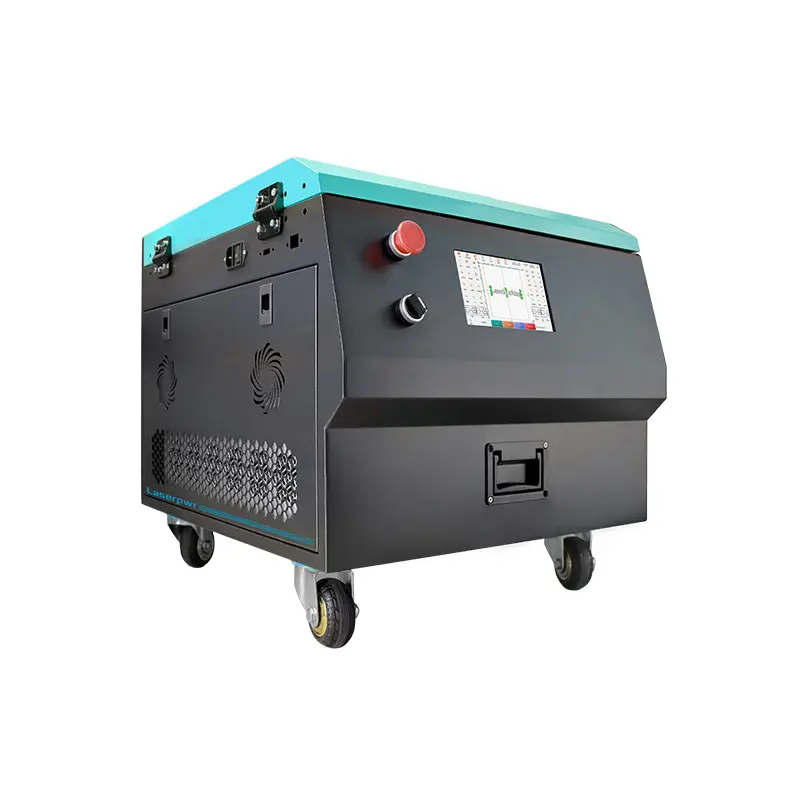
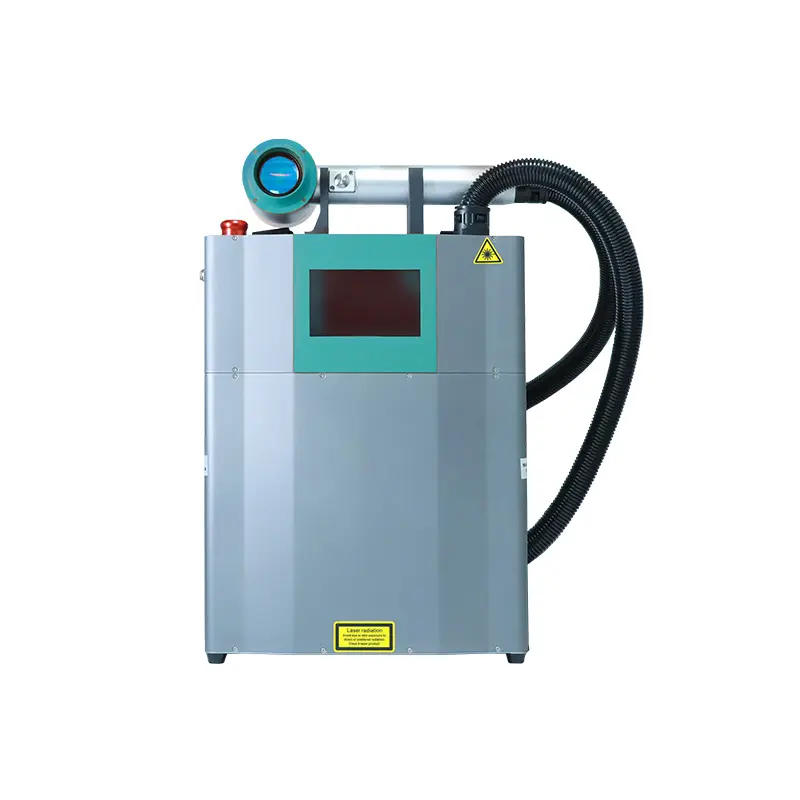
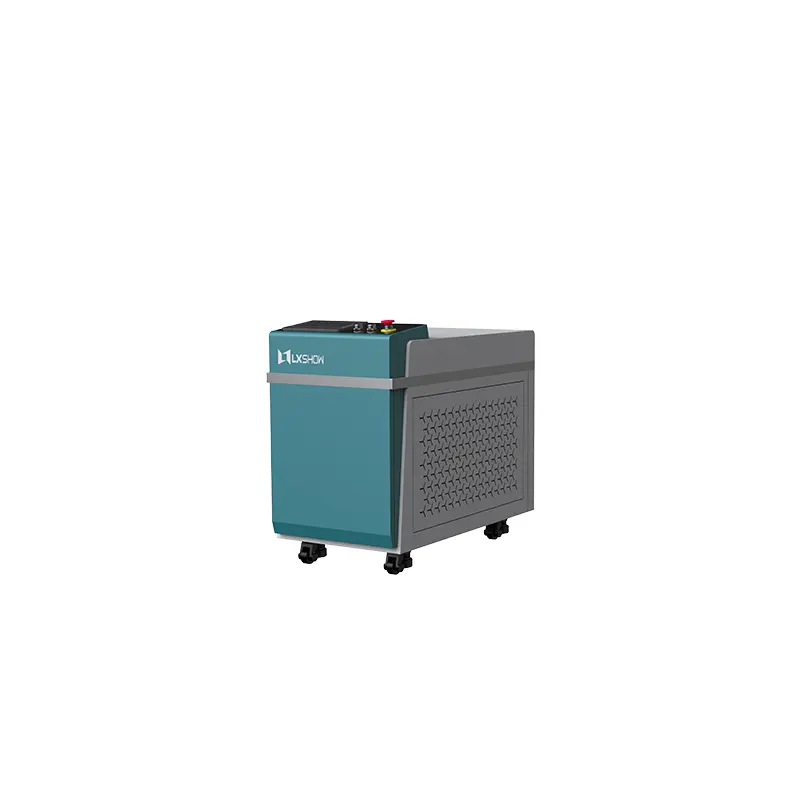
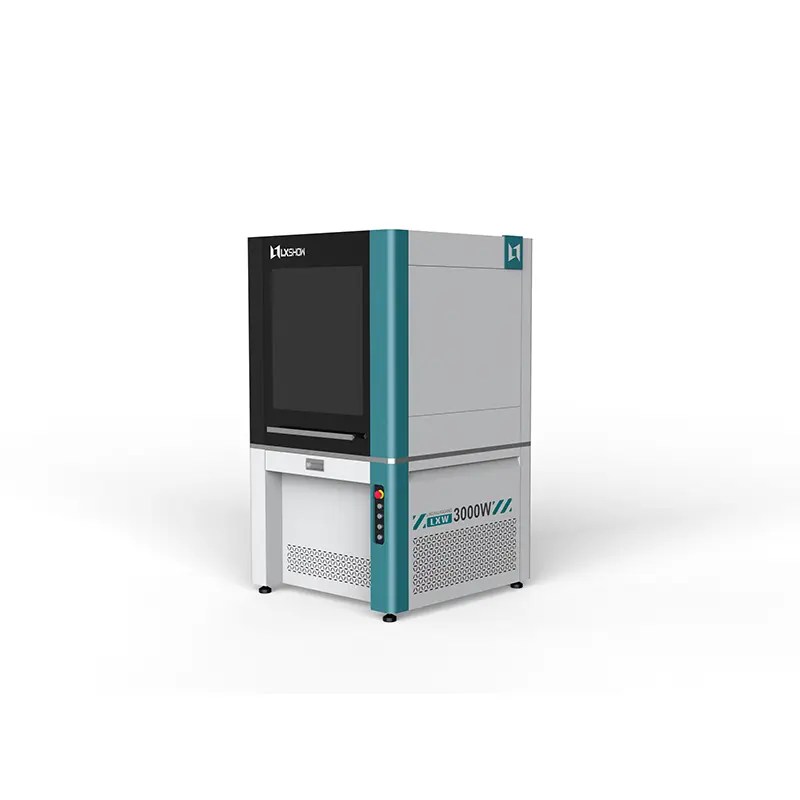
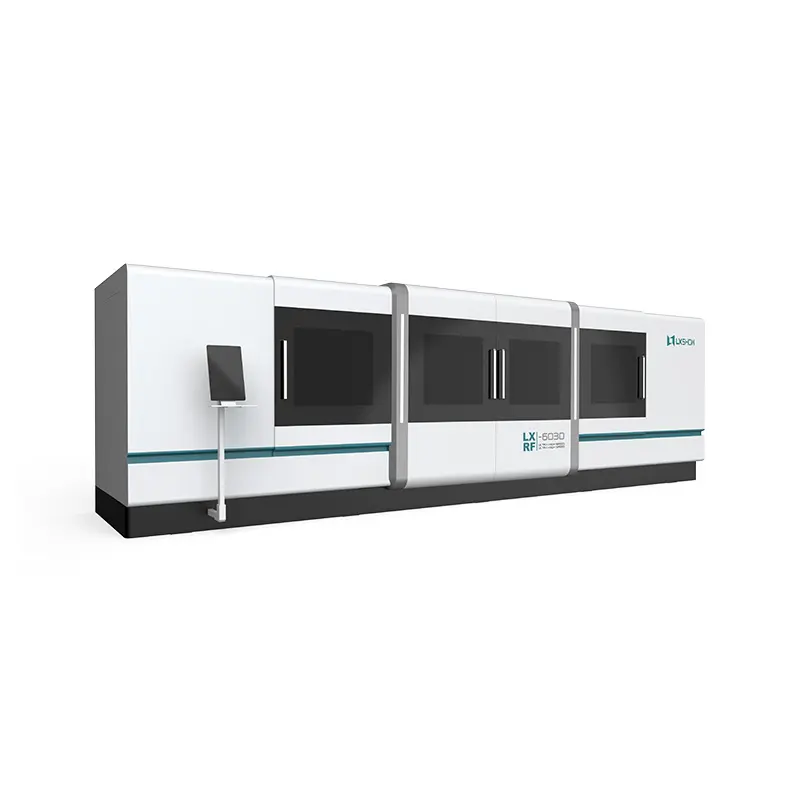
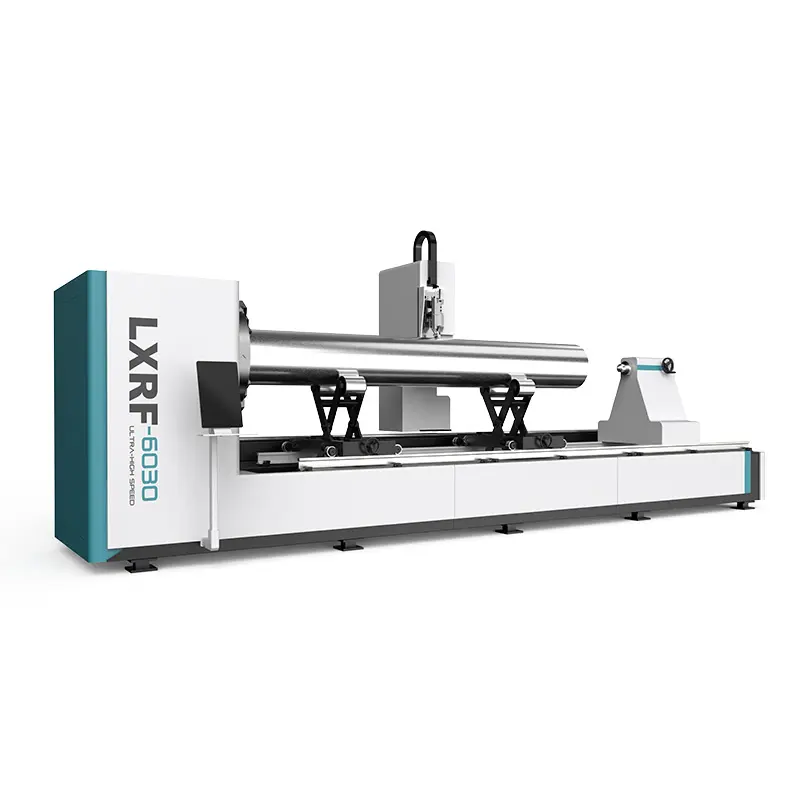
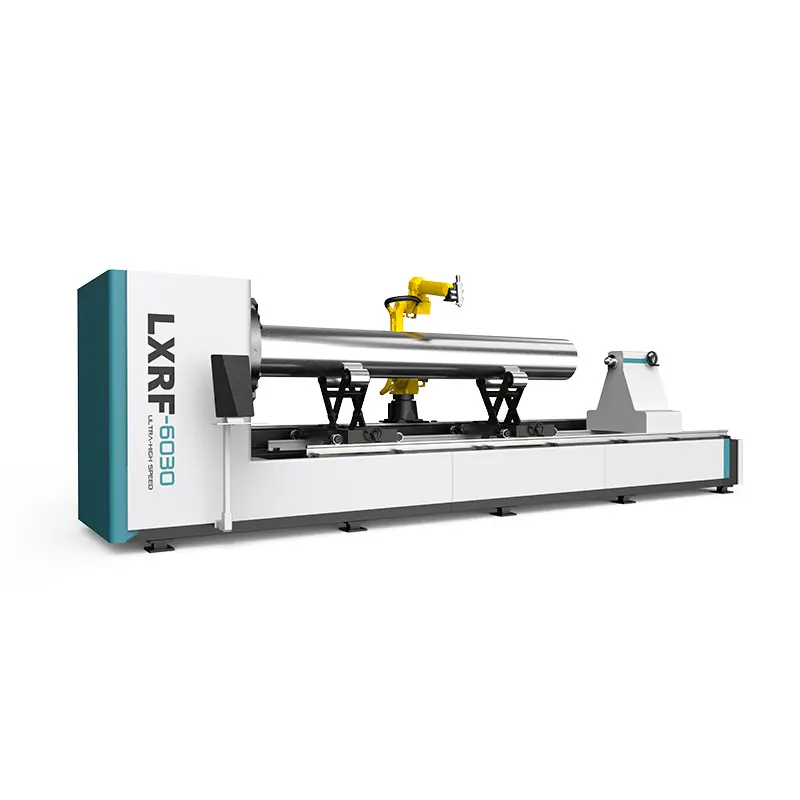
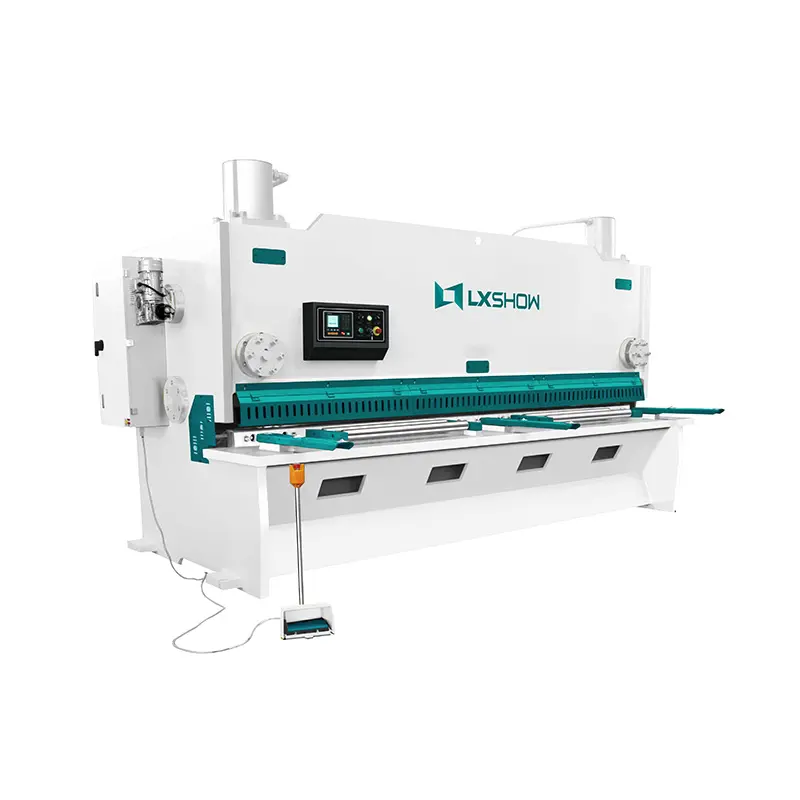
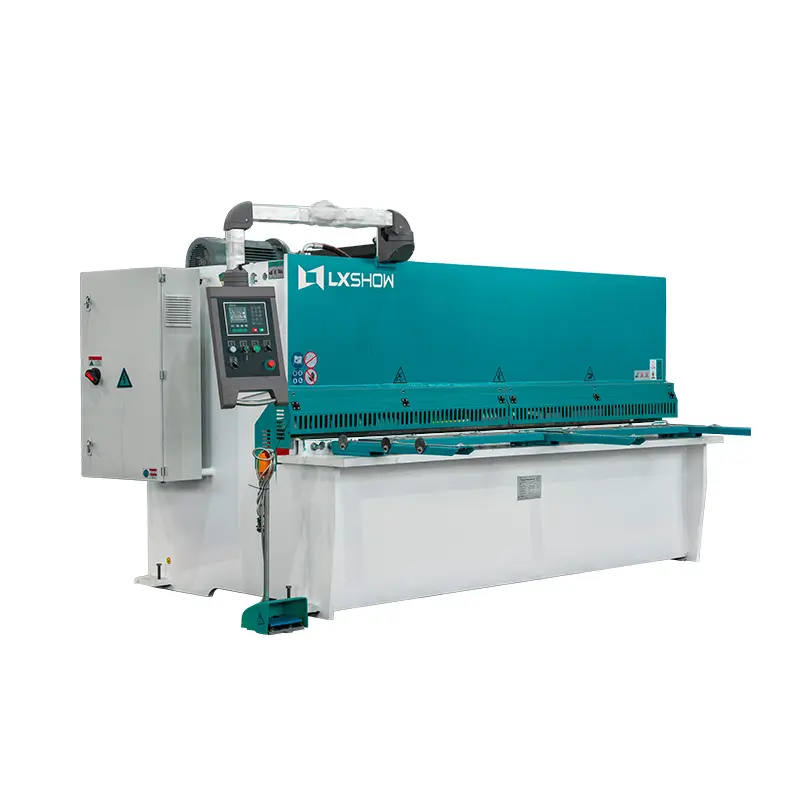
Exporting high-precision machinery requires compliance with local regulatory frameworks. Our catalog of CNC fiber laser cutting systems, laser cleaners, and bending brakes meets the necessary safety and operational standards for key international markets.
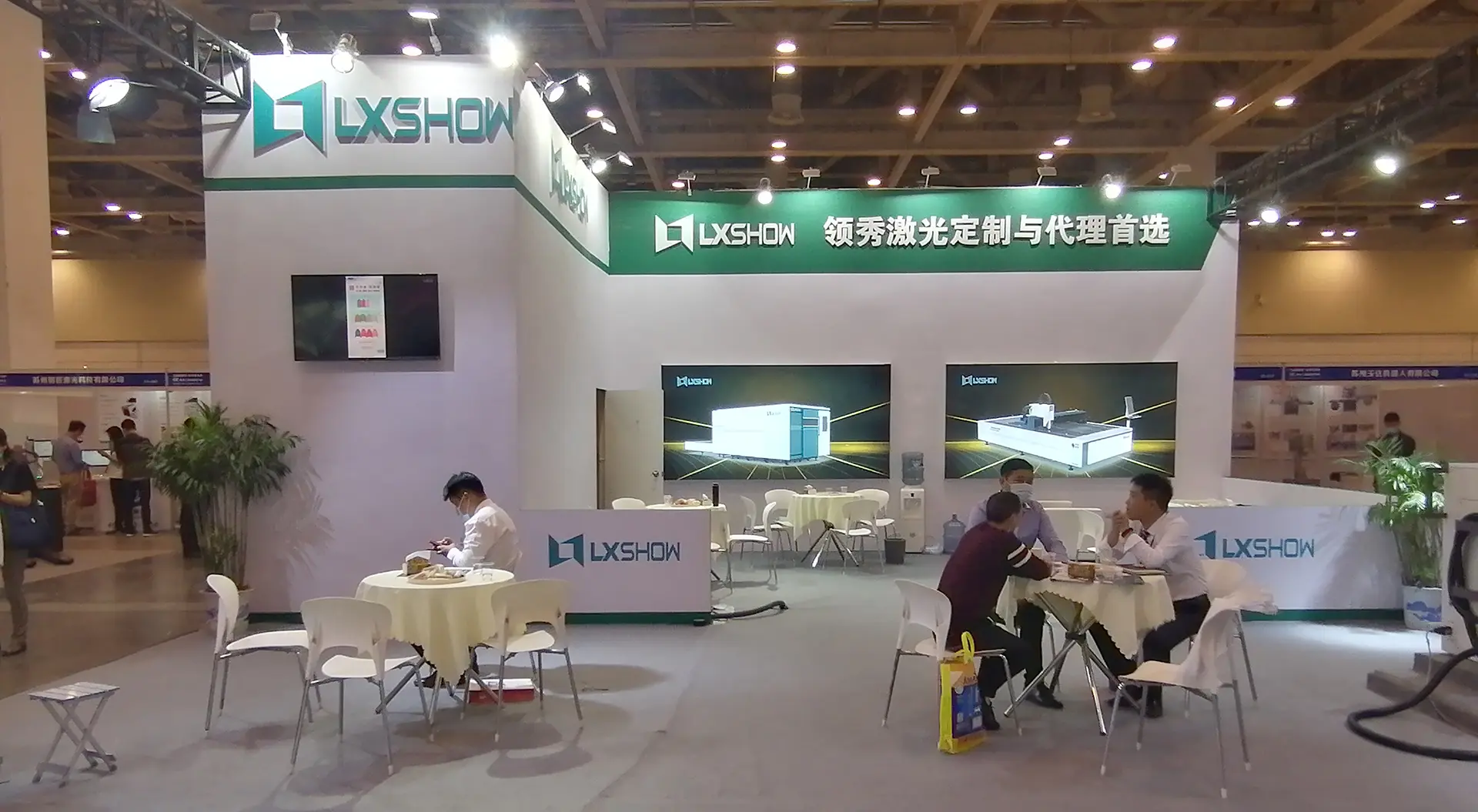
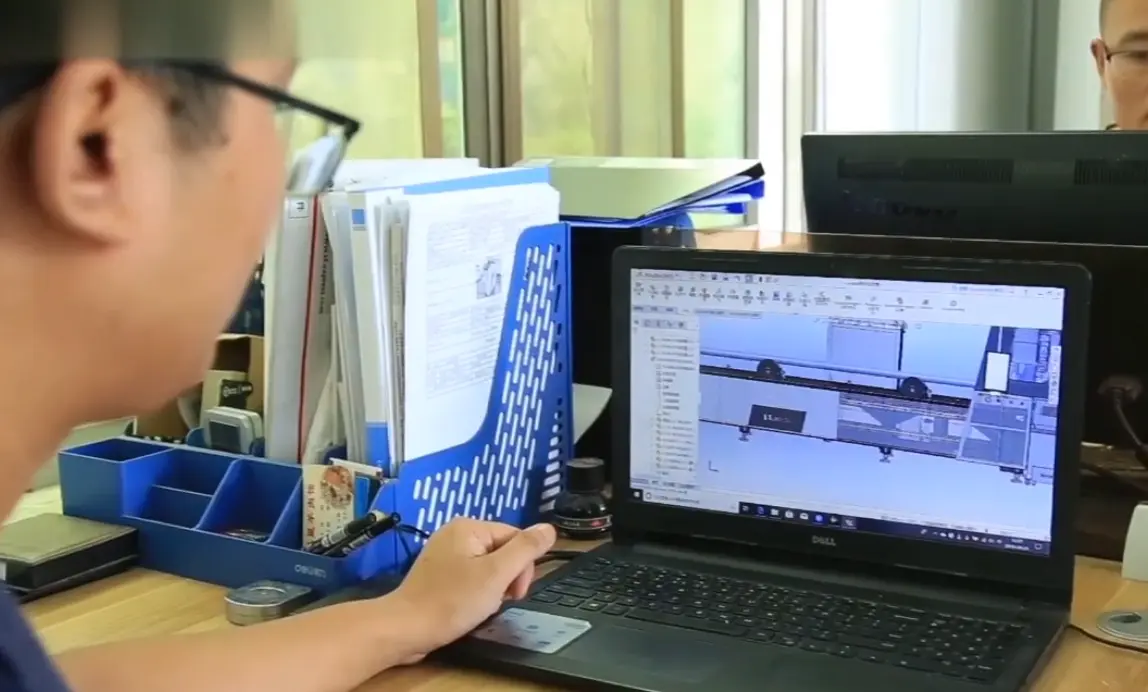
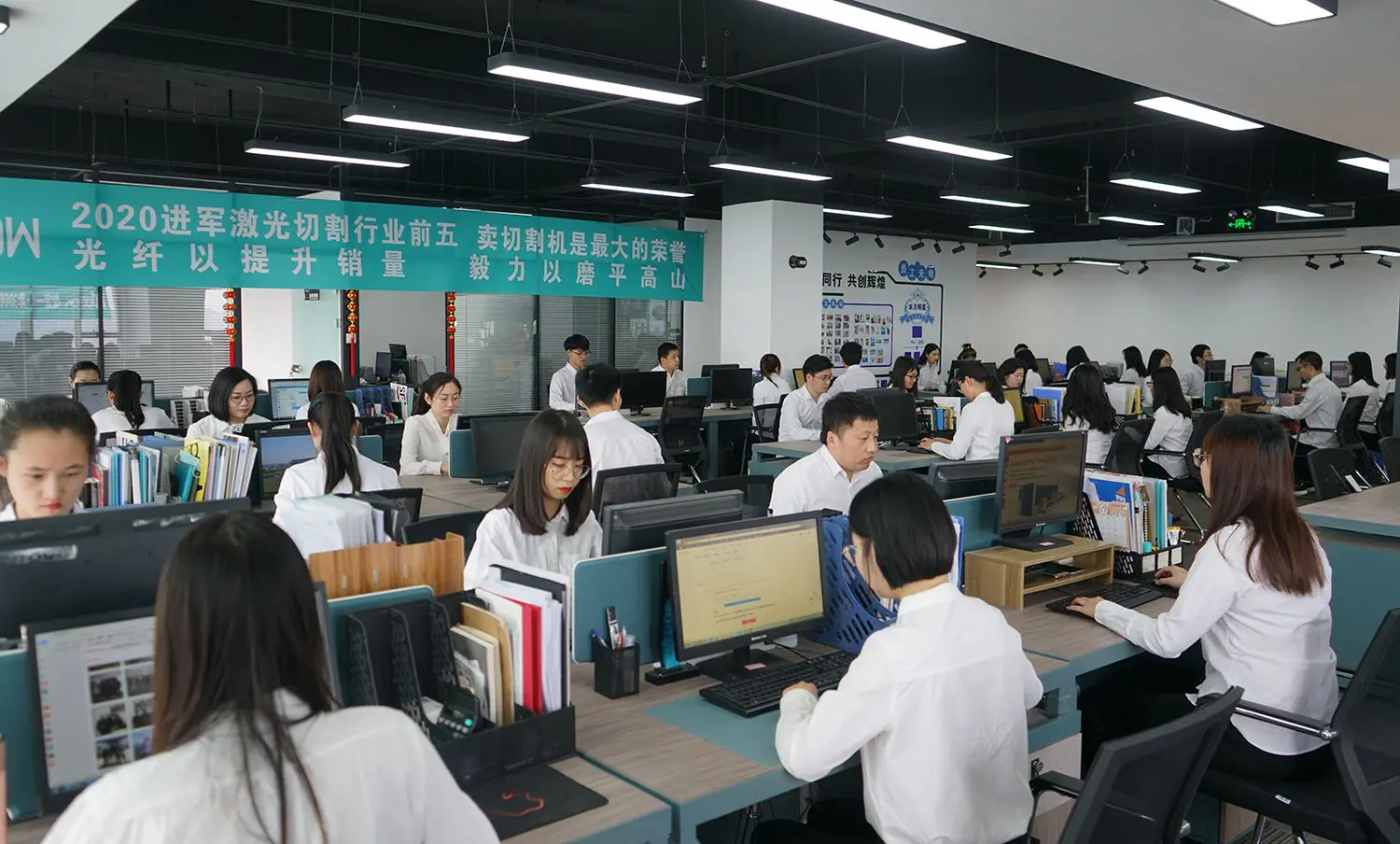
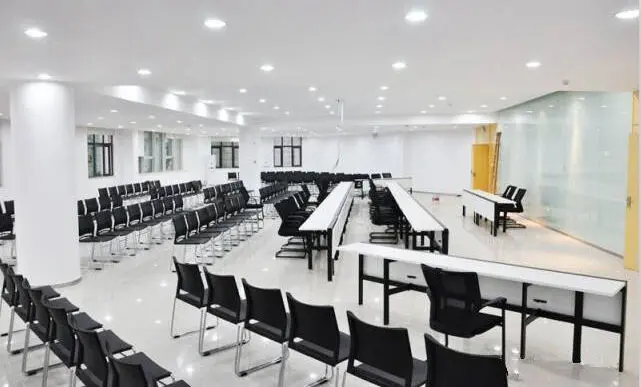
Inside the 32,000+ square meter factory showing design, testing, and production departments.
Technical answers to common questions about buying and operating fiber laser cutting systems.
Fiber lasers operate at a wavelength of approximately 1.06 micrometers, which is absorbed more efficiently by metals than the 10.6 micrometer wavelength of CO2 lasers. This allows for significantly higher cutting speeds (up to 3x faster in thin metals) and lower operating costs, as fiber systems have no internal reflective mirrors or laser gas consumables.
Oxygen (O2) initiates an exothermic reaction, making it ideal for thick carbon steel, though it leaves an oxidized edge. Nitrogen (N2) provides clean, oxide-free cuts in stainless steel and aluminum by relying solely on the beam's energy to melt the metal, but requires more power. Compressed air is an economical option for thin sheets when a slightly rougher edge finish is acceptable.
Electro-hydraulic servo press brakes (like the WE67K series) utilize closed-loop proportional valves to monitor and adjust the positioning of the ram. This ensures positioning accuracy within ±0.01mm, allowing for consistent bend angles across the entire length of the sheet, even with variations in material thickness.
Fiber lasers require relatively low maintenance because the beam is delivered through a fiber cable rather than mirrors. Key maintenance tasks include checking the protective window in the laser head daily, ensuring the chiller fluid is changed every 3-6 months, keeping the guide rails lubricated, and checking the nozzle alignment and calibration.
An exchange table (shuttle table) system allows the operator to load new raw sheet metal and unload finished parts on one table while the laser cuts on the other table inside the enclosed cabinet. This reduces preparation downtime, keeps the laser head cutting, and increases overall production throughput.
Explore our high-power systems, robotics, cladding nodes, and high-performance bending brakes.
 Lxshow