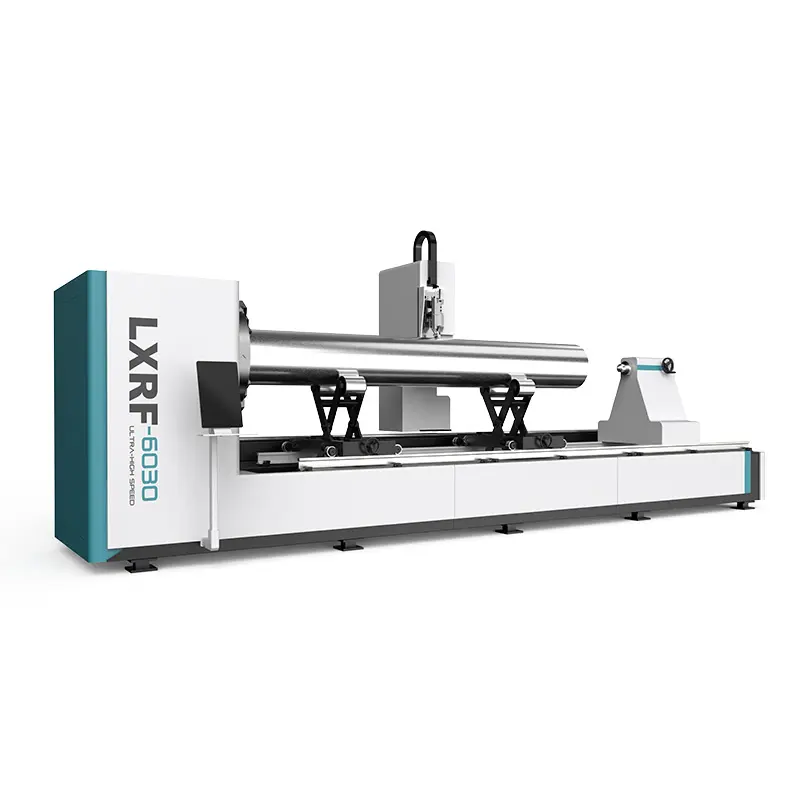
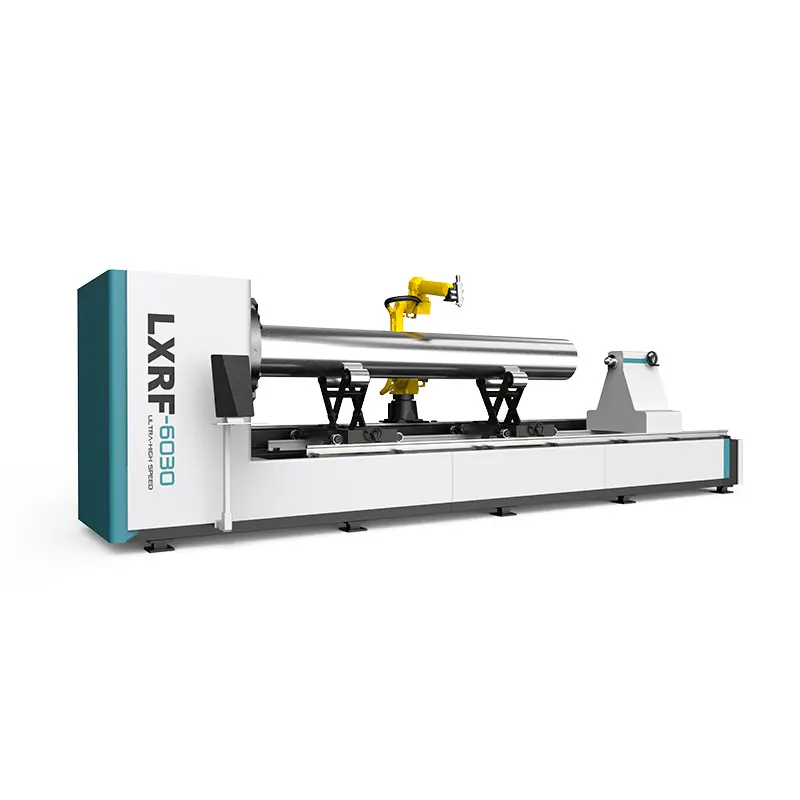
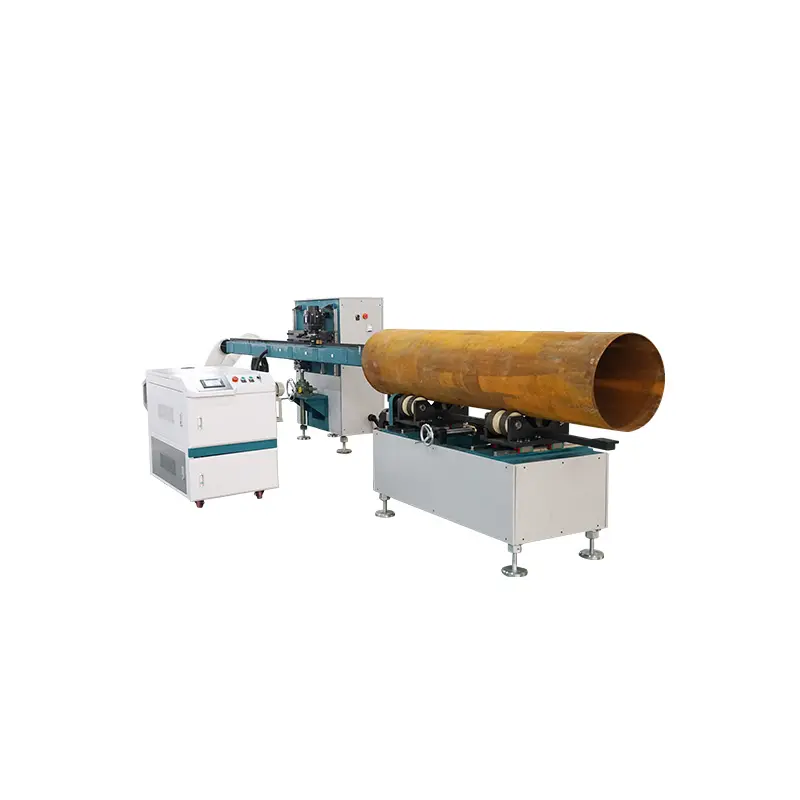
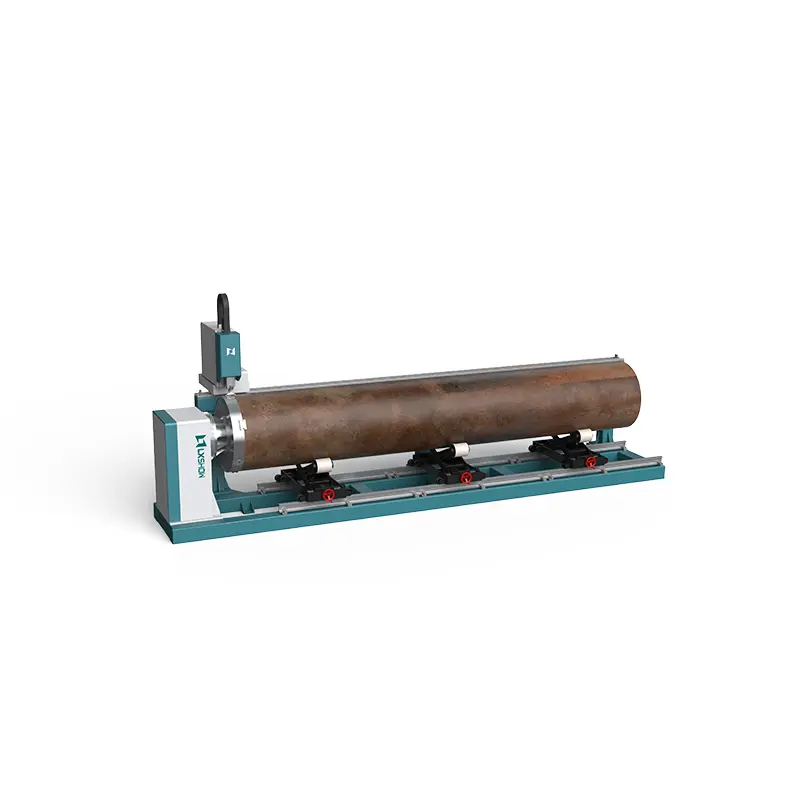
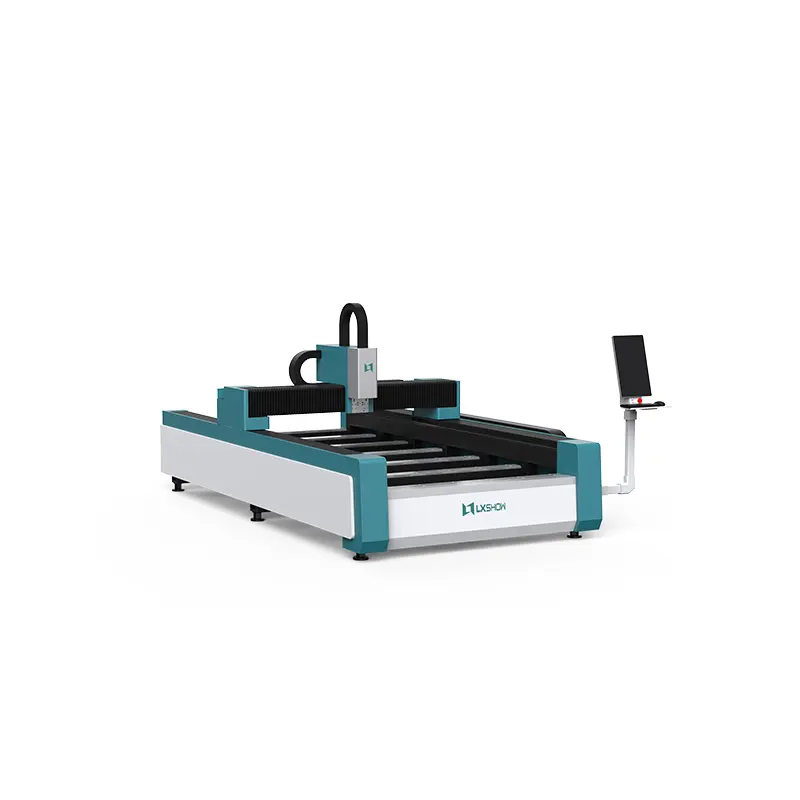
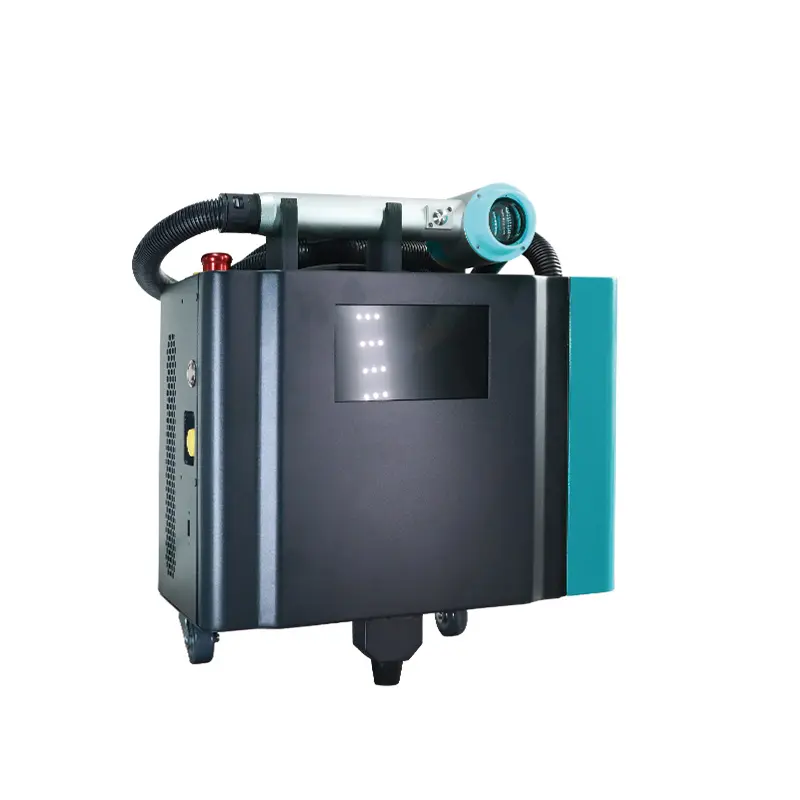
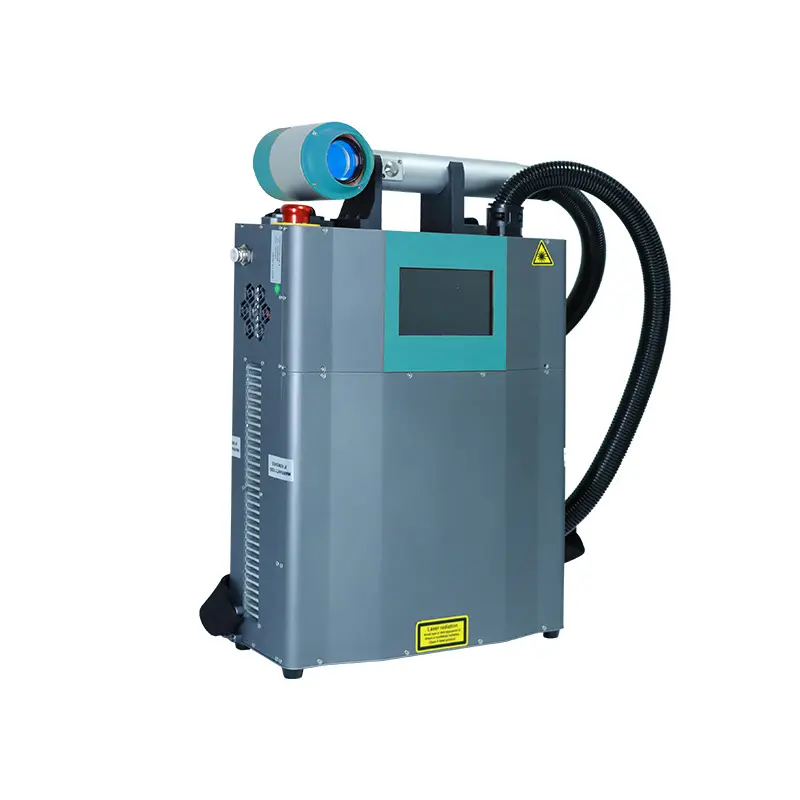
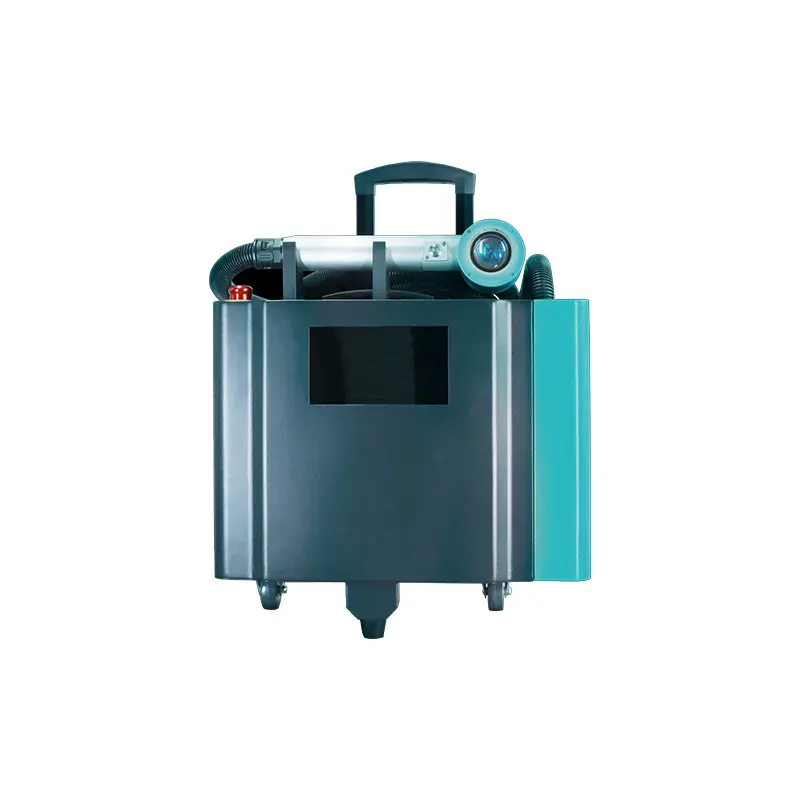
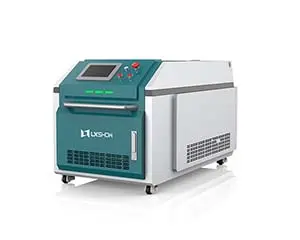
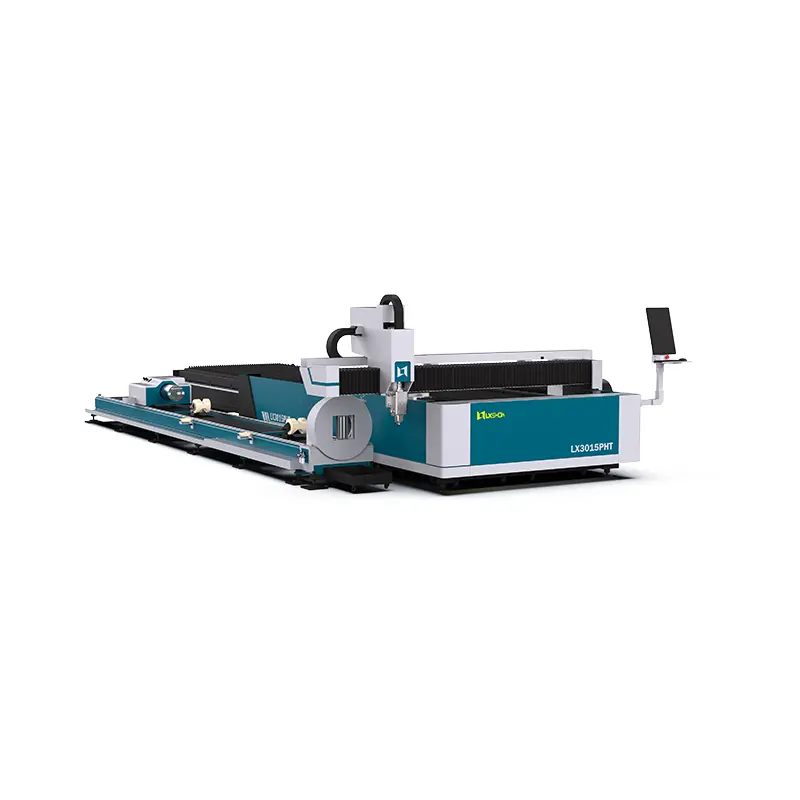
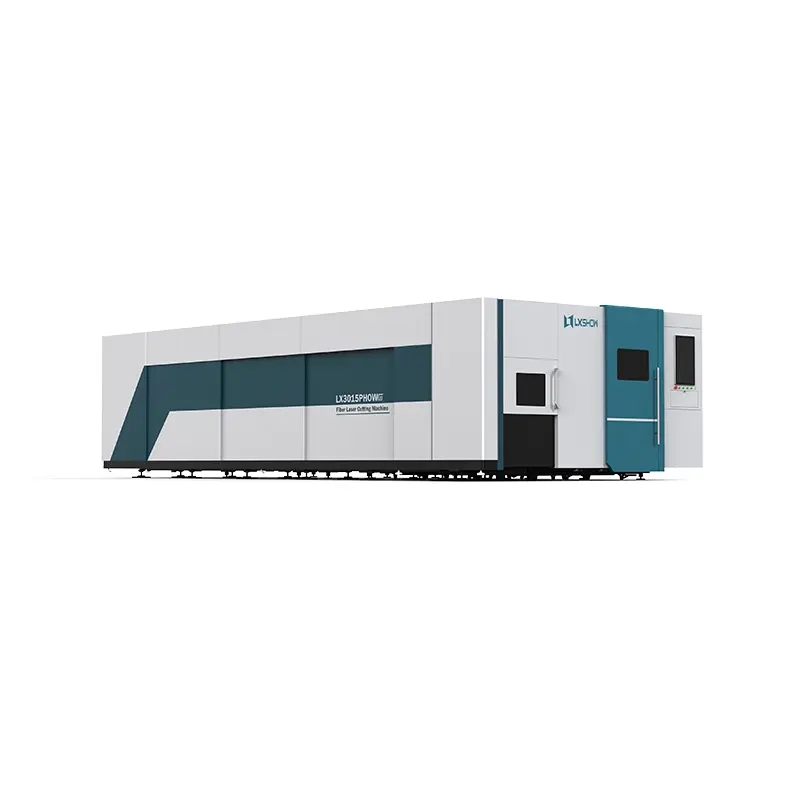
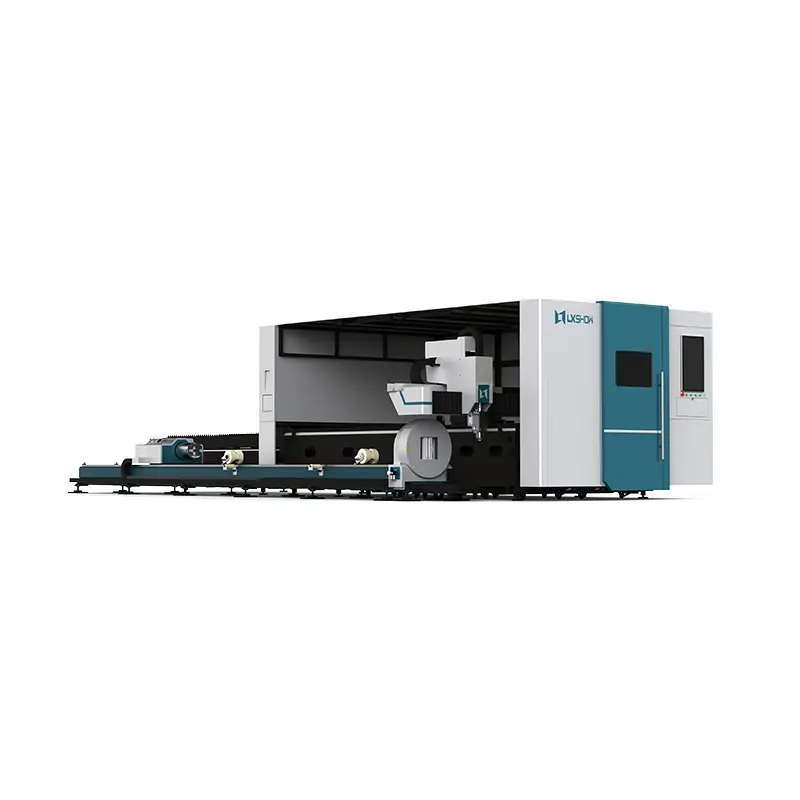
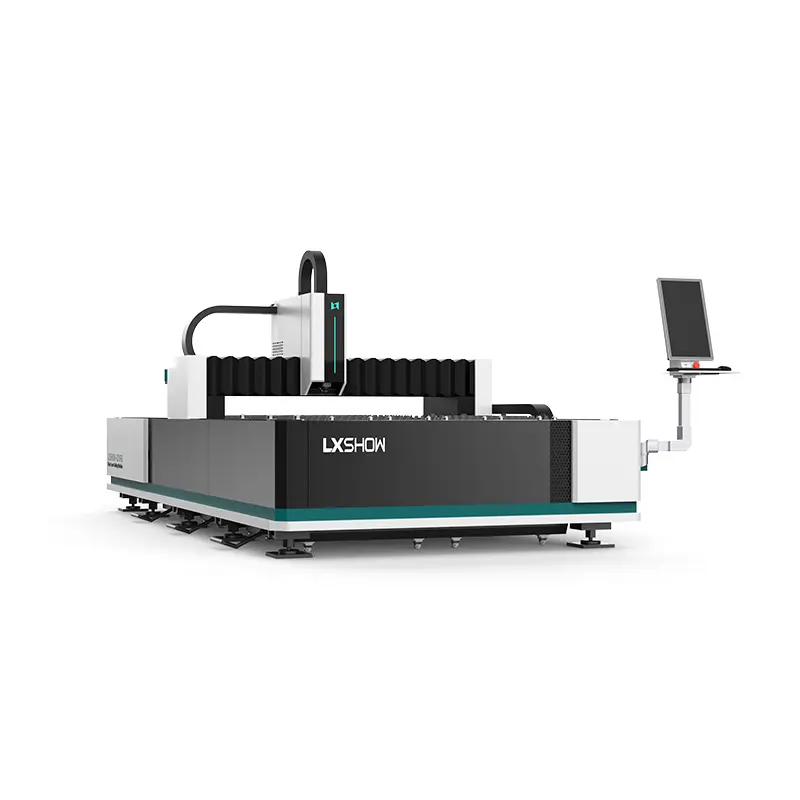
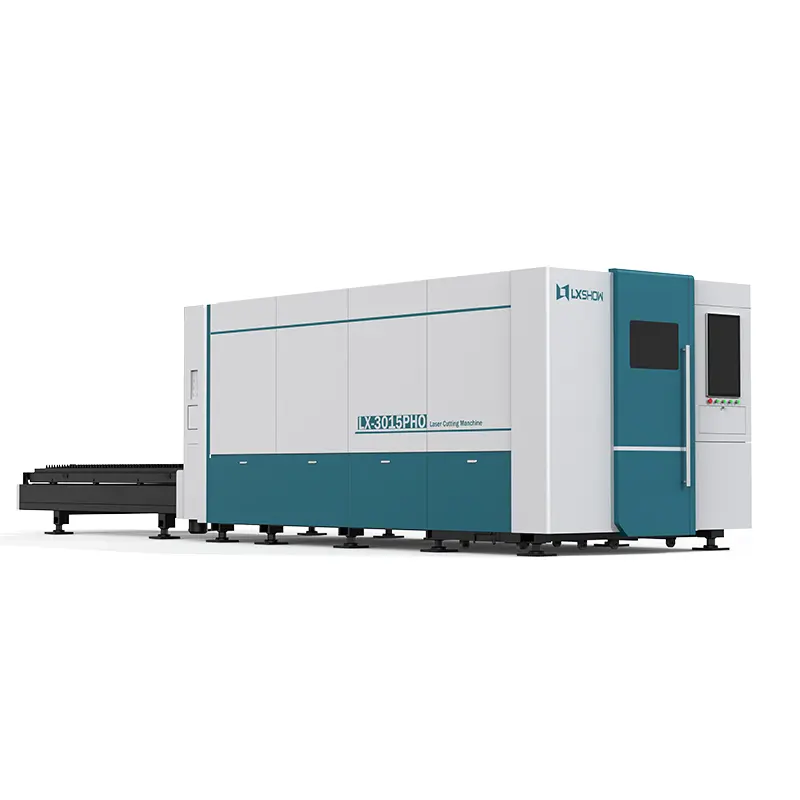
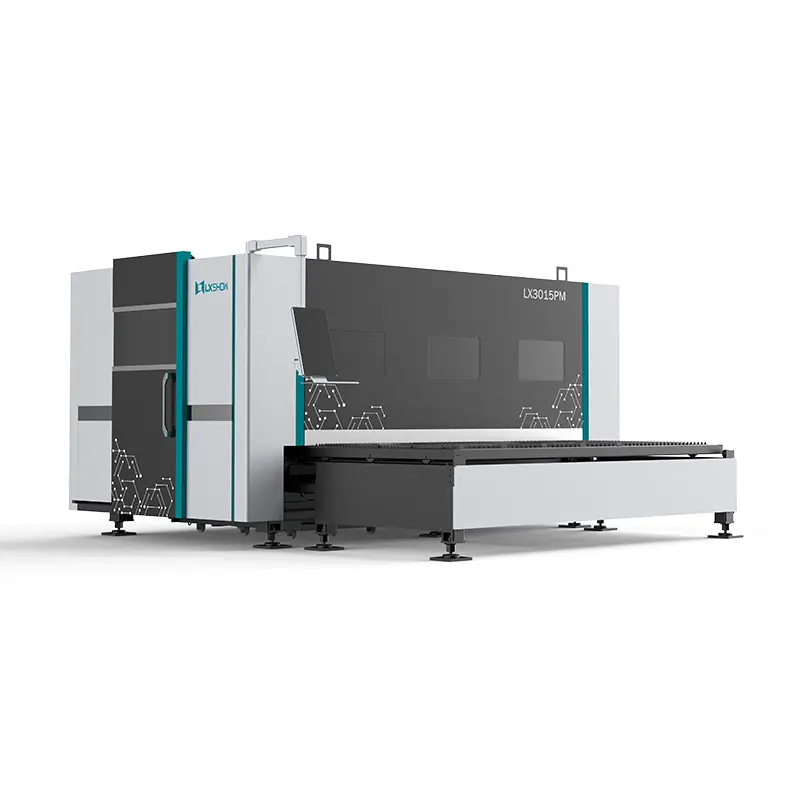
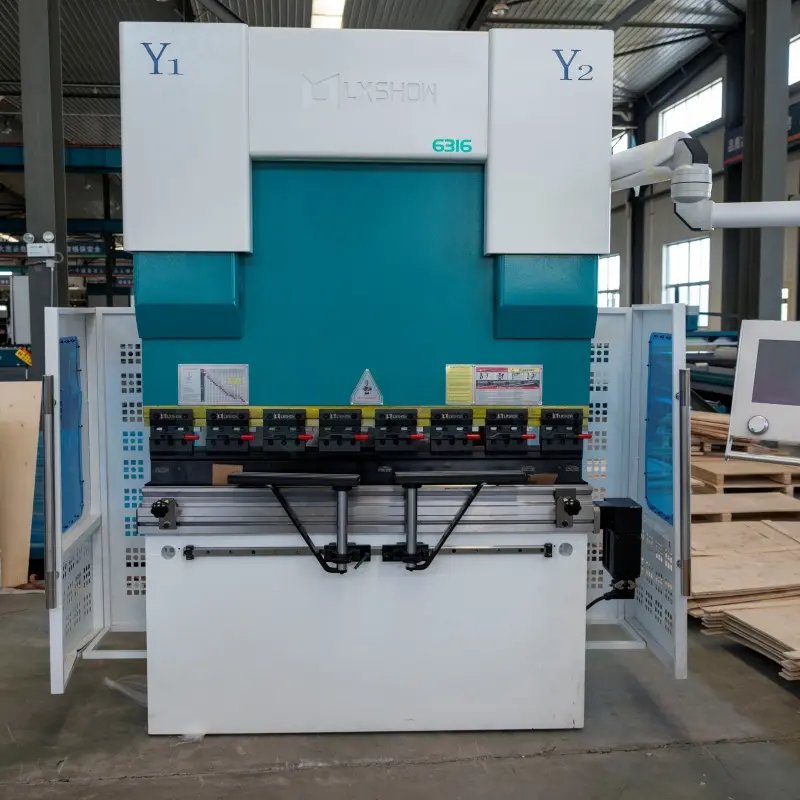
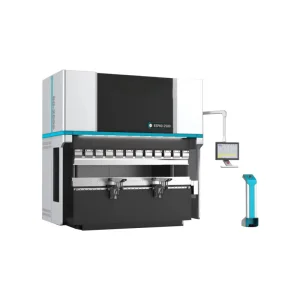
Explore our leading export-grade machinery engineered for sheet and tube fabrication.
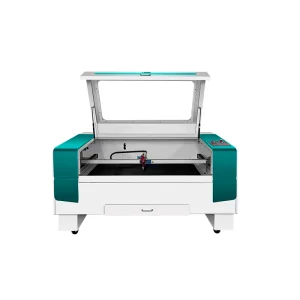
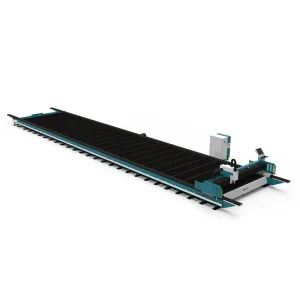
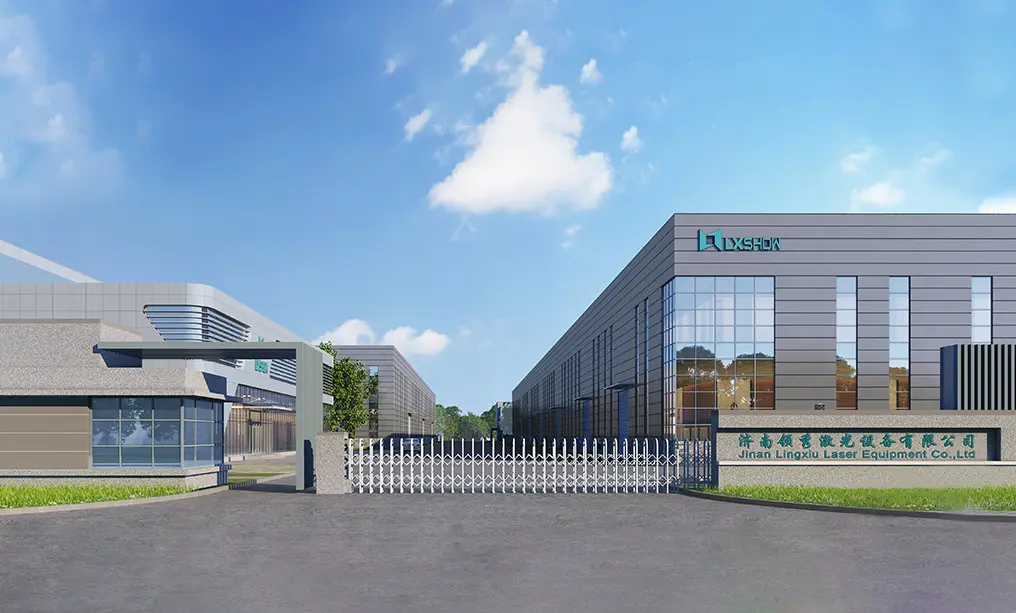
Established in July 2004, we have committed ourselves entirely to the manufacturing, engineering, and global export of professional laser smart equipment. Operating from our advanced facilities spanning over 500 square meters of dedicated optical research space and a massive 32,000 square meters manufacturing factory, we integrate high-end assembly lines with rigorous quality control workflows.
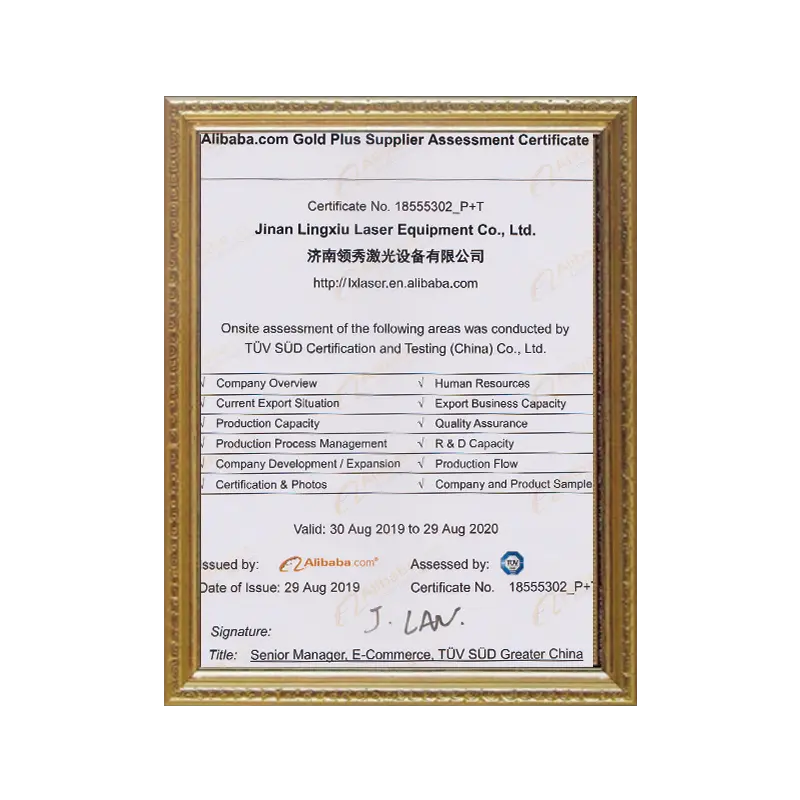
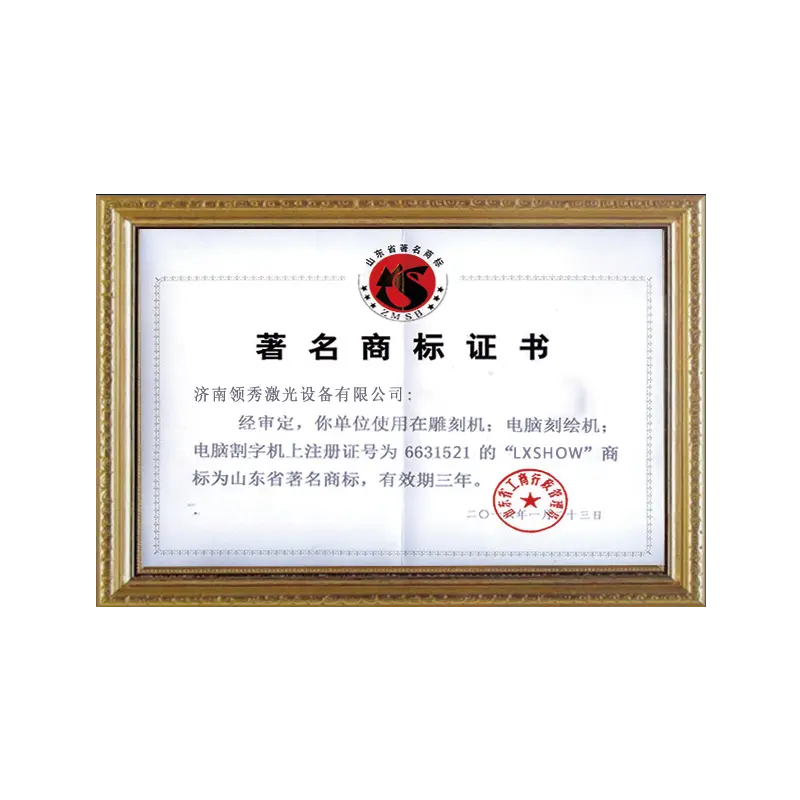
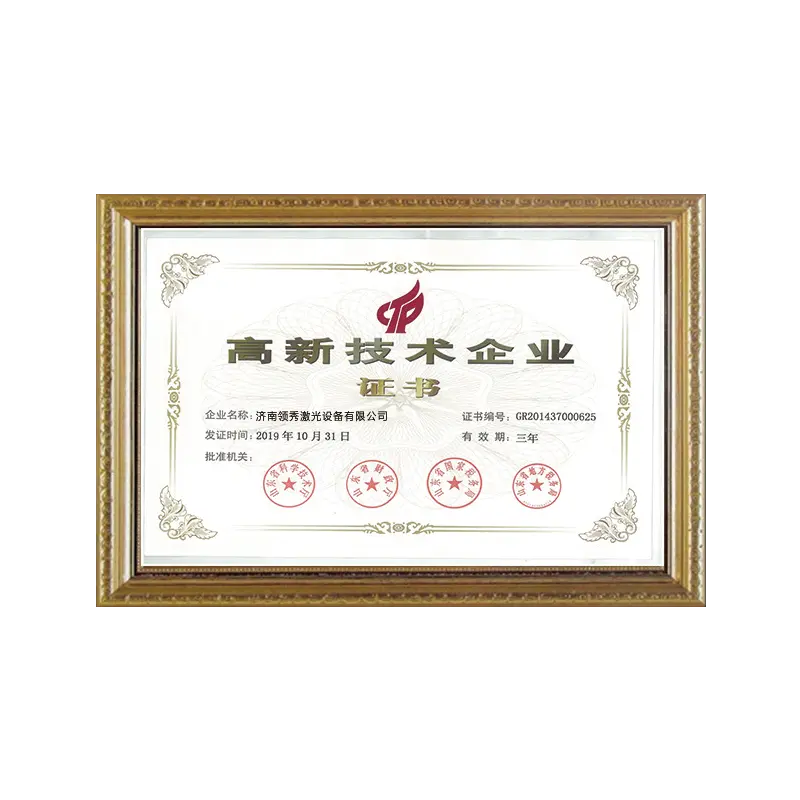
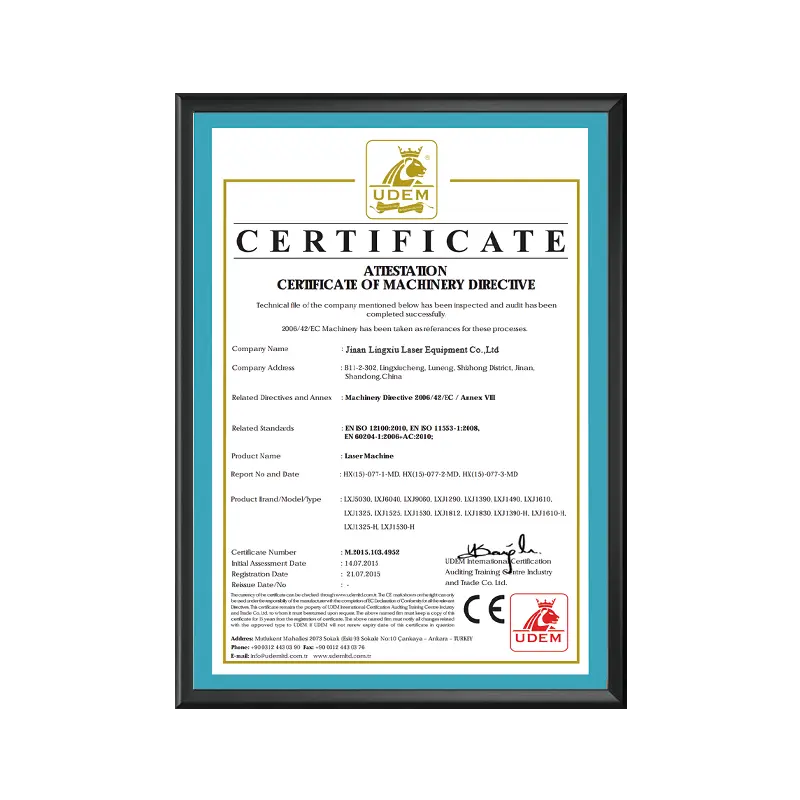
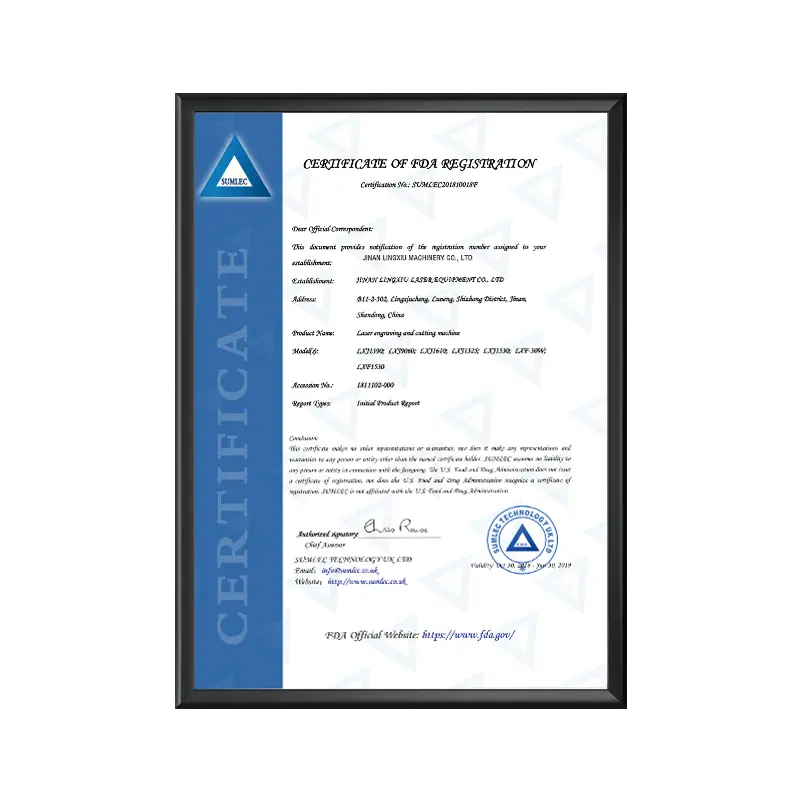
Our entire product lineup—spanning fiber laser cutters, laser welding, and laser cleaning machines—has successfully obtained the European Union CE authentication, American FDA certificate, and conforms to ISO 9001 standards. Over the last 18 years, our machinery has been exported to the USA, Canada, Australia, Europe, South East Asia, Africa, and beyond, supporting manufacturing supply chains in more than 120 countries. We also act as a reliable OEM partner for over 30 global industrial brands, cementing our standing as a trusted exporter.
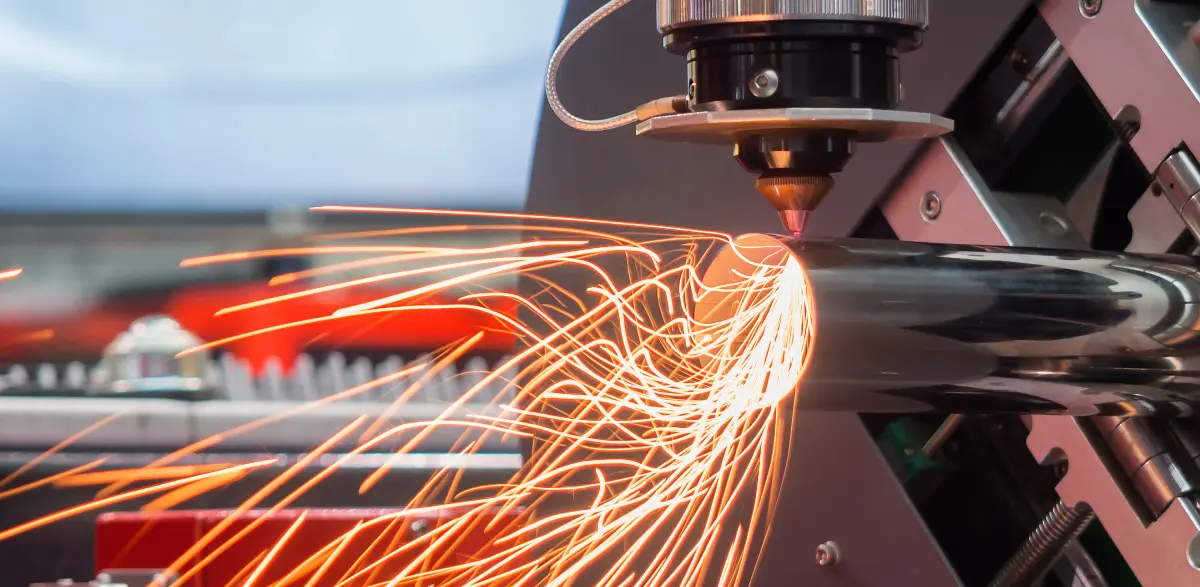
Helping World Metal Cutting: Advanced Production Line with Precision Laser Operations
The global dominance of Chinese fiber laser cutter manufacturers is built upon structured, highly integrated local ecosystems. By localizing the production of mechanical frames, gantry structures, and key motion components, we minimize logistics inefficiencies and maximize assembly speed. Our gantry structures are constructed from aerospace-grade aluminum alloys, extruded under high pressure to eliminate internal porosity. Combined with heavy-duty steel plate welded beds that undergo stress relief annealing at temperatures exceeding 600°C, our machines are guaranteed to maintain structural integrity and positioning accuracy for more than 15 years.
To deliver true Information Gain to procurement specialists, here is an engineering-level breakdown of the hardware ecosystems we design and integrate:
We are actively building the foundation for next-generation manufacturing. Before 2040, we aim to emerge as one of the most vital global entities in the industrial laser field. Our technical roadmap focuses on integrating Artificial Intelligence (AI) into nesting software, developing real-time automatic nozzle replacement modules, deploying sensor arrays within the cutting head to monitor optics degradation, and providing full cloud-based smart factory management. This aligns directly with the digital transformation required by Industry 4.0.
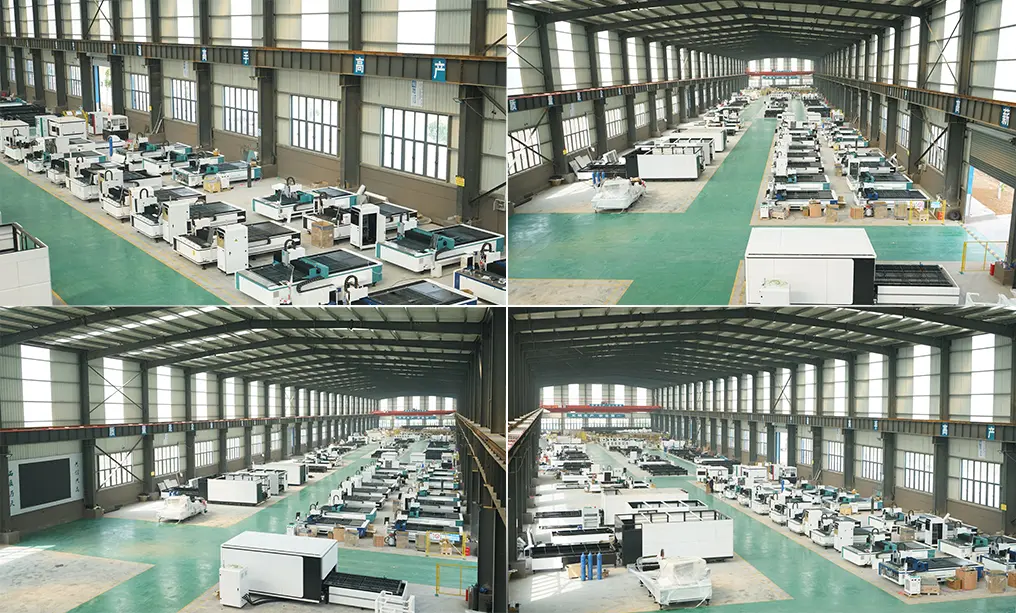
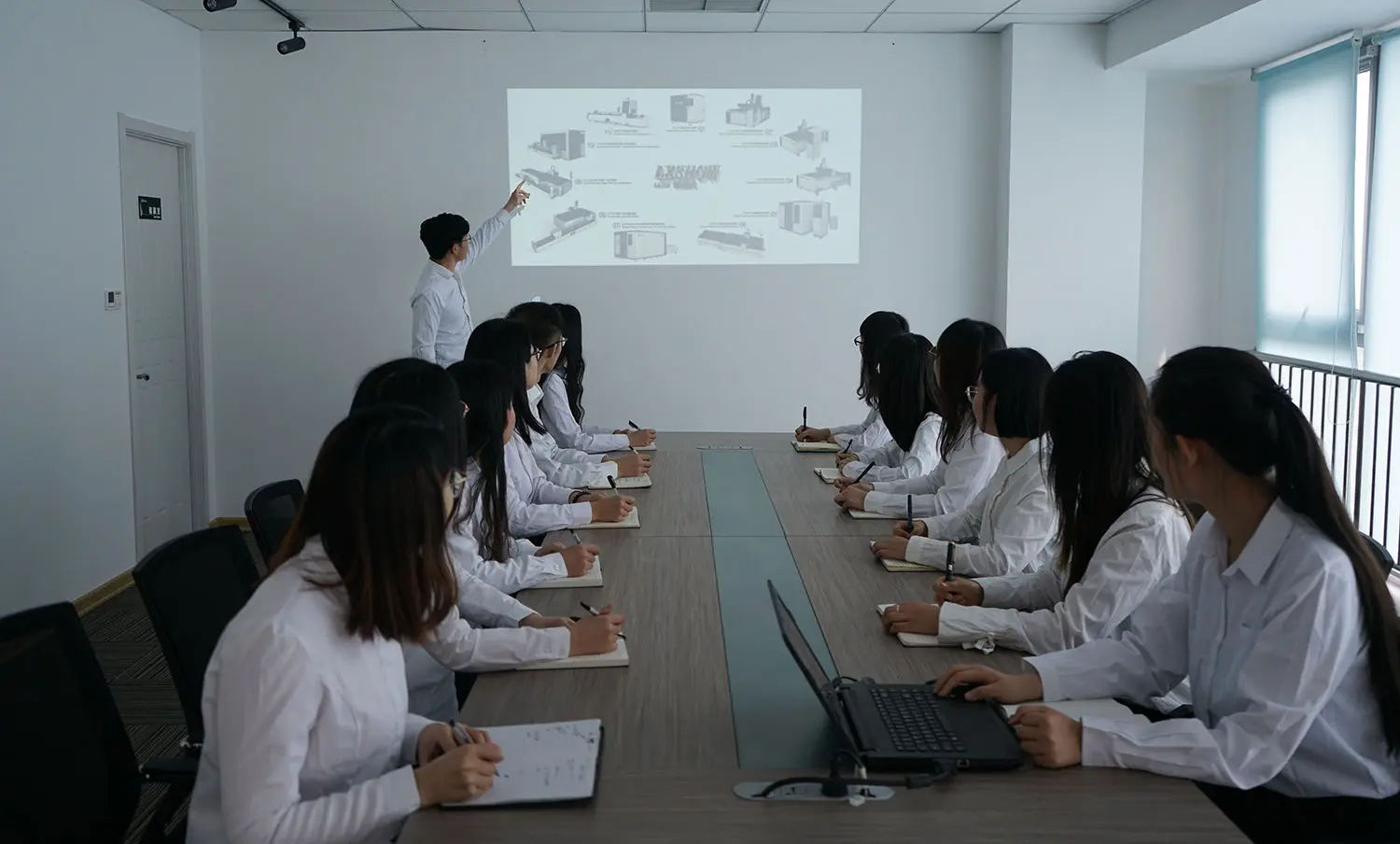
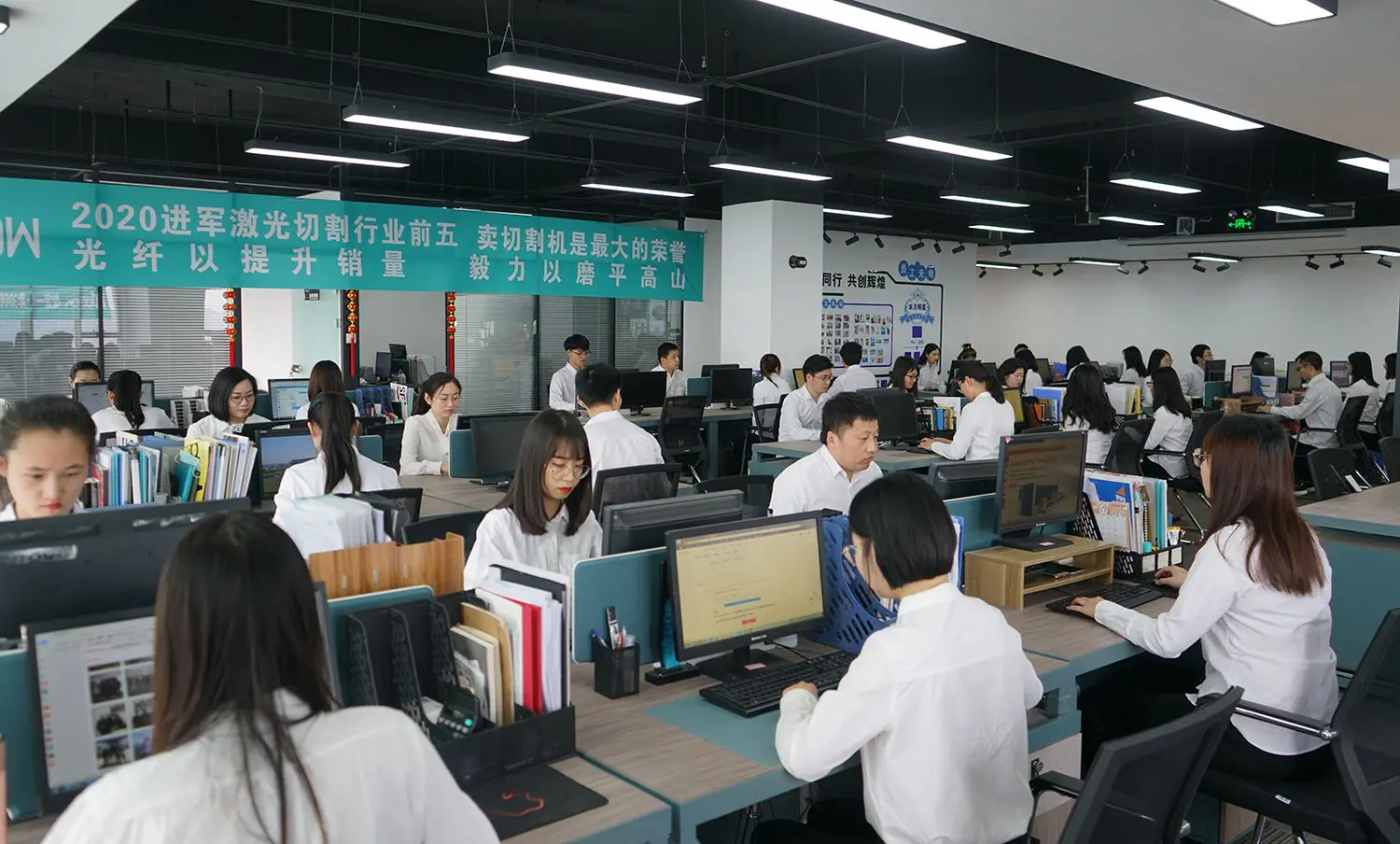
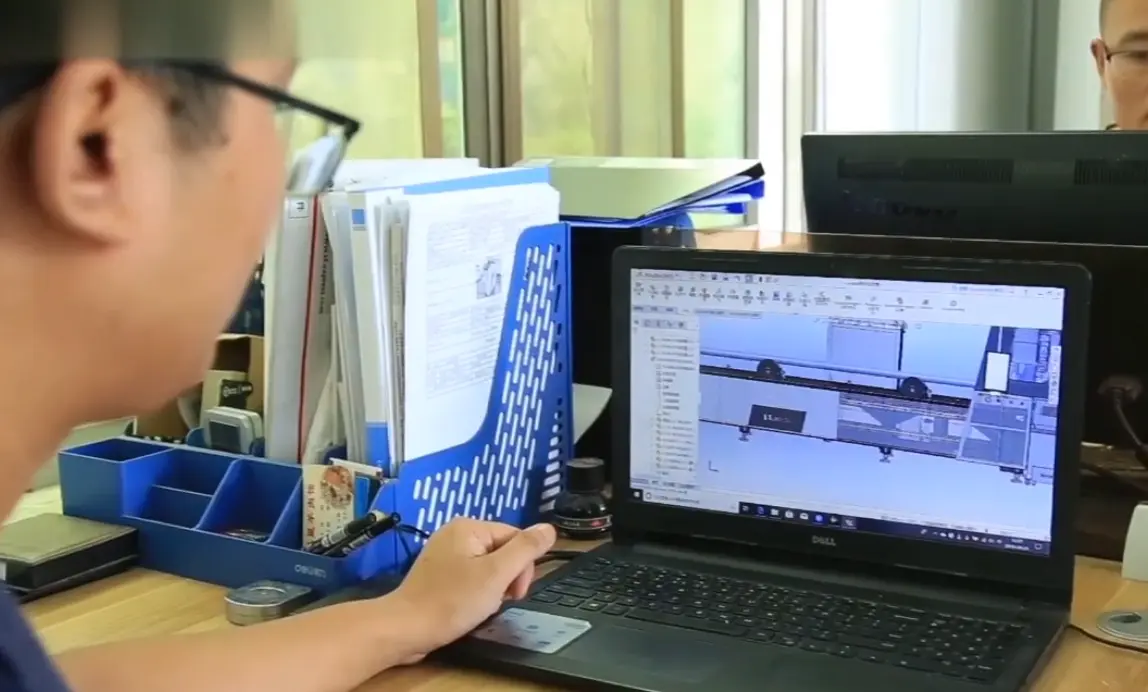
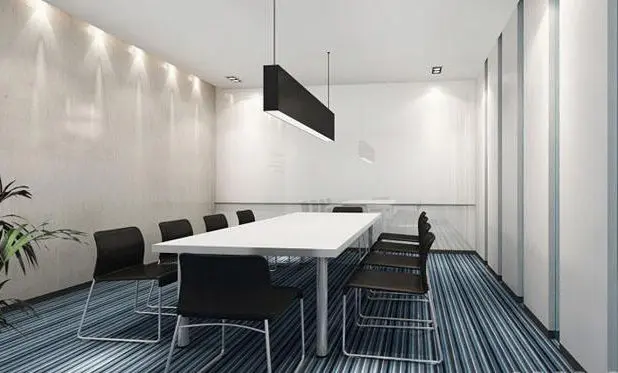
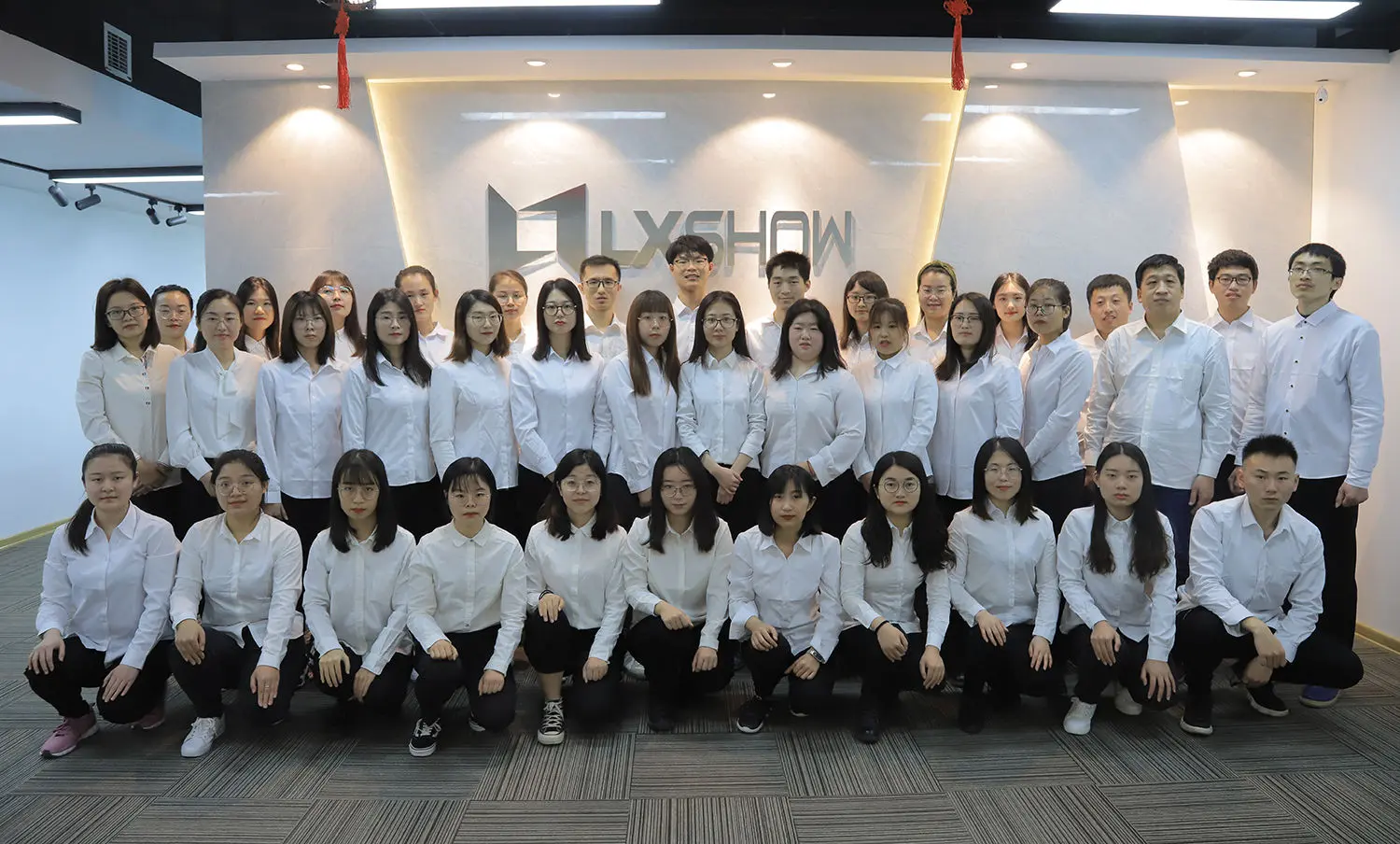
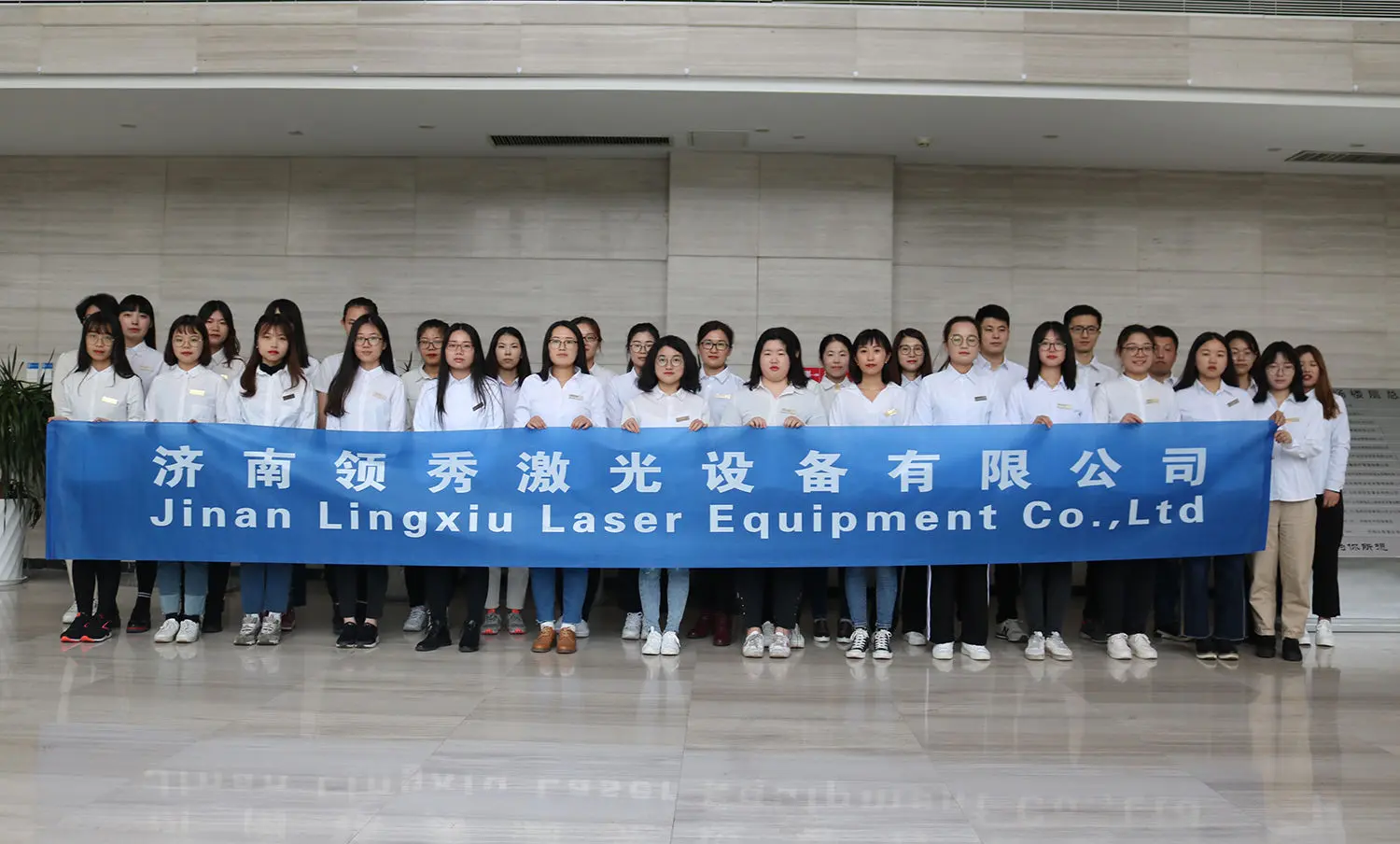
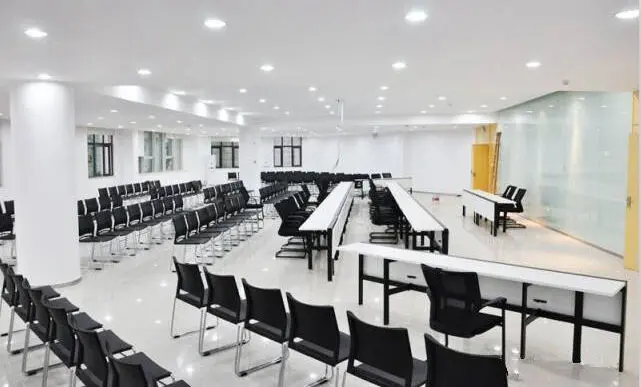
A transparent look inside our 32,000m² industrial park, engineering chambers, and testing facilities.

Our solutions cater directly to critical sectors where metal forming accuracy is paramount.
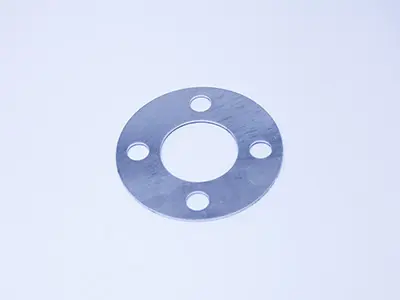 Aluminum
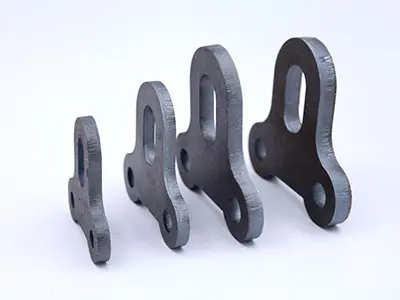 Carbon Steel
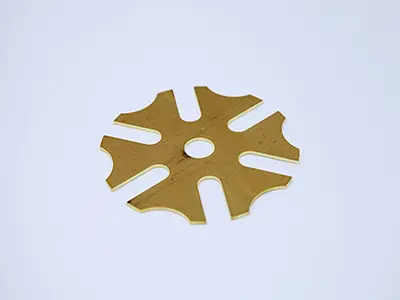 Copper
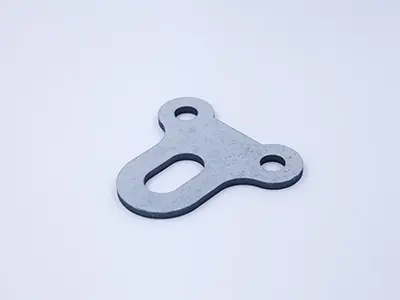 Galvanized Steel
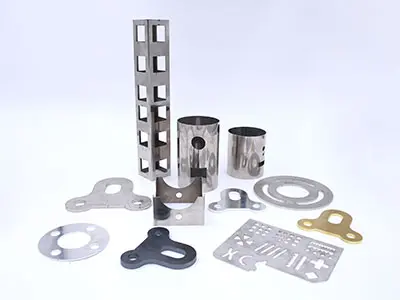 Specialty Alloys
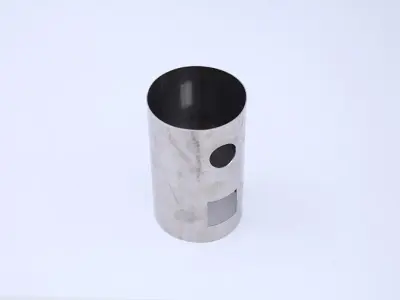 Round Tubes
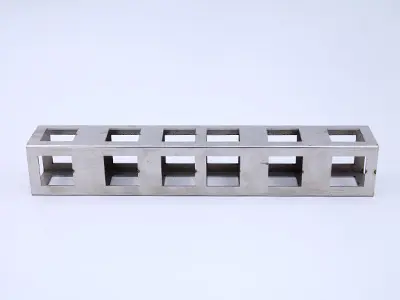 Square Tubes
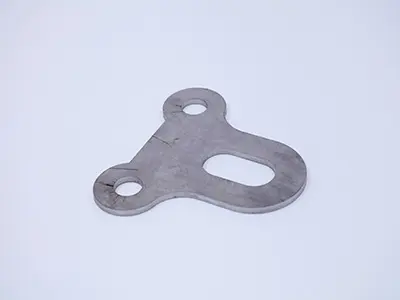 Stainless Steel
Our fiber laser systems, bending brakes, and shearing units are widely utilized across complex supply chains:
By using optimized wavelength profiles (typically around 1.07 microns for fiber optics) and customized nozzle designs, our cutters perform clean separations of reflective metals such as pure brass and aluminum without back-reflection damage to the source.
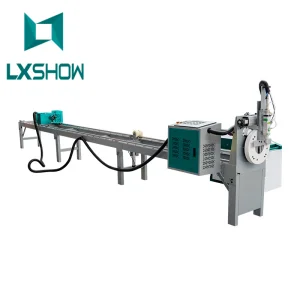
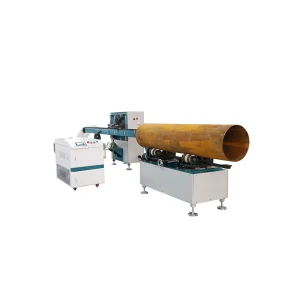
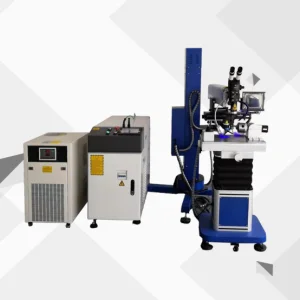
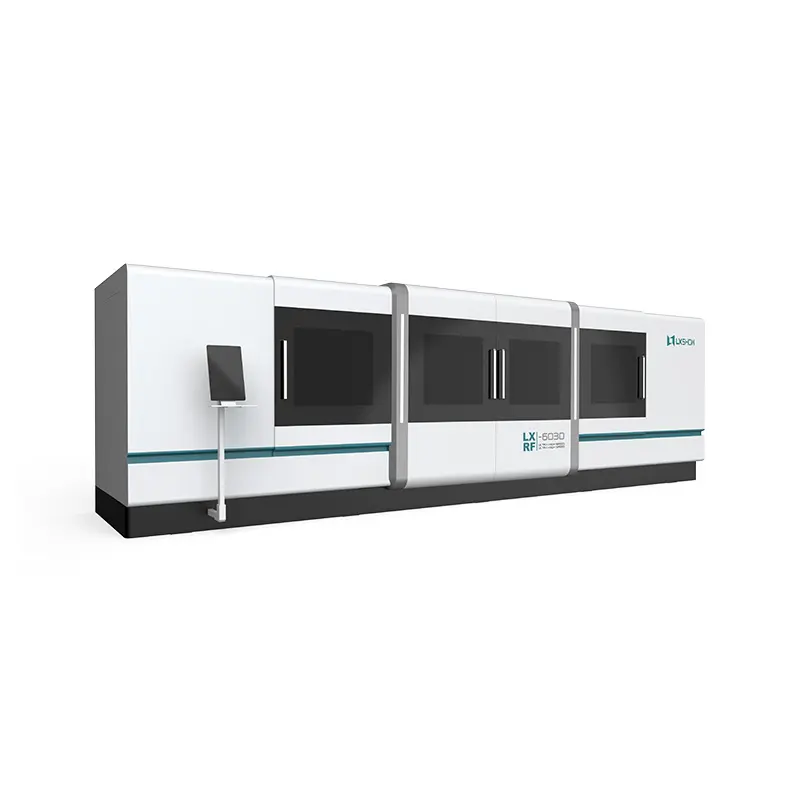
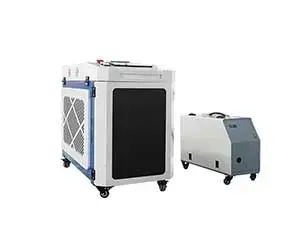
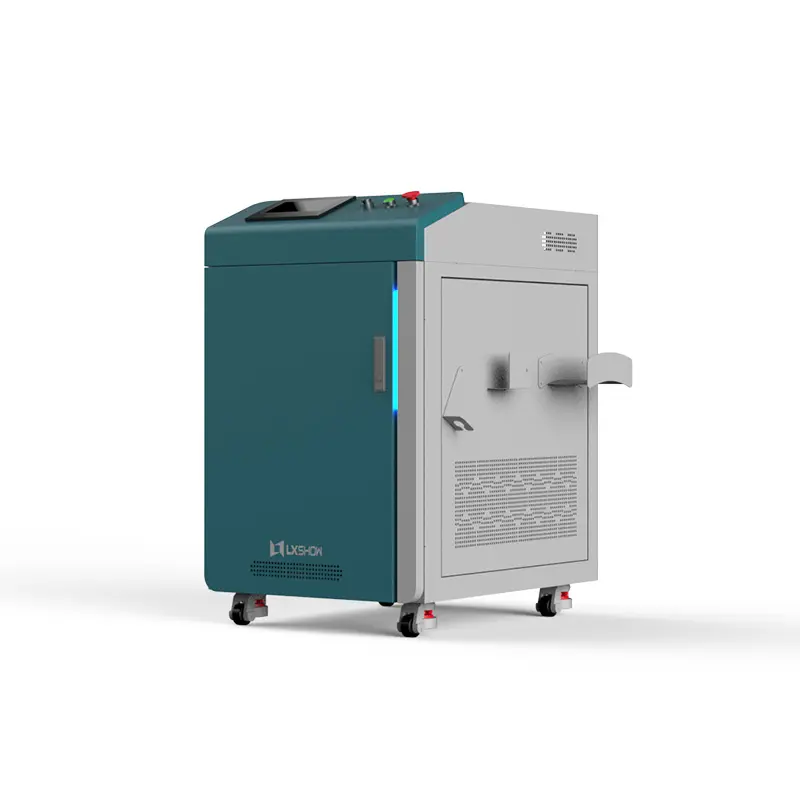
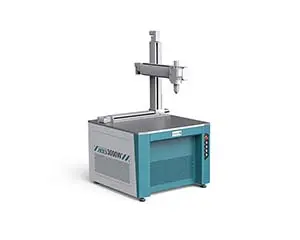
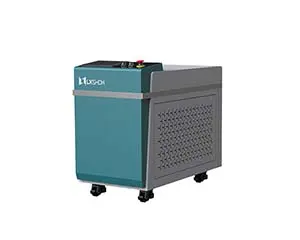
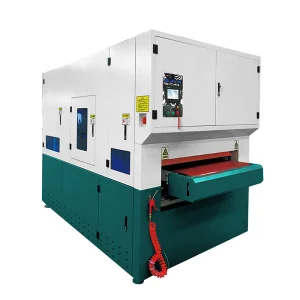
Our comprehensive production program targets structural sheet processing, industrial laser welding, and automated surface prep.
Provides protective metallurgical coating overlays to recover and enhance high-wear structural steel components.
Non-abrasive, high-frequency pulsed ablation solutions for precise surface de-rusting and coating removal.
Precision thermal joining of dissimilar sheets with minimal distortion and localized heat-affected zones.
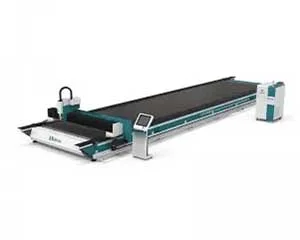
Fast speed, optimal beam profiles, and high dimensional accuracy for industrial sheet and profile manufacturing.
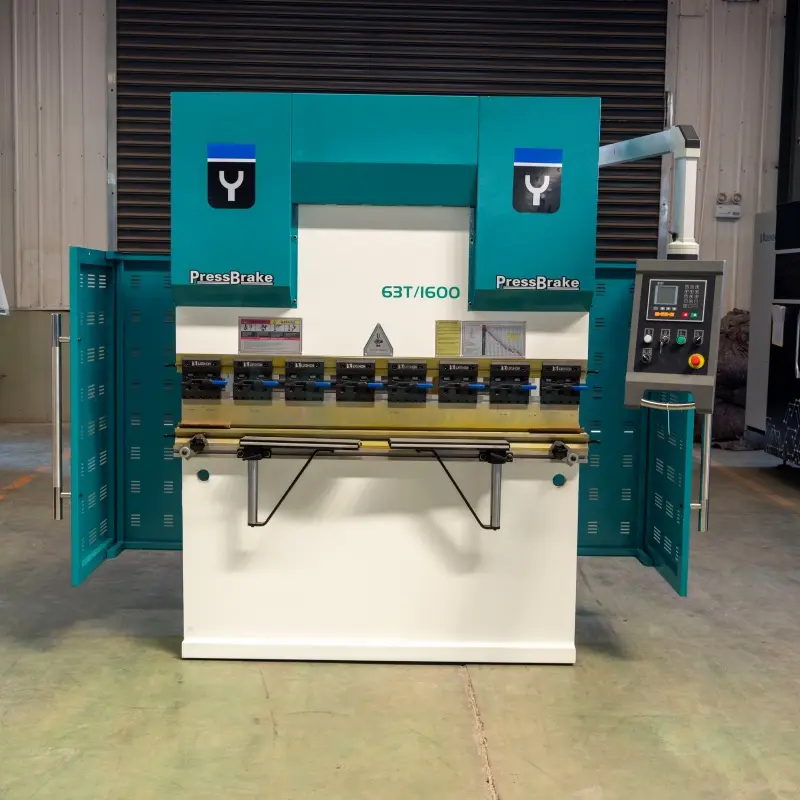
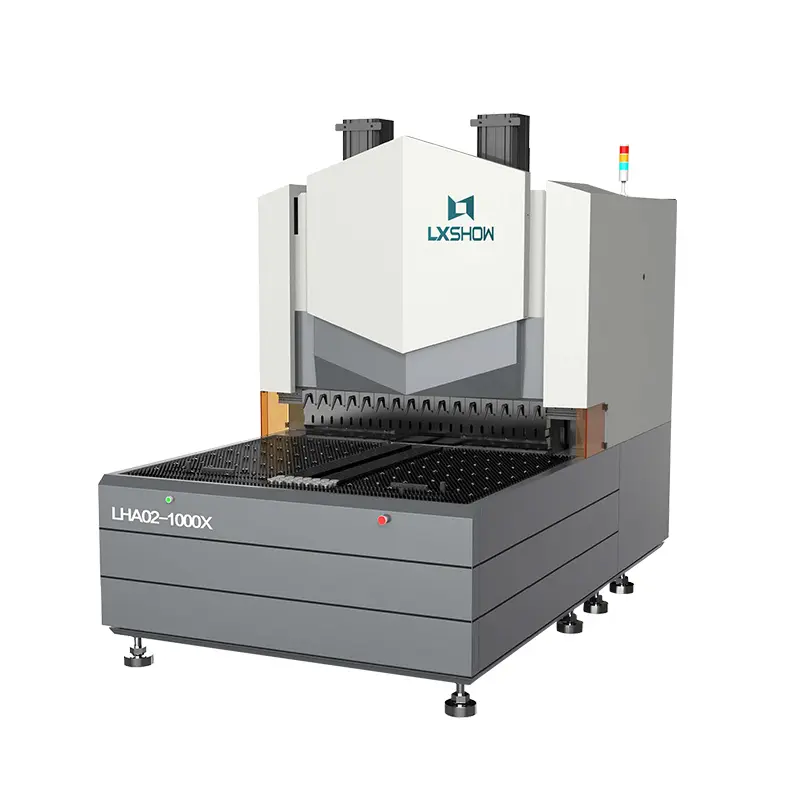
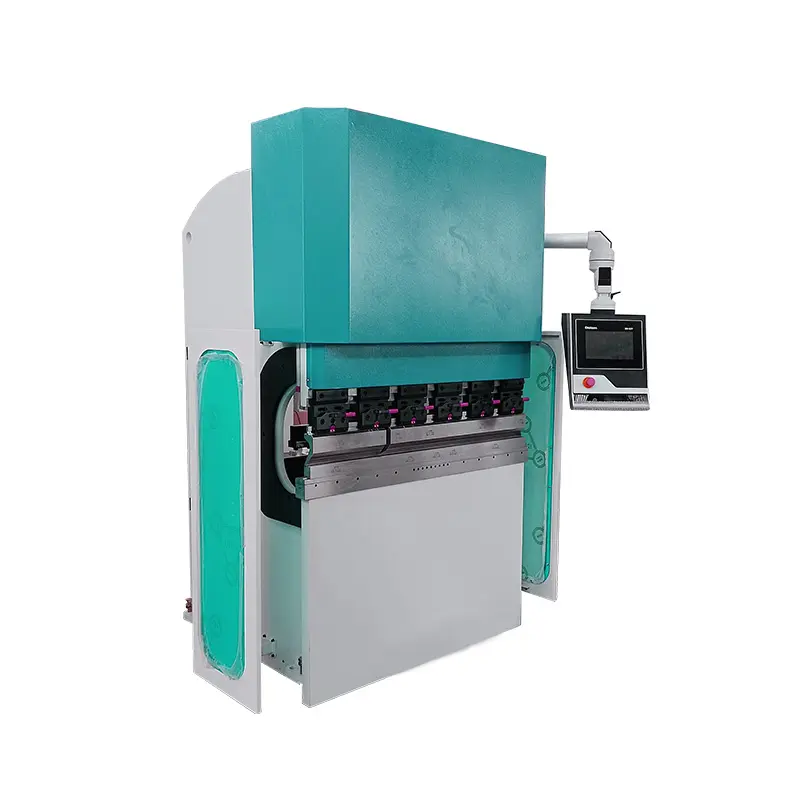
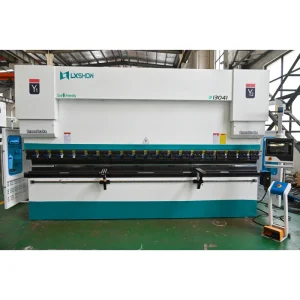
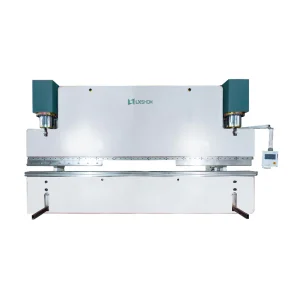
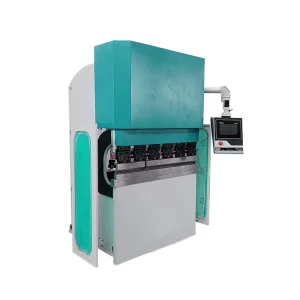
Electro-hydraulic servo synchronization and full electric folding systems for high repeatability.
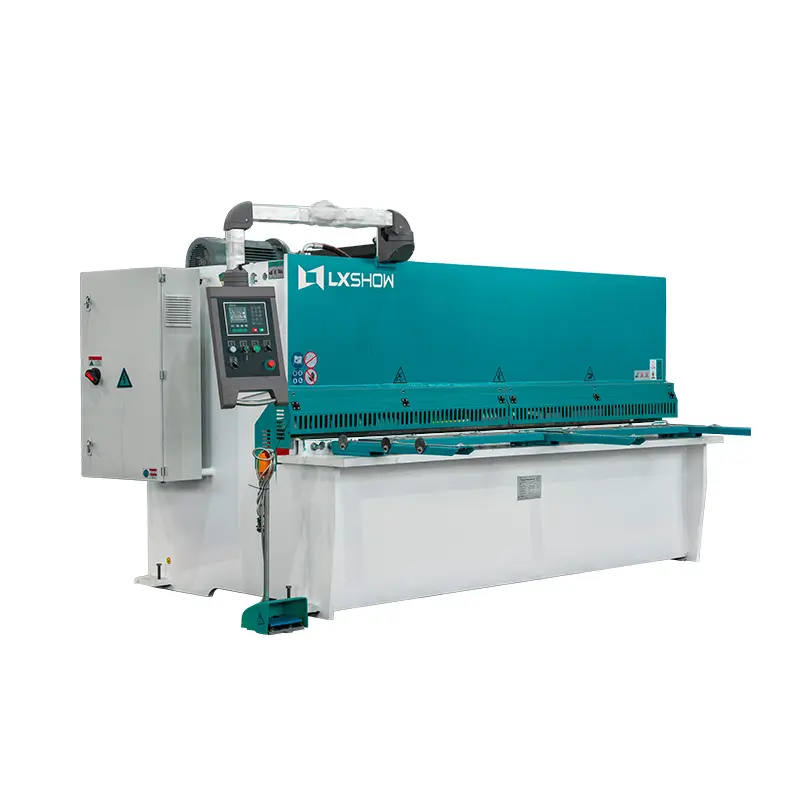
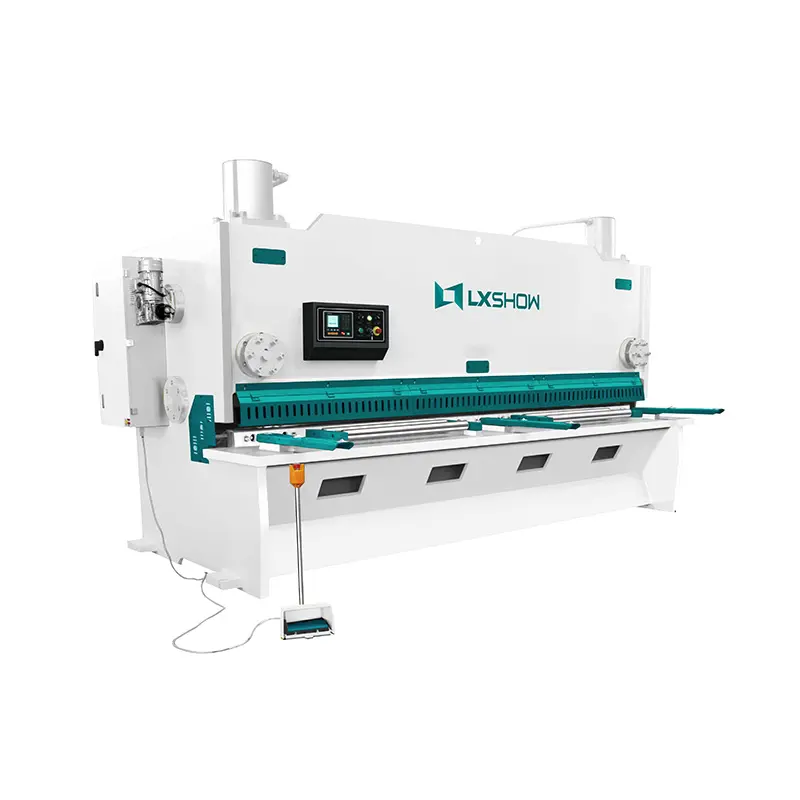
Heavy-duty mechanical and hydraulic cutting tools for processing profiles and steel plates.
Acquiring heavy machinery from Chinese fiber laser cutter manufacturers requires a deep understanding of logistics, regulatory standards, and service agreements. The primary challenge for international buyers is ensuring local operational continuity. We address this concern by offering comprehensive compliance packages and structured post-sale support:
Whether you require single-machine setups or fully integrated automatic loading and unloading setups, our engineers evaluate your production floor layout to maximize cutting uptime and material utilization rates.
A compilation of our system components, sheet metal laser processing stages, and structural profiles.
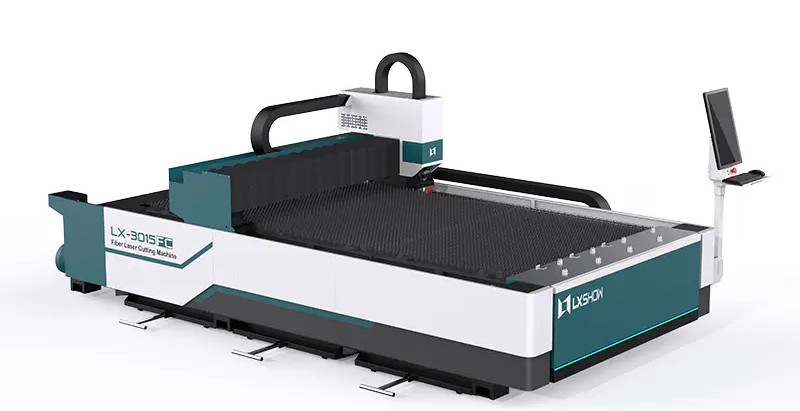
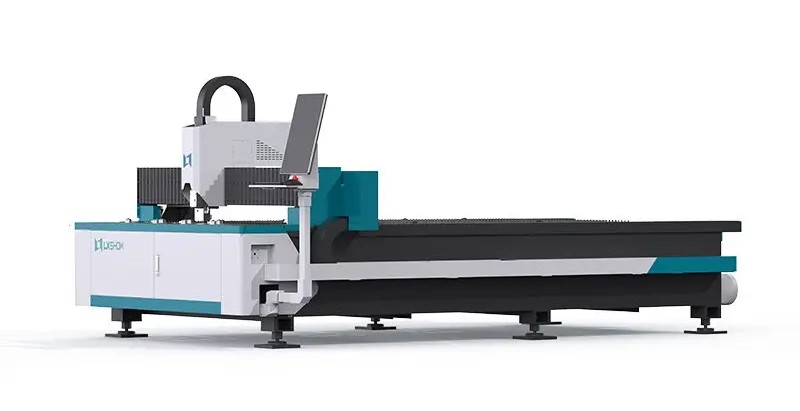
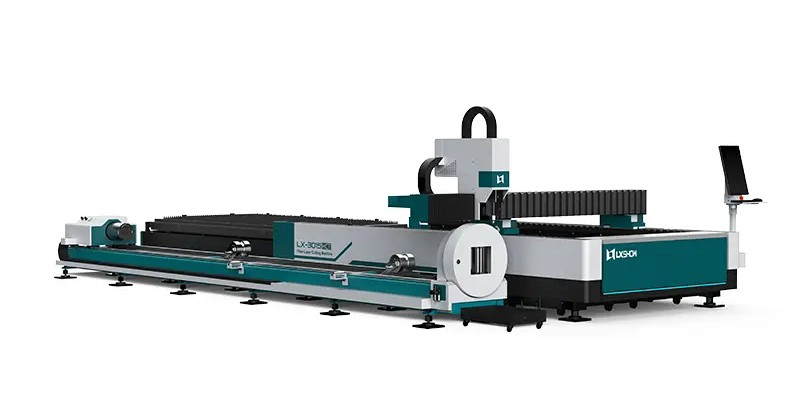
Specialized physical configurations engineered for space constraints and heavy duty sheet/tube routing.
Detailed technical advice answering the common concerns of B2B buyers and process engineers.
Choosing the correct power level depends on your primary material thickness and production throughput:
Auxiliary gases affect both cutting chemistry and operational cost:
Machine beds are subjected to massive inertia from high-speed axis acceleration (up to 1.5G). If a bed is not stress-relieved, it will warp over time, leading to micro-deviations in cutting paths. We use a heavy-duty carbon steel plate welded bed that is heat-treated in an annealing furnace at 600°C for 24 hours, followed by natural aging. This ensures the structural frame maintains stability and flatness, preventing guide rail misalignment over decades of operation.
We provide a multi-layered post-sale support matrix. During dispatch, each machine includes complete English manuals, step-by-step installation videos, and schematic diagrams. We offer 24/7 online video diagnostics, enabling our software engineers to log into your controller (such as CypCut) to calibrate parameters. Additionally, our field service engineers can travel to your facility to perform physical commissioning and handle operator training.
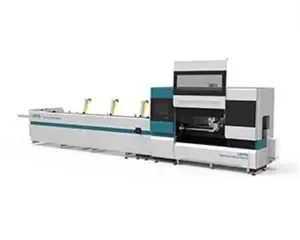
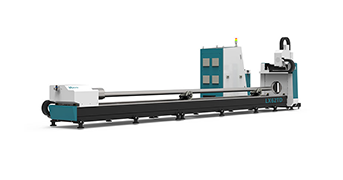
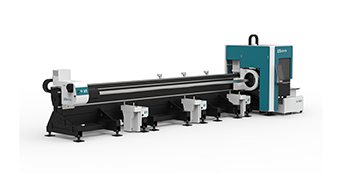
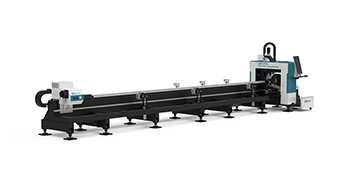
Yes. Our three-chuck configuration (such as the LX62TX model) features dynamic support chucks that move in tandem with the cutting carriage. The middle chuck acts as a steady rest, preventing long, heavy steel pipes from sagging. This layout also enables "zero-tailings" cutting, minimizing raw material waste and saving significant material costs on heavy channels and H-beams.
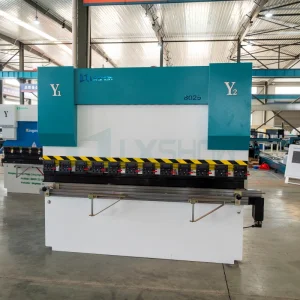
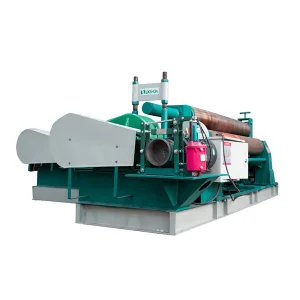
Explore our high-efficiency press brakes, rolling machines, and edge deburring stations.
 Lxshow