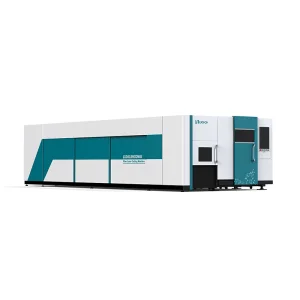
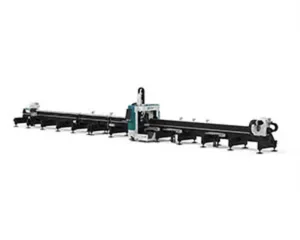
Explore the industry's leading metal processing machinery engineered for high precision, repeatability, and structural integrity across various configurations.
The global manufacturing sector is undergoing an unprecedented structural transition. In an era dominated by high-mix, low-volume production runs and increasingly tight tolerance requirements, traditional mechanical punching and CO2 laser machines are no longer competitive. Fiber laser CNC cutting technology has established itself as the dominant standard for metal fabrication, yielding unrivaled speed, precision, and operational cost advantages.
From automotive chassis fabrication and aerospace structural components to high-end home appliances and chemical processing machinery, heavy industries require high-kilowatt fiber systems. Modern engineering demands materials like titanium, high-strength carbon steel, structural aluminum, copper, and brass. Handling these reflective materials at speed has created a high-margin opportunity for manufacturers using state-of-the-art solid-state fiber laser configurations ranging from 1kW to 40kW.
By consolidating cutting, deburring, bending, welding, and cleaning into single integrated production flows, global factories are achieving dramatic increases in throughput while reducing carbon footprints. Enterprise purchasing managers are prioritizing high-wattage single-pass cutting capacities, automated dual-shuttle tables, and comprehensive smart control systems to build out the smart factories of tomorrow.
Chinese laser manufacturers benefit from a mature and highly localized industrial cluster ecosystem. Raw materials, precision optical heads, high-torque servo motors, stable rack-and-pinion transmission mechanisms, and structural machine bed castings are all designed, manufactured, and assembled under highly integrated local supply chains, significantly reducing structural costs.
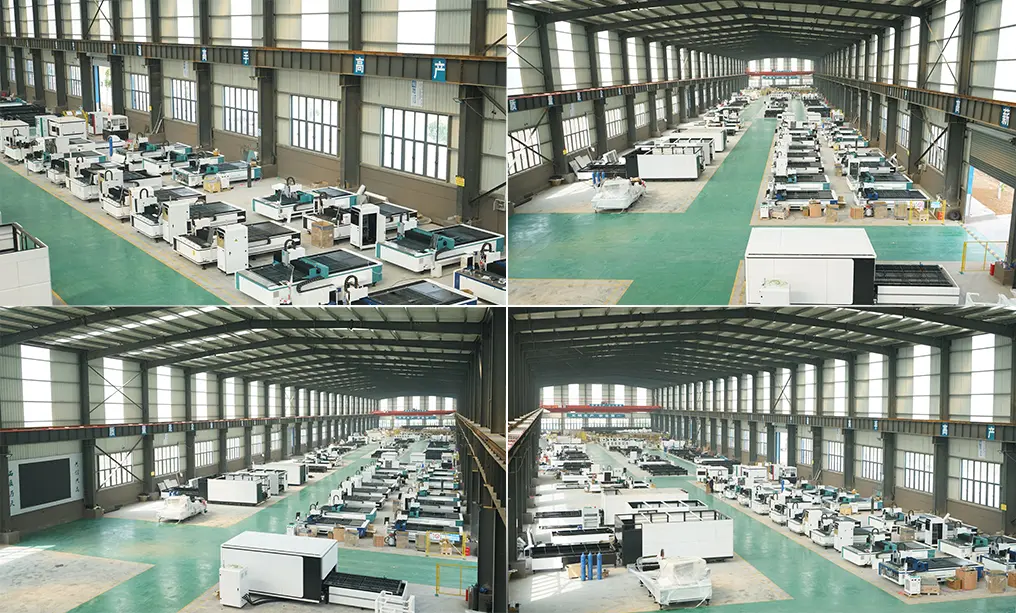
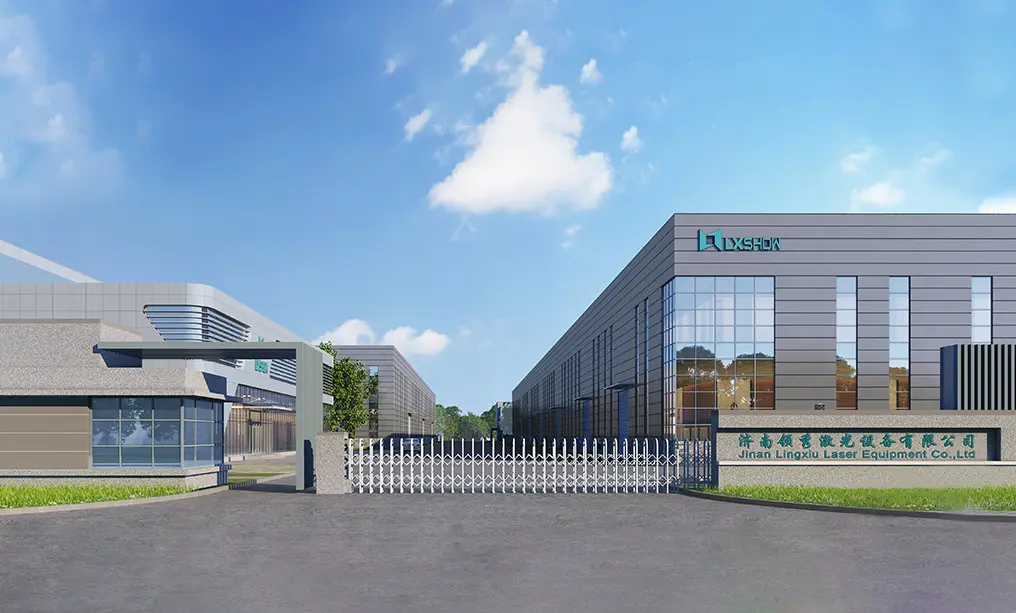
Established in July 2004, our production team owns more than 500 square meters of dedicated research and office space alongside a massive 32,000 square meters factory. This scale allows us to conduct stress relief annealing, high-temperature tempering, and precision machine bed milling entirely in-house to guarantee machine durability.
Every system built in our facilities passes rigorous quality checks and international certification. All machines have passed the European Union CE authentication, the American FDA certificate, and are fully certified under the ISO 9001 quality management framework, ensuring global compatibility and safety compliance.
Engineered to serve across local fabrication yards, automotive assembly lines, and heavy structural engineering plants globally.
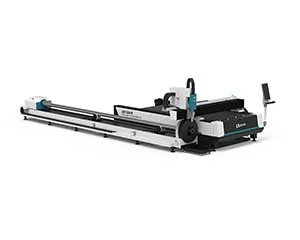
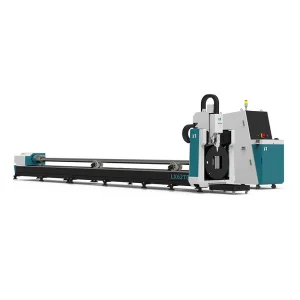
Whether cutting thick-walled structural tubes, architectural facade panels, or heavy-duty steel I-beams, our systems like the LX3015DHT Sheet and Tube Cutters handle high-volume processing in architectural hardware, scaffolding, and steel framework factories.
From battery trays, chassis brackets, and structural piping to decorative trim panels, high-precision laser cutting reduces vehicle weight and speeds production. Specialized Smart Deburring Machines ensure safe, smooth edges for immediate assembly-line use.
Food-grade stainless steel requires discoloration-free, warp-free cuts. Our high-precision fiber laser cutting machines paired with auxiliary nitrogen gas options produce clean, polished edges on range hoods, commercial sinks, and food packaging containers.
Deploying advanced manufacturing and metal fabrication infrastructure across 150+ countries.
A practical reference for procurement managers on optimal material selection and output quality across sheet metal types.
| Metal Type | Ideal Power Configuration | Auxiliary Gas Type | Cut Edge Characterization | Key Applications |
|---|---|---|---|---|
| Carbon Steel | 1kW - 40kW | Oxygen (O₂) for thick, Air/Nitrogen for thin | Clean oxide scale surface, high speed | Heavy Machinery, Structural Framing, Enclosures |
| Stainless Steel | 2kW - 20kW | Nitrogen (N₂) for high pressure | Bright finish, zero thermal oxidation | Food Industry, Medical, Aerospace Tubing |
| Aluminum (Al) | 3kW - 12kW | Nitrogen (N₂) or Air | Slightly textured edge, high reflectivity control | Automotive Parts, EV Batteries, Aerospace |
| Copper & Brass | 4kW - 12kW | Oxygen (O₂) or Nitrogen (N₂) | Highly reflective handling, high-frequency focus | Electrical Connectors, Power Busbars, Craft Gifts |
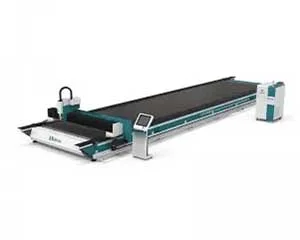
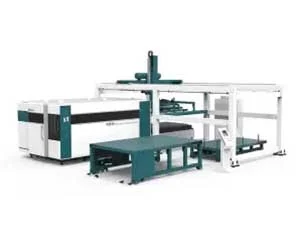
Modern processing centers require minimal human downtime. Dual exchange shuttle tables allow operators to unload finished components and reload raw sheets while the machine continues its cutting cycle.
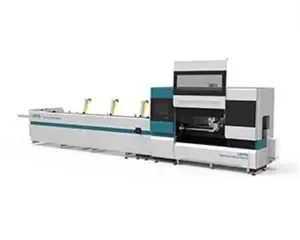
Three-chuck tube laser systems eliminate raw material waste. Active clamping supports heavy metal pipes (rectangular, round, oval, H-steel profiles) without rotational slipping or bending.
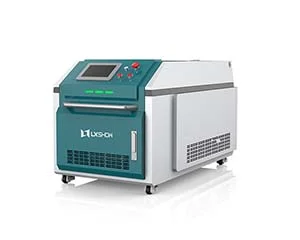
Laser cutting is only the first step. By integrating smart deburring, precision robotic bending, handheld fiber optic laser welding, and high-speed rust removal laser cleaning systems, companies can implement fully automated workflows.
When sourcing an industrial metal laser cutter from offshore suppliers, procurement teams must evaluate the total cost of ownership (TCO) alongside technical metrics:
Our 32,000-square-meter facility houses dedicated design, engineering, training, assembly, and testing divisions.
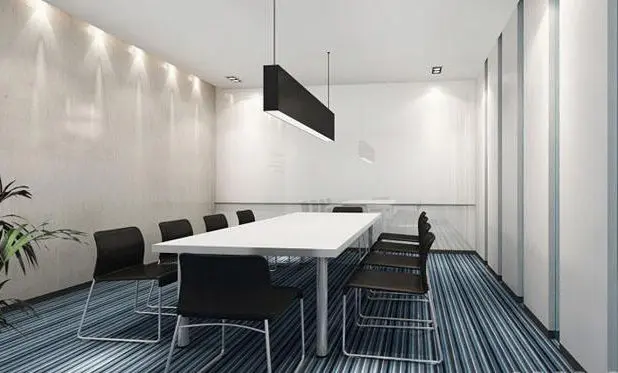
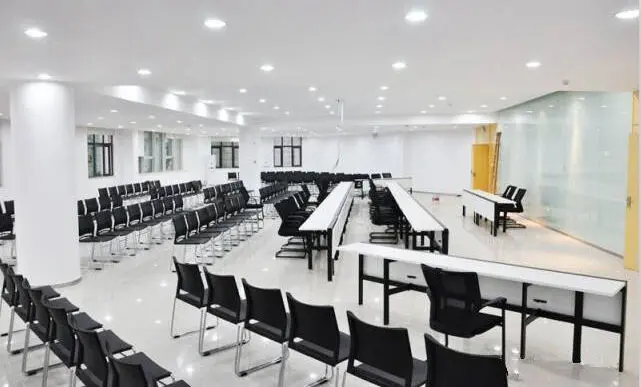
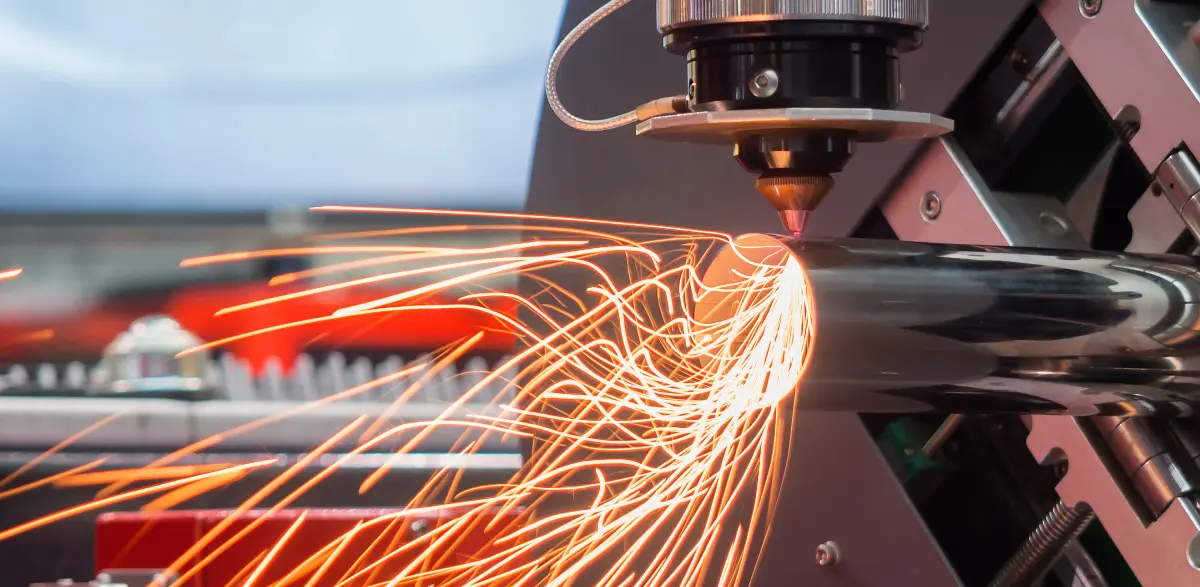
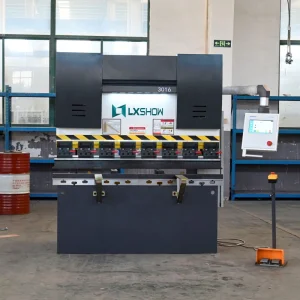
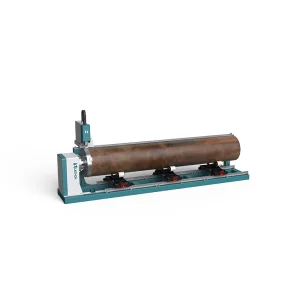
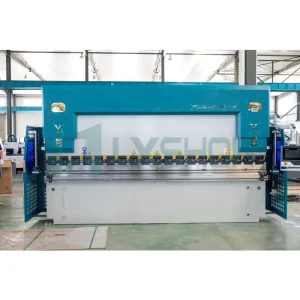
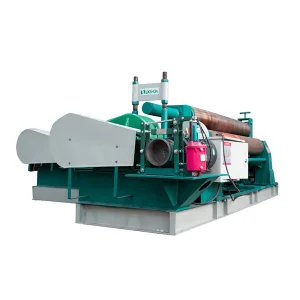
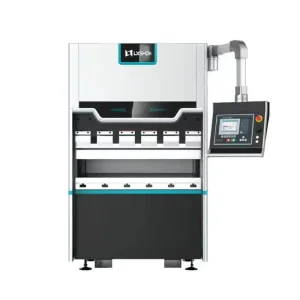
Complete your production pipeline with specialized pipe cutters, heavy-duty mechanical rollers, CO2 systems, and high-capacity press brakes.
Frequently asked questions and technical guidance for factory operators and heavy fabricators.
Review detailed descriptions and links for our core product groups below.
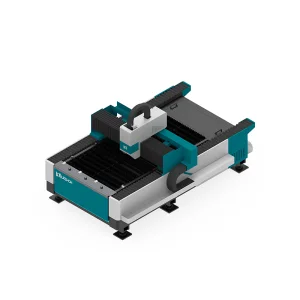
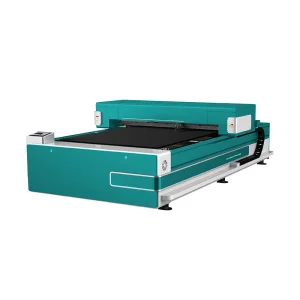
Designed for rapid, high-accuracy processing of flat steel plates. These machines feature high-acceleration gantry systems and options for integrated protective enclosures.
Dual-purpose machines that combine a flatbed cutting table with an auxiliary rotary axis, allowing operators to switch between flat plates and cylindrical profiles without changing machinery.
Designed specifically for piping networks, round tubes, square tubing, and H-beams. These systems feature auto-centering chuck mechanisms to ensure precise cuts and zero slippage.
 Lxshow