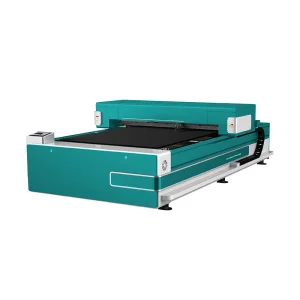
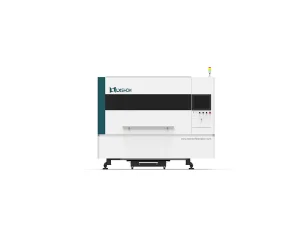
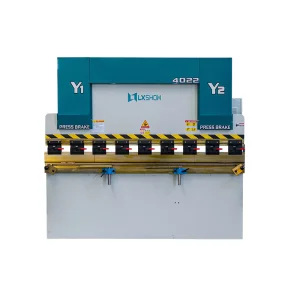
Select premium automated machinery designed for metal fabrication plants, heavy industries, and export distribution networks.
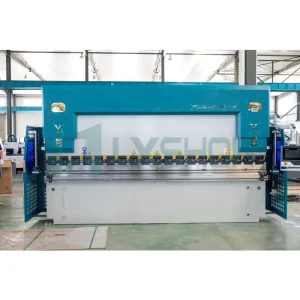
Unlocking macroeconomic advantages and process optimization in modern smart manufacturing.
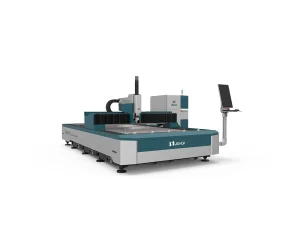
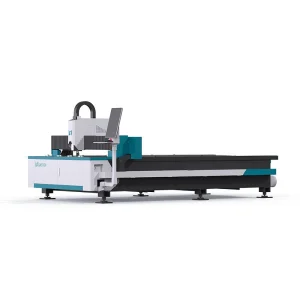
Metal fabrication worldwide is shifting rapidly from archaic plasma cutting toward high-precision CNC fiber lasers. As manufacturing sectors align with Industry 4.0 standards, factories face immense pressure to deliver tighter tolerances, minimize material waste, and optimize thermal load. Modern wholesale fiber laser cutting machines (up to 30KW and beyond) allow operations in Asia, the Americas, and Europe to achieve unmatched production velocity.
The total cost of ownership (TCO) shows that adopting CNC fiber lasers reduces energy consumption by up to 50% compared to traditional CO2 installations. Through advanced CAD/CAM nesting algorithms, factories maximize material utilization. Exporters dealing in structural components benefit from instantly paint-ready cuts, bypassing secondary edge grinding and deburring operations entirely.
With high-velocity global supply chain demands, metal processing centers require reliable machinery that offers robust uptime. Wholesale providers guarantee continuous components availability (such as laser heads, fiber cables, and servo motors) to secure production lines globally, ensuring exporters hit tight delivery slots in global logistics corridors.
Comprehensive application scenarios from aerospace engineering to custom architectural facades.
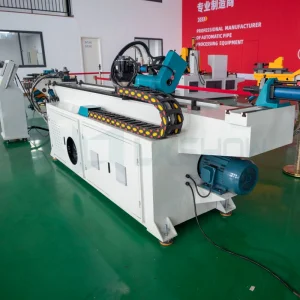
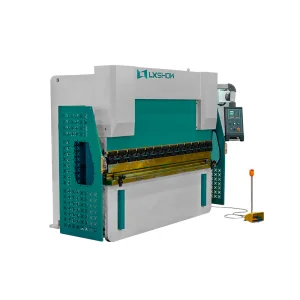
For steel works, structural beams, and architectural frameworks, high-power fiber laser cutters handle heavy plates easily. Combined with secondary bending solutions like our WC67K and WE67K CNC series, components are bent and fabricated in record time with zero stress-crack risks.
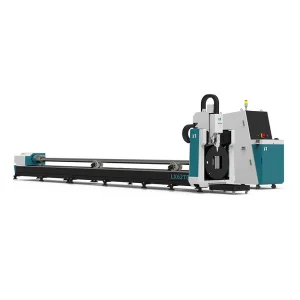
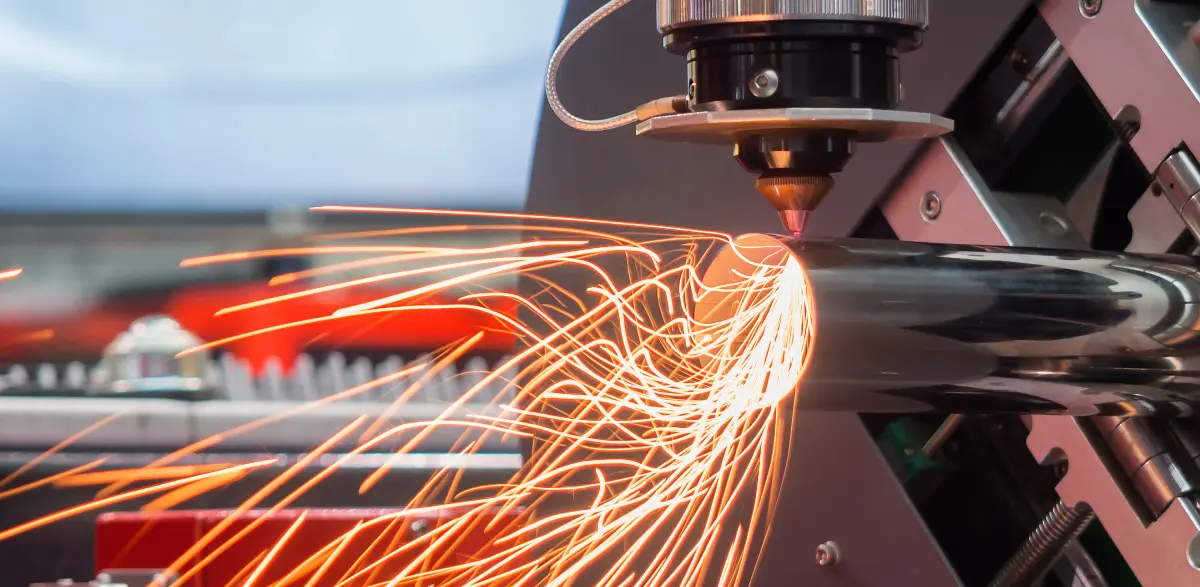
Body-in-white (BIW), bracketry, and chassis structural pieces demand precise dimensional consistency. Dynamic laser cutting and automated pipe processing (such as the LX62TD) provide clean, burr-free profiles critical for robotic assembly lines.
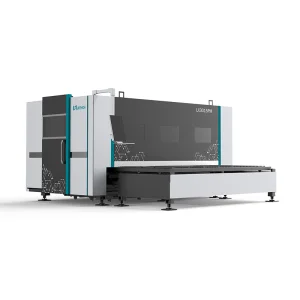
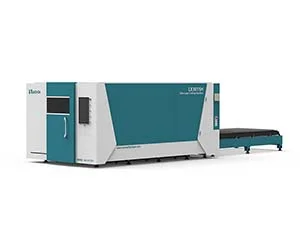
Processing superalloys, titanium, and heat-resistant sheets requires ultra-precise energy distribution to prevent heat-affected zones (HAZ). The LX3015F and LX3015H platforms deliver high-wattage beams coupled with nitrogen-purged assist systems to maintain pure metal properties.
Different metals react uniquely to laser wavelengths and cutting speeds. Operating parameters must adapt dynamically to avoid surface oxidation and thermal deformation:
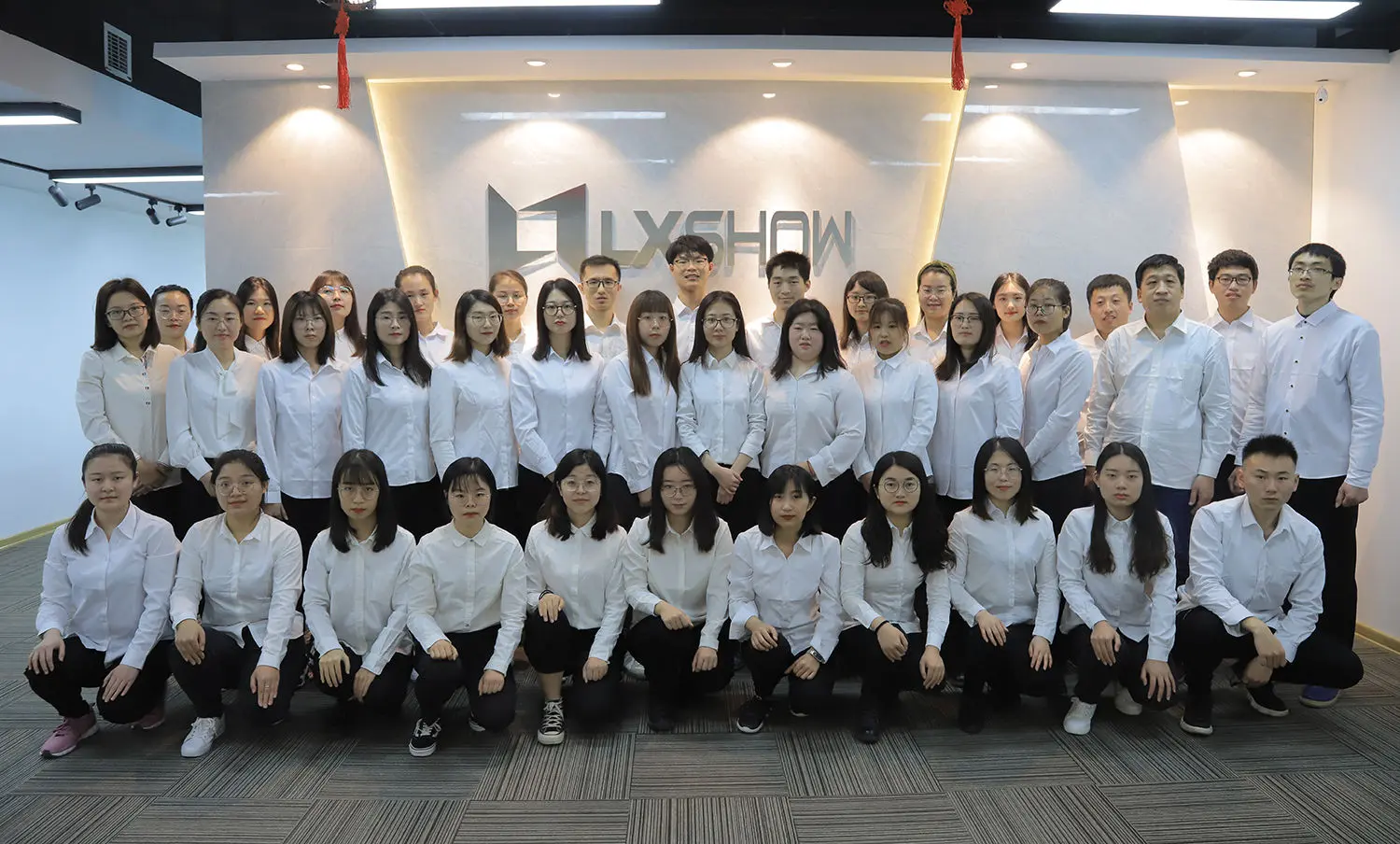
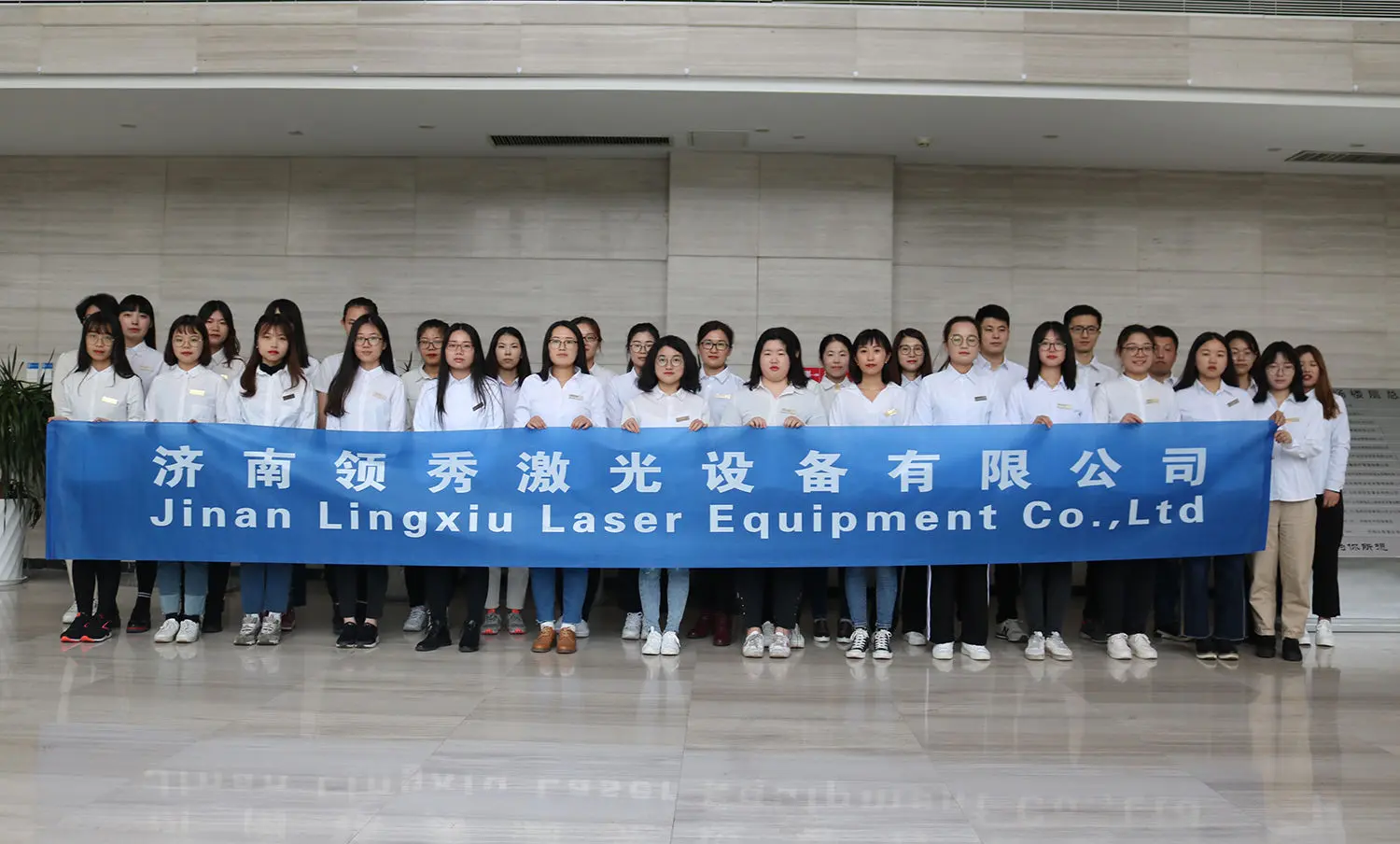
For over 18 years, our manufacturing and engineering teams have remained laser-focused on delivering world-class laser cutting, welding, cladding, and surface cleaning solutions. From a modest start, we have expanded to own more than 500 square meters of researching and office space, backed by a massive 32,000 square meters modern manufacturing plant.
All machines produced in our facilities have successfully passed the rigorous European Union CE authentication, American FDA certificate, and are fully certified to ISO 9001 standards. This triple-certification architecture guarantees our equipment aligns with local industrial safety guidelines worldwide.
Our global footprint spans across the USA, Canada, Australia, Europe, South East Asia, Africa, and beyond, covering more than 150 countries and serving over 20,000 end-users. Beyond our own brand distribution, we proudly supply high-performance OEM services to more than 30 major industrial manufacturers globally.
Take a virtual tour inside our advanced manufacturing base, design center, and testing labs.
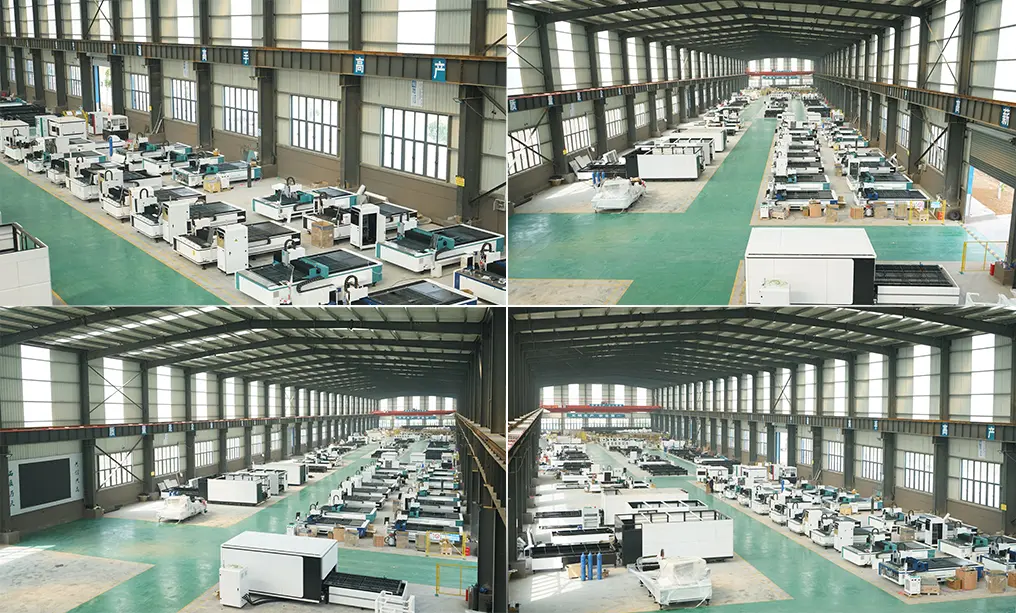
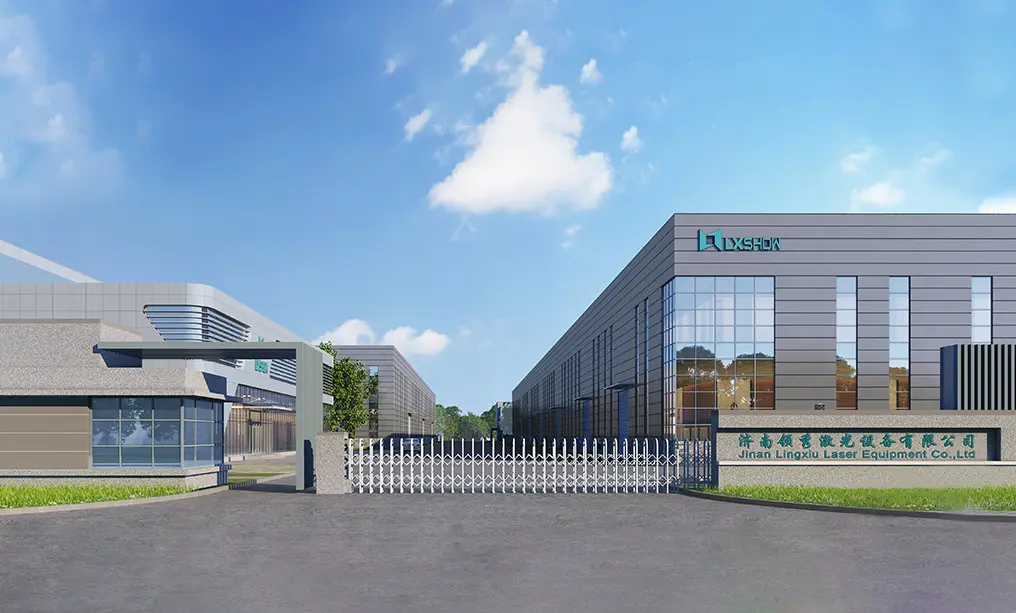

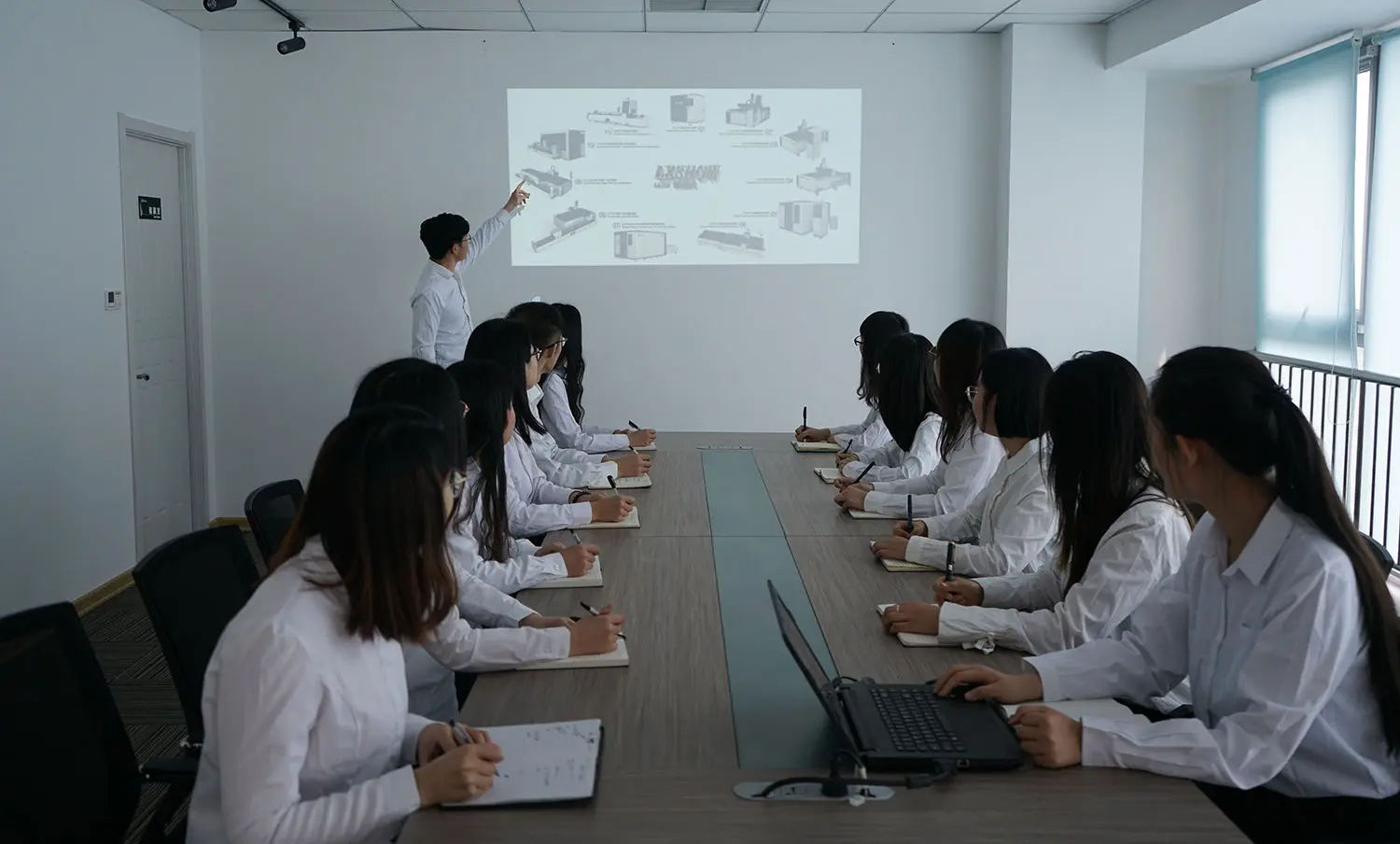
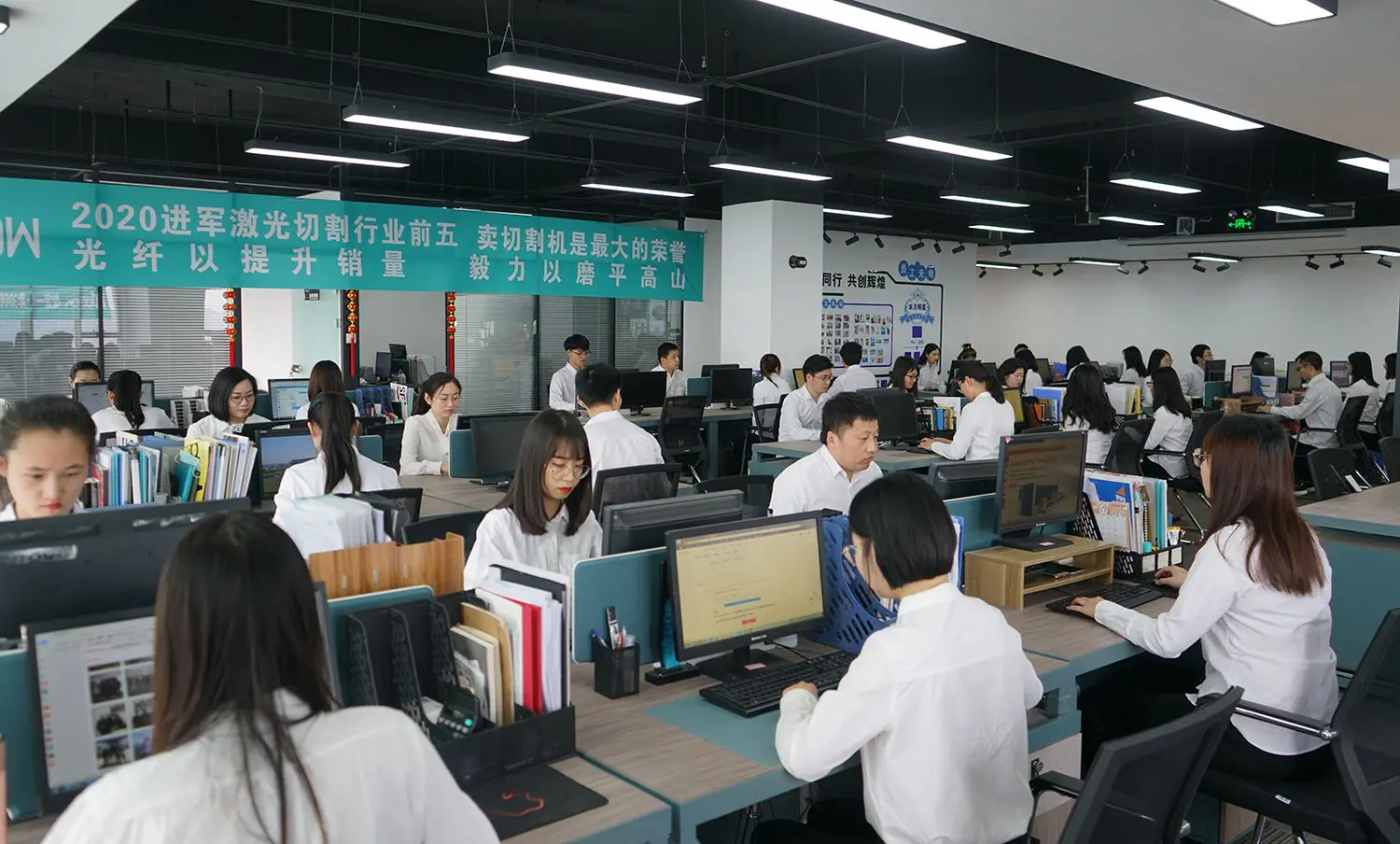
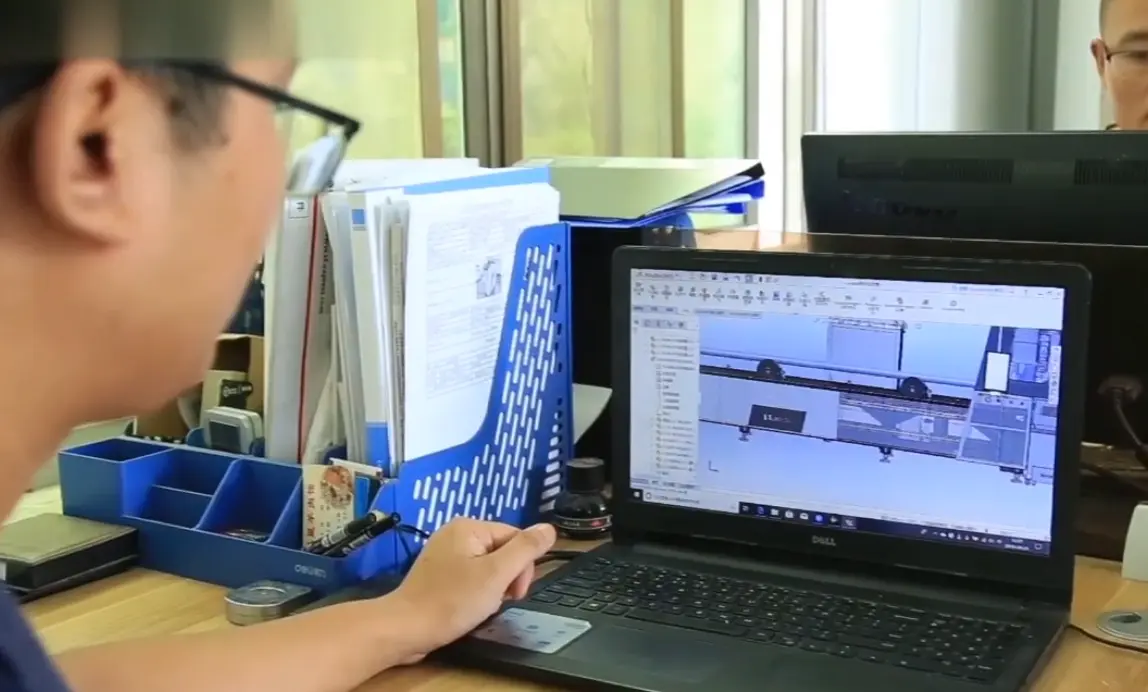
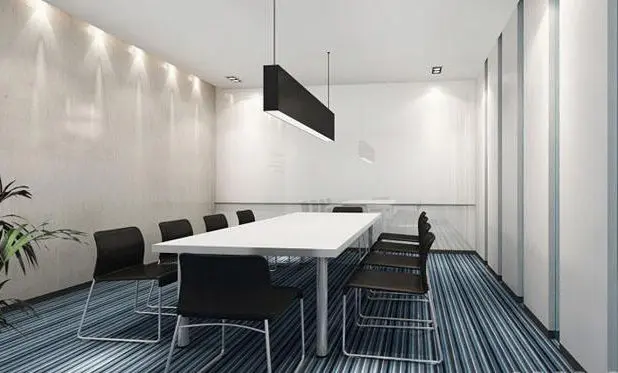
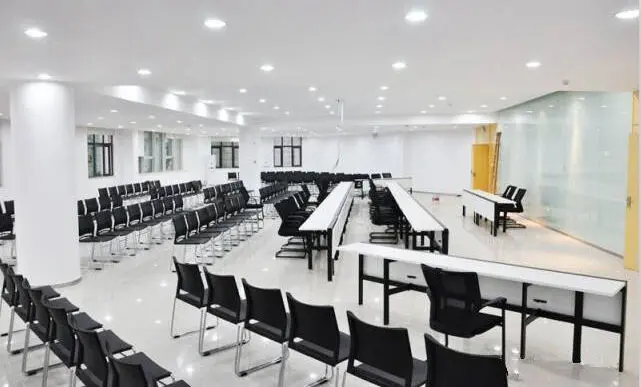
Bridging the gap between hardware power and digital execution on the production floor.
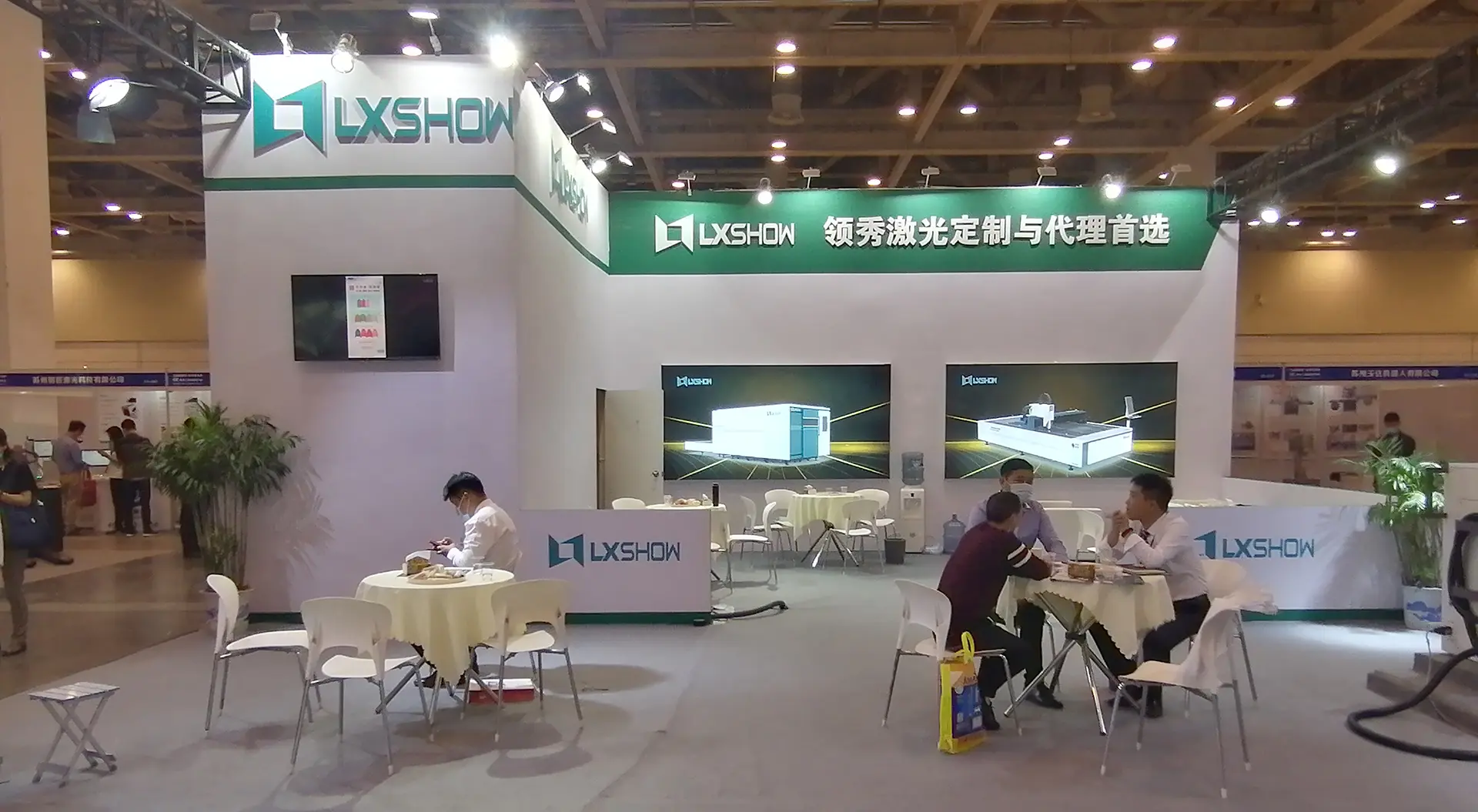
Our core product matrix consists of three primary technologies designed to work in synergy on the modern factory floor: 1. CNC Fiber Laser Cutting Systems, 2. Automated Laser Welding Solutions, and 3. Industrial Laser Surface Cleaning Stations. Together, these technologies establish a complete product lifecycle pipeline: preparing raw metal surfaces, performing high-tolerance profiling, and executing structurally flawless welds.
By investing heavily in local machine communication centers, we help our partners build unified smart factories. Real-time diagnostic telemetry, remote software optimization, and sensor-driven machine monitoring reduce unplanned downtime to near-zero. Our goal is to stand as a pillar of global smart manufacturing, enabling companies to build responsive, self-healing production environments.
Our strategic vision for the next generation of laser manufacturing equipment.
Before 2030, our equipment will feature integrated real-time closed-loop optical sensors. These allow the machine to adapt the beam profile and focus height dynamically depending on surface variations, carbon concentrations, and heat buildup in the material, ensuring perfect cuts across uneven sheets.
Our technical development focus is on minimizing assist-gas consumption. By developing patented aerodynamic nozzles, we reduce nitrogen flow requirements by up to 40% while maintaining clean edges. This technology helps global factories achieve lower operational costs and carbon footprints.
Before 2040, we aim to transition from human-supervised machine lines to fully autonomous smart plants. By combining multi-axis robotic arms, automatic sorting cells, and AGV floor vehicles, raw sheet metal will be loaded, cut, bent, sorted, and packed without manual intervention.
Providing technical security, regulatory adherence, and engineering support around the world.
Our dedicated American service team helps local facilities navigate OSHA compliance, FDA radiation safety records, and local grid frequency calibrations. We stock original spare parts in local warehouses to guarantee rapid delivery when needed.
Operating under the European Union machinery directives, our equipment features dual-channel safety loops, functional safety enclosures, and strict electromagnetic compatibility (EMC) shielding. This makes installation and operations safe and compliant across Europe.
We provide extensive technical training schools and online webinars to support local metal fabricators in emerging regions. This ensures operators can safely program, operate, and maintain their machines to maximize daily throughput.
Expert technical answers addressing core design, configuration, and performance inquiries.
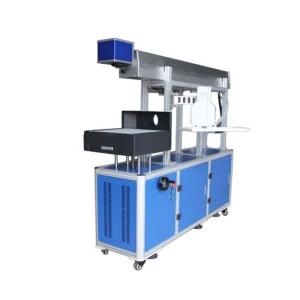
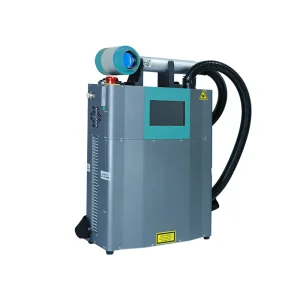
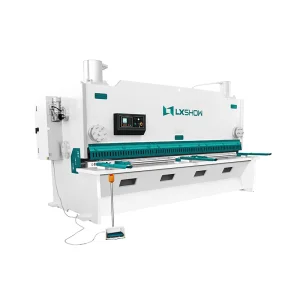
Select premium industrial solutions including laser cleaners, multi-axis tube cutters, dynamic markers, and heavy bending machinery.
 Lxshow