Explore our flagship heavy-duty cutting, marking, and cladding systems designed to solve challenging high-rigidity processing requirements.
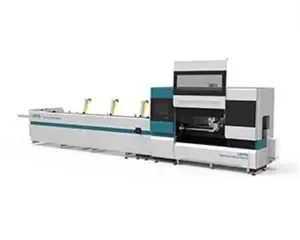
An in-depth guide to modern manufacturing challenges, total cost of ownership (TCO), and advanced thermal cutting parameters.
Over the past decade, the global manufacturing landscape has witnessed a rapid transition from traditional CO2 laser systems to high-efficiency fiber solid-state lasers. In structural steel fabrication, automotive stamping, and aerospace engineering, procurement teams are prioritizing systems with power bands ranging from 12kW to 30kW+.
These ultra-high-power fiber systems deliver dual-fold advantages: significantly enhanced laser beam absorption rates in common metallic materials, and a massive boost in structural processing speeds. For instance, when utilizing Nitrogen as an assist gas, a 20kW fiber laser cuts 20mm stainless steel up to 4 times faster than a standard 6kW source. This radical throughput enhancement dramatically reduces the amortization period of the machine bed, transforming capital expenditures into rapid net gains.
Choosing between Nitrogen, Oxygen, and High-Pressure Compressed Air directly shapes operational costs. Modern CNC cutting heads dynamically adjust nozzle standoff heights to cut down on gas turbulence, decreasing consumption by up to 25%.
A laser cutting system is only as precise as its physical chassis. High-acceleration linear motors and helical rack-and-pinion structures demand a foundation that can absorb extreme inertial forces without micro-deflection. To ensure precision, modern manufacturing plants utilize heavy, stress-relieved welded steel plates.
Our structures undergo high-temperature heat treatment protocols. The machine beds are heated to 600°C inside specialized annealing furnaces and cooled slowly over 24 hours. This relieves all internal stresses within the welded seams, preventing structural deformation over a decade of high-speed duty cycles. Without this critical processing step, a machine bed under persistent acceleration/deceleration will warp, resulting in beam misalignment and early cutting head wear.
X/Y Axis Positioning Accuracy: ±0.03mm | Repeatability: ±0.02mm. Built to handle standard gantry accelerations up to 1.5G, ensuring sharp-angle profile accuracy at high speeds.
Bridging the gap between raw metallurgy and laser-matter interactions. Our systems deliver calibrated parameter profiles for various metals.
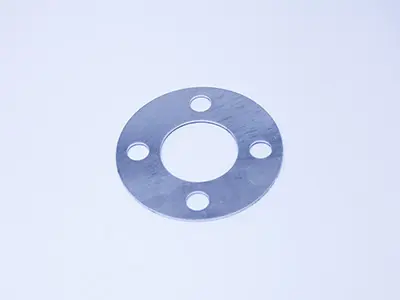
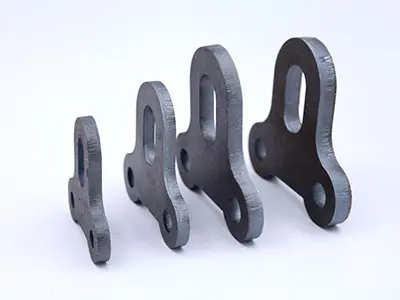
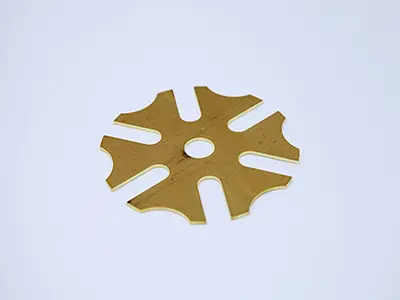
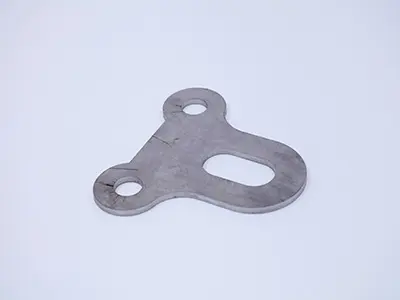
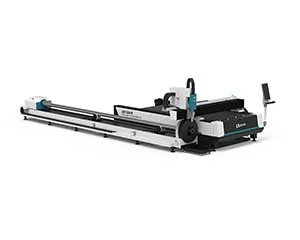
High-yield hydroformed tubular subframes, high-strength structural parts, and crash boxes demand swift, accurate cuts with zero deformation. Automated tube fiber cutters with quick-action hydraulic chucks ensure seamless volume production, minimizing post-cut deburring costs.
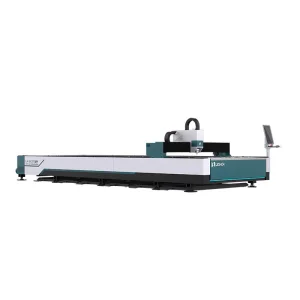
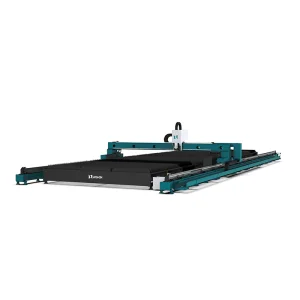
For architectural steel structures and large-format bridge engineering, our ground-track ultra-large fiber lasers (such as the 13035lA 12kW-20kW systems) enable direct processing of thick plate structures, skipping multi-step edge prep and optimizing beam performance.
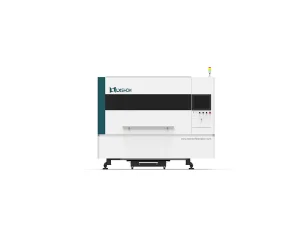
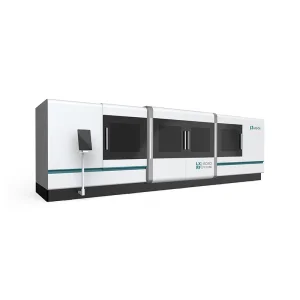
For fine electrical enclosures, kitchenware, and custom brackets, our compact, enclosed precision systems (like the LX1390M) deliver excellent cut quality. These smaller units feature specialized narrow-nozzle technology for detailed contours and miniature geometries.
Our long-term R&D is focused on expanding beyond raw cutting speeds toward complete process integration. By 2040, laser systems will operate as fully autonomous manufacturing hubs. This includes advanced optical diagnostic loops, real-time closed-loop parameter adjustments via machine vision, and automatic scrap sorting systems.
Key focus areas of our technological development include:
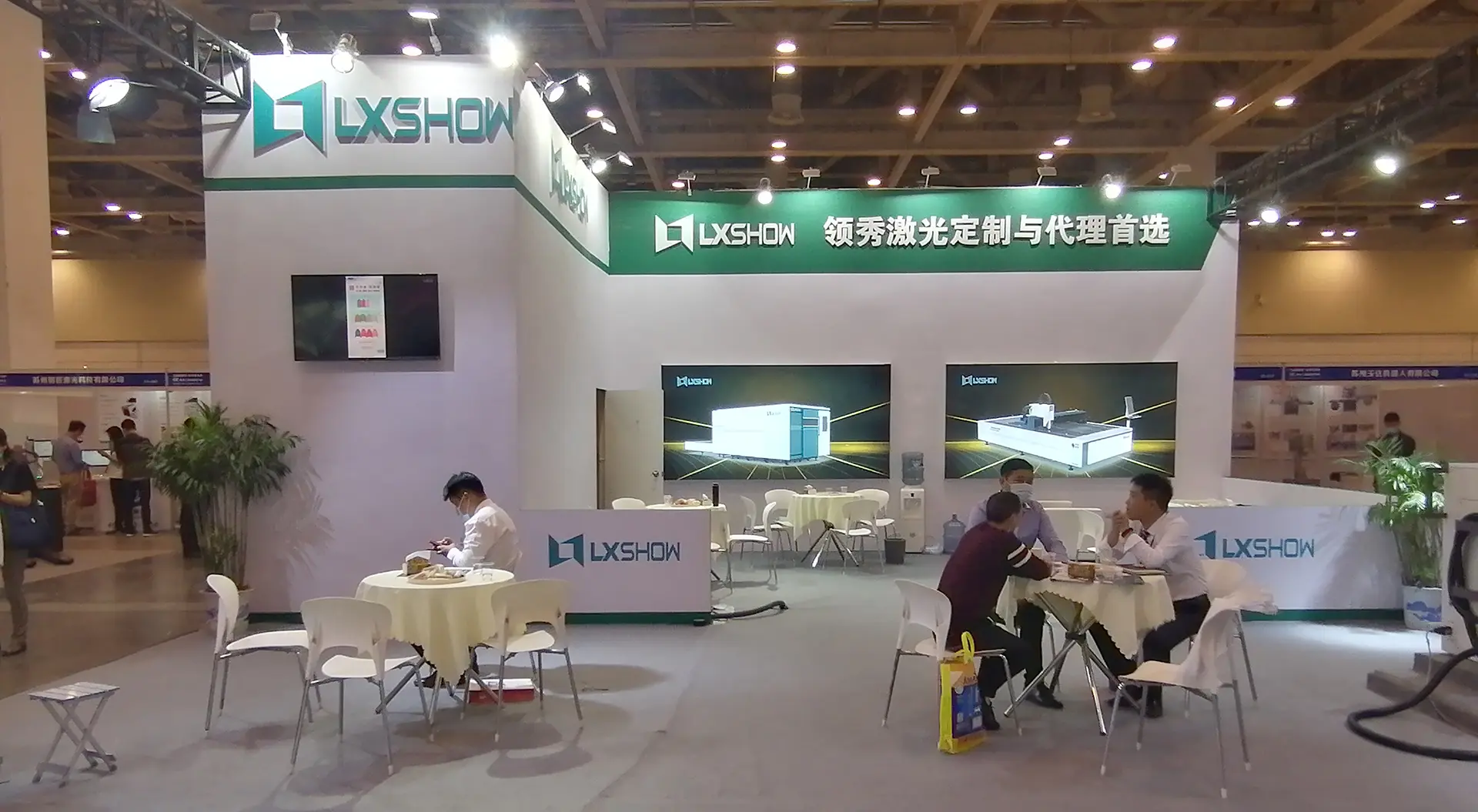
Since 2004, we have provided high-end laser systems to over 150 countries. Tour our advanced manufacturing facility and corporate campus.
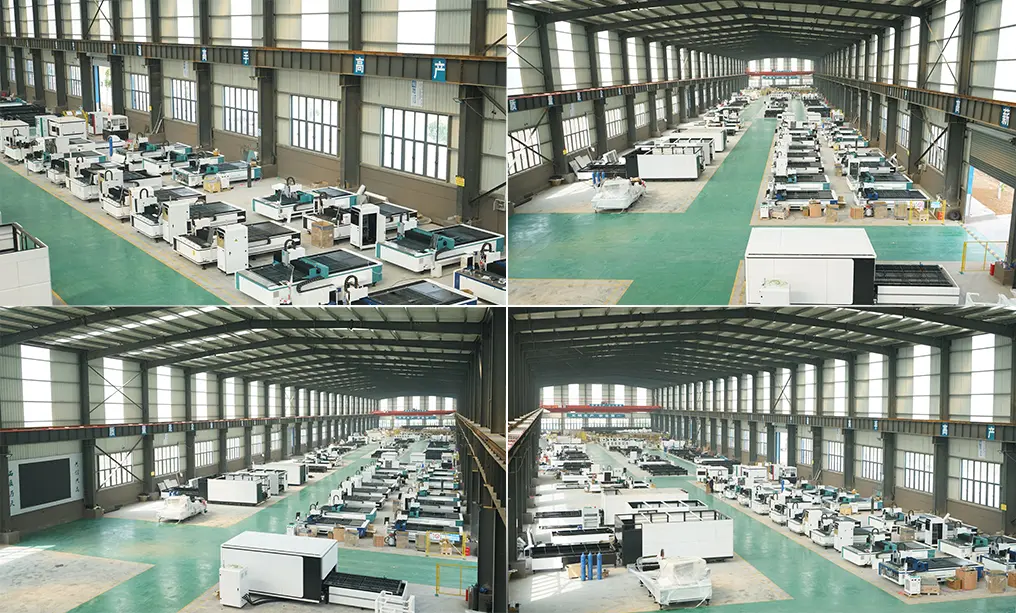
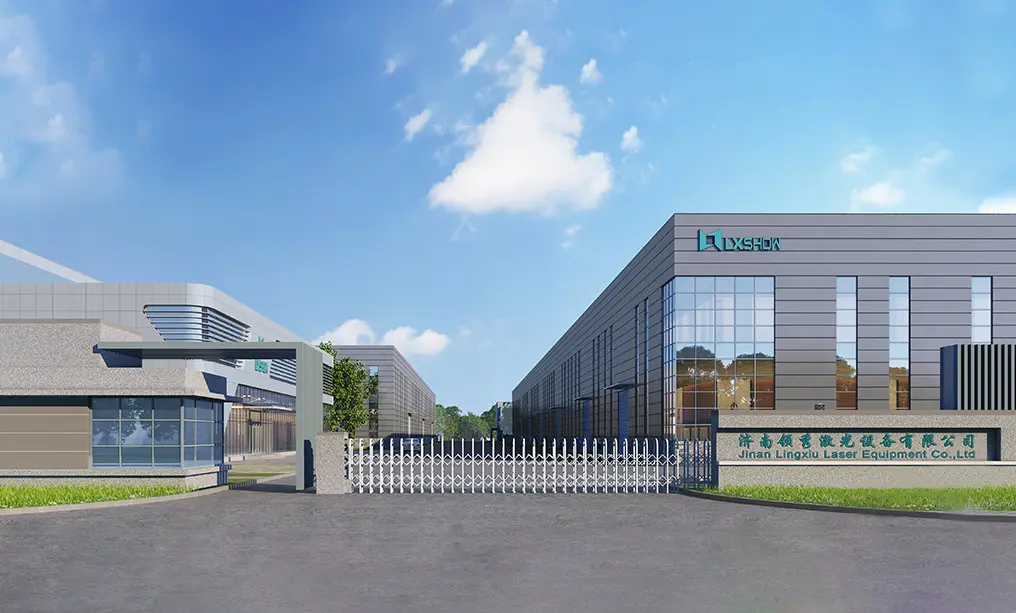

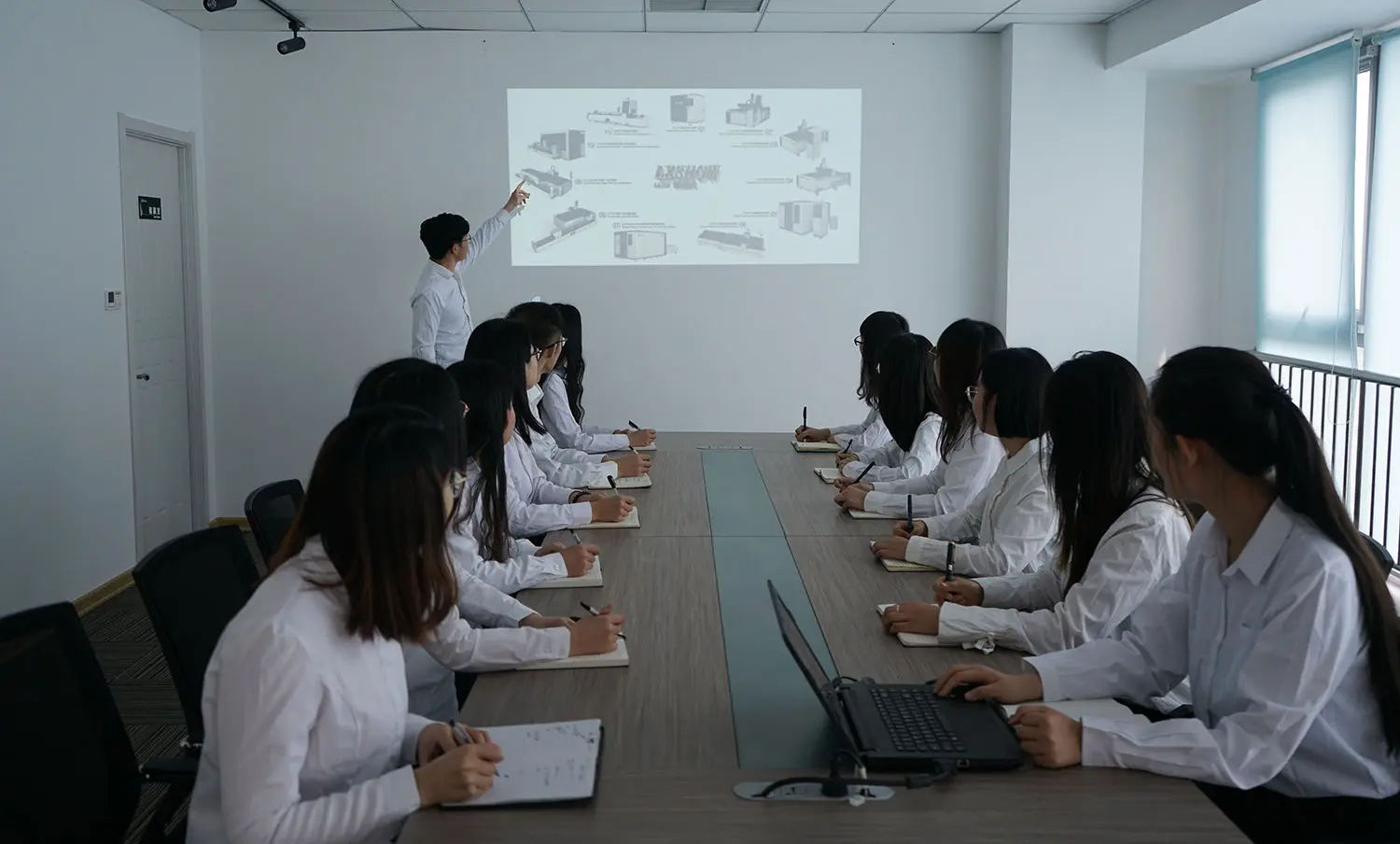
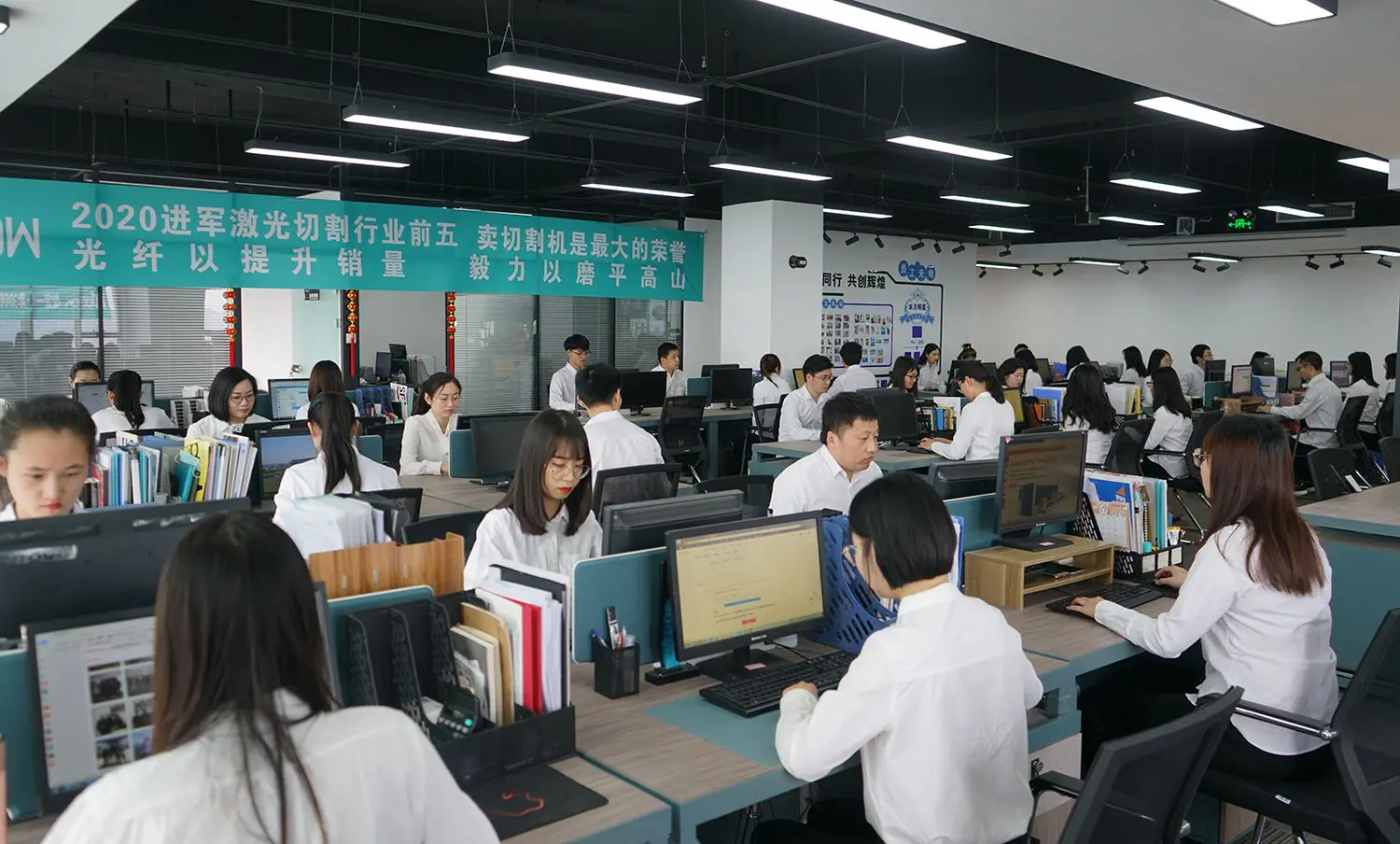
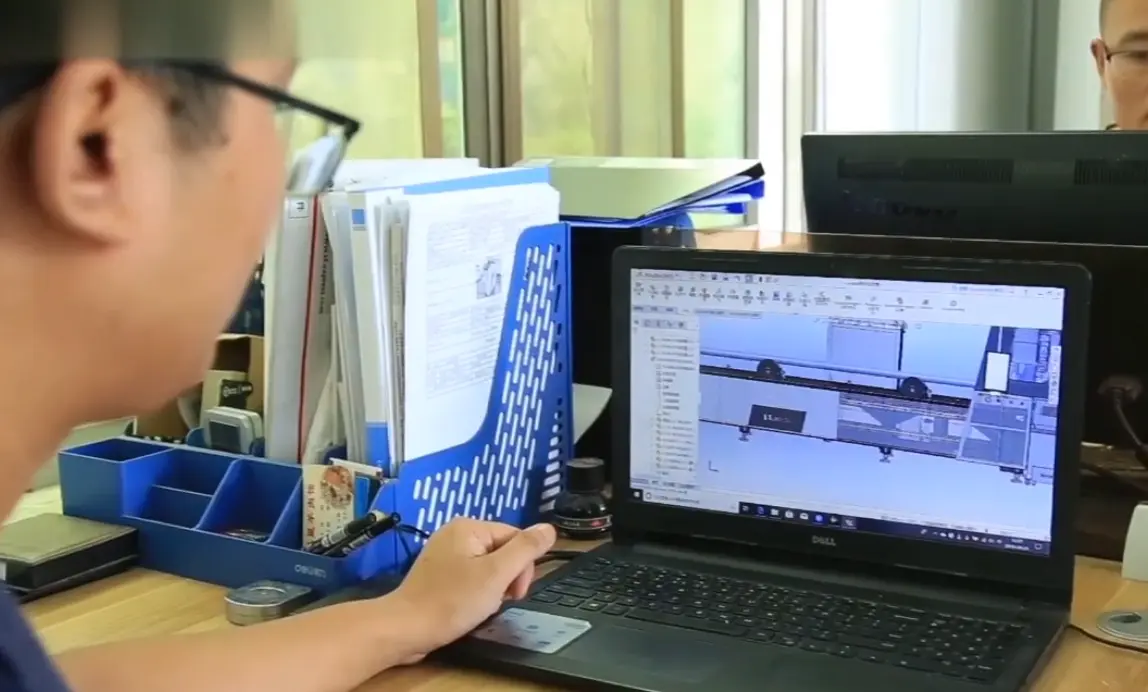
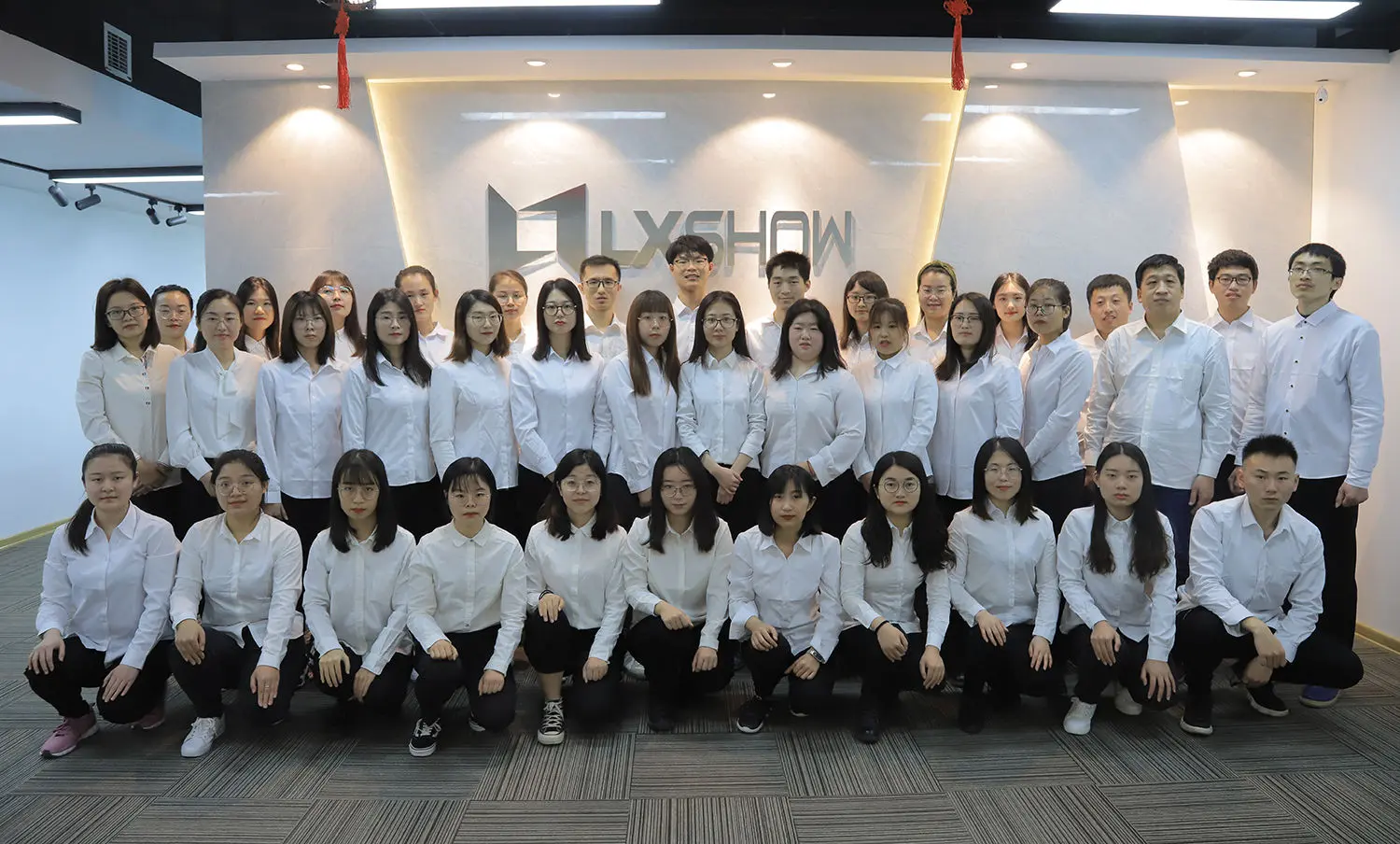
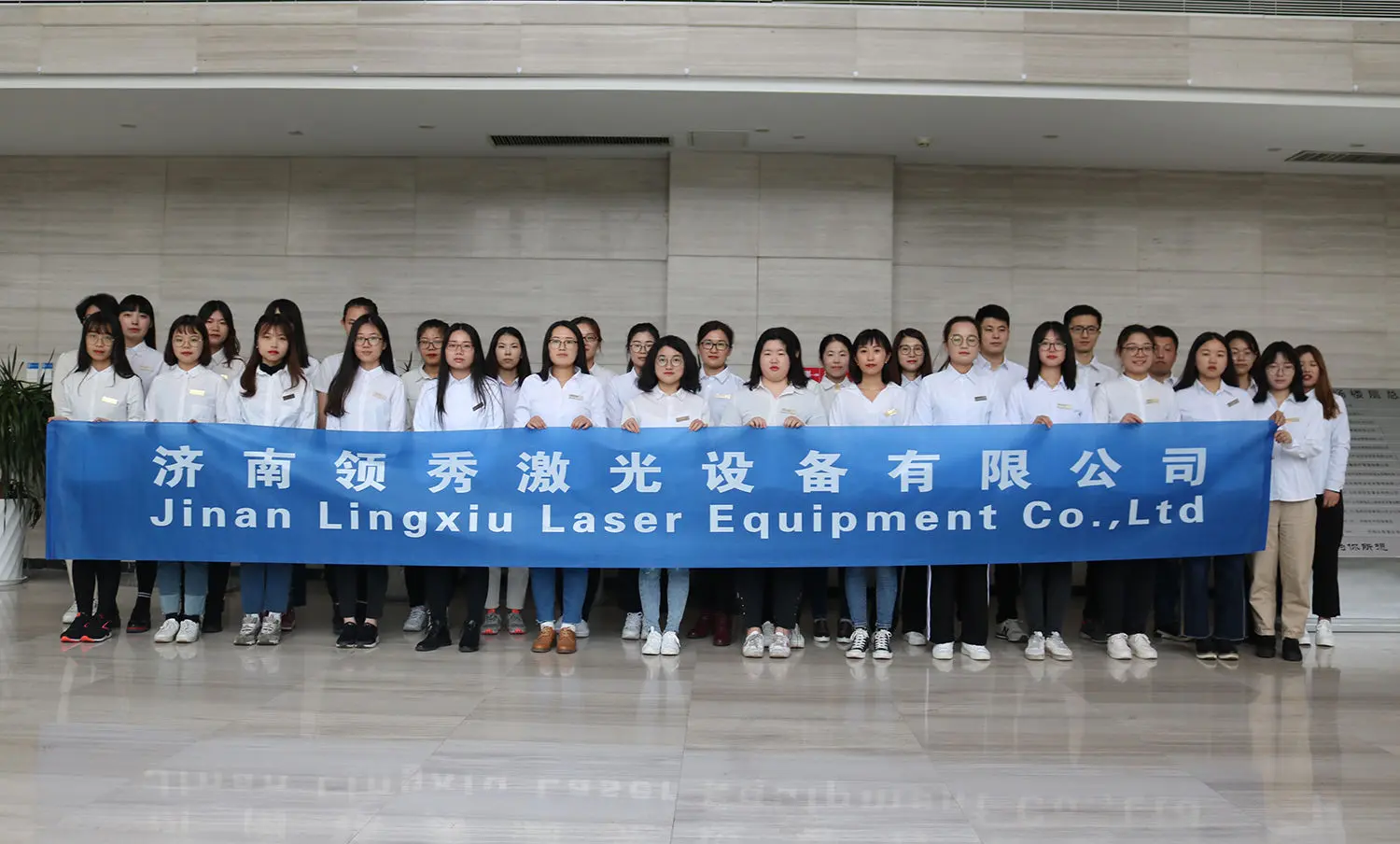
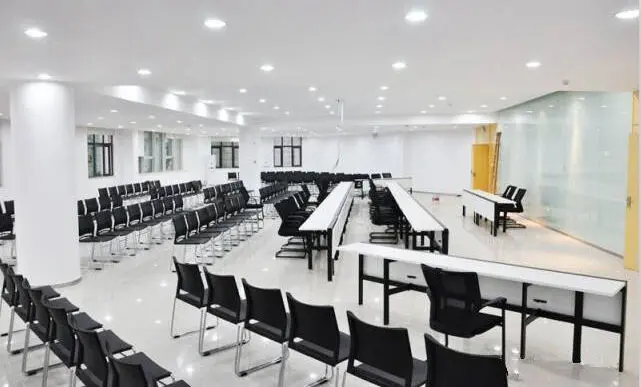
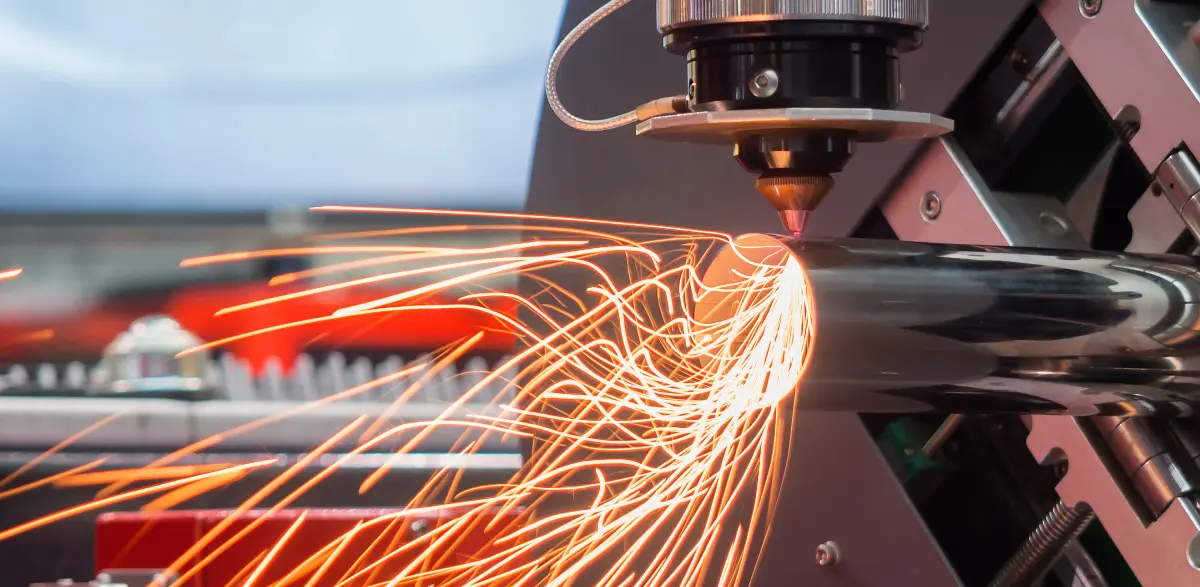
Every laser system assembled in our 32,000 square meter factory undergoes strict testing prior to dispatch. Alignment is verified using precision laser interferometers to calibrate the axis coordinates, ensuring exact positioning across the entire travel range.
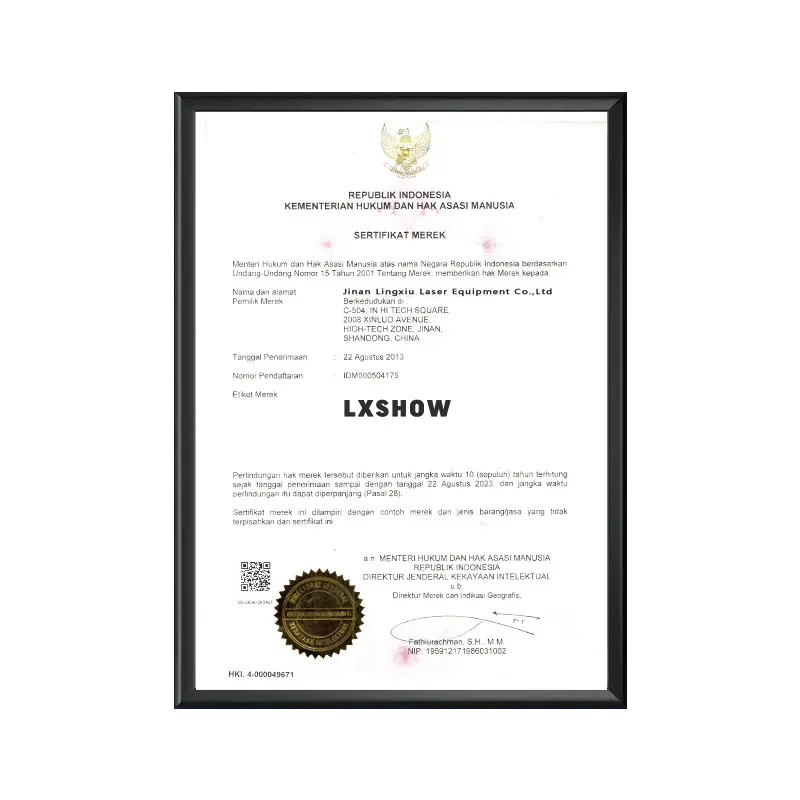
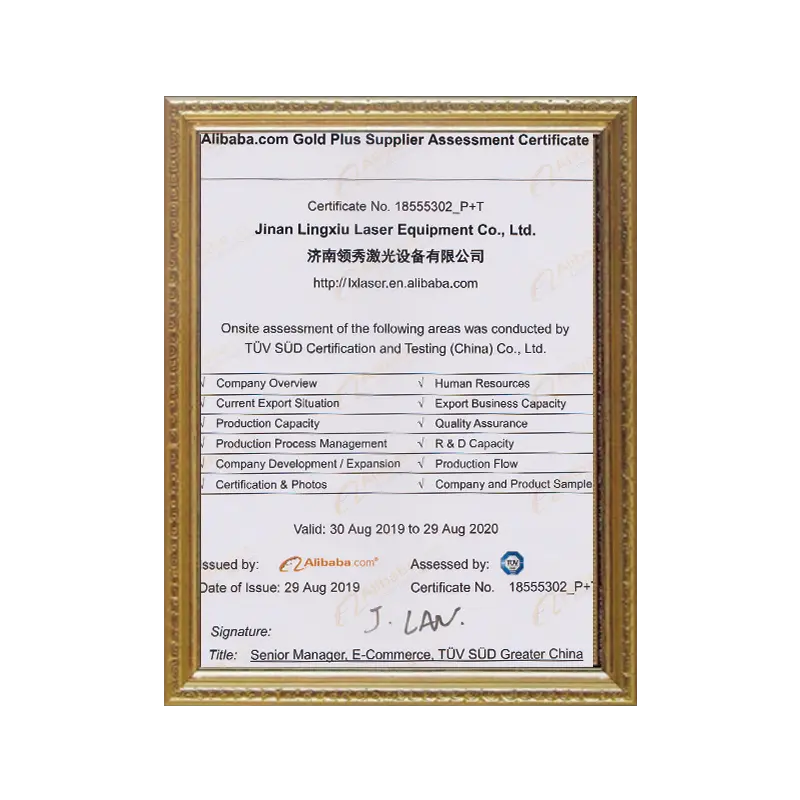
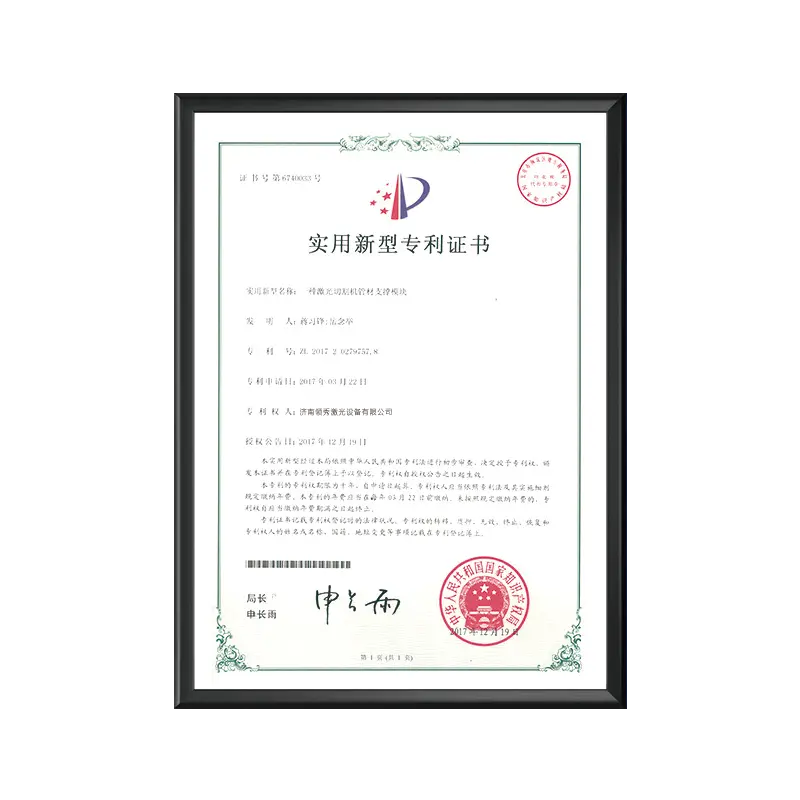
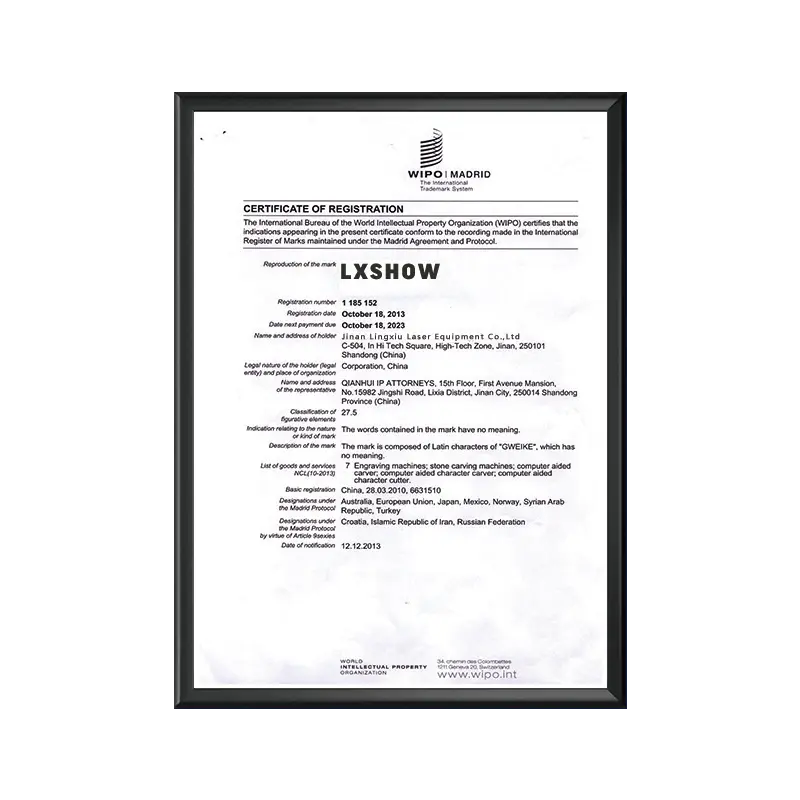
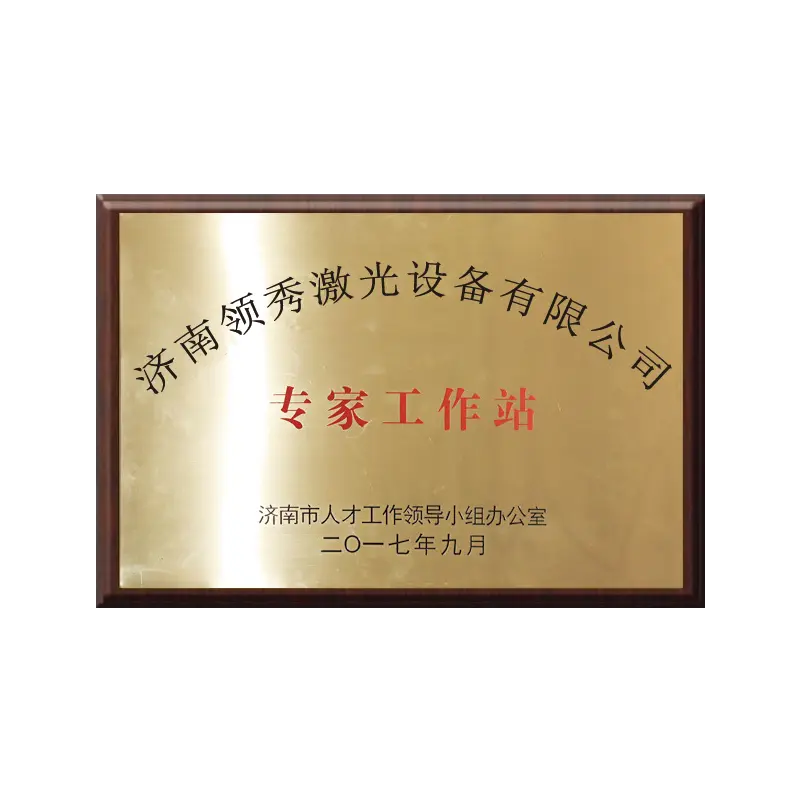
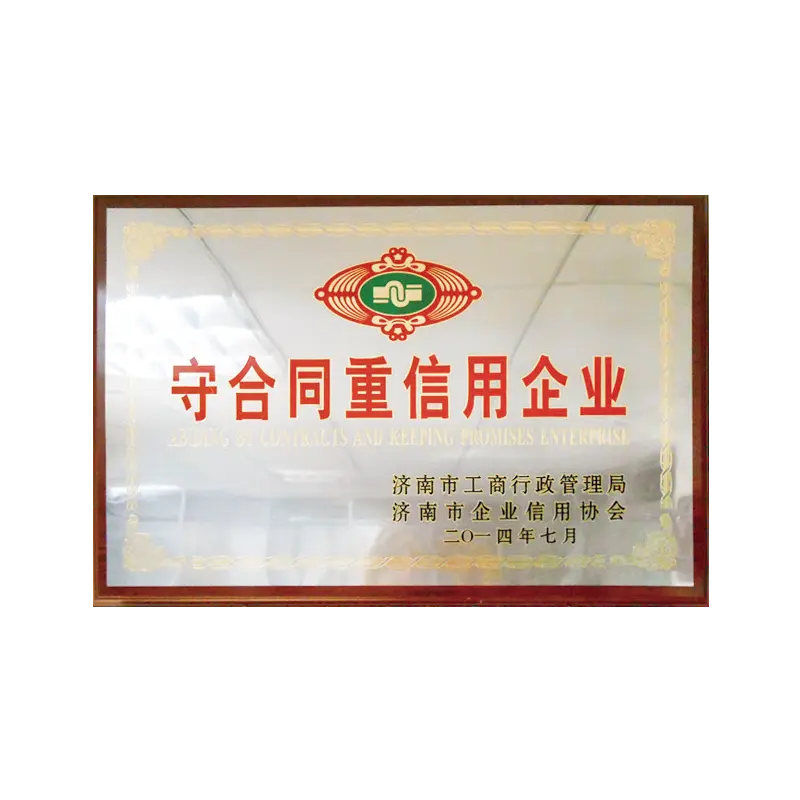
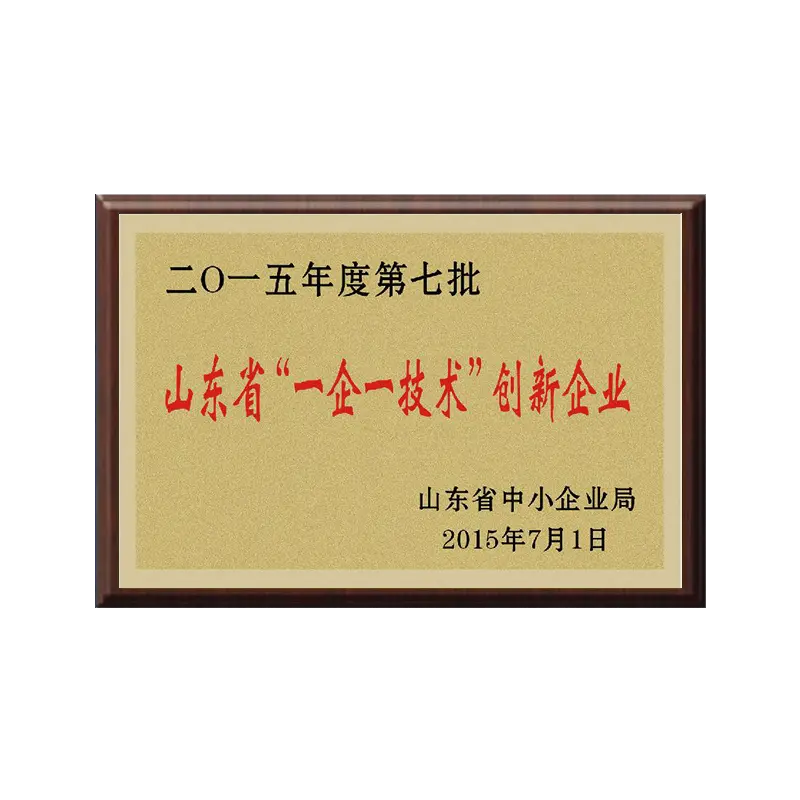
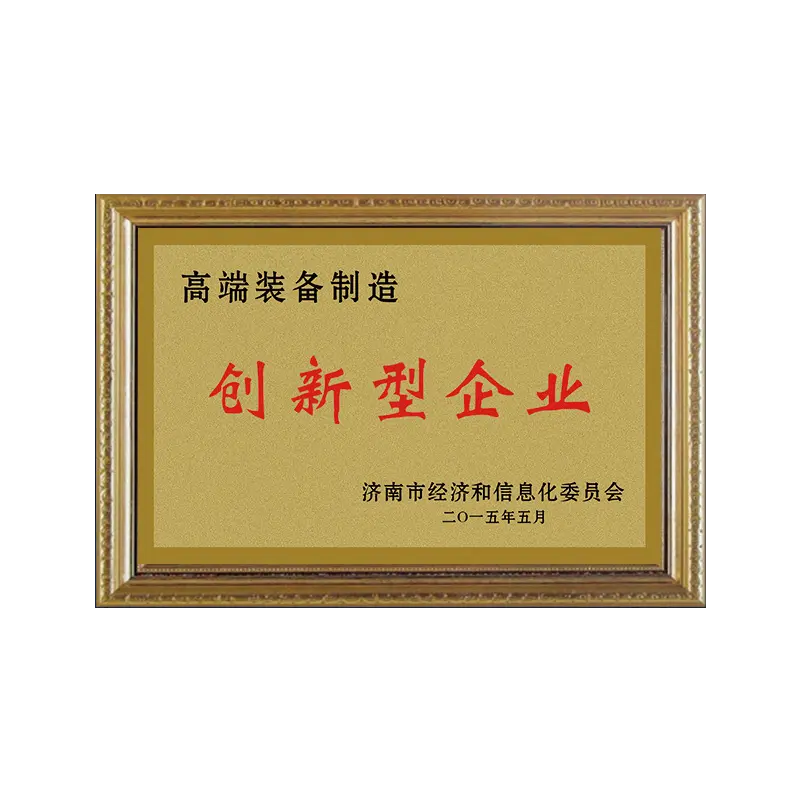
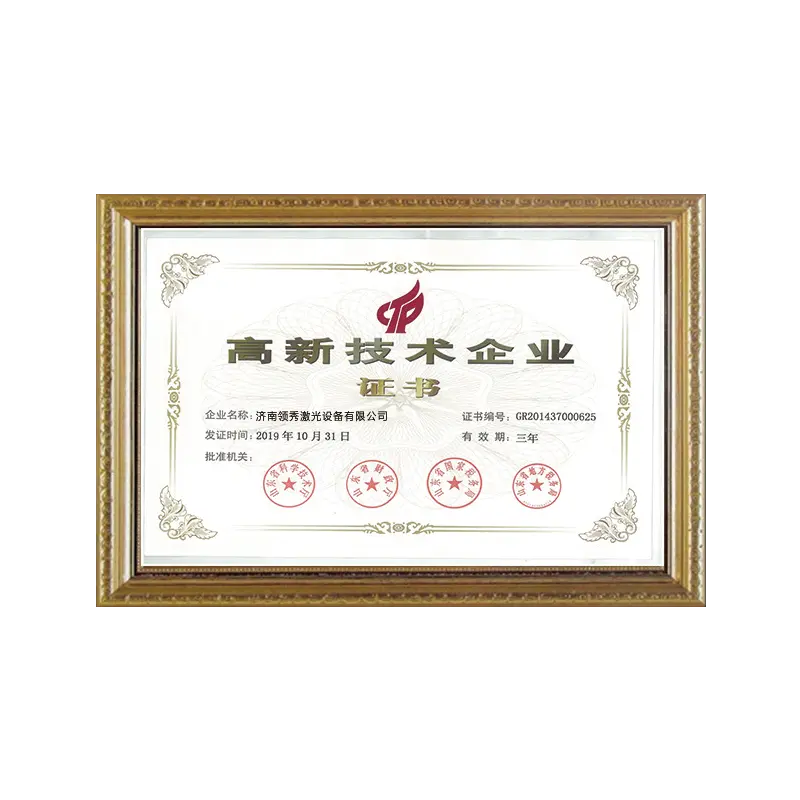
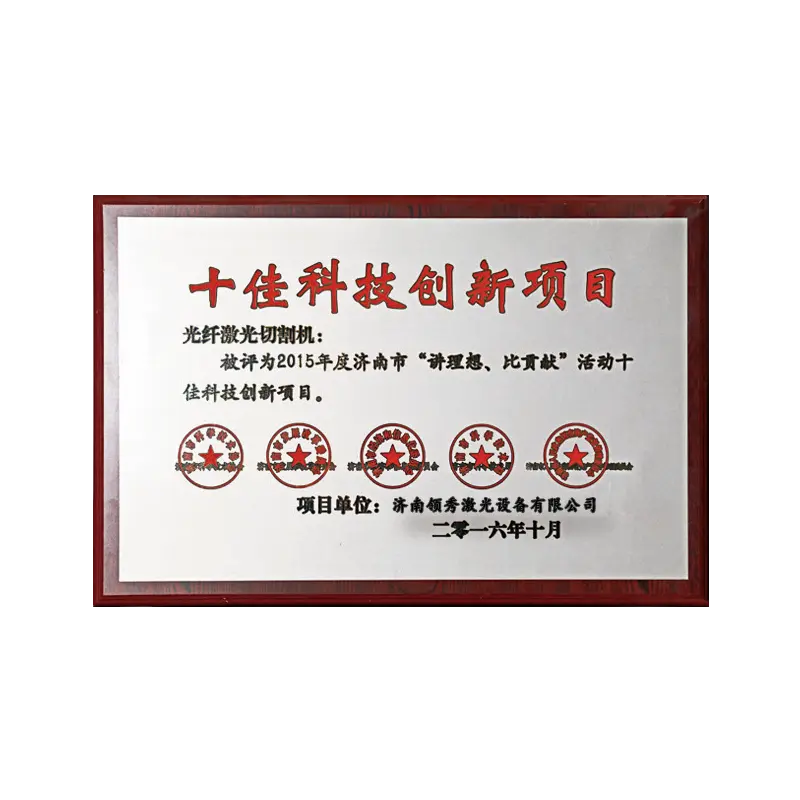
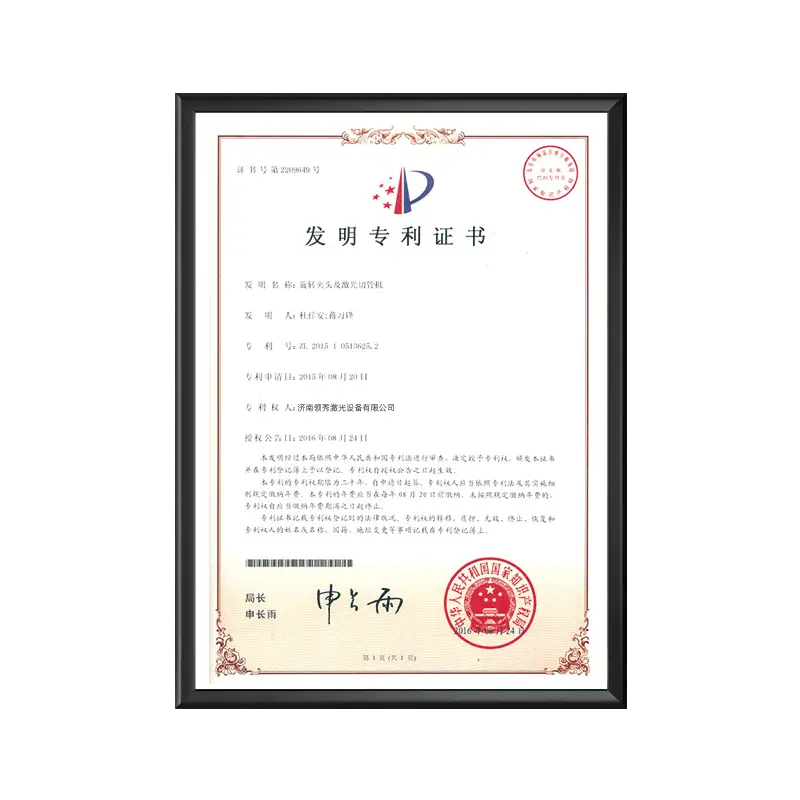
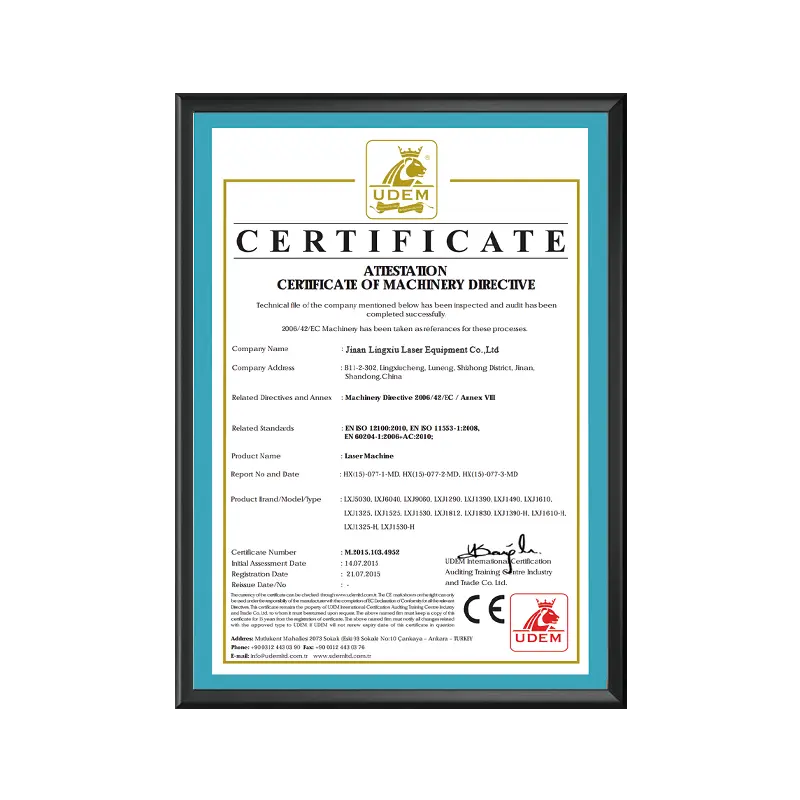
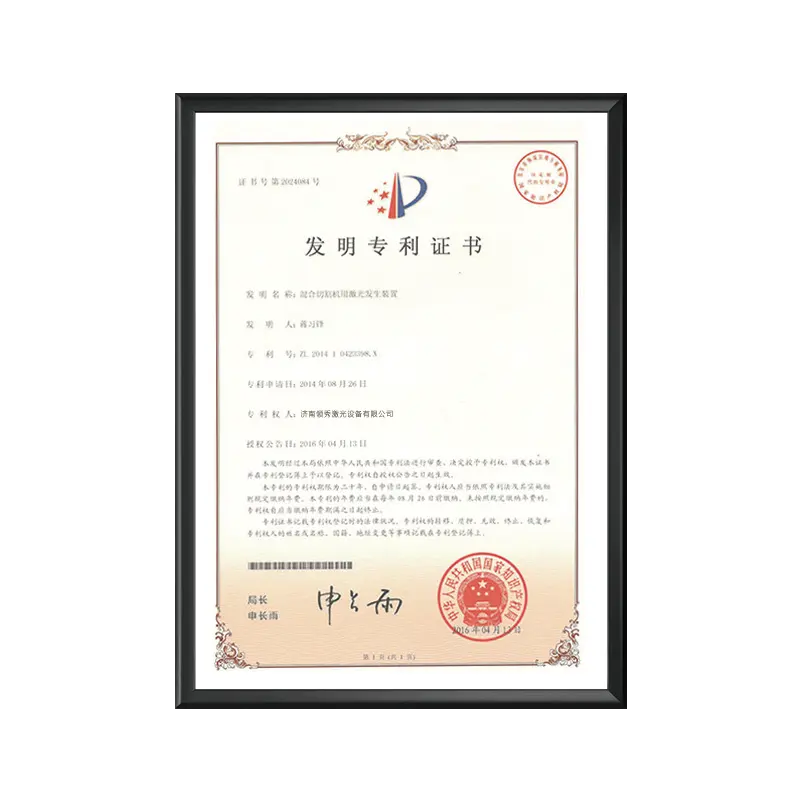
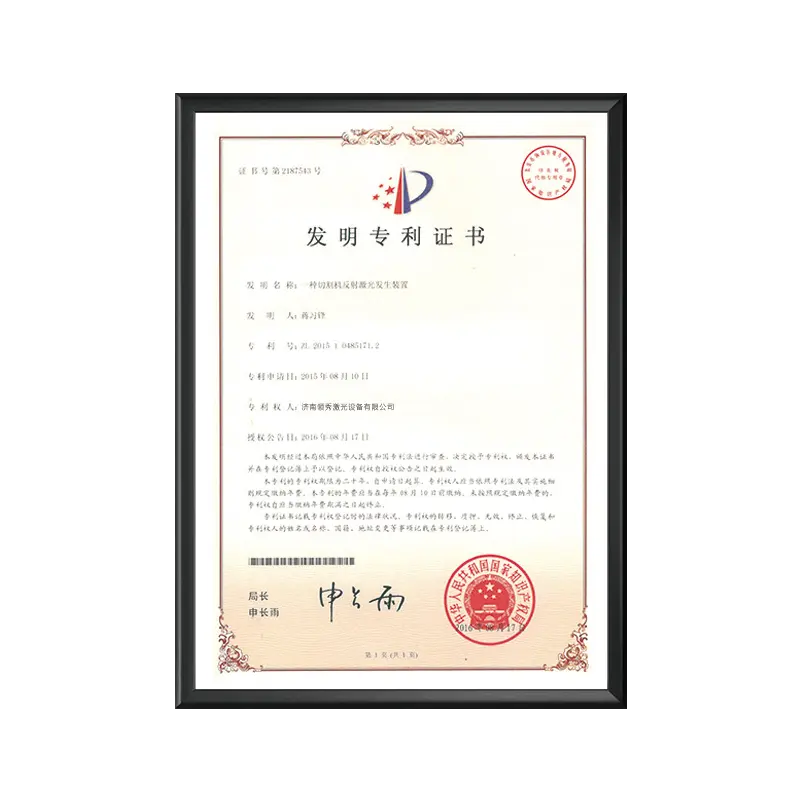
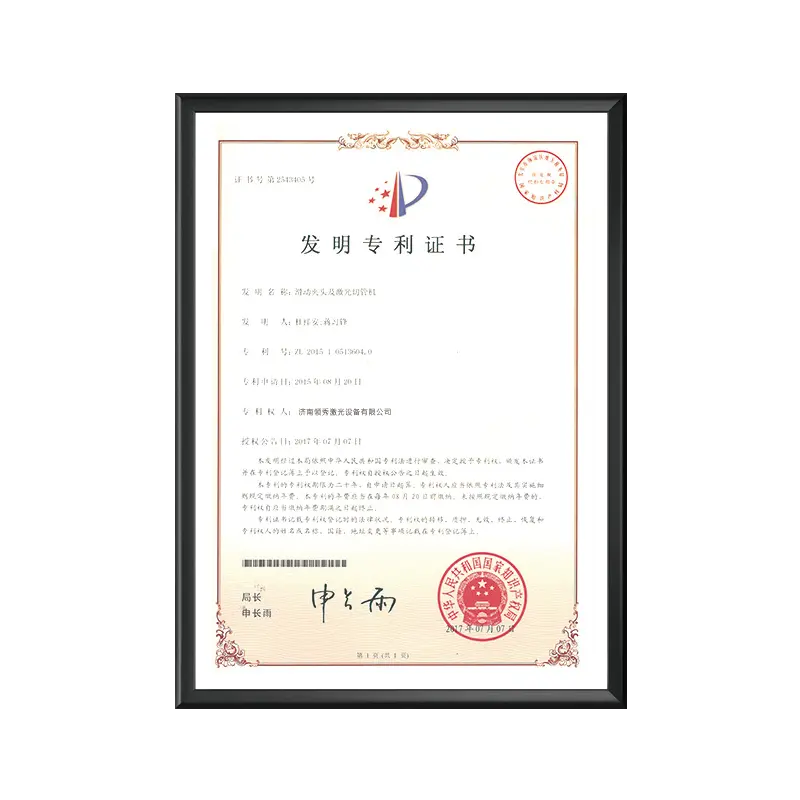
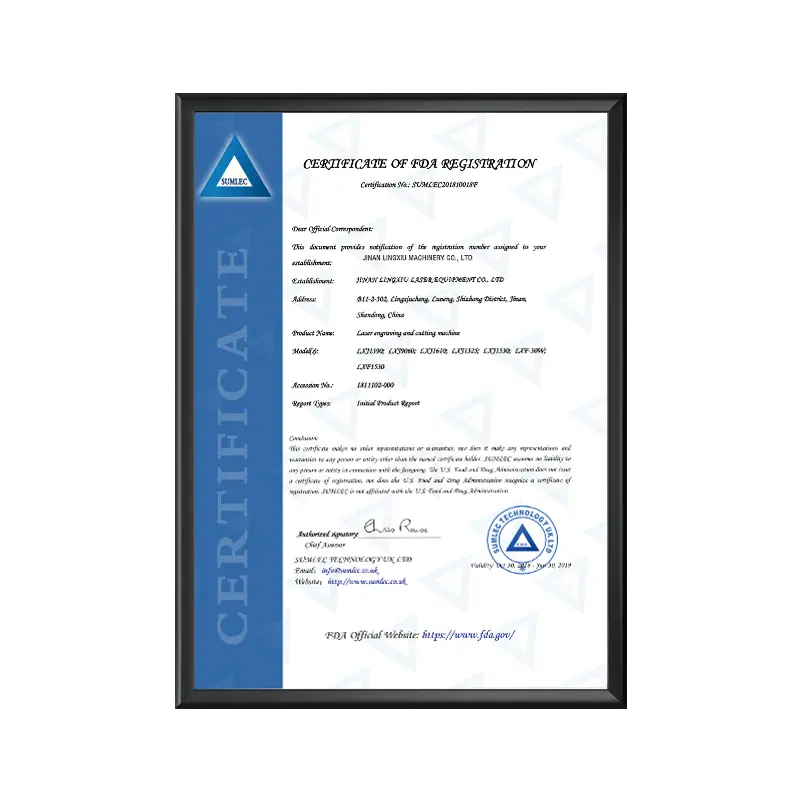
Our commitment to quality is backed by international certifications, establishing trust with global manufacturers:
Comprehensive service plans, spare parts distribution, and localized compliance assurance across 6 continents.
Recognizing that unscheduled downtime can disrupt production schedules, we provide remote diagnostics on all CNC controllers. By integrating IoT diagnostic modules, our service engineers can connect to your system to adjust parameter files, update software, and identify potential issues before they cause downtime.
For hands-on support, our global distributor network is backed by factory-trained field engineers. We stock original consumables (including focus lenses, protection windows, ceramic rings, and nozzles) in regional warehouses to ensure rapid delivery.
Operating high-power class 4 lasers requires strict adherence to safety guidelines. Our enclosed systems feature certified OD6+ viewing windows, protecting operators from hazardous reflections while allowing visual monitoring of the work envelope.
Additionally, we integrate advanced exhaust systems with dust collectors to filter out fine metal dust and hazardous fumes. Safety interlocks automatically stop the machine if the enclosure door is opened during operation, ensuring compliance with local workplace safety regulations.


Expert answers to critical operational, structural, and configuration questions about CNC fiber laser systems.
Complete your production line with our heavy-duty sheet processing, pipe bending, laser welding, and mechanical finishing machines.
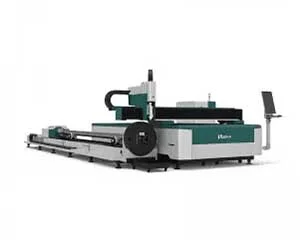
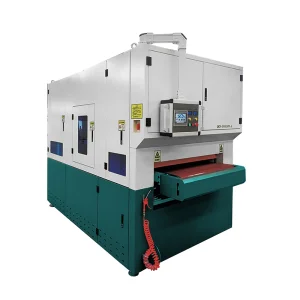
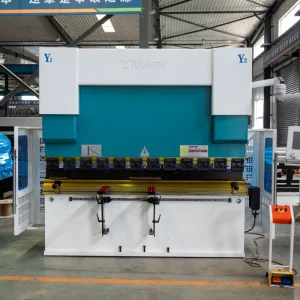
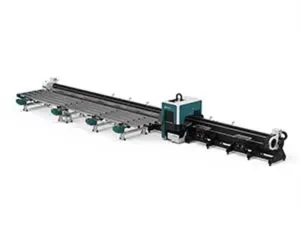
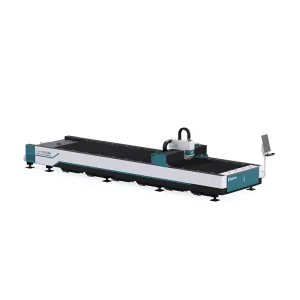
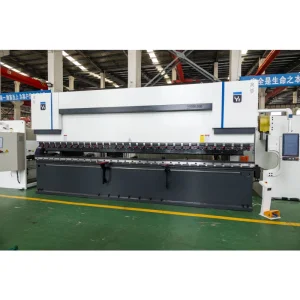
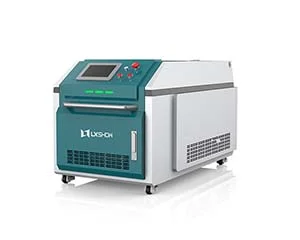
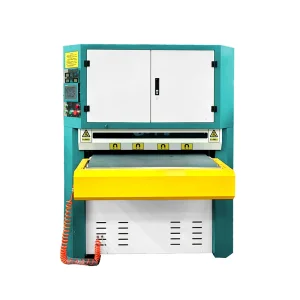
Review our specialized laser machining portfolios, including high-power tube profiling, laser cladding, rust removal, and press brake bending.
Engineered for high-speed cutting of mild steel, stainless steel, and aluminum plates. High-acceleration gantry configuration maximizes productivity.
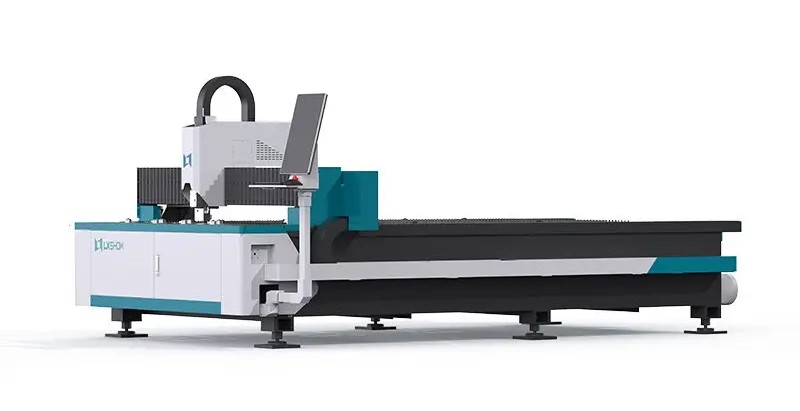
Multi-purpose models equipped with a rotary axis attachment, providing a cost-effective solution for facilities processing both flat sheets and profiles.
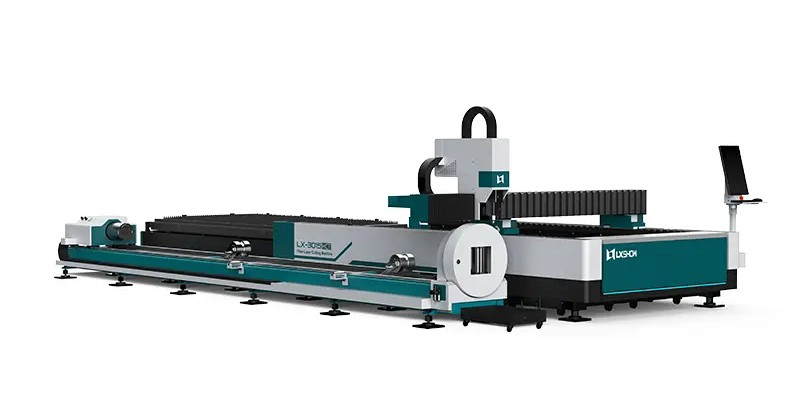
Specialized chuck systems designed for processing round, square, oval, and rectangular tubes, featuring rapid load assists and high rotational accuracy.
 Lxshow