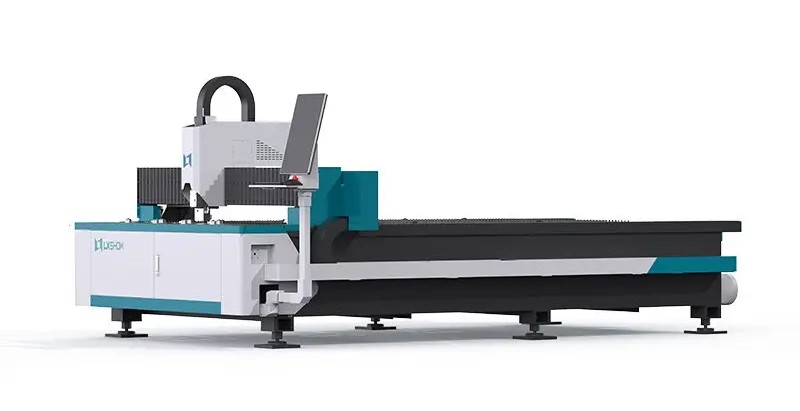
ODM Fiber Metal Laser Cutting Machine Supplier & Suppliers

Global Industrial-Grade Laser Metal Processing Solutions: Engineering Precision, Scalability, and Smart Automation Systems for Industry 4.0

Proven Manufacturing Capacity & Global Footprint

Since 2004, we have established robust partnerships with over 20,000+ users worldwide, supplying world-class CNC laser solutions.

2004
Established Year
32,000 m²
Production Plant
150+
Countries Reached
20,000+
Active Users Globally
30+
Global OEM Partners

Whitepaper: Advancements in ODM Fiber Metal Laser Cutting Technology & Supply Chain Dynamics

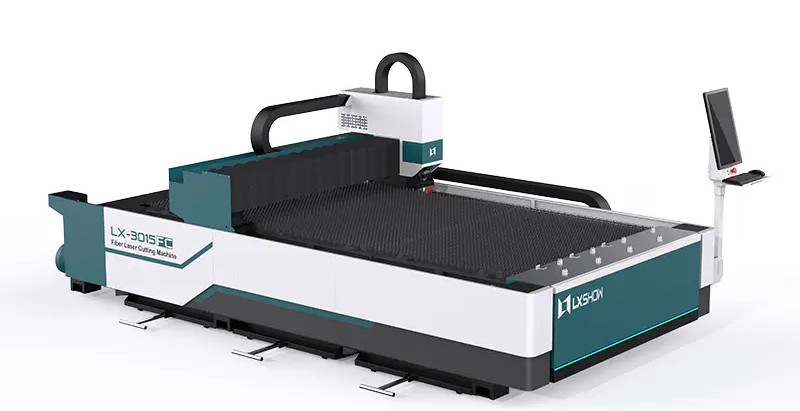
In the modern manufacturing landscape, the transition from traditional mechanical fabrication to automated smart production lines represents a critical leap in productivity. At the core of this industrial evolution is the fiber metal laser cutting machine. This whitepaper analyzes the engineering foundations, Chinese supply chain advantages, customizable Original Design Manufacturer (ODM) architectures, and global procurement matrices that empower modern engineering projects.

1. The Evolution of Fiber Laser Technology in Metal Processing

For decades, CO₂ lasers dominated sheet metal cutting. However, the introduction of solid-state fiber lasers revolutionized the sector. By transmitting the high-density beam through flexible fiber-optic cables rather than complex mirror paths, fiber lasers achieved unprecedented conversion efficiencies. The wall-plug efficiency of fiber lasers easily reaches 35% to 40%, whereas CO₂ lasers operate at approximately 8% to 10%.

Furthermore, the shorter wavelength of fiber lasers (typically 1.06 μm compared to 10.6 μm of CO₂) enables dramatically higher absorption rates in metallic elements, especially non-ferrous and reflective metals such as copper, brass, and aluminum. This difference enables higher cutting speeds at lower energy footprints, making industrial fiber laser machinery highly cost-efficient.

2. Macro Industrial Ecosystem: Navigating the Jinan Manufacturing Hub

Understanding where your CNC systems are designed and built is critical for supply-chain assurance. Our central factory, established in July 2004, encompasses over 500 square meters of dedicated R&D facilities and a massive 32,000 square meter production facility.

Jinan, Shandong province, has emerged as the global epicenter for industrial laser manufacturing. Sourcing from a Jinan-based ODM partner offers distinct advantages:

  • Integrated Supply Chain: Complete local availability of heavy-duty machine frames, gear racks, optical lenses, and laser sources ensures reduced manufacturing times.
  • Advanced Materials Engineering: Structural gantry beds are processed via high-temperature tempering cycles at 600°C for 24 hours to relieve structural stress, ensuring zero physical deflection over decades of operation.
  • Standardized Compliance: All manufacturing stages comply with strict international regulatory framework standards. Our machinery has passed the European Union CE authentication, American FDA certificate requirements, and is certified to ISO 9001 quality management standards.

3. Key Modules of Industrial ODM Fiber Laser Systems

To maintain high reliability, our custom ODM fiber laser machines integrate components from world-leading engineering companies:

Fiber Laser Sources

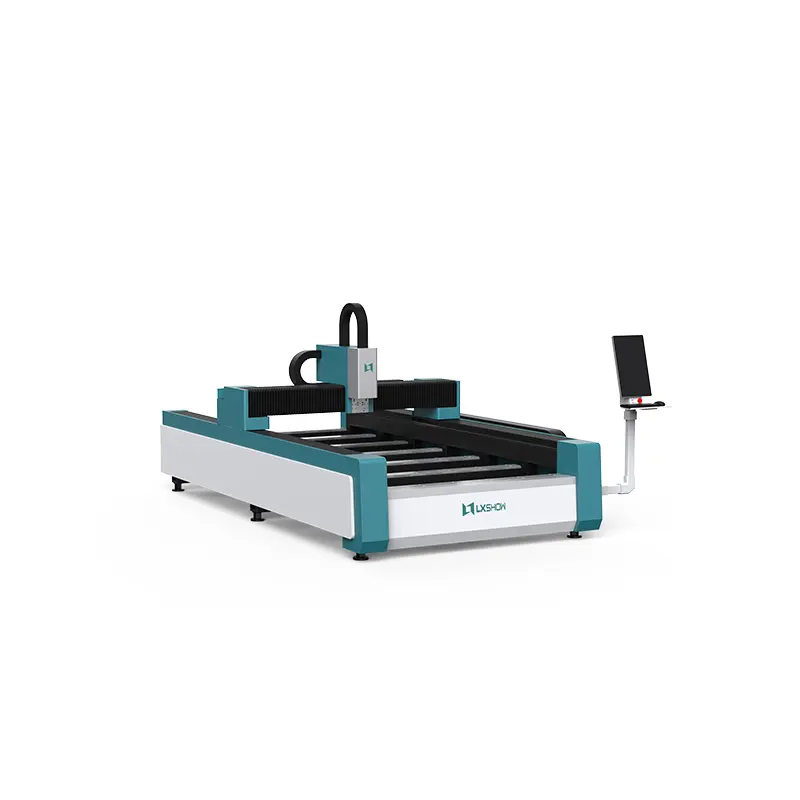
We configure high-power resonators from Raycus, IPG, Max, and JPT. Powers range from 1kW entry-level precision systems to 30kW ultra-high-power deep sheet cutting solutions.

Autofocus Laser Heads

Equipped with intelligent autofocus cutting heads from Raytools or Precitec. These systems include dual-water-cooling circuits and automated focus adjustments for high-speed operation.

CNC Software & Controls

Our platforms run on user-friendly control systems (such as CypCut, CypOne, or Beckhoff EtherCAT systems), integrating CAD/CAM nesting optimization, micro-joint placement, and collision-avoidance technology.

4. Global Procurement Matrix: Evaluating Total Cost of Ownership (TCO)

When evaluating suppliers for metal processing equipment, the purchase price represents only a portion of the Total Cost of Ownership (TCO). Sourcing managers must assess operational efficiency, downtime prevention, auxiliary gas consumption, and wear-and-tear component accessibility.

Implementing our high-efficiency fiber metal laser cutters helps lower utility expenditures through optimized system integration. Additionally, our automated dual-exchange tables reduce load-unload cycles to under 15 seconds, maximizing laser uptime.
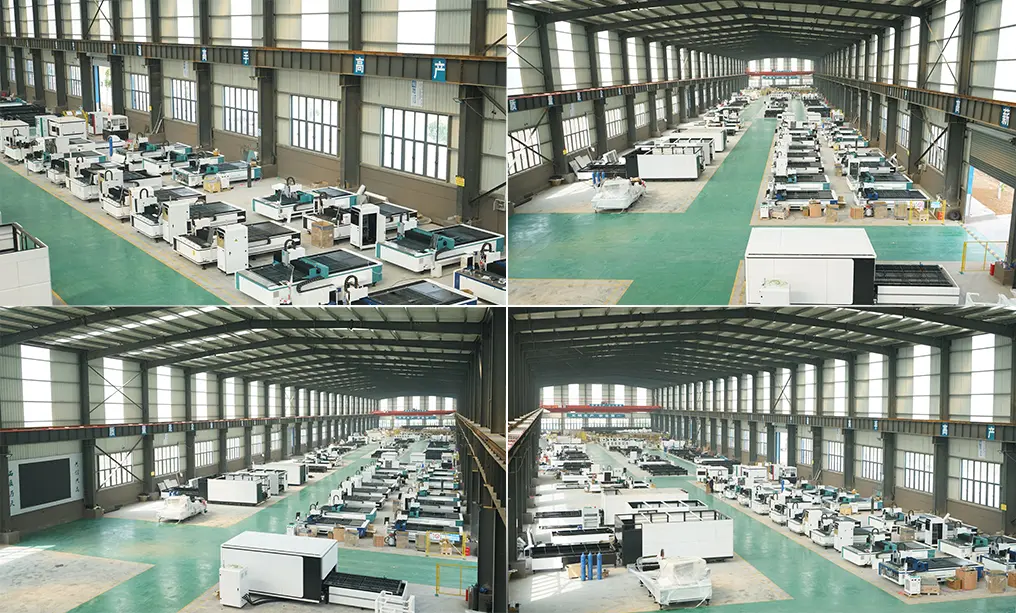
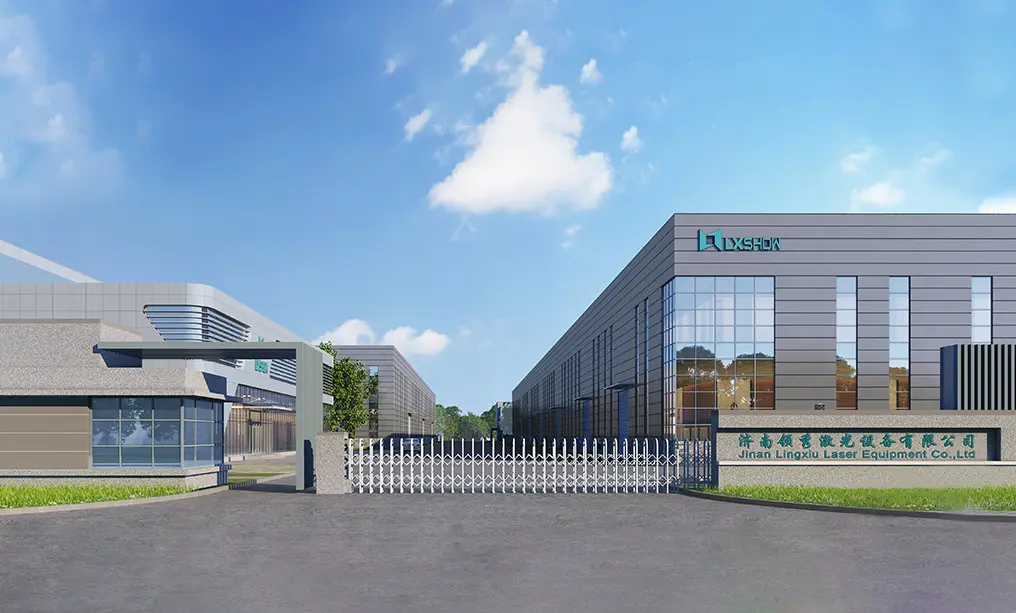
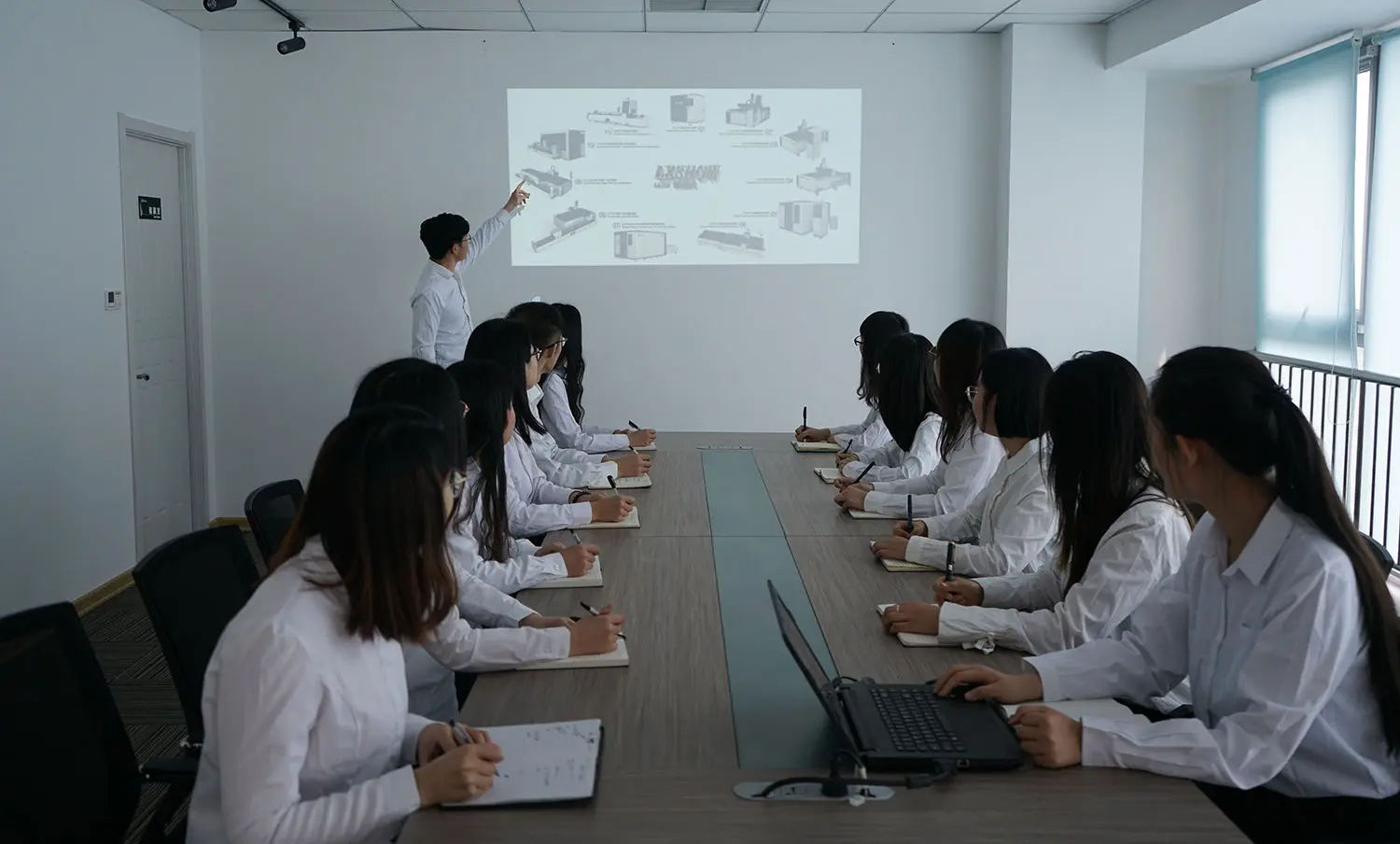
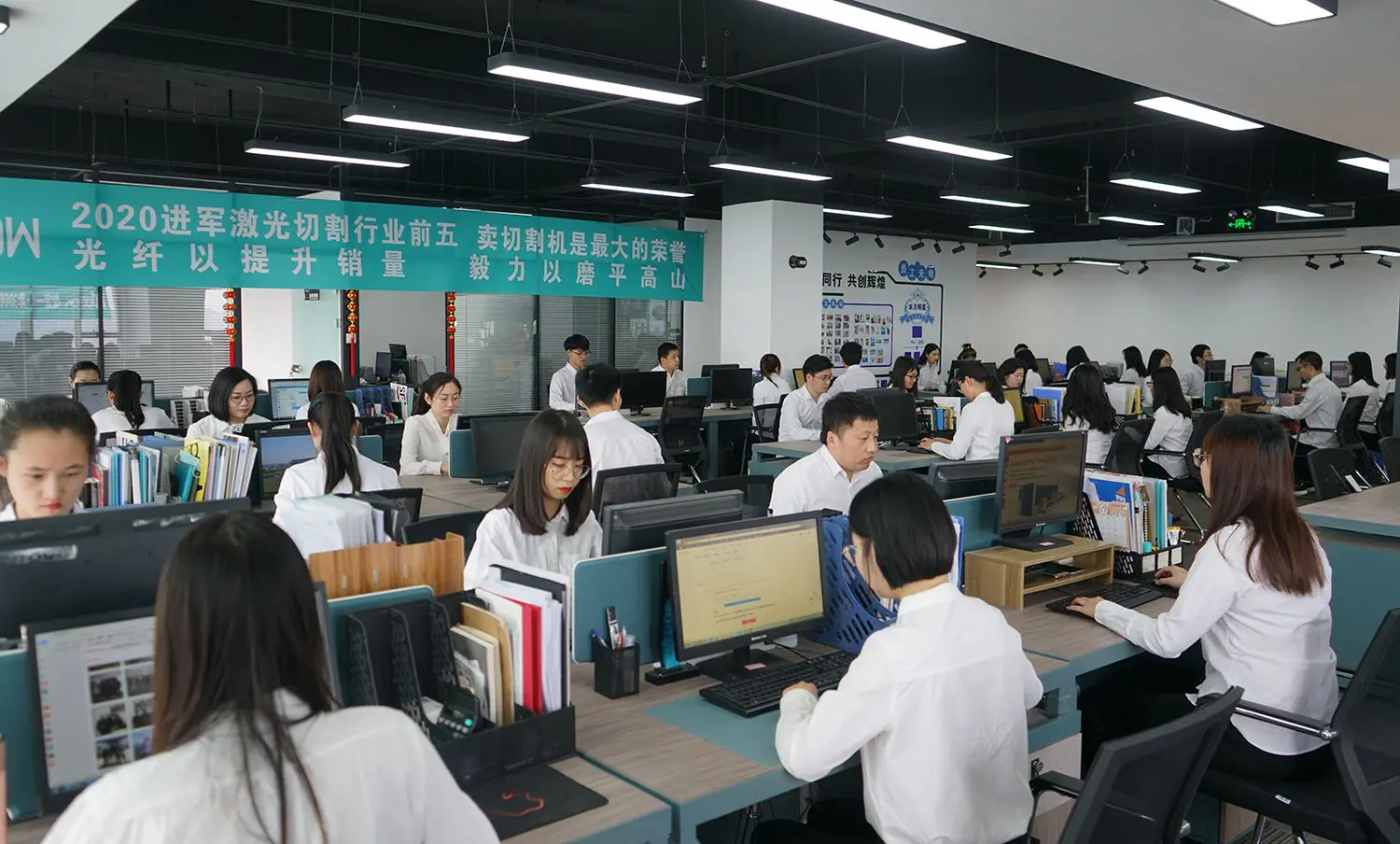
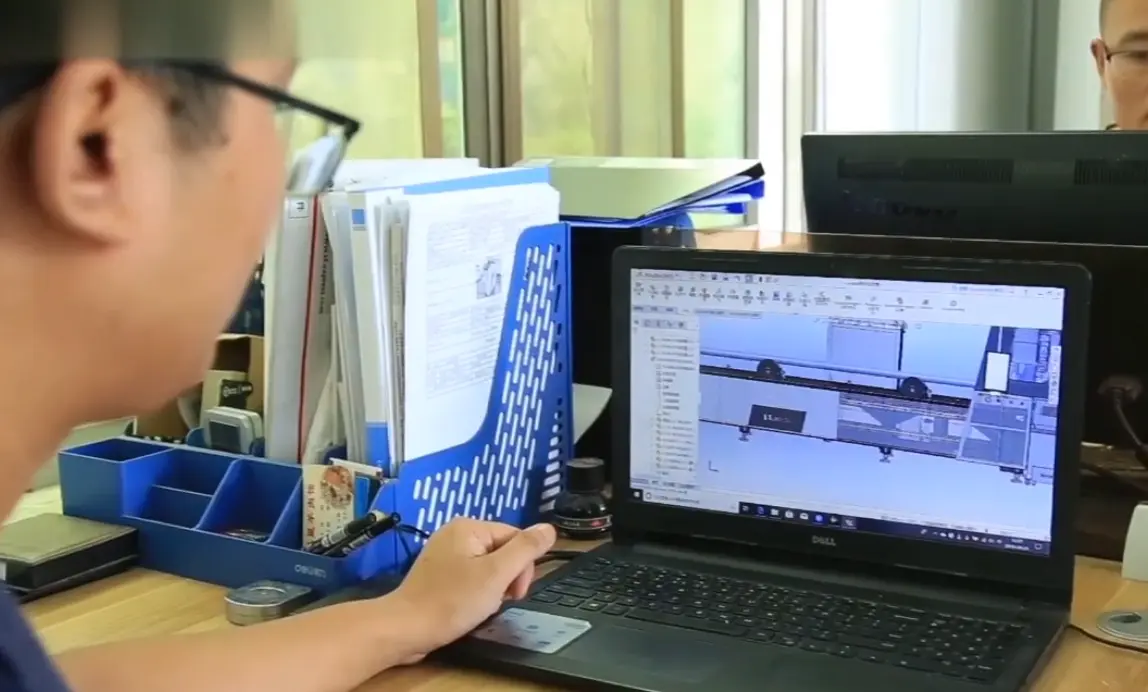
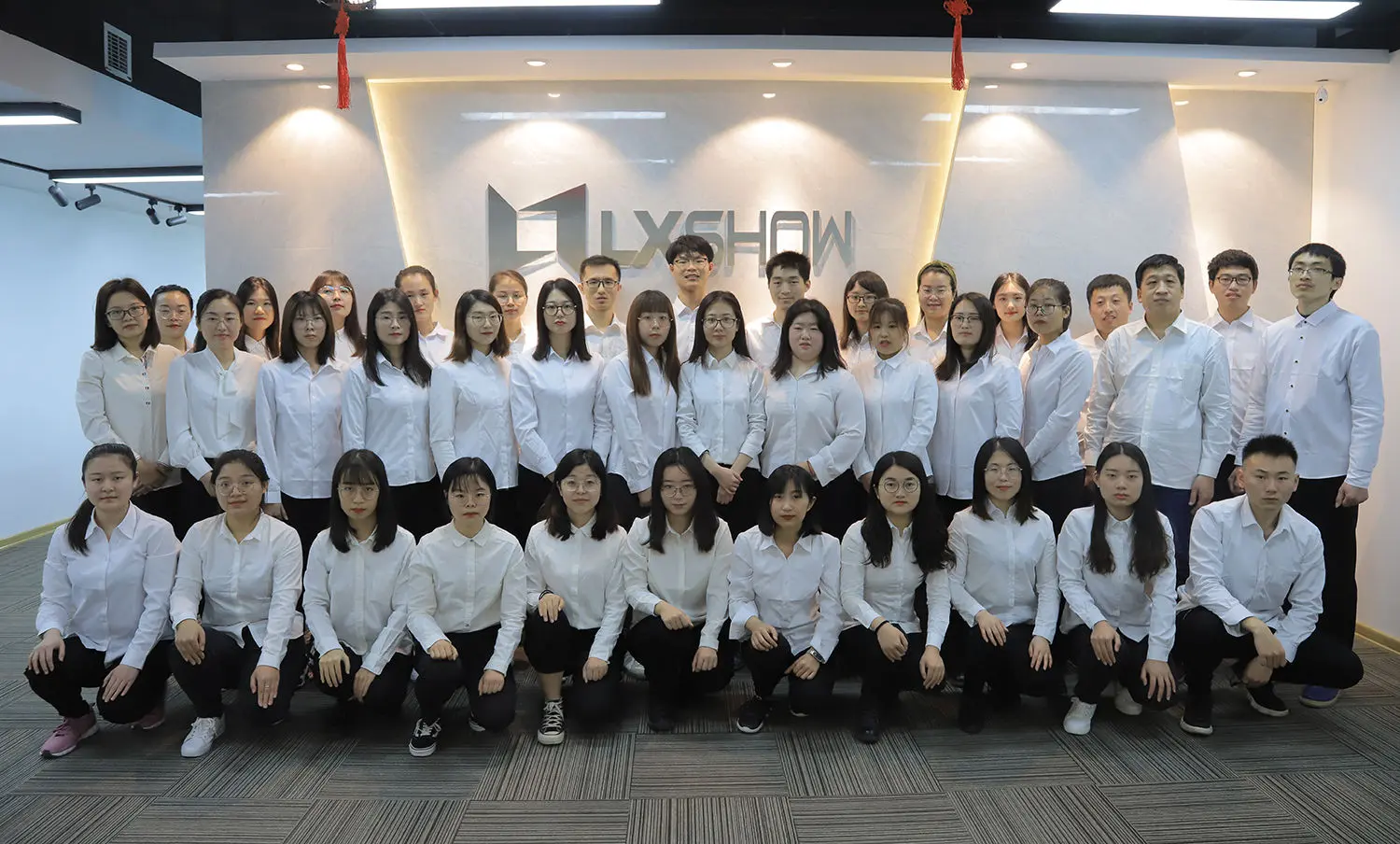
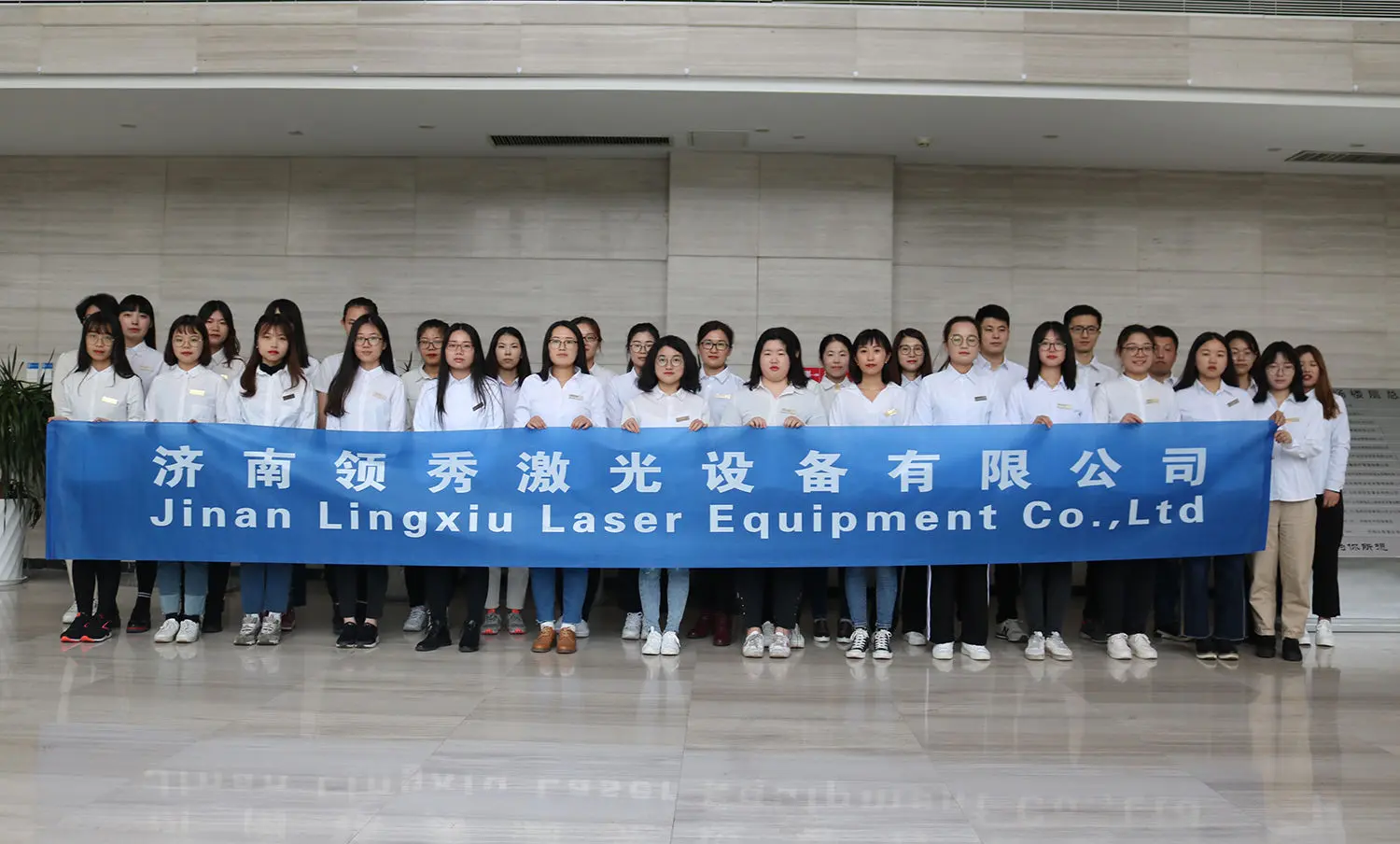
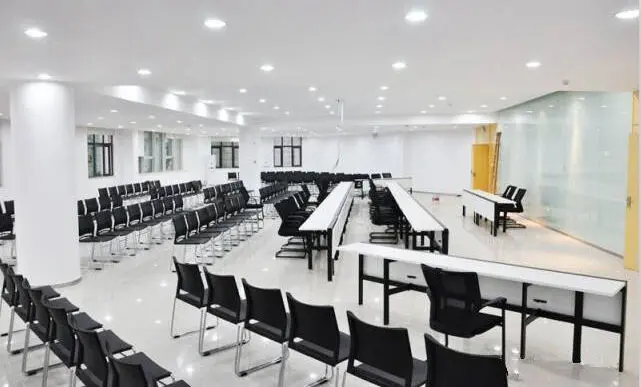
Our Facilities and Design Teams

Take a tour through our manufacturing shopfloors, engineering suites, and quality testing labs.

Material Processing & Industrial Applications

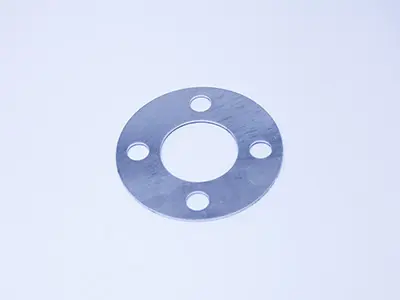
Our solutions cater to various key industries: sheet metal fabrication, automotive components, switchboard cabinets, kitchenware manufacturing, aerospace structures, advertising signboards, and heavy construction equipment.

Aluminum
Aluminum Processing
Carbon Steel
Carbon Steel Fabrication
Copper
Copper & Brass Processing
Galvanized
Galvanized Sheet Cutting
Other Metal
Specialty Alloys
Round Tube
Round Tube Profiling
Square Tube
Square Tube Profiling
Stainless Steel
Stainless Steel Processing

5. Strategic Industry Solutions and Localized System Integrations

Modern smart factories demand customized integrations rather than generic, off-the-shelf equipment. As an established ODM supplier, we engineer specialized system configurations tailored to distinct industrial applications:

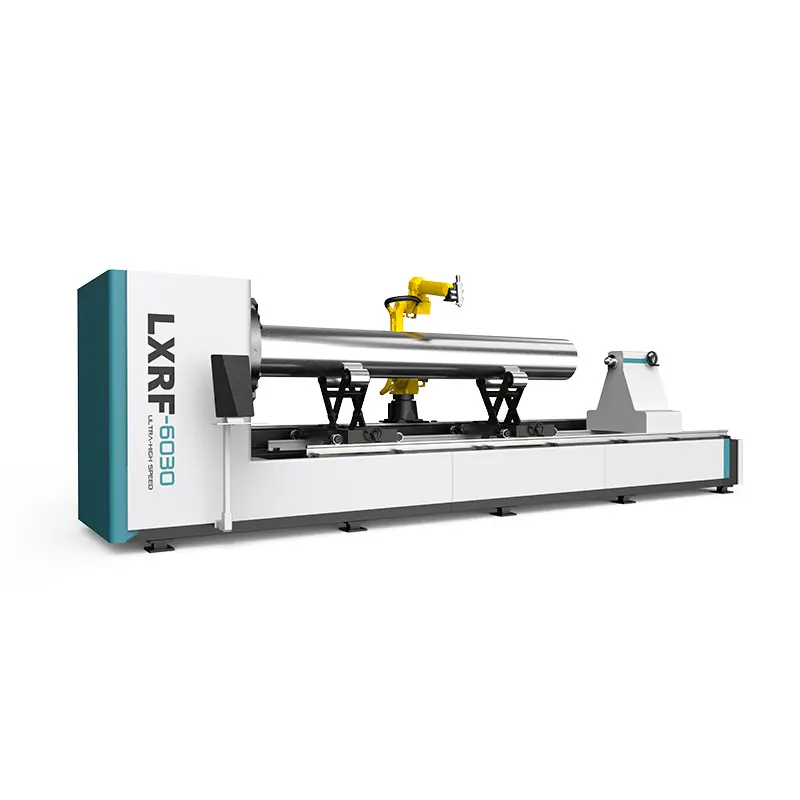
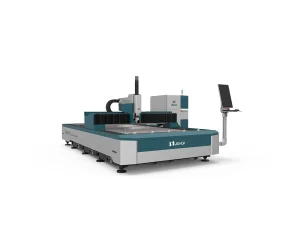
  • Automotive Structure Lines: High-precision robotic welding arms integrated with 3D 5-axis fiber laser cutting chambers. This configuration enables precise trimming of hydroformed components and structural members with tight tolerances.
  • HVAC & Ductwork Factories: High-speed 1.5kW to 3kW fiber laser platforms optimized for rapid cutting of galvanized sheets. These systems are integrated with automated software nesting routines to keep material waste below 8%.
  • Heavy Machinery & Agriculture: Ultra-high power (12kW to 30kW) systems featuring heavy-duty exchange tables, designed for thick carbon steel plates. These configurations are paired with auxiliary oxygen-assisted systems to produce clean, oxide-free edges.
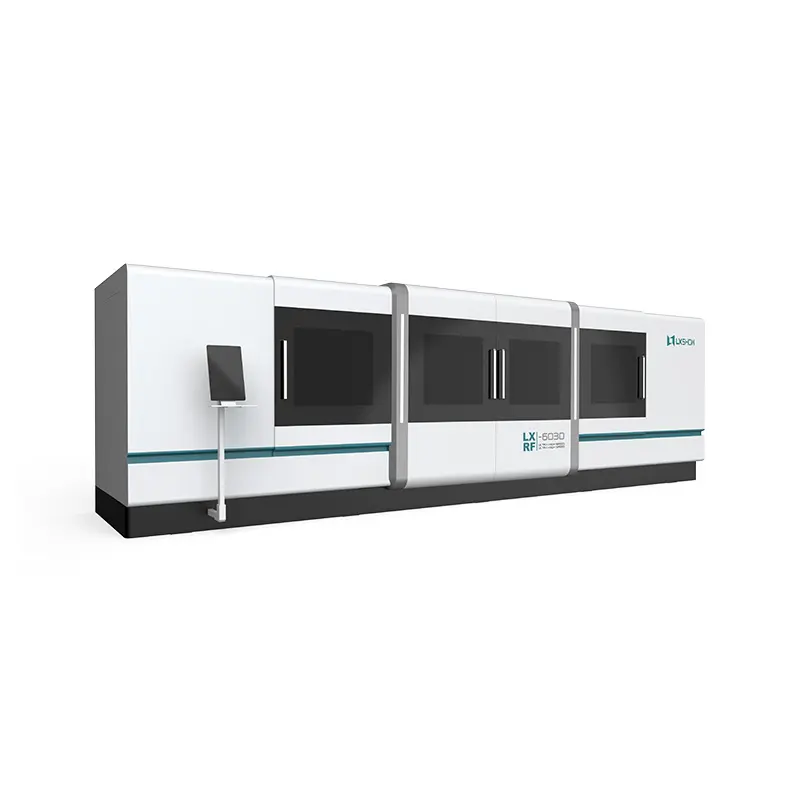
  • Precision Instruments & Kitchenware: Fully enclosed class-I safety housing fiber laser machinery designed to prevent reflectivity hazards while keeping dust emission within local environmental limits.

6. The 2040 Vision: Intelligent Manufacturing Ecosystems

Our long-term development roadmap is aligned with the continuous evolution of advanced manufacturing technology. By 2040, we aim to be a key global supplier in the laser field. This long-term target drives our persistent R&D investments in:

  1. Smart Nesting Engines: Cloud-connected planning systems that automatically process incoming ERP orders, nesting components in real-time across different material stocks to minimize waste.
  2. Real-time Optical Monitoring: Integration of sensor networks inside the laser cutting head to adjust optical focus, nozzle standoff, gas pressure, and cutting feed dynamically based on plasma optical feedback.
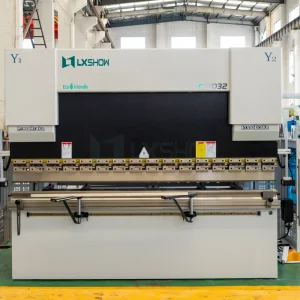
  3. Automated Mechanical Stations: Direct mechanical communication interfaces between fiber laser cutters, automated sorting robots, and CNC press brakes to create a seamless, hands-free sheet metal fabrication line.

Technical FAQ: High-Power Fiber Laser Machinery

Find technical answers to common questions about sourcing, operating, and customizing industrial ODM laser systems.

Q1: What are the primary advantages of sourcing an ODM fiber metal laser cutting machine over OEM configurations?
An OEM configuration follows standard pre-built specifications. An ODM arrangement, however, allows our engineers to customize the machine structure to your workflow. This includes adjusting the workspace width, adding specific material loading automation, customizing CNC controllers, and integrating distinct ventilation setups to fit local occupational health and safety regulations.
Q2: How does laser power selection (e.g., 3kW vs 12kW) impact maximum cutting speed and metal thickness limits?
Laser power defines the energy density at the focus spot. A 3kW source efficiently processes carbon steel up to 20mm and stainless steel up to 8mm. Scaling to 12kW increases processing limits to 40mm for carbon steel and 40mm for stainless steel, while significantly increasing cutting speeds on medium thicknesses, which lowers gas and electricity consumption per unit.
Q3: How does the auto-focus cutting head prevent nozzle damage during high-speed operation?
Our laser cutting heads use capacitive sensor systems that monitor the distance to the workpiece in real time. If the sheet metal buckles due to thermal stress, the control system adjusts the Z-axis height within milliseconds to maintain nozzle standoff distance, preventing physical collision and protecting the optical assembly.
Q4: Why is structural thermal stress tempering critical for high-acceleration gantries?
High-speed linear motors can generate accelerations up to 1.5G. Without proper stress relief, the high-inertia forces could deform the welded steel structure over time. Annealing the machine frame at 600°C relieves internal welding stresses, ensuring the bed maintains long-term mechanical alignment and precision.
Q5: What certifications are standard on your export-grade fiber laser machinery?
All export machinery is certified to European CE directives (machinery, electromagnetic compatibility, and low voltage regulations) and is fully documented under US FDA regulations, including FDA accession numbers for the class-4 laser modules.

Complete Equipment Reference & Categories

Access our detailed catalog profiles for specific processing requirements. All original documentation remains fully active.

Industrial Laser Machinery Classes:

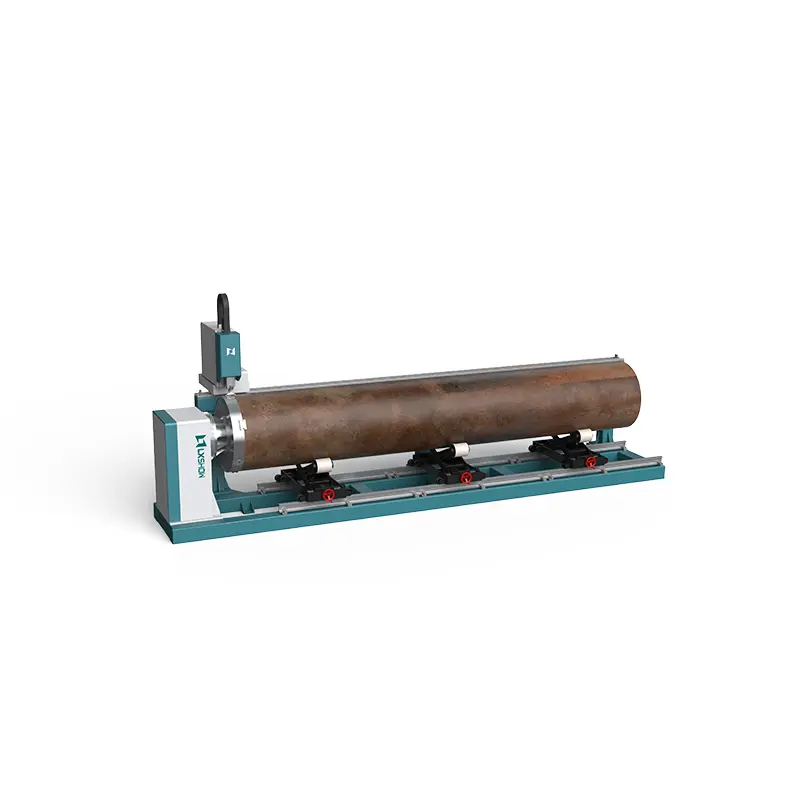
1. Sheet & Tube Cutting Solutions

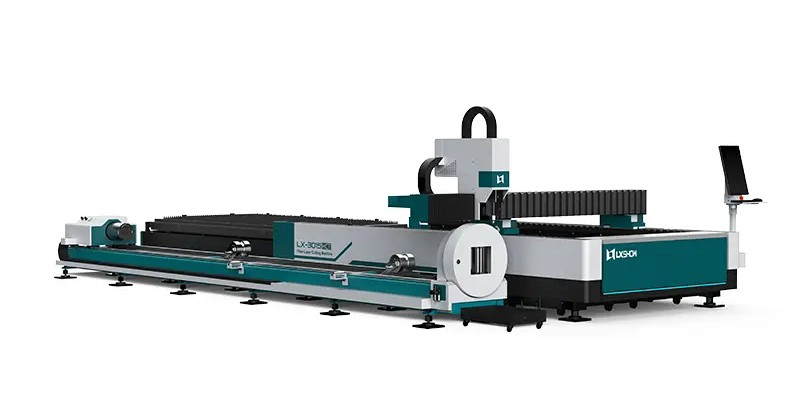
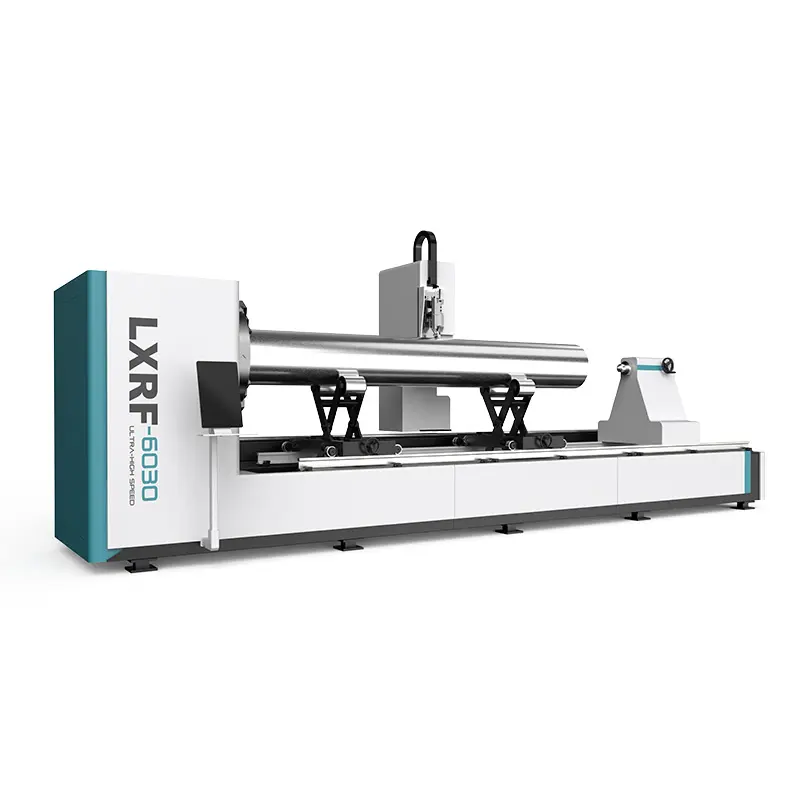
Our dual-purpose systems cut sheet panels and metallic pipes on a unified bed. Featuring automatic chuck adjustments and integrated safety enclosure designs.

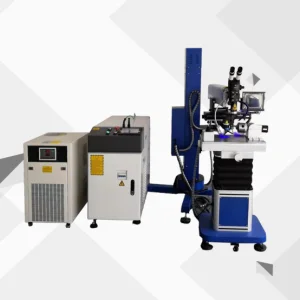
2. Laser Cladding & Hardening

Our laser cladding systems provide surface hardening and repair capabilities for high-wear industrial components.

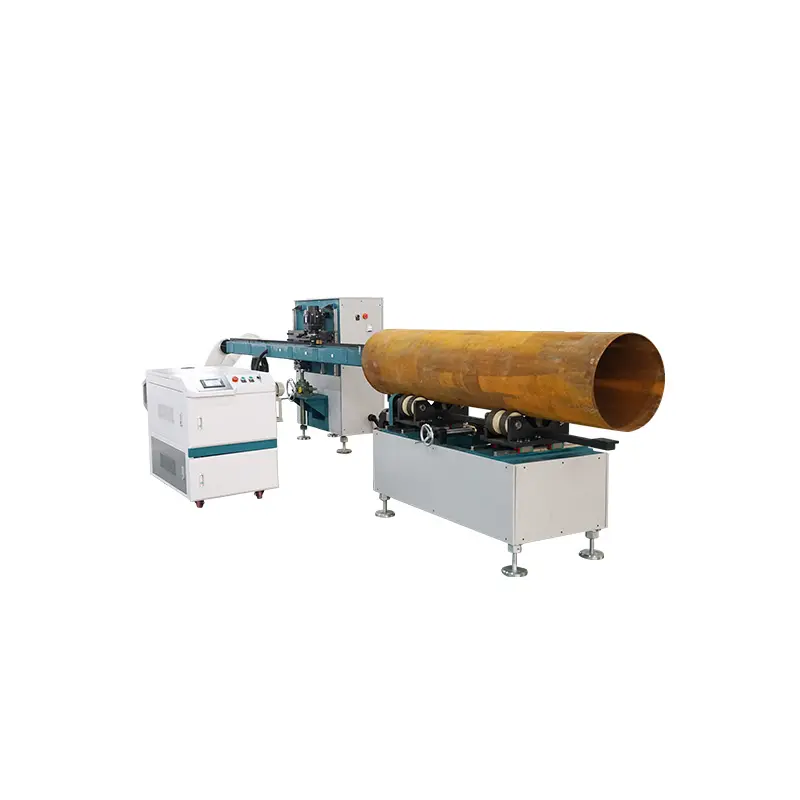
3. Precision Laser Cleaning Systems

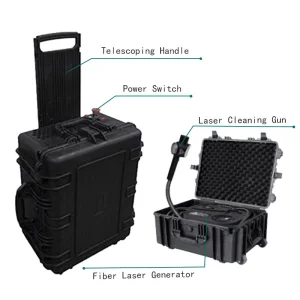
Non-contact ablation cleaning systems remove oxide layers, paint, and rust from sheet surfaces without chemical agents.