Explore our cutting-edge sheet and tube processing equipment configured for maximum efficiency and competitive pricing.
A trusted global leader in laser smart equipment, enabling smart manufacturing and building Industry 4.0 plants since 2004.
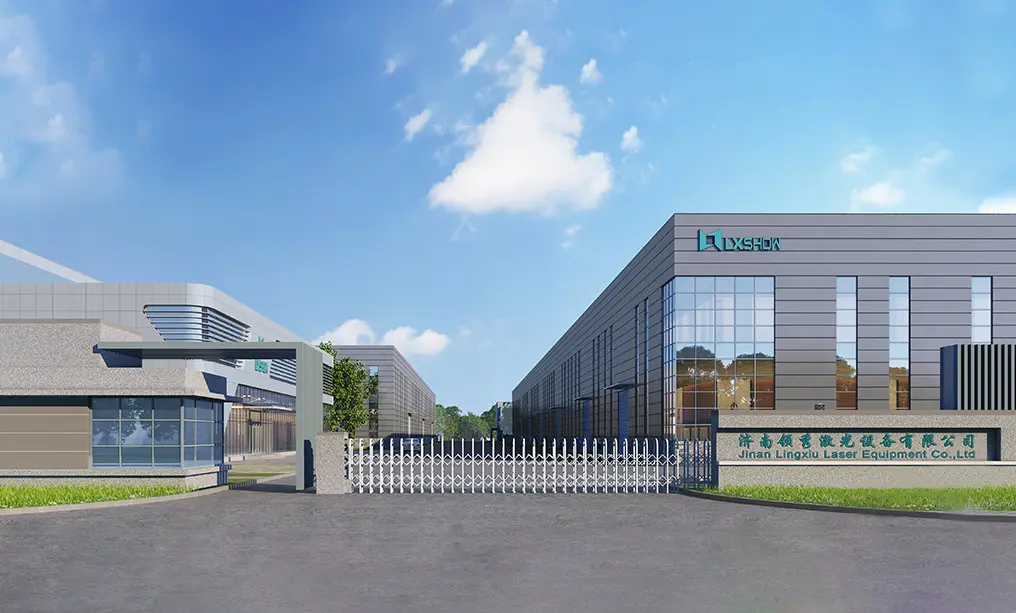
Established in July 2004, our company boasts more than 500 square meters of specialized research and office space, alongside our state-of-the-art 32,000 square meter manufacturing factory. As a pioneer in the laser smart equipment ecosystem, we provide unparalleled technical support, housing a dedicated communication and innovation center for laser cutting, welding, and cleaning technologies. Our core corporate mission centers on helping metal fabrication companies scale up and integrate smart manufacturing capabilities for tomorrow’s challenges.
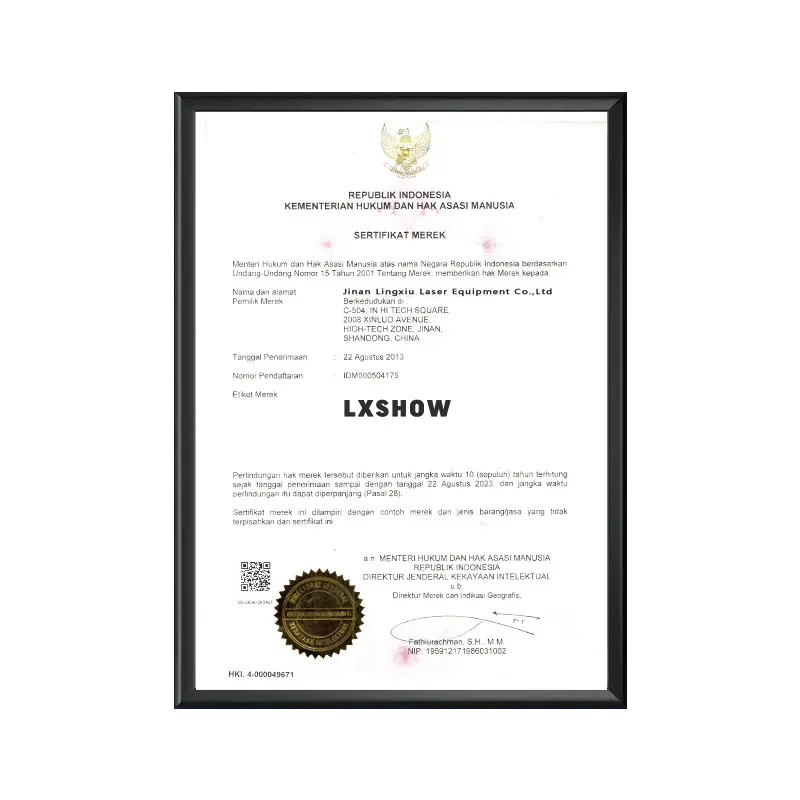
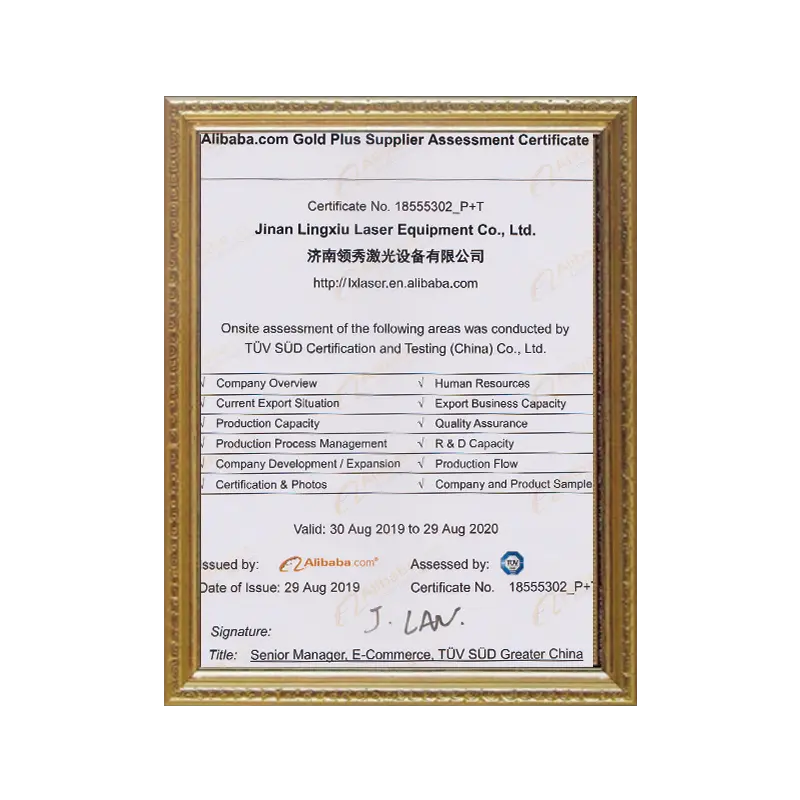
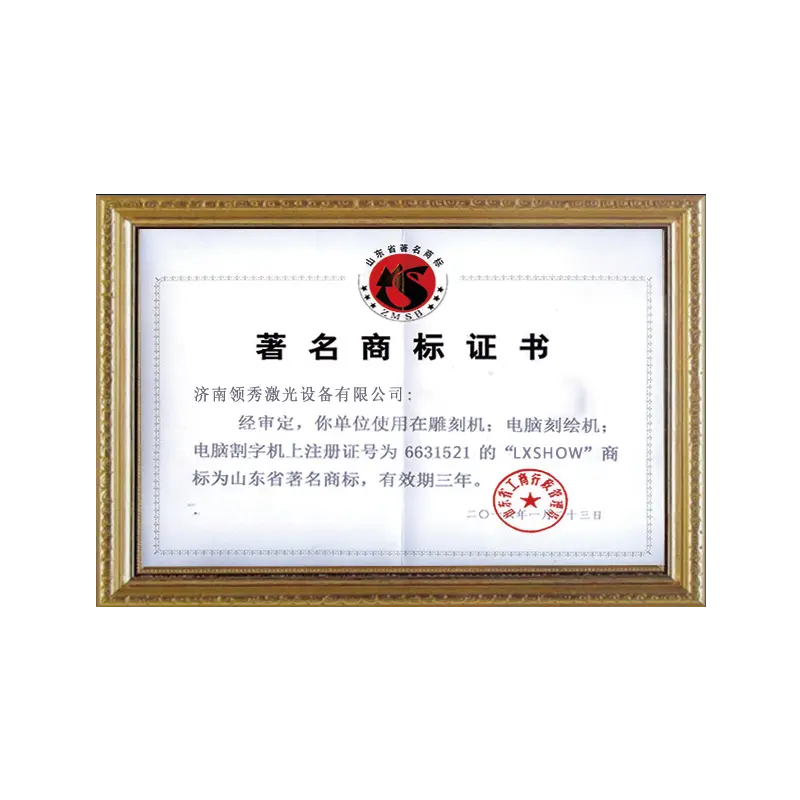
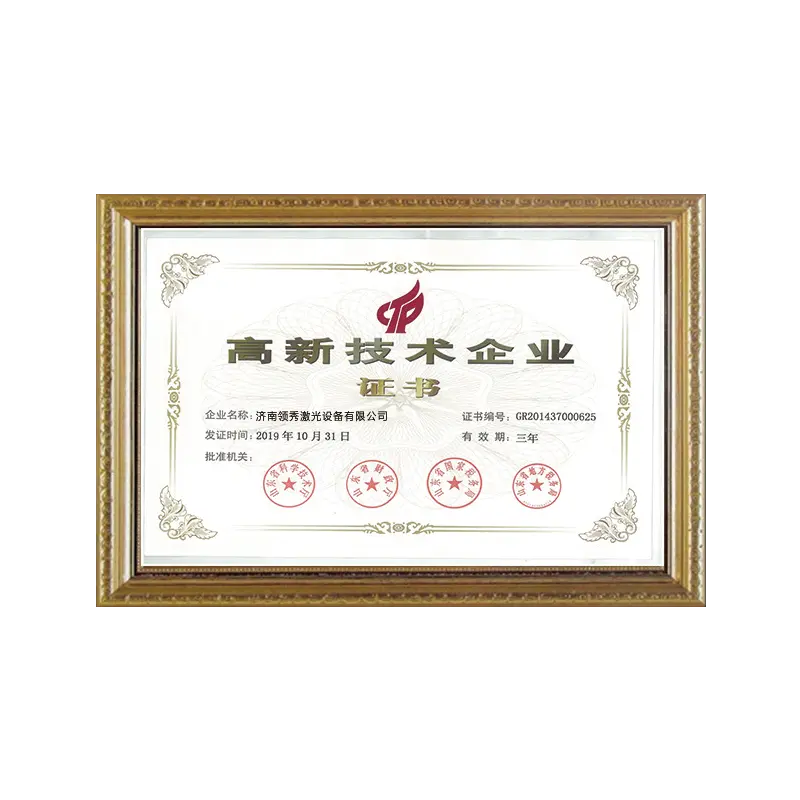
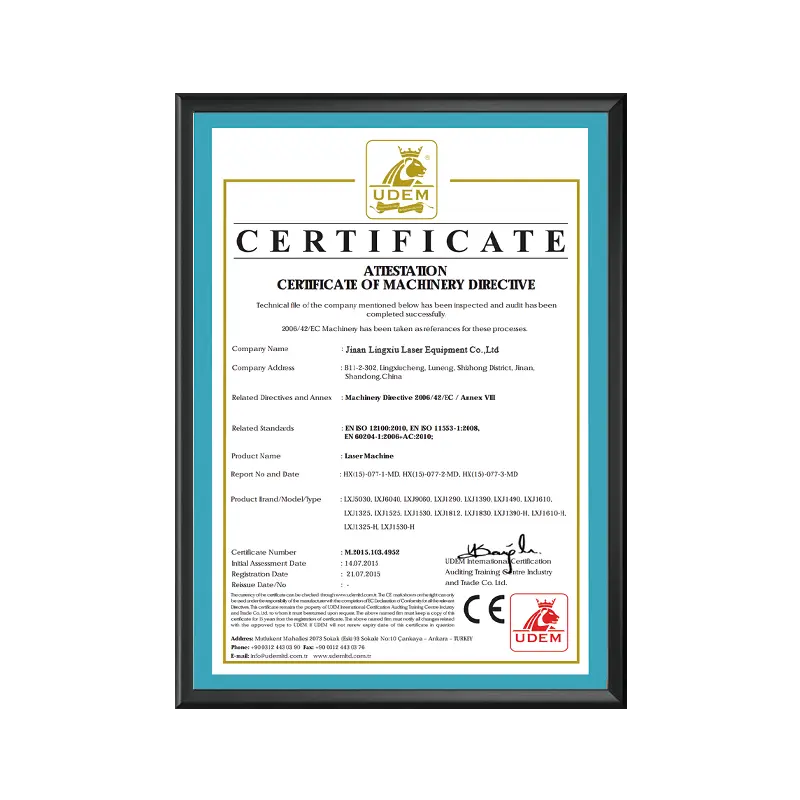
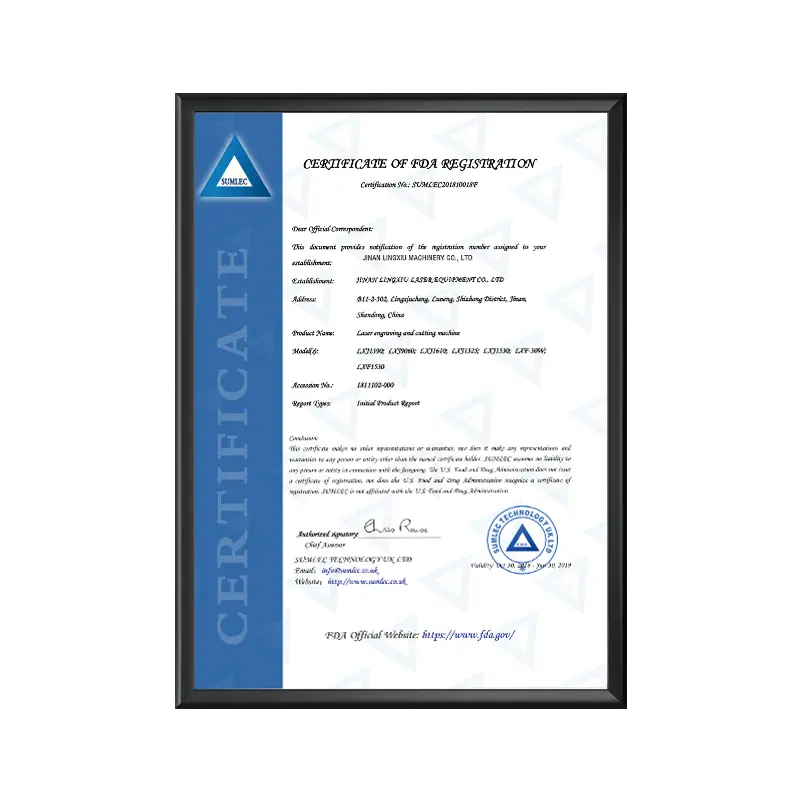
Every piece of machinery in our portfolio has successfully achieved the European Union's CE authentication, the United States' FDA certificate, and is fully certified under the ISO 9001 Quality Management System. Serving customers throughout North America, Europe, Australia, and Southeast Asia, we maintain reliable supply relationships and offer highly specialized OEM manufacturing services for over 30 leading global brands.
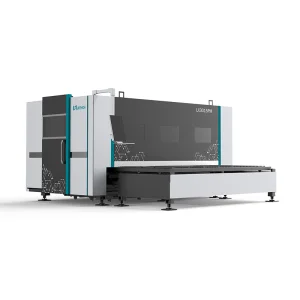
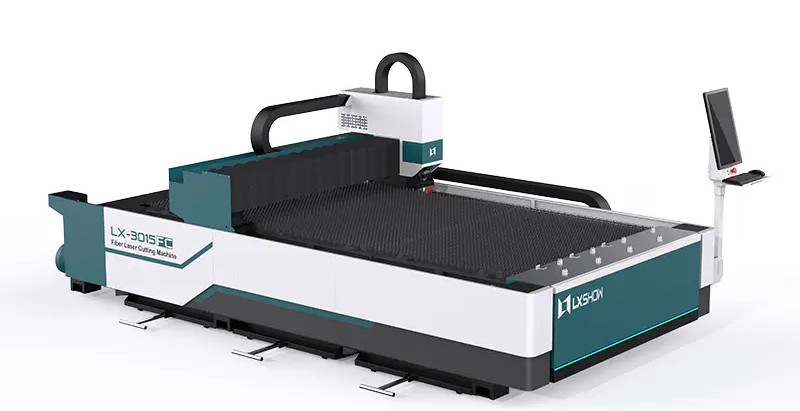
In modern industrial procurement, understanding the complex dynamics behind the Laser-Metal-Cutting-Machine-Price is crucial for purchasing managers and capital investment planners looking to optimize their return on investment (ROI). The final price of a fiber laser metal cutting machine is determined by a confluence of variables, ranging from active component specifications to structural engineering and import duties.
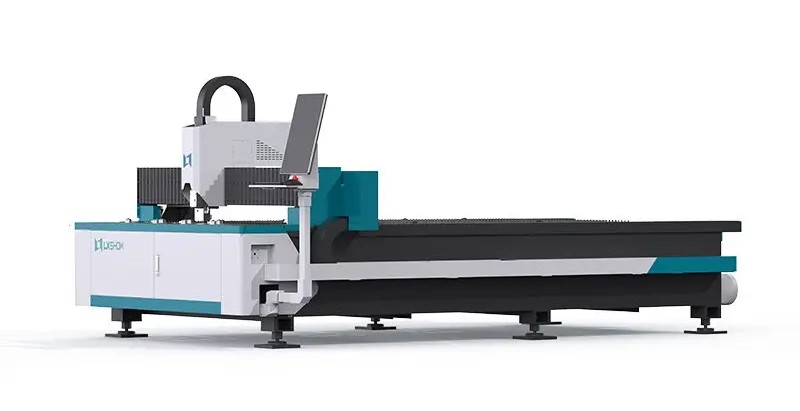
The laser source remains the single most significant factor in price calculation. High-power sources (typically ranging from 1kW to 30kW) dictate cutting speeds and material thickness capability. Premium international brands such as IPG Photonics or high-performing national champions such as Raycus and Maxphotonics directly shift the price point. Additionally, autofocus cutting heads (like Raytools or Precitec) equipped with dynamic protective windows and distance sensors ensure stable long-term processing but require higher capital outlays.
A machine's long-term precision and high dynamics depend on structural integrity. High-quality manufacturers employ heavy, stress-relieved welded plate beds or cast iron structures. These are subjected to high-temperature tempering cycles to remove residual stresses, preventing bed warping or vibration over decades of service. Cheaper models skimp on tempering, leading to alignment issues after a few years of high-speed operation. Heavy-duty dual-drive gantry motion structures utilizing precision helical rack-and-pinions and Yaskawa or Delta servo motors add manufacturing cost but are essential for holding micron-level tolerances.
While the purchase price is a critical metric, smart buyers analyze the total cost of ownership. This includes electricity consumption, auxiliary gas consumption (compressed air, nitrogen, or oxygen), and standard consumable parts (nozzles, ceramic rings, protective lenses). Implementing high-efficiency cutting techniques, such as air-assisted high-speed cutting for stainless steel and carbon steel, dramatically reduces hourly operating costs compared to liquid nitrogen setups. Over a 5-year lifecycle, operating efficiency can save more money than the initial price difference between a basic machine and a premium smart CNC fiber laser cutting machine.
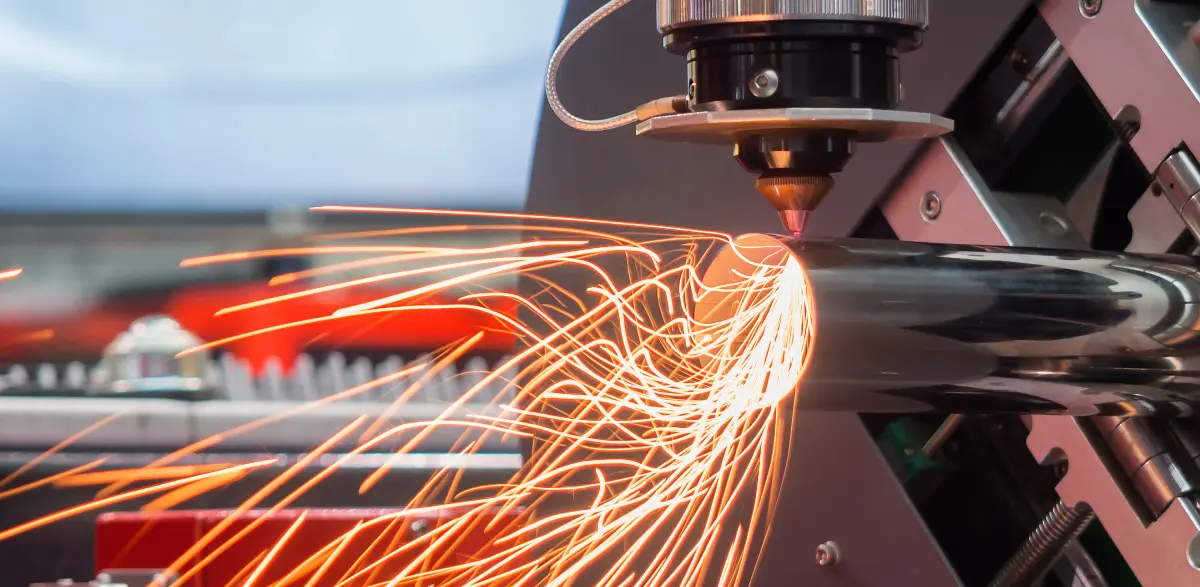
Our processing equipment is custom-engineered to handle complex metallurgies and industrial form factors across multiple global sectors.
Industrial components demand various shapes, dimensions, and metallurgies. LXSHOW laser products are deployed across diverse sectors, including steel mills, packaging lines, gift crafts, automotive subassemblies, high-precision jewelry, aerospace structural parts, mold making, semiconductors, and rubber manufacturing. Understanding how different materials absorb fiber laser wavelengths (typically 1.07 microns) is essential for selecting the correct configuration.
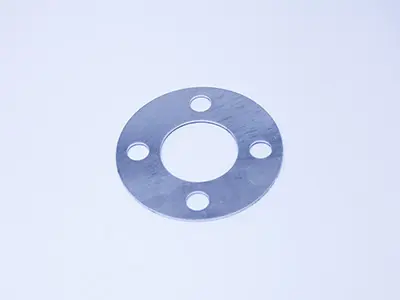
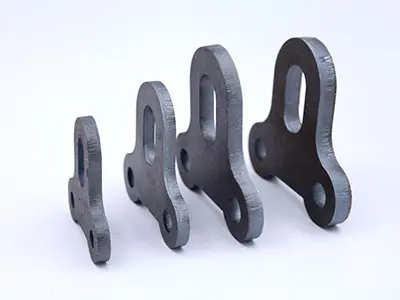
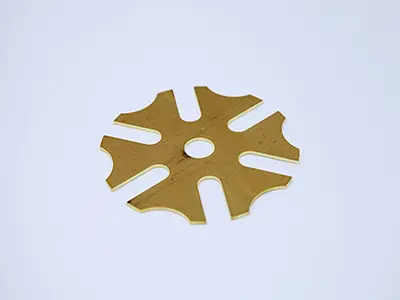
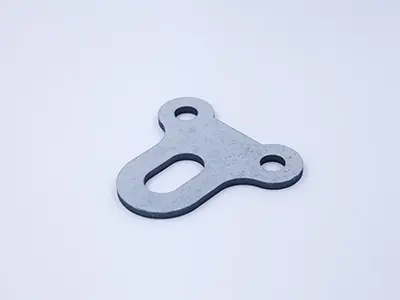
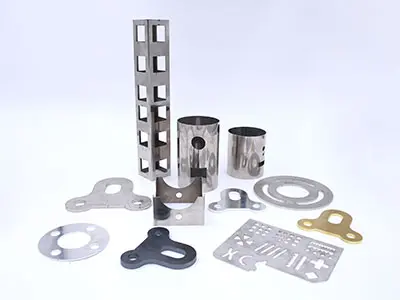
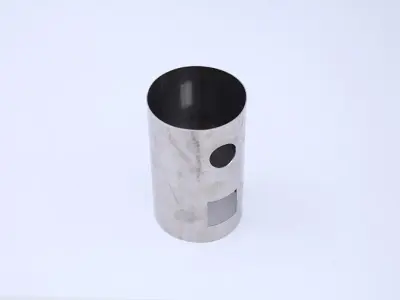
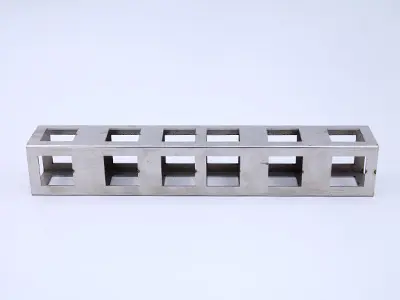
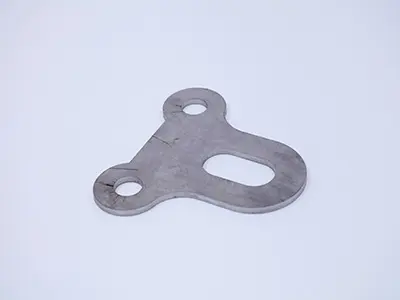
Reflective metals like copper, brass, and aluminum pose a risk of back-reflection. Back-reflections can travel back through the delivery fiber and damage delicate laser source resonators. To mitigate this risk, our systems feature robust back-reflection isolators and specialized cutting head parameters. Highly responsive height sensors adjust the focal position dynamically, keeping the laser focused during fast-speed thermal expansions. This enables clean cuts without burrs, reducing the need for secondary deburring or finishing processes.
Our commitment to continuous innovation is driven by a clear development roadmap that aligns with global smart manufacturing initiatives. CNC laser cutting systems are evolving beyond standalone equipment. They are transforming into fully integrated, IoT-connected production cells featuring automatic material handling, adaptive sensor arrays, and cloud-based performance monitoring.
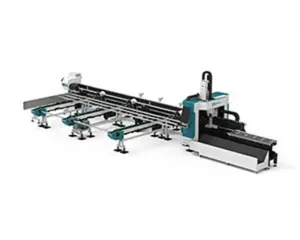
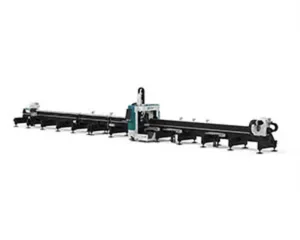
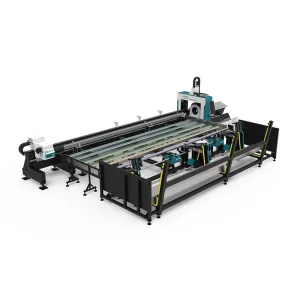
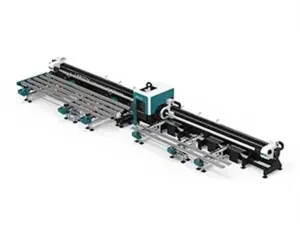
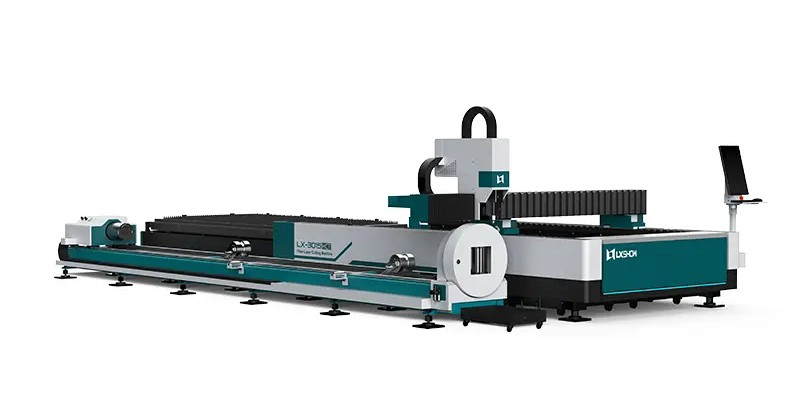
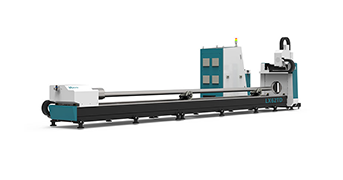
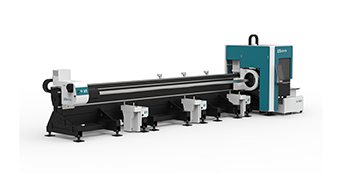
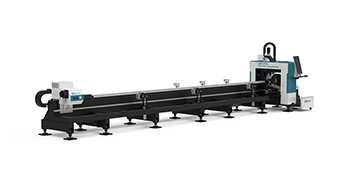
As factories transition toward fully automated operations, reducing cycle times depends on material handling efficiency. Integrated loaders and unloaders eliminate manual sheet placement, increasing safety and machine utilization. Our high-power pipe cutting machines (up to 12kW with three and four-chuck designs) facilitate zero-tailing cuts, automatic raw bundle loading, and separated sorting of finished parts and scrap material.
Advanced Cypcut and Hypcut control systems analyze production queues, nesting files, and material shapes automatically. This minimizes skeleton scrap and maximizes raw material utilization. Smart piercing algorithms, high-speed fly-cutting paths, and anti-collision technology protect the laser nozzle from rising cutouts, ensuring high reliability and reducing scrap rates.
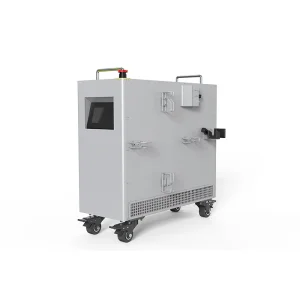
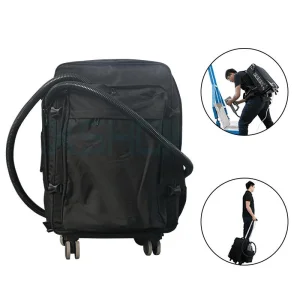
To complement our large-format sheet cutting tables, we offer integrated industrial handheld systems for auxiliary post-processing. Handheld fiber laser welding machines (using Reci, Raycus, or IPG sources) provide faster welding speeds and minimal thermal distortion compared to traditional TIG or MIG welding. For surface preparation, our backpack-style and pulse tie-rod laser cleaning machines remove rust, oxides, and paints without chemical solvents or abrasive media.
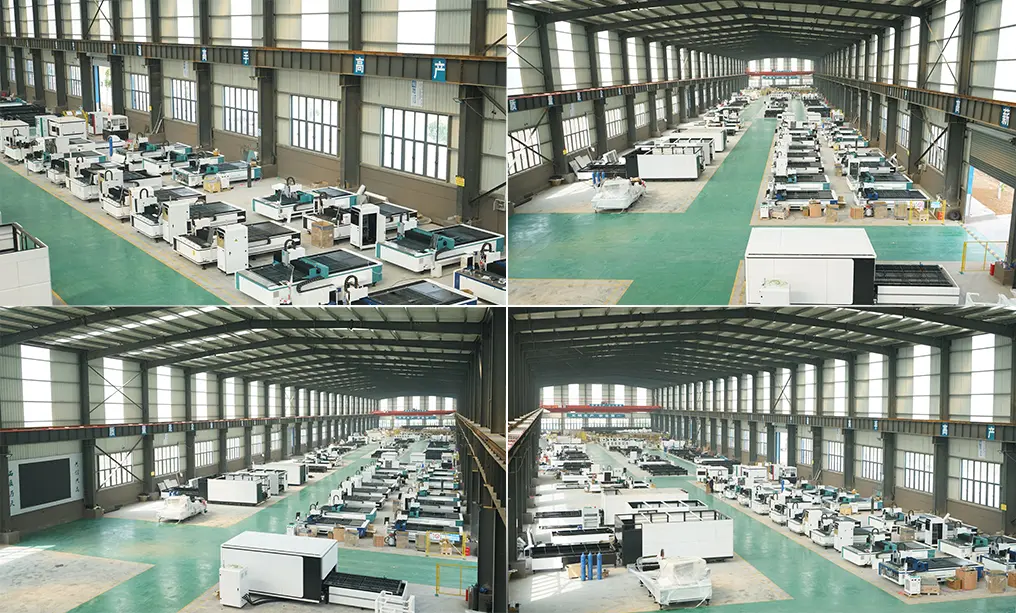
A visual tour of our R&D departments, assembly workshops, and customer training offices.

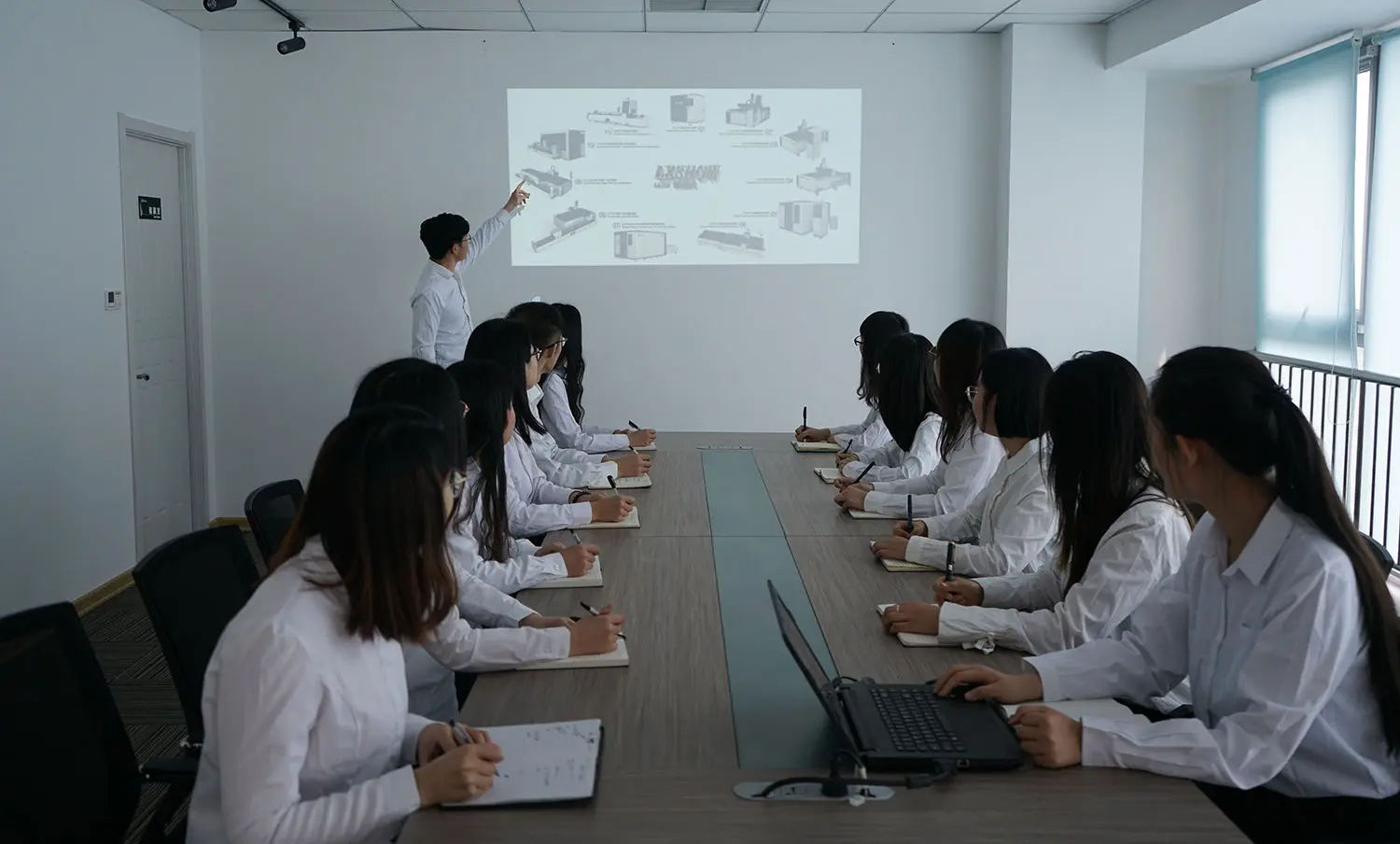
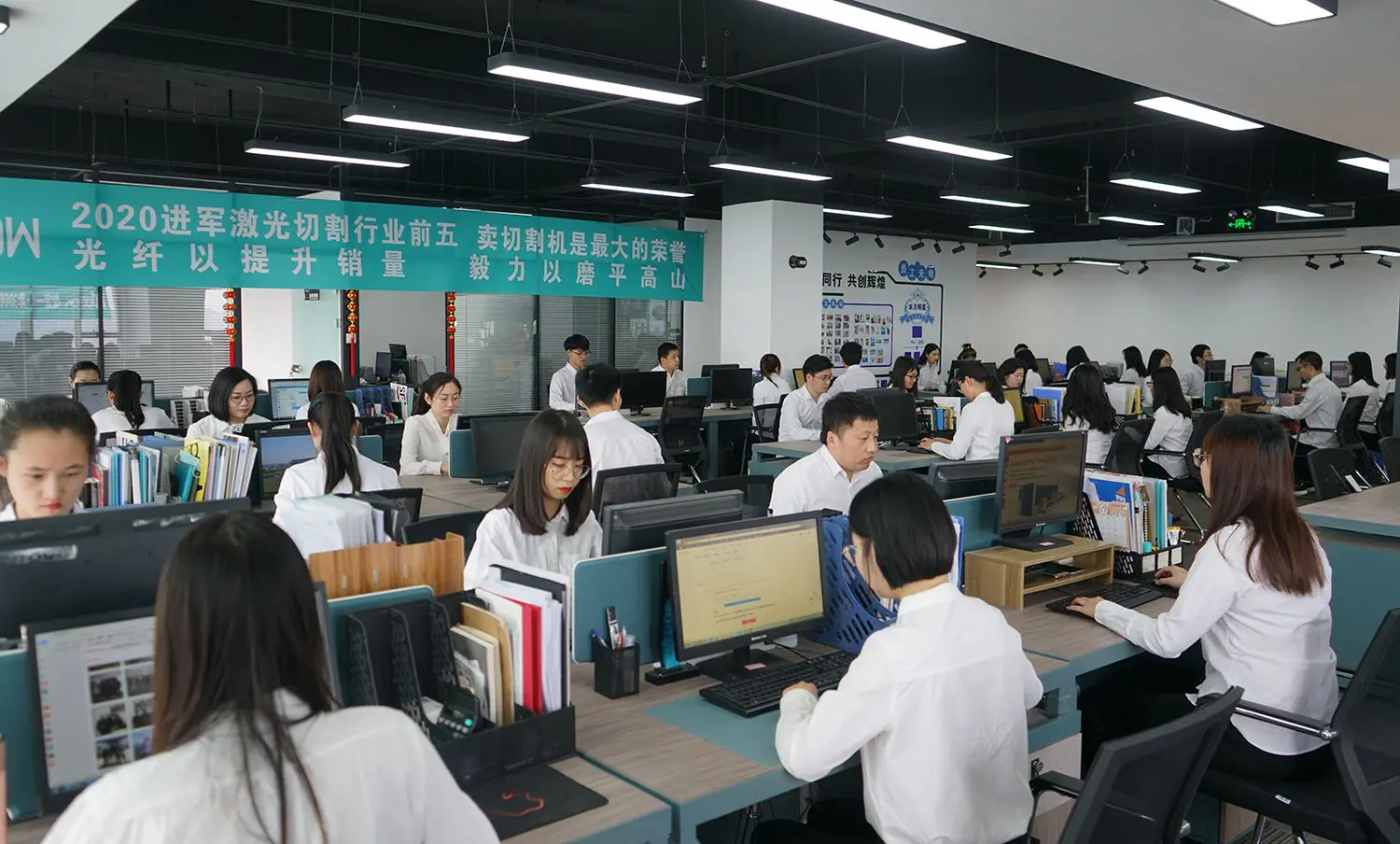
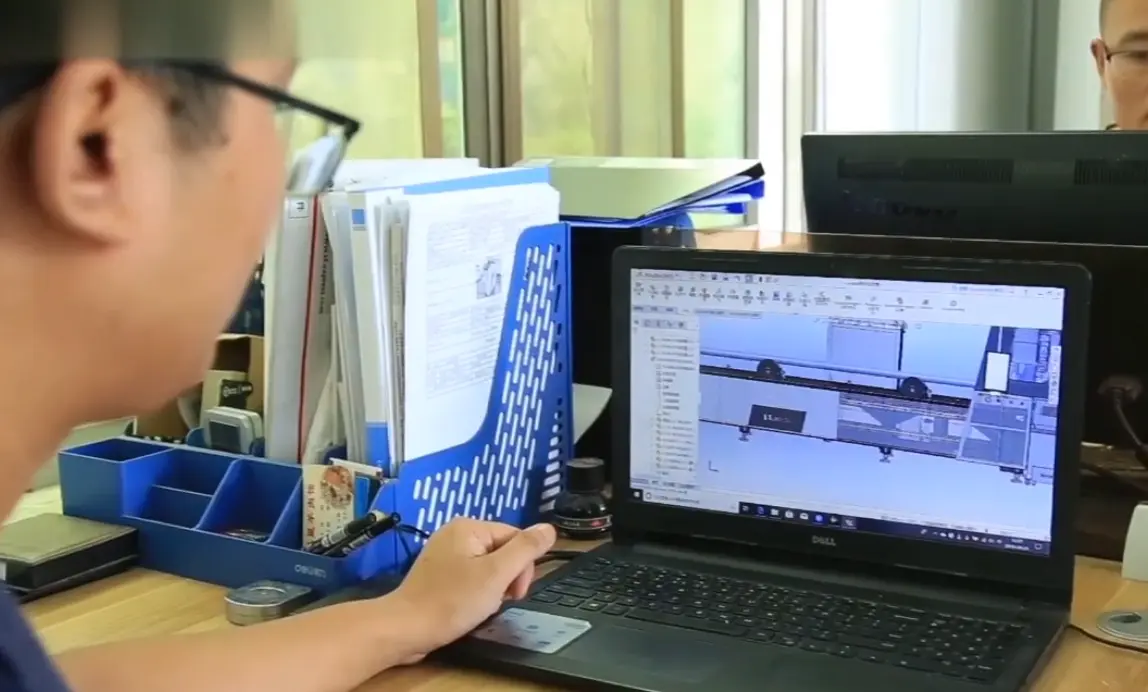
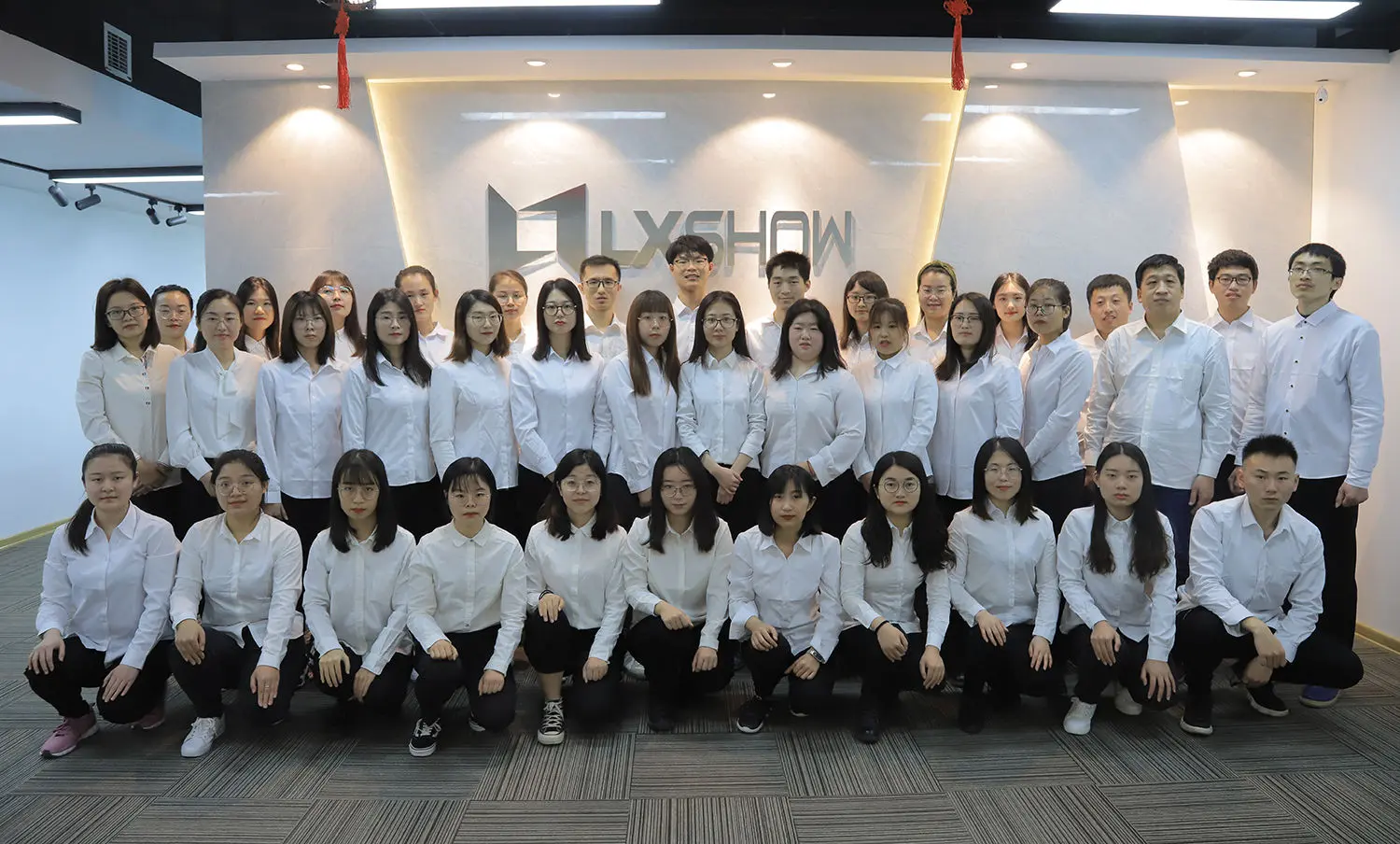
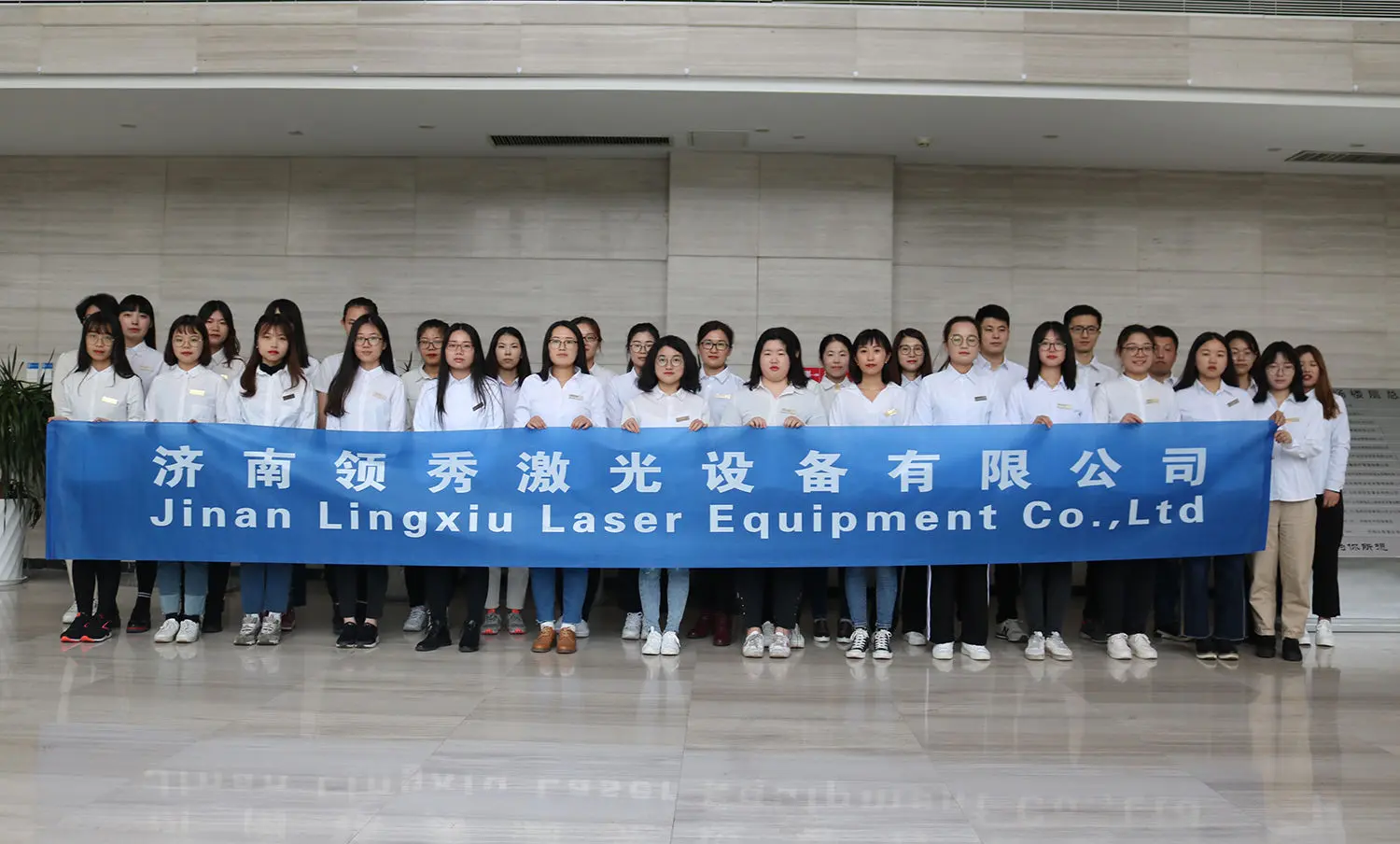
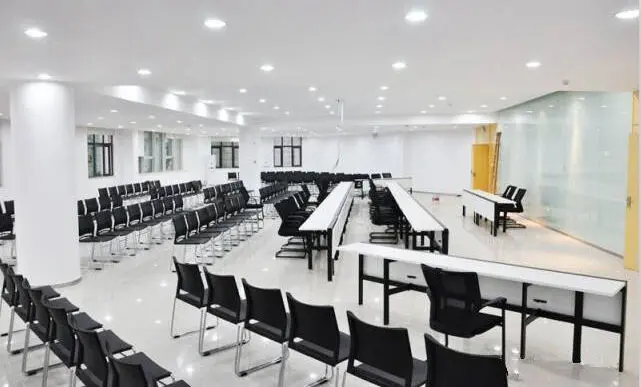
Deploying heavy industrial machinery globally requires compliance with safety protocols and reliable field service. Our export network includes robust packaging procedures, anti-corrosive coatings for maritime transit, and complete custom clearances. This ensures our machines arrive at your facility in ready-to-assemble condition.
All machinery configurations comply with major regional safety standards. The European market relies on CE certifications, which mandate dual-circuit safety interlocks, wavelength-specific protective enclosures, and certified filtration units. For the North American market, our machines comply with FDA laser safety regulations, ensuring safe operation in high-production industrial facilities.
Our localized support network ensures prompt assistance to prevent production downtime. We offer remote diagnostics via internet-connected CNC controllers, allowing our factory experts to troubleshoot software and parameter settings instantly. For physical maintenance, our trained regional technicians provide alignment, preventative maintenance, and replacement part distribution.
Insights on laser configuration, operation costs, and selection strategies for procurement managers.
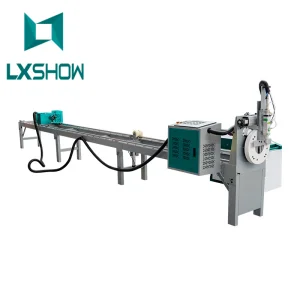
Explore our heavy-duty industrial machinery options, including high-power tube cutters, rust removal systems, and CNC bending machines.
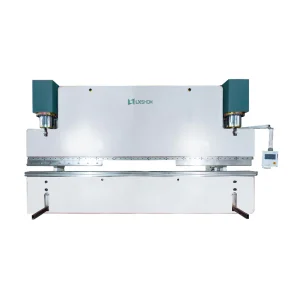
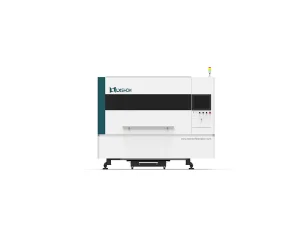
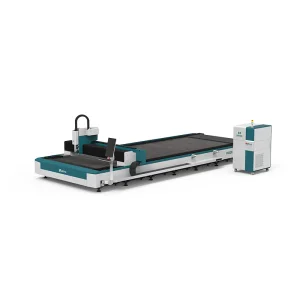
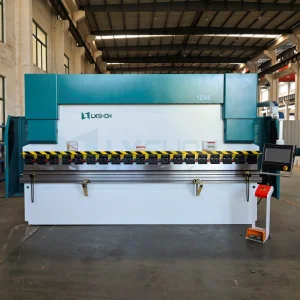
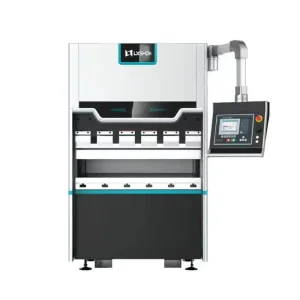
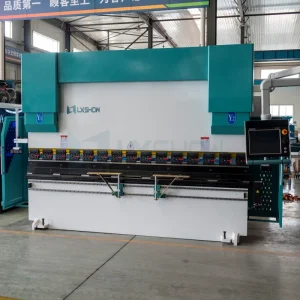
In addition to our laser cutting, welding, and cleaning machines, we manufacture a comprehensive selection of metal forming equipment. This includes the WC67K and electro-hydraulic WE67K series press brakes, which provide precise bending control for complex geometries. We also offer QC11Y hydraulic gate shears and Q35Y-16 multi-functional ironworkers, providing a complete range of solutions for sheet metal processing lines.
 Lxshow