High-Quality Fiber Laser Cutting Machinery Manufacturer & Exporter

Transforming Global Metal Fabrication with Precision Engineering, Industry 4.0 Integration, and Direct Supply Chain Efficiency

Engineered for High-Performance Production

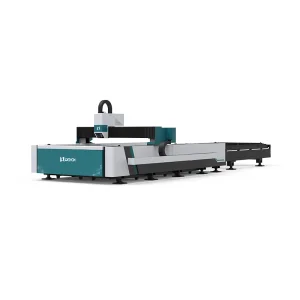
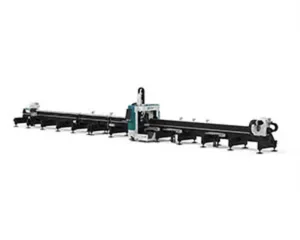
Discover our primary catalog of high-power fiber laser systems, versatile plate/tube configurations, and specialized automation equipment configured for maximum efficiency.
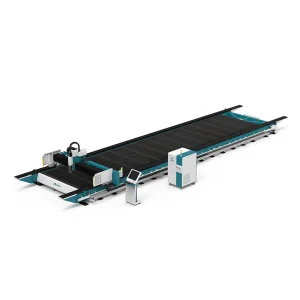
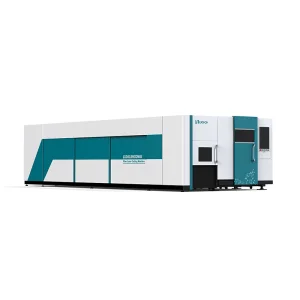
ODM LX12025LD High Power Metal Sheet Fiber Laser Cutting Machine

ODM LX12025LD High Power Metal Sheet Fiber Laser Cutting Machine 1000W-20000W

Request Specifications
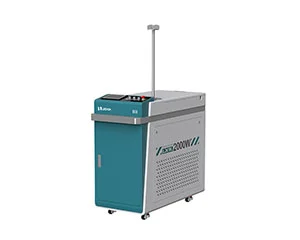
ODM Handheld Fiber Laser Welder

ODM LXW-1000/1500/2000W Handheld Fiber Laser Welder (Raycus IPG MAX JPT)

Request Specifications
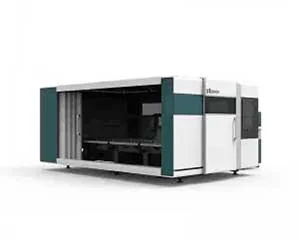
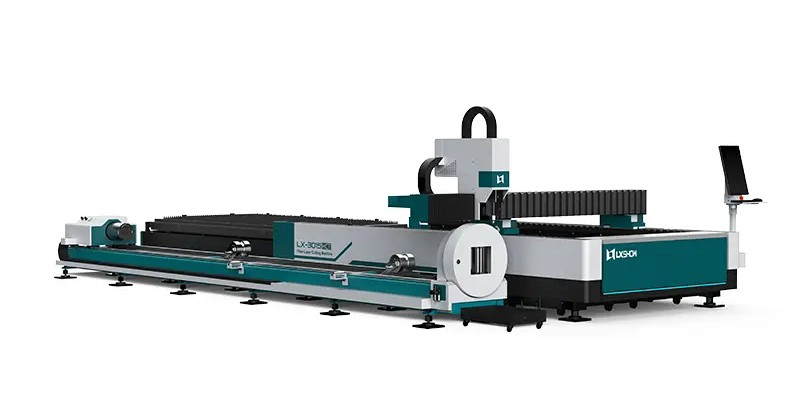
Custom 3015HCOW Fully Enclosed Fiber Laser Cutting Machine

Custom 3015HCOW 1-12KW Fully Enclosed Fiber Laser Cutting Machine for Metal Sheet & Tube

Request Specifications
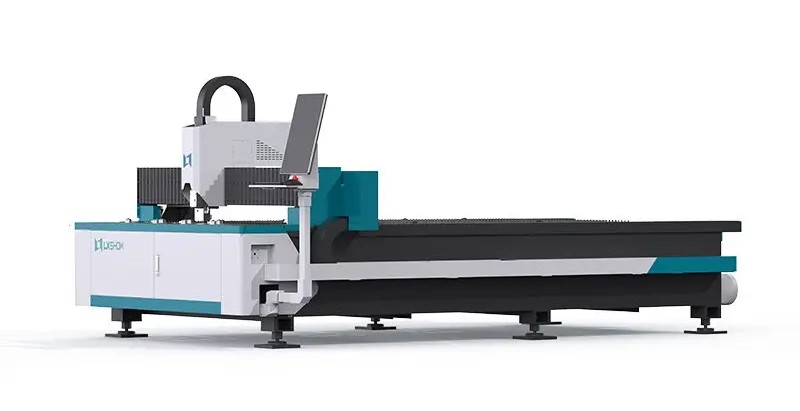
Best LX3015C-O China Best Metal Plate Enclosed CNC Fiber Laser

Best LX3015C-O Enclosed CNC Fiber Laser Sheet Cutting Machine for Stainless & Carbon Steel

Request Specifications
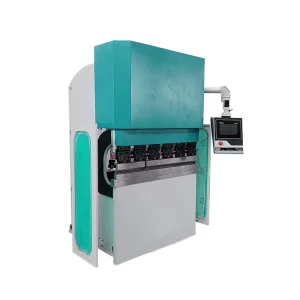
OEM CNC Electric Servo Bending Machine

OEM CNC Full Electric Servo Bending Machine Pure Electrical Servo CNC Press Brake

Request Specifications
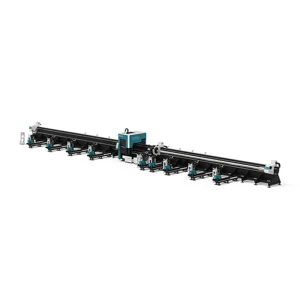
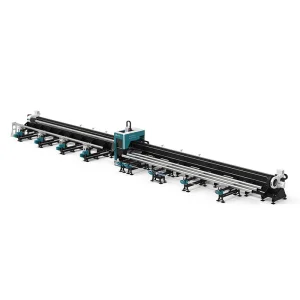
Wholesale LX123H Four Chuck Metal Tube Laser

Wholesale LX123H(12)TIV Four Chuck Metal Tube Laser Cutting Machine

Request Specifications
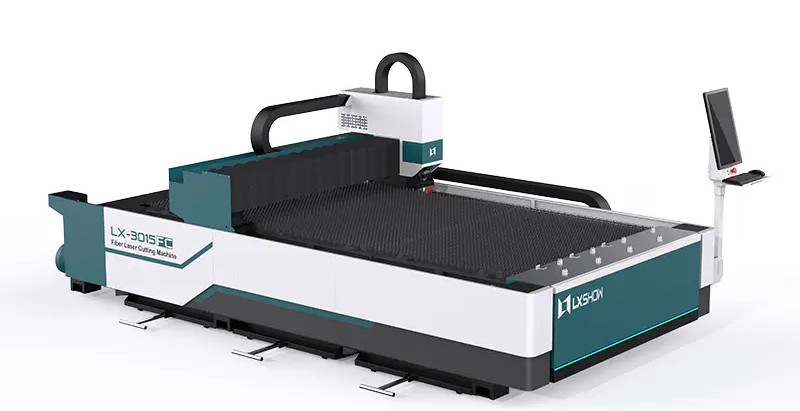
Custom LX3015HC High Power Laser

Custom LX3015HC High Power Professional Metal Automatic Fiber Laser Cutting Machine

Request Specifications
ODM LX92TX Three Chuck Steel CNC Tube Laser

ODM LX92TX Three Chuck Steel CNC Tube Laser Cutting Machine

Request Specifications
18+
Years of Innovation
150+
Countries Reached
20,000+
Global Systems Installed
32,000m²
Integrated Production Area

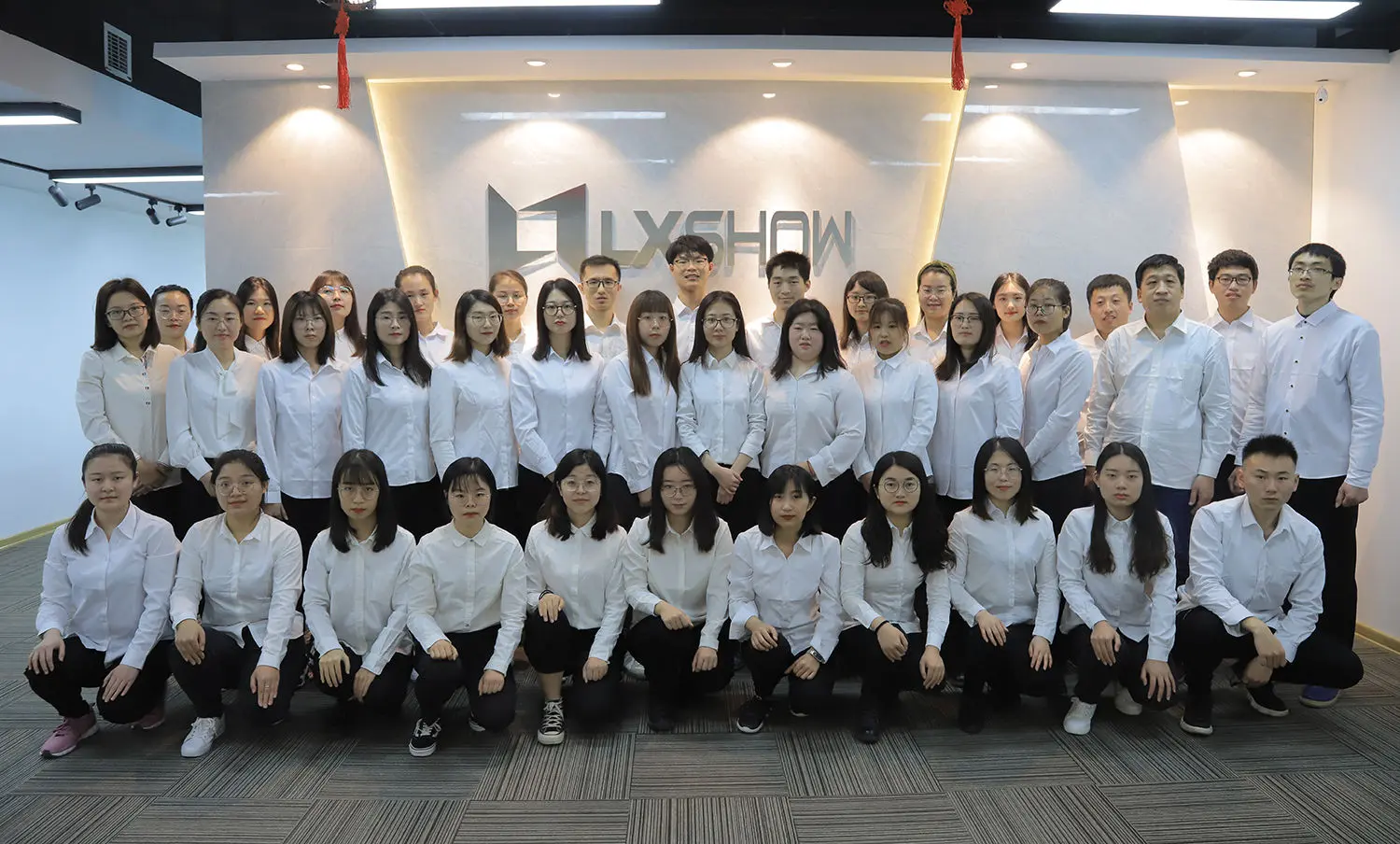
Global Laser Smart Equipment Pioneer

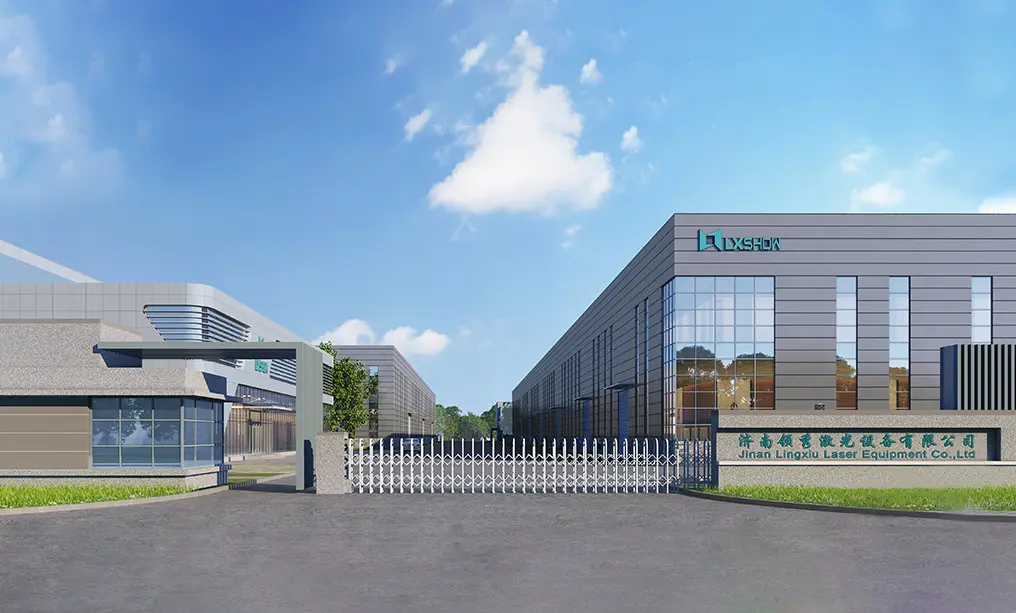
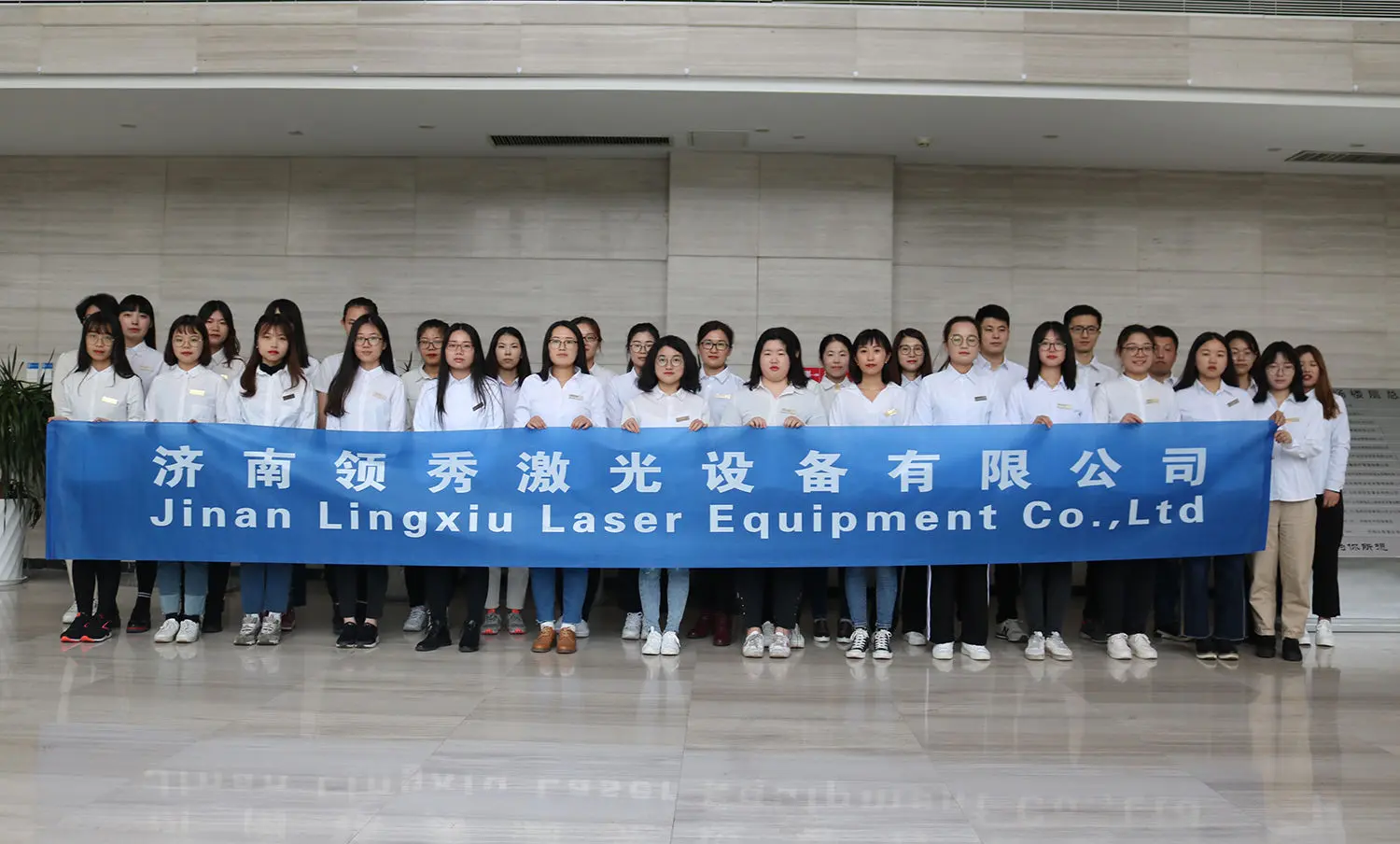
Established in July 2004, our company has evolved into a global leader in laser processing intelligence. From a 500-square-meter state-of-the-art research facility in Jinan, we have scaled our production capacity to an expansive 32,000-square-meter manufacturing plant. Our core focus centers on providing advanced industrial support systems, high-power optical designs, and reliable automated configurations that enable structural metal fabricators to step seamlessly into the era of Industry 4.0.

Every manufacturing process operates under strict ISO 9001 quality criteria. Our entire product line has obtained official European Union CE certification and American FDA compliance, guaranteeing that global enterprise purchasers receive machinery conforming to the most stringent international structural safety and optical emission regulations.
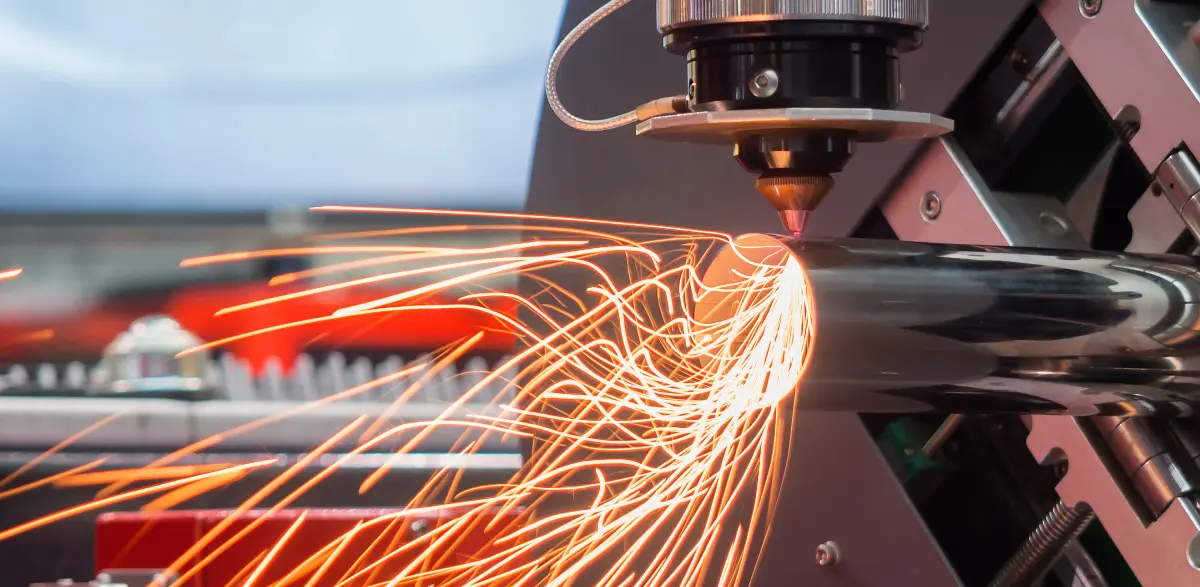
Helping World Metal Cutting Shop Floor

Fiber Laser Cutting Technology: Industry Whitepaper & Procurement Guide

1. China's Laser Manufacturing Cluster & Supply Chain Advantages

The dramatic global shift towards fiber laser cutting technology is fundamentally anchored in the unique industrial dynamics of China’s advanced manufacturing ecosystem. The Jinan laser industry cluster, home to our state-of-the-art facility, features a highly verticalized supply chain that achieves exceptional cost efficiencies without compromising technical specifications.

By combining direct localized sourcing of key frame elements, high-tonnage structural cast beds, and close partnerships with Tier-1 optic components providers like Raycus, MAX, and JPT, we drastically minimize assembly overheads. Our localized component sourcing enables rapid design iterations, immediate component verification, and agile customization protocols. For global importers, this efficiency delivers a reduction in total capital expenditure (CapEx) of 40% to 60% compared to Western OEMs, while providing equal or superior positioning accuracy (up to ±0.02mm) and heavy-duty frame reliability.

2. Global Enterprise Procurement Criteria & Total Cost of Ownership (TCO)

Industrial purchasers evaluate laser systems on long-term efficiency, reliability, and continuous performance rather than purchase price alone. Minimizing Total Cost of Ownership (TCO) requires balancing energy consumption, process gas choices, and high system reliability (MTBF).

Compared to traditional CO2 resonators, fiber lasers reduce power consumption by up to 70% because the active laser medium is doped optical fiber rather than gas. This eliminates the need for internal alignment mirrors and vacuum pumps. Standardizing on CypCut or HypCut control software allows operators to use nesting algorithms that maximize material utilization. Utilizing high-pressure dry air as an alternative to auxiliary Nitrogen or Oxygen gases can reduce operational expenses by up to 50% in standard sheet metal cutting applications, making the setup highly cost-effective over its lifecycle.

3. Localized Compliance, Certification, & Global Field Service

To integrate machinery into global shop floors safely and legally, manufacturers must meet regional compliance guidelines. We ensure all exported laser machines meet the following certifications:

  • CE Machinery & EMC Directives: Fully compliant structural enclosures, safety interlocks, and shielded electronics prevent electromagnetic interference on industrial grids.
  • FDA CDRH Accession Numbers: Equipped with certified protective windows (OD6+) and safety interlock doors to safely isolate high-power Class IV laser emissions during operation.
  • ISO 9001 Process Controls: Every step—from welding structural frames to optic alignment and final stress-relief annealing—undergoes rigorous quality testing.

Our international support ecosystem includes localized engineer networks, remote telemetry diagnosis, and regional distribution centers for prompt replacement of optical elements. This service design ensures minimal downtime for operators worldwide.

4. Industrial Trends: 20kW+ Scaling, Zero-Tailing Tube Cutting & Smart Factory Cells

The fiber laser industry is moving rapidly toward higher power ranges, automated material handling, and smart manufacturing systems:

  • Ultra-High Power Scaling (20kW to 40kW): Enables high-speed cutting of thick carbon and stainless steel sections, competing directly with plasma cutting on heavy machinery frames.
  • Four-Chuck Tube Processing: Using four independent chucks allows for zero-tailing tube cutting, eliminating material waste at the end of pipes and reducing raw material costs.
  • Robotic Integration & Smart Manufacturing: Connecting laser cutting units directly to automated bending, cleaning, and material sorting systems drives high-efficiency production lines with minimal manual handling.

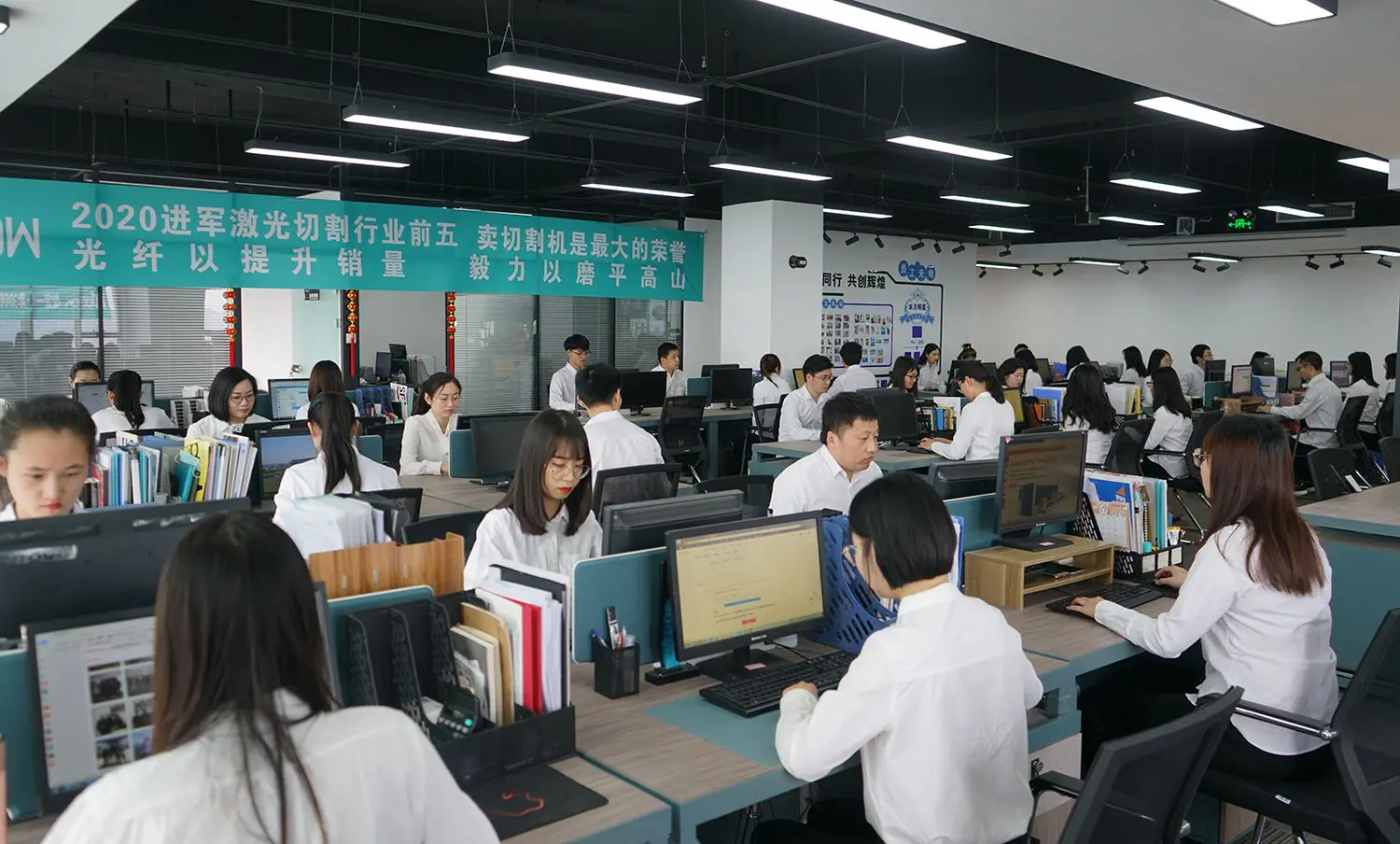
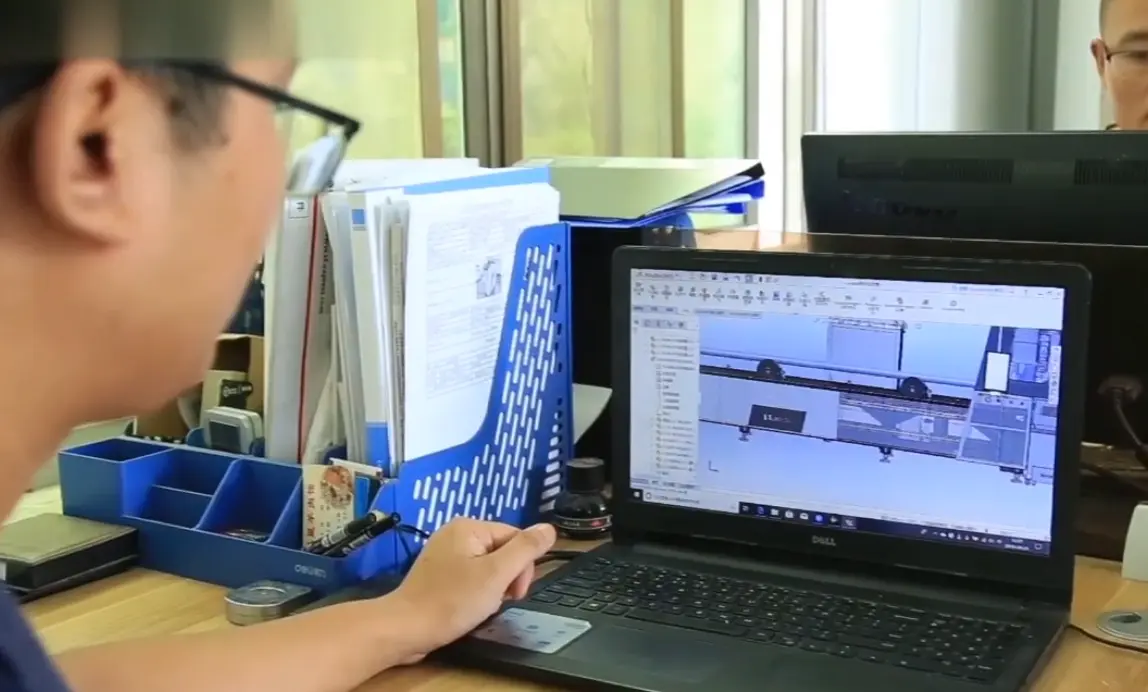
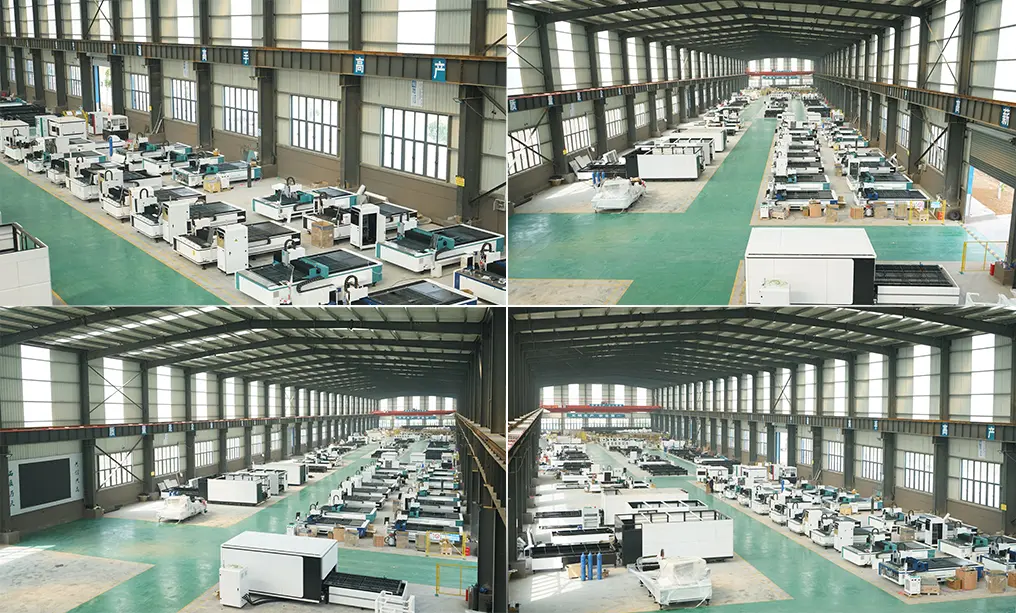
Inside Our Advanced Production Facilities

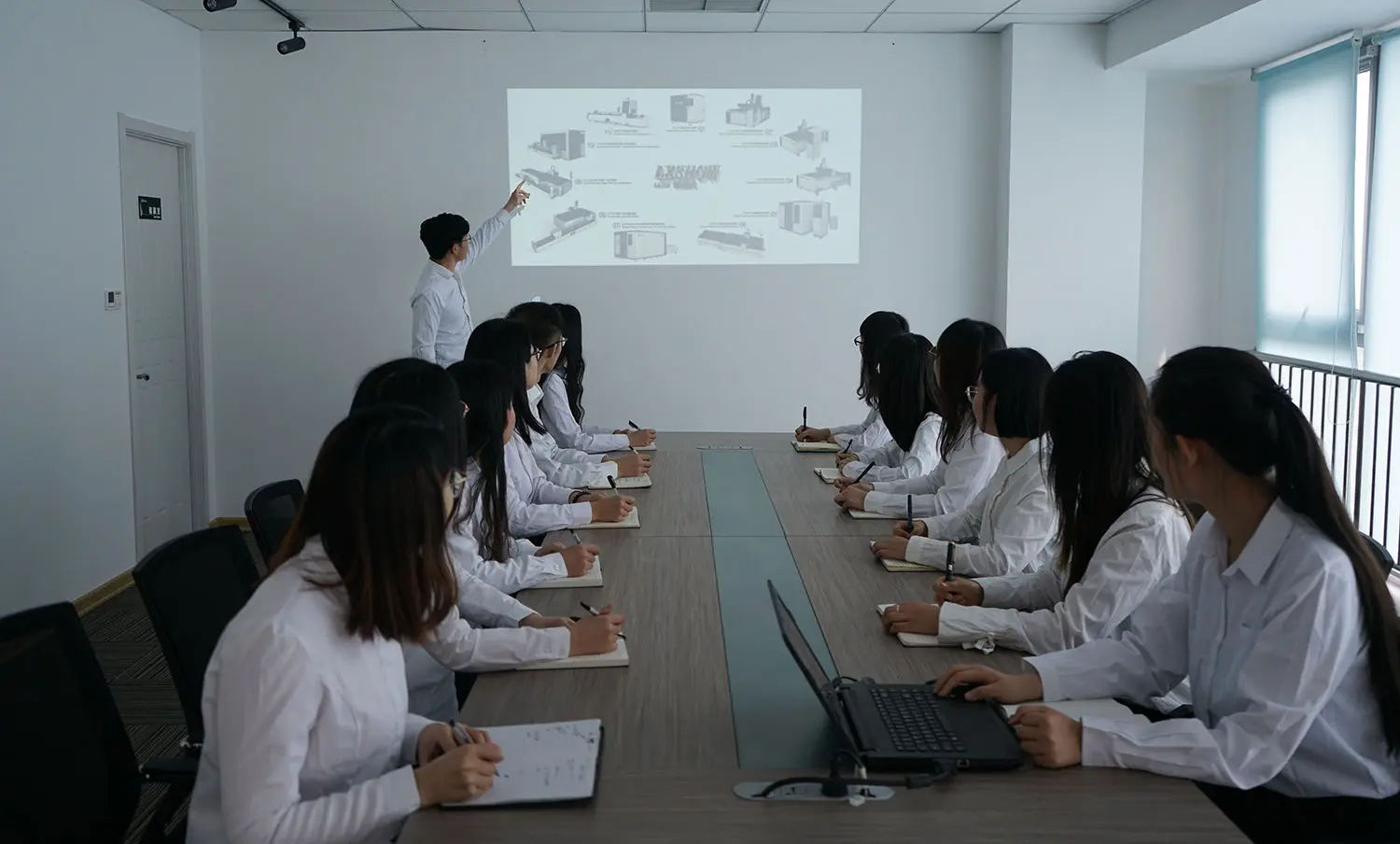
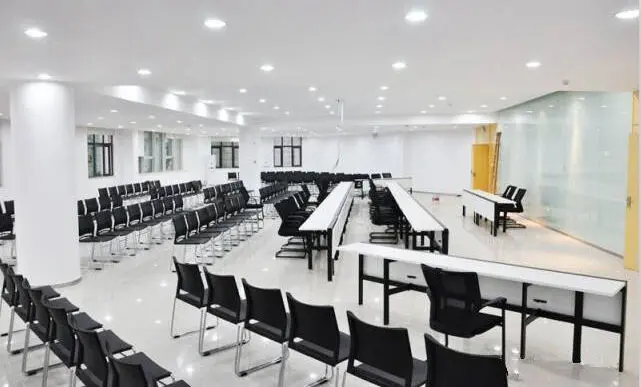
Tour our 32,000 square meter ISO-compliant assembly plant, engineering hubs, and quality testing rooms.
Material and Industry Compatibility Ecosystem

Our industrial systems process a wide range of ferrous and non-ferrous materials across diverse industrial environments.
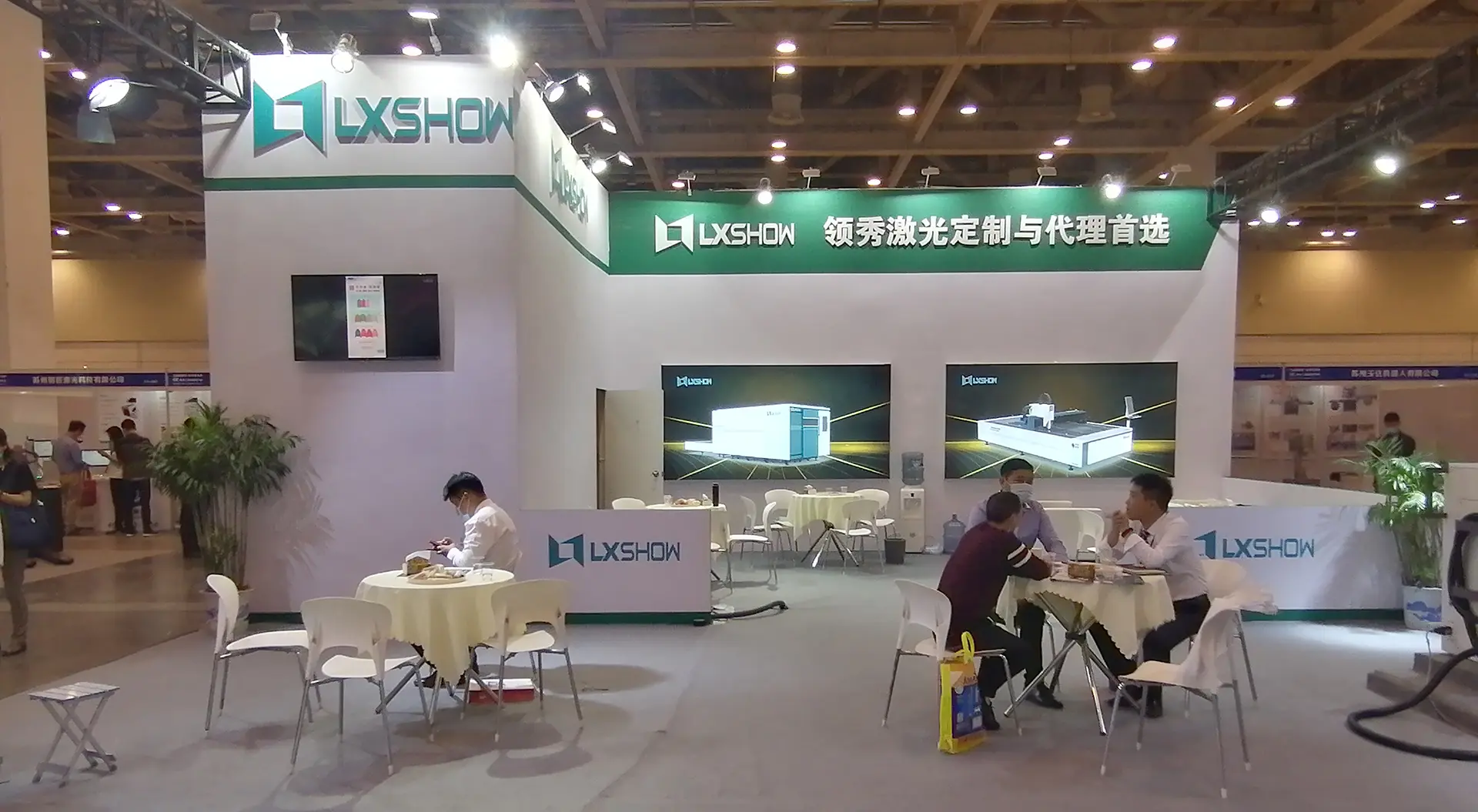
Optoelectronics applications

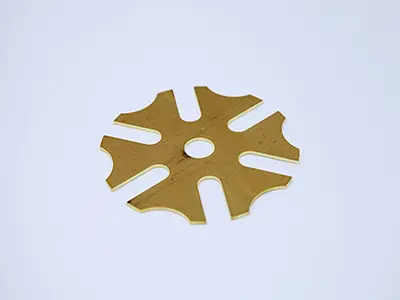
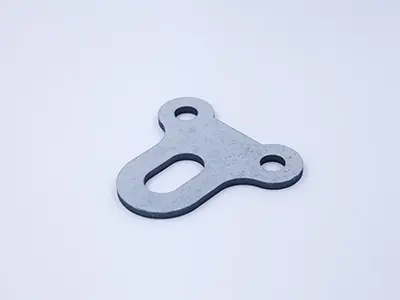
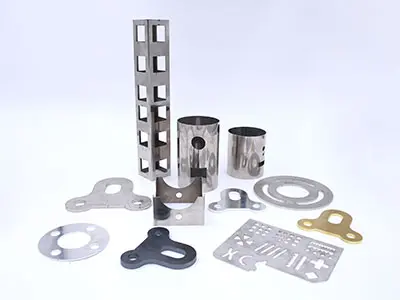
Precision metal fabrication relies on selecting the appropriate combination of laser power, auxiliary gases, and feed rates. Standard setups process high-reflectivity copper alloys using specialized optical coatings, cut thick carbon steel plates using dry oxygen assistance, and process thin aluminum structures at high speeds using nitrogen or compressed air. The flexibility of fiber laser sources helps manufacturers optimize parameters for different materials, ensuring clean cuts with minimal post-processing.
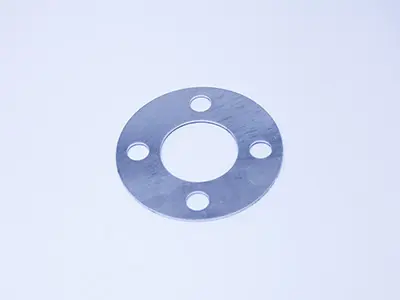
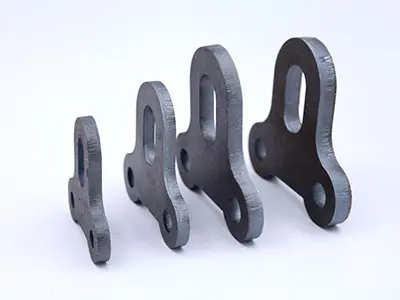
Processing Competencies by Material Class

Aluminum
Aluminum Alloys
Carbon Steel
Carbon Steel
Copper
Copper & Brass
Galvanized
Galvanized Steel
Other Metal
Specialized Alloys
Round Tube
Round Tube Profiles
Square Tube
Square Tube Profiles
Stainless Steel
Stainless Steel

Target Industry Sectors

Hardware Manufacturing Kitchenware Production Sheet Metal Enclosures Automotive Structural Frames Electrical Cabinets & Racks Decorative Metal Crafts Industrial Advertising Signs Sporting Equipment Frames Industrial Lighting Enclosures Heavy Duty Machinery Parts Precision Eyewear Framing

Primary Product Portfolios & Machine Types

Technical FAQ: Fiber Laser Procurement & Operational Integration

Answers to common questions about power selection, compliance requirements, gas setup, and maintenance planning.

Q1: How do I select the optimal fiber laser power rating (1kW to 20kW+) for my shop?
A: Power selection depends on your primary material thickness and production speed requirements. Standard sheets (1-6mm) are processed efficiently using 1kW to 3kW systems. Higher-volume fabrication (6-12mm steel) typically benefits from 4kW to 6kW power levels. For heavy-duty machinery parts, shipbuilding, or structural steel over 15mm, ultra-high power systems (12kW to 20kW+) enable high-speed processing and reduce the heat-affected zone (HAZ), minimizing part distortion.
Q2: What are the main differences between Raycus, IPG, Max, and JPT laser sources?
A: IPG is known for global support networks and high beam stability. Raycus is widely selected for industrial-grade applications, balancing cost and performance. Max and JPT offer competitive, high-efficiency options that integrate well with dynamic automated systems, providing good configuration flexibility.
Q3: How does a fully enclosed laser cutting machine improve safety and regulatory compliance?
A: A fully enclosed structure protects operators from direct and reflected Class IV laser radiation. Standard features include safety interlock doors that immediately disable the laser if opened during operation. Enclosures also help contain fumes and dust, which can then be safely extracted through built-in filtration units to maintain safe workspace air quality.
Q4: What gas options are available for fiber laser cutting, and how do they affect operating costs?
A: Systems typically use Oxygen (O2), Nitrogen (N2), or high-pressure dry compressed air. Oxygen is commonly used for carbon steel, utilizing an exothermic reaction that reduces the required laser power but leaves an oxidized edge. Nitrogen is preferred for stainless steel and aluminum to produce clean, oxide-free cuts ready for immediate welding. High-pressure air can be used as a cost-effective alternative for thinner sheets, reducing gas consumption expenses by up to 50% relative to nitrogen.
Q5: What standard maintenance tasks are required to keep the optical components functioning correctly?
A: Weekly tasks include inspecting and cleaning the protective lens cover window to prevent dust accumulation, which can lead to thermal cracking. Chiller water filters should be replaced every three months to prevent mineral build-up, and the guide rails and rack systems should be cleaned and lubricated regularly to maintain alignment and positioning accuracy.

Specialized Fiber Laser Systems & Post-Processing Solutions

Explore our specialized solutions, including automated pipe processors, mini-format high-precision systems, surface finishing units, and laser cleaning configurations.
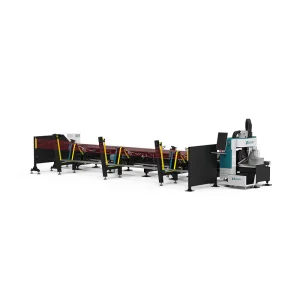
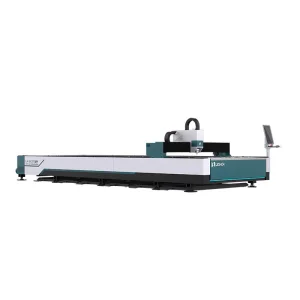
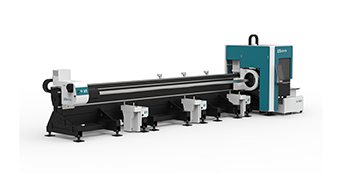
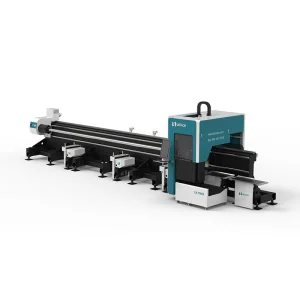
Best LX612TNB High Speed Automatic Tube Cutting Machine

Best LX612TNB High Speed Fully Automatic Loading Tube Cutting Machine

Request Specifications
Custom LX6020FC Single-platform Fiber Laser Cutting Machine

Custom LX6020FC Single-platform Fiber Laser Cutting Machine for Steel Manufacturers

Request Specifications
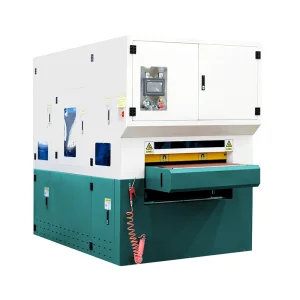
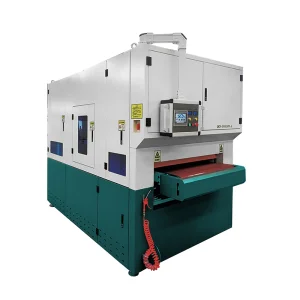
Wholesale Stainless Steel Sheet Deburring Polishing Machine

Wholesale LX-RRS-A-1300 Stainless Steel Surface Deburring Polishing Machine

Request Specifications
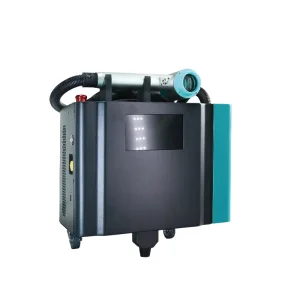
OEM Portable Fiber Laser Cleaner Machine

OEM New Design Portable Fiber Laser Cleaner Machine Supplier & Factory

Request Specifications
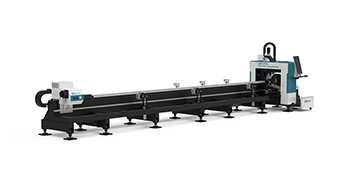
Famous TX124 2024 Fiber Laser Cutting Machine

Famous TX124 2024 Fiber Laser Cutting Machine for Aluminium Metal Pipe & Tube

Request Specifications
High-Quality mini CNC Fiber Laser

High-Quality LX1390M Mini Small CNC Fiber Laser Metal Cutting Machine

Request Specifications
Best LX63TN 2024 Aluminum Pipe Cutting Machines

Best LX63TN 2024 Lxshow Aluminum Pipe Tube Cutting Machines with High Power

Request Specifications
ODM Metal Polishing Deburring Finishing Machine

ODM LX-RSRW-M-1000 Metal Polishing and Deburring Machine for Stainless Steel & Aluminum

Request Specifications