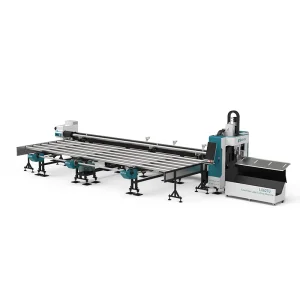
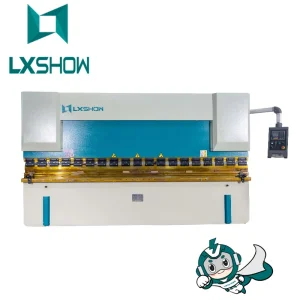
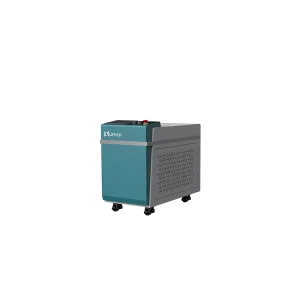
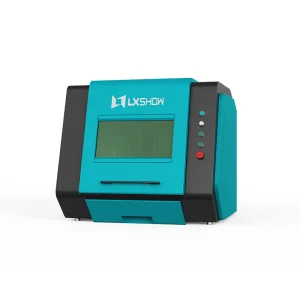
Engineered for high speed, continuous operation, and micron-level accuracy across sheet metal and structural profiles.
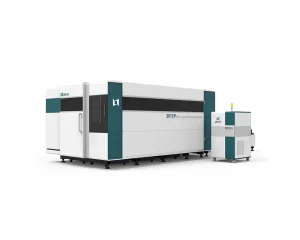
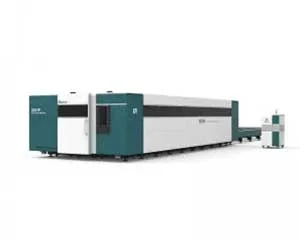
In modern industrial fabrication, precision is no longer the sole determinant of success; throughput, dynamic efficiency, and technological integration dictate competitive advantages. High-power CNC metal laser cutting systems have undergone a profound evolution, moving from gas-assisted CO2 architectures to solid-state fiber laser configurations that process thick plates and reflective non-ferrous materials with unmatched dimensional accuracy.
As a global pioneer in intelligent laser manufacturing, we optimize every system to maximize Information Gain and mechanical efficiency. By utilizing segmentally welded heavy-duty gantries, high-transmission linear guideways, and smart bus-controlled CNC systems, we ensure that operators achieve stable, multi-axis motion and maximum yield. Whether cutting high-tensile carbon steel or ductile copper, our technologies minimize the heat-affected zone (HAZ) and deliver dross-free edge profiles.
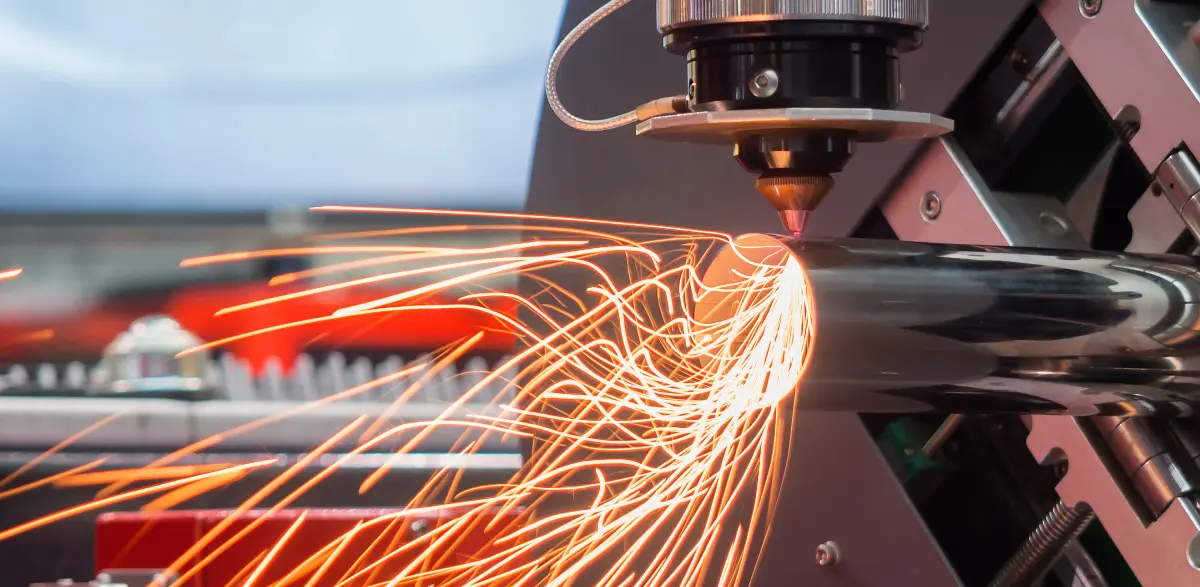
Analyzing the paradigm shifts and manufacturing innovations driving the future of sheet and tube metal processing.
The industry is transitioning from sub-6KW systems to 10KW-40KW ultra-high-power fiber lasers. These units dramatically increase processing speeds for medium to thick plates while facilitating nitrogen-assisted cutting of thick stainless steel, eliminating the need for subsequent mechanical finishing operations.
EtherCAT bus-controlled architectures replace legacy analog systems to deliver millisecond-level feedback loops. Advanced tracking sensors, rapid pierce cycles, and auto-avoidance algorithms prevent head crashes, improving operational safety and cutting consistency.
Smart factories rely on automated loading and unloading systems. Exchange shuttle tables swap pallets in under 15 seconds to maximize production cycles. Real-time material sorting and robotic cell integration enable lights-out night shift operations.
When procurement executives evaluate manufacturing assets, they calculate the Total Cost of Ownership (TCO) rather than just the initial capital expenditure. Key selection criteria include structural rigidity to prevent heat deformation, optical component resilience under thermal stress, and the user interface's compatibility with existing MES/ERP environments.
Our structures undergo rigorous stress-relief annealing cycles, thermal milling processing, and multi-axis laser interferometer calibration. This ensures dynamic mechanical accuracy is maintained over decades of heavy service. Our partnerships with industry leaders like Raytools, IPG, Raycus, and Yaskawa guarantee reliable access to replacement parts and stable service life worldwide.
Understanding beam absorption characteristics and auxiliary gas requirements for different metallic structures.
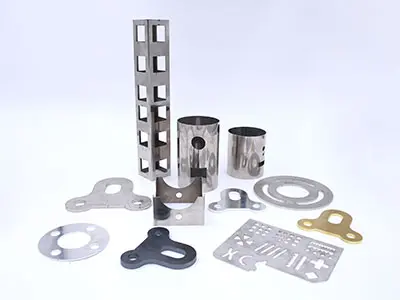
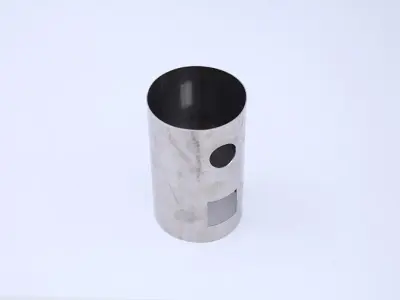
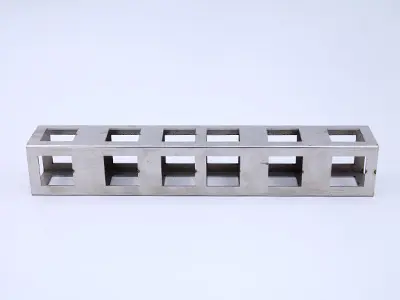
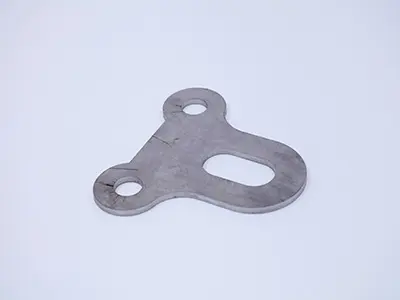
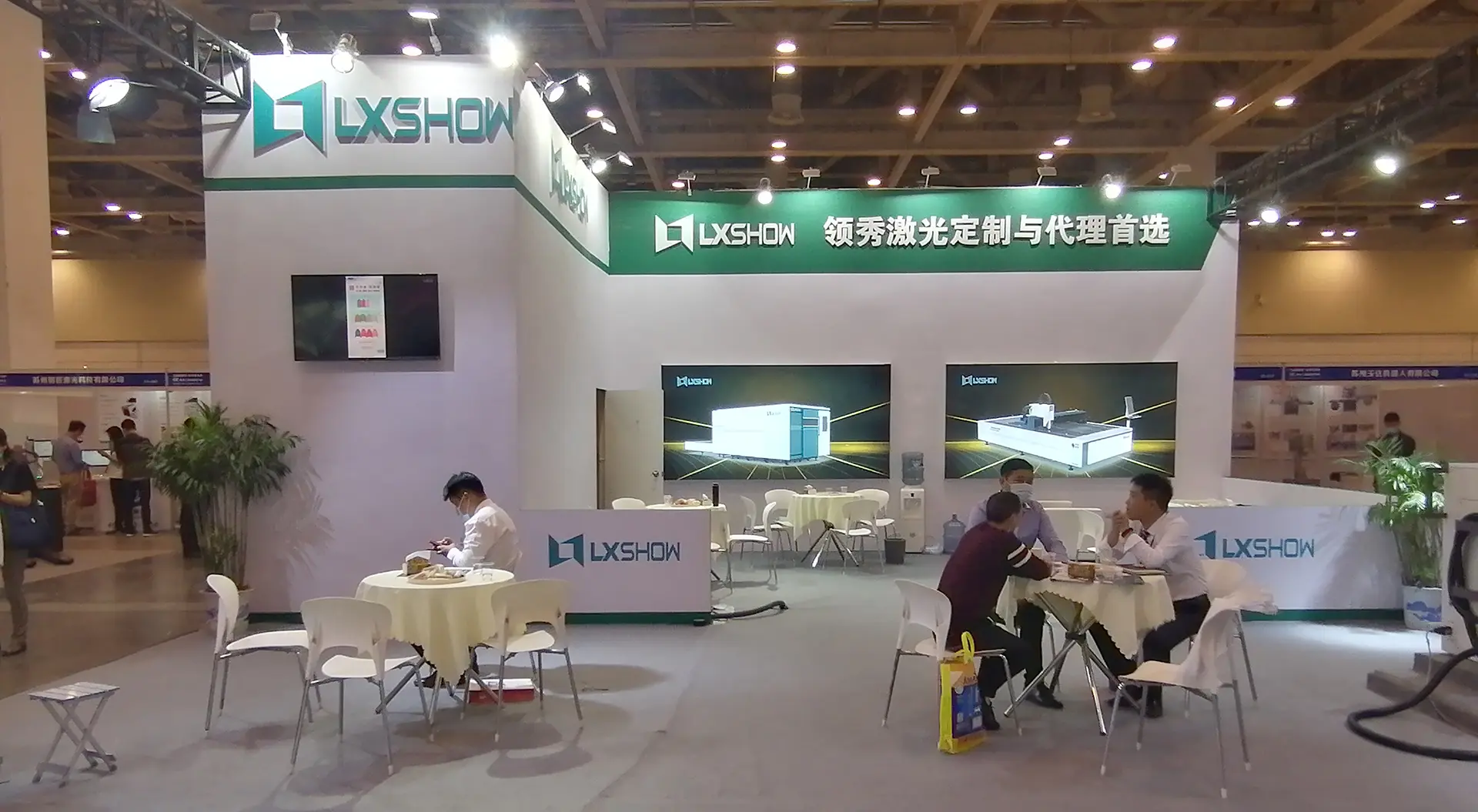
Providing real-world evidence of our engineering expertise, robust testing procedures, and collaborative office spaces.
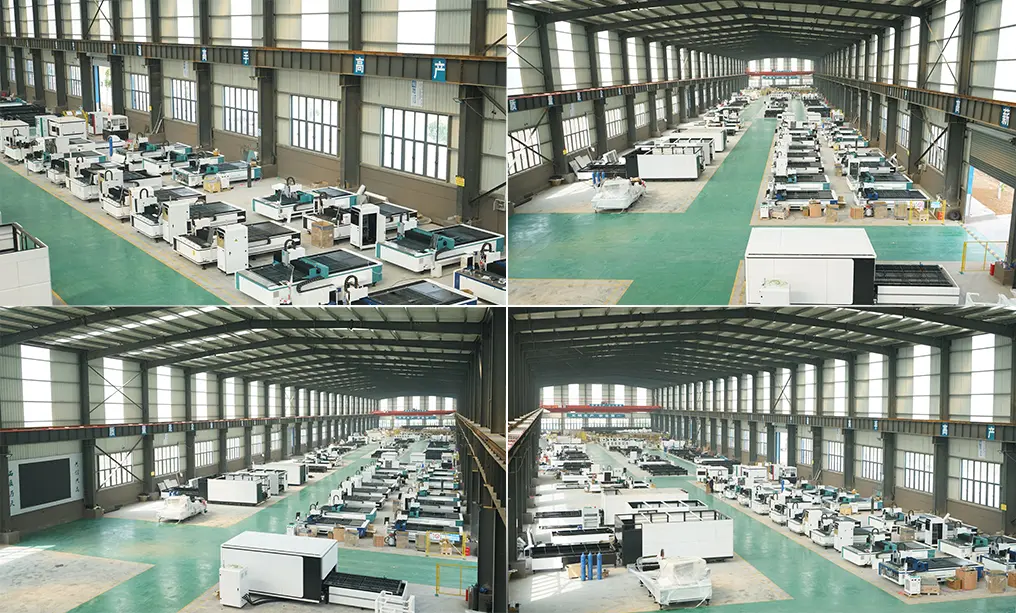
Heavy Machine Assembly Workshop
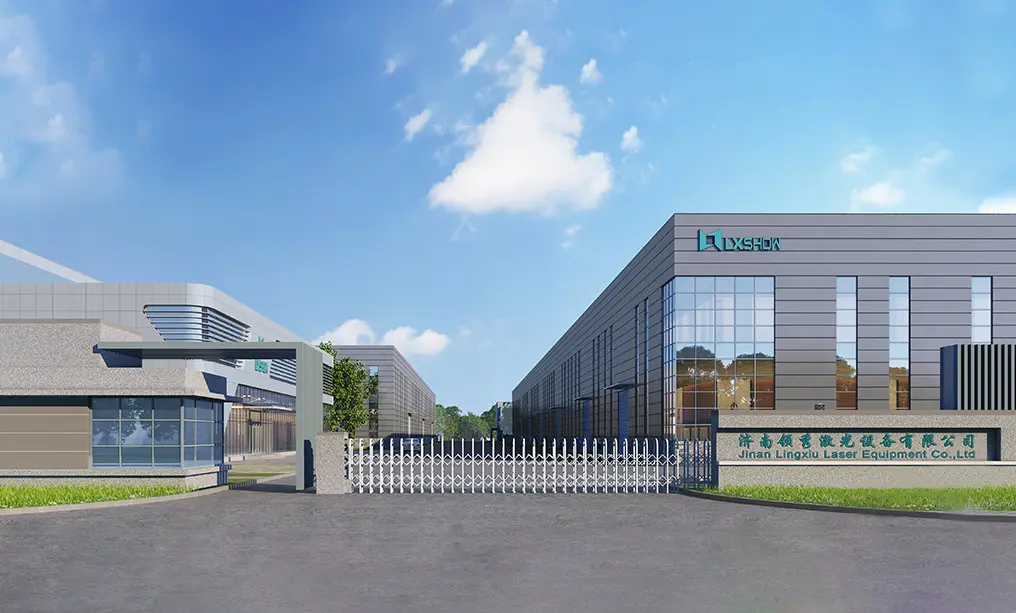
Lxshow Laser Testing Factory
Corporate Front Desk Reception
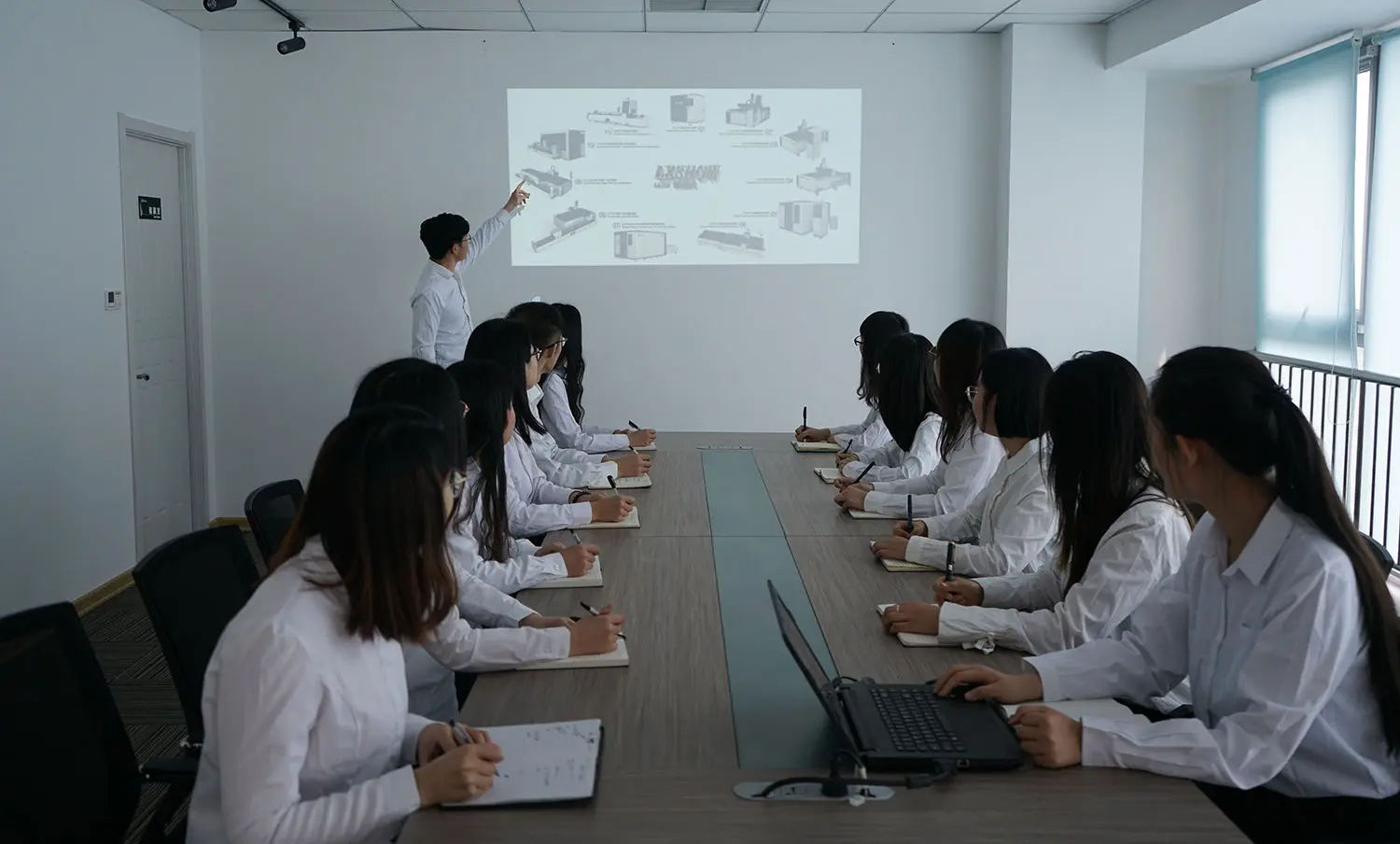
Engineering Collaboration & Meeting Room
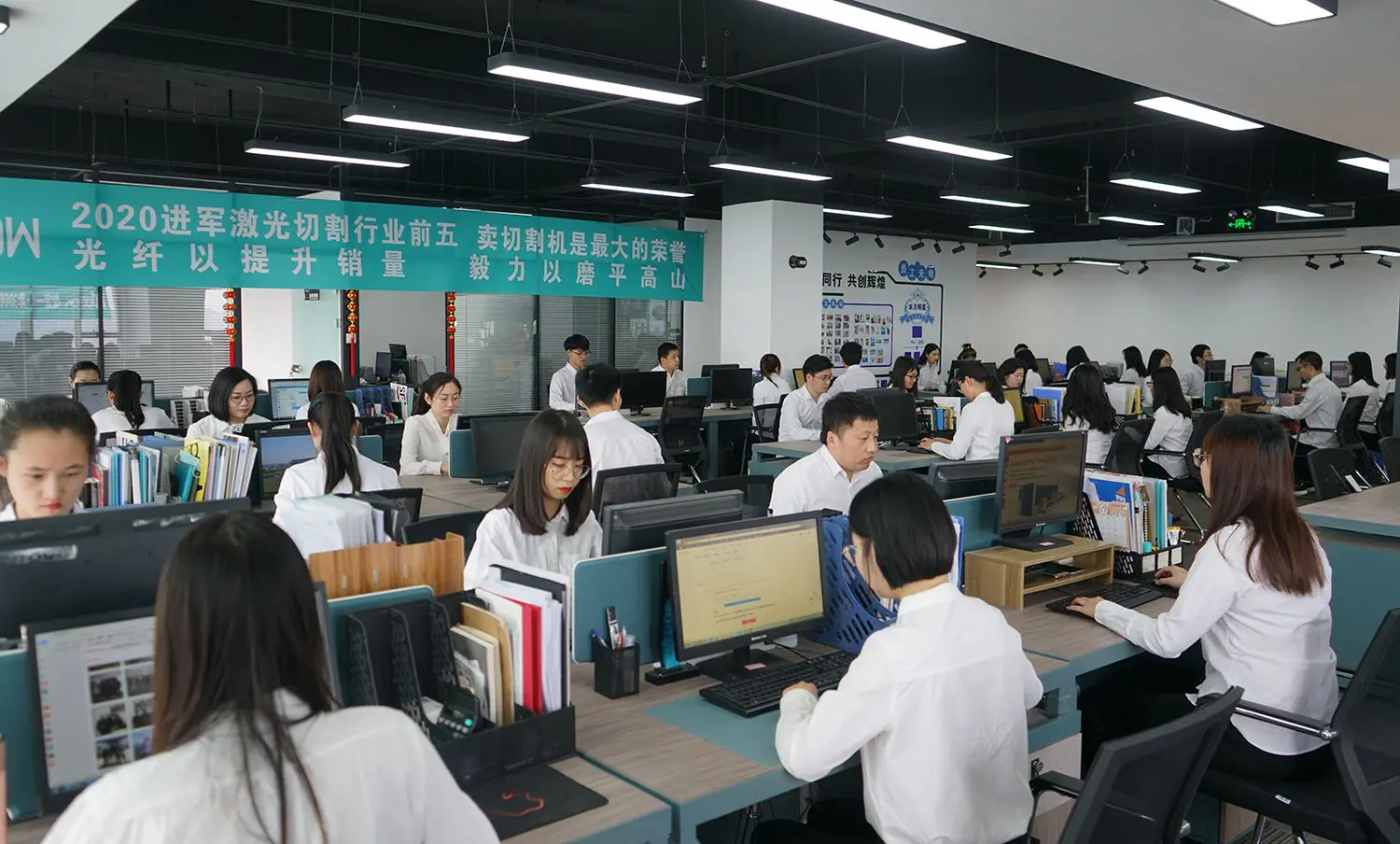
Global Operations Office
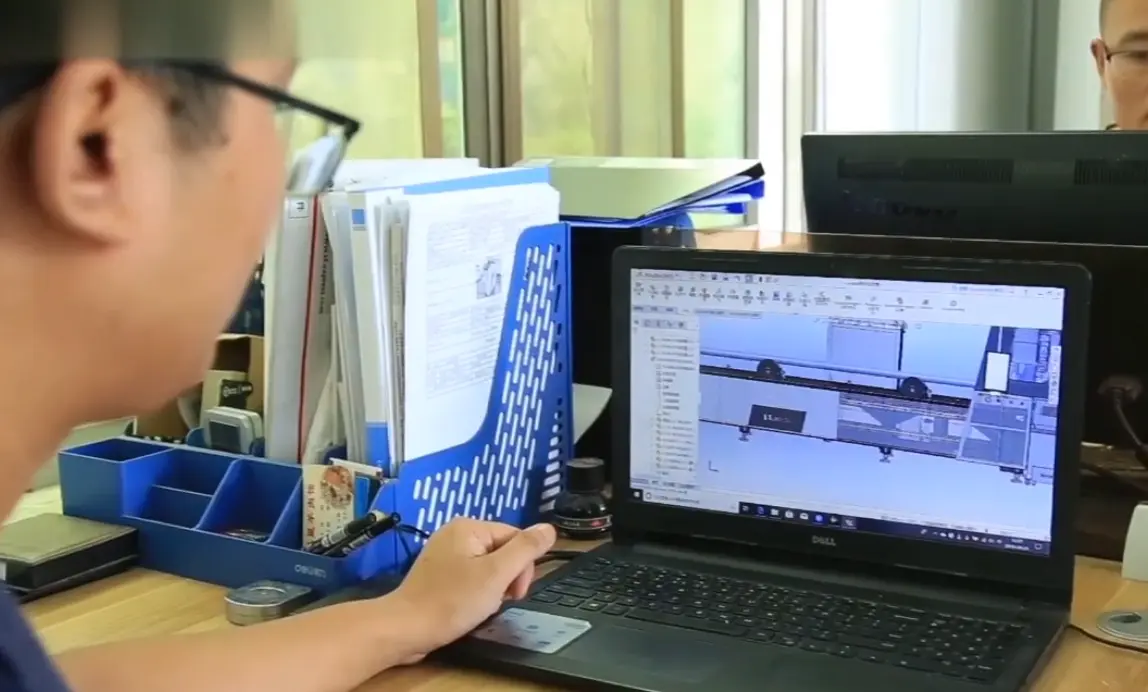
Mechanical & Controls Design Team
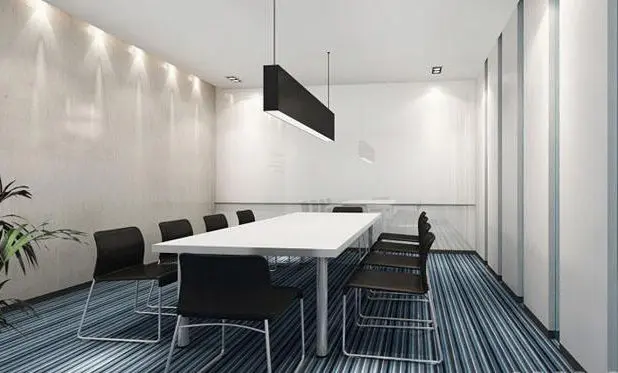
Client Reception Lounge
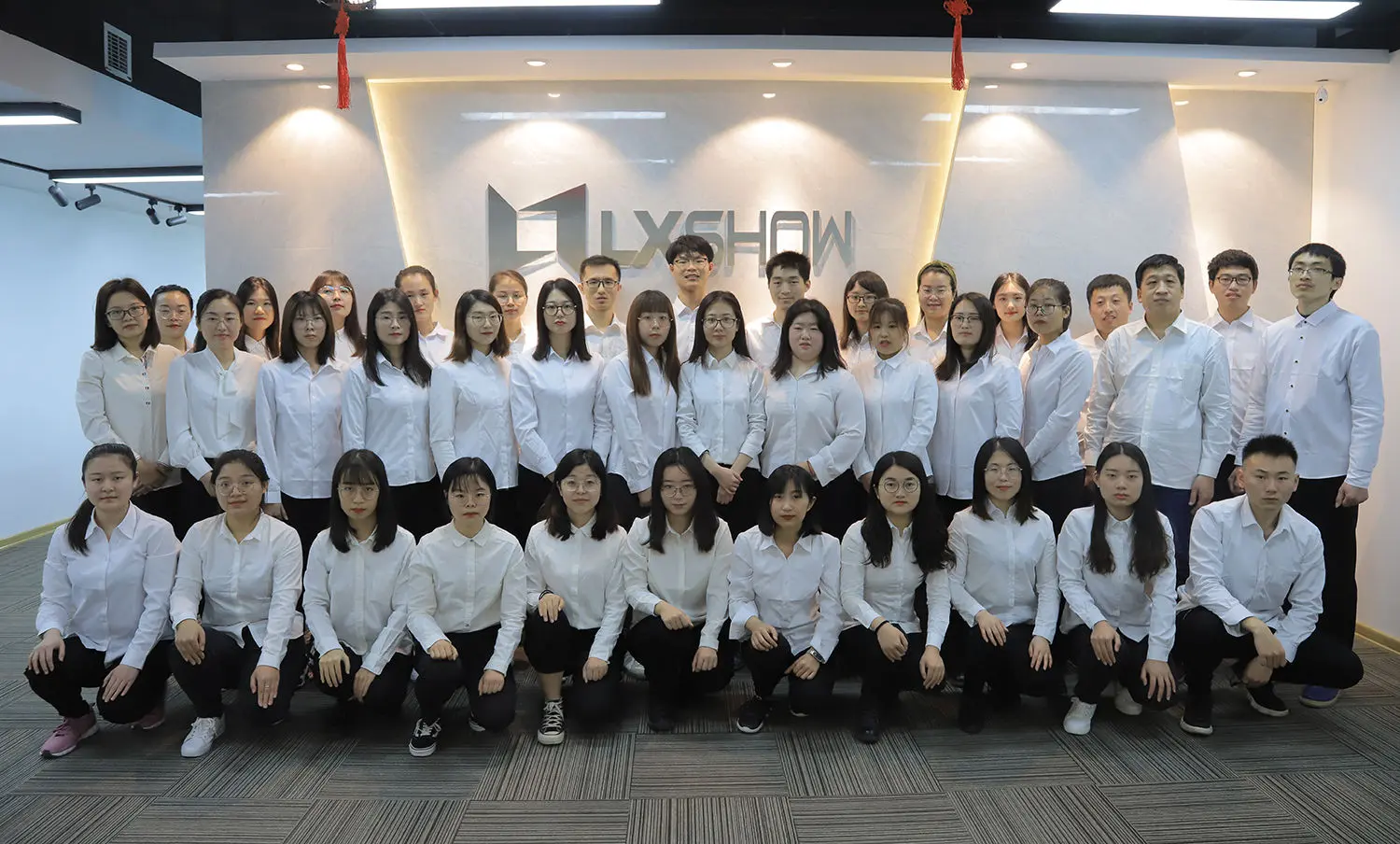
Technical Application Team 1
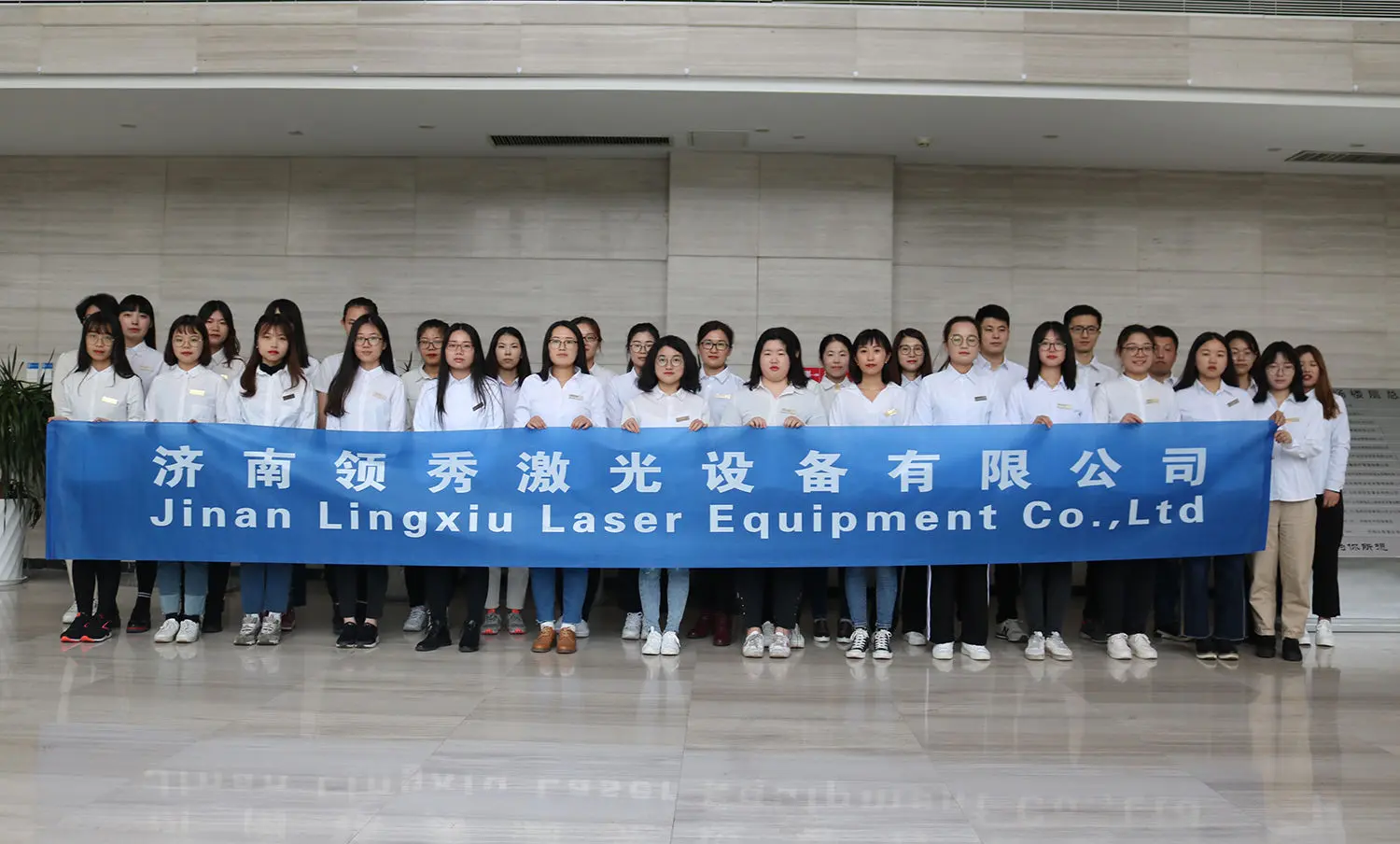
Customer Support Team 2
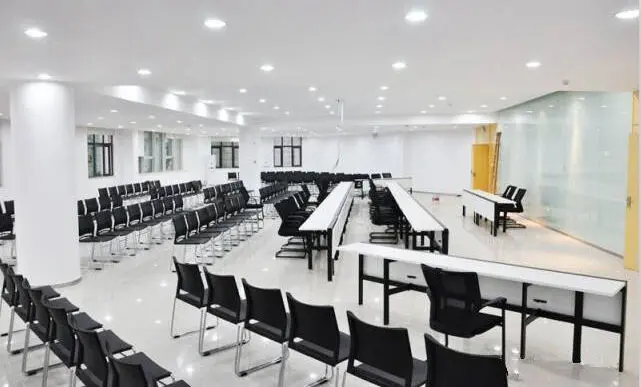
Operator Training Center
Quality and safety are critical when exporting heavy equipment to demanding regulatory markets. All our machines carry official European Union CE authentication, are registered with the American FDA, and are built under an ISO 9001 certified quality management process. This guarantees compliance with strict health, safety, and environmental standards across North America, Europe, and Asia-Pacific.
Beyond our manufacturing processes, our after-sales network ensures your production lines run reliably. We provide English-speaking Field Application Engineers (FAEs) for on-site commissioning, operator training, and diagnostic support. Remote telemetry on our machines allows us to diagnose and resolve software configuration, axis tuning, or cutting parameter issues in real time.
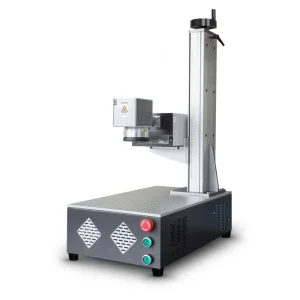
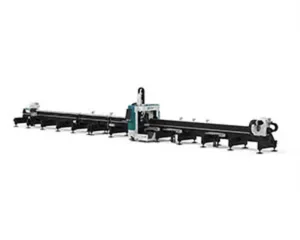
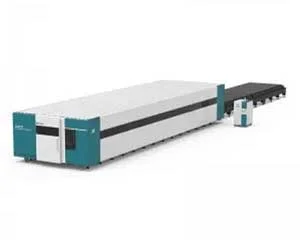
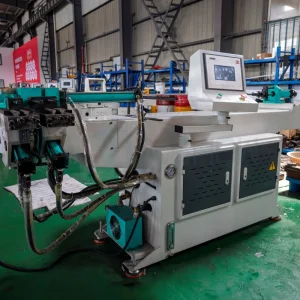
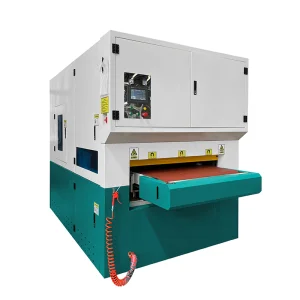
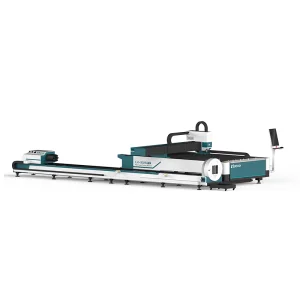
Our engineering capabilities cover a comprehensive range of metal fabrication machinery, ensuring full workflow integration from blanking to final processing:
Complementary fabrication systems designed to streamline sheet metal finishing, bending, and specialized tube processing.
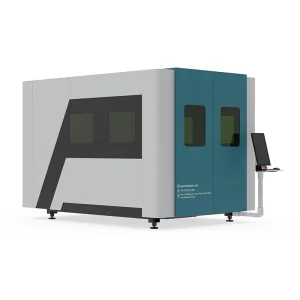
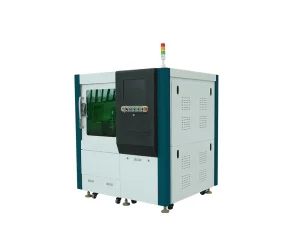
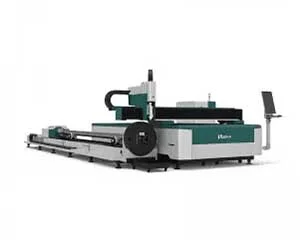
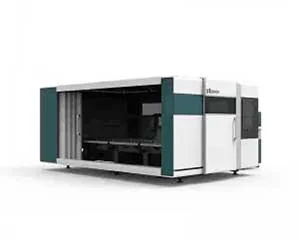
To remain at the forefront of the global metalworking sector, we have outlined a robust long-term technological vision aiming towards 2040. The transition from human-managed mechanical cells to autonomous, self-optimizing factories is our core design goal. In this roadmap, we prioritize AI-driven smart manufacturing (Industry 4.0), carbon neutral footprint minimization, and extreme energy-efficiency metrics.
Our upcoming product generations will integrate advanced machine-learning algorithms directly into the CNC kernel. This will enable real-time tracking of thermal deformations in optical lenses, allowing the system to adjust focus heights dynamically to prevent cutting errors. By embedding smart sensor arrays throughout the mechanical bed, we aim to implement predictive maintenance capabilities, reducing unplanned downtime to near zero.
Phase 1 (2025-2030): Integrating automated loading robots across all high-power product series, and deploying eco-conscious air-assisted cutting configurations to minimize auxiliary gas expenses.
Phase 2 (2030-2035): Standardizing cloud-connected maintenance networks globally, enabling instant diagnostic interventions and software optimizations over secure connections.
Phase 3 (2035-2040): Developing fully autonomous material storage and manufacturing systems that automatically schedule nested runs based on enterprise ERP pipelines.
Addressing the critical engineering, configuration, and logistics questions from professional purchasers.
Single-mode fiber lasers feature a narrow, high-density beam profile, concentrated in a small core diameter (typically 14 to 50 microns). This provides exceptional energy concentration, making them ideal for high-speed cutting of thin sheet metals (under 6mm). Multi-mode lasers have a larger core diameter (typically 50 to 100+ microns), producing a flat-top beam profile. This helps distribute thermal energy more evenly, facilitating cleaner cuts with less taper in thick steel plate applications.
Auxiliary gas selection determines the chemical reaction in the cutting zone. Oxygen (O2) is used for carbon steel cutting, initiating an exothermic reaction that melts the metal but creates a dark oxide layer. Nitrogen (N2) acts as a cooling and shielding agent, pushing out molten metal without oxidation. This results in bright, clean edges on stainless steel and aluminum, though it requires higher pressure. Compressed Air is a cost-effective alternative for thin sheets, offering fast cutting speeds by balancing oxygen's reactive power with nitrogen's shielding effect.
At high cutting speeds (often exceeding 80m/min) and high acceleration rates (up to 1.5G or 2.0G), structural inertia creates intense mechanical vibrations. If the machine frame lacks sufficient rigidity, these vibrations degrade the cutting path, causing waviness and reduced accuracy. We construct our machine beds with thick-walled steel tubes that undergo thermal stress relief and precision surface milling to prevent micro-deformations over years of heavy operation.
For European Union ports, machinery must carry the CE Mark, confirming compliance with the Machinery Directive (2006/42/EC), Low Voltage Directive, and EMC regulations. For the United States, systems must comply with FDA CDRH standards for laser radiation safety, and electrical systems should align with UL/NFPA standards. Our machines are built to meet these global compliance standards to ensure smooth importing and setup.
Our cutting heads are equipped with high-sensitivity capacitive sensors that monitor the distance to the workpiece in real time. If a cut metal piece tips upward (which can happen during nested runs), the sensor detects the change in capacitance within microseconds and automatically lifts the Z-axis, stopping motion to prevent a head collision.
 Lxshow