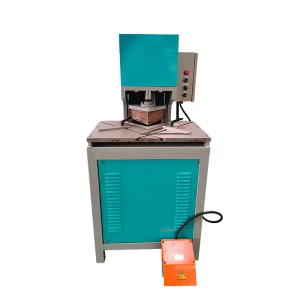
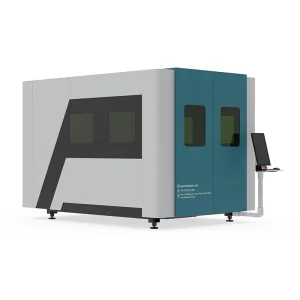
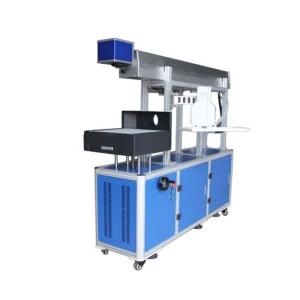
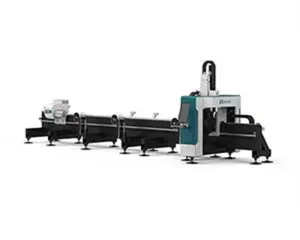
High-efficiency industrial machinery designed for demanding structural and sheet metal applications.
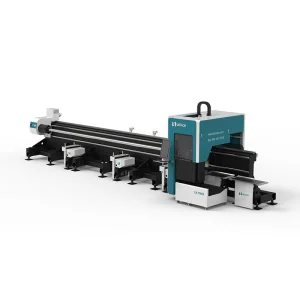
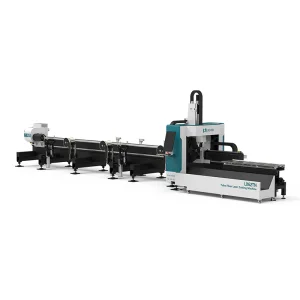
In today's fast-evolving manufacturing environment, choosing the right metal fabrication partner is critical to long-term profitability. At LXSHOW Laser, established in July 2004, we design and build high-performance laser cutting, welding, cleaning, and bending machinery. Our systems are engineered to help fabricators transition smoothly into Industry 4.0 smart manufacturing.
For B2B buyers—including procurement heads, factory owners, and structural engineers—selecting equipment goes beyond comparing basic specs. It requires evaluating how well a machine integrates into your workflow, its overall reliability, and the support network backing it. This guide outlines the key considerations for choosing industrial laser and metalworking machinery, focusing on long-term performance and technical compliance.
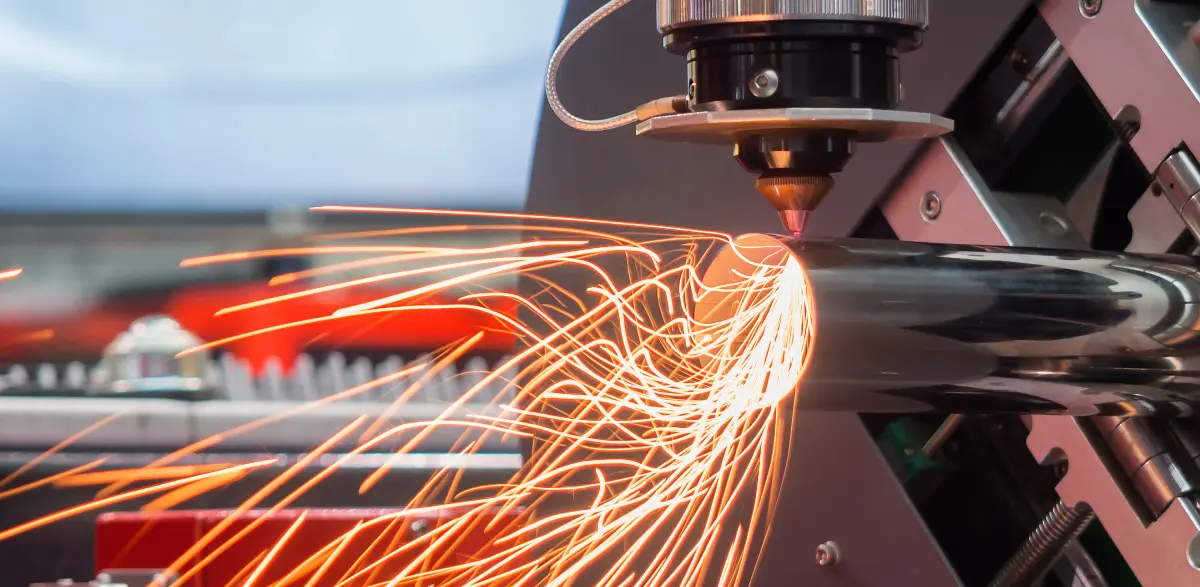
A look at the key technologies driving modern laser cutting efficiency, power scalability, and cut quality.
We configure our systems with reliable fiber laser sources from top brands like IPG, Raycus, JPT, and MAX. This allows us to provide stable power output up to 30kW, giving you the flexibility to cut both thin and thick sheets with consistent edge quality.
Our machines feature modern CNC control systems that adjust cutting parameters in real time based on material thickness and type. This helps minimize operator error, reduce setup times, and cut down on material waste.
Equipped with active cooling and real-time monitoring sensors, our autofocus heads quickly adjust focal depth to handle varying plate flatness, ensuring stable batch production without manual calibration.
Selecting the right laser source depends on your specific application, budget, and material mix. Modern B2B operations generally choose between high-efficiency fiber sources and specialty gas or marking lasers:
| Laser Source Type | Primary Material Focus | Key Strengths | Optimal Industries |
|---|---|---|---|
| Fiber Laser (Raycus / IPG / MAX) | Carbon Steel, Stainless, Aluminum, Brass, Copper | High wall-plug efficiency, low maintenance, excellent beam quality. | Automotive, Sheet Metal, Aerospace, Structural Steel |
| CO2 Large Format Lasers | Non-metals, thick acrylics, wood, plastics | Smooth edge finish on thicker non-metallic profiles. | Packaging, Dynamic Marking, Signage |
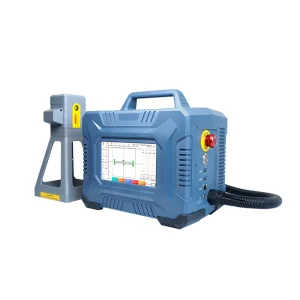
| Pulsed Fiber (Cleaning/Marking) | Oxides, rust, paint, surface metals | No chemical consumables, localized energy delivery, precise coating removal. | Maintenance & Repair, Automotive Refurbishment, Pre-weld Prep |
China has become a central hub for industrial laser production. This growth is driven by dense industrial clusters, reliable raw material sourcing, and efficient domestic components manufacturing. Our facilities leverage these advantages to deliver robust engineering at competitive price points.
By manufacturing locally, we benefit from a streamlined component supply network—from precision rack-and-pinion assemblies to heavy-duty gantry frames. This structure reduces shipping times, keeps production costs manageable, and allows us to offer versatile OEM services for over 30 global brands.
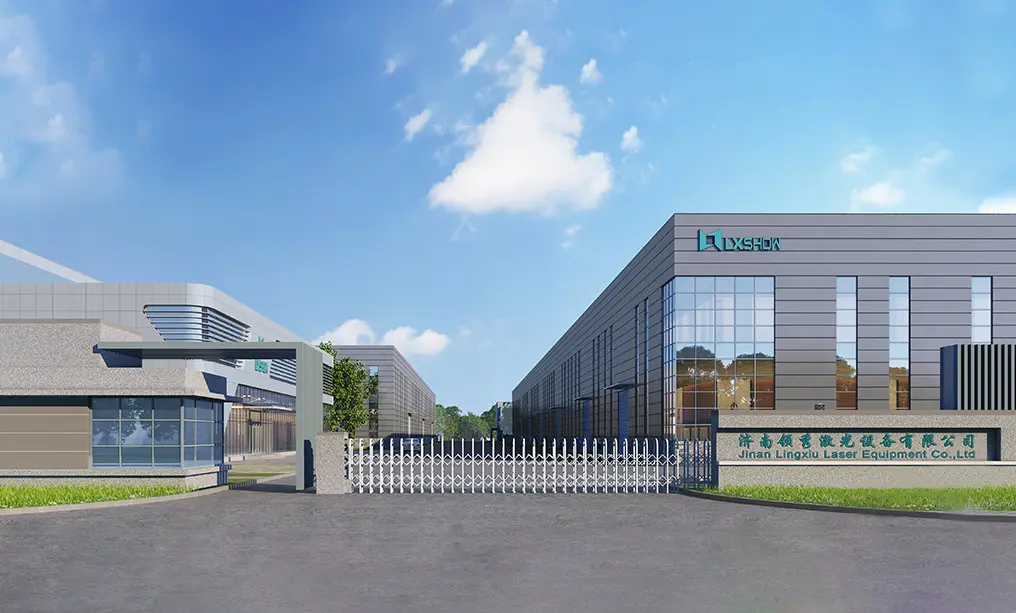
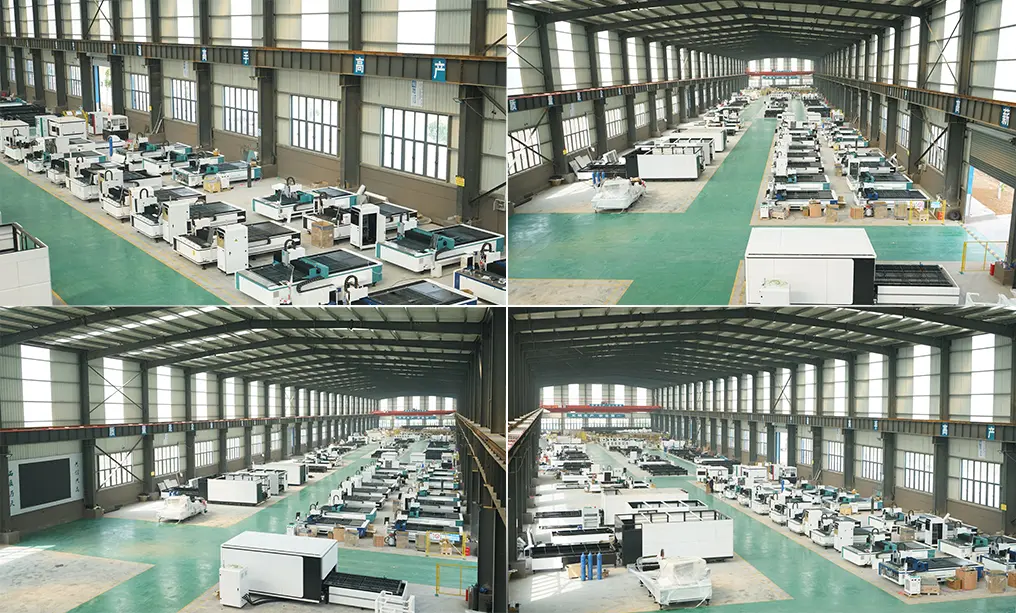
32,000+ sqm manufacturing facility designed for high-capacity fabrication.
How our equipment is deployed across key industrial sectors and optimized for different metals.
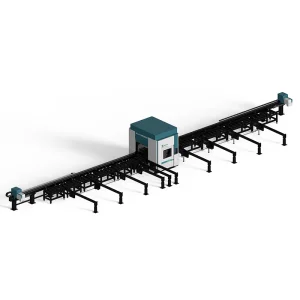
Large-format cutting systems, such as the LX650FBHGA H-Steel cutter, are designed to process structural steel profiles, heavy channels, and beam shapes. These machines are built for demanding environments like shipyards, bridge building, and construction fabrication.
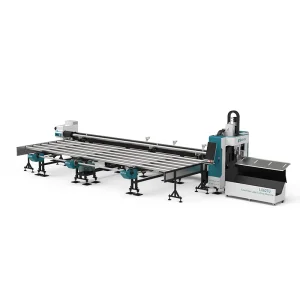
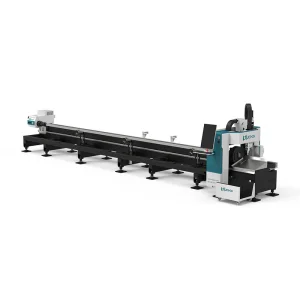
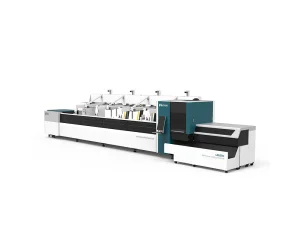
High-speed sheet and tube cutting systems help transport manufacturers produce precise, lightweight chassis components, brackets, and body frames with minimal thermal distortion and clean edge finishes.
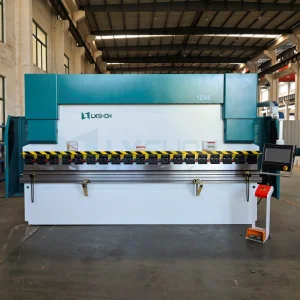
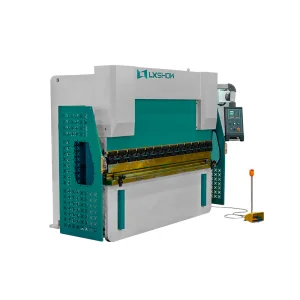
For electronic enclosures and server racks, combining high-speed fiber cutting with CNC press brakes, such as the WE67K Series, ensures accurate bend lines, proper corner alignment, and smooth assembly interfaces.
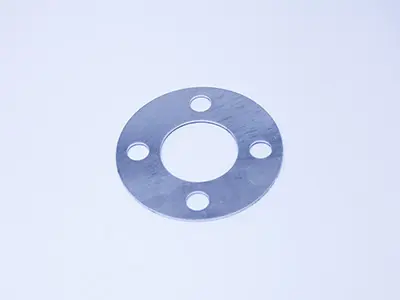 Aluminum Profile Processing
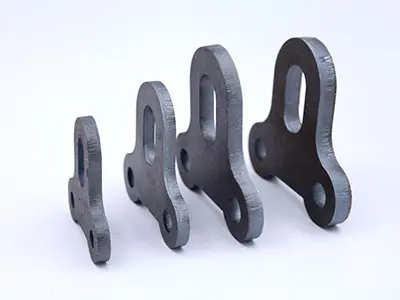 Carbon Steel Sheets & Plates
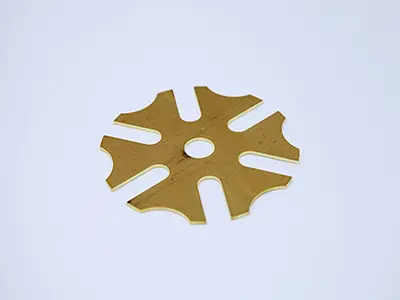 Copper Alloys & Brass Profiles
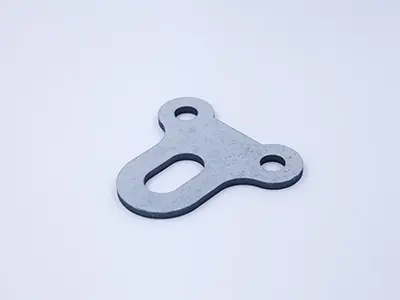 Galvanized Sheet Metal
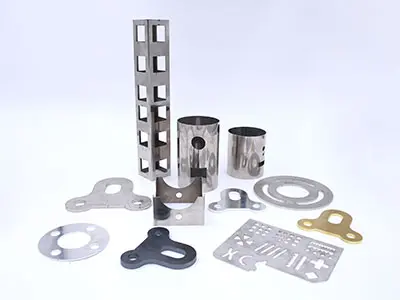 Specialty Alloys & Titanium
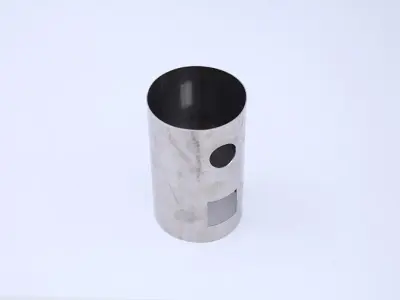 Round Tube Processing
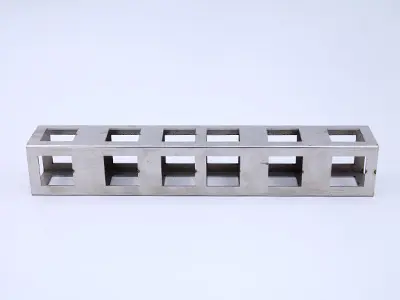 Square & Rectangular Tubing
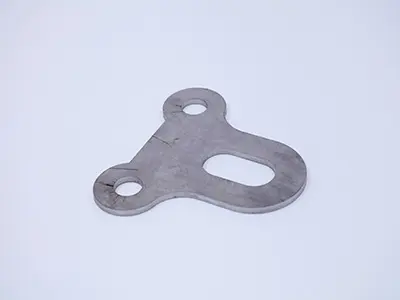 Stainless Steel Processing
Our cutting heads feature automatic gas assist (using Nitrogen, Oxygen, or Air) to deliver optimal edge quality across different material types and thicknesses.
To optimize B2B fabrication lines, we integrate laser cutting, fiber welding, post-weld cleaning, and CNC bending into a unified workflow.
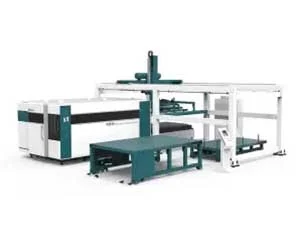
High-efficiency fiber lasers cut profiles accurately, reducing the need for secondary grinding or prep work. Automated loading systems keep production runs consistent and predictable.
Our CNC press brakes, including the WE67K and WC67K series, use hydraulic compensation and precise back-gauge positioning to bend cut profiles with tight dimensional tolerances.
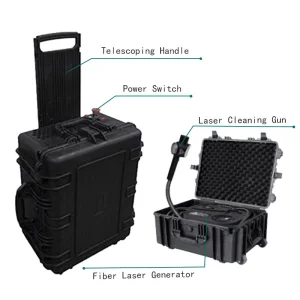
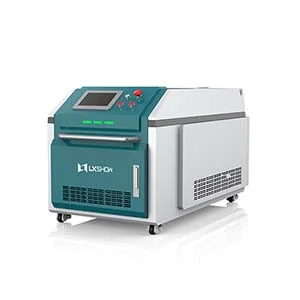
Our handheld laser welders (like the LXW series) provide deep penetration with minimal heat input, reducing part distortion. Handheld cleaning lasers (such as the LXC series) remove scale, oxides, and rust before welding, ensuring clean joints without the use of chemical consumables.
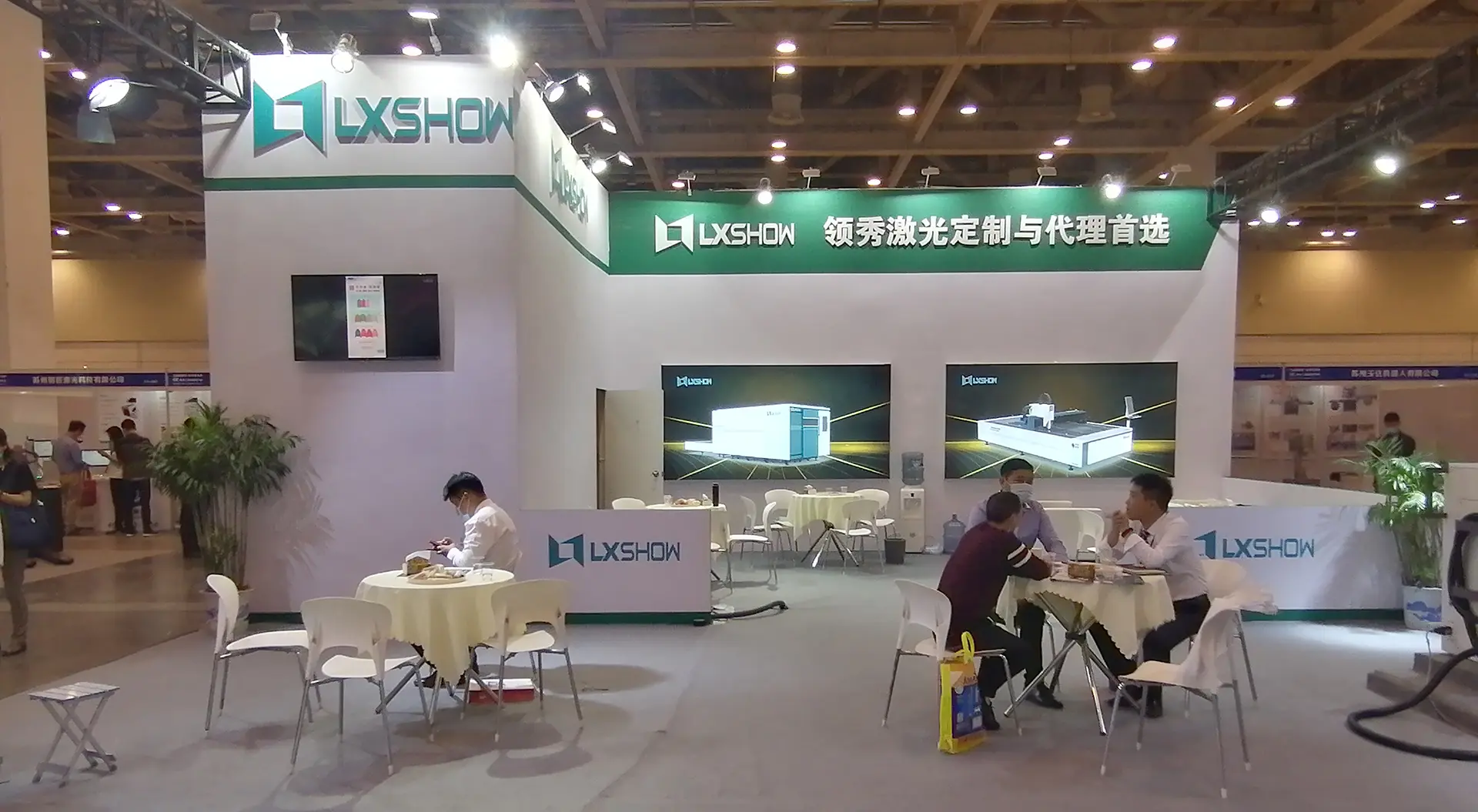
Our commitment to rigorous engineering and international safety compliance.
All machinery is built to meet European safety, health, and environmental protection requirements, including laser safety shielding and electromagnetic compatibility.
Our laser systems comply with FDA safety guidelines for radiation-emitting products, including proper interlocks, labeling, and laser safety classifications.
Our factory operations follow ISO 9001 procedures. This ensures structured quality checks at every stage, from component receiving to final system calibration.
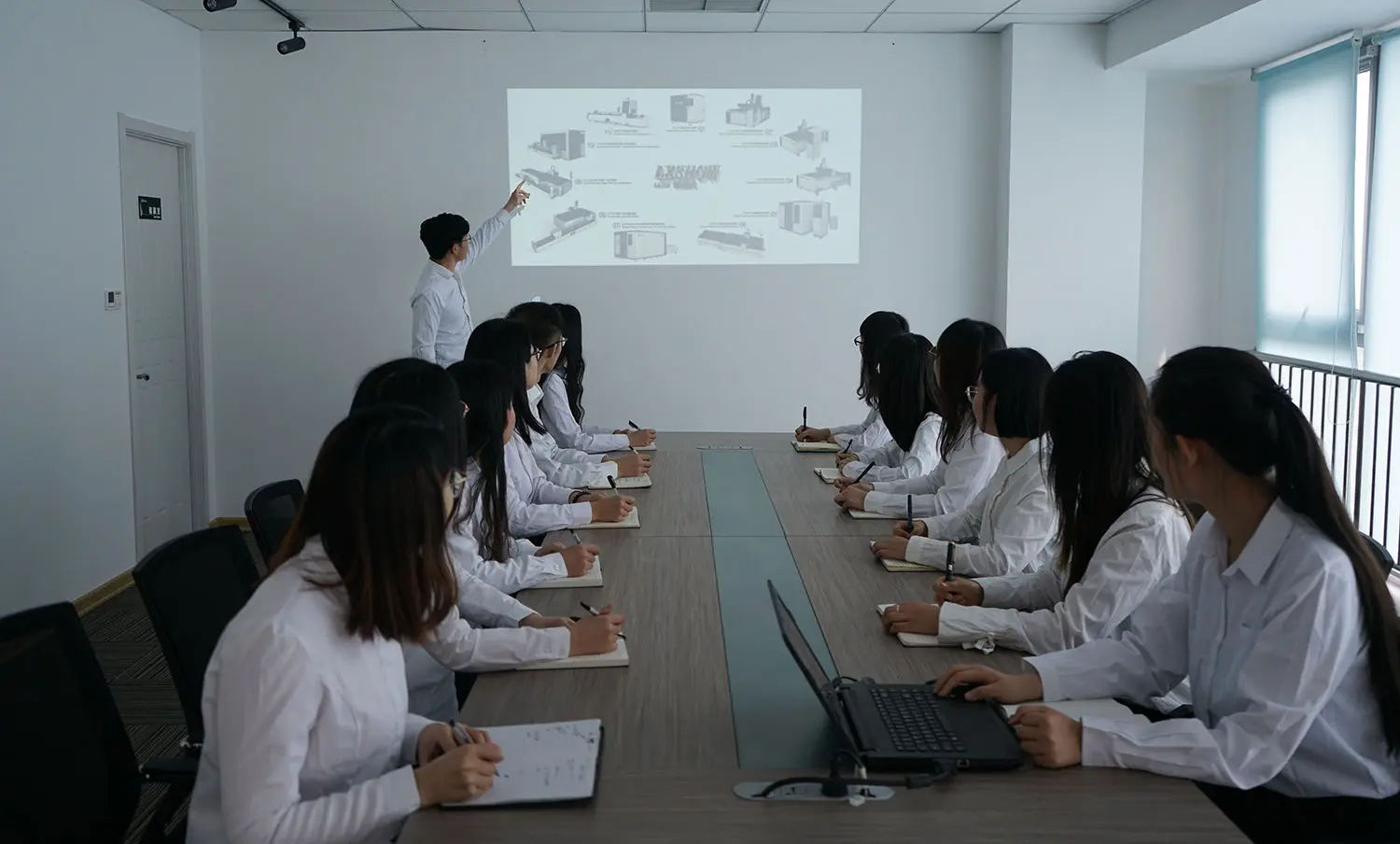
With machines installed in over 150 countries, we maintain dedicated channels to support our customers globally. This includes providing setup guidance, replacement parts, and remote diagnostic support to help keep your operations running smoothly. We also offer customized training programs to help your team run and maintain the equipment safely.
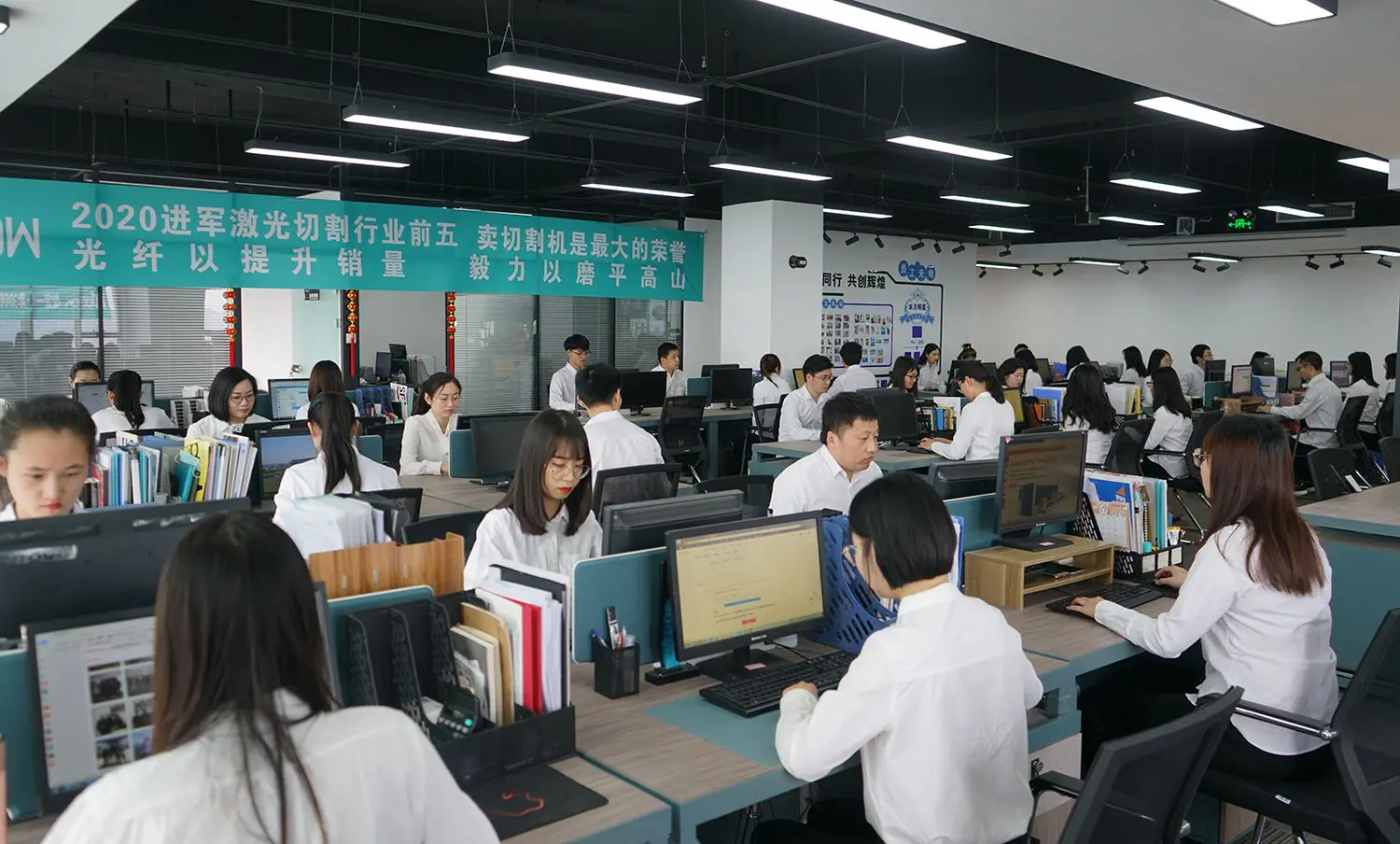
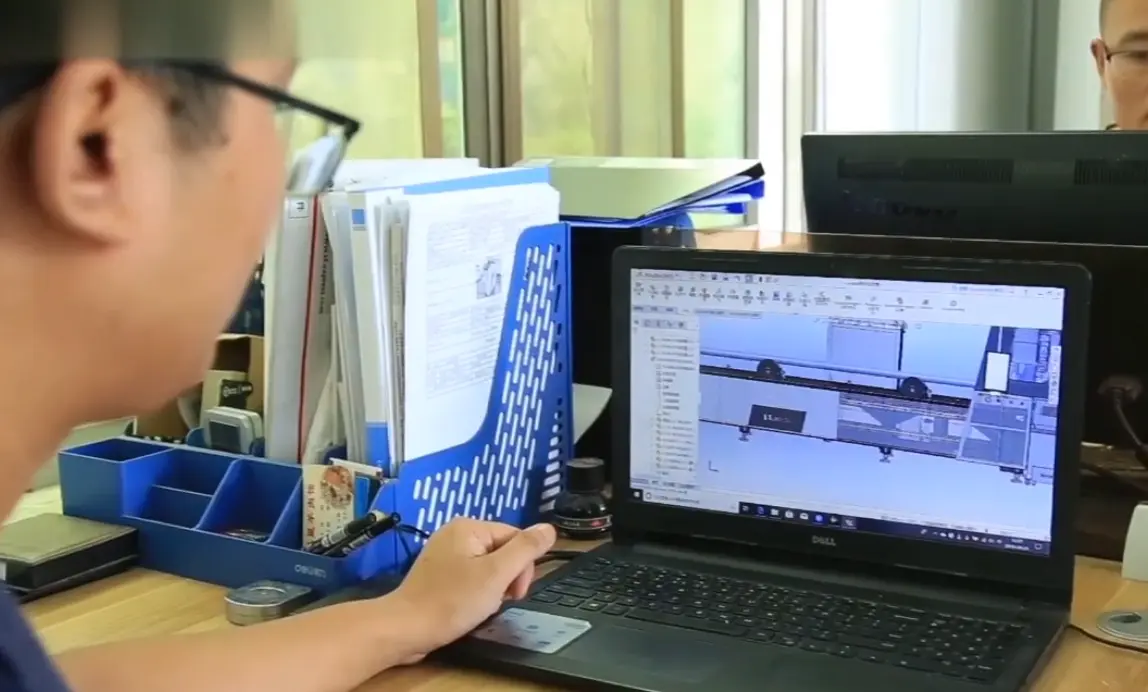
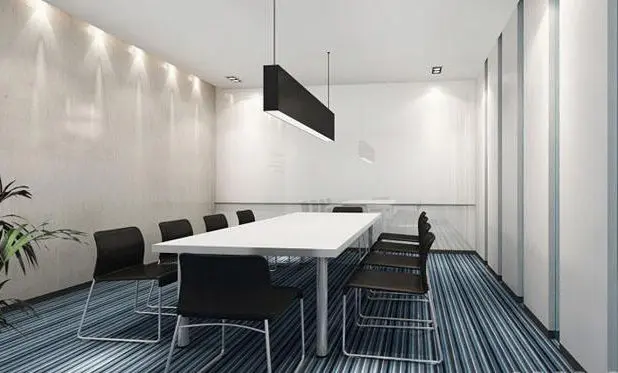
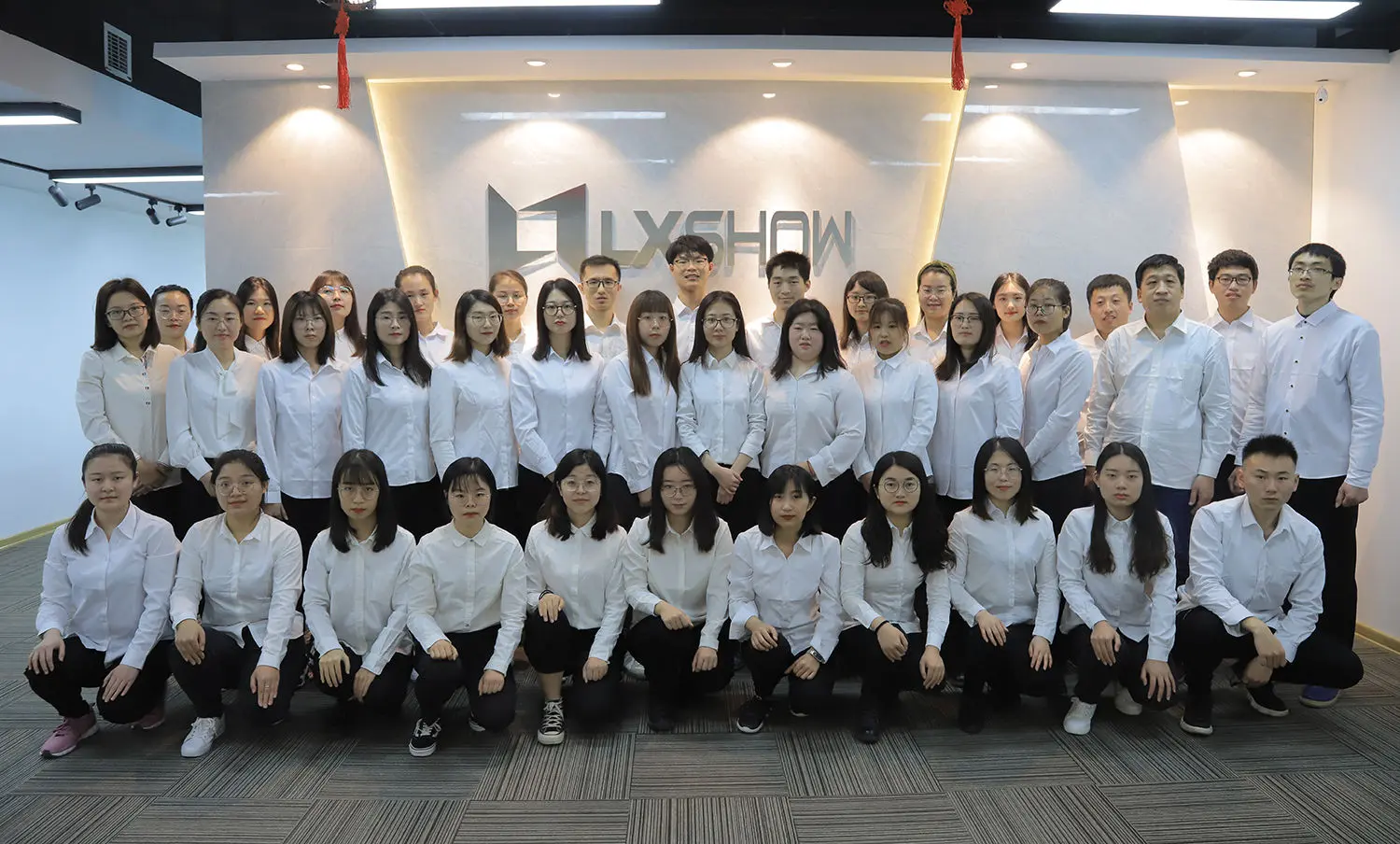
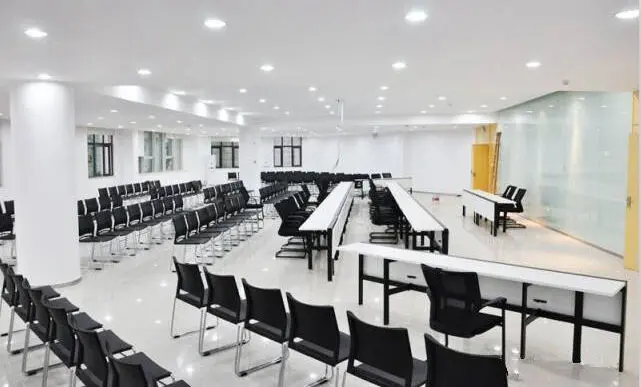
Take a look inside our manufacturing plants, design departments, and customer training centers.

Common questions from buyers regarding machine selection, maintenance, and operation.
From laser marking and heavy-duty sheet cutters to surface cleaning and high-tonnage bending machines.
 Lxshow