Select, high-efficiency equipment engineered for demanding manufacturing requirements and streamlined operational performance.
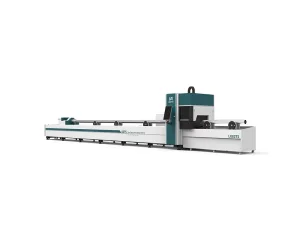
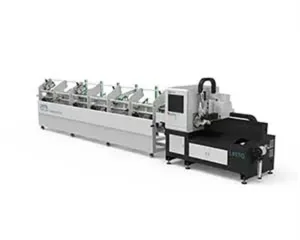
The global metal fabrication landscape is experiencing a significant transition from traditional mechanical punching and CO2 laser systems to high-performance fiber laser technology. Driven by the demands of modern structural engineering, automotive weight reduction, and precision aerospace assembly, industrial operators require cutting equipment capable of extreme thermal precision, rapid cycle times, and minimal mechanical deformation.
This technical evolution centers on three primary developments:
The global competitiveness of manufacturing components depends on supply chain agility and cost stability. Chinese industrial clusters, particularly the machinery manufacturing hubs in Shandong, have integrated vertical production networks to build resilient supply chains. This setup helps insulate global buyers from sudden cost shocks and part availability issues.
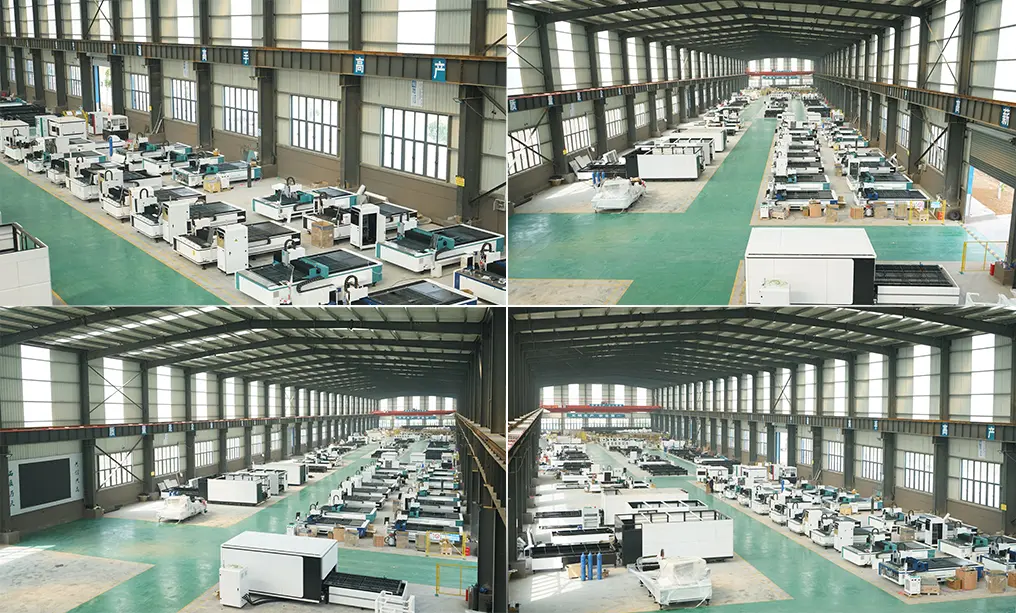
The structural efficiency of the Chinese smart factory model relies on the co-location of component manufacturers. In this system, heavy machine bed fabrication, stress-relieving annealing furnaces, precision guide rail grinding, optical head assembly, and CNC software testing are executed within a tight geographic radius. This minimizes transport overhead, enables rapid custom design adjustments, and maintains strict quality control at every stage of production.
Modern production facilities utilize automated assembly lines, robotic welding stations, and real-time ERP/MES tracking. Structural components like machine beds undergo strict physical testing, including high-temperature stress-relief tempering and long-term vibration aging. This process stabilizes the microcrystalline structure of the welded steel frames, preventing deformation over years of high-speed acceleration and deceleration cycles.
Frames are heated to 600°C in specialized annealing furnaces to remove internal welding stresses, ensuring the bed maintains a flatness deviation of less than 0.02mm over its lifetime.
Equipped with globally recognized guidance and motion components (IPG, Raycus, Maxphotonics, Yaskawa, Hiwin, and Cypcut CNC controls) to simplify local maintenance and part sourcing.
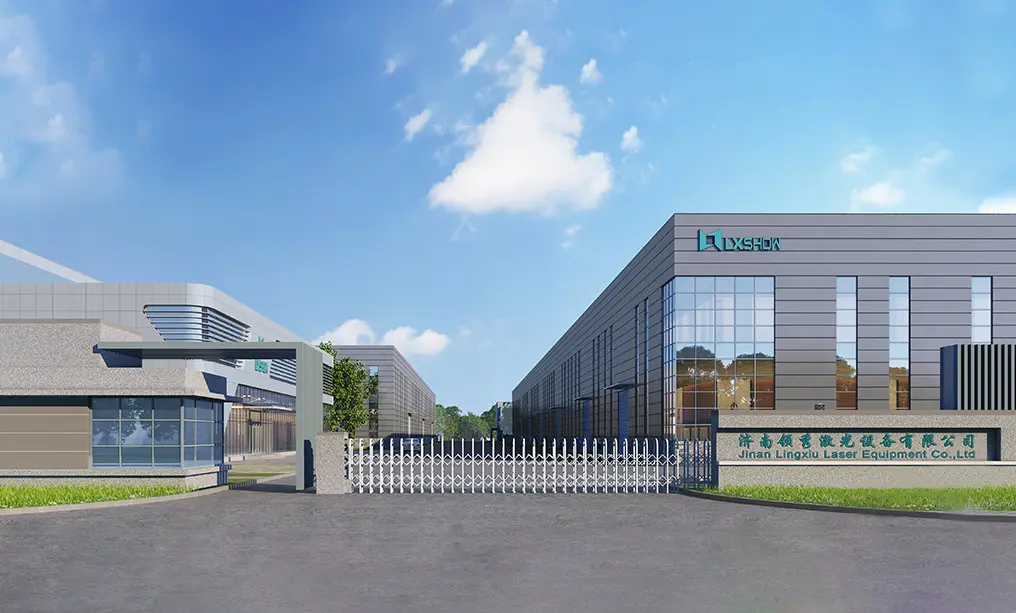
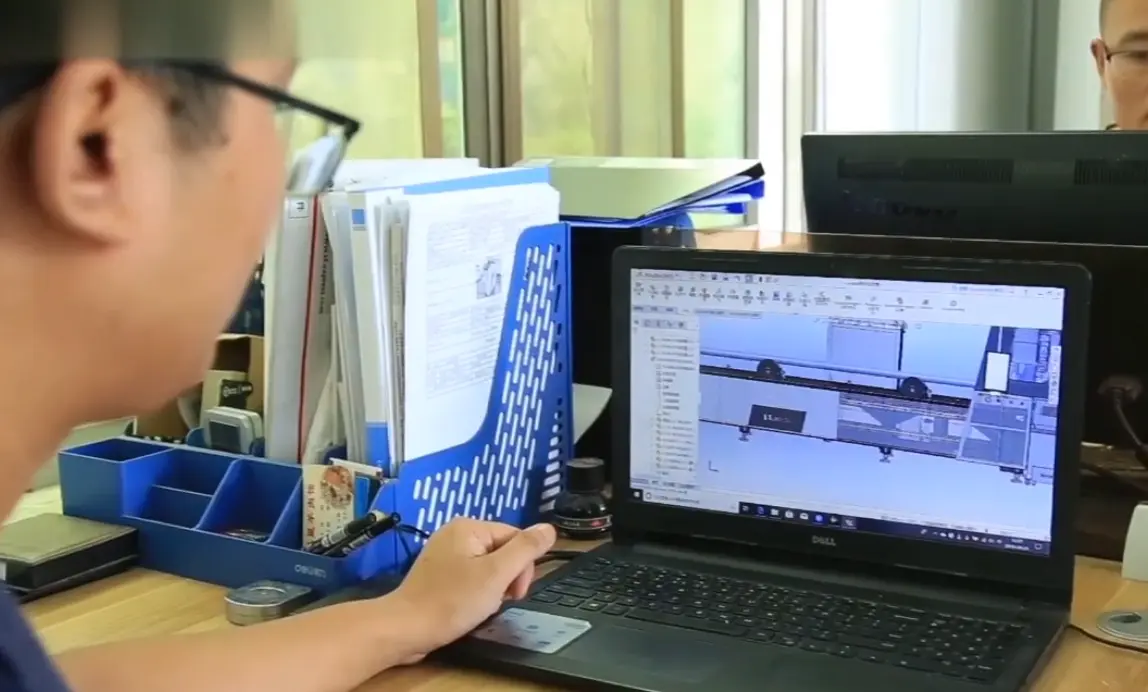
Established in July 2004, LXSHOW has grown to manage over 500 square meters of dedicated R&D facilities and a state-of-the-art 32,000 square meter manufacturing plant. Certified to ISO 9001, European Union CE, and US FDA standards, we supply precision laser systems, CNC press brakes, and smart cleaning tools to operators in over 120 countries, while providing OEM services for over 30 global brands.

Engineered to process a wide range of ferrous, non-ferrous, and structural raw stock.
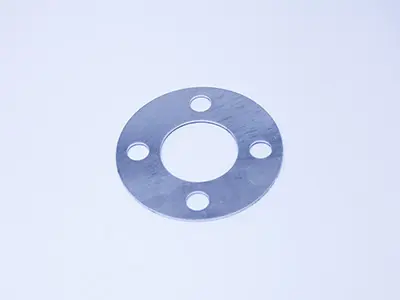
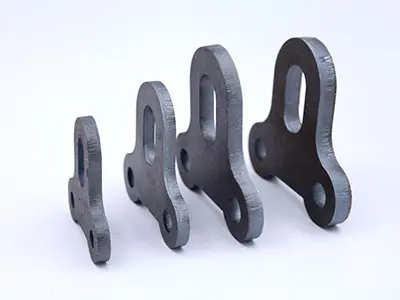
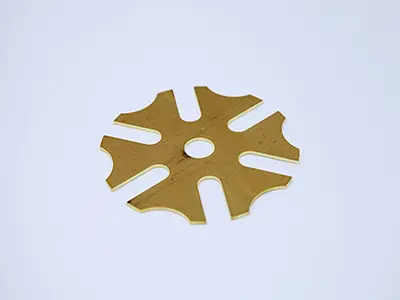
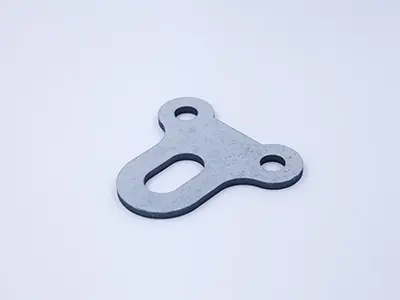
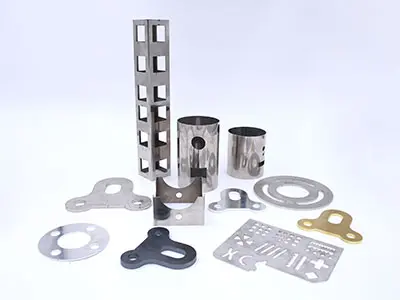
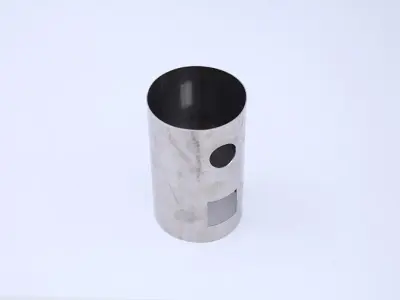
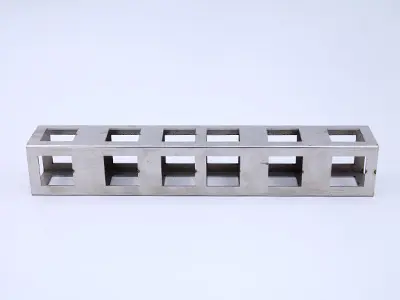
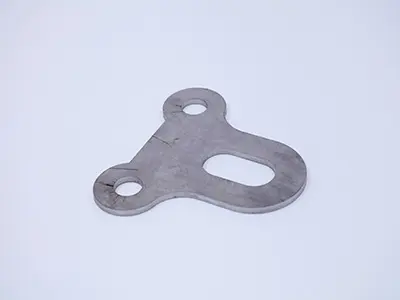
Our processing equipment supports a wide range of industrial applications, including steel service centers, automotive chassis and body-in-white structures, commercial kitchenware, HVAC cabinetry, decorative architecture, precision metal art, agricultural machinery, and heavy industrial plant construction.
Procuring metal fabrication equipment requires balancing capital investment against long-term operational efficiency. Below, we examine three localized deployment scenarios that illustrate how system configurations map to specific regional and commercial needs.
Location: North America & Central Europe
Objective: Job shops processing diverse, low-volume orders require rapid changeovers and minimal down-time.
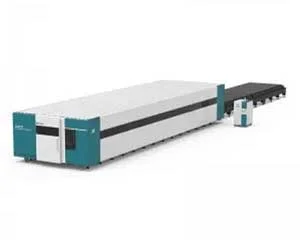
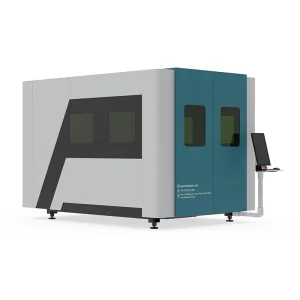
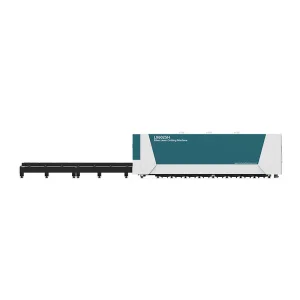
Solution: Enclosed exchange table fiber lasers (like the LX6025H) integrated with dual-bed shuttle tables allow operators to load fresh sheet material while the system processes the active workpiece.
Location: Australia & South America
Objective: Processing large, thick structural steel profiles and heavy steel plating for mining equipment.
Solution: Ultra-large format gantry fiber lasers with working envelopes exceeding 12 meters, paired with thick-plate oxygen assist-gas setups to deliver clean, scale-free cuts.
Location: Middle East & Southeast Asia
Objective: Precision cutting of complex geometries in brass, bronze, and aluminum for architectural screens.
Solution: High-acceleration fiber lasers with specialized back-reflection protection systems to prevent damage to optical systems from highly reflective metals.
In each scenario, matching the system configuration (laser power, bed layout, gas pressure, and automation options) to the local workflow helps maximize return on investment, reduce utility overhead, and maintain consistent edge quality.
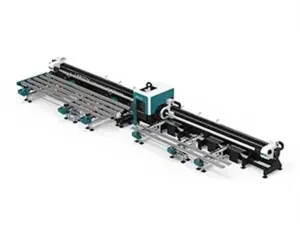
A comprehensive listing of LXSHOW manufacturing solutions, including fiber cutting, smart cladding, precision bending, and laser cleaning systems.
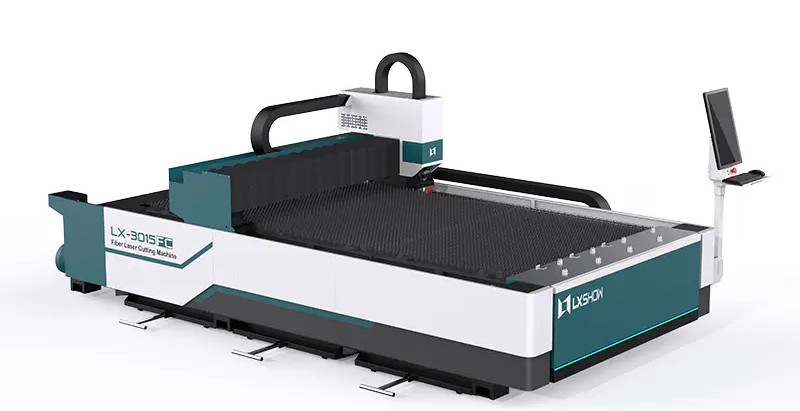
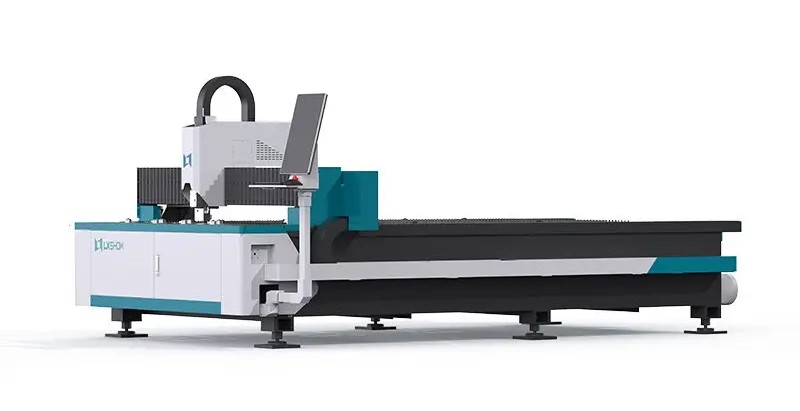
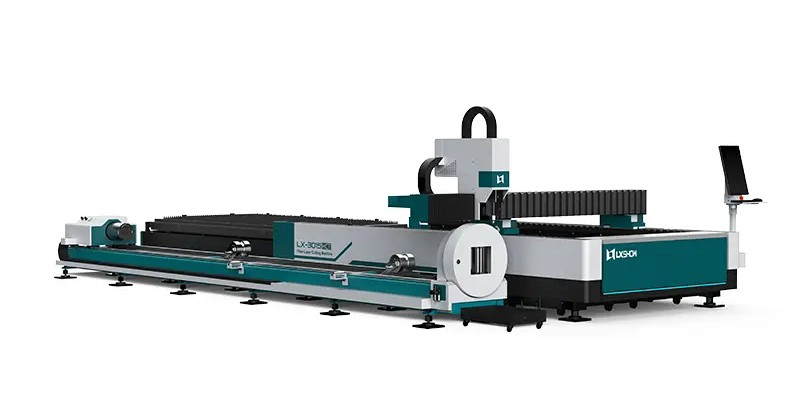
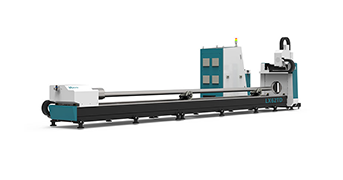
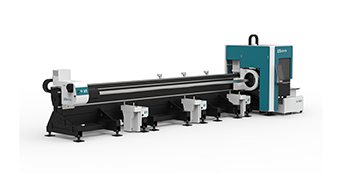
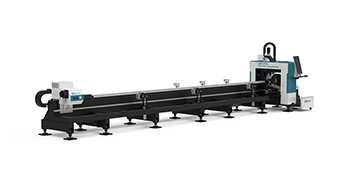
Beyond traditional 2D plate cutting, modern sheet metal fabrication integrates thermal cladding, handheld or automated laser welding, selective material surface preparation (laser cleaning), and press brake deformation management.
Laser cladding uses a high-power laser beam to melt a filler alloy powder onto a substrate, creating a metallurgical bond with low dilution. This process is used to repair worn industrial components like hydraulic cylinders and turbine blades, or to apply corrosion-resistant overlays. The single-axis rotary cladding systems, such as the LXRF-6030, deliver uniform deposit chemistry and high structural integrity.
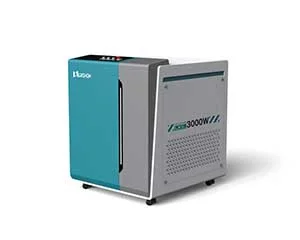
Handheld fiber laser welding machines (1000W to 3000W) offer significant process improvements over traditional gas tungsten arc welding (TIG) and gas metal arc welding (MIG). The localized heat input reduces distortions, eliminates the need for skilled manual weaving, and speeds up processing on thin gauges of stainless steel and aluminum. Integration with six-axis industrial robots automates complex joints in high-volume production lines.
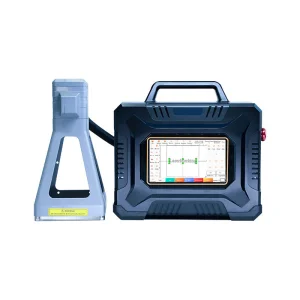
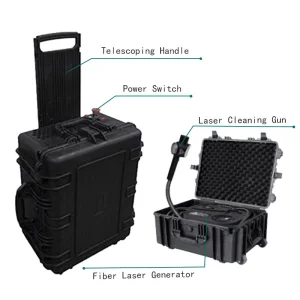
Laser cleaning (decoating and derusting) utilizes pulsed fiber laser beams to vaporize surface oxide layers, paint, or mill scale without damaging the base metal. This process avoids chemical solvents or abrasive blasting media, reducing environmental impact and operating costs. It is used for pre-weld surface preparation and post-weld oxide cleanup.
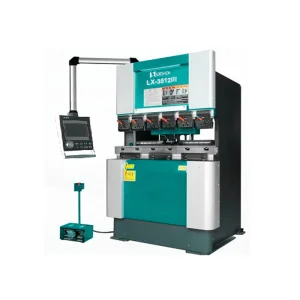
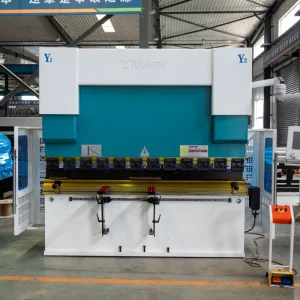
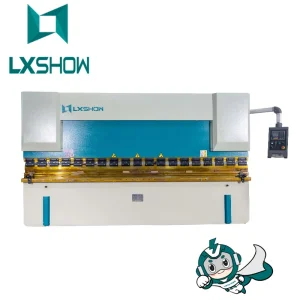
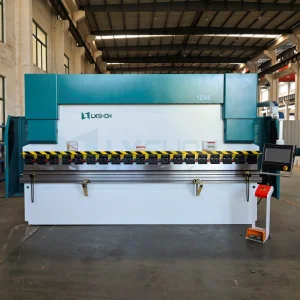
Forming flat blanks into 3D shapes requires controlled deformation. Electro-hydraulic servo press brakes (like the WE67K and WC67K series) use real-time linear encoder feedback and mechanical crowning compensation to maintain accurate bend angles along the entire length of the bed, even when working with materials of variable tensile strength.
Technical advice and purchasing support for engineering leads, production managers, and procurement officers.
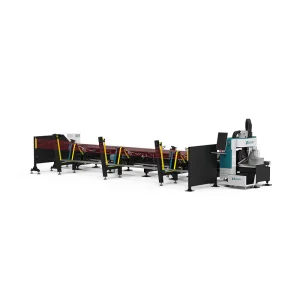
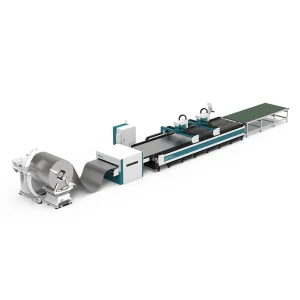
Additional heavy-duty systems configured for automated line integration and high-volume component production.
 Lxshow