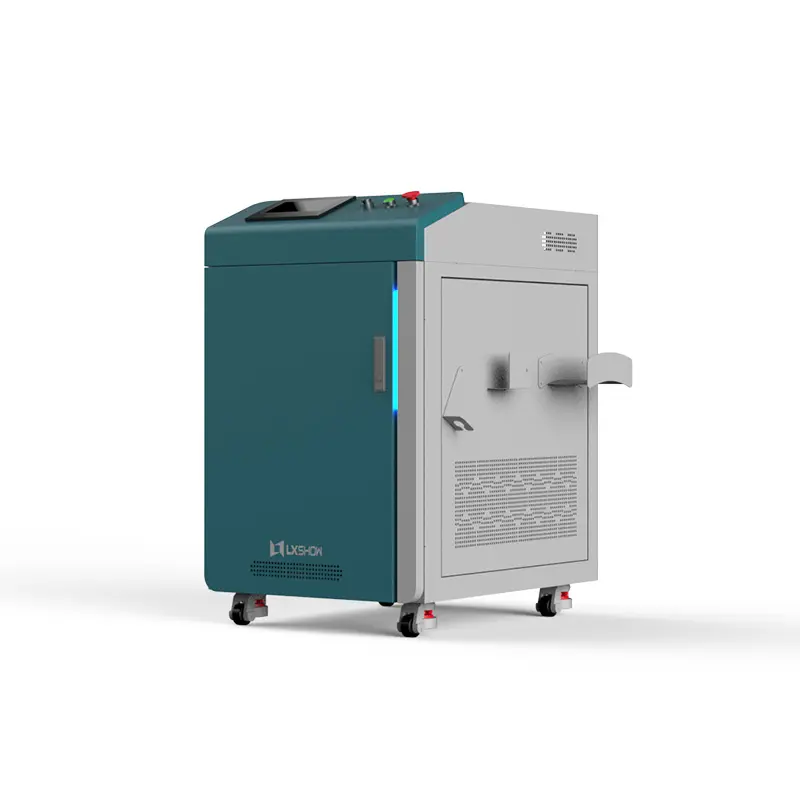
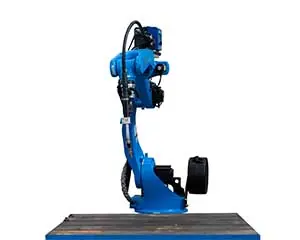
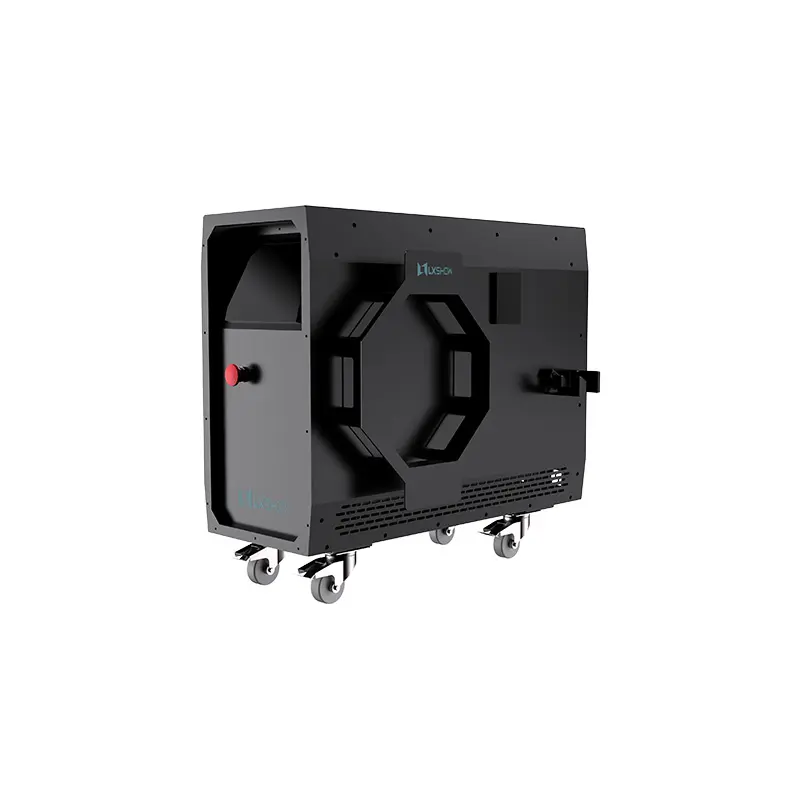
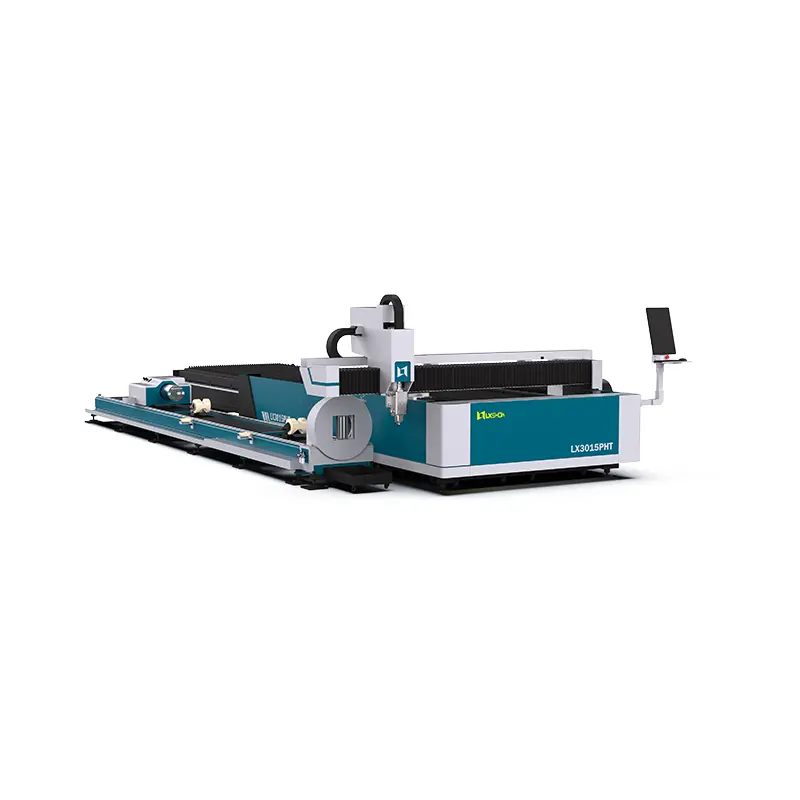
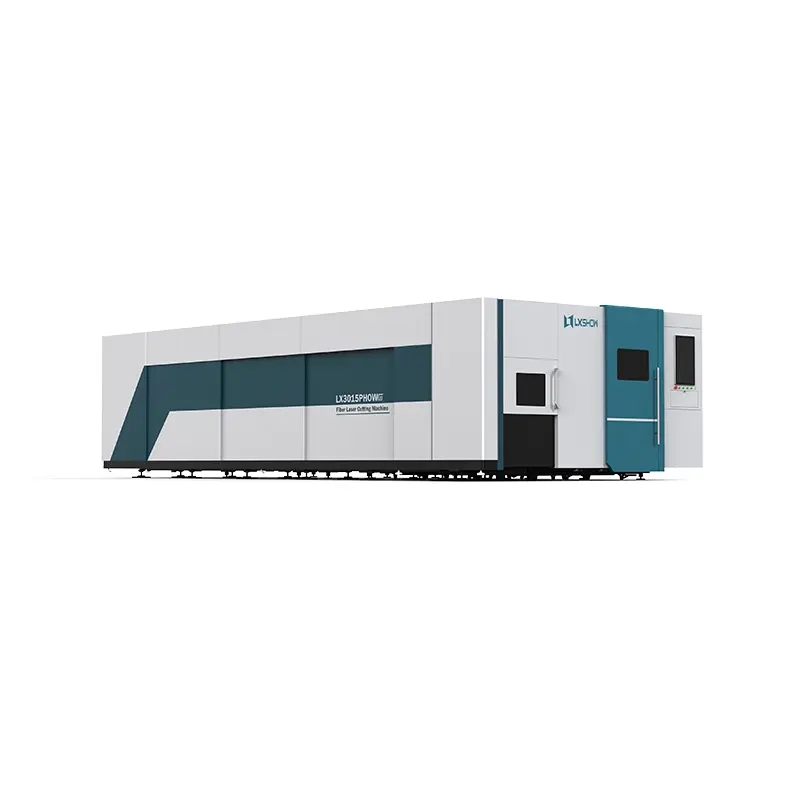
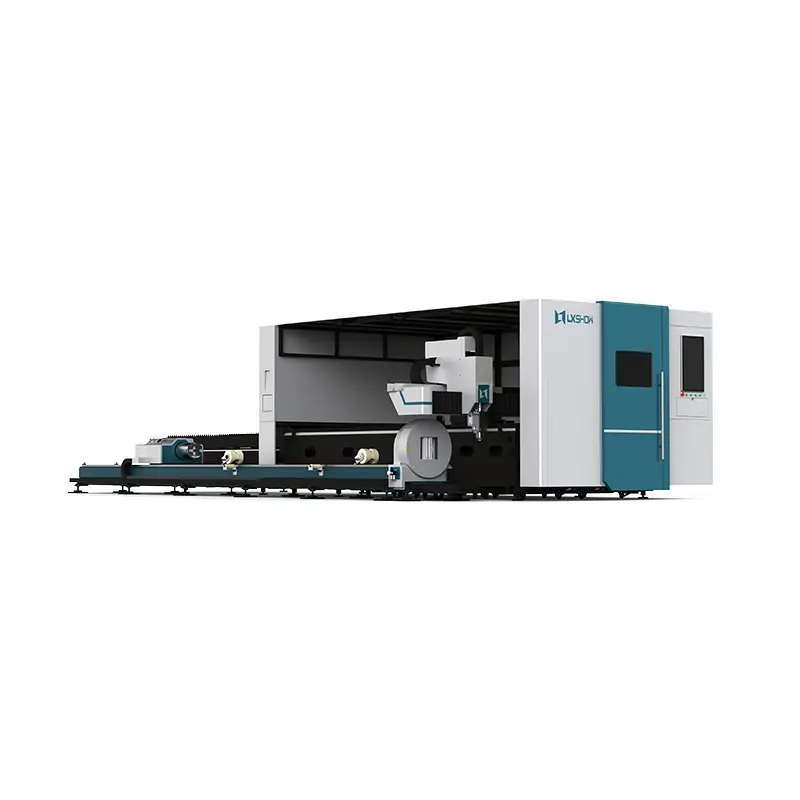
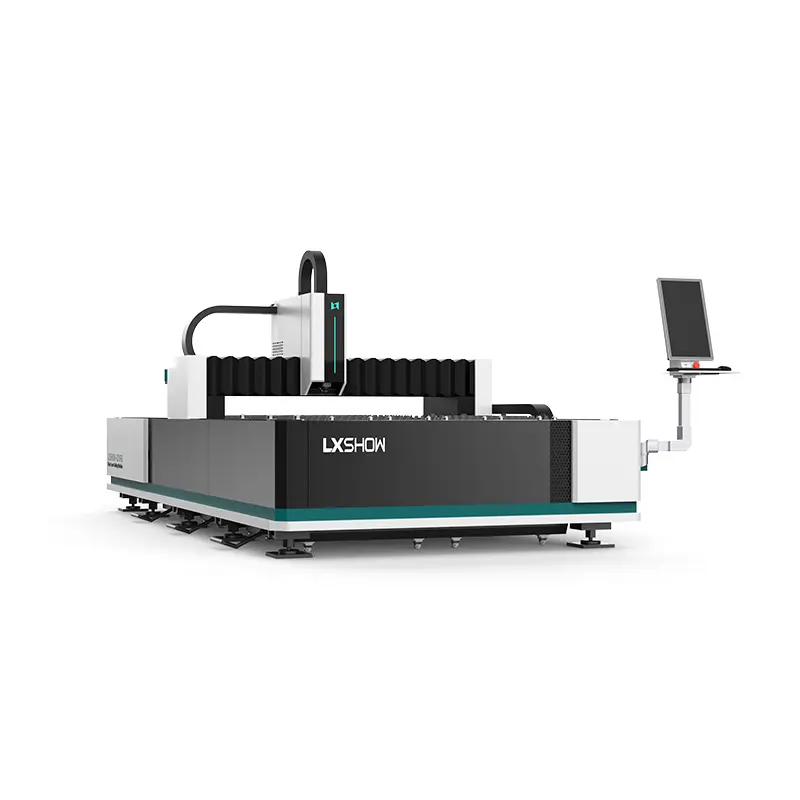
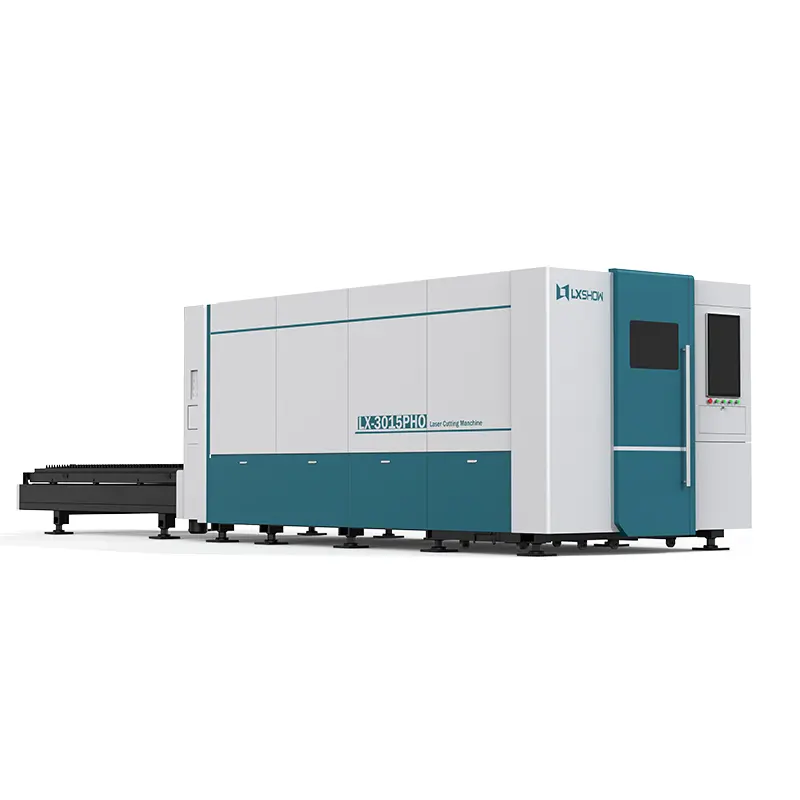
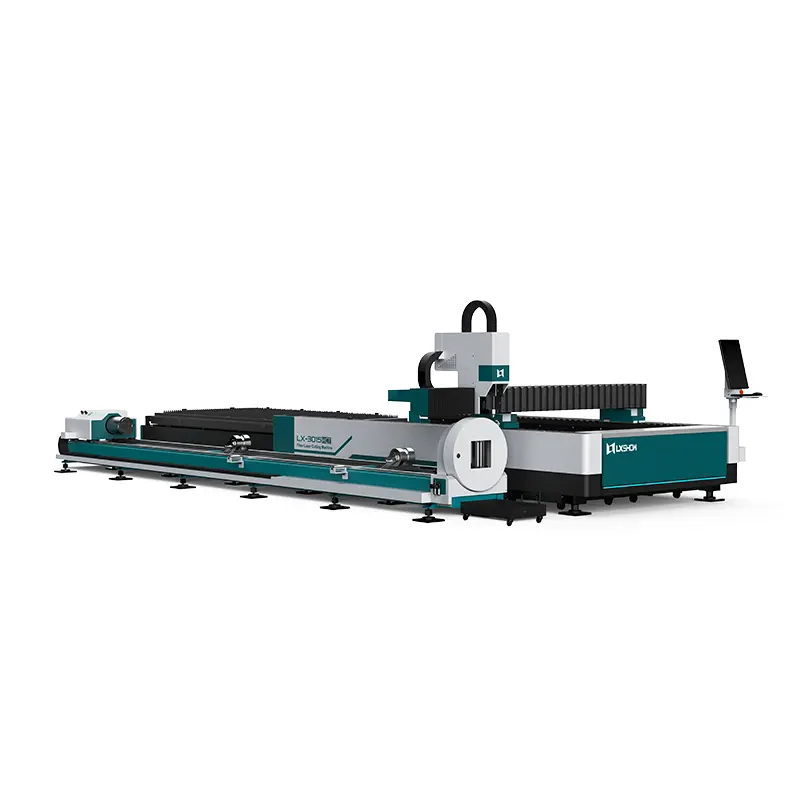
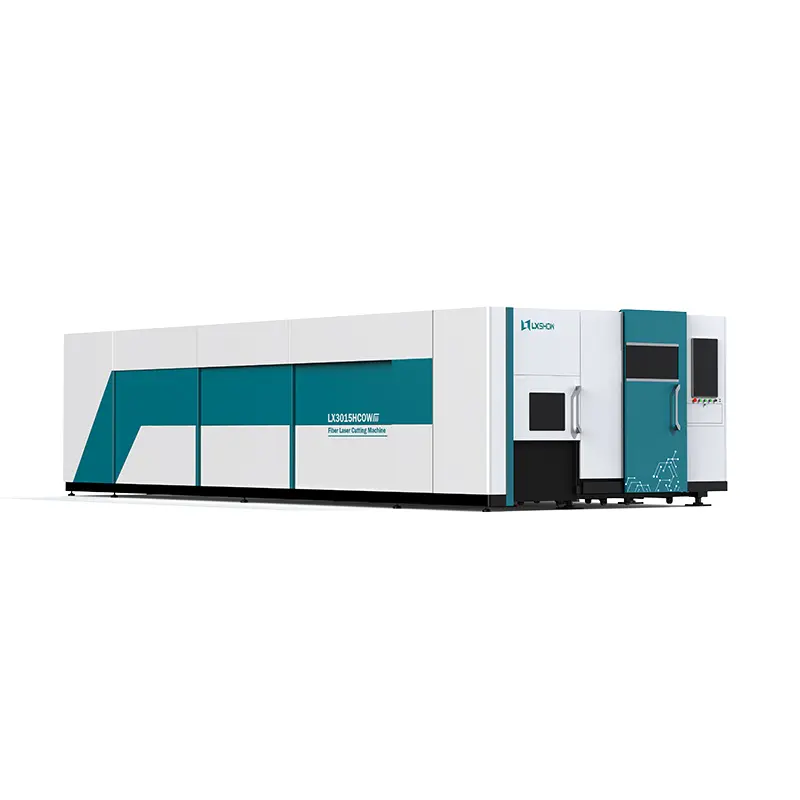
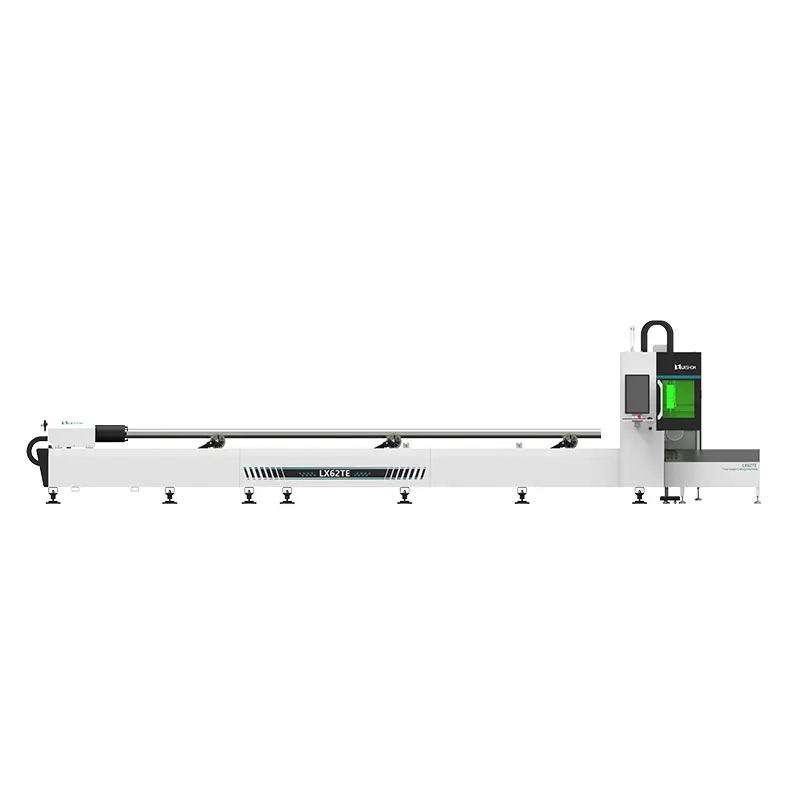
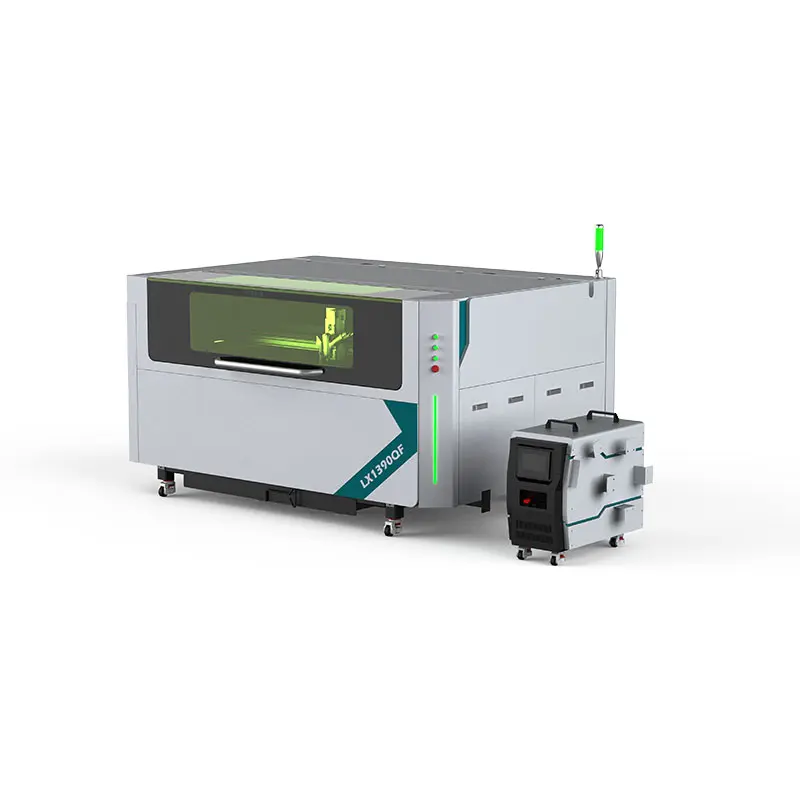
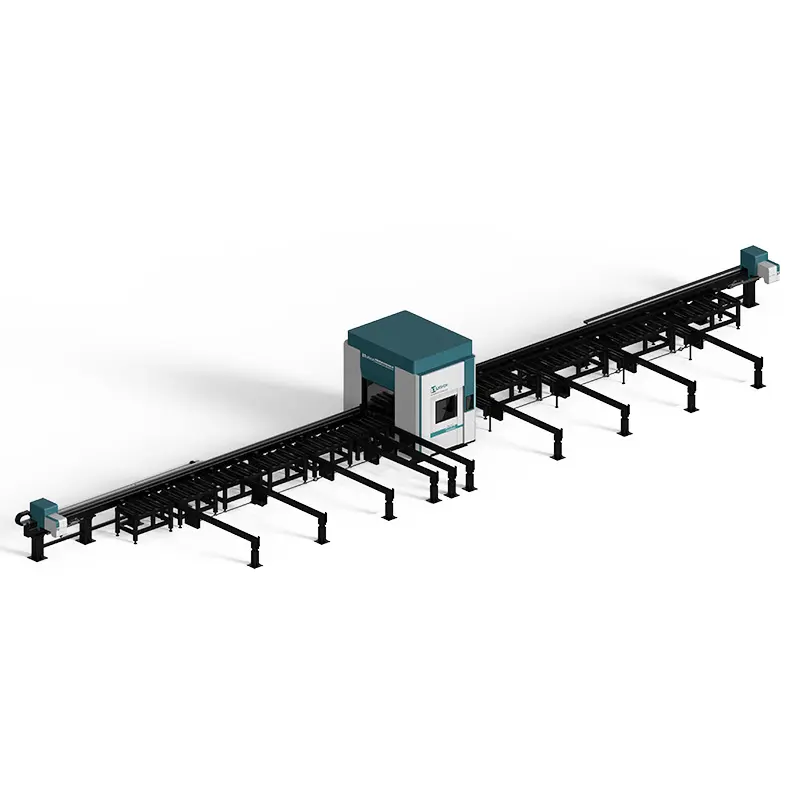
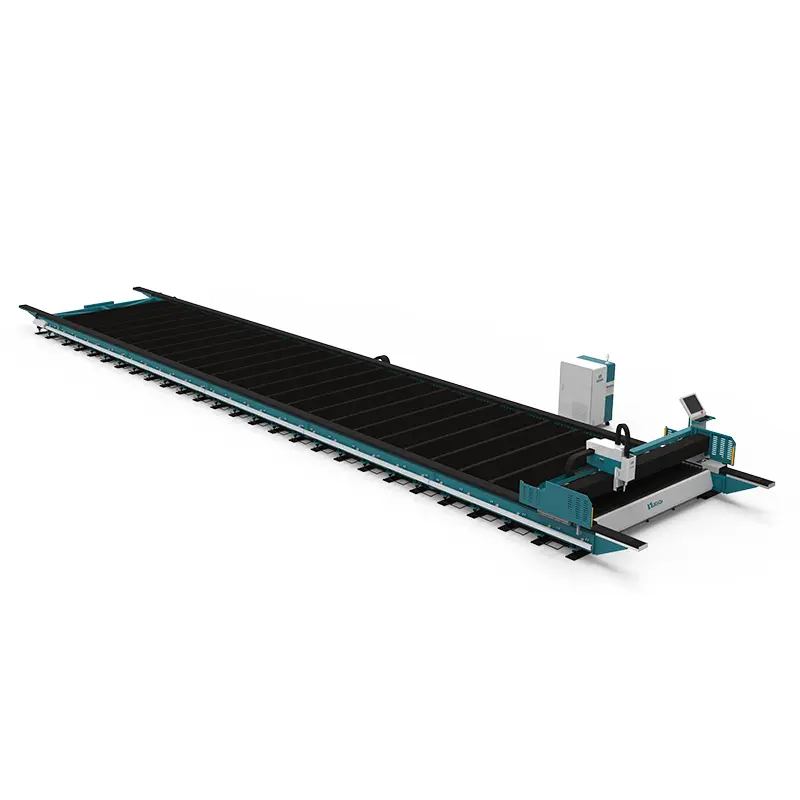
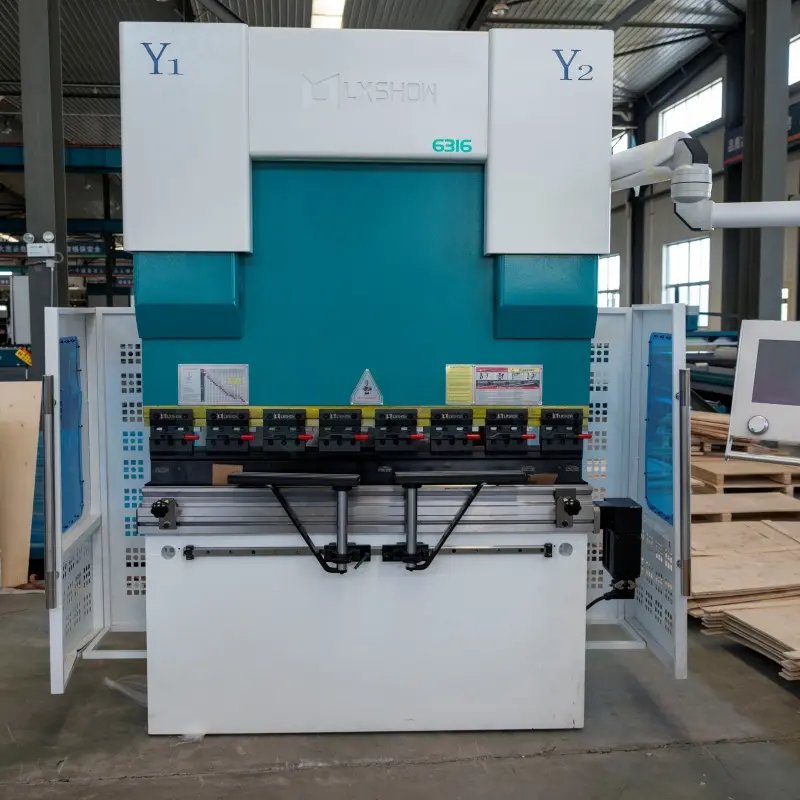
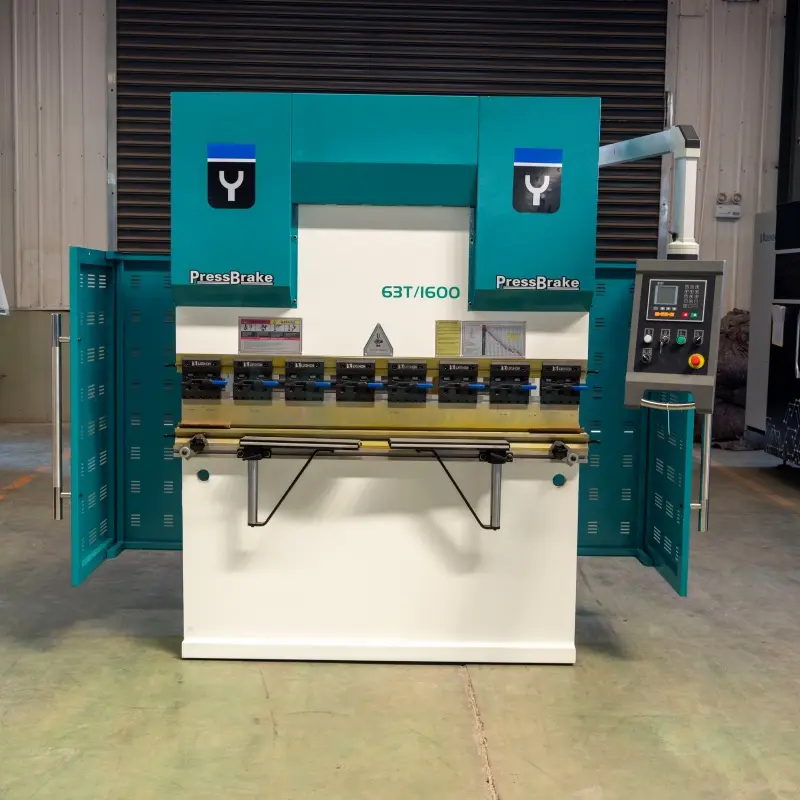
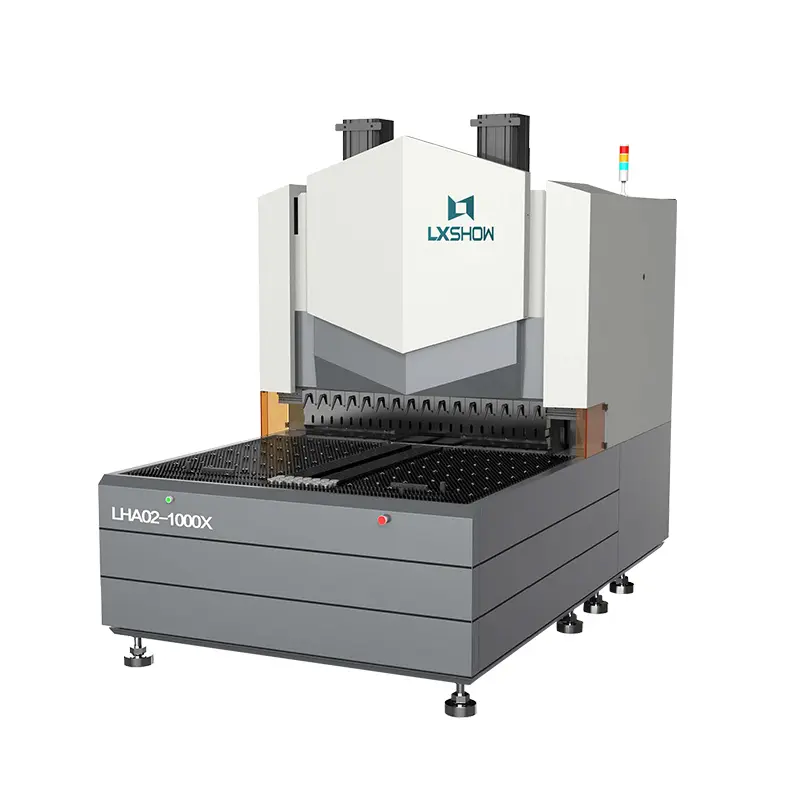
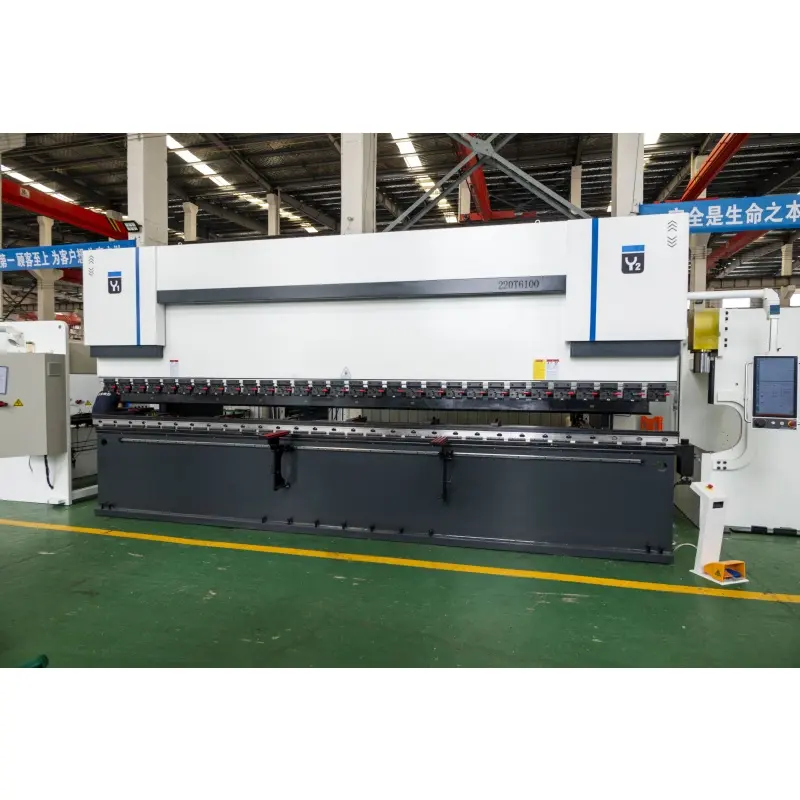
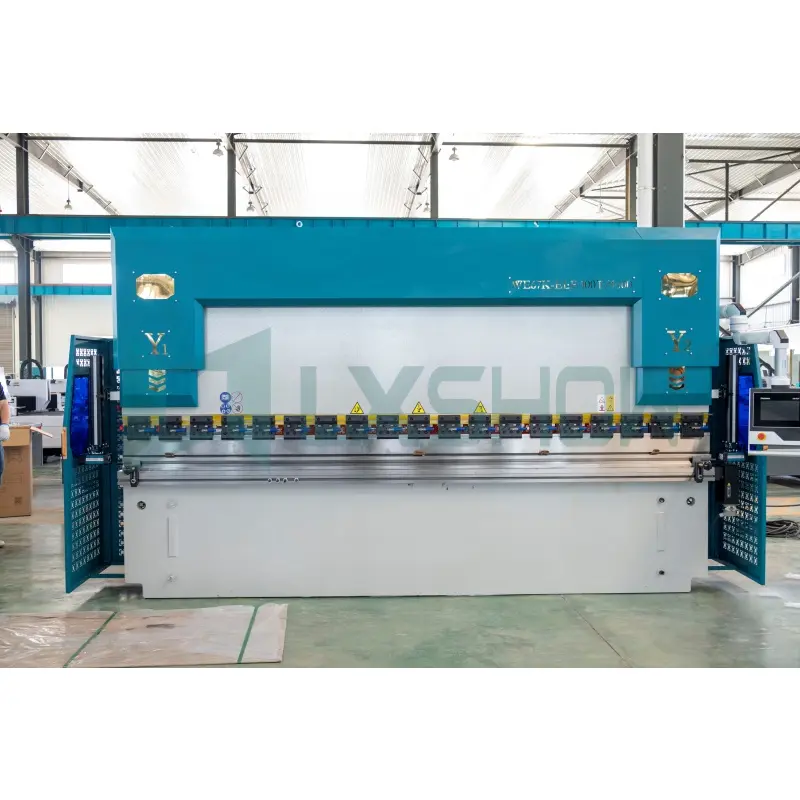
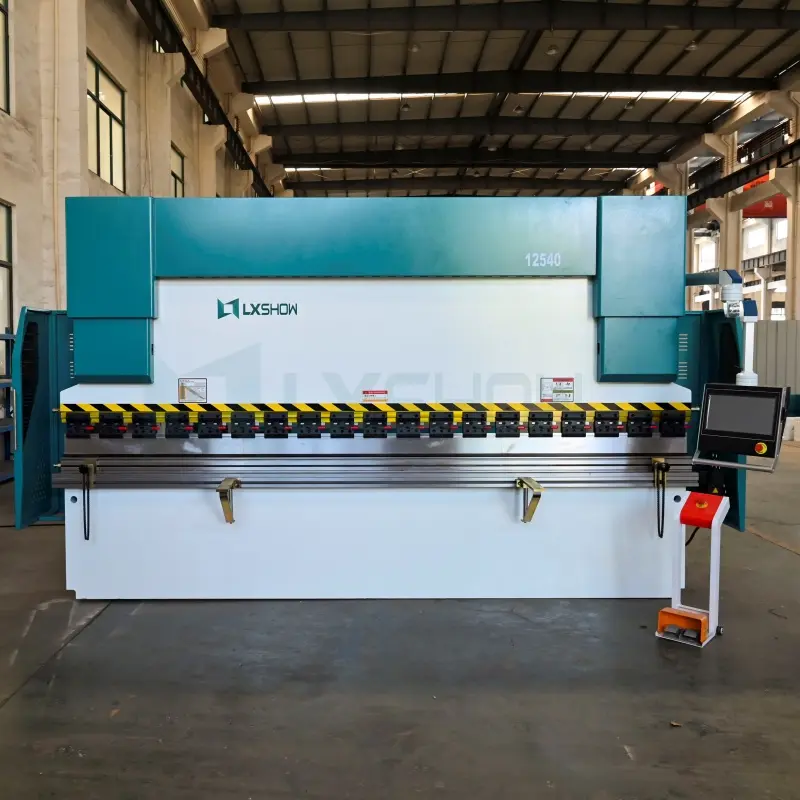
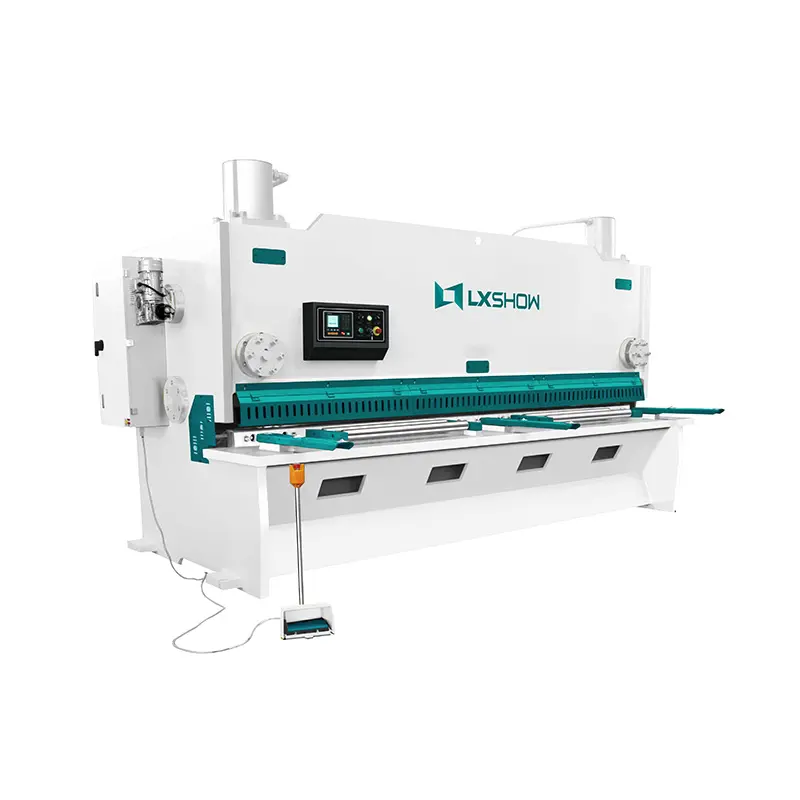
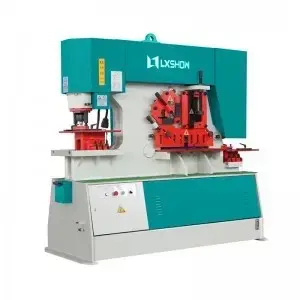
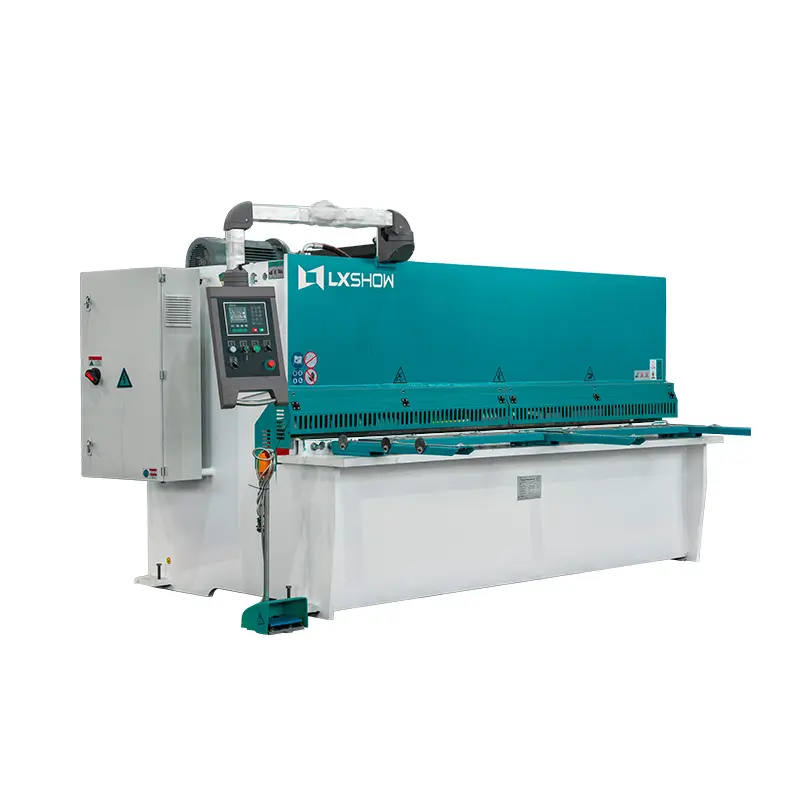
Explore our cutting-edge, high-precision industrial metal cutting and processing equipment
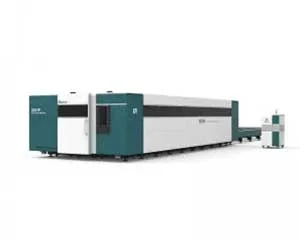
The pricing framework of fiber laser cutting machines is determined by a complex interplay of power output, optical configuration, and motion system design. To understand famous laser steel cutting machine price structures, global procurement teams must analyze core component configurations rather than just base sticker prices.
The laser source (IPG, Raycus, or MAX) represents 30% to 50% of the overall machine cost. Scaling from a 3kW system to a ultra-high-power 20kW system introduces exponential capabilities in processing thick carbon and stainless steels, but also adjusts the price range accordingly.
Autofocus cutting heads with integrated crash protection and intelligent thermal monitoring (such as Precitec or Raytools) define the edge finish quality. Modern systems utilize advanced collimation lenses to automatically shift spot sizes depending on thickness.
Precision rack-and-pinion systems driven by high-inertia Yaskawa or Delta AC servo motors dictate absolute acceleration rates (up to 2.8G). High gantry acceleration minimizes cycle times on intricate geometries, directly translating to higher initial capital expenditure but lower cost-per-part.
Procuring from reliable Chinese laser manufacturers and factories requires a detailed analysis of both Capital Expenditure (CapEx) and Operational Expenditure (OpEx). Over a standard 10-year depreciation cycle, operational costs (assist gases, power draw, and consumable nozzles) often exceed the purchase price of the machine.
Implementing high-pressure air cutting or nitrogen-oxygen mixers instead of pure nitrogen can slash assist gas costs by up to 60% depending on raw steel grades.
Nesting software like Lantek or CypCut optimizes sheet metal utilization rates up to 92%, drastically cutting raw material waste costs over high-capacity runs.
Engineered machine frames undergo rigorous stress-relief annealing procedures to ensure the machine structure maintains stability for decades without deformation.
Modern fiber lasers yield electro-optical conversion efficiencies exceeding 40%, far surpassing legacy CO2 laser technology (which typically operates at under 10% efficiency).
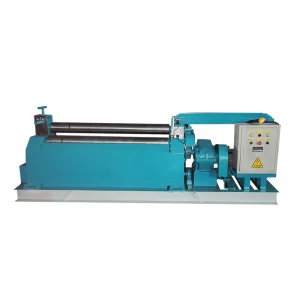
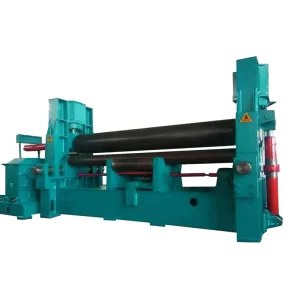
Industrial laser cutters do not operate in a vacuum. To maximize the ROI of your investment, manufacturers require cross-functional machinery configurations integrating sheet-metal handling, profile tube processing, precision bending, and post-cut finishing.
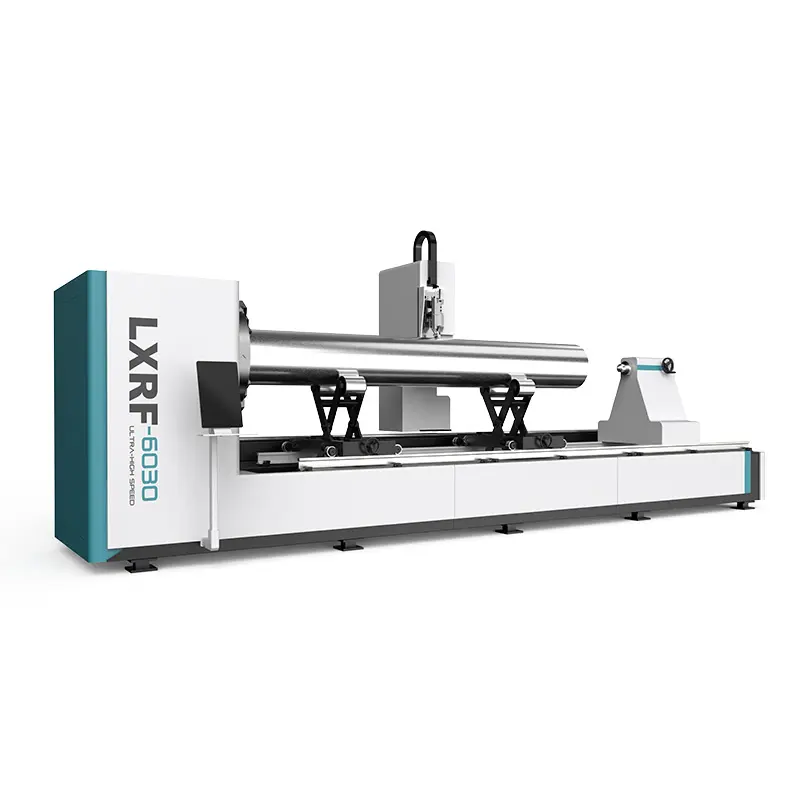
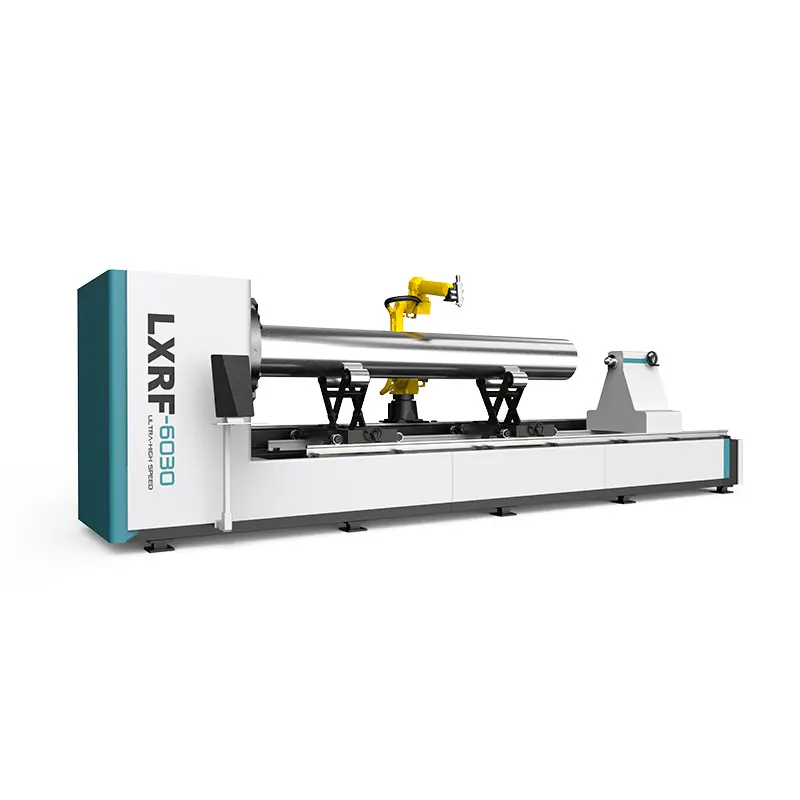
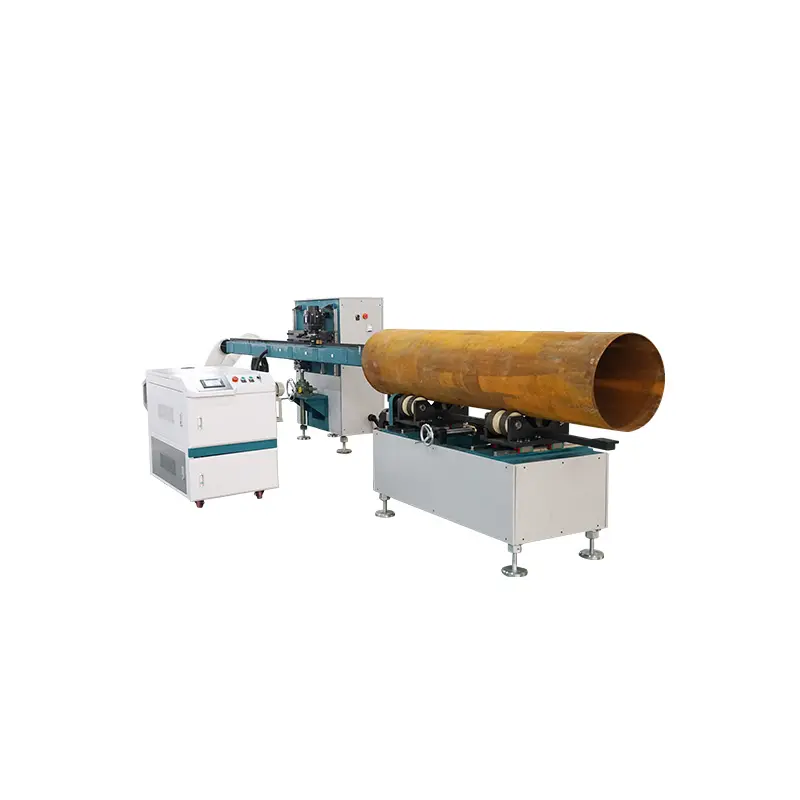
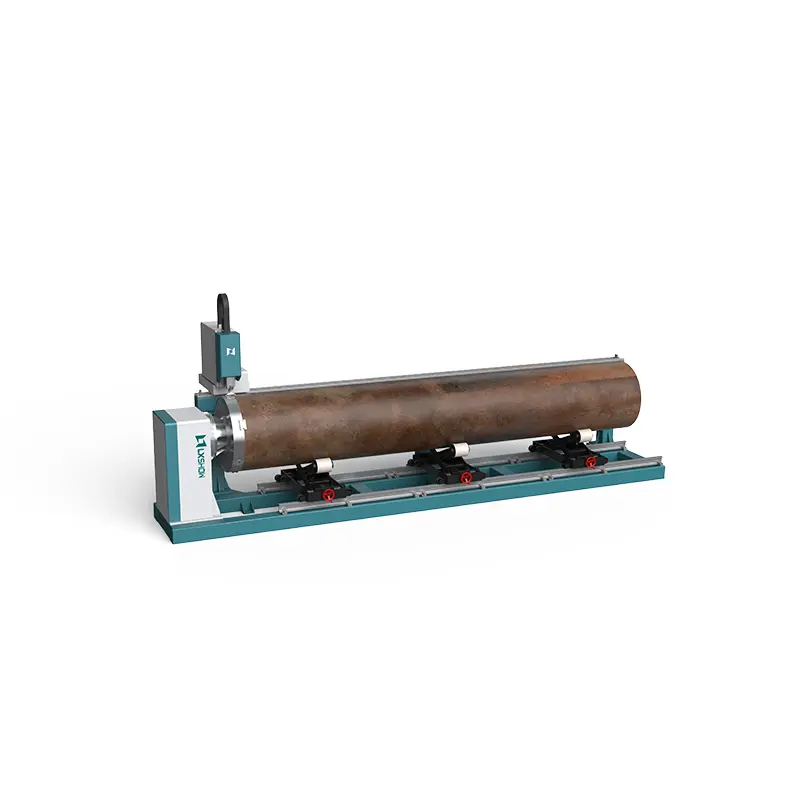
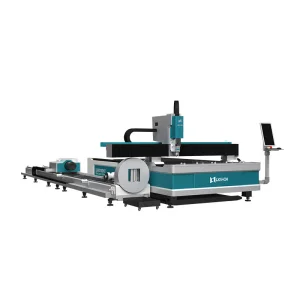
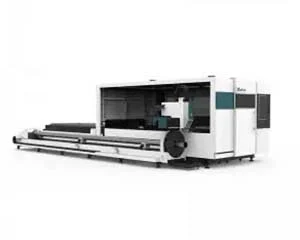
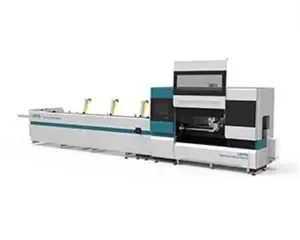
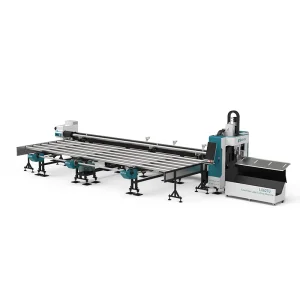
For architectural and infrastructure manufacturing, combining high-power sheet cutting with robust tube lasers enables the rapid production of load-bearing structural elements.
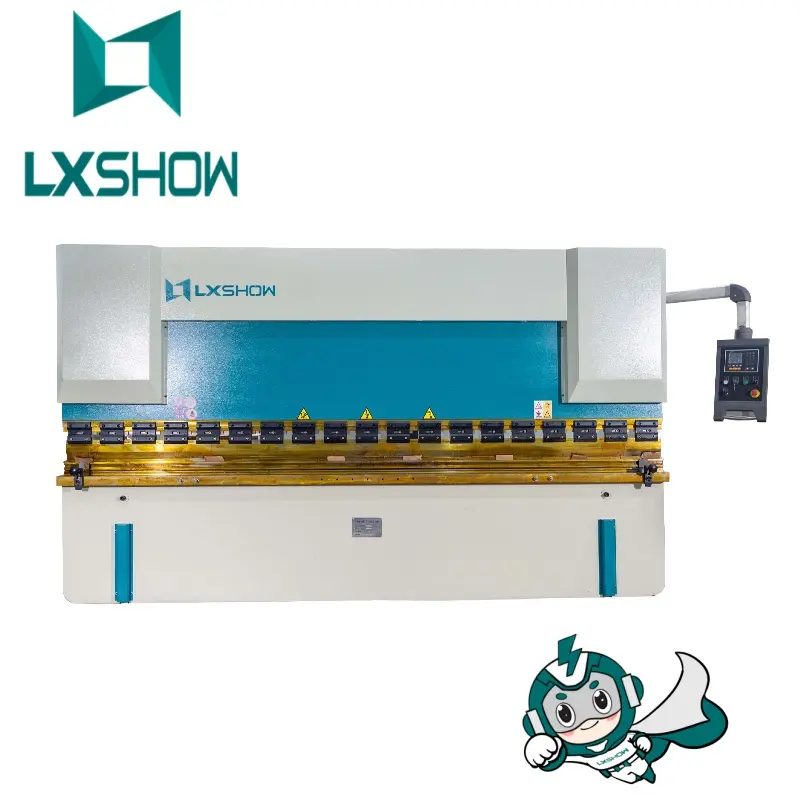
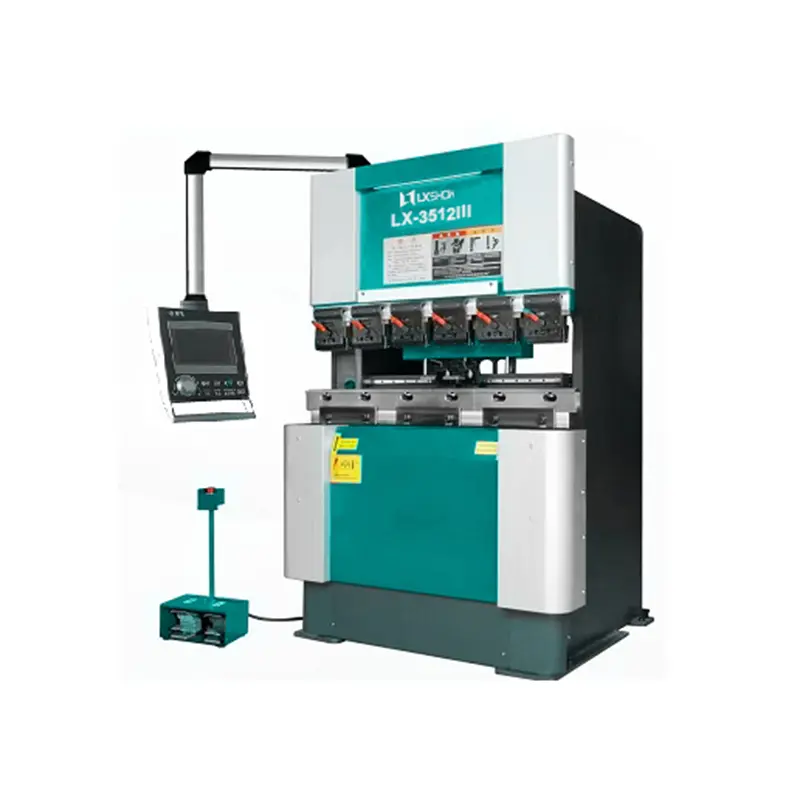
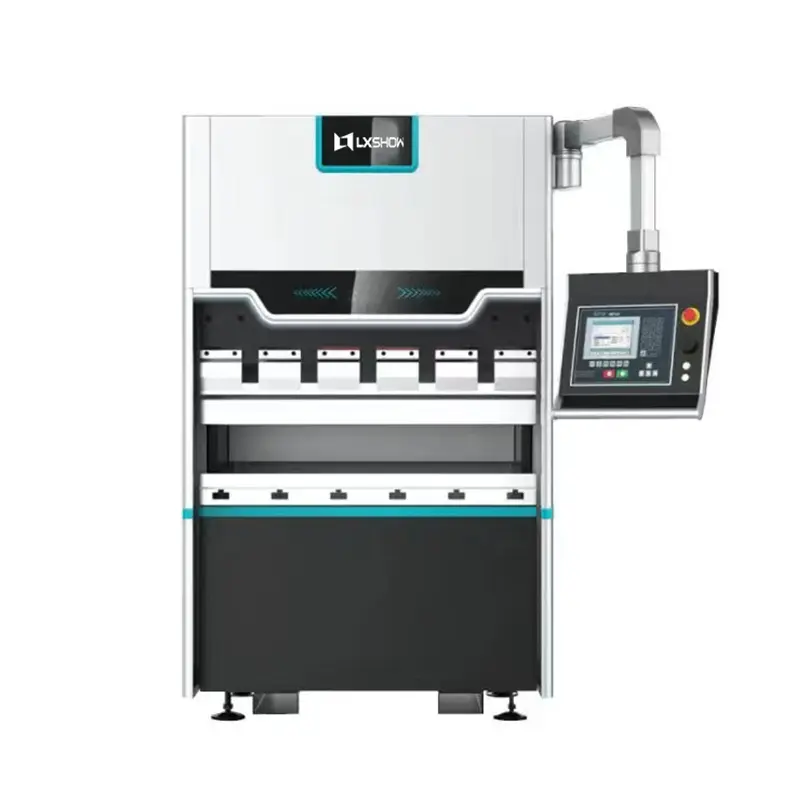
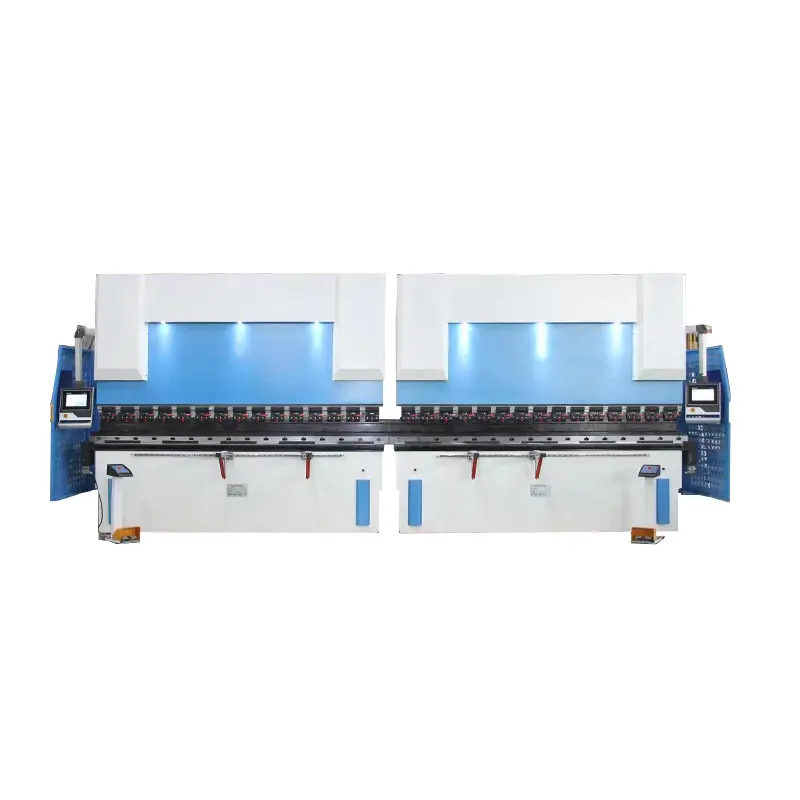
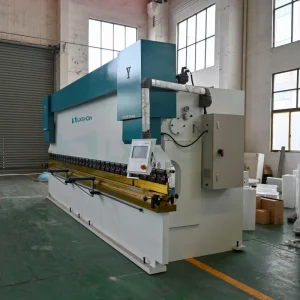
Synchronizing high-efficiency laser cutters with electro-hydraulic CNC press brakes ensures parts flow smoothly from cut to final bend with minimal dimensional deviations.
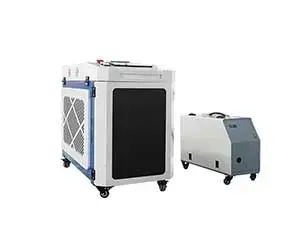
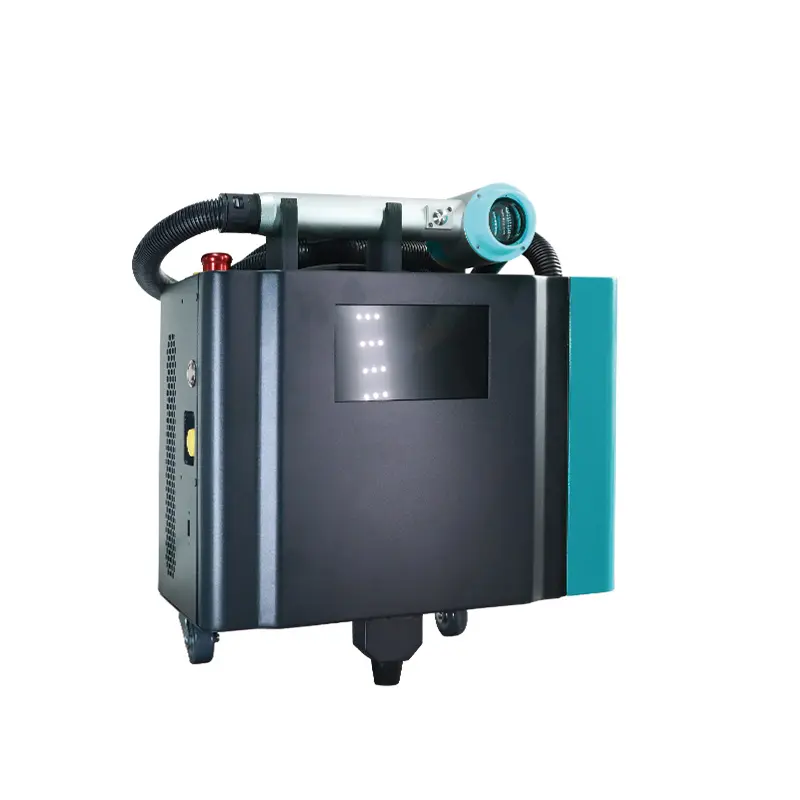
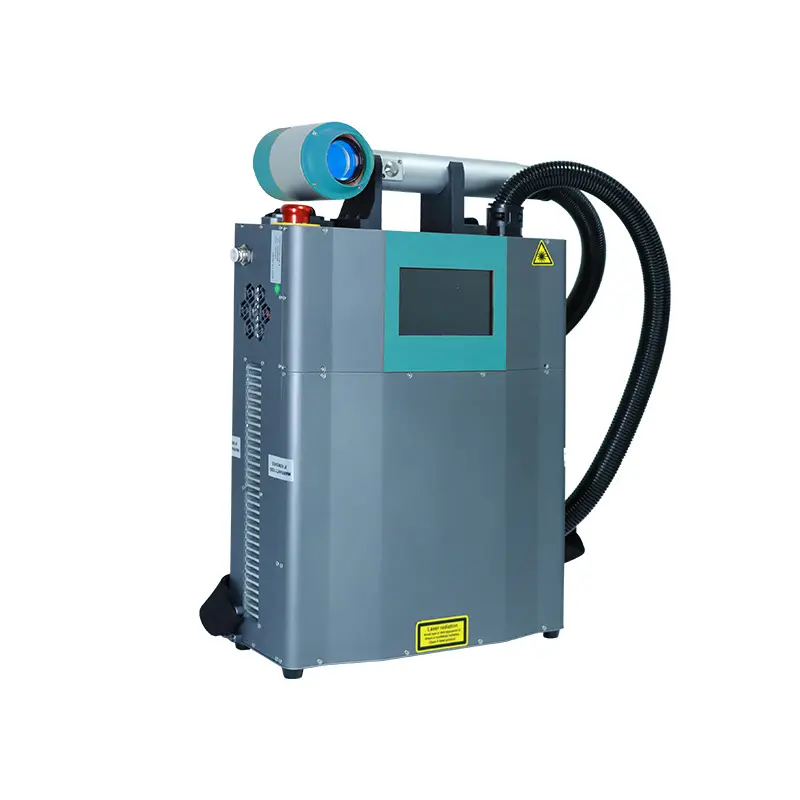
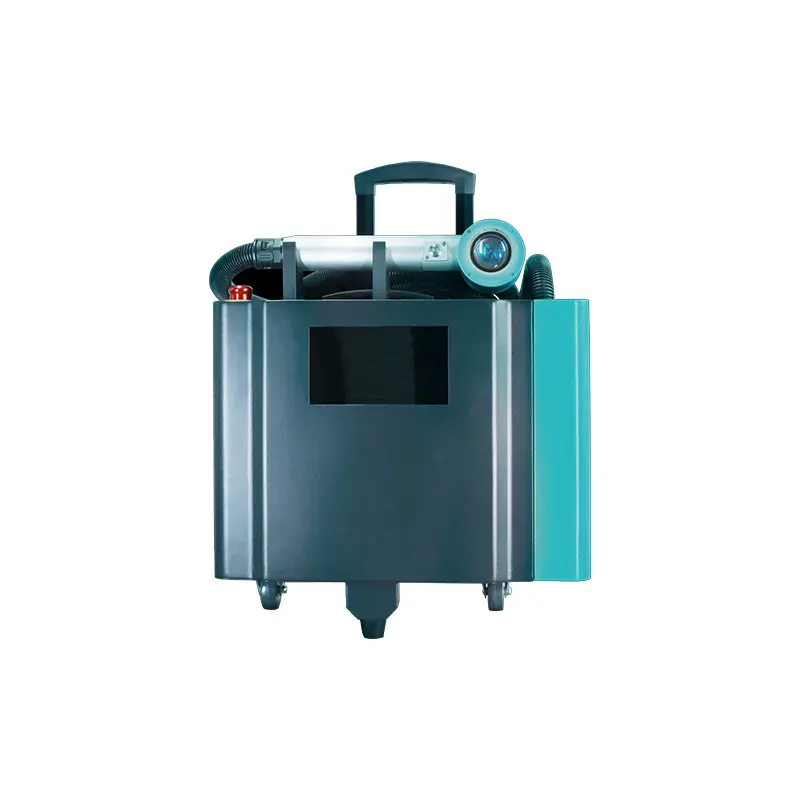
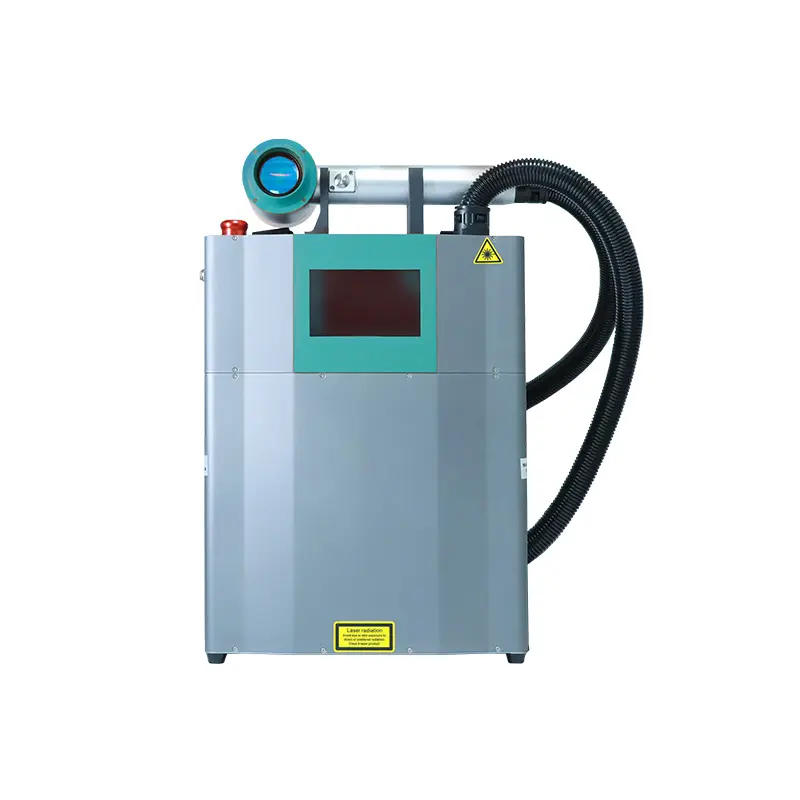
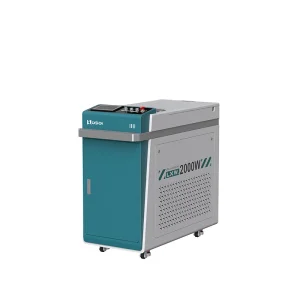
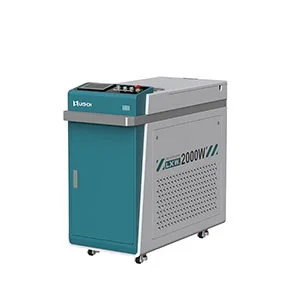
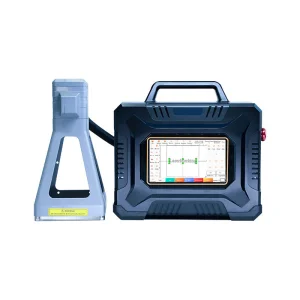
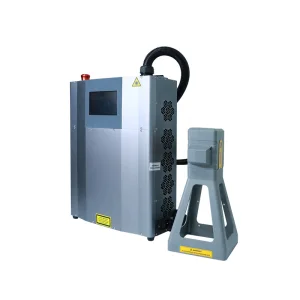
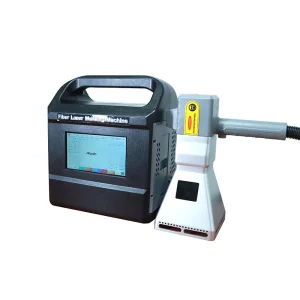
Integrating portable fiber laser rust removers and cleaning systems pre-welding or post-cutting removes thermal oxides and ensures paint adhesion meets automotive standards.
A Global Leader in Smart Laser Manufacturing Equipment since July 2004
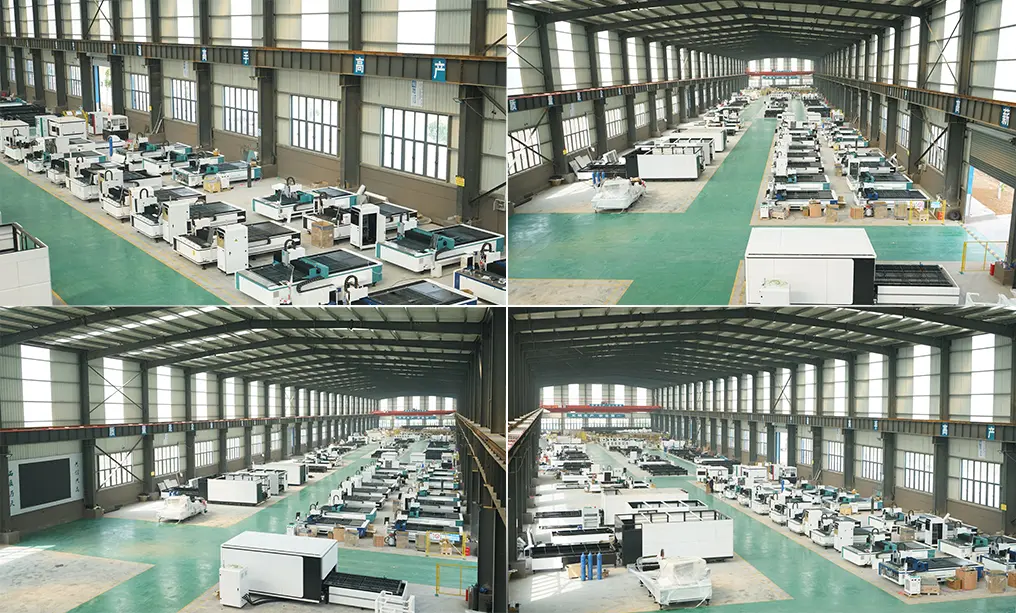
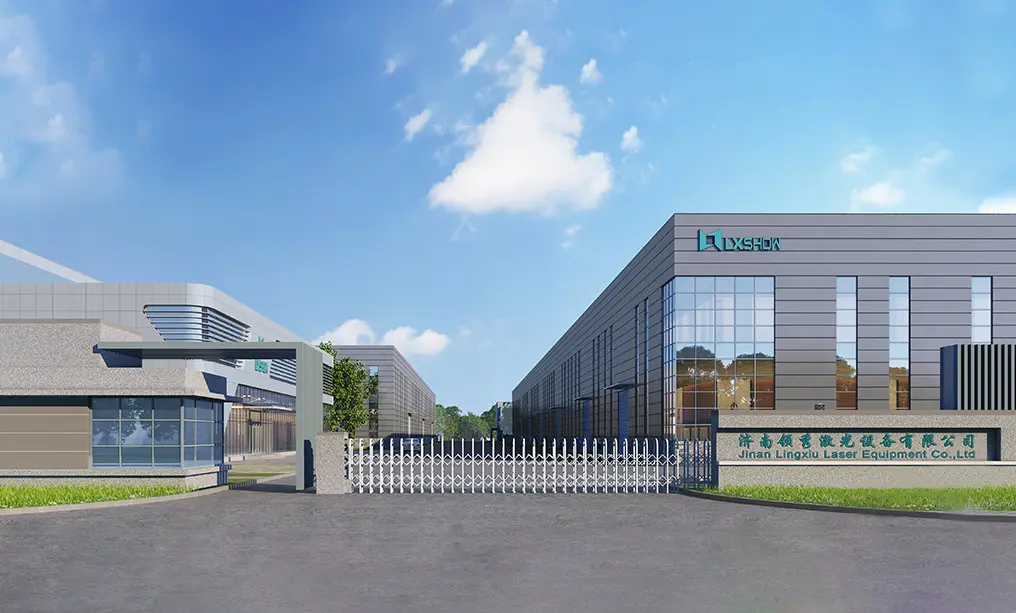
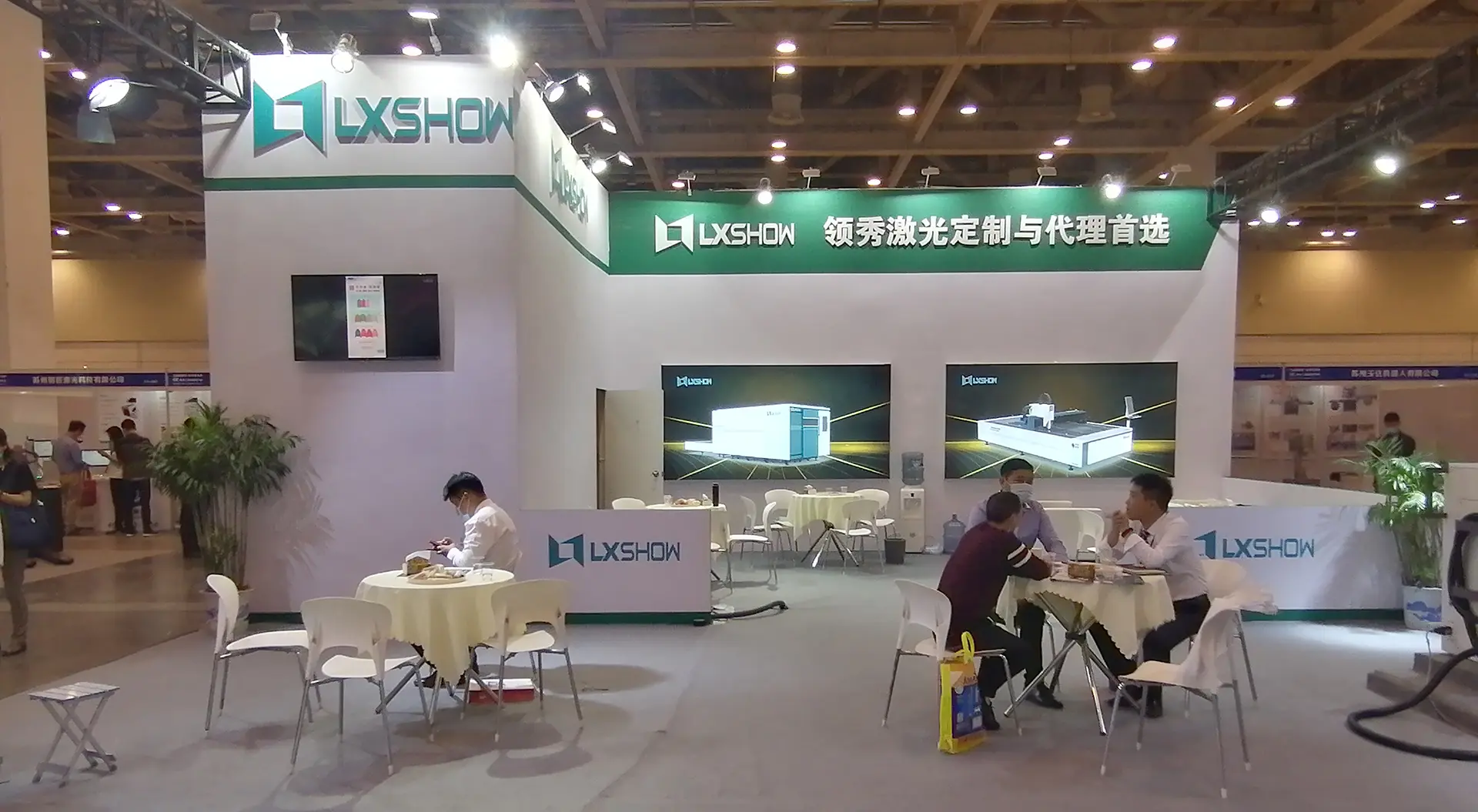
Established in July 2004, LXSHOW Laser owns more than 500 square meters of research and office space, along with a production facility spanning over 32,000 square meters. As a leader in smart laser equipment, we have focused on providing exceptional technical support and operate a dedicated research and communication center for laser cutting, welding, and cleaning machines. We are building our Industry 4.0 and future-ready plants, helping global businesses establish and optimize smart manufacturing processes.
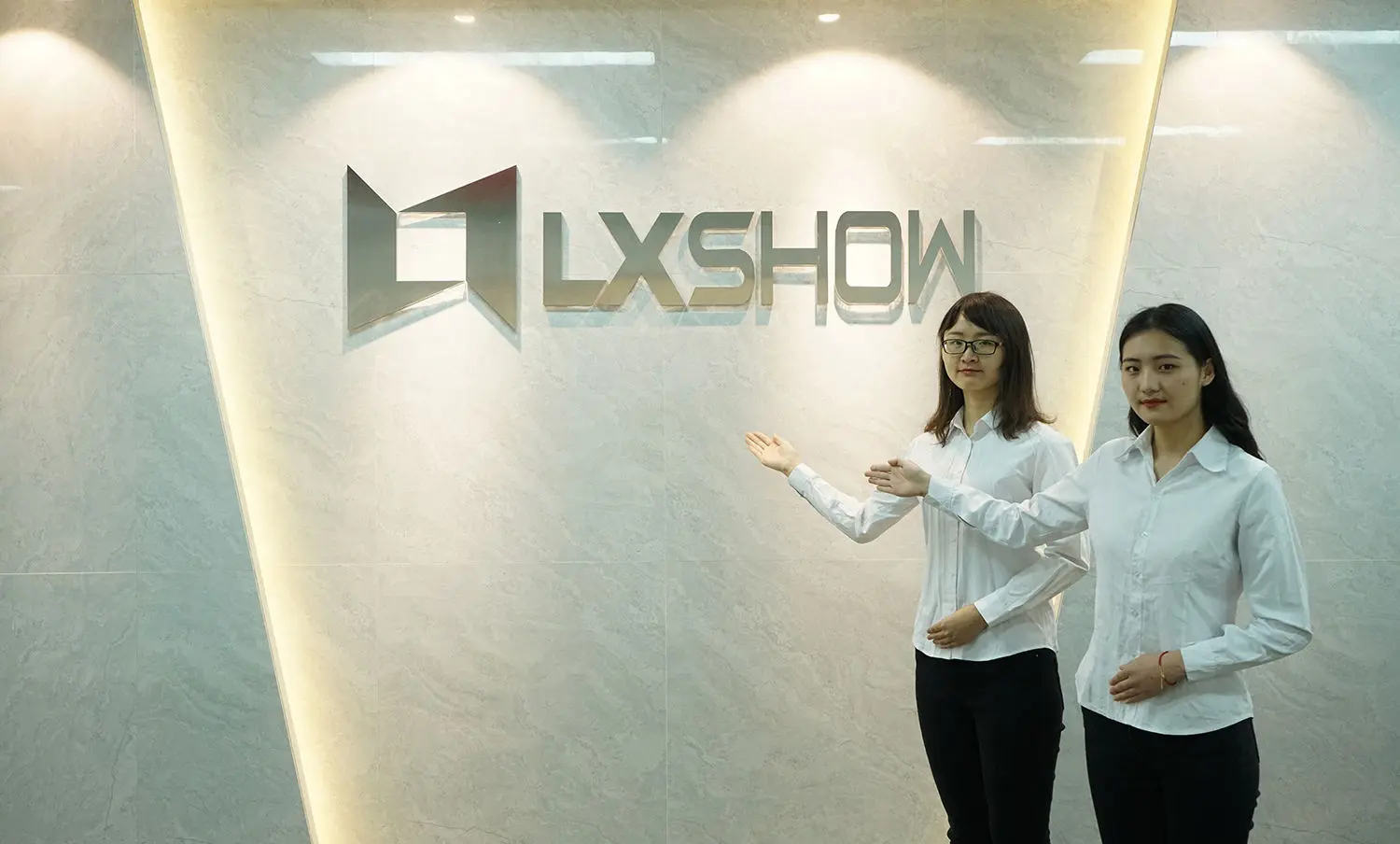
Look inside our production workshops, design offices, and administrative departments
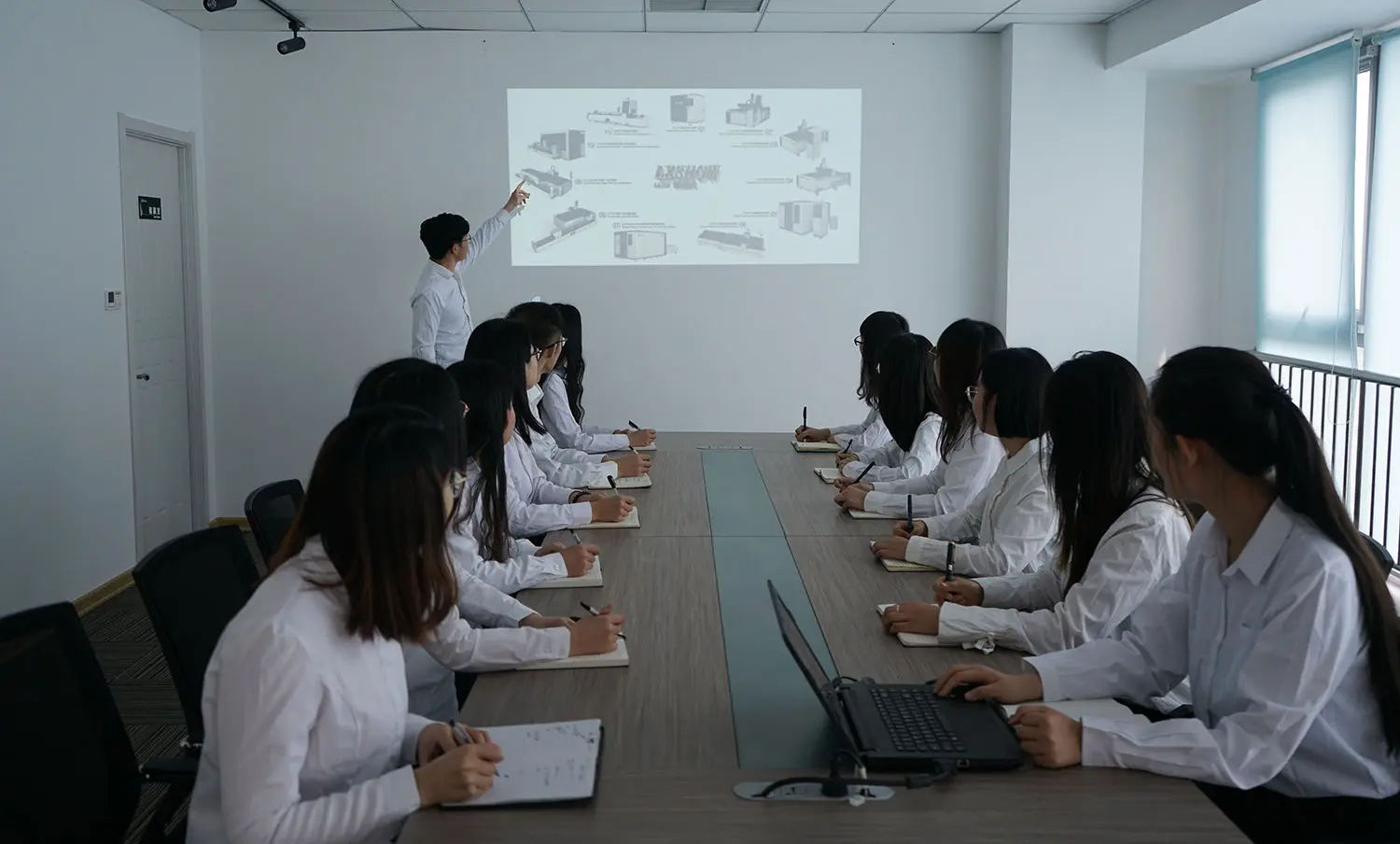
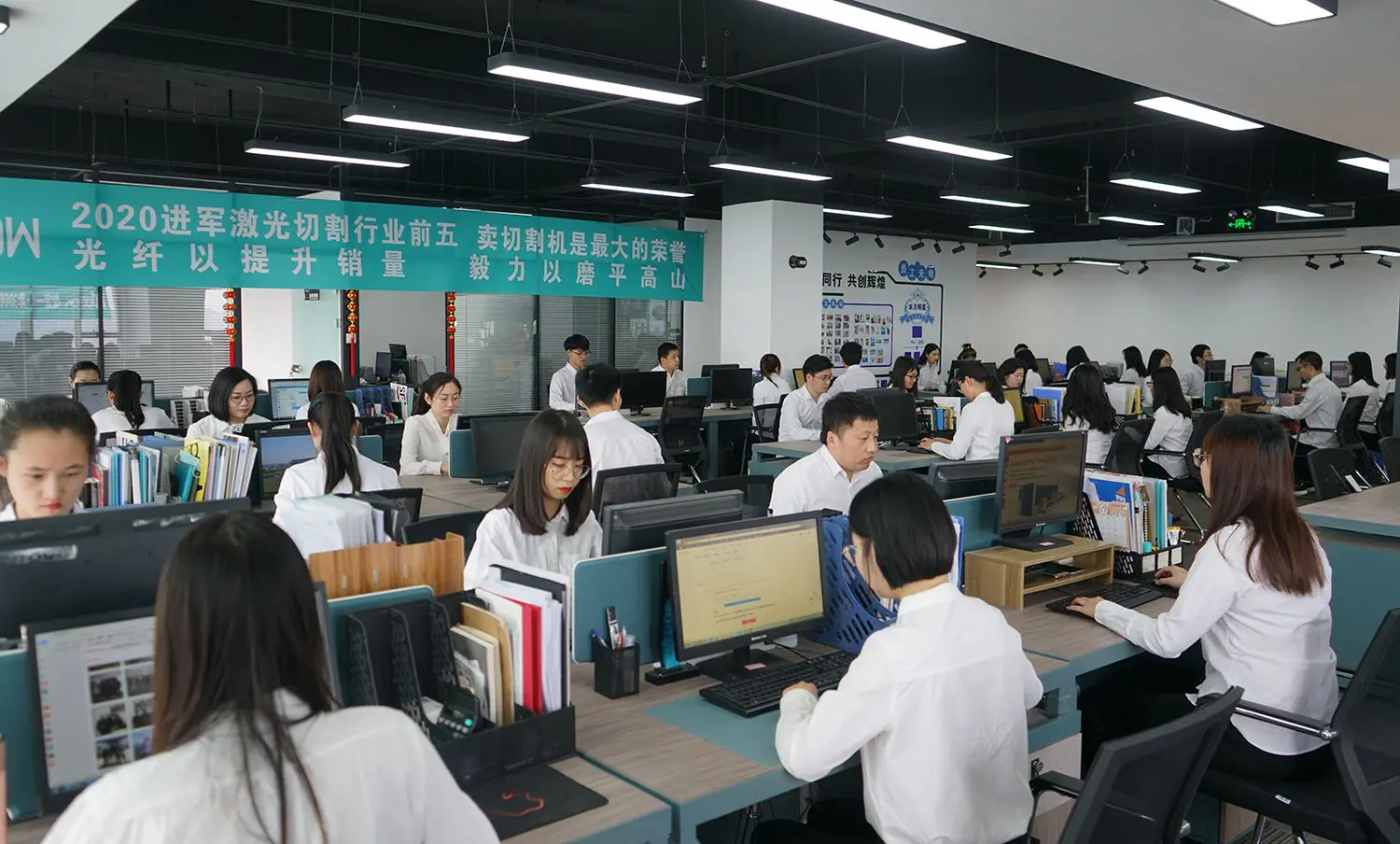
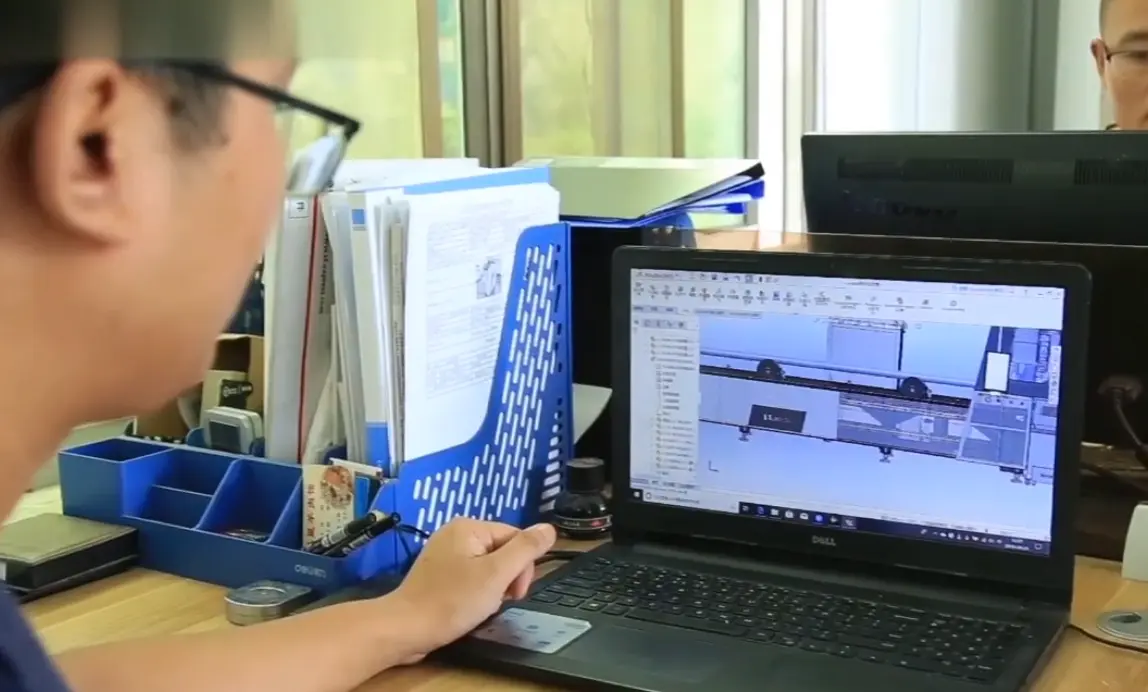
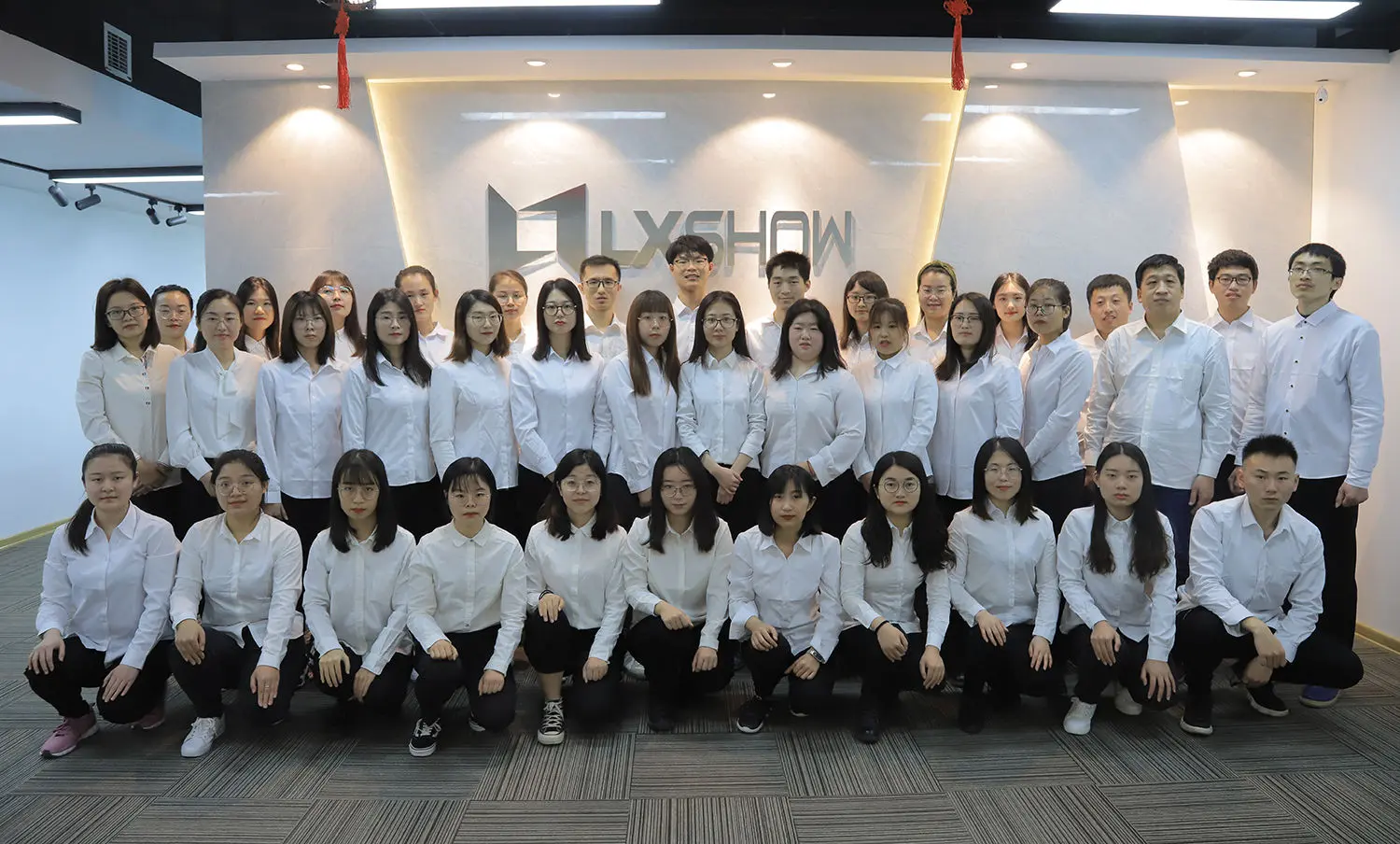
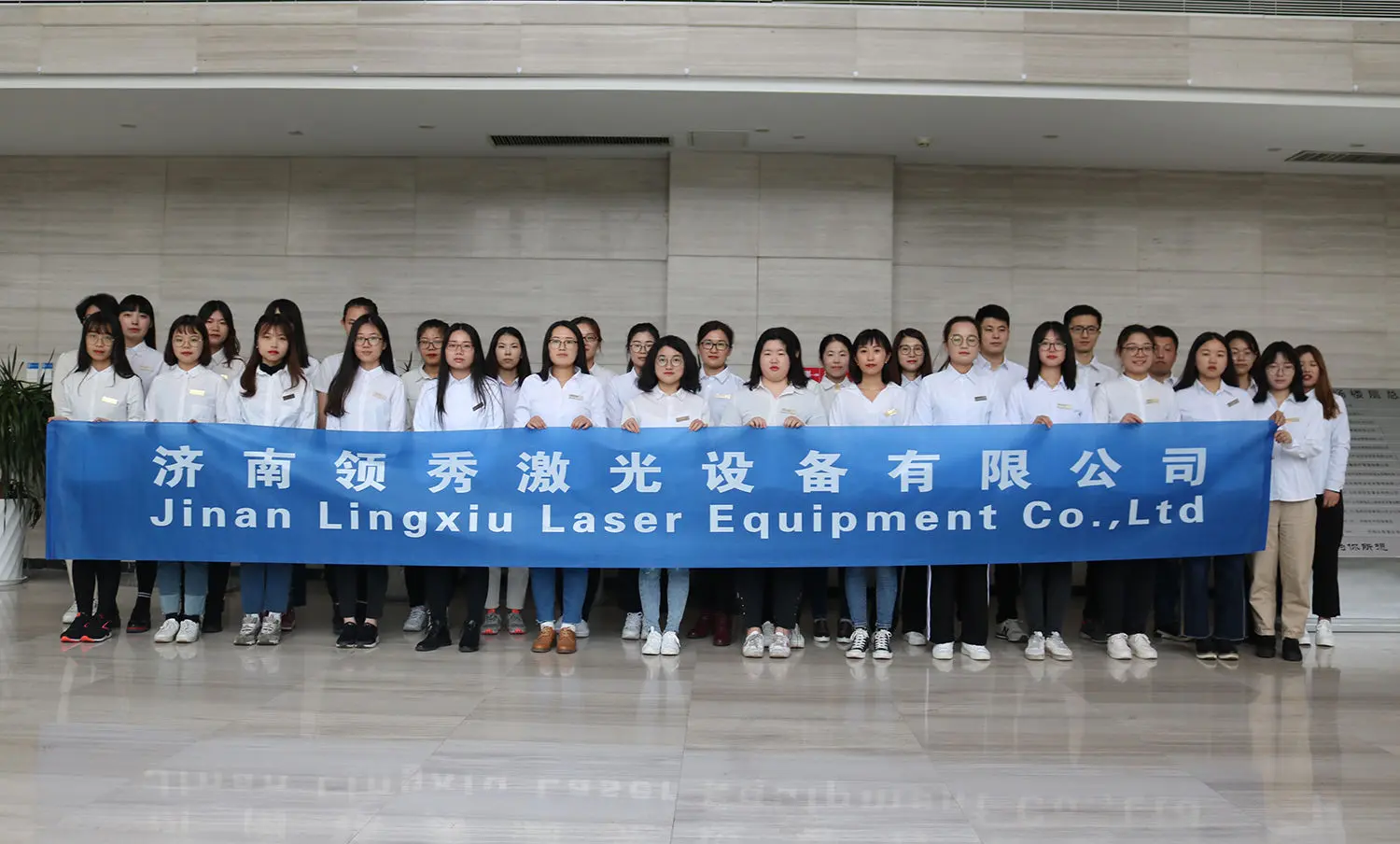
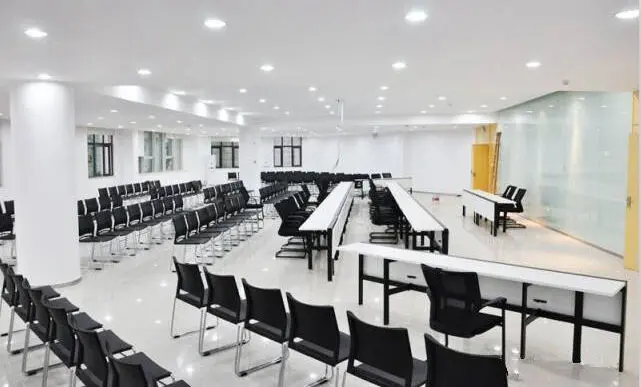
Operating high-power laser equipment demands compliance with international safety protocols. Every unit produced in our manufacturing facilities undergoes rigorous multi-point validation to ensure safe installation and long-term compliance in major import markets.
Our production line is fully audited and holds European Union CE authentication, American FDA certification, and ISO 9001 quality management standards.
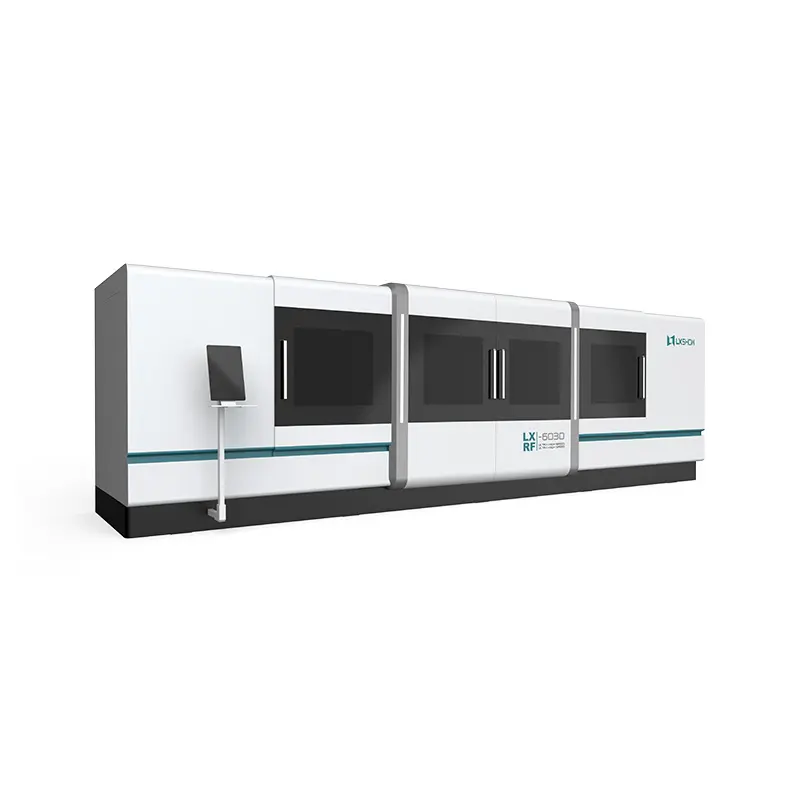
Fully enclosed fiber laser cutters are built using certified OD6+ laser protective glass windows and safety door interlocks to prevent stray beam reflections from endangering operators.
Providing OEM services for over 30 leading regional manufacturers, shipping to USA, Canada, Australia, Europe, Southeast Asia, and Africa, covering more than 120 countries.
Our machines are widely implemented across major modern manufacturing fields:
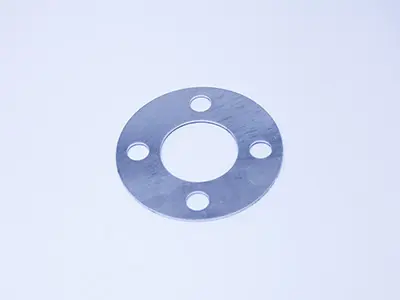
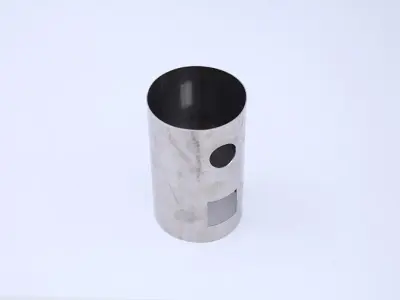
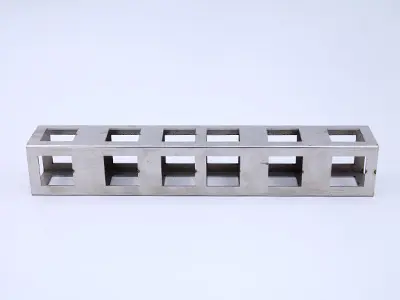
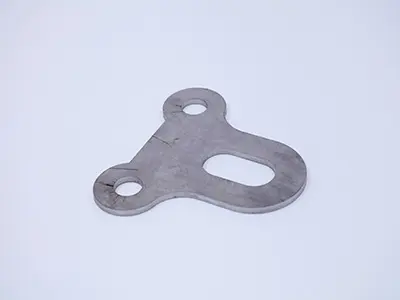
Explore material compatibility and sample classifications handled by our fiber laser heads:
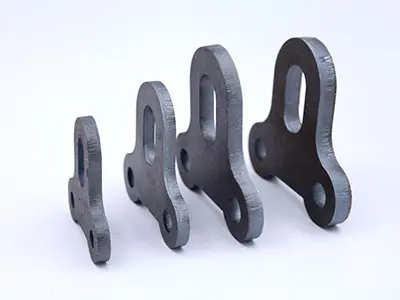
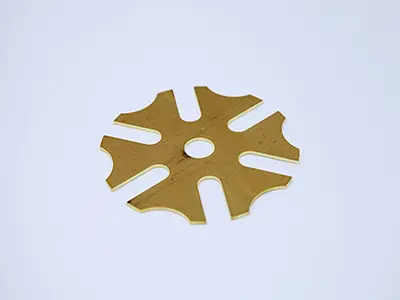
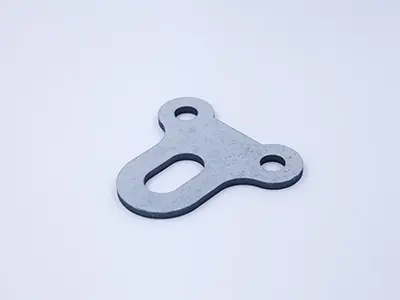
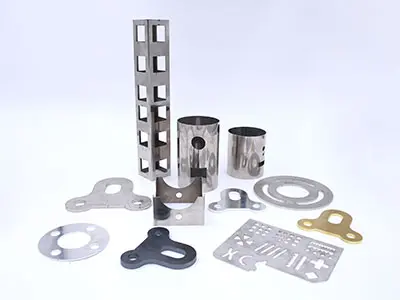
We build our laser machines around a customer-centric innovation path:
The industrial metal cutting industry is shifting toward full system automation, smart sensors, and green-energy manufacturing operations.
Real-time optimization algorithms determine travel paths on the fly, eliminating micro-collisions with cut parts tipped up on the support slats.
High-resolution optics within the cutting head dynamically analyze the kerf status during high-speed operations, immediately tuning parameters to prevent cutting failures.
Integrating shuttle-table lasers with modular pallet loading/unloading robots creates highly efficient, 24/7 "lights-out" manufacturing cells.
Key technical insights on procurement, pricing, and laser system operations
Comprehensive manufacturing solutions spanning laser cladding, welding, sheet metal bending, and shearing systems
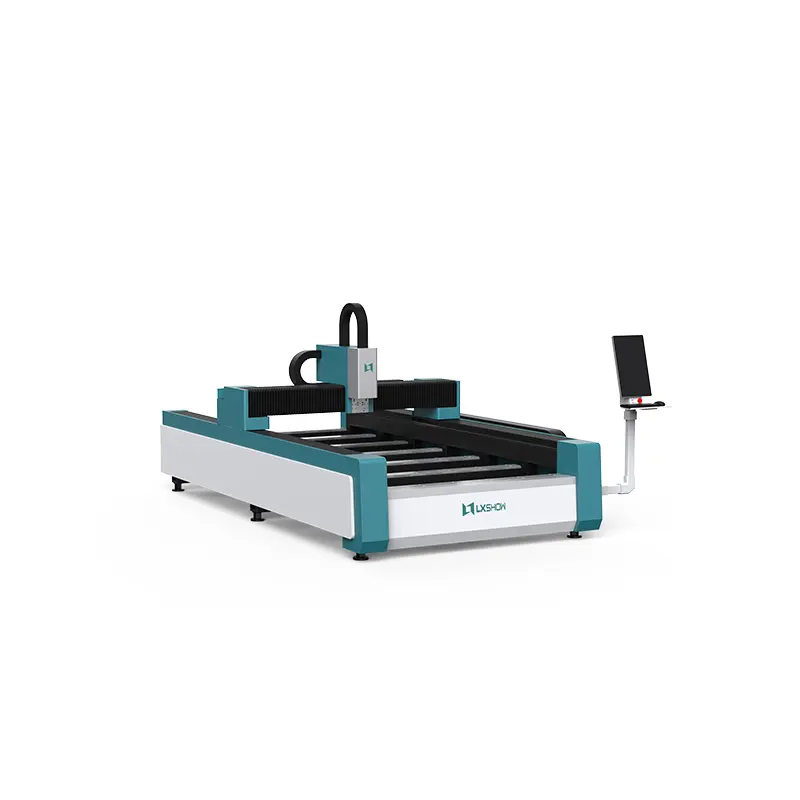
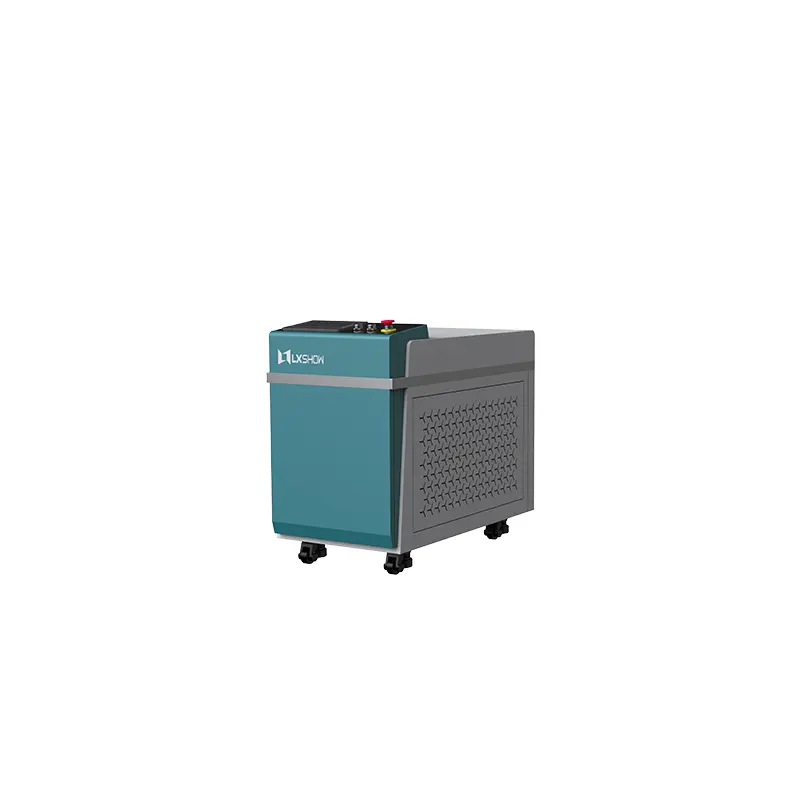
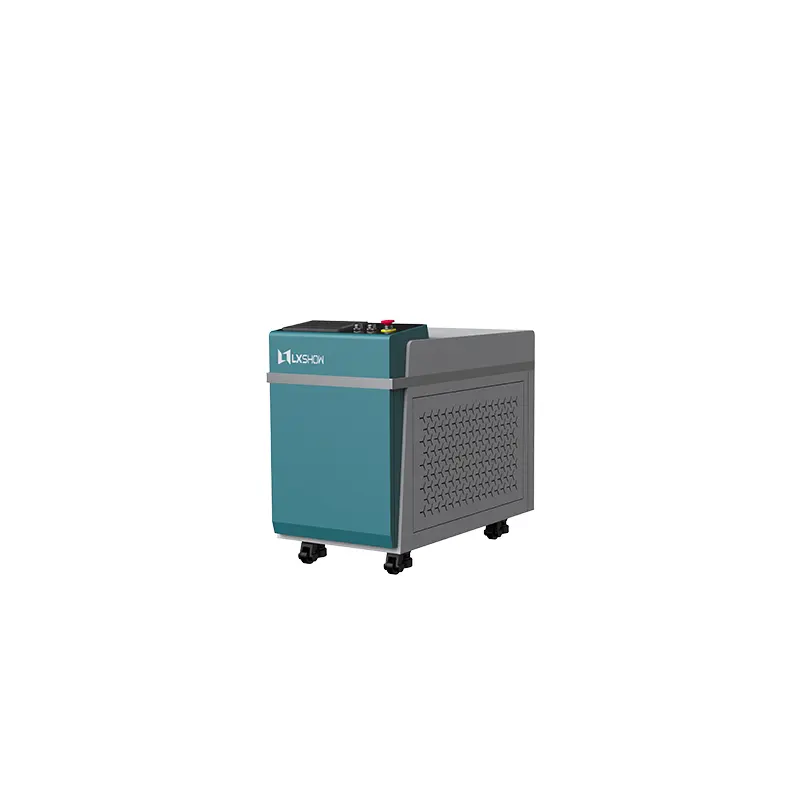
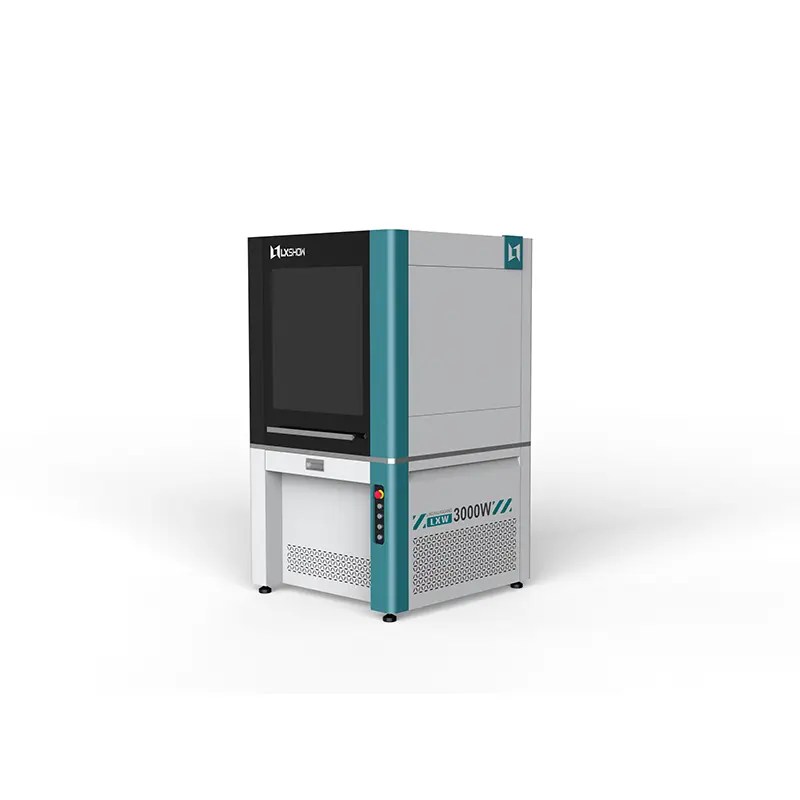
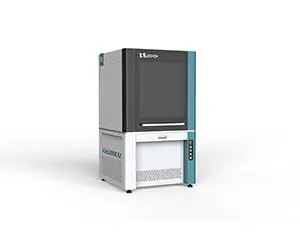
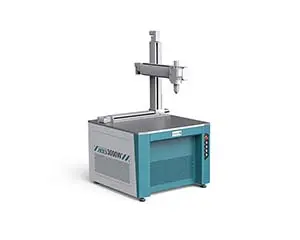
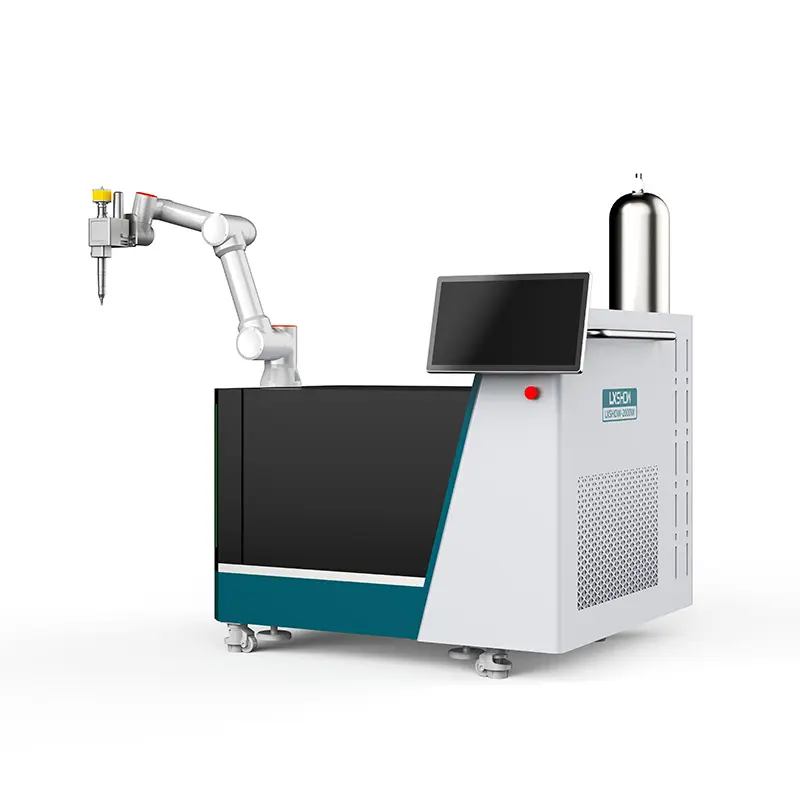
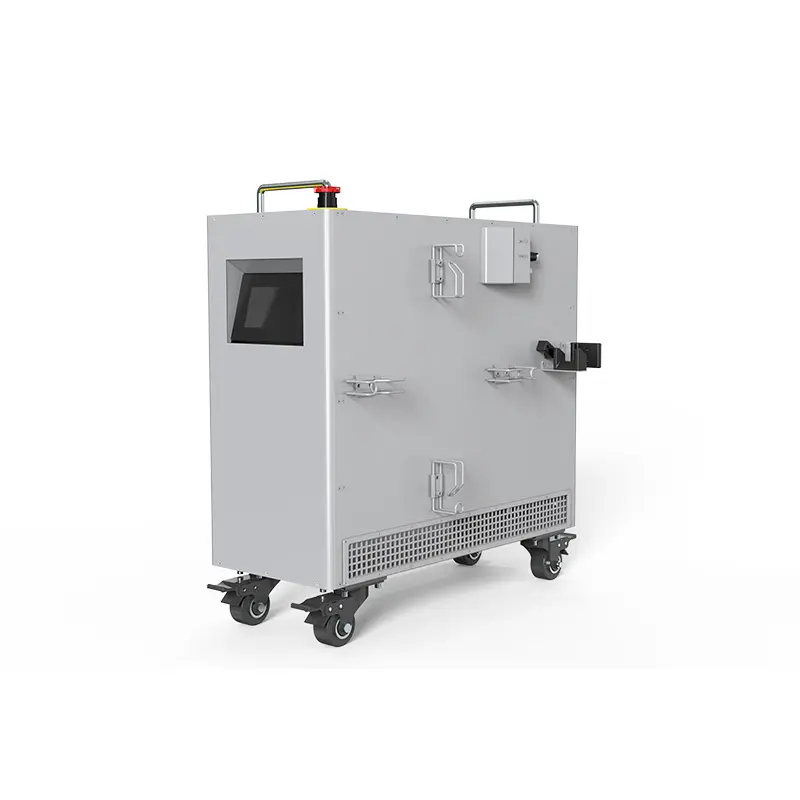
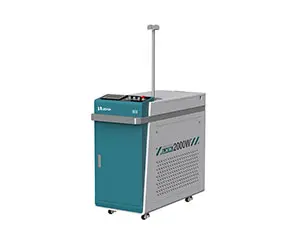
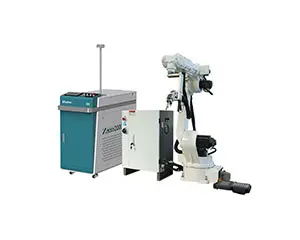
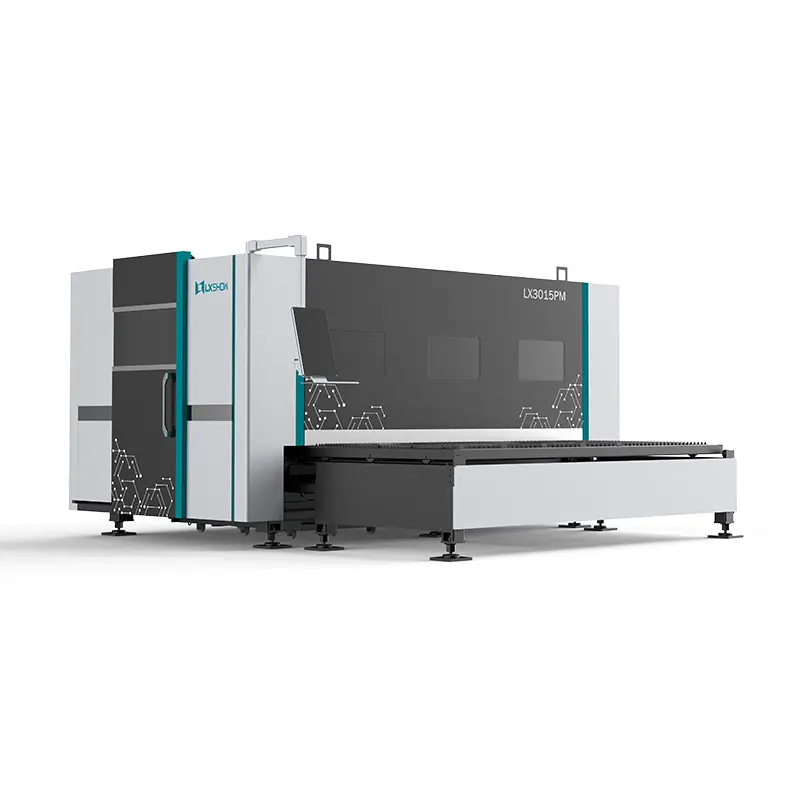
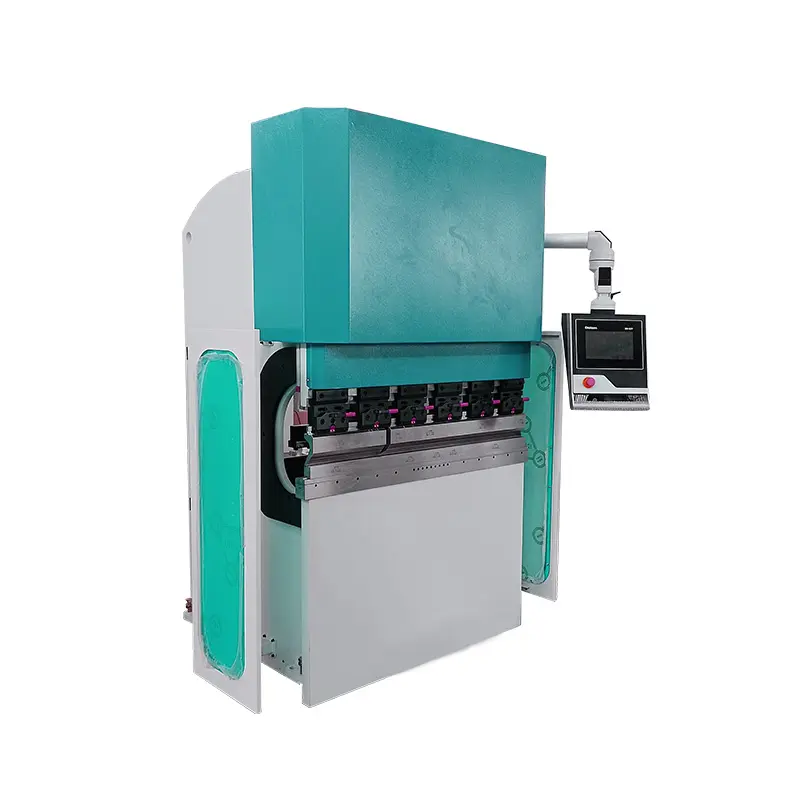
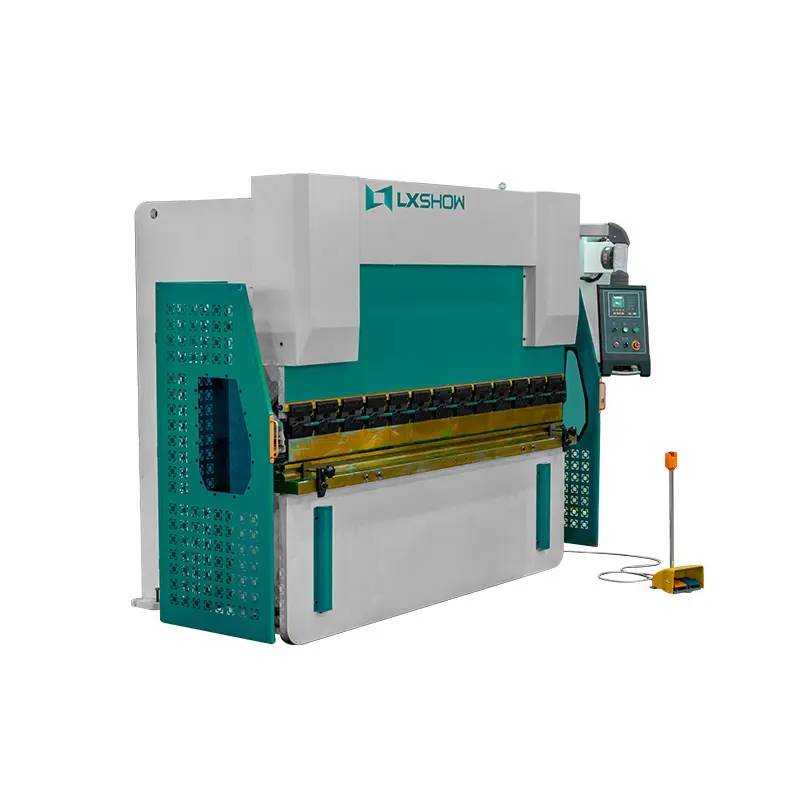
Premium metalworking equipment configured for high-capacity industrial plants
 Lxshow