 Lxshow
1. The Paradigm Shift in Mild Steel Fabrication
In modern industrial manufacturing, mild steel (low-carbon steel) stands as the structural backbone of global infrastructure. Yet, the challenge for procurement officers, design engineers, and supply chain managers has shifted from basic material acquisition to securing high-precision, low-tolerance fabricated components. Traditional thermal cutting technologies such as oxy-fuel and plasma cutting are rapidly being replaced by advanced fiber laser cutting systems. These modern laser optics offer minimal Heat-Affected Zones (HAZ), reduce mechanical deformation, and support direct-to-assembly tolerances.
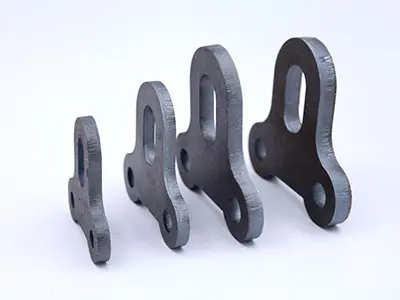
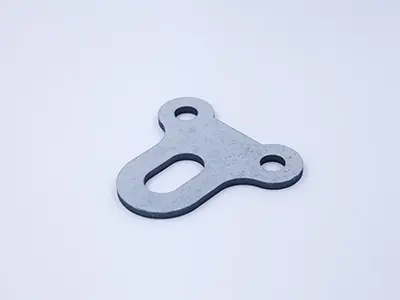
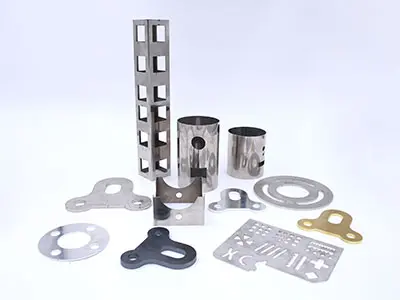
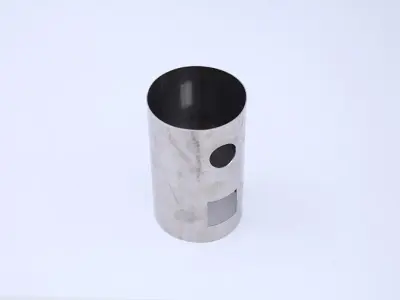
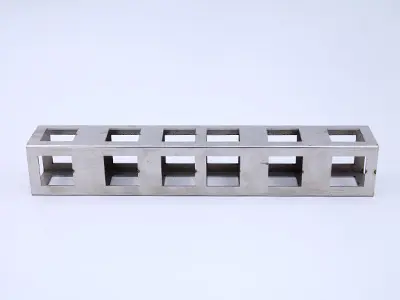
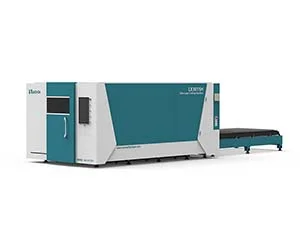
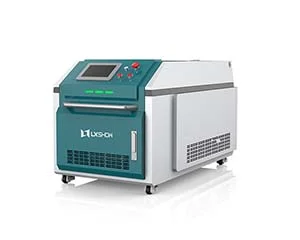
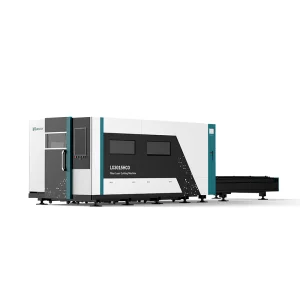
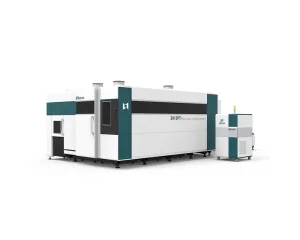
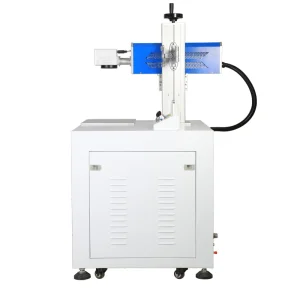
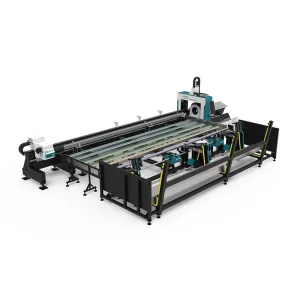
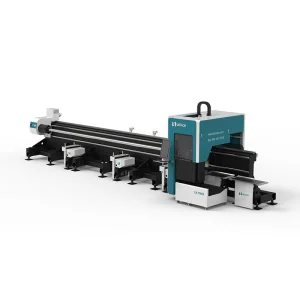
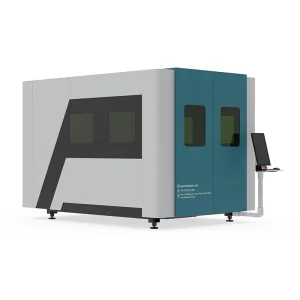
As a leading Custom Mild Steel Laser Cutting Supplier and Exporter, we bridge the gap between design complexity and structural feasibility. By deploying high-wattage fiber laser resonators combined with intelligent motion control, we produce complex geometries without micro-cracking or edge carbonization. Our operations utilize nitrogen, oxygen, and compressed air as assist gases to match your specific mechanical requirements. This ensures the cut path preserves the material's native yield strength, typically between 250 MPa and 400 MPa, allowing for direct welding and forming operations.
2. Global Industrial Demand & Procurement Dynamics
The global demand for custom mild steel laser-cut components is driven by structural safety, cost-efficiency, and rapid turnaround times. Industries such as automotive manufacturing, agricultural equipment, infrastructure development, and energy storage depend on consistent metallurgical quality. Procurement departments must navigate complex supply chains to secure components that meet international design standards (e.g., ASTM A36, EN 10025, and JIS G3101).
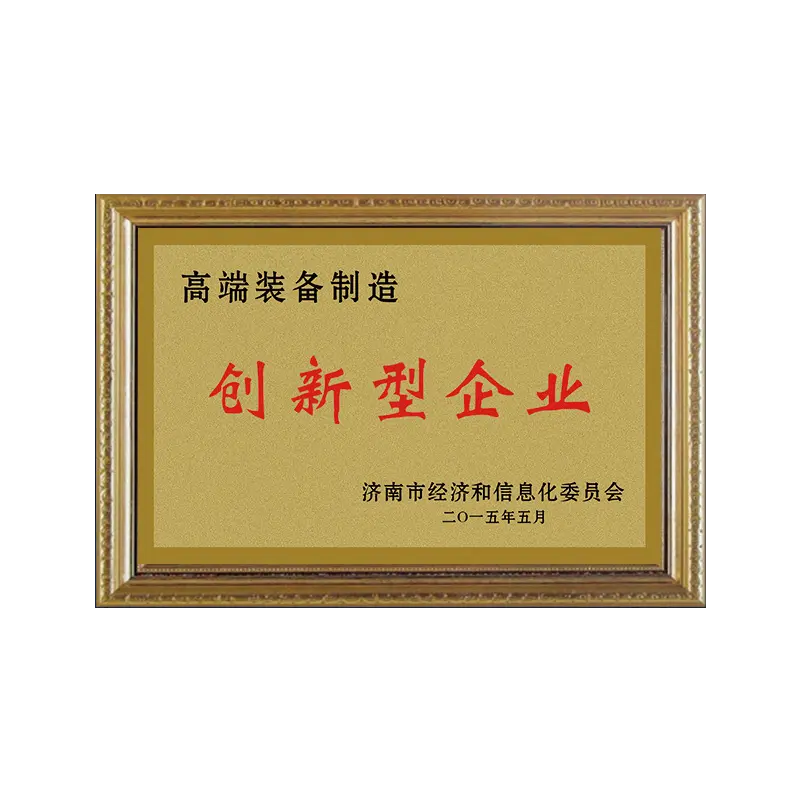
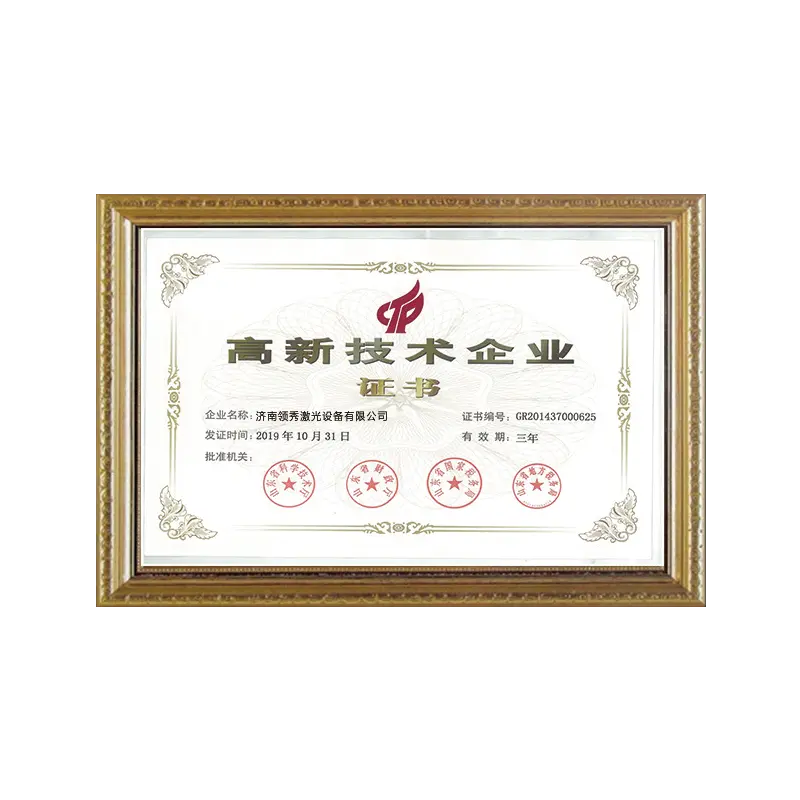
Working with an exporter capable of handling high-volume demands requires a partner with deep logistics and quality assurance expertise. Under our ISO 9001:2015 certified manufacturing framework, every custom component undergoes automated vision inspection and Coordinate Measuring Machine (CMM) validation. We offer structural traceability, raw mill test certificates (MTC), and clean surface packaging. This ensures that every shipment arriving at your manufacturing facility is ready for immediate production, eliminating incoming quality control (IQC) bottlenecking.
3. Macro-Industry Solutions: Engineered Applications
Custom laser-cut mild steel parts are engineered to perform under specific operational stresses. Here is how our solutions serve key global sectors:
Automotive & Heavy Transportation
From chassis brackets and structural crossmembers to internal cabin reinforcements, our high-power fiber laser systems cut high-strength low-alloy (HSLA) mild steel with dynamic path optimization. This process minimizes thermal deformation, preserving the mechanical properties needed to meet safety crash testing requirements.
Construction & Architectural Engineering
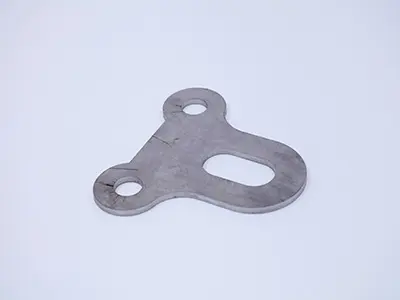
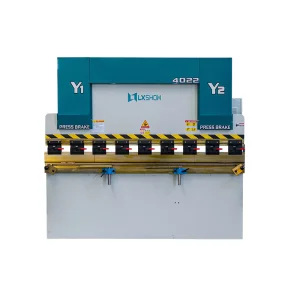
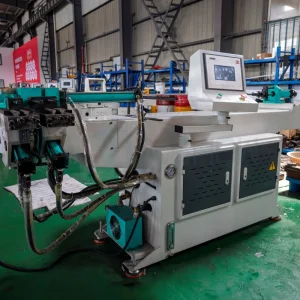
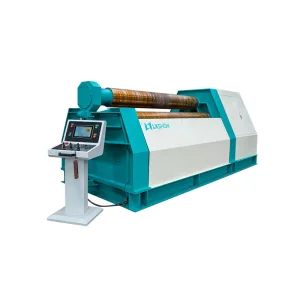
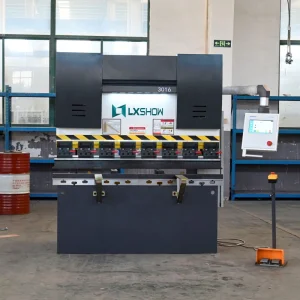
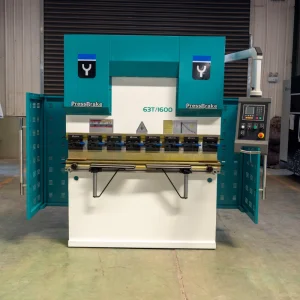
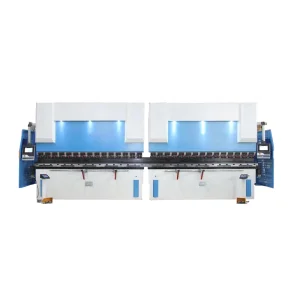
We supply heavy-duty gussets, structural connection plates, baseplates, and architectural facades. Our high-tonnage CNC bending machines, such as the WC67K and WE67K series, bend heavy plates precisely to match custom structural schematics. This ensures perfect alignment during on-site construction.
Agricultural & Earthmoving Machinery
Harvester assemblies, excavator arms, and loader buckets require durable structural frames. Our thick-plate fiber laser processing achieves clean cuts on heavy plates up to 25mm. We use specialized oxygen-pulsed profiles to prevent slag buildup on the bottom edges of the cut components.
4. Technological Roadmap: Fiber Laser Cutting & Industry 4.0
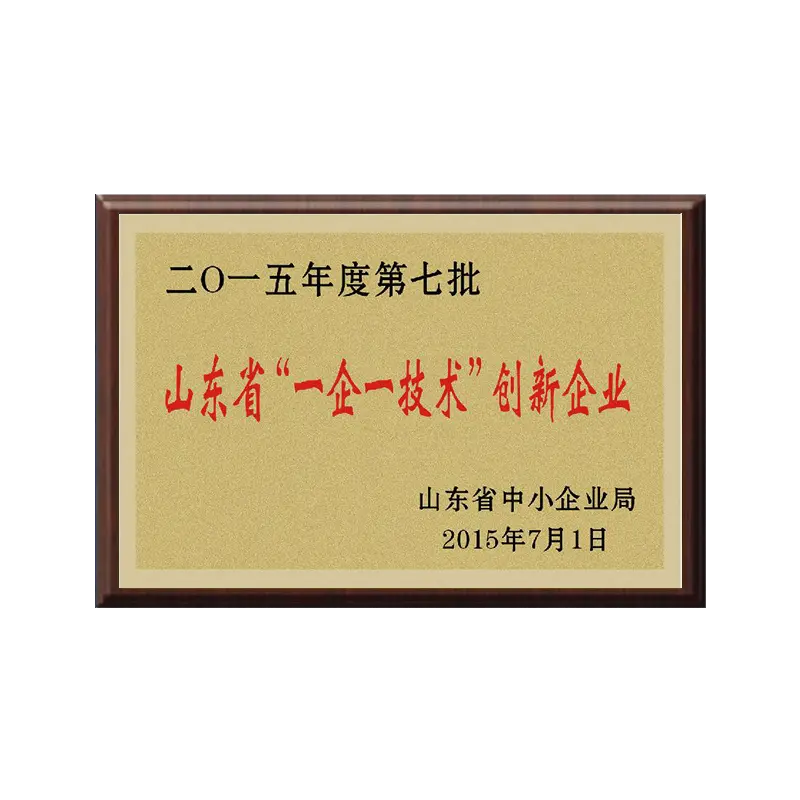
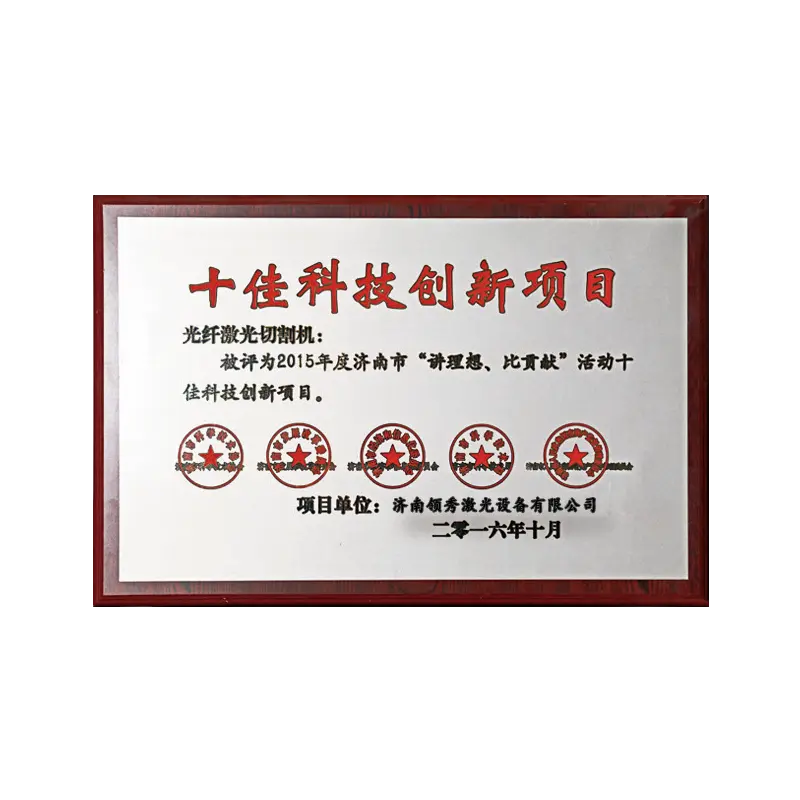
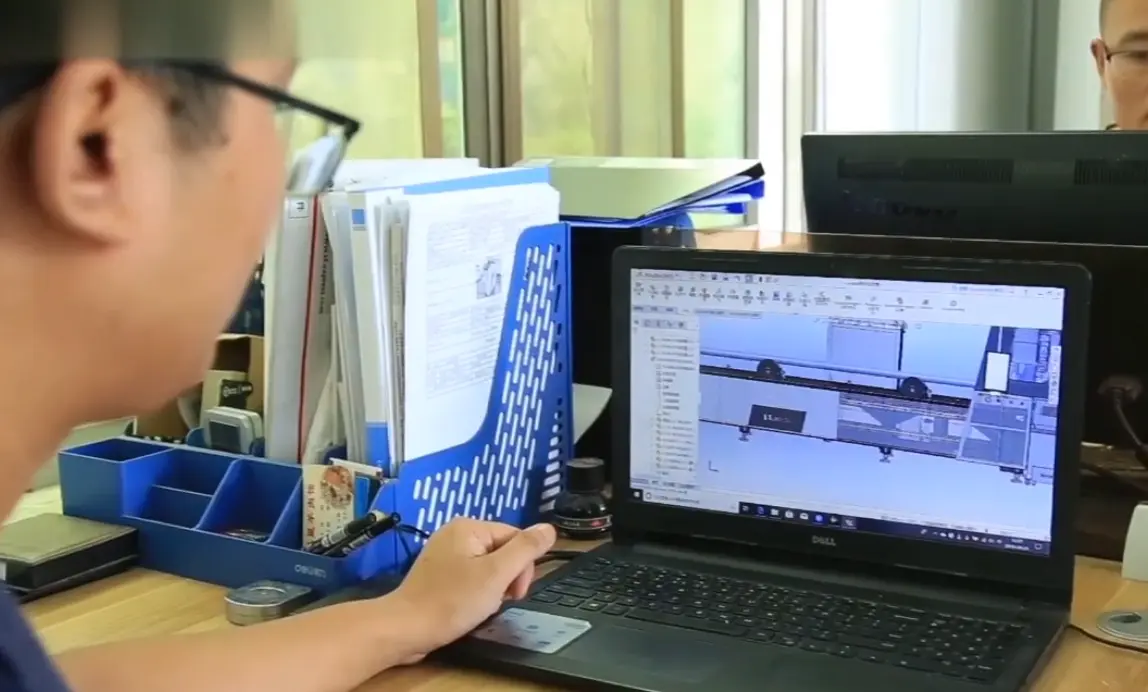
Our research and development team focused on laser smart equipment is driving a transition toward fully automated, high-precision metal fabrication. The technological roadmap for mild steel laser processing focuses on three key pillars: fiber laser power scaling, automated gas-assist dynamics, and smart factory integration.
Fiber Optic Efficiency
Deploying advanced laser resonators from 3kW to 12kW increases cutting speeds while reducing energy consumption, ensuring cleaner cuts on thicker materials.
Auto-Focus Cutting Heads
Real-time focal adjustments prevent thermal damage on mild steel surfaces, ensuring consistent edge quality across large-format production runs.
Smart Factory Integration
Our machinery works with manufacturing execution systems (MES) to provide real-time material utilization tracking and automated nested layout planning.
By using real-time sensor feedback loops, our cutting heads monitor the temperature of the material and adjust cutting speeds dynamically. This prevent overheating in tight cut zones and complex corners. It allows us to deliver high precision, with positioning accuracies within ±0.03mm and repeatability within ±0.02mm, setting a new benchmark for global manufacturing.
5. Global Compliance & Quality Management
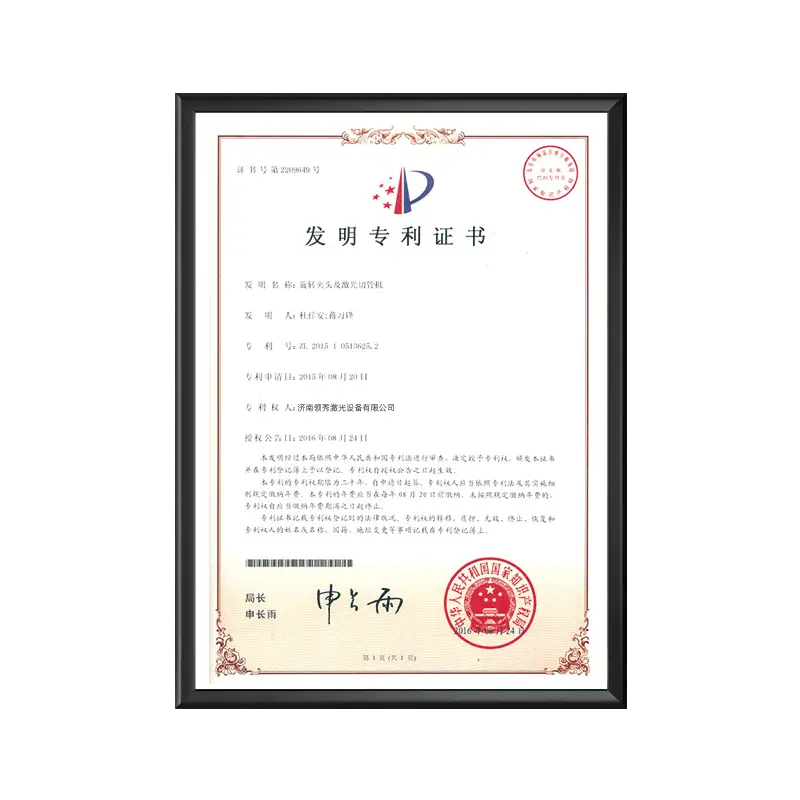
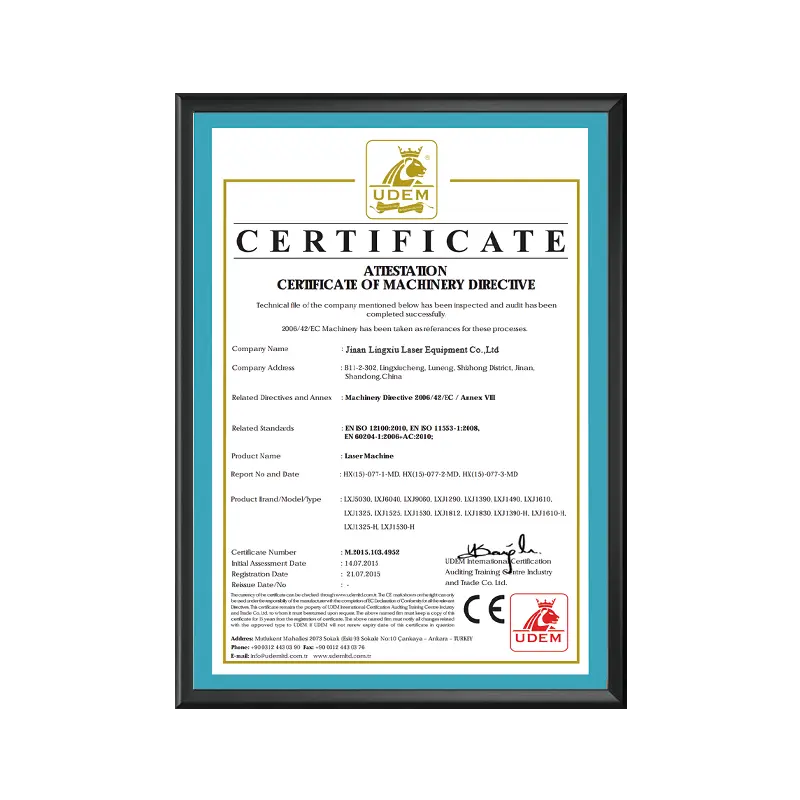
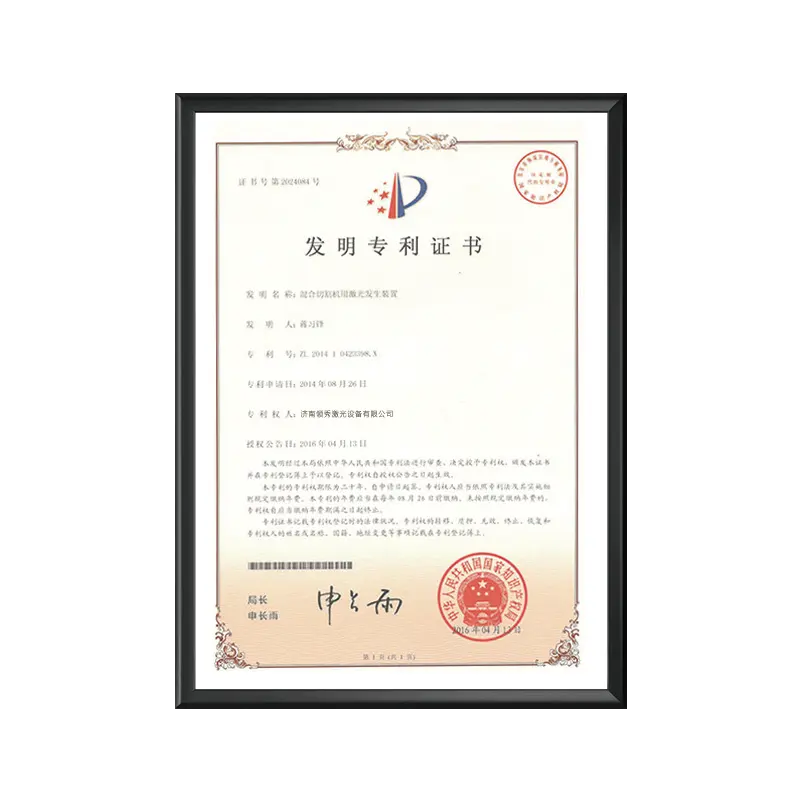
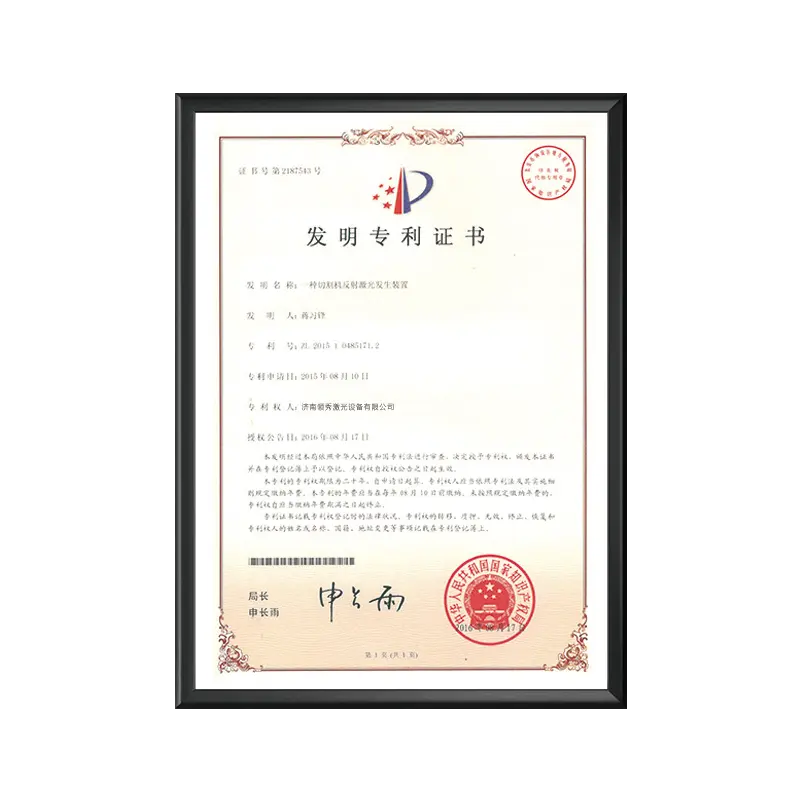
Exporting high-precision industrial components requires strict compliance with international manufacturing and safety standards. Every piece of machinery we use and every batch of custom components we fabricate meets key global regulatory criteria:
CE Mark Compliance: All manufacturing systems conform to the European Union's safety, health, and environmental protection requirements, confirming structural integrity and electronic safety.
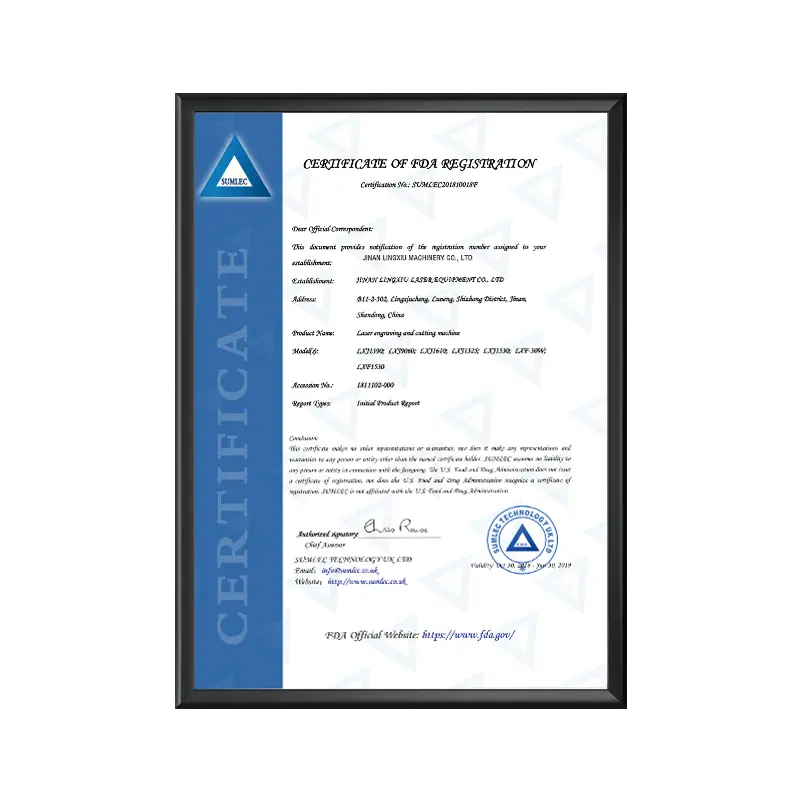
FDA Registration: Our industrial laser processing systems are registered in compliance with international radiation safety requirements, showing our commitment to safe factory operations.
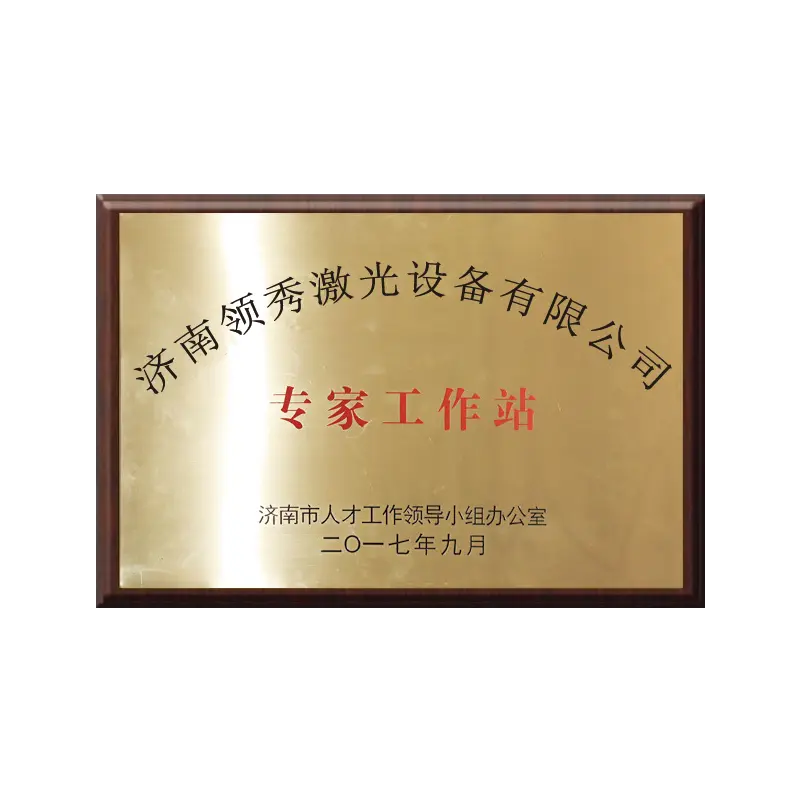
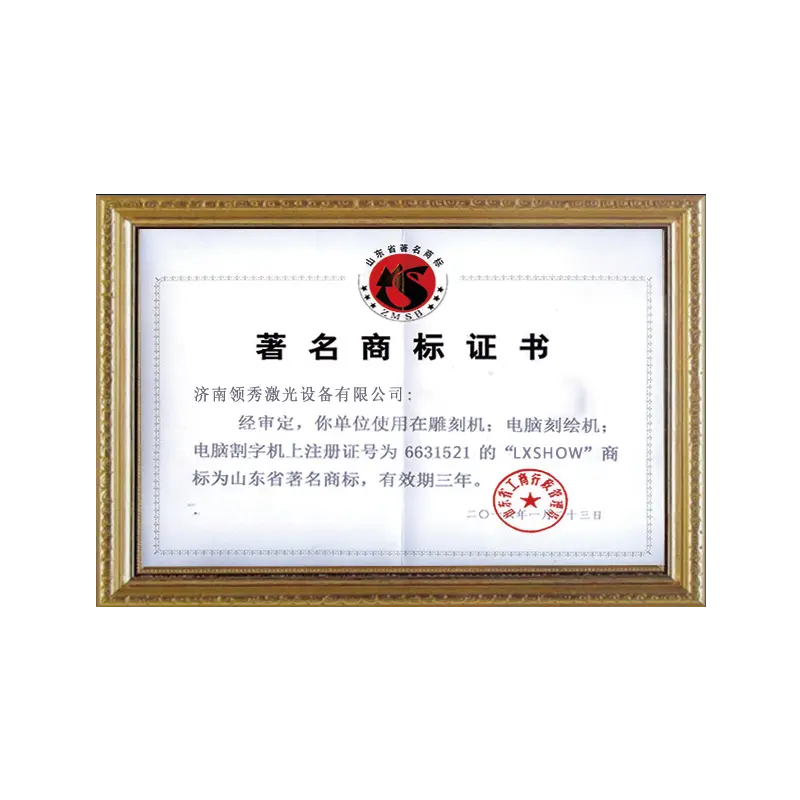
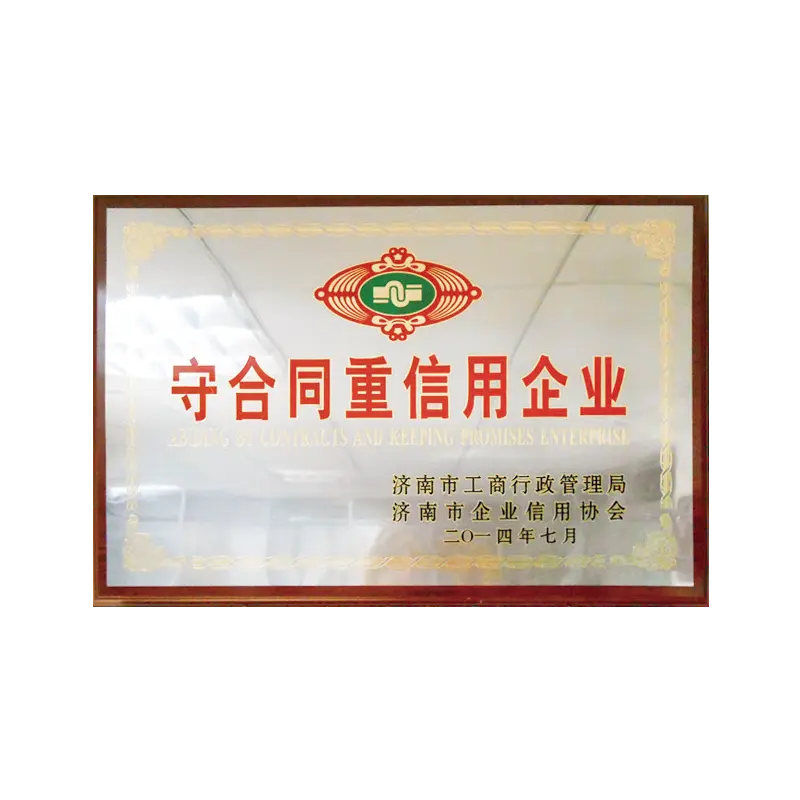
ISO 9001 Quality Standards: We operate under a certified ISO 9001 quality management framework. This ensures complete traceabilty from raw steel coils to the final shipped product.