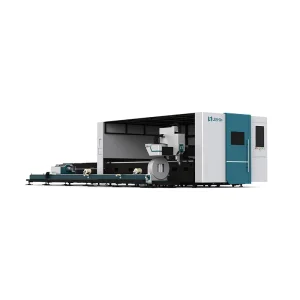
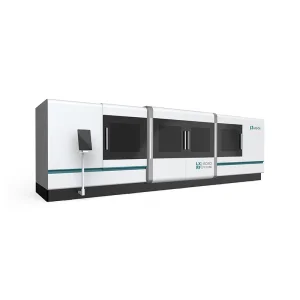
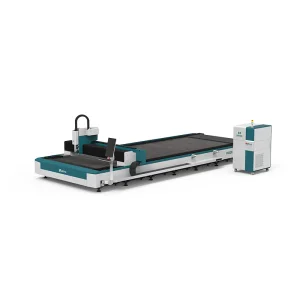
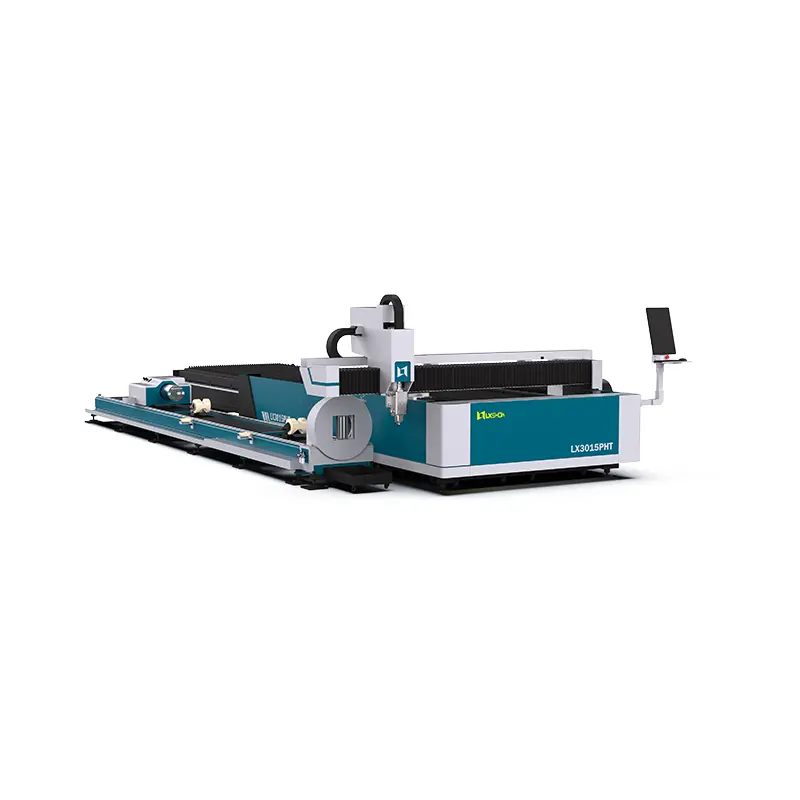
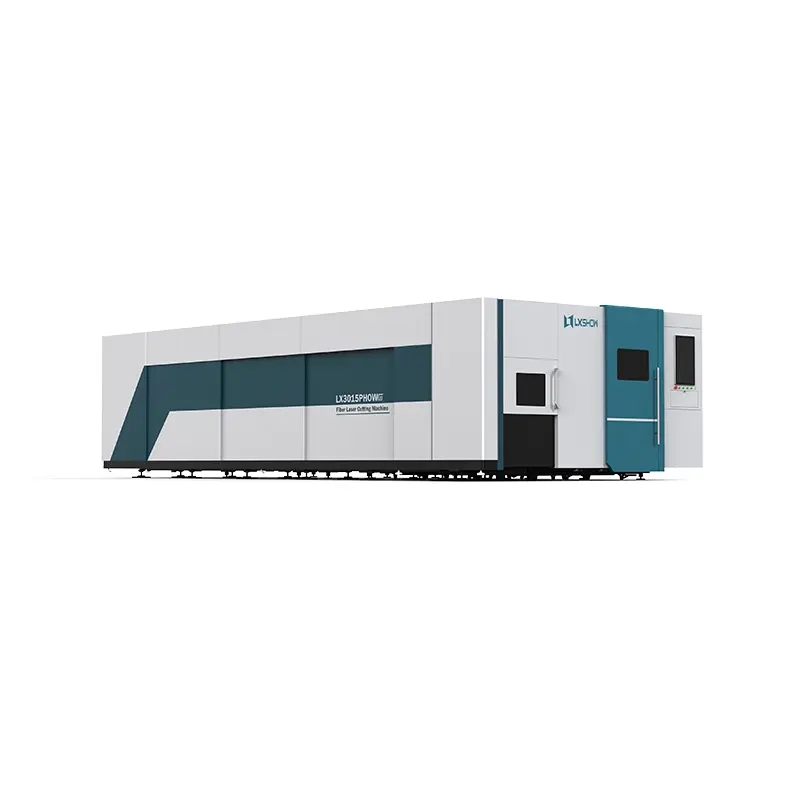
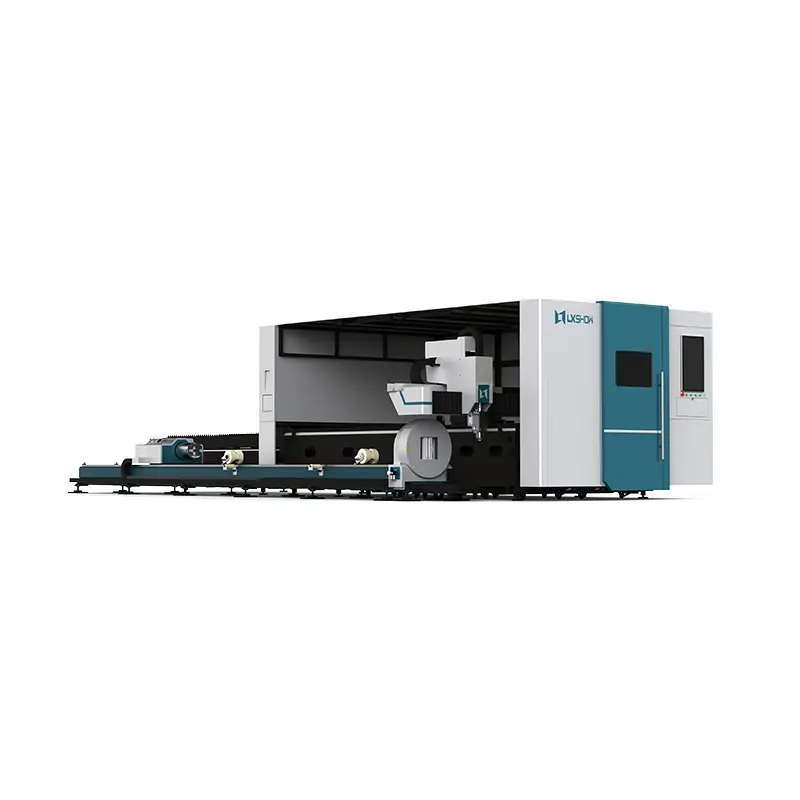
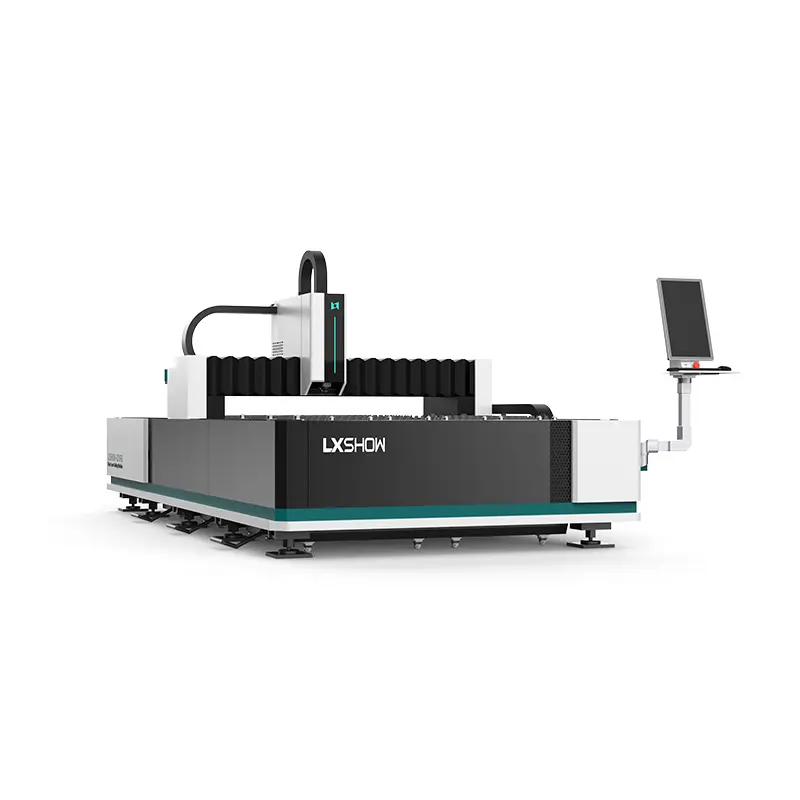
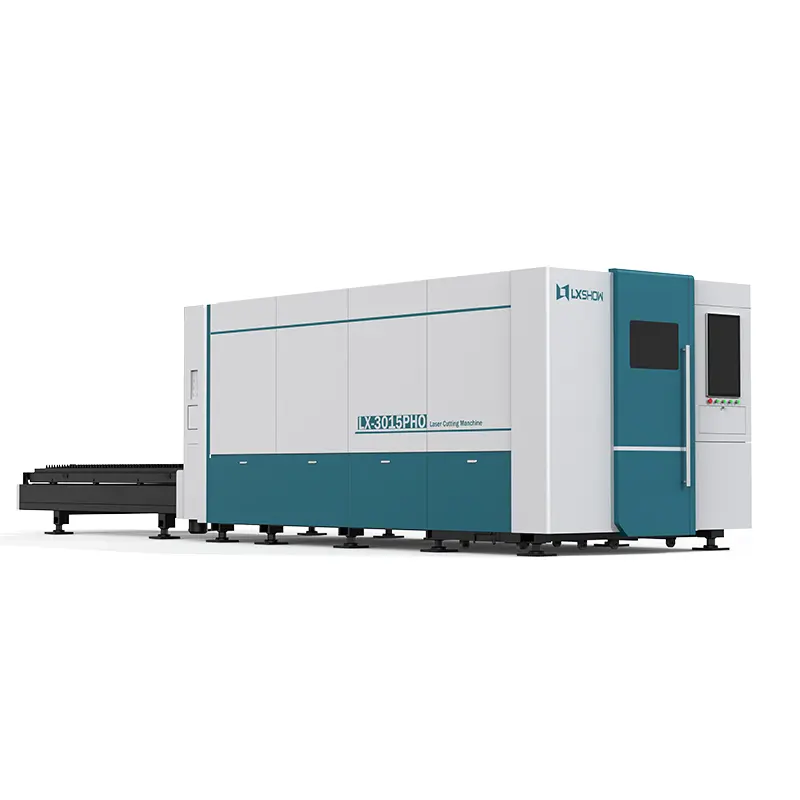
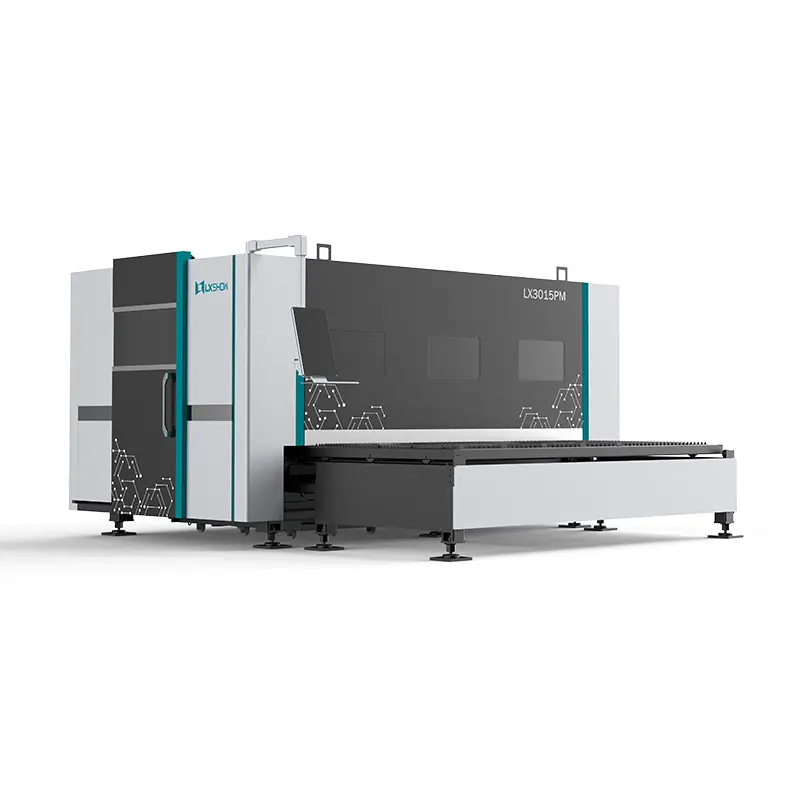
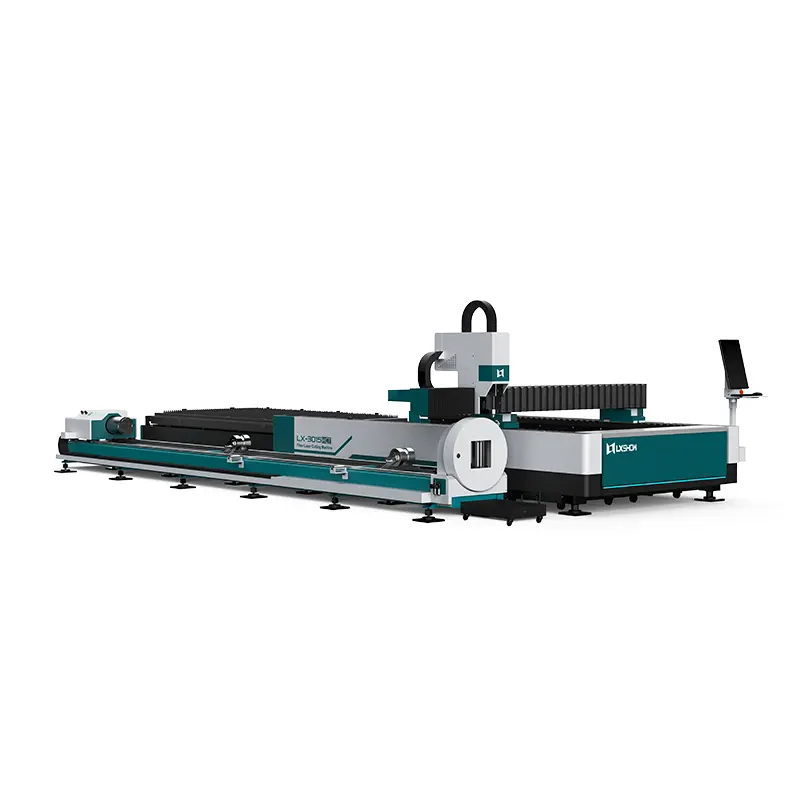
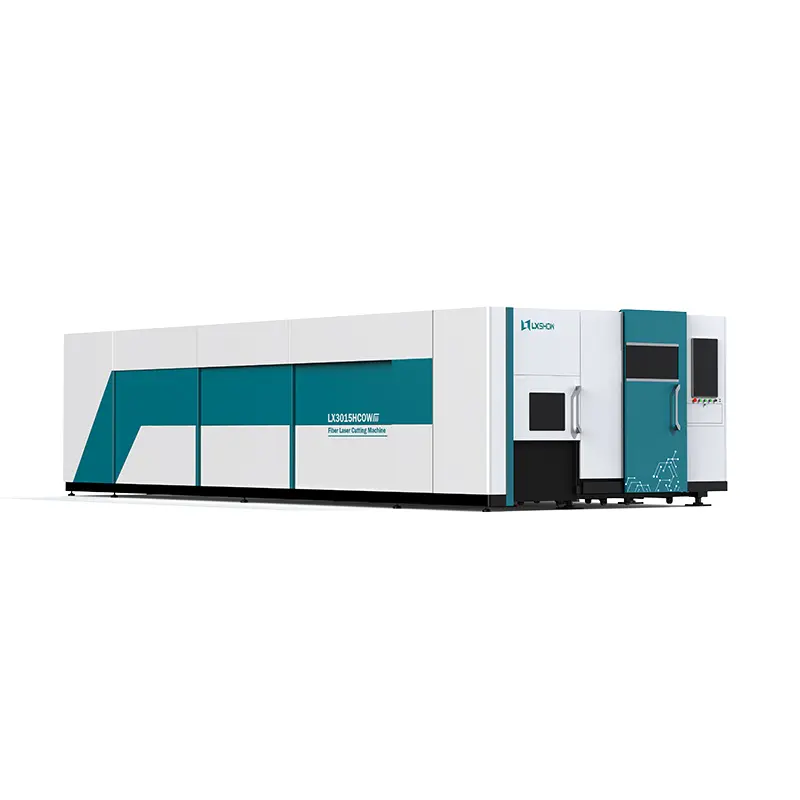
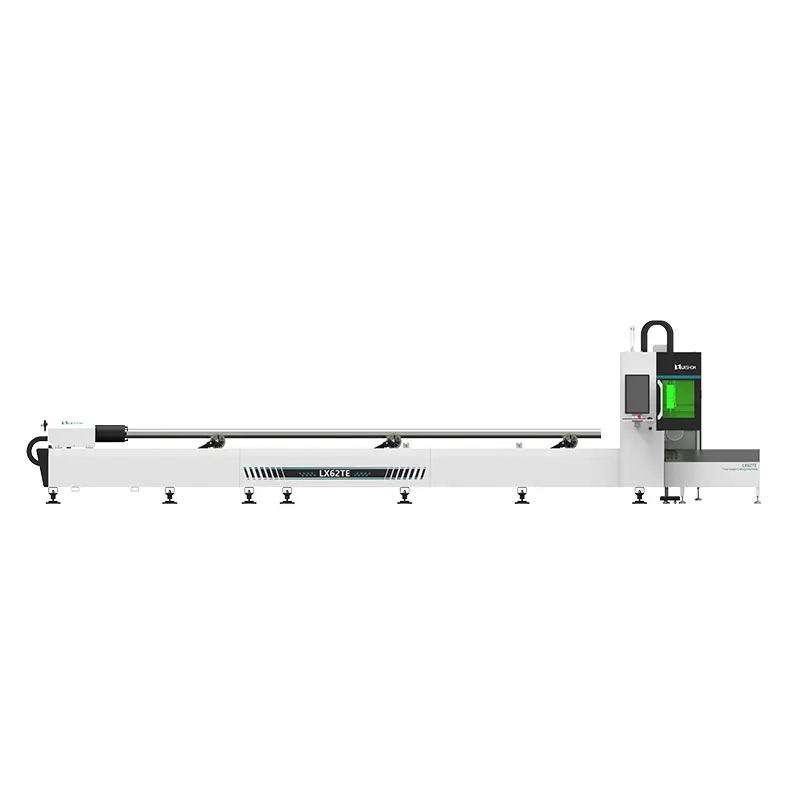
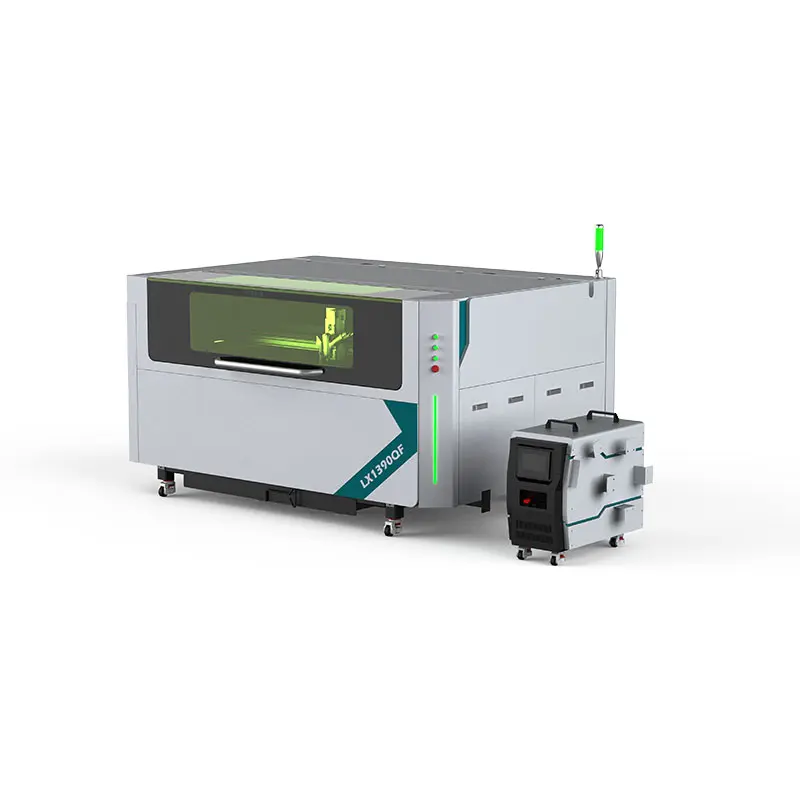
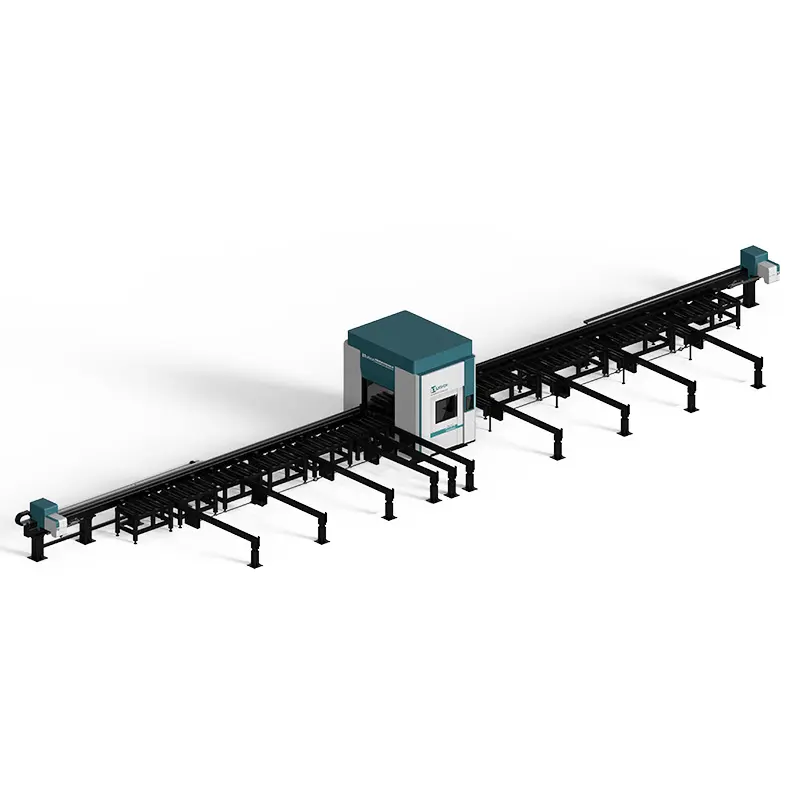
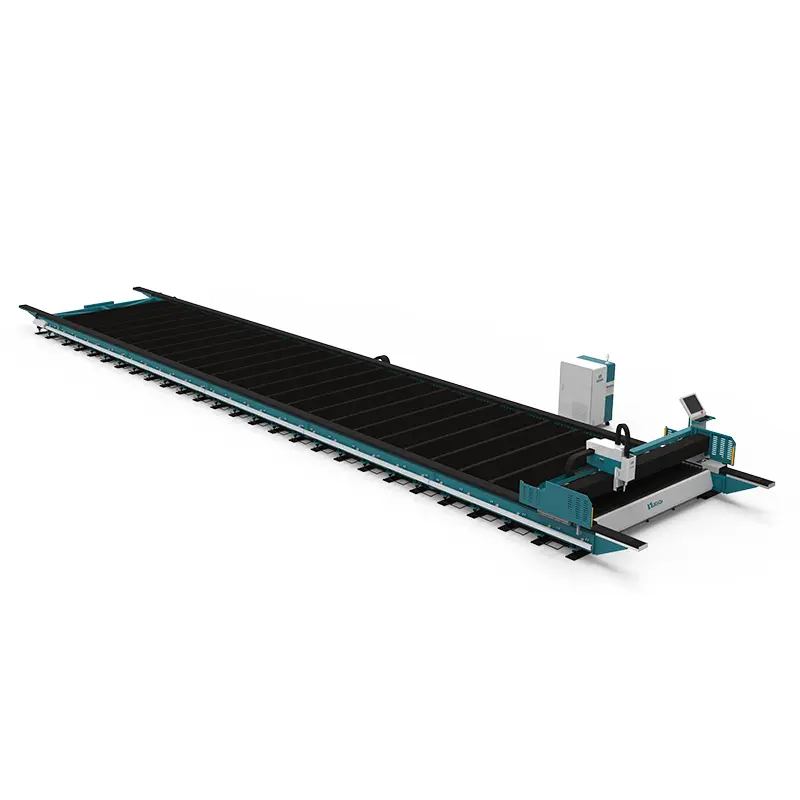
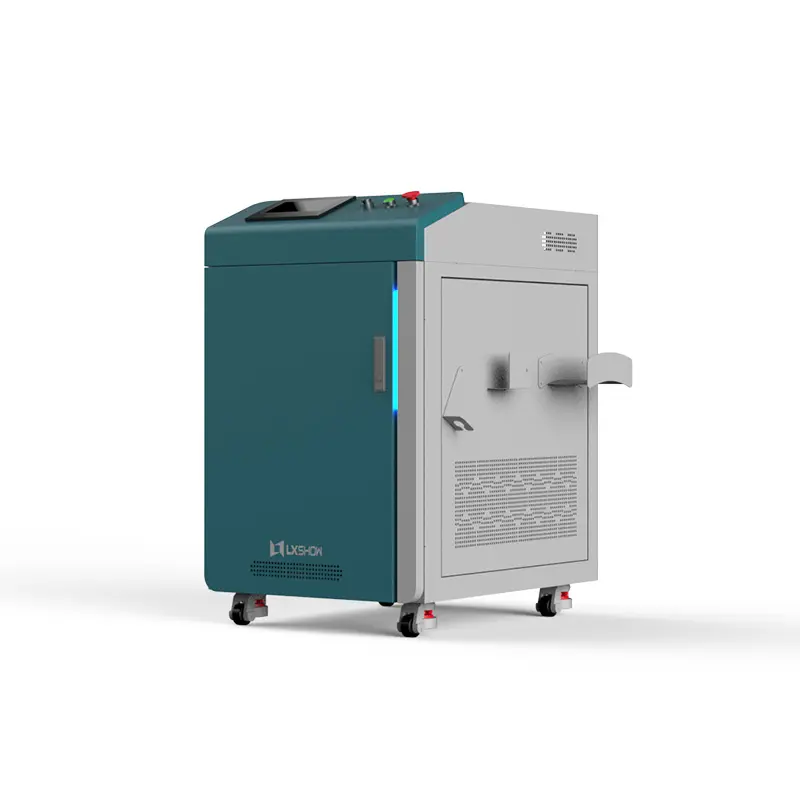
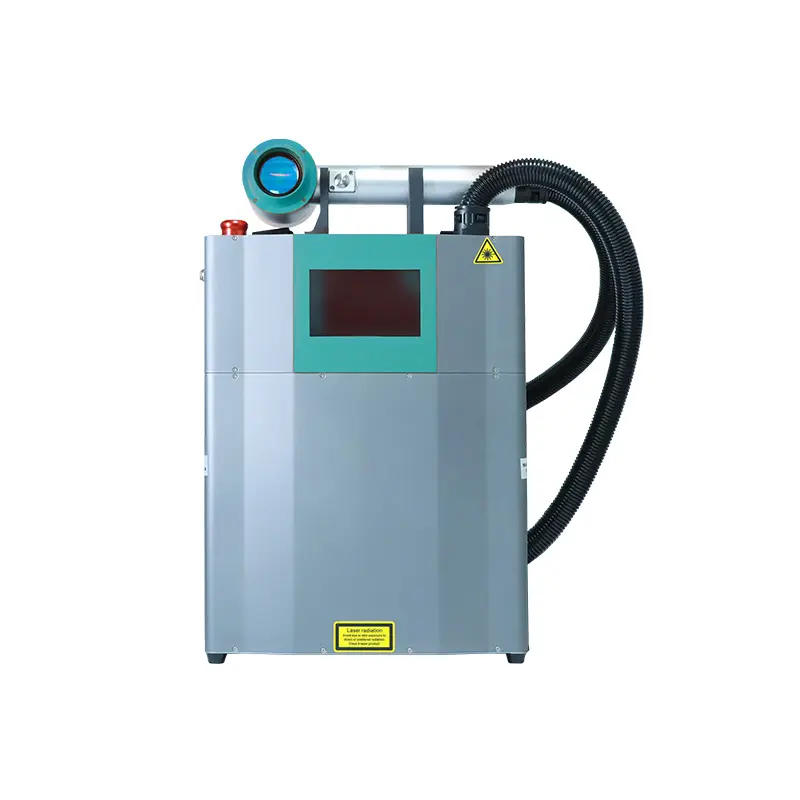
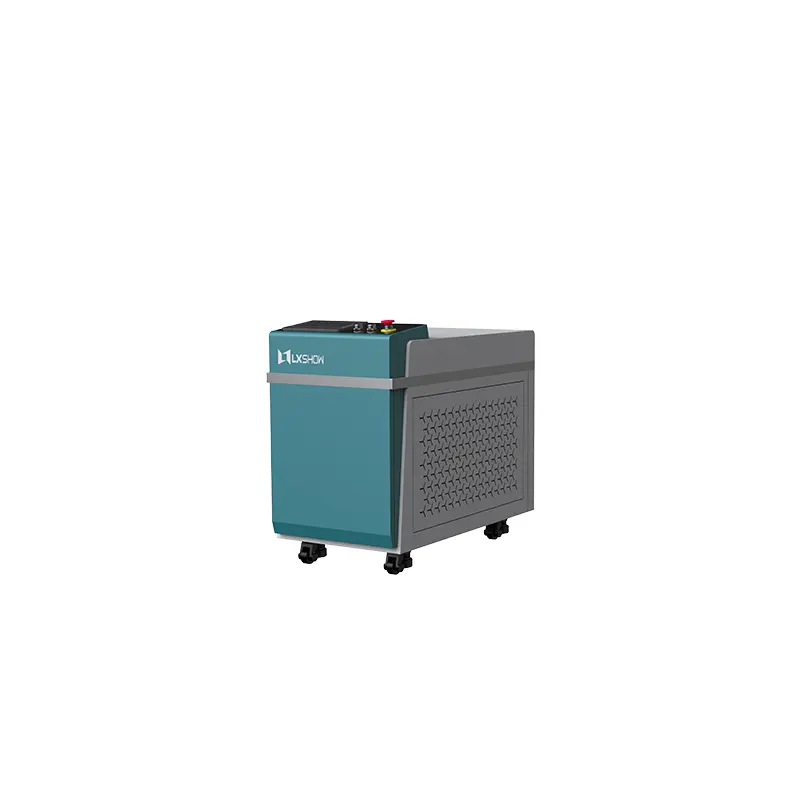
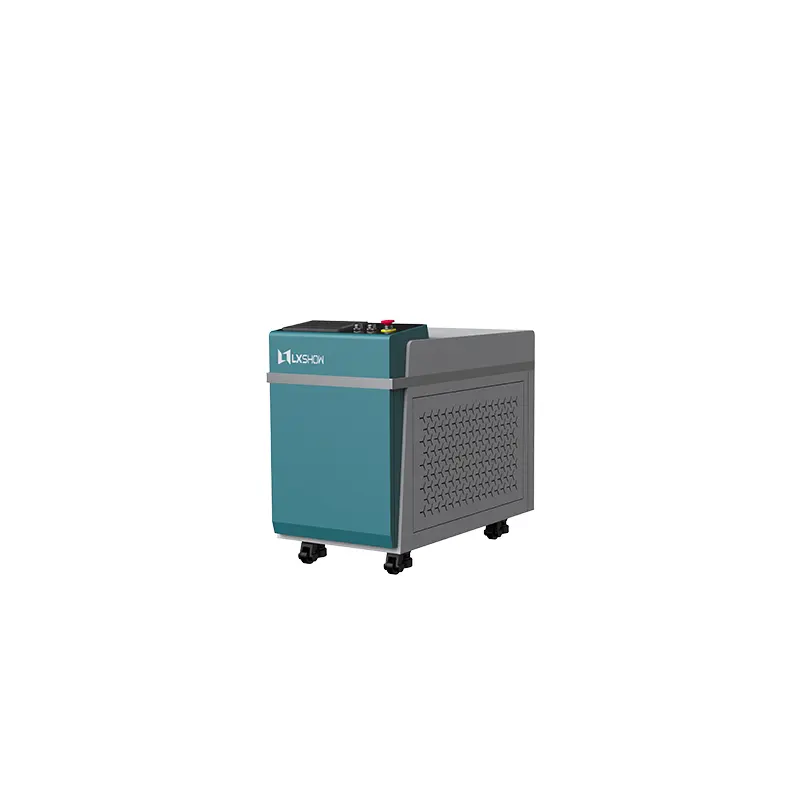
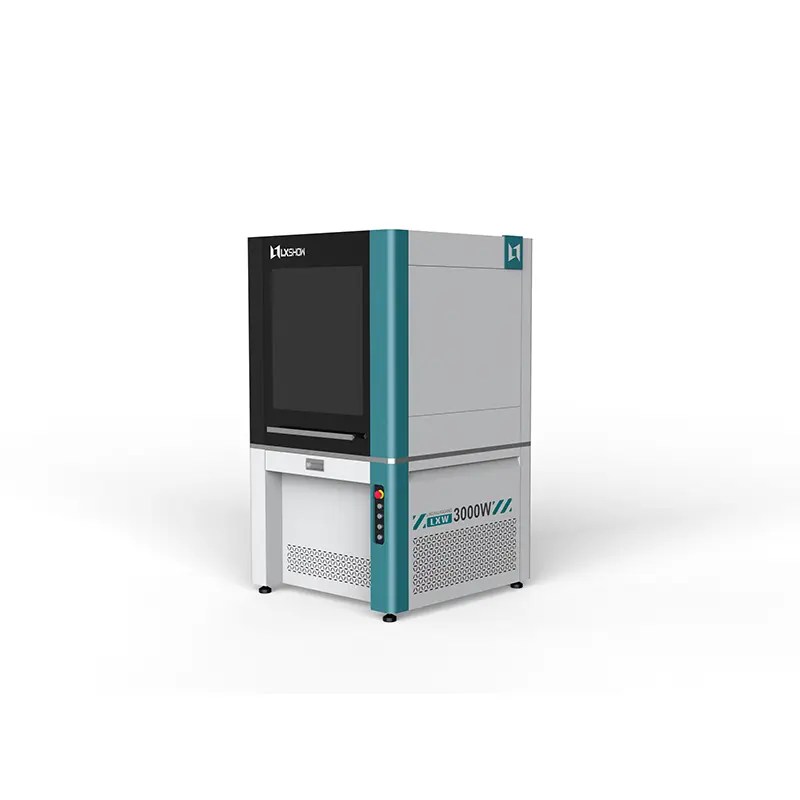
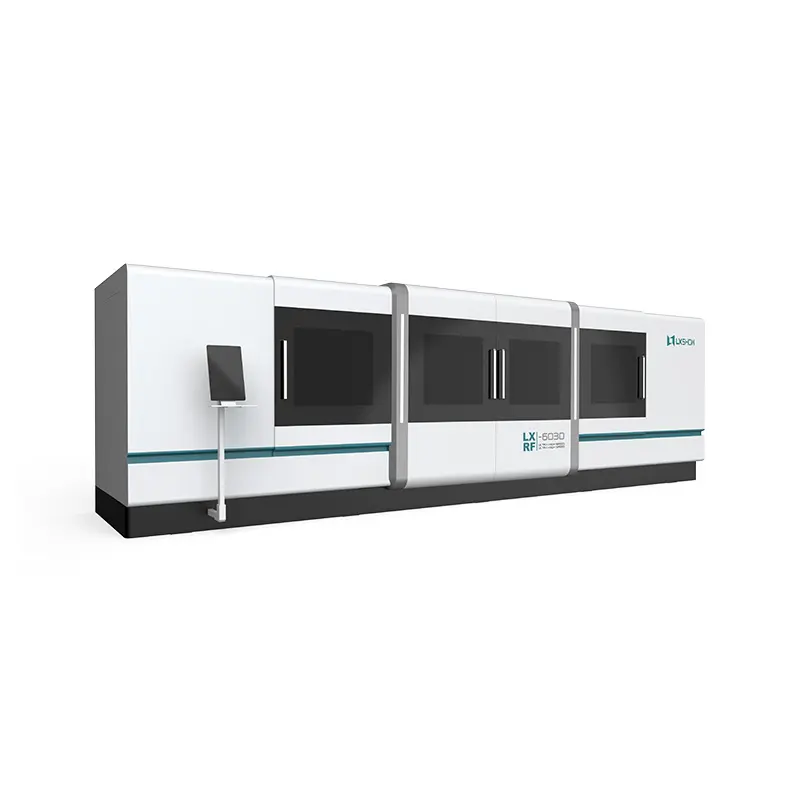
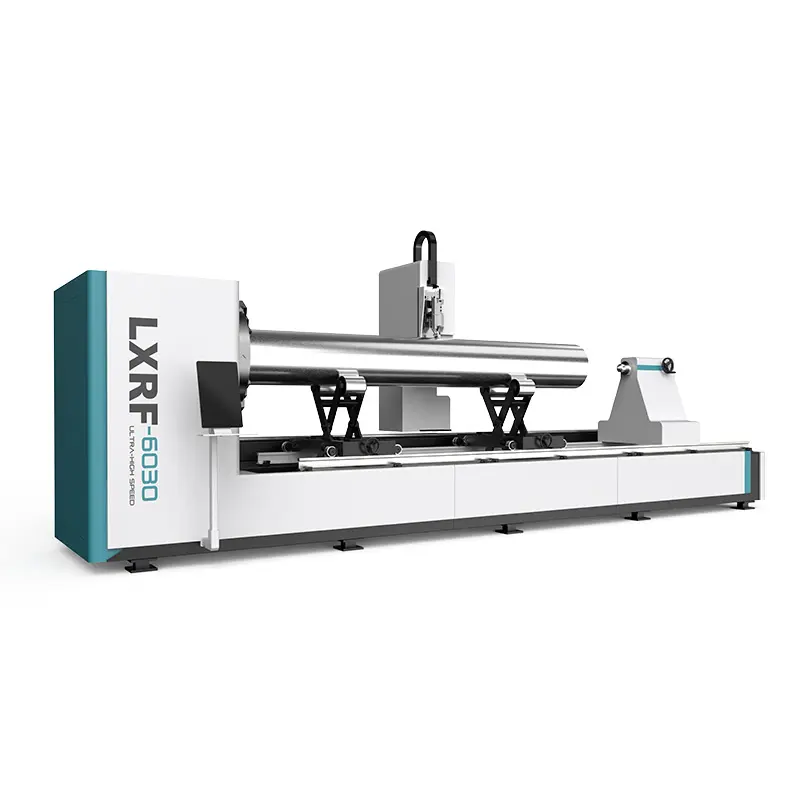
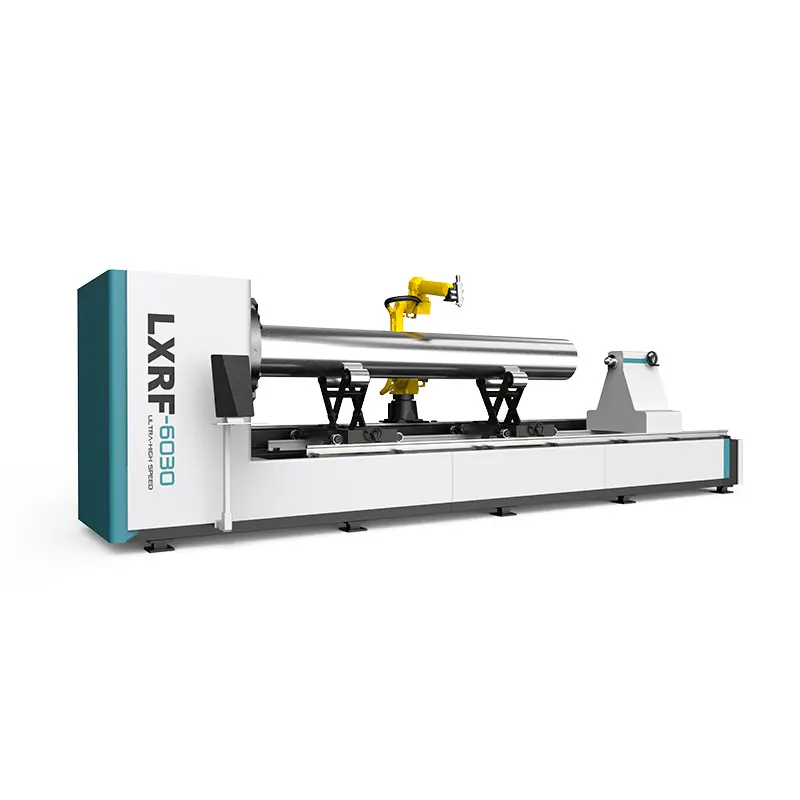
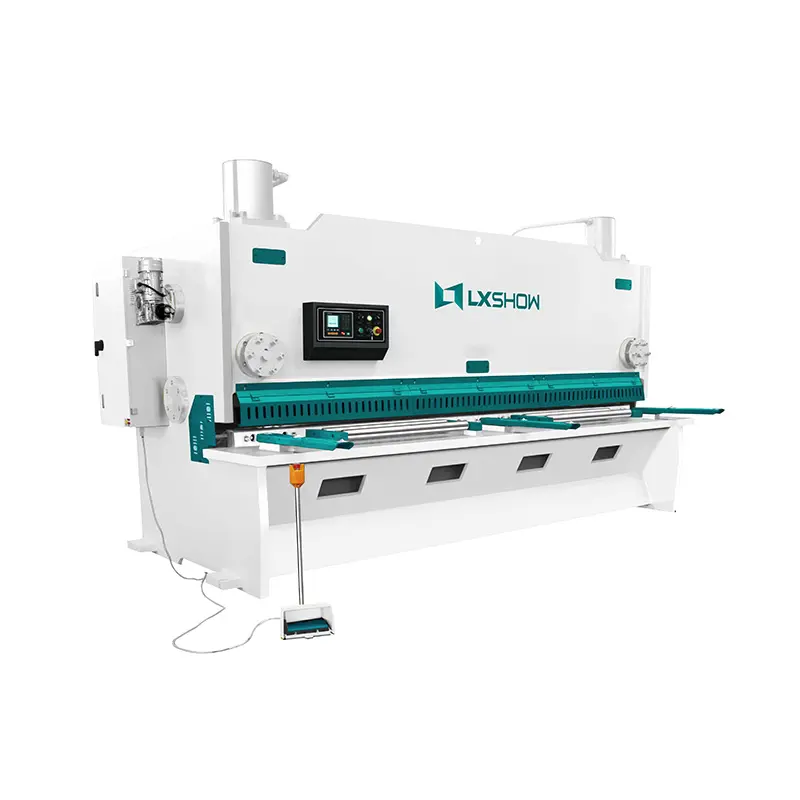
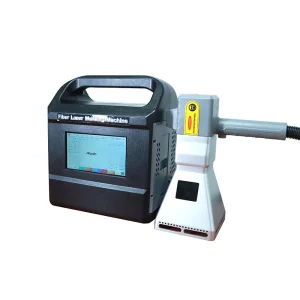
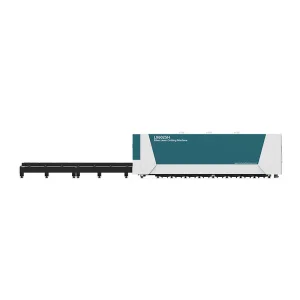
Engineered for high-precision thermal cutting, rapid throughput, and structural durability.
Analyzing market drivers, fiber laser source integration, and cost-benefit dynamics across worldwide manufacturing sectors.
The global metal fabrication industry is experiencing a profound paradigm shift, driven by the replacement of legacy mechanical punching systems and CO2 lasers with high-efficiency fiber laser cutting machines. The transition is accelerated by the continuous reduction of pricing per kilowatt of fiber laser power. This technological democratisation enables small-to-medium enterprises (SMEs) to acquire ultra-high-power machines (up to 30kW and beyond) that were once accessible only to Tier 1 aerospace and automotive OEMs.
Information Gain Metric: Traditional CO2 laser systems consumed roughly 70-80 kW of electricity to generate a 4kW beam. In contrast, modern fiber laser systems achieve wall-plug efficiency rates of up to 40%, slashing operational electricity costs by over 50% while drastically improving cutting speeds on thin sheet metals.
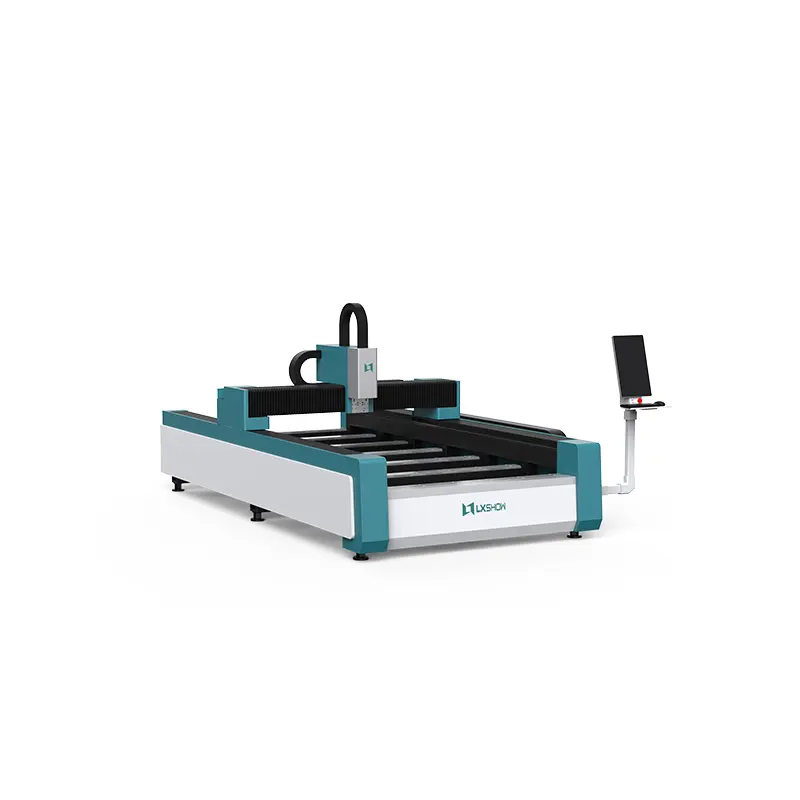
When negotiating a custom laser sheet metal cutting machine price, procurement officers must move past initial capital expenditure (CAPEX) calculations and focus on the Total Cost of Ownership (TCO). A custom-configured machine optimizes sheet processing speeds, floor area occupancy, assist gas routing, and automation interfaces to match localized production goals. Factors influencing the final manufacturing price include:
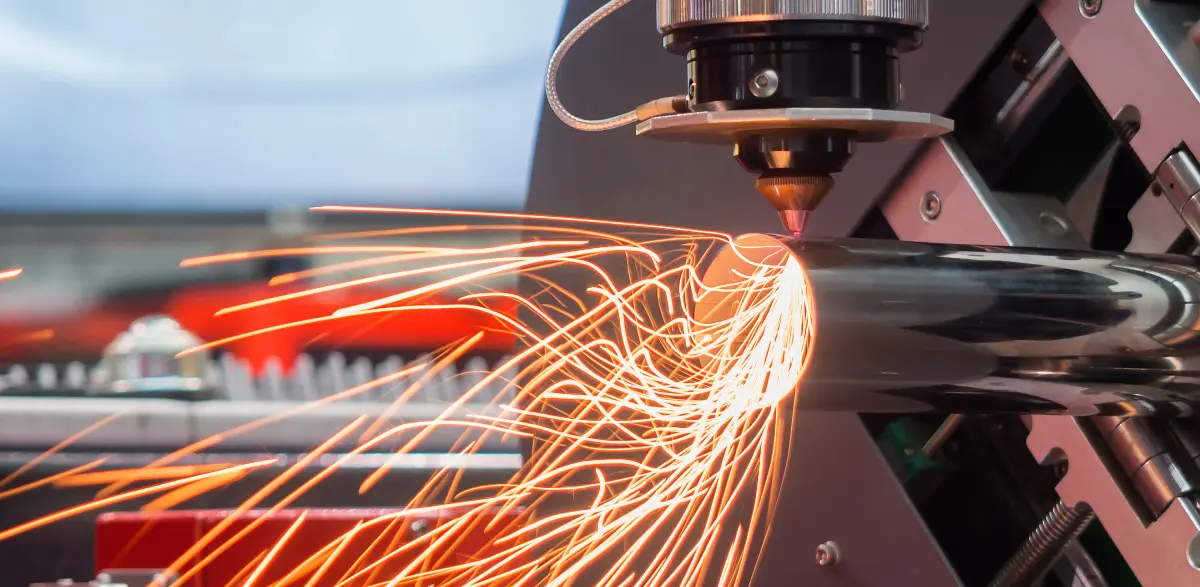
The concentration of precision laser component manufacturers in China, particularly within specialized industrial zones like Jinan, creates unmatched supply-chain and cost advantages. By maintaining deep vertical integration, Chinese factories reduce lead times, optimize structural design cycles, and implement rigorous manufacturing standards matching European and American certifications.
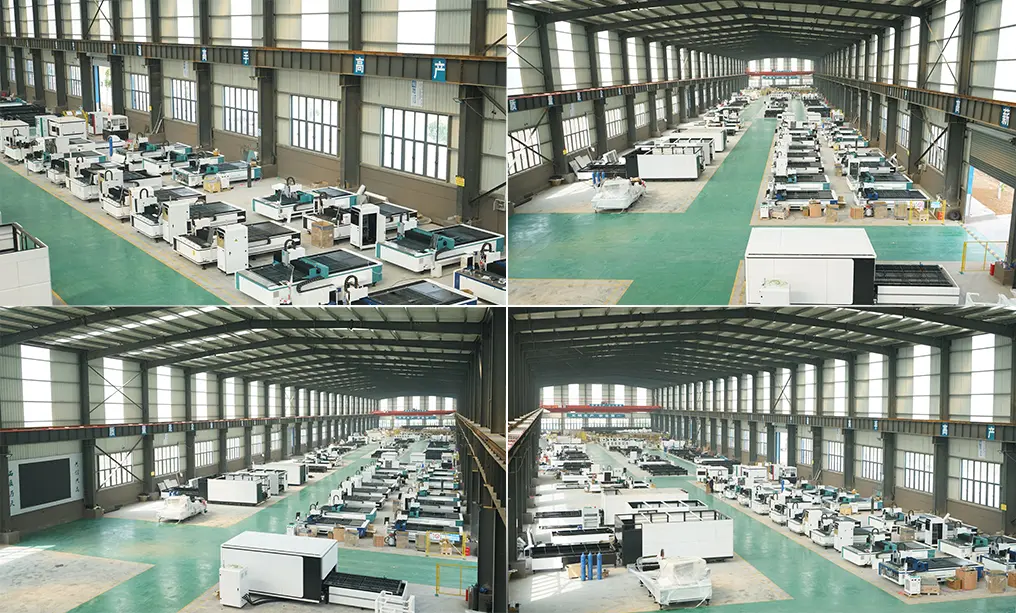
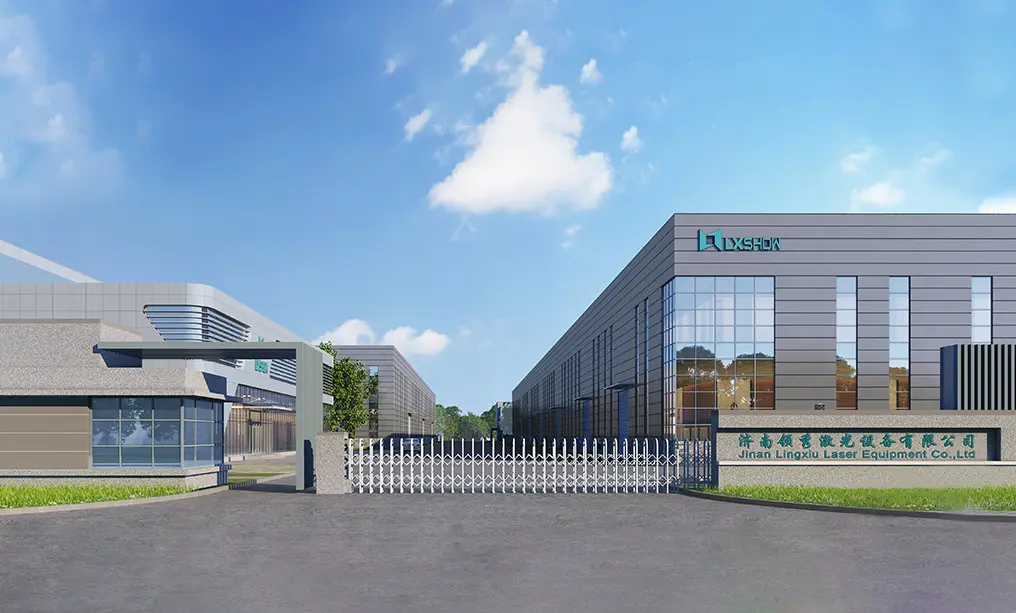
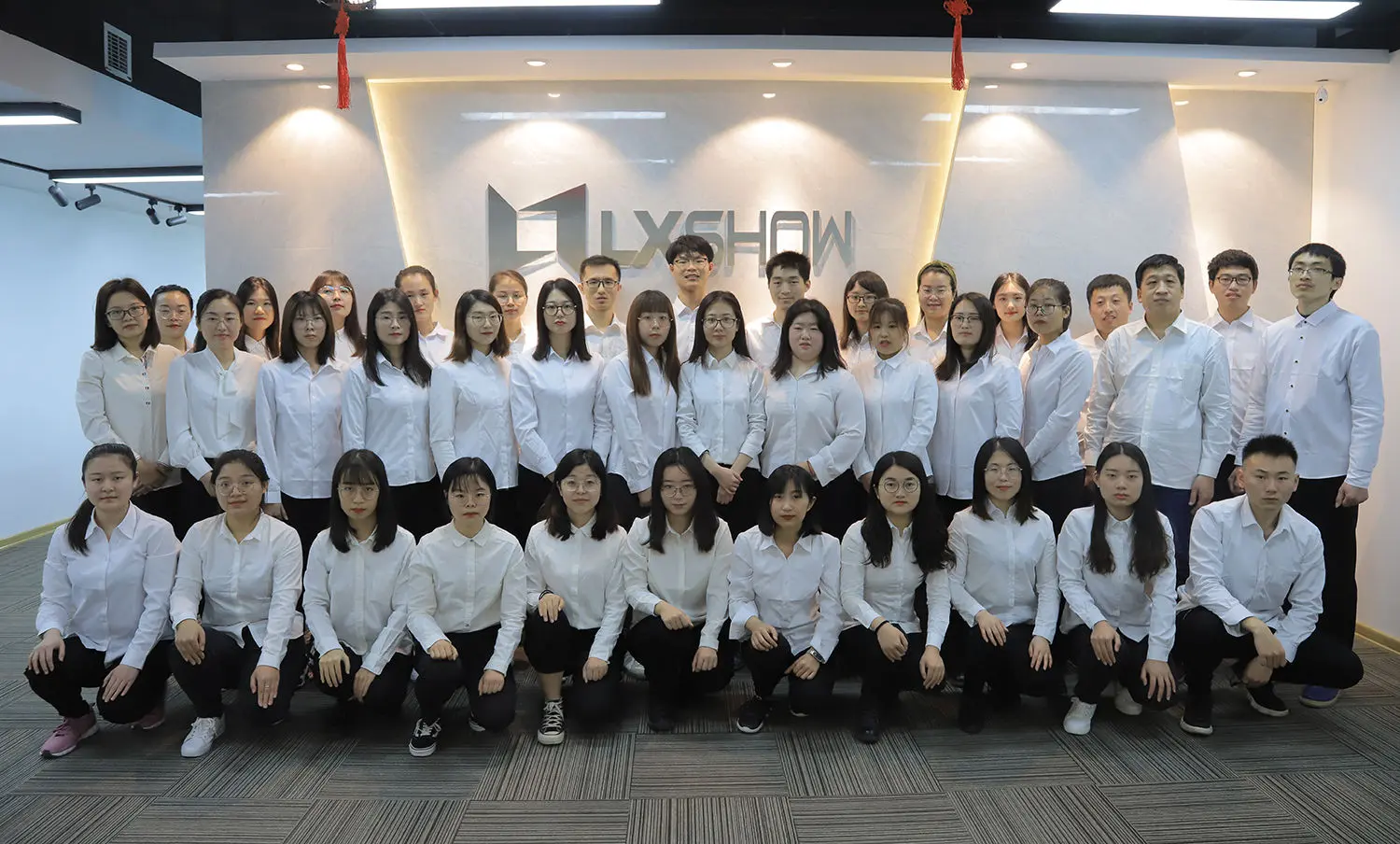
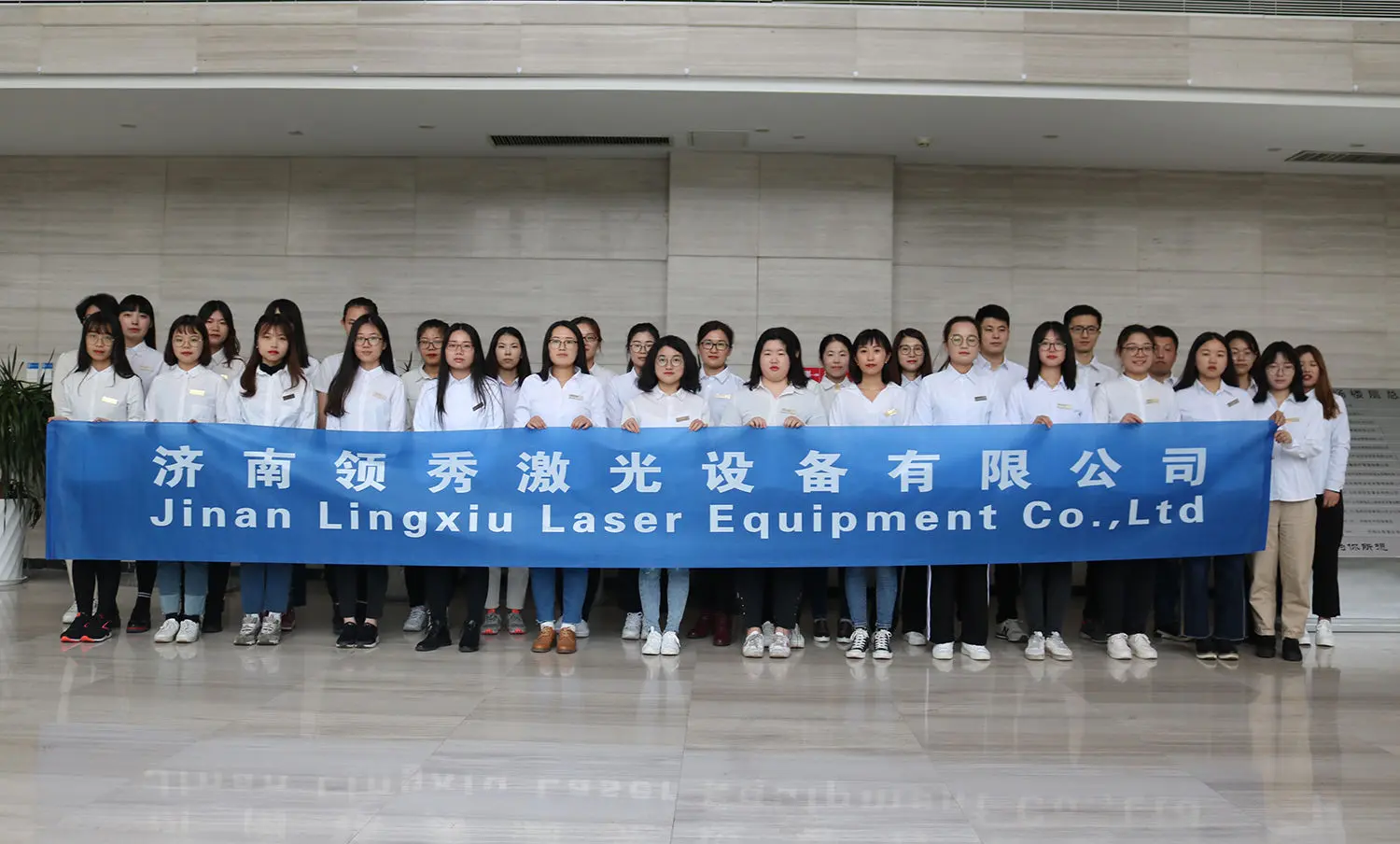
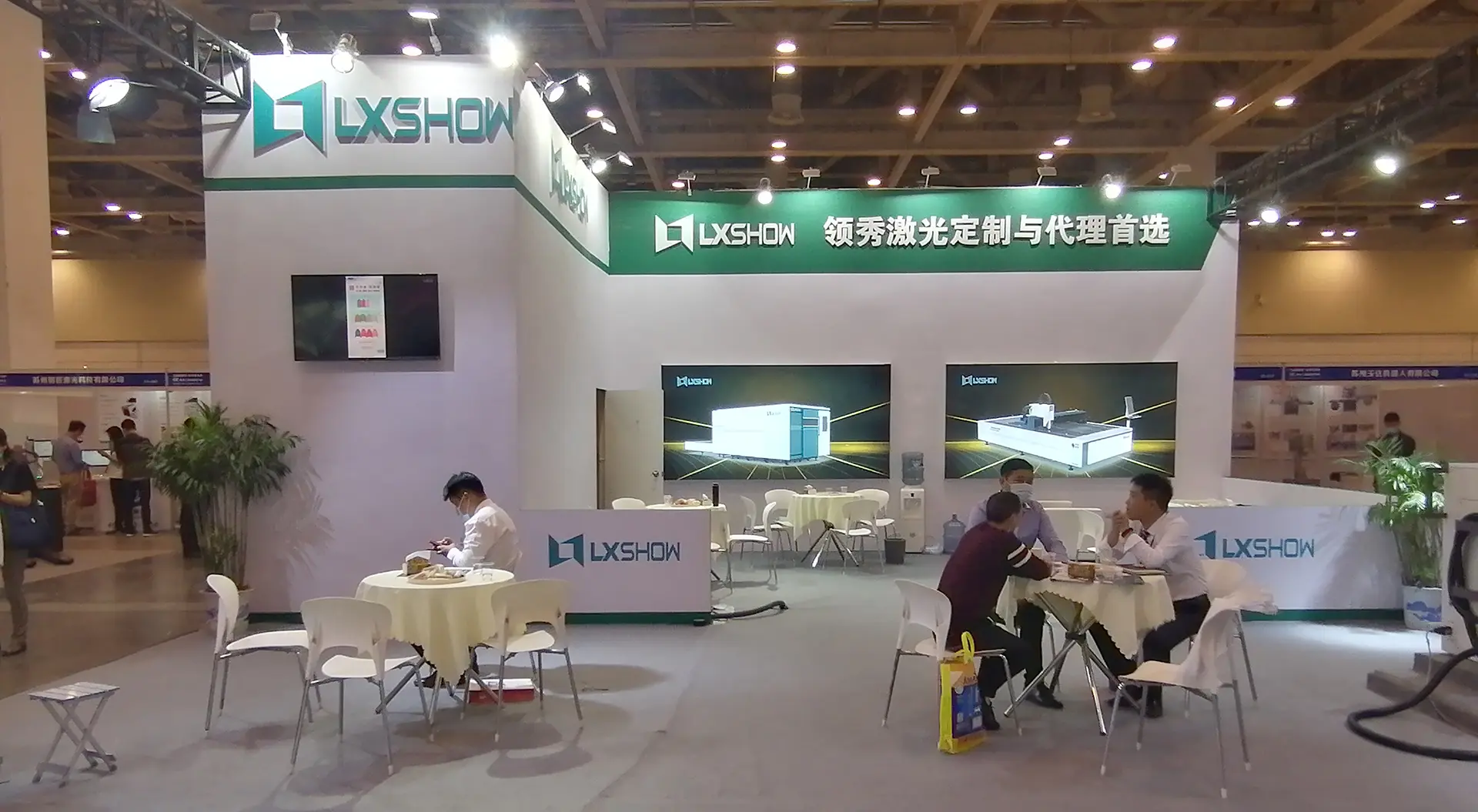
For instance, at LXSHOW, our 18-year legacy in industrial laser innovation spans over 32,000 square meters of specialized research and manufacturing space. This scale enables us to leverage economies of scale that are passed directly to our customers. Our factory handles gantry machining, stress-relief annealing, precise guide-rail alignment, and dual-axis drive calibrations in-house to guarantee that every system meets rigorous global quality standards.
Furthermore, local parts sourcing—from heavy machine beds to high-precision optical lenses and CNC control components—allows for highly tailored customer configurations. These systems match or exceed Western performance metrics while maintaining highly competitive price structures.
Global footprint demonstrating reliable performance and trusted engineering capabilities since 2004.
Selecting the optimal fiber laser power requires balancing material type, thickness parameters, and production speed requirements. The table below provides a detailed guide on power selections, assist gas choices, and localized application capabilities.
| Laser Source Power | Optimal Metal Thickness | Ideal Assist Gas Selection | Primary Industrial Sector Applications |
|---|---|---|---|
| 1kW - 2kW | 0.5mm - 6mm Carbon Steel, Stainless Steel | Oxygen (CS) / Nitrogen (SS) | Cabinetry, Kitchenware, Signage, Lighting Fixtures |
| 3kW - 6kW | 1mm - 12mm Stainless, up to 20mm Carbon Steel | Nitrogen (High Speed) / Air (Eco Option) | Agricultural Machinery, Automotive Brackets, HVAC systems |
| 8kW - 12kW | 1mm - 25mm Carbon Steel, 16mm Aluminum | Nitrogen (Bright Cut) / High-Pressure Oxygen | Heavy Infrastructure Machinery, Shipbuilding, Aerospace Component Processing |
| 15kW - 30kW+ | 1.5mm - 50mm heavy plate profiling | Air / Nitrogen / Oxygen (Optimized Profiles) | Heavy Industrial Construction, Armored Vehicle Production, Thick-Plate Job Shops |
Modern gantry configurations use high-precision servo drive systems coupled with helical gear racks. These systems offer positioning accuracy up to ±0.03mm and repeatability limits within ±0.02mm. Incorporating autofocus cutting heads ensures consistent focal distances during high-speed vertical transitions, reducing the risk of collisions and maintaining precise cutting kerfs across non-uniform metal surfaces.
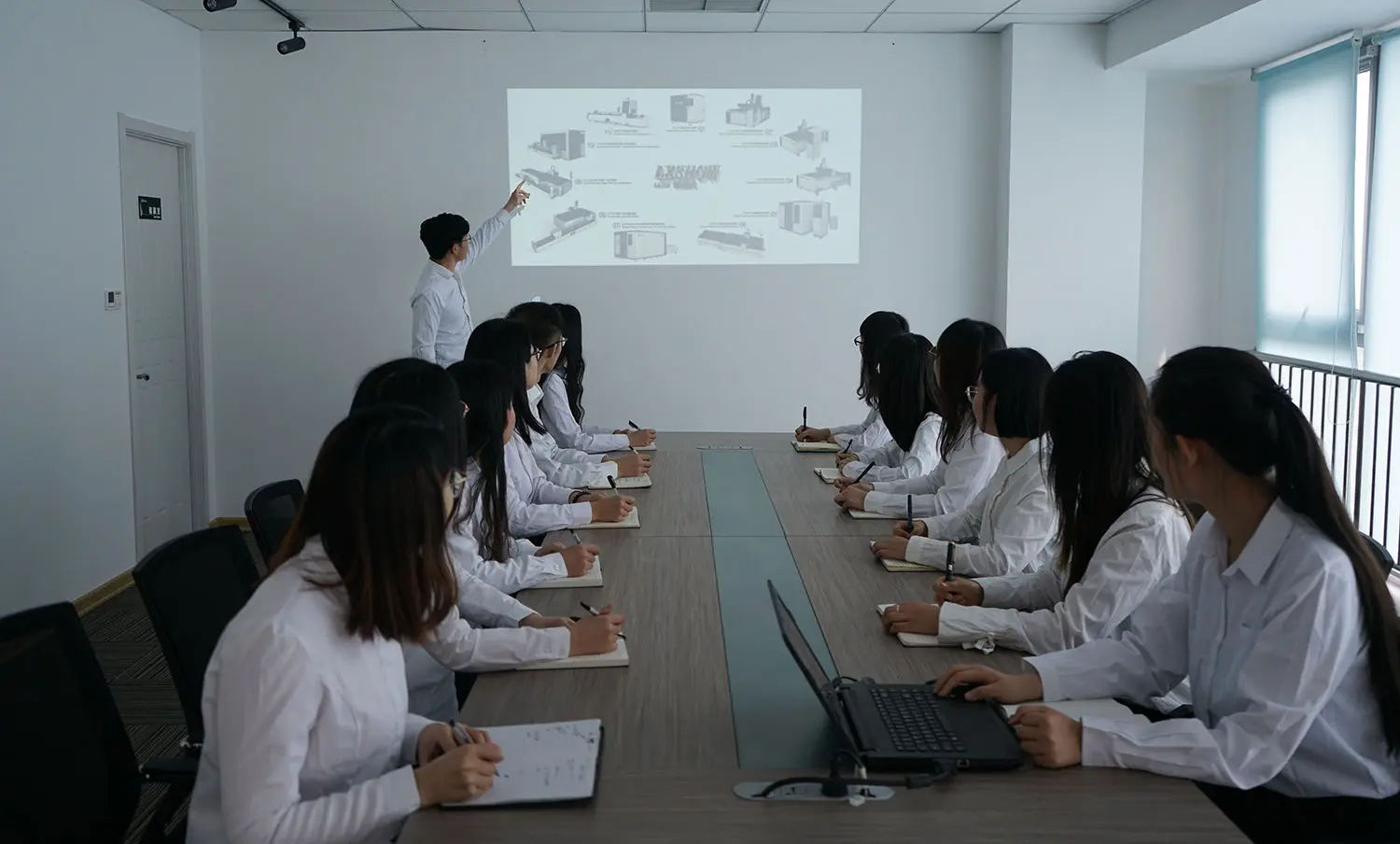
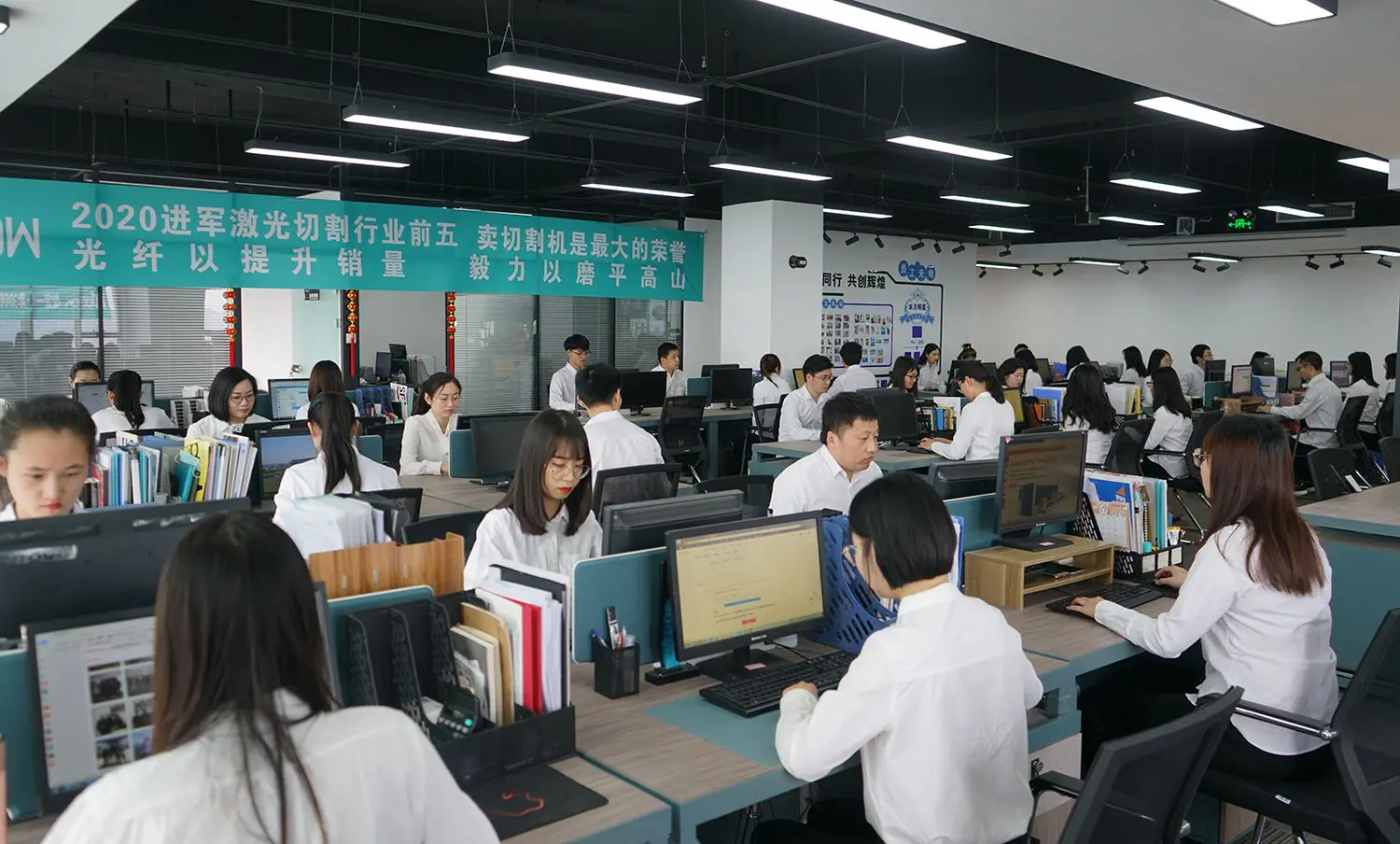
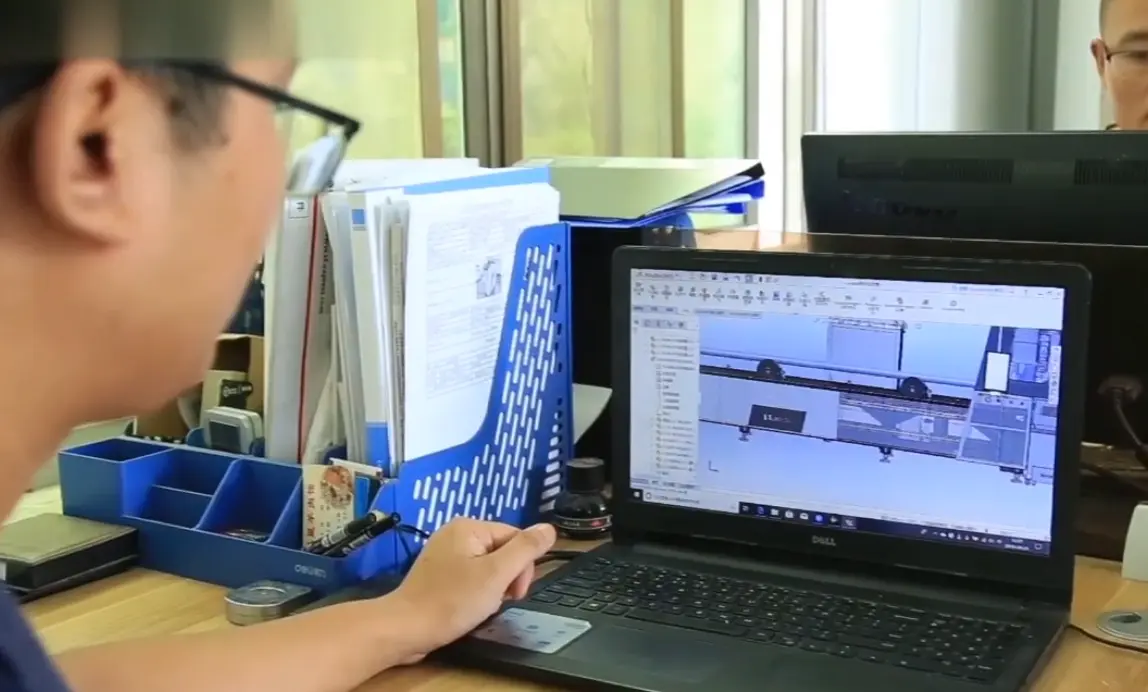
A look into our vertically integrated production facilities, testing zones, and engineering offices.

Advanced fiber laser machines process a wide variety of engineering materials, offering highly precise processing without the micro-cracking common in mechanical stamping or shearing.
Primary Industry Segments Served: Automotive frame fabrication, structural aerospace ducting, precision kitchenware, heavy industrial machinery casings, structural HVAC trunking, and decorative metal design arrays.
Selecting customized optics is critical for reflective alloys like copper, brass, and aluminum. High-performance optical protective windows and specialized back-reflection isolation systems prevent back-scattered laser energy from damaging the delicate optical cavity of the fiber laser source.
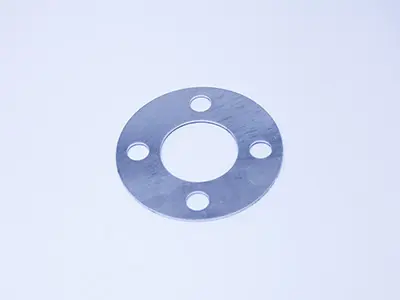 Aluminum
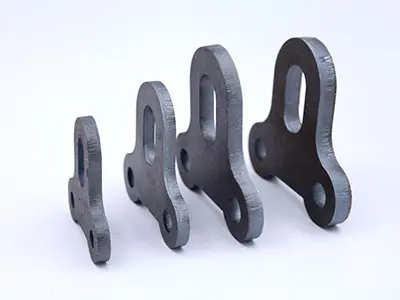 Carbon Steel
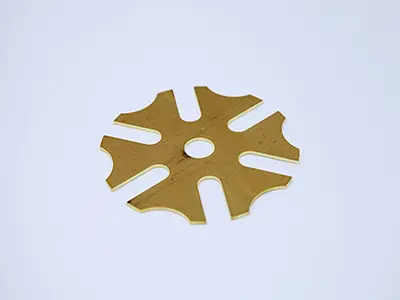 Copper
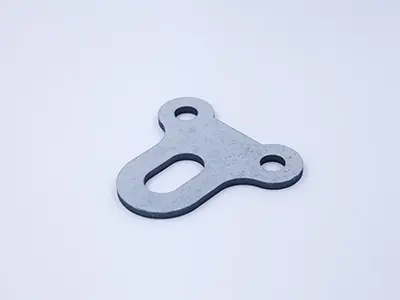 Galvanized Steel
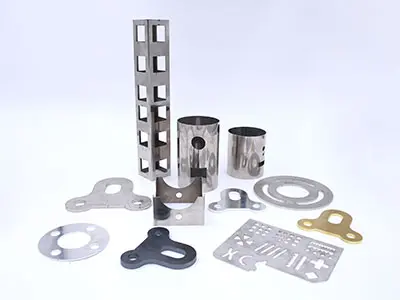 Other Metal Alloys
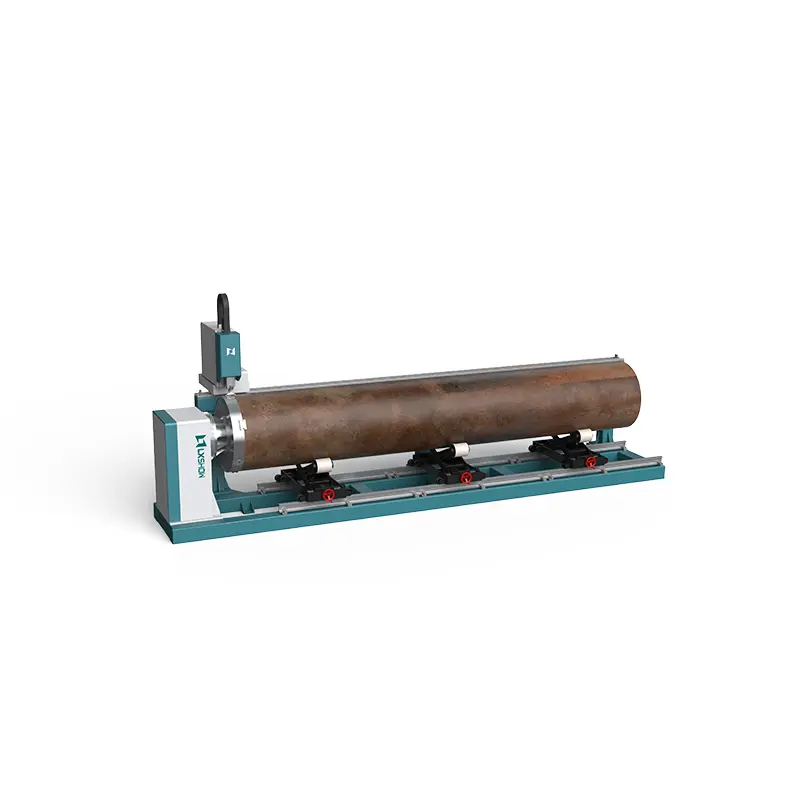
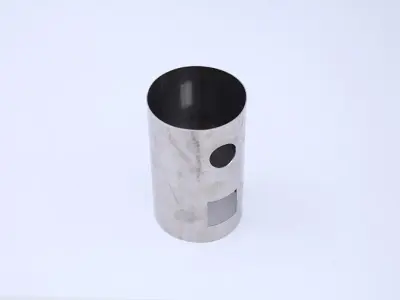 Round Tube Profile
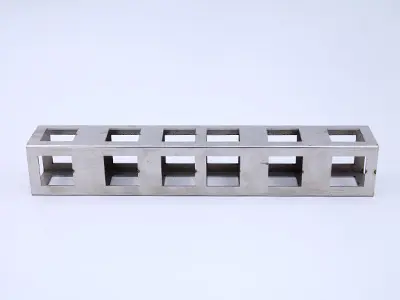 Square Tube Profile
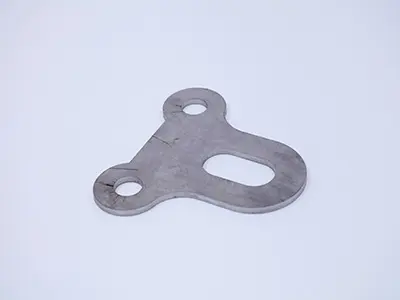 Stainless Steel
As manufacturing moves toward autonomous operations, custom laser sheet metal cutting machines are shifting from standalone tool stations to integrated nodes in smart factory systems. Modern configurations feature real-time sensor networks that monitor nozzle distance, protective lens temperatures, and assist gas pressure curves. If anomalies occur, the CNC system adjusts parameters automatically to prevent quality issues.
AI-driven nesting software has also become essential for high-throughput production. By analyzing upcoming jobs, nesting algorithms optimize part layouts on sheets, reducing metal scrap by up to 15%. When paired with automated pallet exchange systems, modern fiber lasers can run unattended overnight, significantly lowering processing costs per part.
E-E-A-T Technical Note: To ensure reliable performance, our fiber laser machines are designed to meet stringent global certification standards. We carry European Union CE authentication, American FDA certificates, and operate under ISO 9001 certified quality management systems. This compliance ensures that our customized machines integrate smoothly into regulated manufacturing environments worldwide.
When comparing configurations, procurement managers should evaluate these critical component subsystems to ensure long-term reliability and precise alignment with production needs:
Answering key technical and purchasing questions from international buyers, engineers, and plant managers.
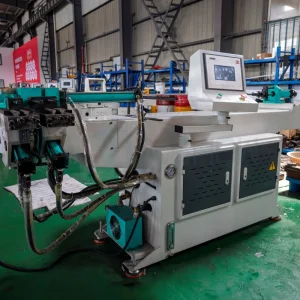
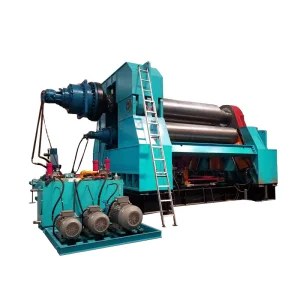
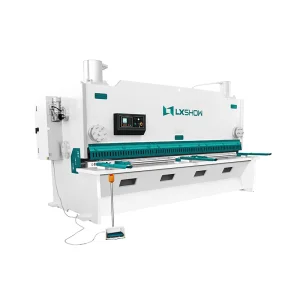
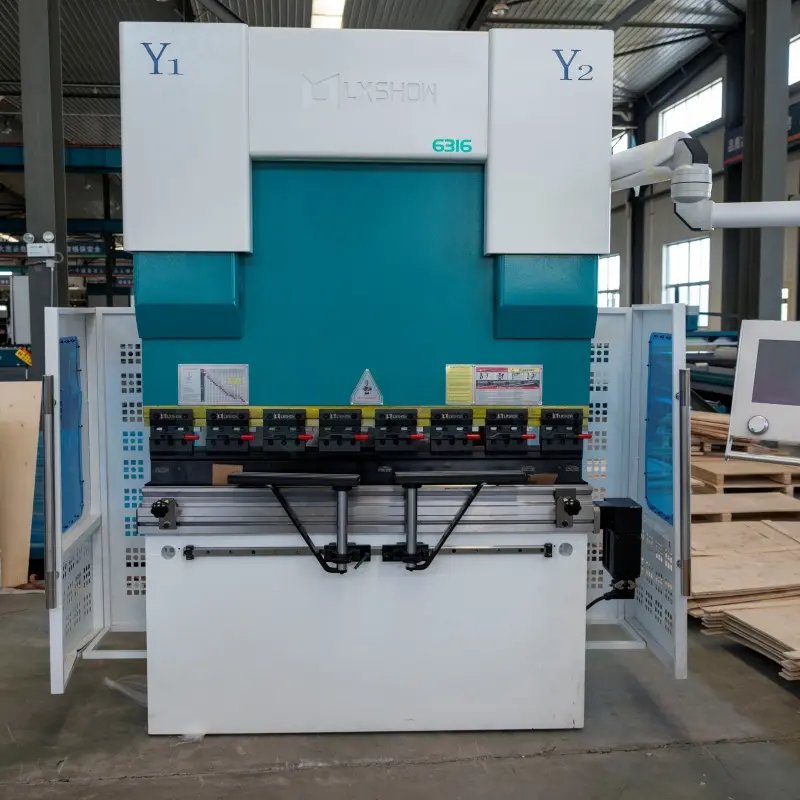
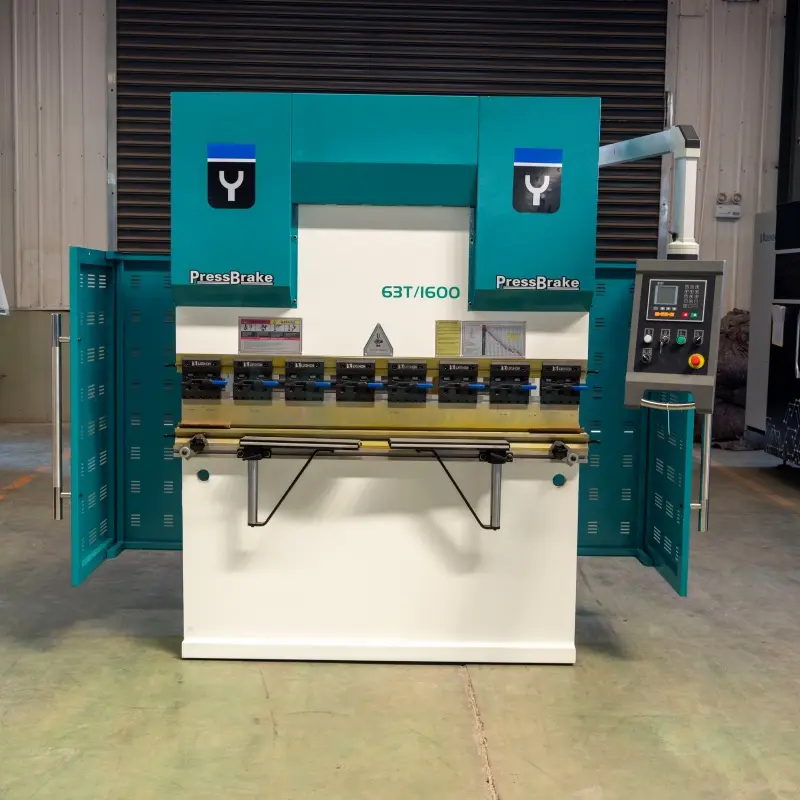
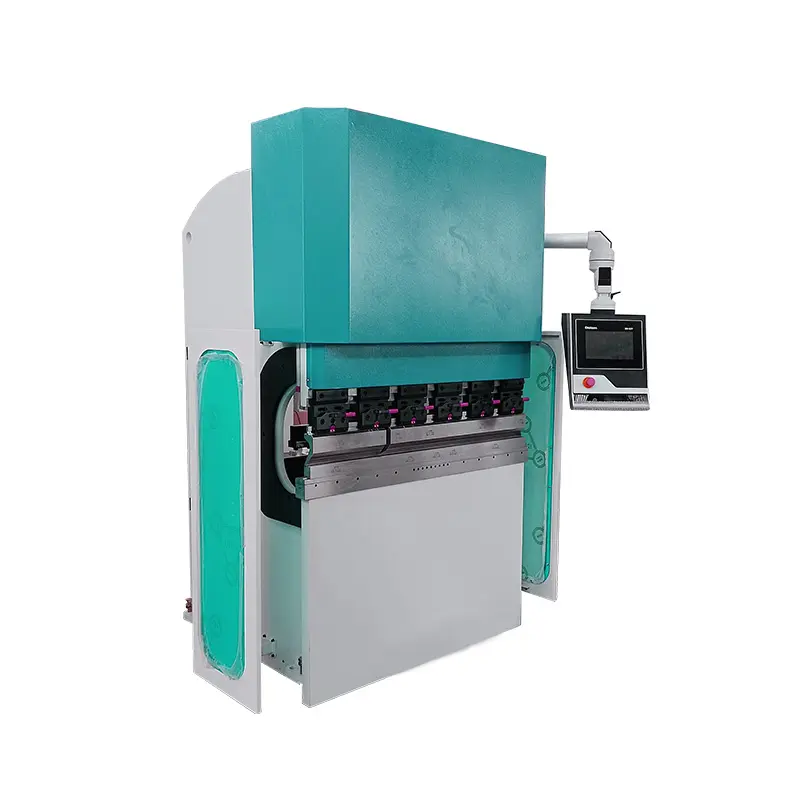
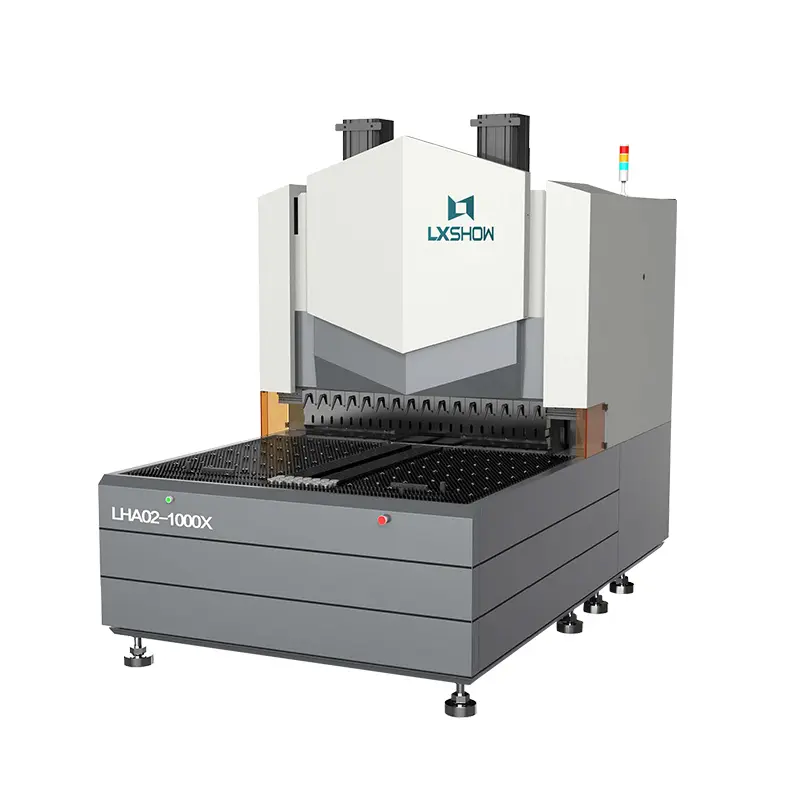
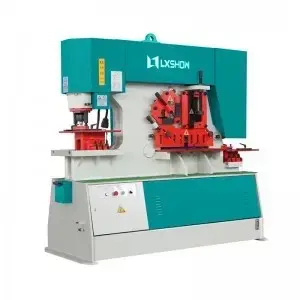
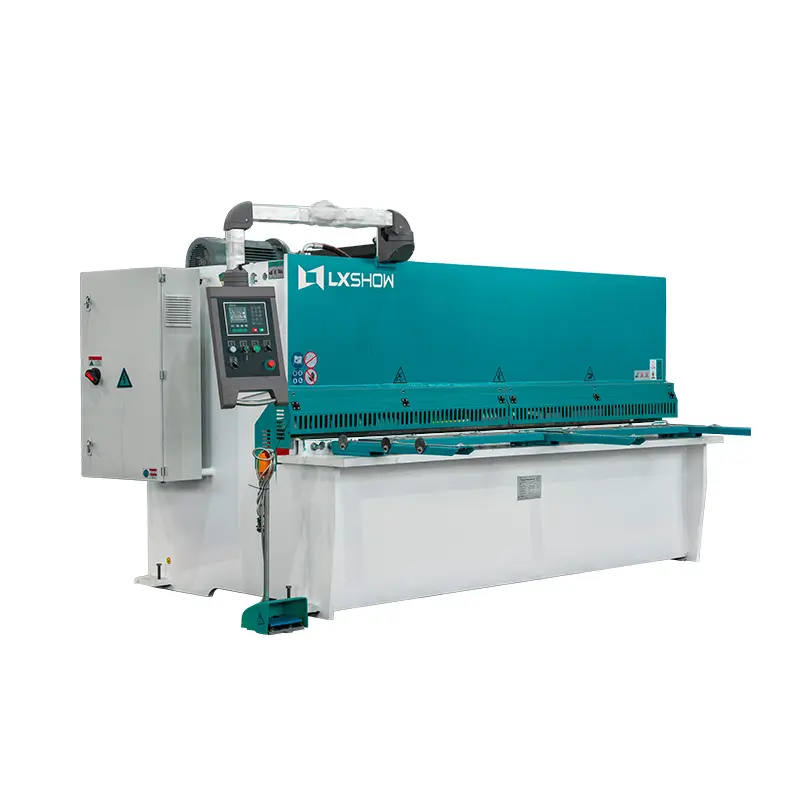
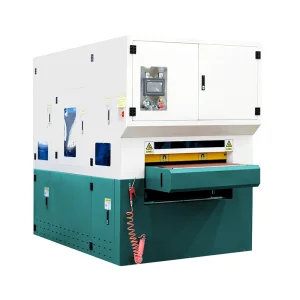
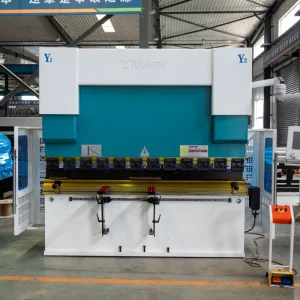
Explore our deep machinery catalog, including fiber lasers, tube cutting systems, and high-precision bending tools.
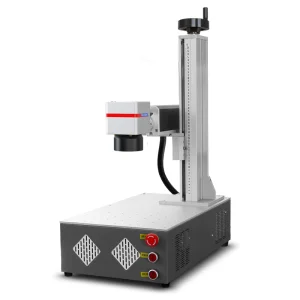
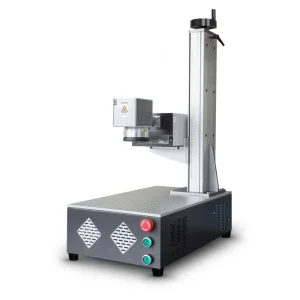
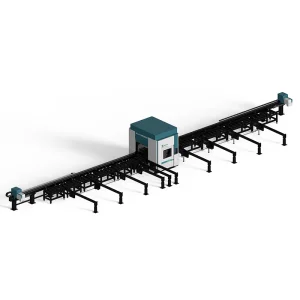
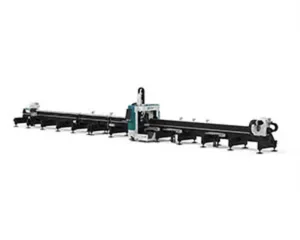
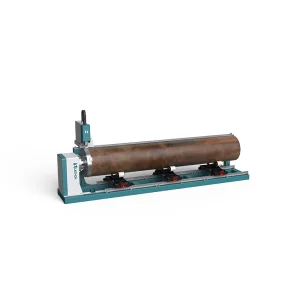
High precision secondary operations, automated feeding tube lasers, and fast laser marking systems.
 Lxshow