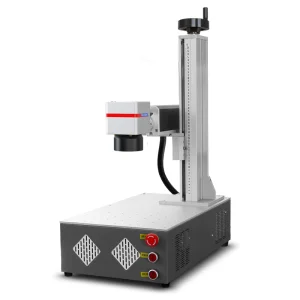
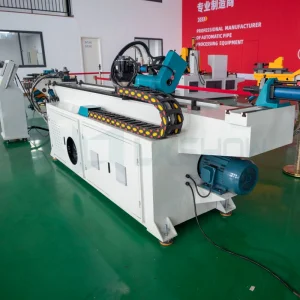
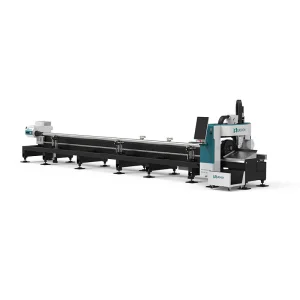
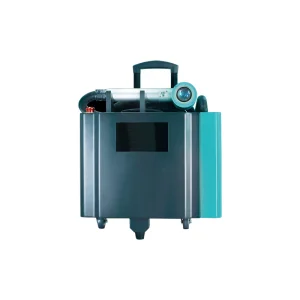
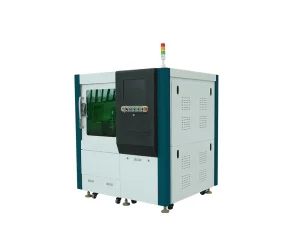
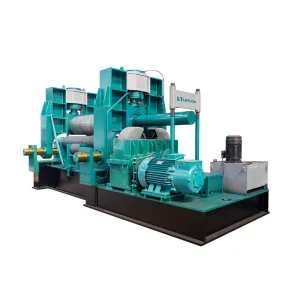
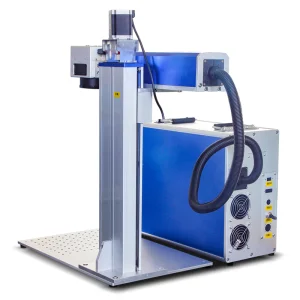
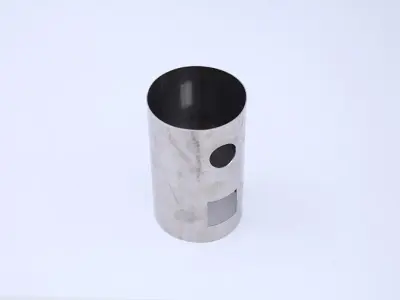
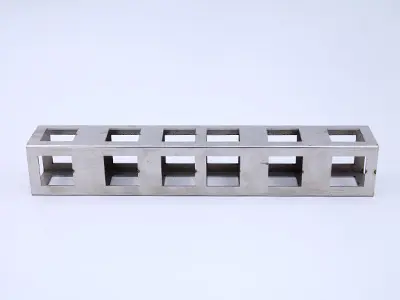
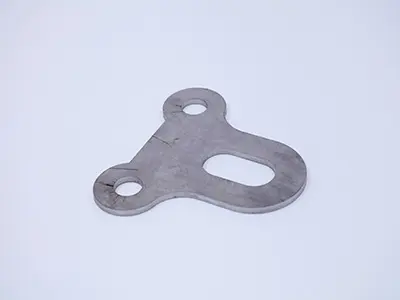
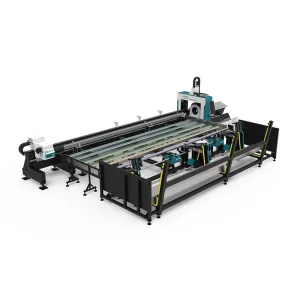
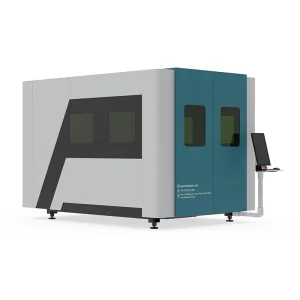
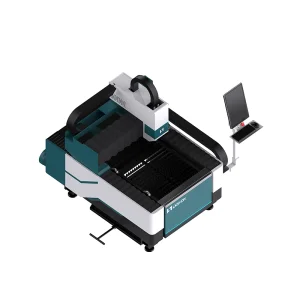
Exemplary equipment supplying global manufacturing infrastructures, featuring advanced control modules and high-precision fiber laser heads.
In modern industrial manufacturing, the demand for precision-engineered, lightweight structural elements has positioned aluminium alloys as the cornerstone material for high-performance applications. Aerospace frame structures, automotive EV battery enclosures, marine architectures, and micro-electronics enclosures all share a critical dependency: the necessity of micro-tolerance sheet metal profiling. The transition from traditional mechanical punching presses and CNC milling centers to online laser-cut aluminium platforms represents a structural shift in global manufacturing efficiency.
As standard-setting exporters with over 18 years of technical focus in high-power CNC laser cutting platforms, we facilitate direct access to industrial-grade fabrication pipelines. Online portals powered by advanced algorithmic nesting software reduce lead times from weeks to hours, allowing engineers, architectural agencies, and hardware developers to convert CAD blueprints to completed structural components seamlessly. This whitepaper analyzes the mechanical, metallurgical, and economic facets of this process.
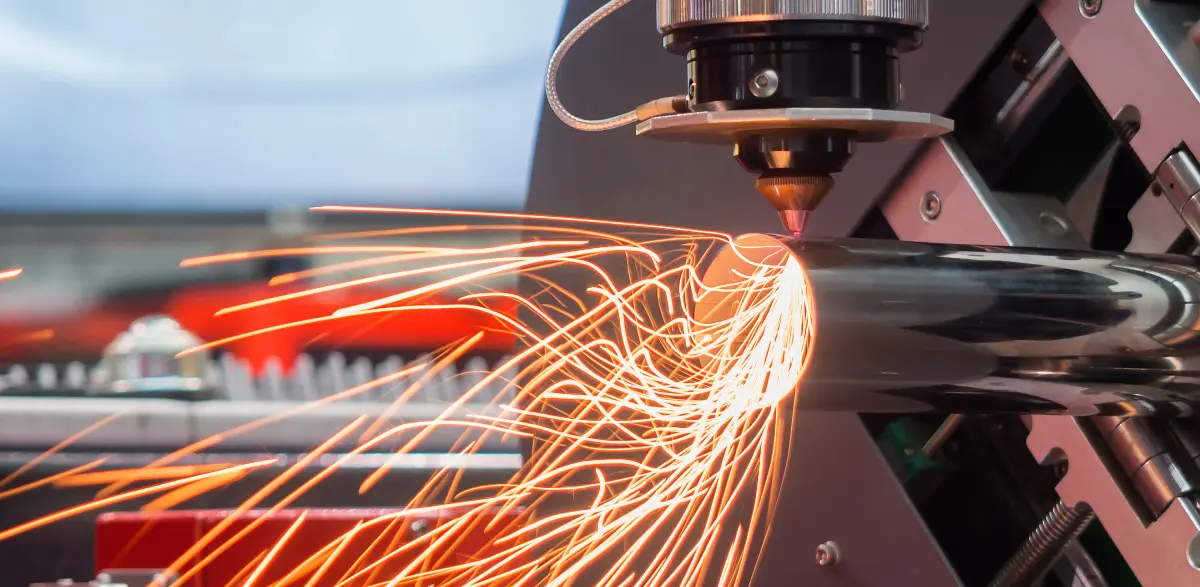
Understanding the chemical and thermal response of reflective non-ferrous metals to high-intensity light beams.
Aluminium displays extreme reflectivity in its solid phase, bouncing back up to 90% of near-infrared laser light (e.g., standard 1.06-micron wavelengths). Without active back-reflection optical isolation systems (as deployed in our high-power CNC fiber laser cutters), direct feedback can damage laser resonators. Our fiber sources integrate narrow-band pass filters to guarantee safe, continuous processing.
Aluminium diffuses heat quickly across its surface. Cutting requires high energy density at the focal spot to instantly melt the material before thermal energy dissipates. This is why we implement fiber laser densities operating from 2kW to 30kW, securing narrow kerf widths and limiting the heat-affected zone (HAZ) to maintain core metallurgical properties.
To produce dross-free edge profiles, high-pressure nitrogen (typically 15-20 Bar) or dry compressed air is injected coaxially with the laser beam. Nitrogen prevents oxidation, ensuring clean, weld-ready cut edges. For high-thickness alloys, oxygen assist gas can increase thermal reactions, although it leaves a thin oxide layer requiring post-process cleaning.
How different global industrial hubs leverage customized laser-cut aluminium plates, tubes, and components.
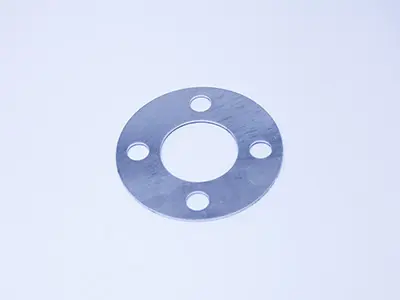
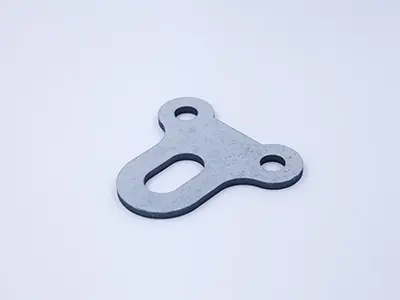
Use Cases: Battery tray base plates, motor mounting brackets, suspension system spacers, and customized thermal heat sinks.
Our online structural customization processes meet the stringent dimensional tolerances (within ±0.05 mm) demanded by US and Canadian Tier-1 automotive suppliers, streamlining integration with automated assembly lines.
Use Cases: Perforated structural exterior cladding, acoustic paneling, sunshades, and interior bespoke structural screens.
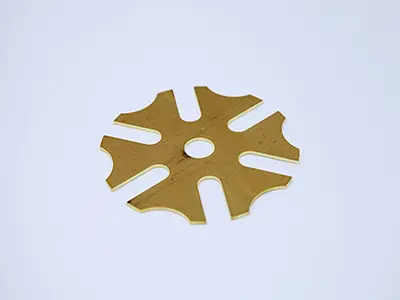
Utilizing high-speed fiber laser machines allows for complex aesthetic perforation geometries on 5000 and 6000 series architectural-grade anodized aluminium sheets without warping or micro-cracking.
Use Cases: Corrosion-resistant marine gangways, structural structural ribs, instrument mounting dashboard panels, and fuel tank baffles.
We source marine-grade 5083 and 5086 alloy sheets, cutting them with nitrogen shielding gas to secure the weldability and structural integrity required by international classification societies.
The manufacturing sector is evolving toward autonomous, self-optimizing ecosystems. Our development strategy focuses on aligning factory outputs with the standards of Industry 4.0, integrating connected hardware with intelligent fabrication software.
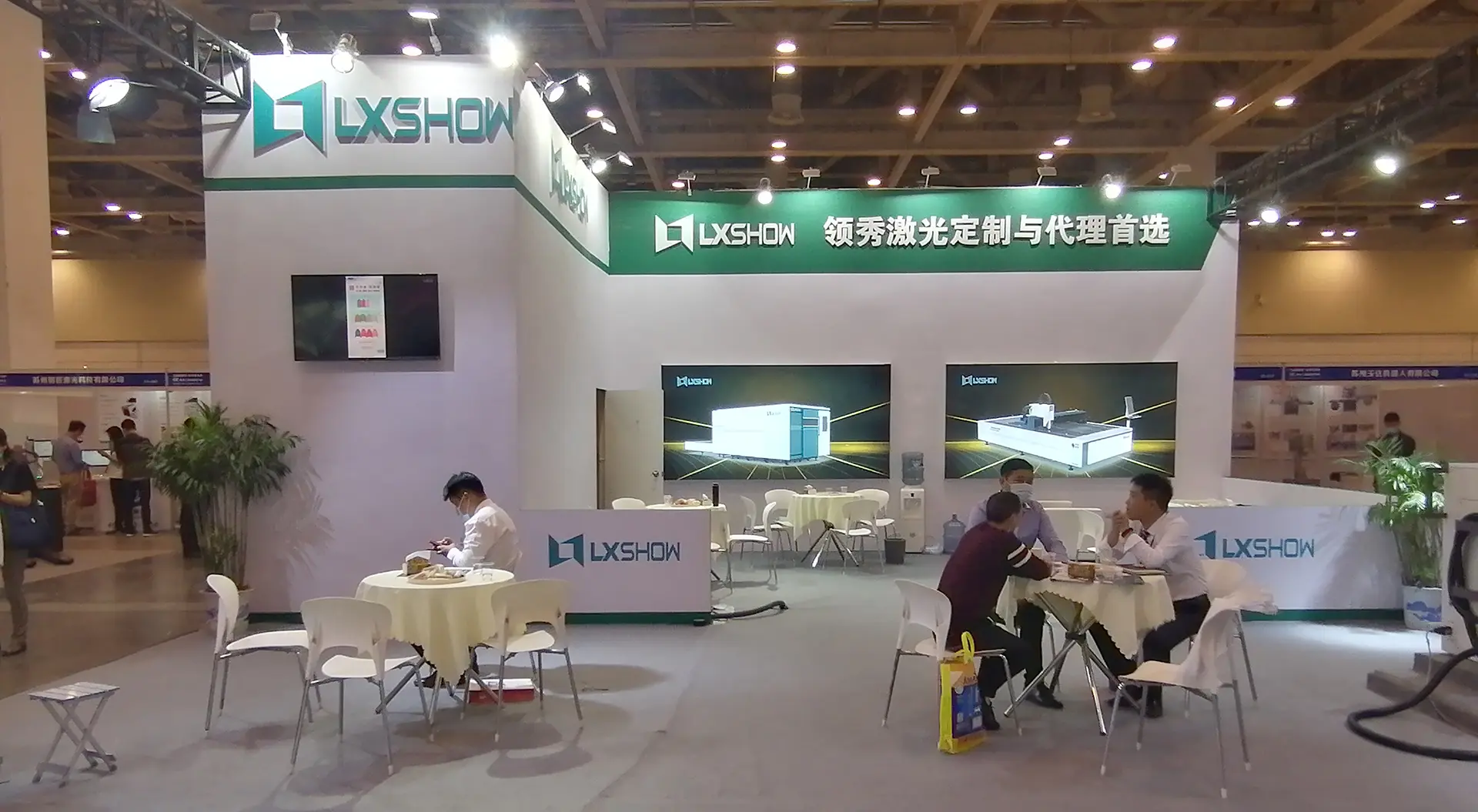
Analyzing the cost and operational benefits of consolidated industrial zones, raw material access, and optimized export networks.
Our facility, based in China’s manufacturing heartland, draws from a direct supply chain of primary aluminium smelters and sheet rolling mills. This direct sourcing buffers production schedules against global commodity market volatility and secures consistent material grades, including certificates for 1050, 3003, 5052, 6061, and 7075 series alloys.
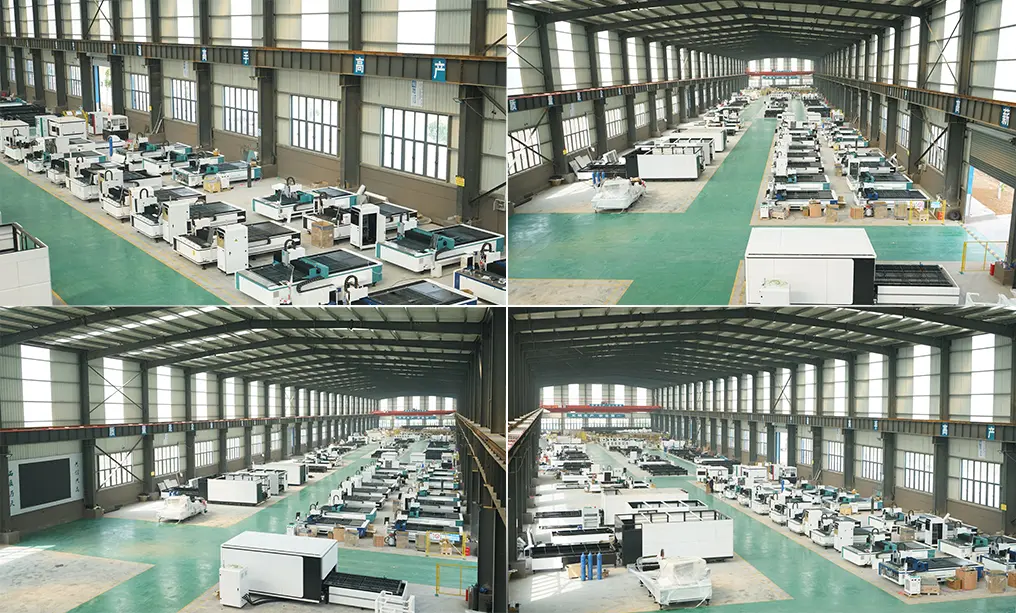
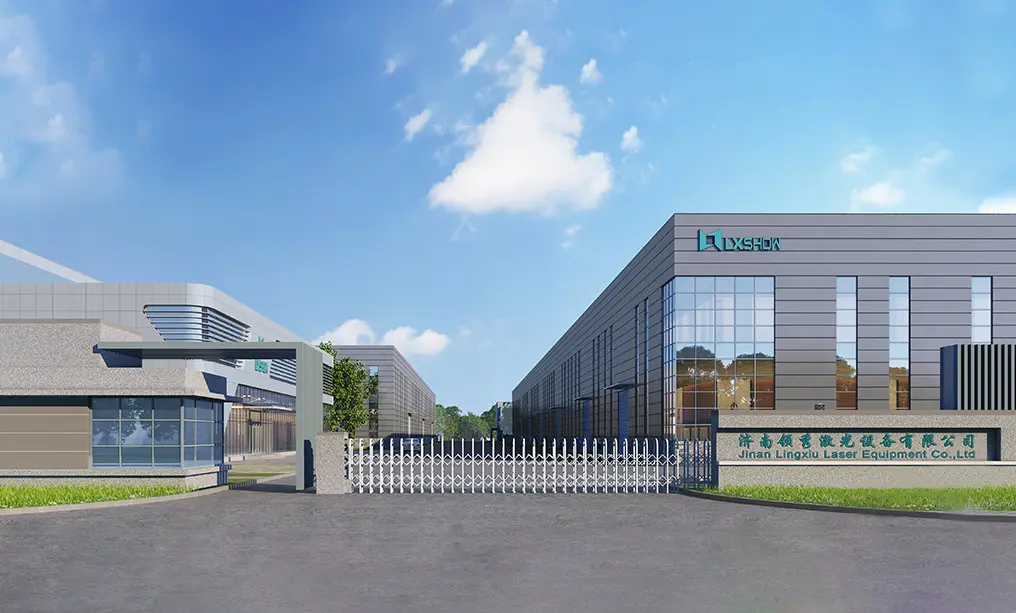
Operating a 32,000-square-meter facility with continuous multi-axis laser centers allows us to accommodate both small-batch prototype runs and high-volume industrial releases. Scaled capacity lowers cost-per-part ratios, passing savings to global buyers via streamlined DDP/CIF logistics pipelines.
Having exported to over 150 countries, we maintain dedicated compliance and logistics teams. We coordinate export documentation, tariff classification code filings, anti-corrosion packaging design, and ocean freight logistics to minimize clearance times at destination ports like Hamburg, Long Beach, Rotterdam, and Singapore.
Take a virtual tour of our 32,000 square meter ISO 9001 certified R&D and manufacturing facility.
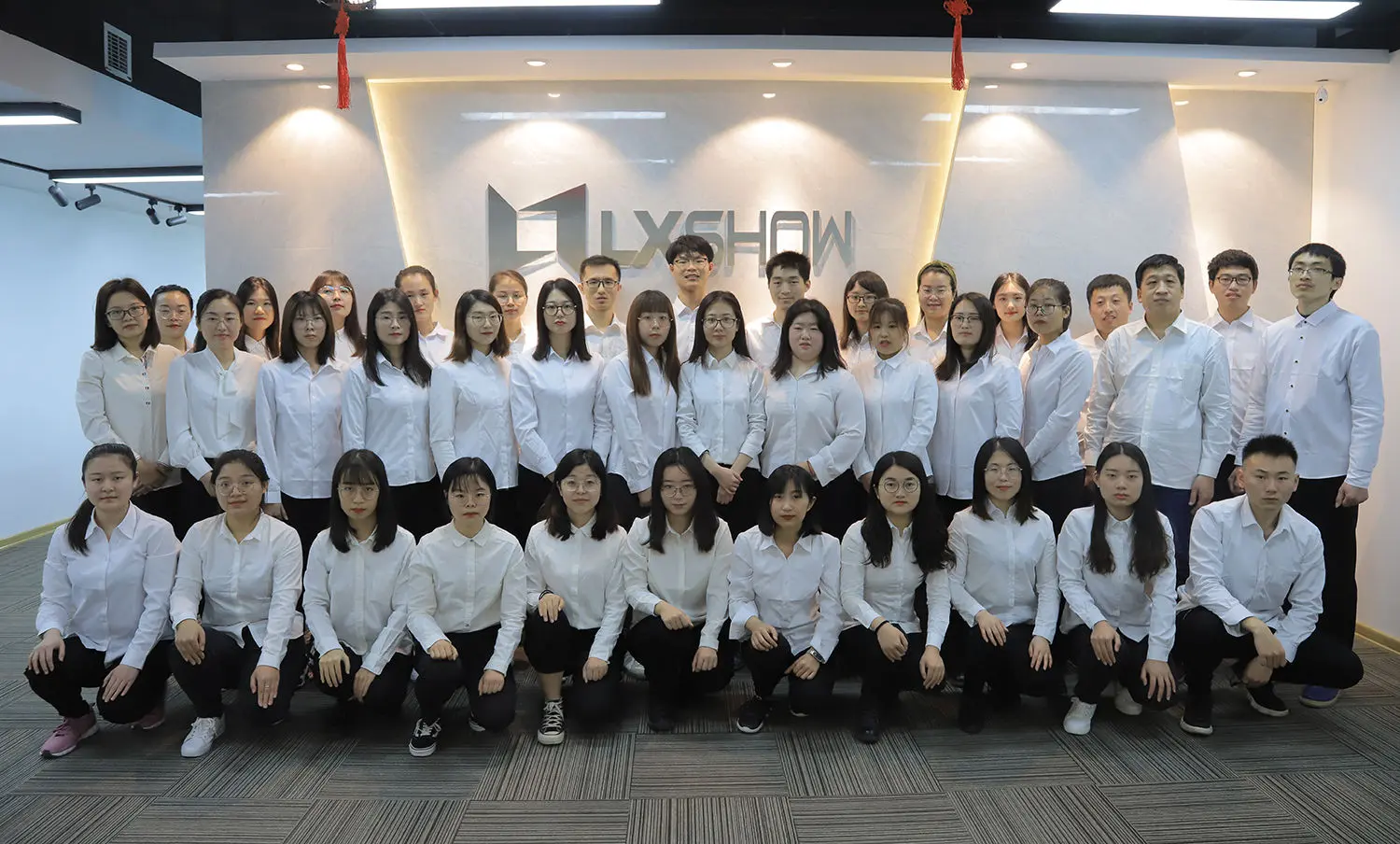
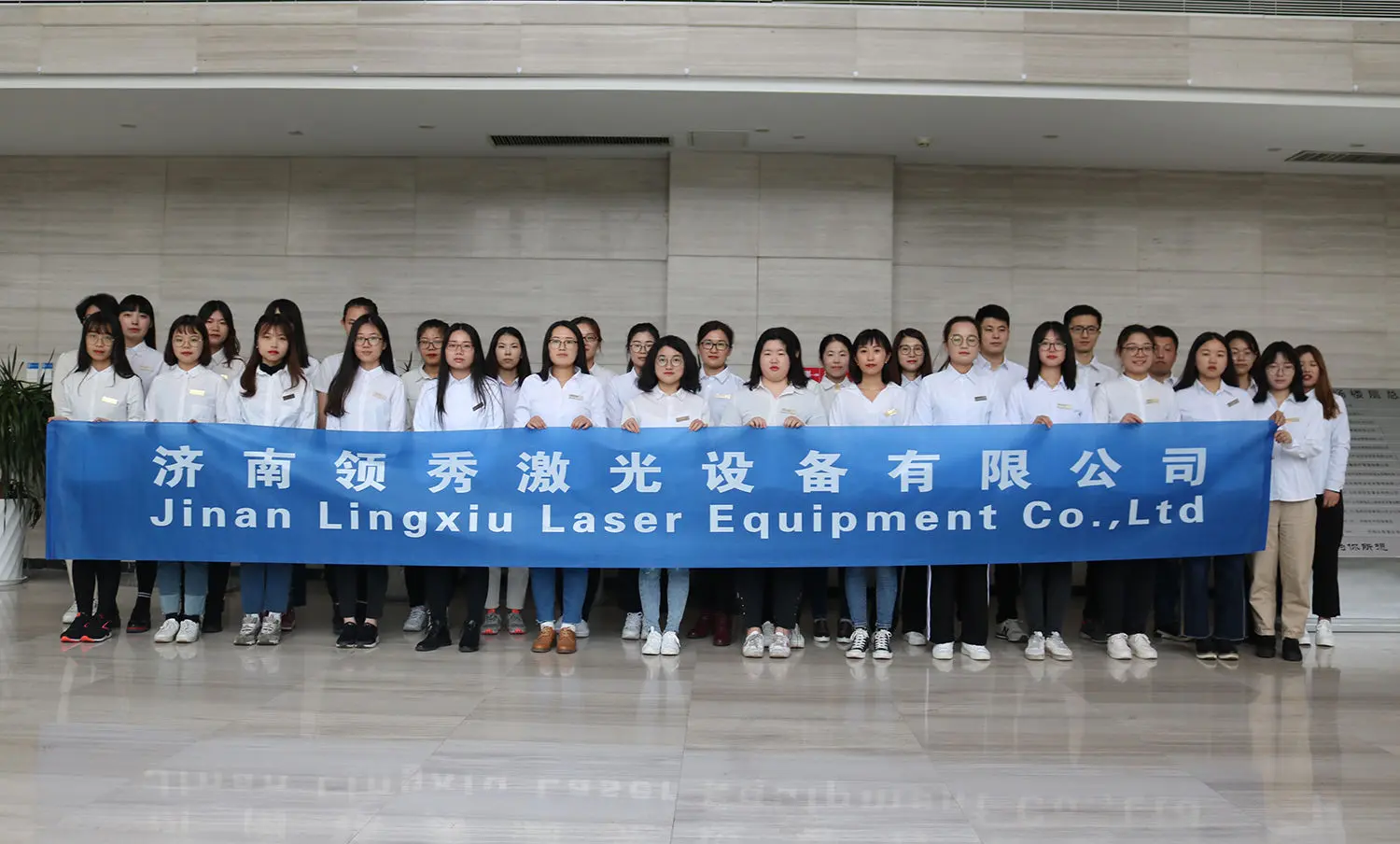
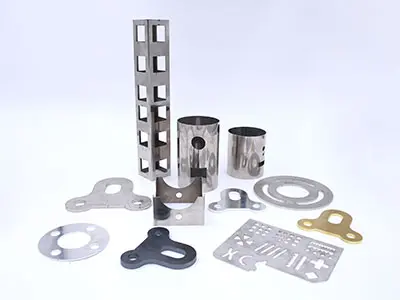
We machine diverse raw materials to custom geometric specifications with precision calibration.
Bespoke product lines manufactured under CE, FDA, and ISO 9001 quality supervision, engineered to support multi-shift operations.
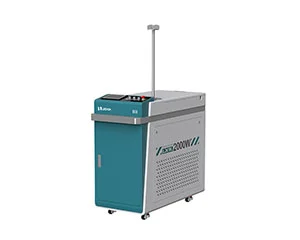
Industrial restoration units designed for surface reconstruction using multi-axis robot positioning modules.
Non-contact surface oxide removal utilizing high-frequency pulse systems.
Handheld and automated robotic systems for fast, low-distortion alloy welding.
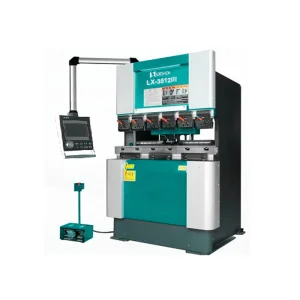
High-tonnage hydraulic and electrical servo sheet metal folding and cutting press brakes.
How we verify that raw materials and machinery conform to European, American, and international regulations.
To operate seamlessly within aerospace, biomedical, and automotive supply chains, all output must meet rigorous certification standards. Our production processes and laser machinery line are built around a strict compliance framework:
Technical answers resolving key inquiries regarding custom aluminium laser cutting, tolerances, alloy selection, and import logistics.
The selection depends on the application:
Our standard manufacturing tolerances for laser-cut aluminium parts range from ±0.05 mm to ±0.1 mm (±0.002 to ±0.004 inches) depending on sheet thickness. For thick plate elements (e.g., above 12 mm), kerf taper can slightly increase this variation, which we mitigate by using dynamic autofocus cutting heads.
Nitrogen is used as a shielding gas to displace oxygen from the cutting zone, preventing oxidation at the cut edge. This produces a clean, oxide-free edge that is ready for welding or surface treatment without post-processing. Oxygen assist gas increases cutting speed on thicker sections but leaves an oxide layer that must be mechanically removed prior to coating or welding.
Our online pricing model leverages high-efficiency nesting algorithms, centralized raw material sourcing, and scaled industrial logistics. By consolidating multiple orders onto single large-format plates, we reduce material waste and machine setup times, passing savings to global buyers even when factoring in international shipping costs.
Standard fabrication turnaround for custom aluminium orders ranges from 3 to 5 business days. Transit times depend on the shipping method chosen:
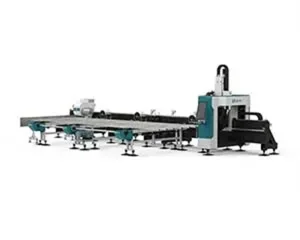
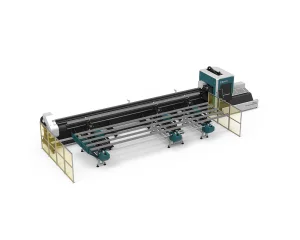
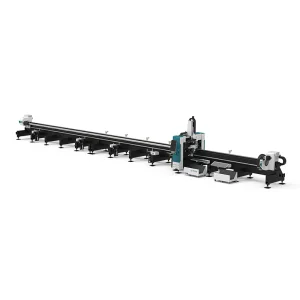
High-capacity industrial systems supporting global manufacturing facilities and custom engineering services.
 Lxshow