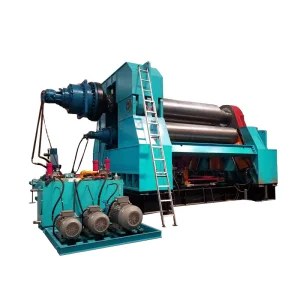
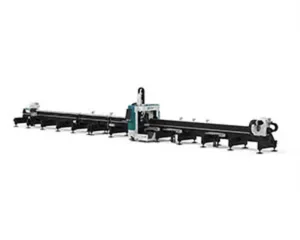
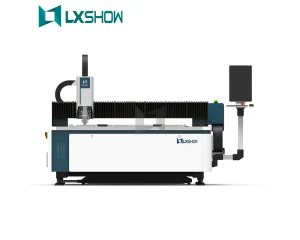
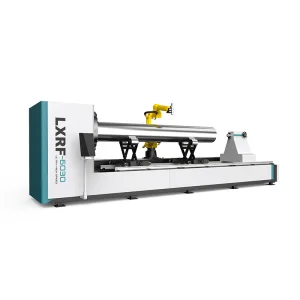
Explore our flagship high-performance industrial laser cutters, bending, and shearing solutions engineered for modern manufacturing plants.
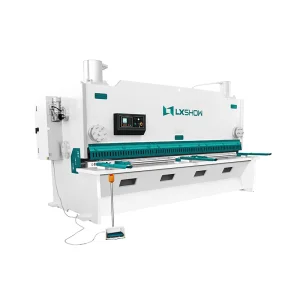
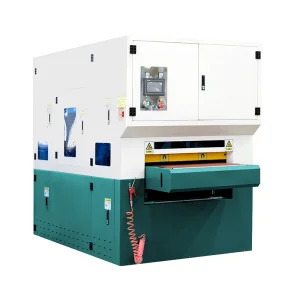
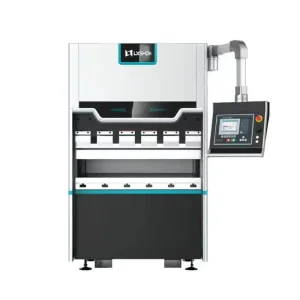
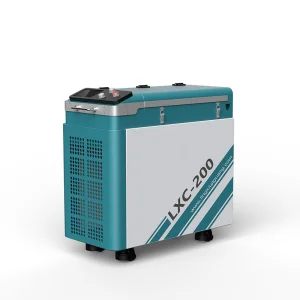
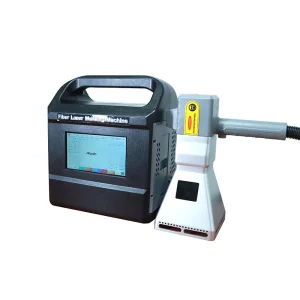
Pioneering smart industrial laser systems with unmatched reliability and global delivery systems.
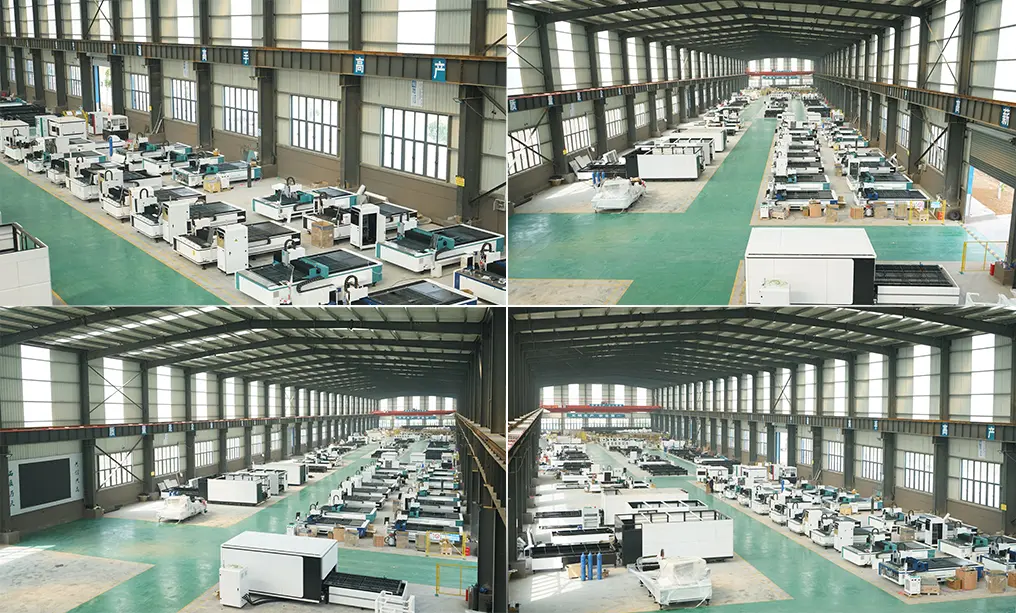
Established in July 2004, our organization has grown from a specialized research division to a multinational laser manufacturing leader. Spanning more than 500 square meters of dedicated R&D office space and over 32,000 square meters of modern manufacturing facilities, we engineer state-of-the-art machinery certified to international standards. All products have passed the European Union CE authentication, American FDA certificate, and are certified under the strict guidelines of ISO 9001.
Today, our exports reach more than 120 countries and regions including the USA, Canada, Australia, Europe, Southeast Asia, and Africa. In addition to our proprietary LXSHOW brand, we support global industries by supplying comprehensive OEM services for over 30 leading global manufacturers.
A comprehensive analysis of market evolution, high-power fiber technology roadmaps, and global supply chain dynamics.
The global metal fabrication industry is experiencing a profound paradigm shift, driven by the need for unprecedented precision, lower operating costs, and hyper-customization. At the core of this industrial revolution is the Industrial Laser Cutting Machine. Historically confined to specialized micro-machining or low-thickness operations, modern fiber laser systems now dominate macro-level metal processing, challenging traditional mechanical press brakes, plasma cutting systems, and CNC waterjets.
As a leading exporter and customized laser machinery manufacturer, our mission is to empower companies globally to adapt to these shifts. We focus on integrating smart fiber lasers with automated loading-unloading lines, enabling continuous, unstaffed, 24/7 manufacturing plants.
From automotive stampings in North America to massive infrastructure development projects across Southeast Asia, industrial laser machinery has become the primary benchmark for manufacturing sophistication. In highly mature economies like the European Union and the USA, manufacturers are rapidly phasing out older-generation CO2 lasers due to their high electrical consumption, optical maintenance complexity, and slow processing speeds. The global market is now firmly centered on high-power fiber laser solutions, with standard configurations starting at 3kW and scaling rapidly up to 30kW and beyond.
As international supply chains shift towards resilience and localized manufacturing, there is an escalating demand for customized laser cutters. Importers are no longer looking for one-size-fits-all hardware. They require bespoke mechanical bed designs, custom-designed chuck capacities for complex tube dimensions, and integration with advanced IoT software architectures that monitor cutting efficiency in real-time.
Our research and design team is continuously mapping the next phase of laser material processing. The future of industrial laser machines lies in the convergence of four critical pillars:
Automated nesting algorithms reduce sheet metal waste by up to 22%. Real-time sensor arrays automatically detect optical debris and dynamically adjust gas pressures to eliminate dross before it forms.
Transitioning manufacturing operations from 10kW to 30kW platforms. This allows high-speed oxygen and nitrogen cutting of extremely thick carbon steels and structural plates with absolute edge perfection.
Innovative nitrogen-oxygen mixing chambers decrease gas consumption by up to 35% while increasing feed rates through optimized melt-pool ejection technology.
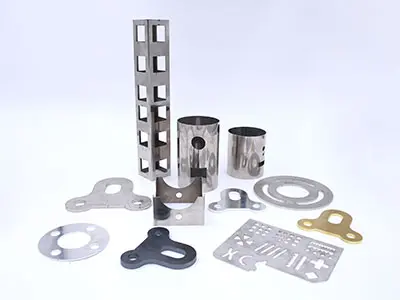
Our customizable laser cutting systems are tailored for highly specific, demanding industry application areas:
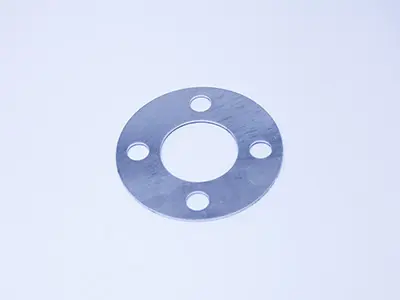
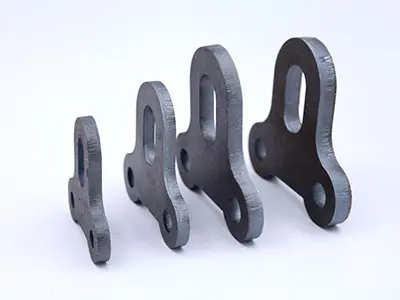
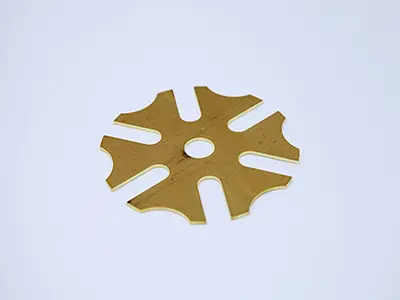
Different materials demand distinct laser wavelengths, beam profiles, and assist gases. Below is a comprehensive structural guide to material processing using our systems:
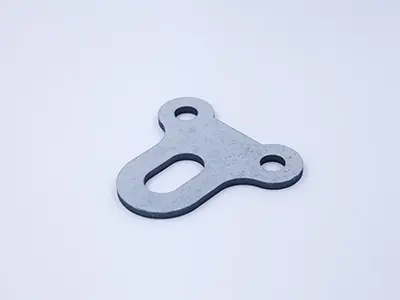
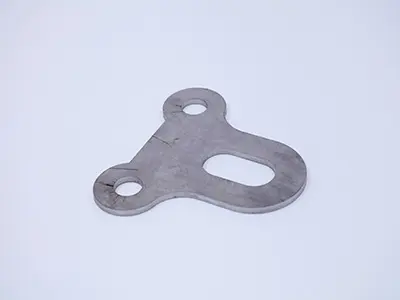
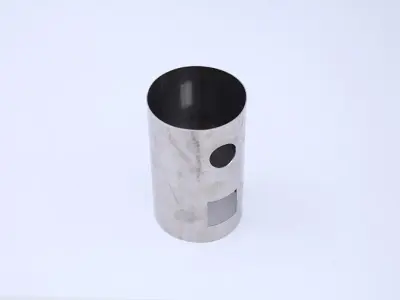
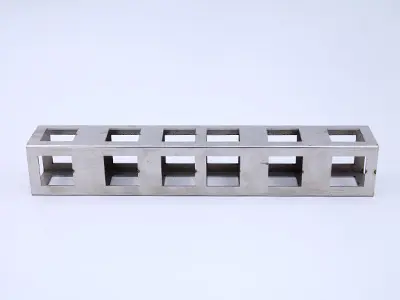
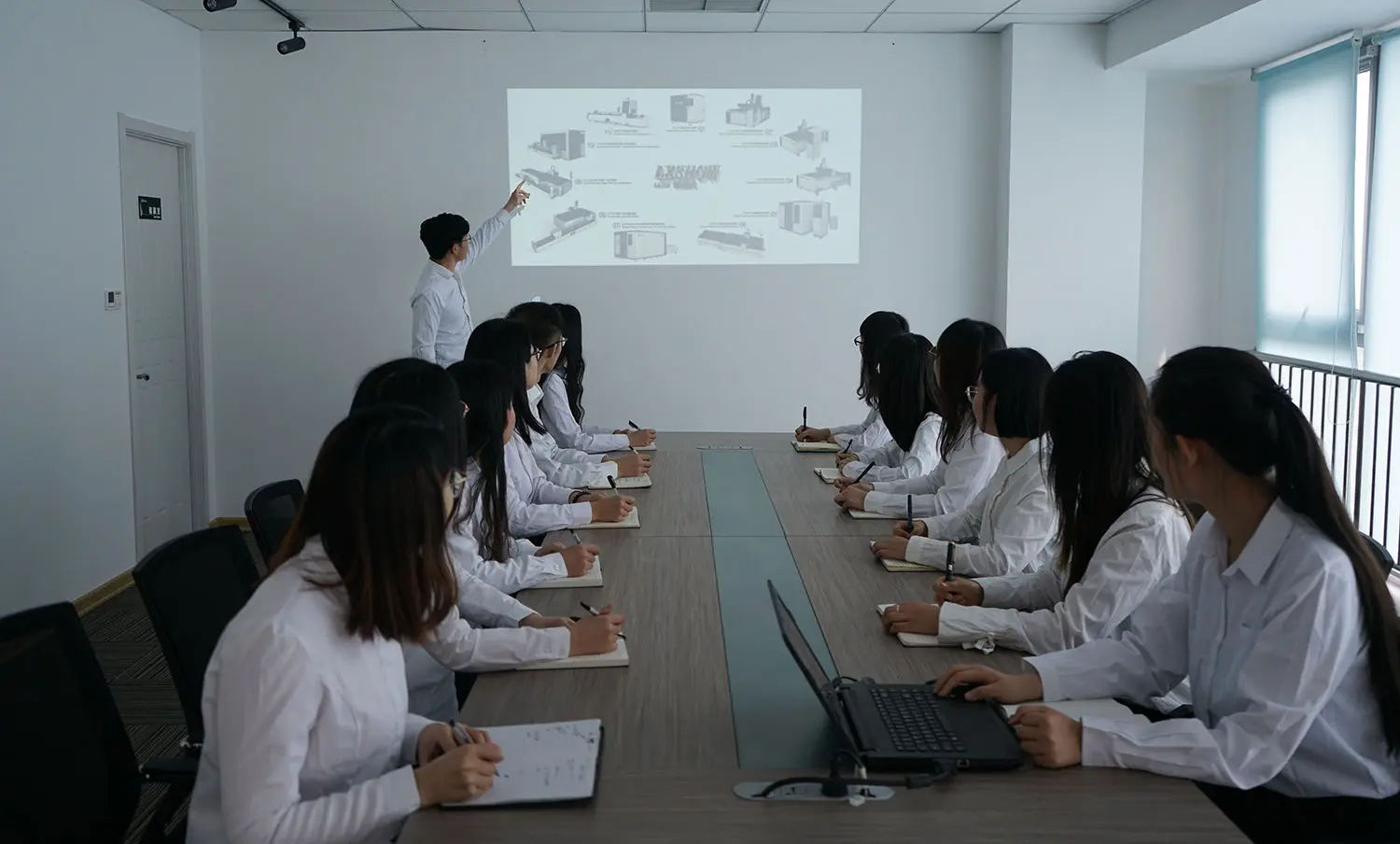
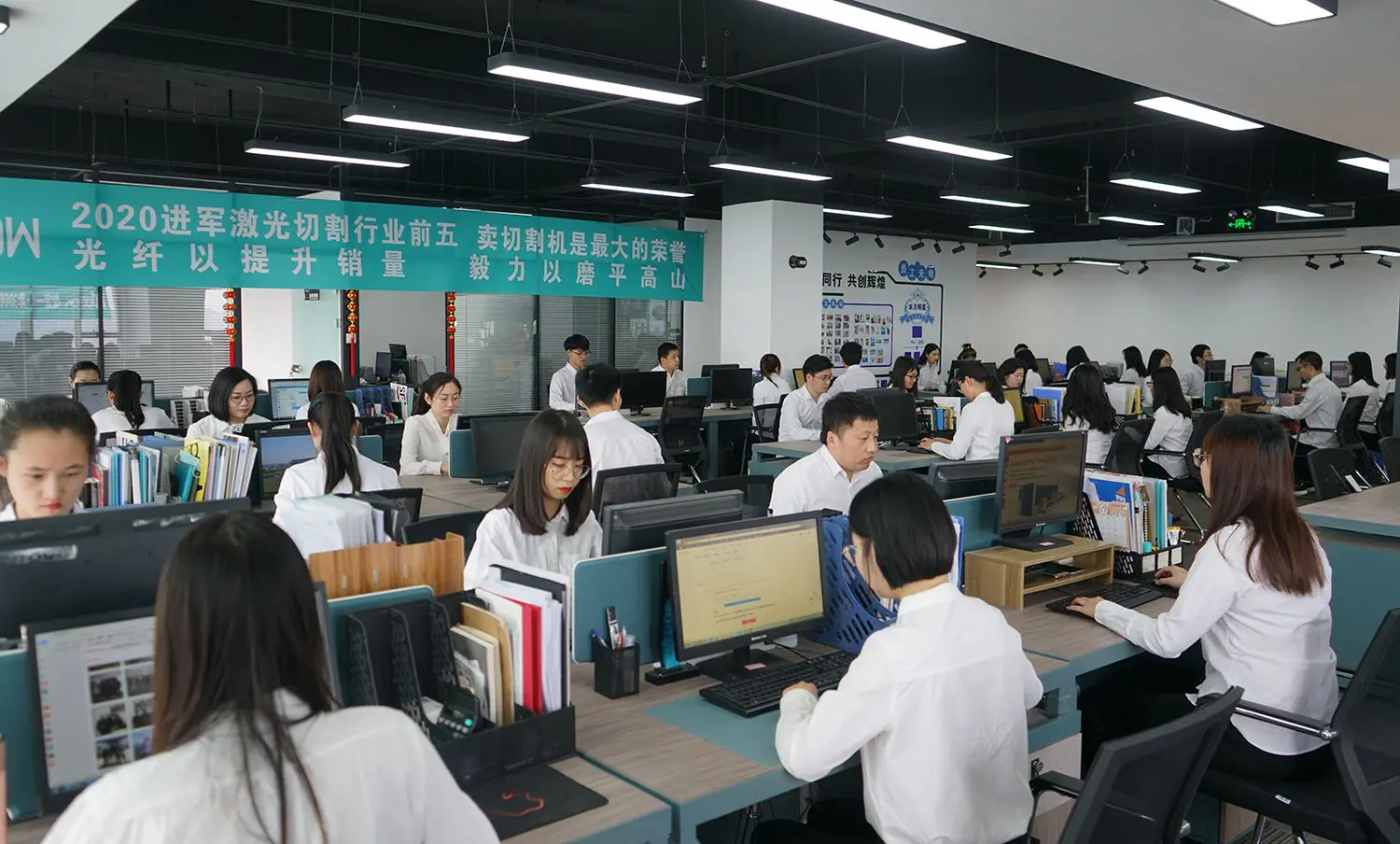
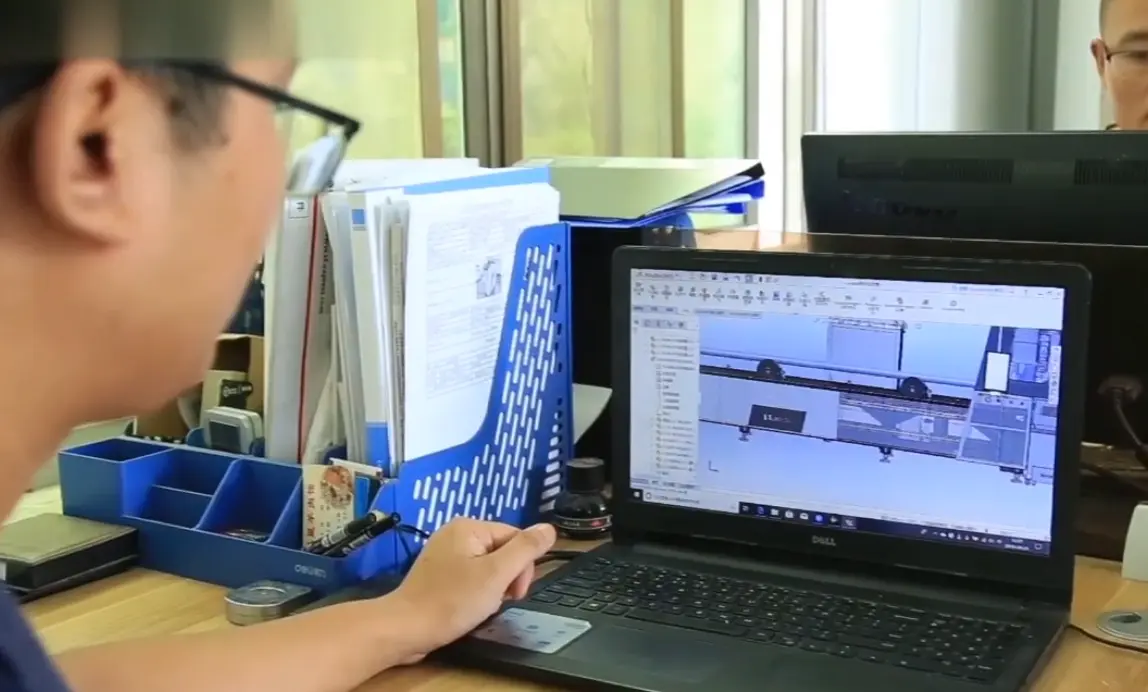
A closer look inside our 32,000m² factory, engineering departments, and production floors.
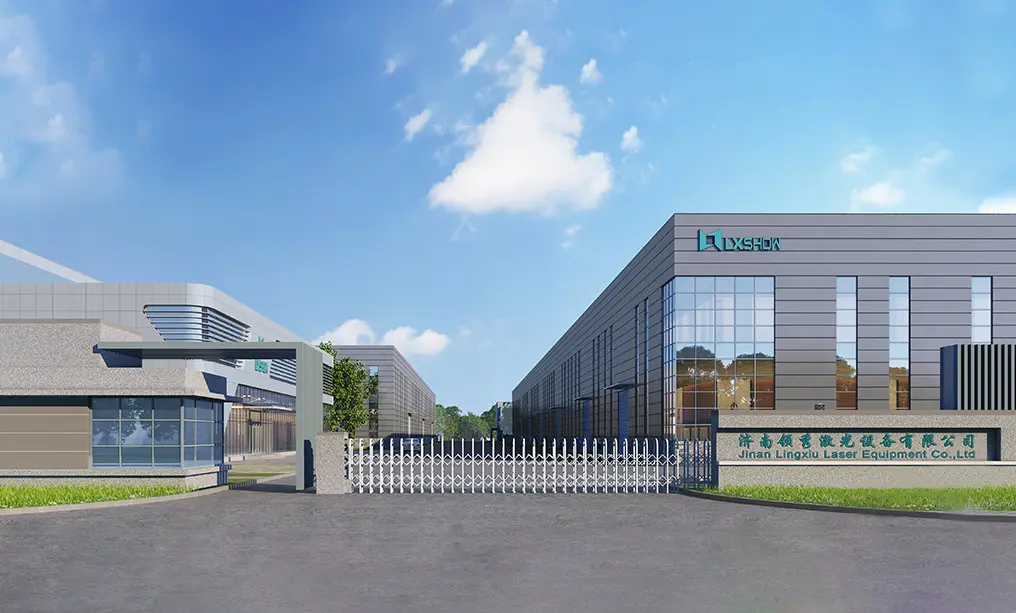
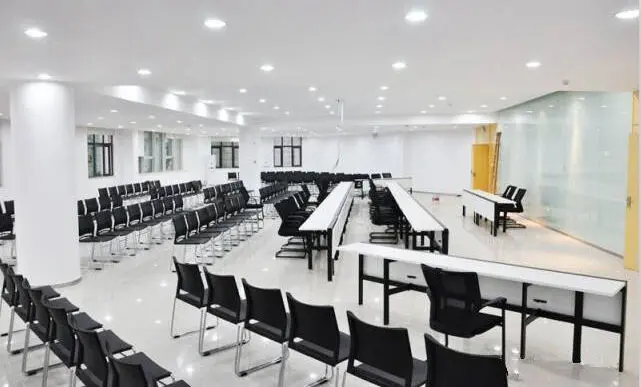
Get professional answers to critical operational, design, and sourcing questions.
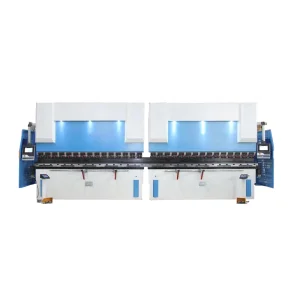
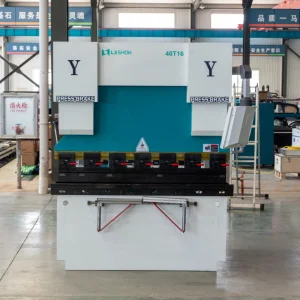
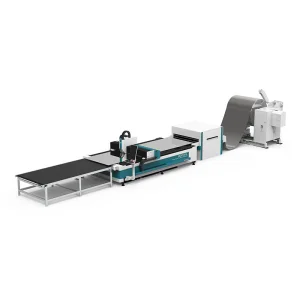
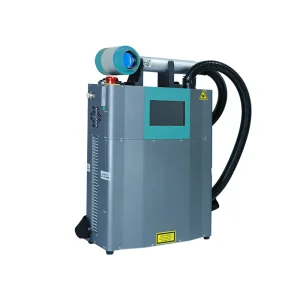
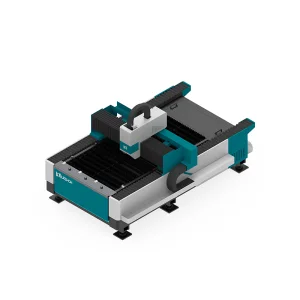
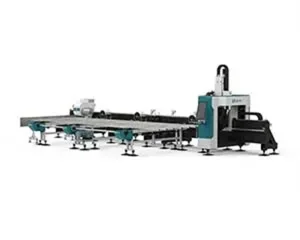
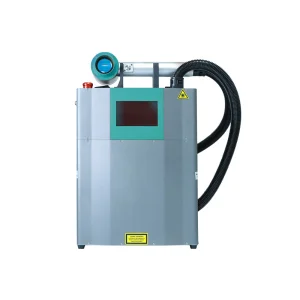
Complete mechanical bending, high-capacity shearing, and specialty laser systems to round out your factory's production line.
 Lxshow