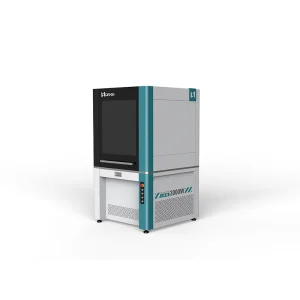
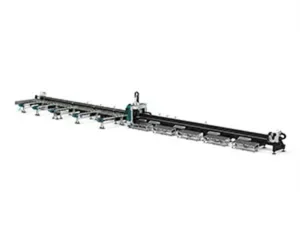
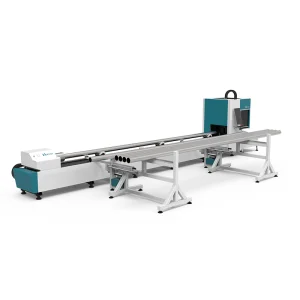
In modern industrial manufacturing, identifying the precise cost of laser cutting steel is essential for engineering efficiency and cost-efficiency. Laser cutting cost is not a static figure; rather, it is a dynamic equation determined by material composition, sheet thickness, structural complexity, assistant gas choices (Oxygen, Nitrogen, or Compressed Air), and production volume. As a premium global manufacturer established in 2004, we combine high-power fiber optic tech with lean manufacturing processes to optimize this cost matrix for worldwide operations.
Our products are widely integrated across heavy industries including the steel industry, packaging, automotive, jewelry, aerospace, precision mold fabrication, integrated circuits, semiconductors, and advanced rubber/plastics processing. With comprehensive CE, FDA, and ISO 9001 certifications, our systems guarantee compliance with strict quality standards across North America, Europe, and Asia-Pacific.
Understanding how fiber laser output (ranging from 1kW to 30kW+) directly impacts custom cutting costs is key for engineers. Higher wattage lasers reduce cycle times, which lowers the operational cost per part despite higher initial capital costs. Below is a cost breakdown comparing traditional and modern fiber laser processing variables.
| Steel Material Type | Thickness Range (mm) | Optimal Laser Power (kW) | Assistant Gas Preference | Relative Cost Factor |
|---|---|---|---|---|
| Carbon Steel (Mild Steel) | 0.5 - 6.0 | 1.5kW - 3kW | Oxygen (O2) / Air | Low (Highly Economical) |
| Carbon Steel (Heavy Plate) | 6.0 - 25.0+ | 6kW - 12kW+ | Oxygen (O2) | Moderate (Controlled Piercing) |
| Stainless Steel (Thin Sheet) | 0.5 - 4.0 | 2kW - 4kW | Nitrogen (N2) | Moderate (Clean Edge Required) |
| Stainless Steel (Medium-Thick) | 4.0 - 16.0+ | 6kW - 12kW | Nitrogen (N2) / Air | High (High Gas Consumption) |
| Special Alloys / Aluminum | 1.0 - 12.0 | 4kW - 8kW+ | Nitrogen (N2) | High (Reflective Material Protection) |
By implementing ultra-fast linear motor systems and automated dual exchange tables (such as our 3015PHOT and 3015HCOW series), factories can decrease auxiliary cycle times by up to 45%. This directly lowers the overall cost per cut, passing saving margins to end users.
Different regions present unique metallurgical demands and compliance rules. Below are three primary localized application scenarios where custom laser-cut steel parts are utilized:
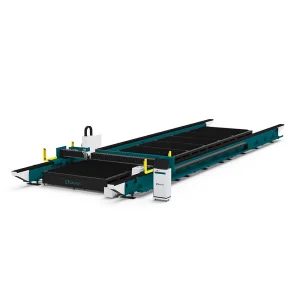
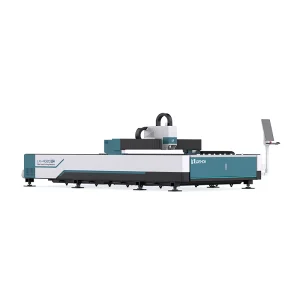
High-power ground rail laser cutters (like the ODM 13025LC) are used to fabricate thick structural components for agricultural and construction machinery. This ensures compliance with AWS (American Welding Society) standards.
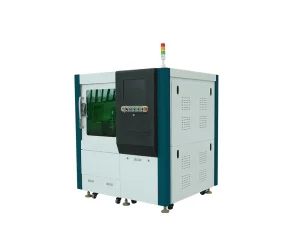
Precision mini fiber laser cutters (like the LX0640G) are utilized to process complex brackets and electric vehicle battery enclosures. These require precise tolerances (under ±0.03mm) and CE compliance.
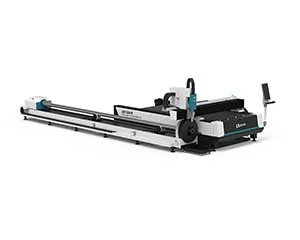
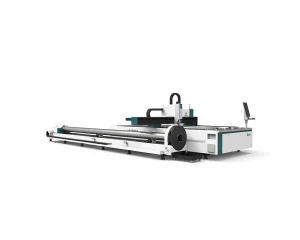
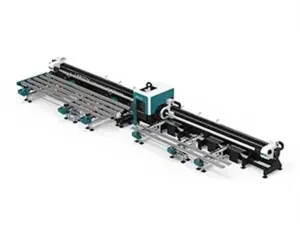
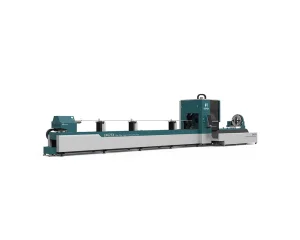
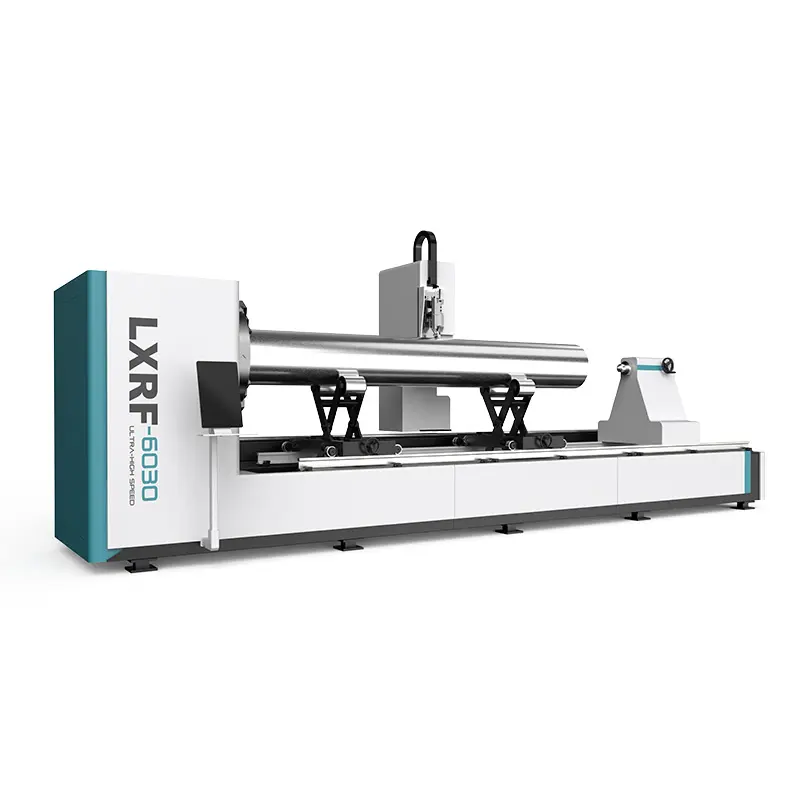
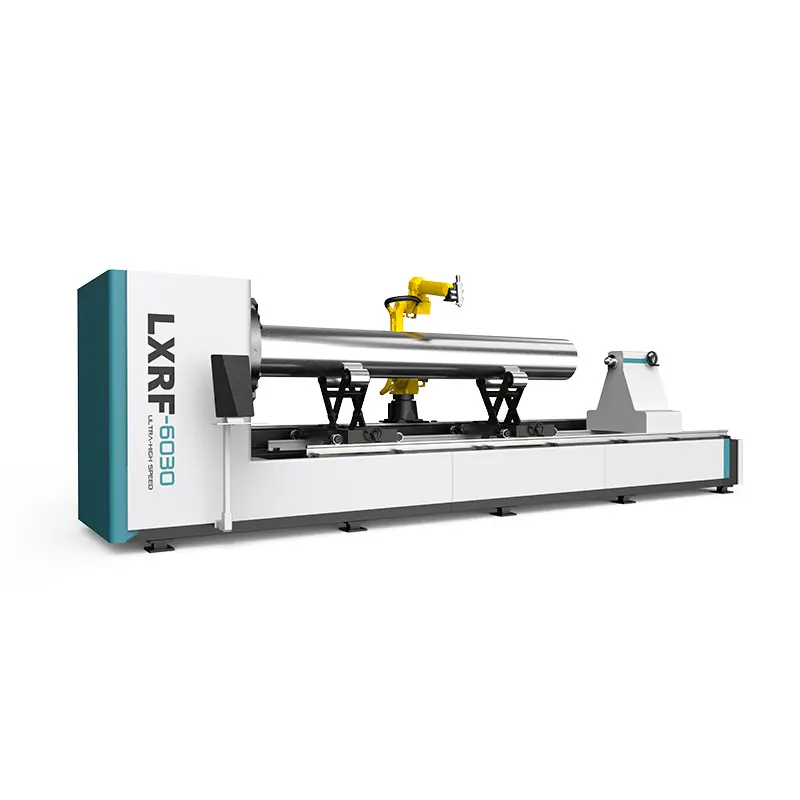
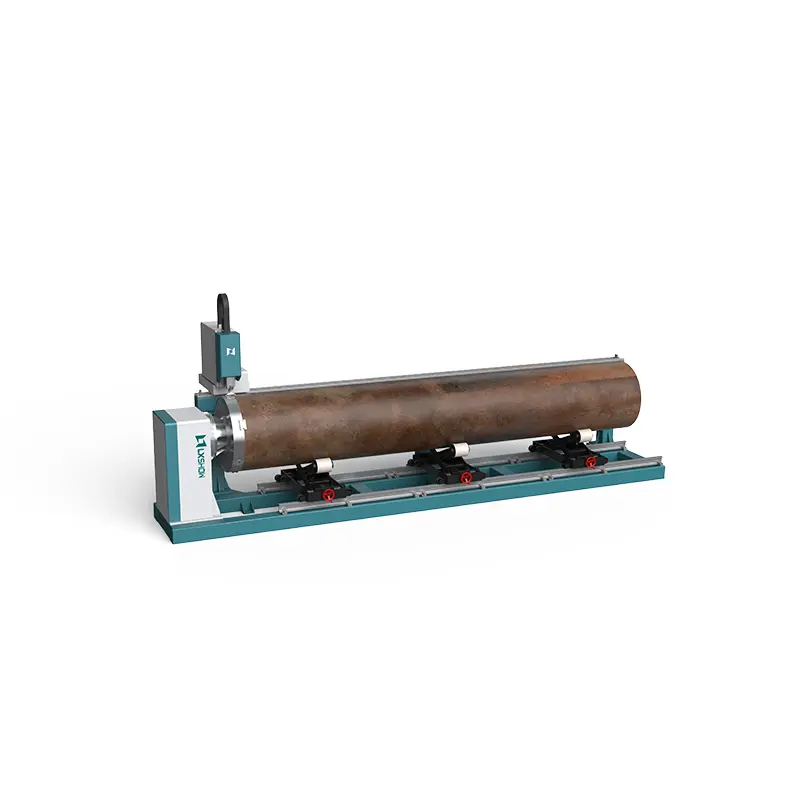
Multi-chuck automatic feeding tube laser cutting systems (like the LX122TXA and LX83TIV) process structural square, rectangular, and round steel tubes for construction and piping projects.
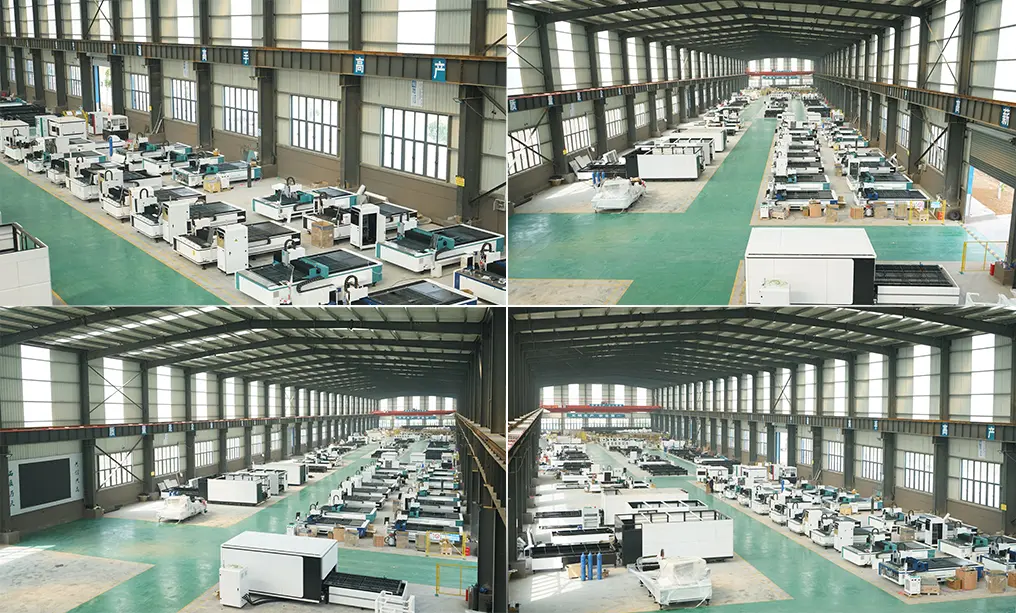
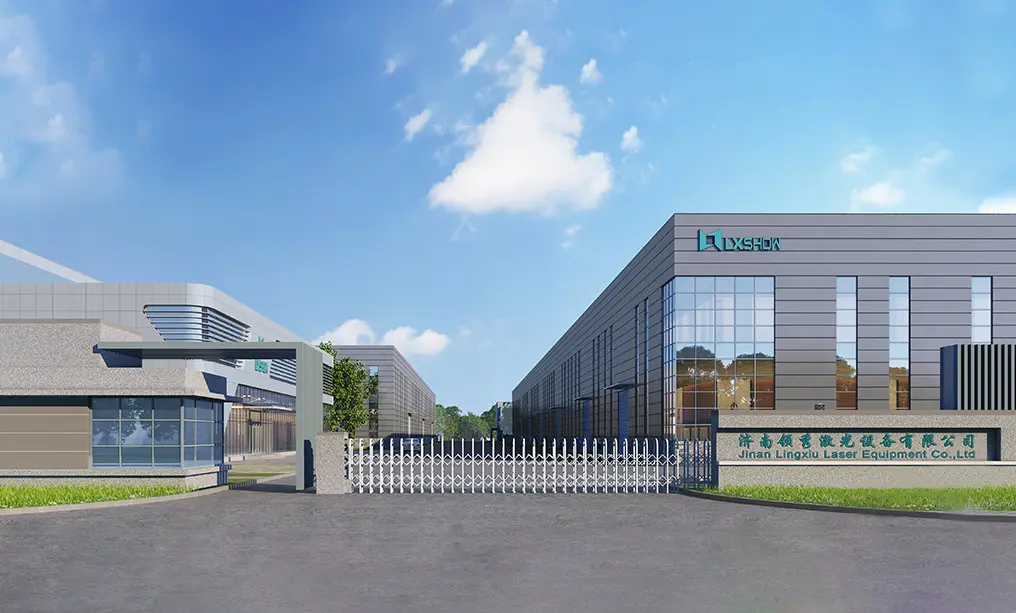
Our manufacturing facility in China covers a 32,000 square meter footprint, which integrates structural engineering, precision optical assembly, and quality assurance. This layout supports cost-efficiency through several key factors:
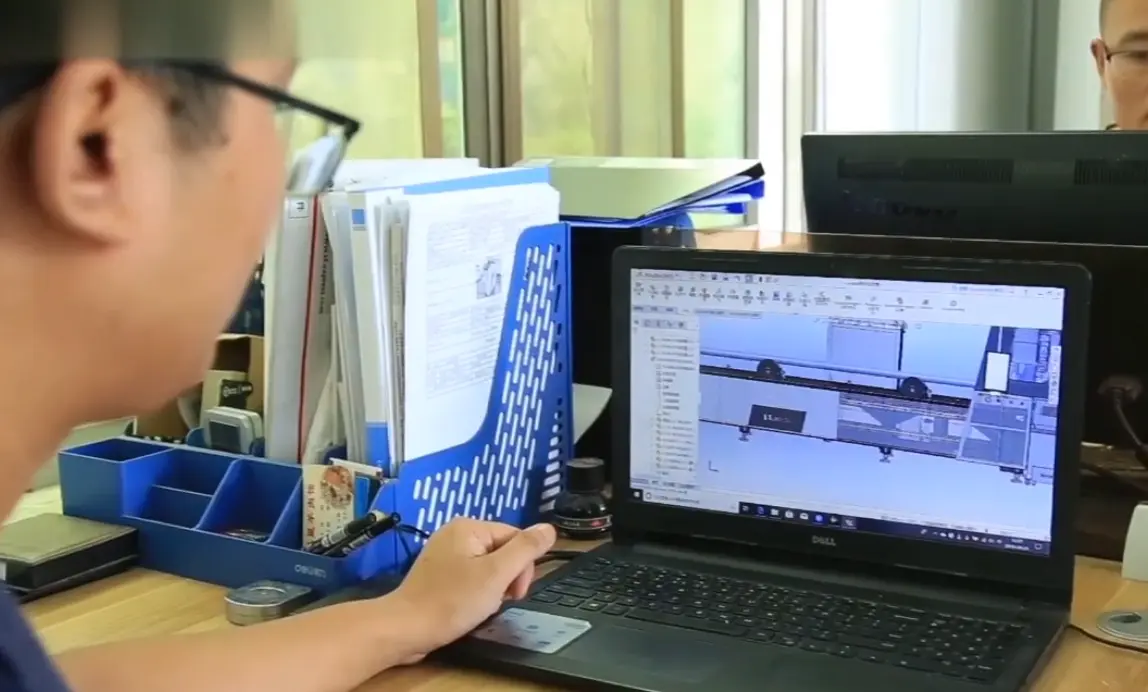
By designing and machining our structures, gantries, and chuck systems in-house, we reduce reliance on external suppliers. This vertical integration keeps production schedules consistent and lowers manufacturing costs.
Our factory operates near major steel manufacturing and logistical hubs. This proximity helps lower raw material transport costs and speeds up shipping to global ports, ensuring reliable supply chain logistics.
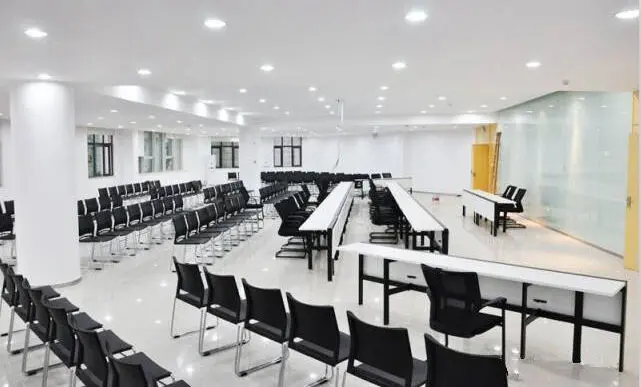
Our developmental roadmap towards 2040 focuses on integrating automated laser platforms with smart manufacturing ecosystems. This transition involves three key upgrades:
Transitioning from standard 6kW outputs to 30kW+ systems. This power upgrade allows for clean nitrogen-assisted cuts on thick stainless and carbon steels, reducing secondary processing costs.
Integrating real-time nesting software that calculates optimal cut patterns, helping to maximize material utilization and reduce scrap rate costs.
Deploying loading/unloading robotic arms and intelligent material towers to support automated, lights-out manufacturing and lower labor costs.
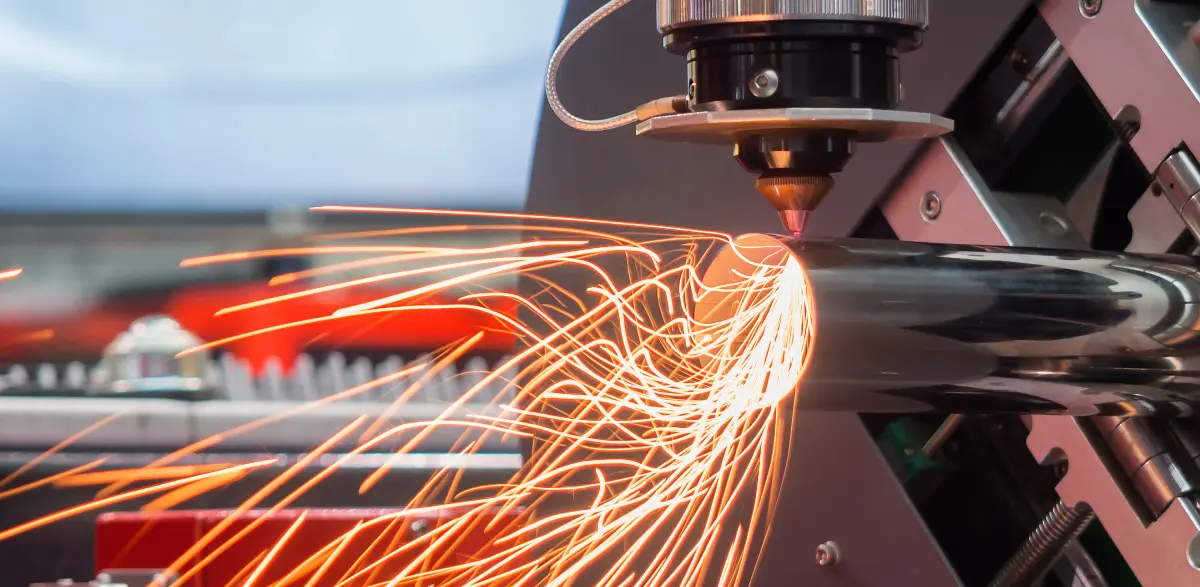
Our production systems are deployed globally to support metal fabrication lines.
Different steel profiles require specific laser setups to ensure cost-efficient processing. Below is our processing guide based on material classifications:
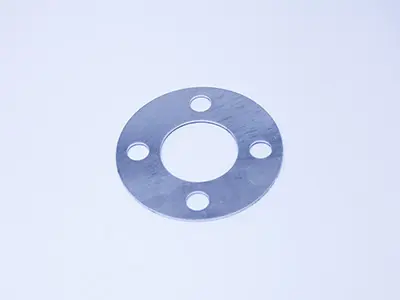 Aluminum
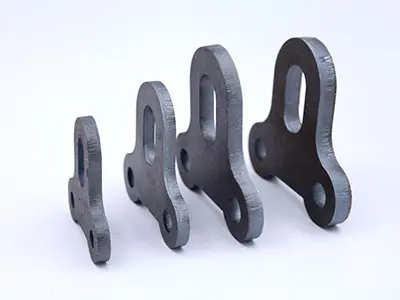 Carbon Steel
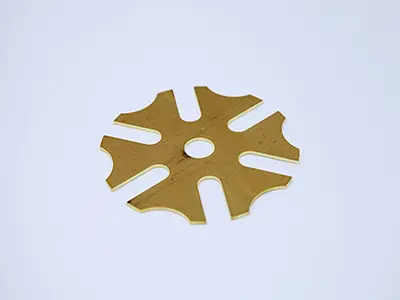 Copper
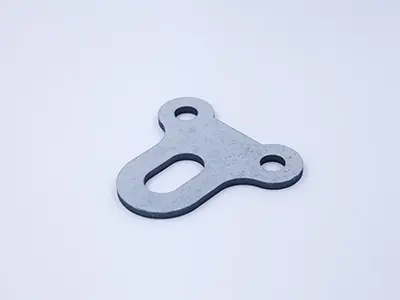 Galvanized
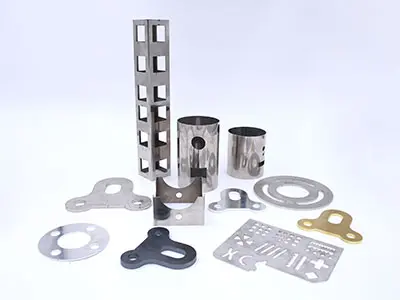 Other Metal
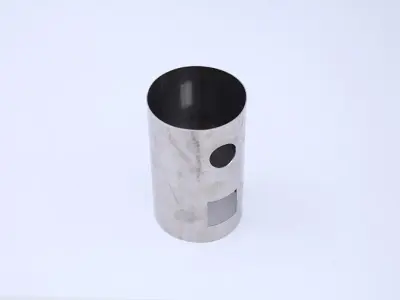 Round Tube
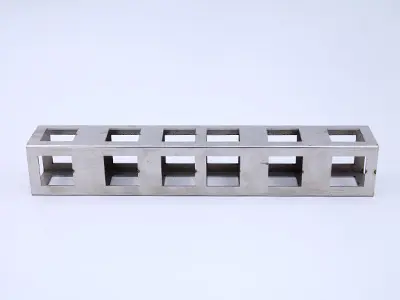 Square Tube
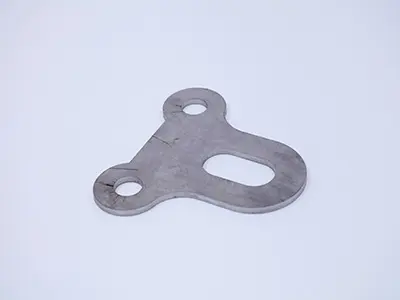 Stainless Steel
Procuring heavy laser cutting machinery globally requires reliable installation, calibration, and support services. We support our international installations through several key services:
Every machine is built to meet European Union CE directives, FDA standards for laser safety, and ISO 9001 quality management parameters.
We offer remote and on-site operator training, covering diagnostic software and parameter fine-tuning to help optimize cutting quality and speed.
We maintain regional inventories of consumables, including nozzles, protective windows, and ceramic rings, to minimize processing downtime.
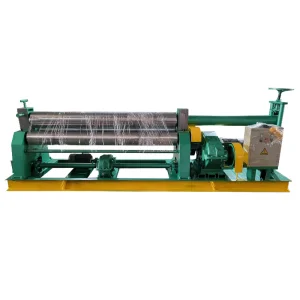
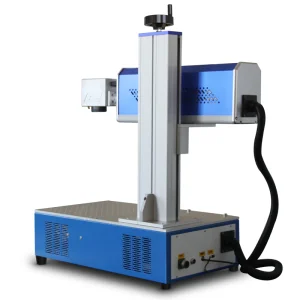
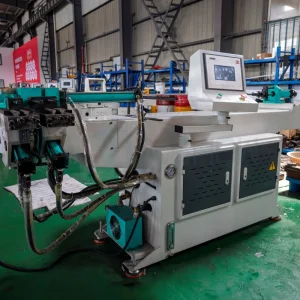
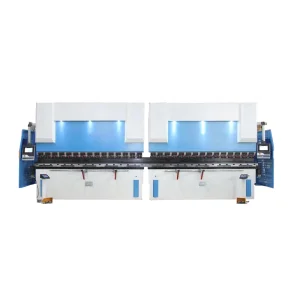
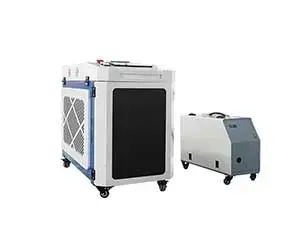
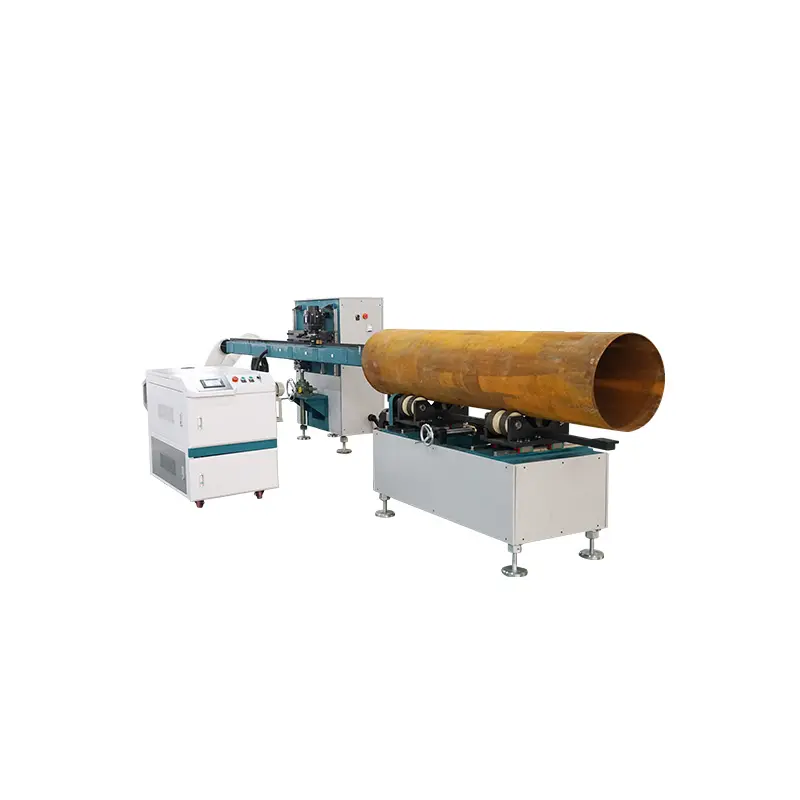
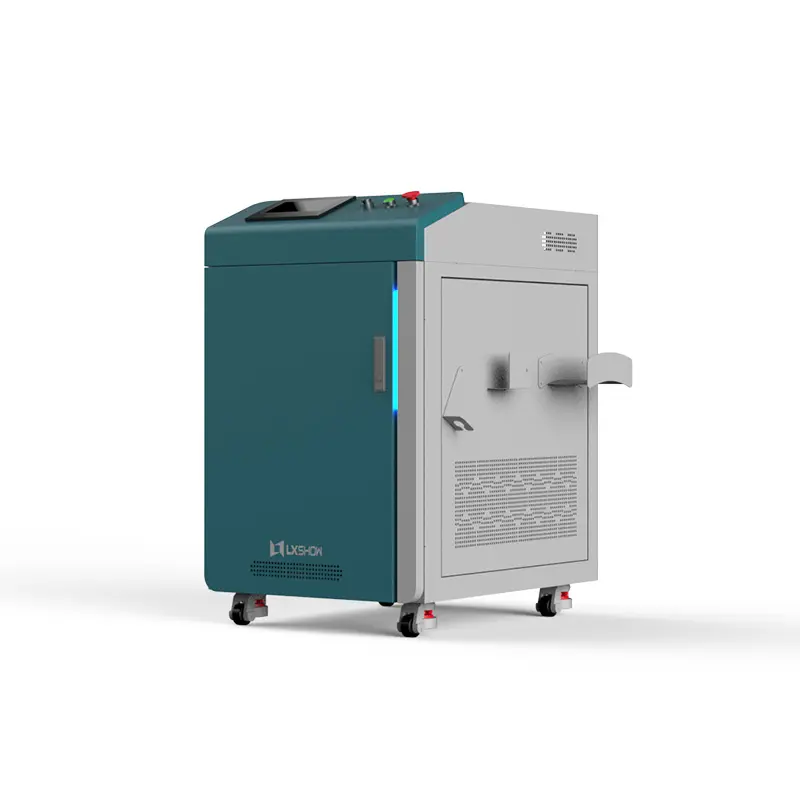
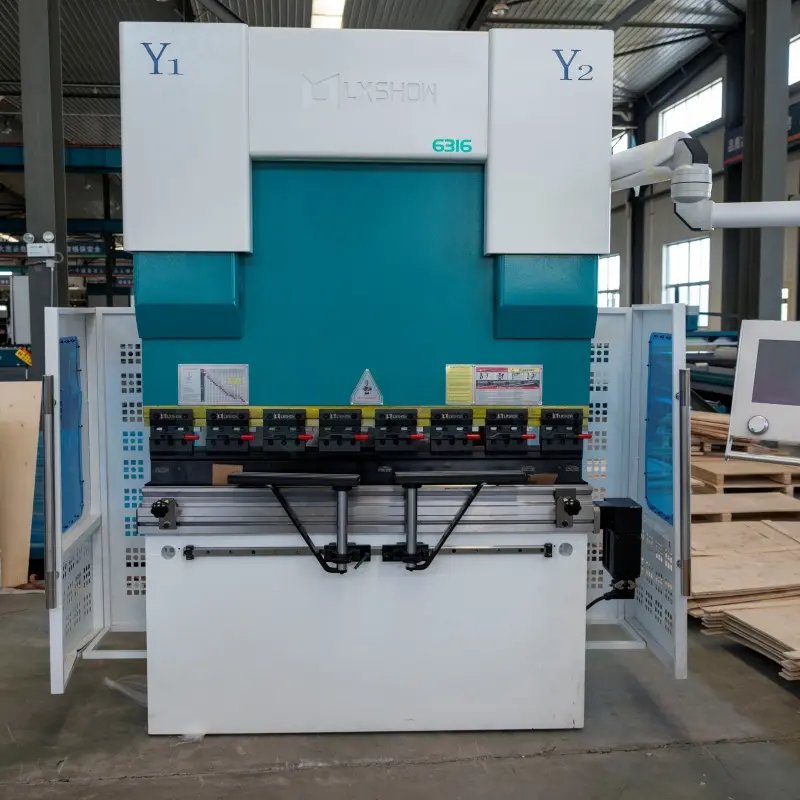
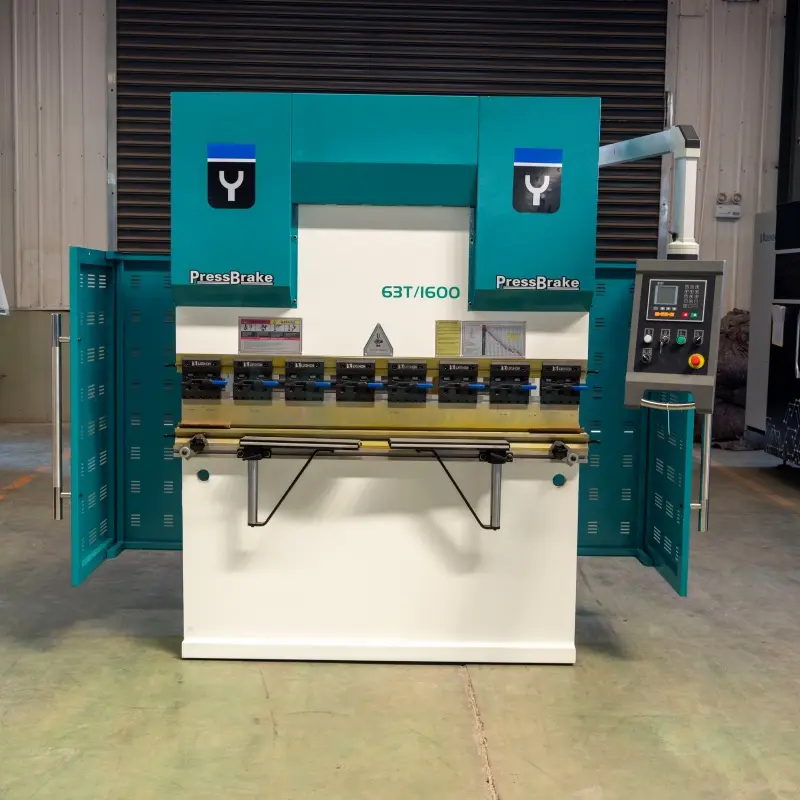
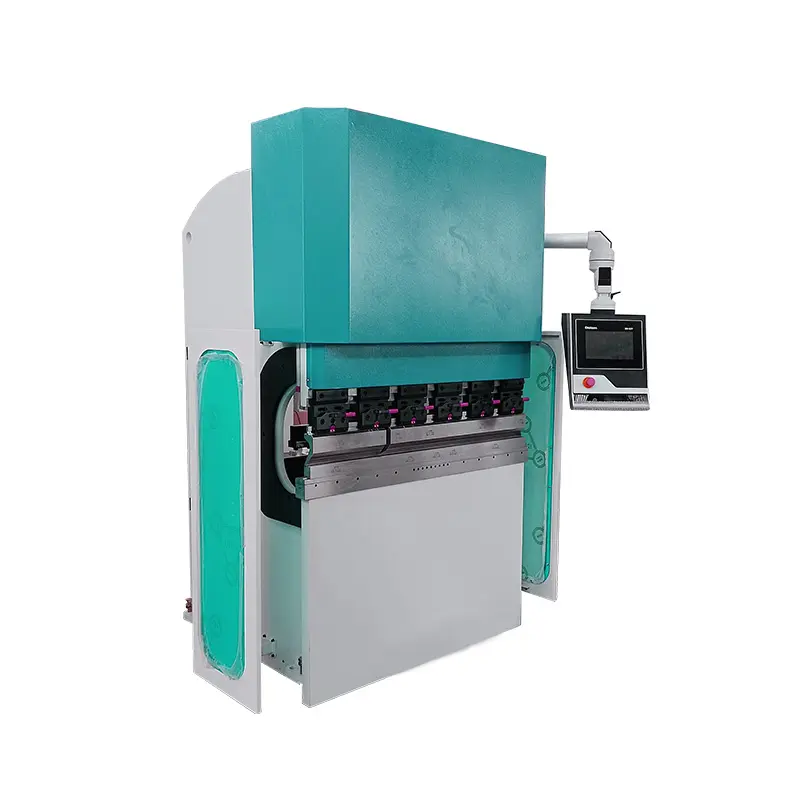
Our product range includes specialized laser cladding, cleaning, welding, cutting, bending, and shearing machinery designed for industrial processing.
Our R&D engineers address common client questions regarding operational costs and system optimization:
 Lxshow