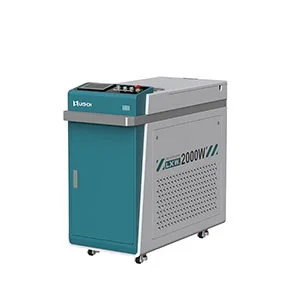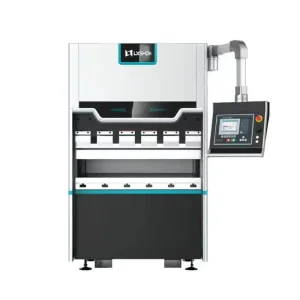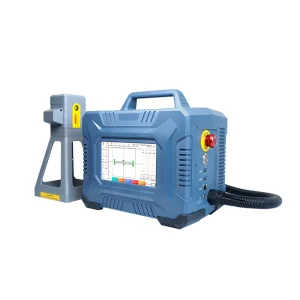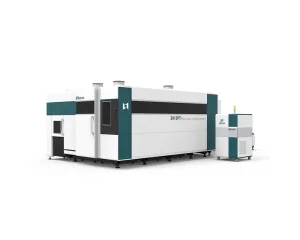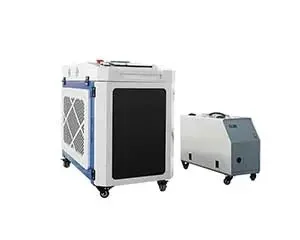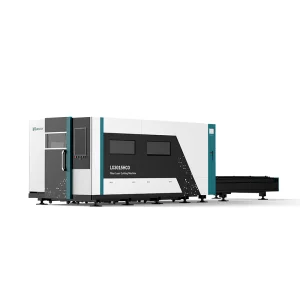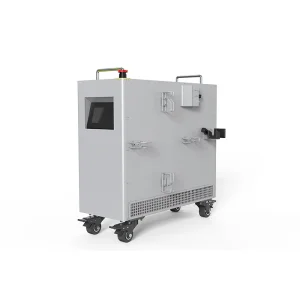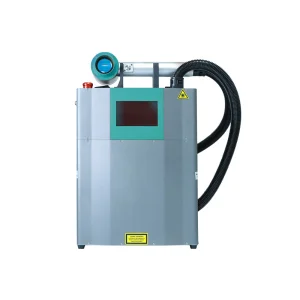
China 1 Kw Fiber Laser Manufacturers & Exporter

Precision Engineering, Intelligent Controls, and Industrial Scalability—Unveiling High-Efficiency Solid-State Laser Solutions for Global Smart Factories.

18+
Years of Laser R&D
150+
Exporting Countries
20,000+
Global Users
32,000+
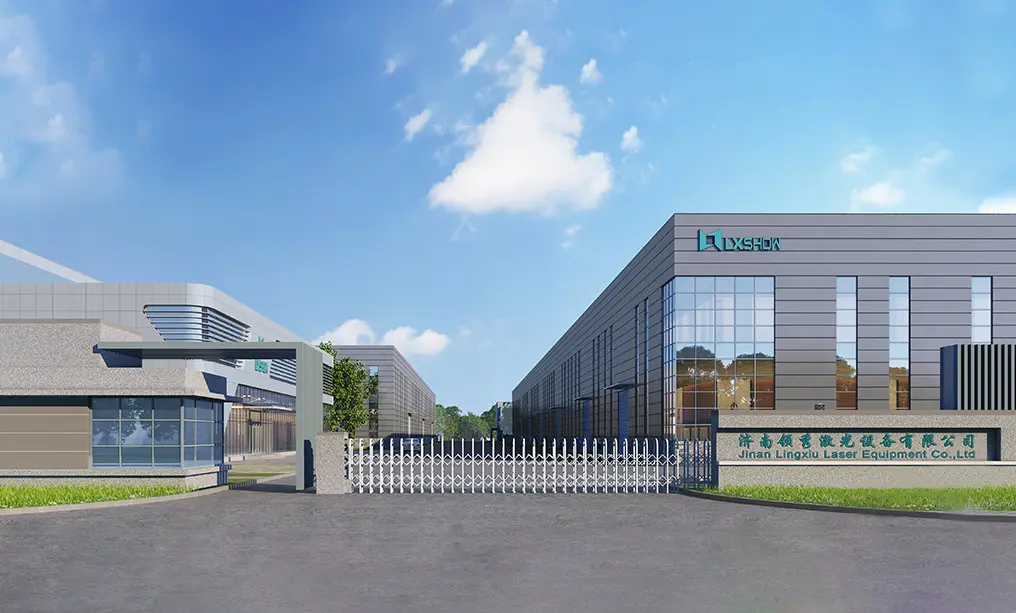
Sqm Production Plant

1 kW Fiber Laser Engineering & Global Manufacturing Leadership

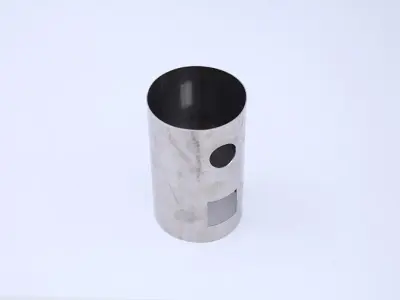
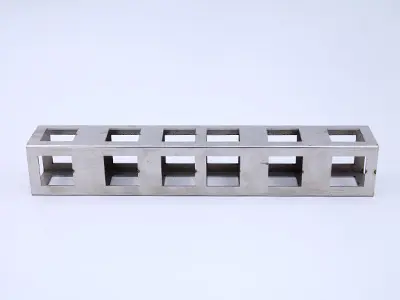
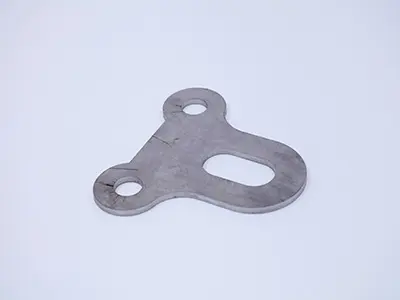
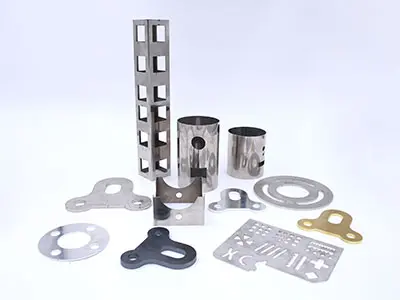
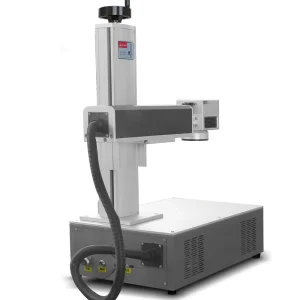
In modern precision metalworking, the 1 kW (1000W) fiber laser serves as the fundamental benchmark for high-efficiency, mid-thin sheet metal processing. Offering a near-perfect balance of capital investment, low operating overhead, and high-speed throughput, 1 kW systems have revolutionized sheet metal cutting, selective laser marking, high-fidelity welding, and advanced rust removal.

As a global leader in laser intelligence, our factory (established in July 2004) has spent over 18 years refining the optoelectronic efficiency and mechanical rigidity of industrial laser systems. Operating within a modern 32,000 square meter manufacturing base with dedicated R&D facilities exceeding 500 square meters, we support over 20,000 users worldwide. Our machines comply with the most stringent global standards, including the European Union CE authentication, American FDA certificate, and ISO 9001 quality management system.

"The shift toward Industry 4.0 demands precision, adaptability, and high energy efficiency. The 1 kW fiber laser platform delivers unmatched performance-to-cost metrics, serving as the foundational building block for automated production lines worldwide."

1 kW Fiber Laser Material Performance Matrix

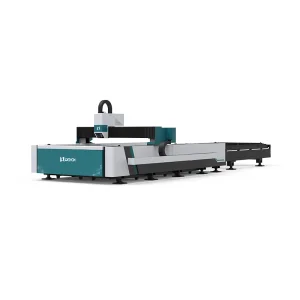
To assist global procurement managers in verifying application compatibility, the table below showcases real-world performance metrics for our 1000W fiber laser cutting heads. Operating with high gas pressures (Oxygen, Nitrogen, or Compressed Air) alters cutting speeds and edge qualities significantly.

Material Type Optimal Cut Thickness (mm) Maximum Cut Thickness (mm) Recommended Assist Gas Avg. Cutting Speed (m/min)
Carbon Steel / Mild Steel 1.0 - 6.0 mm 10.0 - 12.0 mm Oxygen (O₂) 1.2 - 8.0 m/min
Stainless Steel (SUS304/316) 1.0 - 4.0 mm 5.0 mm Nitrogen (N₂) / Air 1.5 - 12.0 m/min
Aluminum Alloys (6000/7000 Series) 1.0 - 3.0 mm 4.0 mm Nitrogen (N₂) 1.0 - 6.0 m/min
Brass & Refractive Copper 0.5 - 2.0 mm 3.0 mm Nitrogen (N₂) / Oxygen (O₂) 0.8 - 4.5 m/min

Note: The cutting speed is highly dependent on optical alignment, focal point tuning, gas purity, and material composition. High-precision sheet metal processing benefits immensely from active height adjustment sensors integrated into our cutting heads.

Why Sourcing 1 kW Fiber Lasers from Chinese Manufacturers Offers Maximum ROI

1. Vertically Integrated Supply Chain

Shandong and surrounding high-tech manufacturing corridors house the world's most concentrated optical and mechanical supply chains. From structural steel gantry casting to high-end fiber optical components (Raycus, Maxphotonics, JPT, IPG), this localization reduces transit time, lowers component sourcing costs, and accelerates customized configuration (OEM/ODM).

2. Rigorous Stress-Relief Testing

High thermal stability is crucial. Our factory applies 600°C high-temperature heat treatment (annealing) to our carbon steel machine beds to relieve internal mechanical stress. This guarantees the machine maintains an accuracy level of ±0.02mm over a 10-to-15-year operational cycle.

3. Complete Regulatory Compliance

We supply OEM services for over 30 global manufacturers. Our production control loops strictly conform to ISO 9001 protocols, and every exported machine is fitted with integrated protective interlocks, dust extraction ducts, and certified electrical enclosures complying with CE and FDA export regulations.

Target Industries & Macro Application Scenarios

1 kW fiber laser solutions are highly versatile and are widely adopted across heavy industries, automotive workshops, agricultural machinery fabrication, and micro-electronics production.

Hardware Manufacturing
Kitchenware Fabrication
Sheet Metal Enclosures
Automotive Modifications
Electrical Cabinetry
Crafts & Industrial Design
Signage & Advertising
Sporting Goods Production
Architectural Lighting
Machinery Manufacturing
Precision Eyewear / Glasses
Aerospace Sheet Components

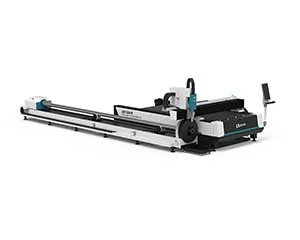
Our material classification coverage spans Aluminum, Carbon Steel, Copper, Galvanized Steel, Round Tubes, Square Tubes, and Stainless Steel. By offering modular cutting, welding, and cleaning configurations, we assist factories in implementing automated manufacturing networks that reduce scrap rates and optimize physical labor overhead.

State-of-the-Art Production Facility & Infrastructure

Step inside our ISO-certified facilities. Our 32,000+ sqm manufacturing campus hosts high-precision machining centers, laser interferometers for gantry calibration, cleanrooms for optical assembly, and dedicated testing bays.
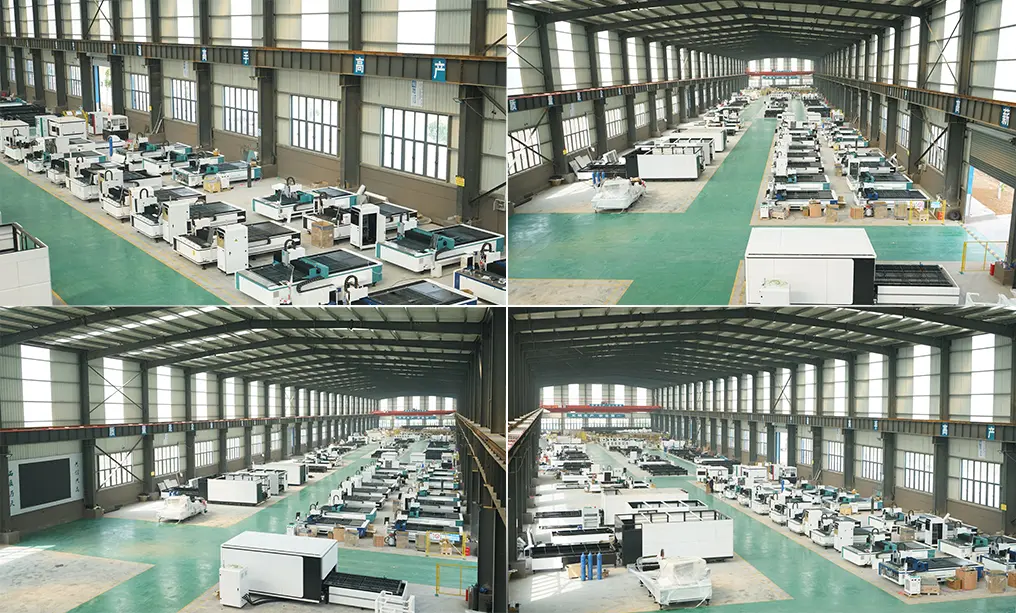
Heavy Machinery Gantry Assembly Workshop

Assembly Workshop

LXSHOW Factory Production Line Area

Main Production Plant

LXSHOW Corporate Reception Front Desk

Factory Reception Desk

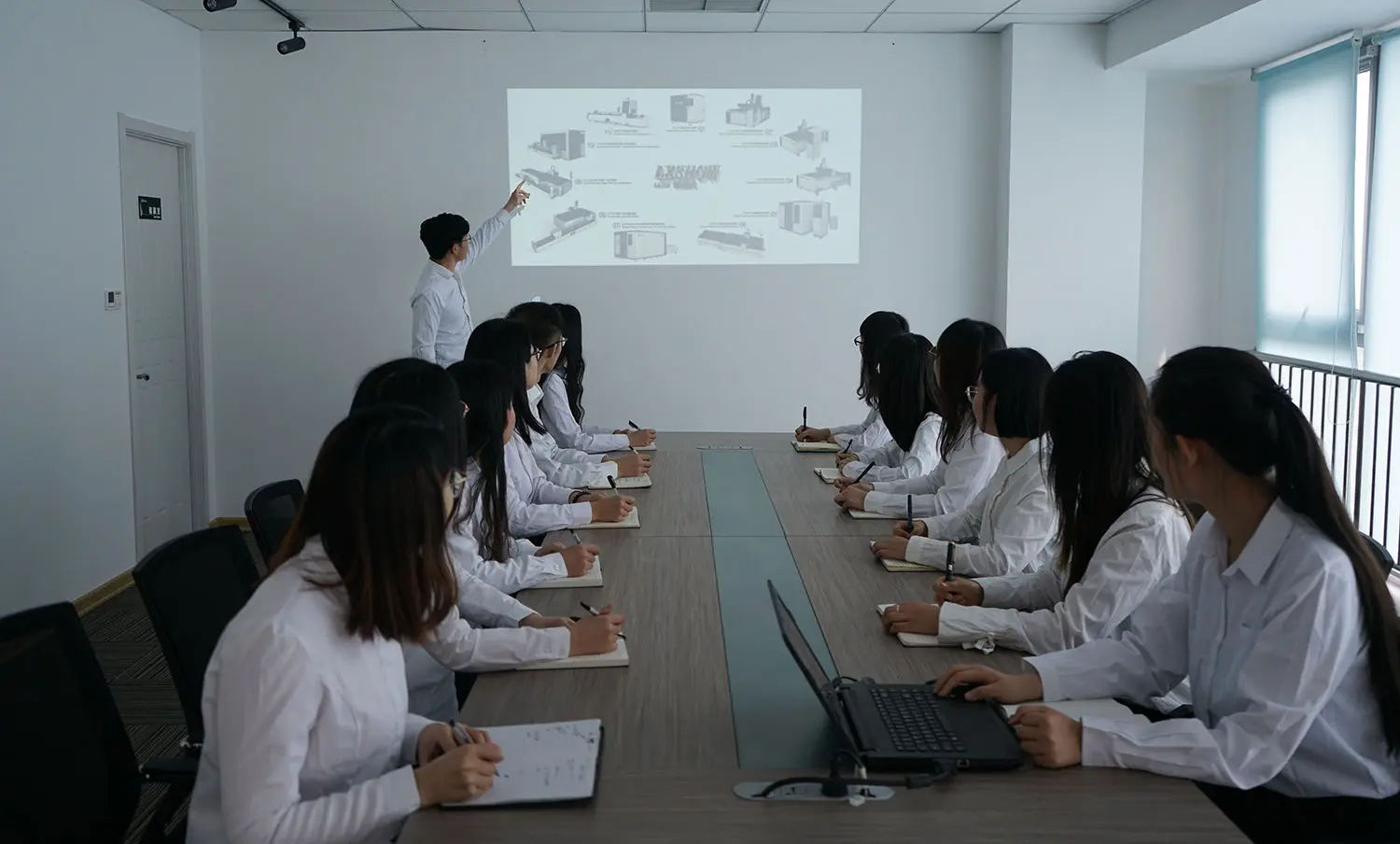
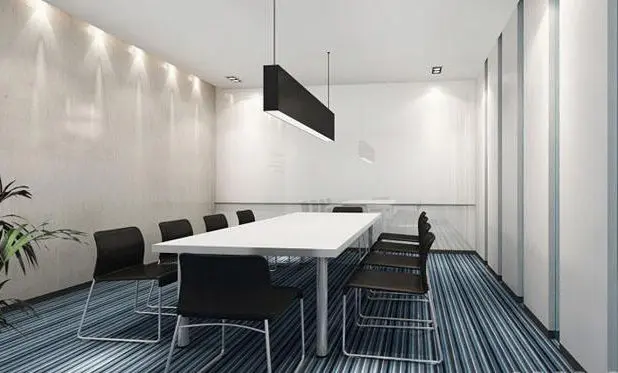
International Business Meeting Room

Executive Meeting Room

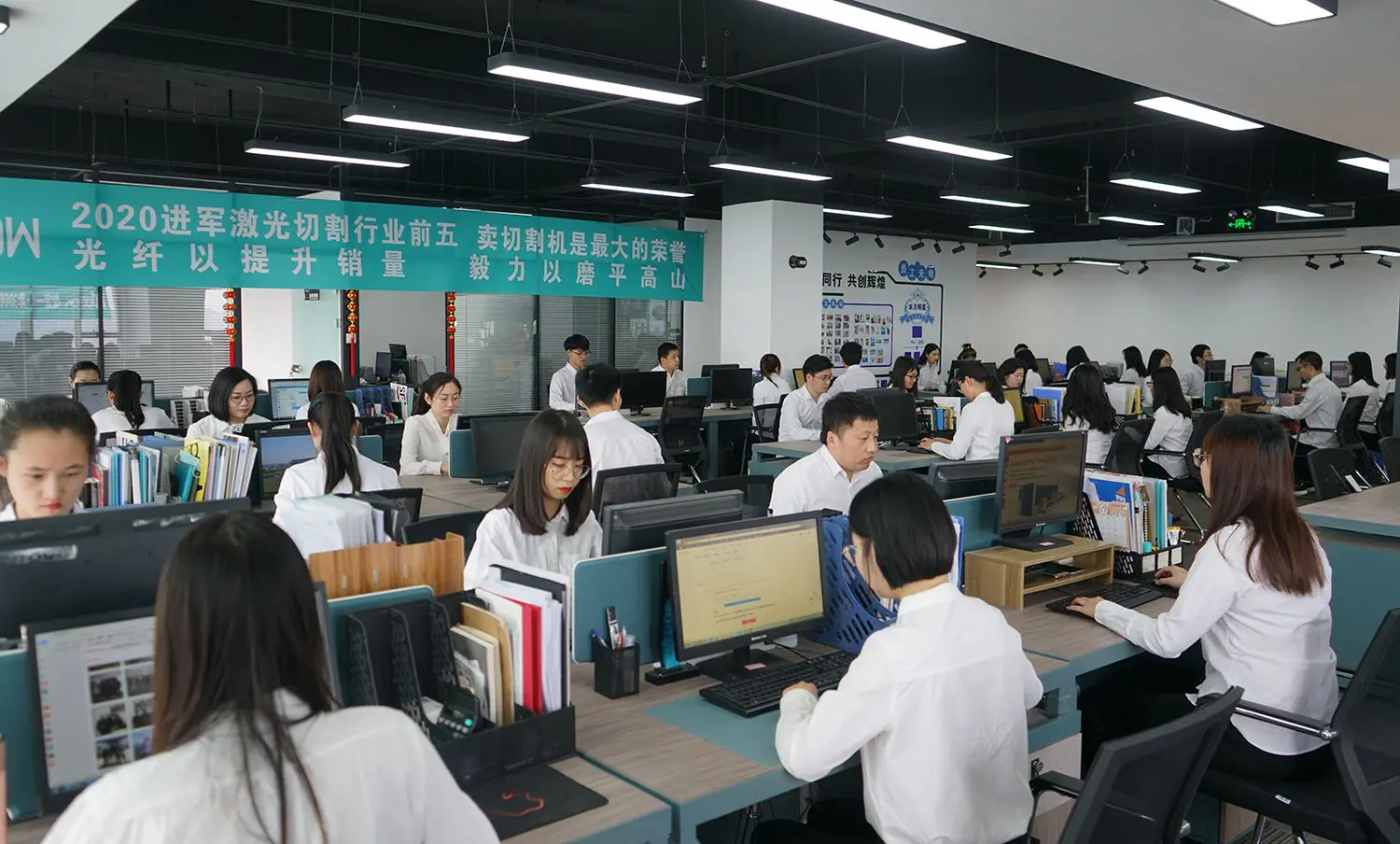
LXSHOW Sales and Service Work Office

Sales & Logistics Office

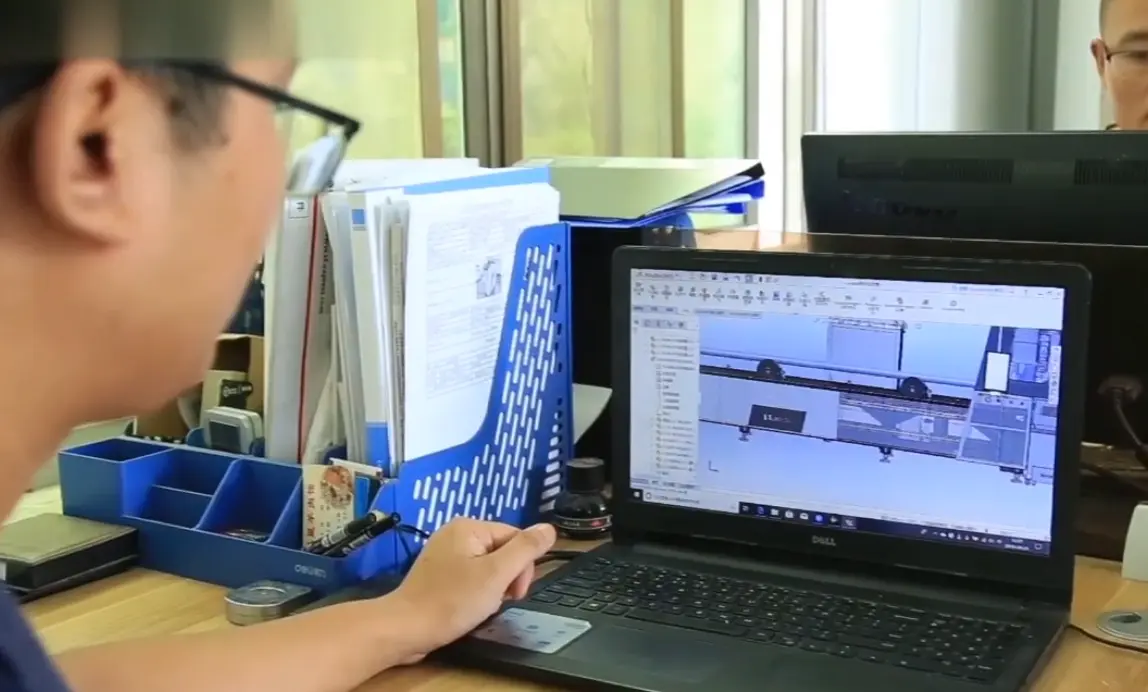
Optical and Structural Design Team

Machine R&D Design Team

Customer Reception and Training Center

Customer Reception Lounge

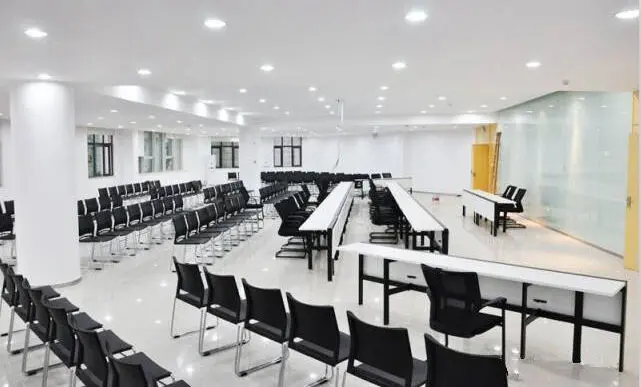
Technical Training & Customer Onboarding Room

Global Training Center

Optimized Materials Selection

Understanding how laser light interacts with different metal alloys is the key to minimizing edge slag and heat-affected zones (HAZ). We support processing designs for a broad spectrum of engineering materials.
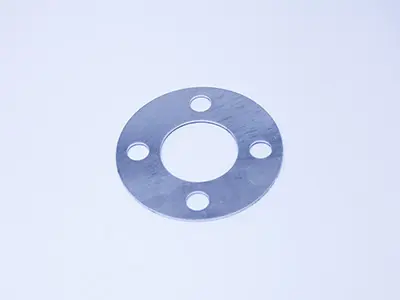
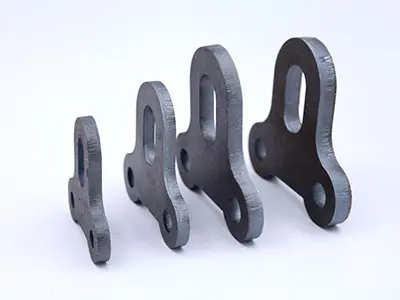
Aluminum Plate Cutting
Aluminum Processing
Carbon Steel Plate Cutting
Carbon Steel Cutting
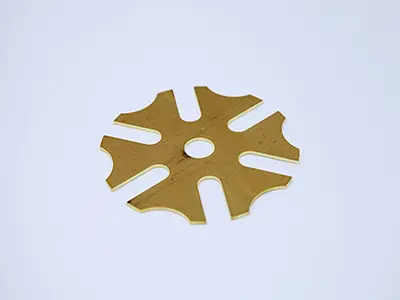
Copper Laser Cutting
Copper and Brass
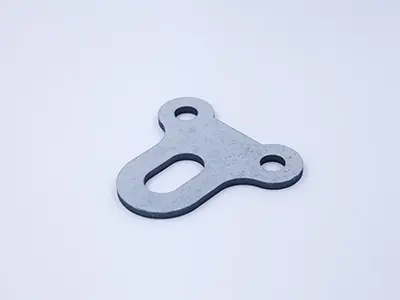
Galvanized Sheet Processing
Galvanized Steel
Round Tube Profiling
Round Tube Cutting
Square Tube Framing
Square Tube Cutting
Stainless Steel Panel Machining
Stainless Steel Cutting
Other Specialty Alloys
Other Metals & Alloys

Technical FAQ: Strategic Insights for 1 kW Fiber Laser Sourcing

Our technical team answers the most critical questions asked by procurement managers, process engineers, and workshop owners evaluating 1000W fiber laser systems.

Q1: What are the thickness limitations of a 1 kW fiber laser for mild steel versus stainless steel?
A 1 kW fiber laser is optimal for high-speed precision cutting of mild steel up to 6mm and stainless steel up to 4mm. In structural or heavy fabrication contexts, it can achieve clean sever cuts on mild steel up to 10-12mm and stainless steel up to 5mm using specialized low-frequency piercing and high-pressure oxygen cutting parameters, though travel speed will be reduced to roughly 0.6–0.8 m/min.
Q2: How does the choice of assist gas (Oxygen vs. Nitrogen) affect operational costs and edge quality?
Oxygen (O₂) acts as an active cutting gas for carbon steel, initiating an exothermic reaction that produces a fast cut but leaves a dark, oxidized layer that requires cleaning prior to welding or painting. Nitrogen (N₂) is an inert gas that relies purely on kinetic force to blow away molten metal. It is essential for stainless steel and aluminum, resulting in a bright, oxidation-free edge. Operating with Nitrogen requires higher pressures (12–18 bar), which increases utility costs but eliminates post-process grinding.
Q3: Why are Chinese manufacturers using gantry stress-relief heat treatment for 1 kW machinery?
During the welding of structural steel beds, immense residual stresses are locked within the joints. Without heat treatment, these stresses gradually release over months or years, causing microscopic twists in the guide rails. We bake our machine beds in a specialized stress-relief annealing furnace at 600°C before machining. This step ensures structural stability and guarantees positional accuracy stays below ±0.02mm for decades.
Q4: What is the differences between MOPA pulsed lasers and continuous wave (CW) fiber lasers?
Continuous Wave (CW) fiber lasers deliver a steady, unbroken stream of light, making them ideal for deep-penetration metal cutting and high-speed seam welding. MOPA (Master Oscillator Power Amplifier) pulsed lasers emit discrete pulses of energy where pulse width and frequency can be modulated independently. This is essential for color-marking metals like stainless steel, marking heat-sensitive plastics, and performing precise ablation in laser cleaning without melting the underlying metal substrate.
Q5: Can a 1 kW fiber laser cut highly reflective metals like brass, copper, and bronze?
Yes, provided the laser cutting head is equipped with back-reflection protection systems. Highly reflective metals bounce light back into the optical fiber, which can destroy the laser source. Our advanced 1 kW fiber lasers feature optoisolators and secondary protective optical sensors. Using nitrogen assist gas and proper lead-in angles prevents back-reflection damage and enables reliable cuts on copper up to 2mm and brass up to 3mm.
Q6: What certifications are necessary for importing industrial lasers into the US and EU?
For the European Union, the machinery must hold a CE mark, verifying compliance with the Machinery Directive, Low Voltage Directive, and Electromagnetic Compatibility (EMC) standards. For the United States, the laser source must be registered with the FDA's Center for Devices and Radiological Health (CDRH), with a valid accession number. All our products are CE authenticated and FDA registered, ensuring smooth customs clearance and regulatory compliance.
Q7: What is the typical life expectancy of a fiber laser source in industrial environments?
Under proper environmental controls (dust-free workspace, humidity control, and regular water chiller maintenance), a high-quality fiber laser source (such as Raycus, JPT, or IPG) has a diode lifespan exceeding 100,000 hours. This translates to more than 10 years of continuous single-shift operations, with minimal degradation in beam quality.
Q8: How does a dual exchange table improve throughput in sheet metal cutting?
A dual exchange table (shuttle table) allows the operator to load new raw sheets and unload finished cut parts on the external pallet while the machine is actively cutting on the internal pallet. This eliminates loading downtime, increasing productivity by 35% to 50% compared to single-bed systems, and is ideal for high-volume automated production environments.
Q9: What maintenance is required for a 1000W fiber laser cutting system?
Daily maintenance involves checking and cleaning the protective windows of the laser head and verifying the cleanliness of the water chiller fluid. Weekly tasks include cleaning and lubricating the linear guide rails and rack-and-pinion transmission systems. Monthly checks require verifying the auto-focus calibration, checking the electrical connections, and inspecting the exhaust filtration system.
Q10: Can compressed air be used as an assist gas for cutting mild steel and stainless steel?
Yes, compressed air is an excellent cost-saving alternative for cutting thin stainless steel and mild steel (typically under 2mm). However, the air must be completely dry, oil-free, and filtered to prevent contamination of the protective lens. While air-cut edges are slightly oxidized due to the oxygen present in ambient air, they are highly suitable for parts that will undergo subsequent painting or coating.