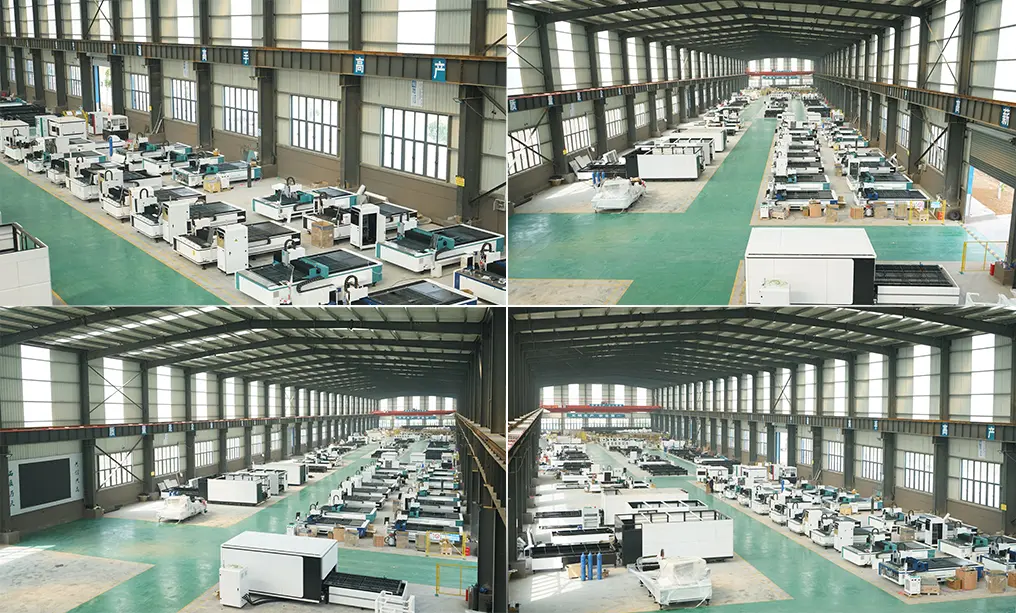
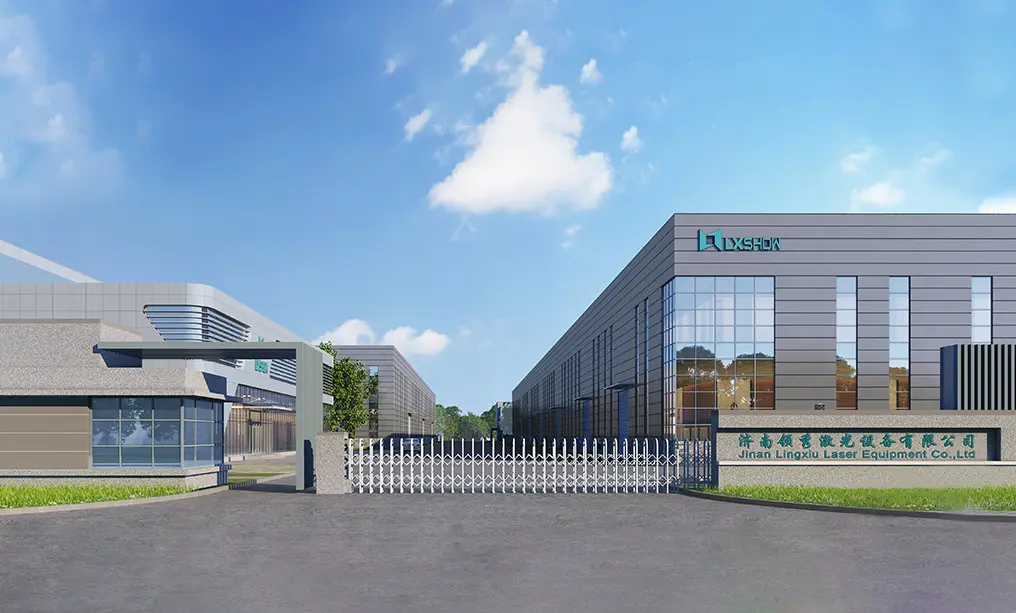
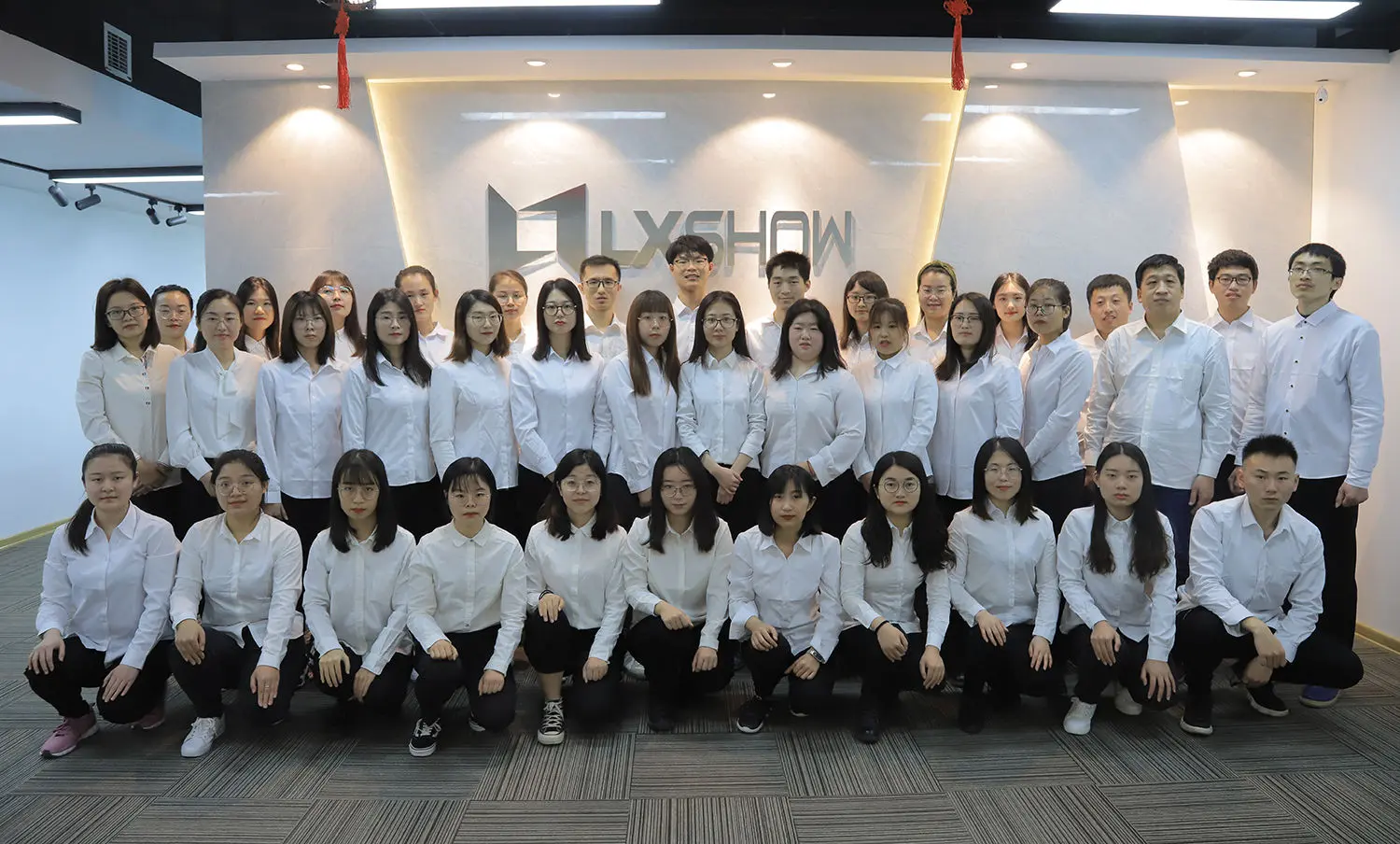
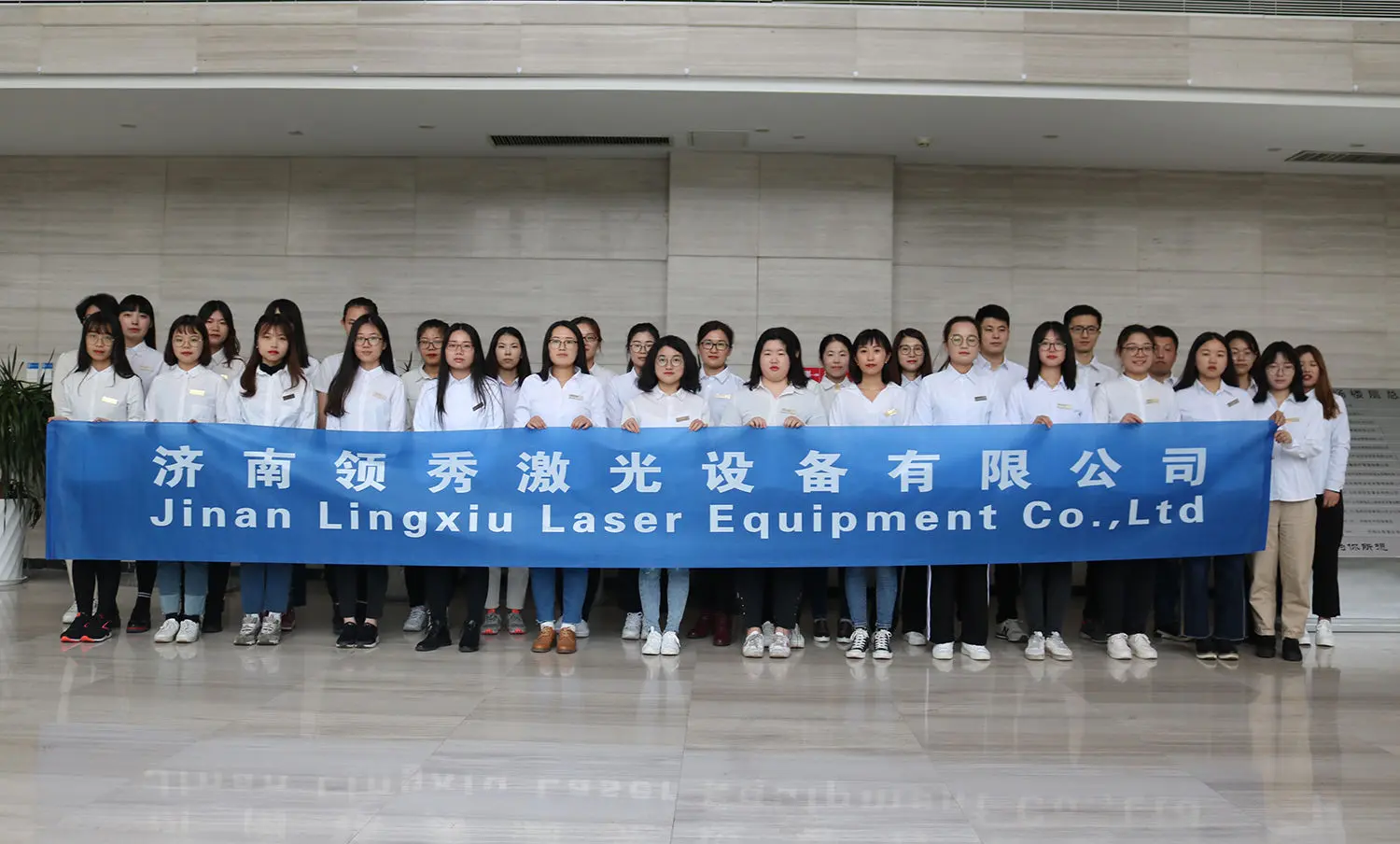
Established in July 2004, we have committed ourselves to the continuous development, refinement, and execution of top-tier sheet metal laser cutting, bending, welding, and surface treatment technologies. With over 500 square meters of specialized R&D and office space, combined with a modern 32,000 square meter factory base, we have established one of the world's most reliable and comprehensive manufacturing ecosystems. Our operations run in strict compliance with the European Union CE authentication, American FDA certificate, and ISO 9001 quality management systems.
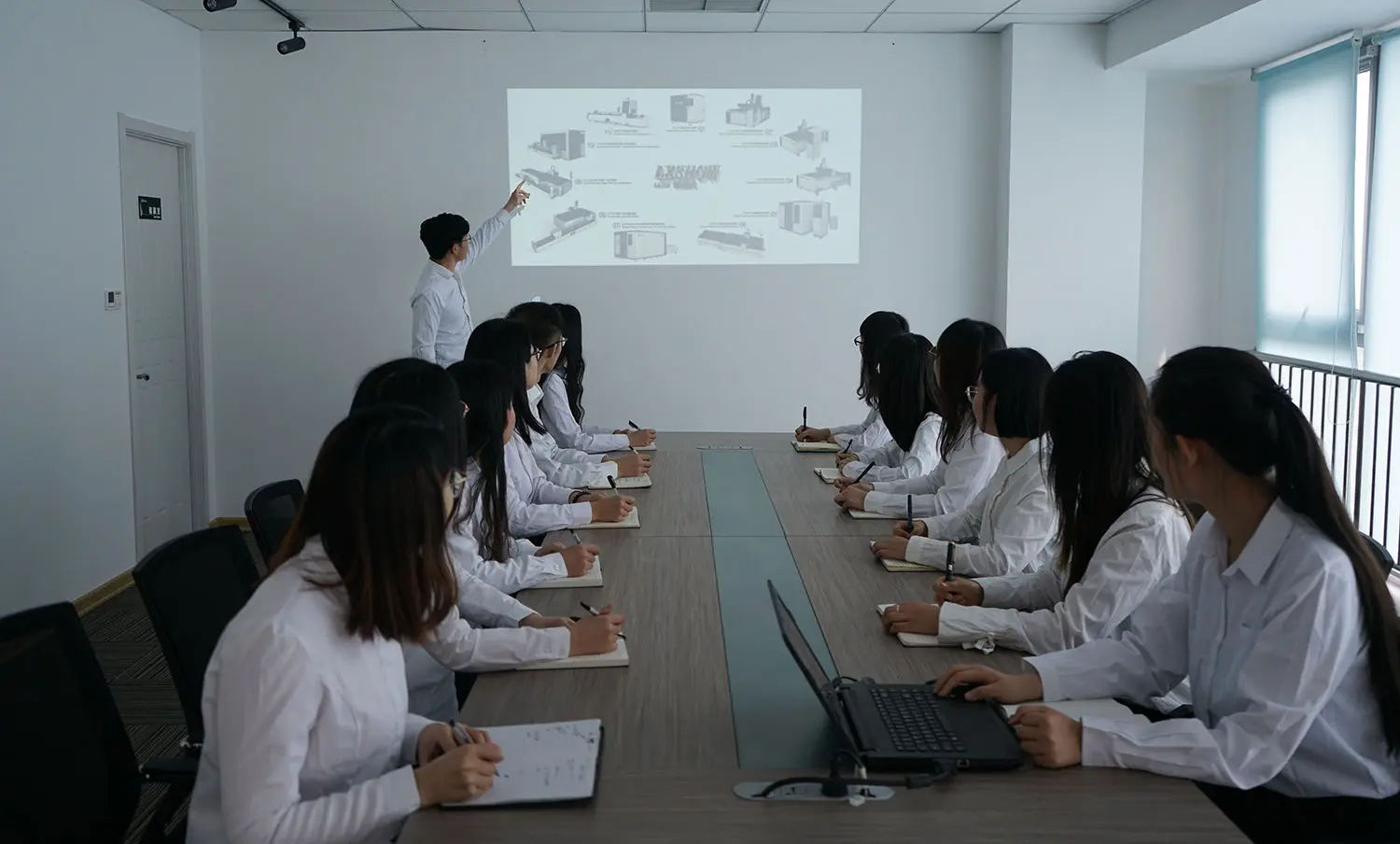
Our commitment goes beyond manufacturing. We provide robust technological support and direct integration systems. We maintain a dedicated communication center focusing on laser cutting, welding, and cleaning machines. By steering our production technologies toward Industry 4.0 standards, we help our partners build intelligent, high-efficiency plants that optimize material consumption, enhance safety, and drastically reduce processing bottlenecks.

The global CNC laser cutter sheet metal market has entered a mature phase, driven by the rapid growth of automotive, aerospace, structural engineering, and smart machinery industries. Historically, manufacturers relied on conventional mechanical shears, punch presses, and older CO2 laser technologies. However, the commercial pressure for higher output, minimal material waste, and rapid design changes has shifted the industry standard to Fiber Laser Technology.
Industrial output data shows that fiber lasers achieve cutting speeds up to three times faster than CO2 lasers when processing thin and medium-thickness metals (under 10mm). Additionally, they reduce energy consumption by up to 50%. This economic advantage has driven demand in metal fabrication hubs across the USA, Europe, Southeast Asia, and Australia. As standard sheet metal processing demands tighter tolerances (often within ±0.03mm), CNC fiber laser cutters have become essential for maintaining competitive production costs.
Fiber lasers use solid-state diodes to pump light through an active fiber optic cable doped with rare-earth elements like ytterbium. The resulting laser beam has a wavelength of approximately 1.06 microns—ten times shorter than the wavelength of a CO2 laser. This ultra-short wavelength yields several practical benefits:
The CNC sheet metal industry is evolving around three main axes: ultra-high laser power, multi-axis system integration, and software-driven process automation.
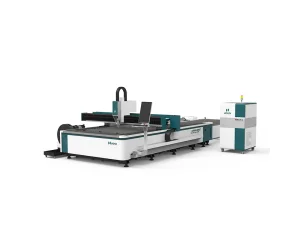
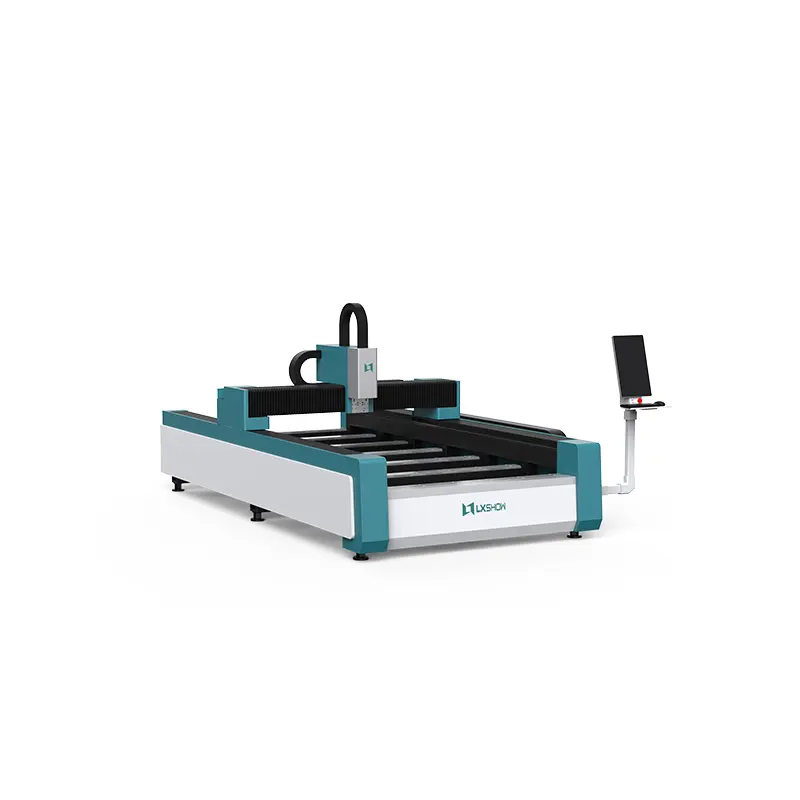
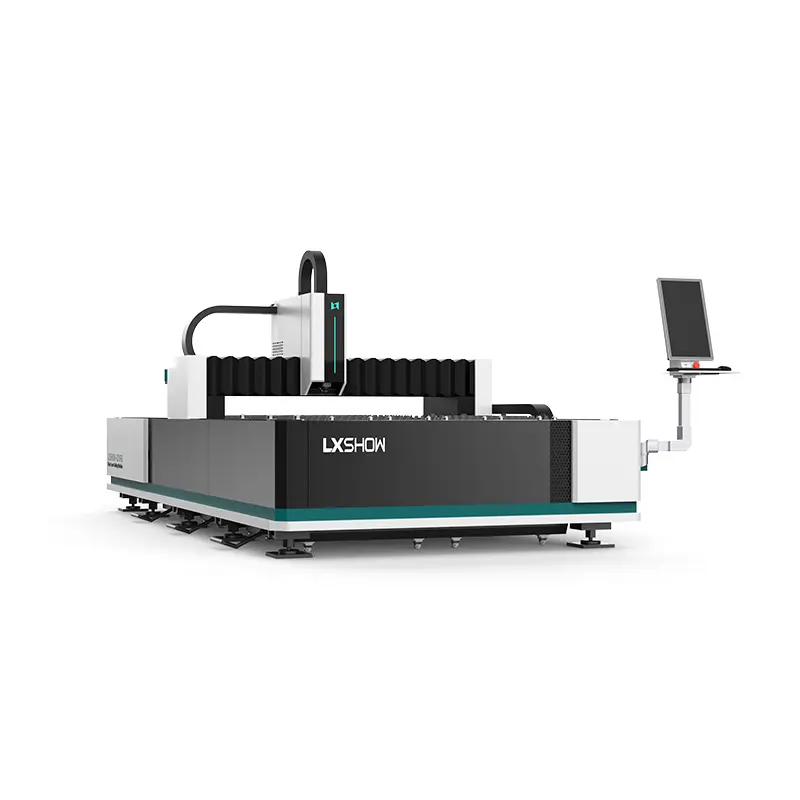
For decades, a 6kW system was considered high-power. Today, systems like the LX12025F (supporting 1kW to 40kW) are redefining manufacturing capabilities. High-power resonators allow fabricators to cut thick carbon steel and stainless steel (up to 50mm and beyond) using air or nitrogen instead of oxygen. This eliminates carbon oxidation on the cut edge, saving time on downstream painting and welding prep.
Modern laser cutting systems use advanced AI algorithms to optimize sheet nesting in real time. Intelligent nesting reduces scrap rates to under 10%. Real-time sensor networks in the cutting head monitor parameters like internal temperature, back-reflection levels, and protective window cleanliness. If a cutting defect or collision hazard is detected, the CNC controller halts the process instantly, protecting the optics and workpieces.
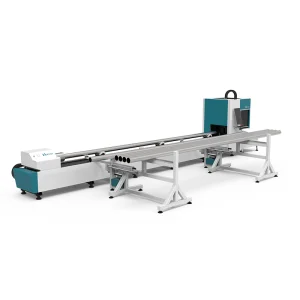
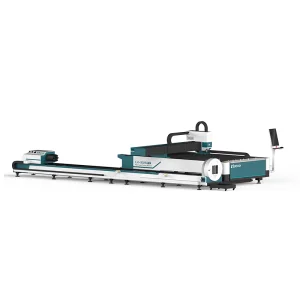
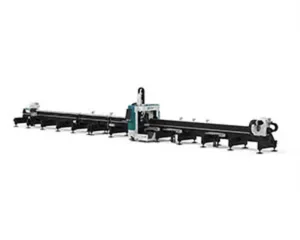
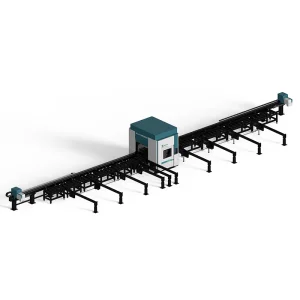
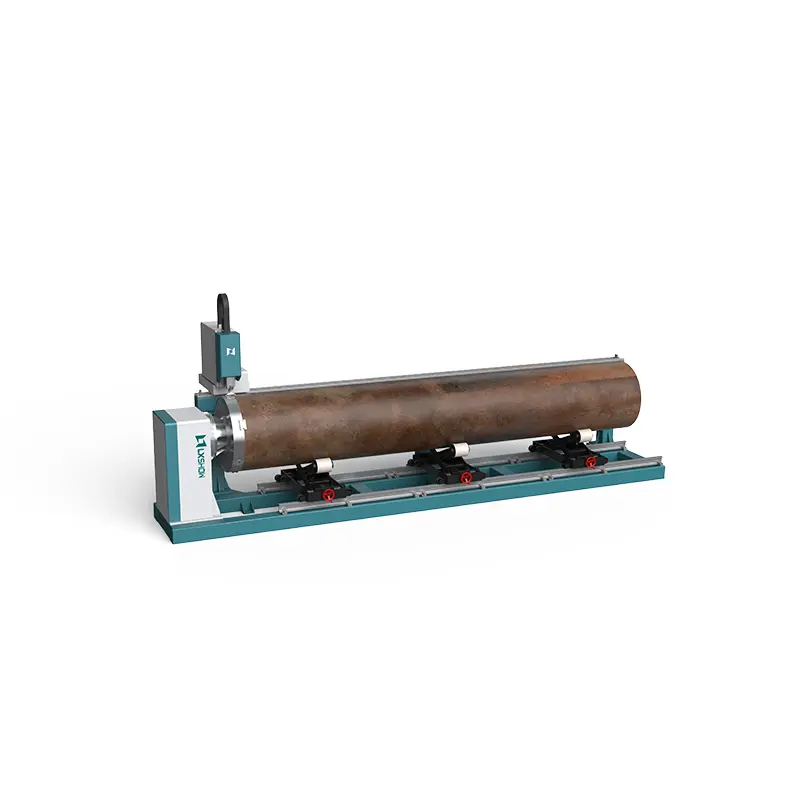
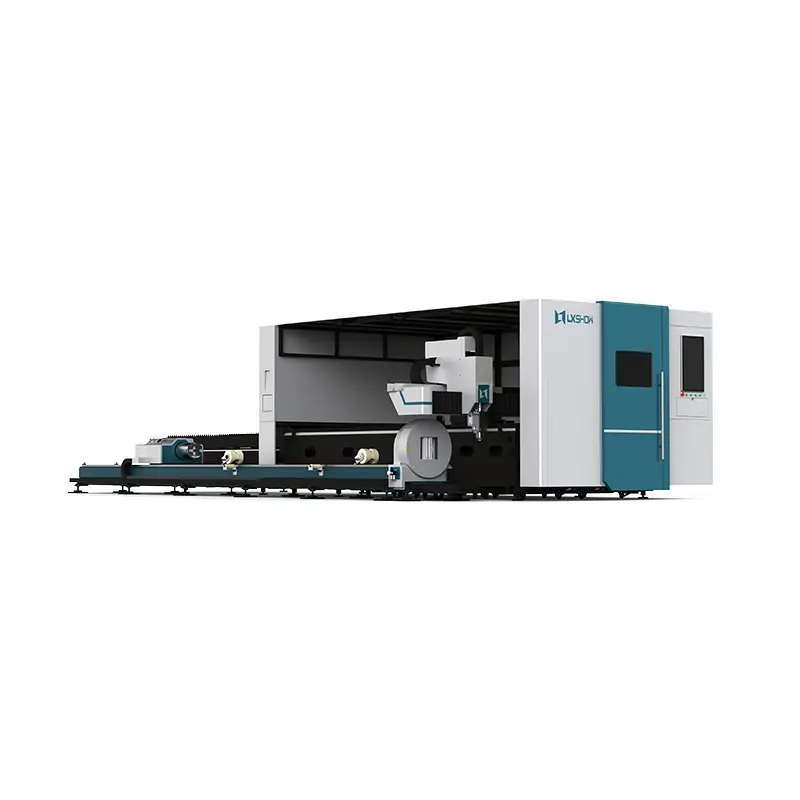
Processing standard hollow sections, channels, and structural profiles used to require separate operations like sawing, drilling, and milling. Modern 3-chuck systems (such as the LX92TX) allow for simultaneous cutting, beveling, and slotting of tubes and structural profiles. The 3-chuck design holds the tube firmly, reducing material waste near the chuck to nearly zero. This provides a single-station solution for complex geometry preparation.
Our CNC laser systems process a wide range of metals, each requiring specific laser properties, cutting gas profiles, and focal adjustments to achieve clean cuts without dross.
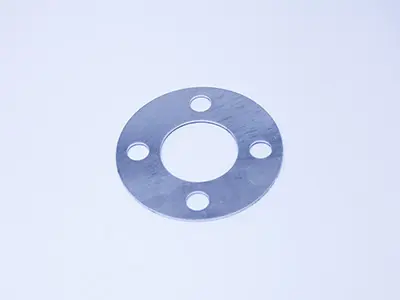
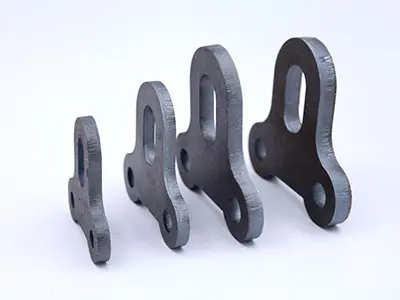
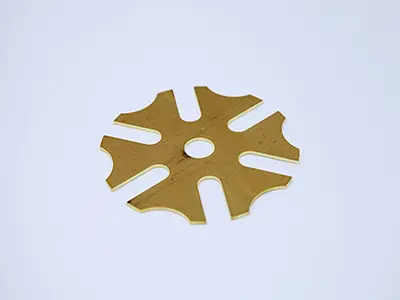
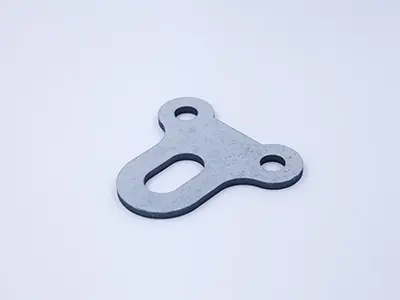
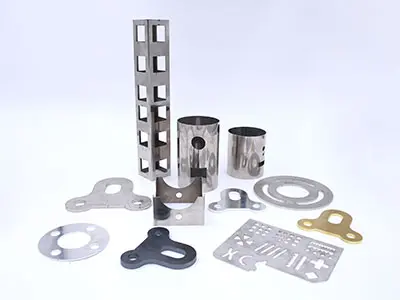
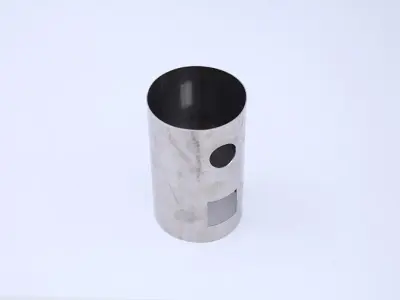
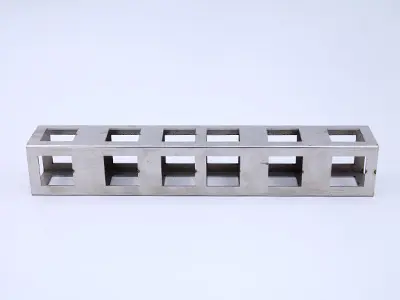
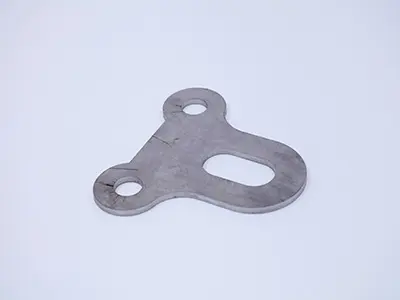
Integrating these systems into a factory workflow requires aligning the laser machinery with upstream design files (like CAD/CAM systems) and downstream forming operations (such as CNC press brakes). This unified workflow ensures that components transition from raw sheet metal to final assembly with minimal manual intervention.
A high-precision laser cut is only the first step in metal fabrication. To achieve an efficient, modern workflow, fabricators must integrate cutting with downstream processes like bending, deburring, and welding. Our macro industry solutions connect these stages to keep production lines running smoothly.
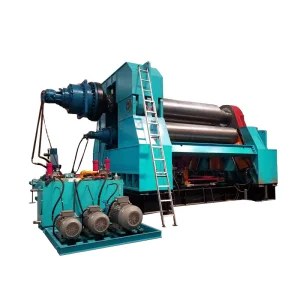
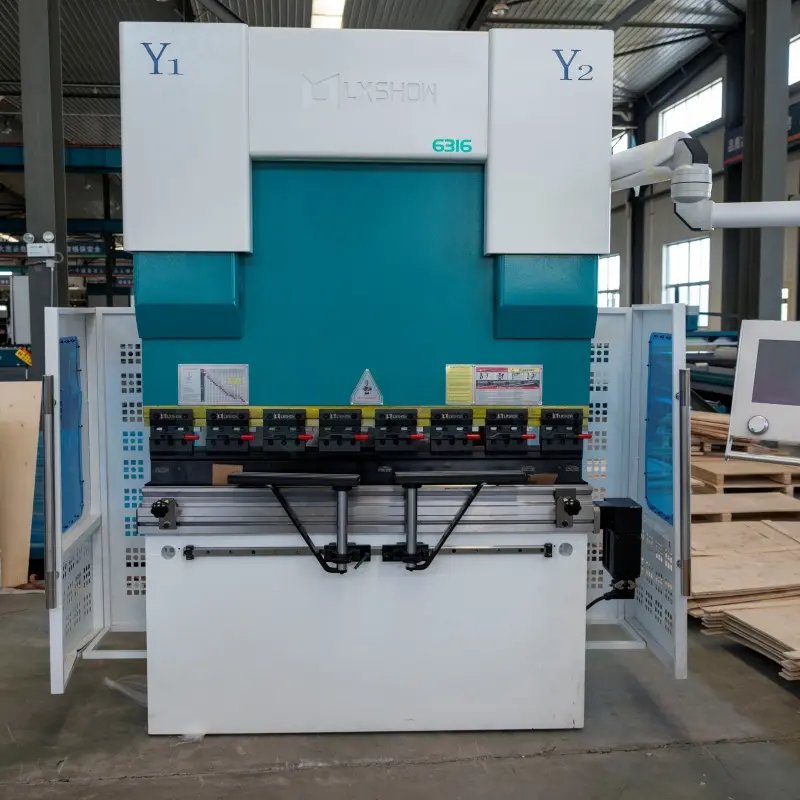
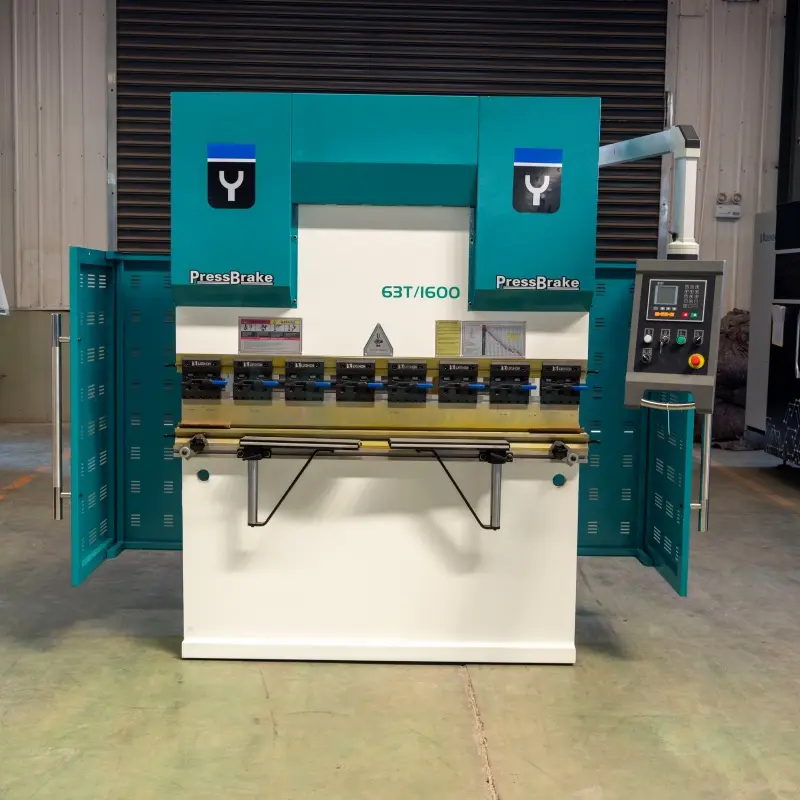
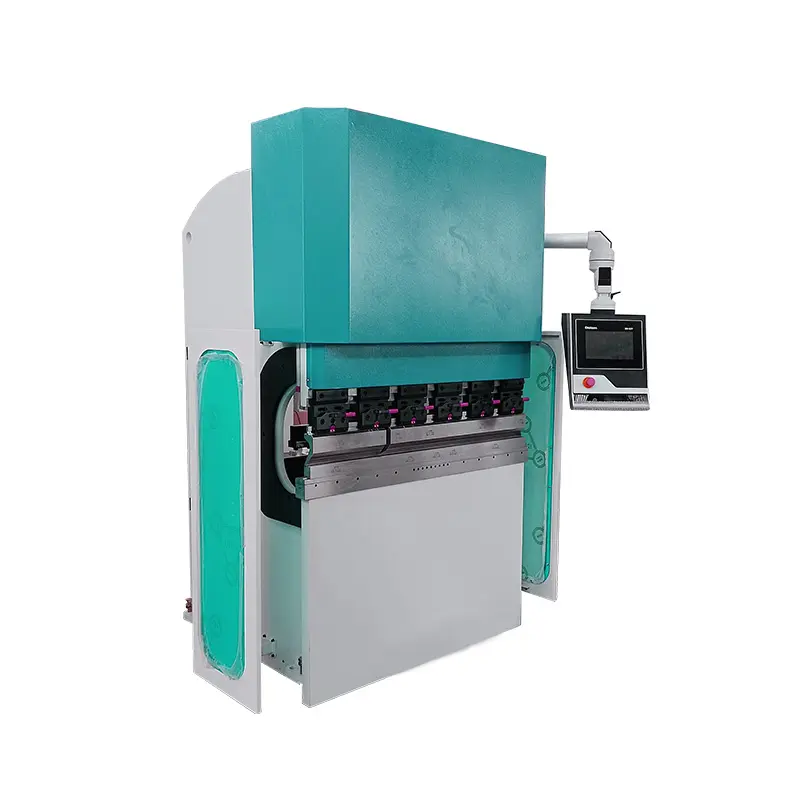
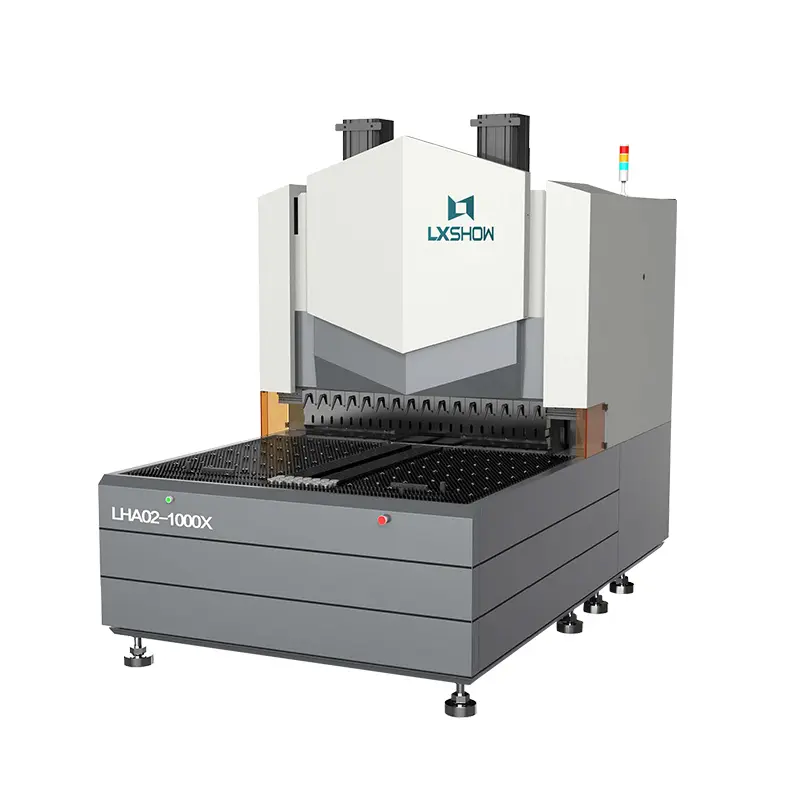
Once a part is cut, it must be formed accurately. Electro-hydraulic servo-driven press brakes (like the WE67K and WC67K series) provide consistent, high-tonnage control. CNC-controlled multi-axis backgauges automatically calculate flange lengths and bending sequences. This minimizes springback and keeps angular tolerances within ±0.5 degrees, even across varying material batches.
Even clean laser cuts can leave sharp corners or micro-slags. For parts requiring paint, powder coating, or food-grade certification, deburring is essential. Automated, multi-axis deburring systems (like the LX-RRW-450) run parts through orbital abrasive belts and wire brushes. This process rounds edges and removes oxide layers consistently, outperforming manual grinders in speed and uniformity.
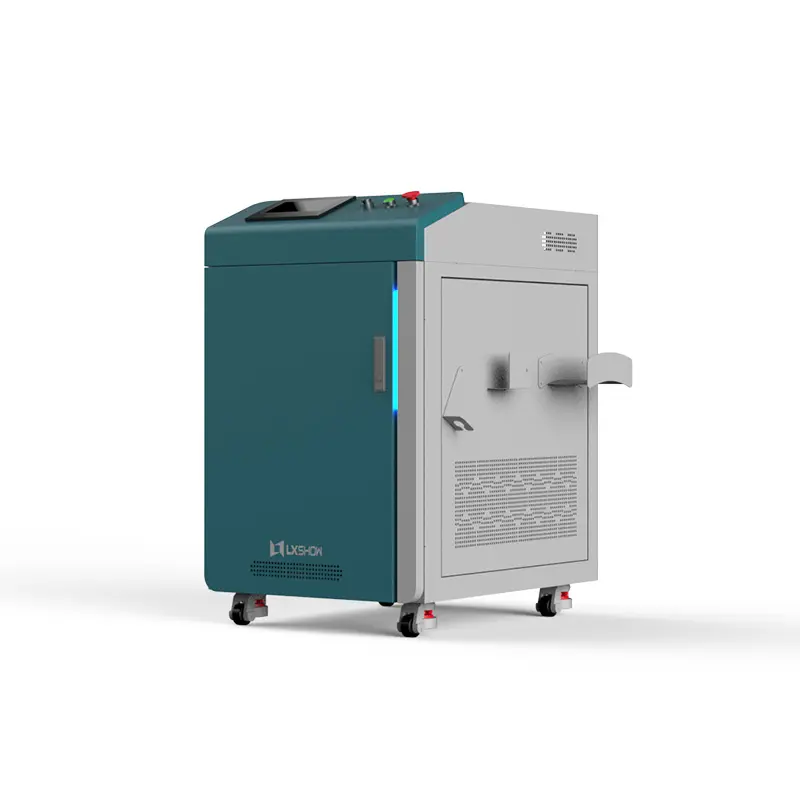
For final assembly, precision and alignment are critical. Advanced fiber laser welding stations (including handheld models and robotic cells like the LXW Series) offer significant advantages over traditional TIG or MIG welding. Laser welding minimizes heat input, reducing distortion in thin sheets. This allows for clean, strong joints that require little to no post-weld grinding.
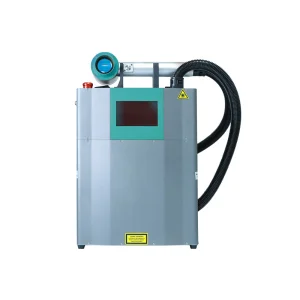
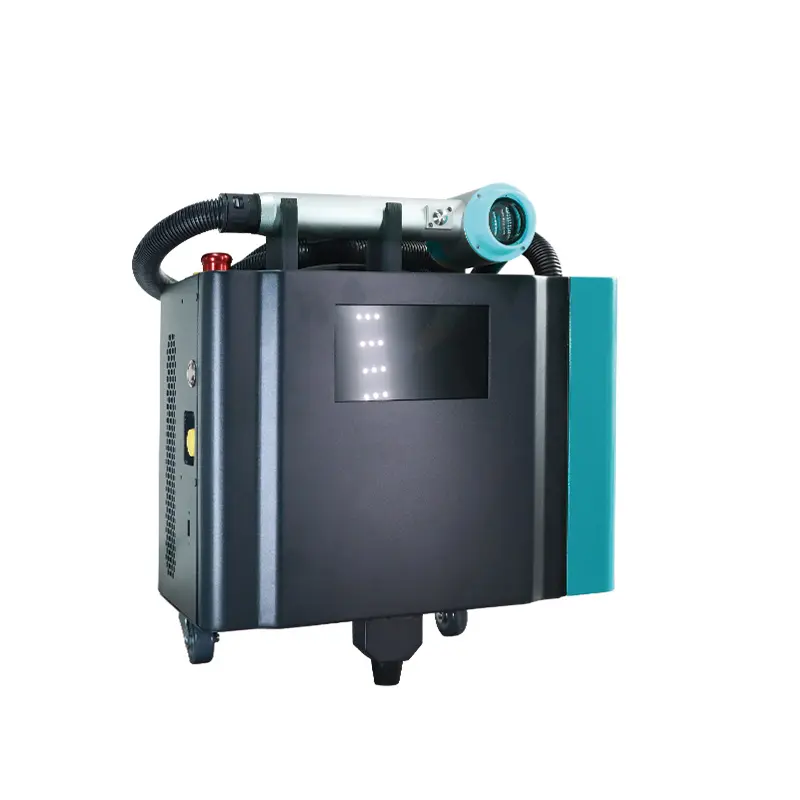
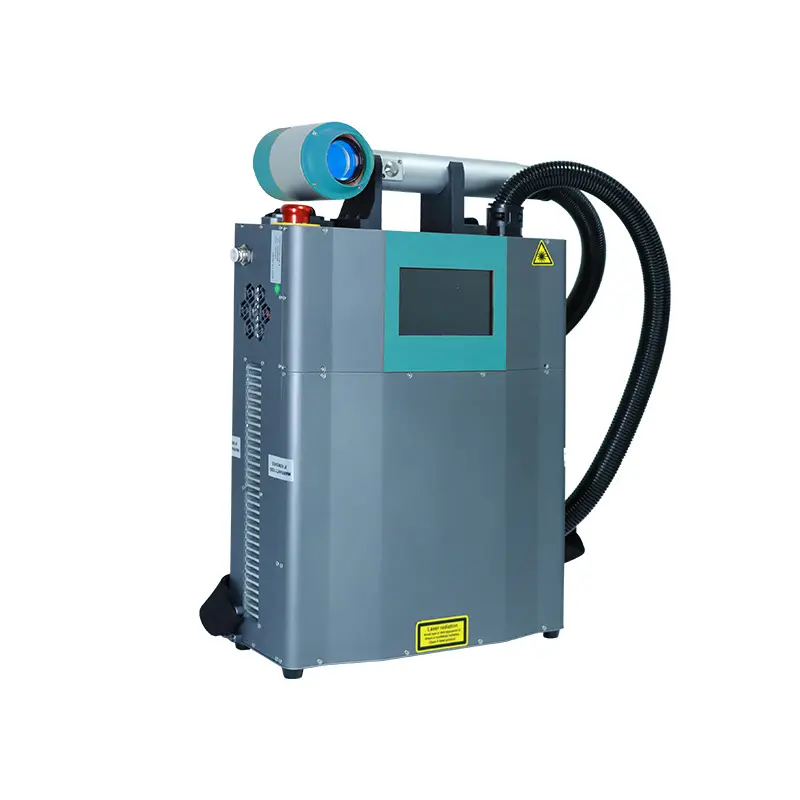
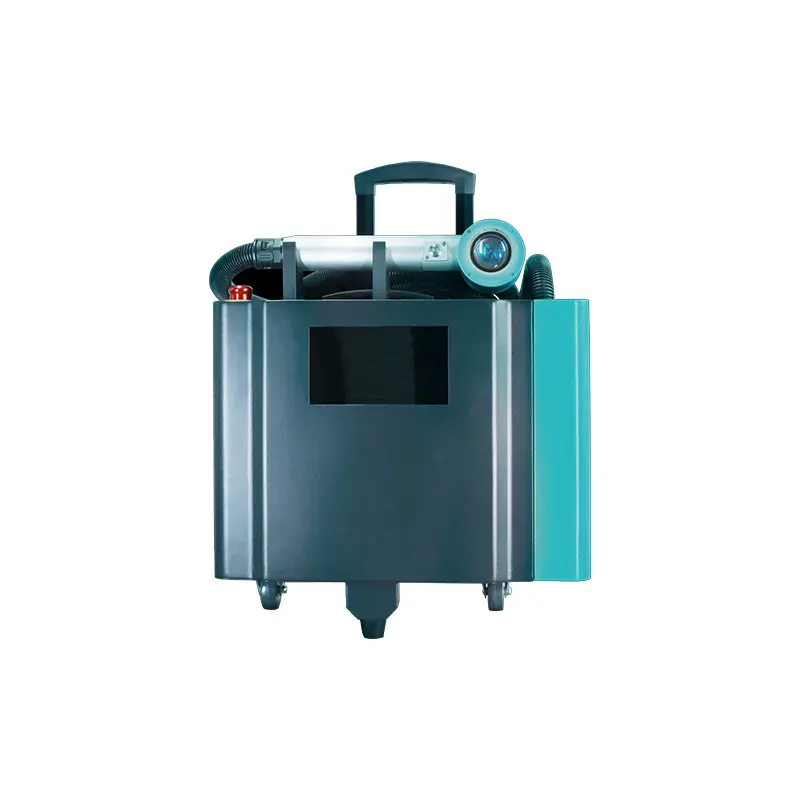
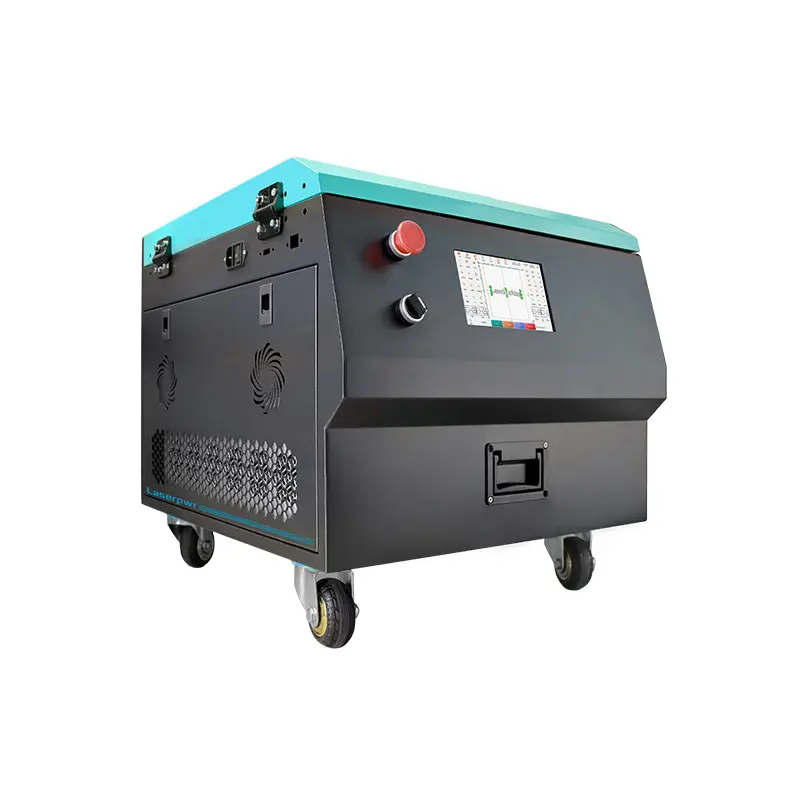
Finally, maintaining raw materials and components is key to long-term reliability. Portable backpack laser cleaners (like the 100W Backpack Cleaning Machine) offer a quick, chemical-free way to remove rust, paint, and mill scale. This ensures clean, oxide-free surfaces for subsequent welding, bonding, or painting steps.
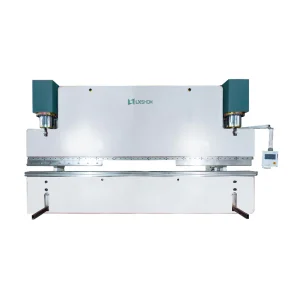
Designed to provide structural reinforcement, surface restoration, and wear-resistant coatings for high-load industrial components.
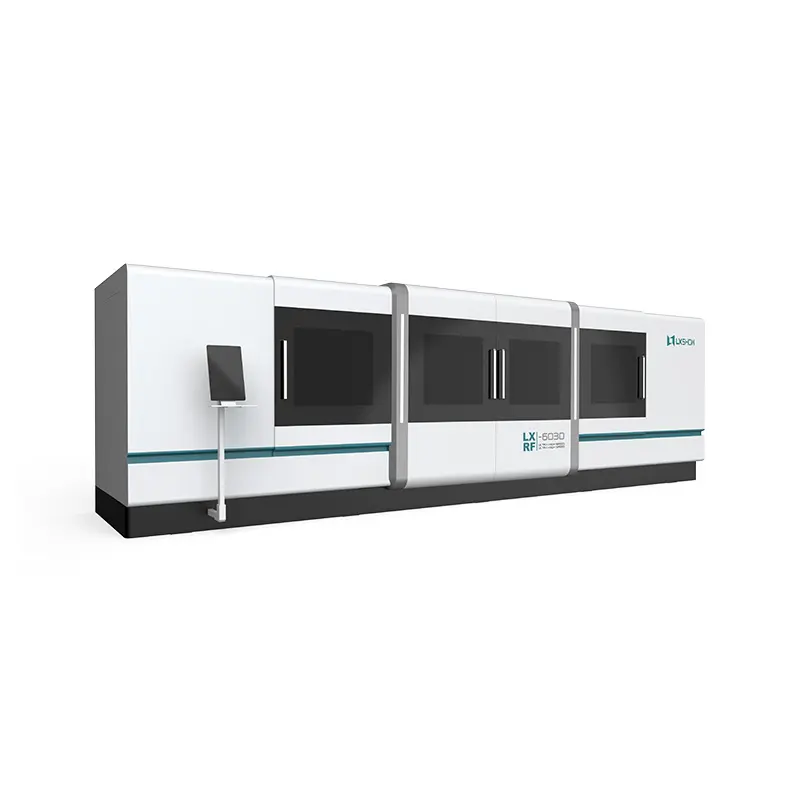
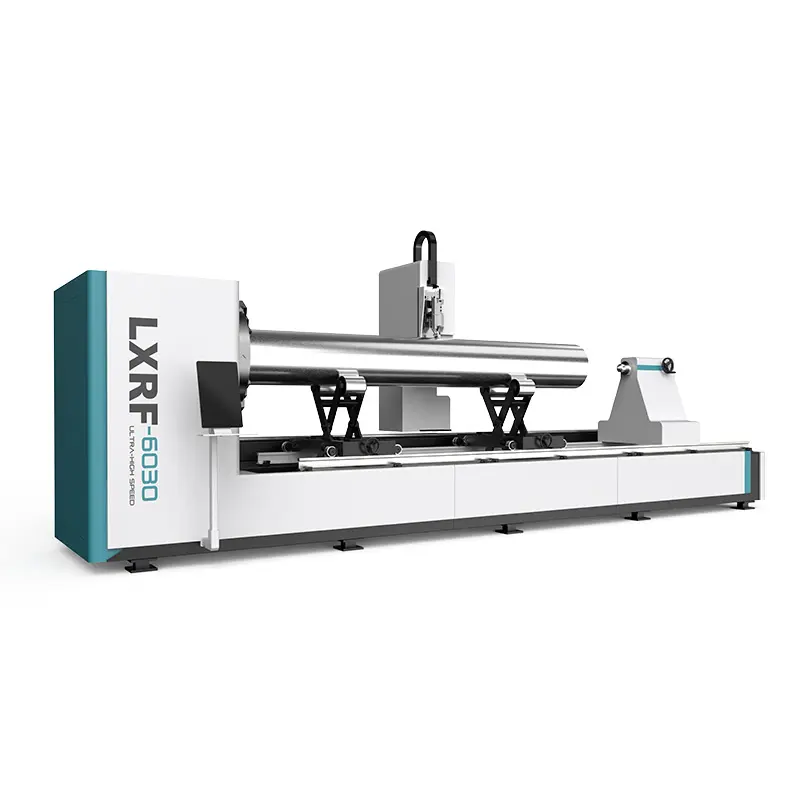
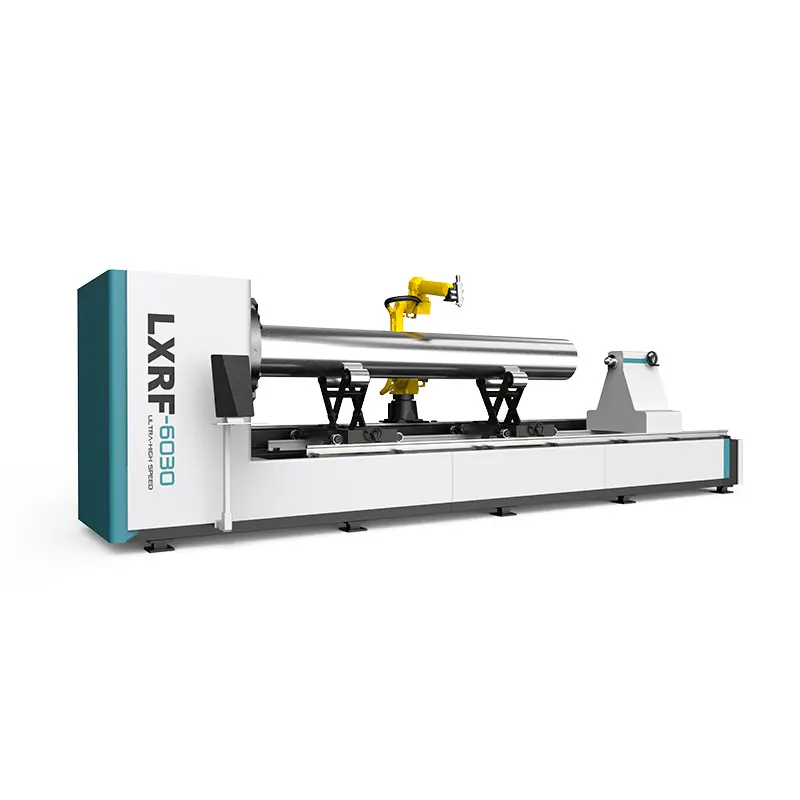
Eco-friendly rust, oxide, paint, and residue removal solutions requiring zero consumables.
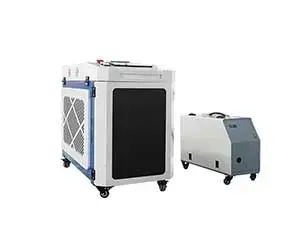
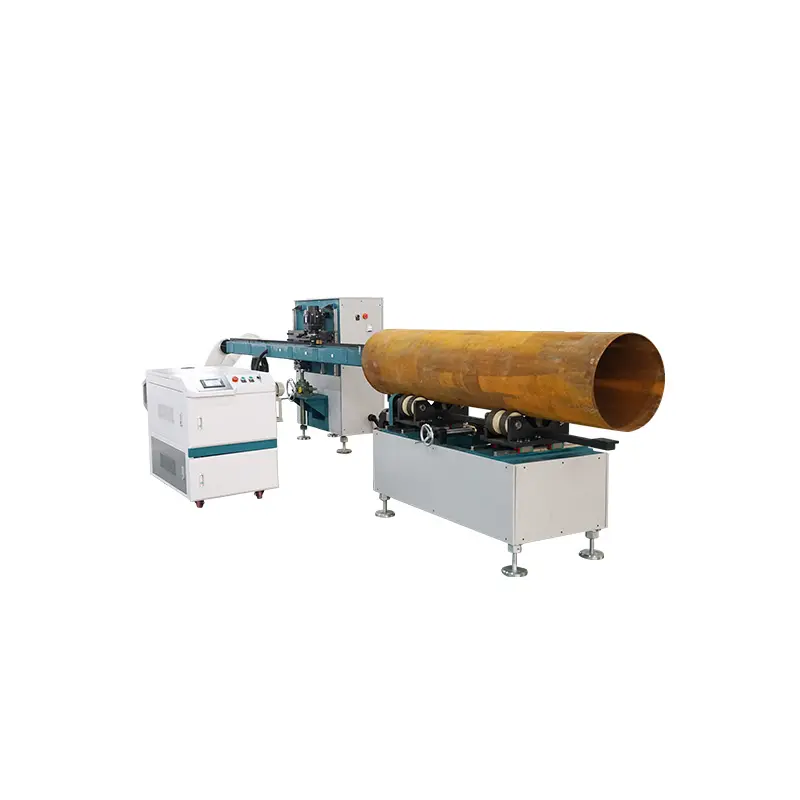
High-speed jointing technology with minimal thermal distortion, yielding clean, post-finish-ready welds.
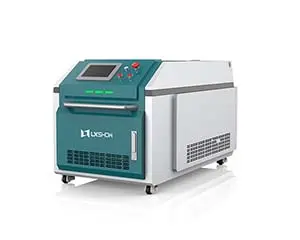
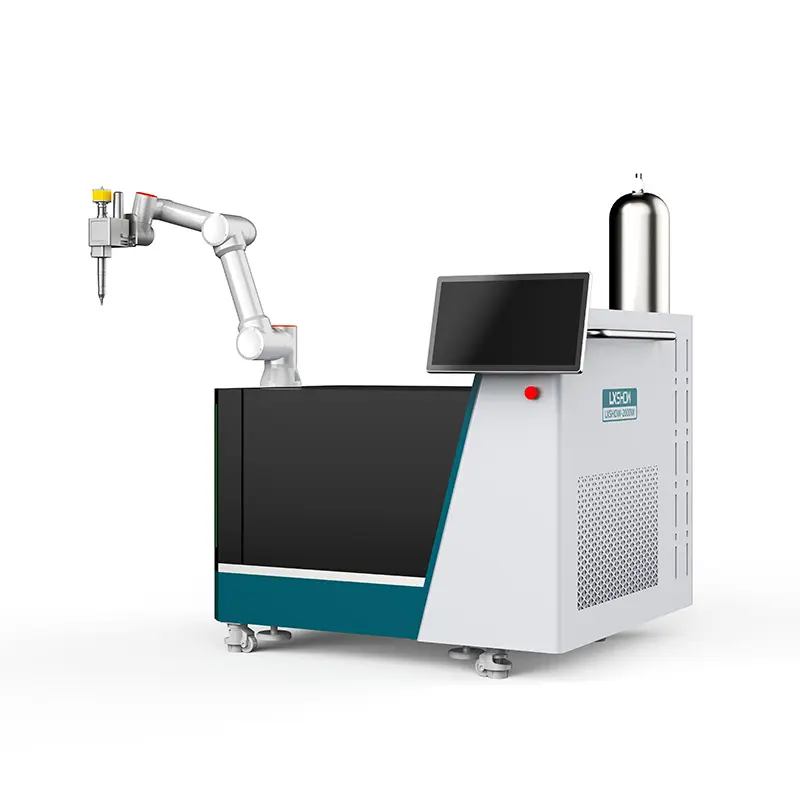
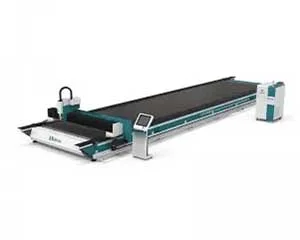
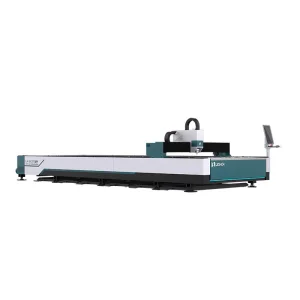
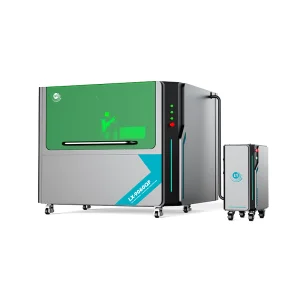
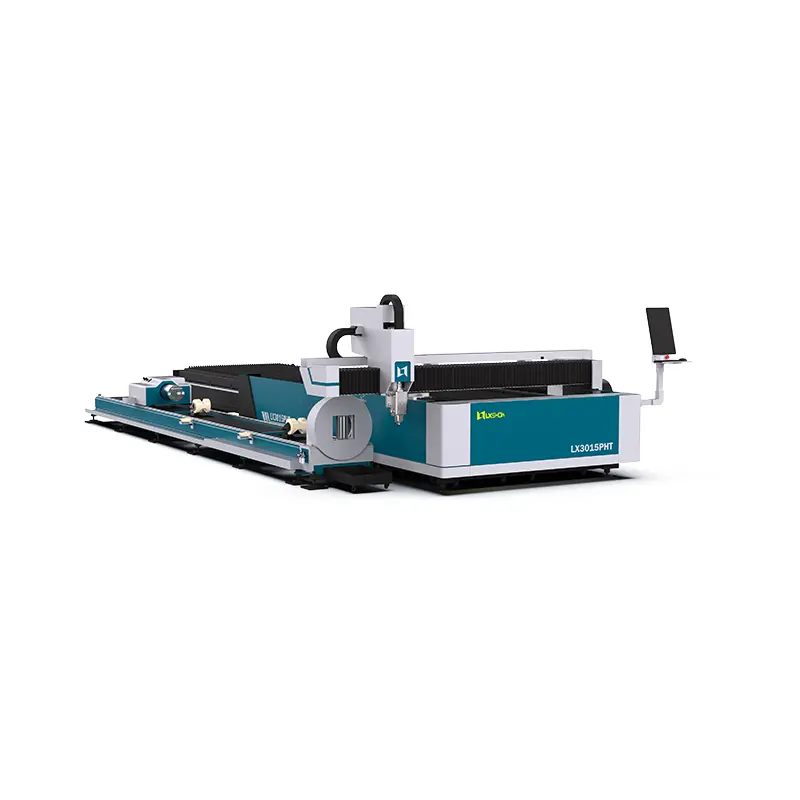
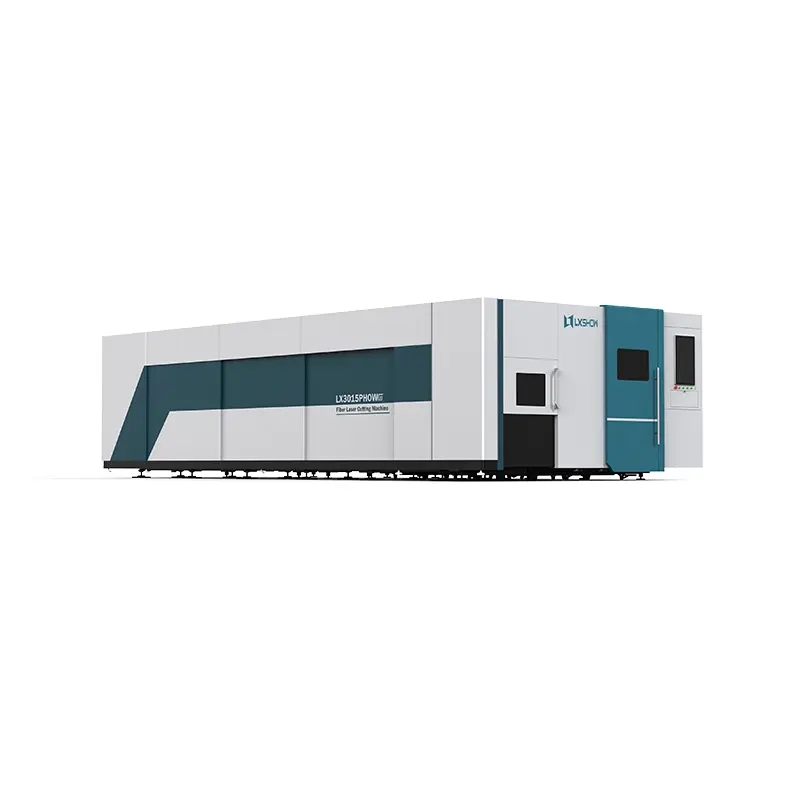
High-speed, multi-kilowatt fiber systems engineered for flat sheets, tubes, and complex structural profiles.
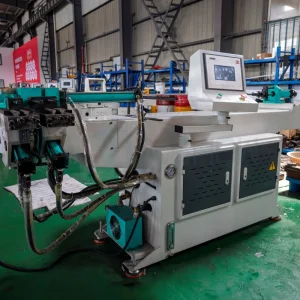
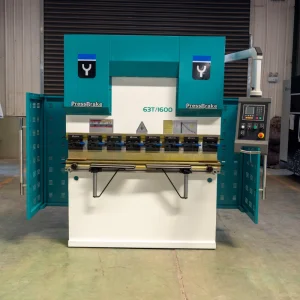
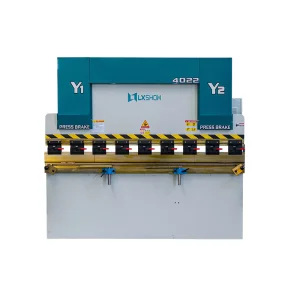
Electro-hydraulic and fully electric servo bending brakes for accurate sheet metal forming.
 Lxshow