An authoritative perspective on how Jinan's industrial laser cluster, localized system integrations, and global compliance standards form the bedrock of elite-tier metal processing systems.
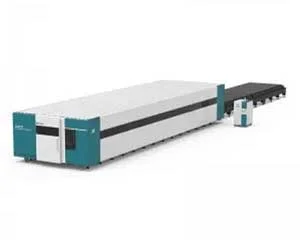
China has evolved into the absolute epicenter of fiber laser system manufacturing. Centered in heavy industrial clusters like Jinan and Wuhan, Chinese exporters leverage an unparalleled component ecosystem. From domestically refined fiber optical resonators to ultra-stable machine beds welded and heat-treated in-house, these facilities offer pricing structures that Western alternatives cannot match, without sacrificing geometric precision.
Economic Leverage & Cost Integration: Lower processing costs paired with local supply chains for gantry milling machines allow factories to build heavy-duty machine frames (reducing resonance during high-speed cutting) at fraction-of-market rates.
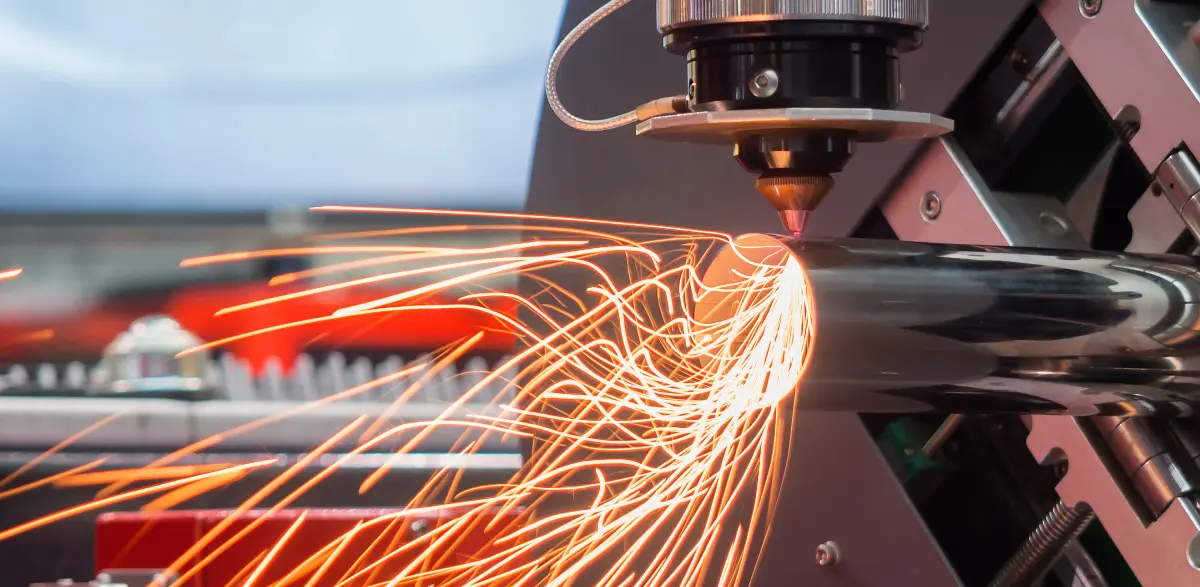
Industrial procurement departments do not just purchase machinery; they invest in operational continuity. Navigating modern CNC fiber laser systems requires a deep evaluation of key components. High-precision laser sources (such as IPG, Raycus, or JPT), intelligent cutting heads with autofocus capabilities (e.g., Precitec, Raytools), and CNC control systems (such as CypCut, nesting software) are crucial variables that dictate long-term performance.
The standard benchmark for commercial cutting includes looking at photoelectric conversion efficiency, which on average exceeds 30-35% with modern fiber sources, drastically reducing shop floor power draw.
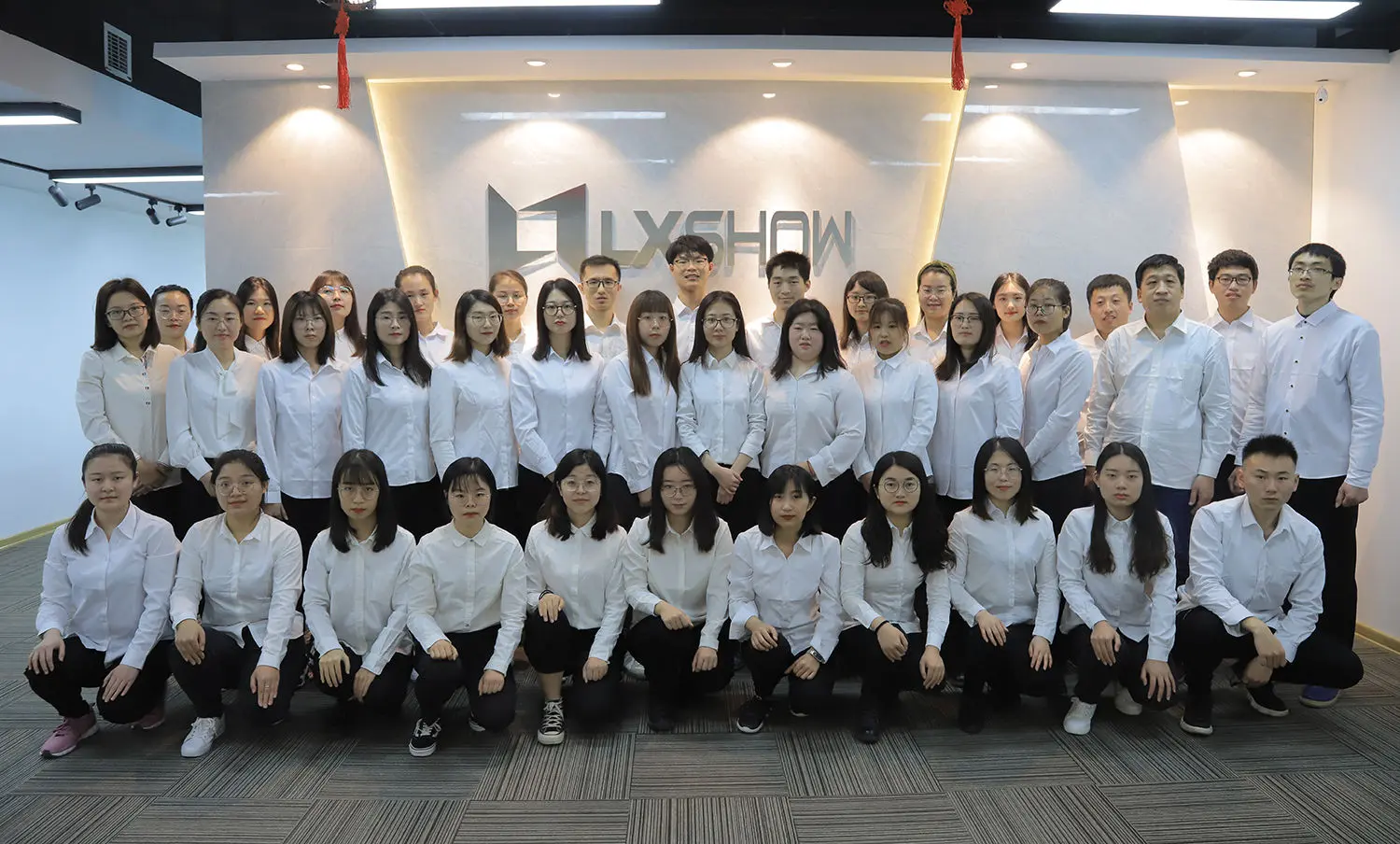
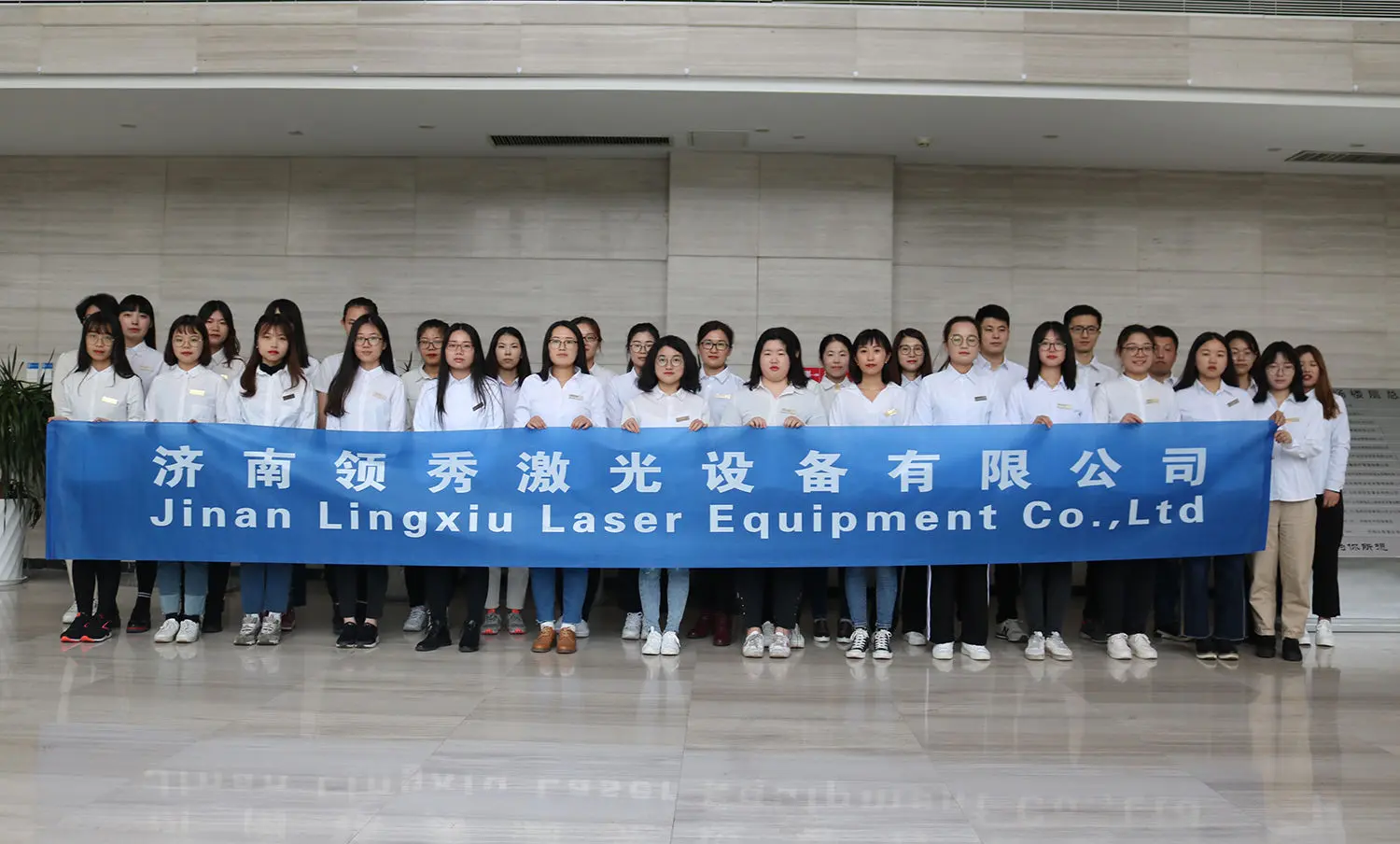
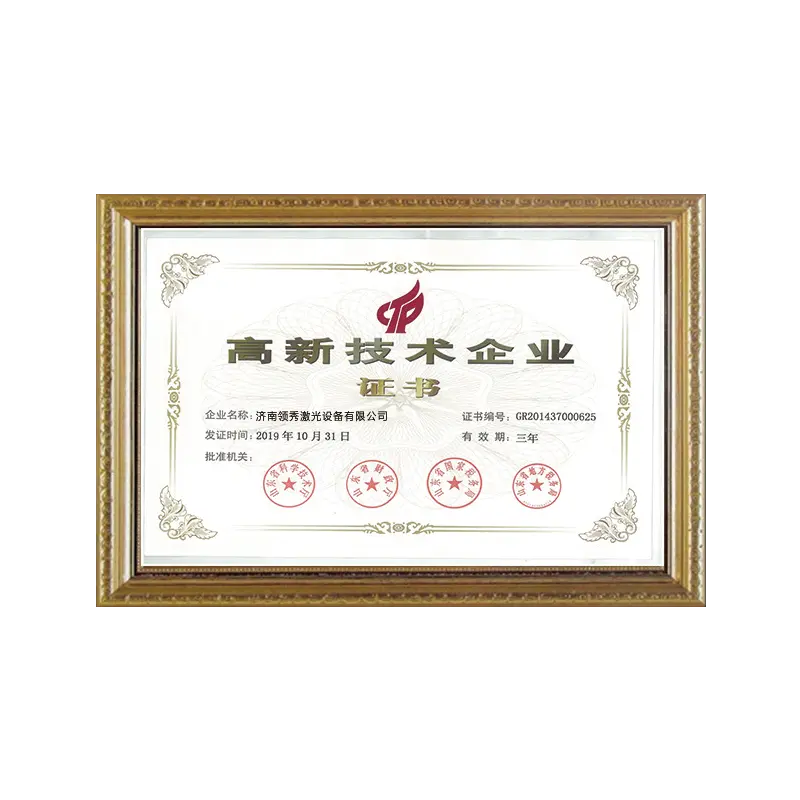
Established in July 2004, our facility has grown from a specialized research lab into a manufacturing powerhouse.
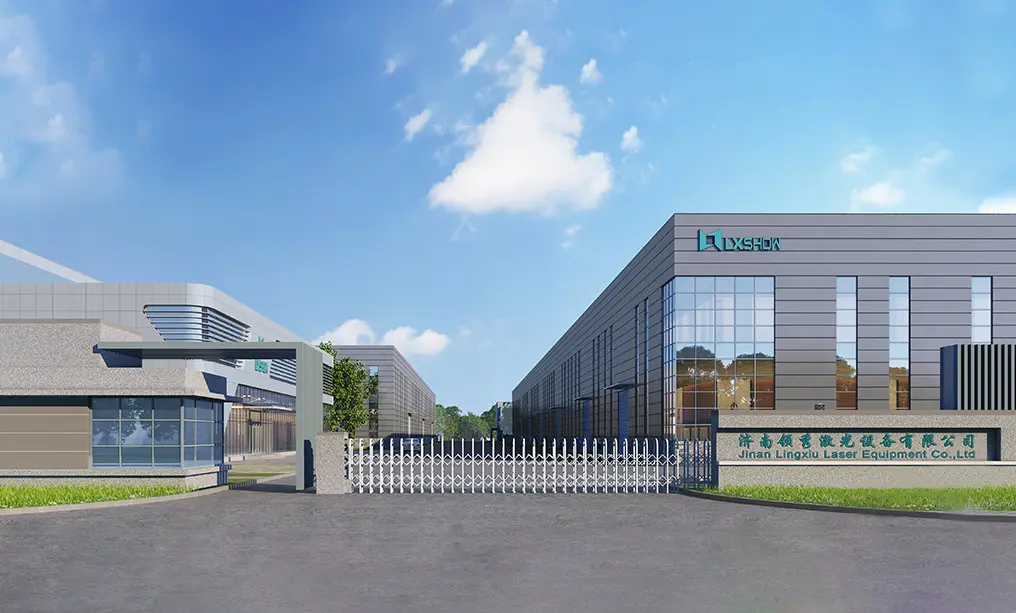
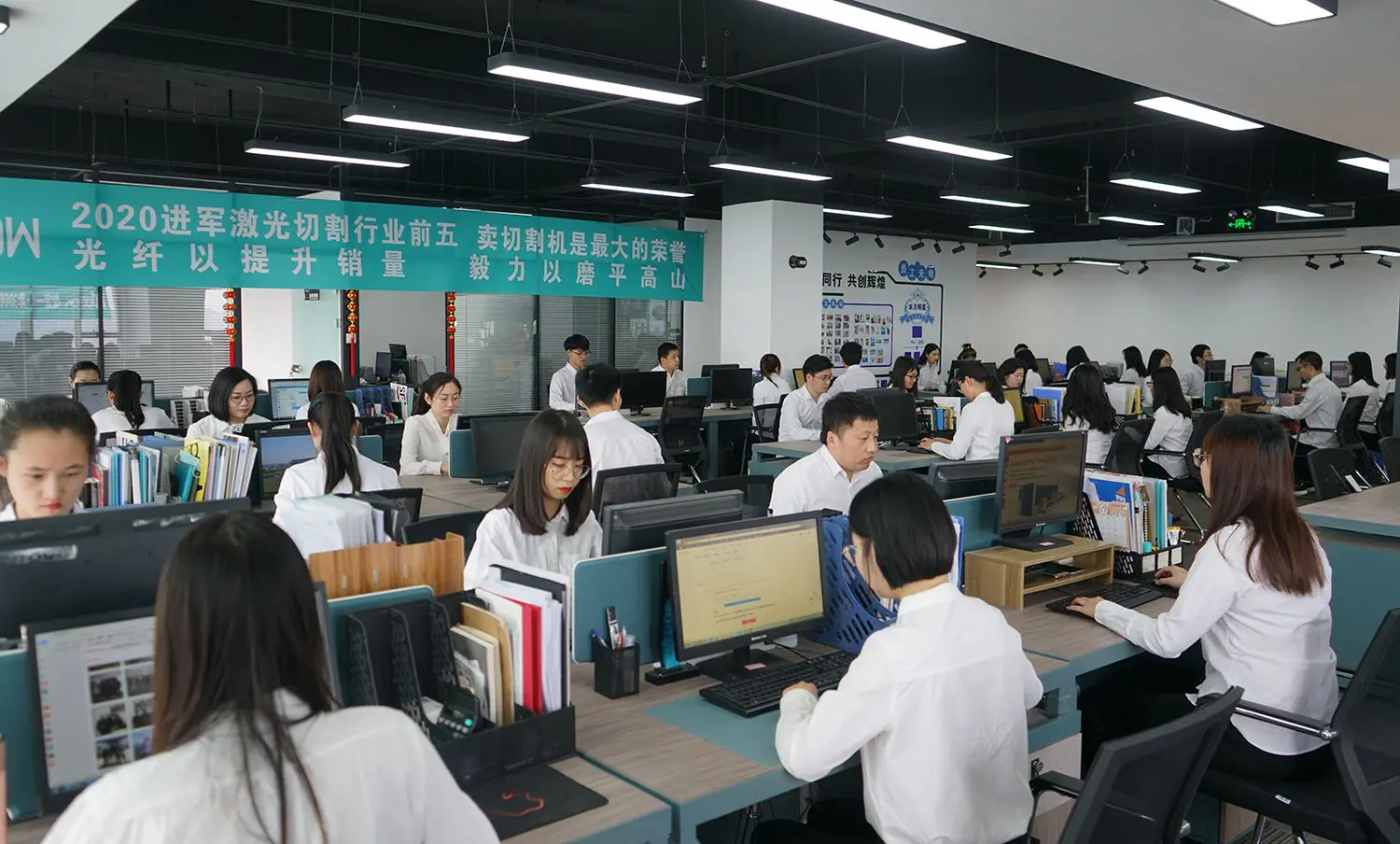
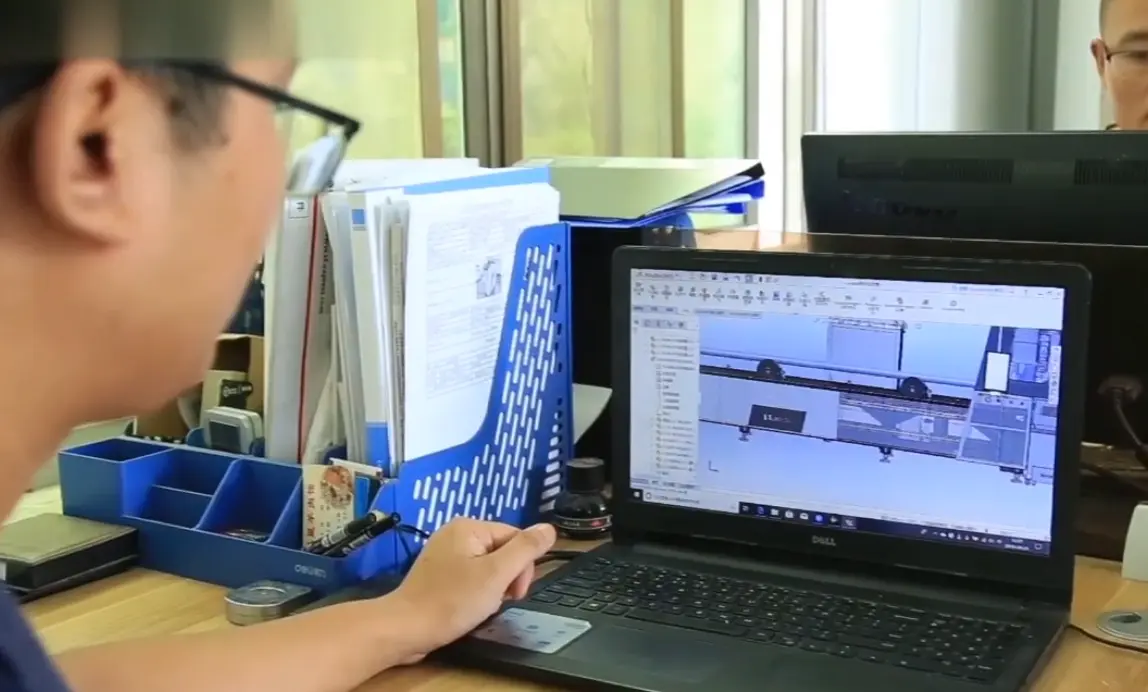
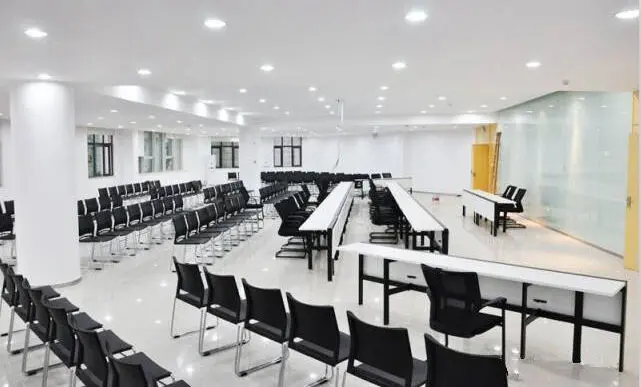
Today, our company features over 500 square meters of dedicated engineering, R&D, and office spaces, complemented by a massive, state-of-the-art 32,000 square meters factory block. We operate specialized workshops dedicated to bed fabrication, precision alignment, beam calibration, and high-temperature stress-relief annealing.
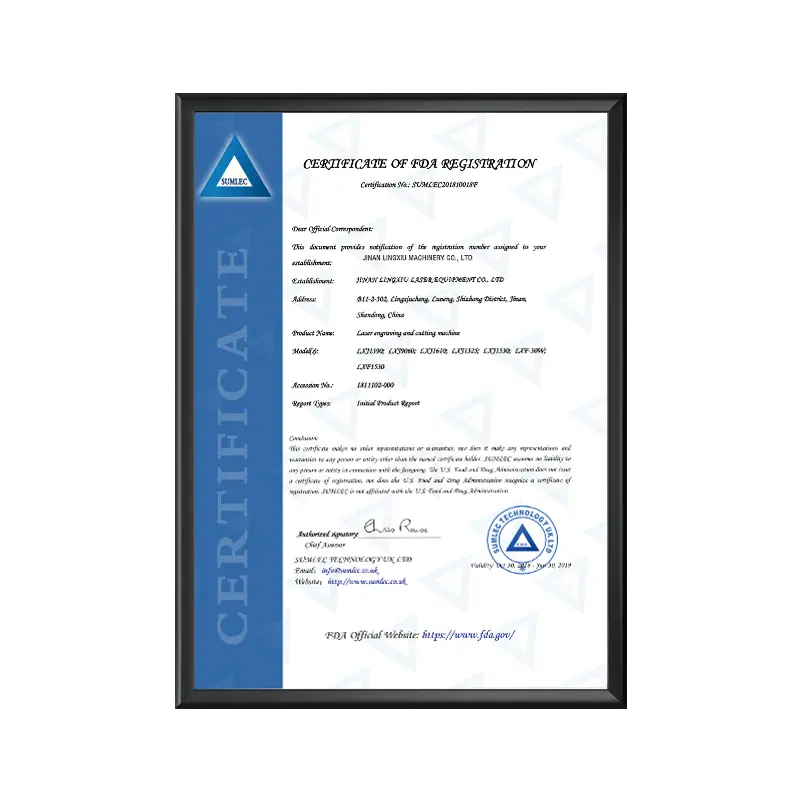
By implementing strict ISO 9001 production workflows, every batch of sheet and tube laser cutting equipment undergoes rigorous mechanical stress simulation and 72-hour continuous cutting burn-in testing. This systematic approach ensures that every export model complies with international benchmarks.
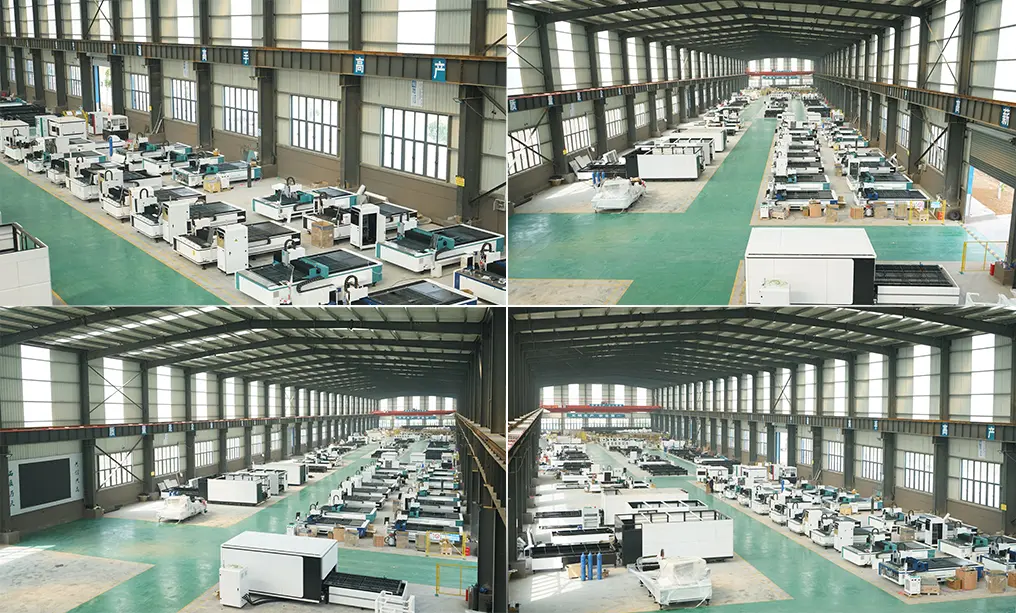

Deploying a high-power fiber laser system involves adhering to strict safety protocols and localized regulatory frameworks. True industrial competitiveness is defined by a manufacturer's capacity to deliver end-to-end local field support, electrical compliance, and fast spare part logistics.
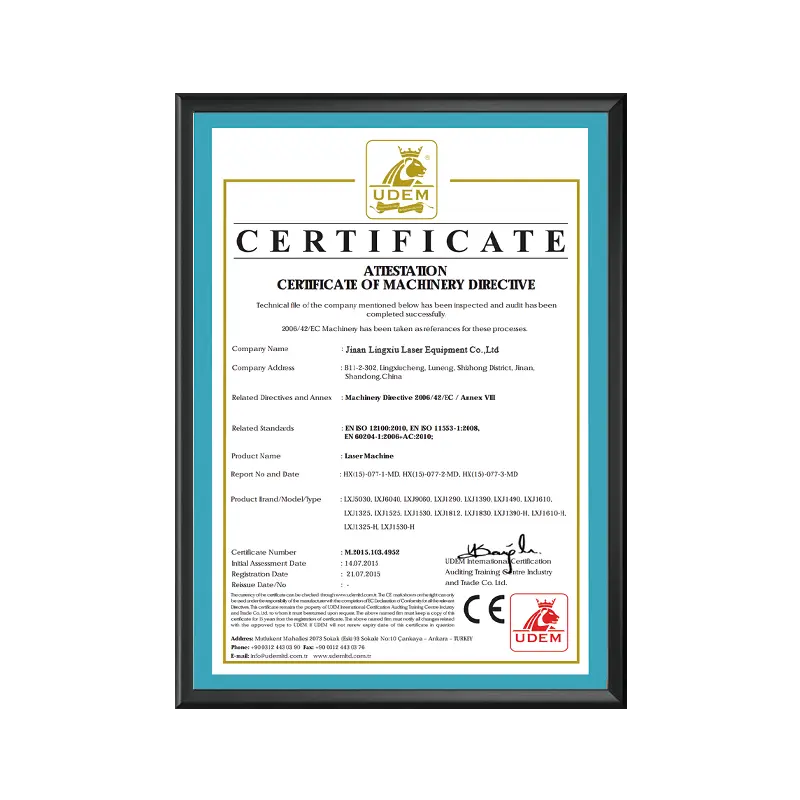
For European buyers, conformity to the Machinery Directive 2006/42/EC and low voltage regulations is mandatory. In North America, the electrical cabinet layout must adhere strictly to NFPA 79 standards, requiring UL or CSA approved components. We guarantee that all export models feature dual-channel safety relays, integrated interlock systems, and enclosed protective housings to meet local environmental and worker safety standards.
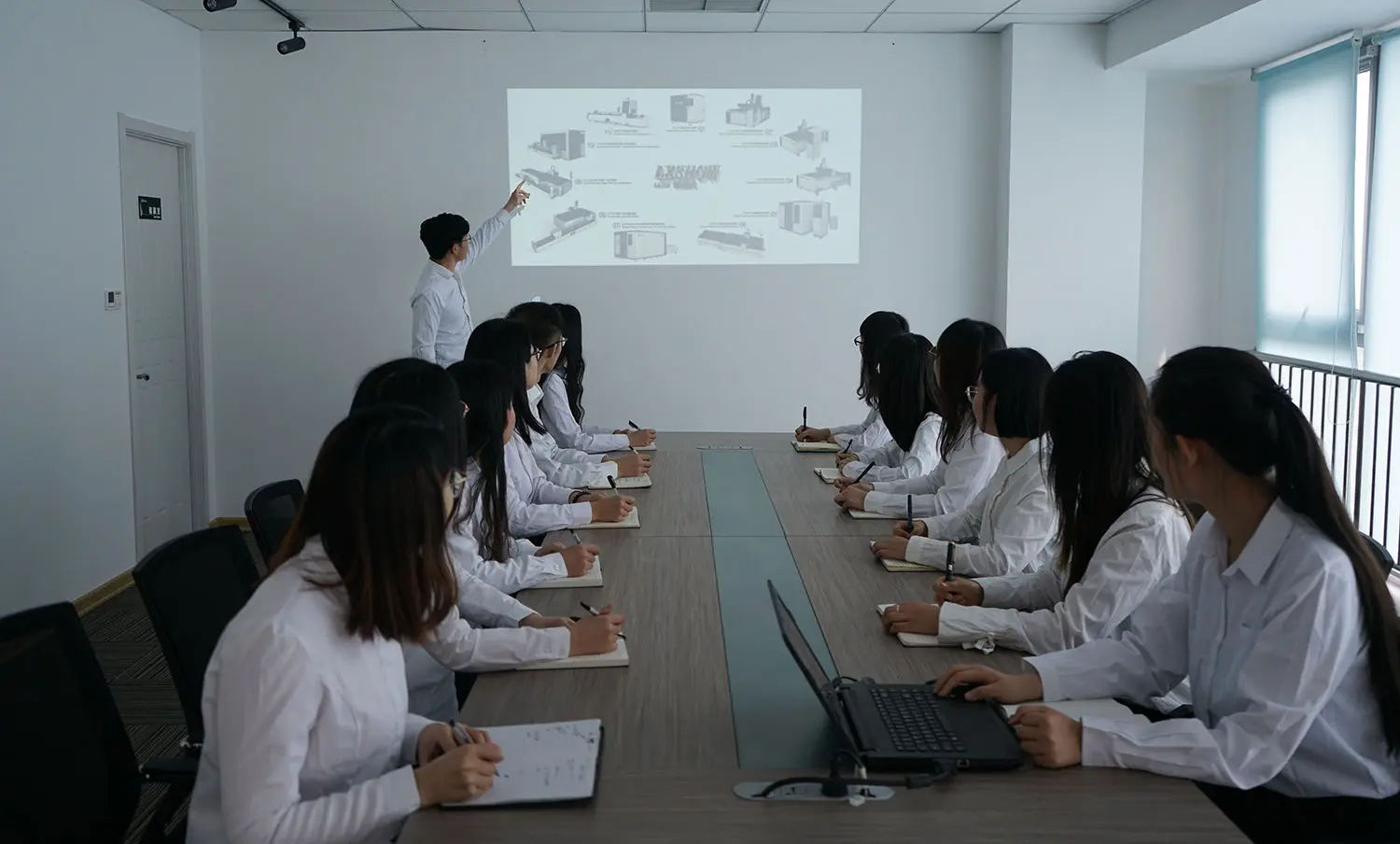
We maintain localized technical support channels and training centers in key regions across Europe, North America, and Southeast Asia. Our field engineers provide on-site services, including machine foundation evaluation, laser optical alignment, parameter tuning for reflective metals, and training for local operators. This approach ensures your production line achieves optimal efficiency shortly after setup.
Operating costs are closely linked to auxiliary gas selection. Modern processes utilize Oxygen (O2) for thick carbon steel, Nitrogen (N2) for clean-cut stainless steel, or high-pressure dry Compressed Air for high-speed cutting of thin gauges. Our systems feature dual-gas proportional valves integrated with software parameters, allowing operators to dynamically adjust gas pressure to optimize surface quality and minimize consumption.
CNC Fiber Lasers have transformed precision fabrication across many key sectors. Below is a comprehensive breakdown of typical material applications and industrial application scenarios.
Our industrial laser solutions are widely utilized across dynamic fields to drive efficiency, maximize output, and ensure micron-level cut accuracy:
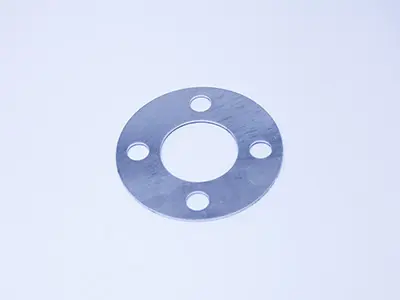
Equipped with advanced wavelength optimization, our fiber systems process both ferrous and highly reflective non-ferrous metals:
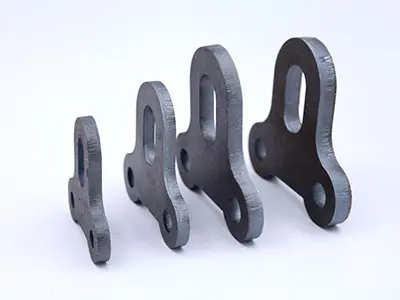
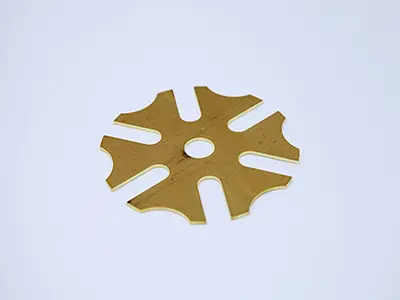
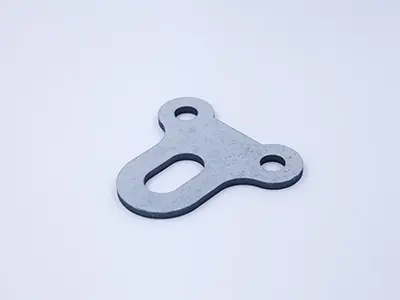
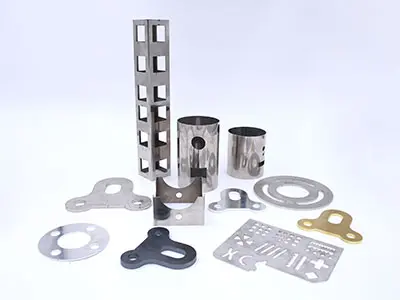
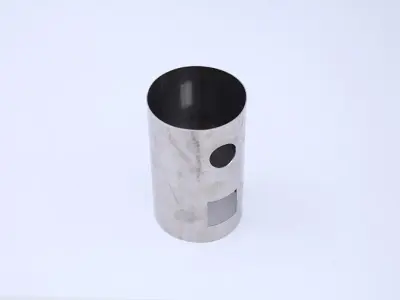
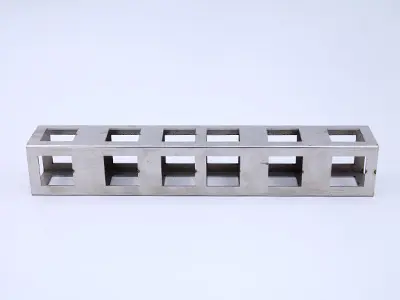
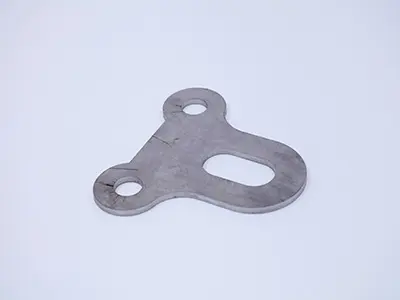
The sheet metal processing industry is experiencing a transition toward higher power thresholds. Where 3kW was once the industry standard for commercial fabrication, systems are increasingly shifting toward 12kW, 20kW, and 30kW configurations. This change is driven by the need to increase cutting speed on mid-range materials and to process thick plates with narrow kerf widths.
| Laser Source Power | Optimal Sheet Thickness (Mild Steel) | Optimal Sheet Thickness (Stainless) | Auxiliary Gas Feed Rate | Target Applications |
|---|---|---|---|---|
| 1,000W – 2,000W | 1mm – 12mm | 1mm – 6mm | Medium pressure air / N2 | Advertising signage, electrical switch cabinets, sheet metal parts |
| 3,000W – 4,000W | 1mm – 20mm | 1mm – 10mm | High pressure N2 / O2 | Kitchenware manufacturing, mechanical brackets, structural components |
| 6,000W – 8,000W | 1mm – 25mm | 1mm – 16mm | Optimized O2 cutting parameters | Automotive fabrication, aerospace components, agricultural machinery |
| 12,000W – 20,000W+ | 1mm – 50mm+ | 1mm – 40mm+ | Low-pressure Nitrogen systems | Heavy industry, shipyards, steel service centers, contract shops |
1. AI-driven Nesting Algorithms: Modern software analyzes sheet nesting options automatically, reducing scrap rate below 7% and improving material utilization.
2. Automated Loading & Unloading Systems: Full automation prevents gantry idle time. Standard setups are shifting from manual operation to automated storage systems.
3. Real-time Melt Pool Diagnostic Sensors: Intelligent laser heads adjust nozzle distance and cutting speed on the fly to prevent dross formation.
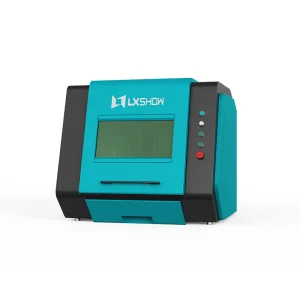
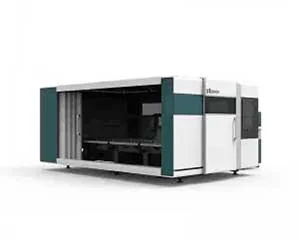
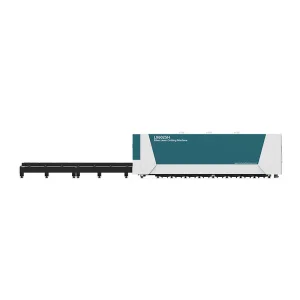
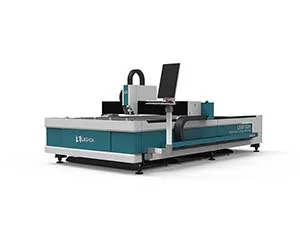
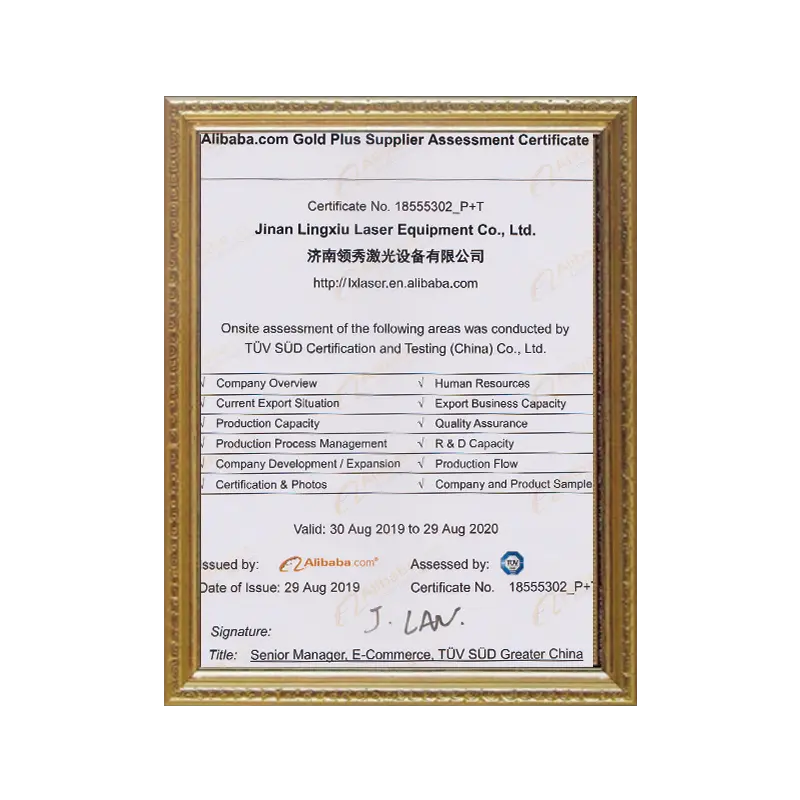
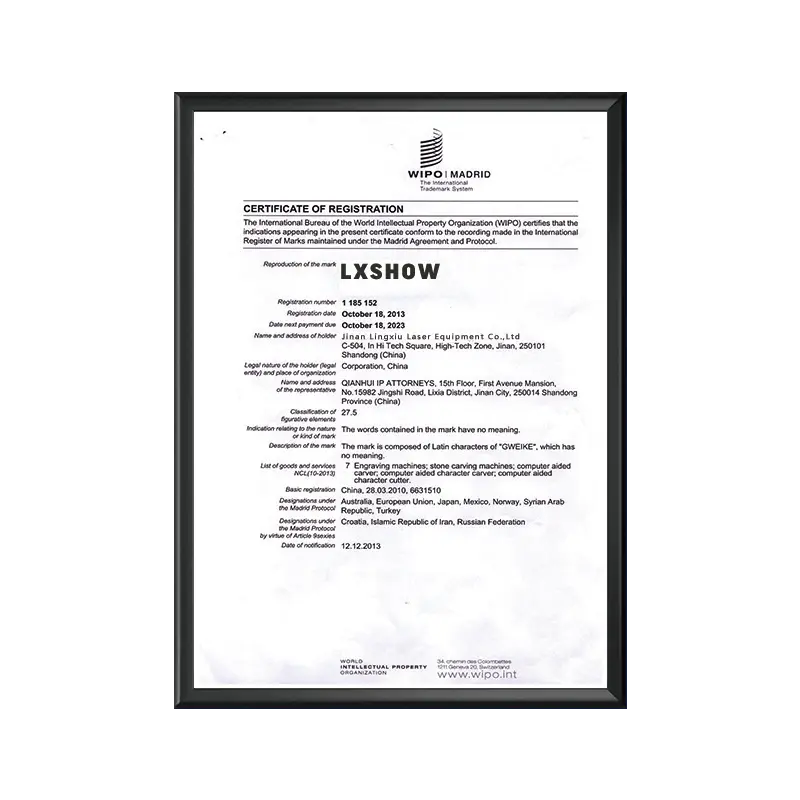
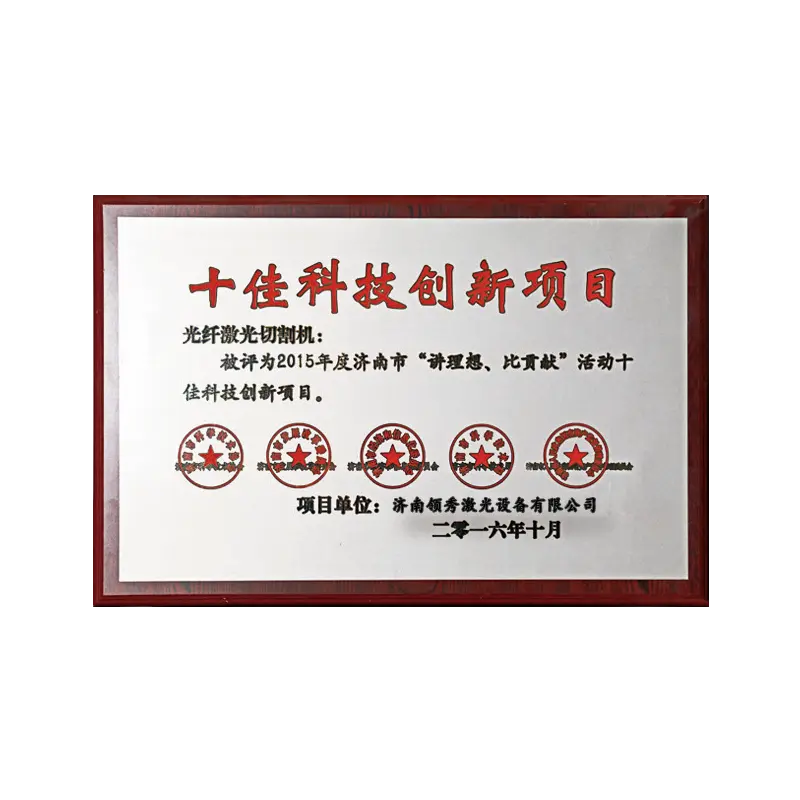
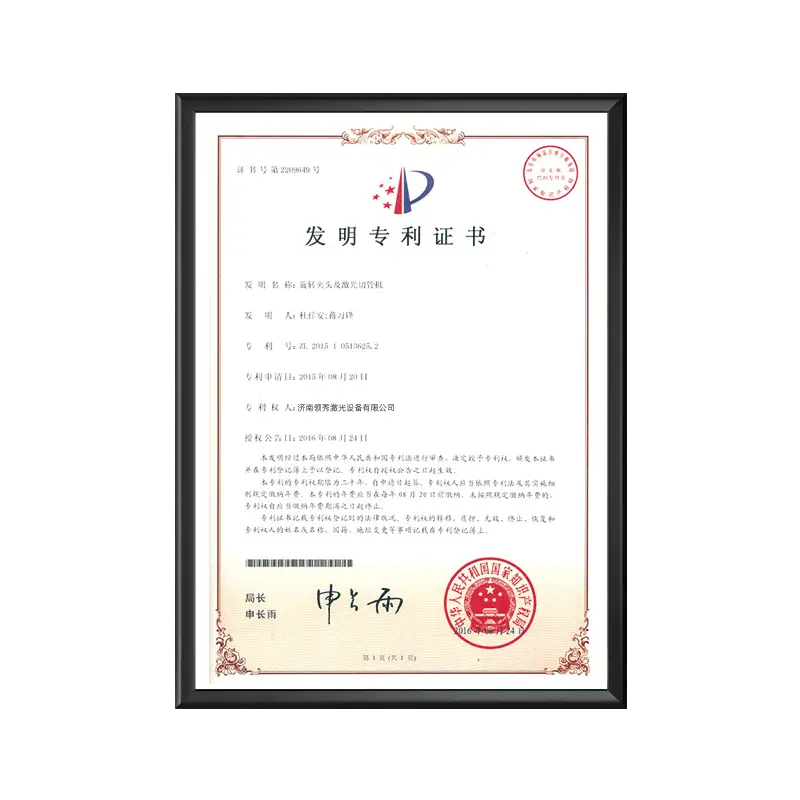
Below is the collection of our core product designs and manufacturing blueprints, preserved to match the structural architecture of our international catalogs.
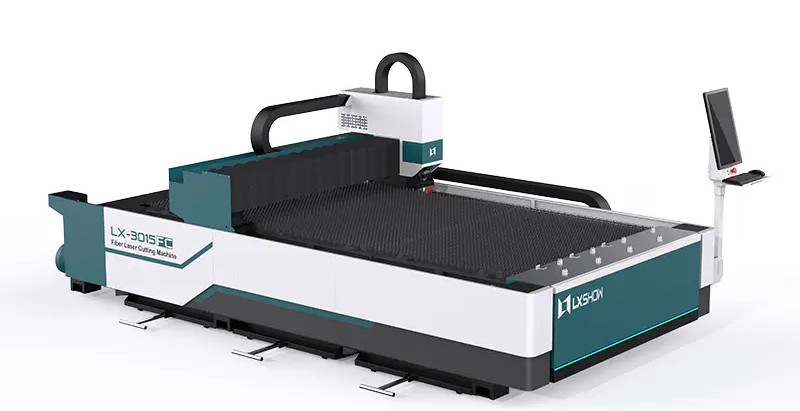
To assist global purchasing managers in matching equipment to specific production needs, our product line is divided into five core operational categories:
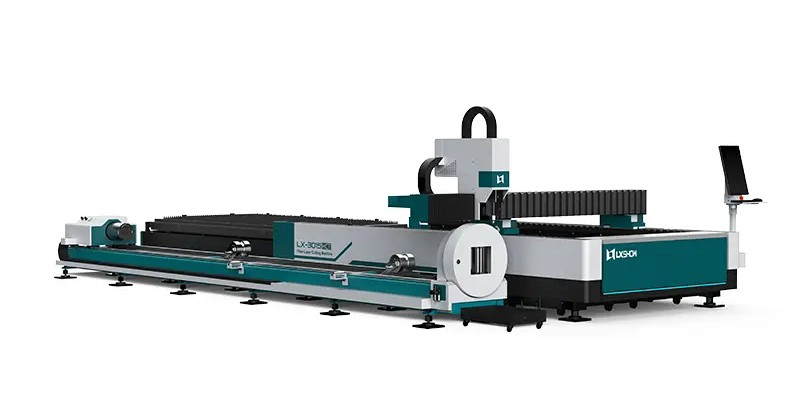
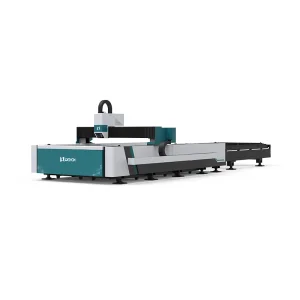
Designed for multi-functional operations where processing both flat sheets and structural profiles is required. Features automated material changeover interfaces and high-stability chuck assemblies.
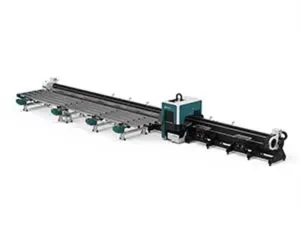
Dedicated tube cutting units featuring dual or triple pneumatic chuck systems for round, square, oval, or H-profile structural steels without distortion.
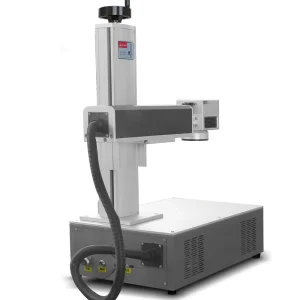
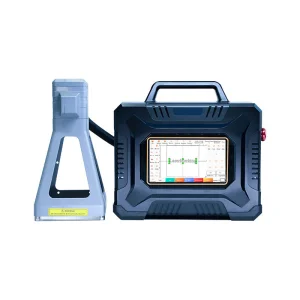
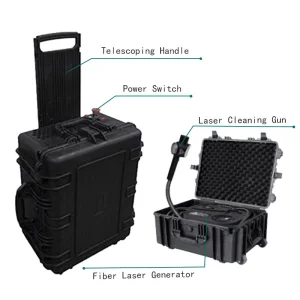
Providing rust removal and clean joint welding. Portability options make them ideal for maintenance shops and complex onsite repairs.
Provides a reliable solution for heavy industrial applications requiring long-term surface treatment and refurbishment.
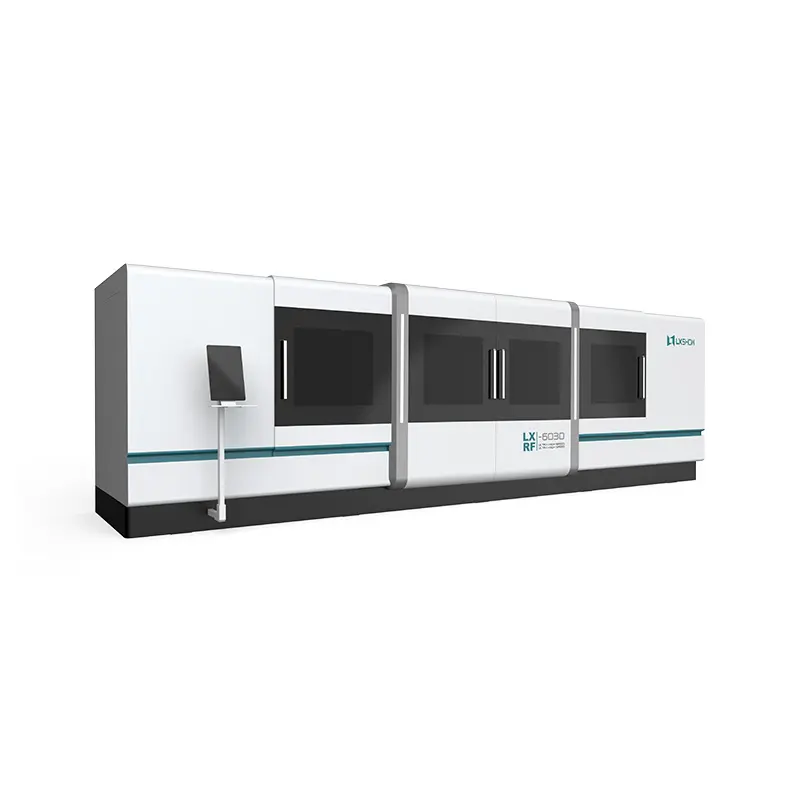
Designed for batch surface treatment of industrial rollers.
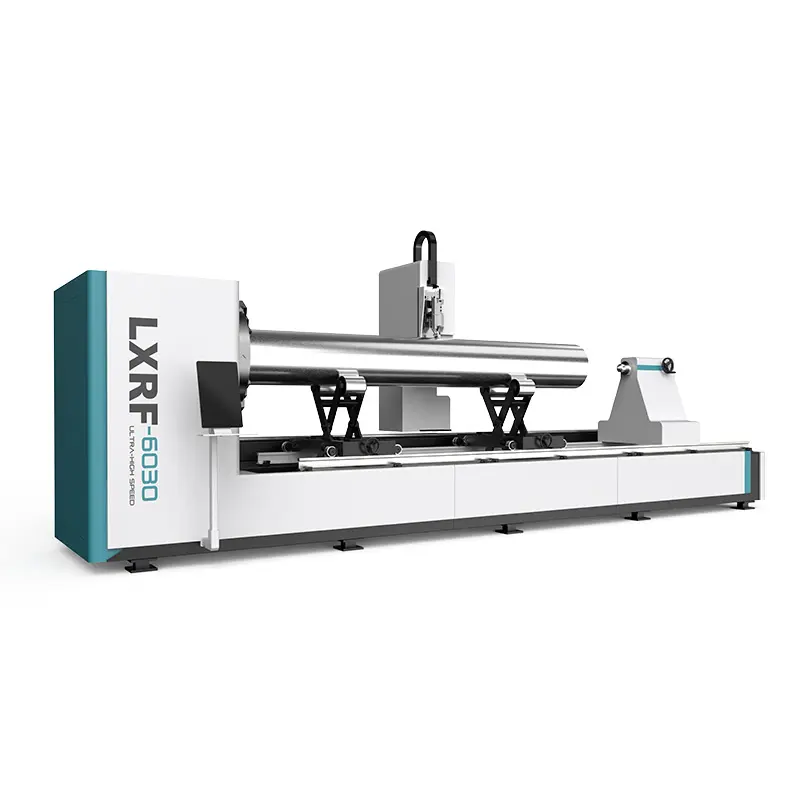
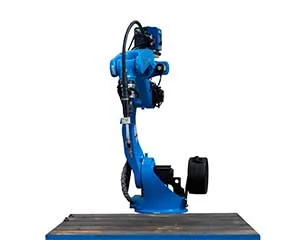
Integrates with CNC robotic arms for precision alignment.
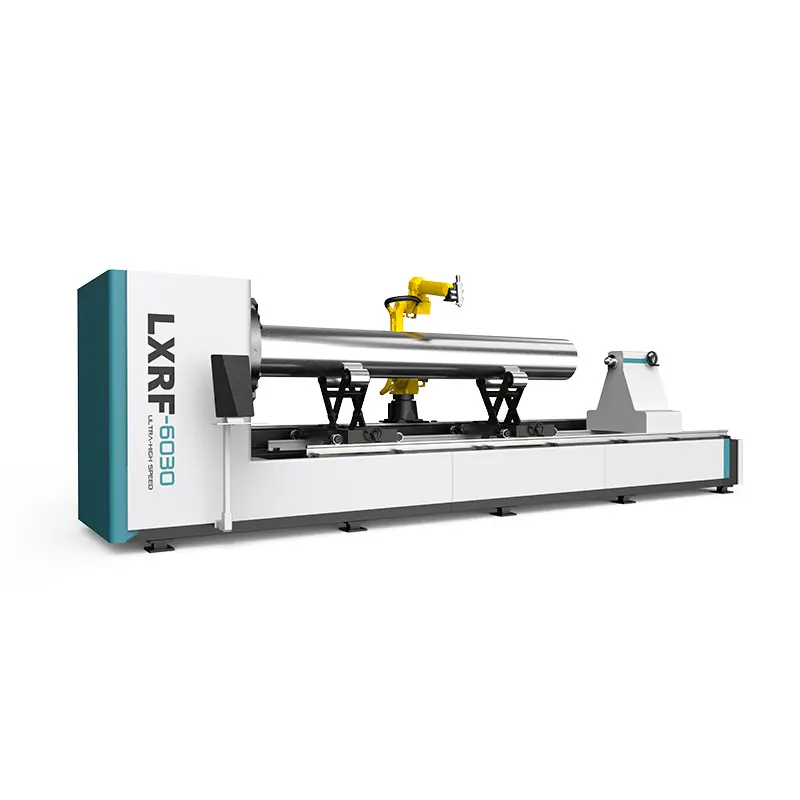
Automated multi-axis deposition for complex shapes.
Efficient surface preparation and rust removal solutions designed to replace traditional chemical cleaning.
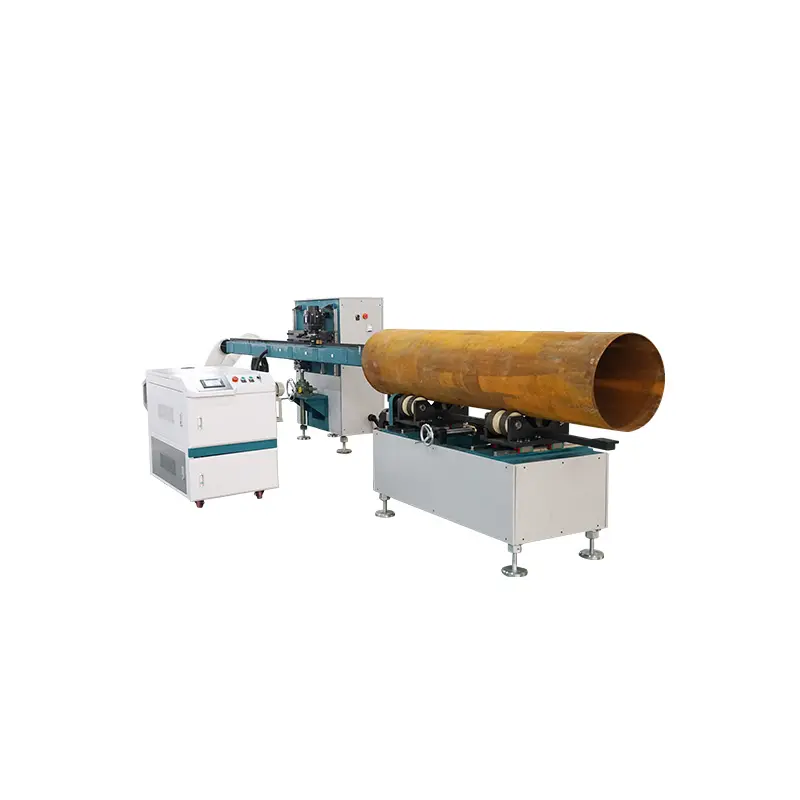
Specialized internal optics for tube interior cleaning.
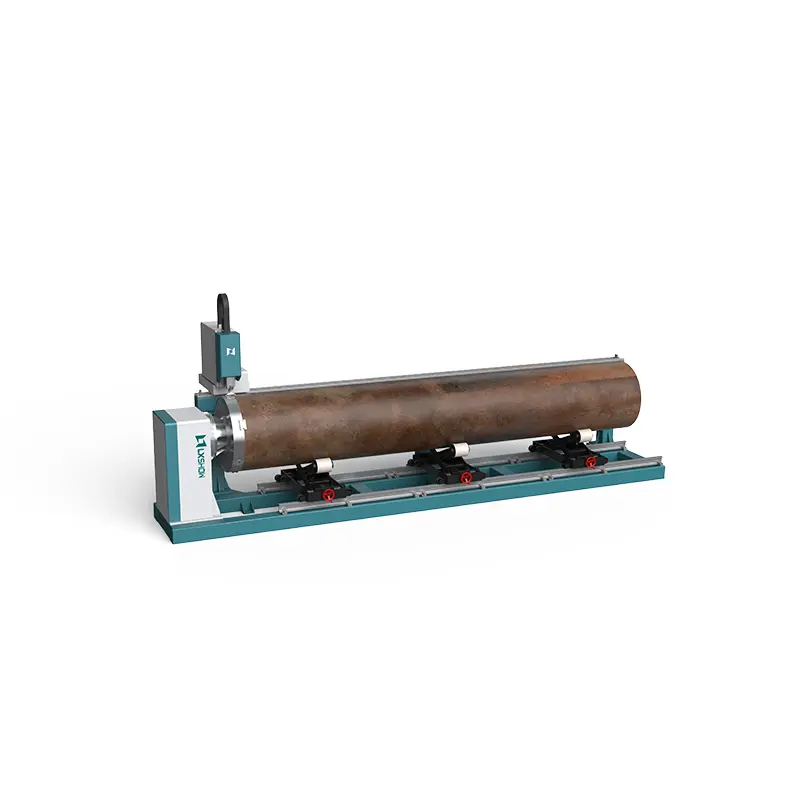
Optimized for processing long profiles and pipeline surfaces.
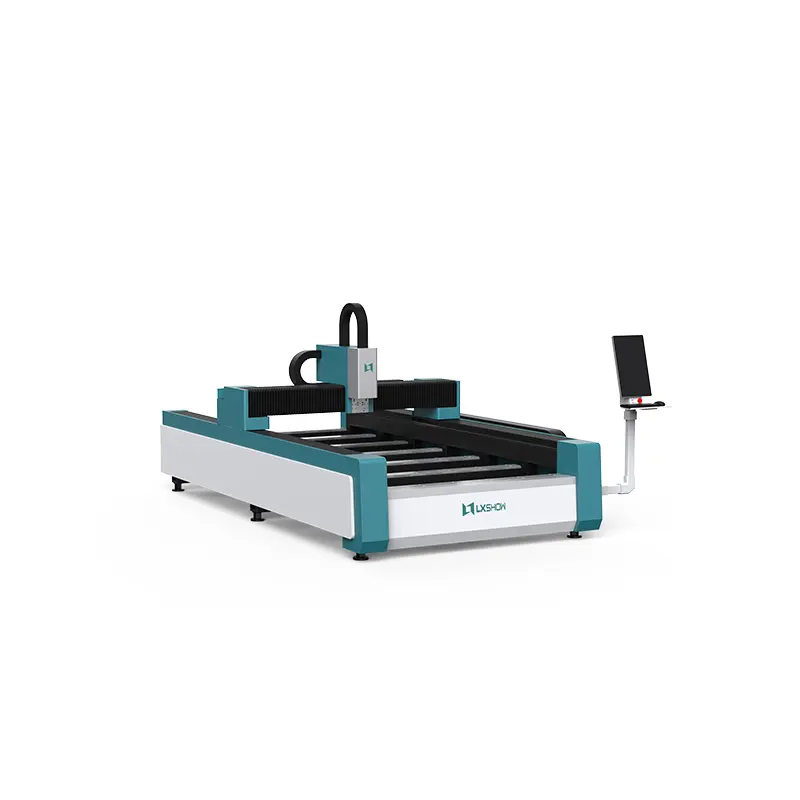
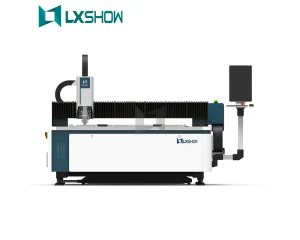
Gantry-mounted configuration for large-scale steel plates.
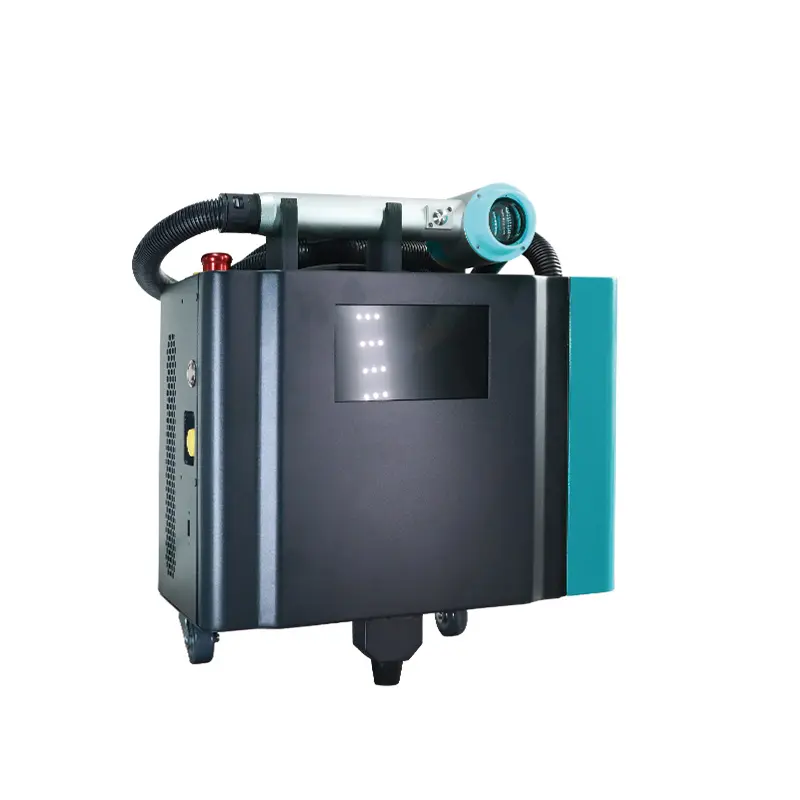
Lightweight handpiece designed for mobile field operations.
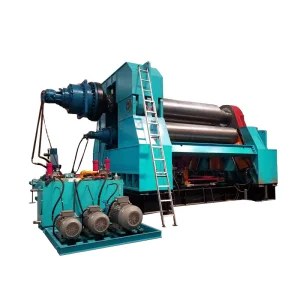
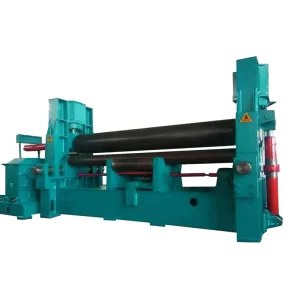
Synchronized hydraulic and electrical press brakes that complement your laser cutting workflows.
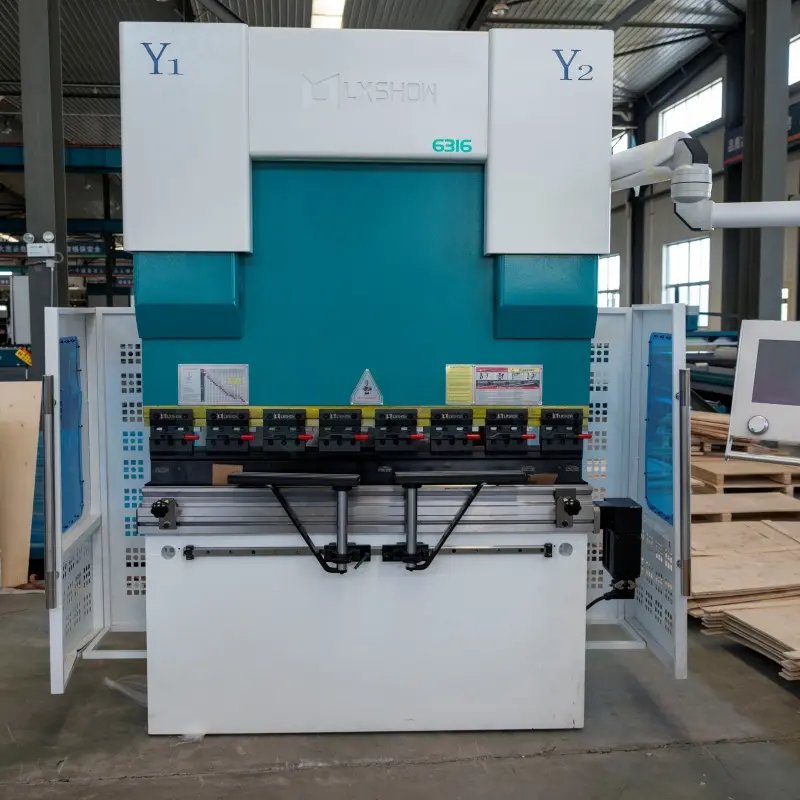
Features multi-axis backgauges and high-precision servo controls.
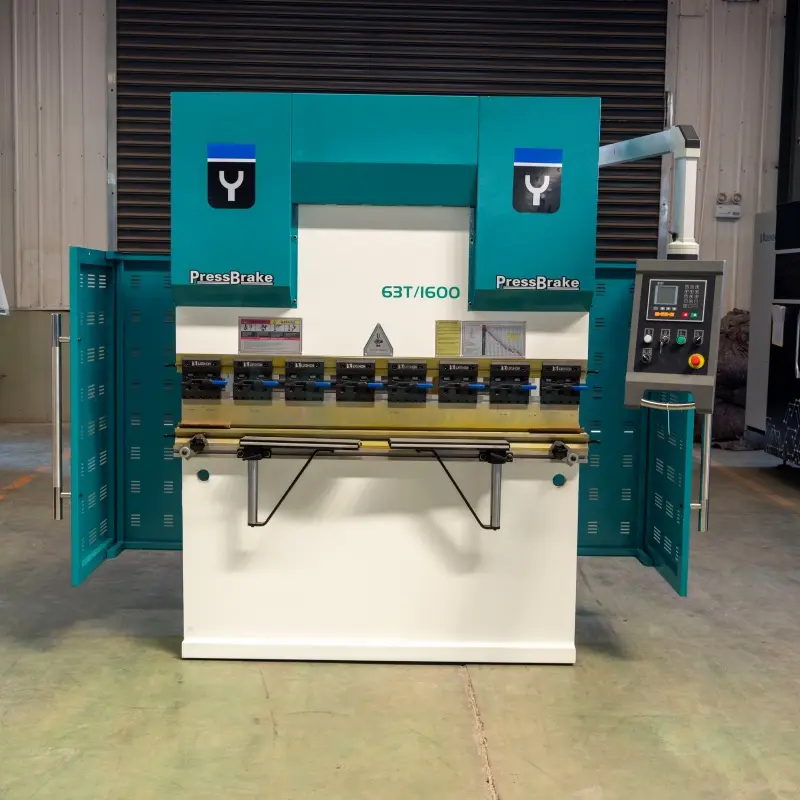
Reliable and cost-effective solution for standard sheet forming.
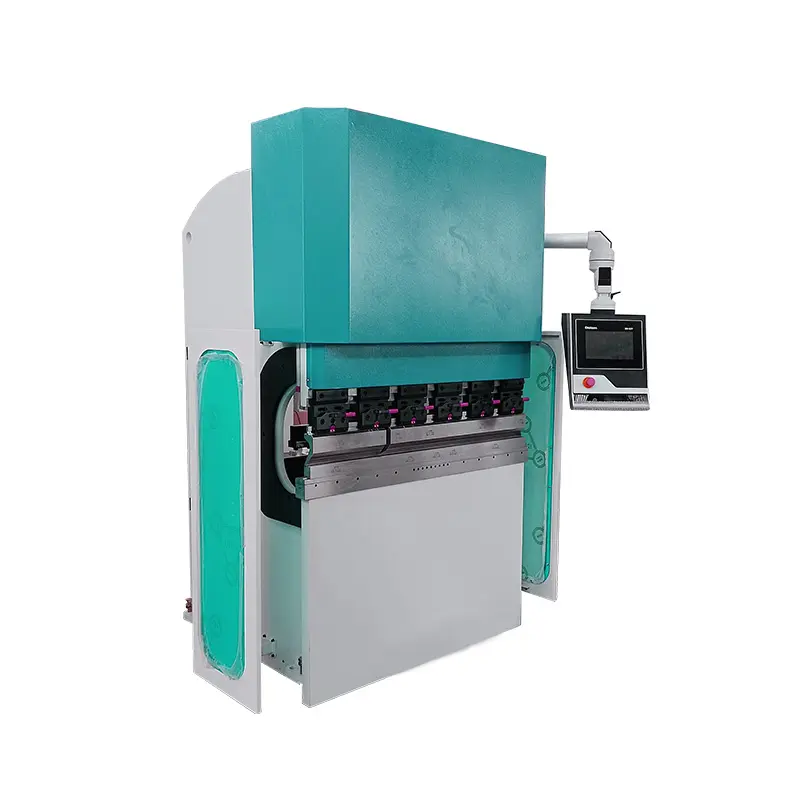
Provides fast response times and low energy consumption.
 Lxshow