Premium CNC Fiber Laser Cutters & Hydraulic Press Brakes Engineered for Heavy Structural Fabrication
The Seoul Metropolitan Area, encompassing Seoul, Incheon, and the surrounding Gyeonggi Province, constitutes the economic and technological engine of South Korea. While Seoul proper acts as the command center for major conglomerates (Chaebols) such as Samsung, Hyundai, and LG, nearby industrial clusters like the Banwol-Sihwa Smart Hub and the Namdong Industrial Complex drive the physical manufacturing that sustains the nation’s infrastructure. In these industrial zones, the demand for precision heavy fabrication machinery—especially heavy-duty plate rolling machines and advanced CNC laser systems—has surged. Our heavy engineering setups, including the high-capacity C-series plate rolling configurations, are uniquely optimized to serve this competitive, high-throughput region.
South Korea’s modern manufacturing push emphasizes automation, ecological sustainability, and strict regulatory safety compliance. Industrial structural steel processing within the Seoul Capital Area is dominated by infrastructure upgrades (such as the sprawling Great Train eXpress - GTX subway network) and marine construction projects emanating from the Incheon shipping ports. Bending thick steel plates into exact cylindrical or conical sections requires high-torque 3-roll and 4-roll planetary plate rolling machines. Without these units, the fabrication of high-pressure storage vessels, wind turbine towers, and thick-walled pipelines would be impossible. By providing high-yield structural steel processing solutions to these regional projects, we serve as a vital link in the local manufacturing supply chain.
Delivering High-Performance Precision Machining Equipment Since 2004
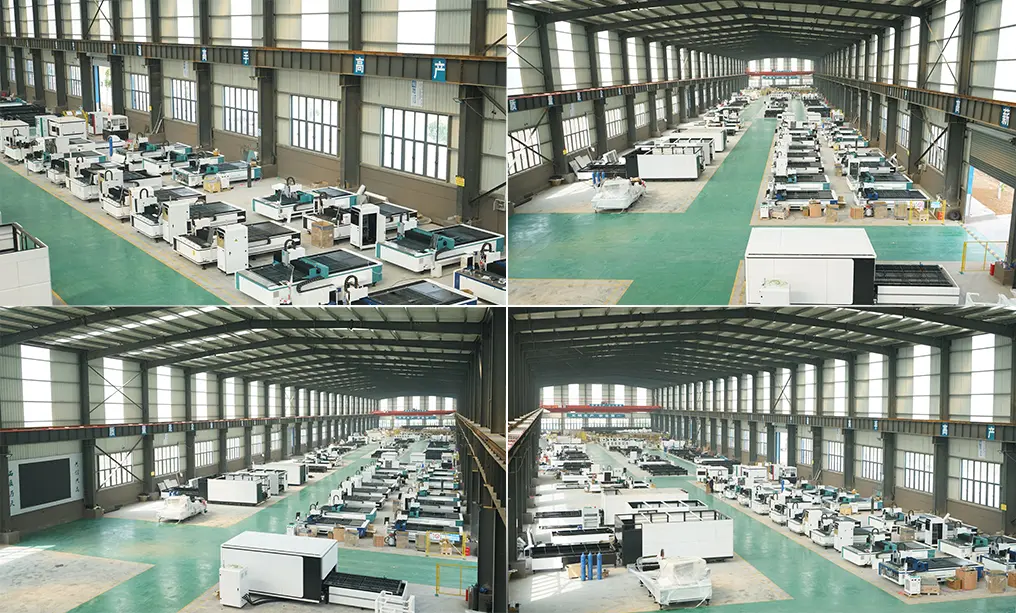
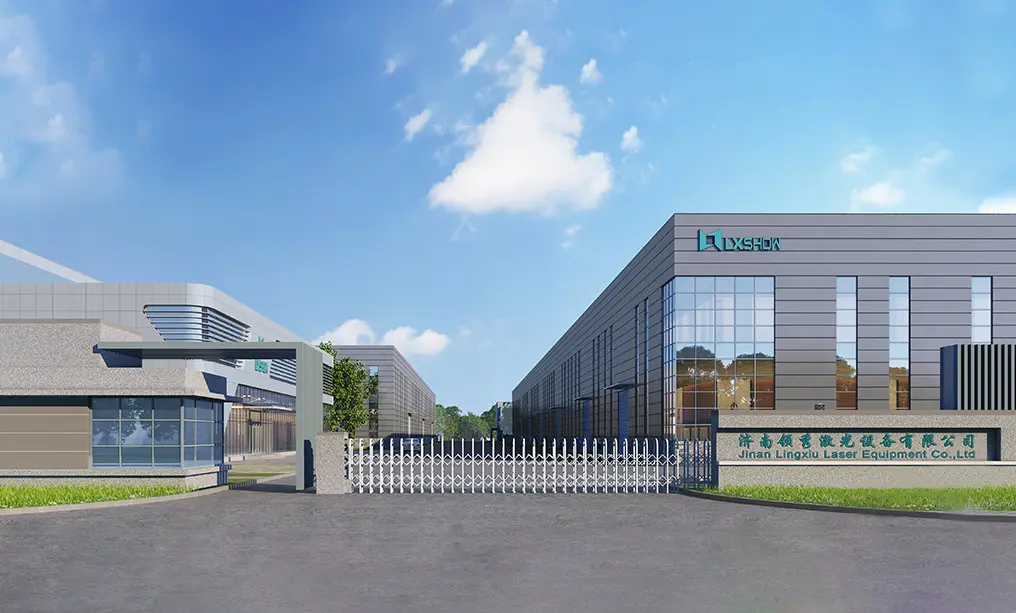
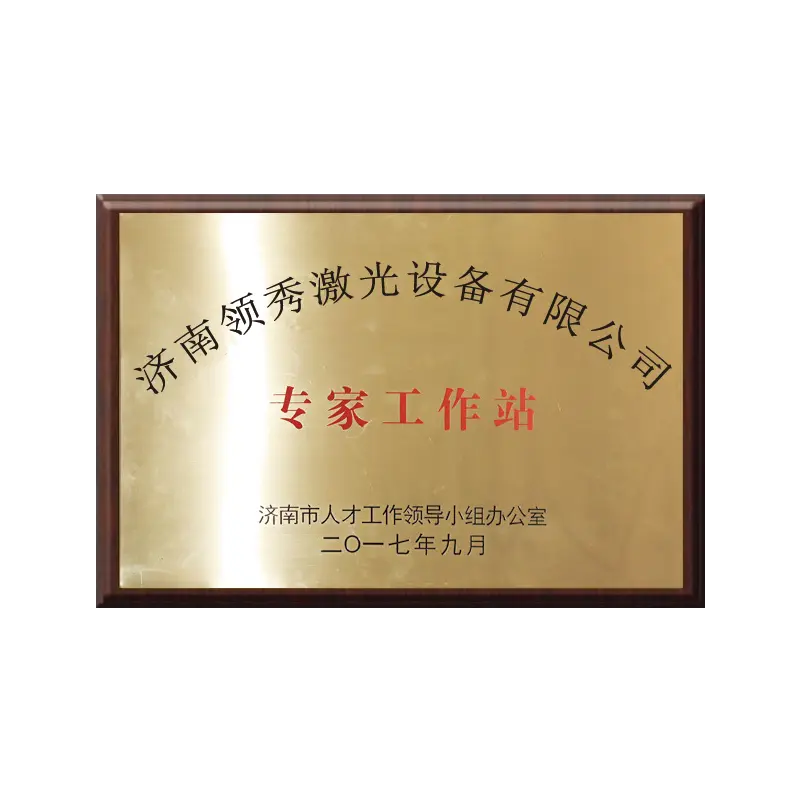
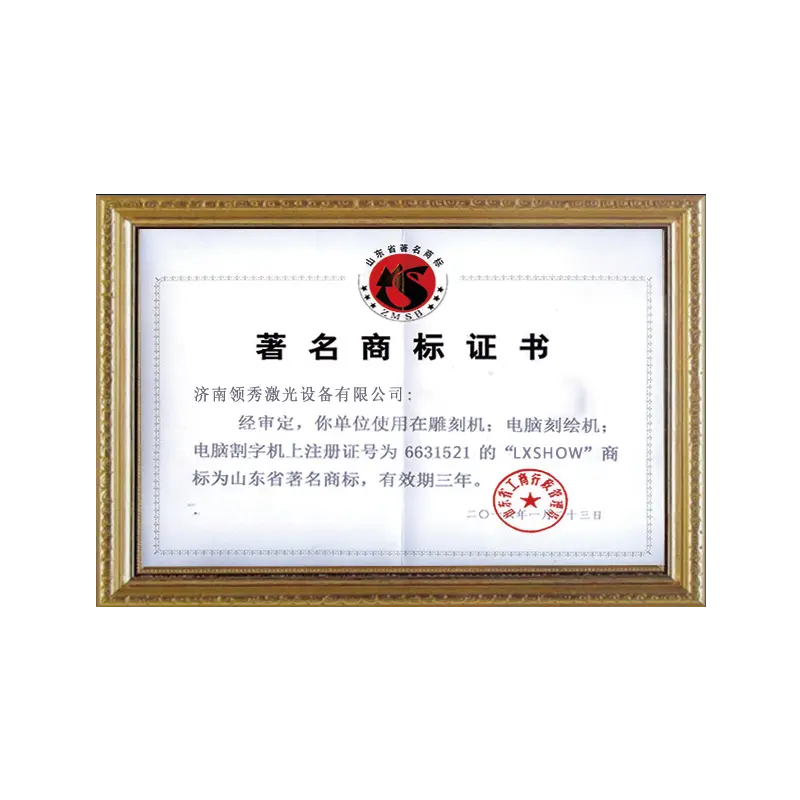
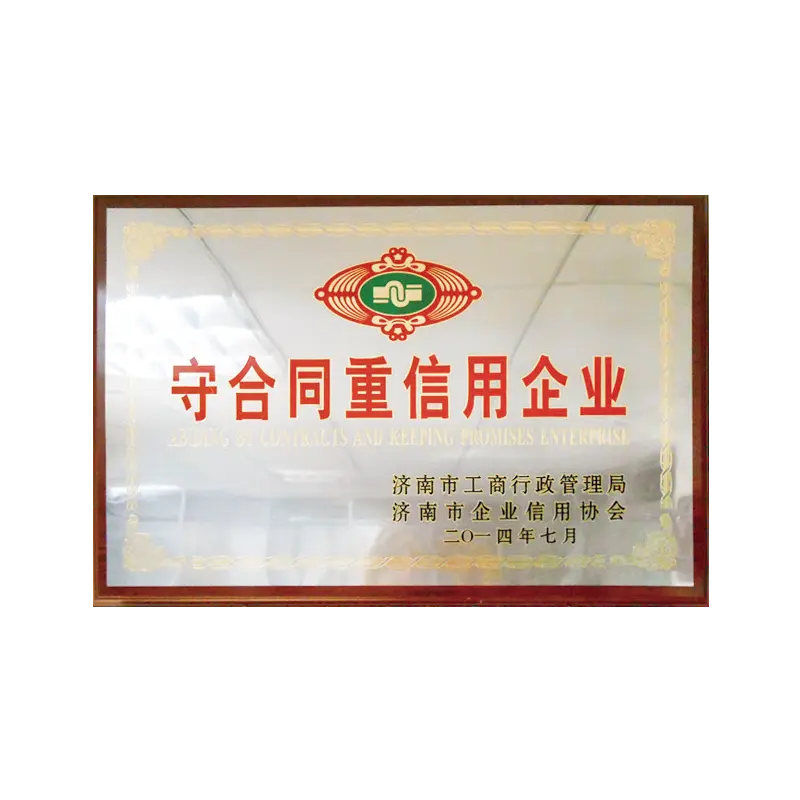
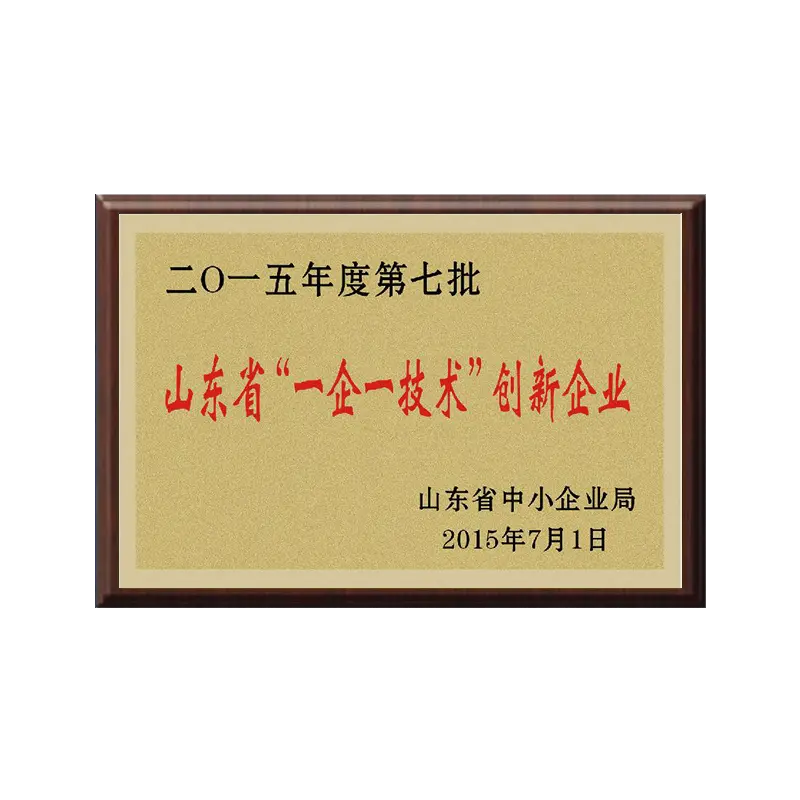
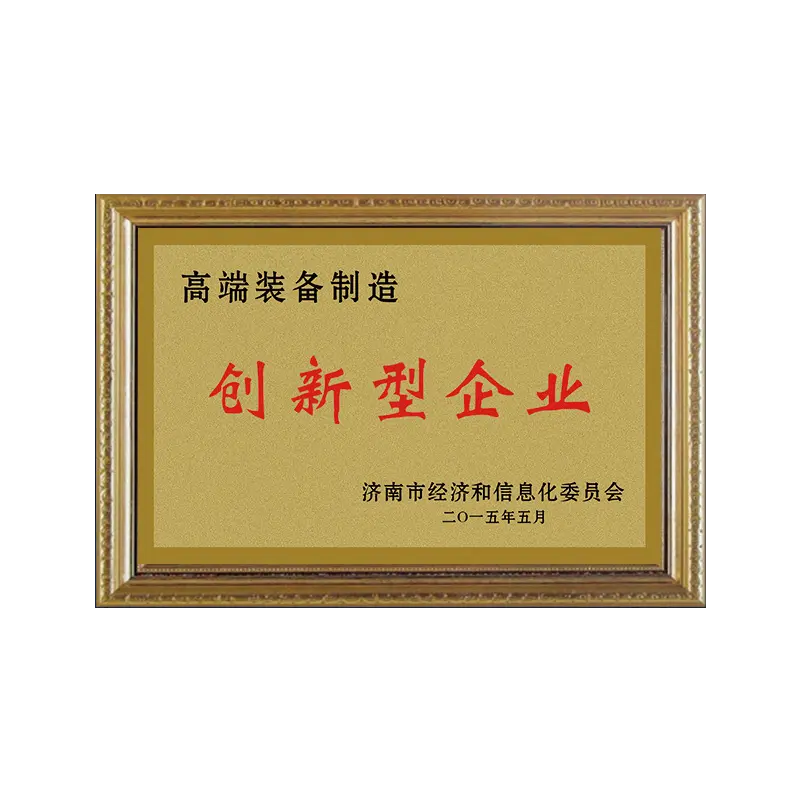
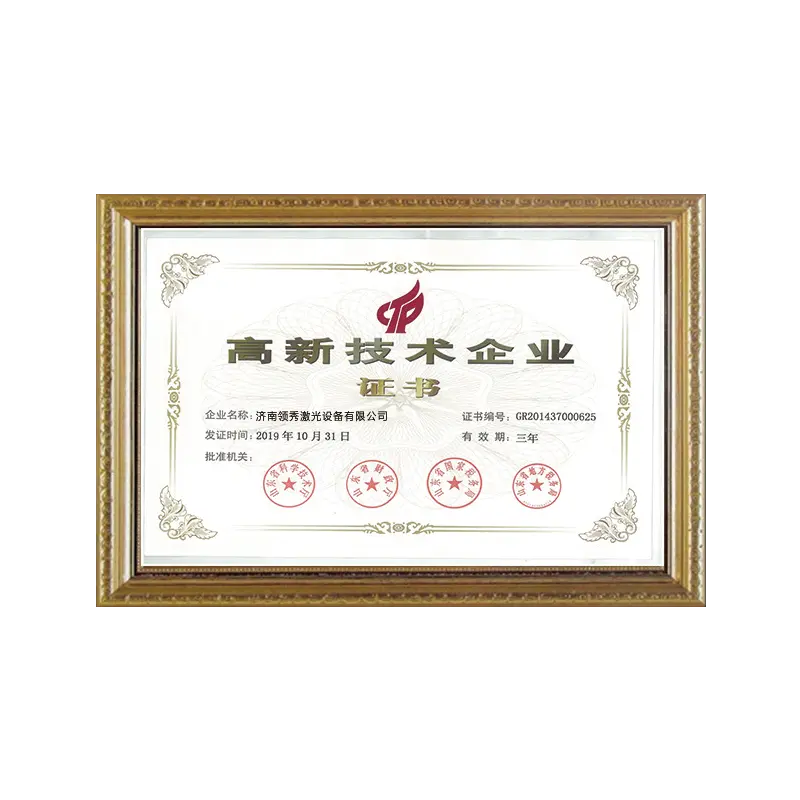
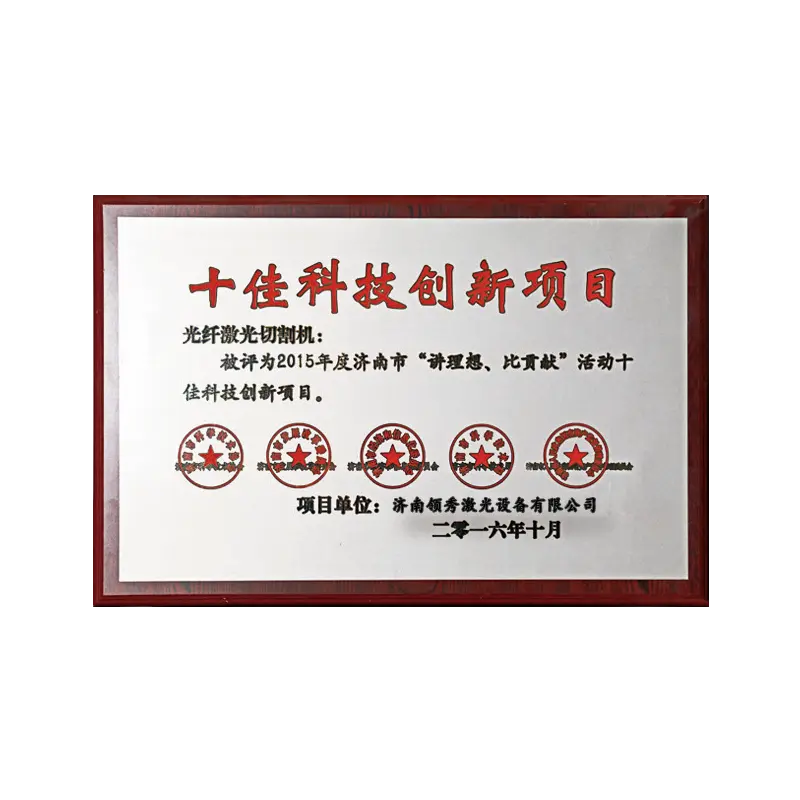
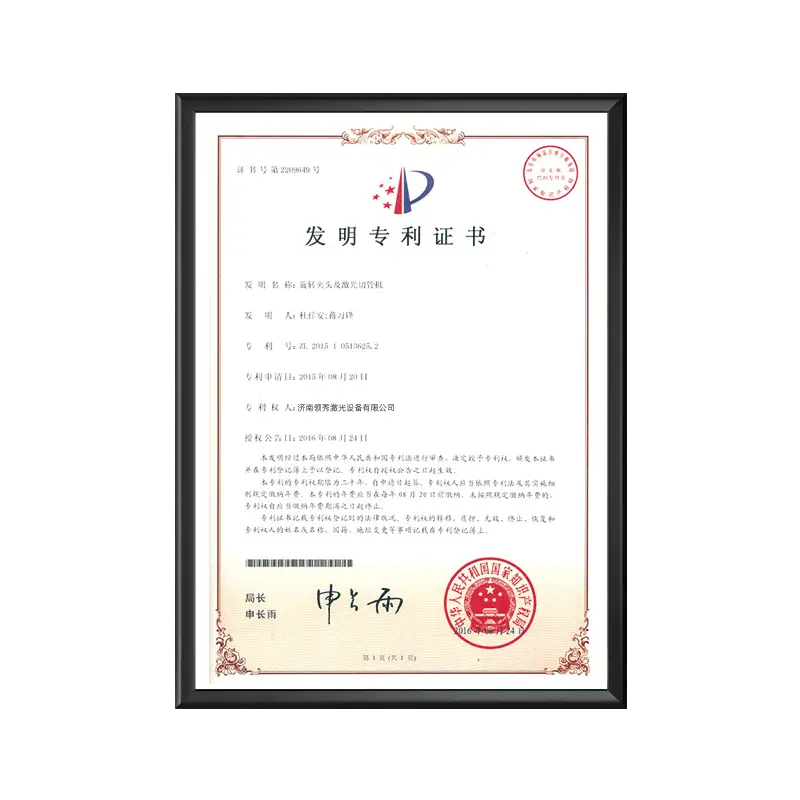
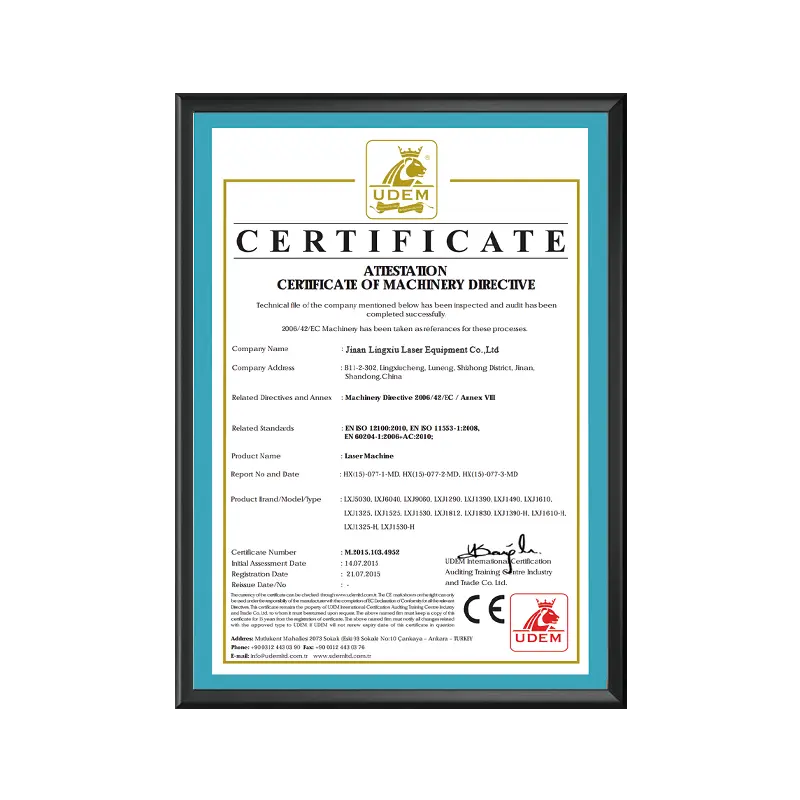
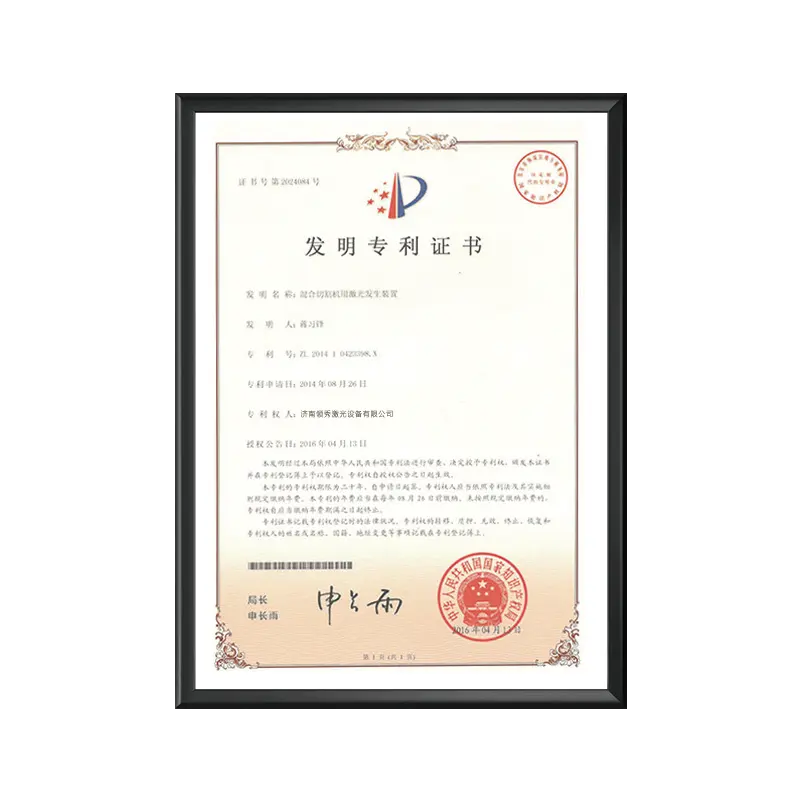
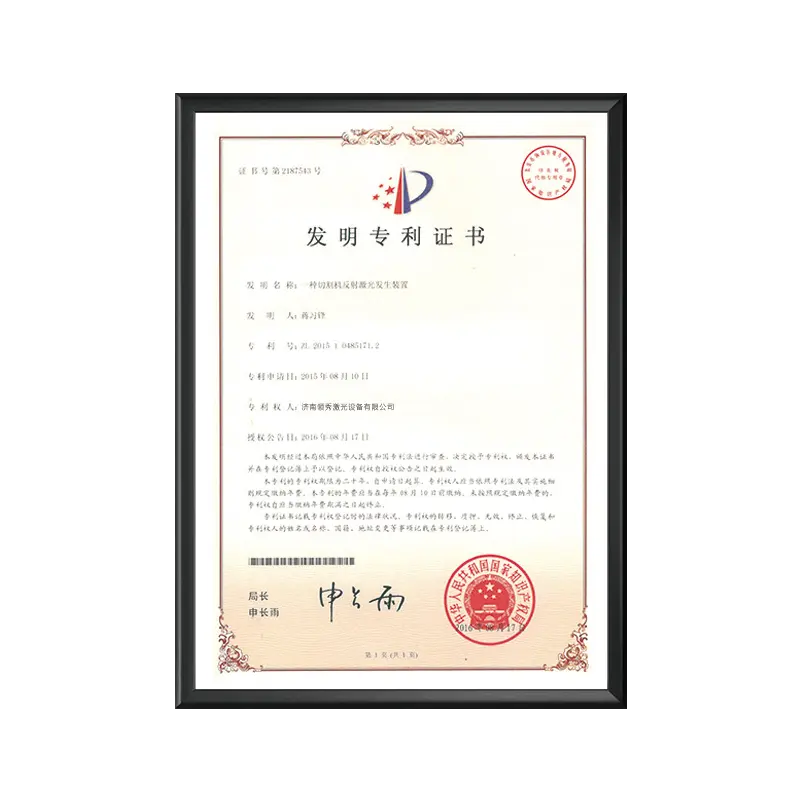
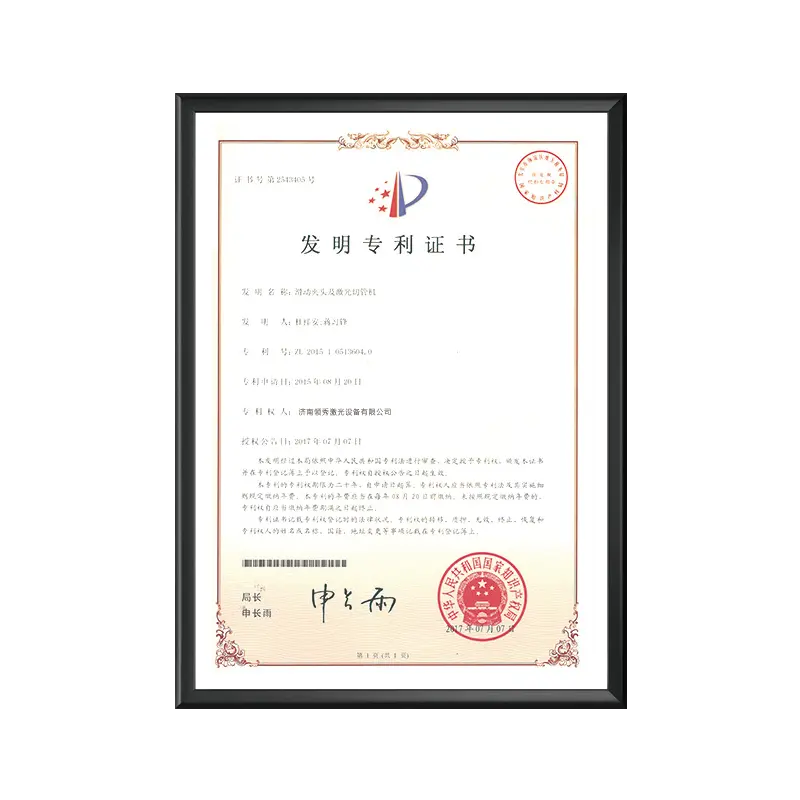
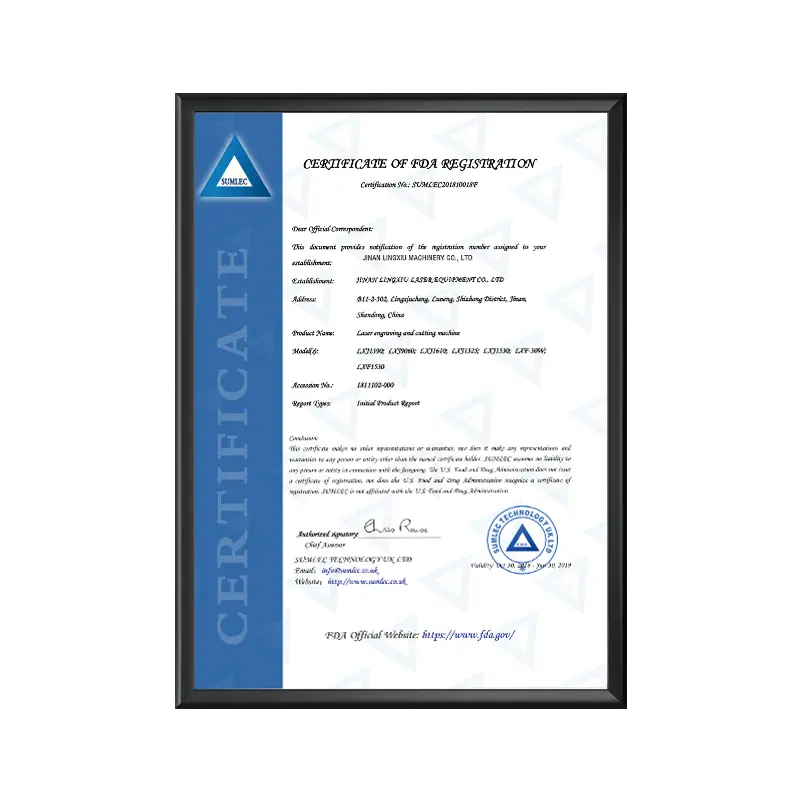
Established in July 2004, our enterprise has grown from a specialized engineering workshop into a global heavyweight in smart laser and metal forming solutions. Operating from a state-of-the-art 32,000 square meter factory facility complemented by over 500 square meters of dedicated R&D offices, we combine rigorous metallurgical research with advanced mechanical engineering. All our production machinery conforms to the highest international benchmarks, having achieved the European Union CE authentication, the American FDA certificate, and ISO 9001 quality management system certification.
Our strategic vision is centered on bridging the gap between heavy structural metal forming and automated CNC laser machining. We are actively constructing future-proof Industry 4.0 plants that will assist South Korean and global manufacturers in transforming their traditional production lines into fully automated, smart factories. By integrating real-time diagnostics, remote fiber monitoring, and synchronized hydraulic systems, we help our partners realize the true potential of smart manufacturing.
For global procurement managers sourcing bending equipment, understanding the exact kinematic differences between 3-roll and 4-roll plate rolling setups is critical. In a standard 3-roll initial pinch plate rolling machine, the plate is loaded and clamped between the top and bottom rolls, while the side forming roll moves diagonally to bend the metal. In contrast, 4-roll double-pinch plate rolling systems offer superior precision by adding a fourth roll, which acts as a dynamic clamping mechanism. The primary advantages of 4-roll technology include:
Our heavy rollers are engineered to process high-tensile materials like SS400 and SM490 structural steels without experiencing structural frame deflection.
The roll guides are driven by heavy-duty hydraulic pistons configured on planetary tracks, directing maximum force exactly into the bending zone.
Built-in hydraulic crowning in the rolls compensates for mechanical deflection under extreme pressure, guaranteeing uniform cylindrical shapes.
Where Precision Engineering Meets Advanced Manufacturing Technology
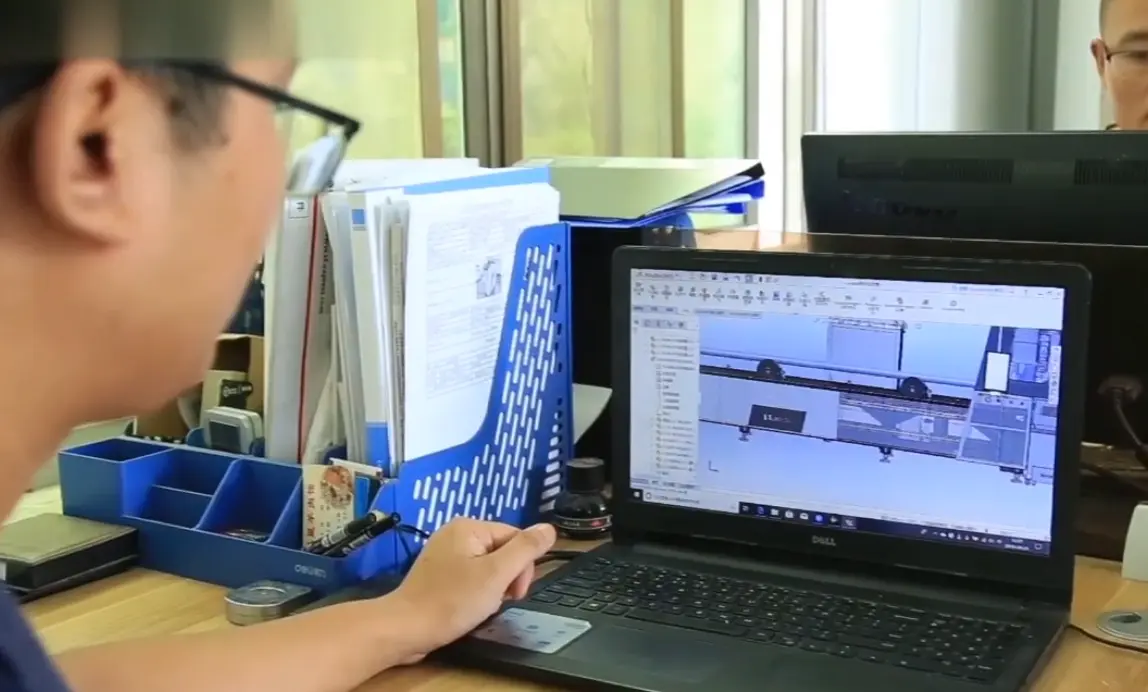
In the highly competitive global steel processing market, procurement heads must carefully balance purchase prices against the Total Cost of Ownership (TCO). Sourcing high-quality machinery involves evaluating criteria such as mechanical structural integrity, service availability, hydraulic system reliability, and software compatibility. For infrastructure projects in Seoul and Incheon, machines must meet strict operational benchmarks. Key selection factors for procurement include:
Processing a Wide Spectrum of Industrial Metals and Alloys for Diverse Structural Sectors
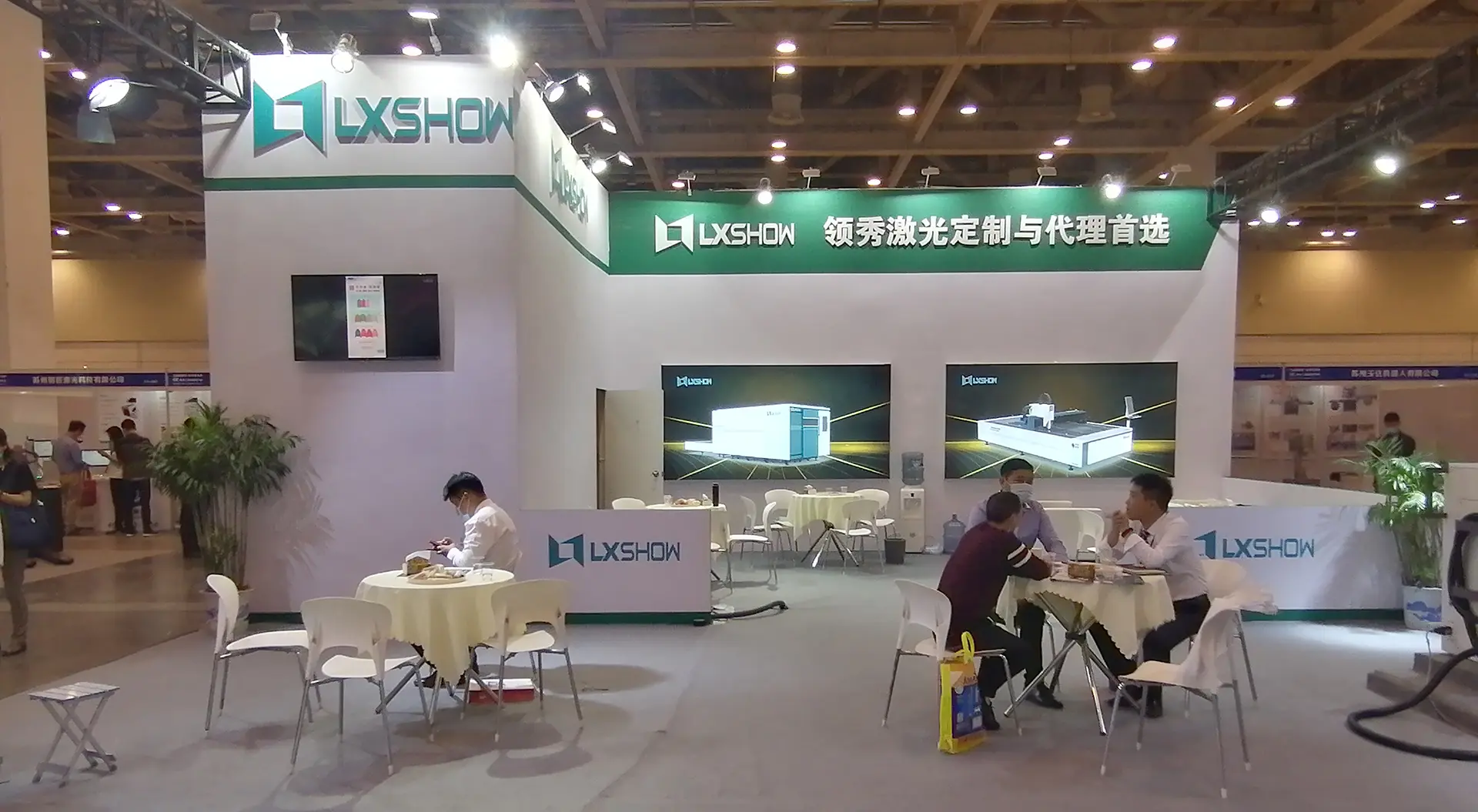
Our heavy fabrication systems, including laser cutters, press brakes, and bending rollers, are widely applied across multiple core manufacturing domains. From heavy machinery, automotive assembly, and aerospace components to consumer kitchenware and steel frameworks, our equipment delivers the reliability and accuracy required for challenging industrial processes.
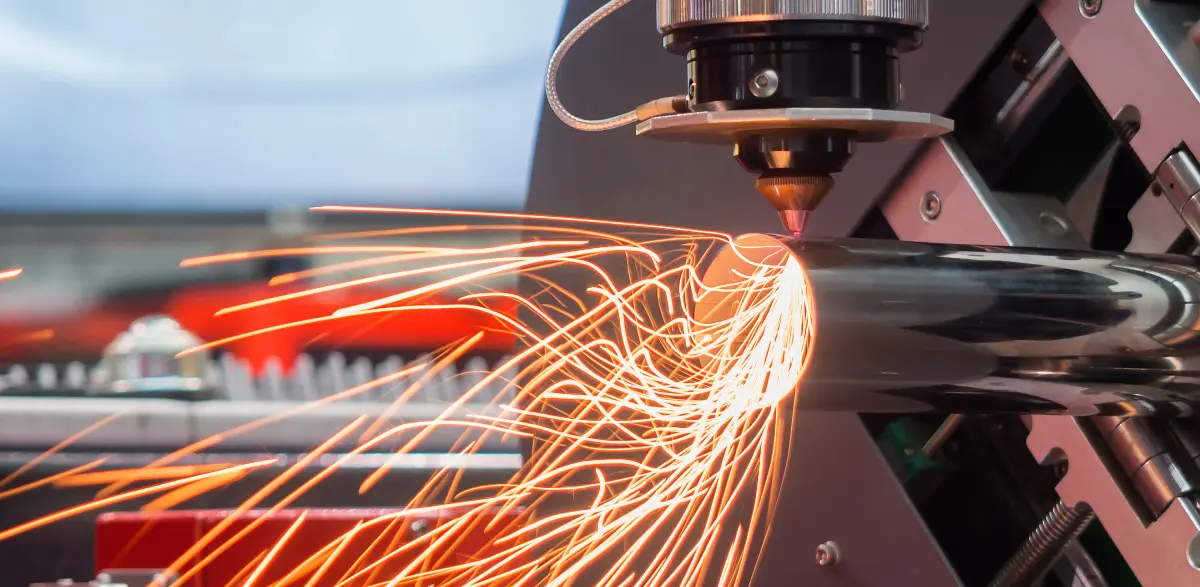
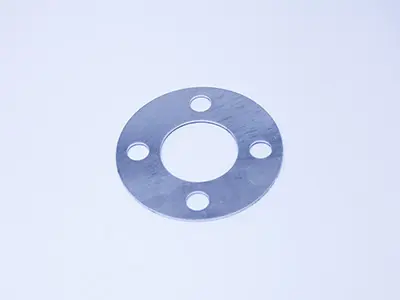
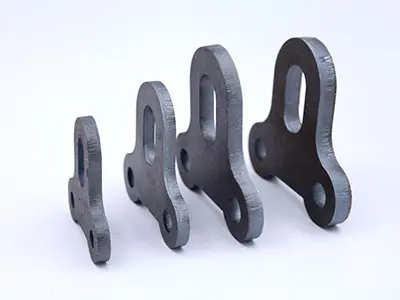
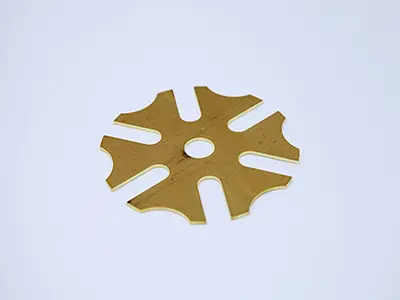
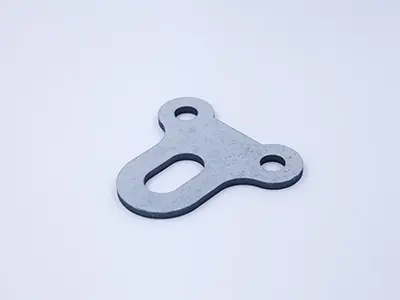
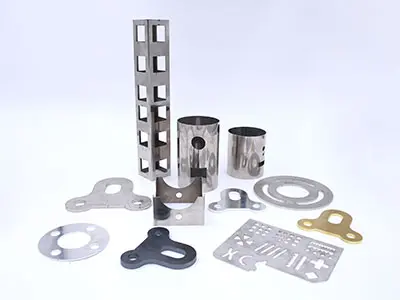
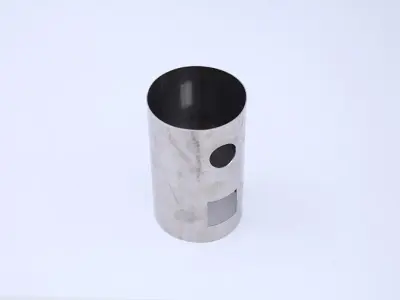
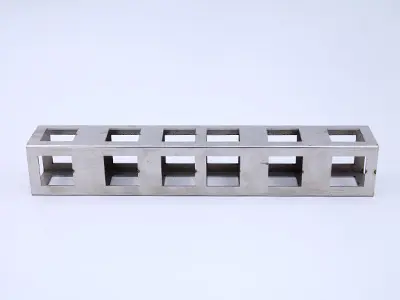
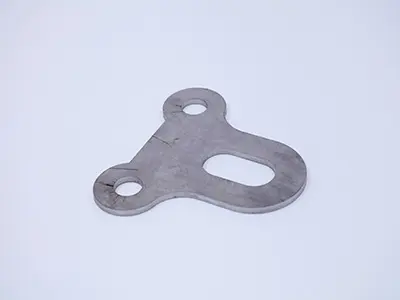
In modern manufacturing, industrial equipment should not operate as isolated units. Fabricators can realize significant efficiency gains by linking fiber laser cutters, CNC press brakes, plate rollers, and laser welders into a unified, digital workflow. For example, a heavy carbon steel sheet can be cut with high-power fiber lasers, formed to precise angles on a CNC press brake, rolled into complex cylinders, and completed with high-speed laser welding. Connecting these machines under a common CAD/CAM ecosystem yields several key operational benefits:
Deploying heavy machinery within South Korea requires strict adherence to local regulatory frameworks. Foremost among these is the KCs Certification, managed by the Korea Occupational Safety and Health Agency (KOSHA). This certification ensures that industrial equipment meets stringent safety requirements for structural strength, electrical grounding, and automated safety stops. Additionally, machines must align with the Occupational Safety and Health Act, which enforces safety features like light curtains, physical interlocks, and accessible emergency stop buttons.
To ensure high machine availability and minimize downtime, we maintain a dedicated technical support presence serving the Seoul Metropolitan Area. Our local engineers provide full setup assistance, including machine leveling, hydraulic calibration, and operator safety training. Furthermore, we maintain a comprehensive spare parts inventory to ensure rapid delivery of replacement components, including seals, nozzles, and sensor cards. This local support infrastructure ensures that your operations remain productive and compliant with all domestic regulations.
The next decade of metal fabrication will be defined by deep digitalization, closed-loop process monitoring, and hybrid manufacturing techniques. As modern smart factories demand ever-greater levels of precision and efficiency, several key technologies are shaping the future of metal forming:
Detailed Answers to Key Procurement and Operational Questions
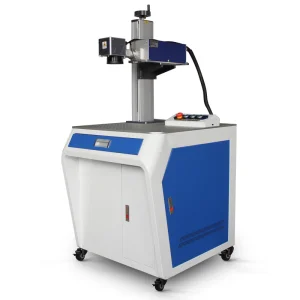
Explore Our Range of Industrial Benders, Large-Format Laser Cutters, and Marking Systems Serving Seoul
Original Product Portfolios including Cladding, Cleaning, Welding, Bending, and Shearing Systems
These advanced systems provide a robust guarantee for users seeking stable, long-term batch cladding and refurbishment of heavy mechanical components and thick plates. Engineered for precision surface hardening and repair:
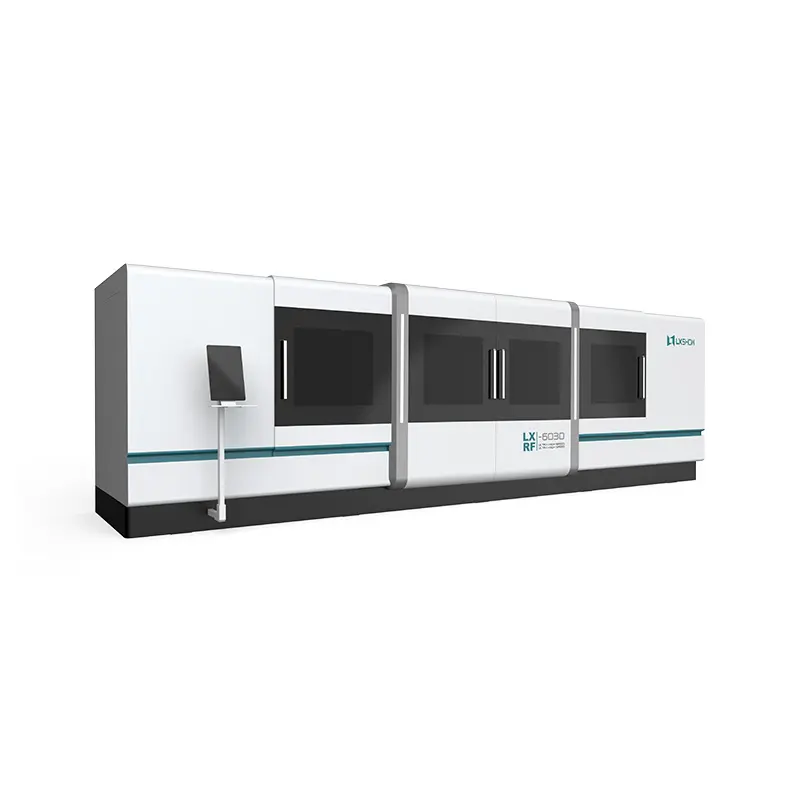
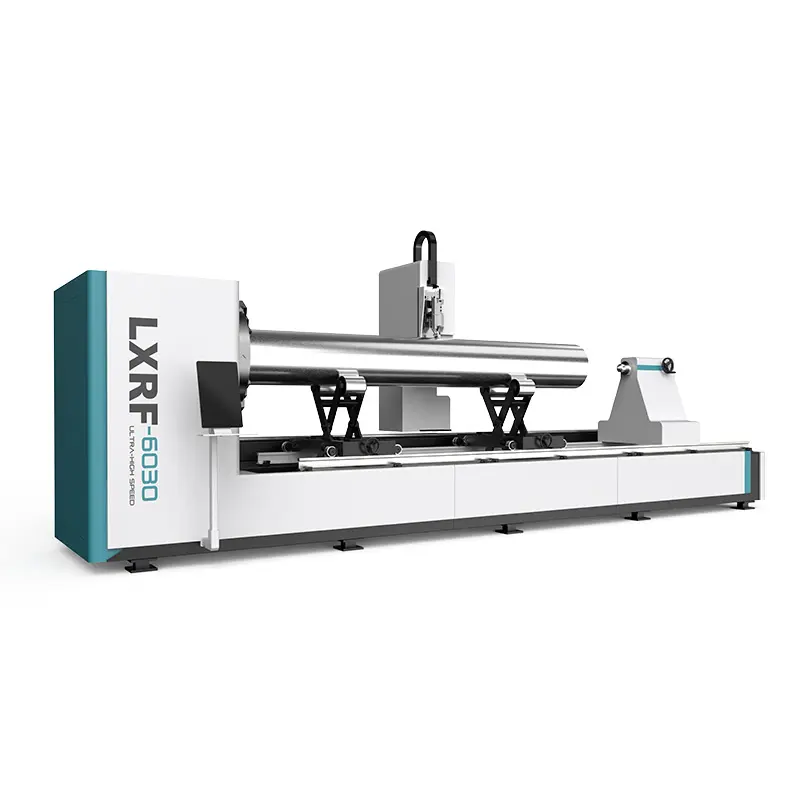
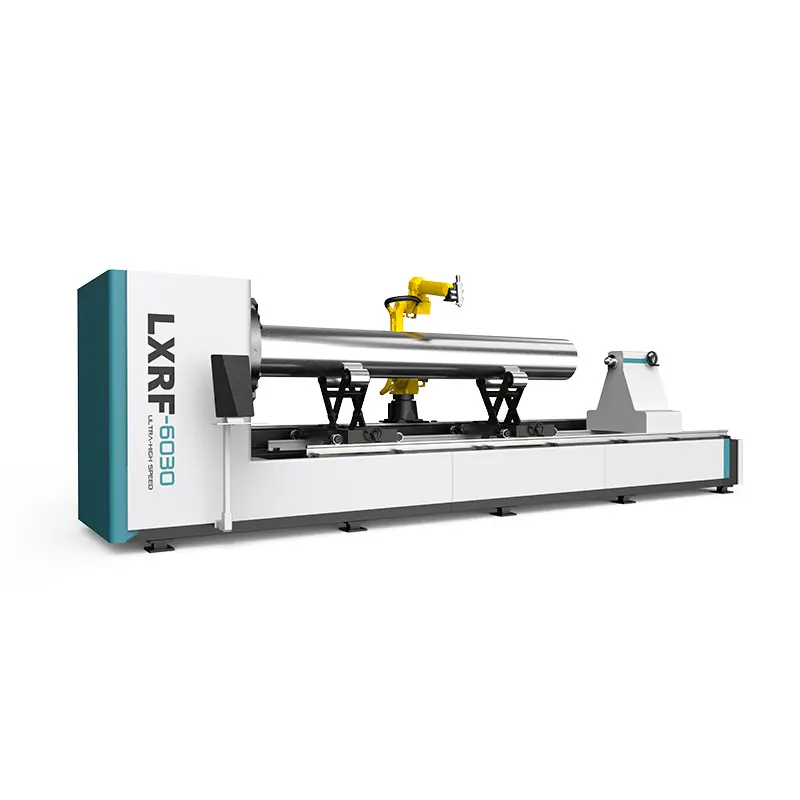
Our surface preparation and rust removal systems deliver reliable performance for industrial batch cleaning. These non-contact methods preserve the integrity of the underlying base metal while efficiently removing oxides and coatings:
Other available models include: New Design Portable Fiber Laser Cleaner Machine, Backpack Style Laser Cleaning Machine Price for Sale Stainless Steel Carbon Steel, New Pulse Tie Rod 200W Fiber Laser Cleaning Machine, 2024 Lxshow New 200W Pulse Tie Rod Laser Cleaning Machine Price for Sale, Lxshow 100W Backpack Fiber Laser Cleaning Machine for Rust Remover, New Designed Economy Model Laser Cleaning Machine with Cheap Price for Metal Paint Rust Removal, LXC-1000W 1500W Small Handheld Laser Cleaning Machine Metal Rust Remover Iron Stainless steel, and the LXC-Fully Surrounded Flat Metal Laser Derusting Cleaning Machine.
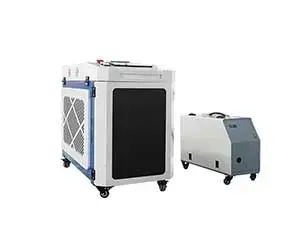
Our hand-held and automated CNC laser welding systems deliver high-speed, low-distortion joins on stainless steel, carbon steel, and aluminum sheet metal structures:
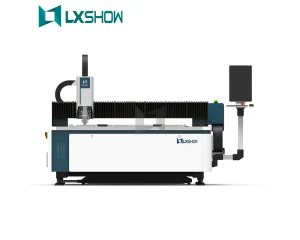
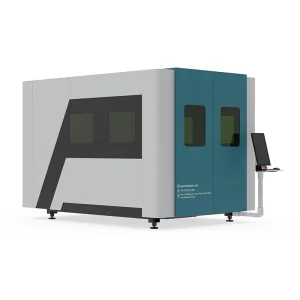
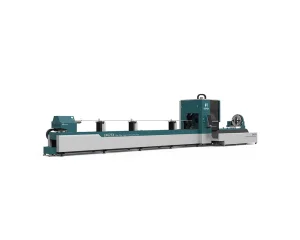
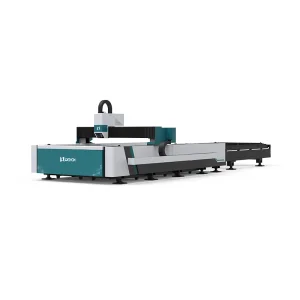
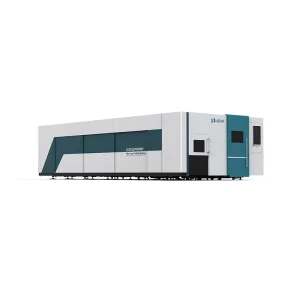
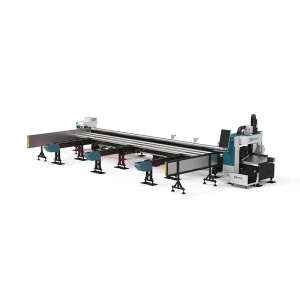
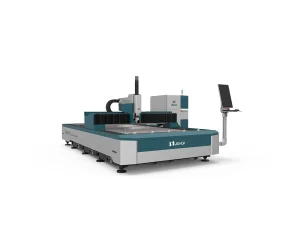
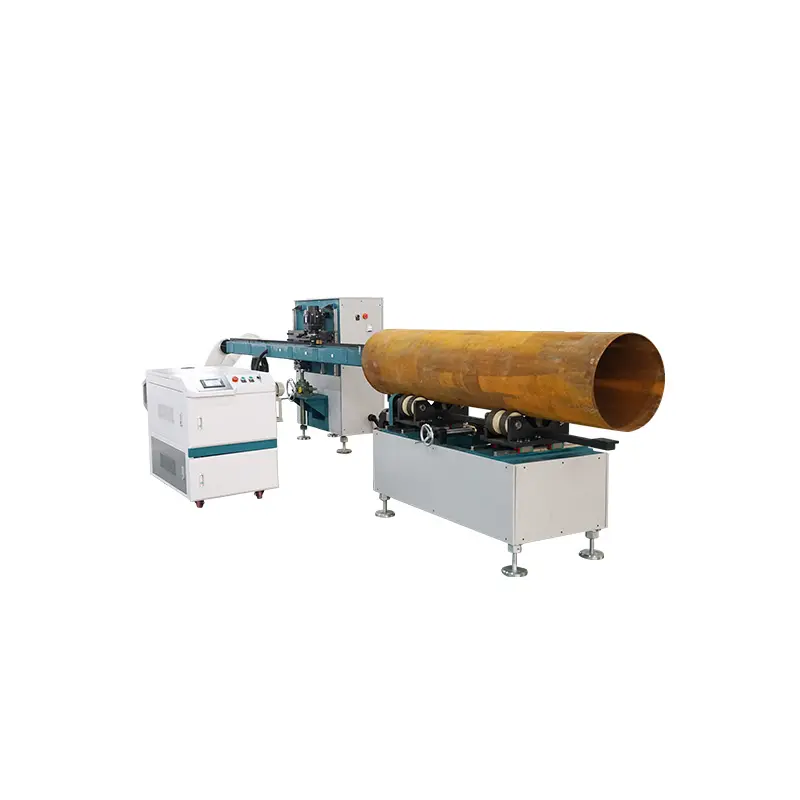
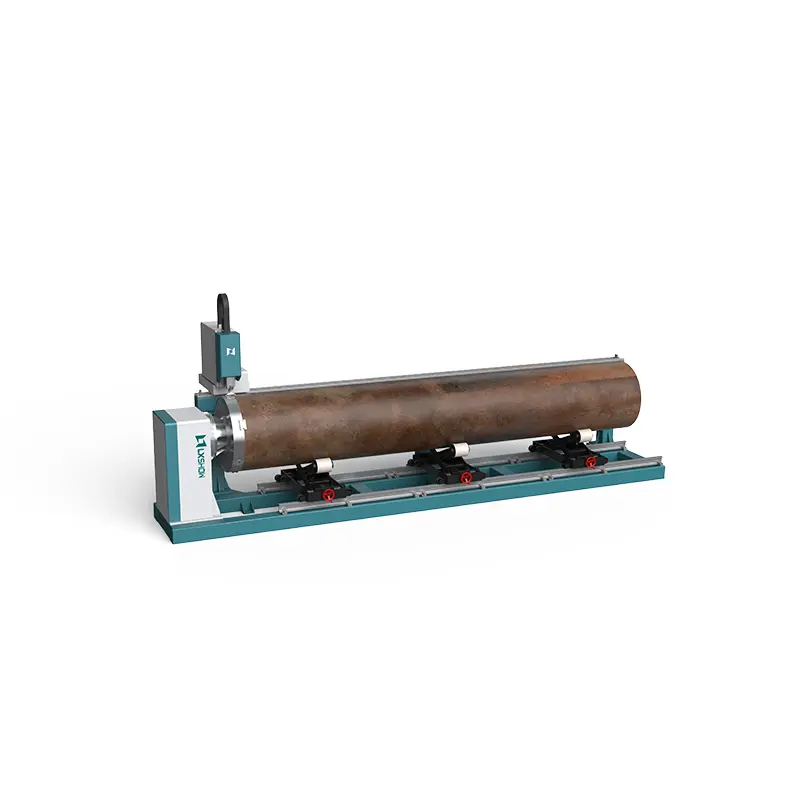
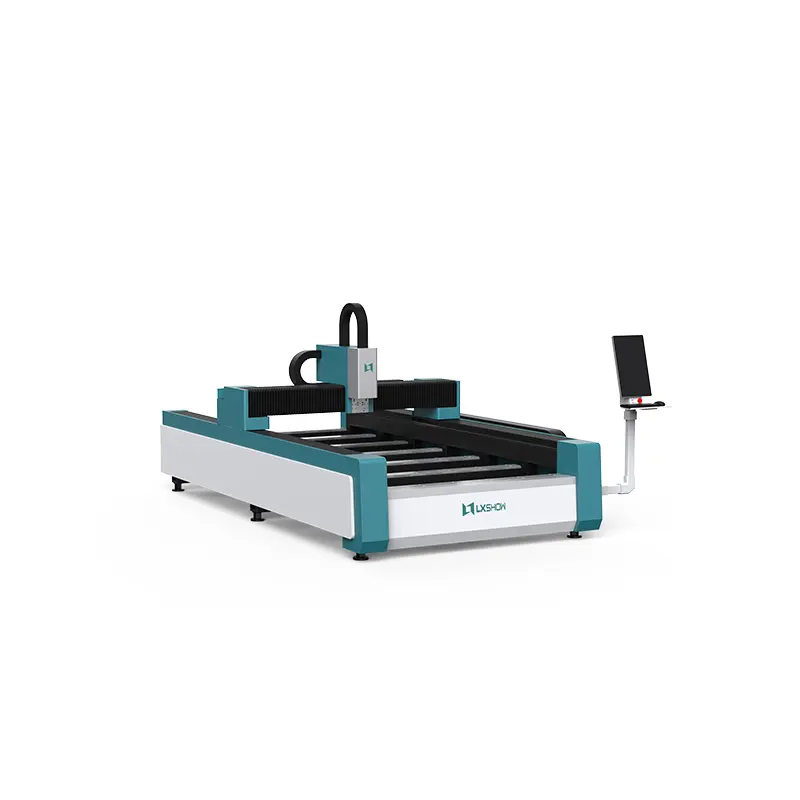
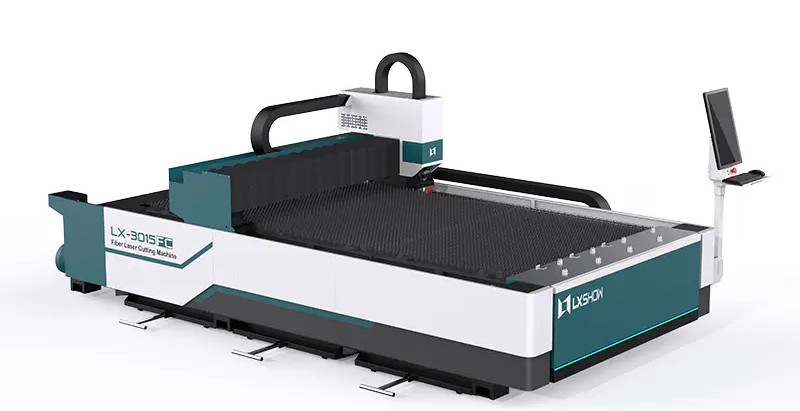
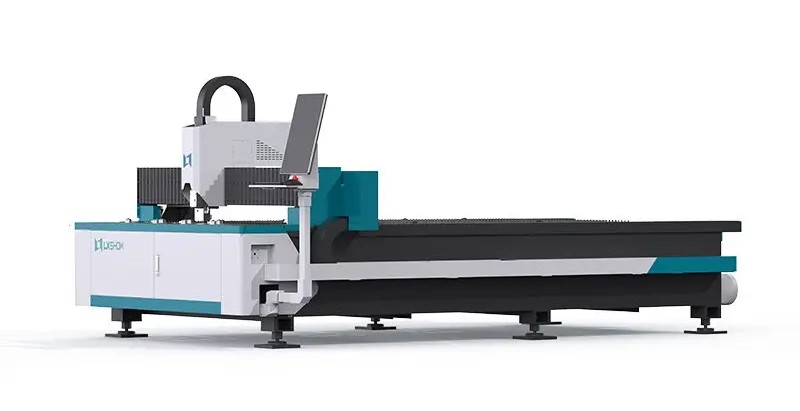
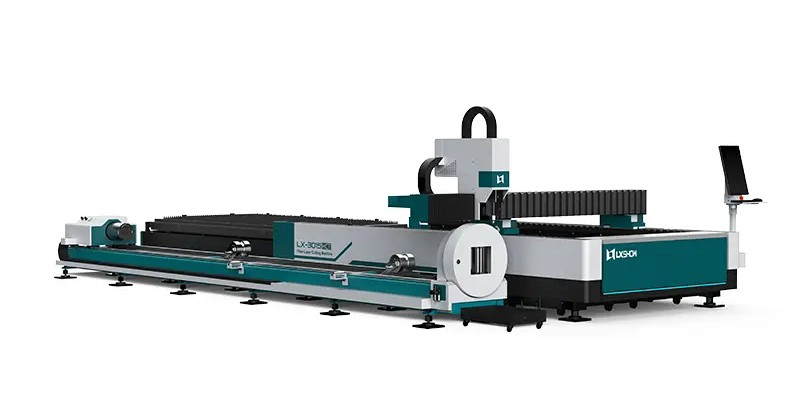
High-speed, high-precision thermal cutting systems designed to process flat sheets and structural tubing with minimal kerf width and clean edges:
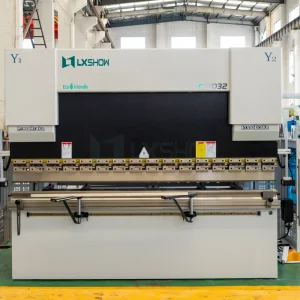
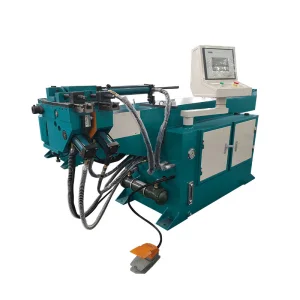
Advanced electro-hydraulic servo press brakes and automated forming systems that deliver precise bending angles across multiple material thicknesses:
High-force hydraulic shearing systems designed to straight-cut sheet metal and structural plate components prior to forming and welding:
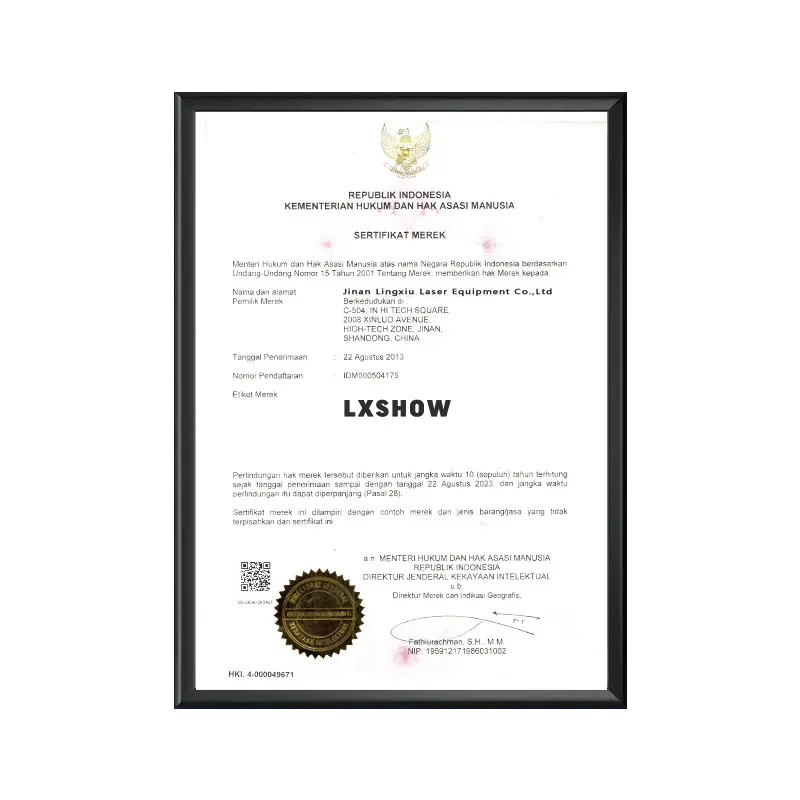
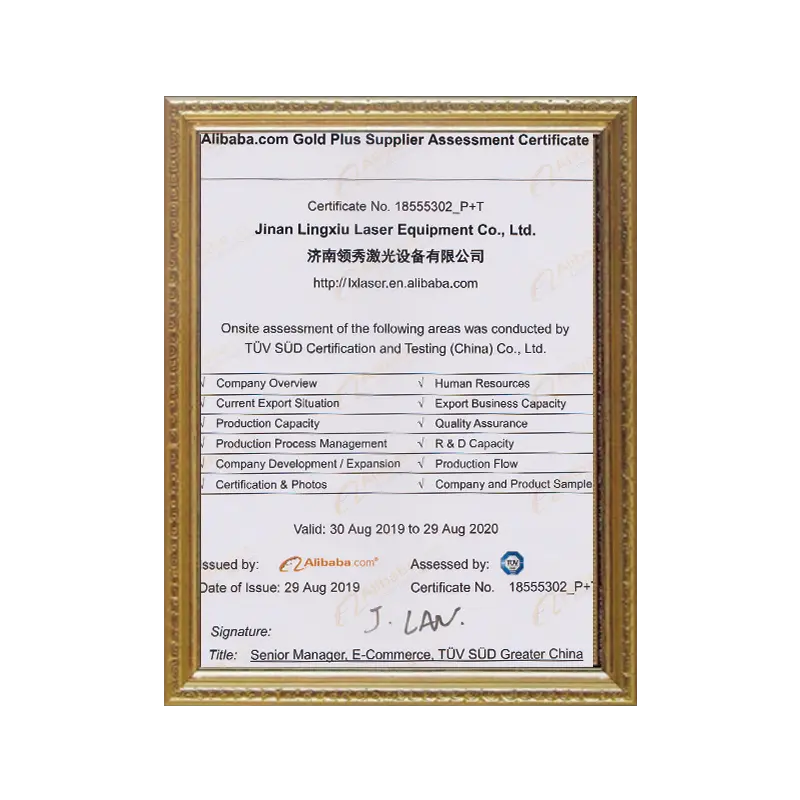
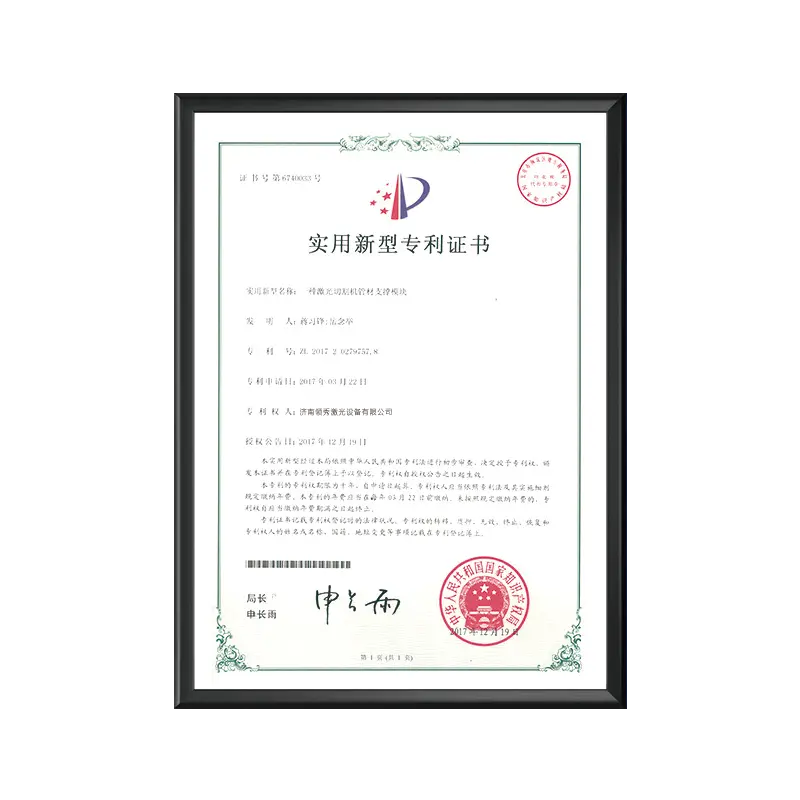
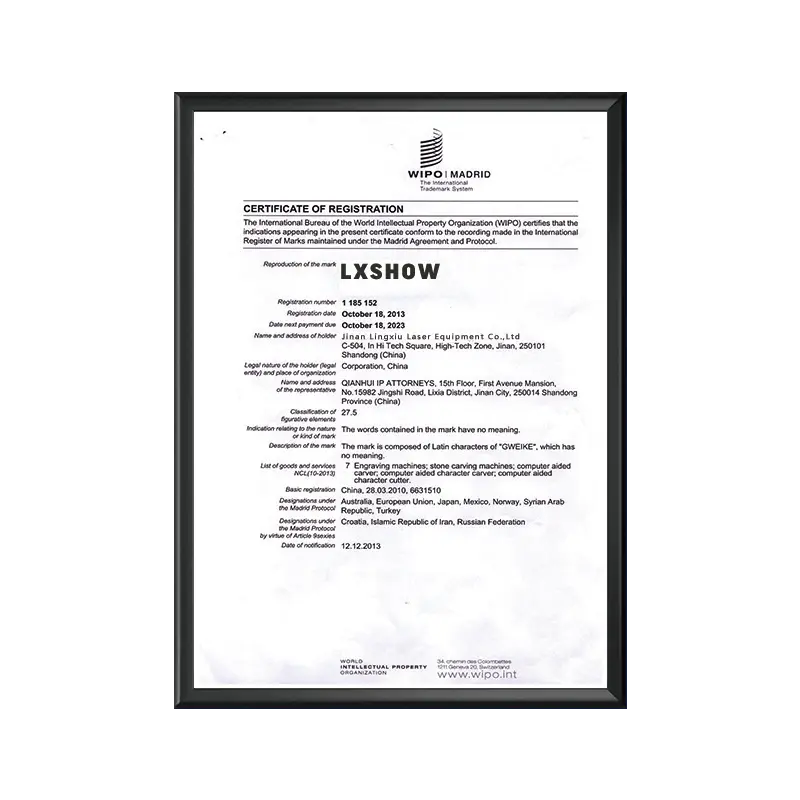
Original Catalog Visualizations for Machinery Procurement Evaluation
Original Preservation Links and Specialized Material Formats
Connect with our technical engineering division today for machine specifications, custom tooling configurations, and price quotes.
 Lxshow