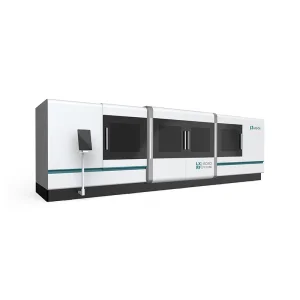
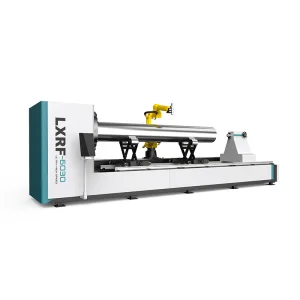
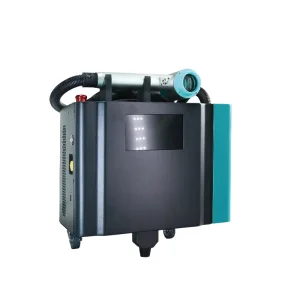
Explore our flagship high-power laser cladding setups engineered for high deposit efficiency and minimal thermal distortion in harsh operational environments.
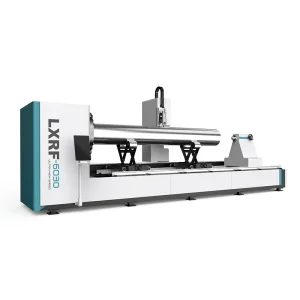
Brisbane, as the primary industrial gateway of Queensland, is home to critical sectors including mining machinery fabrication, agricultural equipment logistics, maritime infrastructure development at the Port of Brisbane, and complex structural civil engineering. These heavy industries operate continuously under extreme environments, subjecting critical metallic components to severe abrasion, chemical corrosion, and mechanical fatigue.
Traditional surface refurbishment methods, such as hard chrome plating and thermal spray, are falling short. Hard chrome plating faces strict regulatory scrutiny worldwide due to environmental and carcinogenic issues associated with hexavalent chromium. Thermal spray methods, while effective for basic build-ups, produce a mechanical bond that is susceptible to delamination under intense sheer loads. This is where laser cladding technology acts as a transformative solution.
Unlike conventional welding techniques that induce high thermal inputs leading to component warping and deep heat-affected zones (HAZ), laser cladding utilizes a focused fiber laser source to melt the substrate surface and an injected alloy powder simultaneously. This yields a metallurgical bond with a dilution rate under 5%, preserving the structural integrity of the base alloy while depositing high-performance coatings like Stellite, Inconel, or Tungsten Carbides.
On a global scale, the industrial sector is shifting towards sustainable and circular economy models. Instead of scrapping worn shafts, hydraulic rams, drill collars, and turbine rotors, multinational organizations are mandating the reclamation of high-value components. Global logistics systems and manufacturing hubs are relying more heavily on Directed Energy Deposition (DED) techniques—specifically high-speed laser cladding—to reduce lead times from months to days.
In Brisbane, local engineering firms and mining services companies face the pressure of high operational downtime costs. A haul truck hydraulic cylinder or a slurry pump impeller failing in the Bowen Basin can cost operations tens of thousands of dollars per hour. Acquiring an in-house laser cladding system, or partnering directly with a certified manufacturer, provides local operators with rapid turnaround capabilities and prolonged component lifespans that outperform standard OEM replacements by 200% to 300%.
How our optimized production facility delivers industrial-grade laser engineering platforms with certified quality standards for the Australian market.
Investing in laser smart equipment requires balancing capital investment against long-term operational reliability. As a primary manufacturer based in China, we leverage a highly integrated industrial ecosystem to engineer and build advanced laser cladding, laser cutting, and laser welding platforms that meet stringent CE, FDA, and ISO 9001 certifications. This allows us to supply global customers with systems featuring high-tier component integration at a fraction of the cost of domestic European or domestic Australian assembly lines.
We source state-of-the-art laser generators (Raycus, Maxphotonics, IPG), high-precision CNC multi-axis positioners, and smart robotic arms (KUKA, Yaskawa, or proprietary integrations) to guarantee consistent power delivery and sub-millimeter geometric accuracy.
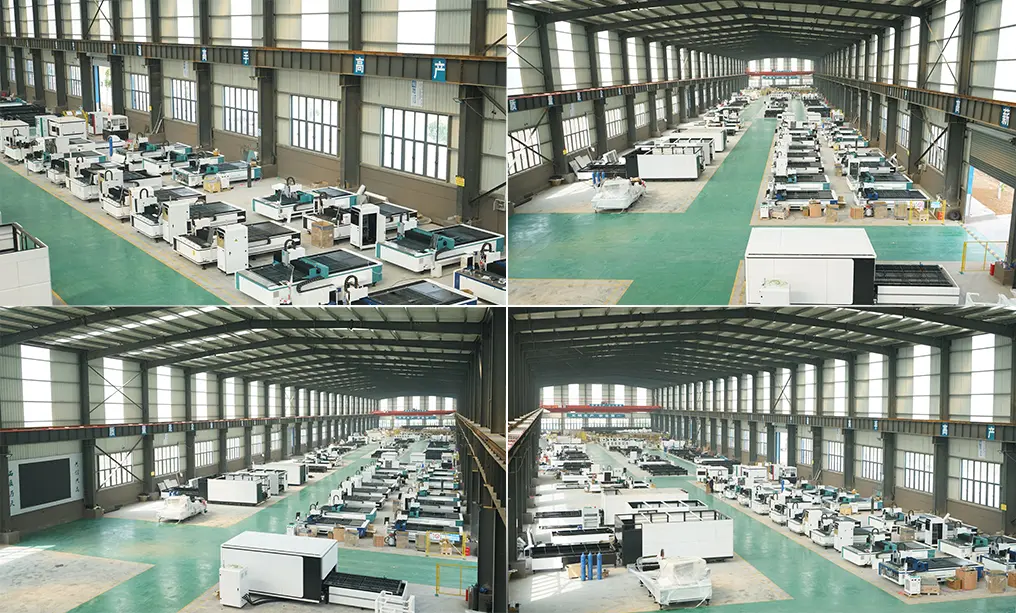
Every laser system leaves our 32,000 square meter factory only after passing exhaustive continuous-load testing. Our QA protocols verify powder feed consistency, beam optical alignment, and mechanical structural rigidity under maximum payload configurations.
By bypassing multiple layers of Western dealerships, we pass direct factory savings onto the customer. Our dedicated international department arranges customs clearance, sea transport to the Port of Brisbane, and coordinate local industrial rigging and installation.
A global leader in smart laser equipment committed to driving Industry 4.0 manufacturing innovations.
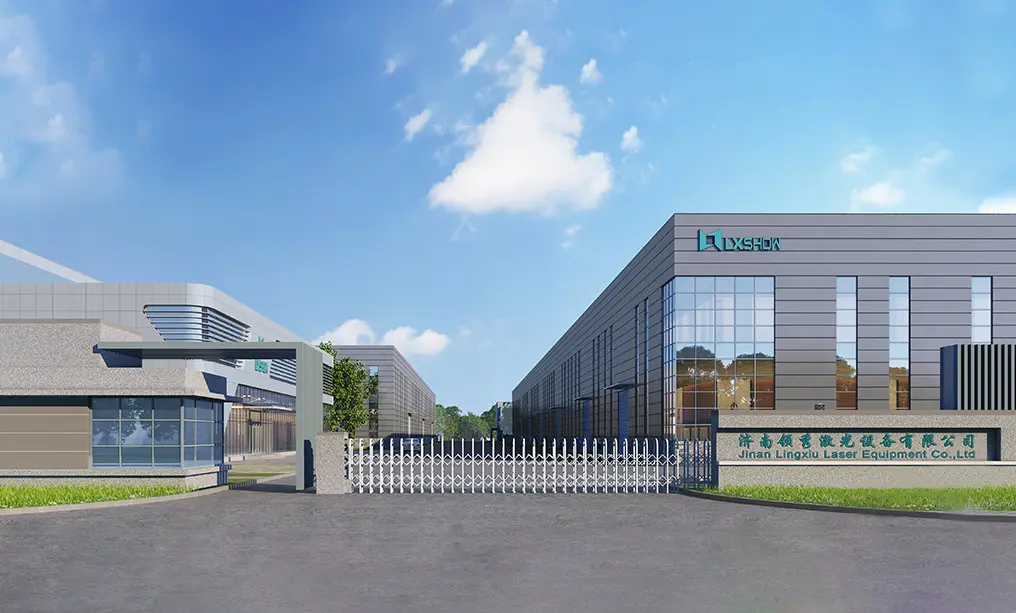
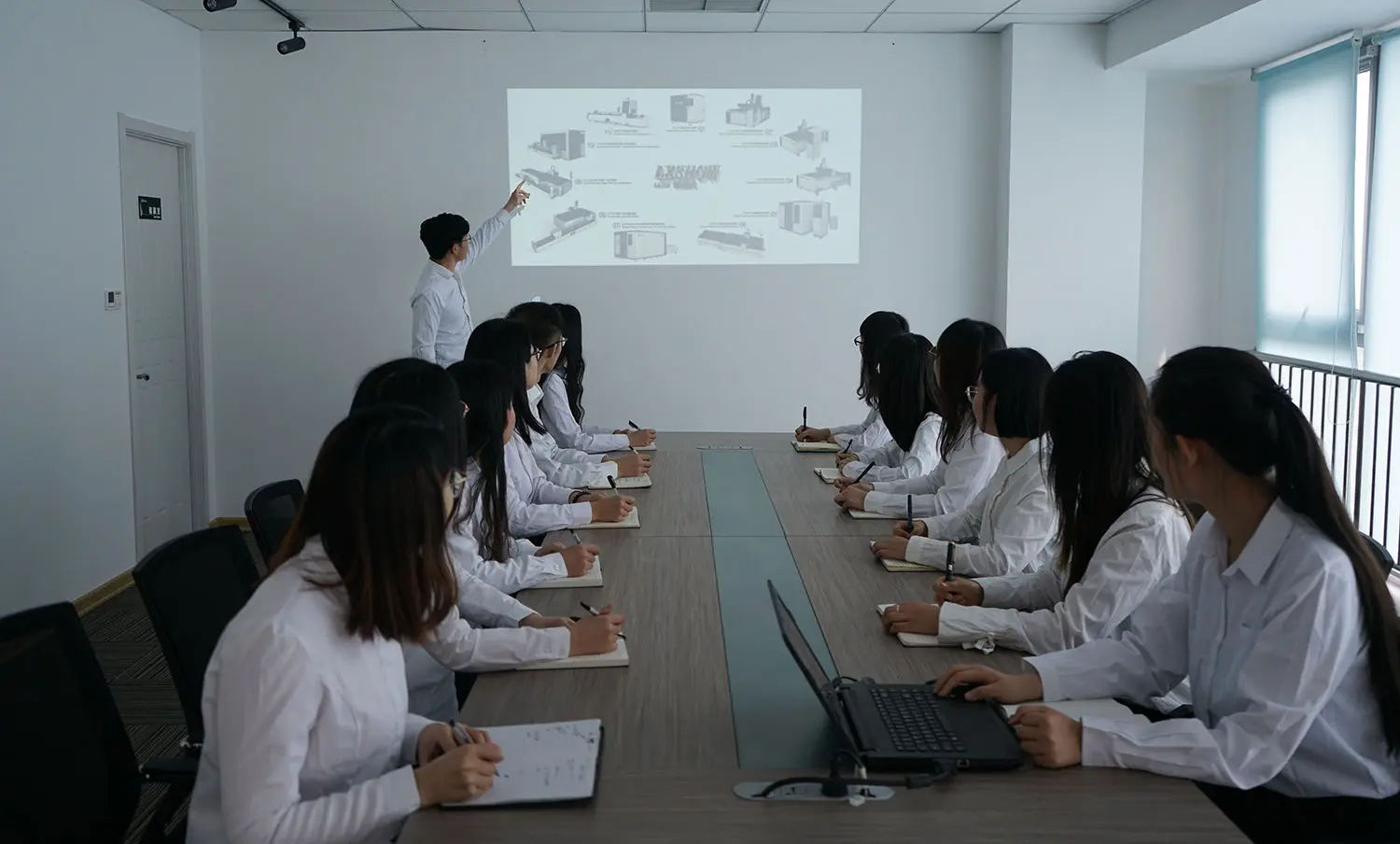
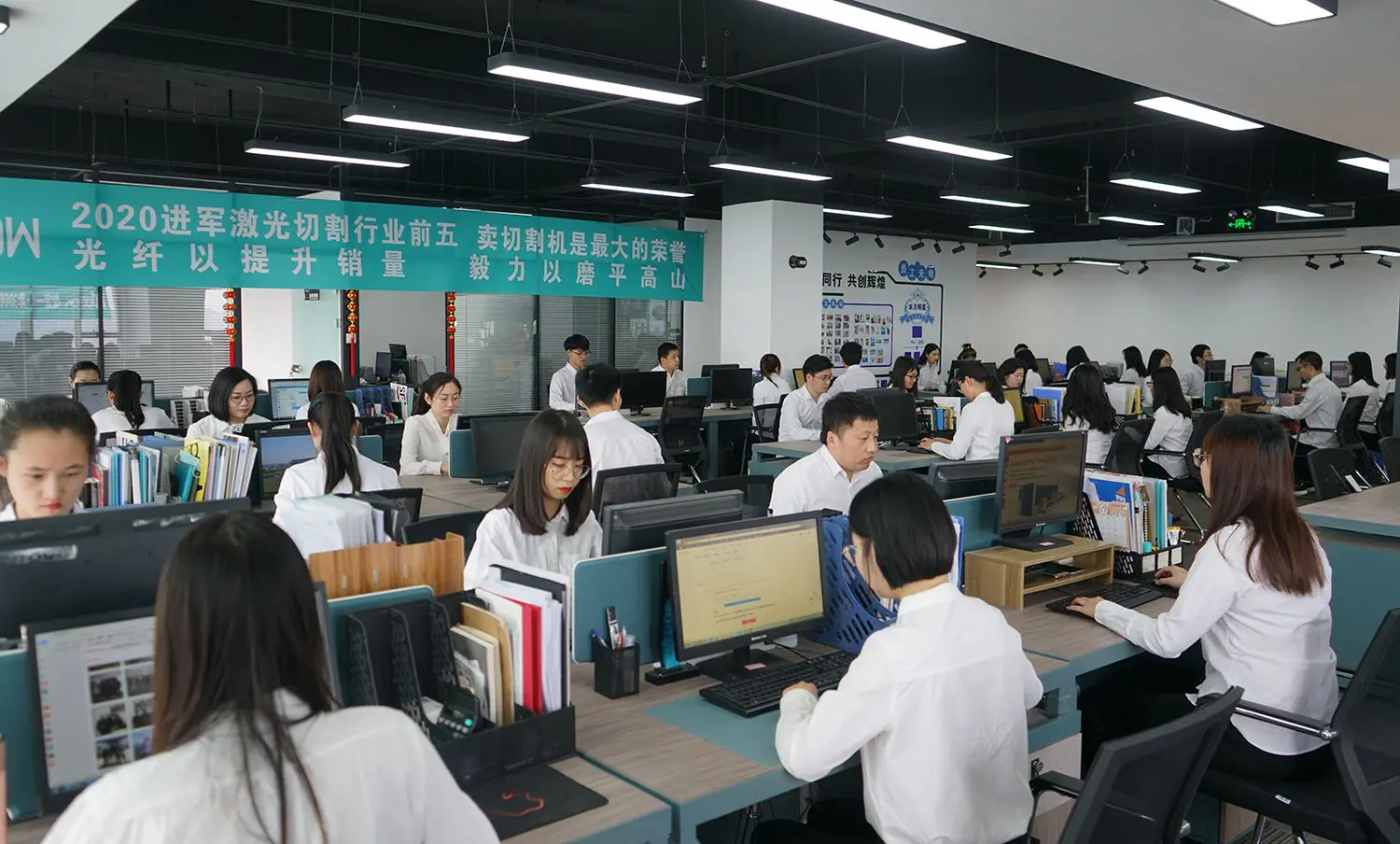
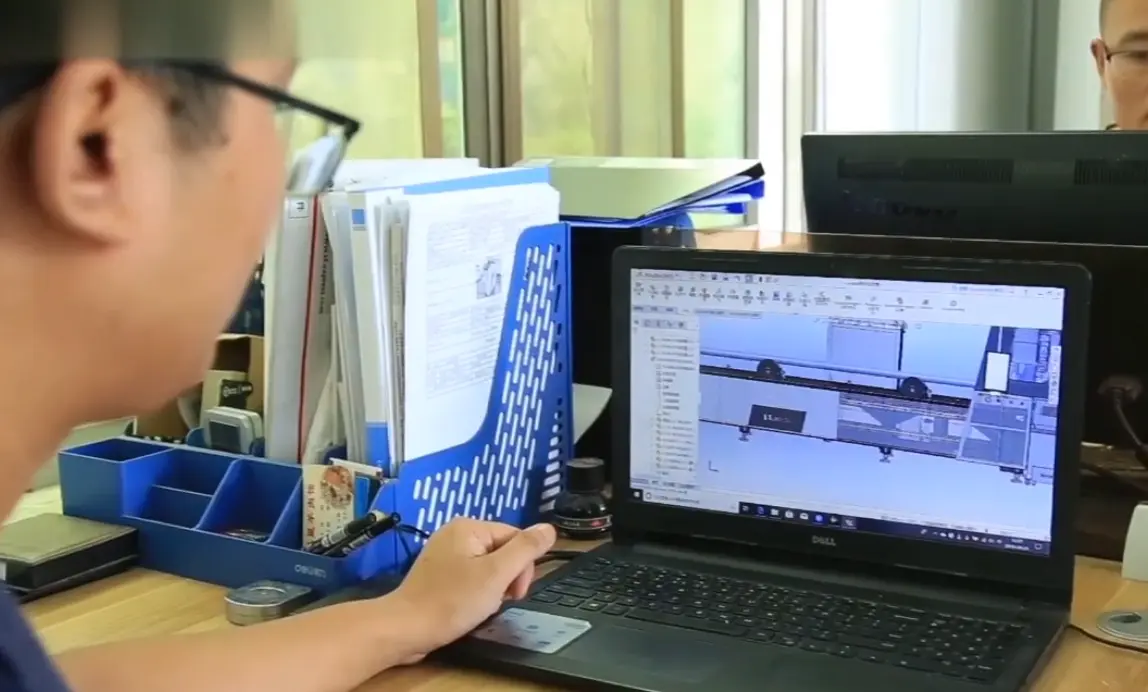
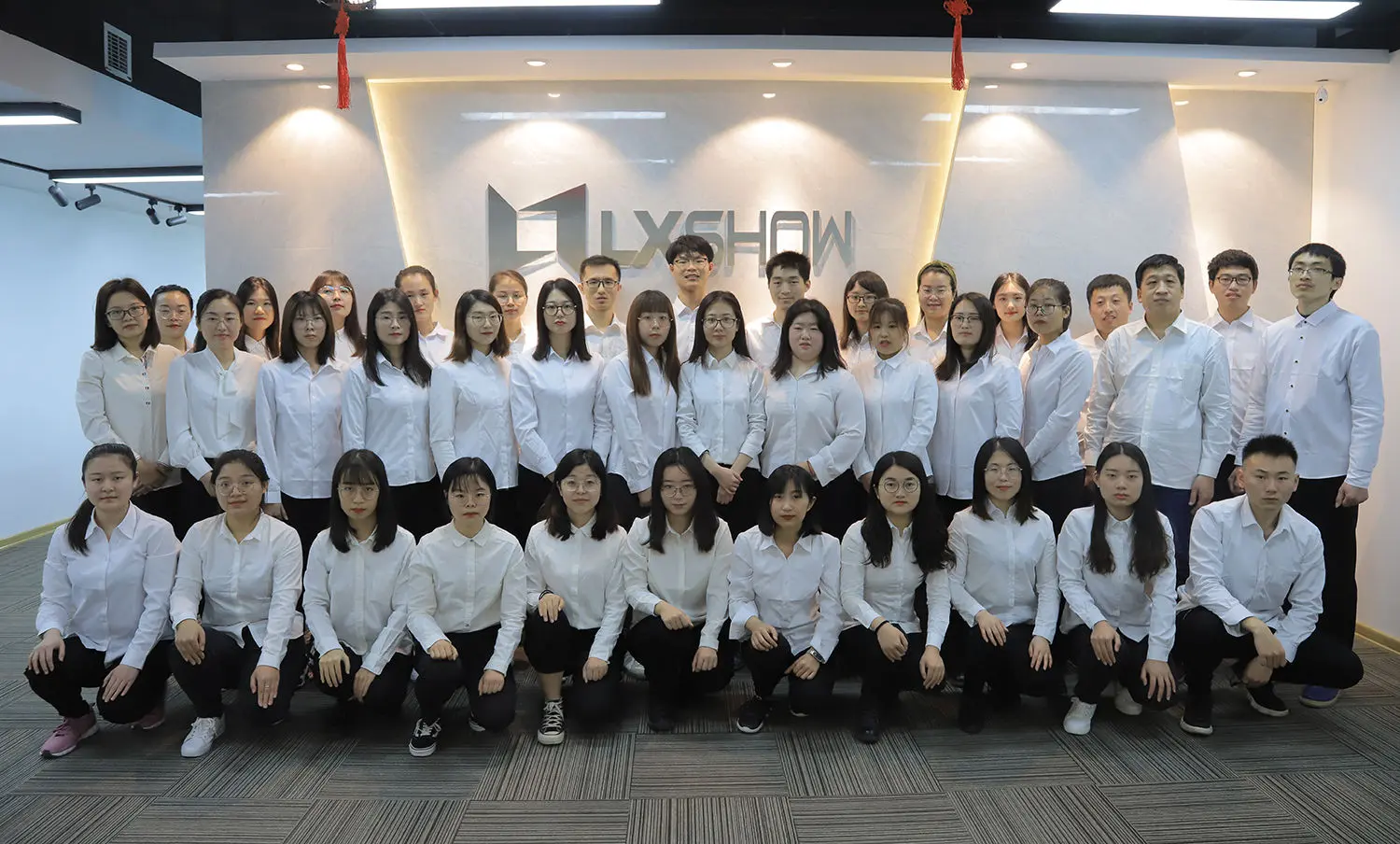
Established in July 2004, LXSHOW owns more than 500 square meters of dedicated research and office space alongside our 32,000 square meter manufacturing factory. We focus on providing comprehensive technical support, hosting a specialized laser cutting, laser welding, and laser cleaning machine communication center to help enterprises build smart manufacturing plants for the future.
All our machinery has successfully passed the European Union CE authentication, American FDA certificate, and are certified under ISO 9001 standards. We also supply OEM services to more than 30 global industrial brands, supporting metal processing industries worldwide.
A technical guide to matching substrate compatibility with proper laser power metrics for consistent clad layer hardness.
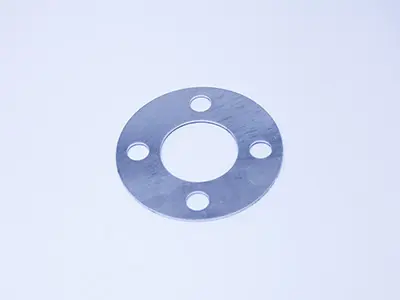
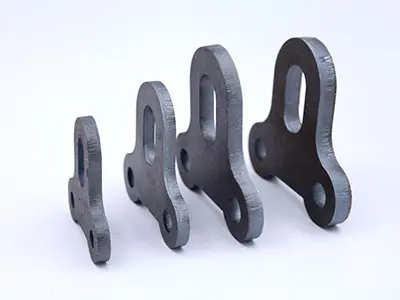
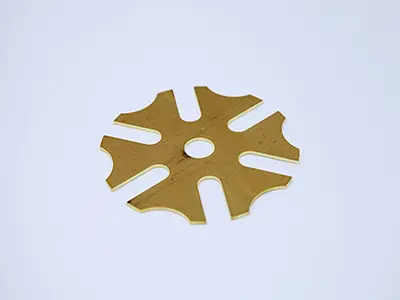
When selecting a laser cladding or processing platform, matching system parameters with local raw material substrates is crucial. Different alloys react uniquely to laser heat inputs. Below is an overview of the primary metallic groups our equipment processes, utilizing custom beam configurations to optimize hardness and minimize cracking.
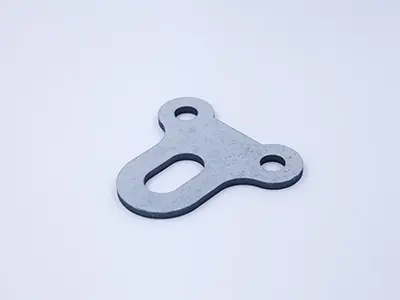
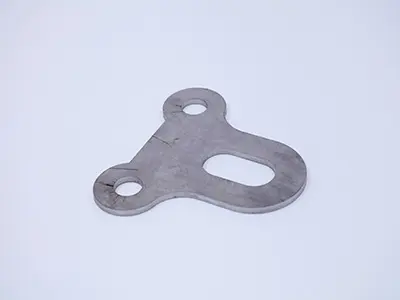
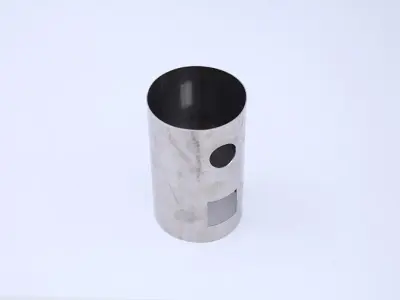
| Laser Source Power | Typical Clad Thickness | Recommended Feed Rate | Suitable Substrates | Target Industries |
|---|---|---|---|---|
| 3000W - 4000W | 0.5 mm - 1.5 mm | 8 - 15 mm/s | Medium Carbon Steel, Stainless Steel | Hydraulic cylinder shafts, pump sleeves |
| 6000W | 1.0 mm - 2.5 mm | 12 - 25 mm/s | Heavy Cast Iron, Cr-Mo Forgings | Mining drill bits, excavation bucket teeth |
| 8000W+ (High Speed) | 0.2 mm - 1.0 mm (EHLA) | 50 - 150 mm/s | Superalloys, Inconel coatings | Aerospace landing gear, offshore marine risers |
Stay ahead of the competition by integrating automation and high-speed cladding modifications into your workshop.
Traditional laser cladding melts both powder and substrate simultaneously, limiting linear speed. EHLA melts the powder particles while they are still in flight, ensuring only a micro-layer of the substrate is liquefied. This increases process speeds up to 100 times, significantly reducing heat input and processing times for round components.
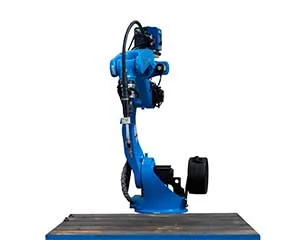
Integrating CNC rotary positioners with 6-axis industrial robotic arms allows for automated cladding of complex geometries, such as non-axisymmetric pump impellers, helical screw conveyors, and valve seats. Off-line programming software simplifies trajectory planning and path generation.
Modern powder-feeding systems allow for the real-time mixing of separate alloy feedstocks (e.g., mixing pure Nickel with Titanium Carbides). This enables engineers to create functionally graded coatings with a tough, ductile inner core and an ultra-hard, wear-resistant outer surface.
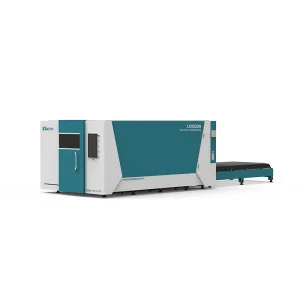
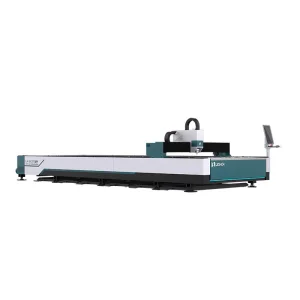
Browse our complete catalog of industrial fabrication machinery, featuring fiber laser cutting, robotic welding, and automated bending systems.
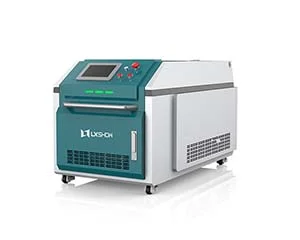
Get answers to key technical questions from our senior engineers, detailing parameter configuration, warranty support, and installation in Queensland.
 Lxshow