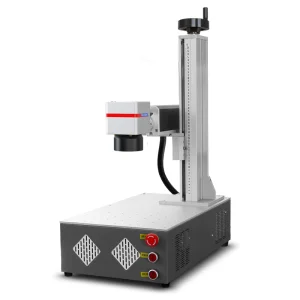
Explore our state-of-the-art metalworking solutions engineered for high performance, reliability, and precision.
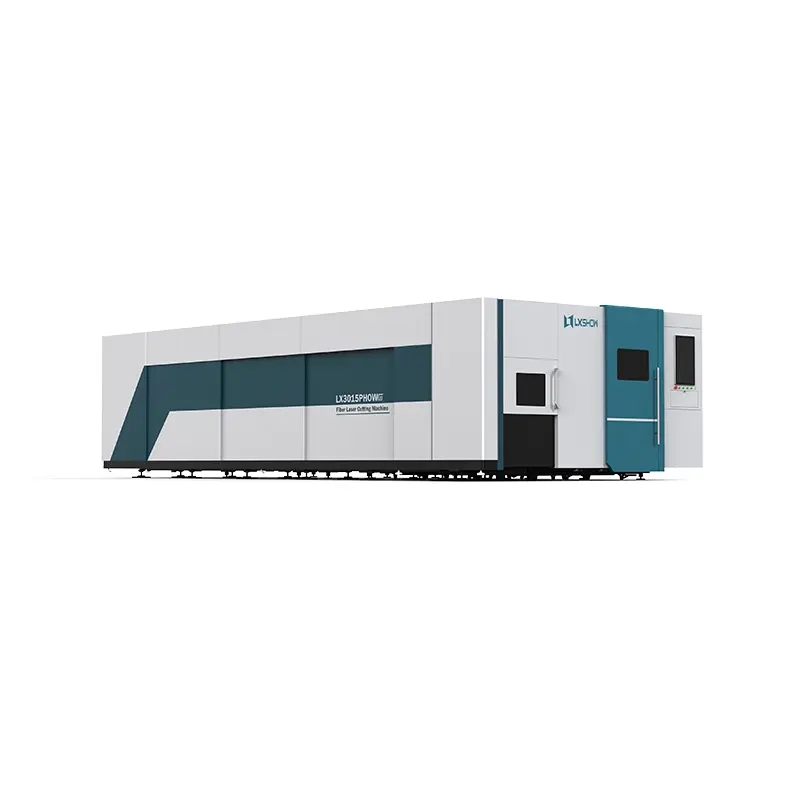
In modern heavy engineering and metal fabrication, purchasing managers and operations directors face complex decisions when selecting a wholesale steel plate laser cutting supplier. Procurement is no longer just about transactional per-ton pricing; instead, it centers around structural stability, long-term cutting consistency, operational efficiency, and minimized Total Cost of Ownership (TCO). High-power fiber lasers have transformed global supply chains by enabling ultra-high-speed blanking of carbon steels, stainless steels, and highly reflective alloys like aluminum and copper.
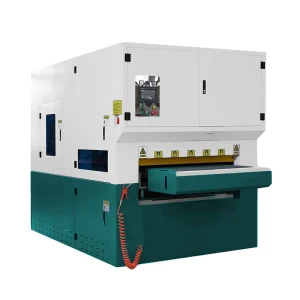
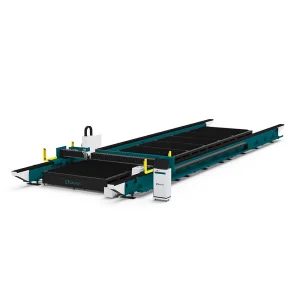
Industrial scale requirements demand equipment and partners that minimize downstream processing. Choosing a supplier with integrated systems—such as automated material handling systems (exemplified by the LX9TQA Automatic Feeding series) or downstream finishing capabilities (like the LX-RRS-M-450 Double Abrasive Belt Deburring and Chamfering Machine)—ensures that cut parts arrive at assembly lines or bending centers without requiring costly secondary manual operations.
Achieving dimensional tolerances within ±0.03mm, crucial for heavy industrial equipment, automotive assembly lines, and aerospace components.
Continuous duty cycles up to 30kW, allowing single-pass cutting of thick carbon steel plates up to 50mm without edge deformation.
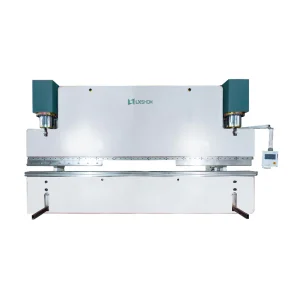
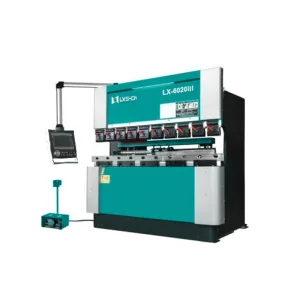
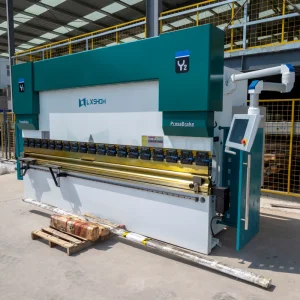
Perfect synchronization between cut parts, deburring profiles, and automatic press brakes (like the WE67K Electro-hydraulic servo CNC press brakes).
Industrial laser cutting relies on complex thermodynamic interactions. When dealing with thick steel plates, the choice of assist gas, focal positioning, and beam modulation determines the final edge quality. Sourcing agents must verify that suppliers utilize optimized setups for specific material classifications:
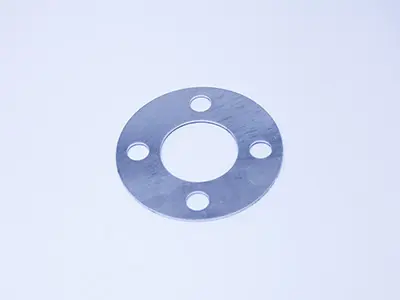 Aluminum (High-reflective processing)
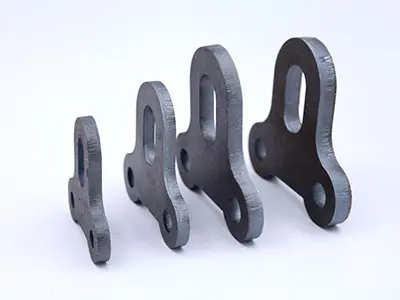 Carbon Steel (Oxygen assist cutting)
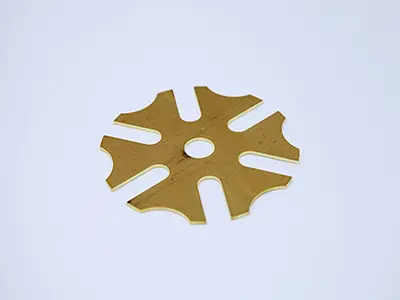 Copper (Anti-reflection optical isolators)
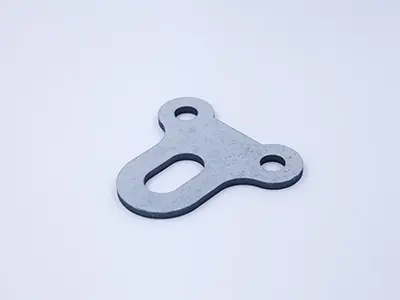 Galvanized Steel (Zinc layer protection)
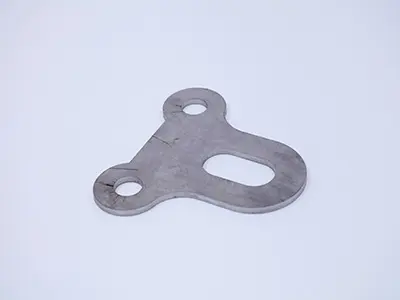 Stainless Steel (High-pressure nitrogen cut)
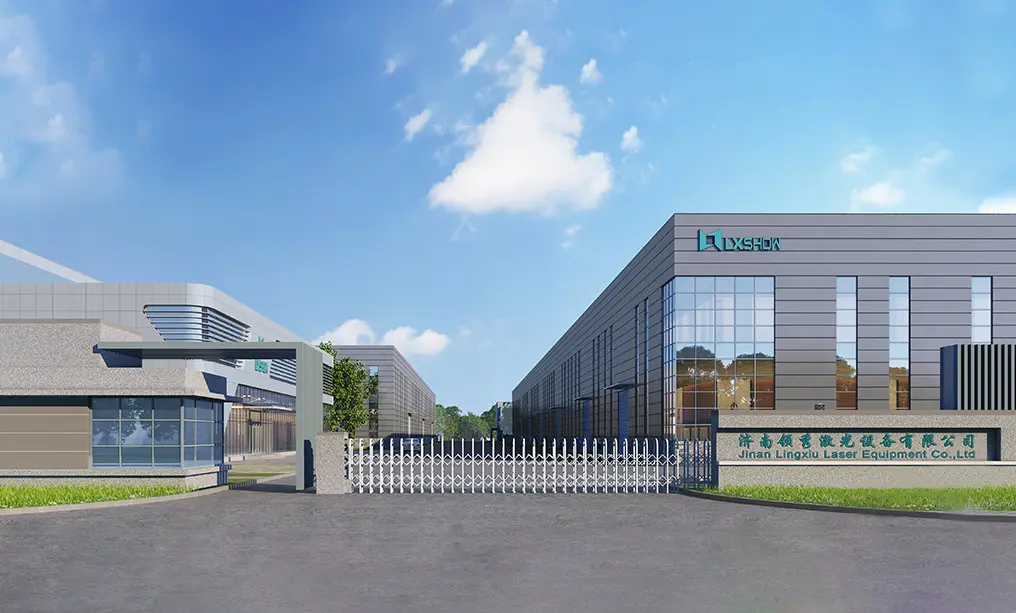
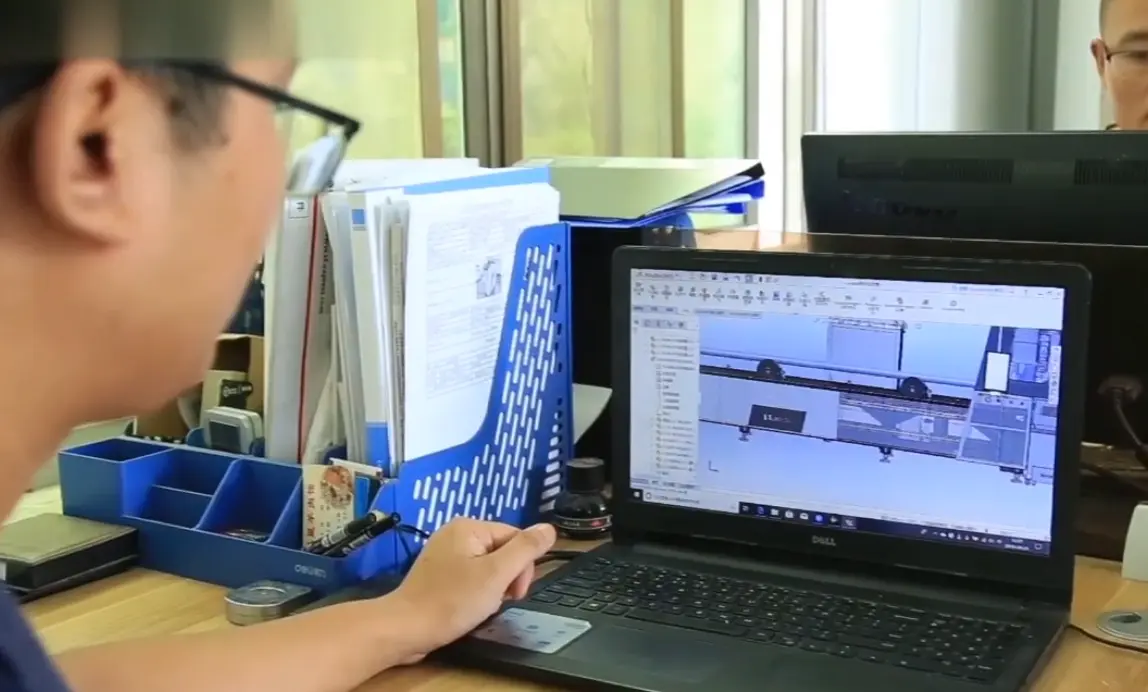
Established in July 2004, our manufacturing hub has evolved into a global benchmark for laser processing equipment. Featuring over 32,000 square meters of production space and a dedicated 500-square-meter R&D facility, we bridge the gap between engineering theory and production reality.
Every machine in our catalog—including fiber laser cutters, high-precision press brakes, cladding units, and multi-functional clean-welding setups—is compliant with strict global protocols. Our systems carry official European Union CE authentication, American FDA certification, and are built under verified ISO 9001 quality management standards. This compliance ensures trouble-free importation, local safety registration, and long-term operator protection.
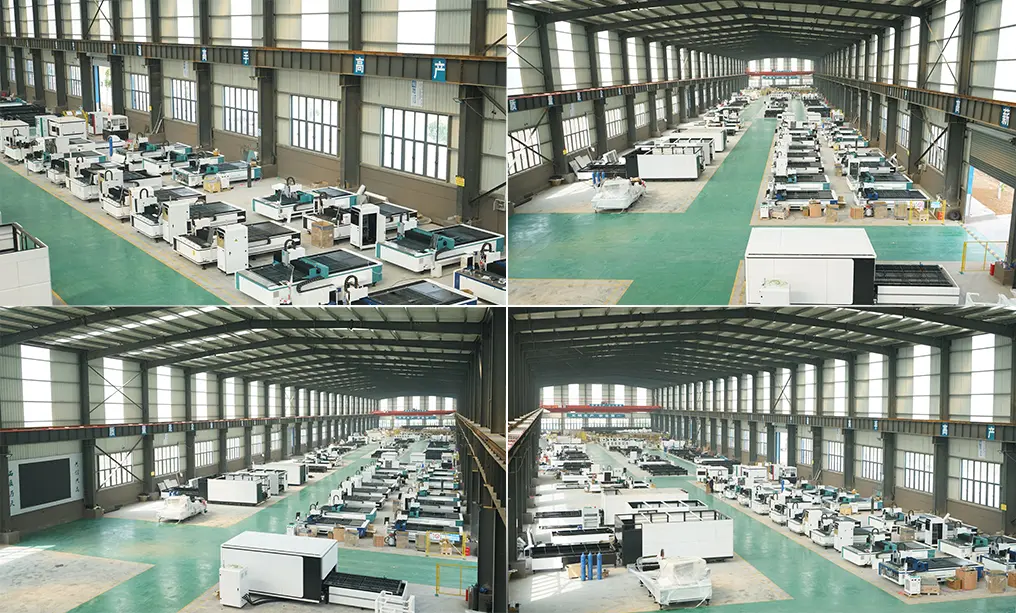

Our smart manufacturing systems serve diverse sectors, including steel structure fabrication, industrial packaging, automotive engineering, jewelry manufacturing, aerospace components, integrated circuits, and heavy machinery production.
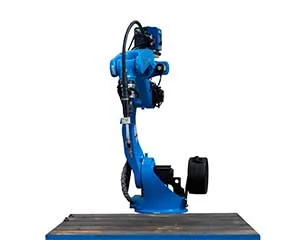
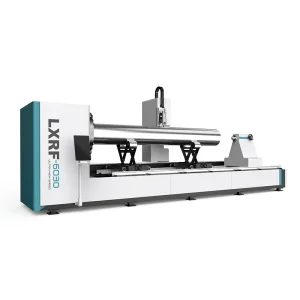
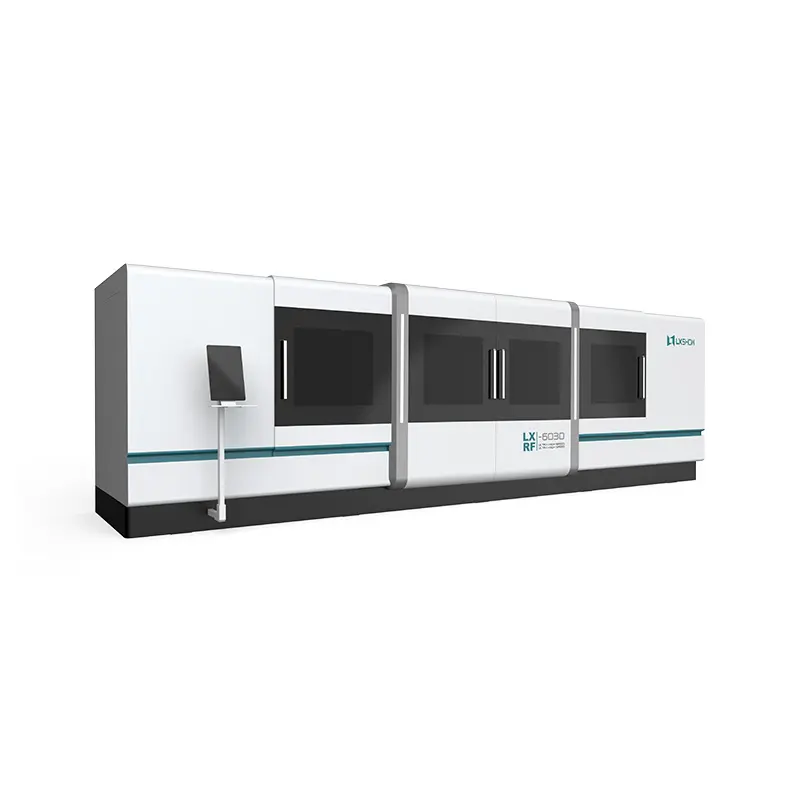
Advanced systems like the LXRF-6030 series deliver structural cladding surface restorations. Designed with robust single-axis positioners, they provide a reliable platform for high-load, continuous industrial applications.
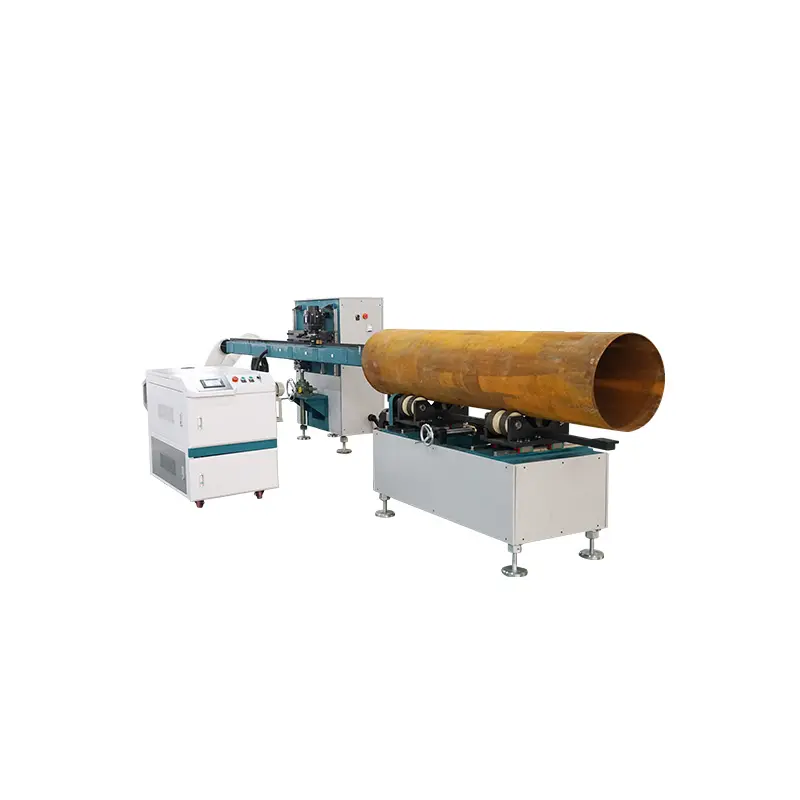
Eco-friendly rust, oil, and oxide removal. From portable backpack options (100W-200W pulse) to large-format systems (LXC series) for inner/outer tube walls and heavy metal sheet preparation.
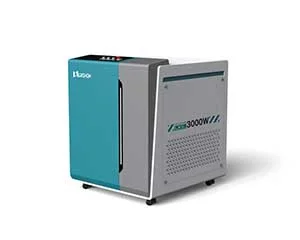
Replacing traditional MIG/TIG. The LXW-3000W and water-cooled tabletop models produce high-tensile, low-distortion hermetic seals on carbon steel, stainless steel, and aluminum assemblies.
Select models configured for immediate deployment across global industrial supply chains.
Modern fabrication facilities benefit from integrating cutting, bending, and finishing systems into unified digital workflows. Rather than operating in silos, machinery linked via common industrial protocols minimizes work-in-progress (WIP) storage and shortens lead times.
This continuous processing loop reduces manual sorting, eliminates crane moves, and keeps the workshop floor organized, supporting high-throughput manufacturing models.
Deploying industrial assets across international borders requires rigorous attention to machinery safety directives and transport logistics. With equipment operating in over 150 countries, we maintain a global distribution network optimized to handle transport challenges, customs documentation, and regional standards compliance.
Our support system includes local service centers staffed with experienced technicians, minimizing downtime during critical cycles. We provide structural components, customized tooling configurations, and virtual diagnostic assistance to resolve operational challenges without delay.
Answers to critical technical and logistical questions faced by procurement managers and engineers.
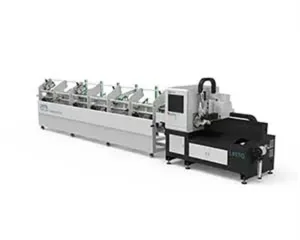
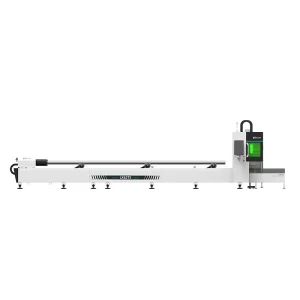
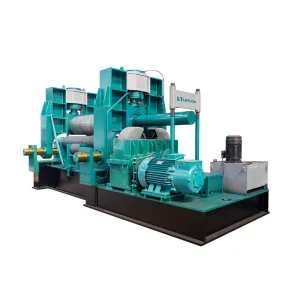
Heavy duty metal forming, shearing, and high-power tube laser cutting systems.
 Lxshow