Industrial machinery engineered to deliver maximum throughput, micro-tolerance alignment, and long-term operating stability.
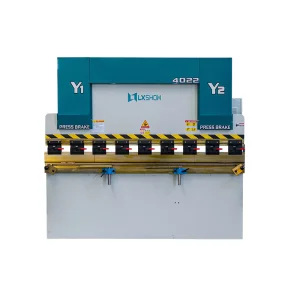
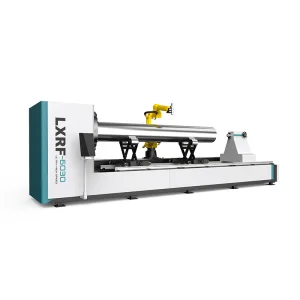
An Expert Analysis of Precision Fiber Laser Dynamics in High-Strength Titanium Fabrication.
Titanium and its alloys, such as Grade 2 (commercially pure) and Grade 5 (Ti-6Al-4V), are widely recognized for their exceptional strength-to-weight ratio, outstanding corrosion resistance, and biocompatibility. However, these same properties pose unique challenges during laser cutting. Titanium’s low thermal conductivity prevents rapid heat dissipation, concentrating heat at the localized cutting path. Concurrently, titanium’s high reactivity with atmospheric gases (oxygen, nitrogen, and hydrogen) at elevated temperatures (>400°C) can result in micro-cracking, oxidation, and structural embrittlement along the cut edges. Achieving clean, dross-free edges with zero oxidation requires advanced optical systems, dynamic power adjustment, and precise assist gas configuration.
"Titanium laser cutting is not merely a process of melting; it is a thermal management task. Controlling the heat-affected zone (HAZ) is crucial to preserving the mechanical properties of Grade 5 titanium, especially in aerospace and medical components."
To produce clean edges on titanium sheets, fiber lasers operating at approximately 1.06 µm are the industry standard. Using nitrogen as an assist gas prevents oxidation by displacing ambient oxygen and expelling the molten titanium from the kerf before it can react. However, for ultra-thick titanium sections, argon is preferred to maintain metallurgical purity, despite the higher gas cost. Our CNC fiber laser systems feature active assist gas control, adjusting pressure and flow rates dynamically relative to nozzle velocity. This prevents the formation of hard, brittle titanium nitride layers, eliminating the need for secondary surface treatment and reducing manufacturing costs.
Due to titanium's high melting point (approx. 1668°C) and low thermal conductivity, continuous-wave laser energy can lead to heat accumulation. This can warp thin titanium sheets or cause thermal stress fractures. Our systems address this with synchronized pulse-width modulation (PWM) and precise path planning. By dividing the laser beam energy into high-frequency pulses rather than a continuous output, the material has brief intervals to cool between pulses. This minimizes the heat-affected zone (HAZ) while maintaining high linear cutting speeds, ensuring parts pass strict Quality Assurance testing.
Leveraging high-precision titanium laser cutting to support aerospace, medical manufacturing, and ocean engineering projects.
Our laser systems cut high-strength aircraft structural elements, engine nacelles, and compressor blades with high precision, maintaining material integrity and performance under extreme stresses.
We enable the fabrication of orthopaedic implants and cardiovascular stents from biocompatible Titanium Grade 2 and 5. This method maintains edge cleanliness, preventing contamination from traditional tooling.
Offshore oil platforms, subsea pipelines, and chemical desalinators use titanium for its corrosion resistance. Our systems handle thick plate profiling with clean chamfers, ready for robotic welding.
Integrating research, manufacturing, and design to provide smart fabrication solutions globally.
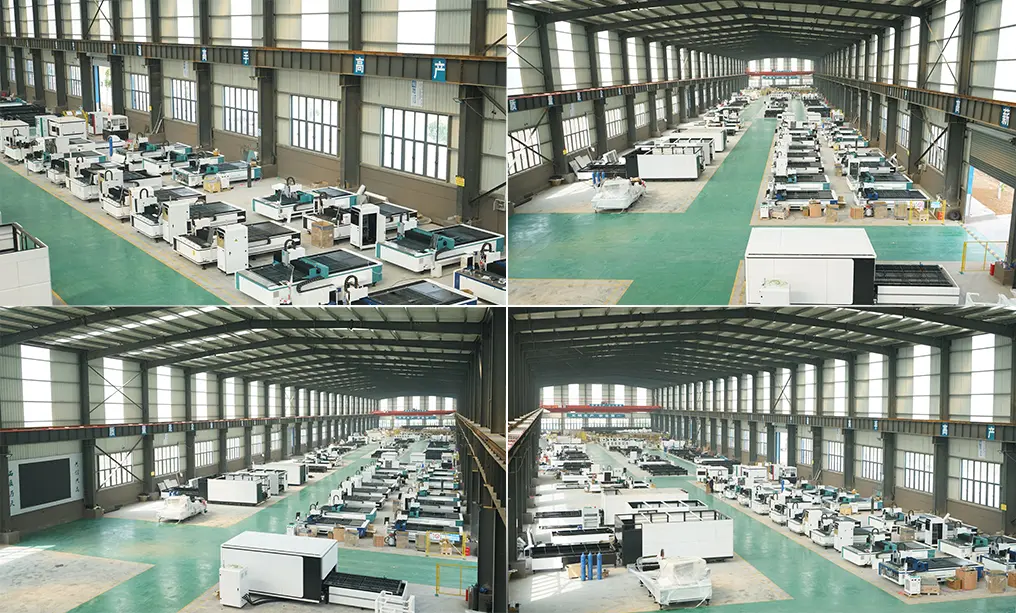
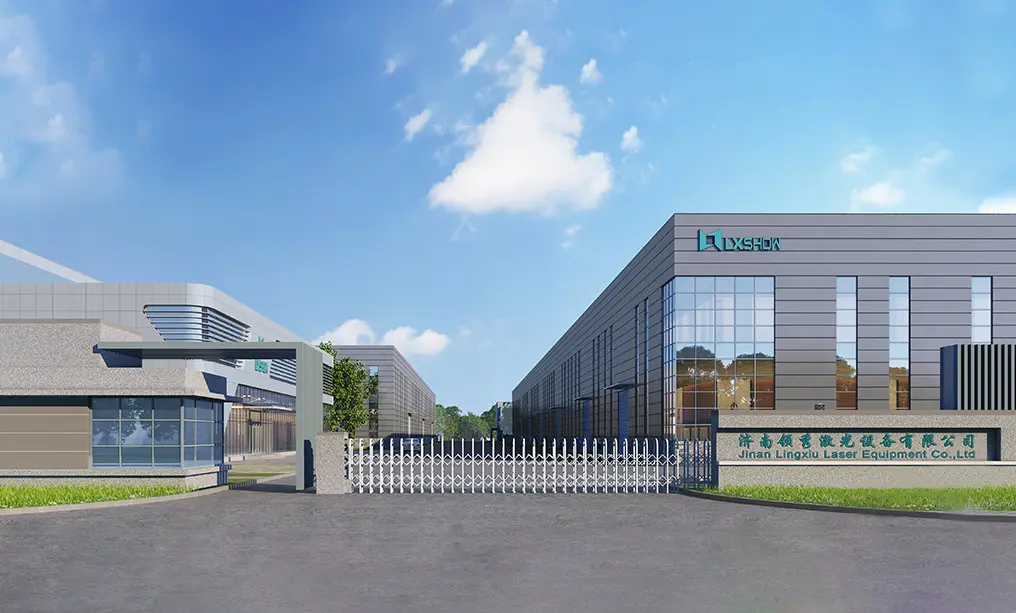
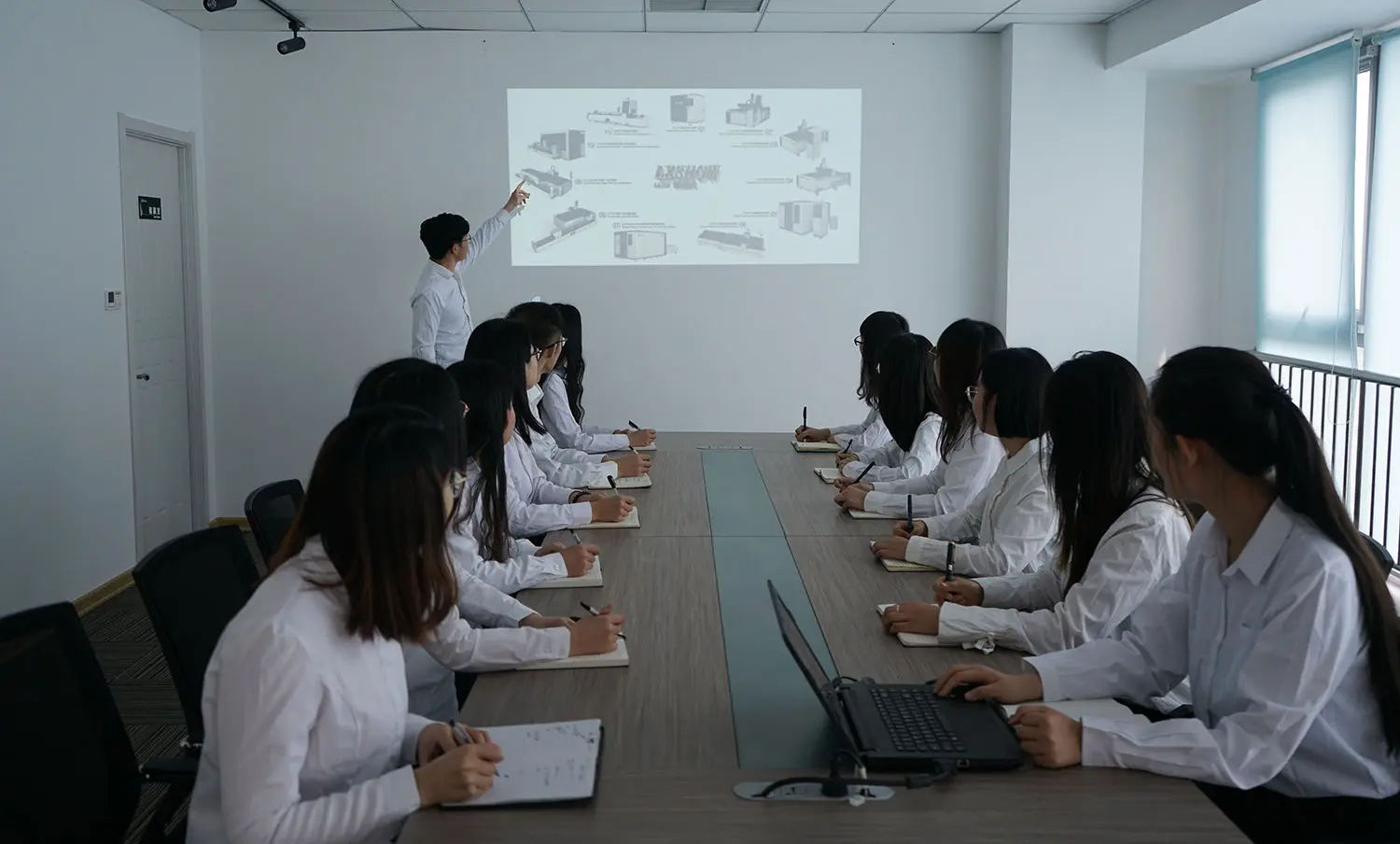
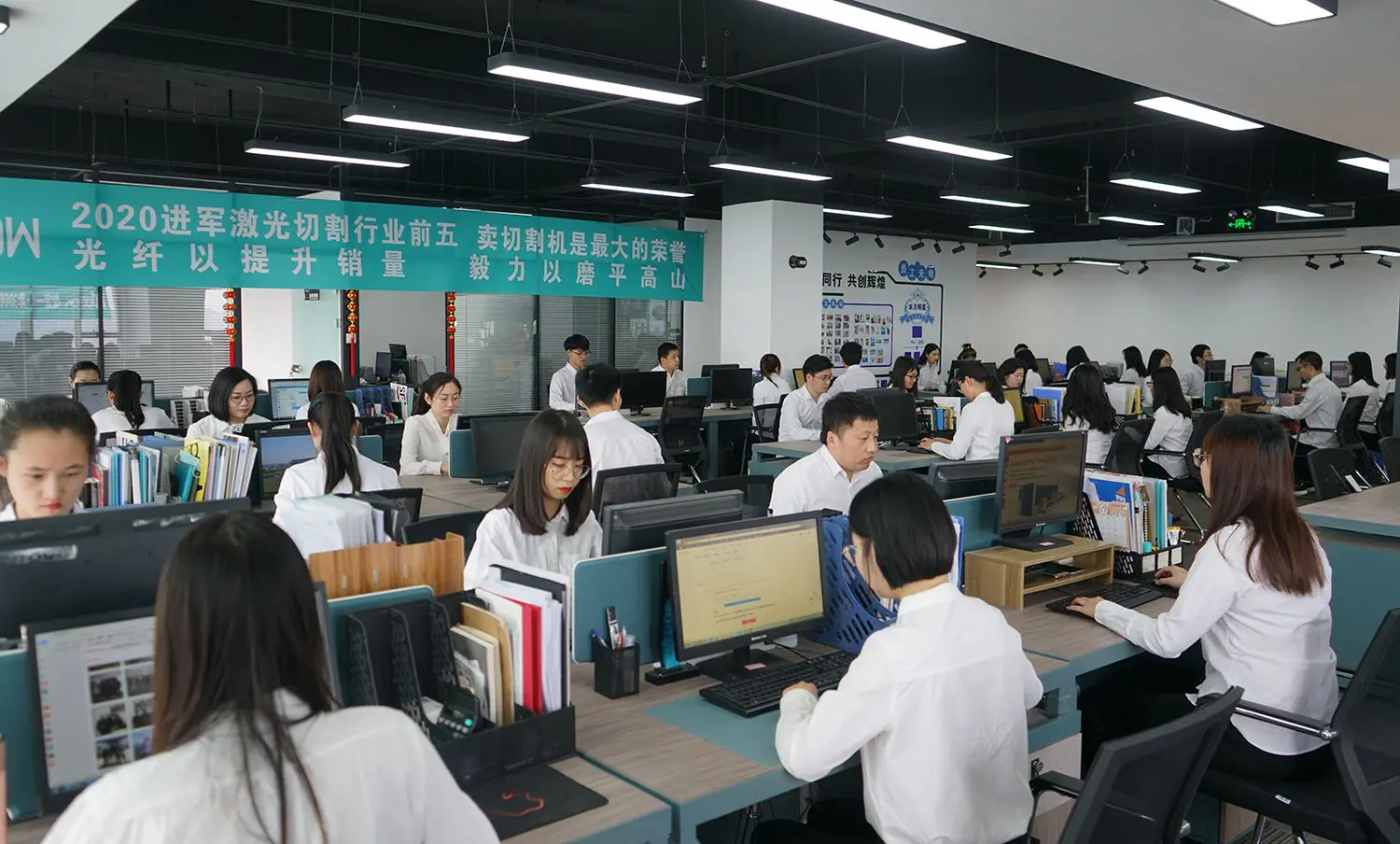
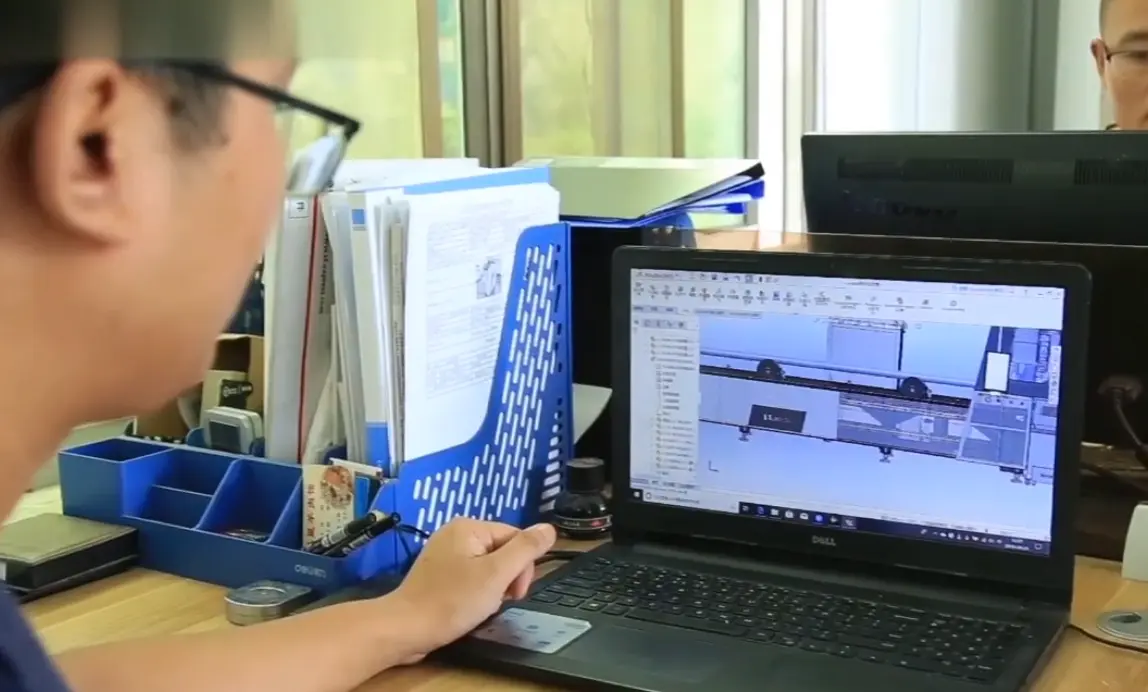

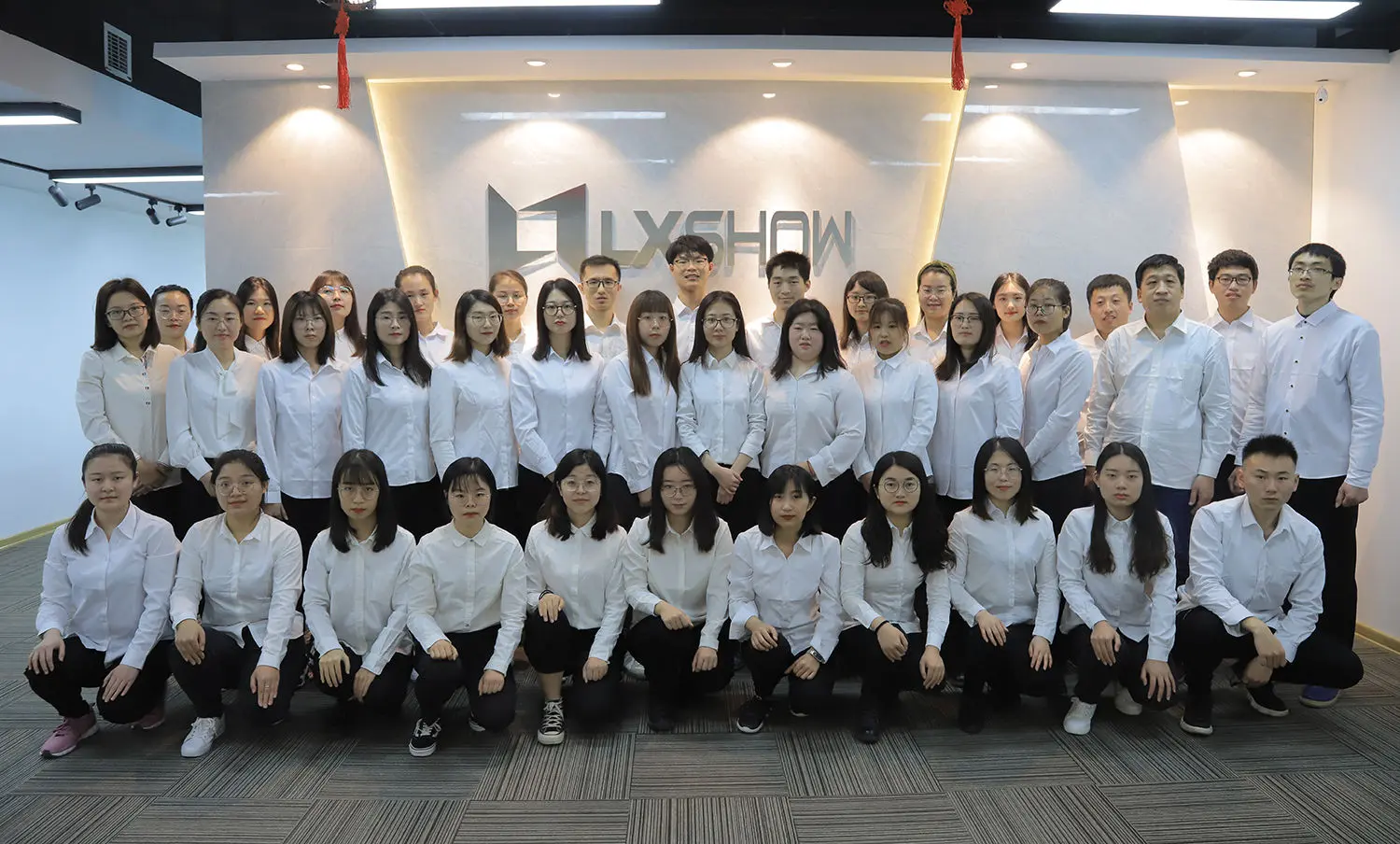
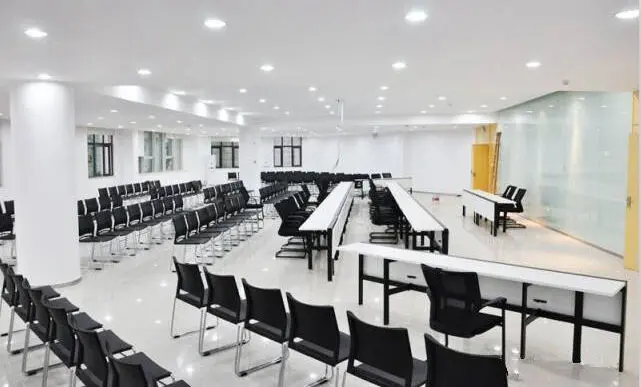
Since our founding in July 2004, we have expanded our research and office spaces to cover more than 500 square meters, backed by a production facility of over 32,000 square meters. This infrastructure allows us to control the assembly and calibration of our fiber laser equipment. All machines have received European Union CE authentication, American FDA certification, and are certified to ISO 9001 quality management systems. This compliance ensures that our laser systems meet safety and performance standards for markets worldwide.
We supply OEM services for more than 30 global brands and export to over 120 countries, including the USA, Canada, Australia, Europe, South East Asia, and Africa. As an integrated manufacturer, we handle the production cycle from raw metal processing to final multi-axis laser test routines. This structure enables us to customize machines to specific material properties, sheet sizes, and regional line voltages.
Our CNC fiber laser cutting systems support a wide range of materials and profiles, optimizing laser parameter configurations for various metals.
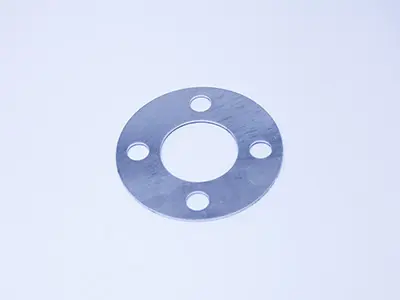

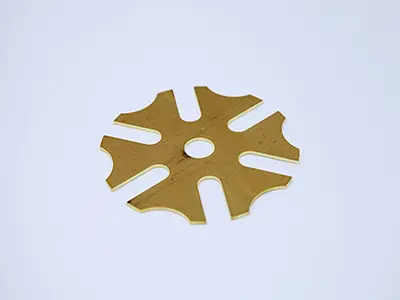
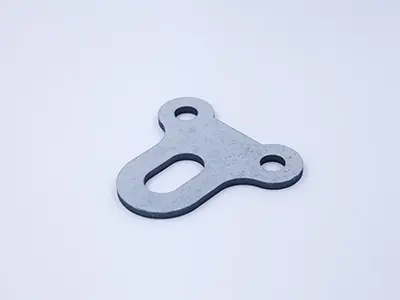
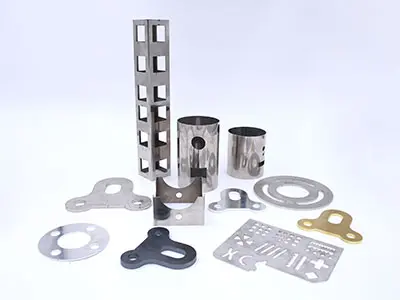
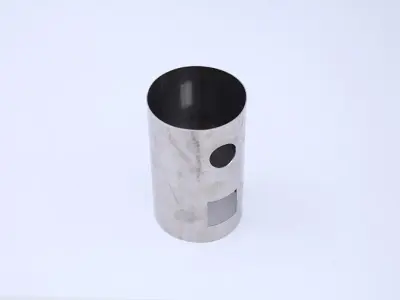
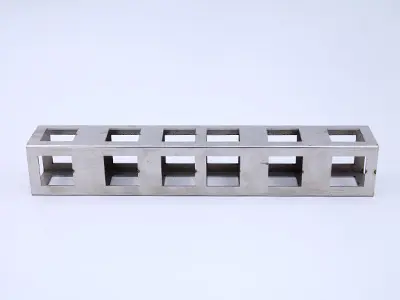
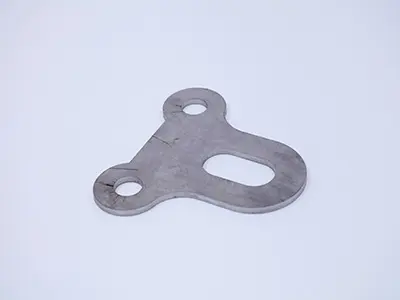
Industrial applications require equipment that can easily transition between different material profiles. Our software architecture features parameter presets for diverse materials, automatically adjusting focal position, gas pressure, and nozzle distance. This optimizes cutting quality across different materials, whether cutting reflective copper, heat-sensitive titanium, or high-tensile carbon steel.
We maintain a network of certified technical agents across the Americas, European Union, and Asia-Pacific to assist with installation, commissioning, and regular maintenance. By establishing local spare parts depots and digital helpdesks, we reduce production downtime for our clients. Additionally, our machines comply with regional environmental and safety regulations, including UL/CSA standards in North America and CE machinery directives in Europe.
Our development plan points toward full automation and Industry 4.0 integration. We are incorporating smart sensors into our laser cutting systems to monitor real-time nozzle wear, optic temperatures, and mechanical vibrations. This data feeds into predictive maintenance algorithms, allowing operators to plan service intervals and avoid unplanned downtime. Our goal is to expand our smart manufacturing technologies and become a primary partner in the global industrial laser field by 2040.
Practical answers to common operational, metallurgical, and safety questions about titanium laser cutting.
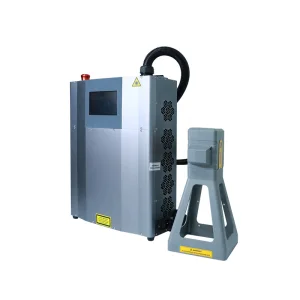
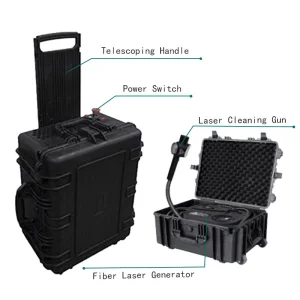
Our complete catalog of CNC fiber laser cutting, welding, cleaning, and marking machinery.
 Lxshow