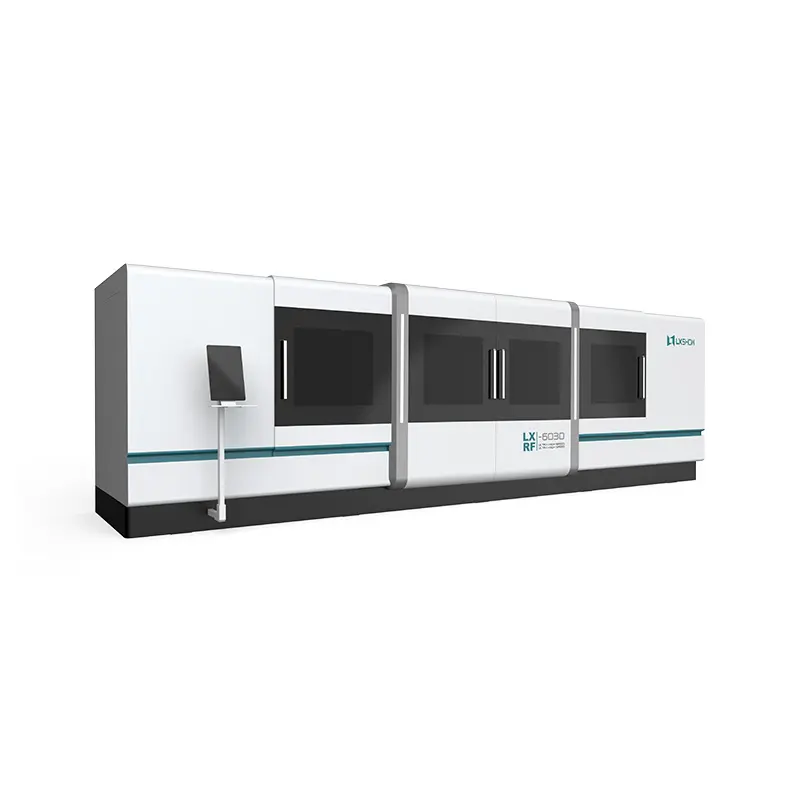
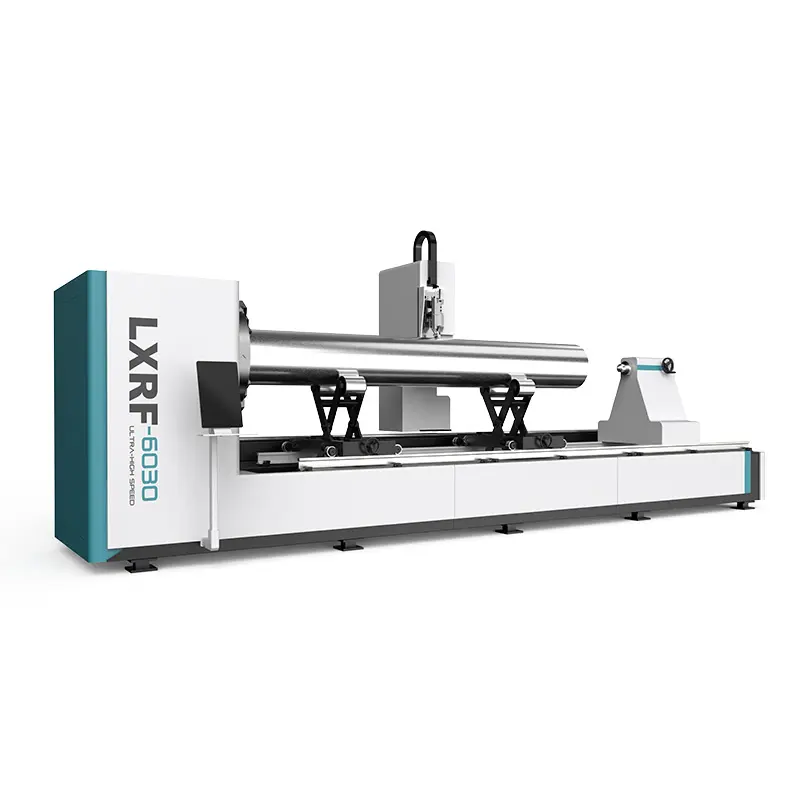
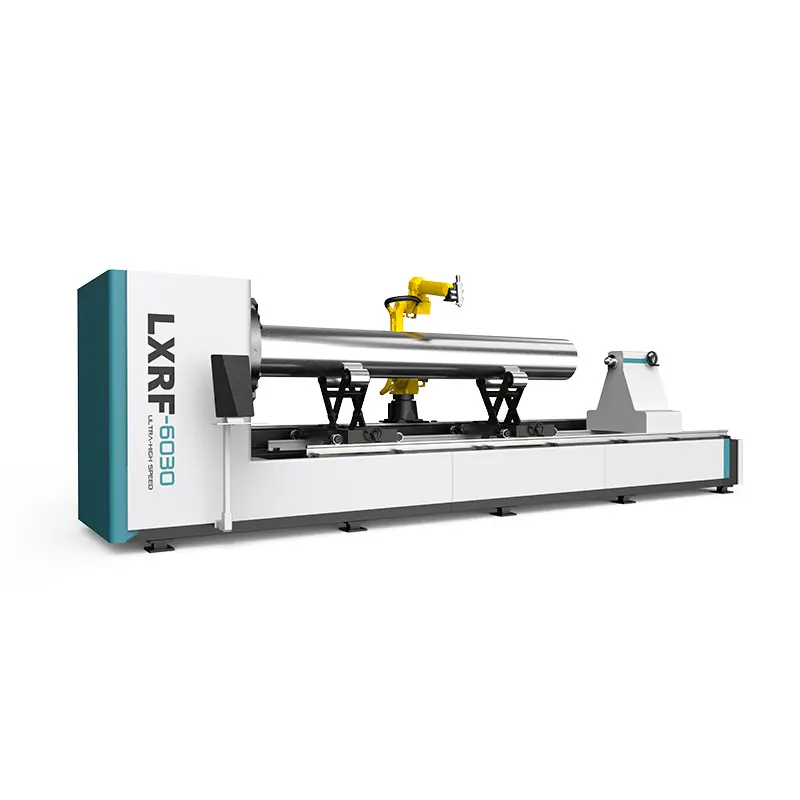
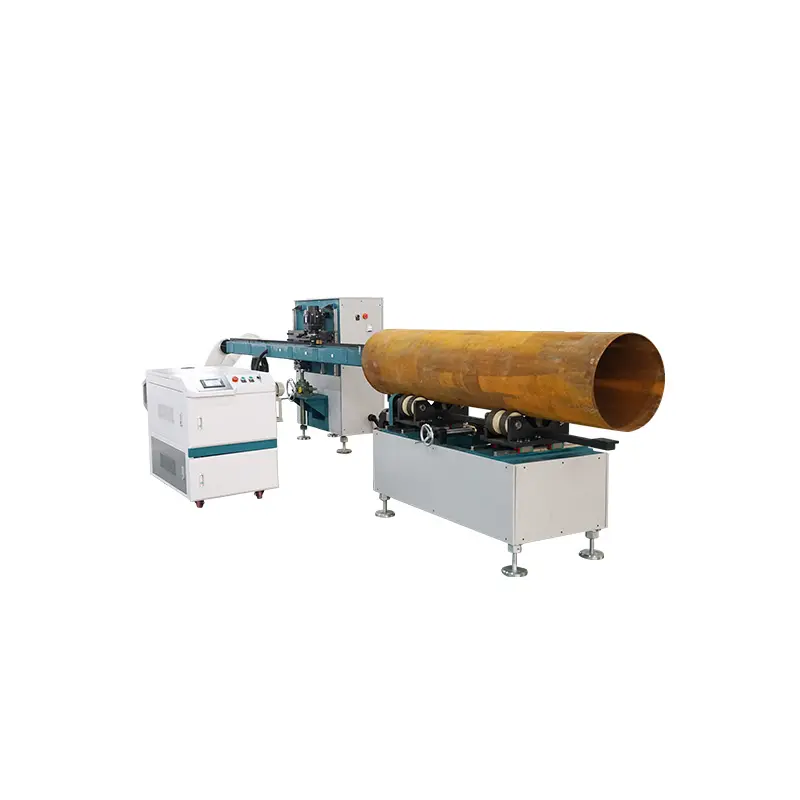
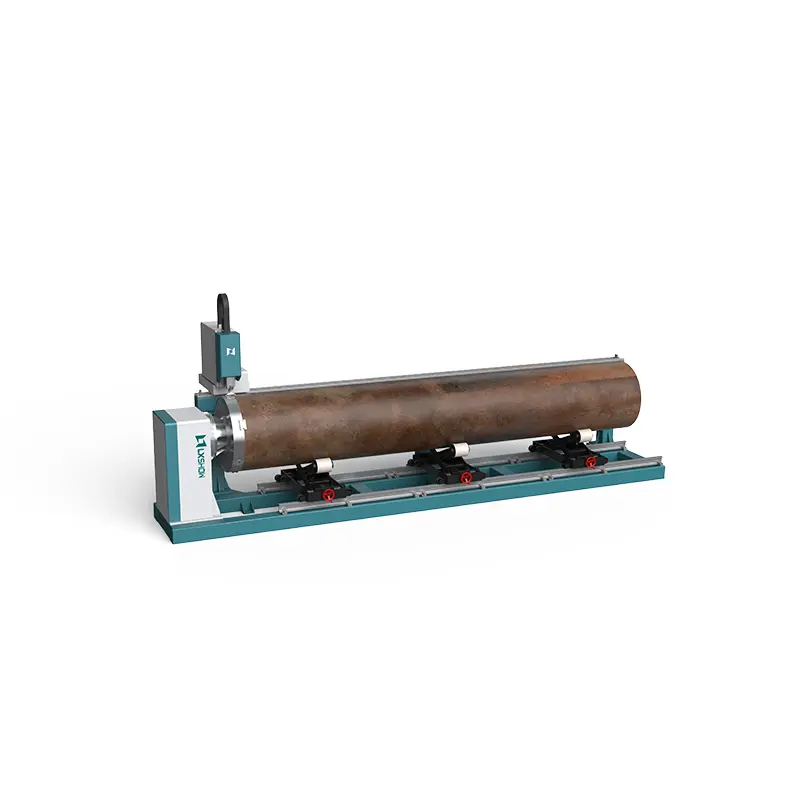
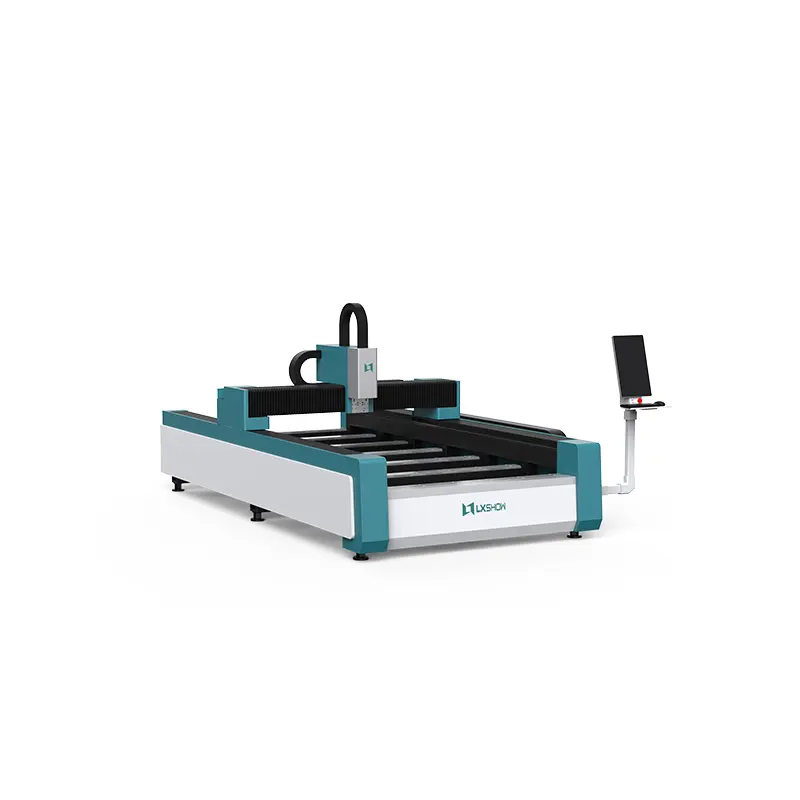
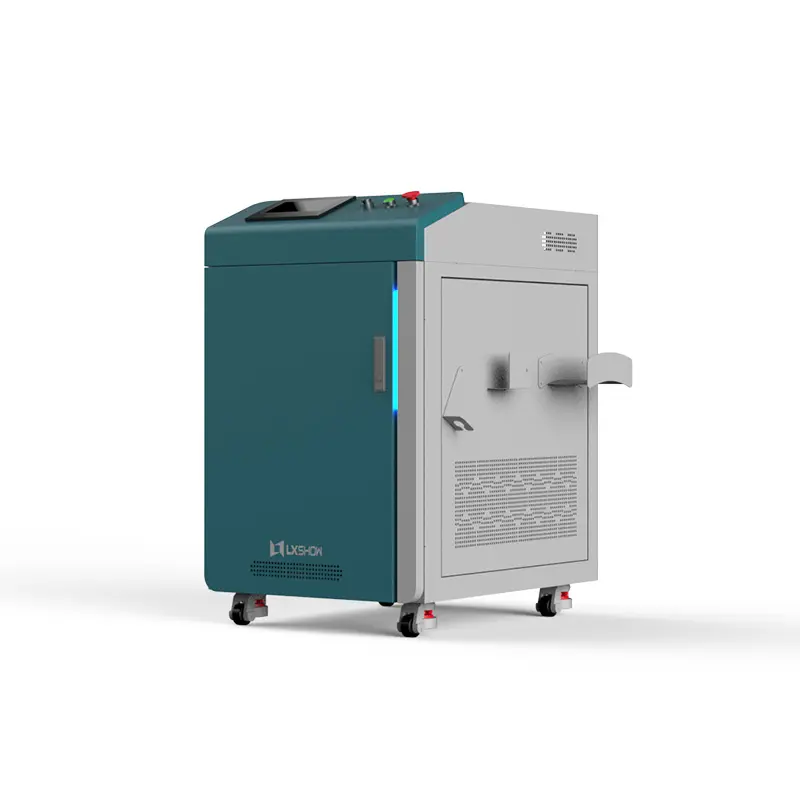
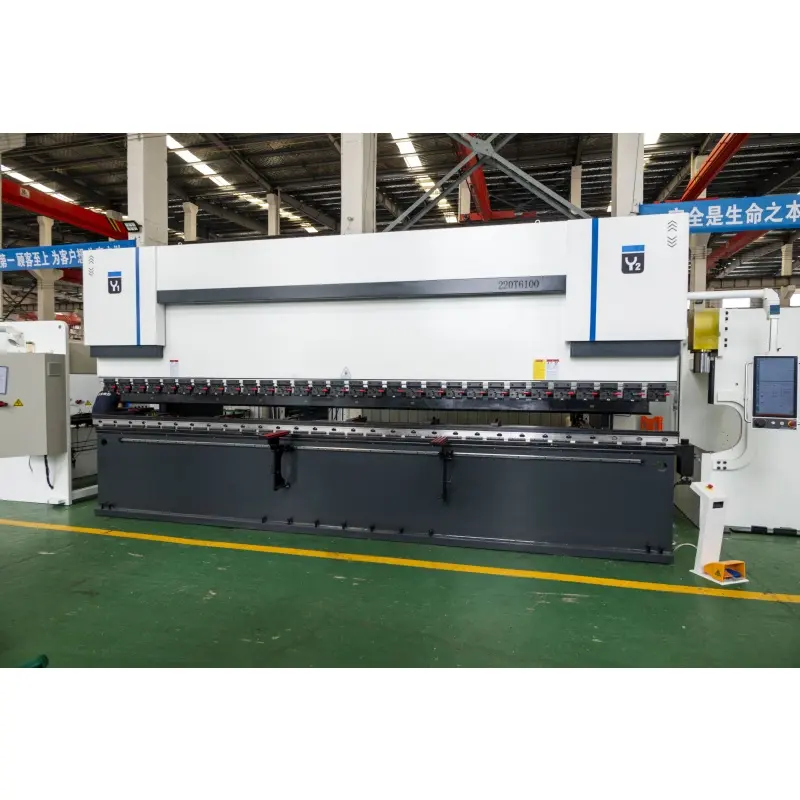
Explore our flagship high-power fiber laser systems and precision metal fabrication equipment engineered for heavy-duty manufacturing environments.
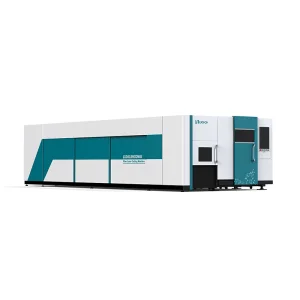
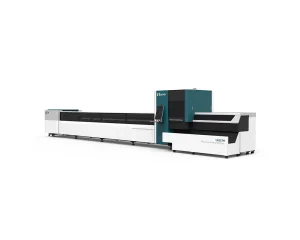
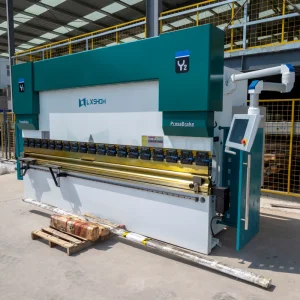
Uncompromising manufacturing benchmarks backed by 18+ years of dedicated R&D, certified quality systems, and massive scale production capacity.
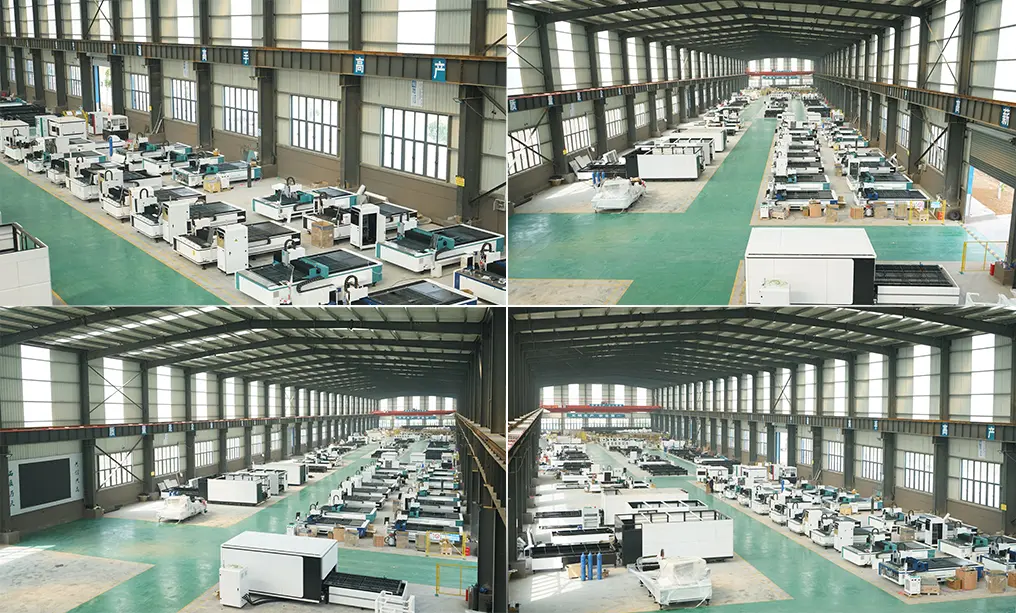
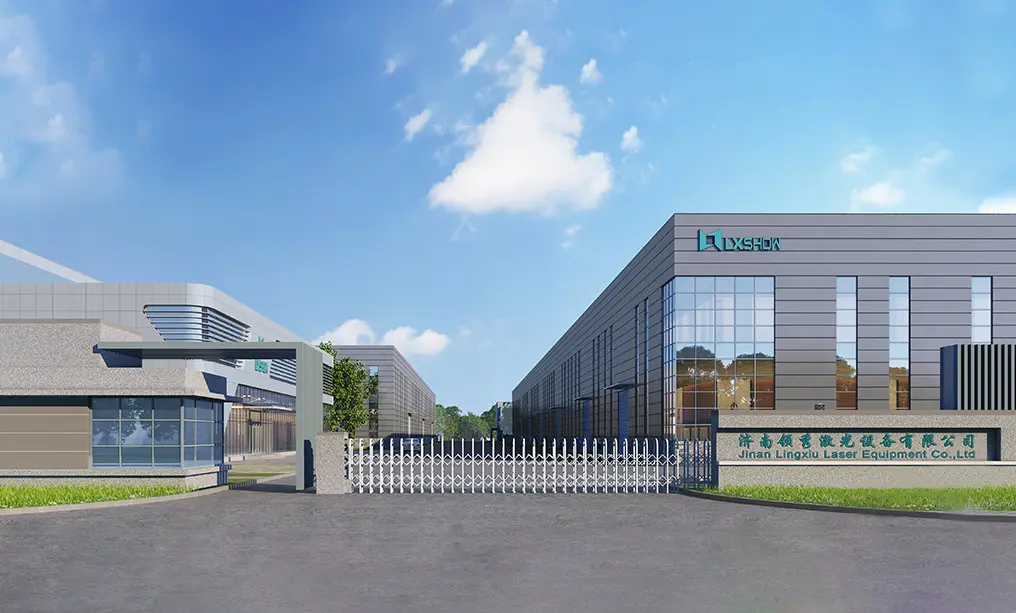
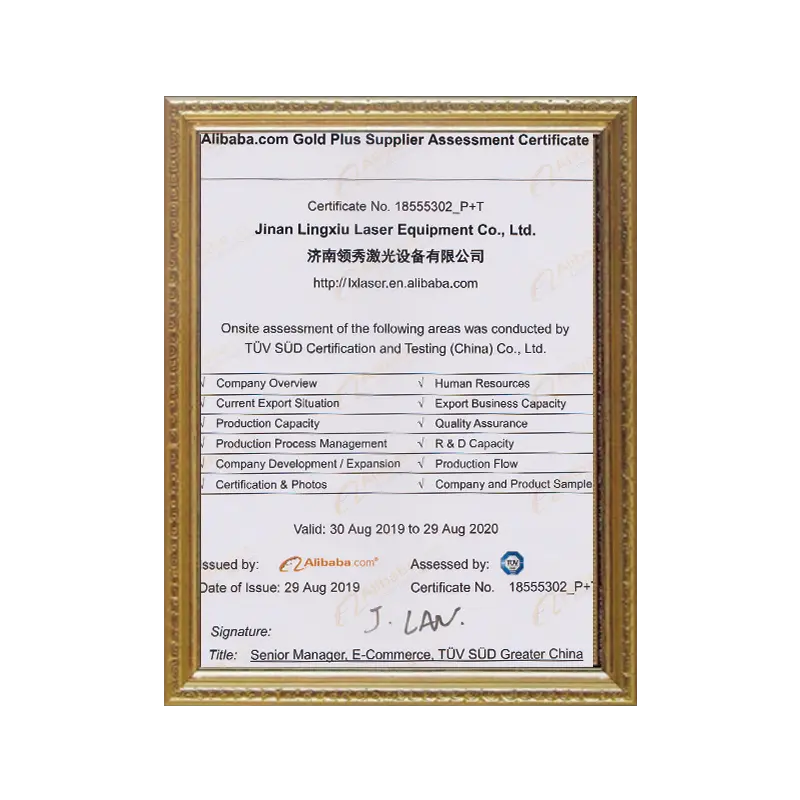
Established in July 2004, LXSHOW owns more than 500 square meters of researching and corporate office space, coupled with a 32,000 square meter state-of-the-art intelligent factory floor. Every single piece of machinery we engineer meets the stringent criteria of the European Union CE authentication, American FDA certification, and our facilities operate strictly under the ISO 9001 quality management framework.
The global metal fabrication landscape has shifted fundamentally away from conventional mechanical cutting and older CO2 gas laser options to high-speed, high-density fiber laser cutting steel systems. Modern industrial ecosystems demand rapid cycle times, minimal kerf margins, and thermal-distortion-free processing. Industrial operations in heavy metallurgy, infrastructure, structural steel layout, and precision automotive supply chains depend on high-efficiency fiber lasers to satisfy demanding manufacturing schedules.
As a premier wholesale factory and global exporter of laser cutting machinery, we are seeing massive global investments in high-kilowatt fiber lasers (ranging from 1kW to 30kW+). Multi-kilowatt fiber lasers deliver major cost-per-cut benefits when processing thicker carbon steels, stainless steels, and highly reflective non-ferrous metals like copper and aluminum. Modern sheet metal shops rely on these systems to run autonomous night shifts, leveraging automated exchange tables to cycle plate materials without operators on site.
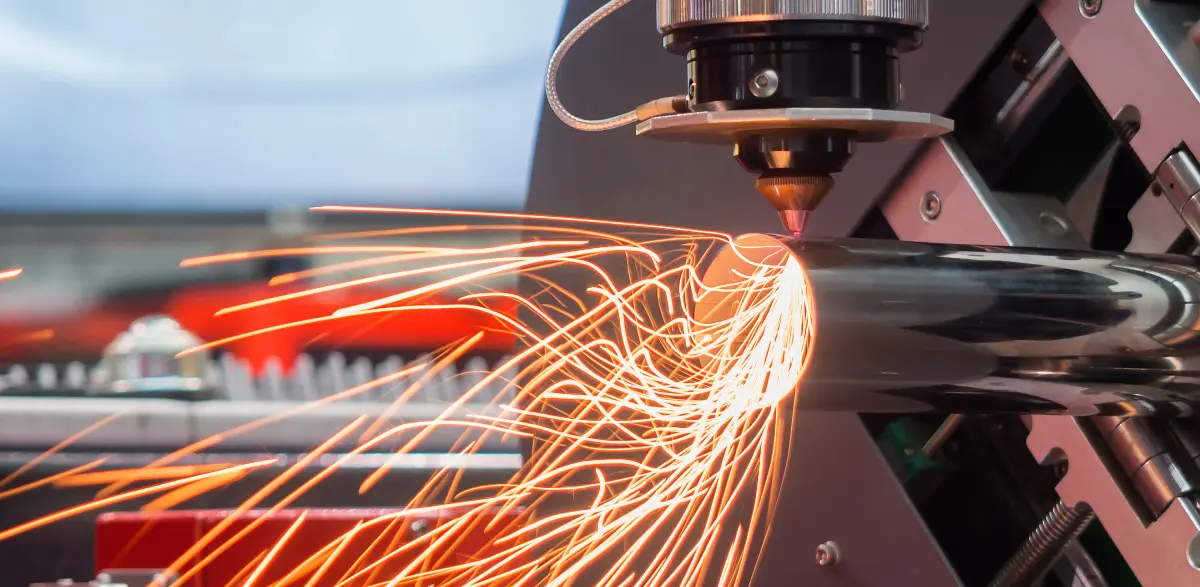
The adoption of fiber lasers is driven by two main factors: energy efficiency and processing speeds. When compared to CO2 lasers, fiber resonators convert electrical power to light energy at more than triple the efficiency rate. This slashes facility operating costs and helps manufacturers meet stricter ESG standards. Furthermore, fiber lasers deliver cutting speeds up to 4 times faster when processing thin sheets, and match or exceed alternative methods on thicker materials when utilizing custom assist gas blends.
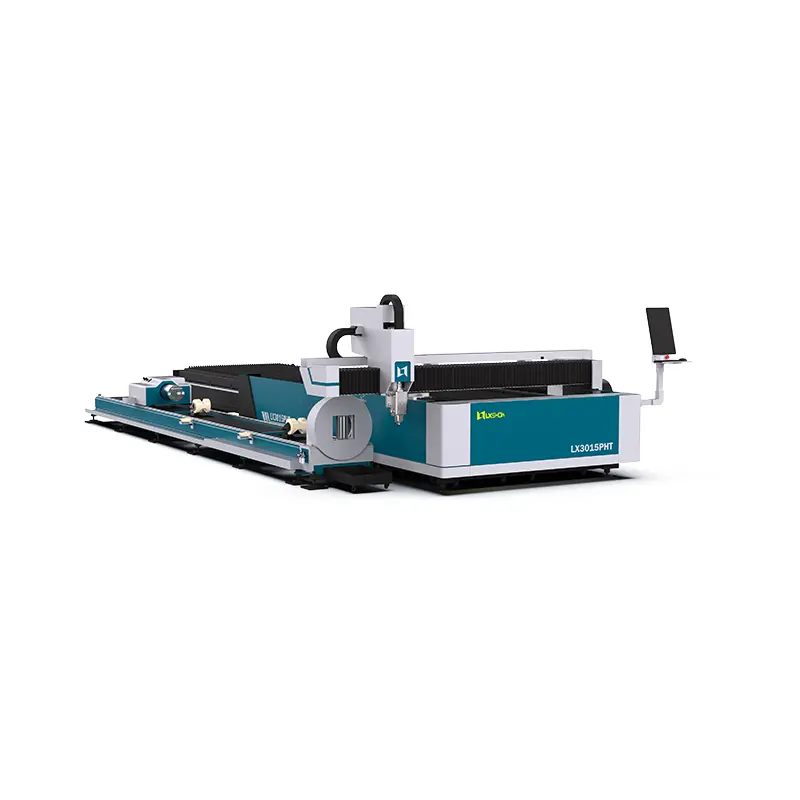
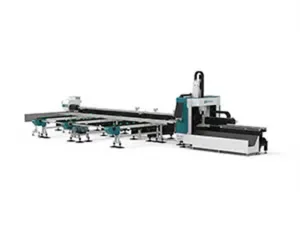
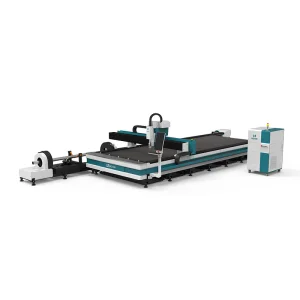
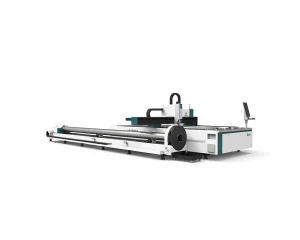
We are also seeing a rapid shift toward multi-process, integrated machinery. Manufacturers no longer want to route structural metal parts through multiple independent machines. Integrated tube and sheet laser systems (like our 3015HCOW series) allow operators to cut large steel sheets and feed square or round pipes on a single, shared machine footprint. This saves floor space, simplifies training, and shortens work-in-progress (WIP) cycle times across factory floors.
Configured with industry-leading CNC platforms and state-of-the-art capacitive autofocus heads to maintain micron-level height accuracy over warped plates.
Built on stress-relieved, fully annealed gantry frames designed to absorb high-acceleration inertial forces, preventing long-term structural deformation.
Delivering dedicated operational support, remote software diagnostics, and physical parts distribution networks in over 120 countries.
Precision-tuned parameter profiles ensure clean cutting edges, minimal dross, and high feed rates across all metal types.
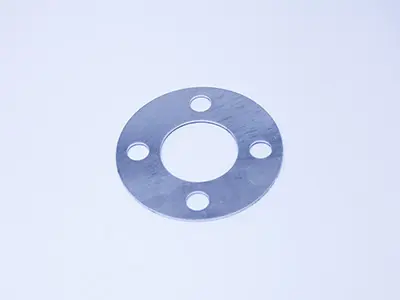
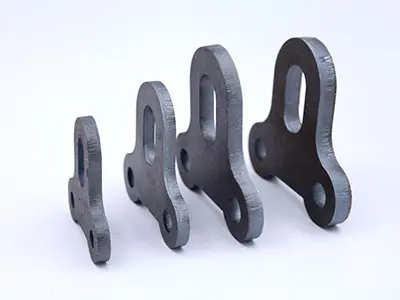
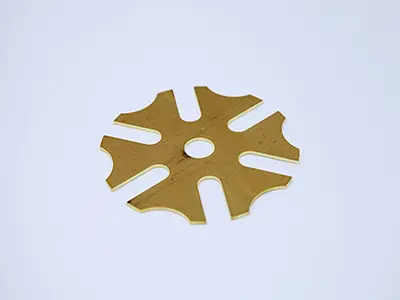
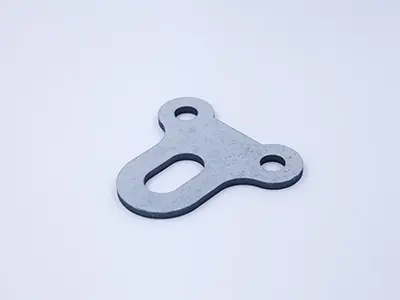
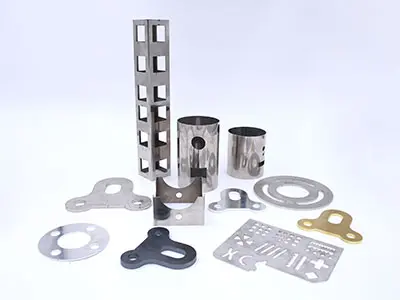
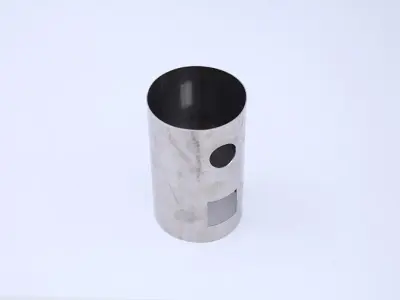
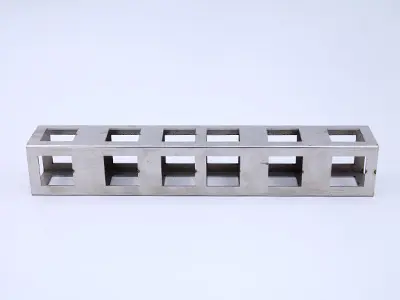
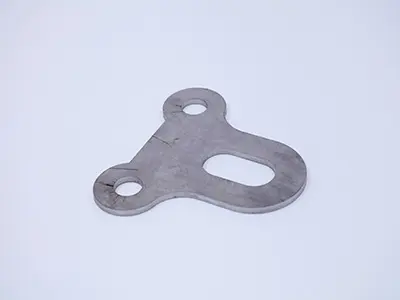
Our industrial laser systems are deployed globally to automate processing steps, decrease material waste, and improve dimensional accuracy across diverse sectors.
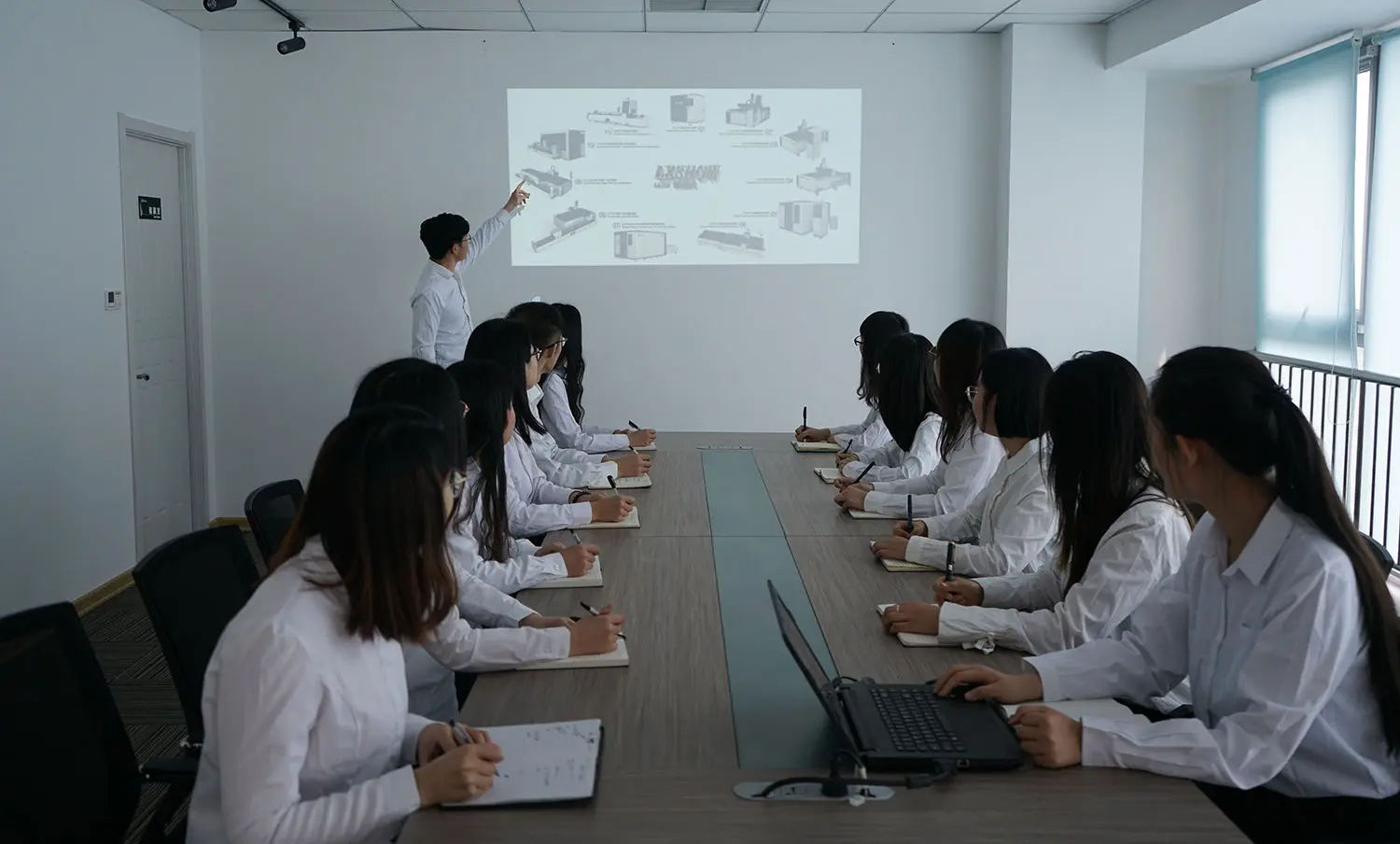
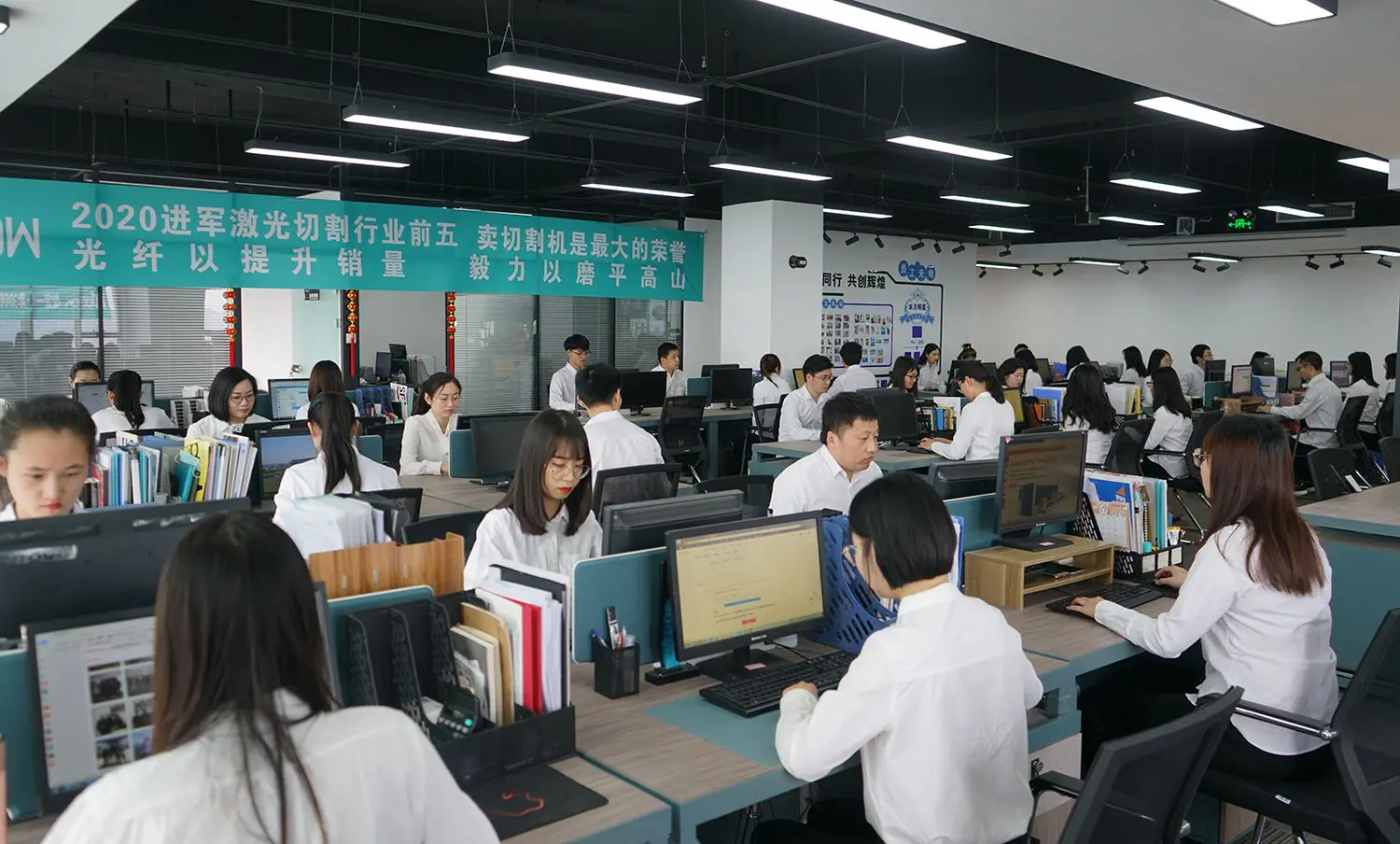
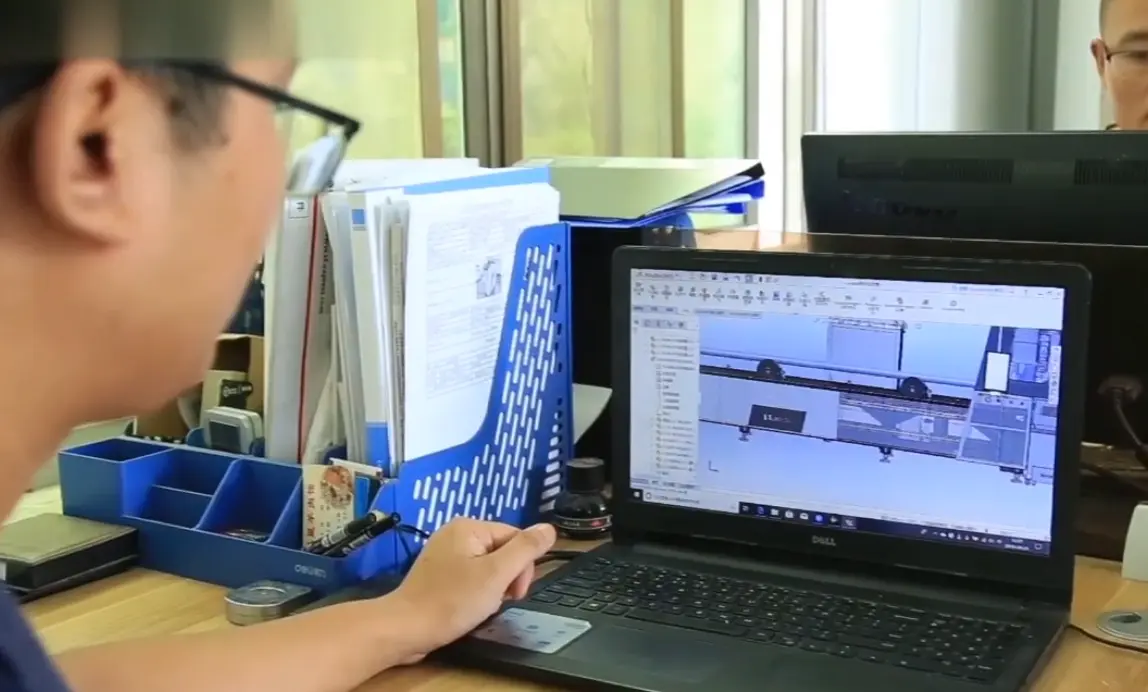
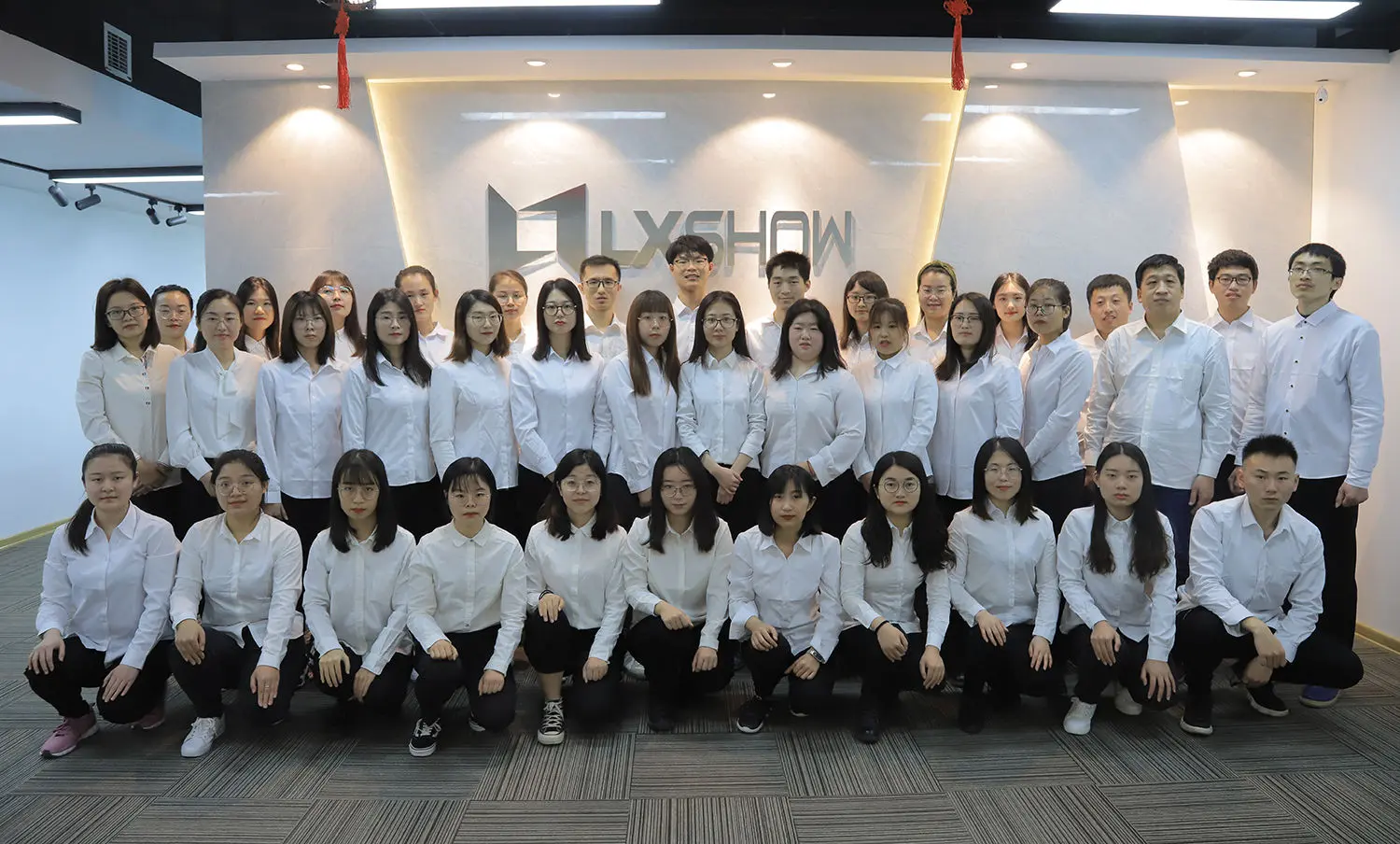
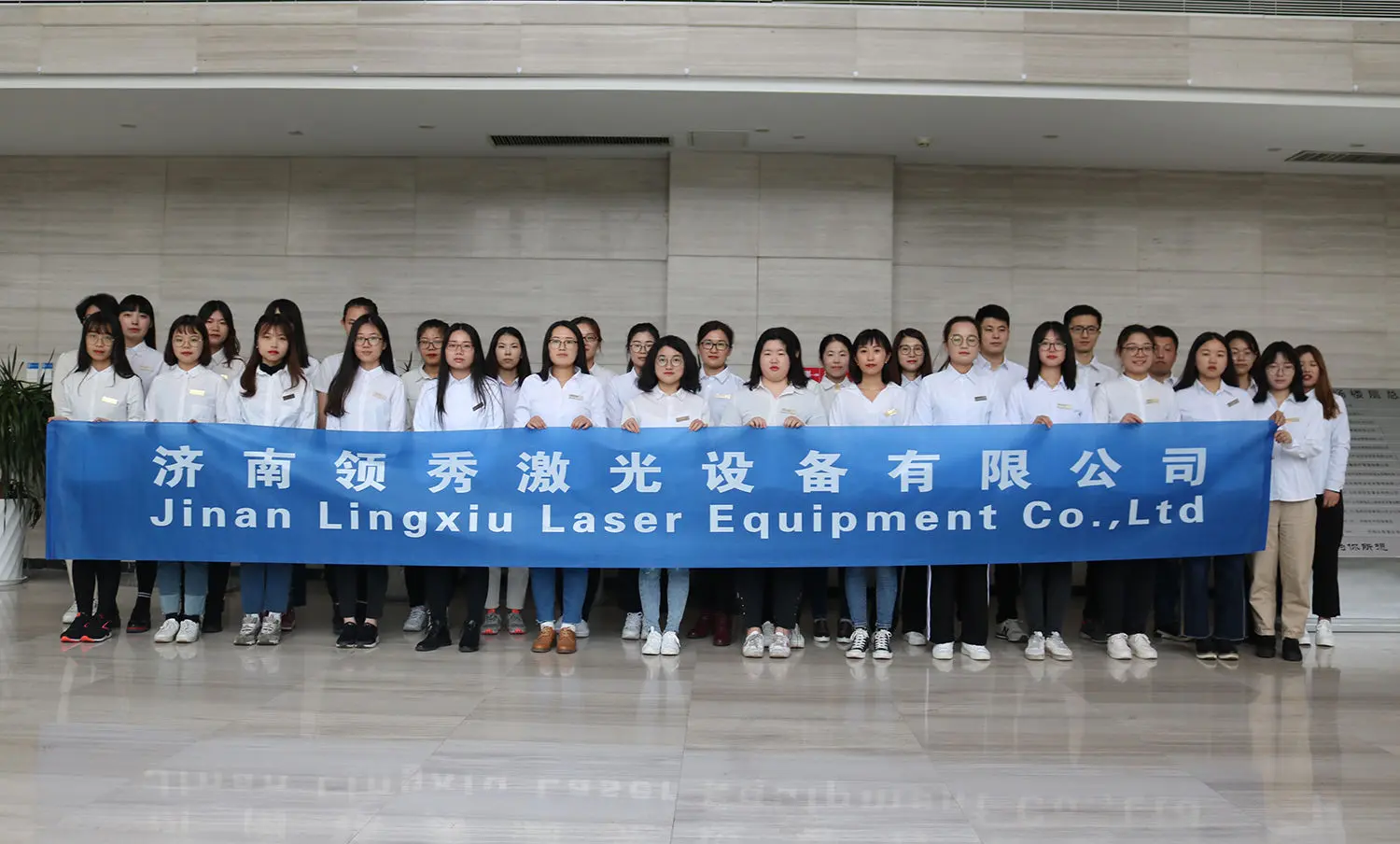
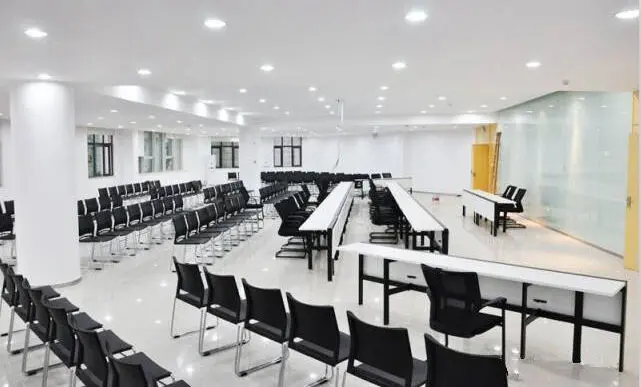
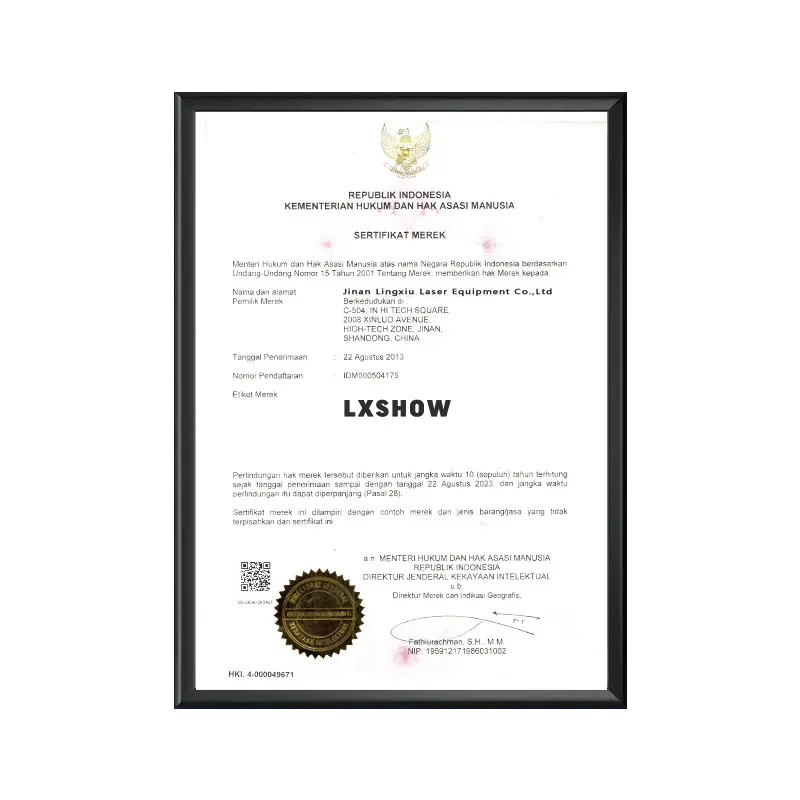
Tour our state-of-the-art facilities, specialized testing halls, design studios, and support infrastructure that keep LXSHOW at the vanguard of the laser industry.

At LXSHOW, we design for both today's applications and tomorrow's demands. Our engineering vision extends to 2040, focusing on complete integration with the Industrial Internet of Things (IIoT), automated load/unload cycles, and active diagnostics powered by sensor arrays.
Future metal fabrication depends on real-time quality control. Our newer generations of optical heads analyze internal gas pressure, cover slide temperature, and plasma feedback loop signals to dynamically adjust focal positions mid-cut. This minimizes setups, extends optic life, and prevents rework.
To run unattended shifts effectively, machines must handle setups independently. Our automated storage elevators swap nozzles, calibrate centering alignments, and clean tips without stopping operation, allowing seamless transitions between thick carbon steels and thin non-ferrous alloys.
Energy consumption directly affects margins. We are refining our exhaust systems and gas assist circuits to lower gas consumption by 30% to 40% when using Nitrogen. Additionally, regenerative servo drives recapture decelerating energy to lower the machine's overall power draw.
Machine downtime is costly. Our remote diagnostics system allows field engineers in our communication centers to inspect CNC logs, adjust servo loops, and push parameter updates directly, resolving issues remotely and keeping production schedules on track.
Explore specialized technical specifications, tooling capabilities, and application ranges across our main product lines.
High-precision systems for surface restoration, wear resistance coatings, and high-performance metallurgical modification.
Eco-friendly surface preparation, oxide strip, and industrial paint cleaning without media, chemicals, or abrasive damage.
High-speed assembly welding for sheet metal, frames, and components, delivering minimal thermal distortion and aesthetic bead profiles.
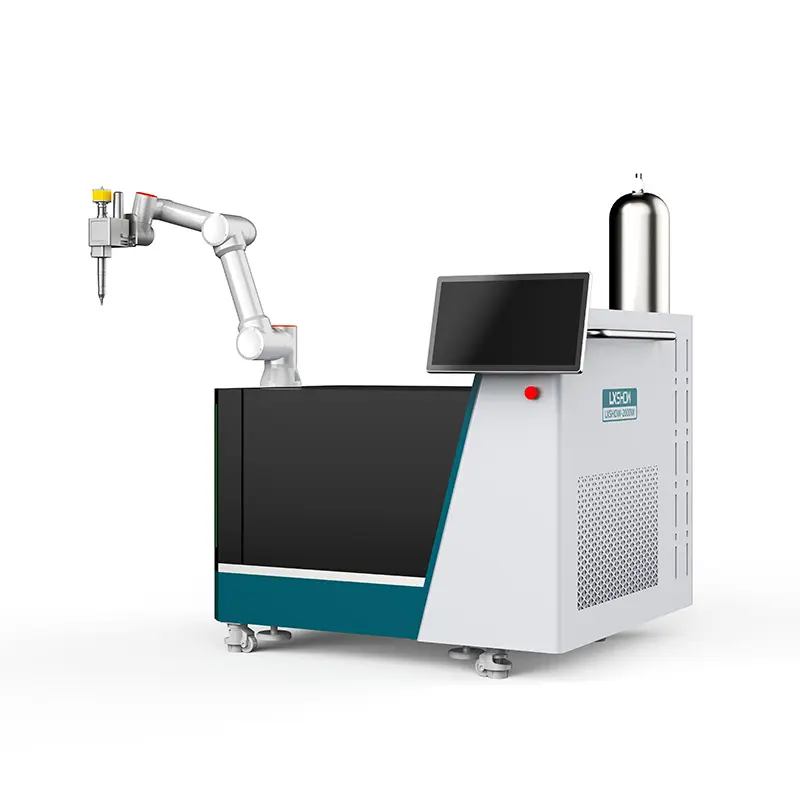
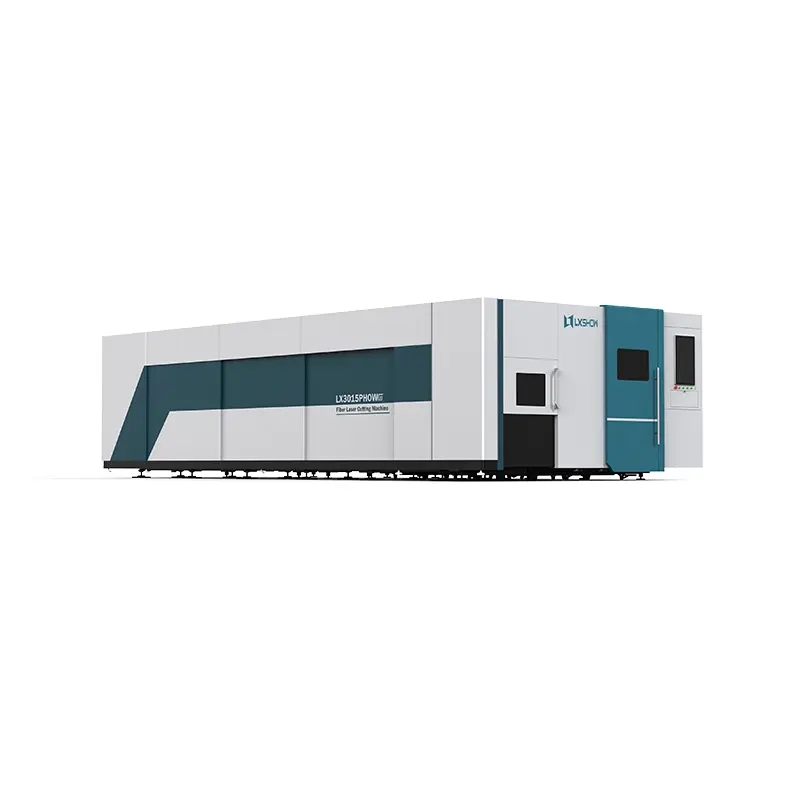
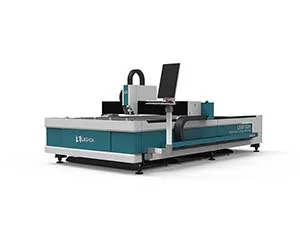
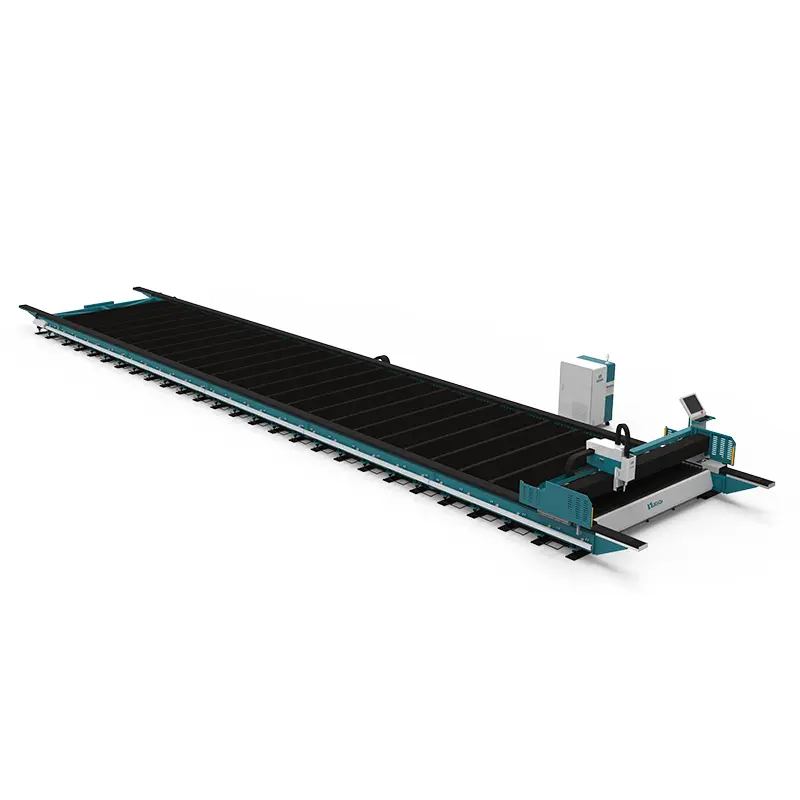
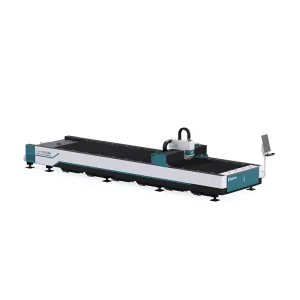
High-power CNC cutting systems equipped with shuttle tables, smart nesting software, and protective enclosures.
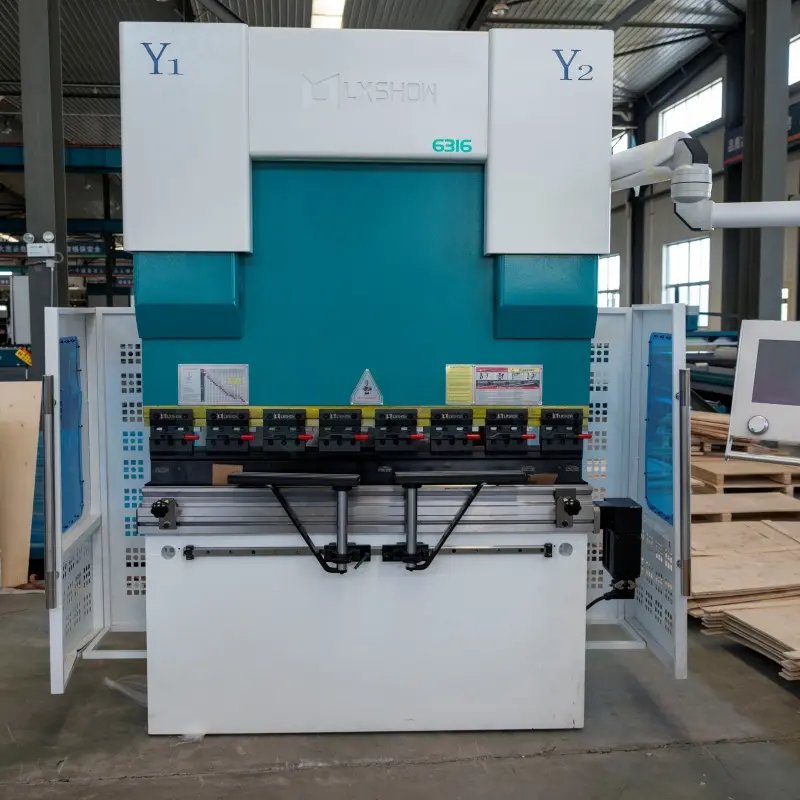
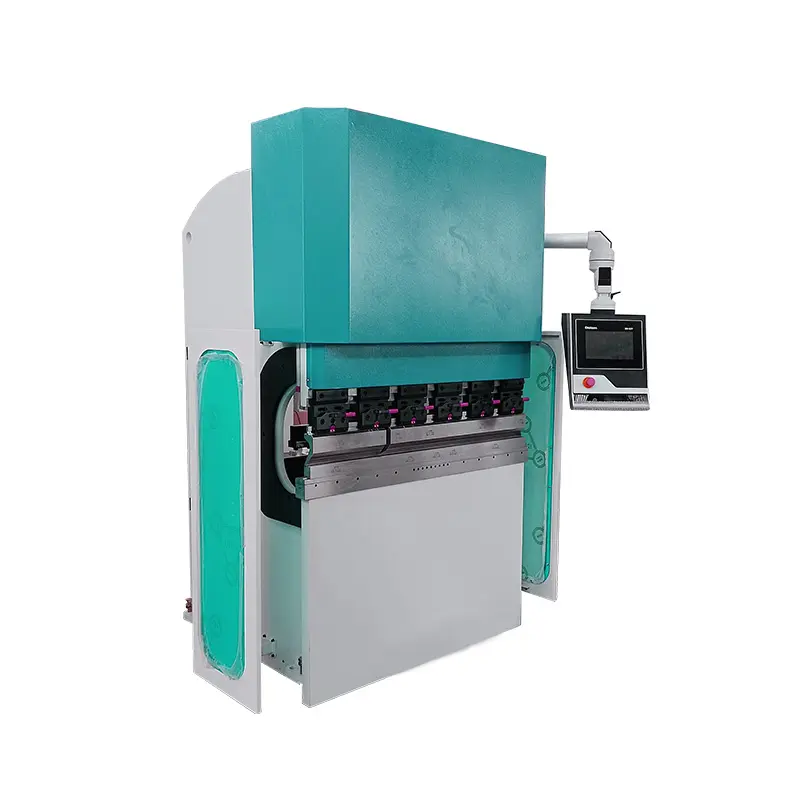
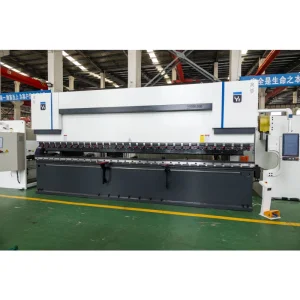
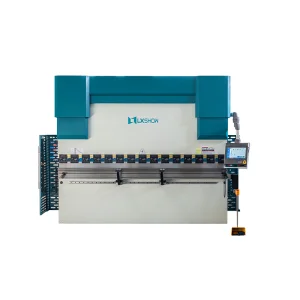
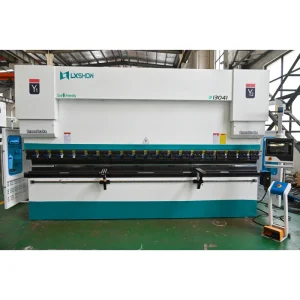
Multi-axis backgauge press brakes with electro-hydraulic servo synchronization for precise bend profiles.
Expert answers to technical, mechanical, and logistical questions to assist global procurement managers, wholesale partners, and distributors.
Oxygen is typically used for cutting carbon steels. It triggers an exothermic reaction that speeds up cutting on thick plates but leaves a dark oxide layer on the edge. Nitrogen is used for stainless steel and aluminum, acting as an inert shield that prevents oxidation to leave a clean, weld-ready surface. However, cutting with Nitrogen requires higher gas pressure and volume, which increases operating costs. Using clean, dry compressed air at 15-20 bar is becoming a popular, cost-effective alternative for sheet thicknesses up to 8mm.
Welded steel plates naturally contain internal physical stress. To prevent long-term distortion, our heavy-duty machine beds undergo thermal annealing inside a computer-controlled furnace at over 600°C, followed by natural cooling. This stress relief process guarantees that the linear guides and rack-and-pinion drive systems maintain dynamic alignment accuracy during high-speed moves for over ten years.
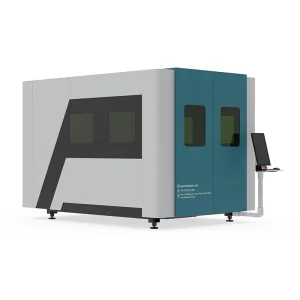
Open-bed fiber lasers are classified as Class 4 systems. Operators must wear safety glasses designed for the 1064nm wavelength and remain alert to stray reflections. Fully enclosed shuttle-table machines (like our 3015HCOW series) are Class 1 systems. They use protective window glass and safety interlocks that immediately disable the laser beam if the enclosure doors are opened during operation.
Older laser sources were highly vulnerable to back-reflection, which could travel back up the optical path and damage the resonator. Our modern fiber laser resonators are equipped with optical isolators and back-reflection absorption grids. This allows continuous cutting of copper, brass, and mirror-finish stainless steel without risking damage to the laser module.
Complete your production line with our shearing, bending, laser cleaning, and high-performance plate processing machinery.
 Lxshow