Premium OEM solutions engineered for high speed, maximum thickness tolerances, and continuous industrial operation.
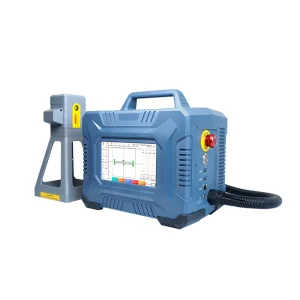
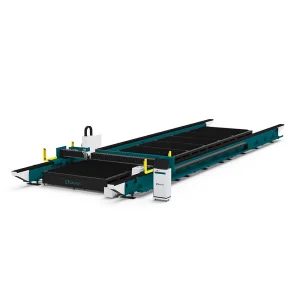
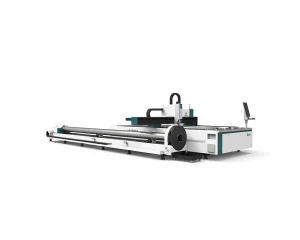
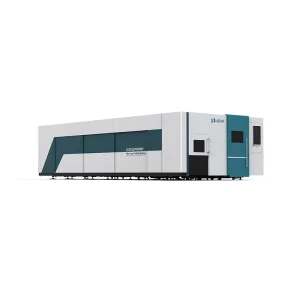
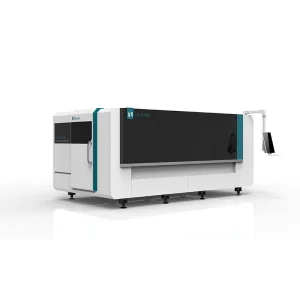
The global metal fabrication landscape has transitioned rapidly into high-power fiber laser technology. Industrial centers across North America, Europe, and the Asia-Pacific region are prioritizing automated fiber systems to replace outdated CO2 gas lasers and plasma cutters. When analyzing the OEM metal laser cutter price, global buyers must evaluate capital expenditure (CapEx) against long-term operational expenditure (OpEx).
Procuring directly from specialized Chinese OEM factories provides a competitive cost advantage while maintaining premium hardware integration. Today’s market relies heavily on key components that dictate 70% of the equipment value: the fiber laser source (IPG, Raycus, Maxphotonics, or JPT), precision motion control mechanisms (Alpha, Yaskawa, or Panasonic servo systems), and high-reliability laser cutting heads (Raytools or Precitec).
Understanding these variables helps procurement officers optimize budget allocations:
| Power Class | Standard Thickness Range | Typical Materials | Primary Industrial Sector |
|---|---|---|---|
| 1kW - 2.5kW | 0.5mm - 6mm | Thin Stainless, Aluminum, Brass | Kitchenware, Advertising, Electrical Enclosures |
| 3kW - 6kW | 1mm - 20mm | Carbon Steel, Mid-plate Alloys | Sheet Metal Shops, Automotive Body Work |
| 8kW - 15kW | 2mm - 40mm | Heavy Carbon Plate, Structural Beams | Aerospace, Agricultural Equipment, Shipbuilding |
| 20kW - 30kW+ | Up to 100mm | Extreme Duty Steel, Heavy Casting Sections | Heavy Infrastructure, Specialized Defense Sourcing |
How state-of-the-art engineering translates into high precision, repeatable yields, and structural longevity.
Utilizing high-excitation semiconductor chips to produce high-density beams. Brands like Raycus and IPG ensure optical stability and a laser diode lifetime exceeding 100,000 operating hours.
High-torque Japanese Yaskawa or Panasonic servo configurations matched with Helical rack-and-pinion drives. Achieves positioning accuracy down to ±0.02mm and high acceleration profiles.
Modern autofocus heads adjust focal points within milliseconds. Features protective window sensors to guard optics from back-reflection damage on reflective metals like copper and aluminum.
The laser cutting sector is shifting toward digital automation. Next-generation systems feature real-time process monitoring, automated nozzle centering, and sensor-based protective window monitoring. The integration of AI nesting algorithms allows factories to minimize scrap rates by up to 15%, lowering overall processing costs.
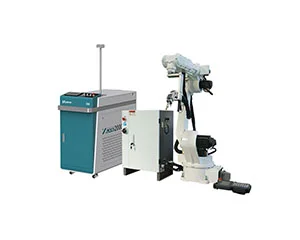
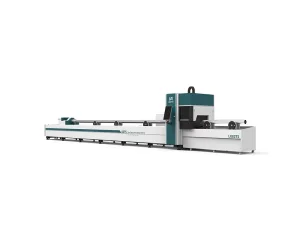
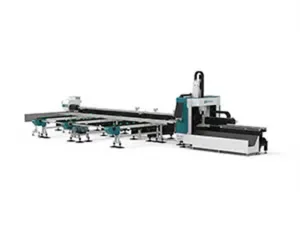
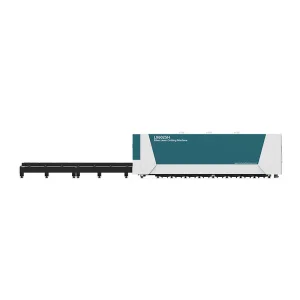
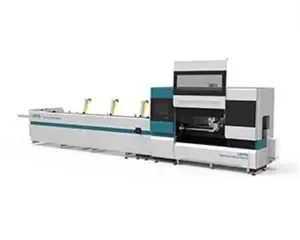
Additionally, modular configurations allow quick transitions between sheet cutting, tube processing, and robotic welding, creating cohesive, flexible production environments.
Delivering high-performance manufacturing solutions backed by certified engineering standards since 2004.
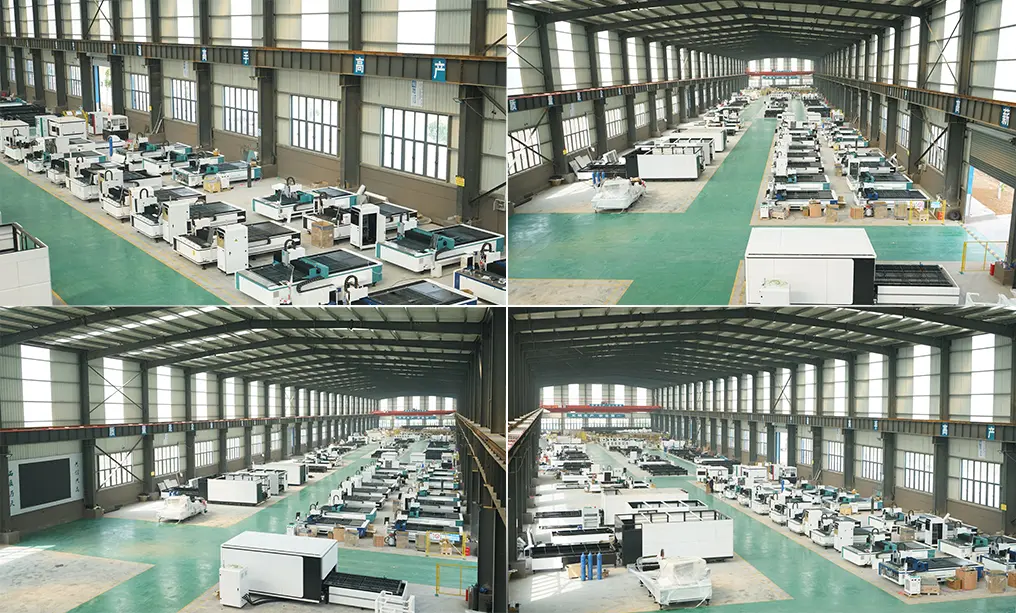
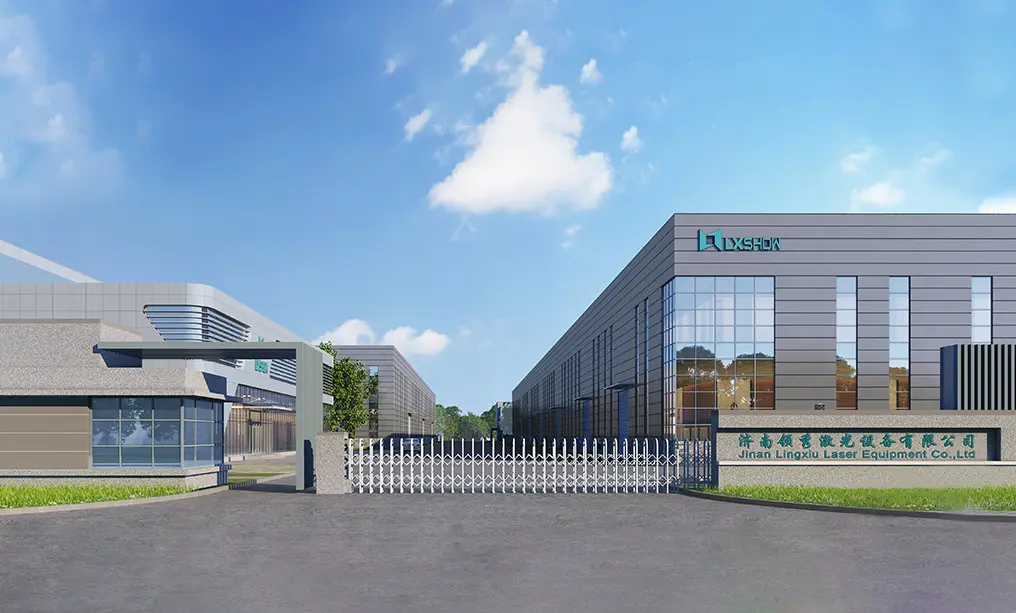
Our production facilities host precision frame-annealing furnaces, CNC milling centers, clean-room assembly bays, and testing zones to build reliable industrial machinery.
Every machine meets strict export requirements, certified under European Union CE authentication, American FDA registration, and ISO 9001 quality management protocols.
Trusted to provide OEM manufacturing for over 30 leading regional brands, exporting specialized laser equipment configurations to 120+ countries and areas globally.
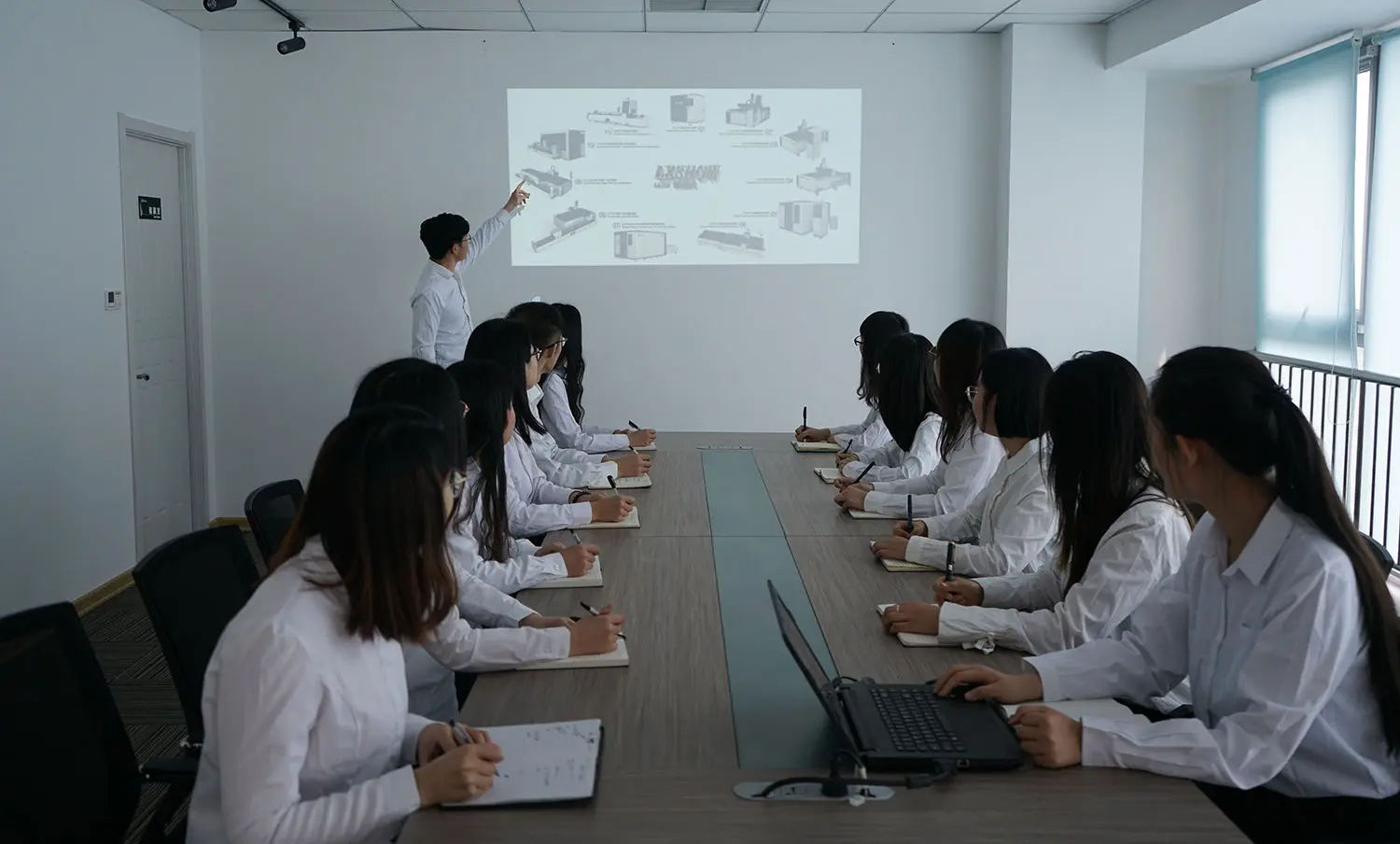
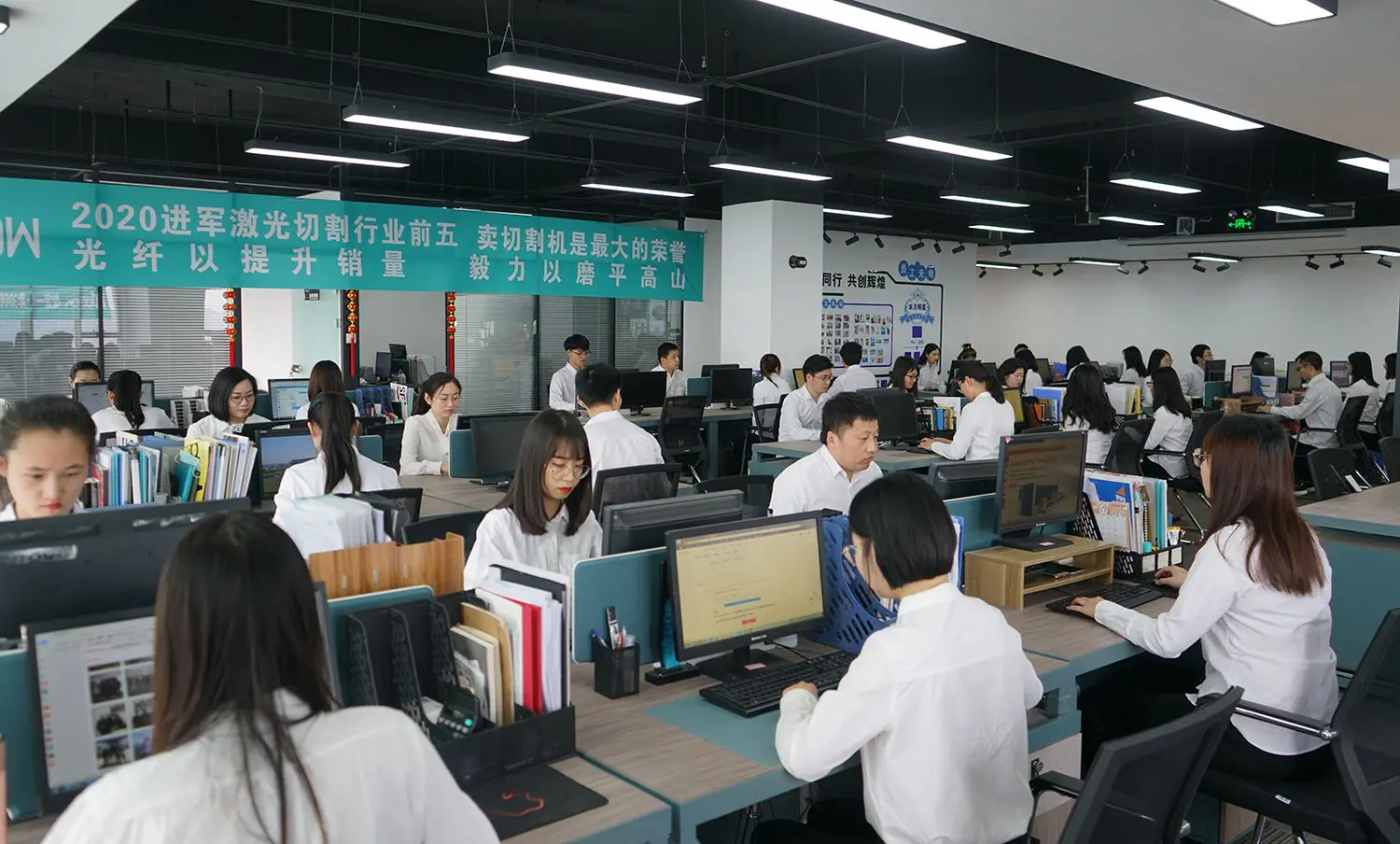
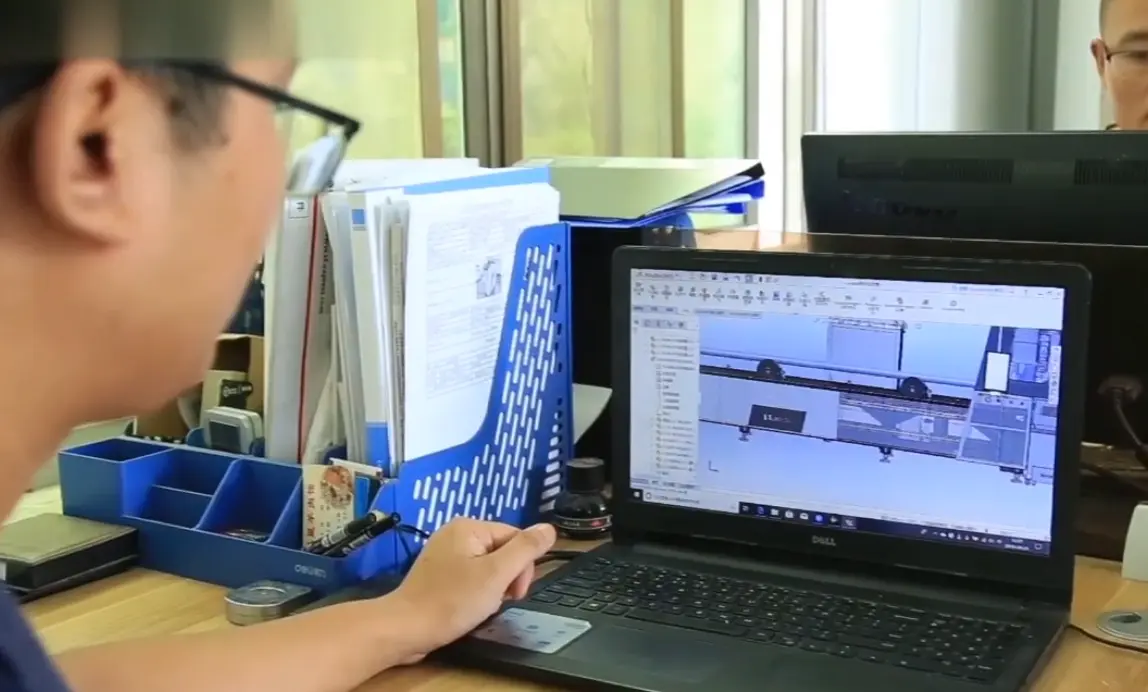
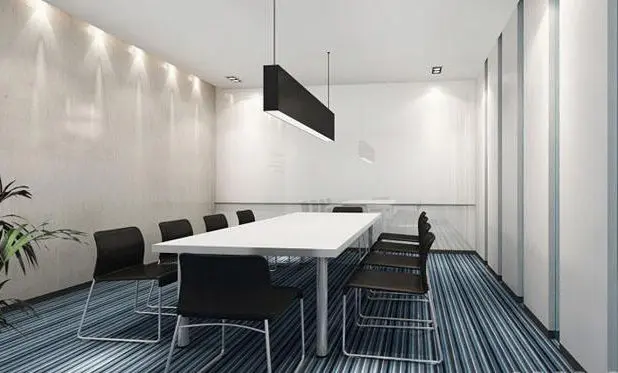
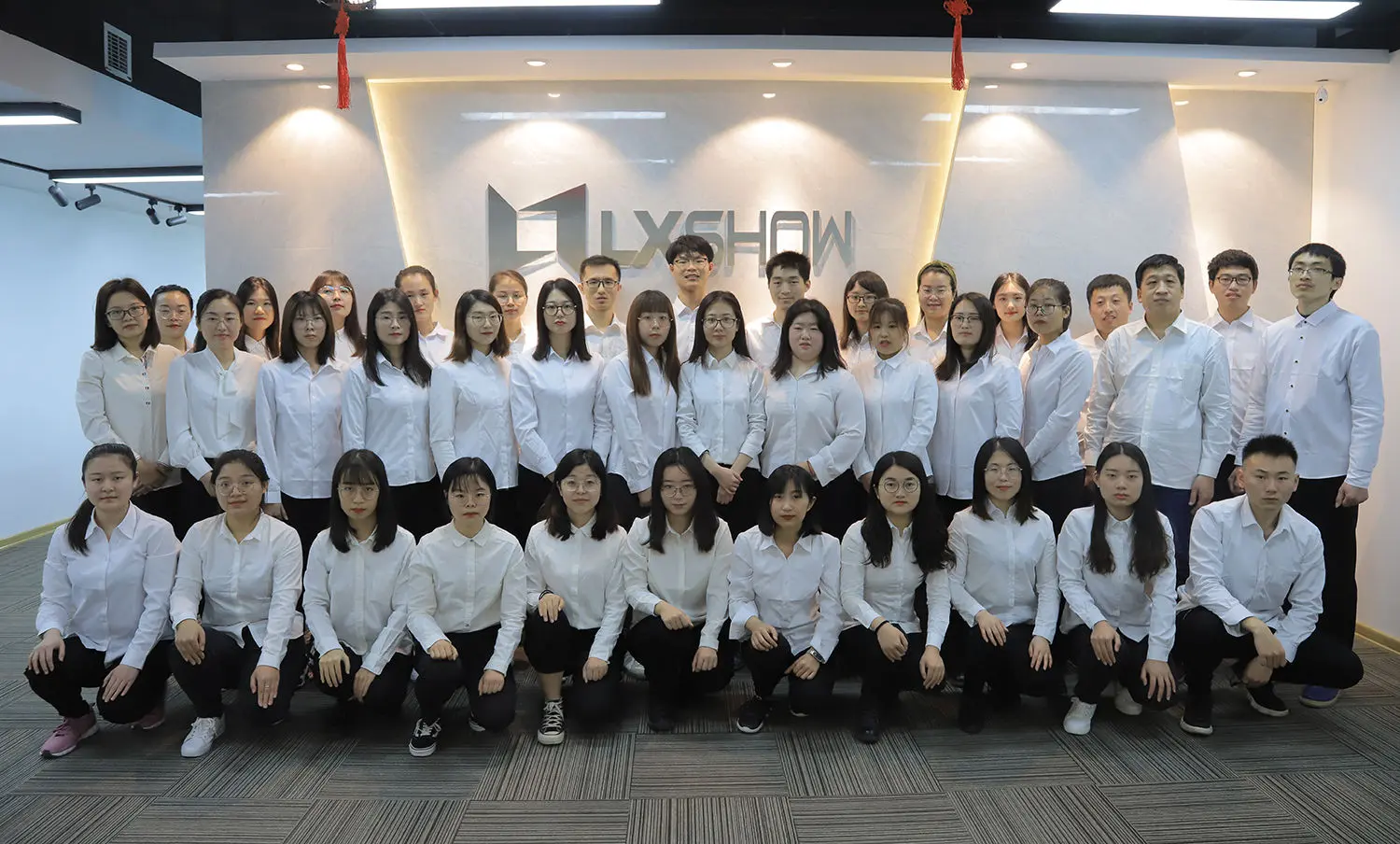
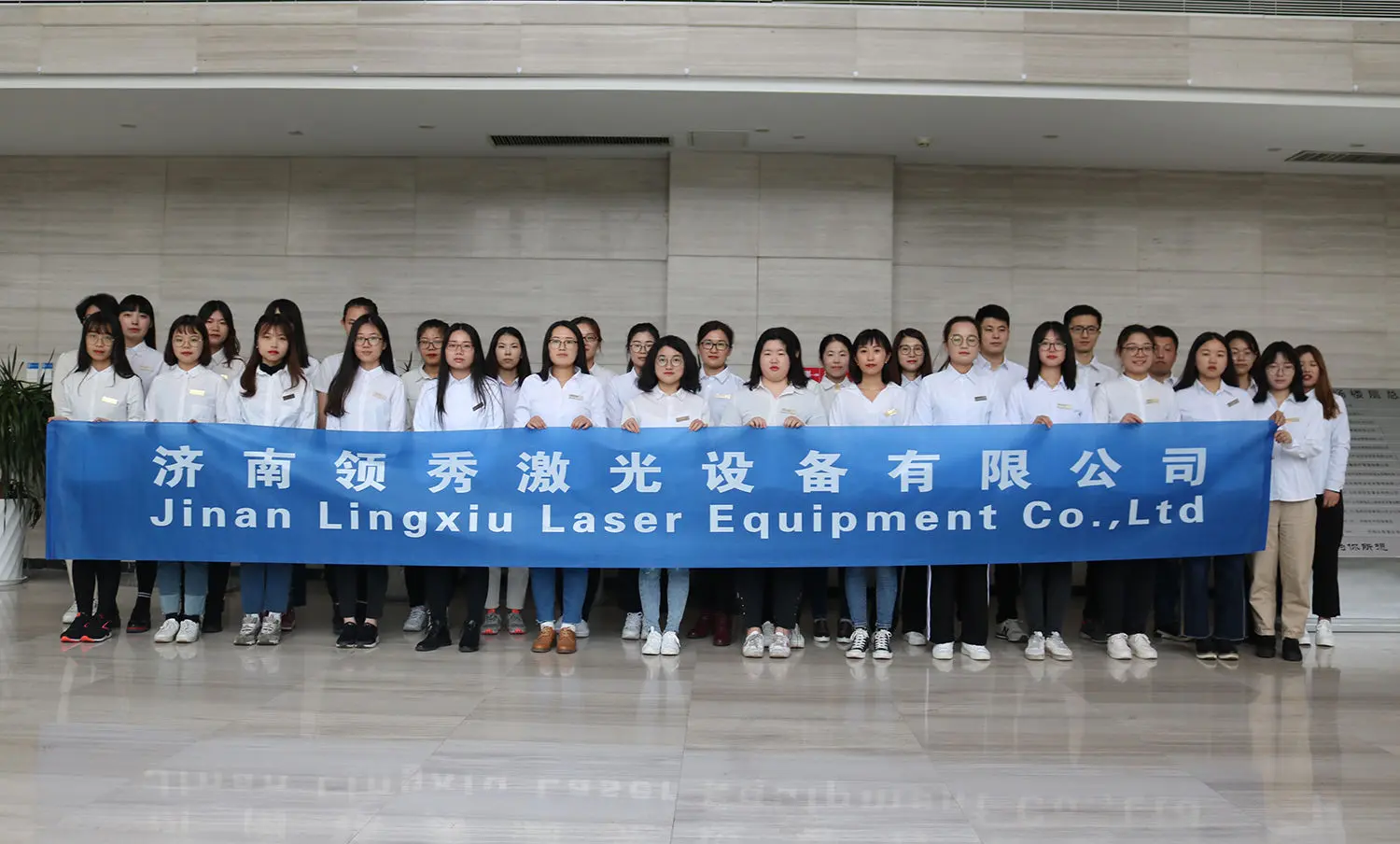
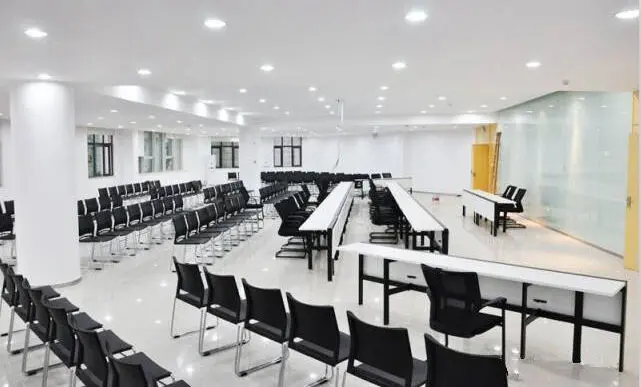
Real-world evidence of our engineering infrastructure, design office, and production workshops.

Optimized cutting heads and software configurations to process specialized metals without edge damage or back-reflection issues.
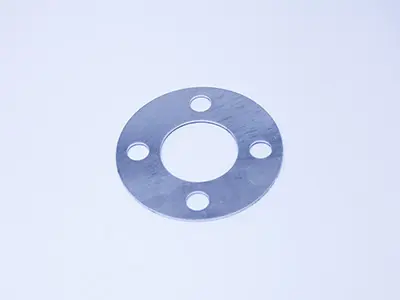
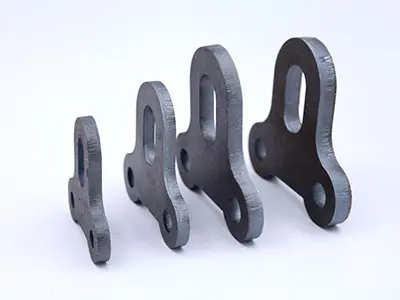
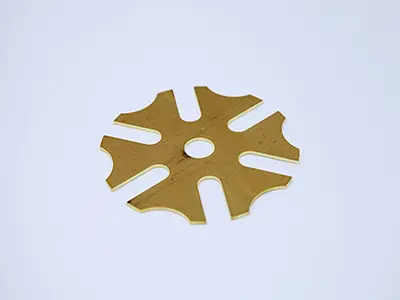
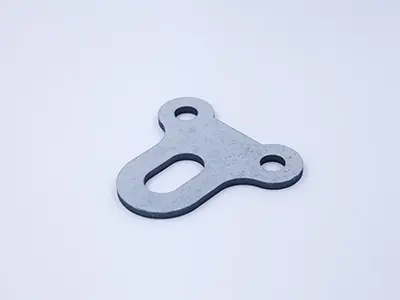
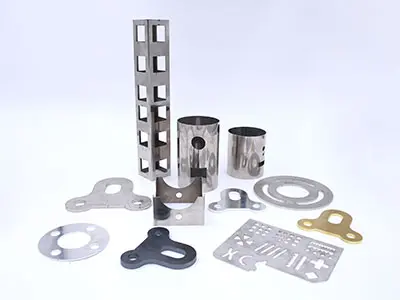
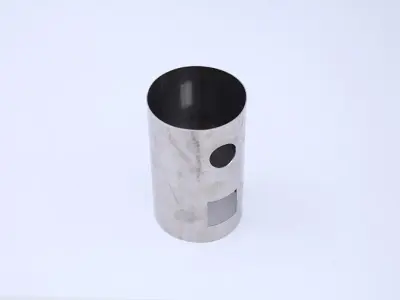
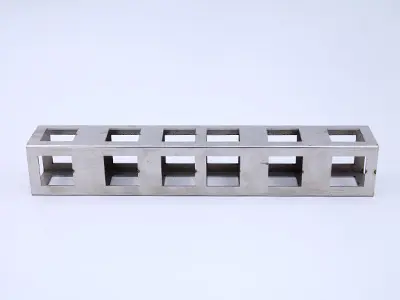
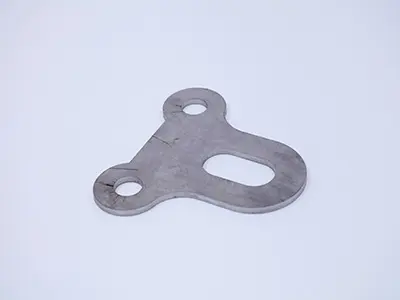
For custom manufacturing shops, material versatility is essential to operations. High-precision laser cutting heads manage variable heat-affected zones (HAZ) across diverse metal types. For example, processing Galvanized Steel requires specialized exhaust configurations to remove zinc fumes while keeping clean, dross-free edges.
Reflective metals like Copper and Aluminum require dedicated back-reflection protection. Systems like the 3015PHOW incorporate optical isolation traps to absorb returned laser energy, safeguarding the fiber source during high-feed cuts on copper sheets.
Sourcing complete production systems from a single manufacturing partner reduces integration risks and streamlines operational efficiency.
Designed for long-run processing of heavy plates, our laser cladding machines provide localized alloy deposition to restore damaged shafts, molds, and industrial tools.
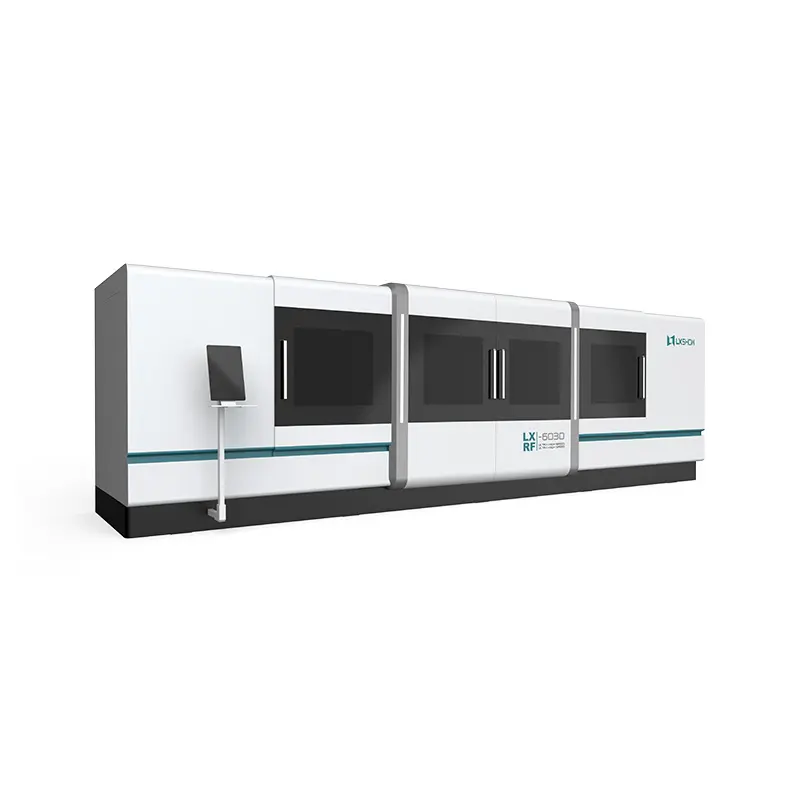
High stability cladding module for wear-resistant layer deposition.
Inquiry Details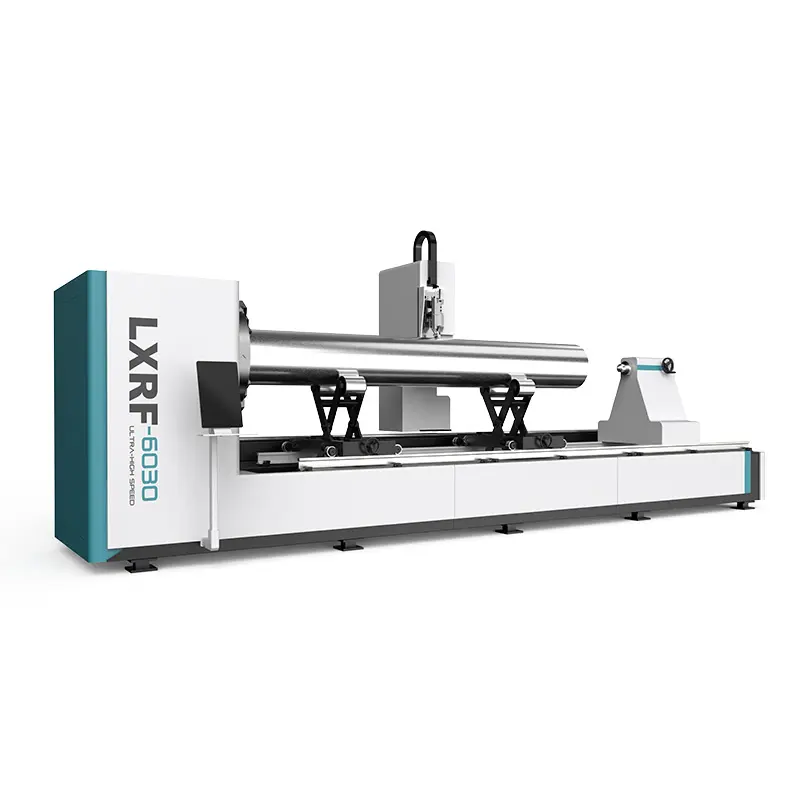
Fully integrated single axis positioner for cylindrical cladding.
Inquiry Details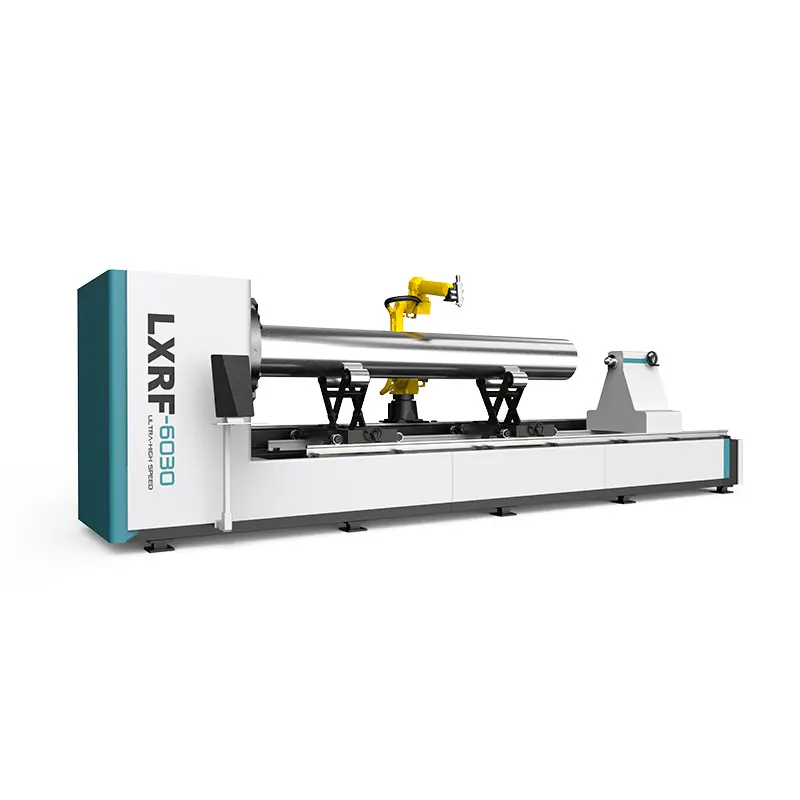
Multi-axis industrial robot arm integration for complex parts.
Inquiry DetailsNon-contact, chemical-free laser ablation systems for removing rust, surface oxide layers, paint, and manufacturing residues from base metals.
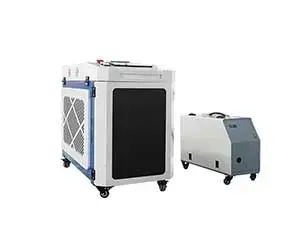
Dual-purpose manual fiber system combining high-strength weld joint creation and cleaning.
Inquiry Details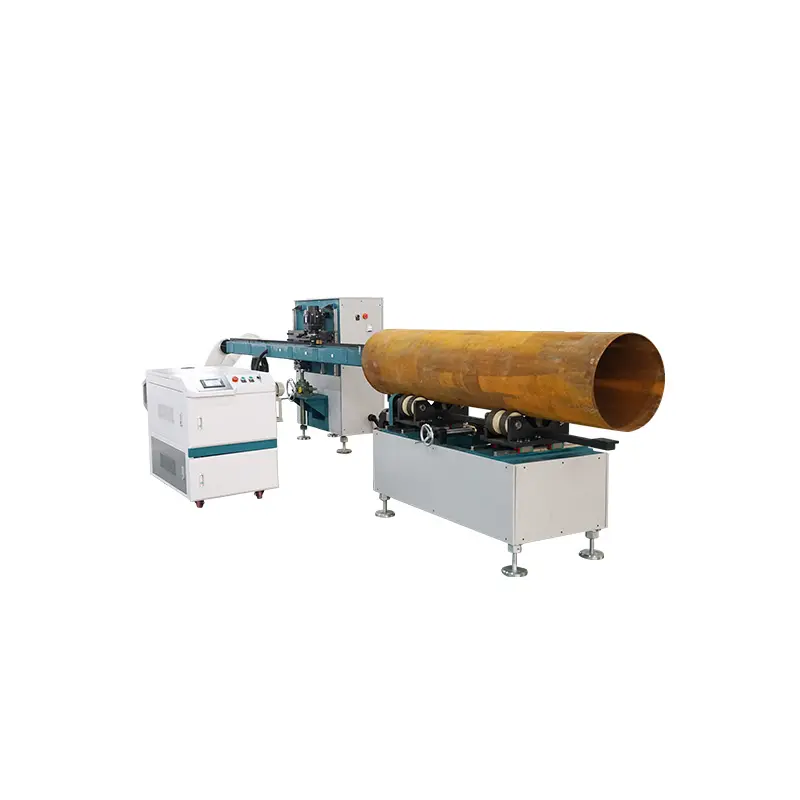
Designed for pipeline cleaning, targeting oxide buildup on interior walls.
Inquiry Details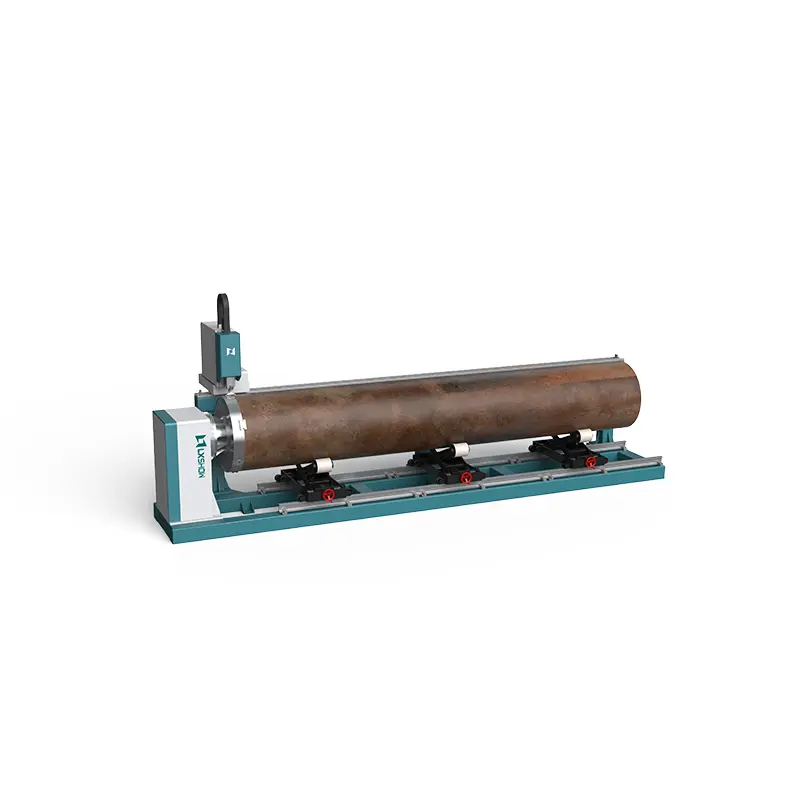
High speed automated external tube scale cleaning system.
Inquiry Details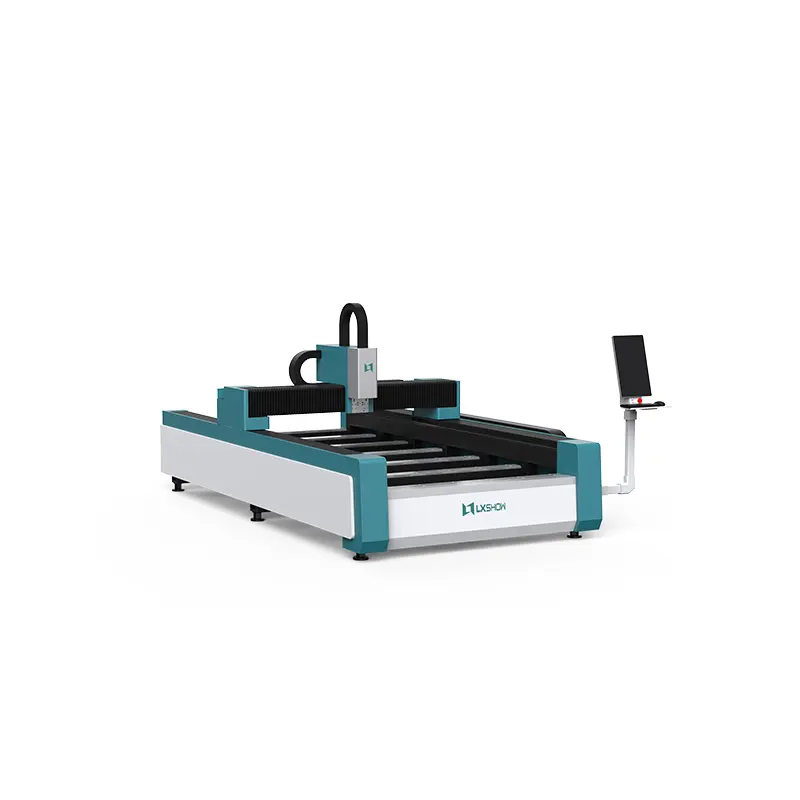
Wide gantry continuous surface preparation system.
Inquiry Details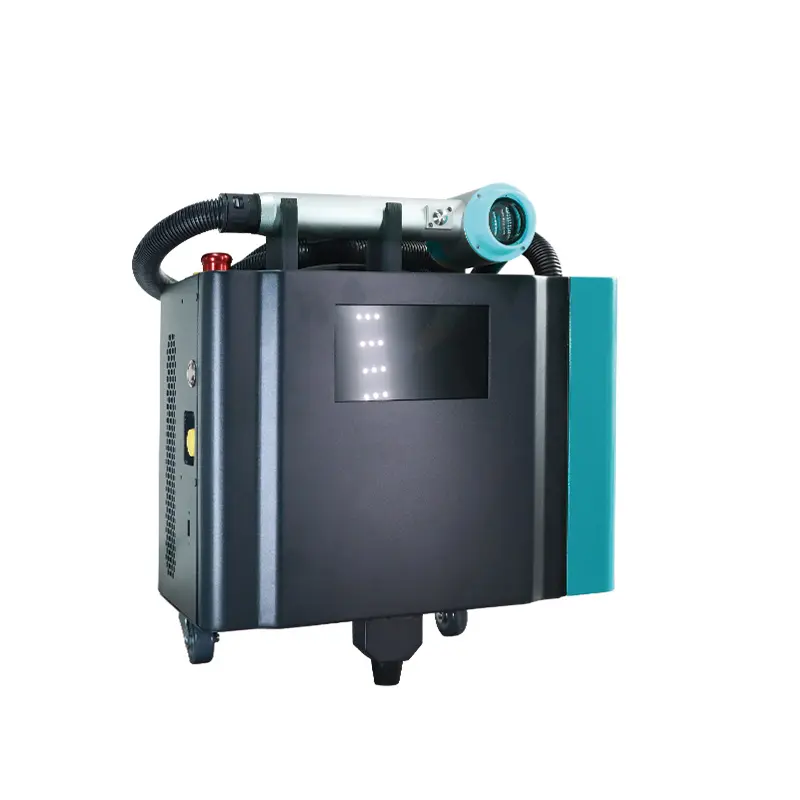
Lightweight ergonomic clean gun with mobile support rack.
Inquiry Details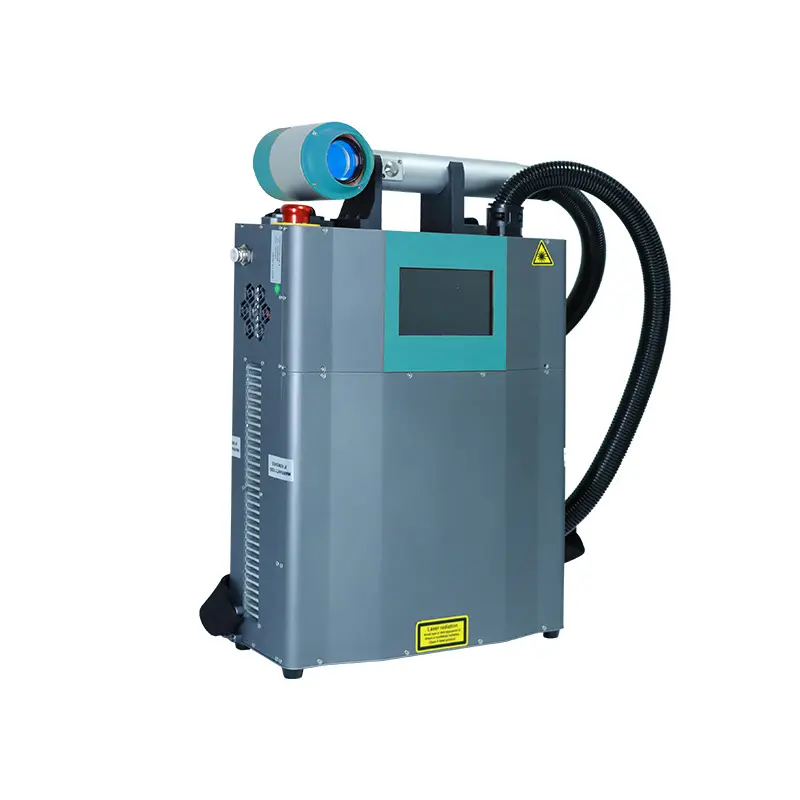
Battery-compatible backpack style unit for field rust removal and architectural cleaning.
Inquiry DetailsCombining high-speed laser cutting with hydraulic or fully electric CNC press brakes allows for seamless fabrication workflows.
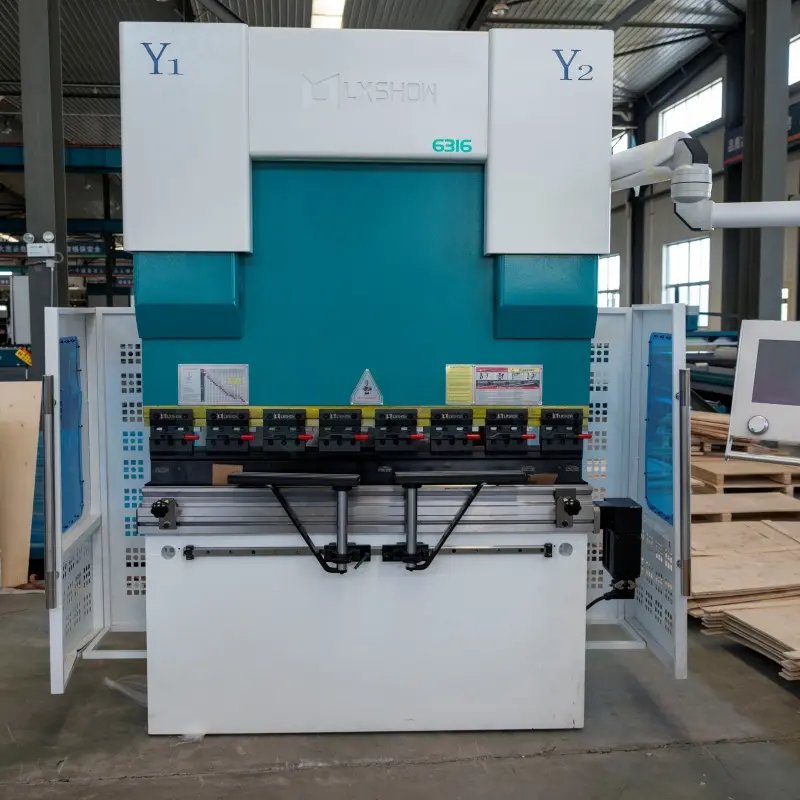
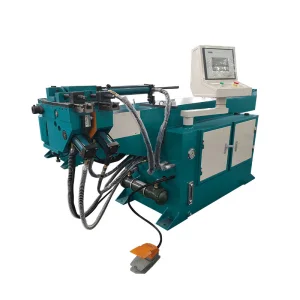
Precise multi-axis angle bending for structural profiles.
Inquiry Details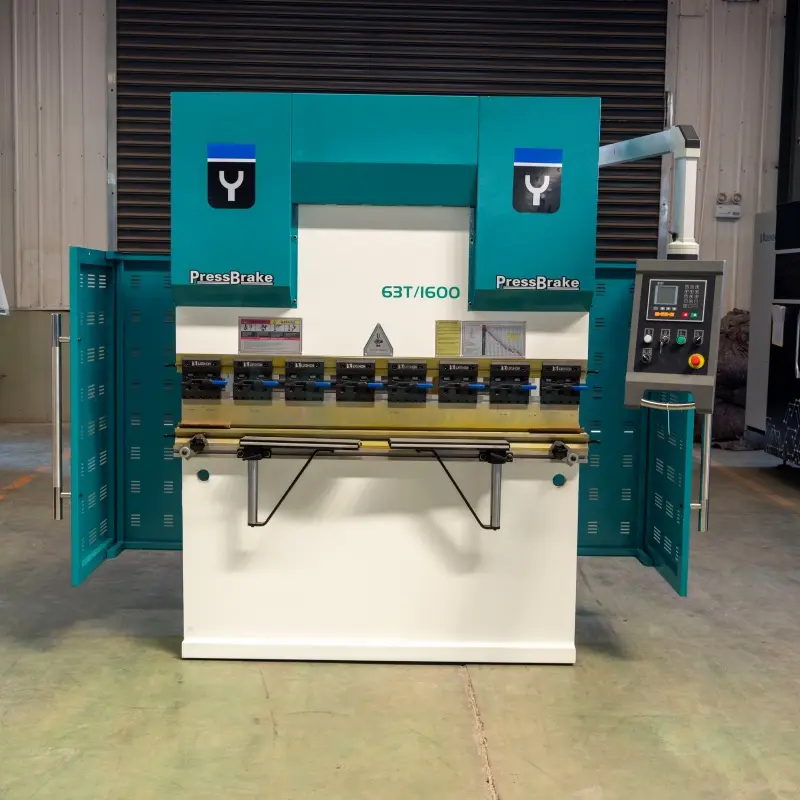
Heavy duty mechanical configuration for structural plate pre-forming.
Inquiry Details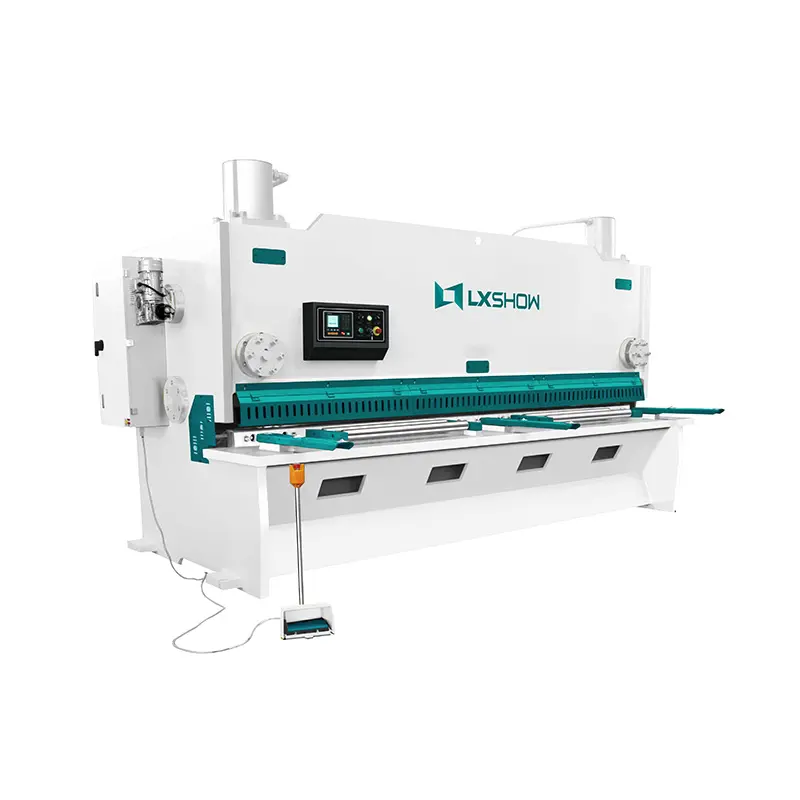
Heavy plate shearing with hydraulic control system.
Inquiry DetailsTechnical answers to support international procurement teams, site managers, and OEM customers.
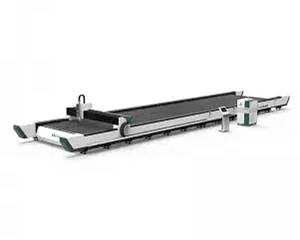
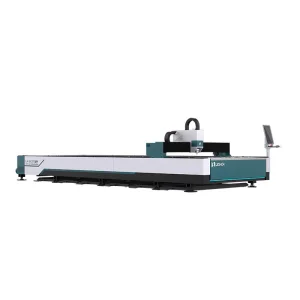
Pricing is primarily driven by three core components: the fiber laser source power (e.g., upgrading from 3kW to 12kW), the dynamic acceleration capability of the gantry axis (determined by servo torque and structural tempering), and the integration of automation accessories like pallet exchange tables or protective enclosures.
High-speed linear motor gantries create strong acceleration forces. Without heat-treatment tempering and stress relief on the welded steel bed, the frame can warp over time. This warping affects cutting accuracy and can lead to issues like beveling or early component wear.
Oxygen assists by reacting chemically with carbon steel to generate heat, making it effective for thick sheets but leaving an oxide layer. Nitrogen acts as a cooling shield to prevent oxidation, producing clean, weld-ready edges on stainless steel. Compressed air is a cost-effective alternative for thin sheets, cutting operating costs by up to 50%.
These certifications verify that the equipment meets international electrical safety, radiation emission, and quality management standards. This compliance simplifies customs clearance in regions with strict safety regulations, such as North America and Europe, and helps ensure operator safety.
A pallet exchange table operates with two moving beds. One bed sits inside the cutting enclosure while the operator unloads finished parts and loads new sheets on the external bed. This setup reduces changeover times from minutes to under 30 seconds, improving overall duty cycles.
Under recommended cleanroom and climate conditions, premium fiber laser diodes from major brands are rated for approximately 100,000 operational hours. This long lifespan helps keep maintenance costs low and supports reliable production over years of use.
Explore our heavy-duty tube processing, high-capacity gantries, and automated bending solutions.
 Lxshow