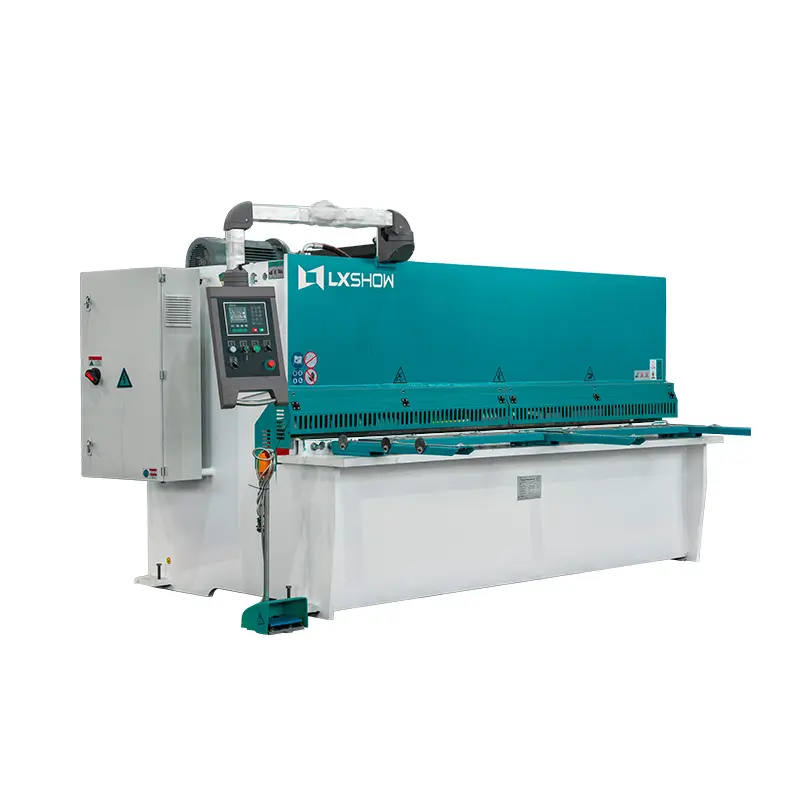
Engineered for high performance, accuracy, and operational cost optimization
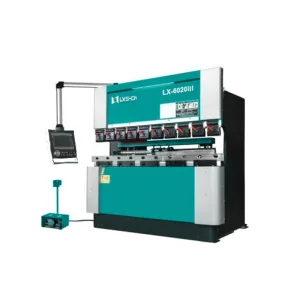
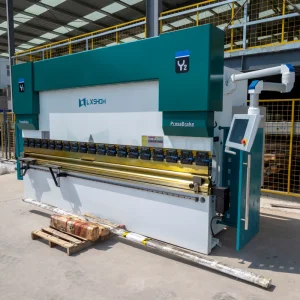
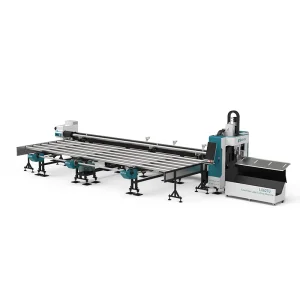
Established in July 2004, our company stands at the global frontier of intelligent industrial laser systems. Across almost two decades of targeted research, design, and manufacture, we have consolidated our footprint with over 500 square meters of specialized R&D workspaces and a state-of-the-art production base spanning more than 32,000 square meters. Guided by the principles of Industry 4.0 and advanced mechanical engineering, we deliver robust solutions that empower fabricators worldwide.
To assure compliance, precision, and safety, all manufacturing batches are certified according to the most demanding international directives: they strictly meet European Union CE authentication, American FDA criteria, and are built under verified ISO 9001 quality management architectures. Beyond proprietary branding, our capabilities support global industry supply networks, providing advanced OEM solutions for over 30 leading industrial machinery brands globally.
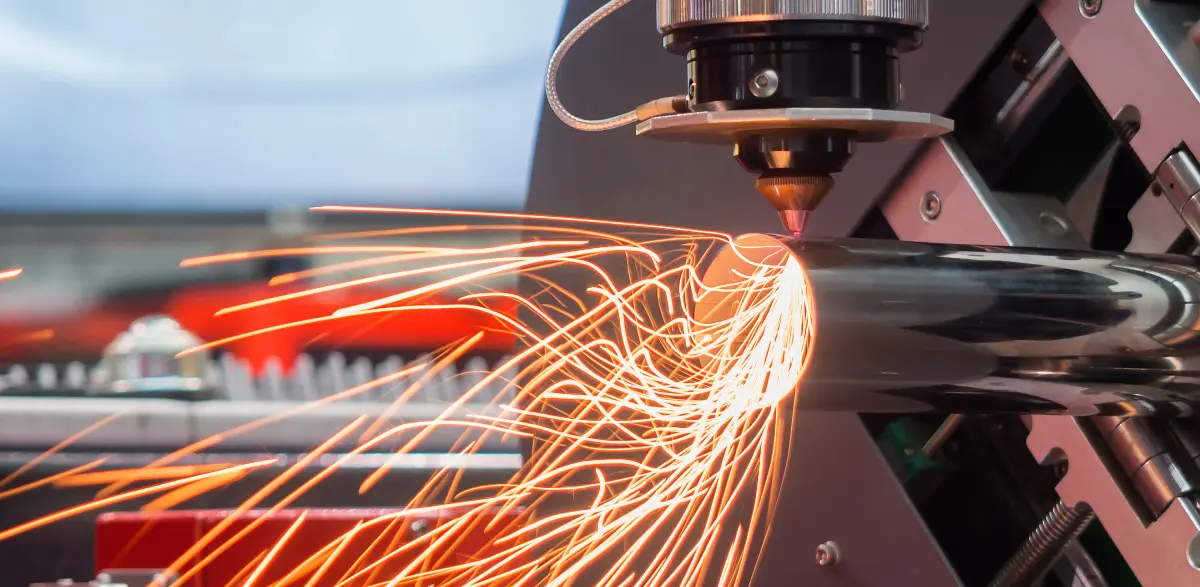
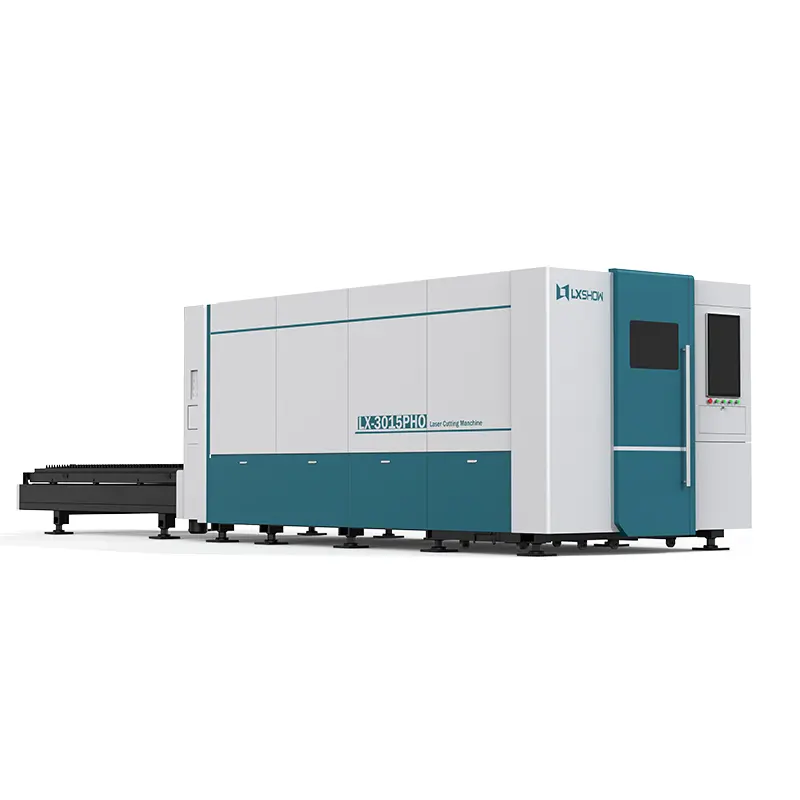
Determining the capital expenditure (CAPEX) for an ODM Metal Laser Cutting Machine requires a granular understanding of component architecture, integration demands, and mechanical tolerances. From small-format workshop units to massive multi-kilowatt gantry systems, pricing scales dynamically based on key operational parameters. Modern procurement officers analyze these systems not merely on upfront acquisition cost, but through the lens of long-term operational efficiency, energy consumption, and structural durability.
The choice of laser source brand and optical power rating is the single largest pricing differentiator. Standard systems utilize high-stability solid-state fiber laser configurations. An increase in power (e.g., transitioning from a standard 3kW sheet metal system to a heavy-duty 12kW or 30kW plate processor) scales costs due to the required upgrades in chiller capacities, gas routing systems, and advanced collimation elements within the cutting head.
Similarly, the mechanical frame construction separates low-cost entry-level machines from industrial-grade manufacturing equipment. Our high-speed fiber systems feature cast gantry components and heavy-duty, stress-relieved steel gantry frames assembled in our 32,000m² factory. These frames undergo high-temperature heat treatment (annealing) to eliminate internal stress, ensuring the machine bed remains vibration-free and accurate to within ±0.03mm over a decade of continuous operational cycles.
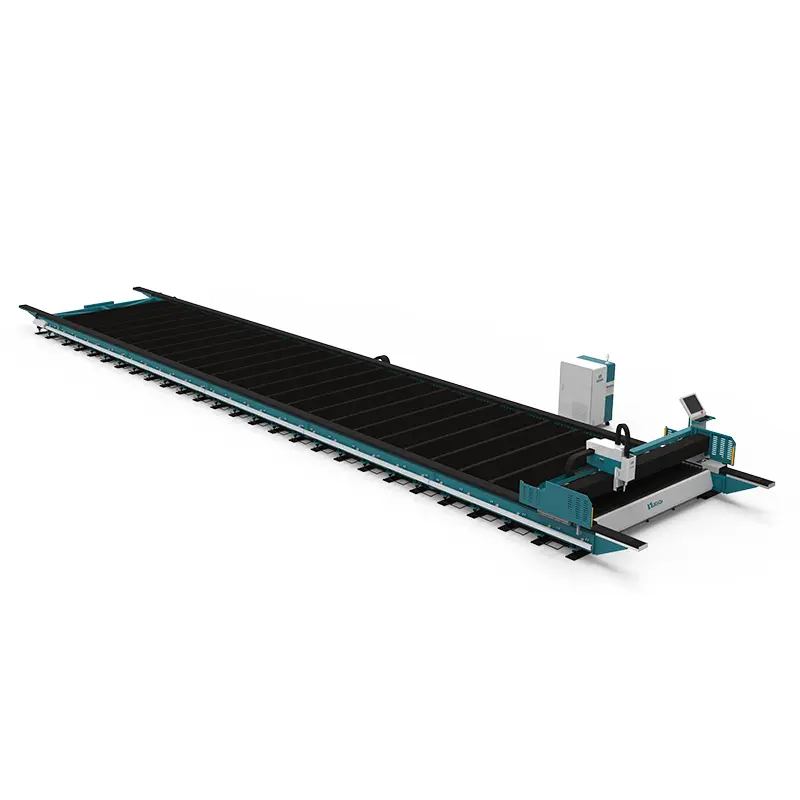
In the contemporary global market, procurement teams seek customized solutions rather than off-the-shelf catalog products. The demand for ODM (Original Design Manufacturing) systems has grown significantly. ODM allows organizations to tailor sheet bed dimensions (e.g., custom 4000mm x 1500mm formats), integrate automated material loading-unloading tables, and select specialized software configurations that link directly with existing ERP and factory control networks.
On a macro level, rising global labor costs and shorter product life cycles have accelerated the adoption of automated plate and tube integrated systems. Standard configurations must now match or exceed local compliance criteria, including safety-enclosed housings, certified dust extraction units, and safe-access interlocking electronics. While these integrations adjust the initial purchase price, they reduce liability, decrease cycle times, and minimize human error.
Cross-industry material processing capabilities verified by our engineering teams
Our laser cutting systems are deployed across diverse sectors, including structural steel fabrication, packaging, gift manufacturing, automotive assembly, jewelry design, aerospace components, heavy machinery fabrication, and semiconductor equipment manufacturing. Each sector requires specific parameters for speed, gas pressure, and heat input.
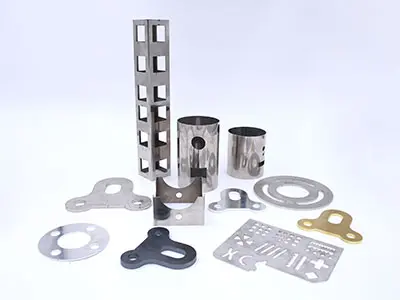
Processing highly reflective metals like aluminum and copper requires high-efficiency fiber lasers with optical isolation technologies to prevent back-reflections from damaging the oscillator. Our systems feature protective configurations to maintain continuous cutting speeds without risk to critical machine components.
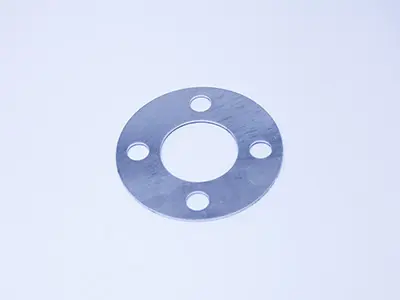 Aluminum
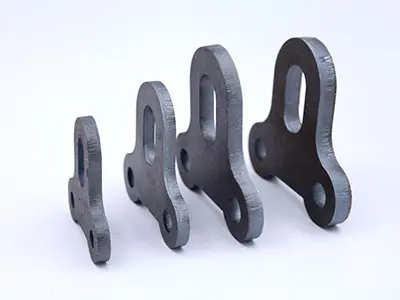 Carbon Steel
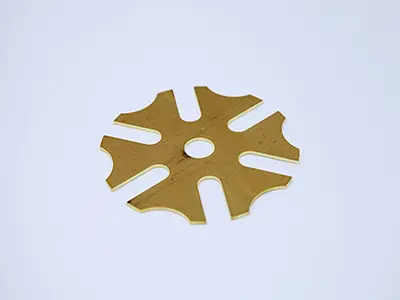 Copper
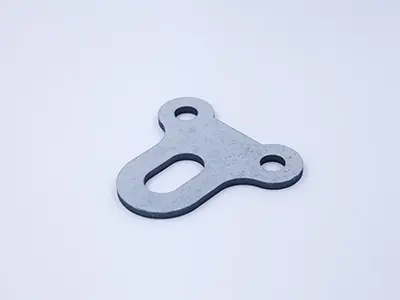 Galvanized
 Other Metal
 Round Tube
 Square Tube
 Stainless Steel
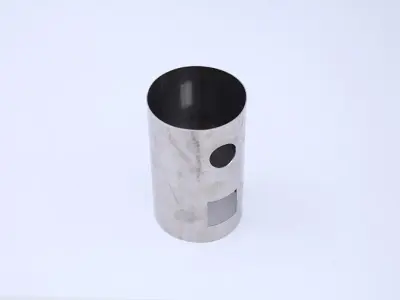
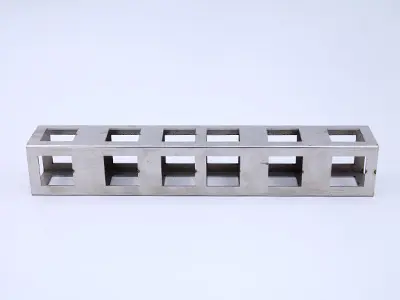
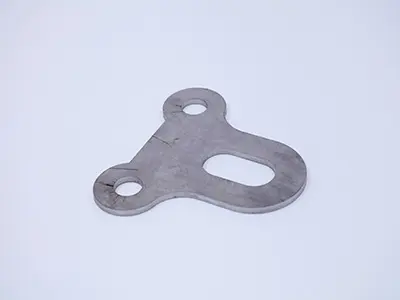
Thin-gauge materials are processed using high-velocity nitrogen gas to blow away molten metal, yielding a clean, burr-free edge. For thicker plates, oxygen-assisted cutting utilizes the metal's exothermic reaction to speed up the process. This method requires robust height tracking, precise nozzle centering, and automatic focal adjustment.
A tour inside our R&D centers, modern assembly floors, and engineering hubs
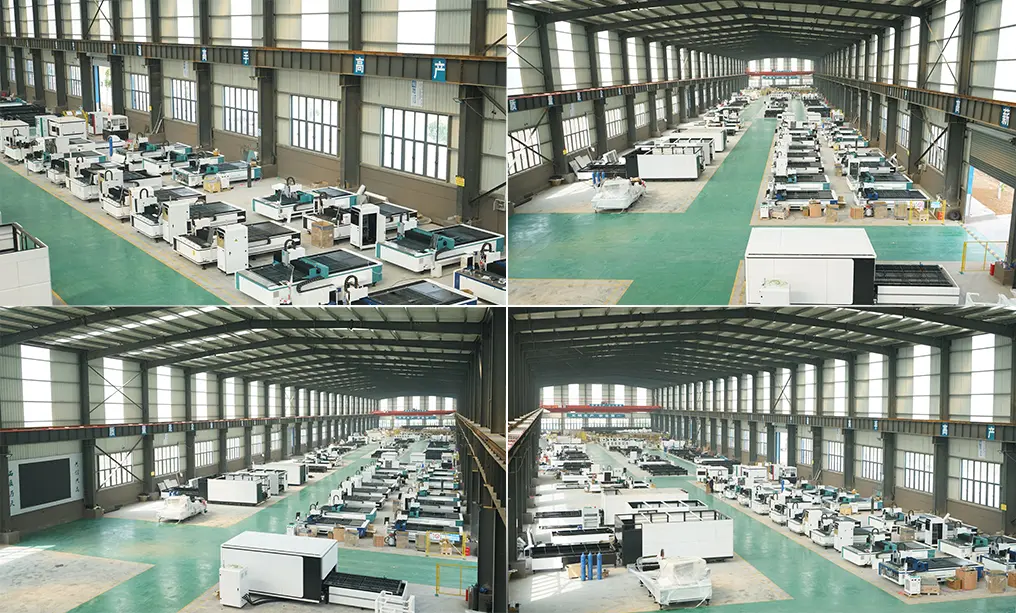
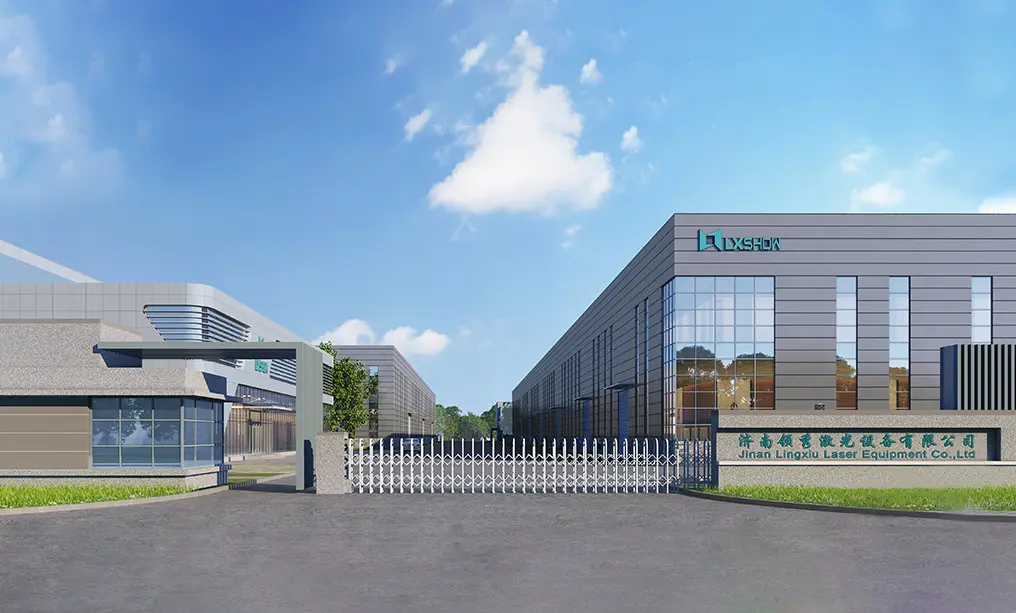

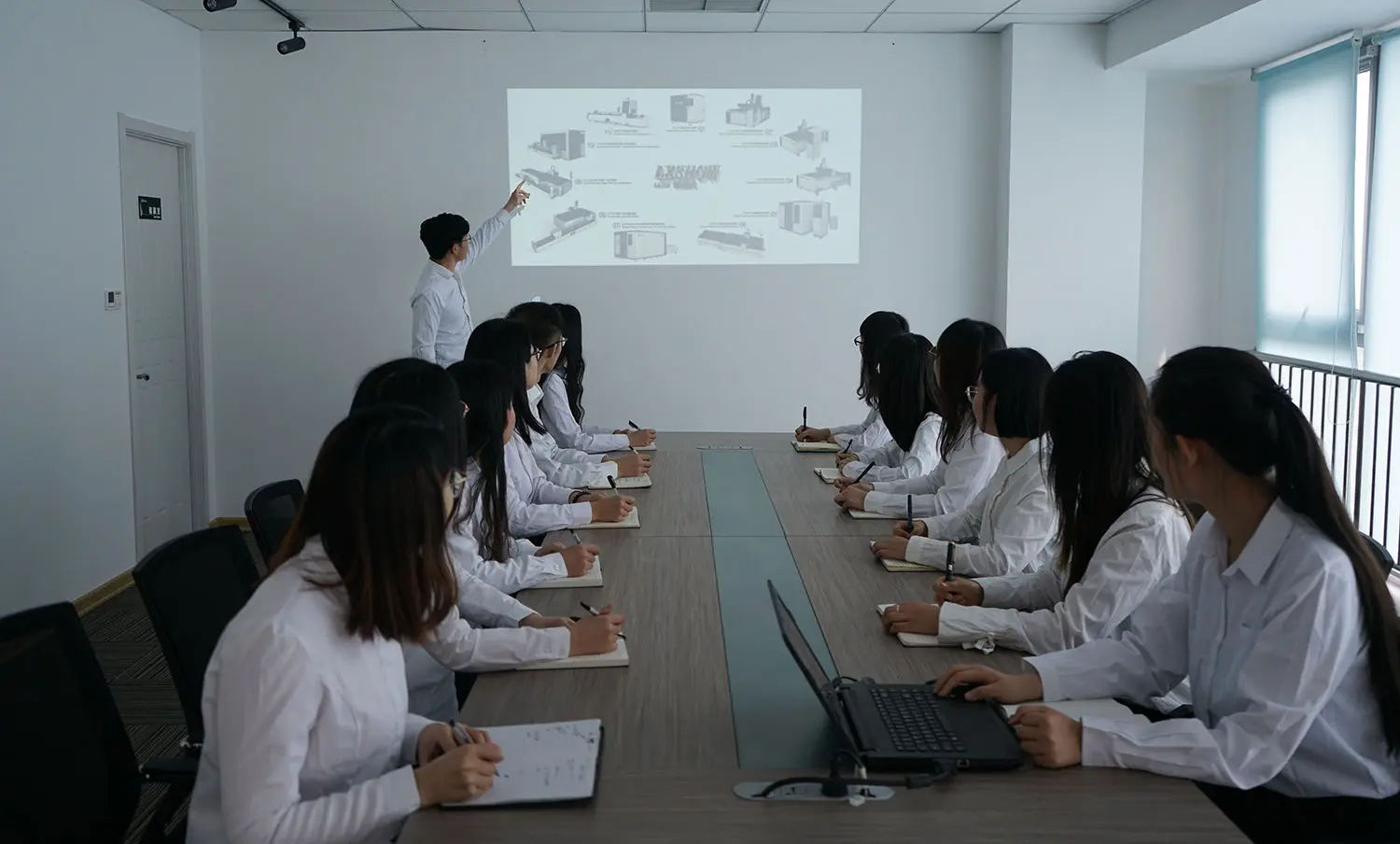
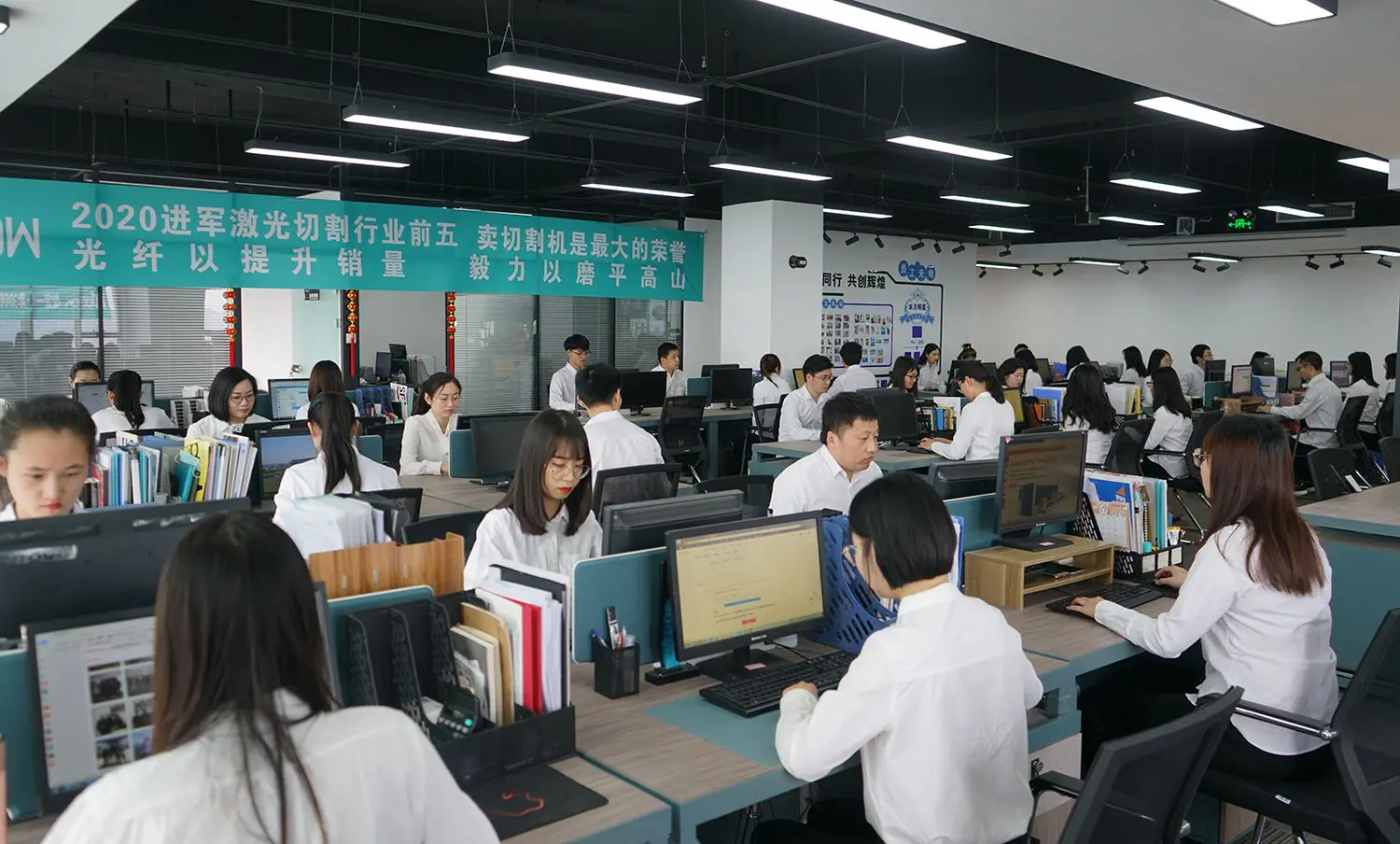
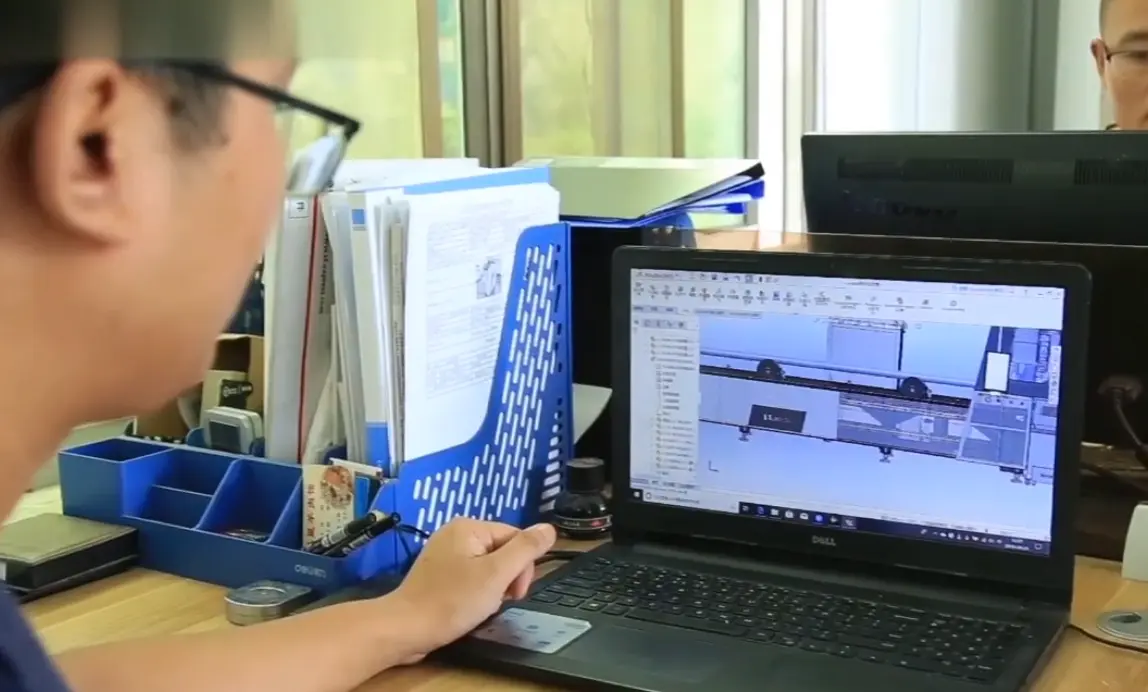
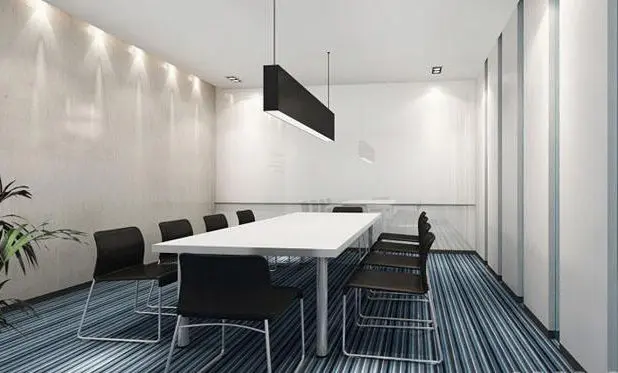
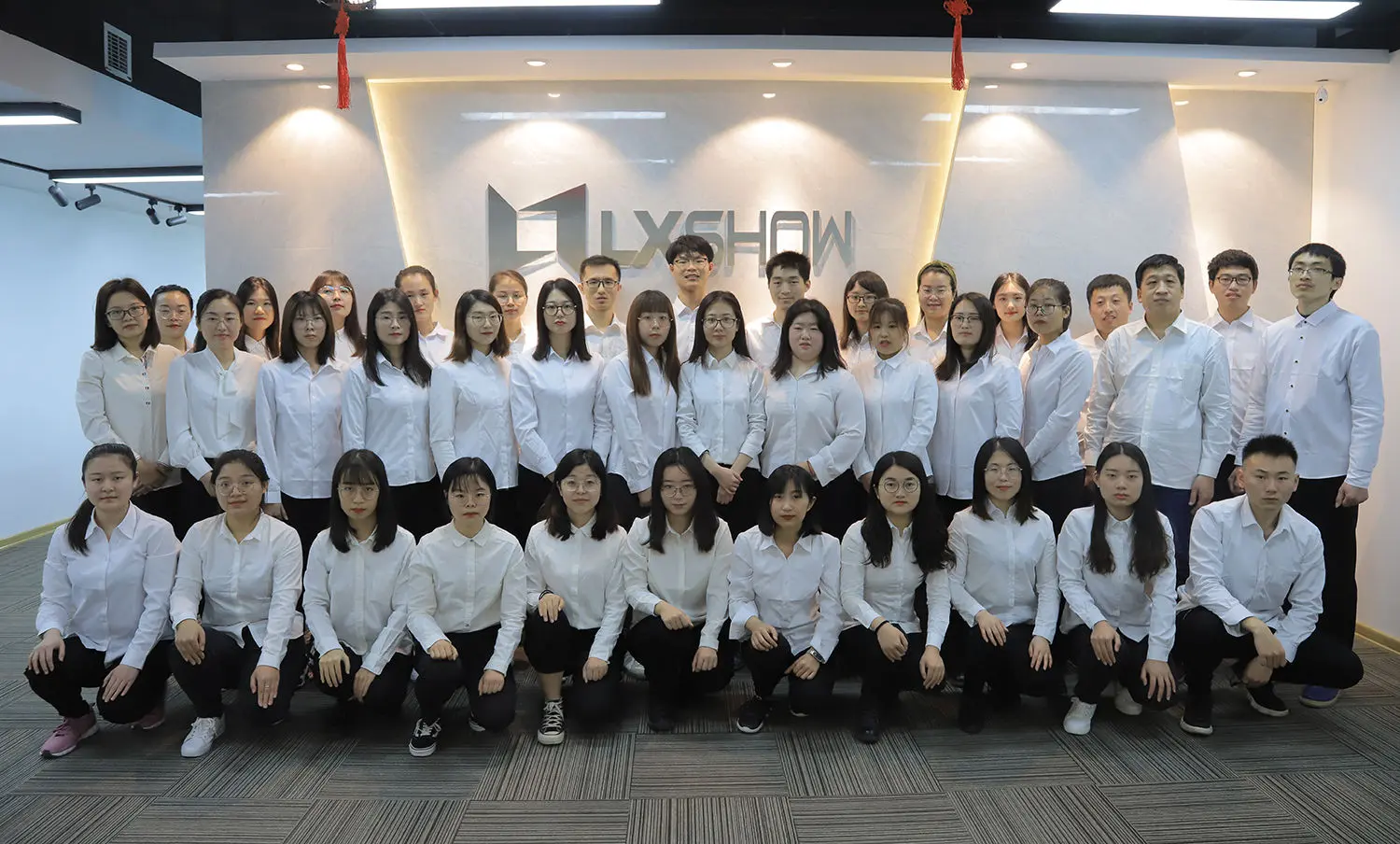
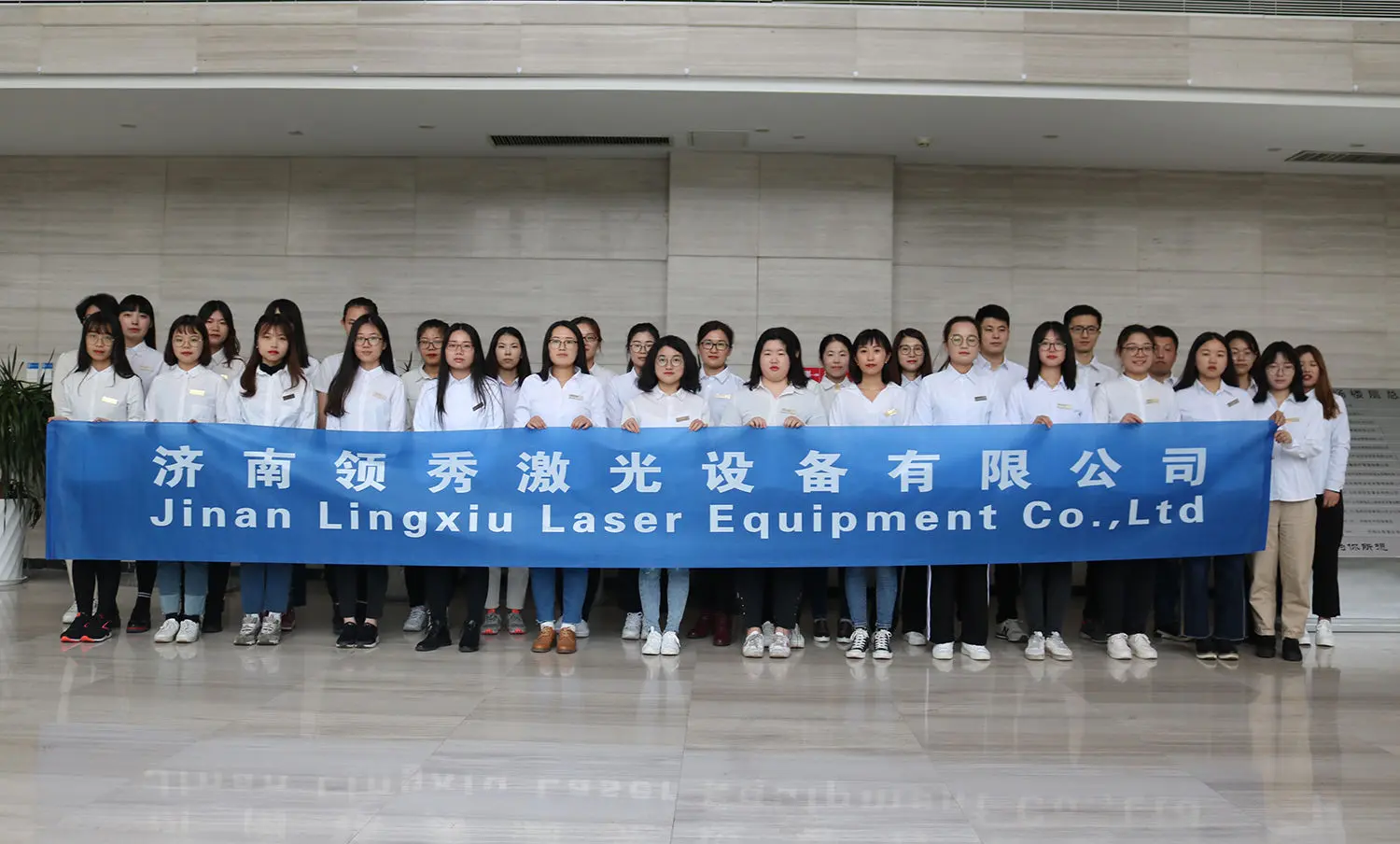
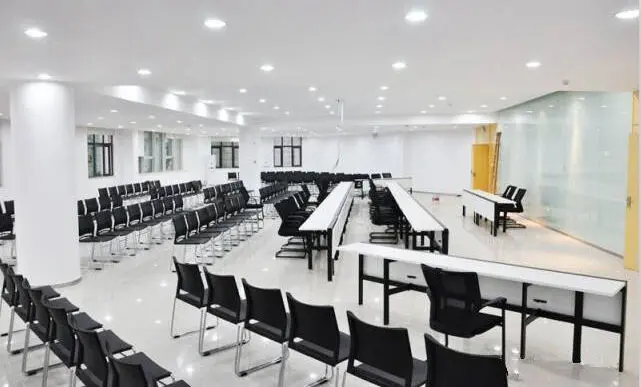
The smart manufacturing sector is transitioning from stand-alone CNC tools to fully autonomous production nodes. At our research center, our product roadmap for the next decade centers on intelligent optical paths, predictive maintenance algorithms, and integrated materials handling.
By leveraging optical sensing networks, future systems will monitor focusing lens temperature and wear in real-time. The control system will dynamically adjust collimation parameters, preventing cut failures before they happen. This development will prolong optical components' lifespan while maintaining edge quality during long shifts.
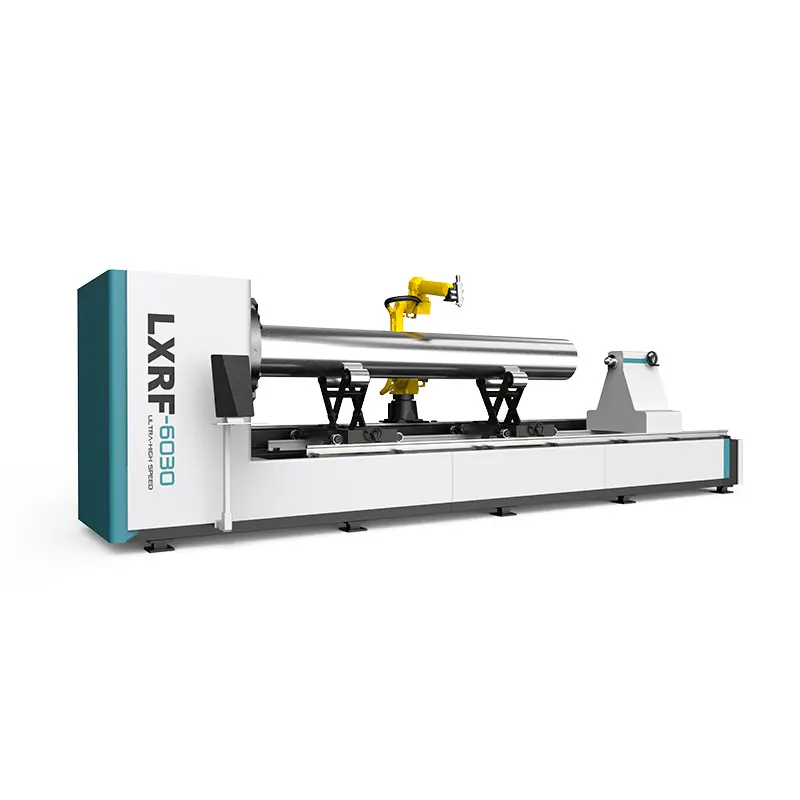
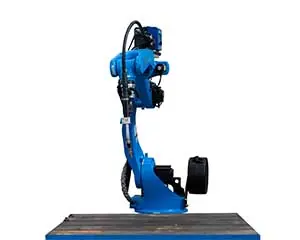
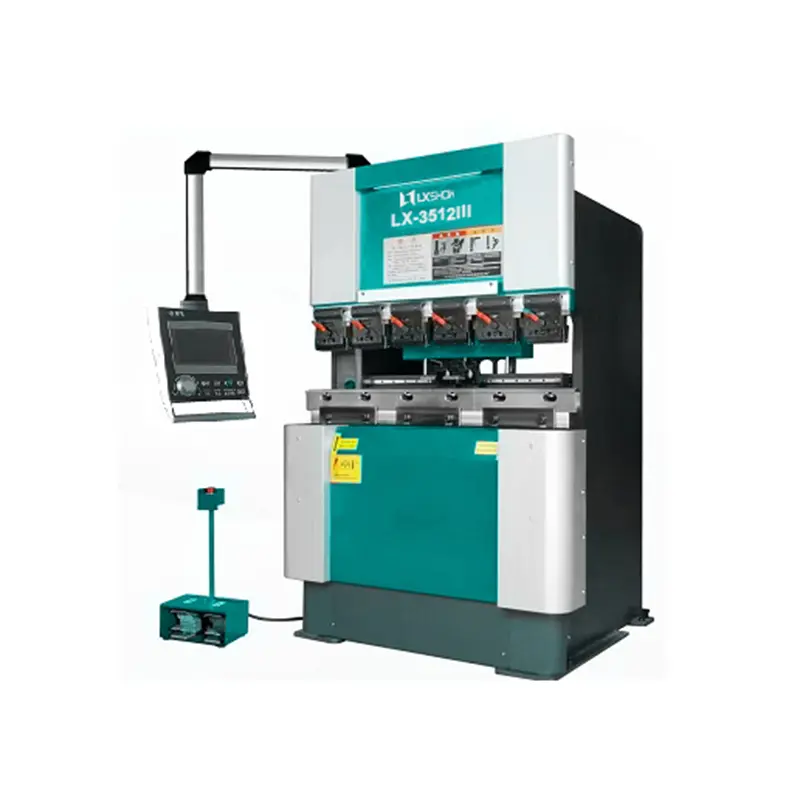
Simultaneously, we are developing automated bending and welding cells to work in tandem with our fiber laser cutting systems. These cells will use collaborative robotics to bend, weld, and clean sheet metal parts with minimal human intervention, offering a streamlined workflow for the modern factory floor.
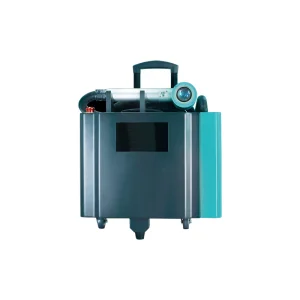
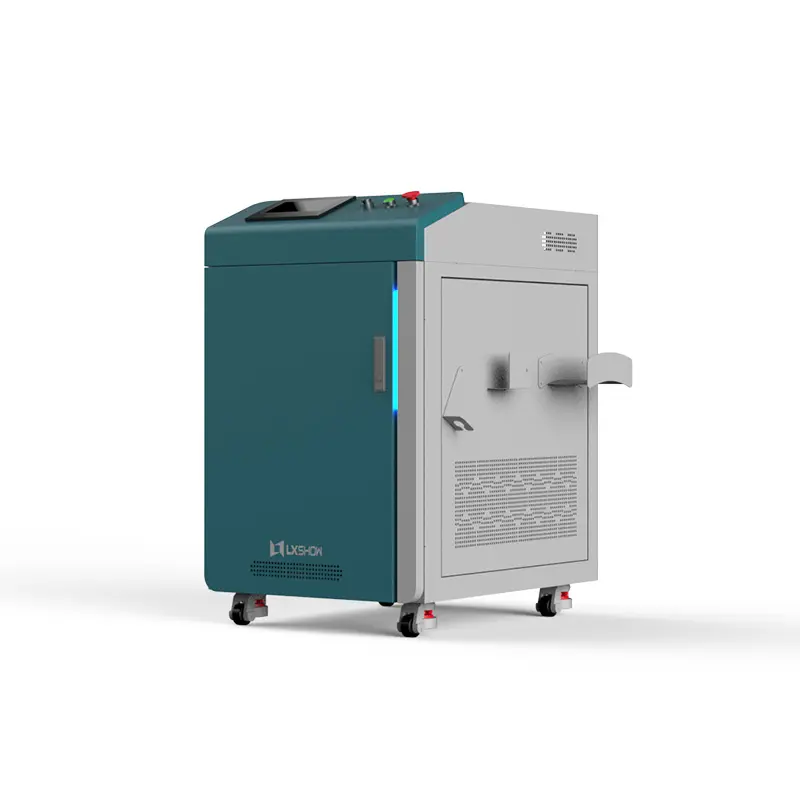
In modern production, cutting is only the first step. Post-processing operations—including oxide removal and bending—often create production bottlenecks. Our systems resolve this by offering integrated workflows:
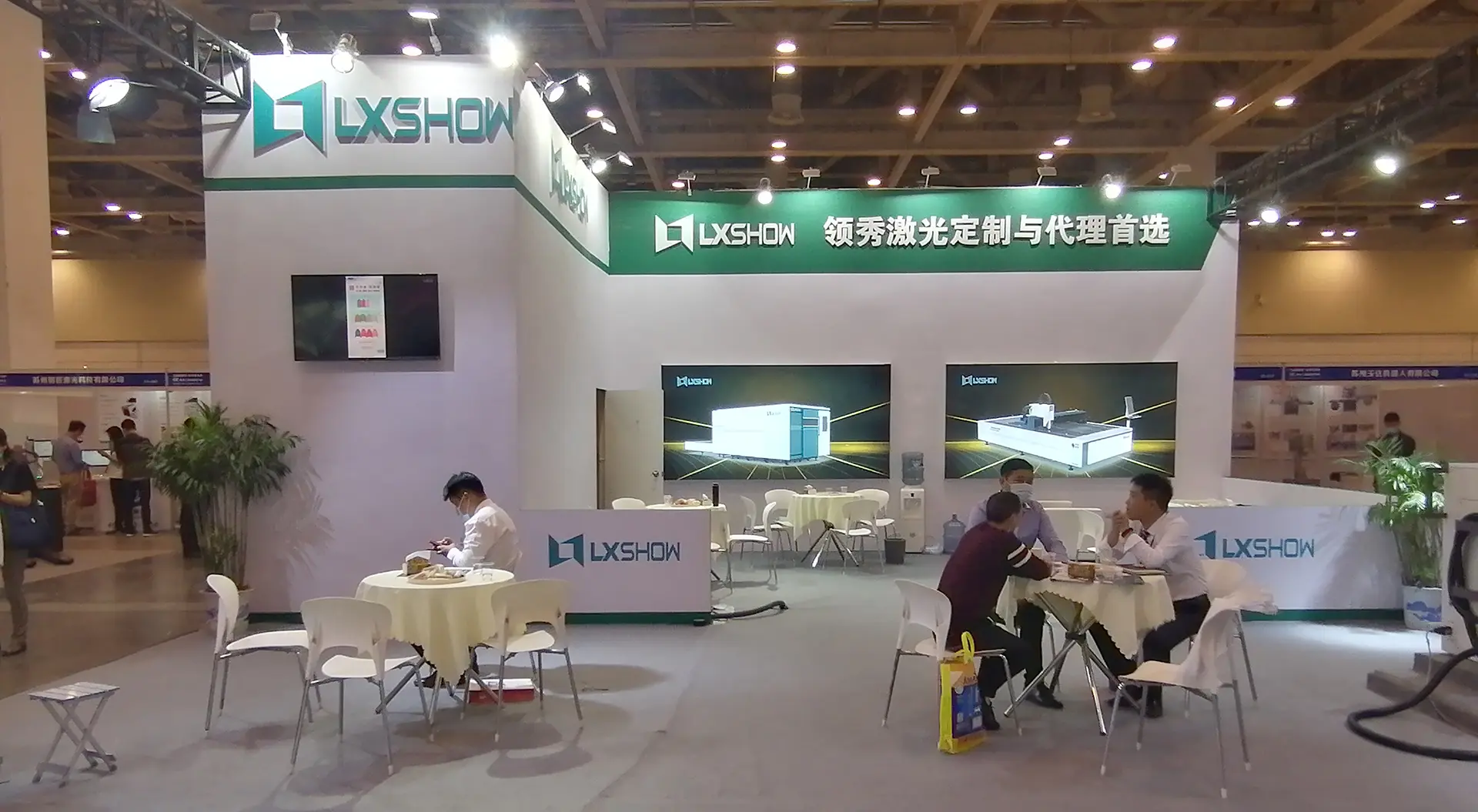
Importing heavy manufacturing equipment requires adherence to complex global regulatory frameworks. Compliance failures can cause import delays or workplace safety issues. We verify that each machine series aligns with key global standard certifications.
Our machines feature integrated safety shielding, light curtains, emergency stop circuits, and low-voltage control circuits to comply with safety requirements. For medical, food processing, and high-purity sectors, we offer specialized clean cutting systems that use dry, oil-free compressed air or high-purity nitrogen to prevent contamination.
Our after-sales service architecture provides remote diagnostic capabilities to keep systems running. Authorized technicians can securely log in to the CNC control panel to update parameters, calibrate coordinate axes, and resolve operational issues, minimizing downtime.
Answering key queries from global procurement managers and structural engineers
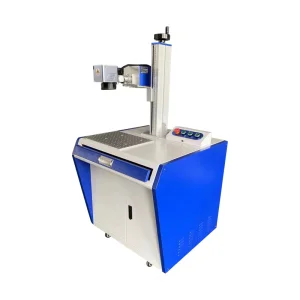
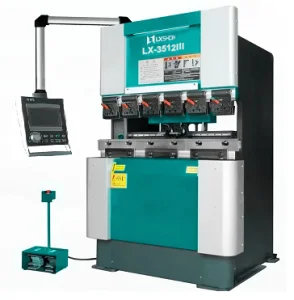
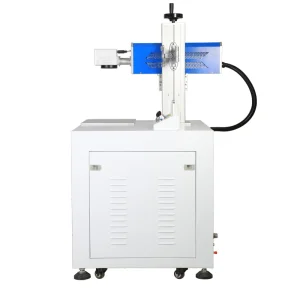
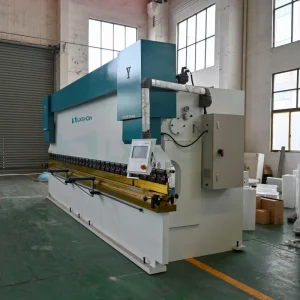
High-capacity bending, tube processing, and specialized marking equipment
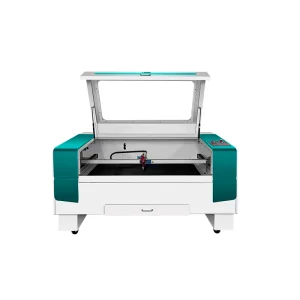
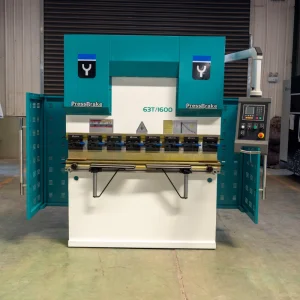
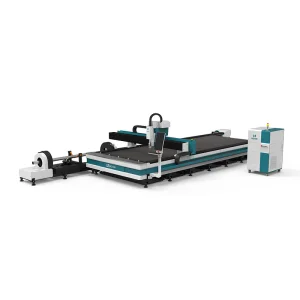
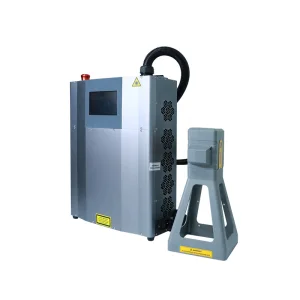
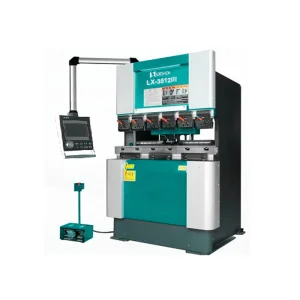
Comprehensive selection of industrial laser systems and metal forming tools
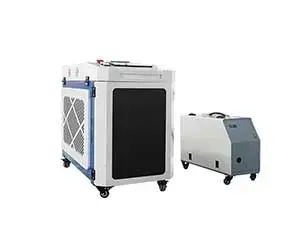
Series: LXW-1500W
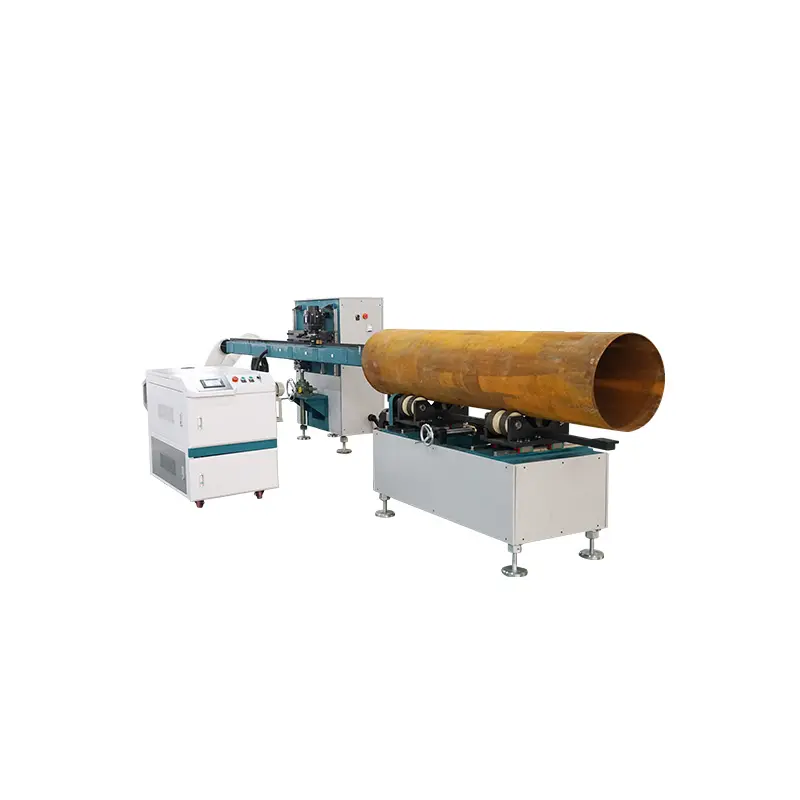
Series: LXC-TIW
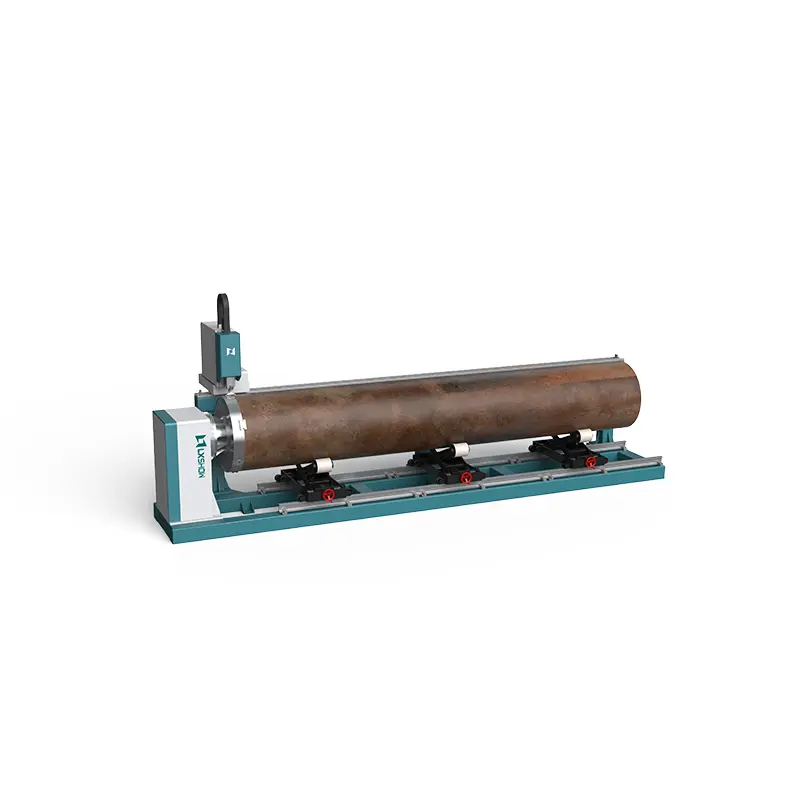
Series: LXC-TOW
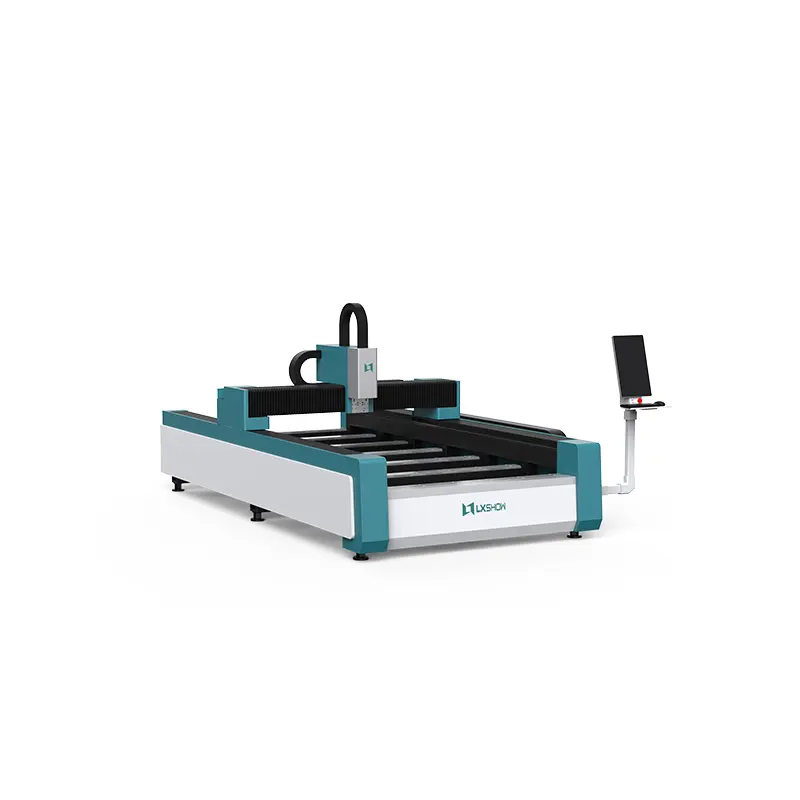
Series: LXC-Large Format
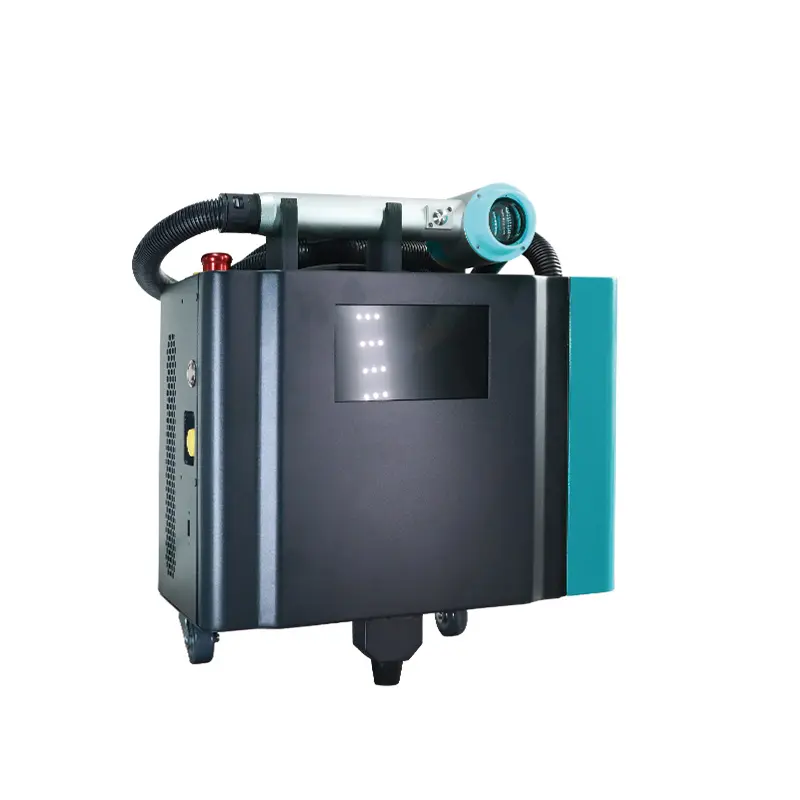
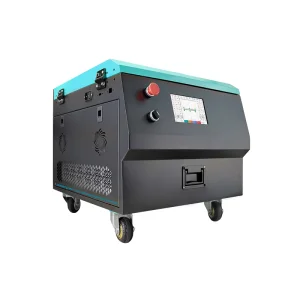
Series: cleaning
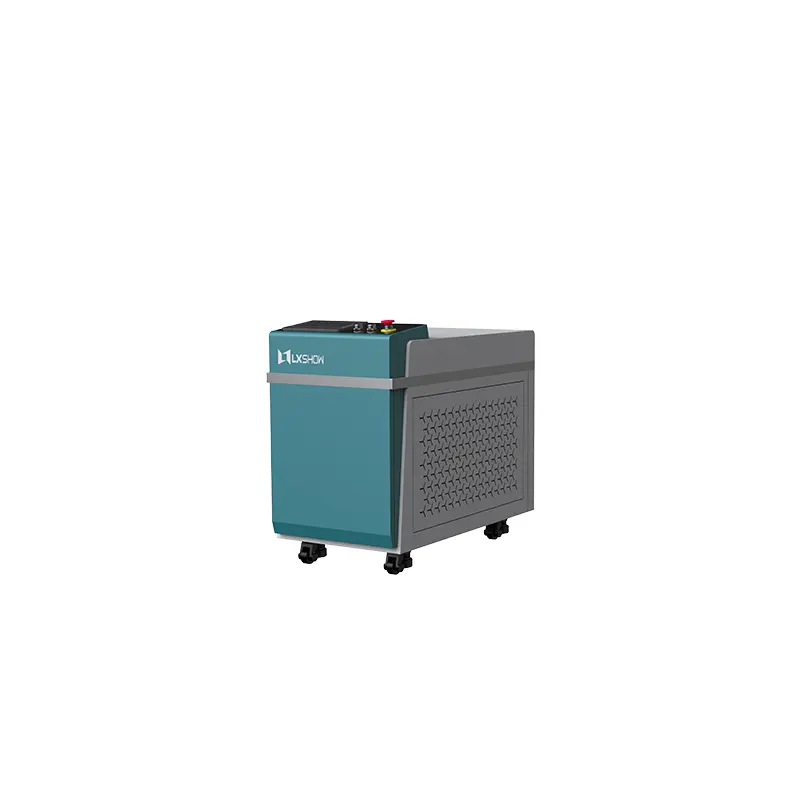
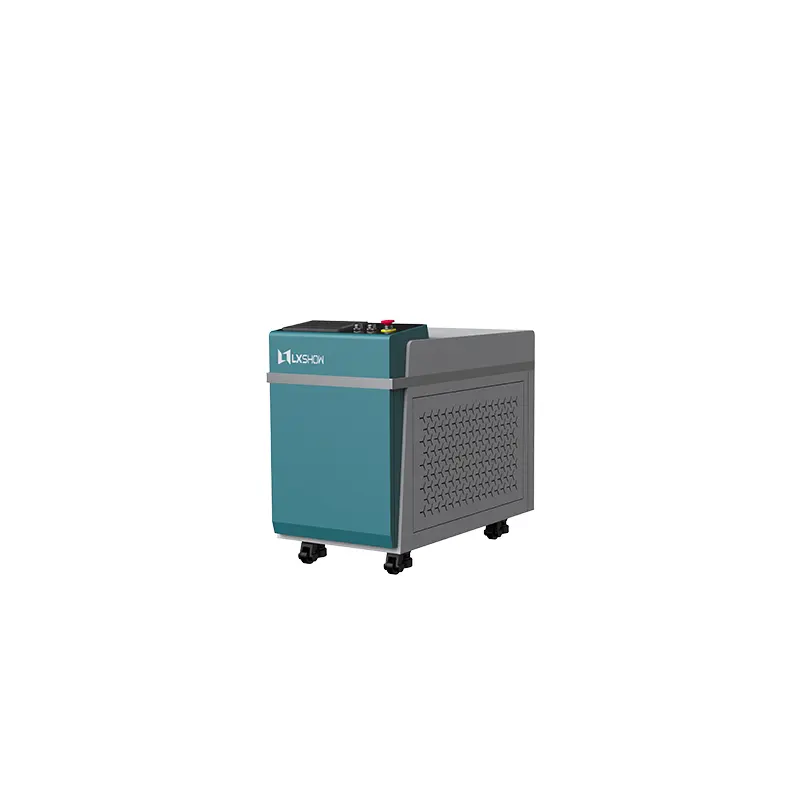
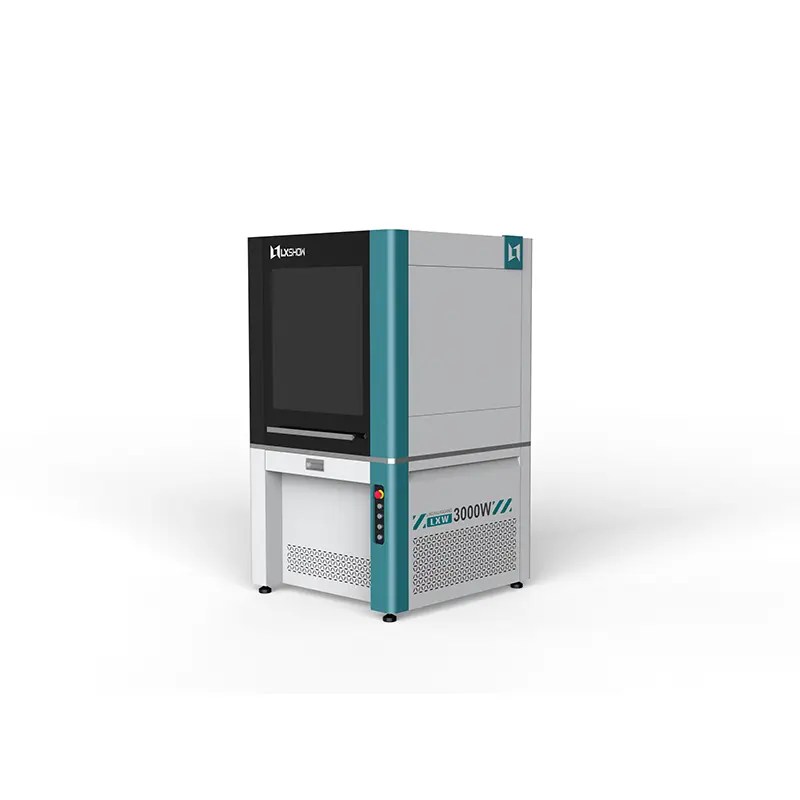
Series: LXC-Fully Surrounded
Series: LXW-Fully Surrounded
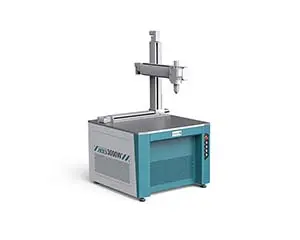
Series: LXW-1000/1500/2000W

Series: LXW-1500W
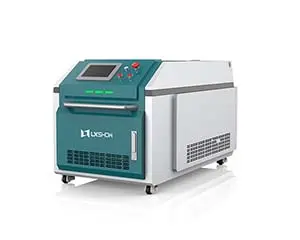
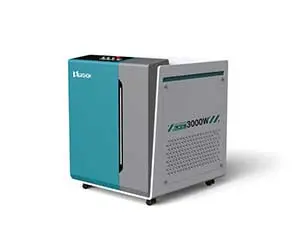
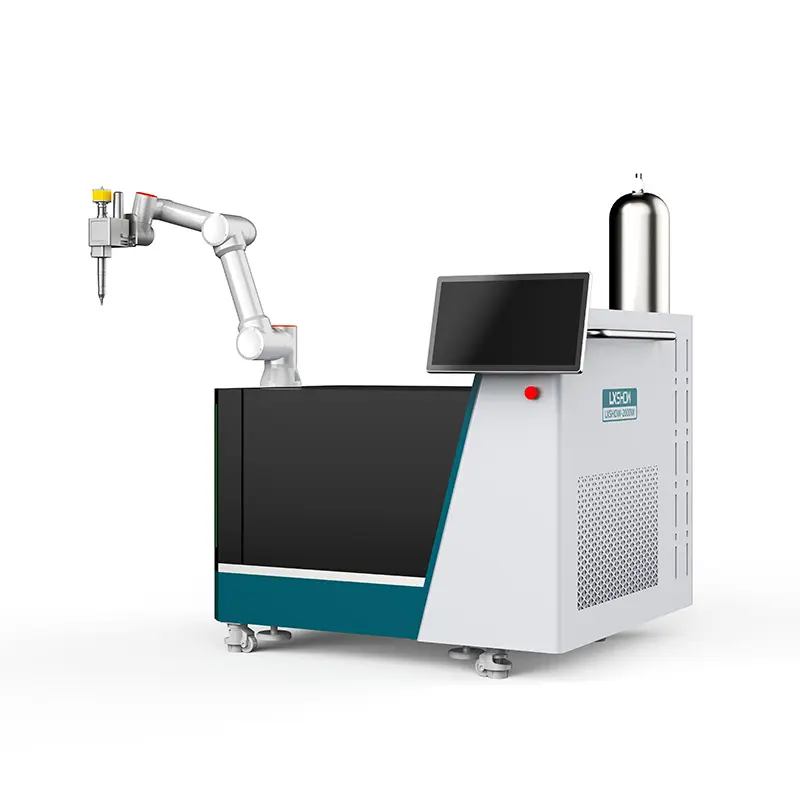
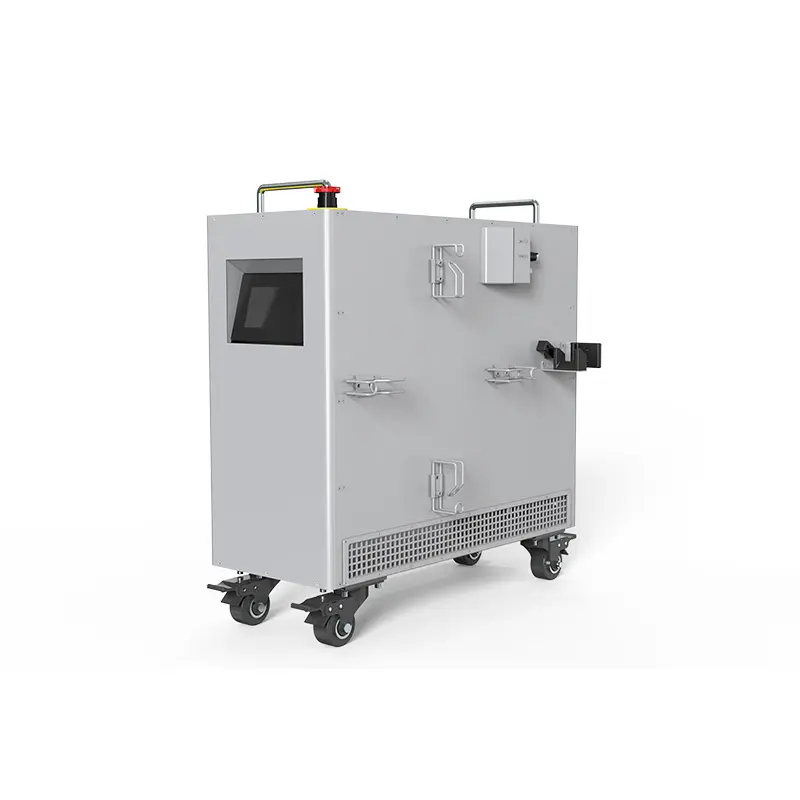
Series: LXW-1500W Reci
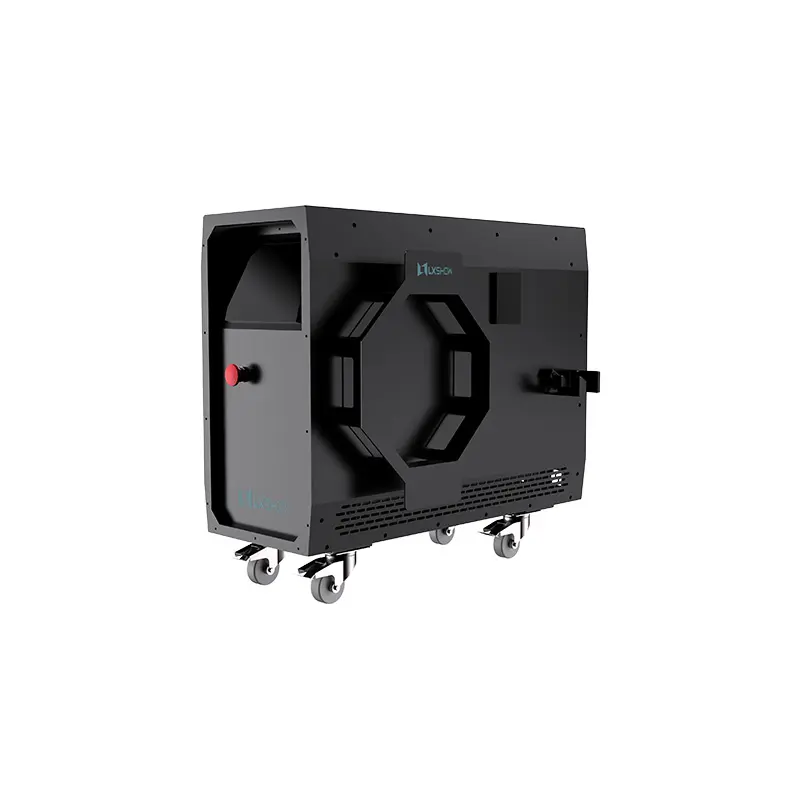
Series: LYQH-ACX-1500W
Series: LXW-1000/1500/2000W
Series: LXW-1000/1500/2000W
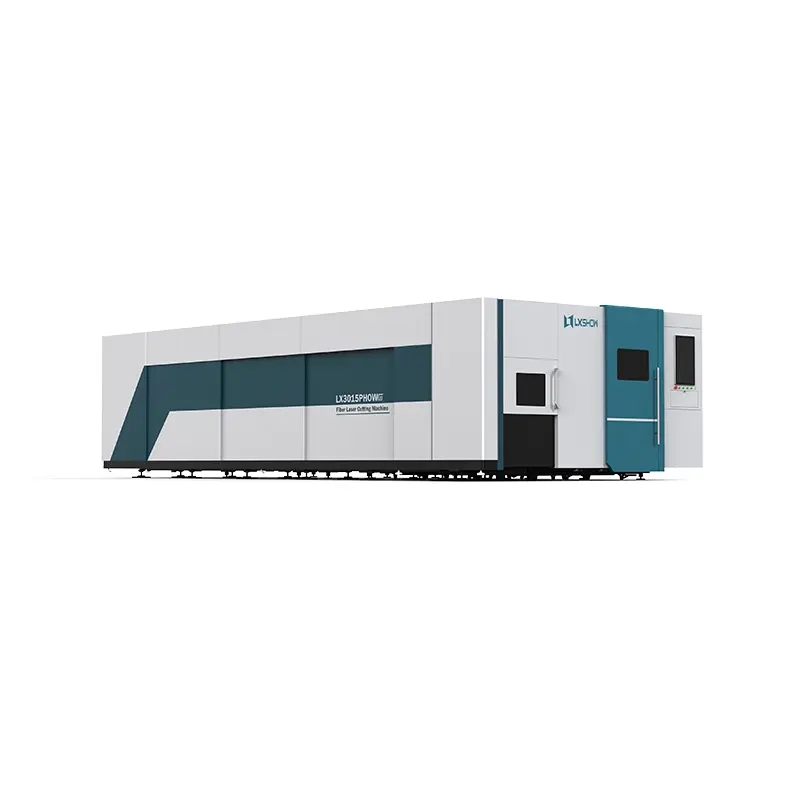
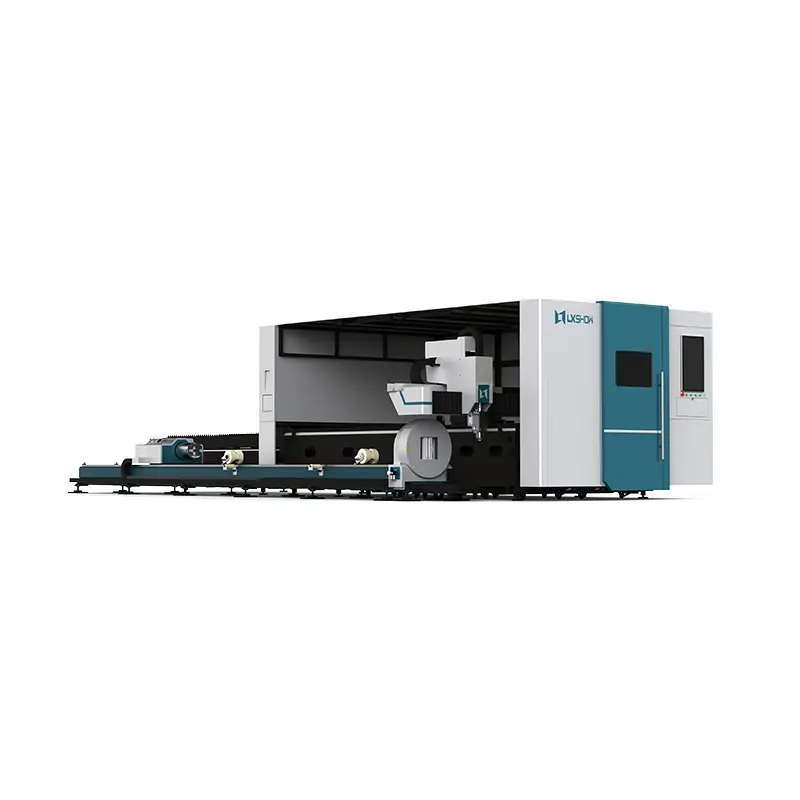
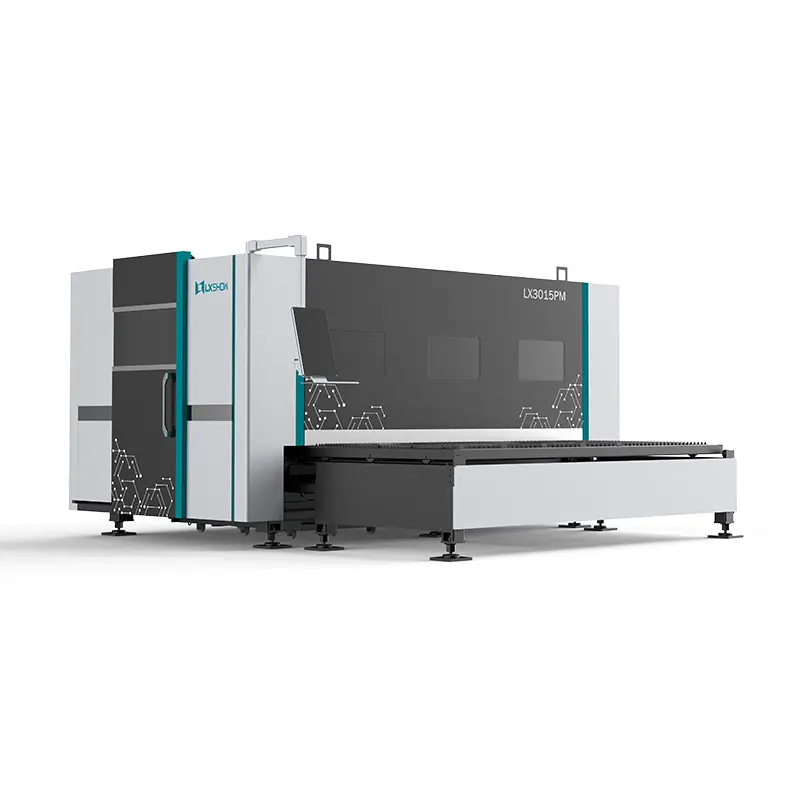
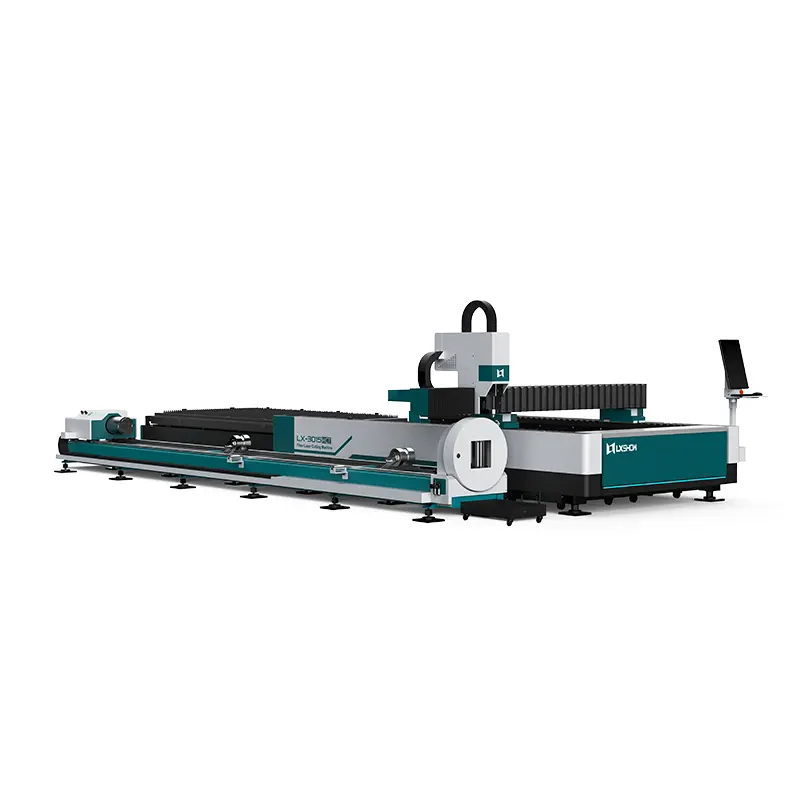
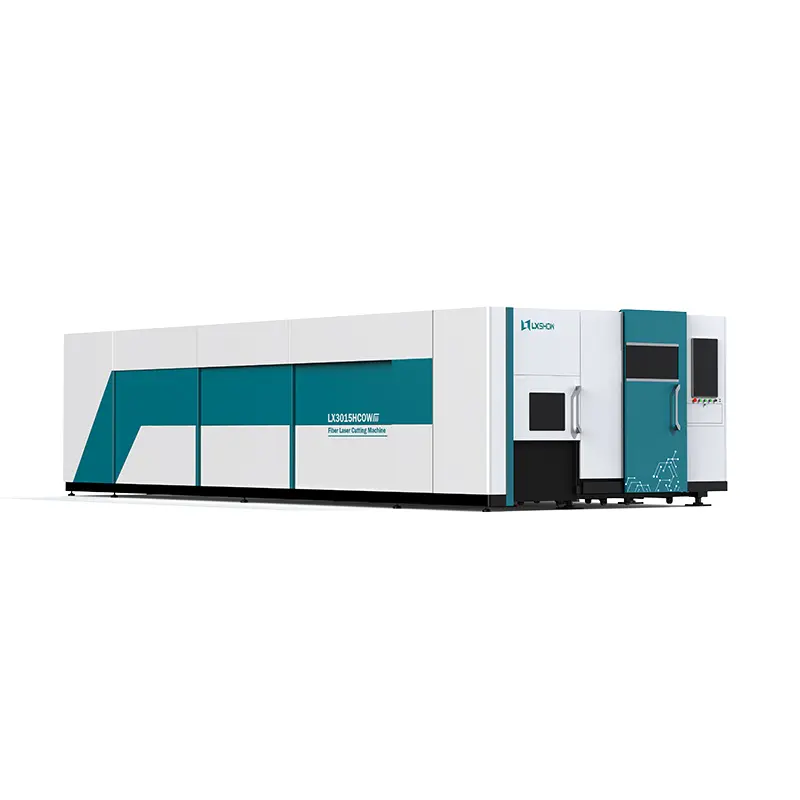
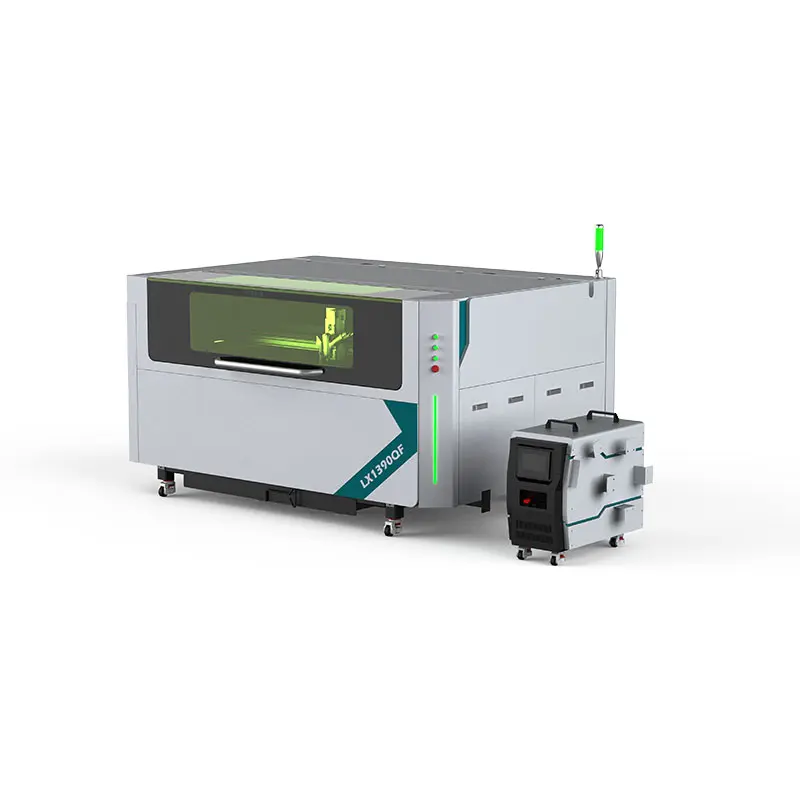
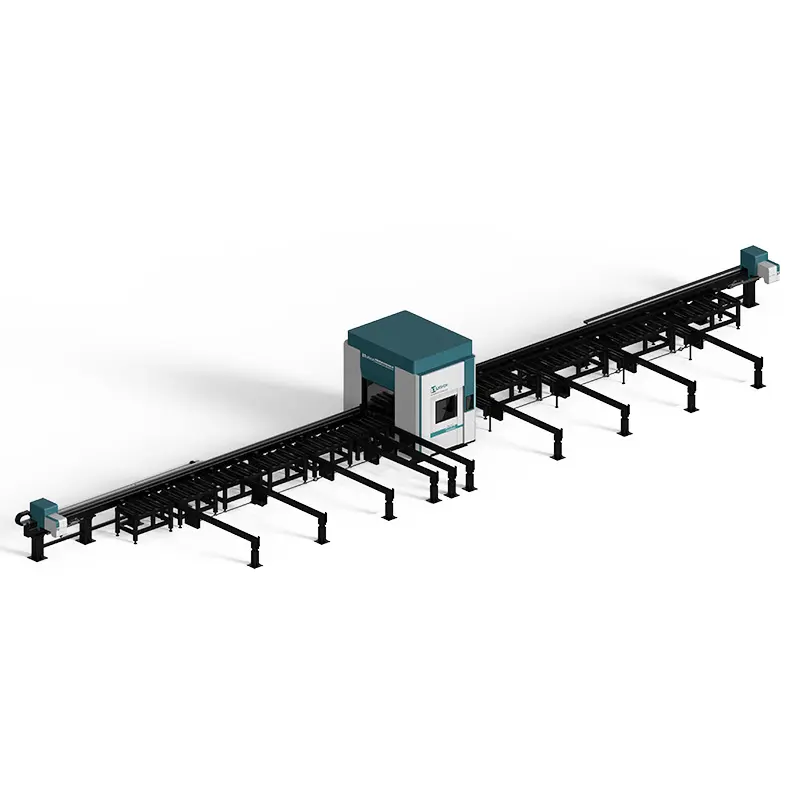
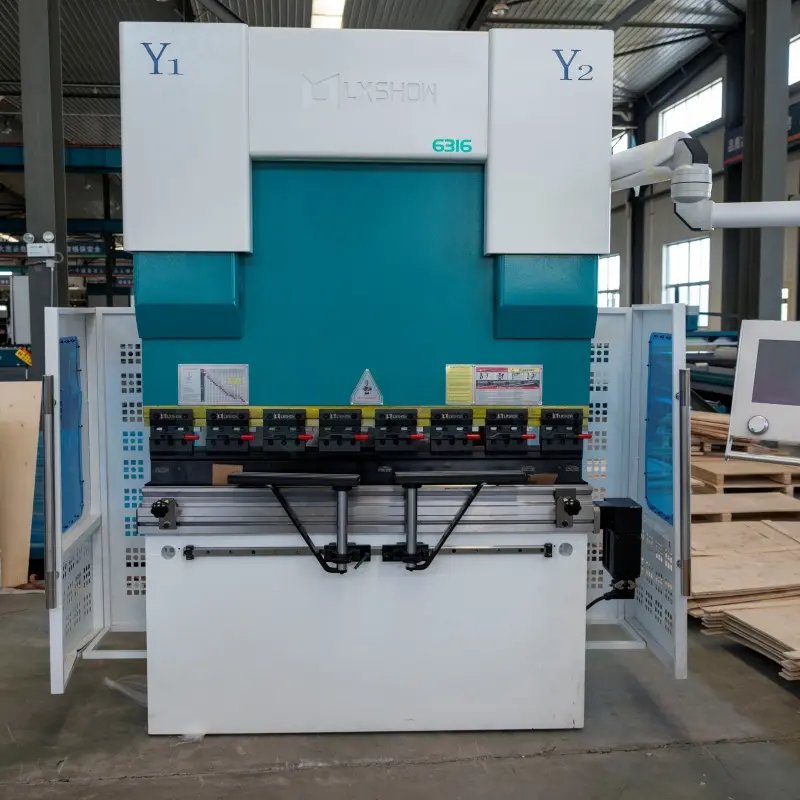
Series: WE67K-63T1600
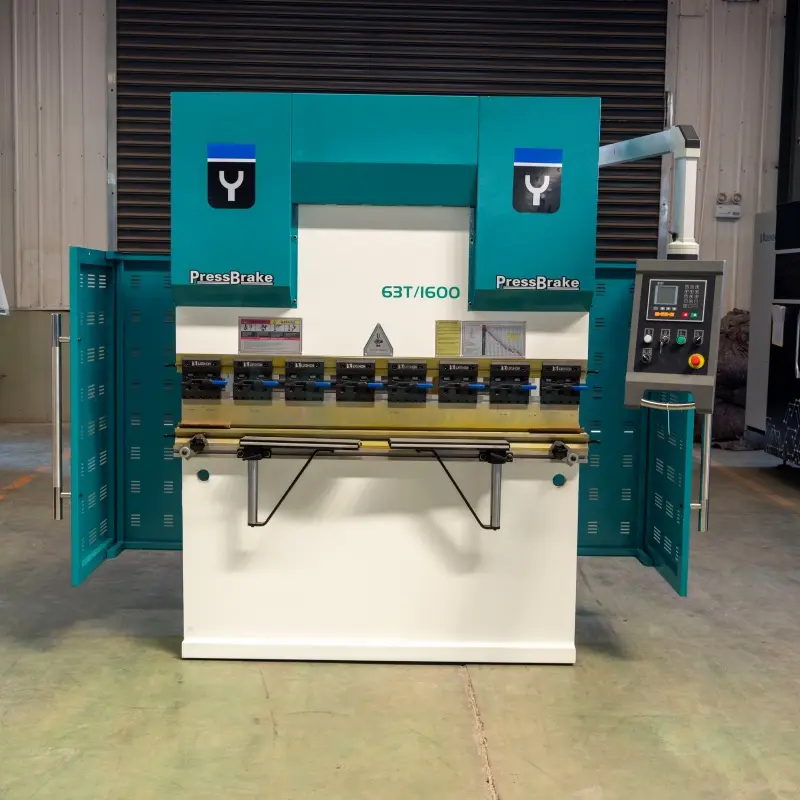
Series: WC67K-63t1600
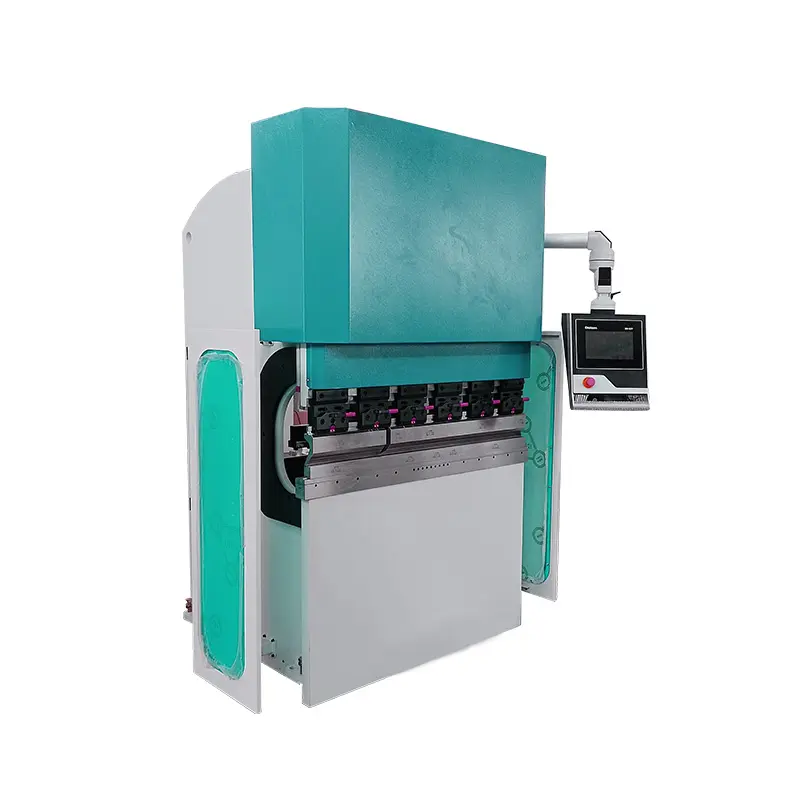
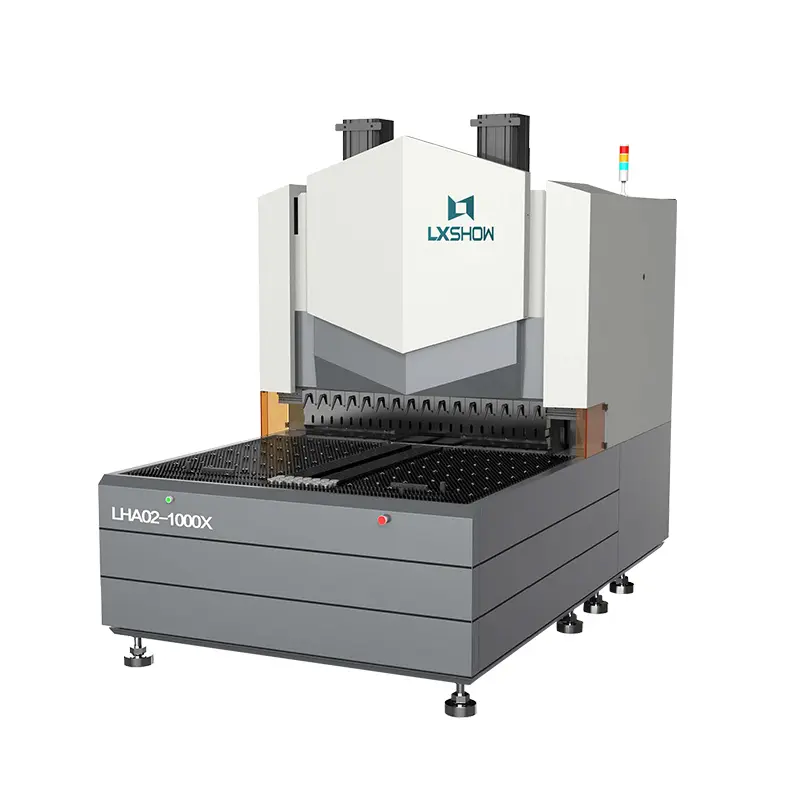
Series: LHA05
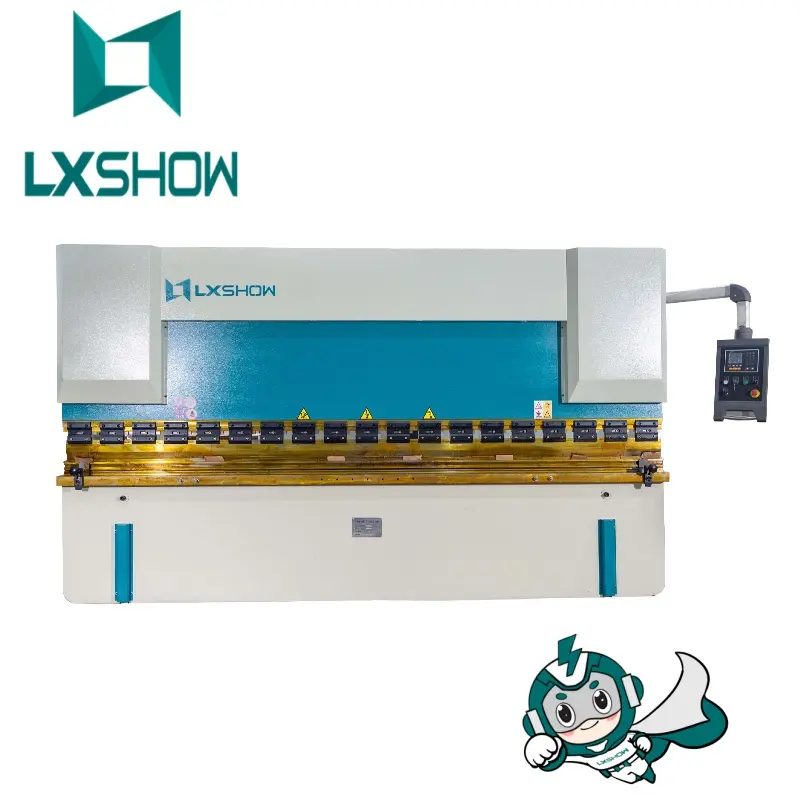
Series: WC67K-125T4000
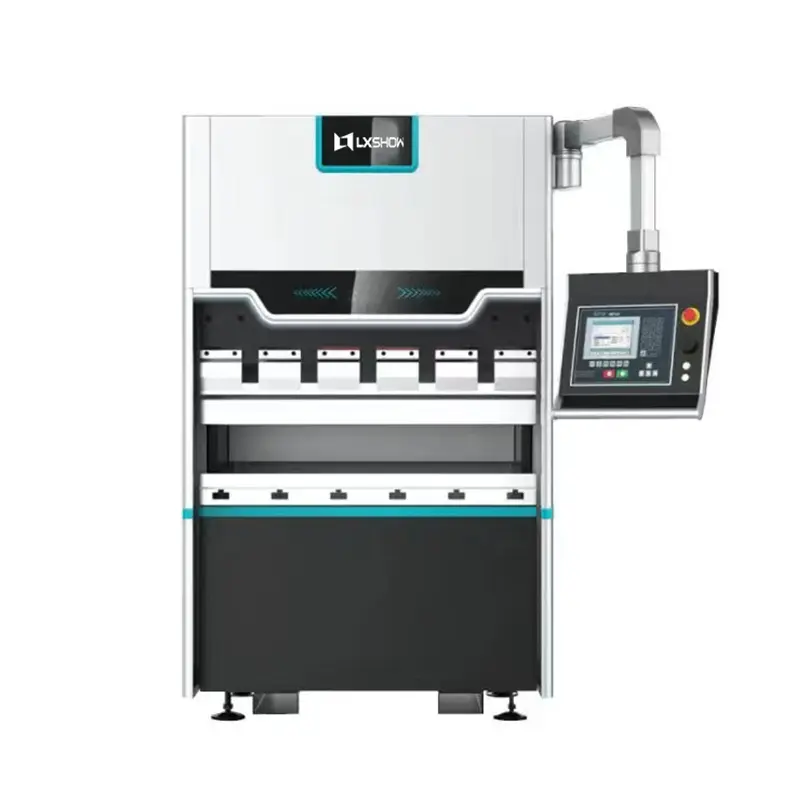
Series: LX-350T-1250
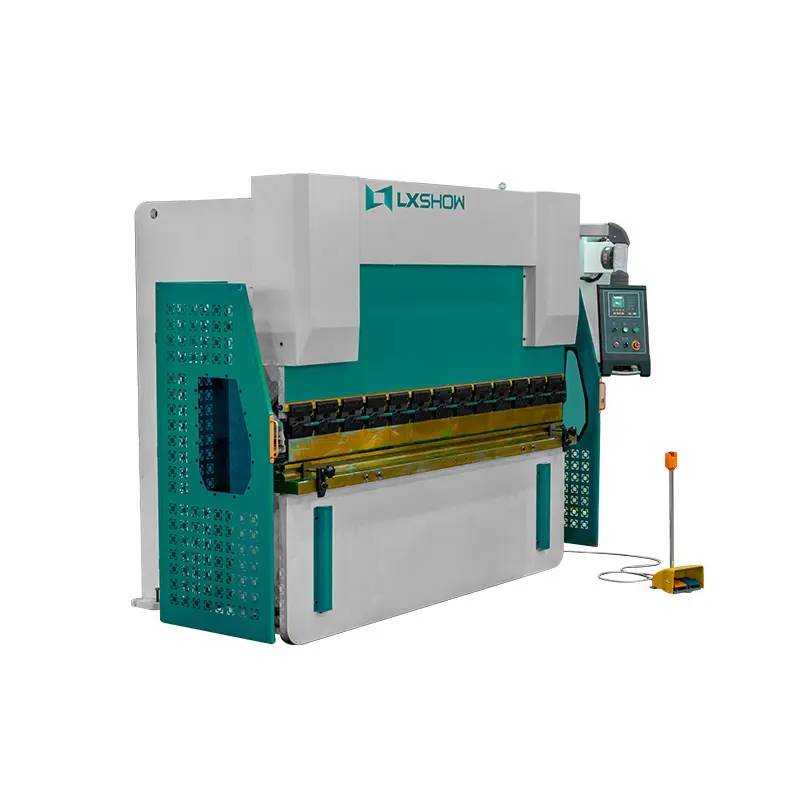
Series: WC67K-100T4000
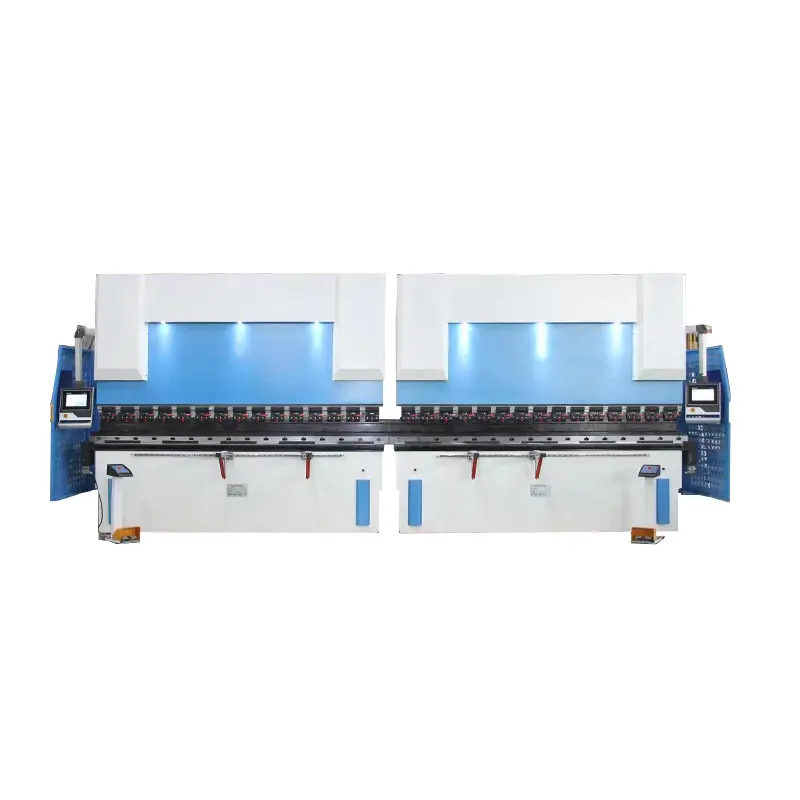
Series: WE67K-300T4000
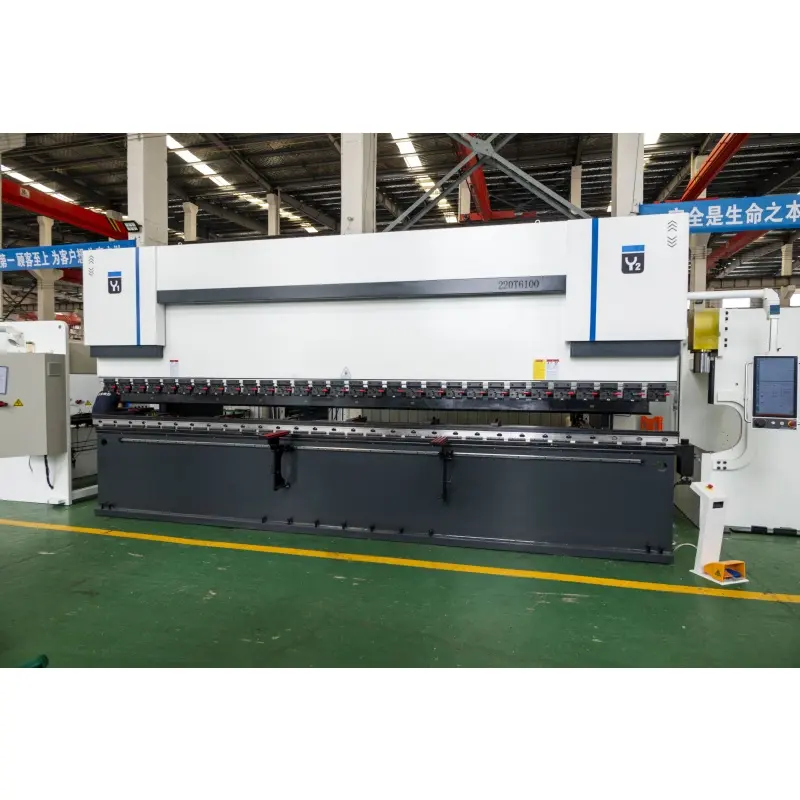
Series: WE67K-220T6100
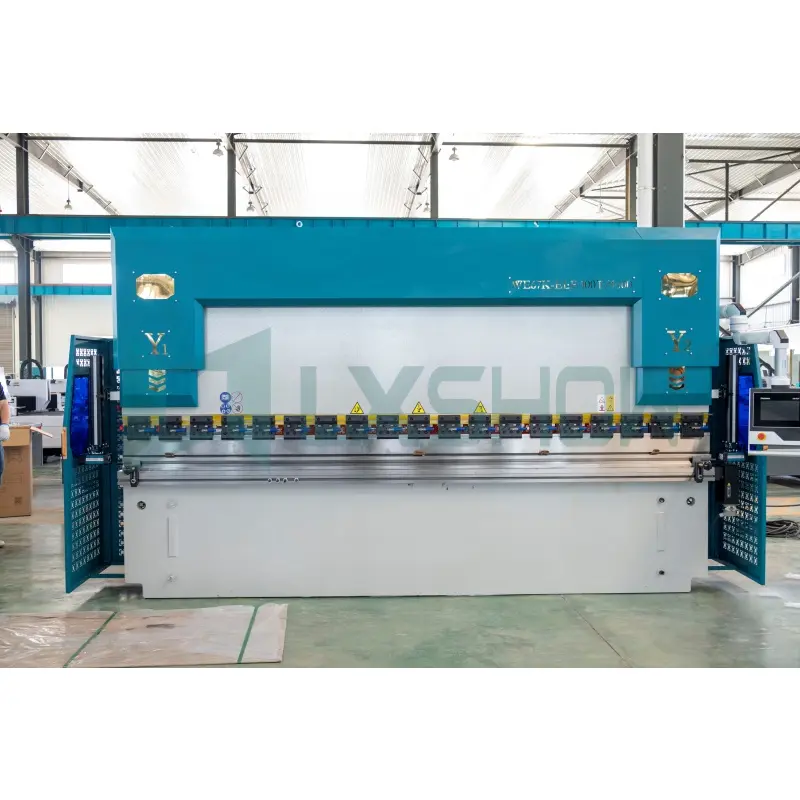
Series: WE67K-100t4000
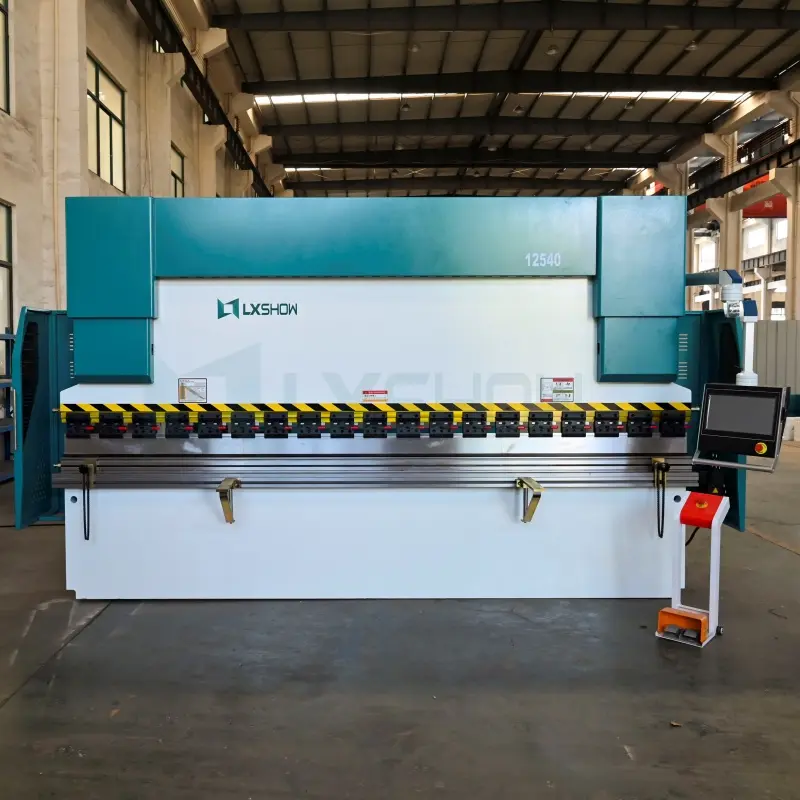
Series: WE67K-125T4000
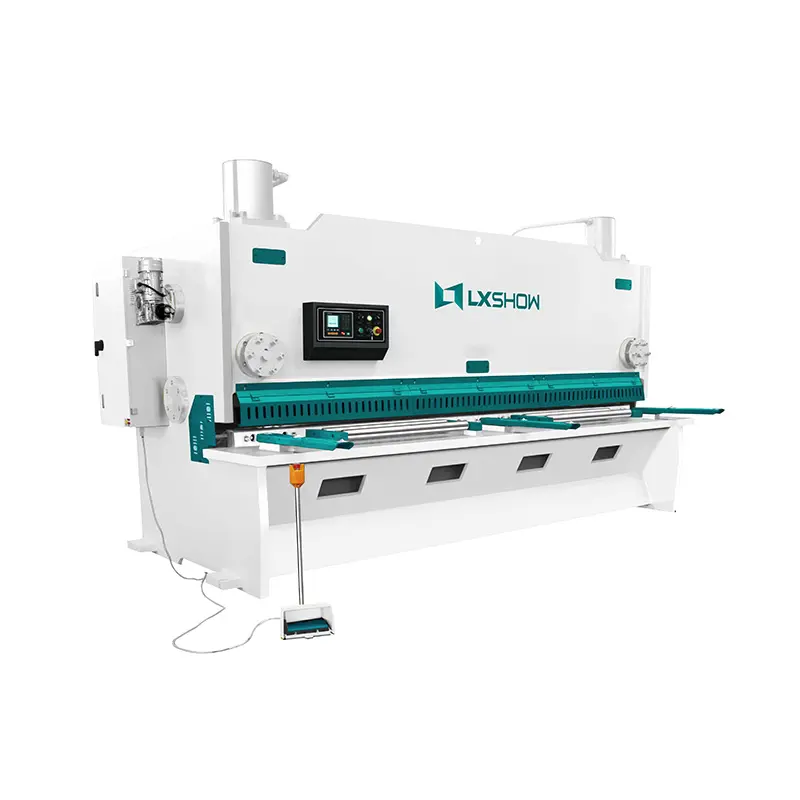
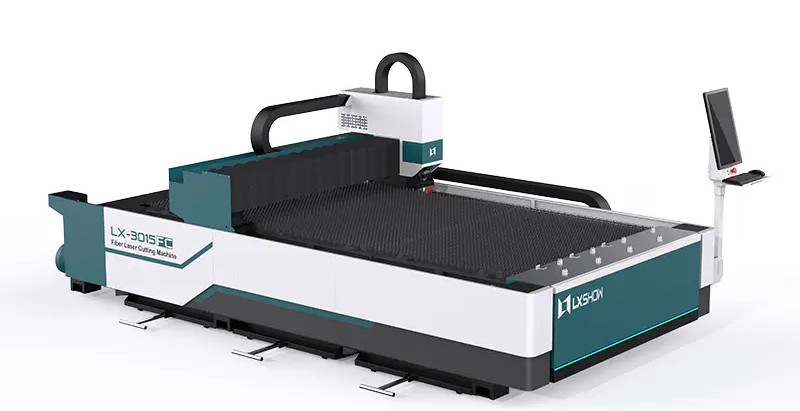
Structural validation systems for alignment and mechanical tolerance verification.
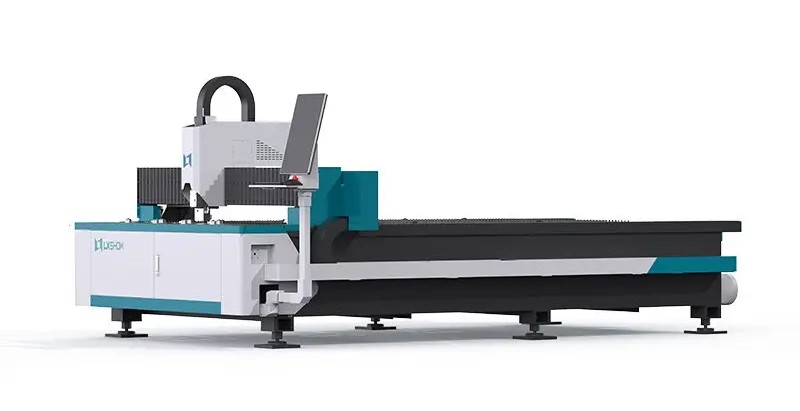
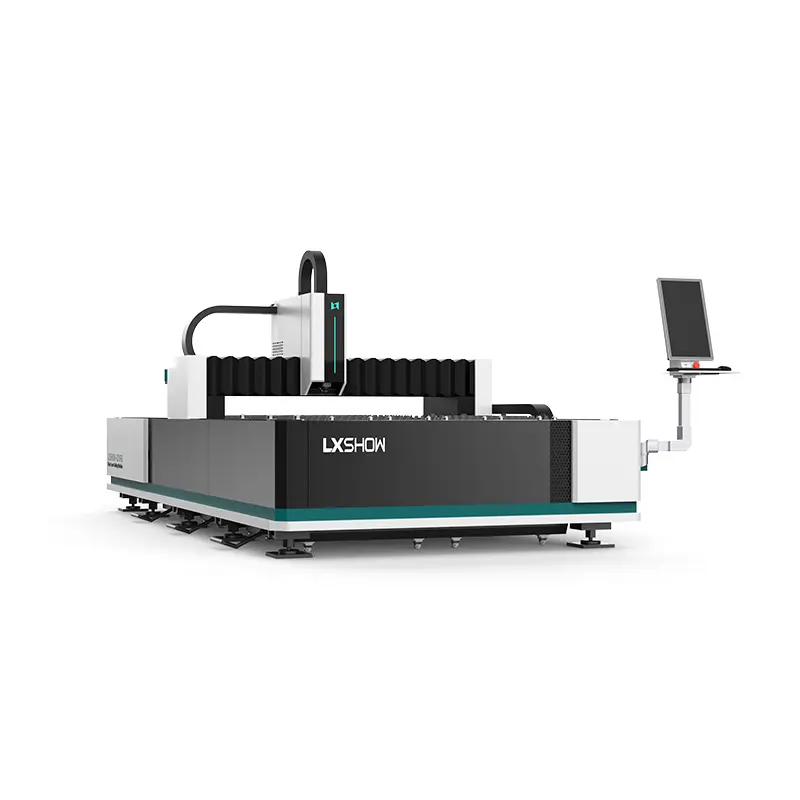
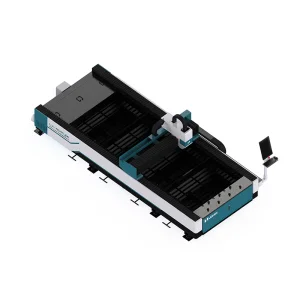
Dedicated processing systems for industrial sheet metal fabrication.
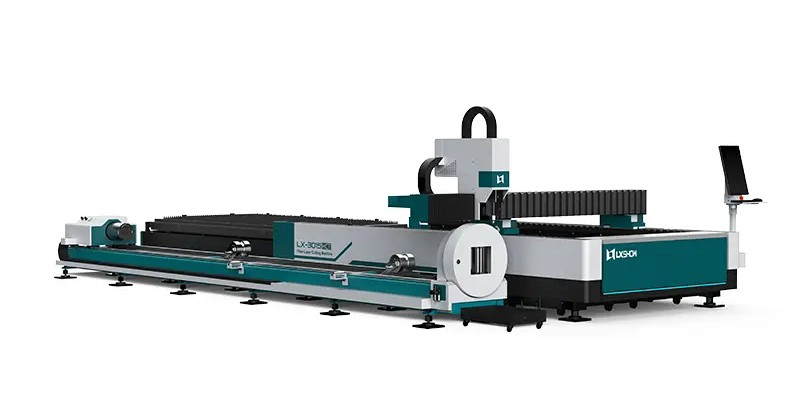
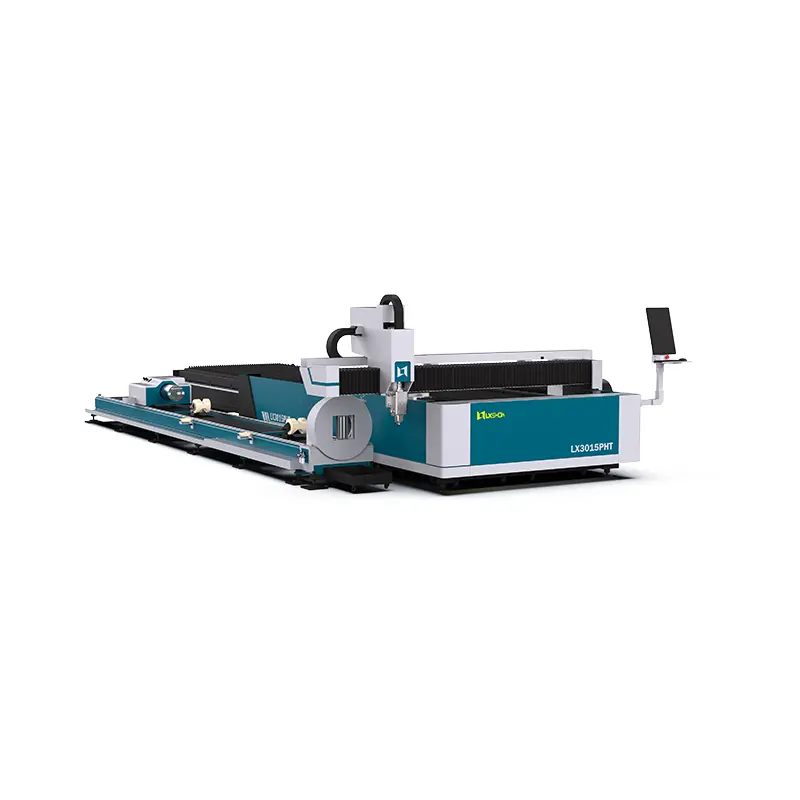
Combined systems featuring dual-bed layouts for plate and profile processing.
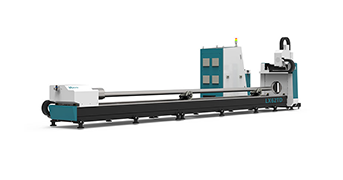
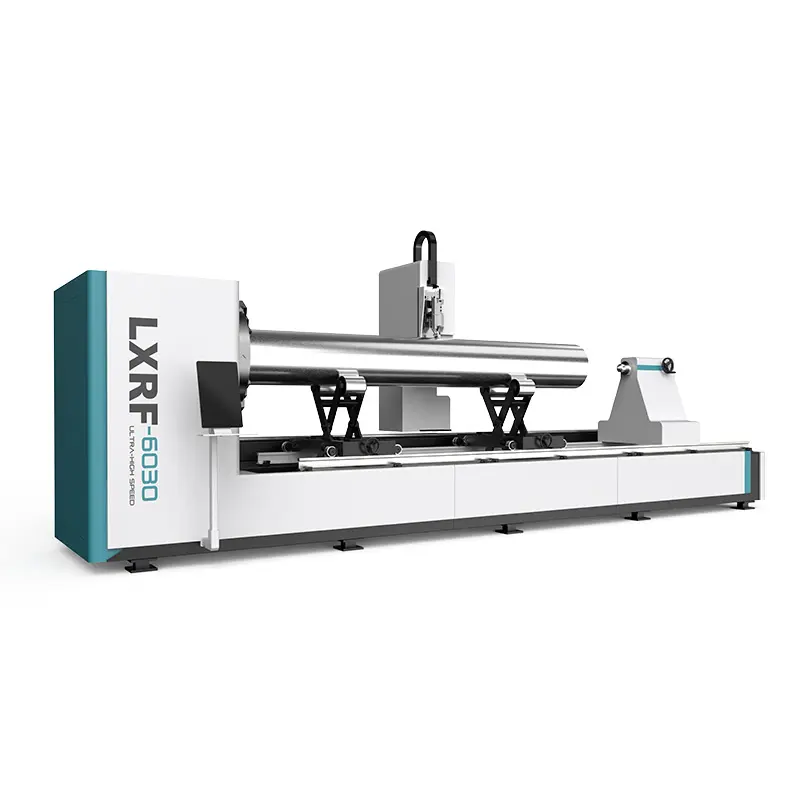
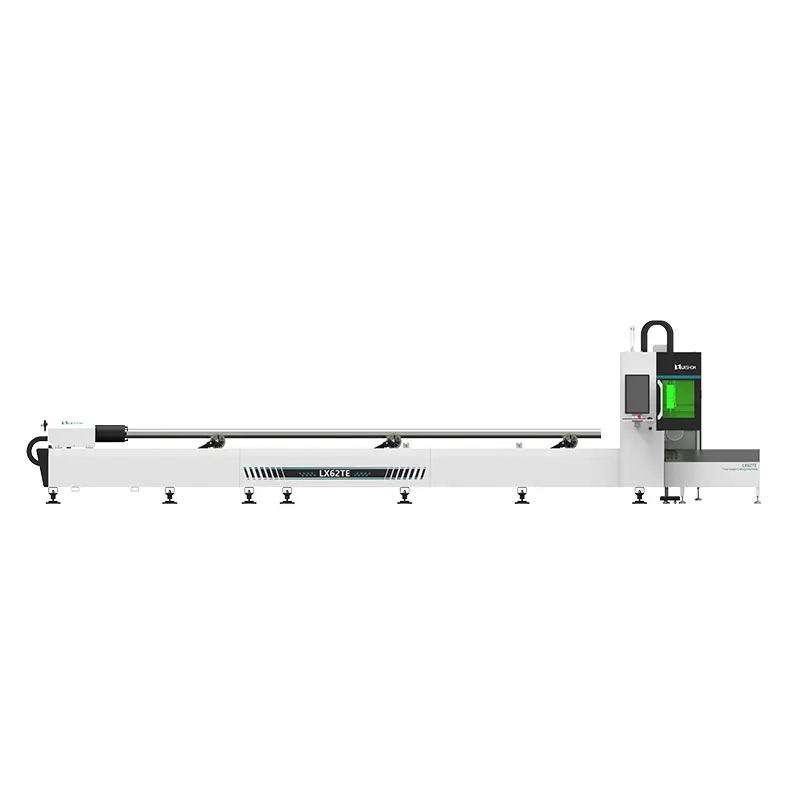
High-speed rotary chuck configurations designed for square and round tube processing.
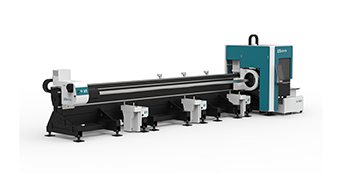
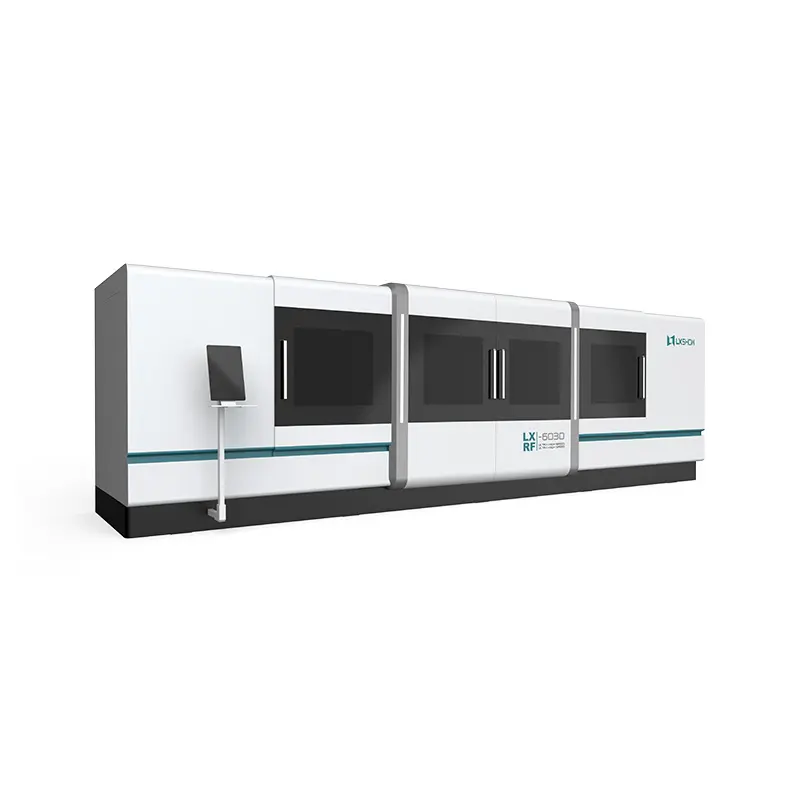
Fully enclosed optical setups designed for particulate containment and operator safety.
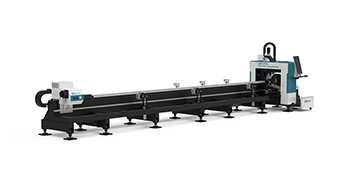
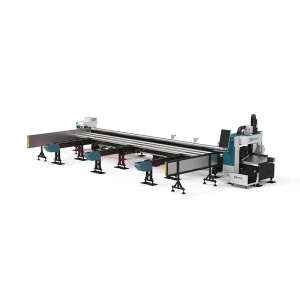
Heavy-duty gantry setups engineered for long structural tube profiles.
 Lxshow